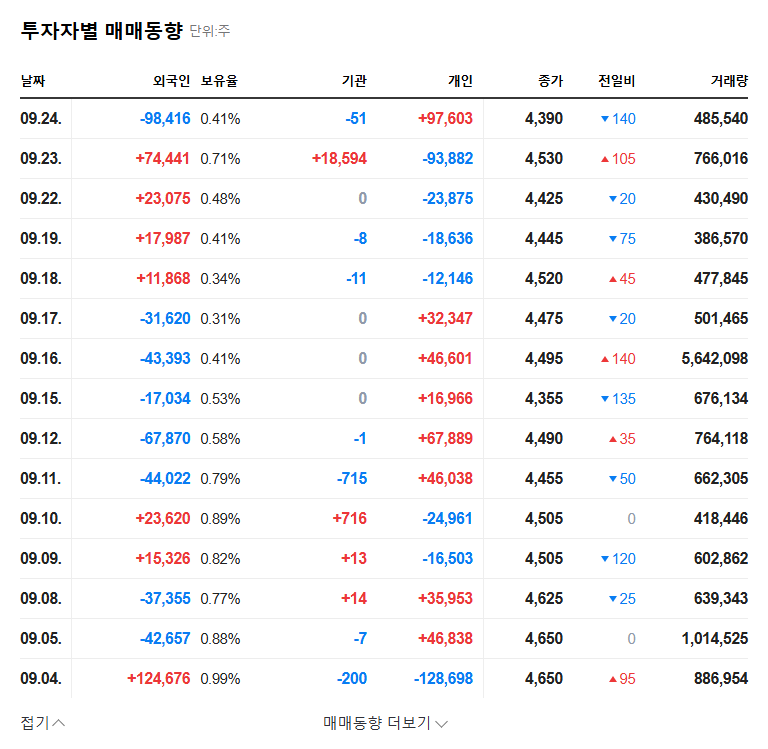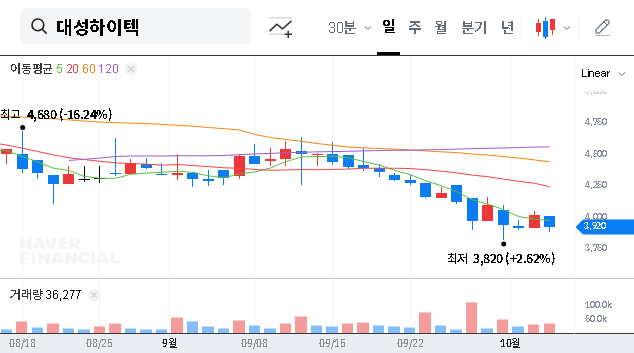
Tag: Major Shareholder

  • (129920) Daesung Hi-Tech Stock Analysis: Shareholder Stake Change Signals Stability Amid Financial Headwinds

    (129920) Daesung Hi-Tech Stock Analysis: Shareholder Stake Change Signals Stability Amid Financial Headwinds

    Recent corporate filings from Daesung Hi-Tech have sparked conversations among investors about a noteworthy change in its major shareholder’s stake. While the adjustment itself is minor, the implications for management stability and the company’s future direction are significant. This comprehensive analysis dives deep into the official disclosure, evaluating the company’s underlying financial health and technological strengths to provide a clear picture for potential investors.

    We will explore what this shareholder activity truly signals and whether it’s enough to bolster confidence in Daesung Hi-Tech stock amidst challenging financial headwinds. Understanding the full context is key to making an informed decision about this high-precision technology firm.

    The Disclosure Decoded: A Closer Look at the Filing

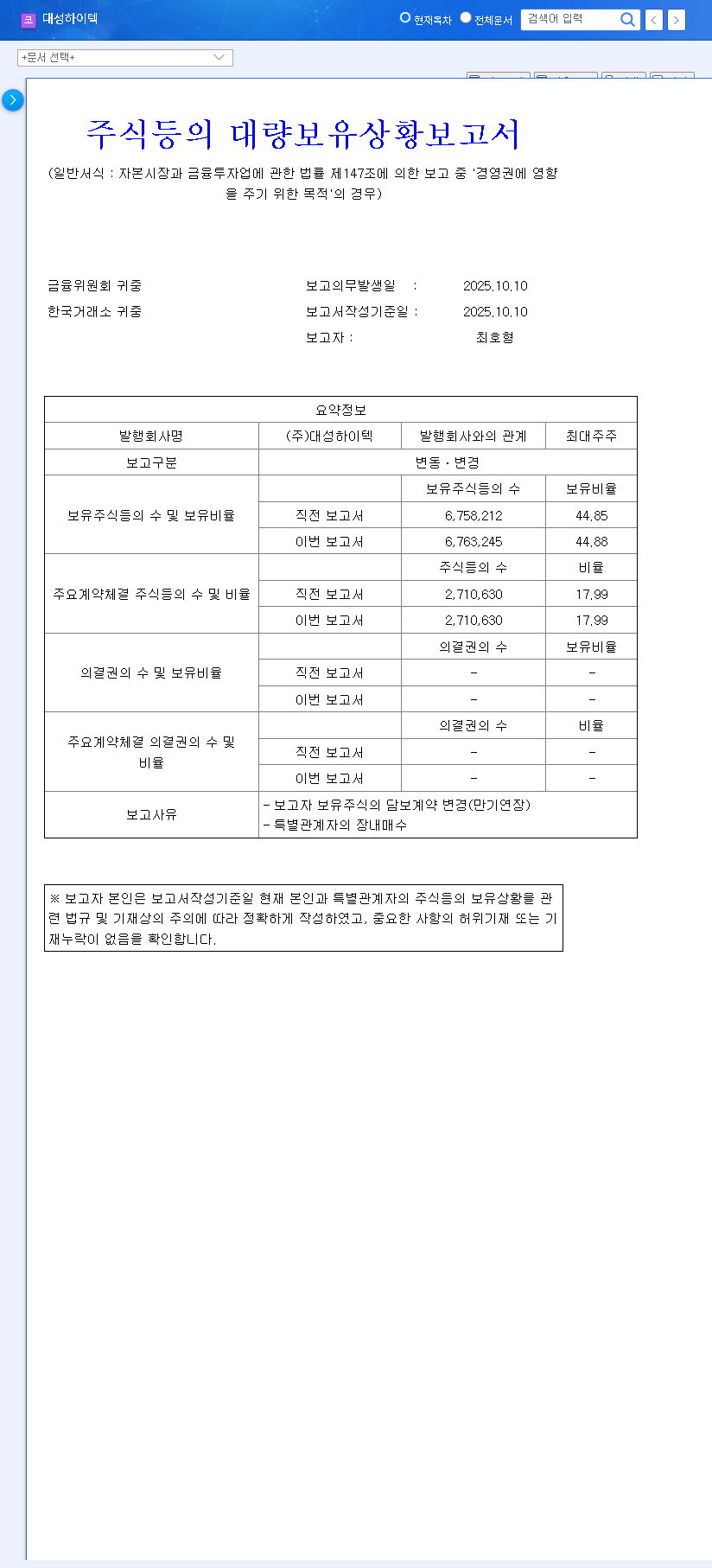
    On October 10, 2025, Daesung Hi-Tech submitted a mandatory ‘Report on the Status of Large Shareholding in Stocks, etc.’ to financial regulators. This filing, detailed in an Official Disclosure, outlined several key points:

    • Stake Increase: CEO Choi Ho-hyung and related parties increased their collective stake from 44.85% to 44.88%, a marginal gain of 0.03 percentage points. This was primarily driven by an on-market purchase of 5,033 shares by a related party.
    • Stated Purpose: The declared reason for the holding is to ‘influence management,’ signaling a clear intent to maintain and solidify control over the company’s strategic direction.
    • Collateral Extension: Crucially, the maturity date for existing collateral agreements on the held shares was extended. This move secures the current ownership structure and reduces the risk of forced selling or instability related to loan terms.

    Understanding Daesung Hi-Tech: Technology Powerhouse Facing Hurdles

    Founded on a bedrock of over two decades of high-precision processing technology, Daesung Hi-Tech boasts a strong competitive position in several niche markets. Its core business revolves around three main pillars: precision parts, Swiss-type automatic lathes, and compact machining centers. The company is a Top 5 global player in the Swiss-type lathe market and is carving out a significant presence in high-growth sectors like electric vehicle (EV) components.

    However, this technological prowess is currently overshadowed by significant financial challenges. In the first half of 2025, the company reported troubling figures: a 49.2% year-on-year drop in sales revenue, an operating loss of KRW 1.71 billion, and a net loss of KRW 5.29 billion. This performance has strained its balance sheet, leading to a high debt-to-equity ratio of 240.44% and substantial inventory levels, which can impact cash flow.

    The central conflict for investors is weighing Daesung Hi-Tech’s impressive technological capabilities and market position against its pressing short-term financial weaknesses.

    Signal vs. Substance: The True Impact on Daesung Hi-Tech Stock

    The recent shareholder stake change is best interpreted as a strategic move to reinforce management stability. While the 0.03% increase is numerically insignificant, the act of purchasing shares on the open market sends a message of internal confidence. It suggests that leadership believes the company’s stock is undervalued and is committed to its long-term recovery and growth. Extending the collateral agreements further solidifies this stability, removing a potential source of market uncertainty.

    However, this event does not fundamentally alter the company’s financial reality. The positive signal cannot, on its own, resolve issues like declining revenue, negative profitability, or high debt. Therefore, while it might provide a small, short-term positive sentiment boost, a sustained rally in Daesung Hi-Tech stock is unlikely until tangible improvements in financial performance are demonstrated. For context on market sentiment, investors often track trends on platforms like Bloomberg’s market analysis pages.

    Investor Action Plan: A Prudent, Long-Term Approach

    For those considering an investment in Daesung Hi-Tech, a patient and observant strategy is paramount. The focus should be on fundamental business improvements rather than short-term market noise. Here are the key areas to monitor:

    1. Track Performance Turnaround

    Scrutinize upcoming quarterly earnings reports for signs of revenue stabilization and a return to profitability. Pay close attention to the performance of new growth drivers, such as contracts in the defense, medical device, and EV sectors. Tangible results here are the most powerful catalyst for the stock.

    2. Monitor Financial Health Metrics

    Keep an eye on the company’s efforts to manage its high debt-to-equity ratio and improve inventory turnover. Any successful debt restructuring or reduction in inventory would be a strong positive signal. For a deeper dive, consider learning how to analyze a company’s balance sheet.

    3. Assess Long-Term Growth Potential

    Ultimately, the investment thesis for Daesung Hi-Tech rests on its long-term potential. The strengthened management stability provides a solid foundation, but the execution of its growth strategy is what will create shareholder value. A prudent decision requires balancing the company’s technological edge against its current financial burdens, waiting for clear evidence of a sustainable operational recovery.
    (129920) Daesung Hi-Tech Stock Analysis: Shareholder Stake Change Signals Stability Amid Financial Headwinds 관련 이미지
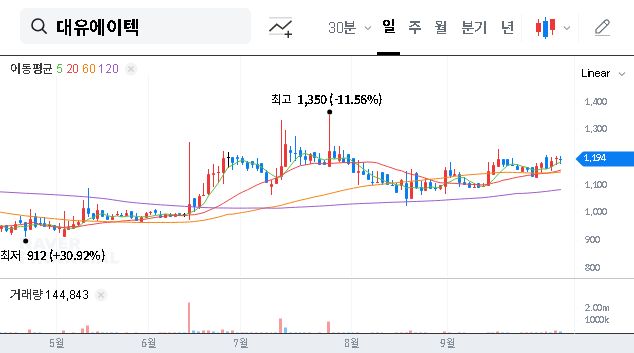
  • (002880) Daeyu Atec Stock Analysis: Donggang Holdings Increases Stake – What Investors Need to Know

    (002880) Daeyu Atec Stock Analysis: Donggang Holdings Increases Stake – What Investors Need to Know

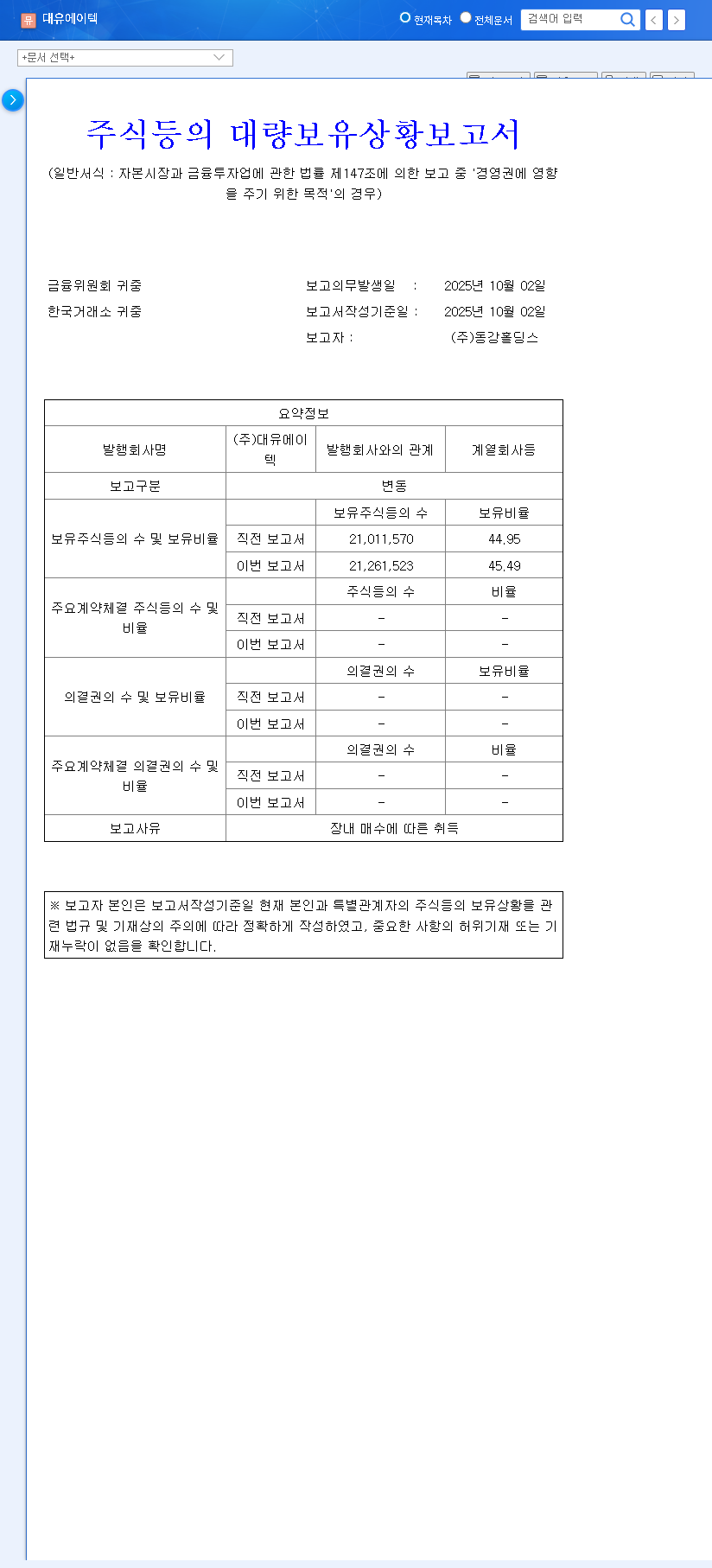
    The recent news surrounding Daeyu Atec (122014400512), a key player in the automotive components industry, has captured significant market attention. This interest was sparked by a pivotal announcement: its largest shareholder, Donggang Holdings, executed a shareholder stake increase. While such moves are often seen as a vote of confidence, savvy investors are asking the critical questions: What does this mean for Daeyu Atec’s future, its stock performance, and overall corporate strategy? This comprehensive analysis will dissect the implications of this development, evaluate the company’s current financial health, and provide a clear roadmap for investors navigating this evolving situation.

    We’ll move beyond the headlines to offer a deep-dive, mid-to-long-term perspective on the opportunities and risks associated with Daeyu Atec stock following this strategic move by its principal investor.

    The Official Disclosure: Analyzing the Donggang Holdings Stake Increase

    On October 2, 2025, a significant filing was made public. According to the Official Disclosure (Source), Donggang Holdings increased its ownership in Daeyu Atec from 44.95% to 45.49%. While a 0.54 percentage point increase may seem modest, the crucial detail lies in the stated objective: ‘management influence.’ This declaration signals a clear intent from Donggang Holdings to play a more active and direct role in steering Daeyu Atec’s corporate direction, moving beyond a passive investment. At the time of this report, Daeyu Atec’s market capitalization was approximately KRW 55.8 billion, making this a noteworthy strategic maneuver.

    The key takeaway is not just the increased ownership, but the explicit goal of ‘management influence,’ which suggests a more hands-on approach from Donggang Holdings is imminent. This could lead to significant shifts in strategy, governance, and operational focus.

    Deep Dive: Daeyu Atec’s Financial Health (H1 2025 Report)

    To understand the true impact of this shareholder stake increase, we must look under the hood at Daeyu Atec’s core fundamentals. The company presents a mixed financial picture, with promising growth drivers shadowed by significant challenges.

    Strengths & Opportunities

    • Steady Revenue Stream: Consolidated revenue saw a slight year-over-year increase of 0.54% to KRW 300.3 billion, indicating stable demand for its automotive components.
    • Diversifying Portfolio: The company is successfully supplying parts for new and popular vehicle models like the Casper and the upcoming Ioniq 9, reducing reliance on older product lines.
    • Future-Facing Ventures: By adding solar power generation to its business objectives, Daeyu Atec is actively seeking new growth engines beyond the traditional automotive sector.
    • High Operational Efficiency: A consolidated operating rate of 99.4% suggests that its manufacturing facilities are running at near-full capacity, maximizing asset utilization.

    Weaknesses & Threats

    • Eroding Profitability: A significant concern is the sharp decline in profits. Operating profit fell 11.8% to KRW 21.1 billion, and net profit plummeted by 66.4% to KRW 4.2 billion, squeezed by rising costs.
    • Heavy Debt Load: Total borrowings stand at a substantial KRW 136.7 billion. The total equity to borrowings ratio of 281.13% signals high leverage, which can be risky in a high-interest-rate environment.
    • Liquidity Concerns: A rise in current liabilities points to potential short-term cash flow pressures, making effective liquidity management a top priority for the company.
    • Macroeconomic Headwinds: As an exporter, Daeyu Atec is exposed to exchange rate volatility (KRW/EUR), and persistent high interest rates globally can further strain its financial position. For more details on market trends, investors often consult sources like Reuters Business.

    What This Means for Daeyu Atec Stock Investors

    The shareholder stake increase by Donggang Holdings creates a duality of short-term sentiment and long-term reality. In the immediate term, the market may react positively, interpreting the move as a sign of undervaluation and a commitment to unlocking value. This could fuel a temporary rise in the Daeyu Atec stock price.

    However, sustainable, long-term growth hinges entirely on whether Donggang Holdings’ increased influence can translate into tangible improvements in the company’s fundamentals. The critical question is: can the new management direction solve the core issues of high debt and shrinking profit margins? Success will depend on creating real synergy, potentially by leveraging Donggang’s network to bolster Daeyu’s new solar venture or streamline its core automotive components business. For more on this, check out our internal guide to analyzing corporate fundamentals.

    Investor Action Plan & Key Monitoring Points

    A prudent investment strategy requires careful monitoring. While the stabilized management structure is a plus, the underlying financial weaknesses cannot be ignored. Investors should watch for the following developments:

    • Detailed Strategic Announcements: Look for clear, actionable plans from Donggang Holdings regarding debt reduction, profitability improvement, and the strategic direction for new business ventures.
    • Quarterly Financial Reports: Scrutinize upcoming earnings reports for any signs of a turnaround in profit margins and a reduction in the company’s debt load.
    • Management Changes and Governance: Pay attention to any new executive appointments or changes to the board that could signal a shift in corporate culture and operational priorities.

    In conclusion, Donggang Holdings’ increased stake in Daeyu Atec is a significant catalyst, but it is not a magic bullet. It creates a window of opportunity for positive change, but the heavy lifting of financial and operational improvement is just beginning. Cautious optimism, coupled with diligent monitoring, is the most advisable approach for any investor considering Daeyu Atec stock.

    (002880) Daeyu Atec Stock Analysis: Donggang Holdings Increases Stake - What Investors Need to Know 관련 이미지
  • (097870) Hyosung O&B Stock Price: Shareholder Transfer Analysis & Succession Impact (097870)

    (097870) Hyosung O&B Stock Price: Shareholder Transfer Analysis & Succession Impact (097870)

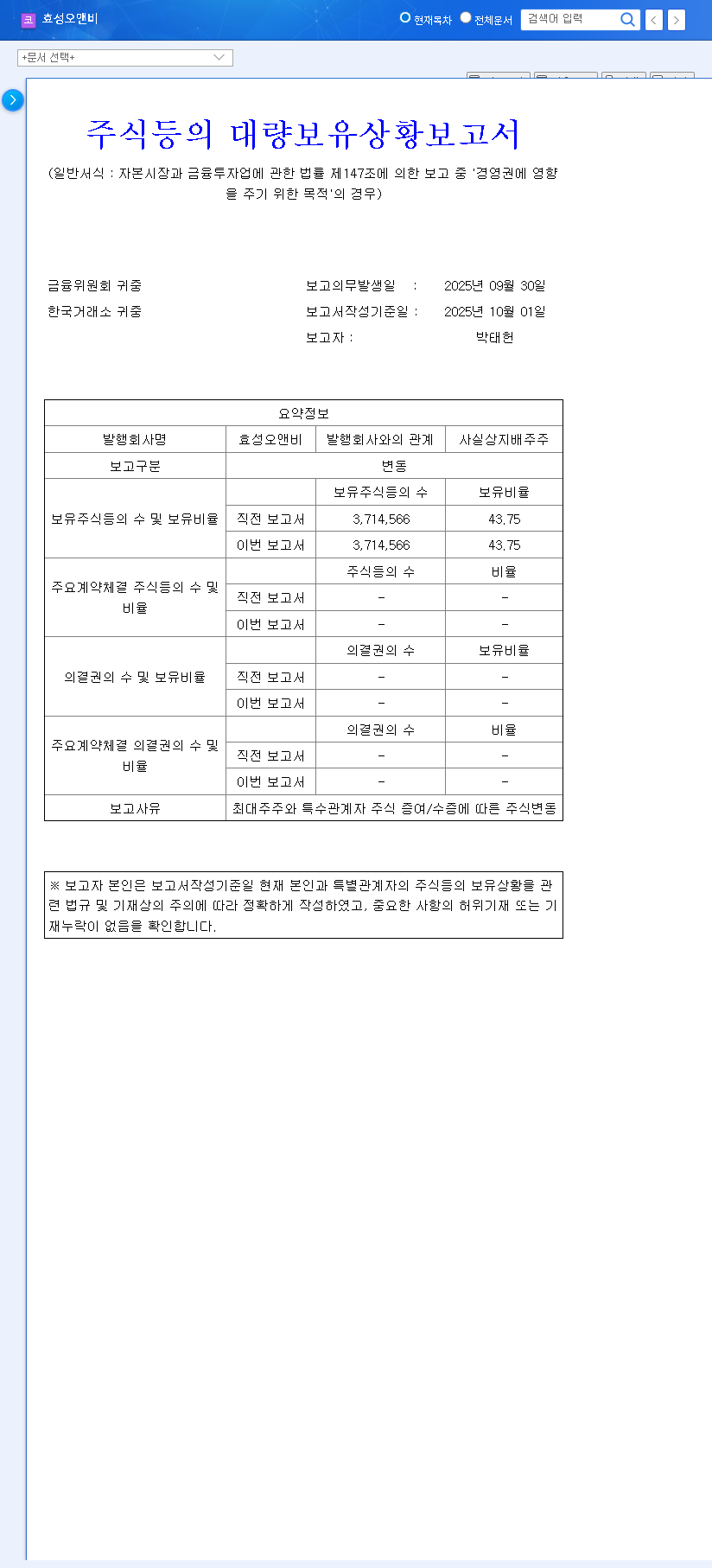
    The recent news of a major shareholder stake transfer at Hyosung O&B (097870) has sent ripples through the investment community, raising critical questions about the company’s future and the potential impact on the Hyosung O&B stock price. On October 1, 2025, it was announced that major shareholder Park Tae-heon gifted a substantial block of 1,000,000 shares to a related party, Park Mun-hyeon. While the total ownership of the controlling shareholders remains unchanged at 43.75%, savvy investors know that such moves are rarely without significance. Is this a simple internal reshuffling, or does it signal the initial stages of a complex management succession plan that could redefine the company’s long-term trajectory?

    This in-depth analysis will dissect the transaction, evaluate Hyosung O&B’s current financial health, and explore the potential scenarios for its governance and stock performance. We’ll provide the crucial insights you need to navigate this pivotal moment and make informed investment decisions.

    Unpacking the Shareholder Transfer

    The core event, as detailed in the official disclosure, is a transfer of 1,000,000 common shares from Park Tae-heon to Park Mun-hyeon. You can view the complete filing here: Official Disclosure (DART). The key takeaway is that this was a gift between related parties, not an open-market sale. This distinction is vital because it suggests strategic intent rather than a reaction to market conditions. While management stability appears intact for now, the shift in individual holdings could be the first step in a carefully orchestrated Hyosung O&B management succession.

    Hyosung O&B: A Fundamental Health Check

    Before assessing the transfer’s impact, we must understand the company’s current state. Hyosung O&B operates in the agricultural sector, specializing in fertilizers. A review of its recent business reports reveals a mixed but intriguing financial picture.

    Strengths and Opportunities

    • Robust Financial Soundness: The company boasts a significant 194% increase in cash and cash equivalents. This liquidity, combined with a higher equity ratio and lower debt ratio, provides a strong cushion against economic headwinds.
    • Eco-Friendly Market Alignment: Hyosung O&B is well-positioned within the growing eco-friendly agriculture market, a sector benefiting from global trends toward sustainability. For more on this trend, see reports from sources like leading agricultural analysts.
    • Innovation Pipeline: Continuous R&D investment, particularly in new technologies like the ‘Bacillus velezensis YP2’ microbial fertilizer, signals a commitment to future growth and market differentiation.

    Weaknesses and Risks

    • Declining Top-Line Performance: Despite a solid balance sheet, the company has seen a downward trend in both sales and operating profit, citing intensified market competition.
    • Client Concentration Risk: An overwhelming dependence on a single client (Nonghyup Bank, accounting for over 90% of business) presents a significant vulnerability.
    • Macroeconomic Pressures: The company is exposed to rising raw material costs (e.g., castor oil meal) and currency volatility. A 10% fluctuation in the USD can impact after-tax profit by approximately KRW 530 million.

    Analyzing the Impact on Hyosung O&B Stock Price

    The market’s reaction will depend on how this transfer is interpreted. While the short-term impact on the Hyosung O&B stock price may be muted, the long-term implications are substantial.

    This event should be viewed not as a single data point, but as a potential signal for the future of Hyosung O&B’s leadership and strategic direction. The key for investors is to monitor follow-up actions and communications from the company.

    Governance and the Succession Question

    The most significant potential impact lies in the realm of corporate governance and leadership succession. If Park Mun-hyeon is indeed an heir being groomed for a leadership role, this transfer is a foundational step. A smooth, well-planned succession can be a major positive, ensuring stability and a clear long-term vision. Conversely, a contested or poorly managed transition can create uncertainty, which markets dislike. To better understand these dynamics, investors can review our guide to analyzing corporate governance shifts. The market will be watching closely for clues about Park Mun-hyeon’s identity and future involvement.

    Market Sentiment and Stock Performance

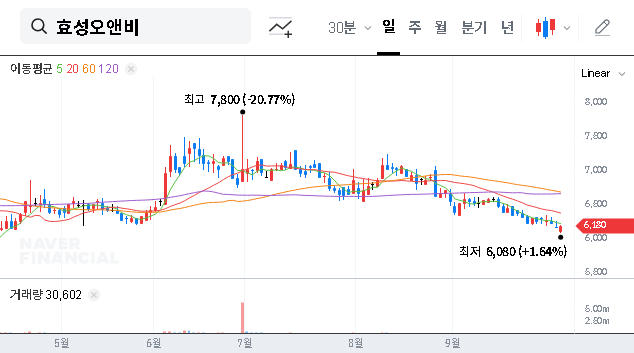
    Hyosung O&B’s stock has been in a general downtrend since 2020 and has been trading in a range between KRW 6,000 and KRW 8,000 since late 2023. An event like this, within a lackluster market context, is unlikely to be an immediate catalyst. The price is more likely to react to future developments, such as a new strategic plan announced by a new leadership team or a tangible turnaround in the company’s declining sales figures. The market is currently in a ‘wait-and-see’ mode regarding the Hyosung O&B major shareholder change.

    Investor Checklist: Key Considerations

    For current and potential investors in Hyosung O&B, this is a time for diligence, not panic. Here are the critical factors to monitor:

    • Clarify Park Mun-hyeon’s Role: The most crucial unknown is the identity and intended future role of the recipient. Any new board appointments or public statements will be highly significant.
    • Watch for a Performance Turnaround: The underlying issue of declining sales must be addressed. Monitor quarterly earnings reports for signs that management is successfully combating competitive pressures.
    • Monitor Macroeconomic Management: Pay attention to how the company navigates currency fluctuations and rising input costs in its financial reporting. Effective hedging and cost control will be key to protecting profitability.
    • Look for Strategic Shifts: A new leadership generation often brings new ideas. Watch for announcements regarding diversification, new market entry, or significant M&A activity that could serve as a new growth engine.

    In conclusion, the stake transfer at Hyosung O&B is a pivotal event that warrants close attention. While the immediate impact on the stock is likely limited, it sets the stage for potential long-term changes in strategy and leadership. Cautious, informed monitoring is the best approach for investors.

    (097870) Hyosung O&B Stock Price: Shareholder Transfer Analysis & Succession Impact (097870) 관련 이미지
  • (010060) OCI Holdings Stock: Why the NPS Just Boosted Its Stake Above 10% (In-Depth Analysis)

    (010060) OCI Holdings Stock: Why the NPS Just Boosted Its Stake Above 10% (In-Depth Analysis)

    The recent OCI Holdings NPS investment has sent ripples through the Korean stock market, capturing the attention of investors. When a titan like the National Pension Service of Korea significantly increases its stake in a major corporation, it’s more than just a line item on a report; it’s a powerful signal. But what does this move truly signify for the future of OCI Holdings (010060), and how should potential investors interpret this news?

    This comprehensive analysis delves deep into the specifics of the NPS’s increased shareholding, examines the core fundamentals of OCI Holdings, and evaluates the broader market conditions. We will provide an expert outlook on what this major institutional endorsement means for OCI’s stock price and long-term corporate value, helping you make a more informed investment decision.

    The Landmark Investment: NPS Crosses the 10% Threshold

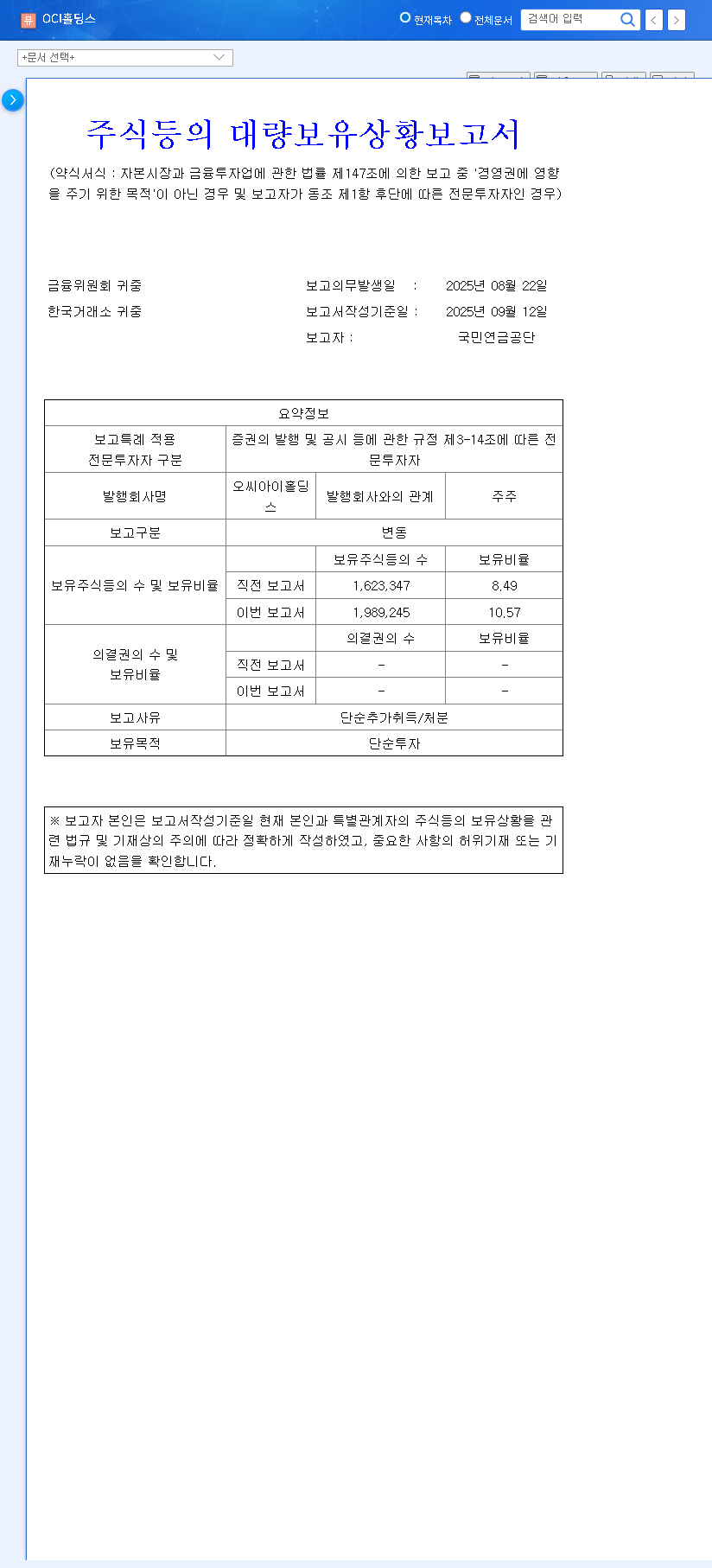
    According to an Official Disclosure filed on October 1, 2025, the National Pension Service (NPS) increased its shareholding in OCI Holdings from 8.49% to a substantial 10.57%. This 2.08 percentage point jump is significant. The NPS has classified the purpose of this acquisition as ‘simple investment,’ a term indicating that the fund is focused on capital appreciation based on OCI’s future value rather than seeking to influence management decisions directly. This vote of confidence from Korea’s largest institutional investor provides a strong underpinning for the company’s stock.

    Fundamental Analysis: Unpacking OCI Holdings

    To understand the rationale behind the OCI Holdings NPS investment, we must look at the company’s core structure and strategy. Since its transition to a holding company in May 2023, OCI Holdings has been on a diversification journey, moving beyond its traditional chemical and renewable energy roots to build a more resilient and future-focused portfolio.

    Key Business Pillars and Growth Engines

    • Semiconductor Materials: Targeting the high-purity materials market essential for chip manufacturing, a sector with strong secular growth tailwinds.
    • Secondary Battery Materials: Investing in materials for electric vehicle (EV) batteries, a critical component of the global green energy transition.
    • Biotechnology: Venturing into the high-risk, high-reward biopharma space, signaling a long-term vision for innovation and value creation.

    Financial Health and Performance Pressures

    OCI Holdings boasts a very stable financial foundation, with a low consolidated debt-to-equity ratio of 66.48%. However, it’s not without challenges. The first half of 2025 saw a consolidated revenue decrease and an operating loss, primarily due to market headwinds in its legacy renewable energy and chemical sectors. This highlights the urgency and importance of its new growth initiatives succeeding. Investors interested in financial stability might want to explore our guide on analyzing corporate balance sheets for more context.

    “The NPS’s move is a classic long-term value play. They are looking past the current cyclical downturn in chemicals and are betting on OCI’s strategic pivot to high-growth sectors like battery materials and biotech. It’s a forward-looking decision.”

    The Macroeconomic Landscape

    No company operates in a vacuum. The current global economic environment presents both risks and opportunities for OCI Holdings. Persistently high interest rates in the U.S. and Europe increase borrowing costs for capital-intensive projects. Meanwhile, exchange rate volatility can significantly impact the profitability of its international operations. Furthermore, a slowdown in global logistics, evidenced by falling freight indices, suggests weaker demand, which could affect its core material businesses. According to leading economic forecasts, these headwinds may persist through the next few quarters.

    Interpreting the NPS Investment: A Two-Sided Coin

    The Bullish Case

    • Enhanced Investor Confidence: The NPS’s backing serves as a powerful endorsement of OCI’s long-term strategy and potential, which can attract other institutional and retail investors.
    • Stock Price Stability: A large, stable shareholder like the NPS can provide a floor for the stock price during market downturns, reducing volatility.
    • Focus on Value Creation: The ‘simple investment’ purpose reinforces the idea that the NPS believes the company is currently undervalued and poised for significant growth.

    Points of Caution

    • Execution Risk: The investment’s success hinges on OCI’s ability to execute its diversification strategy and turn its new ventures into profitable businesses.
    • Market Headwinds: The NPS’s confidence doesn’t negate the real-world economic challenges that could delay OCI’s short-term recovery.
    • Future Selling Pressure: While a long-term holder, the NPS may rebalance its portfolio in the future, which could create selling pressure on the stock.

    Conclusion: A Strategic Long-Term Outlook

    The National Pension Service’s increased stake in OCI Holdings is a clear vote of confidence in the company’s strategic direction and long-term potential. However, investors should see this not as a signal for immediate, explosive growth, but as an affirmation of underlying value. The path forward requires OCI to navigate short-term performance pressures while successfully executing its ambitious pivot into new growth sectors. For the patient investor, the alignment with a major institution like the NPS provides a compelling reason to watch OCI Holdings closely as its transformation story unfolds.

    Frequently Asked Questions (FAQ)

    Why did the National Pension Service increase its stake in OCI Holdings?

    The NPS stated the reason was for ‘simple investment,’ meaning it sees significant potential for corporate value appreciation and a positive long-term return on its investment, rather than seeking to influence company management.

    How might this OCI Holdings NPS investment affect the stock price?

    In the short term, it can boost investor confidence and provide price support. In the long term, if OCI’s new ventures in semiconductor and battery materials succeed, this early institutional backing could mark the start of a sustained upward trend in the stock’s valuation.

    What should investors monitor regarding OCI Holdings?

    Investors should closely watch for tangible progress and revenue generation from its new growth businesses. It is also crucial to monitor the impact of macroeconomic factors like interest rates and global demand, and track the performance of its spun-off subsidiaries.

    (010060) OCI Holdings Stock: Why the NPS Just Boosted Its Stake Above 10% (In-Depth Analysis) 관련 이미지
  • (095190) EM Korea Stock Analysis: Shinwha Precision Boosts Stake – A Deep Dive into Future Growth & Risks

    (095190) EM Korea Stock Analysis: Shinwha Precision Boosts Stake – A Deep Dive into Future Growth & Risks

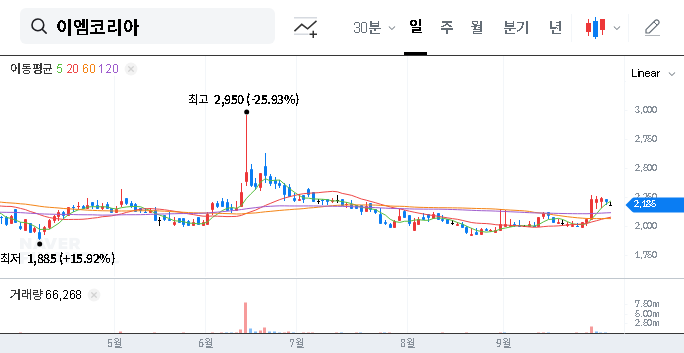
    Investors in EM Korea (095190) have been watching closely as its largest shareholder, Shinwha Precision, recently increased its holdings. This pivotal move is more than a simple transaction; it’s a strategic signal that could redefine the company’s trajectory. This in-depth EM Korea stock analysis will unpack the details of this development, scrutinize the company’s current financial health, weigh the potential opportunities against the inherent risks, and outline a comprehensive investment strategy for navigating the path ahead.

    Is this a vote of confidence pointing towards untapped value, or a defensive maneuver amidst financial headwinds? Let’s dive in.

    The Shareholder Shake-Up: A Closer Look

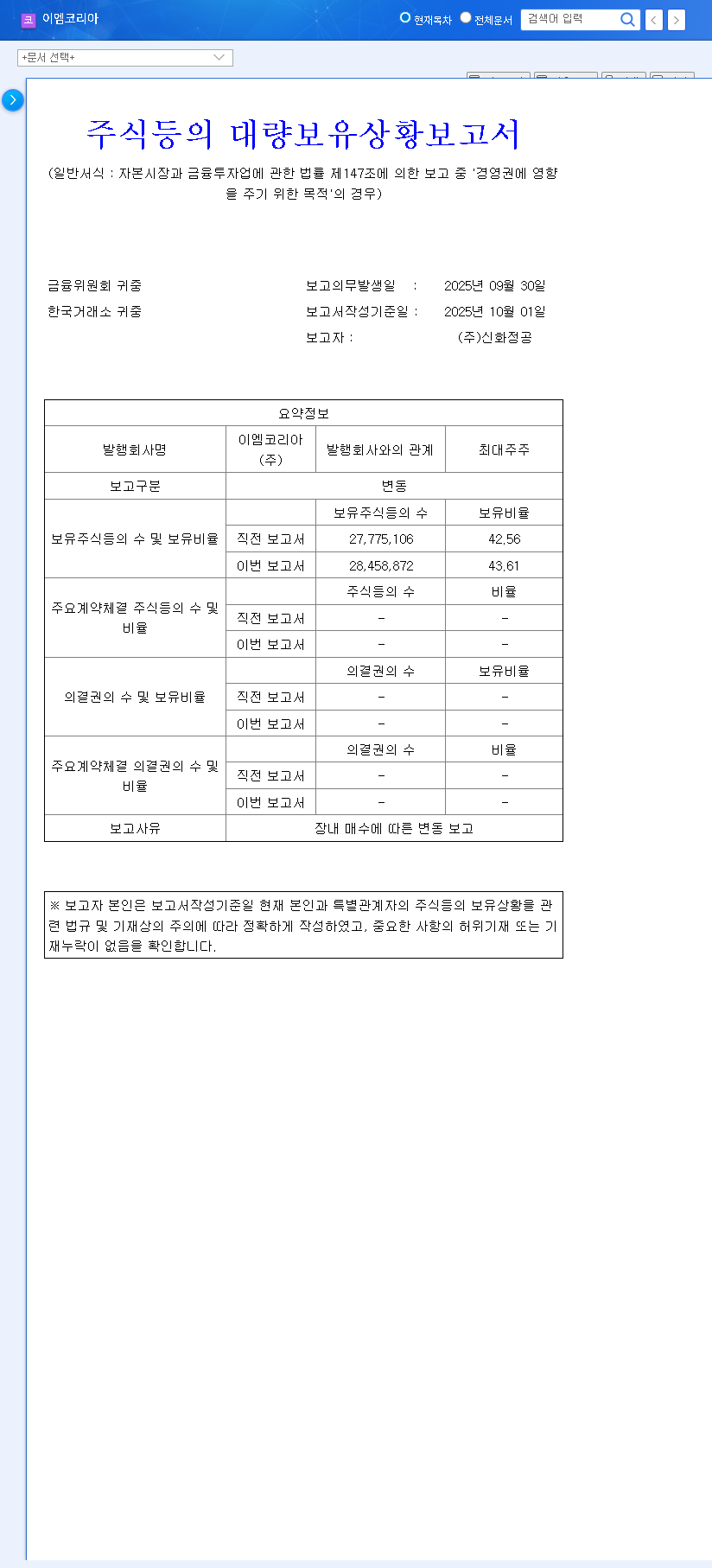
    According to the latest filings, Shinwha Precision Co., Ltd. has solidified its control over EM Korea by purchasing additional shares on the open market. The specifics of this transaction are crucial for understanding the motive and potential impact.

    • Purpose of Holding: Explicitly stated as ‘influence over management control’.
    • Stake Before Increase: 42.56%
    • Stake After Increase: 43.61%
    • Transaction Details: Purchase of 653,632 shares between September 25 and September 30, 2025.
    • Source: Official Disclosure (DART)

    This move to bolster management control is significant. It suggests a long-term commitment from Shinwha Precision and a desire to steer the company’s strategy with a firmer hand. However, to truly grasp the implications, we must examine the financial ground on which EM Korea currently stands.

    Financial Health Under the Microscope (H1 2025 Data)

    The latest financial reports for the first half of 2025 paint a challenging picture, raising questions about the company’s immediate performance despite the shareholder’s confidence. A detailed look at the EM Korea financial health reveals several red flags.

    While the Defense/Aerospace sector shows promise, significant losses and declining revenue in other key areas demand careful consideration from investors.

    Performance & Profitability Concerns

    EM Korea’s top-line and bottom-line figures have deteriorated year-over-year. Revenue has fallen by 42.7% to KRW 69.173 billion, driven by slowdowns in the Machine Tools and Power/ITER divisions. More concerningly, the company has swung to an operating loss of KRW 1.003 billion and a net loss of KRW 3.573 billion, impacted by rising administrative and R&D costs.

    A Bright Spot: Defense & Aerospace Growth Prospects

    Amidst the financial challenges, the Defense/Aerospace division stands out as a core growth engine. With stable sales from supplying critical parts for major projects like the KF-X fighter, K-9 self-propelled howitzer, and T-50 advanced trainer jet, this segment provides a much-needed foundation for the company. The EM Korea growth prospects are heavily tied to the continued success and potential expansion of this high-performing division.

    Investment Thesis: The Bull vs. The Bear Case

    The decision by the EM Korea major shareholder creates a classic conflict for investors. Do you follow the insider confidence, or do you heed the warning signs in the financial statements? Here’s a breakdown of both sides.

    The Bull Case (Potential Positives)

    • Strengthened Management Stability: A larger controlling stake allows for decisive, long-term strategic planning without the threat of external pressures, potentially leading to a more focused turnaround.
    • Positive Market Signal: Insider buying, especially by the largest shareholder, is often interpreted by the market as a sign that the stock is undervalued, which could boost investor sentiment.
    • Focus on Core Strengths: Stable leadership may double down on the highly profitable Defense/Aerospace sector, channeling resources to maximize its growth.

    The Bear Case (Potential Negatives & Risks)

    • Persistent Underperformance: Increased ownership doesn’t magically fix operational issues. If the Machine Tools and Power divisions continue to struggle, losses could offset gains from the defense sector.
    • Weak Financial Structure: The company’s high debt-to-equity ratio and rising financial costs are significant burdens that a change in ownership percentage does not alleviate on its own. For more on this, see this guide on how to analyze a company’s balance sheet.
    • Macroeconomic Headwinds: Global economic slowdown, volatile commodity prices, and fluctuating interest rates pose external threats that could further dampen performance, as noted by leading financial analysts at authoritative sources like Bloomberg.

    A Smart Investment Strategy for EM Korea

    Given the conflicting signals, a prudent and watchful approach is necessary. A complete EM Korea stock analysis must be grounded in monitoring key performance indicators.

    • Monitor Turnaround Efforts: Keep a close eye on quarterly reports for signs of a turnaround in the underperforming divisions. Is management’s new strategy working?
    • Track Defense Sector Growth: Verify that the Defense/Aerospace segment continues its strong performance and look for announcements of new contracts or projects.
    • Assess Financial Deleveraging: Look for concrete steps to improve the balance sheet, such as debt reduction or improved cash flow management, beyond one-off capital raises.

    Conclusion: A Cautious Opportunity

    The increased stake by Shinwha Precision is a compelling, positive signal for EM Korea’s governance and long-term strategic direction. However, this confidence must be weighed against the company’s stark financial realities. True, sustainable growth in the stock price will not come from ownership changes alone but from a fundamental improvement in performance and financial stability. Investors should view this as a time for diligent monitoring rather than immediate action, waiting for concrete evidence that the company’s operational strength can match its shareholder’s conviction.

    (095190) EM Korea Stock Analysis: Shinwha Precision Boosts Stake – A Deep Dive into Future Growth & Risks 관련 이미지
  • (200470) AFACT (200470) Shareholder Shake-Up: A Deep Dive for Investors

    (200470) AFACT (200470) Shareholder Shake-Up: A Deep Dive for Investors

    A significant development is unfolding for AFACT (200470), a pivotal company in the semiconductor post-processing sector. The firm’s largest shareholder, Mutual Growth LLC, has strategically increased its holdings, signaling a new era of direct management involvement. This move has sent ripples through the investment community, raising critical questions about AFACT’s future strategy, financial health, and stock valuation.

    For current and potential investors, understanding the nuances of this power shift is paramount. This in-depth analysis will dissect the shareholder change, evaluate AFACT’s fundamental standing, and provide a clear roadmap on what to monitor in the coming months.

    The Event: Mutual Growth Solidifies Control

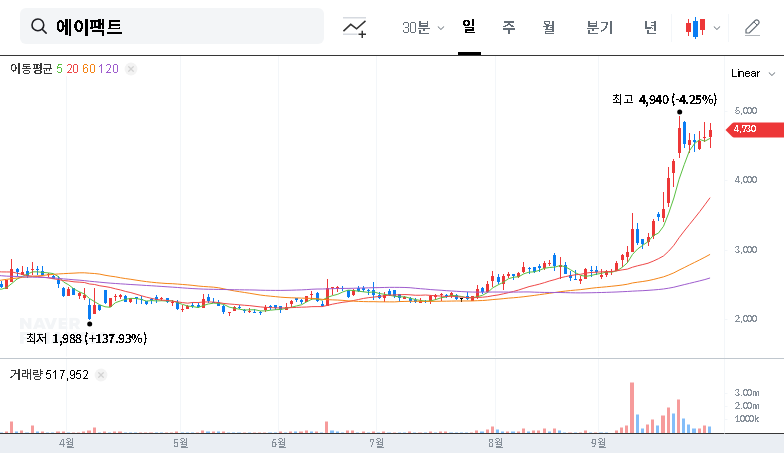
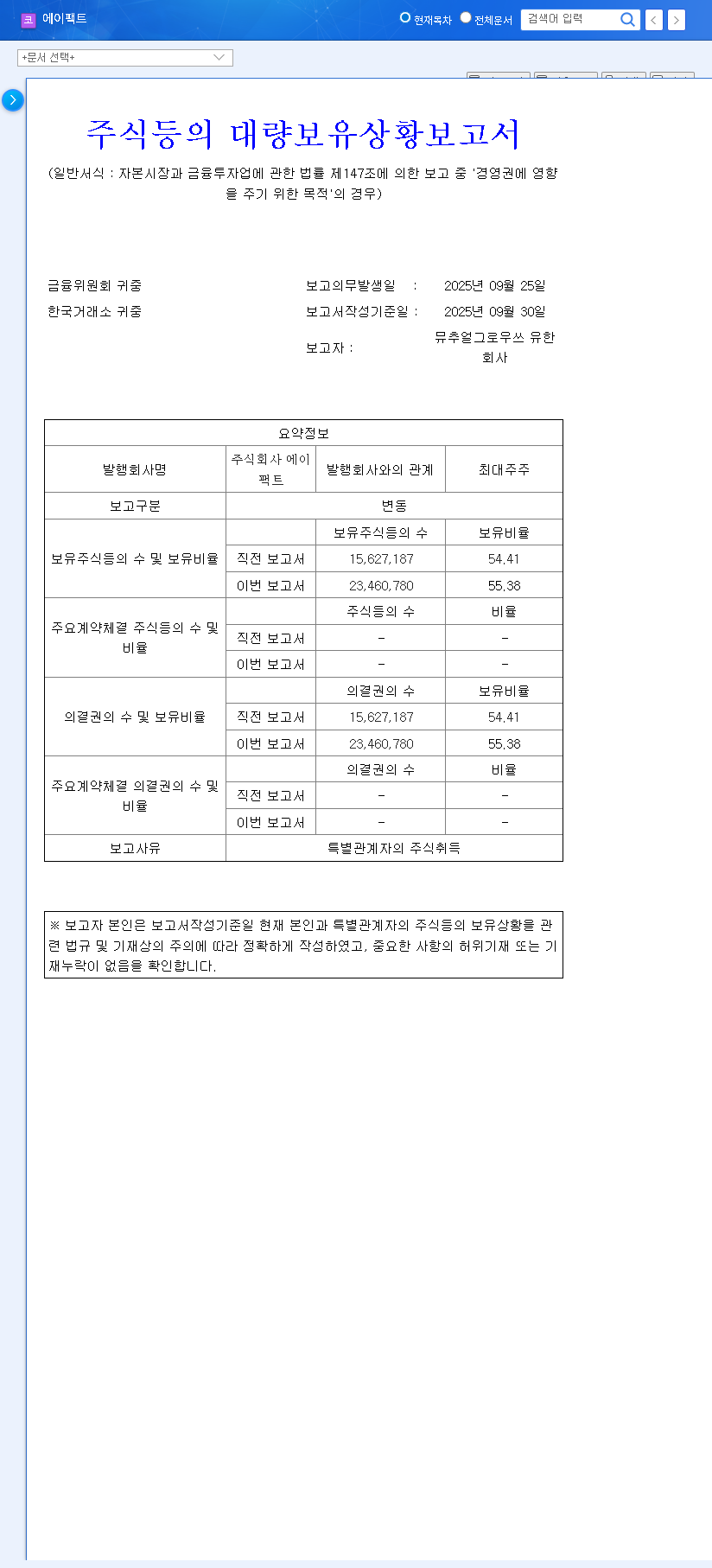
    On October 1, 2025, a crucial disclosure was filed regarding AFACT (200470). According to the official filing, the majority shareholder, Mutual Growth LLC, augmented its stake from 54.41% to a commanding 55.38%. This transaction was executed via open market purchases by its special affiliate, Aurora Partners. The key takeaway from this move is the stated purpose: ‘management influence.’ This explicitly signals an intent to actively steer the company’s direction, a far more involved stance than that of a passive investor. You can view the Official Disclosure for complete details.

    By crossing the 55% threshold, Mutual Growth LLC has secured an absolute majority, giving it unilateral power to influence critical corporate decisions—from appointing board members to approving major strategic initiatives.

    Comprehensive Analysis: AFACT’s Path Forward

    To project AFACT’s trajectory, we must look beyond this single event and assess the company’s internal health and the external market pressures it faces.

    1. Fundamental Health Diagnosis (H1 2025 Data)

    AFACT’s recent performance presents a mixed but challenging picture:

    • Profitability Crisis: While revenue grew an impressive 52.6% year-over-year, both operating and net profits fell into a deficit. This indicates that rising costs are outpacing sales growth, a situation that requires immediate strategic intervention.
    • Customer Concentration: A heavy reliance on industry giants like SK Hynix and Samsung Electronics poses a significant risk. The company’s push to diversify into non-memory and overseas markets is a crucial step towards long-term stability.
    • Financial Strain: The company’s balance sheet shows signs of stress, with a high net borrowing ratio of 154.97%. While a recent convertible bond issuance helps with liquidity, managing the associated debt burden will be a key challenge. For more on this, see our guide to analyzing corporate financial health.

    2. External Environment and Macro Factors

    The global landscape adds another layer of complexity. The burgeoning AI and autonomous driving sectors are fueling semiconductor demand, which is a tailwind for AFACT. However, persistent global economic uncertainties, as highlighted by sources like the International Monetary Fund, pose a threat. High interest rates in the US (4.25%) and Korea (2.50%), coupled with volatile raw material prices, continue to squeeze profit margins across the industry.

    Investor Action Plan: Key Signals to Monitor

    The shareholder consolidation at AFACT (200470) is a pivotal moment. Investors should shift focus from short-term price movements to the strategic actions that follow.

    Opportunities & Positive Indicators

    • Decisive Leadership: Consolidated control can eliminate management disputes and accelerate the execution of a turnaround strategy.
    • Strategic Overhaul: Watch for announcements related to business restructuring, new technology investments, or strategic M&A that could unlock new value.

    Risks & Red Flags

    • Execution Failure: If the new leadership fails to deliver tangible improvements in profitability within the next few quarters, market optimism could quickly fade.
    • Lack of a Clear Plan: Monitor communications from Mutual Growth LLC. Vague statements without a concrete action plan for improving AFACT’s performance should be viewed with caution.

    In conclusion, this strengthened control by Mutual Growth LLC is the most significant catalyst for AFACT in years. Its success is not guaranteed by the share purchase alone; it hinges entirely on the strategic vision and operational excellence that follow. Investors should remain vigilant, focusing on fundamental progress over market sentiment.

    Frequently Asked Questions

    What does ‘management influence’ mean for AFACT (200470)?

    It means the major shareholder, Mutual Growth LLC, intends to be actively involved in key corporate decisions. This could include changing the board of directors, approving or vetoing major projects, and directly shaping the company’s long-term strategy to improve performance.

    Is this good or bad news for AFACT stock?

    Initially, the market may view it as positive, as it signals stability and a commitment to improving the company. However, the long-term impact on the stock depends entirely on whether the new management influence leads to real improvements in profitability and financial health.

    What are the biggest challenges AFACT faces right now?

    The primary challenges are poor profitability despite revenue growth, a high debt load, and heavy dependence on a few large customers. Overcoming these hurdles will be the main test for the new leadership.

    Disclaimer: This analysis is for informational purposes only and is based on publicly available data. It does not constitute financial advice. All investment decisions should be made with the consultation of a qualified financial professional.

    (200470) AFACT (200470) Shareholder Shake-Up: A Deep Dive for Investors 관련 이미지
  • (241770) Mecaro (241770) Stock Analysis: Shareholder Change & Investment Strategy 2025

    (241770) Mecaro (241770) Stock Analysis: Shareholder Change & Investment Strategy 2025

    The recent announcement regarding the Mecaro (241770) shareholder stake change has stirred the market, leaving many investors wondering about its impact on the company’s future. While news of insider selling for gift tax payments can create short-term volatility, a deeper look reveals a company with robust fundamentals poised for significant growth. This comprehensive Mecaro stock analysis will dissect the nuances of this stake change, evaluate the company’s powerful financial performance, and outline a clear investment strategy for both current and prospective shareholders.

    We’ll explore how Mecaro’s core business aligns with the booming AI semiconductor industry and why internal signals like stock option exercises paint a bullish long-term picture. If you’re looking for clarity amidst the market noise, this analysis provides the essential data and expert perspective you need.

    Unpacking the Major Shareholder Stake Change

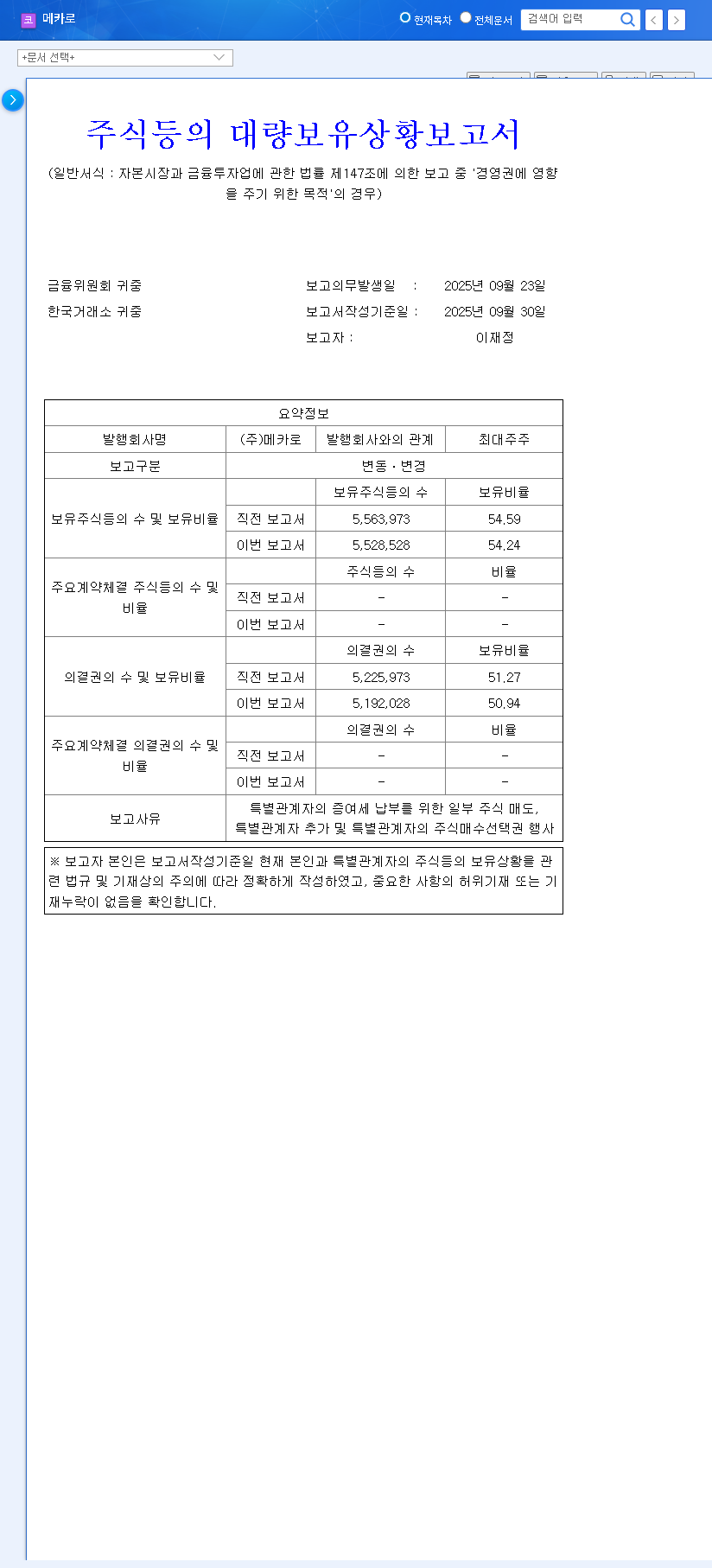
    On September 30, 2025, an official disclosure revealed a minor adjustment in the holdings of Mecaro’s major shareholder and related parties, decreasing their collective stake from 54.59% to 54.24%. While any insider sale can raise eyebrows, the context behind this event is crucial for a correct interpretation. The full details can be reviewed in the Official Disclosure (Source: DART).

    Key Drivers of the 0.35% Stake Reduction

    • Gift Tax Payment: The primary reason was a partial share sale by special related parties to cover gift tax liabilities. This is a common financial planning activity among high-net-worth individuals and is not typically indicative of a negative outlook on the company’s future.
    • Positive Internal Signals: Counterbalancing the sale, there were also additions of new special related parties and the exercise of stock options. The latter is a strong vote of confidence from internal stakeholders, who are choosing to invest their own capital in the company’s equity.

    Despite the minor dip in ownership, the major shareholder’s management control remains exceptionally strong at 54.24%. This stability is a key pillar for long-term strategic execution and investor confidence.

    Deep Dive into Mecaro (241770) Fundamentals

    The story behind Mecaro (241770) is one of impressive growth and financial fortitude. The first half of 2025 saw the company achieve remarkable results, underscoring its operational excellence and strategic market positioning.

    Stellar H1 2025 Financial Performance

    • Explosive Revenue Growth: Revenue surged by 70% year-on-year to reach 44.4 billion KRW, driven by strong sales of its core heater block products.
    • Profitability Turnaround: The company successfully turned around its operations, posting an operating profit of 6.7 billion KRW.
    • Financial Rock: Mecaro boasts an exceptionally low debt-to-equity ratio of just 7.03%, giving it immense flexibility and resilience against economic headwinds.
    • Commitment to Innovation: A high R&D investment ratio of 13.4% relative to sales signals a strong focus on future technologies and maintaining a competitive edge.

    Strategic Alignment with Global Trends

    Mecaro is perfectly positioned to capitalize on the explosive growth of the AI semiconductor market. Its high-precision heater blocks are critical components in the semiconductor manufacturing process, a sector seeing unprecedented demand. As global tech giants like NVIDIA and AMD push the boundaries of AI, the need for advanced manufacturing equipment skyrockets. For more context, you can explore the latest semiconductor industry trends. Additionally, the company is set to benefit from the expansion of the Chinese semiconductor market, further diversifying its revenue streams. For a broader view, consider reading this analysis on the global AI chip market from Gartner.

    Investment Strategy: Navigating Short-Term Noise for Long-Term Gain

    The recommended Mecaro investment strategy is HOLD. This approach acknowledges the potential for short-term price fluctuations due to the share sale while focusing on the overwhelmingly positive long-term fundamentals and industry outlook.

    Guidance for Investors

    • For Existing Shareholders: Maintain your position. The company’s core growth drivers are intact, and the recent stake change is not a fundamental concern. View any price dips as market noise rather than a signal to sell.
    • For New Investors: Short-term volatility can present a strategic entry point. Consider a phased buying approach, accumulating shares during periods of market weakness. This allows you to build a position at a favorable average cost.

    Key Monitoring Points Moving Forward

    To stay ahead, keep a close watch on the following factors:

    • Quarterly earnings reports and progress in new business ventures (e.g., ceramic components).
    • KRW/USD exchange rate fluctuations, which can impact profitability from overseas sales.
    • Global semiconductor demand and the capital expenditure plans of major clients.

    (241770) Mecaro (241770) Stock Analysis: Shareholder Change & Investment Strategy 2025 관련 이미지
    (241770) Mecaro (241770) Stock Analysis: Shareholder Change & Investment Strategy 2025 관련 이미지
  • (185490) Eugin Stock Analysis (185490): Is Korea BMI’s 0.01% Stake Increase a Bullish Signal?

    (185490) Eugin Stock Analysis (185490): Is Korea BMI’s 0.01% Stake Increase a Bullish Signal?

    In the world of biotech investing, even the smallest ripples can signify a changing tide. A recent disclosure from Eugin (185490) revealed that its largest shareholder, Korea BMI, slightly increased its holdings by a mere 0.01%. While it’s easy to dismiss this as statistical noise, astute investors know that every action by a major shareholder warrants a closer look. This comprehensive Eugin stock analysis will delve into the nuances of this event, examine the company’s core fundamentals, and outline a strategic approach for potential investors.

    Is this a subtle vote of confidence in Eugin’s future, or simply a minor market fluctuation? Let’s unpack the details and explore what this means for the company’s trajectory.

    The Event: A Detailed Look at the Shareholder Stake Change

    According to an official public disclosure, Eugin’s principal shareholder, Korea BMI, along with its special affiliates, executed an open market purchase of company shares. The key facts from the ‘Report on Large Shareholding Status’ are straightforward:

    • Transaction: A special affiliate, Choi Seok-geun, purchased 2,000 shares on the open market.
    • Stake Impact: The collective stake of Korea BMI and its affiliates increased from 28.93% to 28.94%, a rise of just 0.01%.
    • Stated Purpose: The declared purpose for holding the shares remains ‘influence over management’.
    • Source: This information is verifiable via the Official Disclosure (DART).

    Decoding the 0.01% Move: Signal or Noise?

    A Signal of Confidence, Not a Power Play

    The Eugin (185490) stake increase is too small to be considered a move to consolidate management control. Instead, it is more accurately interpreted as a subtle signal of the major shareholder’s ongoing commitment and positive outlook on the company’s long-term strategy. Such purchases, even when minor, can demonstrate to the market that key insiders are confident enough to increase their exposure. It serves as an indirect endorsement of the current management and the direction of Eugin’s research and development.

    While the direct financial impact is negligible, the symbolic value of an insider purchase can positively influence investor sentiment, suggesting a belief in the company’s underlying value and future prospects.

    A Deep Dive into Eugin’s Fundamentals

    Any sound Eugin stock analysis must look beyond minor share movements and focus on the company’s core financial health and growth drivers. Eugin presents a classic high-risk, high-reward profile typical of the biotech sector.

    The High-Potential R&D Pipeline

    The true value of Eugin lies in its diverse and innovative drug pipeline. These are not just line items on a balance sheet; they are potential future revenue streams that could redefine the company. Key assets include:

    • mRNA COVID-19 Vaccine: A technology platform with potential beyond the current pandemic.
    • AAV-Based Gene Therapies: Cutting-edge treatments targeting macular degeneration and diabetic retinopathy, both significant market opportunities.
    • Vaccines and Toxins: A 4-valent meningococcal conjugate vaccine and recombinant botulinum toxin diversify the company’s portfolio.

    The Financial Tightrope Walk

    This promising pipeline comes at a cost. Eugin is heavily invested in R&D, with expenses representing over 161% of its sales. This has led to a significant accumulated deficit of approximately KRW 167 billion. While this is a major risk factor, there are positive signs. The company’s debt-to-equity ratio has improved significantly, falling from 17.15% in 2022 to 7.90% in 2024. This indicates better financial management, but the path to profitability still depends entirely on successful clinical trials and commercialization.

    Eugin Investment Strategy: A Prudent Approach

    Given the fundamentals, an effective biotech investment strategy for Eugin must be grounded in a long-term perspective and a clear understanding of the sector’s dynamics. The recent stake increase should be seen as a minor data point, not a primary investment thesis.

    • Focus on Clinical Milestones: The stock’s value will be driven by clinical trial results and regulatory approvals from bodies like the FDA. Monitor press releases and clinical trial updates diligently.
    • Adopt a Long-Term Horizon: Biotech investing is not for short-term traders. Success depends on the lengthy process of drug development and commercialization. Consider this a multi-year investment. For more context, see our guide on how to analyze biotech stocks.
    • Analyze Financial Health Improvements: Keep a close eye on the company’s efforts to manage its cash burn and resolve the accumulated deficit. Future financing rounds and partnerships will be key indicators.
    • Consider Macro-Economic Factors: The biotech sector is sensitive to interest rates and overall market sentiment. Rising rates can increase the cost of capital for R&D-intensive companies like Eugin.

    Disclaimer: This content is for informational purposes only and does not constitute investment advice. All investment decisions should be made with the consultation of a qualified financial advisor.

    (185490) Eugin Stock Analysis (185490): Is Korea BMI's 0.01% Stake Increase a Bullish Signal? 관련 이미지
    (185490) Eugin Stock Analysis (185490): Is Korea BMI's 0.01% Stake Increase a Bullish Signal? 관련 이미지
  • Ilwol GML: Major Shareholder Increases Stake – Opportunity or Trap?


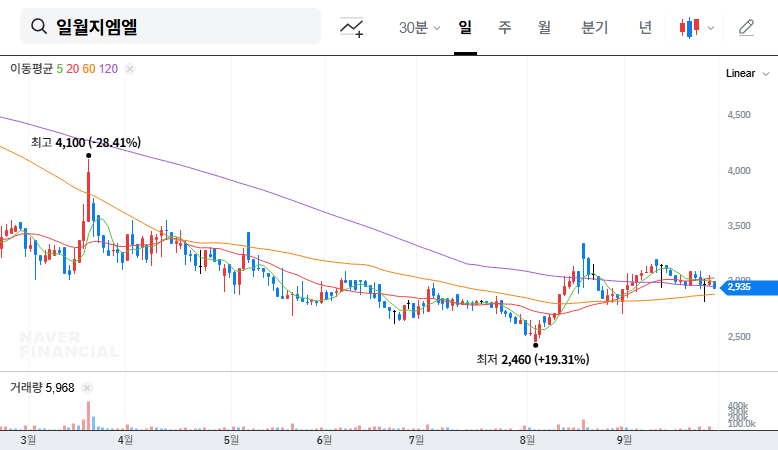
    Ilwol GML: Major Shareholder Increases Stake - Opportunity or Trap? 대표 차트 이미지


    What Happened?

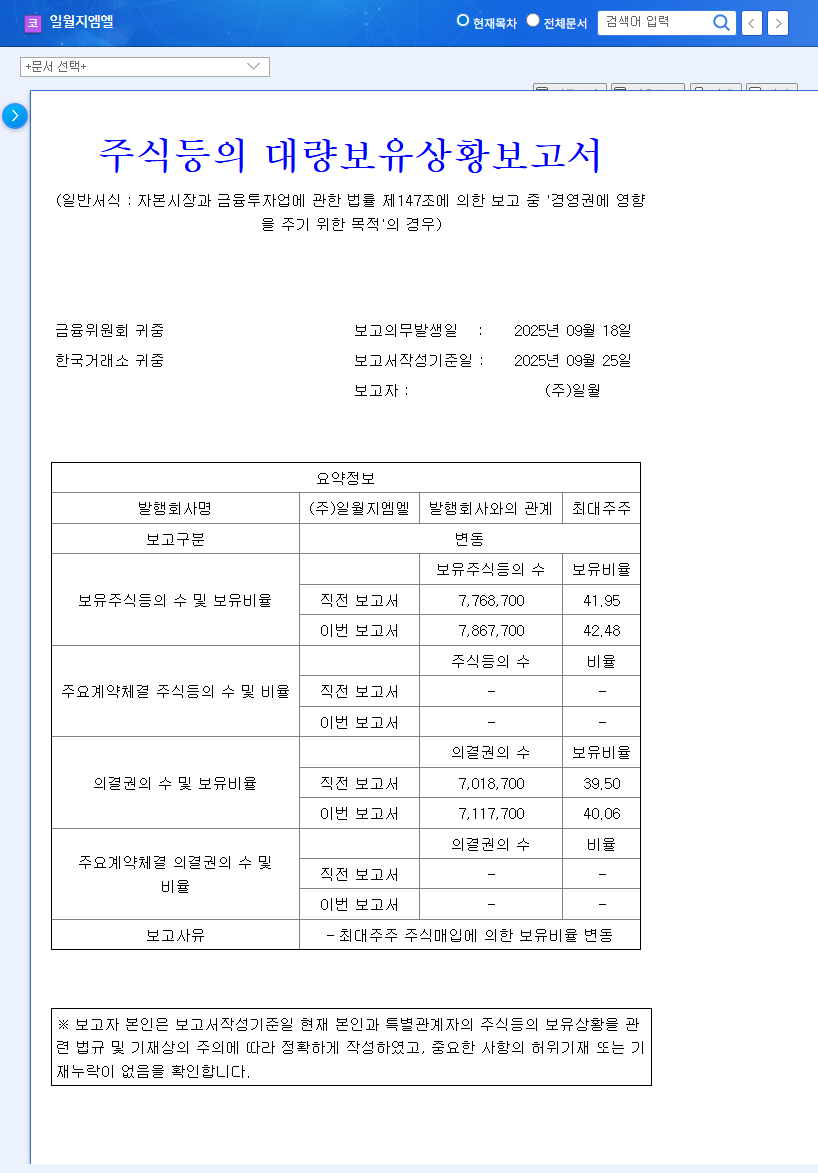
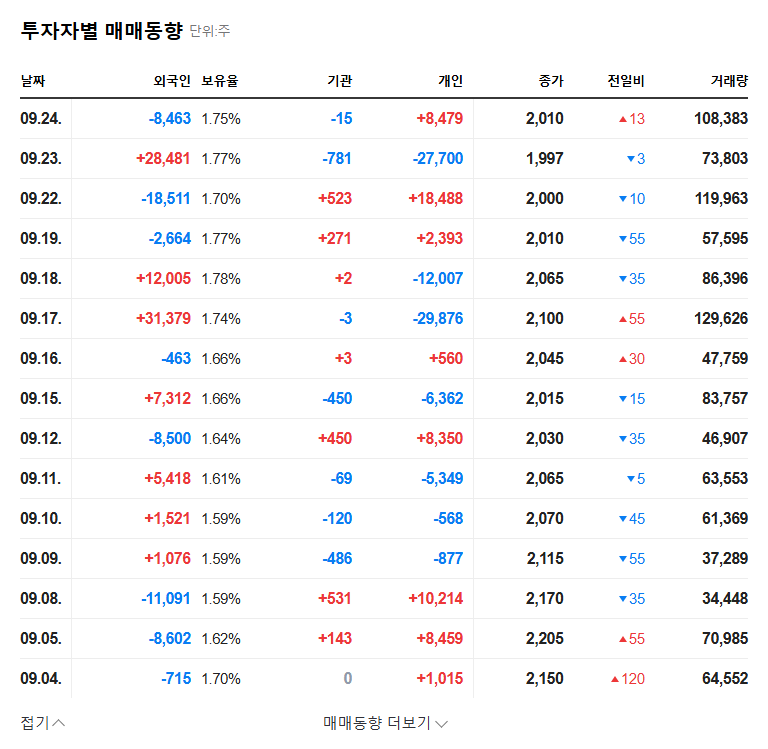
    Ilwol GML’s largest shareholder, Ilwol Co., purchased a total of 99,000 shares through on-market transactions on September 18th, 22nd, and 24th, increasing its stake from 41.95% to 42.48%, a 0.53%p increase.

    Why the Increased Stake?

    This stake increase can be interpreted as a positive sign, demonstrating the major shareholder’s commitment to strengthening management control and confidence in the company’s business vision. The major shareholder is currently restructuring the business, focusing on seasonal appliance distribution and a new food and beverage venture, and appears to be expressing its intent to drive the company’s growth through these initiatives.

    What’s Next?

    On the positive side, the major shareholder’s proactive involvement in management could enhance investor confidence. However, the significant operating loss and weakened financial health in the first half of 2025 remain challenges. Increased competition in the distribution business, uncertainties surrounding the new food and beverage venture, and high interest rates and exchange rate volatility also pose risks.

    What Should Investors Do?

    • Proceed with Caution: Given the coexistence of positive events and negative fundamentals, investment decisions should be made carefully.
    • Closely Analyze: Investors should monitor upcoming quarterly earnings announcements, new business plans, and further actions by the major shareholder.
    • Manage Risk: Investment always entails risk. Carefully consider the potential for losses before investing, and invest only within your risk tolerance.


    FAQ

    What is Ilwol GML’s main business?

    Ilwol GML currently focuses on seasonal appliance distribution and plans to enter the food and beverage business.

    Why is the major shareholder’s stake increase important?

    The increase in stake can be seen as a signal of management stability and commitment to the business, which can influence investor confidence.

    Should I invest in Ilwol GML?

    Given the current situation with both positive events and negative fundamentals, investment decisions should be made with caution. Careful analysis of future earnings and business plans, along with risk management, is crucial.


    Ilwol GML: Major Shareholder Increases Stake - Opportunity or Trap? 관련 이미지
    Ilwol GML: Major Shareholder Increases Stake - Opportunity or Trap? 관련 이미지


  • Studio Mir Stock Forecast: Major Shareholder Stake Changes – What Investors Need to Know

    Studio Mir Stock Forecast: Major Shareholder Stake Changes - What Investors Need to Know 대표 차트 이미지

    1. Major Shareholder Stake Changes: What Happened?

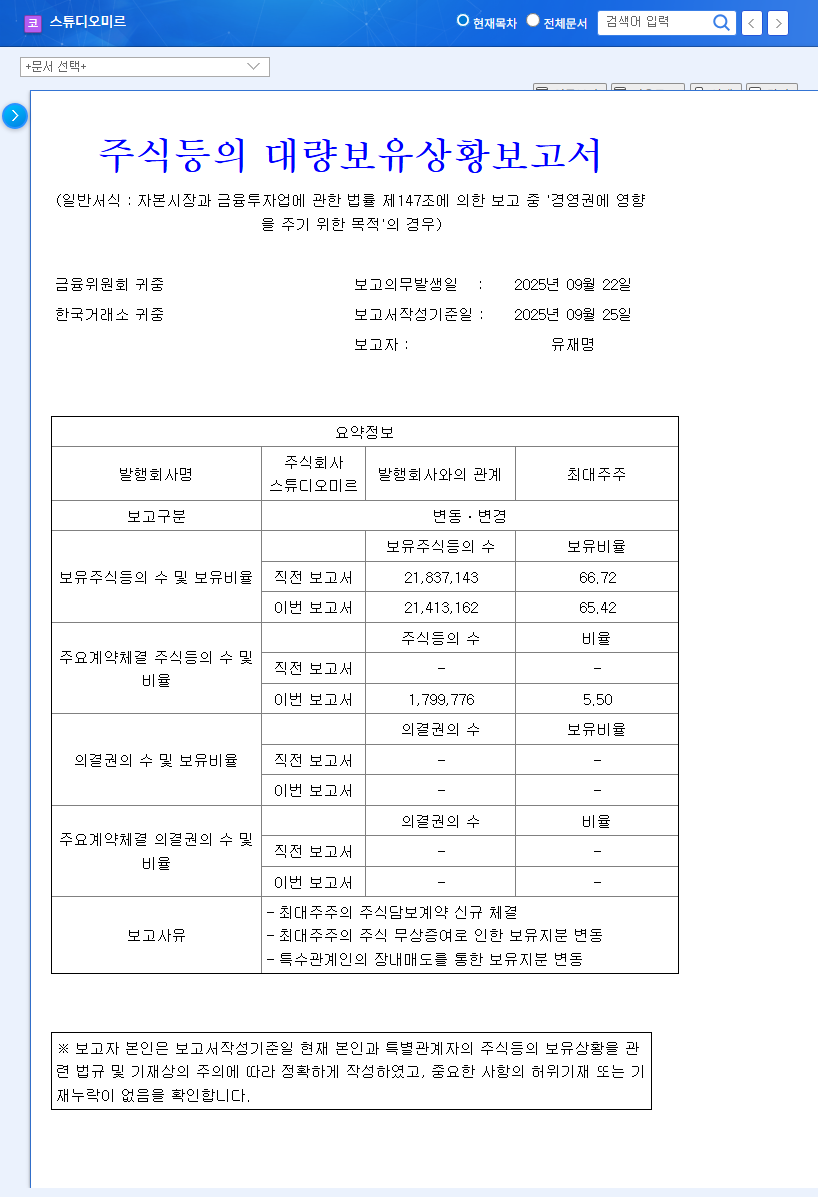
    On September 25, 2025, CEO Jae-myung Yoo’s stake in Studio Mir decreased from 66.72% to 65.42%, a 1.30%p drop. This change resulted from a combination of factors, including a new share-pledged loan agreement, a gratuitous transfer of shares, and over-the-counter sales by related parties.

    2. Why the Stake Reduction? Investor Uncertainty

    The lack of clarity regarding the reasons behind the stake changes has fueled investor anxiety. Several possibilities, such as loan repayment, inheritance planning, or personal financial needs, have been suggested, but the exact reason requires further disclosure. The size and terms of the pledged shares and the CEO’s repayment capacity are crucial variables that could significantly impact the stock price.

    3. Underperformance and Added Uncertainty: What’s Next?

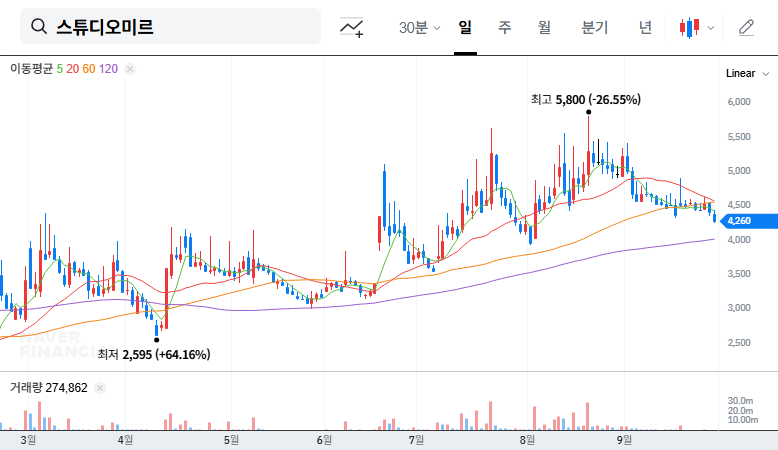
    • Potential Short-term Stock Decline: Selling shares by a major shareholder typically negatively impacts stock prices. Combined with Studio Mir’s weak first-half 2025 performance, the downward pressure could intensify.
    • Long-term Impact Remains to be Seen: As the major shareholder still retains a majority stake, the likelihood of a management change is low. However, continuous monitoring of stake changes and the company’s fundamentals is crucial.

    4. What Should Investors Do? Key Checkpoints

    A ‘wait-and-see’ approach is recommended for Studio Mir investments currently. Consider the following key points when formulating your investment strategy:

    • Monitor trends and reasons for further stake changes by the major shareholder
    • Assess the company’s performance in the second half of 2025
    • Track the recovery of accounts receivable and improvements in financial health
    • Evaluate the success of new business ventures (IP co-development)

    Significant uncertainty surrounds Studio Mir at present. Thorough analysis and careful judgment are essential before making any investment decisions.

    Frequently Asked Questions (FAQ)

    How will the Studio Mir major shareholder stake change affect the stock price?

    In the short term, it’s likely to put downward pressure on the stock price. However, since the major shareholder still holds a majority stake and the reasons for the change are unclear, further analysis is needed to determine the long-term impact.

    Is it a good time to invest in Studio Mir?

    Currently, a ‘wait-and-see’ approach is recommended. Given the uncertain fundamentals and the reasons for the stake changes, it’s advisable to wait for more information and observe future trends before investing.

    What should investors watch out for when considering Studio Mir?

    Investors should closely monitor trends in major shareholder stake changes, the company’s performance in the second half of 2025, financial health indicators, and the success of new business ventures.

    Studio Mir Stock Forecast: Major Shareholder Stake Changes - What Investors Need to Know 관련 이미지
    Studio Mir Stock Forecast: Major Shareholder Stake Changes - What Investors Need to Know 관련 이미지