Tag: LNG Carrier

  • (028670) Pan Ocean Q3 2025 Earnings Analysis: Stock Under Pressure After Major Profit Miss

    (028670) Pan Ocean Q3 2025 Earnings Analysis: Stock Under Pressure After Major Profit Miss

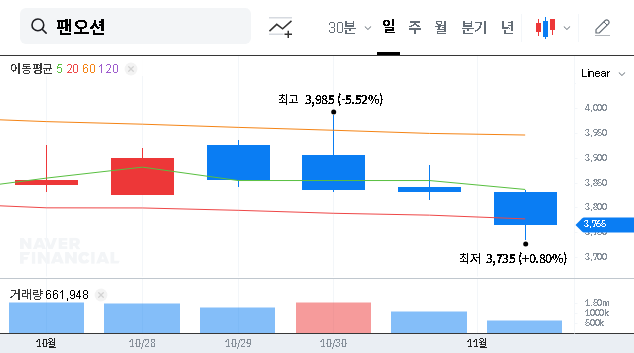
    The latest Pan Ocean Q3 2025 earnings report has sent a shockwave through the investment community. The shipping giant announced preliminary results that fell significantly short of market consensus, particularly in net profit, raising critical questions about the company’s trajectory and the health of the broader shipping industry. For current and prospective investors, this moment demands a clear-eyed analysis of what went wrong, the immediate impact on Pan Ocean stock, and the strategic outlook for the coming quarters.

    This comprehensive breakdown examines the core numbers, dissects the underlying causes of the underperformance, and offers a strategic perspective on what’s next for Pan Ocean. We will explore everything from macroeconomic headwinds to internal cost pressures to help you make a more informed investment decision.

    Deconstructing the Pan Ocean Q3 2025 Earnings Shock

    On November 3, 2025, Pan Ocean released figures that painted a challenging picture. The deviation from analyst expectations was stark, with the net profit miss being the most alarming signal to the market. Here’s a closer look at the key performance indicators:

    • Revenue: KRW 1,269.5 billion, a significant 9% miss compared to the expected KRW 1,395 billion.
    • Operating Profit: KRW 125.2 billion, narrowly missing the consensus of KRW 127.5 billion by 2%.
    • Net Profit: KRW 57.9 billion, a staggering 40% below the anticipated KRW 97 billion.

    While the operating profit held relatively firm, suggesting some level of cost control at the operational level, the dramatic plunge in net profit points to severe pressures further down the income statement. This discrepancy is what has investors most concerned. For a detailed, unfiltered look at the numbers, investors can review the Official Disclosure filed with DART (Source).

    The 40% net profit miss is a red flag. It indicates that even if the core business is treading water, external financial pressures and non-operational costs are significantly eroding the bottom line. This is a classic sign of a tough macroeconomic environment hitting a cyclical industry.

    Key Factors Behind the Disappointing Performance

    The underperformance wasn’t caused by a single issue but a confluence of persistent headwinds. Understanding these factors is crucial for any shipping market analysis.

    1. Continued Slump in Bulk Freight Rates

    Pan Ocean’s core business remains heavily tied to the bulk shipping market. Key indicators like the Baltic Dry Index (BDI) have reflected sluggish global demand for raw materials like iron ore and coal. This sustained downturn in bulk freight rates directly compresses revenue and profit margins for the company’s primary fleet, a trend that unfortunately continued through Q3 2025.

    2. Macroeconomic and Financial Pressures

    The sharp decline in net profit, despite a more stable operating profit, points squarely at financial costs. Two main culprits are:

    • Exchange Rate Volatility: A rising won/dollar exchange rate (KRW 1,431.20 as of late October) increases the burden of any US dollar-denominated debt and operational costs, leading to foreign exchange losses.
    • High Interest Rates: With global central banks maintaining high-interest rates to combat inflation, the cost of financing Pan Ocean’s capital-intensive operations (e.g., vessel loans) has surged, directly impacting net profitability.

    3. A Glimmer of Hope: The Non-Bulk Segment

    While the bulk sector struggled, Pan Ocean’s strategic diversification into non-bulk areas, particularly its long-term contracts for LNG (Liquefied Natural Gas) carriers, provided some stability. This segment is less susceptible to spot market volatility and represents a critical growth engine. However, in Q3 2025, its positive contribution was not enough to offset the severe downturn in the core business and the external financial pressures.

    Stock Outlook and Investor Strategy

    The market’s reaction to the Pan Ocean Q3 2025 earnings is expected to be negative in the short term. The substantial profit miss will likely lead to analyst downgrades and a sell-off as investors re-price the stock to reflect lower profitability. However, a sound investment strategy requires a more nuanced, long-term view.

    What to Monitor Moving Forward:

    • Global Economic Indicators: The recovery of the shipping market is contingent on a broader global economic rebound. Keep an eye on manufacturing PMI data and trade forecasts from institutions like the International Monetary Fund (IMF).
    • Non-Bulk Segment Growth: Pay close attention to announcements regarding new long-term contracts for LNG carriers or other specialized vessels. This is Pan Ocean’s key to de-risking its business model. For more on this, see our Complete Guide to Shipping Sector Diversification.
    • Cost Management: The company’s ability to control operating expenses, bunker fuel costs, and SG&A will be paramount in protecting margins until revenue recovers.

    For now, a cautious approach is warranted. The earnings shock creates uncertainty, and investors should brace for short-term volatility. The key is to avoid panic-selling and instead focus on whether the company’s long-term fundamentals—including its diversification strategy and balance sheet strength—remain intact through this cyclical downturn.

    (028670) Pan Ocean Q3 2025 Earnings Analysis: Stock Under Pressure After Major Profit Miss 관련 이미지
  • (028670) Pan Ocean POSCO Contract: A Deep Dive Analysis for Investors (2025)

    (028670) Pan Ocean POSCO Contract: A Deep Dive Analysis for Investors (2025)

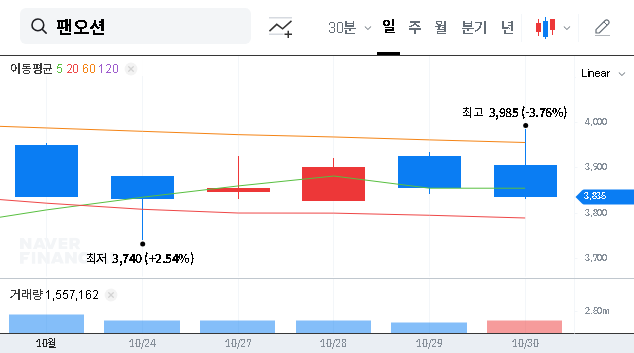
    The new Pan Ocean POSCO contract has sent ripples through the shipping industry, marking a significant strategic move for both South Korean giants. Pan Ocean Co., Ltd., a leading global shipping company, has secured a massive long-term cargo transportation contract with the steel powerhouse, POSCO. Valued at approximately KRW 133.6 billion, this deal raises critical questions for investors: Does this agreement signal a stable growth trajectory for Pan Ocean amidst global economic uncertainty? How does this partnership fortify Pan Ocean’s market position?

    This comprehensive analysis will dissect the contract’s specifics, evaluate Pan Ocean’s current fundamentals, and assess the broader macroeconomic environment. Our goal is to provide precise insights into Pan Ocean’s present and future value, empowering you to make well-informed investment decisions in the dynamic shipping sector.

    Deconstructing the Pan Ocean POSCO Contract

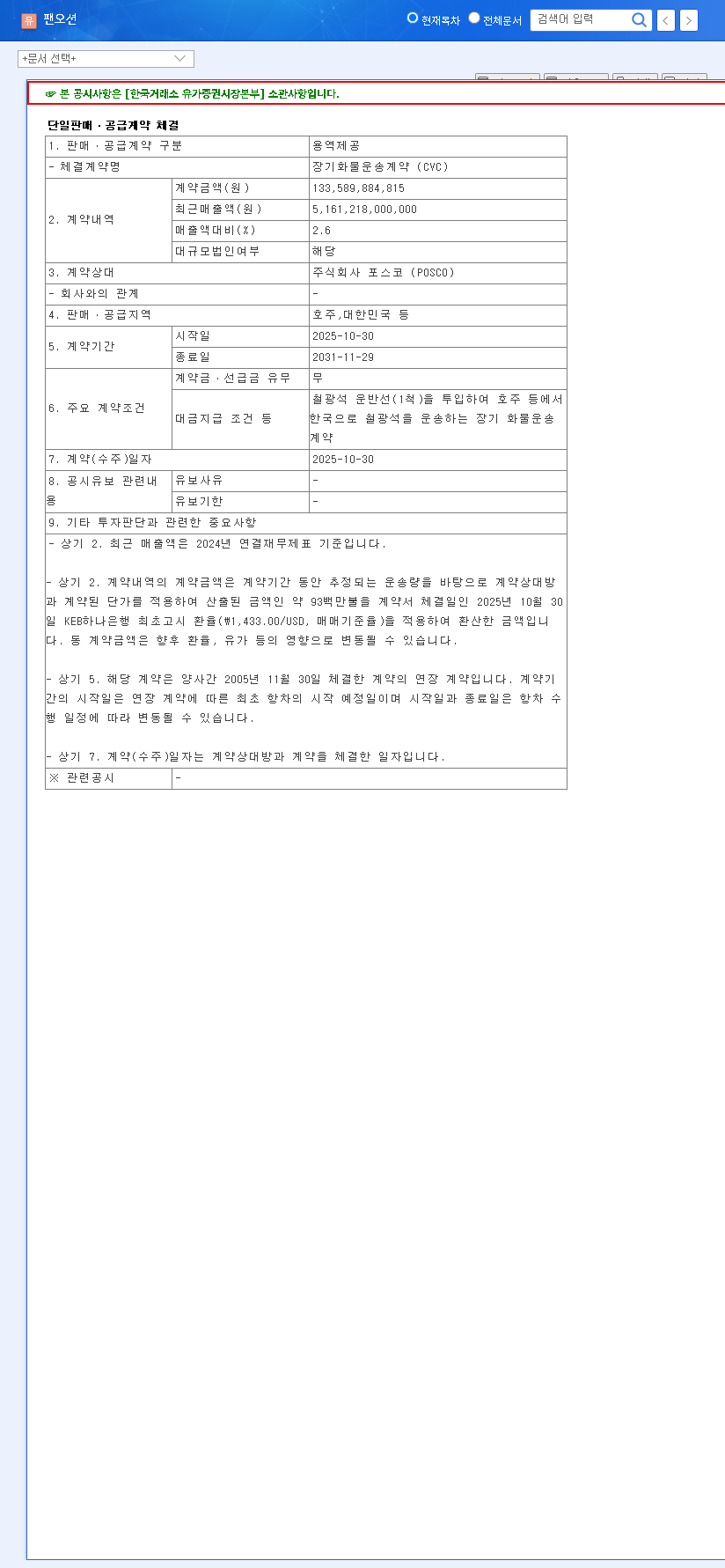
    On October 30, 2025, Pan Ocean announced the landmark agreement with POSCO, a pivotal development for its core business. This Long-Term Cargo Transportation Contract (often referred to as a Contract of Affreightment or CVC) provides a predictable and stable revenue stream, a highly coveted asset in the often-volatile shipping market. For a detailed look at the official filing, you can view the Official Disclosure (Source).

    • Contract Value: KRW 133.6 billion, which constitutes approximately 2.6% of Pan Ocean’s recent annual revenue.
    • Contract Duration: A substantial period of 6 years and 1 month, running from October 30, 2025, to November 29, 2031.
    • Scope of Work: Focused on the transportation of steel-related raw materials and finished products, directly bolstering Pan Ocean’s primary bulk carrier operations.

    Pan Ocean’s Fundamentals: A Business Deep Dive

    The POSCO contract is particularly crucial given Pan Ocean’s current financial and operational landscape. While the company maintains a stable financial footing, the subdued global shipping market necessitates a strong focus on efficiency and securing reliable revenue streams.

    Financial Health and Core Business Segments

    Based on recent financial reports, Pan Ocean’s operating profit has shown improvement despite a slight revenue dip, largely due to successful cost-cutting initiatives. The company’s diverse business segments contribute to its resilience:

    • Bulk Segment (57% of Revenue): As the company’s backbone, this segment’s profitability is a key strength. The stability offered by its portfolio of long-term contracts, now strengthened by the POSCO deal, is vital for weathering downturns in freight indices.
    • LNG Carrier Segment: Positioned as a future growth engine, this division is set to benefit from the global energy transition and rising demand for Liquefied Natural Gas (LNG). Expansion of the gas carrier fleet to 13 vessels by year-end is a strong indicator of future potential.
    • Grain Business: A strategic diversification, this segment has shown remarkable revenue growth thanks to an expanded sales network, positioning Pan Ocean as a more integrated logistics provider.

    The Macroeconomic Landscape: Headwinds and Tailwinds

    No shipping company operates in a vacuum. Pan Ocean’s performance is intrinsically linked to global economic trends. For further reading, industry analysis from sources like Drewry Shipping Consultants can provide broader market context.

    • Shipping Indices: The Baltic Dry Index (BDI), a key barometer for the bulk shipping market, has shown weakness, with a 21% year-over-year decrease. This downturn highlights the importance of long-term contracts like the one with POSCO to insulate revenue from spot market volatility.
    • Currency and Interest Rates: As an international business, Pan Ocean is sensitive to USD/KRW exchange rate fluctuations. Furthermore, while the interest rate environment has been stable, potential increases in borrowing costs require prudent financial management.
    • Commodity Prices: Volatility in international oil prices directly impacts operational costs (bunker fuel), making cost-efficiency and fuel hedging strategies critical.

    This long-term contract serves as a strategic shield, allowing Pan Ocean to stabilize a portion of its core revenue and better navigate the turbulent waters of the spot market.

    Impact Analysis: What This Means for Pan Ocean’s Future

    The Pan Ocean POSCO contract is projected to have a multi-faceted positive impact on the company. Securing roughly KRW 22 billion in stable annual revenue directly strengthens its profit structure and reduces earnings volatility. This enhanced financial predictability is crucial for funding strategic investments, such as the expansion of the LNG fleet. Moreover, deepening its partnership with a blue-chip client like POSCO enhances Pan Ocean’s reputation and could act as a catalyst for securing other major long-term shipping contracts in the future.

    While the 2.6% share of total revenue may not trigger a dramatic short-term stock price surge, its true value lies in reinforcing the company’s long-term fundamentals. This move demonstrates a proactive strategy to gain a competitive edge in a persistently challenging industry.

    Investor Takeaway and Action Plan

    In conclusion, Pan Ocean’s long-term shipping contract with POSCO is a significant strategic victory. It enhances business stability, secures a predictable revenue stream, and strengthens the company’s core bulk segment. This deal provides a solid foundation that can support growth initiatives in more nascent areas like LNG transport and the grain business.

    For investors, this development should be viewed as a strong positive for the company’s long-term health rather than a short-term catalyst. It reinforces Pan Ocean’s status as a resilient and well-managed player in the global shipping industry. Continuous monitoring of macroeconomic indicators and shipping indices remains essential. For those interested in this sector, understanding the nuances of how to analyze shipping stocks is a crucial next step.

    Frequently Asked Questions (FAQ)

    Q1: What are the key details of the Pan Ocean POSCO contract?

    The contract, signed on Oct 30, 2025, is valued at KRW 133.6 billion and will run for over 6 years until Nov 29, 2031, focusing on transporting steel-related materials.

    Q2: How significant is this contract to Pan Ocean’s revenue?

    It represents about 2.6% of Pan Ocean’s total revenue, providing a stable income of approximately KRW 22 billion annually.

    Q3: What is Pan Ocean’s most important business segment?

    The bulk carrier segment is its core business, accounting for 57% of total revenue. This contract directly strengthens the stability of this key division.

    Disclaimer: This analysis is for informational purposes only and is based on publicly available data. Investment decisions should be made at the investor’s own discretion and responsibility. No liability is assumed for any investment outcomes.

    (028670) Pan Ocean POSCO Contract: A Deep Dive Analysis for Investors (2025) 관련 이미지
  • (033500) Dongsung Finetec Stock Analysis: Beyond the NPS Sale | Q2 2025 Deep Dive

    (033500) Dongsung Finetec Stock Analysis: Beyond the NPS Sale | Q2 2025 Deep Dive

    Recent news surrounding Dongsung Finetec (041750) has stirred the investment community, specifically the disclosure of the National Pension Service (NPS) reducing its stake. This move has understandably raised questions: Is this a signal of underlying weakness, or a routine portfolio adjustment? This comprehensive Dongsung Finetec investment analysis aims to look past the headlines, providing a detailed examination of the company’s Q2 2025 performance, its fundamental strengths, and the long-term outlook for its stock.

    We will dissect the company’s core business in the booming LNG sector, evaluate its future growth engines, and weigh the associated risks to offer investors a clear, actionable perspective on Dongsung Finetec’s intrinsic value.

    Deconstructing the NPS Share Sale: A Closer Look

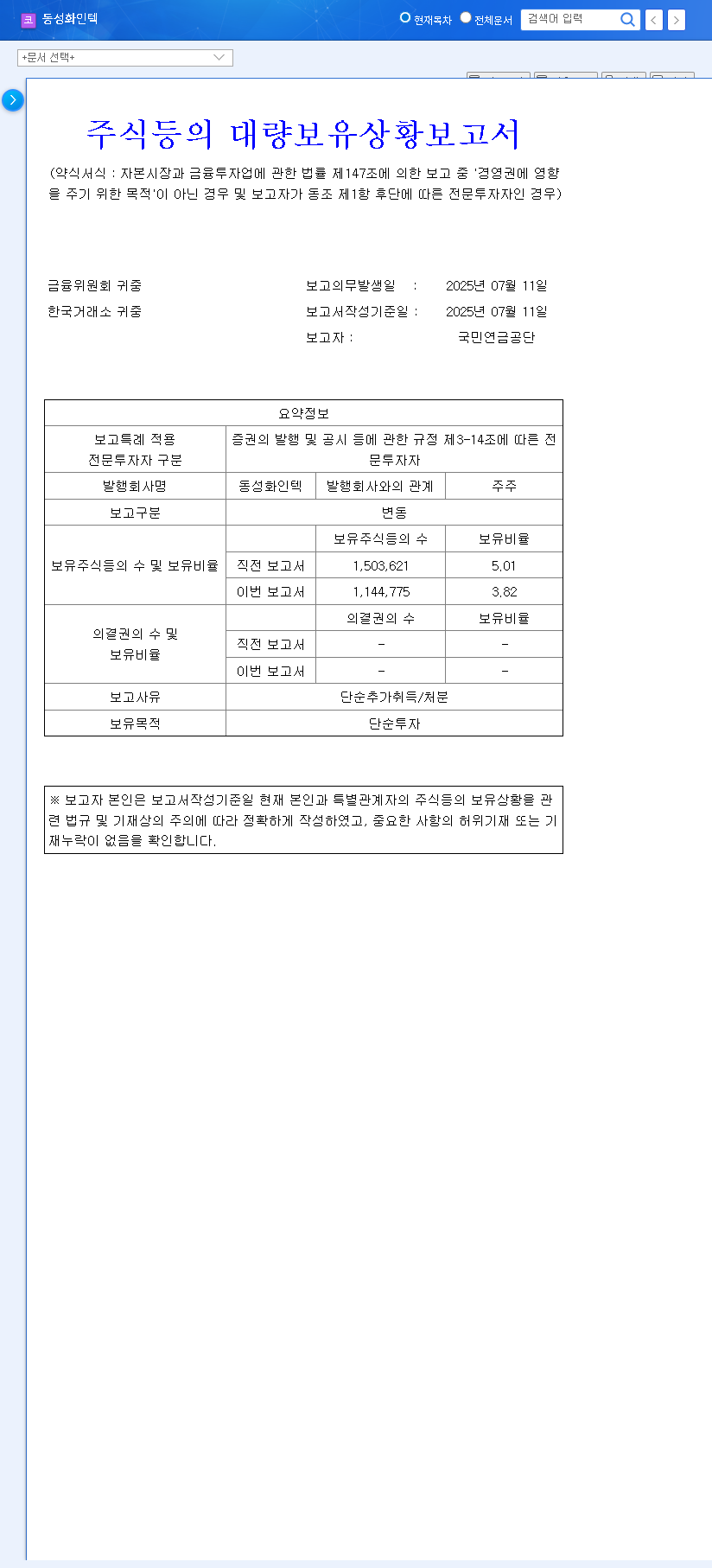
    On October 1, 2024, the National Pension Service filed a disclosure indicating it had sold a 1.19% stake in Dongsung Finetec, reducing its total ownership to 3.82%. According to the official filing, the purpose of the holding was cited as ‘simple investment,’ with the change attributed to ‘simple additional acquisition/disposal.’ You can view the Official Disclosure (Source: DART) for precise details.

    While a sale by a major institutional investor like the NPS can create short-term selling pressure and market apprehension, the context is crucial. The ‘simple investment’ classification suggests the NPS is not involved in management and the sale is likely part of a broader portfolio rebalancing strategy rather than a bearish verdict on Dongsung Finetec’s future. Institutional funds regularly adjust holdings to manage risk, lock in profits, or reallocate capital. Therefore, basing an investment thesis solely on this event would be misguided.

    Q2 2025 Performance: A Story of Robust Growth

    Dongsung Finetec’s Q2 2025 financial results paint a picture of a company with strong operational momentum. Both revenue and operating profit saw significant year-over-year increases, underscoring the health of its core operations.

    The Engine Room: PU Insulation Dominance

    The primary driver of this success, accounting for an impressive 96% of total revenue, is the Polyurethane (PU) insulation materials business. This division is critically positioned to benefit from several powerful global trends:

    • Global LNG Boom: As nations seek cleaner energy alternatives, the demand for Liquefied Natural Gas (LNG) is surging. According to the International Energy Agency (IEA), LNG trade is expected to grow substantially, necessitating a larger fleet of specialized LNG carriers.
    • Eco-Friendly Shipping: Strict international maritime regulations (like IMO 2020 and beyond) are pushing the shipping industry towards cleaner fuels, with LNG being a leading choice. Dongsung Finetec’s ultra-low temperature insulation is essential for safely transporting and using LNG on these vessels.

    Future Growth: The Refrigerant Recycle Business

    Looking ahead, Dongsung Finetec is cultivating a new growth driver in its refrigerant recycling business. With global environmental pacts like the Montreal and Paris Agreements tightening regulations on fluorinated gases, the demand for recycled and eco-friendly refrigerants is set to expand. This positions the company to capitalize on the growing circular economy and ESG (Environmental, Social, and Governance) trends, attracting a wider base of conscious investors.

    The core takeaway is that Dongsung Finetec’s stock performance will ultimately be driven by its fundamental earnings power and market leadership, not by the short-term portfolio decisions of a single institutional investor.

    Financial Health and Risk Assessment

    A company’s growth story is only compelling if it’s built on a solid financial foundation. As of Q2 2025, Dongsung Finetec has demonstrated significant improvements in this area. Its debt-to-equity ratio has fallen to a healthy 70.7%, indicating reduced financial risk and greater resilience. Furthermore, a substantial improvement in operating cash flow shows that its growth is not just on paper but is generating real cash, which can be used for reinvestment or returning value to shareholders. However, a prudent Dongsung Finetec investment analysis must also consider the risks:

    • Customer Concentration: A high dependence on its top four customers (accounting for 85.7% of revenue) is a notable risk. Any downturn affecting major shipbuilders could directly impact Dongsung Finetec’s order book.
    • Input Cost Volatility: The prices of key raw materials for PU foam, such as Polyol and MDI, can fluctuate with global oil prices, potentially squeezing profit margins.
    • Exchange Rate Fluctuations: As a global player, currency volatility can impact both revenue and the cost of imported raw materials.

    Investment Outlook and Final Recommendation

    While the NPS Dongsung Finetec share sale created temporary market noise, the company’s fundamentals remain strong and its growth trajectory is intact. The dominant position in a structurally growing market (LNG carriers), combined with a promising new business and improving financial stability, presents a compelling long-term investment case.

    Investors should focus on the company’s intrinsic value and its alignment with long-term global energy trends. For those interested in this sector, comparing this analysis with our guide to investing in industrial materials stocks could provide additional context. Our long-term outlook for Dongsung Finetec stock remains positive. We recommend investors look past the short-term volatility and consider accumulating positions, while remaining mindful of the identified risks, particularly customer concentration and commodity price cycles.

    (033500) Dongsung Finetec Stock Analysis: Beyond the NPS Sale | Q2 2025 Deep Dive 관련 이미지
  • (042660) Hanwha Ocean’s Landmark LNGC Contract: A Deep Dive for Investors

    (042660) Hanwha Ocean’s Landmark LNGC Contract: A Deep Dive for Investors

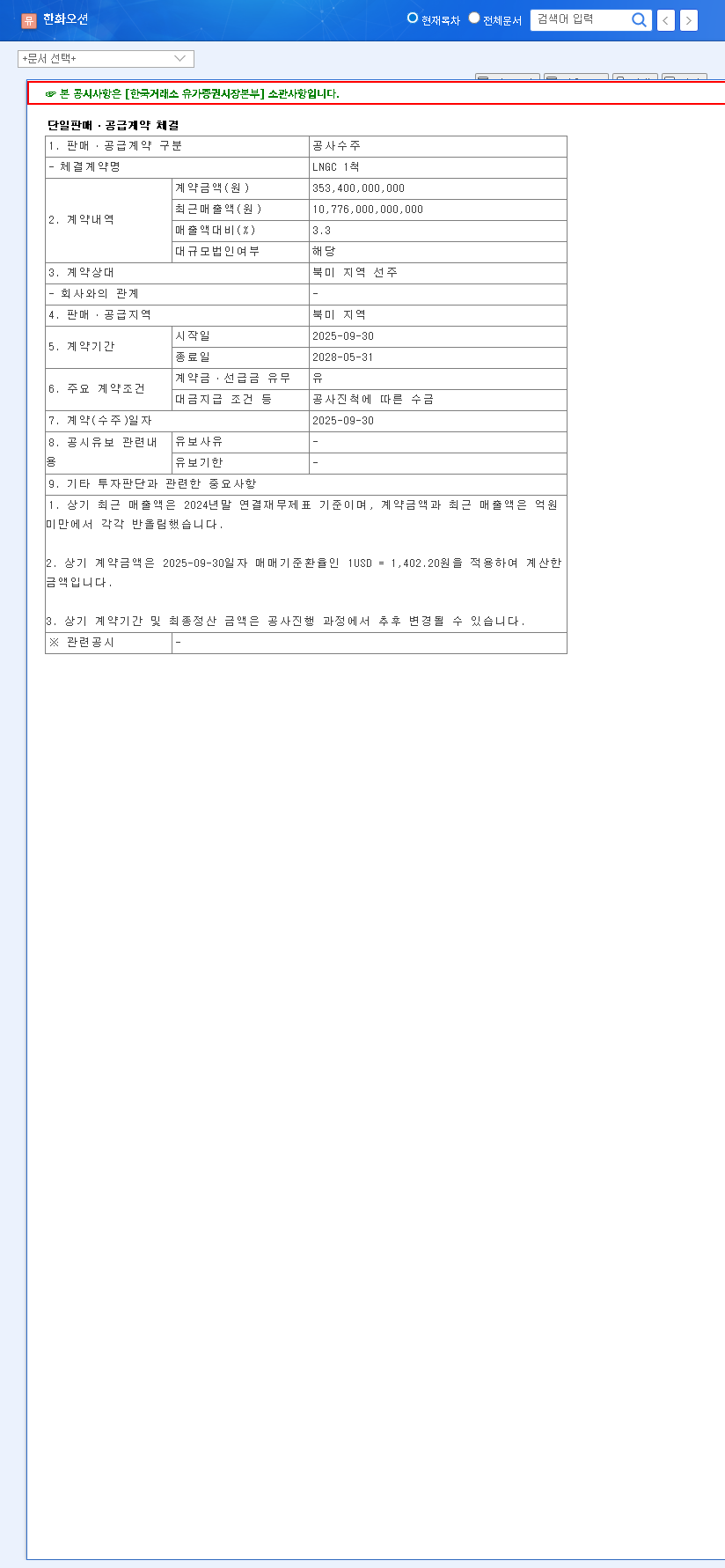
    In a significant development for the global shipbuilding industry, South Korean powerhouse Hanwha Ocean has announced a major new deal. The recent Hanwha Ocean LNGC contract with a North American shipowner is not just another line on the order books; it’s a strategic move that underscores the booming demand in the Liquefied Natural Gas (LNG) carrier market and offers a clear signal to investors about the company’s future trajectory. This pivotal agreement, valued at over 353 billion KRW, solidifies Hanwha Ocean’s position as a leader in high-value vessel construction.

    This article provides a comprehensive analysis of this landmark deal. We will explore the specifics of the contract, its strategic importance within the global energy transition, the bullish trends in the LNG carrier market, and provide actionable insights for anyone considering a Hanwha Ocean investment. Let’s delve into the details and what they mean for the future.

    Breaking Down the Hanwha Ocean LNGC Contract

    On October 1, 2025, Hanwha Ocean Co., Ltd. formally announced the signing of a substantial sales and supply contract. As confirmed in the Official Disclosure, this agreement involves the construction and delivery of one state-of-the-art Liquefied Natural Gas Carrier (LNGC) for an undisclosed North American shipowner. The deal represents a significant milestone, strengthening the company’s revenue streams and diverse business portfolio.

    This contract is more than a financial transaction; it’s a testament to Hanwha Ocean’s technological prowess and a strategic alignment with the world’s shifting energy demands.

    Key Contract Details

    • Scope: Construction and supply of one advanced LNGC.
    • Value: 353.4 billion KRW, representing 3.3% of recent annual revenue.
    • Timeline: The contract period runs from September 30, 2025, to May 31, 2028.
    • Strategic Importance: Deepens penetration into the lucrative North American market and reinforces leadership in the high-tech LNGC sector.

    Riding the Wave: The Surging Global LNG Carrier Market

    This order doesn’t exist in a vacuum. It is a direct result of powerful global trends. The global energy transition is fueling unprecedented demand for LNG as a cleaner ‘bridge fuel’ to replace coal and oil. Nations are increasingly relying on LNG for energy security, and North America, particularly the United States, has emerged as a dominant exporter. This has created a massive, sustained demand for the specialized vessels required to transport it.

    According to analysis from leading bodies like the International Energy Agency, the demand for LNG is projected to continue its upward trend for the foreseeable future. This structural growth underpins the business case for companies like Hanwha Ocean, ensuring a steady stream of high-value orders and creating a favorable environment for long-term profitability in the LNG carrier market.

    An Investor’s Guide to the Hanwha Ocean Opportunity

    For investors, this news warrants careful consideration. The contract positively impacts Hanwha Ocean’s fundamentals and serves as a stepping stone for mid-to-long-term growth. Here’s a breakdown of the key factors to weigh.

    The Bull Case: Why This is Positive News

    • Revenue Stability: This large-scale order provides predictable revenue for the next few years, strengthening the company’s financial foundation.
    • Market Leadership: Securing a contract with a North American client reconfirms Hanwha Ocean’s technological edge and competitiveness on the global stage.
    • Future Order Potential: A successful delivery strengthens relationships and positions the company favorably for repeat business as LNG export capacity expands.

    Potential Risks and Headwinds to Monitor

    While the outlook is bright, savvy investors must also consider potential challenges. Sustained growth depends on consistently securing new orders in a competitive landscape. Geopolitical events or sudden shifts in energy policy could impact long-term LNG demand. Furthermore, macroeconomic factors, such as sharp fluctuations in the USD/KRW exchange rate, can affect profitability on contracts denominated in US dollars. For more on this, read our complete guide to investing in the global shipbuilding sector.

    Action Plan & Final Thoughts

    Overall, the latest Hanwha Ocean LNGC contract is a powerful, positive indicator. It aligns perfectly with market dynamics and the company’s core strengths.

    Investors should focus on the following:

    • Monitoring Order Flow: Watch for announcements of follow-up orders to gauge long-term growth momentum.
    • Analyzing Market Trends: Keep an eye on global LNG supply/demand reports and national energy policies.
    • Evaluating Competitive Edge: Assess how Hanwha Ocean’s technology and pricing stand up against global competitors.

    This contract is a crucial piece of shipbuilding industry news and a clear sign of Hanwha Ocean’s strengthening position in a vital global market. It serves as a solid foundation upon which the company can build its future growth.

    (042660) Hanwha Ocean's Landmark LNGC Contract: A Deep Dive for Investors 관련 이미지
  • Hanwha Ocean Secures $2.5B LNGC Contract, Boosting US Market Presence

    Hanwha Ocean Secures $2.5B LNGC Contract, Boosting US Market Presence 대표 차트 이미지

    1. What Happened?: $2.5 Billion LNGC Contract Secured

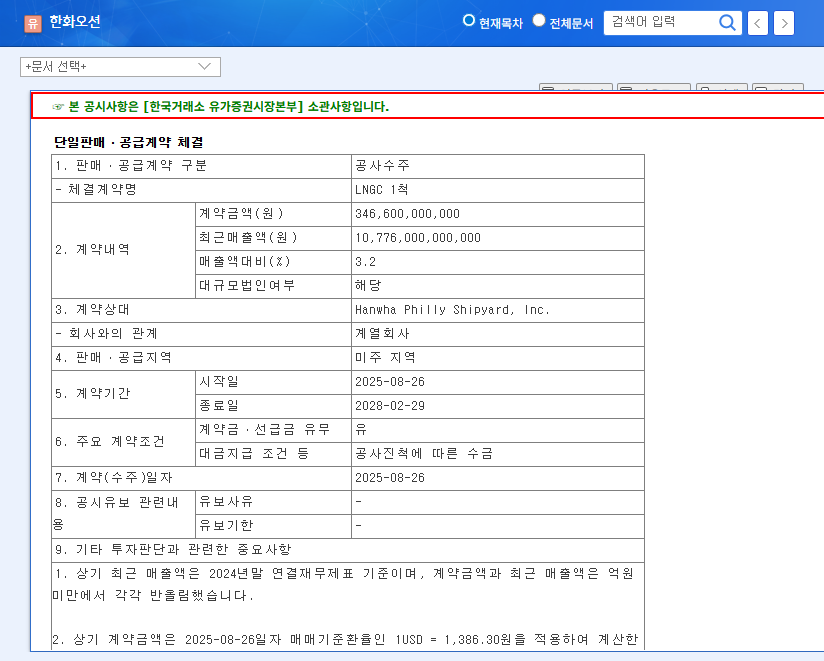
    Hanwha Ocean signed a contract with Hanwha Philly Shipyard, Inc. to supply one LNGC for $2.5 billion. This represents 3.2% of Hanwha Ocean’s 2023 revenue and will run from August 26, 2025, to February 29, 2028.

    2. Why It Matters: US Market Entry and Growth Momentum

    This contract is a key achievement in Hanwha Ocean’s strategy to enter the US shipbuilding market, providing a crucial stepping stone for expansion and enhanced competitiveness in North America. The order for a high-value-added LNGC also demonstrates technological prowess and promises improved profitability. Following a return to profitability in the first half of 2025, this contract is expected to further boost Hanwha Ocean’s growth trajectory.

    3. What’s Next?: Positive Investment Outlook, But Risks Remain

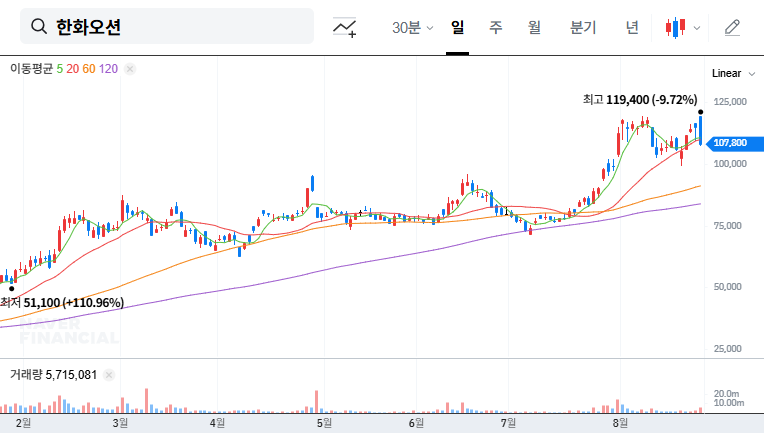
    The contract is anticipated to positively influence investor sentiment and provide medium- to long-term momentum for stock price appreciation. However, it is crucial to be mindful of risk factors such as fluctuations in the USD/KRW exchange rate, project execution risks, and the potential for a global economic slowdown.

    4. Investor Action Plan: Long-Term Investment Value, Risk Management Essential

    Hanwha Ocean shows promising long-term growth prospects, supported by a robust order backlog, positive financial performance, and investments in eco-friendly technologies. Investors should carefully monitor the aforementioned risk factors and adopt a long-term perspective when developing their investment strategies.

    Q: How will this contract affect Hanwha Ocean’s stock price?

    A: The contract is expected to positively influence investor sentiment and provide medium- to long-term momentum for stock price appreciation. However, a gradual increase is more likely than a sudden surge.

    Q: What is the outlook for Hanwha Ocean?

    A: Hanwha Ocean shows promising long-term growth prospects, supported by a robust order backlog, positive financial performance, and investments in eco-friendly technologies. However, potential risks like a global economic slowdown should be considered.

    Q: What precautions should investors take?

    A: Investors should carefully monitor risk factors such as fluctuations in the USD/KRW exchange rate and project execution challenges, adopting a long-term perspective for their investment strategies.

    Hanwha Ocean Secures $2.5B LNGC Contract, Boosting US Market Presence 관련 이미지
    Hanwha Ocean Secures $2.5B LNGC Contract, Boosting US Market Presence 관련 이미지
  • Samsung Heavy Industries Wins $1.1B LNG Carrier Order: Investment Opportunity?

    What Happened? : $1.1B LNG Carrier Order Secured

    On August 18, 2025, SHI announced a contract with an Oceanian client to build four LNG carriers, valued at $1.1 billion. The contract spans 3 years and 3 months, representing 14.5% of SHI’s revenue.

    Why Does This Matter? : Balancing Optimism and Uncertainty

    This order is seen as a significant catalyst for SHI to rebound from a sluggish first half. Securing a contract for high-value LNG carriers raises hopes for improved profitability. However, lingering uncertainties related to past project cancellations necessitate a balanced assessment of both positive prospects and risks.

    • Positive Factors:
      • Increased revenue and secured future income stream
      • Demonstration of technological competitiveness in high-value LNG carriers and expansion into new markets
      • Expected improvement in financial health
    • Risk Factors:
      • Potential profit fluctuations due to raw material price and exchange rate volatility
      • Global economic slowdown and intensified competition
      • Remaining uncertainties related to past project cancellations

    What Should Investors Do? : A Cautious Approach is Advised

    While short-term stock price momentum is expected, a cautious long-term investment approach is recommended. Investors should continuously monitor the resolution of uncertainties related to past projects, cost management, and profitability improvement efforts. Furthermore, continuous market analysis, including tracking global economic trends, shipbuilding market conditions, and competitor analysis, is crucial for making informed investment decisions.

    Action Plan for Investors

    1. Develop a long-term investment plan that isn’t swayed by short-term price fluctuations.
    2. Continuously monitor the resolution of uncertainties surrounding past projects and profitability improvement.
    3. Conduct ongoing market analysis to assess the impact of global economic trends and shipbuilding market conditions.
    4. Analyze competitors and assess the sustainability of SHI’s competitive edge.
    5. Build a stable investment portfolio through diversification and risk management.

    Frequently Asked Questions

    How significant is this LNG carrier order for SHI’s financial performance?

    The $1.1 billion contract represents 14.5% of SHI’s revenue, indicating a significant contribution to revenue growth over the next 3 years and 3 months.

    What are the key investment risks to consider?

    Investors should carefully consider uncertainties related to past project cancellations, raw material price and exchange rate fluctuations, and the potential for a global economic slowdown.

    What is the outlook for SHI?

    While this order is a positive sign, SHI’s long-term growth hinges on securing further orders, managing costs effectively, and strengthening its technological competitiveness. Ongoing monitoring of global economic trends and the shipbuilding market is also essential.

  • Samsung Heavy Industries Wins $520 Million LNG Carrier Order: Investment Outlook

    1. What Happened? – $520 Million LNG Carrier Order Secured

    Samsung Heavy Industries signed a contract with an Oceanian client to build two LNG carriers for $520 million. This represents 7.1% of SHI’s revenue for the first half of 2025.

    2. Why Does It Matter? – Boosting Revenue and Growth Momentum

    This order contributes significantly to SHI’s revenue growth and strengthens its order backlog. As LNG carriers are high-value vessels, the contract is expected to improve SHI’s profitability and inject much-needed optimism into the shipbuilding sector.

    3. What’s Next? – Investment Outlook and Analysis

    While the new order is likely to drive positive momentum for SHI’s stock price, the ongoing uncertainty surrounding the Zvezda project remains a risk factor. Investors need to carefully consider both these aspects when making investment decisions.
    On the positive side, the LNG carrier order reinforces SHI’s competitiveness, solidifies its order book, and positions it well for growth in the eco-friendly vessel market. However, the Zvezda project’s unresolved issues, SHI’s relatively high debt ratio, and the potential for global economic slowdown warrant caution.

    4. What Should Investors Do? – Action Plan

    • Short-term investors: Monitor the outcome of the Zvezda project arbitration and be mindful of potential short-term stock price volatility.
    • Long-term investors: Track SHI’s fundamental performance, particularly its success in securing more eco-friendly vessel orders and its ability to improve profitability.

    Frequently Asked Questions

    How will this LNG carrier order impact SHI’s financial performance?

    It is expected to positively impact revenue, strengthen the order backlog, and improve profit margins.

    What is the Zvezda project, and how does it affect SHI?

    The Zvezda project was a shipyard construction project in Russia. SHI’s contract for the project was terminated, resulting in financial losses. Arbitration is ongoing, and the outcome could further impact SHI’s financial standing.

    What is the outlook for SHI’s stock price?

    While this order can have a positive impact, the uncertainty surrounding the Zvezda project remains a concern. Investors should proceed with caution.

  • Hanwha Ocean Q2 2025 Earnings: High-Value Vessels Drive Growth, But Financial Risks Loom

    1. Hanwha Ocean Q2 Earnings: Key Highlights

    Hanwha Ocean reported revenue of ₩3.2941 trillion, operating profit of ₩371.7 billion, and net profit of ₩148.4 billion in Q2 2025. Operating profit increased by 43.7% compared to the previous quarter, while net profit decreased.

    2. Drivers of Performance: High-Value Vessels vs. Financial Headwinds

    • Positive Factors: Increased orders for high-value vessels (LNG carriers, etc.), improved cost management.
    • Negative Factors: Increased financial expenses due to rising exchange rates (KRW/USD, KRW/EUR) and interest rates (US, Korea), concerns about global economic slowdown.

    3. Outlook and Investment Strategies: Opportunities and Threats

    Hanwha Ocean’s future growth hinges on continued orders for high-value vessels, managing macroeconomic variables, and the success of its US market entry strategy. Increasing demand for eco-friendly vessels presents opportunities, but LNG carrier charter rate volatility and potential oversupply in the container ship market pose threats. Investors should closely monitor the impact of fluctuations in macroeconomic indicators (US/Korea interest rates and bond yields, exchange rates).

    4. Action Plan for Investors

    Investors should analyze stock charts to identify discrepancies between market expectations and actual performance, and continuously adjust their investment strategies. It is crucial to analyze the company’s fundamentals and growth potential from a long-term perspective, rather than being swayed by short-term stock price fluctuations.

    Frequently Asked Questions

    What were the key takeaways from Hanwha Ocean’s Q2 earnings?

    While operating profit significantly increased due to higher orders for high-value vessels, net profit decreased due to increased financial expenses.

    What factors could impact Hanwha Ocean’s stock price in the future?

    Key factors include the global economy, exchange rate and interest rate fluctuations, and the success of the company’s US market entry strategy.

    What should investors keep in mind?

    Investors should focus on analyzing the company’s long-term value and pay attention to changes in macroeconomic indicators, rather than focusing on short-term stock price movements.

  • Hanwha Ocean Secures $260M LNG Carrier Contract, Boosting US Market Presence

    1. What Happened?

    On July 22, 2025, Hanwha Ocean signed a contract with Hanwha Philly Shipyard, Inc. to build one LNG carrier for $260 million. The contract period is 2 years and 6 months (July 21, 2025 – January 31, 2028).

    2. Why Does It Matter?

    This contract is a cornerstone of Hanwha Ocean’s US market entry strategy. It’s particularly significant as the first large-scale order leveraging their acquisition of Philly Shipyard Inc., providing a crucial foothold in the US. As a high-value-added vessel, the LNG carrier is expected to contribute to Hanwha Ocean’s profitability.

    3. What’s the Impact on Investors?

    Short-term Impact: With the contract extending to 2028, the immediate impact on revenue will be limited. However, it could help mitigate the declining revenue trend observed in Q3 2025.
    Long-term Impact: This contract increases the likelihood of further orders in the US market and strengthens Hanwha Ocean’s capabilities in building high-value-added vessels, positively influencing long-term growth. Investors should, however, consider risk factors such as fluctuations in raw material prices, exchange rates, and the global economic slowdown.

    4. Investment Action Plan

    This contract is a positive indicator of Hanwha Ocean’s long-term growth potential. Investors should carefully monitor external factors like exchange rates, interest rates, and raw material prices, as well as the company’s financial performance, to develop a medium- to long-term investment strategy. Analyze stock charts and financial information to inform your investment decisions.

    What is the value of the LNG carrier contract?

    $260 million.

    Who is the counterparty to the contract?

    Hanwha Philly Shipyard, Inc.

    Why is this contract significant?

    It’s a crucial step in Hanwha Ocean’s US market entry strategy.