The final verdict is in for investors of KANGLIM Co., LTD. (014200). The Seoul Southern District Court has dismissed the company’s final appeal, which means the KANGLIM delisting process is now officially confirmed and irreversible. For shareholders, this is a code-red alert that requires immediate, informed action to mitigate what could become a total loss of investment. This comprehensive guide will break down the situation, explain the critical upcoming liquidation trading period, and provide a clear action plan.
In a delisting scenario, traditional company valuation becomes irrelevant. The primary goal shifts from long-term growth to immediate capital preservation. Every decision must be viewed through the lens of minimizing loss.
The Final Judgment: Why the KANGLIM Delisting is Happening
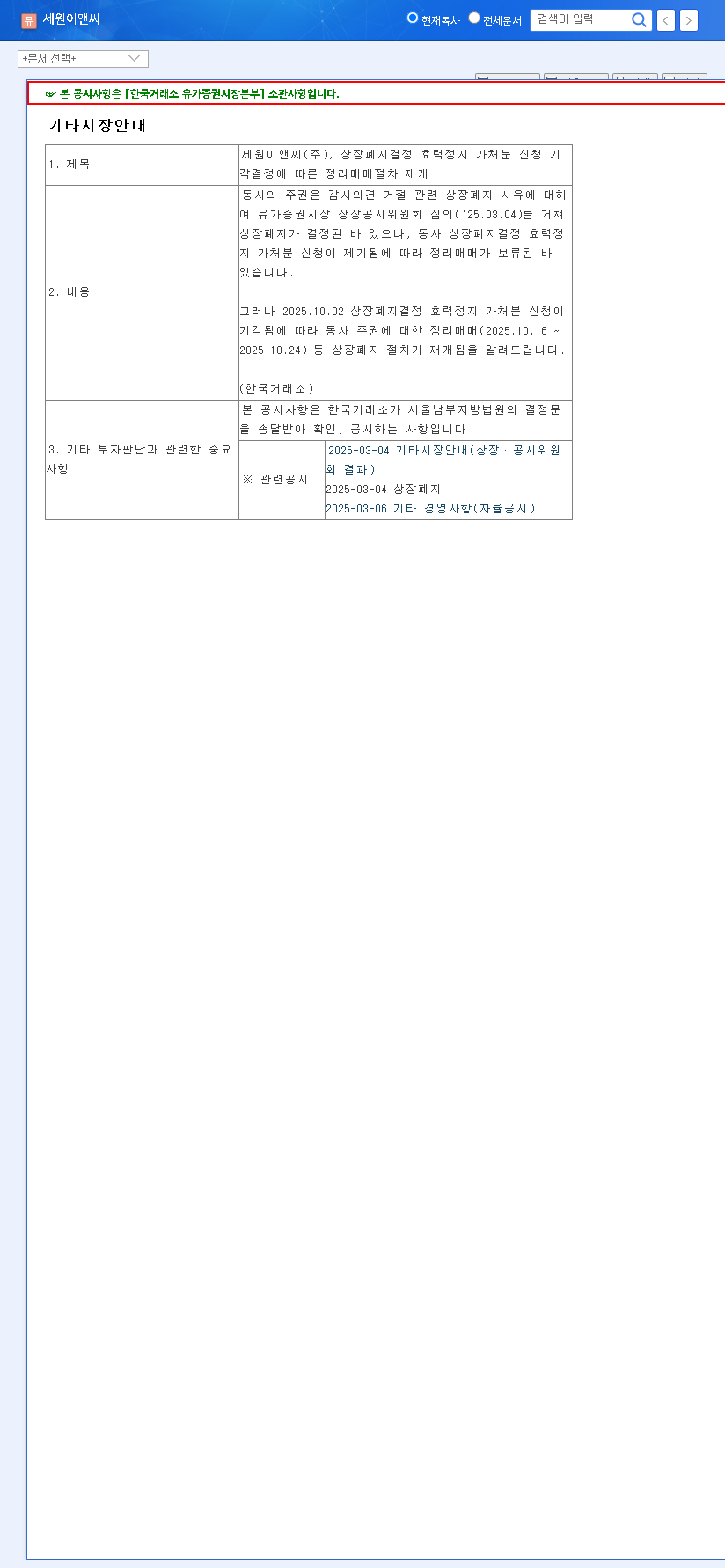
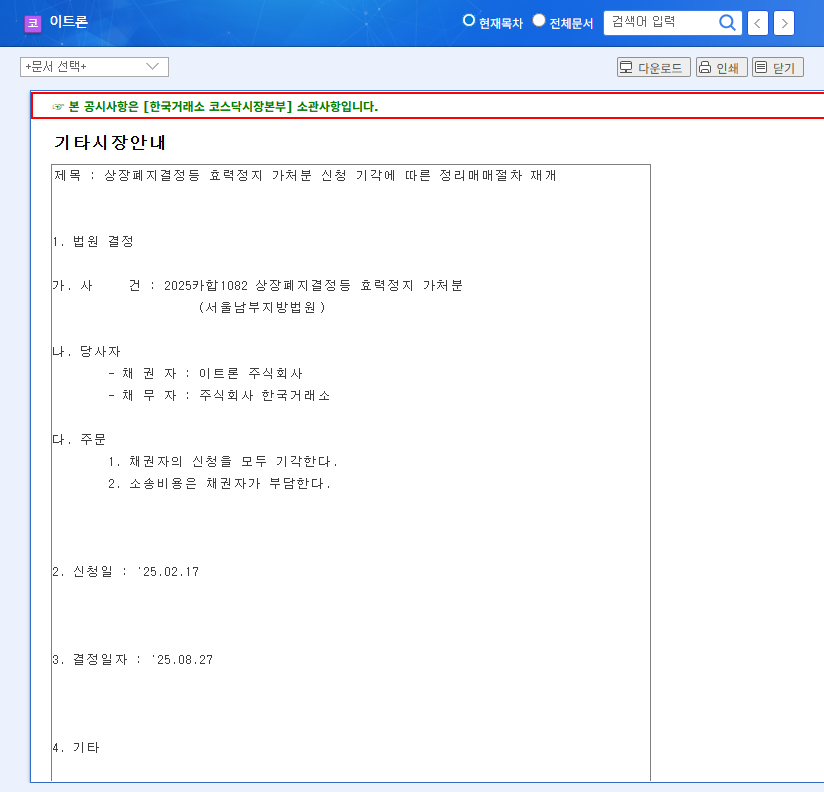
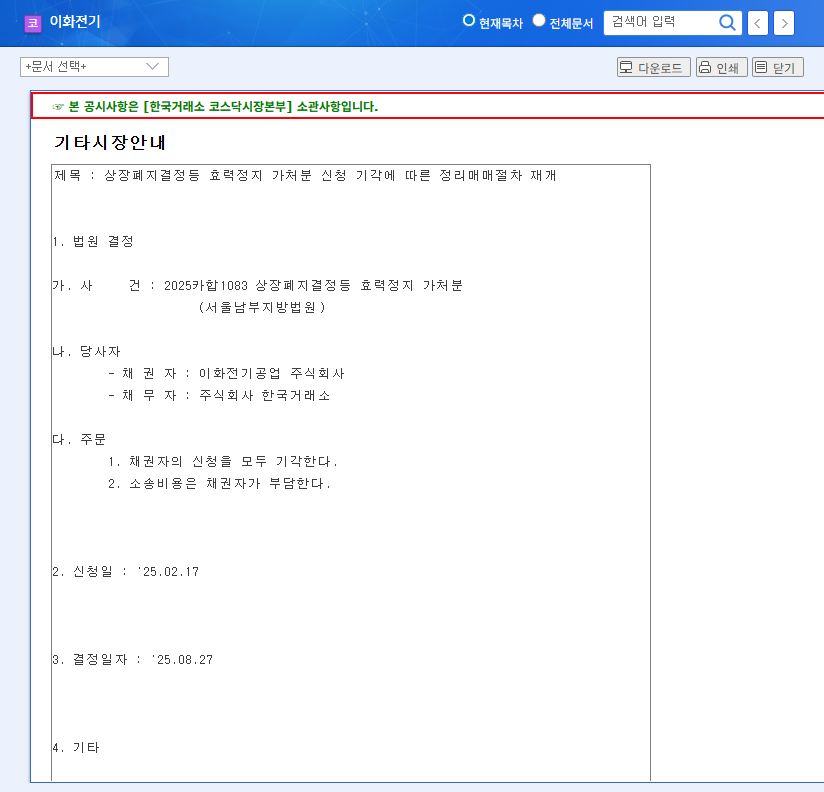
The journey to this point has been fraught with uncertainty. The Korea Exchange initially made the 014200 delisting decision on February 10, 2025. KANGLIM management immediately filed for an injunction to suspend this action, buying temporary time. However, on November 13, 2025, the court delivered the final blow by dismissing this application. This legal decision removes all remaining obstacles to the delisting. The official confirmation can be viewed directly from the source via the Official Disclosure on DART.
This means the company’s shares will be permanently removed from the stock exchange. Understanding the next phase, liquidation trading, is paramount for every shareholder.
What is Liquidation Trading? Your Last Chance to Act
Before a company is officially delisted, the exchange provides a short, final window for shareholders to sell their stock. This is known as liquidation trading. For KANGLIM, this period is set:
- •Trading Period: November 17, 2025, to November 25, 2025 (7 trading days).
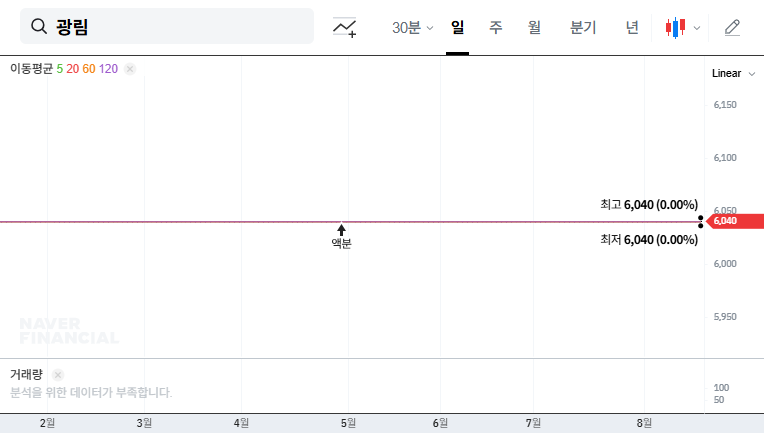
- •What to Expect: Extreme price volatility, immense selling pressure, and a high probability of the stock price plummeting toward zero.
- •The Goal: For investors, the sole objective during this period is to exit their position and recover any capital possible, no matter how small.
After November 25, 2025, KANGLIM shares will become unlisted securities, making them virtually impossible to sell and effectively worthless for the average investor. For a deeper understanding of this process, you can read more about stock delisting on high-authority financial sites.
Why Company Fundamentals No Longer Matter
In normal market conditions, investors analyze a company’s financial health to determine its value. With the KANGLIM delisting, these metrics become meaningless. Factors that may have once seemed positive are now overshadowed by the terminal event of being removed from the exchange.
A Look at KANGLIM’s Now-Obsolete Financials
While the company had a relatively low debt ratio (8.64%) and even turned an operating profit in H1 2025, these facts cannot prevent the stock’s value from converging to zero. The market is forward-looking, and the future for KANGLIM as a publicly-traded entity is over. The loss of credibility, difficulty in fundraising, and inability for investors to trade shares are far more powerful forces than any past financial statement.
Investor Action Plan: A Step-by-Step Guide
The time for hope is over; the time for strategic action is now. Here is a clear, no-nonsense investor guide for the coming days.
- •Step 1: Accept the Reality. Acknowledge that the delisting is final. There will be no last-minute rescues. The goal is now loss mitigation, not profit.
- •Step 2: Formulate an Exit Plan. Decide now how you will act during the Nov 17-25 trading period. The most straightforward strategy is to sell as early as possible to ensure you can find a buyer. Waiting for a price bounce is an extremely high-risk gamble.
- •Step 3: Strictly Prohibit New Investments. The extreme volatility may tempt speculative traders to ‘buy the dip’. This is a trap. The fundamental value of the stock is approaching zero. Do not add to your position under any circumstances.
- •Step 4: Consult a Professional. After selling, speak with a financial advisor about the tax implications. You may be able to use the capital loss to offset other gains, a strategy known as tax-loss harvesting. This is a key part of managing investment portfolio risk.
Conclusion: A Sobering Reality for KANGLIM Shareholders
The confirmation of the KANGLIM delisting is a severe and unfortunate event for its investors. It serves as a stark reminder of the risks inherent in equity markets. The only logical path forward is to utilize the upcoming liquidation trading period to salvage whatever value remains. We extend our condolences to all those affected and urge swift, prudent action to protect your financial well-being.