Tag: LG Electronics

  • (003550) LG Corp. Q3 2025 Earnings Miss: A Deep Dive Analysis for Investors

    (003550) LG Corp. Q3 2025 Earnings Miss: A Deep Dive Analysis for Investors

    The recent announcement of the LG Corp. Q3 2025 earnings has sent ripples through the investment community, as the numbers fell significantly short of market expectations. For current and prospective investors, this news raises critical questions: Is this a temporary stumble or a sign of deeper challenges? This comprehensive analysis provides a detailed breakdown of the financial results, the underlying causes, and a prudent action plan for navigating the path forward.

    We will dissect the performance of key subsidiaries, analyze macroeconomic pressures, and offer a clear-eyed view of what this LG Corp. earnings miss means for the company’s stock and long-term valuation.

    The Official Numbers: LG Corp.’s Q3 2025 Earnings Snapshot

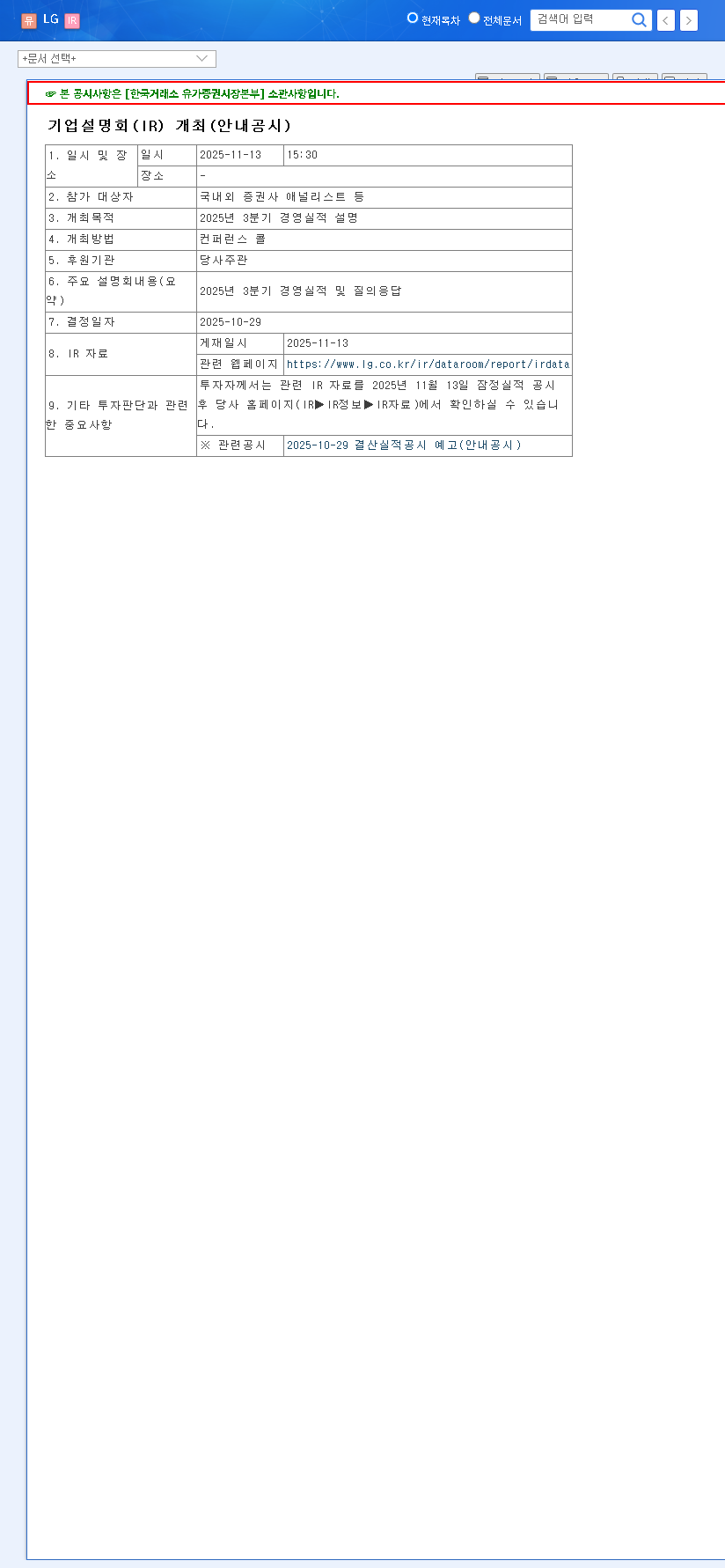
    LG Corp. released its preliminary consolidated financial results for the third quarter of 2025, revealing a broad-based miss against consensus market estimates. The data, confirmed by the Official Disclosure on DART, points to challenges in both revenue generation and profitability.

    • Revenue: KRW 1,996.2 billion, which is 2.0% below the market forecast of KRW 2,045.6 billion.
    • Operating Profit: KRW 418.9 billion, a significant 9.0% below the market estimate of KRW 462.8 billion.
    • Net Income: KRW 315.3 billion, marking a substantial 17.0% miss compared to the estimate of KRW 381.1 billion.

    The pronounced shortfall in operating profit and net income is particularly concerning, as it suggests that margin compression and operational inefficiencies are compounding the effects of slower sales. This dual pressure is a clear negative signal for investors relying on the company’s profitability.

    For investors, the core challenge is distinguishing between short-term market headwinds and a fundamental erosion of LG Corp.’s long-term earning power. A thorough LG stock analysis is more critical now than ever.

    Analyzing the Core Reasons for the Earnings Miss

    To understand the LG Corp. Q3 2025 earnings performance, we must look at its structure as a pure holding company. Its income is derived primarily from dividends, brand royalties, and rental income. The miss can be traced to both internal performance factors and external macroeconomic pressures.

    Negative Factor: Weakness in Subsidiary Payouts

    The H1 2025 report already hinted at this vulnerability. On a separate basis, operating revenue had decreased by 13.5% year-over-year, largely driven by a 22.7% drop in dividend income from its subsidiaries. This volatility is a direct risk for a holding company, and Q3’s results suggest this trend continued, impacting the bottom line directly.

    Positive Undercurrents: Growth in Key Subsidiaries

    Despite the headline miss, it’s not all negative. The consolidated view shows pockets of strength. The growth of LG CNS (up 6.0% in revenue in H1) and a 30.2% increase in equity method gains signal that some core subsidiaries are performing well. Moreover, the strategic importance of LG Energy Solution in the burgeoning EV battery market, alongside innovation at LG Chem and LG Electronics, provides a foundation for future growth. These positive elements are crucial for any long-term investor guide for LG Corp. For more details on subsidiary performance, you can review our previous H1 2025 analysis.

    Market Impact and Macroeconomic Headwinds

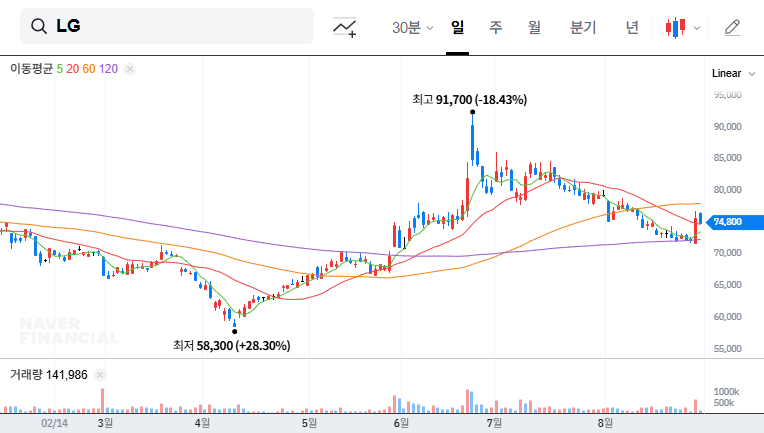
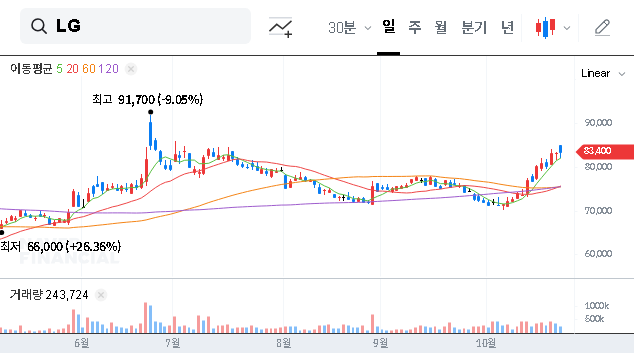
    An earnings miss of this magnitude will almost certainly trigger a negative short-term reaction. We expect increased selling pressure on LG Corp. stock as the market reprices its expectations. Investor sentiment will likely remain weak until the company can provide a clear roadmap for recovery. Several macroeconomic factors are exacerbating the situation:

    • Exchange Rates: A volatile KRW/USD exchange rate directly impacts the profitability of export-heavy subsidiaries like LG Electronics.
    • Interest Rates: Global monetary tightening increases borrowing costs, which can stifle investment and expansion plans. Investors should monitor central bank policies as discussed by sources like the Federal Reserve and Bank of Korea.
    • Raw Material & Logistics Costs: Fluctuations in oil prices affect LG Chem, while shipping costs, measured by indices like the CCFI, can squeeze margins for LG Electronics.

    Investor Action Plan: A Prudent Path Forward

    Reacting emotionally to short-term price drops is rarely a winning strategy. Instead, a measured and analytical approach is required. Here are four key recommendations for investors evaluating their position on LG Corp.

    • Deep-Dive Analysis: Pinpoint which specific subsidiaries are underperforming and why. Understanding the root cause is essential to forecasting future performance.
    • Assess the Competitive Landscape: Evaluate if the earnings miss is due to market-wide issues or a loss of competitive advantage in key sectors like electronics or chemicals.
    • Model Macro-Impacts: Analyze how different scenarios for interest rates, exchange rates, and commodity prices could affect future LG Corp. financials.
    • Focus on Long-Term Strategy: Base your investment decision on LG Corp.’s long-term vision, its commitment to future growth engines, and its ability to manage its diverse portfolio, rather than on a single quarter’s results.

    In conclusion, while the LG Corp. Q3 2025 earnings are disappointing, they also present an opportunity for diligent investors to re-evaluate the company’s fundamentals. By looking beyond the headline numbers and understanding the complex interplay of factors at work, one can make a more informed and rational investment decision.
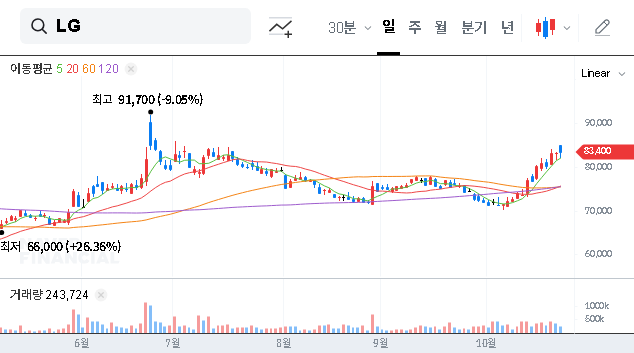
    (003550) LG Corp. Q3 2025 Earnings Miss: A Deep Dive Analysis for Investors 관련 이미지
  • (003550) LG Corp. Q3 2025 Earnings: A Deep-Dive Financial Analysis for Investors

    (003550) LG Corp. Q3 2025 Earnings: A Deep-Dive Financial Analysis for Investors

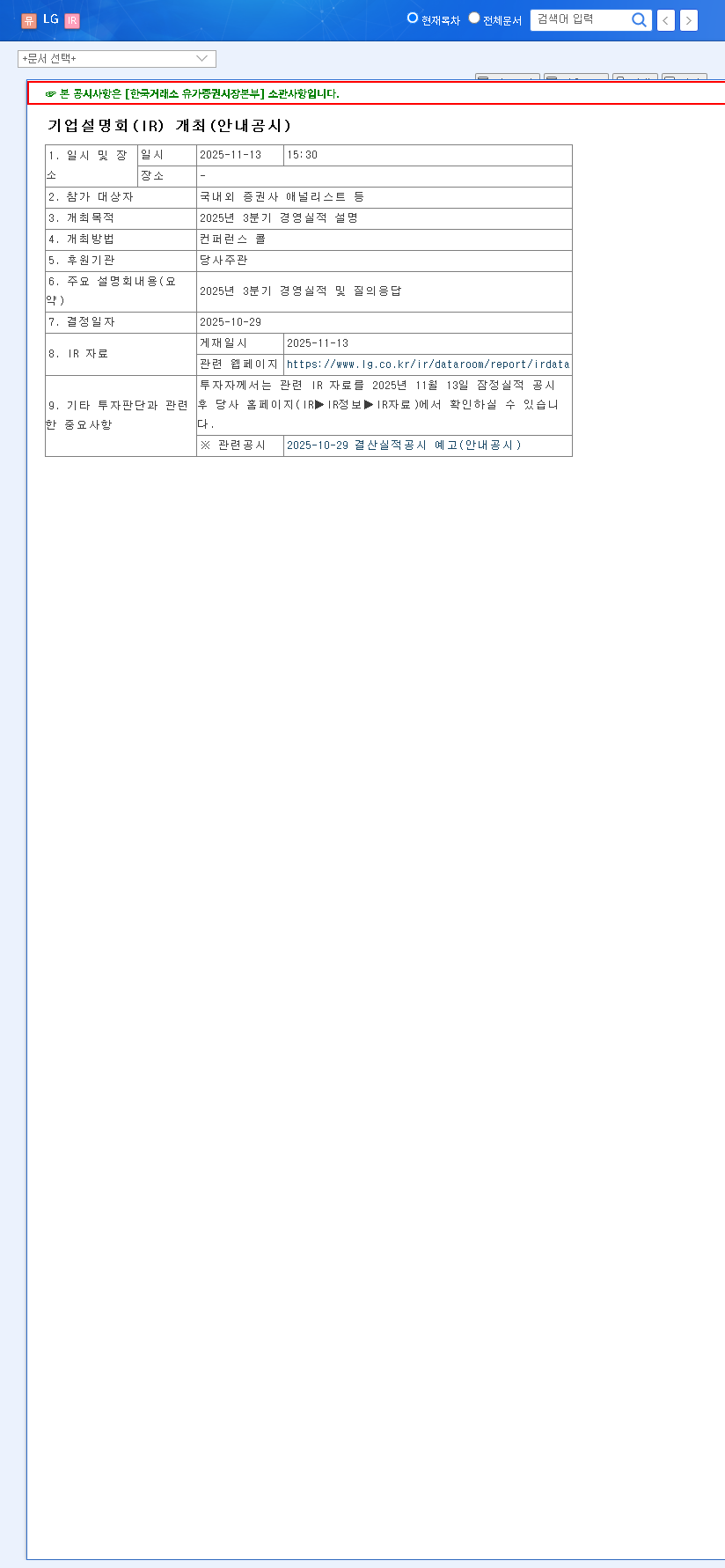
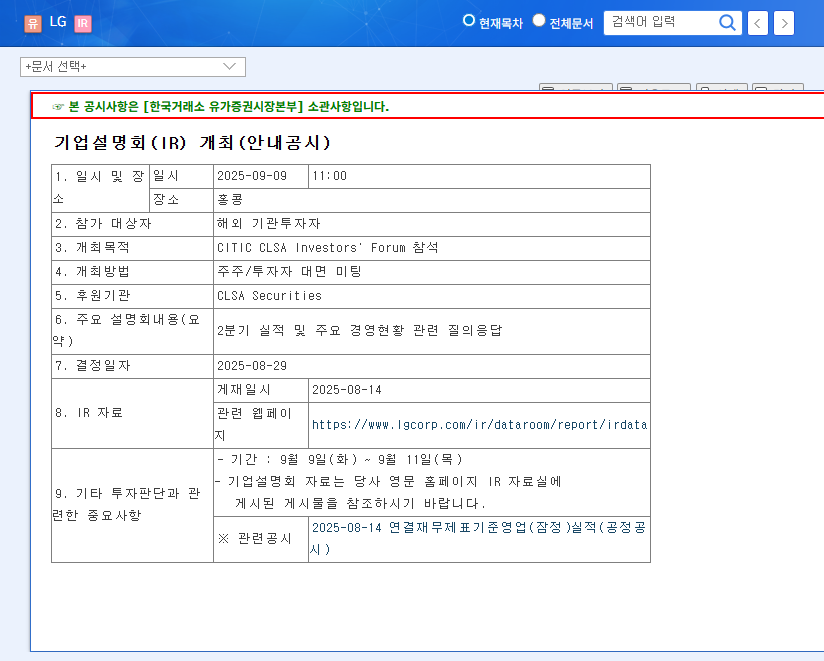
    The upcoming LG Corp. Q3 2025 earnings conference call, scheduled for October 29, 2025, represents a critical moment for investors and market analysts. This event will provide a detailed look into the holding company’s third-quarter business performance and offer crucial forward-looking guidance. This comprehensive LG Corp. financial analysis will break down the company’s fundamentals, explore its growth engines, identify potential risks, and offer a strategic roadmap for anyone considering investing in LG Corp. For direct information, the company has released its official investor relations data, which can be reviewed here: Official Disclosure (DART).

    Unpacking LG Corp.’s Core Financial Structure

    As a holding company, LG Corp. benefits from a diversified and inherently stable revenue model. Its income is not tied to a single product line but is derived from the collective success of its vast portfolio of subsidiaries. The primary revenue streams are well-balanced:

    • Subsidiary Dividends (53.7%): The largest portion comes from the profits of its high-performing affiliate companies like LG Electronics and LG Chem.
    • Trademark Royalties (32.3%): The company earns significant income from the use of the globally recognized ‘LG’ brand by its subsidiaries.
    • Rental Income (14.0%): Revenue from real estate holdings, such as the LG Twin Towers, provides a steady, reliable cash flow.

    Growth Catalysts & Shareholder Value

    Despite its stable foundation, LG Corp. is aggressively pursuing future growth. The positive outlook is supported by strong subsidiary performance and strategic investments in next-generation technologies.

    Powerhouse Subsidiary Performance

    The health of LG Corp. is directly tied to its affiliates. LG CNS continues to impress with a 6.0% revenue increase in IT services, driven by cloud adoption and digital transformation projects. Meanwhile, LG Chem is strategically rebalancing its portfolio; while petrochemicals face headwinds, its advanced materials division (critical for EV batteries) and a recovering life sciences segment signal a positive turn. This diverse performance underpins the holding company’s resilience.

    Securing Future Growth Engines

    LG is not resting on its laurels. The LG Corp. stock outlook is increasingly influenced by its future-focused ventures. LG Uplus is making substantial investments in enterprise AI solutions, while LG Electronics is expanding its global footprint in robotics and becoming a key player in the vehicle components space. For more on this, you can read our deep dive into LG Electronics’ vehicle components strategy.

    In a volatile market, a deep understanding of a holding company’s diverse portfolio is not just an advantage—it’s a necessity for prudent investment. The performance of LG’s individual subsidiaries tells a story that the holding company’s stock price will eventually reflect.

    Navigating Potential Risks and Headwinds

    A thorough LG Corp. financial analysis must also consider the challenges. The primary risks stem from subsidiary volatility and unpredictable macroeconomic conditions.

    • Subsidiary Performance Volatility: The ongoing deficit in LG Chem’s petrochemical division and intense competition in the EV battery materials market remain significant concerns that could impact dividend flow.
    • Macroeconomic Pressures: Fluctuations in the KRW/USD exchange rate (currently at 1,431.30), international oil prices ($60.34/barrel), and global interest rate policies can increase borrowing costs and squeeze profit margins across the manufacturing-heavy LG group.
    • Intensified Competition: From consumer electronics to battery technology, LG’s subsidiaries operate in fiercely competitive markets, which puts constant pressure on profitability and innovation.

    A Strategic Guide for the LG Corp. IR Briefing

    Investors should approach the LG Corp. Q3 2025 earnings call with a clear strategy. Focus on the following points to make an informed decision:

    • Drill Down into Segment Performance: Look beyond the consolidated figures. Pay close attention to the performance and outlook for each key subsidiary.
    • Listen to Management’s Outlook: The Q&A session is invaluable. Listen for guidance on future capital expenditures, new business milestones, and responses to macroeconomic challenges.
    • Cross-Reference with Market Data: Compare LG’s outlook with broader industry trends reported by high-authority sources like Reuters to gauge the realism of their projections.
    • Adopt a Long-Term Perspective: Avoid reacting to short-term price movements. Instead, evaluate LG Corp.’s long-term growth potential based on its strategic investments and commitment to enhancing shareholder value.

    Frequently Asked Questions (FAQ)

    When is LG Corp.’s Q3 earnings announcement?

    LG Corp. will host its corporate briefing (IR) for its Q3 2025 business performance on October 29, 2025.

    What are LG Corp.’s primary sources of revenue?

    As a holding company, its main revenue comes from subsidiary dividends (53.7%), trademark royalties (32.3%), and rental income (14.0%).

    What are LG Corp.’s key future growth areas?

    LG Corp. is focusing on future growth through its subsidiaries’ investments in Artificial Intelligence (LG Uplus), robotics, and vehicle components (LG Electronics).

    How do macroeconomic indicators affect investing in LG Corp.?

    A weaker Korean Won can help exports but raises import costs. Differing interest rate policies between the US and Korea can also impact borrowing costs and overall investment sentiment for the company.

    (003550) LG Corp. Q3 2025 Earnings: A Deep-Dive Financial Analysis for Investors 관련 이미지
  • (090360) Robostar Stock Analysis (122530): Decoding LG Electronics’ Stake & Future Outlook

    (090360) Robostar Stock Analysis (122530): Decoding LG Electronics’ Stake & Future Outlook

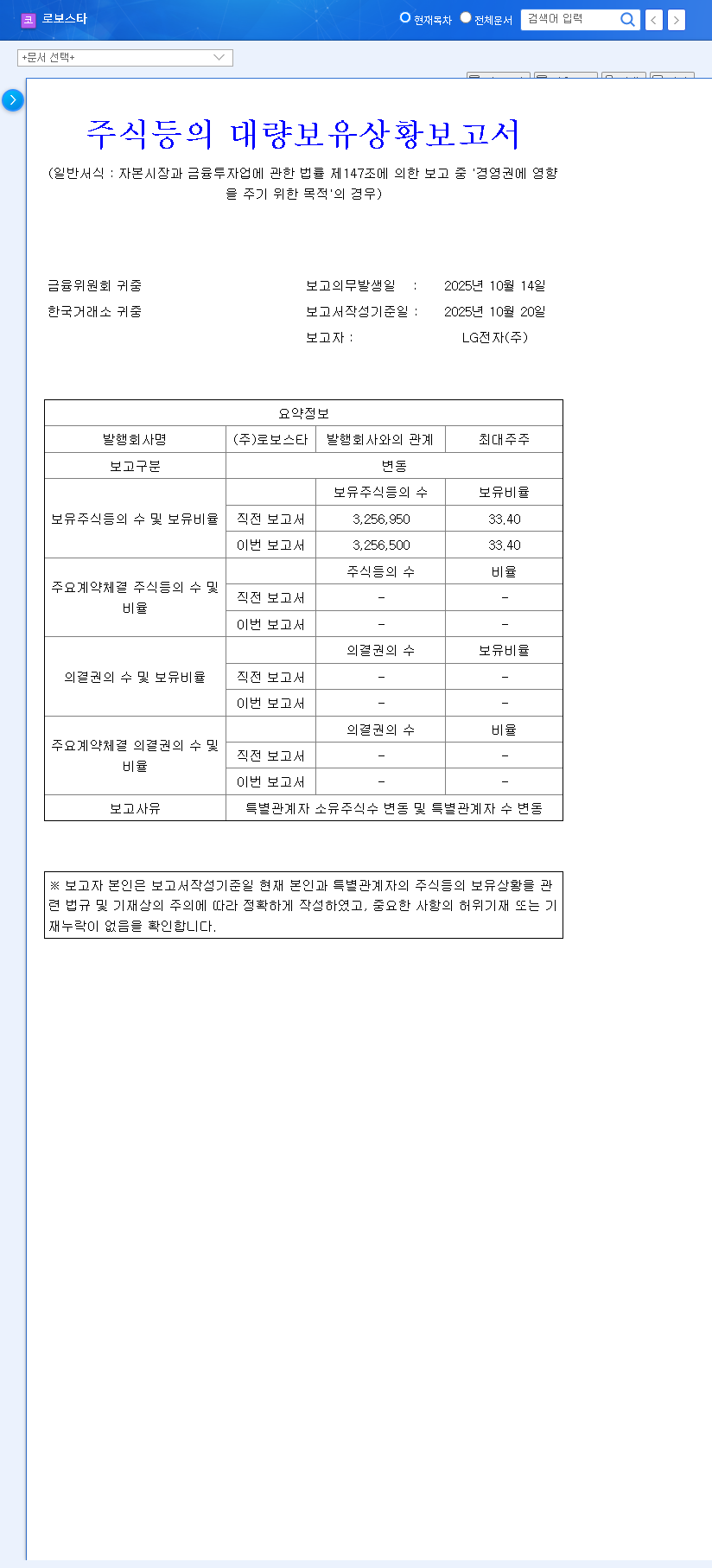
    This comprehensive Robostar stock analysis delves into the recent shareholding disclosure concerning its largest shareholder, LG Electronics. For investors tracking Robostar (122530), the relationship with a global giant like Robostar LG Electronics is a critical factor. A new disclosure report has been filed, and while it might seem uneventful on the surface, a closer look reveals nuances that savvy investors should understand. We will break down the filing, explore the strategic importance of the partnership, and provide an actionable plan for your investment strategy in the dynamic robotics industry investment landscape.

    Deconstructing the Latest Robostar Shareholding Disclosure

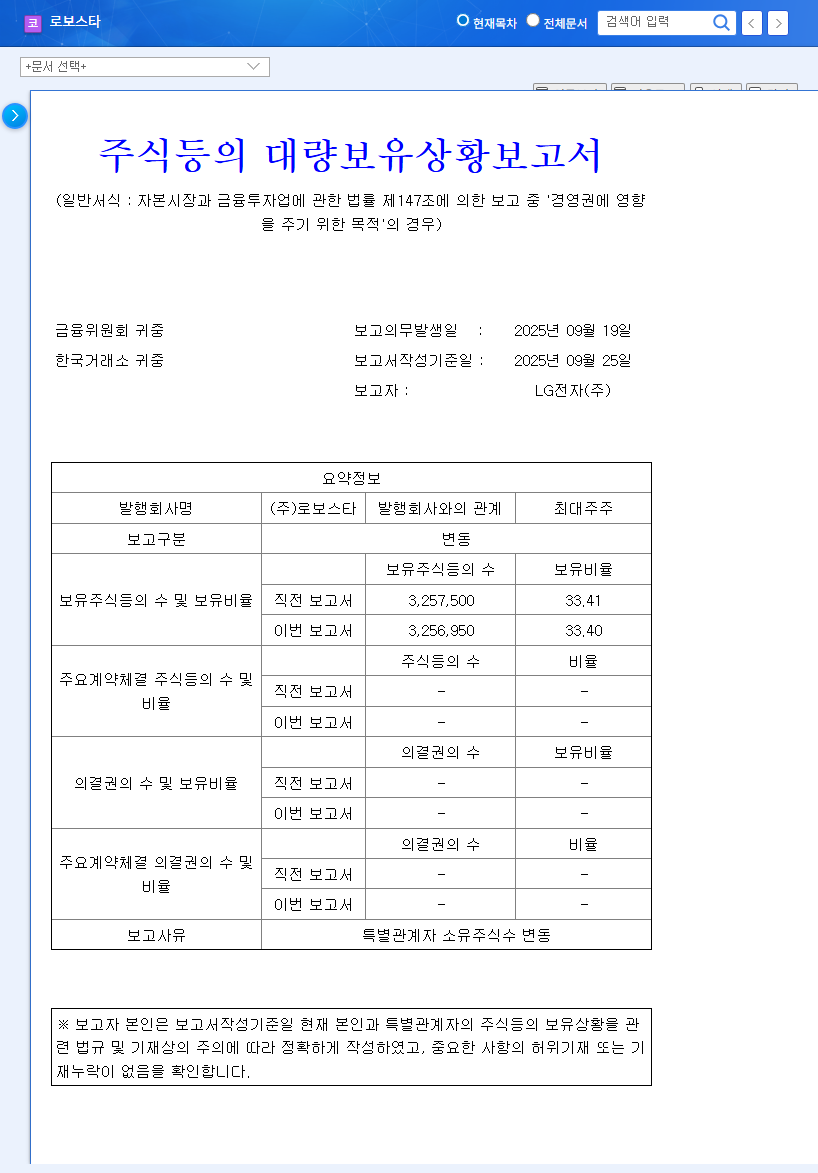
    At first glance, the latest disclosure regarding the Robostar shareholding status appears to be a non-event. LG Electronics’ stake as the largest shareholder remains firm at 33.40%, a position held with the stated purpose of influencing management. The filing explicitly states there was no change in this primary ownership percentage. This stability suggests that LG Electronics’ core strategic view of Robostar is unchanged; they are not divesting or acquiring more of the company at the parent level.

    What Does ‘Change in Related Parties’ Mean?

    The crux of the report is the stated reason for the filing: a “Change in shares held by related parties and change in number of related parties.” In corporate finance, ‘related parties’ can include subsidiaries, executives, directors, or even their close family members. This disclosure means that while LG Electronics itself didn’t trade shares, some of these associated individuals or entities did. Such changes are often minor, resulting from portfolio rebalancing or exercising stock options, and typically do not signal a shift in the parent company’s strategy. The complete details can be reviewed in the Official Disclosure on DART (Source).

    The stability of LG Electronics’ 33.40% stake is the key signal. It underscores a long-term commitment to Robostar’s role in its broader manufacturing and technology ecosystem. The ‘related party’ change is secondary noise for now.

    Strategic Synergy: Why Robostar Matters to LG

    To perform a thorough Robostar stock analysis, one must look beyond a single filing and understand the fundamental business connection. Robostar specializes in manufacturing industrial robots, such as robotic arms and gantry systems, which are essential for automating production lines. For a manufacturing behemoth like LG Electronics—producing everything from televisions to home appliances—in-house access to cutting-edge robotics is a massive competitive advantage. It allows for increased efficiency, precision, and cost control in their factories.

    This symbiotic relationship suggests that LG’s investment is not purely financial but deeply strategic. As the global robotics industry continues to grow, driven by advancements in AI and automation, Robostar’s value to LG is likely to increase. This long-term strategic alignment provides a strong foundation for the 122530 stock, insulating it somewhat from short-term market whims.

    Investor Action Plan: What’s the Smart Next Step?

    Given the limited new information from this disclosure, a dramatic portfolio shift is unwarranted. The consistent backing from LG Electronics is a significant positive. However, a prudent approach is necessary. For more on this, review our guide on making data-driven investment decisions. The consensus investment opinion at this juncture is cautiously neutral, suggesting a ‘Hold’ or ‘Watch’ stance.

    The ‘Hold’ Strategy

    If you are an existing shareholder, maintaining your position seems reasonable. The core investment thesis—leveraging Robostar’s robotics expertise through its connection with LG—remains intact. There are no immediate red flags in this disclosure that would necessitate a sale.

    The ‘Watch’ Strategy

    For those considering a new investment or a portfolio adjustment, patience is key. More information is needed to build a strong buy case. Focus your research on the following areas:

    • Earnings Reports: Analyze Robostar’s upcoming quarterly financial statements for revenue growth, profit margins, and new contracts.
    • LG’s Capital Expenditure: Monitor news related to LG’s plans for factory upgrades or new plant constructions, as this could signal future orders for Robostar.
    • Competitive Landscape: Keep an eye on competitors in the industrial robotics sector and Robostar’s market share.
    • Market Commentary: Look for any forthcoming analyst or brokerage reports that provide a professional robotics industry investment outlook.

    Frequently Asked Questions (FAQ)

    Q1: Who is the largest shareholder of Robostar Co.,Ltd.?

    The largest shareholder is LG Electronics, which holds a 33.40% stake in the company to influence management and foster strategic business synergies.

    Q2: Did LG Electronics sell any Robostar shares in the recent disclosure?

    No. The recent filing confirmed that LG Electronics’ direct stake in Robostar remained unchanged at 33.40%.

    Q3: What is the current investment outlook for Robostar stock?

    The current outlook is neutral, suggesting a ‘Hold’ or ‘Watch’ approach. While the stable backing from LG is positive, investors are advised to await more substantial financial data or market news before making significant investment decisions.

    Disclaimer: This content is for informational purposes only and is based on the provided original analysis report. It should not be construed as financial advice. Investors bear the ultimate responsibility for their investment decisions.

    (090360) Robostar Stock Analysis (122530): Decoding LG Electronics' Stake & Future Outlook 관련 이미지
  • (066570) LG Electronics India IPO in 2025: A Complete Guide for Investors

    (066570) LG Electronics India IPO in 2025: A Complete Guide for Investors

    (066570) LG Electronics India IPO in 2025: A Complete Guide for Investors 대표 차트 이미지

    The upcoming LG Electronics India IPO is poised to be one of the most significant market events of 2025. As LG Electronics prepares for a strategic shift, its decision to list its Indian subsidiary and sell existing shares has sent ripples through the investment community. This move is not merely a financial transaction; it’s a calculated strategy to unlock value, sharpen focus on core global operations, and capitalize on the phenomenal growth of the Indian market. For investors, this presents a complex landscape of opportunity and risk. This comprehensive guide will dissect the implications of the LG India IPO, providing the critical insights you need to navigate this pivotal event.

    The Official Announcement: What We Know So Far

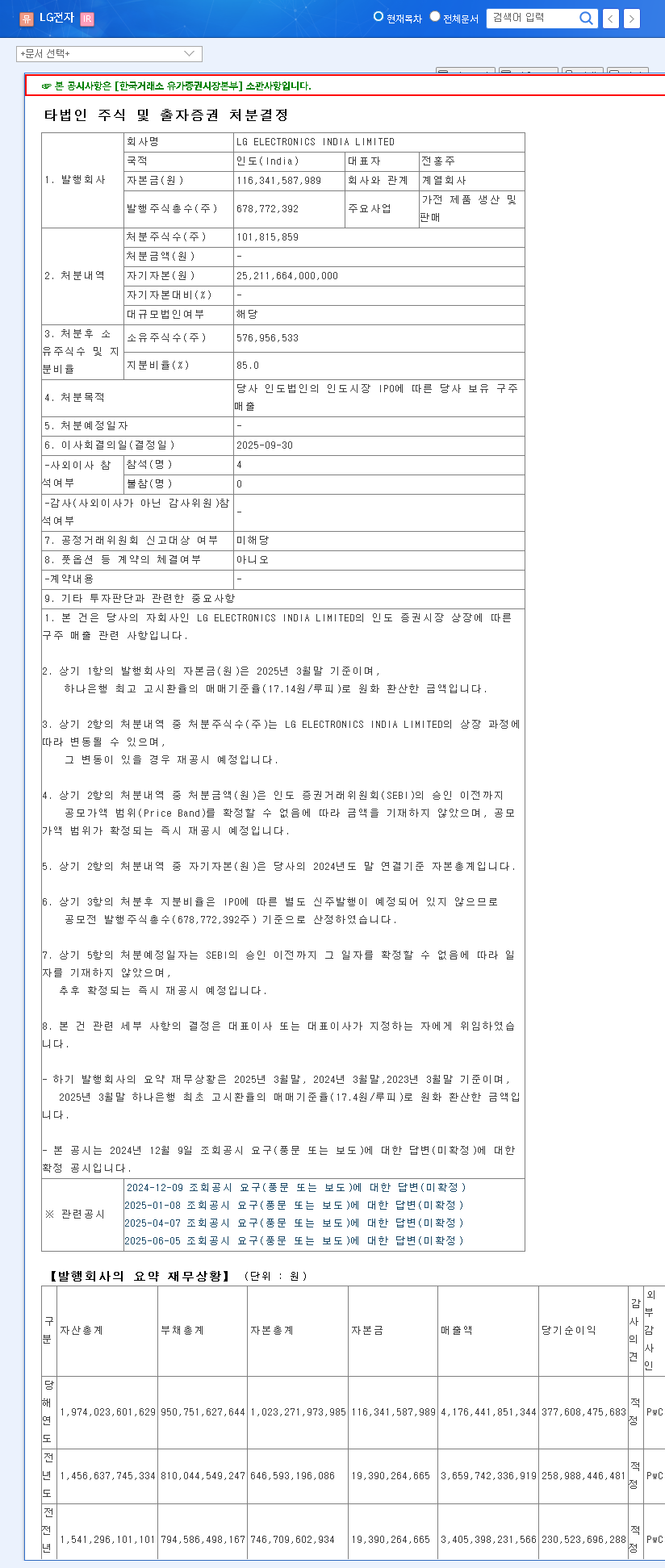
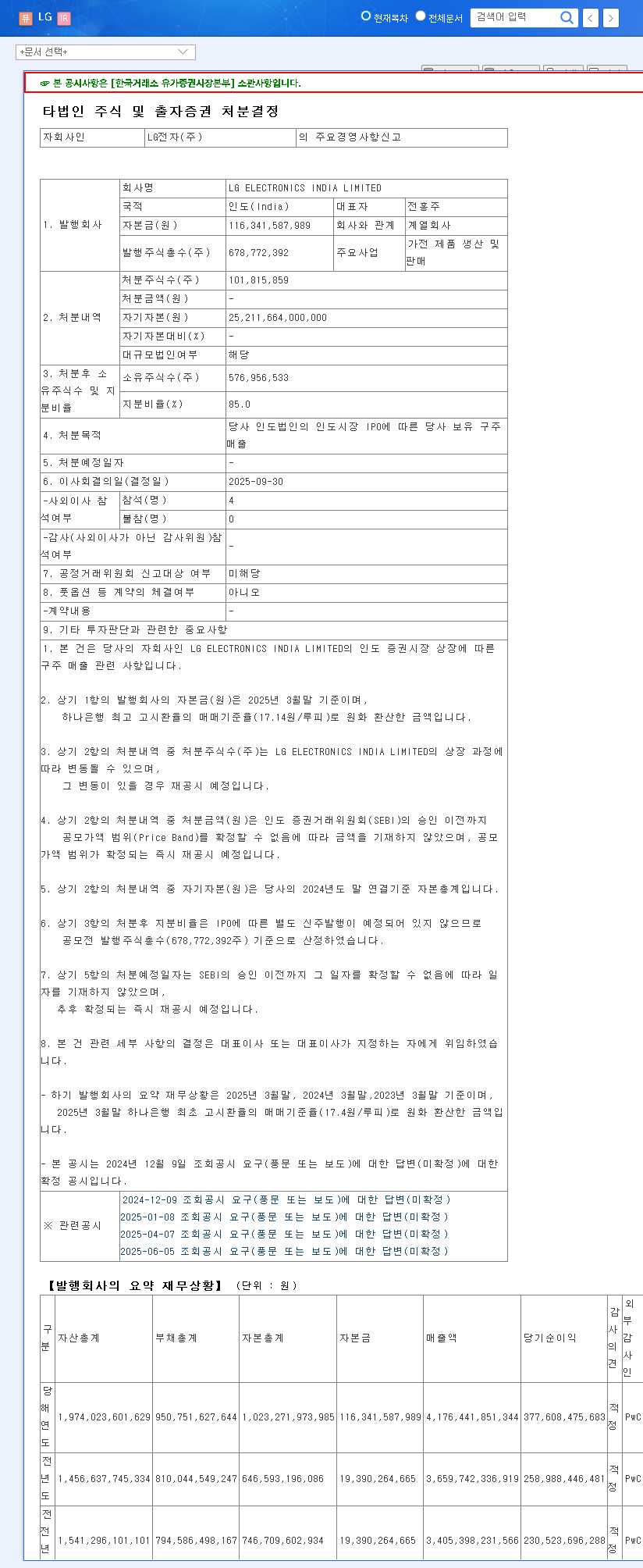
    According to an Official Disclosure filed on September 30, 2025, LG Electronics has confirmed its decision to sell a portion of its existing shares in its wholly-owned Indian subsidiary, LG ELECTRONICS INDIA LIMITED. This sale will coincide with the subsidiary’s Initial Public Offering (IPO) on the Indian stock market. This is a landmark event designed to establish an independent and robust growth foundation for LG Electronics India, which will, in turn, significantly influence the financial and strategic direction of the parent company.

    This strategic IPO aims to empower the Indian subsidiary for autonomous growth while allowing LG’s headquarters to double down on its global core competencies, including next-generation home appliances and vehicle component solutions.

    Analyzing the Strategic Rationale Behind the LG India IPO

    This decision is multi-faceted, with several key objectives driving LG’s strategy. Understanding these motivations is crucial for assessing the long-term impact on LG Electronics stock and its market position.

    Key Positive Drivers

    • Securing Substantial Liquidity: The sale of existing shares is expected to generate a significant influx of capital. These funds are vital for fueling innovation, investing in new growth engines like AI and robotics, or strengthening the company’s overall financial health.
    • Sharpening Focus on Core Businesses: By allowing the Indian subsidiary to operate more independently post-IPO, the headquarters can redirect its management resources and capital toward its most critical global sectors. This includes advanced home appliances (LG ThinQ), the premium OLED TV market, and the rapidly expanding vehicle component solutions (VS) division.
    • Unlocking India’s Market Potential: The Indian stock market provides a direct avenue for the subsidiary to raise capital for local expansion, R&D, and marketing. This will enable it to compete more aggressively and capitalize on India’s burgeoning middle class and increasing demand for premium consumer electronics.
    • Enhancing Corporate Valuation: A successful LG Electronics India IPO could lead to a positive re-evaluation of the parent company’s total enterprise value, as the market gains a clearer, more transparent valuation of its high-growth Indian assets.

    Potential Risks and Uncertainties for Investors

    While the strategic upside is clear, investors must also consider the potential risks and the information that is not yet available. A balanced view is essential for making an informed decision.

    Factors to Consider

    • Valuation and Shareholding Ambiguity: Critical details, such as the exact disposal amount, offering price, and LG’s final shareholding percentage post-IPO, have not been disclosed. These figures are fundamental to calculating the financial impact.
    • India Market Volatility: As a leading emerging market, India offers high growth but also comes with risks, including economic fluctuations, regulatory changes, and intense competition from players like Samsung and various Chinese brands. For more on this, investors can review in-depth analysis from sources like Bloomberg’s emerging markets desk.
    • Shift in Governance: A significant reduction in shareholding could alter LG’s level of control over its Indian subsidiary, potentially impacting long-term strategic alignment and dividend policies.

    Investor Action Plan: What to Watch For

    For those considering an investment, a wait-and-see approach is prudent until more details emerge. The focus should be on gathering and analyzing new information as the LG subsidiary IPO process unfolds.

    Here are the key data points to monitor:

    • IPO Prospectus Details: The official IPO filing will reveal the offering price range, the number of shares being offered, and the valuation of the Indian subsidiary. This is the single most important document for your analysis.
    • Post-IPO Shareholding Structure: Confirm LG Electronics’ retained stake. A majority stake (over 51%) would signal continued strong control and consolidation of financials.
    • Use of Proceeds: Look for specific company statements on how the capital raised will be deployed. Will it go to debt reduction, R&D for future tech, or shareholder returns like dividends and buybacks?
    • Market and Analyst Reaction: Pay close attention to reports from major financial institutions and the initial reaction on the Indian stock market once trading begins. This can provide valuable context. For background, you might read our Guide to Investing in IPOs.

    In conclusion, the LG Electronics India IPO is a transformative event with the potential to create significant long-term value. However, the short-term outlook remains clouded by a lack of specific details. A rational, data-driven approach based on the forthcoming information will be the key to making a successful investment decision.
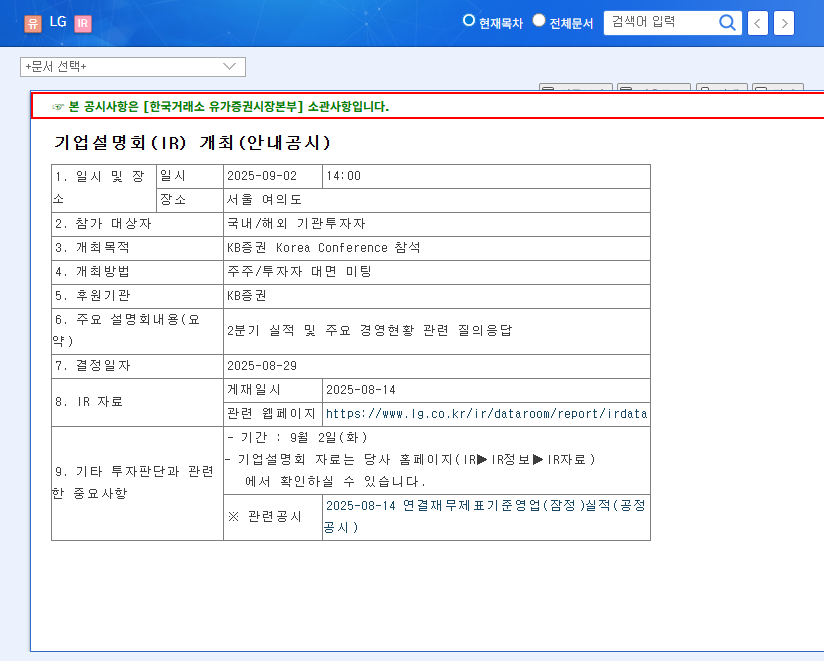
    (066570) LG Electronics India IPO in 2025: A Complete Guide for Investors 관련 이미지
  • (003550) LG Electronics India IPO: A Deep Dive for Investors on Share Sale & Stock Impact

    The recent announcement of the LG Electronics India IPO has sent ripples through the investment community. As the South Korean tech giant plans a partial share sale of its highly successful Indian subsidiary, LG stock holders and potential investors are asking a crucial question: What does this strategic move mean for my portfolio? This comprehensive guide breaks down the rationale behind the share sale, analyzes the potential impact on LG’s stock price, and provides a clear action plan for navigating this pivotal event.

    What Happened? The LG Electronics India IPO Announcement

    LG Electronics officially confirmed its decision to pursue an Initial Public Offering (IPO) for its Indian subsidiary, LG ELECTRONICS INDIA LIMITED, on the Indian stock market. This strategic maneuver involves selling a portion of its existing shares to the public. While LG Electronics will retain a commanding majority stake of 85.0% post-offering, the move is designed to unlock significant value and raise capital. The business in question encompasses the production and sale of home appliances and consumer electronics, a sector where LG is a dominant player in India.

    This IPO is more than a financial transaction; it’s a strategic realignment to capitalize on the Indian market’s immense growth potential while simultaneously injecting fresh capital into LG’s global innovation pipeline.

    Strategic Rationale: Why This Share Sale Makes Sense

    The decision to list the Indian arm is multifaceted, driven by a combination of financial strategy and market opportunity. Understanding these drivers is key to any LG IPO analysis.

    1. Unlocking Shareholder Value and Boosting Liquidity

    The primary benefit is a significant infusion of cash. The funds raised from the LG India share sale can be strategically redeployed across LG’s global operations. This could mean accelerating R&D in future-growth sectors like electric vehicle components and AI, paying down debt to strengthen the balance sheet, or funding other high-priority investments. This improved financial flexibility is a major positive for the parent company.

    2. Capitalizing on India’s High-Growth Market

    The Indian consumer market is one of the fastest-growing in the world. By listing locally, LG Electronics India can have its value properly assessed by a market that intimately understands its potential. A successful IPO will not only establish a high market valuation for the subsidiary but also enhance its brand visibility and corporate governance profile within India, ultimately contributing to the parent company’s overall value.

    Navigating the Risks: Potential Downsides for LG Stock

    While the upside is clear, investors must also consider potential risks that could affect the LG stock impact. The success of the IPO is not guaranteed and market dynamics can be unpredictable.

    • Dilution Concerns: Although an 85% stake is substantial, the market may perceive any sale of shares as a potential first step towards further dilution of control. This could create uncertainty among some investors.
    • IPO Market Volatility: The final offering price and market reception are subject to prevailing market conditions. A lukewarm response or a lower-than-expected valuation could dampen the positive effects and lead to short-term negative pressure on LG’s stock price.
    • Execution Risk: The entire IPO process, from regulatory approvals to roadshows, requires flawless execution. Any hiccups could affect investor confidence.

    An Action Plan for Investors

    Given that key financial details like the exact disposal amount and valuation are still pending, a cautious and informed approach is essential. This is a critical time to be an engaged investor.

    What to Monitor in this LG Investor Guide

    • Official Disclosures: The most crucial information will come from official filings. Investors should monitor the primary source for this event. You can view the initial announcement here: Official Disclosure (DART Report).
    • Valuation & Pricing: Keep a close eye on the proposed IPO price band and the implied valuation of the Indian subsidiary. Compare this with industry peers.
    • Use of Proceeds: Once disclosed, scrutinize LG’s plans for the capital raised. A clear, growth-oriented strategy will be a strong positive signal.
    • Expert Analysis: Follow reports from major financial news outlets like Reuters and consult with financial advisors to gain a broader market perspective. For more foundational knowledge, you can review our guide on How to Analyze an IPO.

    In conclusion, the LG Electronics India IPO is a significant strategic move that holds considerable promise for unlocking value. For investors, the key is to stay informed, analyze the forthcoming details rigorously, and approach the situation with a long-term perspective.

    (003550) LG Electronics India IPO: A Deep Dive for Investors on Share Sale & Stock Impact 관련 이미지
  • Robostar Stock Forecast: What LG Electronics’ Stake Change Means for Investors

    Robostar Stock Forecast: What LG Electronics' Stake Change Means for Investors 대표 차트 이미지

    LG Electronics Reduces Robostar Stake from 33.41% to 33.40%

    LG Electronics’ stake in Robostar has slightly decreased from 33.41% to 33.40% following the sale of 550 shares by Kim Myeong-ho, a person closely related to LG Electronics. Although a small sale, the market is paying attention as it involves a movement by the majority shareholder’s affiliate.

    Short-Term Impact: Potential for Weakened Investor Sentiment

    This stake change could negatively impact Robostar’s stock price in the short term. This is due to the increased pressure from potential sell-offs and the possibility of weakened investor sentiment. Especially with the ‘management influence’ report filed, this stake change could increase investor concerns.

    Long-Term Impact: Focus on Relationship with LG and Fundamental Improvement

    LG Electronics remains Robostar’s largest shareholder, and the impact of this stake change on management or business strategy is expected to be limited. However, it’s crucial to monitor the possibility of further stake changes and the evolving relationship with LG. Robostar’s poor performance in the first half of 2025 is a separate but important investment consideration. The company’s fundamental improvements, such as profitability recovery and new business performance, will determine the long-term stock price direction.

    Key Checkpoints for Investors

    • Changes in the relationship with LG Electronics: Monitor the trend of stake changes and their impact on business cooperation.
    • Earnings turnaround: Assess the potential for earnings improvement in the second half of 2025 and beyond.
    • Performance of new businesses and technology development: Watch for the visibility of results from new businesses.
    • Macroeconomic and industry outlook: Analyze the overall robot automation market and macroeconomic variables such as exchange rates and interest rates.

    This report is for investment reference only, and investment decisions are the sole responsibility of the investor.

    Why did LG Electronics change its stake in Robostar?

    The change is due to the sale of 550 shares by Kim Myeong-ho, a person closely related to LG Electronics. The specific reason for the sale was not disclosed.

    How was Robostar’s performance in the first half of 2025?

    Sales decreased by 30.3% year-on-year, and operating profit turned to a loss.

    Should I invest in Robostar?

    The investment opinion is ‘Neutral’. Investors should consider the relationship with LG Electronics, earnings improvement, and other factors comprehensively.

    Robostar Stock Forecast: What LG Electronics' Stake Change Means for Investors 관련 이미지
    Robostar Stock Forecast: What LG Electronics' Stake Change Means for Investors 관련 이미지
  • Robostar Designated as Overheated Stock: A Warning Sign for Investors?


    What Happened to Robostar?

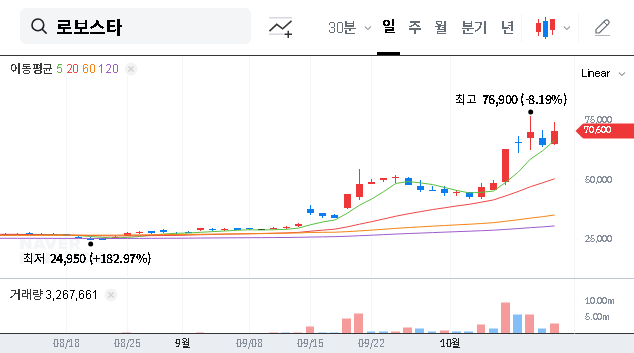
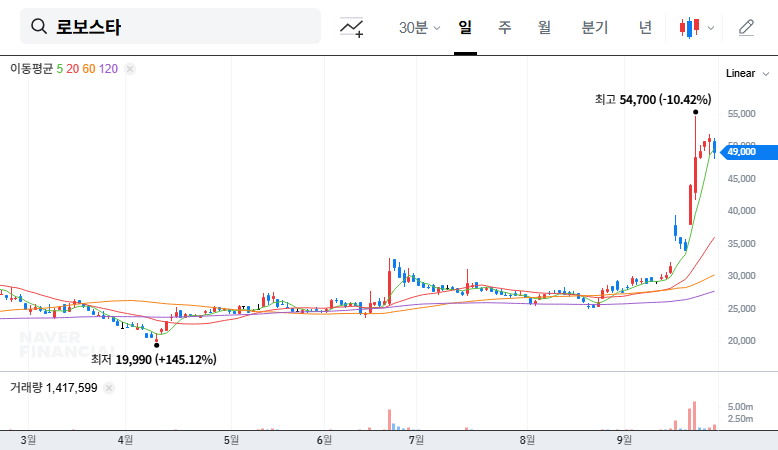
    Robostar was designated as an overheated stock on September 19, 2025. This measure was taken due to a rapid surge in its stock price over the past three trading days. When a stock is designated as overheated, it is traded through a single-price trading method for three trading days, which can lead to increased price volatility.

    Why Was Robostar Designated as Overheated?

    Apart from the short-term surge, Robostar is facing severe financial difficulties. According to its 2025 semi-annual report, sales decreased by approximately 63% compared to the same period last year, and operating profit recorded a significant deficit. This is a result of a combination of factors, including a decline in investments in related industries and increasing macroeconomic uncertainty.

    What’s Next for Robostar?

    In the short term, there is a possibility of increased stock price volatility and a downturn in investor sentiment. In the medium to long term, Robostar’s performance improvement will determine its stock price trend. New business ventures, technological development achievements, and recovery of the macroeconomic and industrial climate are also variables to watch.

    What Should Investors Do?

    • Conservative Approach: Investors should be cautious at this point and closely monitor future earnings announcements and market conditions.
    • Confirmation of Performance Improvement: It’s crucial to confirm whether the decline in sales reverses and operating profit turns around.
    • Focus on New Businesses & Technology Development: Pay attention to the performance of new businesses like smart factories and service robots, as well as the impact of R&D investments.
    • Caution Against Short-term Fluctuations: Be aware of the potential for increased stock price volatility due to the overheated stock designation.

    In conclusion, we maintain a ‘neutral’ stance on investing in Robostar and recommend observing improvements in its fundamentals and changes in the market environment.


    Frequently Asked Questions

    What does it mean to be designated as an overheated stock?

    It’s a system to warn investors about stocks that have experienced rapid price increases in a short period and to calm speculative trading. Designated stocks are traded through a single-price trading method for three trading days.

    What is single-price trading?

    It’s a trading method where orders are collected at a specific time and executed simultaneously. Price fluctuations are limited, and trading volume may decrease compared to regular trading.

    What is the outlook for Robostar?

    While the short-term outlook is uncertain, the key factor in the medium to long term is whether Robostar can improve its performance. Focus should be on new businesses, technological developments, and the recovery of macroeconomic and industry conditions.


  • LG Investor Relations (IR) Analysis: Q2 2025 Earnings and Future Stock Outlook


    LG Investor Relations (IR) Analysis: Q2 2025 Earnings and Future Stock Outlook 대표 차트 이미지


    1. LG Investor Relations (IR) Overview

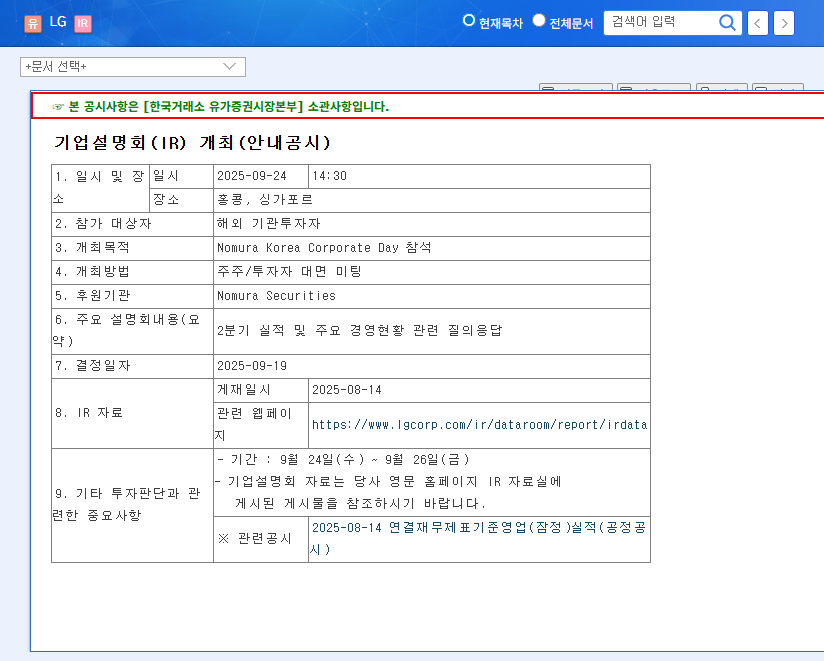
    LG will hold its investor relations (IR) meeting on September 24th as part of Nomura Korea Corporate Day. The meeting will cover the company’s Q2 2025 earnings and key management updates, providing a crucial platform for communication with investors and showcasing growth strategies.

    2. Fundamentals and Market Environment Analysis

    2.1. Company Fundamentals
    LG reported consolidated revenue of KRW 3.73 trillion (an 8.3% YoY increase) in the first half of 2025, driven by strong performance in LG CNS’s IT services and increased equity method gains. However, standalone operating revenue decreased by 13.5% to KRW 523.1 billion, primarily due to a decline in dividend income. The company repurchased shares in April, demonstrating its commitment to enhancing shareholder value. Key subsidiary updates include:

    • LG CNS: Expanding cloud and AI investments
    • LG Uplus: Focusing on IDC and EV charging infrastructure
    • LG Chem: Prioritizing new drug development and battery materials
    • LG Electronics: Investing in robotics for future growth

    2.2. Market Environment
    US interest rates remain stable, with the European Central Bank’s base rate at 2.15%. Oil prices are volatile, while the KRW/USD exchange rate shows an upward trend. Rising gold prices reflect a preference for safe-haven assets. The IT services market is expected to grow with cloud and AI adoption, positioning LG CNS for continued success. The consumer electronics and battery sectors face intensifying competition, and LG Chem is mitigating risks through portfolio diversification.

    3. Key IR Takeaways and Investment Strategies

    The IR meeting is expected to provide detailed insights into LG’s Q2 2025 performance and key business initiatives. Addressing the decline in standalone operating revenue and outlining future growth strategies will be crucial. A positive announcement meeting market expectations could boost investor sentiment and drive stock prices higher. Conversely, failure to meet these expectations could negatively impact stock performance. Careful analysis of the IR presentation and management Q&A is essential for informed investment decisions.


    FAQ

    When is the LG Investor Relations (IR) meeting?

    The IR meeting is scheduled for September 24, 2025, at 2:30 PM KST.

    What are the key topics to be discussed at the IR?

    The meeting will cover Q2 2025 earnings results and key management updates. Analysts and investors will be particularly interested in the company’s plans to address the decline in standalone operating revenue and its future growth drivers.

    How can I participate in the IR meeting?

    The IR meeting is part of Nomura Korea Corporate Day, which may limit direct participation for individual investors. Information related to the IR can be found on LG’s official website or through brokerage firms.


    LG Investor Relations (IR) Analysis: Q2 2025 Earnings and Future Stock Outlook 관련 이미지


  • LG Q2 2025 Earnings Call: Uncovering Investment Opportunities in a Volatile Market

    LG Q2 2025 Earnings Call: Uncovering Investment Opportunities in a Volatile Market 대표 차트 이미지

    LG Q2 2025 Earnings Call: Key Analysis and Investment Strategies

    1. What Happened?: Q2 Earnings and Subsidiary Performance

    LG recorded consolidated revenue of KRW 3.7338 trillion in the first half of 2025, an 8.3% increase year-over-year. Strong performance from LG Energy Solution and LG CNS drove this growth. However, the continued deficit in LG Chem’s petrochemical division and declining sales prices for some LG Electronics products raise concerns.

    • LG CNS: Showed strong growth in cloud, AI, and digital business services.
    • LG Electronics: Demonstrated growth in new businesses like VS (Vehicle component Solutions) and camera modules.
    • LG Chem: Positive signs from LG Energy Solution’s performance and LG Chem’s life sciences division turning profitable are countered by ongoing losses in the petrochemical division.
    • LG Uplus: 5G business growth is positive, but slowing growth in the IPTV market is a concern.

    2. Why These Results?: Positive and Negative Influences

    Enhanced communication and sharing of growth drivers through the IR event are positive. However, varying subsidiary performance and macroeconomic uncertainties pose challenges.

    3. What’s Next?: Outlook and Investment Strategies

    LG is expected to maintain stable fundamentals and continue its growth trajectory, driven by LG CNS and LG Electronics. However, a cautious investment approach is necessary, considering risk factors like the global economic slowdown.

    • Maintain a Long-Term Perspective
    • Monitor Key Subsidiary Performance
    • Review Investment Strategy After the September 3rd IR Event

    4. Investor Action Plan

    Carefully analyze the Q2 2025 earnings and management updates released on September 3rd and adjust your investment strategy accordingly. Continuously monitor macroeconomic volatility and subsidiary performance variations.

    Frequently Asked Questions (FAQ)

    How did LG perform in Q2 2025?

    LG recorded consolidated revenue of KRW 3.7338 trillion in Q2 2025, an 8.3% increase year-over-year.

    What are LG’s main growth drivers?

    Strong performance from LG Energy Solution and LG CNS drove LG’s growth. LG CNS, in particular, showed strong growth in cloud, AI, and digital business services.

    What are the key considerations for investing in LG?

    Investors should consider the global economic slowdown, geopolitical risks, the ongoing deficit in LG Chem’s petrochemical division, and declining sales prices for some LG Electronics products.

    LG Q2 2025 Earnings Call: Uncovering Investment Opportunities in a Volatile Market 관련 이미지
  • LG Q2 2025 Earnings: Driving Growth in the Age of AI and EVs

    LG Q2 2025 Earnings: Driving Growth in the Age of AI and EVs 대표 차트 이미지

    LG Q2 Earnings: Key Takeaways

    LG maintains a stable holding company structure, securing diverse revenue streams through its subsidiaries’ growth, dividends, trademarks, and rental income. The growth of key subsidiaries such as LG Electronics (vehicle components, robotics), LG Chem (battery materials, new drugs), and LG Uplus (AI, IDC, EV charging) is particularly notable.

    Future Growth Drivers: AI, EVs, and Batteries

    LG is expanding its investments in promising future sectors like AI, electric vehicle components, and battery materials. This strategic move aims to secure sustainable growth momentum and enhance market competitiveness. LG Electronics’ vehicle component business and LG Chem’s battery materials business are expected to be key growth engines for LG in the coming years.

    Key Information for Investors

    LG maintains a robust financial position. With debt reduction, capital increase, and growth in cash assets, the company has established a stable financial structure and is also committed to enhancing shareholder value through treasury stock cancellation. However, potential risks stemming from changes in the macroeconomic environment, such as a global economic slowdown, warrant continuous monitoring.

    Investment Strategy: Focus on Subsidiary Growth and Market Conditions

    LG presents an attractive investment opportunity with its long-term growth potential and stable revenue structure. A thorough analysis of the growth strategies and investment plans of its key subsidiaries, along with adjustments to investment proportions based on market conditions, is crucial for an effective investment strategy.

    Frequently Asked Questions

    What are LG’s main subsidiaries?

    LG Electronics, LG Chem, and LG Uplus are its major subsidiaries, playing key roles in the electronics, chemical, and telecommunications sectors, respectively.

    What are LG’s future growth drivers?

    LG is focusing its investments on promising future sectors like AI, electric vehicle components, and battery materials to drive sustainable growth.

    What should investors consider when investing in LG?

    Investors should consider the potential risks from changes in the macroeconomic environment, such as a global economic slowdown and geopolitical risks. Analyzing the growth strategies and investment plans of its key subsidiaries and adjusting investment proportions according to market conditions are also essential.

    LG Q2 2025 Earnings: Driving Growth in the Age of AI and EVs 관련 이미지