Tag: Large Shareholding Report

  • (393970) DAEJIN ADVANCED MATERIALS Inc. Stock Analysis: Decoding the Plunge & What’s Next

    (393970) DAEJIN ADVANCED MATERIALS Inc. Stock Analysis: Decoding the Plunge & What’s Next

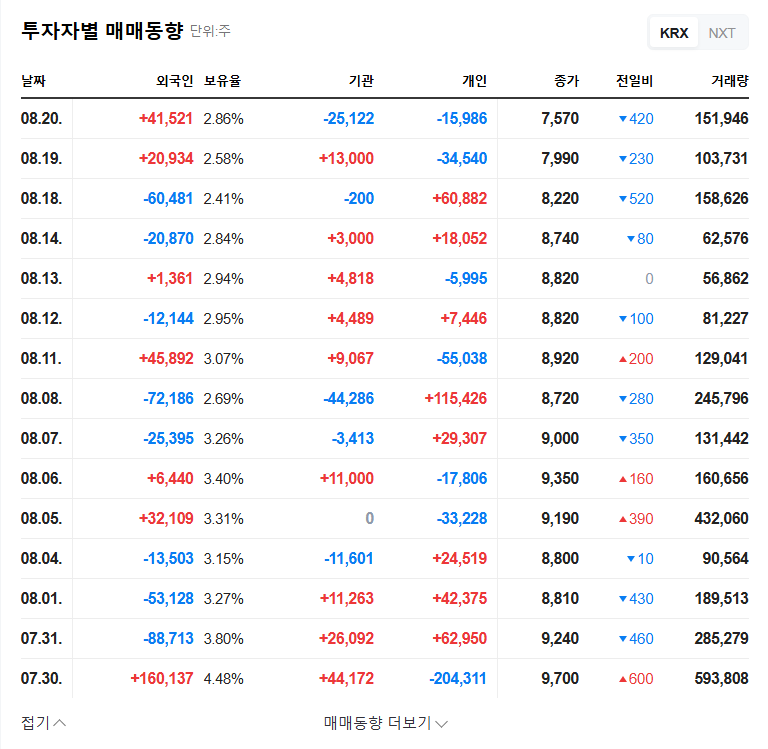
    The recent, sharp downturn in DAEJIN ADVANCED MATERIALS Inc. stock (KRX: 393970) has understandably sent shockwaves through the investor community. Following a period of fluctuation since its KOSDAQ listing, the sudden plunge, especially after November 6th, has raised urgent questions. This turbulence was not random; it was triggered by a significant move from a major institutional investor. This comprehensive analysis will dissect the massive stake sale by SJ Investment Partners, evaluate its true impact on the company’s trajectory, and provide a clear, actionable strategy for navigating the path forward.

    The Catalyst: Unpacking the SJ Investment Partners Stake Sale

    The primary driver behind the recent volatility in DAEJIN ADVANCED MATERIALS Inc. stock was the large-scale divestment by SJ Investment Partners and its associated funds. Such moves by venture capital or private equity firms are often part of their fund’s lifecycle, aimed at realizing returns for their limited partners. However, the sheer size and speed of this exit inevitably created significant market pressure.

    Details of the Share Divestment

    According to the official disclosure filed on November 13, 2025, the specifics of the sale paint a clear picture. You can view the full filing here: Official Disclosure (DART). The key takeaways from this SJ Investment Partners stake sale were:

    • Reporting Entities: SJ Investment Partners and four related funds.
    • Holding Purpose: Simple Investment (indicating no strategic or management control intent).
    • Shareholding Reduction: A dramatic drop from an 11.82% stake down to just 2.10%, liquidating 9.72% of the company’s total shares.
    • Primary Sale Date: A concentrated sale of 1,472,916 shares occurred on November 6, 2025, directly causing the market shock.

    When an institutional investor of this size exits a position so rapidly, the market often interprets it as a strong negative signal, regardless of the underlying reason. This perception alone can fuel a cycle of panic selling among retail investors.

    Analyzing the Impact on DAEJIN ADVANCED MATERIALS Inc. Stock

    It is crucial for investors to separate the short-term market noise from the long-term fundamental reality. The impact of this sale must be viewed through these two distinct lenses.

    Short-Term: Price Pressure and Weakened Sentiment

    In the immediate term, the consequences are clear. A massive influx of shares for sale creates a supply/demand imbalance, driving the price down. This was exacerbated by the current macroeconomic climate of high interest rates and economic uncertainty, which has already dampened general market sentiment. As authoritative sources like Bloomberg often report, institutional movements are heavily scrutinized, and this exit has undoubtedly weakened investor confidence and created significant downward pressure on the stock.

    Mid-to-Long-Term: Fundamentals Remain the Key

    This is the most critical point for long-term investors: the stake sale does not alter the company’s intrinsic value. DAEJIN’s revenue streams, profit margins, technological assets, and core business strategy are unaffected. This was a shareholder portfolio adjustment, not a reflection of a sudden flaw in the company’s operations. In fact, the removal of this large ‘overhang’ of shares that the market knew would eventually be sold could be a long-term positive, establishing a more stable shareholder base.

    Future performance will depend entirely on the company’s ability to execute on its core business, particularly its high-growth ventures like its Carbon Nanotube (CNT) business. For a deeper understanding of this technology, you can read our guide on the potential of advanced material science.

    Investor Action Plan: Navigating the Volatility

    Given this stock plunge analysis, a prudent and phased approach is recommended for investors considering their position in DAEJIN ADVANCED MATERIALS Inc. stock.

    Short-Term Strategy (Next 1-3 Months)

    • Exercise Extreme Caution: Avoid making rash decisions. New investments should be considered high-risk until the price finds a stable support level.
    • Monitor for Capitulation: Watch for signs that selling pressure is exhausting. This may include high volume days with minimal price drops, which can indicate a bottom is forming.
    • For Existing Holders: Review your risk tolerance. Implementing a stop-loss order might be a prudent risk management strategy to protect against further significant declines.

    Mid-to-Long-Term Strategy (3+ Months)

    • Focus on Fundamentals: Shift your focus from the stock chart to the company’s financial reports. Look for revenue growth, margin improvement, and positive cash flow in upcoming quarterly earnings.
    • Track Key Business Drivers: Monitor progress in the CNT division, updates on overseas subsidiary performance, and announcements of new partnerships or contracts.
    • Adopt an Observational Stance: Wait for clear, tangible evidence of business recovery and growth before committing significant new capital. Let the company prove that its fundamental value is increasing.

    Frequently Asked Questions

    Q1: What caused the recent sharp decline in DAEJIN ADVANCED MATERIALS Inc. stock?

    The primary cause was the on-market sale of a 9.72% stake in the company by a major institutional holder, SJ Investment Partners, with a particularly large sale occurring on November 6, 2025.

    Q2: Does this stake sale mean the company is in trouble?

    No. This event does not directly impact the company’s core fundamentals like revenue, technology, or business operations. It is a change in shareholder structure, likely driven by the investment fund’s own strategy to realize profits.

    Q3: What is the recommended investment strategy for DAEJIN ADVANCED MATERIALS Inc. stock now?

    In the short term, a highly cautious and observational approach is advised due to potential continued volatility. In the long term, investment decisions should be based on a close monitoring of the company’s fundamental performance and business growth.
    (393970) DAEJIN ADVANCED MATERIALS Inc. Stock Analysis: Decoding the Plunge & What's Next 관련 이미지
    (393970) DAEJIN ADVANCED MATERIALS Inc. Stock Analysis: Decoding the Plunge & What's Next 관련 이미지
  • (469610) INNOTECH Management Control: A Deep-Dive Financial Analysis of the 2024 Surge

    A significant event is reshaping the future of INNOTECH Co., Ltd., drawing intense scrutiny from investors. A recent large shareholding disclosure revealed that a new consortium has acquired a 38.88% stake with the explicit goal of INNOTECH management control. This move comes on the heels of a remarkable 2024 financial performance, including a staggering 720% surge in net income. This article provides an in-depth INNOTECH financial analysis, dissecting the implications of this power shift and evaluating the sustainability of its recent growth. For anyone tracking INNOTECH stock, this analysis is essential reading.

    The Landmark Stake Acquisition: A Shift in Power

    On November 13, 2025, the market was electrified by an official disclosure: lead reporter Jang Seok-jun and two associates acquired a commanding 38.88% stake in INNOTECH. This was not a passive investment. The stated purpose is to ‘influence management,’ a declaration that signals a new era for the company’s governance and strategic direction. The acquisition, formalized on November 7, 2025, has a current market value of approximately KRW 192.5 billion, based on a market cap of KRW 495.3 billion.

    This acquisition is a clear and powerful signal of intent. When a stake of this magnitude is acquired for management control, it often precedes significant operational or strategic changes designed to unlock shareholder value.

    The market’s reaction was immediate and positive. Typically, such events create buying pressure and heightened interest. True to form, between November 7 and November 13, 2025, the INNOTECH stock price climbed by a notable 10.3%, signaling investor optimism about the potential changes on the horizon. You can view the Official Disclosure on the DART system for complete details.

    Deep-Dive: INNOTECH Financial Analysis from the 2024 Audit Report

    The timing of the acquisition is intriguing, as it aligns with a period of explosive financial growth for INNOTECH. A thorough review of the INNOTECH audit report for 2024, which received a clean ‘unqualified opinion’ from Seonghyeon Accounting Firm, reveals a company on a powerful upward trajectory.

    Stellar Growth in Performance and Scale

    The company’s expansion is evident across its balance sheet. Total assets, liabilities, and equity all grew by over 24%, indicating a significant scaling of operations. The income statement tells an even more compelling story:

    • Revenue Growth: A healthy 18.1% year-over-year increase, primarily powered by the ‘other goods’ segment.
    • Profitability Jump: Gross profit rose by 30.2% and operating profit by 24.9%, showcasing improved efficiency and margin strength.
    • Explosive Net Income: The headline figure is the astounding 720% surge in net income, which reached KRW 5.441 billion. This was largely driven by a 187% increase in financial income and an 82% decrease in financial costs, a significant reversal from the derivative valuation losses of 2023.

    Cash Flow and Financial Health

    Cash is king, and INNOTECH’s cash flow from operations increased by an impressive 185%, proving its core business is a robust cash-generating machine. The company is actively reinvesting this cash, as shown by a significant outflow in investing activities for financial instruments and assets. While the debt ratio remains stable at 86%, the Return on Equity (ROE) deteriorated. This is a crucial point to understand: the ROE fell because the massive increase in total equity (from capital inflows) temporarily outpaced the growth in net income, a common scenario in rapidly scaling companies. For more on interpreting these metrics, see our guide to fundamental analysis.

    Investment Outlook: Strategy and Key Considerations

    The combination of a major INNOTECH management control event and strong fundamentals creates a compelling but complex investment case. Long-term success is not guaranteed. Investors must exercise caution and diligence by focusing on these critical factors:

    • Acquirer’s Vision: What is the new leadership’s strategic plan? Are they focused on operational efficiency, new market entry, or financial engineering? Their agenda will be the single most significant driver of future value.
    • Incumbent Management Relations: Will the transition be collaborative or confrontational? A cooperative relationship can accelerate growth, while a protracted boardroom battle could introduce uncertainty and paralyze decision-making.
    • Sustainability of Earnings: Investors must determine if the 720% net income jump is a one-time event based on financial items or a reflection of sustainable core business growth. Scrutinize future earnings reports for continued operational strength.
    • Macroeconomic Headwinds: While exchange rates have been favorable, global economic conditions can shift. Monitor interest rates and commodity prices, which influence INNOTECH’s costs and profitability. High-authority sources like Bloomberg offer excellent macroeconomic analysis.

    In conclusion, INNOTECH stands at a pivotal crossroads. The management shake-up provides a powerful catalyst for change, backed by a strong financial foundation. However, the path forward is laden with questions that require careful monitoring. Investors who perform deep due diligence on the new management’s plans and the company’s underlying operational health will be best positioned to navigate the opportunities and risks ahead.

  • (298380) ABL Bio Inc. Stake Sale: A Deep Dive for Investors | Analysis & 2025 Outlook

    (298380) ABL Bio Inc. Stake Sale: A Deep Dive for Investors | Analysis & 2025 Outlook

    The recent news of the ABL Bio Inc. stake sale by several special related parties has sent ripples through the investment community, raising a critical question: Is this a signal of underlying trouble, or simply a case of short-term market noise? When insiders sell shares, it often triggers concerns about stock price pressure and weakening sentiment. Investors are right to wonder if the company’s strong fundamentals are still intact and how to navigate this development.

    This comprehensive analysis cuts through the speculation. We will dissect the official Q1 2025 reports and the latest shareholding disclosures to provide a clear, data-driven assessment of this ABL Bio Inc. stake sale. By evaluating the company’s robust pipeline, financial health, and long-term growth potential, you can gain practical insights to make informed investment decisions regarding the future of ABL Bio Inc. stock.

    Unpacking the ABL Bio Inc. Stake Sale: The Details

    Official Report Summary and Key Changes

    The transaction details were formally reported on November 11, 2025, in a Report on Status of Large Shareholdings. The full details are available in the Official Disclosure (DART). Here are the crucial takeaways:

    • Shareholder Group: Special related parties connected to representative reporter Lee Sang-hoon.
    • Change in Holdings: The collective stake decreased modestly from 26.32% to 26.15%.
    • Total Shares Sold: A total of 76,241 shares were sold on the open market between October 13 and October 23, 2025.
    • Stated Reason: The report cites the ‘termination of stock-backed loan agreements and open market sales’ as the reason for the change, suggesting a need for liquidity by the individuals involved.

    Fundamental Health Check: Strengths vs. Risks

    Robust Growth Drivers & Positive Fundamentals

    Despite the market noise from the ABL Bio insider trading report, the company’s core fundamentals appear strong and are driven by several key factors:

    • Explosive Revenue Growth: A landmark technology transfer deal with GSK generated KRW 77.9 billion in revenue in the first half of 2025, a massive 470% year-over-year increase, validating its technological prowess.
    • Elite Global Partnerships: Ongoing collaborations with pharmaceutical giants like Sanofi and GSK enhance pipeline value. The proprietary BBB shuttle platform (‘Grabody-B’) is a particularly exciting asset, showing immense potential for treating neurodegenerative diseases like Parkinson’s.
    • Deep R&D Capabilities: With a team of over 100 researchers, the company is developing a diverse pipeline in high-demand areas like oncology and ADCs, securing multiple long-term growth engines.
    • Fortified Financial Position: Cash reserves have swelled to KRW 132.7 billion, further bolstered by a KRW 140 billion capital raise in July 2024. This strong balance sheet provides a long runway for R&D initiatives.

    Understanding the Potential Risks

    A balanced ABL Bio investment thesis must also acknowledge the inherent risks in the biotech sector:

    • High Cash Burn Rate: R&D expenses are significant (KRW 53.5 billion), a necessary cost for innovation but one that impacts short-term profitability.
    • Accumulated Deficit: A deficit of KRW 386.6 billion is typical for an R&D-focused company but remains a financial metric to monitor.
    • Clinical and Macro Risks: The potential for clinical trial setbacks and macroeconomic shifts (e.g., interest rates) are persistent risks for any biotech firm.

    The key for investors is to separate the short-term market noise, such as a minor stake sale, from the long-term fundamental signals driving the company’s core value.

    Conclusion: Investor Action Plan

    The evidence strongly suggests the ABL Bio Inc. stake sale is motivated by the personal financial needs of the related parties rather than a negative outlook on the company’s future. While short-term price volatility is possible due to shifts in supply and investor sentiment, the long-term growth story, underpinned by strong ABL Bio fundamentals, remains compelling.

    For those looking to make a decision, we recommend the following actions:

    • Focus on the Fundamentals: Prioritize news related to pipeline progress, clinical trial milestones, and new partnerships over short-term ownership changes.
    • Maintain a Long-Term Perspective: Biotech investing requires patience. Base your strategy on the company’s multi-year potential, not on day-to-day stock fluctuations. For more on this, see our guide on How to Evaluate Biotech Stocks.
    • Understand the Context: Remember that insider sales are common and often non-indicative of company performance. Rules around these sales are strict, as detailed by regulatory bodies like the SEC.

    Frequently Asked Questions (FAQ)

    Q1: What does this ABL Bio Inc. stake sale truly signify?

    Given the stated reasons and the small percentage of shares sold, it most likely signifies personal liquidity events for the sellers (e.g., diversifying assets, tax planning, or repaying loans). It does not appear to be a reflection of a negative outlook on the company’s strong fundamentals.

    Q2: What is the likely impact on ABL Bio Inc.’s stock price?

    In the immediate short-term, such news can create downward pressure as the market absorbs the new supply of shares and sentiment temporarily weakens. However, for a company with strong growth drivers, this impact is often transient and can be overcome by positive fundamental news.

    Q3: Are ABL Bio Inc.’s long-term fundamentals still strong?

    Yes. The company’s long-term outlook is anchored by major positive factors, including massive revenue growth from the GSK deal, a promising and diverse R&D pipeline featuring the valuable BBB shuttle platform, and a very healthy cash position to fund future growth.

    Q4: What should an investor considering ABL Bio Inc. do?

    It is crucial to look past the short-term noise of this stake sale. Conduct due diligence on the company’s core value drivers—its technology, partnerships, and clinical progress. An investment strategy should be based on this long-term potential, not on the minor portfolio adjustments of a few related parties.

    (298380) ABL Bio Inc. Stake Sale: A Deep Dive for Investors | Analysis & 2025 Outlook 관련 이미지
  • (005930) Samsung Electronics Stock: In-Depth Analysis of C&T Stake Sale & Future Outlook

    (005930) Samsung Electronics Stock: In-Depth Analysis of C&T Stake Sale & Future Outlook

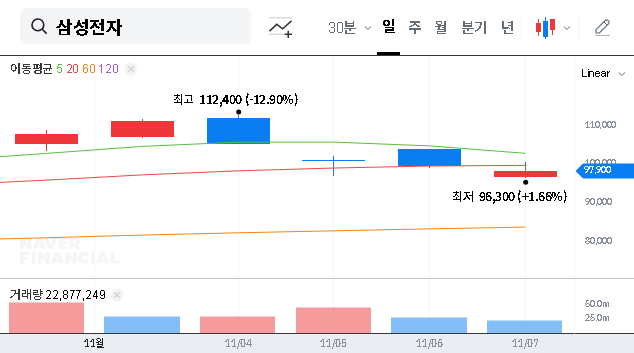
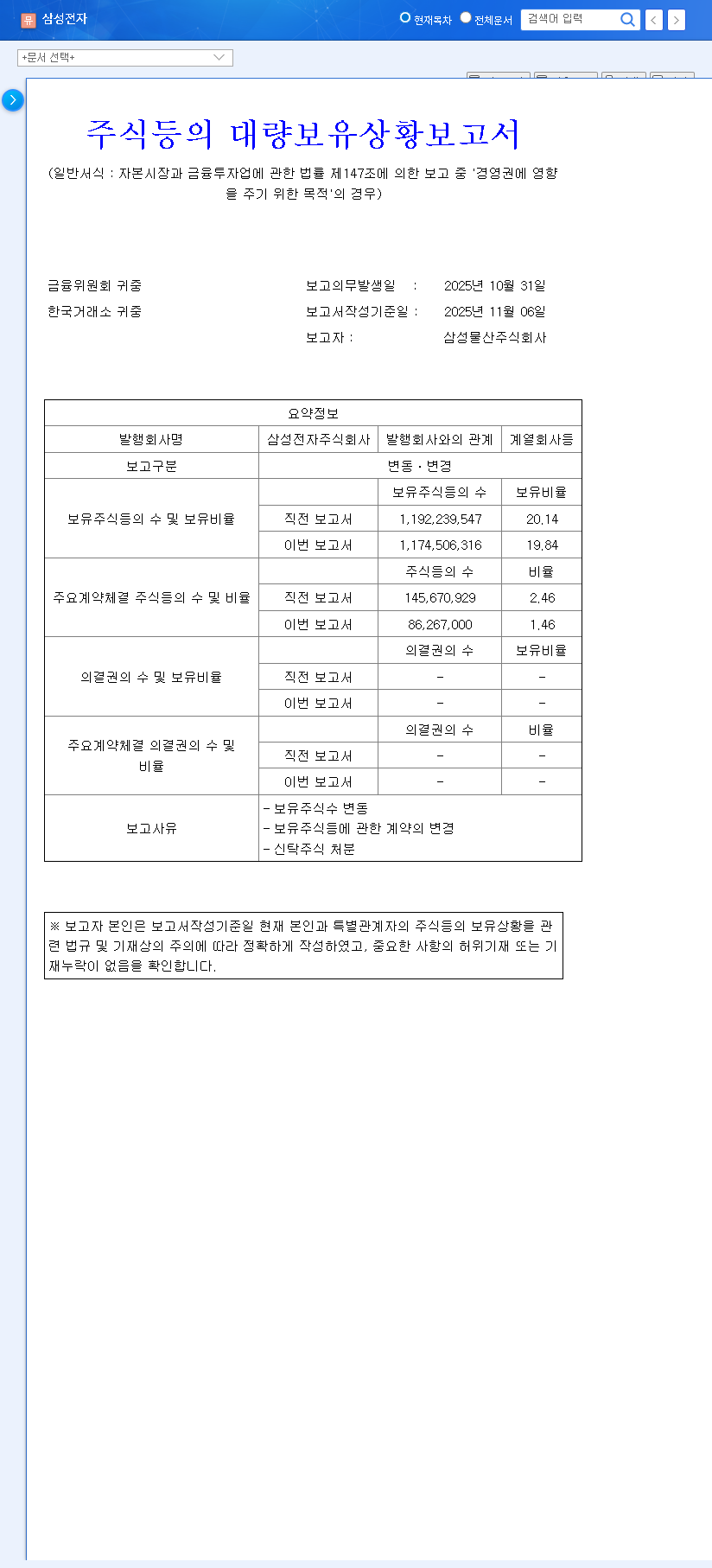
    The latest disclosure regarding the Samsung Electronics stake sale has sent ripples through the investment community, raising critical questions about the future of Samsung Electronics stock and its intricate governance structure. On November 7, 2025, a ‘Report on Large Shareholding Status’ revealed significant share disposals by Samsung C&T and key family members. While this may cause short-term market anxiety, a deeper analysis reveals a more nuanced picture involving family succession, tax obligations, and the company’s robust underlying fundamentals. This report provides a comprehensive breakdown of the event and strategic guidance for investors navigating this complex landscape.

    The Official Disclosure: Deconstructing the Stake Sale

    The filing, submitted for Samsung Electronics, a behemoth with a market capitalization of KRW 579.53 trillion, detailed several key transactions. The complete filing can be reviewed in the Official Disclosure (DART Report). The primary changes are as follows:

    • Samsung C&T: The de facto holding company of the Samsung group, reduced its stake by 0.30 percentage points, from 20.14% down to 19.84%. The stated purpose of holding remains ‘influence on management rights.’
    • Samsung Life Insurance: Engaged in net selling of 13,991 shares between November 4 and 6, 2025.
    • Family Members’ Divestment: Through after-hours trading, significant blocks were sold by Lee Boo-jin (6,000,000 shares), Lee Seo-hyun (1,716,000 shares), and Hong Ra-hee (10,000,000 shares), the wife of the late chairman Lee Kun-hee.

    Analyzing the Impact on Stock and Management Control

    The central concern for investors is how this shift in Samsung shareholding affects both the stock’s stability and the family’s grip on the conglomerate.

    Is Samsung Management Control Under Threat?

    The 0.30%p reduction by Samsung C&T is, in isolation, not substantial enough to pose an immediate threat to Samsung management control. The remaining 19.84% stake is a powerful position. However, any reduction from the entity whose stated purpose is ‘influence’ sends a signal to the market, prompting speculation about long-term strategy and governance evolution. The reasons cited, such as trust share disposals, often point towards liquidity needs or financial restructuring rather than a strategic retreat from control.

    Market Supply and the Inheritance Context

    The large-scale sales by family members are more likely to create short-term volatility. This sudden influx of shares can create downward pressure on Samsung Electronics stock. However, it’s crucial to view this within the context of South Korea’s notoriously high inheritance tax laws. As reported by financial news outlets like Bloomberg, the Samsung heirs face a multi-billion dollar tax bill, often necessitating share sales to raise the required funds. This suggests the sales are driven by personal financial obligations rather than a loss of faith in the company’s future.

    While share sales by major stakeholders can spook the market, it’s vital to differentiate between personal liquidity events and a fundamental shift in corporate strategy. In this case, the context points heavily towards the former.

    Beyond the Sale: Samsung’s Core Fundamentals Remain Strong

    Investors should look past the short-term noise and focus on Samsung’s robust business fundamentals. The company’s strength is diversified across its two main pillars: the Device eXperience (DX) division, which includes mobile phones and home appliances, and the Device Solutions (DS) division, the semiconductor powerhouse. Long-term growth is underpinned by leadership in AI, the expansion of High Bandwidth Memory (HBM) for data centers, and a growing presence in the automotive electronics sector. For more on this, see our guide to understanding semiconductor market cycles.

    Investment Strategy: A Prudent Approach

    Given the circumstances, a two-pronged investment strategy is advisable for those holding or considering Samsung Electronics stock.

    • Short-Term Caution: Monitor the market’s absorption of the newly available shares. Further price dips are possible, which could present a buying opportunity for those with a long-term horizon. Avoid panic-selling based on this news alone.
    • Long-Term Focus: Base your primary investment thesis on Samsung’s technological leadership, market position, and financial health. The company’s ability to innovate in high-growth areas like AI and foundry services remains its core value driver, independent of these shareholding adjustments.

    Frequently Asked Questions (FAQ)

    Q1: What does this Samsung Electronics stake sale disclosure mean?

    A1: It signifies that Samsung C&T and key members of the founding family have sold a portion of their shares. This is widely believed to be related to personal financial planning, including raising funds to pay substantial inheritance taxes, rather than a negative outlook on the company.

    Q2: Is Samsung’s management control at risk?

    A2: The current reduction is minor and does not pose an immediate threat to management control. The Samsung C&T stake remains the cornerstone of the group’s governance structure, and at 19.84%, it is still a formidable controlling position.

    Q3: How will the large-scale selling affect the stock price?

    A3: In the short term, it can increase market supply and potentially lead to price drops or increased volatility as the market absorbs the shares. However, the long-term price will be driven by the company’s performance and fundamentals.

    Q4: What should investors do in response to this news?

    A4: Short-term investors should be cautious and watch for selling pressure to subside. Long-term investors should focus on Samsung’s strong business fundamentals, technological leadership, and growth prospects, as these factors will ultimately determine the stock’s value.

    (005930) Samsung Electronics Stock: In-Depth Analysis of C&T Stake Sale & Future Outlook 관련 이미지
  • (376300) DEAR U Stock Analysis (376300): Unpacking the 2025 Shareholder Report & Investment Outlook

    (376300) DEAR U Stock Analysis (376300): Unpacking the 2025 Shareholder Report & Investment Outlook

    This comprehensive DEAR U stock analysis unpacks the critical details from the company’s latest ‘Report on the Status of Large Shareholding,’ providing investors with a crucial lens through which to view the future of this unique fandom-based business. For those invested in or monitoring DEAR U Co.,Ltd. (376300), understanding the movements of major shareholders is just as important as analyzing quarterly earnings. We will dissect the disclosure, evaluate the company’s current financial health, and project the potential impacts on the stock price, offering a clear roadmap for your DEAR U investment strategy.

    Dissecting the DEAR U Shareholder Report

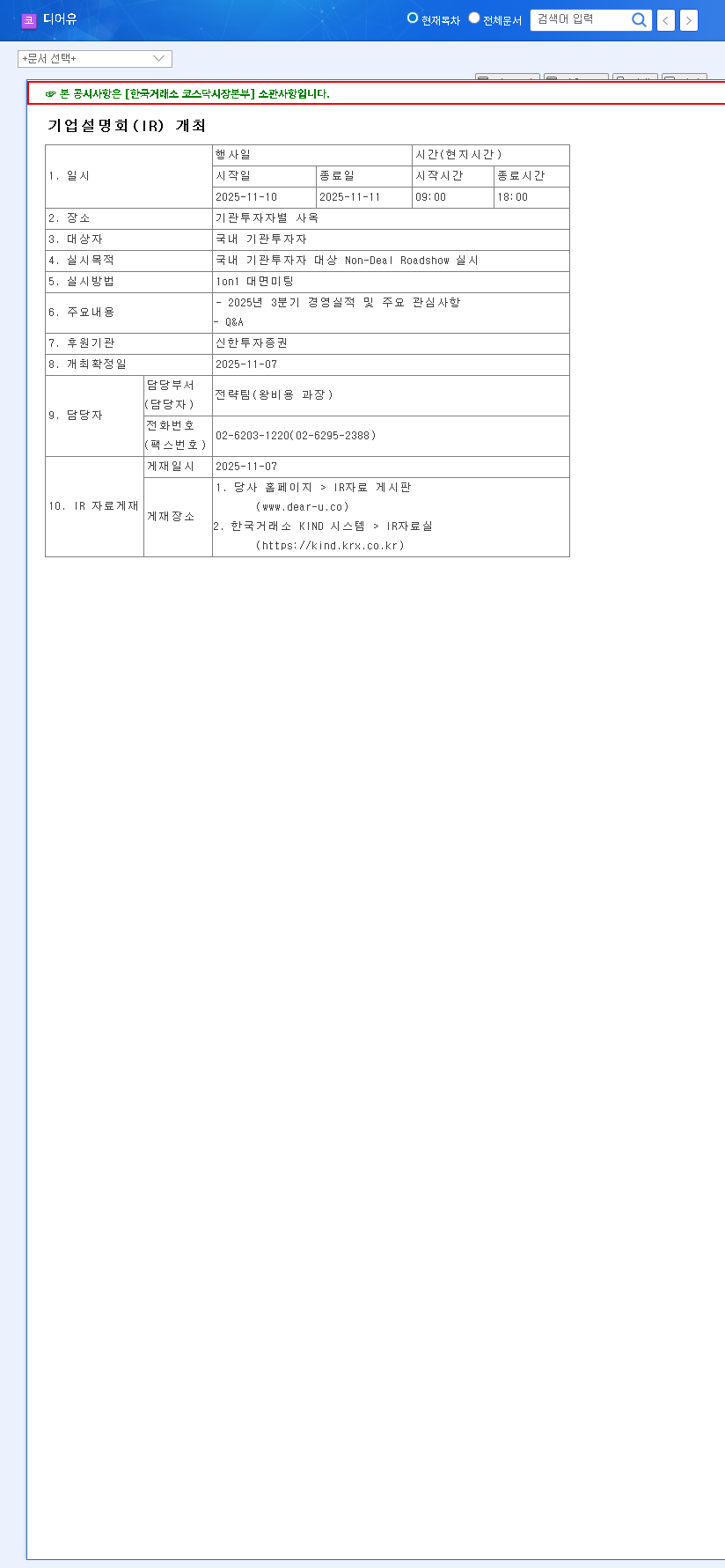
    On November 7, 2025, a significant disclosure was filed that warrants close attention. The ‘Report on the Status of Large Shareholding (General)’ sheds light on shifts in ownership and intent, which can often signal future strategic directions or underlying confidence levels among key stakeholders. The full report can be viewed in the Official Disclosure on DART.

    Key Changes and Reporting Parties

    • Primary Reporting Party: Mr. Ahn Jong-oh. His stated purpose for holding the shares is ‘influence over management,’ a significant declaration that implies a desire for active participation in corporate governance rather than passive investment.
    • Shift in Stake: Mr. Ahn’s personal shareholding saw a marginal decrease from 6.14% to 5.87%. The company cited modifications to stock collateral loan agreements as a primary reason for this change.
    • Related Party Sale: The report also noted that Ms. Kang Min-jeong conducted an open market sale of 21,000 common shares between October 14 and October 20, 2025. While not a massive volume, insider sales are always closely watched by the market.

    Fundamental DEAR U Stock Analysis (376300)

    Beyond the shareholder report, a robust DEAR U stock analysis requires a deep dive into the company’s financial health and strategic initiatives. The first half of 2025 painted a challenging picture, driven by aggressive investment in future growth.

    DEAR U’s core challenge is balancing heavy investment in global expansion and new service development against short-term profitability pressures. The success of these ventures will be the primary catalyst for future stock performance.

    Financial Performance & Growth Strategy

    • Profitability Headwinds: The 2025 semi-annual report showed a year-over-year revenue decline and a 9% drop in operating profit, culminating in a net loss. This is largely a consequence of strategic spending aimed at long-term gains.
    • Global Expansion: DEAR U is pushing hard into international markets. After establishing a foothold in Japan and North America, a new collaboration with QQ Music marks its official entry into the massive Chinese market, solidifying its ambition to be the leading global fandom platform.
    • Business Diversification: To reduce reliance on its core ‘Bubble’ service, the company is launching new products like ‘AI Pet Bubble’ and character-based businesses using IPs like ‘Zangman Loopy’. The speed of monetization for these new ventures is critical. For more on this business model, you can read about diversification strategies in the tech sector.
    • Financial Position: Despite the net loss, the company’s financial health remains sound. A low debt-to-equity ratio and a strong cash position provide a stable foundation for its growth investments.

    Market Risks and Volatility

    External factors pose a considerable risk. The company’s own estimates suggest a 10% fluctuation in exchange rates could impact pre-tax profit by approximately KRW 4.2 billion. Furthermore, the global trend of rising interest rates, as reported by sources like Reuters, could dampen investor sentiment and increase borrowing costs, impacting the valuation of growth stocks like DEAR U.

    Projected Impact on DEAR U’s Stock Price

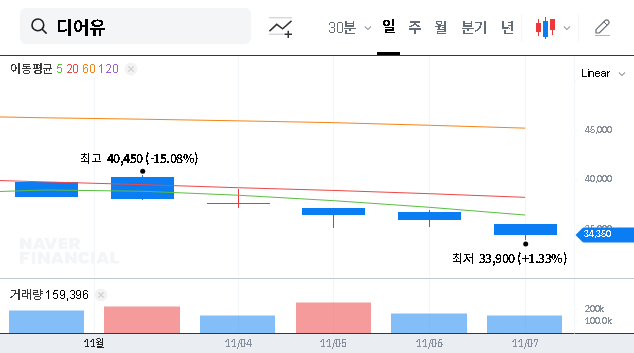
    The combination of a challenging earnings report and the shareholder disclosure could create short-term headwinds for the 376300 stock price. The key for a long-term DEAR U investment is to look past immediate sentiment and focus on the execution of its growth strategy.

    • Short-Term Sentiment: The news of insider sales and decreased profitability could lead to negative investor sentiment and increased selling pressure in the near term. The ‘influence over management’ declaration may also introduce a slight uncertainty premium.
    • Long-Term Value Driver: Ultimately, the stock’s trajectory depends on one thing: tangible results from its strategic investments. If the expansion into China shows strong user acquisition and new services begin contributing meaningfully to the top line, the current stock price could be seen as an attractive entry point.

    Investor FAQ: DEAR U (376300)

    What was the key takeaway from the recent DEAR U shareholder report?

    The main point was a minor decrease in shareholder Mr. Ahn Jong-oh’s stake to 5.87%, with his stated intent being ‘influence over management.’ This, combined with a small insider sale, signals a period of strategic focus and potential governance activity that investors should monitor.

    How is DEAR U’s financial performance recently?

    In the first half of 2025, DEAR U saw decreased revenue and operating profit, leading to a net loss. This is primarily due to increased spending on global market expansion and the development of new business lines.

    What are DEAR U’s primary growth drivers?

    Future growth hinges on two pillars: successful overseas expansion, particularly in the new Chinese market, and the effective monetization of new services beyond the core ‘Bubble’ app, such as AI-driven products and character IP businesses.

    In conclusion, while the recent DEAR U shareholder report and financial results may cause short-term volatility, the long-term outlook remains tied to the company’s ability to execute its ambitious growth plans. Prudent investors should focus on upcoming quarterly announcements for signs of recovering earnings momentum and successful market penetration.

    (376300) DEAR U Stock Analysis (376300): Unpacking the 2025 Shareholder Report & Investment Outlook 관련 이미지
  • (399720) GAONCHIPS Stock Analysis: Major Shareholder Sells Shares – What Investors Must Know

    (399720) GAONCHIPS Stock Analysis: Major Shareholder Sells Shares – What Investors Must Know

    This comprehensive GAONCHIPS stock analysis delves into the recent news that has captured the market’s attention: a significant share sale by a major shareholder. When an insider sells, investors rightly question the implications. Is it a sign of trouble, or simply a personal portfolio adjustment? This article provides a meticulous breakdown of the event, evaluates the company’s robust fundamentals against its profitability challenges, and offers a clear perspective on what this means for the GAONCHIPS stock price and your investment strategy.

    The Disclosure: Unpacking the GAONCHIPS Shareholder Sale

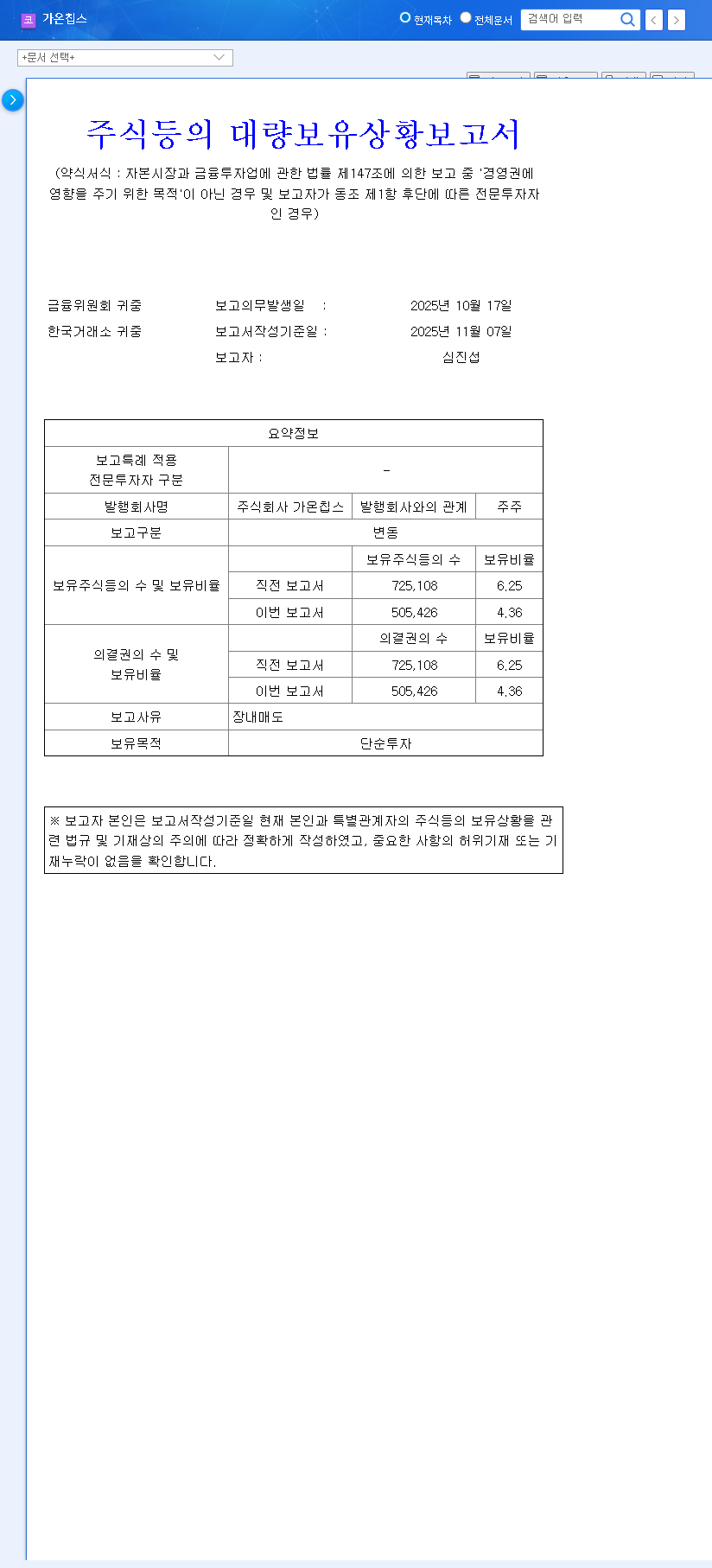
    On November 7, 2025, GAONCHIPS CO., LTD. filed a mandatory disclosure detailing a change in the holdings of its representative reporter, Shim Jin-seop. This report, formally titled “Report on Status of Large Shareholdings (Simplified),” revealed several key actions that triggered immediate market analysis. The information was made public via the official DART system, and you can view the Official Disclosure for complete details.

    Key Details from the Report:

    • Change in Holding Purpose: The stated purpose for holding the shares was officially changed from ‘simple investment’ to ‘market sale’. This is a critical distinction that signals an intent to liquidate rather than hold for long-term growth.
    • Significant Stake Reduction: The shareholder’s stake was reduced from 6.25% to 4.36%, marking a substantial decrease of 1.89 percentage points.
    • Sale Volume and Timeline: A total of 29,600 shares were sold on the open market over five transactions between October 29 and November 6, 2025.

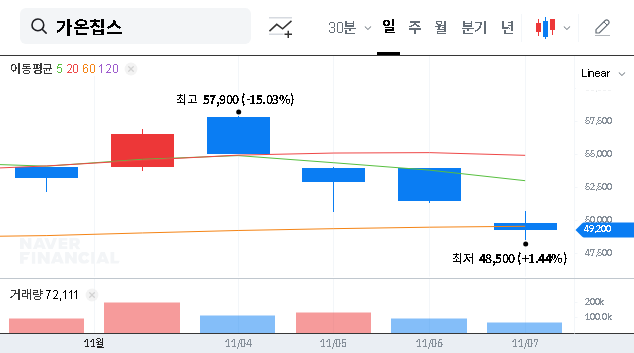
    Such a move by a major shareholder is typically viewed as a bearish signal, often leading to a dip in investor confidence and creating short-term downward pressure on the stock price.

    While short-term volatility is expected, the long-term trajectory of GAONCHIPS stock will ultimately be dictated by its fundamental performance and ability to capitalize on the booming AI and Automotive sectors.

    GAONCHIPS Fundamentals: A Tale of Growth and Margin Pressure

    Strengths: Impressive Revenue and Technological Edge

    Despite the concerning shareholder sale, the core business of GAONCHIPS shows impressive strength. The company’s 2024 revenues surged to KRW 96.5 billion, a remarkable 51.7% year-over-year increase. This growth is not just superficial; it’s being driven by high-demand, high-value sectors:

    • High-Growth Verticals: Revenue from AI/HPC (High-Performance Computing) and Automotive sectors is rapidly increasing, positioning the company at the heart of the tech revolution.
    • Advanced Technology: A significant 62% of its products are based on advanced processes of 8nm or less, showcasing its technological prowess and ability to serve premium markets.
    • Key Partnerships: As a Samsung Foundry DSP and an Arm Approved Design Partner, GAONCHIPS has strong industry alliances that validate its expertise and provide a stable pipeline.

    Weaknesses: Profitability and Concentration Risks

    However, the picture is not without its challenges. Operating profit in 2024 declined by 19.0% to KRW 3.5 billion, highlighting a need for improved cost management. The key headwinds include rising cost of goods sold and increased SG&A expenses. Furthermore, a high customer concentration, with 49.3% of revenue coming from just two customers (A and B), poses a significant risk. The recent cancellation of a KRW 24.5 billion contract further underscores this vulnerability. For context on such risks in the tech sector, investors can review analysis from authoritative sources like Reuters Technology.

    Market Outlook and Investment Thesis for GAONCHIPS

    Short-Term vs. Long-Term Stock Price Impact

    In the short term, the GAONCHIPS shareholder sale will likely cause stock price volatility and downward pressure. The market often interprets insider selling as a lack of confidence, which can trigger a sell-off. However, because no severe negative fundamentals have been concurrently disclosed, this could be an overreaction fueled by speculation rather than a reflection of the company’s long-term value.

    The mid-to-long-term outlook for investing in GAONCHIPS hinges on its ability to execute its growth strategy. If the company can demonstrate improved profitability, diversify its customer base, and continue to win large-scale design projects, the stock price could recover and resume its upward trajectory, powered by the secular growth trends in AI and automotive semiconductors. For more information, you can read our guide on how to analyze semiconductor stocks.

    Actionable Advice for Investors

    Given the current situation, a differentiated approach is recommended based on your investment horizon:

    • Short-Term Traders: Exercise extreme caution. The heightened volatility presents risks. It may be prudent to wait for the selling pressure to subside and for a clear trend to emerge before entering a position.
    • Long-Term Investors: If you believe in the company’s technological leadership and the growth story of its target markets, the current dip could present a buying opportunity. However, this should be accompanied by diligent monitoring of the following key areas:
      • Profitability trends in the upcoming quarterly reports.
      • Announcements of new customer acquisitions to reduce concentration risk.
      • Progress on next-generation technologies, like the 2nm GAA process.
      • Any follow-up statements from management clarifying the reason for the sale.

    In conclusion, while the major shareholder sale is a significant event that warrants attention, it should be viewed within the broader context of GAONCHIPS’ strong market position and growth prospects. A well-informed, patient approach will be key to navigating the current uncertainty.

    (399720) GAONCHIPS Stock Analysis: Major Shareholder Sells Shares – What Investors Must Know 관련 이미지
  • (261200) DENTIS CO.,LTD Stake Boosted to 10% by NH: A Deep-Dive Stock Analysis (261200)

    (261200) DENTIS CO.,LTD Stake Boosted to 10% by NH: A Deep-Dive Stock Analysis (261200)

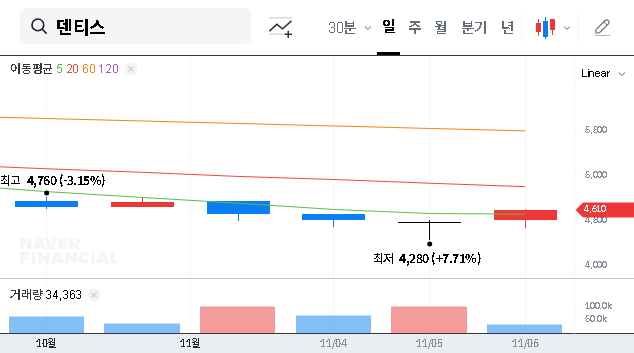
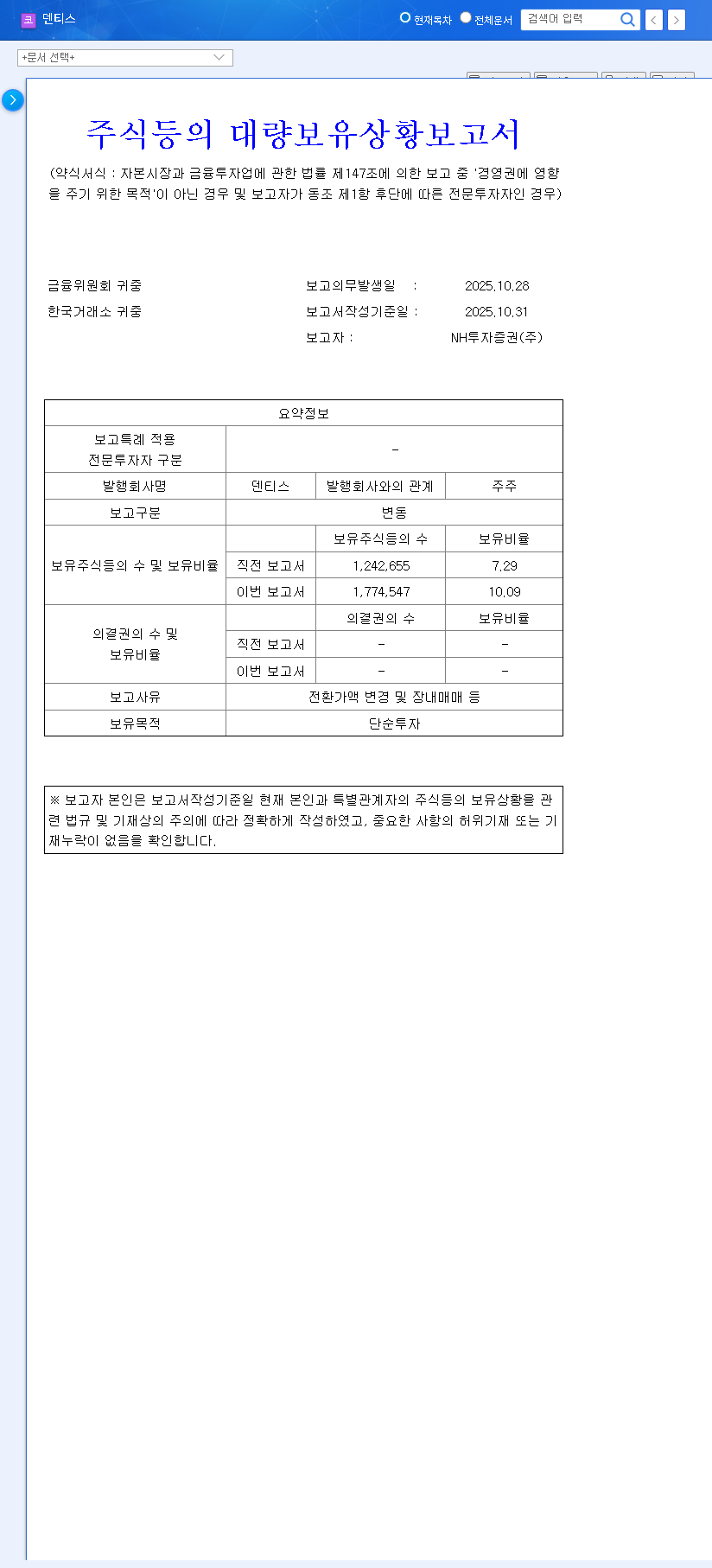
    A significant development has captured the attention of the market: a major increase in the DENTIS CO.,LTD stake held by NH Investment & Securities. According to a recent disclosure, the institutional investor has boosted its position from 7.29% to a notable 10.09%. While officially labeled a ‘simple investment,’ such a substantial move by a leading securities firm is rarely without deeper implications. This analysis will dissect the official report, evaluate DENTIS’s current fundamentals, and provide a strategic outlook for investors monitoring DENTIS stock analysis and its ticker, 261200.

    The Core Event: NH Investment & Securities’ Strategic Move

    On November 6, 2025, the market was alerted to a significant shift in ownership for DENTIS CO.,LTD (261200). The move by NH Investment & Securities to cross the 10% ownership threshold is a critical event that warrants close examination. This action, detailed in the ‘Report on the Status of Large Shareholding,’ is more than a simple transaction; it’s a statement of confidence that can influence market perception and stock behavior.

    • Reporting Entity: NH Investment & Securities
    • Previous Stake: 7.29%
    • New Stake: 10.09% (an increase of 2.8 percentage points)
    • Stated Purpose: Simple Investment
    • Source: Official Disclosure (DART)

    DENTIS Fundamentals: A Look Under the Hood

    To understand why a major institution is increasing its DENTIS CO.,LTD stake, we must analyze the company’s underlying health. Based on recent financial reports, DENTIS presents a mixed but compelling picture of challenge and opportunity.

    Profitability Headwinds

    The most immediate concern is profitability. While consolidated revenue saw a modest 9.9% year-on-year increase, operating profit plummeted by a staggering 79.1%. This suggests significant margin compression, possibly due to rising costs, competitive pricing pressures, or heavy investment in new ventures. Improving operational efficiency is a critical task for management.

    Avenues for Growth: Overseas Expansion & Innovation

    On the other hand, DENTIS is actively pursuing high-growth strategies. Exports are becoming a larger part of the revenue mix, and the establishment of new subsidiaries in high-potential markets like Thailand and Vietnam signal a robust global expansion plan. Furthermore, the company is diversifying its product portfolio by investing in new technologies like clear aligners and advanced dental unit chairs. These new business lines could become significant future growth engines, likely a key factor in the positive DENTIS stock analysis by institutional investors.

    Financial Health Check

    Growth requires capital. DENTIS has been actively raising funds through short-term borrowings and the issuance of convertible bonds (CBs) and convertible redeemable preferred shares (CRPS). While necessary for expansion, this increases financial leverage and introduces risks like potential shareholder dilution. The company’s large exposure to foreign currency assets and liabilities also makes its net profit vulnerable to exchange rate volatility.

    The core investment thesis for DENTIS hinges on a crucial trade-off: can the immense potential of its global expansion and new product lines outweigh the near-term profitability pressures and financial risks? NH’s increased stake suggests a bet on ‘yes’.

    Interpreting the Signal: What This Means for DENTIS Stock

    An institutional stake increase of this magnitude can be interpreted in several ways. For investors, it’s crucial to consider both the bullish and bearish perspectives.

    The Bull Case: A Vote of Confidence

    The most straightforward interpretation is positive. An investment firm like NH Investment & Securities has extensive research capabilities. Their decision to increase their DENTIS CO.,LTD stake implies a strong conviction in the company’s long-term value proposition. This can boost overall market sentiment, attract other investors, and provide a degree of price support as a large block of shares is now in firm hands.

    The Bear Case: Risks and Considerations

    Investors must remember the ‘simple investment’ declaration. This means NH is not seeking to influence management or change the company’s direction. Their goal is financial return. This creates a risk of future profit-taking; if the stock price appreciates significantly, NH could sell its stake, creating downward pressure. This event does not magically solve the underlying DENTIS fundamentals, such as weak profitability and high debt.

    Investor Action Plan & Strategic Outlook

    The increase in the DENTIS CO.,LTD stake by NH is a bullish signal, but it should be viewed as one data point in a larger picture. A prudent investment strategy requires continuous monitoring of key performance indicators. For more context, you can also read our deep dive into the global dental implant market.

    Key Factors to Monitor:

    • Quarterly Earnings: Scrutinize upcoming financial reports for any signs of profitability improvement and margin stabilization.
    • International Performance: Look for concrete data on revenue growth and market share gains from the new subsidiaries in Thailand and Vietnam.
    • New Business Traction: Monitor the market adoption rates and revenue contribution from new products like clear aligners.
    • Debt Management: Pay attention to the company’s financial leverage ratios and any further capital-raising activities.

    In conclusion, while the confidence shown by NH Investment & Securities is a significant positive, the ultimate trajectory of DENTIS stock will be determined by the company’s ability to execute its growth strategy while navigating its current financial challenges.

    (261200) DENTIS CO.,LTD Stake Boosted to 10% by NH: A Deep-Dive Stock Analysis (261200) 관련 이미지
  • (178320) SEOJIN SYSTEM (124075900928) Stock Analysis: Performance, Risks & Investor Outlook

    (178320) SEOJIN SYSTEM (124075900928) Stock Analysis: Performance, Risks & Investor Outlook

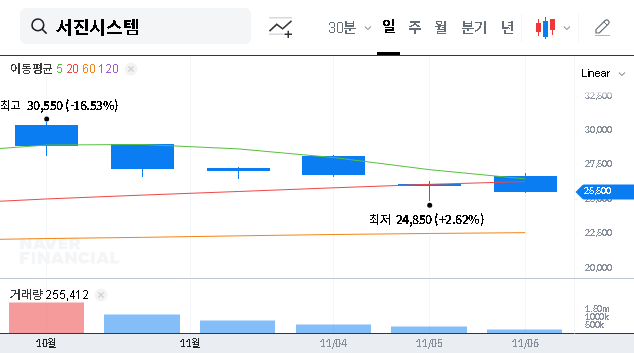
    Investors examining SEOJIN SYSTEM (124075900928) are currently facing a complex picture. The company has recently been navigating significant headwinds, including a notable decline in its H1 2025 performance and concurrent shifts in its major shareholder structure. These events raise critical questions for any current or potential investor: Are these temporary setbacks in a volatile market, or do they signal a fundamental turning point for the company’s long-term value? This comprehensive SEOJIN SYSTEM analysis will dissect the company’s recent performance, explore the underlying causes, and provide a clear, forward-looking investment thesis to guide your decision-making process.

    The Dual Challenge: Performance and Ownership

    At the heart of the recent market concern are two primary developments that have created uncertainty around the SEOJIN SYSTEM stock. First, the company’s financial results for the first half of 2025 showed a significant downturn. Second, changes were reported in the holdings of its controlling shareholder, creating speculation about stability and future direction.

    Major Shareholder Fluctuations

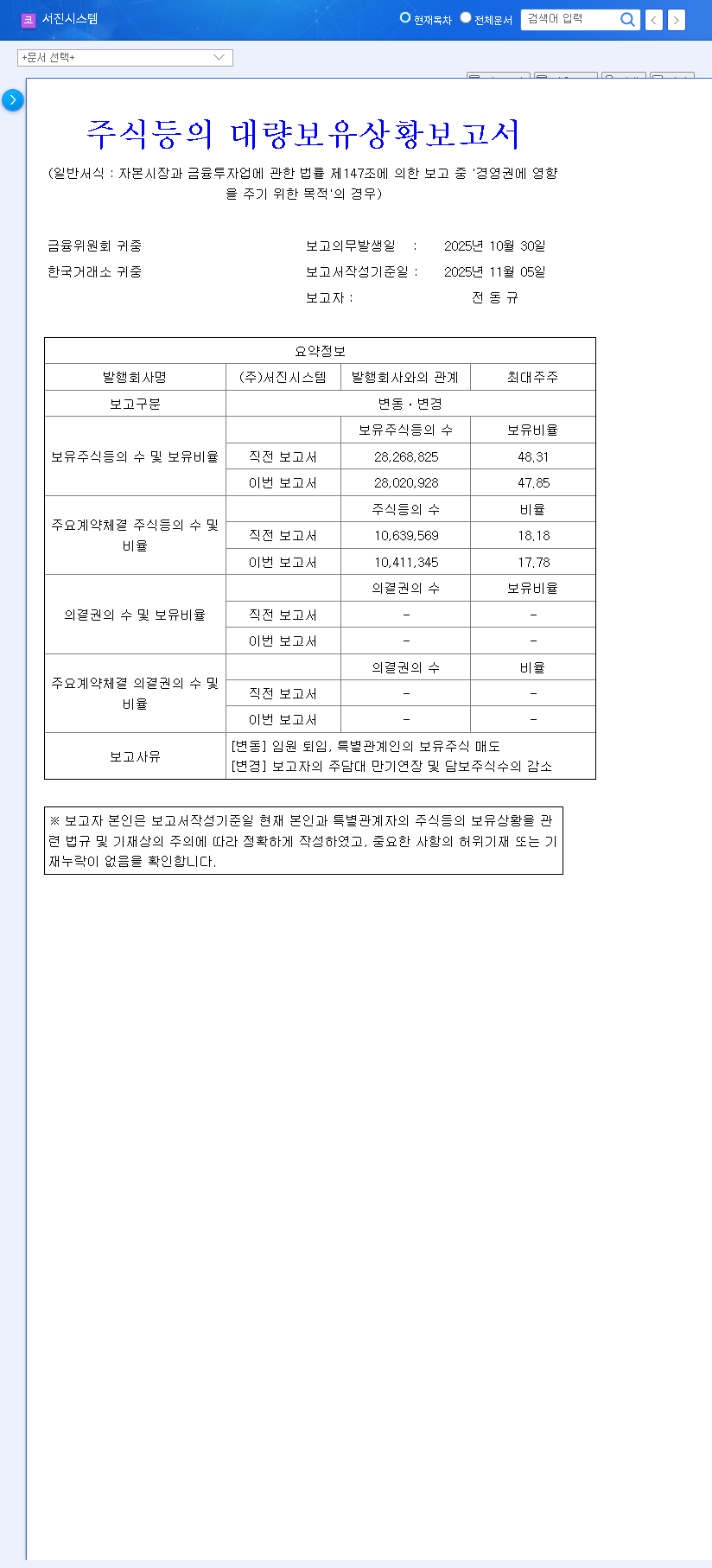
    On November 6, 2025, a mandatory disclosure revealed shifts in the shares held by controlling shareholder Dong-kyu Jeon and related parties. According to the Official Disclosure (DART), the collective stake decreased by 0.46 percentage points, from 48.31% to 47.85%. This was attributed to an executive’s retirement, a sale of shares by an affiliate, and personal financial adjustments by the shareholder. While not a massive reduction, any change in a controlling stake can impact investor sentiment.

    H1 2025 Performance Downturn

    The financial report for the first half of 2025 painted a challenging picture. Consolidated revenue and operating profit saw substantial year-over-year reductions, and net income flipped to a deficit. This slump was not isolated to one area but was observed across all of the company’s key business segments, including Energy Storage Systems (ESS), electric vehicles (EV), semiconductors, and communications equipment.

    Why the Downturn? A Deeper Look at the Fundamentals

    Understanding the reasons behind the performance drop is crucial. The issues stem from both sector-specific challenges and a weakening overall financial structure, which is a key part of this SEOJIN SYSTEM investor report.

    Underperformance Across Key Business Segments

    • ESS Equipment: Despite the global ESS market’s strong growth trajectory, H1 sales for SEOJIN SYSTEM decreased significantly, suggesting potential market share loss or project delays.
    • Electric Vehicle & Battery Components: Similarly, sales in the booming EV sector declined. Compounding this, substantial facility investments are increasing the company’s financial burden without yet delivering commensurate returns.
    • Semiconductor Equipment: While market analysts like Gartner project long-term growth, H1 sales fell, highlighting the company’s vulnerability to industry volatility and intense competition.
    • Communication Equipment: A sharp decline in sales, despite global investment in 5G, shows a high sensitivity to the capital expenditure cycles of major telecom operators.

    Worsening Financial Health

    The company’s balance sheet reflects this operational strain. The debt-to-equity ratio rose from 1.40x to 1.83x, a worrying trend that signals increasing leverage. A decrease in total equity alongside this rising debt raises concerns about overall financial soundness. For a deeper dive into these metrics, investors can review our guide on Understanding Financial Ratios for Tech Stocks.

    Investment Outlook: Navigating the Uncertainty

    Given the dual headwinds of poor performance and ownership changes, the short-to-medium-term outlook for SEOJIN SYSTEM stock is clouded. The market is likely to react with caution, putting downward pressure on the stock price. The declining trend in foreign ownership, which fell from 10.44% in 2020 to 7.84% in August 2024, could accelerate if these negative trends persist.

    Given the confluence of fundamental deterioration and market uncertainty, our current investment opinion for SEOJIN SYSTEM is a ‘Hold.’ It is essential for investors to monitor for clear recovery signals before considering new or additional positions.

    Key Risk Factors to Monitor

    • Delayed Recovery: If the key business segments fail to rebound in the coming quarters, the stock could face further downward pressure.
    • Shareholder Overhang: The potential for additional share sales from affiliates could continue to weigh on market sentiment.
    • Financial Burden: The high debt ratio becomes a significant risk in a sustained high-interest-rate environment, potentially limiting future investment.
    • Macroeconomic Volatility: As an exporter, SEOJIN SYSTEM is highly exposed to exchange rate fluctuations (KRW/USD, KRW/EUR), which can directly impact profitability.

    Potential Positive Catalysts

    Despite the current challenges, it’s important to recognize the company’s underlying strengths. A comprehensive SEOJIN SYSTEM analysis isn’t complete without acknowledging its long-term potential.

    • High-Growth Portfolio: The company operates in industries—ESS, electric vehicles, and semiconductors—that are poised for significant long-term growth.
    • Operational Strengths: Its competitive Vietnam production base and proprietary technology provide a durable competitive advantage that can help it weather market downturns.

    Investors should closely watch upcoming earnings releases for signs of a turnaround, monitor any further shareholder changes, and look for proactive efforts from management to improve the company’s financial structure.

    (178320) SEOJIN SYSTEM (124075900928) Stock Analysis: Performance, Risks & Investor Outlook 관련 이미지
  • (107640) HanJungNCS Large Shareholding Report: A Deep Dive into Management Instability & Stock Impact

    (107640) HanJungNCS Large Shareholding Report: A Deep Dive into Management Instability & Stock Impact

    The latest HanJungNCS Large Shareholding Report has sent ripples through the investment community. A notable reduction in shareholding by major shareholder Kim Hwan-sik and his specially related parties raises critical questions about the company’s future. This isn’t just a routine transaction; it’s a potential indicator of shifting internal dynamics and possible management instability. For current and prospective investors, understanding the full context behind this move is paramount for making informed decisions regarding HanJungNCS stock.

    This comprehensive analysis will deconstruct the disclosure, evaluate its potential impact on corporate governance and stock performance, and outline strategic considerations for investors navigating this period of uncertainty.

    Breaking Down the HanJungNCS Large Shareholding Report

    HanJungNCS officially announced that its major shareholder, Kim Hwan-sik, along with specially related parties, decreased their collective stake in the company from 35.47% to 33.80%. This represents a meaningful reduction of 1.67 percentage points. The critical detail lies in the stated purpose of their shareholding: ‘influence on management rights.’ When a major shareholder whose goal is to influence management reduces their stake, the market takes notice. This action could stem from various events, including direct on-market sales or the establishment of stock collateral loan agreements, both of which have distinct implications.

    Why This Development Demands Investor Attention

    1. The Specter of Management Instability

    A reduction in a controlling shareholder’s stake can be interpreted as a weakening of their commitment or a prelude to further divestment. This perception can lead to management instability, creating uncertainty around long-term strategy, leadership, and operational execution. In the short term, such news often triggers negative investor sentiment, potentially leading to a decline in the HanJungNCS stock price as the market prices in this new risk factor. An ‘on-market sale by specially related parties’ is a direct injection of supply into the market, which can exert immediate downward pressure on the stock.

    The market abhors uncertainty. A change in the shareholding structure of a key management figure, without a clear and positive rationale, is often treated as a significant red flag until proven otherwise.

    2. The Nuance of Stock Collateral Loans

    If the reduction is due to a ‘stock collateral loan agreement,’ the situation is more complex. While not an immediate sale, it introduces a potential ‘overhang’ on the stock. This means a large block of shares could be forcibly sold into the market if the borrower defaults on the loan, creating a persistent risk of future selling pressure. Investors must monitor the terms of such agreements, as they can be a hidden source of volatility. For more on how markets react to such events, institutional analysis from sources like Bloomberg can provide valuable context.

    Fundamentals vs. Governance: A Balancing Act

    This shareholding news does not exist in a vacuum. It must be weighed against HanJungNCS’s underlying business fundamentals. The company operates in the high-growth sectors of Energy Storage Systems (ESS) and Electric Vehicle (EV) components, which present a compelling long-term narrative. However, recent financial performance, with a revenue decrease and a shift to an operating loss in H1 2025, complicates the picture.

    Key Strengths and Opportunities

    • Favorable Market Trends: Positioned to benefit from the global push for green energy and EV adoption. Learn more about the growth in the ESS market.
    • Key Partnerships: A strong, established relationship as a major partner to Samsung SDI provides a stable order base.
    • North American Expansion: The establishment of a new production subsidiary in North America is a significant catalyst for future growth.

    Key Weaknesses and Threats

    • Profitability Concerns: Recent financial underperformance raises questions about operational efficiency and margin pressure.
    • Client Concentration Risk: A high reliance on a single major client (72.04% of ESS component sales) is a significant vulnerability.
    • Macroeconomic Headwinds: Volatility in raw material prices and rising interest rates can negatively impact financial health.

    Investor Strategy: How to Respond

    A prudent approach is essential. Investors should avoid knee-jerk reactions and instead focus on diligent research and monitoring. Here are key steps to consider:

    • Analyze the Source: The first step is to review the Official Disclosure to understand the specifics of the transaction.
    • Monitor Management Communication: Pay close attention to any statements or actions from the company’s leadership that address governance stability.
    • Track Financial Performance: The company’s ability to improve performance in H2 2025 and beyond will be the ultimate determinant of long-term value.
    • Observe Market Sentiment: Watch for shifts in institutional ownership and analyst ratings following this disclosure.

    Conclusion

    The reduction in shareholding by a major shareholder introduces a new layer of risk for HanJungNCS investors. While the company’s position in promising growth industries remains a significant pull factor, the potential for management instability cannot be ignored. The long-term trajectory of HanJungNCS stock will ultimately depend on management’s ability to reassure the market of its stable leadership and, more importantly, to deliver tangible improvements in its financial fundamentals.

    (107640) HanJungNCS Large Shareholding Report: A Deep Dive into Management Instability & Stock Impact 관련 이미지
  • (448900) PIM KOREA Stock (448900) Analysis: Major Shareholder Divestment & Future Outlook

    (448900) PIM KOREA Stock (448900) Analysis: Major Shareholder Divestment & Future Outlook

    The recent disclosure of a major shareholder divestment at PIM KOREA Co., Ltd. (448900) has sent a significant signal to the market, raising critical questions for current and potential investors. When major stakeholders reduce their positions, it naturally puts the future of the PIM KOREA stock under intense scrutiny. This comprehensive analysis will break down the specifics of this event, perform a deep dive into PIM KOREA’s fundamentals, and provide a strategic outlook on what to expect next.

    We will explore both the short-term market reactions and the long-term implications for your investment strategy, ensuring you have a clear and detailed perspective on this pivotal development.

    📉 The Divestment Details: What Exactly Happened?

    On November 4, 2025, a mandatory disclosure revealed that key shareholders of PIM KOREA had sold off a portion of their shares. This is not just procedural news; it’s a market-moving event. The official filing provides the concrete data for this PIM KOREA shareholder divestment.

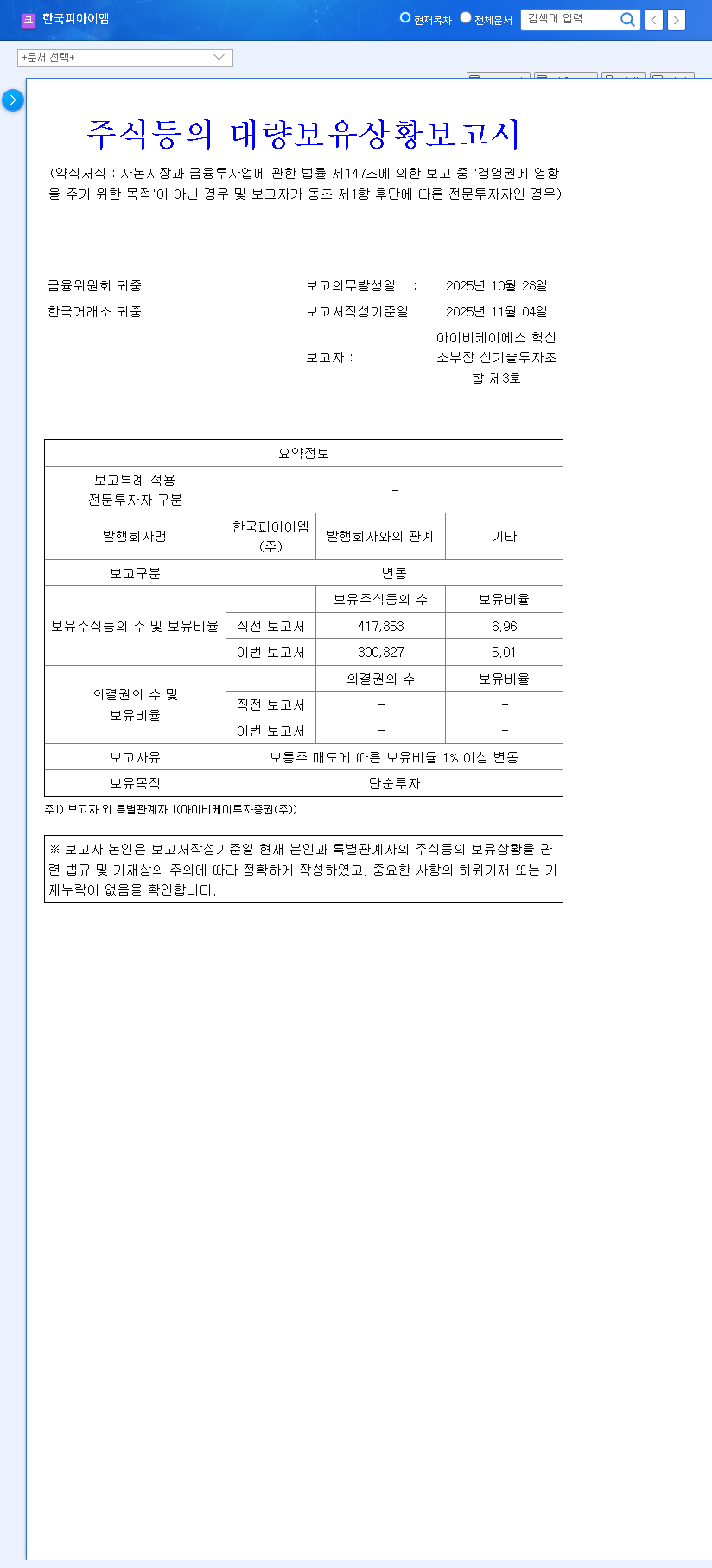
    • Selling Entities: ‘IBKS Innovative SOBUJANG New Technology Investment Association No. 3’ and ‘IBK Investment & Securities’.
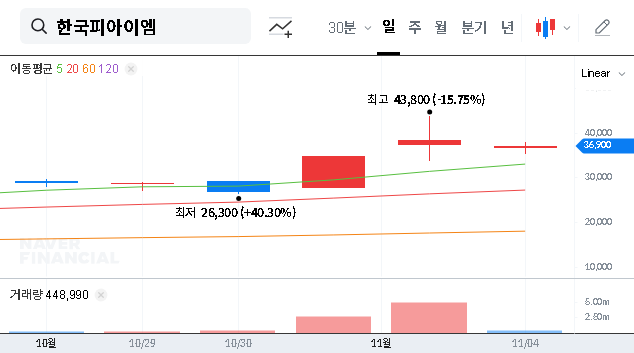
    • Change in Holdings: The combined ownership stake decreased from 6.96% to 5.01%, a total reduction of 1.95 percentage points.
    • Total Volume Sold: 80,526 shares were sold between October 10 and November 3, 2025.
    • Official Source: The full details can be verified in the Official Disclosure on DART.

    While 80,526 shares may not seem seismic relative to PIM KOREA’s total market capitalization of approximately 221.6 billion KRW, any sale by institutional investors is closely watched. It often prompts the market to ask one crucial question: What do they know that we don’t?

    📊 A Tale of Two Tapes: Analyzing PIM KOREA Fundamentals

    To understand the context behind the sale, a thorough 448900 stock analysis must look beyond the transaction and into the company’s operational health. PIM KOREA presents a mixed bag of promising growth and worrying financial indicators.

    The Bull Case: Strengths and Opportunities

    • Stable Core Business: The company’s foundation in automotive parts (turbochargers, transmission parts) provides a relatively stable revenue stream, accounting for ~70% of sales.
    • Promising New Ventures: Diversification into high-growth areas like micro-speakers for smartwatches and metal shells for smart rings could unlock significant future value and reduce dependency on the cyclical auto industry.
    • Public Market Access: Its successful KOSDAQ listing in April 2025 enhances corporate visibility and provides access to capital for funding R&D and future expansion.

    The Bear Case: Risks and Red Flags

    • Profitability Concerns: A shift to a net loss in the first half of 2025 is a major red flag, signaling potential issues with cost control, pricing power, or demand.
    • Subsidiary Drag: The underperformance of key subsidiaries like PIM VINA Co., LTD. is weighing on consolidated results, preventing the parent company from realizing its full potential.
    • Weakening Financial Health: An increase in accounts receivable suggests customers are taking longer to pay, which can strain cash flow. A rising allowance for doubtful accounts indicates the company anticipates some of these debts may never be collected.

    The core conflict for PIM KOREA stock is a battle between future growth potential and present financial weakness. The recent shareholder sale suggests that, for some investors, the current risks are beginning to outweigh the future promise.

    💡 Investor Action Plan & Stock Outlook

    In light of this divestment, a prudent and cautious approach is essential. The news is likely to exert short-term downward pressure on the PIM KOREA stock price due to weakened investor sentiment and the potential for stock overhang—the fear that more shares could be sold.

    Key Actions for Investors

    • Monitor Core Fundamentals: Pay close attention to the upcoming quarterly reports. Look for signs of a turnaround in profitability, improvements in subsidiary performance, and stabilization of accounts receivable.
    • Track New Business Traction: Any news regarding major contracts or successful product launches in the smartwatch and smart ring segments could be a powerful positive catalyst.
    • Assess Market Sentiment: Beyond the company itself, consider macroeconomic factors. An improving economic outlook could lift the automotive sector, benefiting PIM KOREA’s core business. For more on this, see our guide to KOSDAQ Stock Analysis Techniques.
    • Adopt a Long-Term Perspective: Short-term volatility is expected. A lasting recovery in the stock price will depend on the management’s ability to navigate the current financial challenges and successfully execute its growth strategy.

    ❓ Frequently Asked Questions (FAQ)

    Q1: What does the ‘Report on the Current Status of Large Shareholdings’ mean?
    A1: It’s an official disclosure from November 4, 2025, showing that major investors sold a portion of their PIM KOREA stock, reducing their combined stake from 6.96% to 5.01%. It’s a key event for market transparency.

    Q2: How will this divestment impact the PIM KOREA stock price?
    A2: In the short term, it is expected to create downward pressure on the stock and weaken investor confidence. The market often interprets such sales as a negative signal, especially when coupled with the company’s recent financial performance.

    Q3: What are the key PIM KOREA fundamentals to watch?
    A3: The positives are its stable auto parts business and high-potential new ventures. The negatives, which require close monitoring, include the recent net loss, underperforming subsidiaries, and signs of weakening financial health like rising receivables.

    Q4: What is the recommended investor strategy for PIM KOREA now?
    A4: A cautious approach is advised. Investors should closely monitor the company’s financial reports for signs of a turnaround, track progress in its new business segments, and wait for the short-term market volatility to subside before making significant investment decisions.

    (448900) PIM KOREA Stock (448900) Analysis: Major Shareholder Divestment & Future Outlook 관련 이미지