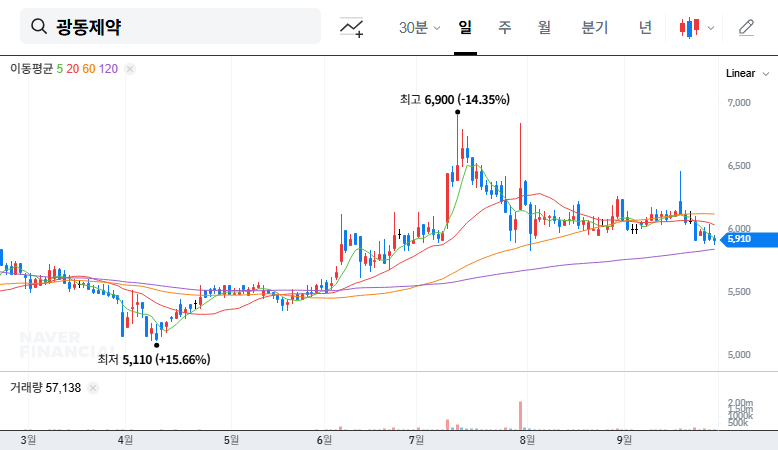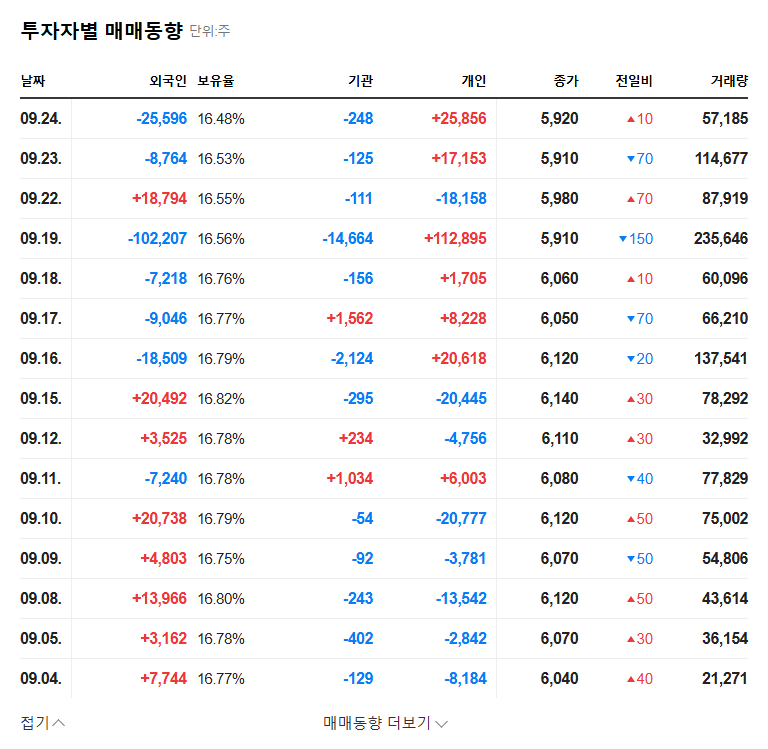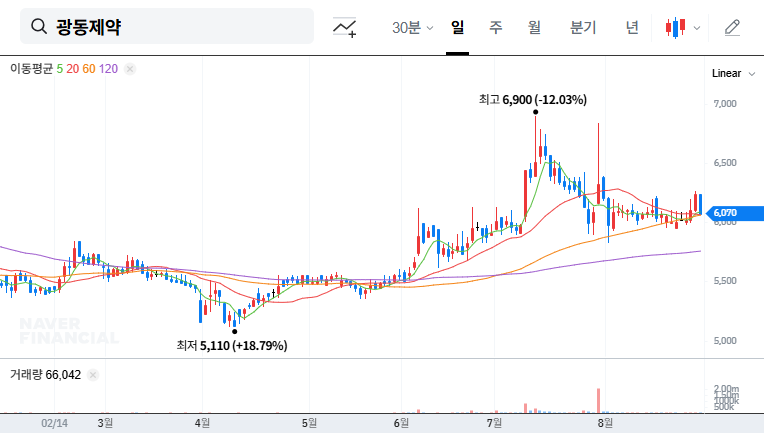
Tag: Kwangdong Pharmaceutical

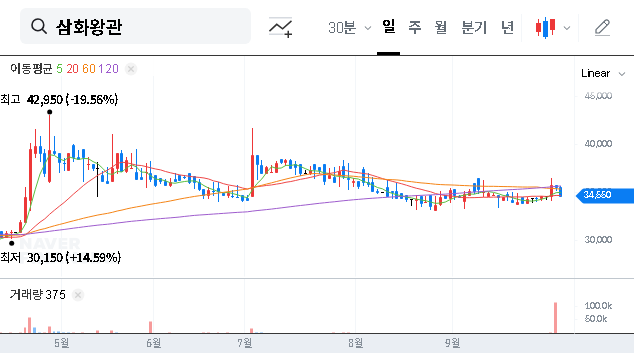
  • (004450) Samhwa Crown Stock Analysis: Kwangdong Pharmaceutical’s 5.48% Stake | 2025 Investor Guide

    (004450) Samhwa Crown Stock Analysis: Kwangdong Pharmaceutical’s 5.48% Stake | 2025 Investor Guide

    The recent news of Kwangdong Pharmaceutical acquiring a significant stake in Samhwa Crown & Closure has sent ripples through the investment community. This strategic move, officially aimed at ‘establishing continuous business cooperation,’ raises a critical question for current and potential investors: Is this the catalyst that will unlock new value for Samhwa Crown stock?

    This comprehensive investment analysis will dissect the implications of this partnership, evaluate Samhwa Crown’s current financial health, and outline actionable strategies for navigating the opportunities and risks that lie ahead. We will explore whether the collaboration can revitalize the company’s struggling core business and amplify the success of its growing divisions.

    The Deal: Kwangdong Pharmaceutical’s Strategic Investment

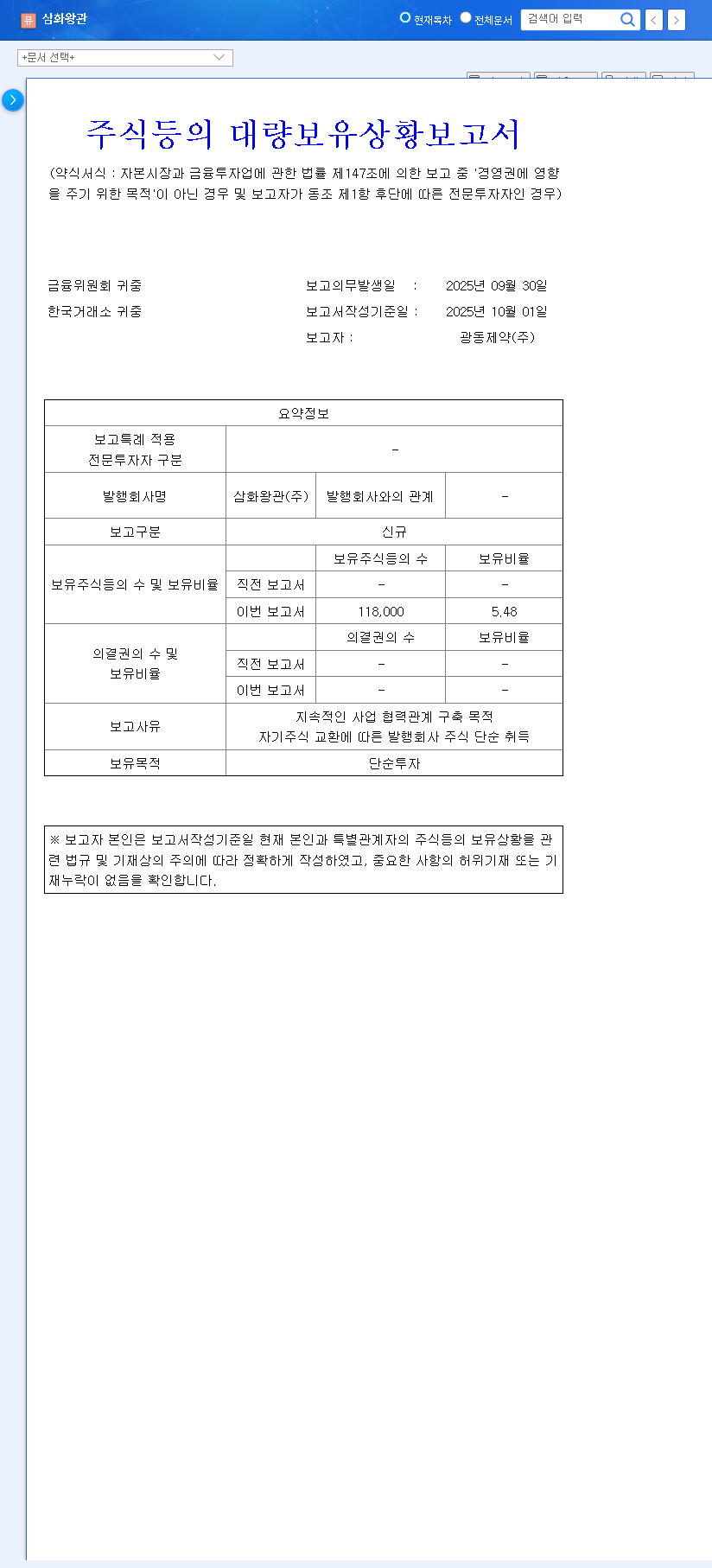
    On October 1, 2025, Kwangdong Pharmaceutical, a major player in the Korean beverage and pharmaceutical market, formally announced its acquisition of 118,000 shares in Samhwa Crown. This transaction, executed via an after-hours block trade, secured them a 5.48% stake in the packaging specialist. According to the official disclosure, the purpose extends beyond a simple financial investment, signaling a deeper strategic alignment.

    For a verified account of the transaction, investors can refer to the Official Disclosure on DART. This move is pivotal, as it connects a major consumer of packaging materials with a key supplier, creating a fertile ground for synergy.

    Samhwa Crown Fundamentals: A Tale of Two Divisions

    To understand the potential impact of this partnership, we must first assess Samhwa Crown’s current state. The company presents a mixed but intriguing financial picture, characterized by divergence between its primary business segments.

    Strengths and Growth Drivers

    • Thriving Plastic Container Division: Capitalizing on the global K-Beauty phenomenon, this division has become a significant growth engine, showcasing impressive sales figures and market expansion.
    • Improving Financial Stability: The company has successfully reduced its debt-to-equity ratio to a healthier 79%, signaling prudent financial management and a more stable foundation for future growth.
    • Shareholder-Friendly Policies: Consistent efforts to enhance shareholder value, such as treasury stock acquisitions, demonstrate a commitment to its investors.

    Weaknesses and Inherent Risks

    Despite the positives, significant headwinds remain, primarily concentrated in the company’s traditional business line.

    • Declining Profitability in CAP Division: The core closure (CAP) business has seen its operating profit plummet by nearly 45%. This is largely due to margin compression from rising raw material costs (like aluminum and plastic resins) and increased SG&A expenses.
    • Macroeconomic Pressures: Global inflation and reduced consumer disposable income pose a threat to the beverage and cosmetics industries, which could indirectly impact demand for Samhwa Crown’s products. For more context, you can review our detailed analysis of the packaging industry trends.
    • Input Cost Volatility: The company’s bottom line is highly sensitive to fluctuations in foreign exchange rates and the prices of key raw materials, creating earnings unpredictability.

    The core investment thesis for Samhwa Crown hinges on whether the new partnership with Kwangdong Pharmaceutical can effectively mitigate the risks in the CAP division while accelerating growth in the plastics division.

    Analyzing the Samhwa Crown & Kwangdong Pharmaceutical Synergy

    The long-term value of this deal will be determined by tangible business synergies. Here’s where the most significant potential lies:

    • Securing a Stable Revenue Stream: Kwangdong Pharmaceutical is a major consumer of bottle caps for products like Vita 500. This partnership could transform into a long-term supply agreement, providing Samhwa Crown’s CAP division with stable, predictable order volumes and helping to offset market volatility.
    • Joint R&D and Innovation: Collaboration on new product development—such as innovative, eco-friendly, or specialized caps for new beverage lines—could give Samhwa Crown a competitive edge and improve margins.
    • Cost Efficiency and Optimization: A closer relationship could streamline the supply chain, leading to cost reductions and improved production efficiency, directly addressing the profitability issues in the CAP division. Insights from industry reports, like those from Packaging World, often highlight the benefits of vertical integration.
    • Improved Corporate Governance: The presence of a significant corporate shareholder can enhance management transparency and accountability, which is often viewed favorably by the market.

    An Investor’s Guide to Samhwa Crown Stock

    Short-Term Outlook (1-3 Months)

    In the short term, the news itself provides positive momentum. However, a sharp, sustained rally is unlikely until concrete details of the cooperation emerge. The stock may experience sideways movement with a slight upward bias. A cautious approach is warranted; investors might consider observing from the sidelines or initiating a small position while awaiting further developments.

    Mid to Long-Term Outlook (6+ Months)

    The long-term trajectory depends entirely on execution.

    • Bull Case: If the partnership leads to tangible improvements in the CAP division’s profitability and the plastic container segment maintains its growth, a fundamental re-rating of the stock is highly probable. In this scenario, gradually increasing one’s position on positive news would be a viable strategy.
    • Bear Case: If the synergy fails to materialize or macroeconomic headwinds worsen, the initial excitement will fade, and the stock’s performance will likely revert to being driven by its underlying, challenged fundamentals. Risk management and waiting for clear signs of a turnaround would be the prudent course.

    Key Milestones to Monitor

    Investors should keep a close watch on the following catalysts:

    • Official announcements detailing the scope and terms of business cooperation.
    • Quarterly earnings reports, with a focus on margin trends in the CAP division.
    • News regarding new client acquisitions or international expansion for the plastic container division.
    (004450) Samhwa Crown Stock Analysis: Kwangdong Pharmaceutical's 5.48% Stake | 2025 Investor Guide 관련 이미지
  • (008870) Kwangdong Pharmaceutical Acquires Geumbi Stake: A Deep Dive into Synergy & Stock Potential

    (008870) Kwangdong Pharmaceutical Acquires Geumbi Stake: A Deep Dive into Synergy & Stock Potential

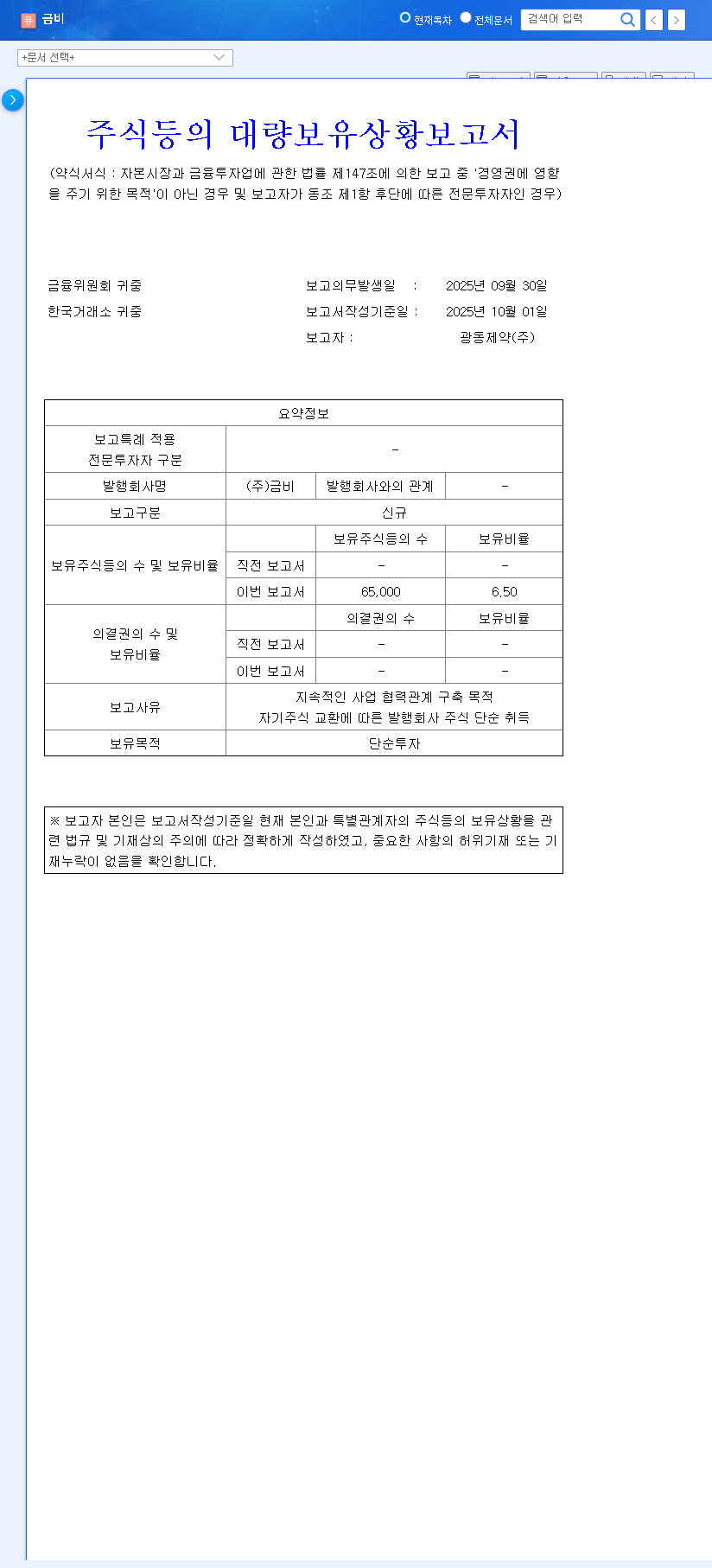
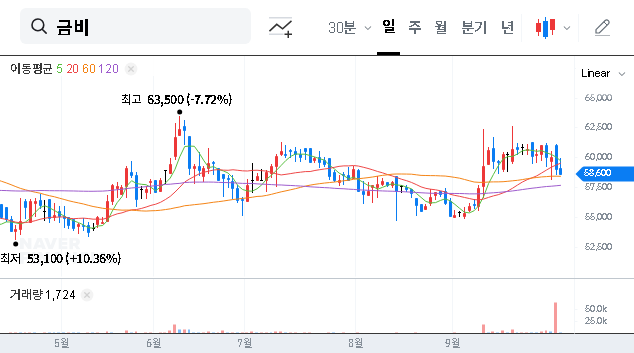
    The strategic investment between Kwangdong Pharmaceutical and Geumbi has sent ripples through the market. Kwangdong Pharmaceutical, a titan in beverages and pharmaceuticals, has acquired a significant 6.5% stake in Geumbi Co., Ltd., a specialized packaging firm. While officially labeled a ‘simple investment,’ the underlying goal of fostering ‘continuous business cooperation’ points to a much deeper, strategic alliance. This move isn’t just a financial transaction; it’s a calculated play for powerful packaging synergy and future growth.

    This in-depth analysis will explore the implications of this acquisition, dissect the potential synergies, evaluate the impact on Geumbi stock, and provide actionable insights for investors considering this evolving partnership.

    The Anatomy of the Deal: A Strategic Acquisition

    On September 30, 2025, Kwangdong Pharmaceutical formally announced the acquisition of 65,000 common shares of Geumbi, constituting a 6.5% stake. The transaction was executed via after-hours trading, a common method for large block trades to minimize market disruption. The official filing provided a fascinating dual narrative: the purpose was listed as ‘simple investment,’ yet a supplementary note clarified it was an ‘acquisition… for continuous business cooperation.’ This language strongly suggests that Kwangdong Pharmaceutical’s interest in Geumbi goes far beyond passive financial returns and is geared towards integrating Geumbi into its operational value chain. (Source: Official DART Disclosure)

    This strategic investment is a classic example of vertical integration, where a company secures a stake in its supplier to enhance supply chain stability, foster innovation, and unlock cost efficiencies. For investors, the key is to determine how deep this collaboration will go.

    Unpacking the Players: Geumbi and Kwangdong Pharmaceutical

    Geumbi Co., Ltd.: The Packaging Powerhouse

    To understand the potential, we must first appreciate Geumbi’s robust business model. It’s a diversified packaging specialist with solid fundamentals.

    • Glass Bottle & Cap Division: This is Geumbi’s traditional backbone, providing stable revenue through strong export performance and a reliable domestic client base.
    • Plastic Container Division: A significant growth engine, this division is capitalizing on the global success of the K-Beauty industry, supplying containers for a wide range of cosmetic products. You can learn more about this market by reading our guide to analyzing K-Beauty industry trends.
    • Future-Focused R&D: Geumbi’s commitment to R&D for developing next-generation materials and packaging solutions is a positive sign for long-term competitiveness.

    Kwangdong Pharmaceutical: The End-User Giant

    Kwangdong Pharmaceutical is a household name in South Korea, famous for iconic products like Vita 500 and Kwangdong Corn Silk Tea. Its business is heavily reliant on high-quality, reliable packaging—from the glass bottles for its drinks to the specialized containers for its pharmaceutical products. This makes a stable and innovative packaging partner not just beneficial, but essential.

    The Synergy Potential: Analyzing the Kwangdong Pharmaceutical Geumbi Partnership

    The true value of this deal lies in the potential for packaging synergy. By moving beyond a simple client-supplier dynamic, both companies stand to gain significantly. For an in-depth explanation of corporate synergy, see this guide from a leading financial education site.

    • Supply Chain Optimization: Kwangdong secures a stable supply of critical packaging, hedging against market volatility and potential shortages. This can lead to significant cost reductions and improved production efficiency.
    • Joint Product Development: The two companies can collaborate on creating innovative packaging, such as eco-friendly bottles, functional containers that preserve product integrity, or unique designs that enhance brand appeal on crowded store shelves.
    • Enhanced R&D Efforts: Kwangdong’s insight into consumer and pharmaceutical needs can directly inform Geumbi’s R&D, leading to the development of highly specialized, market-leading packaging solutions.

    Investor Outlook and Geumbi Stock Analysis

    The announcement of this strategic investment is a major catalyst for Geumbi stock. However, investors must weigh the short-term excitement against long-term fundamentals.

    Short-Term Considerations

    The news has already generated significant market interest, which can lead to increased stock volatility. Short-term traders may find opportunities in these price swings. However, the initial euphoria can fade if concrete plans for cooperation are not announced promptly. The primary risk is that it may take considerable time for the tangible benefits of this partnership to appear on the balance sheet.

    Mid-to-Long-Term Investment Strategy

    Long-term investors should focus on the execution. The success of the Kwangdong Pharmaceutical Geumbi partnership hinges on tangible outcomes.

    • Monitor Official Announcements: Keep a close eye on disclosures from both companies regarding specific joint projects, supply contracts, or R&D initiatives.
    • Analyze Financial Reports: Look for evidence of synergy in Geumbi’s future earnings reports, such as increased revenue from Kwangdong, improved profit margins from efficiencies, or growth in new product categories.
    • Consider Macro-Economic Factors: Remember that Geumbi’s performance is also tied to broader factors like raw material costs, global economic health, and trends in the cosmetics industry.

    In conclusion, Kwangdong Pharmaceutical’s acquisition of a stake in Geumbi is more than a line item on a ledger; it’s a strategic move with the potential to reshape both companies’ futures. While short-term market reactions can be volatile, the long-term value will be built on the successful execution of their shared vision for business cooperation. For diligent investors, this partnership presents a compelling story to follow.

    (008870) Kwangdong Pharmaceutical Acquires Geumbi Stake: A Deep Dive into Synergy & Stock Potential 관련 이미지
  • (009290) Kwangdong Pharmaceutical (009290) Treasury Stock Disposal: A Deep Dive for Investors

    (009290) Kwangdong Pharmaceutical (009290) Treasury Stock Disposal: A Deep Dive for Investors 대표 차트 이미지

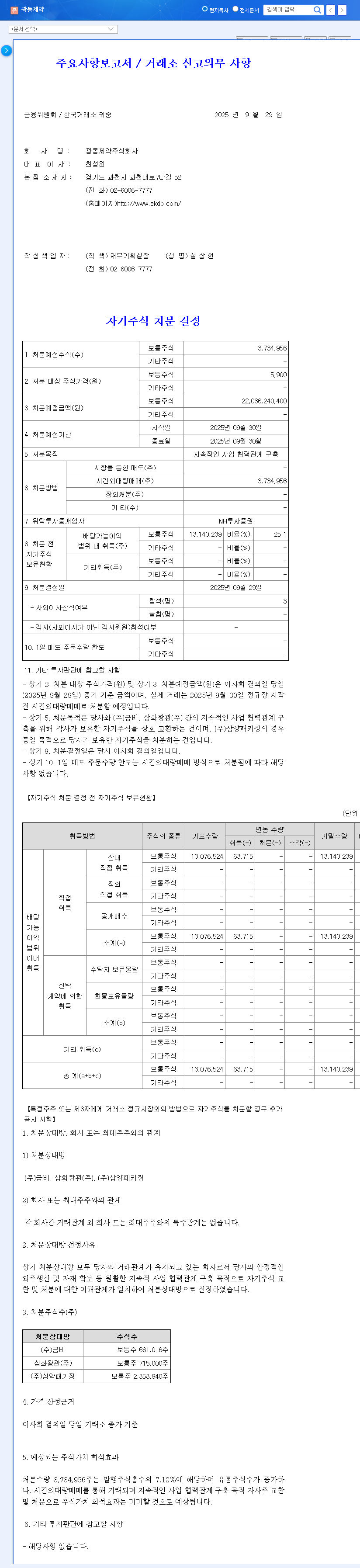
    Kwangdong Pharmaceutical (KRX: 009290) recently made a significant financial move that has captured the attention of the market: a Kwangdong Pharmaceutical treasury stock disposal valued at approximately ₩22 billion. This decision raises critical questions for current and potential investors. Is this a precursor to short-term stock price volatility, or is it a strategic maneuver designed to unlock long-term corporate value? This in-depth analysis will dissect the announcement, evaluate the company’s fundamentals, and provide a clear perspective on what this means for your investment portfolio.

    At its core, this treasury stock disposal is a calculated risk. While it introduces potential short-term price pressure, the strategic goals—enhancing business partnerships and incentivizing key talent—are firmly aimed at bolstering the company’s future growth trajectory.

    The Announcement: A ₩22 Billion Strategic Move

    On September 29, 2025, Kwangdong Pharmaceutical formally announced its plan to dispose of 3,734,956 shares of its own common stock, commonly known as treasury stock. This block of shares, representing a notable 7.12% of the total outstanding shares, is valued at roughly ₩22 billion. The transaction is being managed by NH Investment & Securities. The official purpose, as stated in the public filing, is to ‘establish continuous business cooperation.’ For full transparency, investors can review the Official Disclosure (DART).

    Understanding the impact of a treasury stock disposal is crucial. Unlike issuing new shares, which dilutes existing shareholders, selling treasury stock reintroduces existing shares back into the market. This can increase liquidity but also add to the available supply, which can sometimes put downward pressure on the Kwangdong Pharmaceutical stock price in the short term.

    Decoding the Strategy: Why This, Why Now?

    This move is far more than a simple capital-raising exercise. It is a multi-faceted strategy aimed at securing future growth. The stated goal of fostering business cooperation suggests the company may be paving the way for a strategic alliance, joint venture, or a significant partnership that could unlock new markets or technologies. Furthermore, the filing hints at using the proceeds or shares for employee compensation, likely through Restricted Stock Units (RSUs), a powerful tool for attracting and retaining top-tier talent in the competitive pharmaceutical industry. This aligns perfectly with their mission to become a leading ‘Human Healthcare Brand Enterprise’.

    Fundamental Health Check: A Look at Kwangdong’s Vitals

    To properly assess the treasury stock impact, we must look at the company’s current financial health based on its latest reports:

    • Mixed Profitability: While overall revenue saw a slight decrease in the first half of 2025, operating and net profits actually improved. This was driven by the stellar performance of their Food & Beverage (F&B) division (home to brands like Samdasoo and Vita500) and steady growth in Ethical Drugs (ETC). The Over-the-Counter (OTC) segment, however, has shown some weakness.
    • Solid Financial Standing: The company maintains a healthy ‘A’ credit rating, indicating very low liquidity risk. Although cash on hand has decreased due to investments and debt repayment, operating cash flow remains robust, showcasing a stable core business.
    • Strategic Diversification: Management is actively pursuing a broader portfolio, strengthening its ETC pipeline with new agreements and even venturing into the solar power generation business to bolster its ESG credentials and create new revenue streams. For more on this, see our guide to analyzing corporate strategy.

    Potential Impact on Corporate Value and Stock Price

    The Kwangdong Pharmaceutical treasury stock disposal presents both opportunities and risks that investors must weigh carefully.

    The Bull Case (Positive Impacts)

    • Enhanced Corporate Value: Using shares to forge strategic partnerships can be a catalyst for significant long-term growth and increase overall corporate value.
    • Talent Motivation: Aligning employee interests with shareholder interests through stock-based compensation can boost innovation and drive performance.
    • Financial Agility: The ₩22 billion in proceeds provides a significant cash infusion, increasing the company’s flexibility for R&D, marketing, or other strategic investments.

    The Bear Case (Negative Impacts & Risks)

    • Short-Term Price Pressure: The introduction of over 3.7 million shares to the market could create an overhang, potentially leading to a temporary dip in the stock price as supply increases.
    • Execution Risk: The benefits are contingent on the company successfully forming valuable partnerships. If these plans fail to materialize, the market may view the disposal negatively.
    • Market Timing: The final disposal price and timing are critical. Selling into a weak market could signal a lack of confidence and negatively affect investor sentiment.

    Investment Outlook and Recommendations

    While the prospect of short-term volatility is real, the strategic rationale behind this treasury stock disposal appears sound and forward-looking. The focus on strengthening the business and motivating talent is a positive indicator for long-term health. The core F&B and ETC businesses provide a stable foundation, giving the company a platform from which to pursue growth.

    For short-term traders, caution is advised. It’s prudent to monitor the disposal process closely and be prepared for price fluctuations. For long-term investors, this event could be viewed as a strategic investment in the company’s future. The current fundamentals are solid, and the potential upside from new partnerships could outweigh the near-term risks. Maintaining a position or considering gradual accumulation on any price weakness could be a viable strategy.

    Frequently Asked Questions (FAQ)

    Q1: What is the main purpose of this treasury stock disposal?

    The primary stated purpose is to ‘establish continuous business cooperation,’ which means using the shares or funds to create strategic partnerships, joint ventures, or other alliances that can drive future growth. It is also linked to attracting and retaining key employees.

    Q2: How will this immediately affect the Kwangdong Pharmaceutical stock price?

    In the short term, it could cause stock price volatility. The addition of a significant number of shares (7.12% of total) to the market supply may create downward pressure. However, the long-term effect on corporate value could be highly positive if the strategic goals are achieved.

    Q3: What key factors should investors monitor going forward?

    Investors should closely watch the specifics of the disposal (price, timing), any announcements regarding new business partnerships, the continued performance of the core F&B and ETC divisions, and broader macroeconomic trends that could affect the pharmaceutical industry.

    (009290) Kwangdong Pharmaceutical (009290) Treasury Stock Disposal: A Deep Dive for Investors 관련 이미지
    (009290) Kwangdong Pharmaceutical (009290) Treasury Stock Disposal: A Deep Dive for Investors 관련 이미지
  • Kwangdong Pharmaceutical Secures 4-Year Samdasoo Contract: A Boost for Revenue and Investment?

    Kwangdong Pharmaceutical Secures 4-Year Samdasoo Contract: A Boost for Revenue and Investment? 대표 차트 이미지

    1. What Happened? : 4-Year Samdasoo Distribution Contract Secured

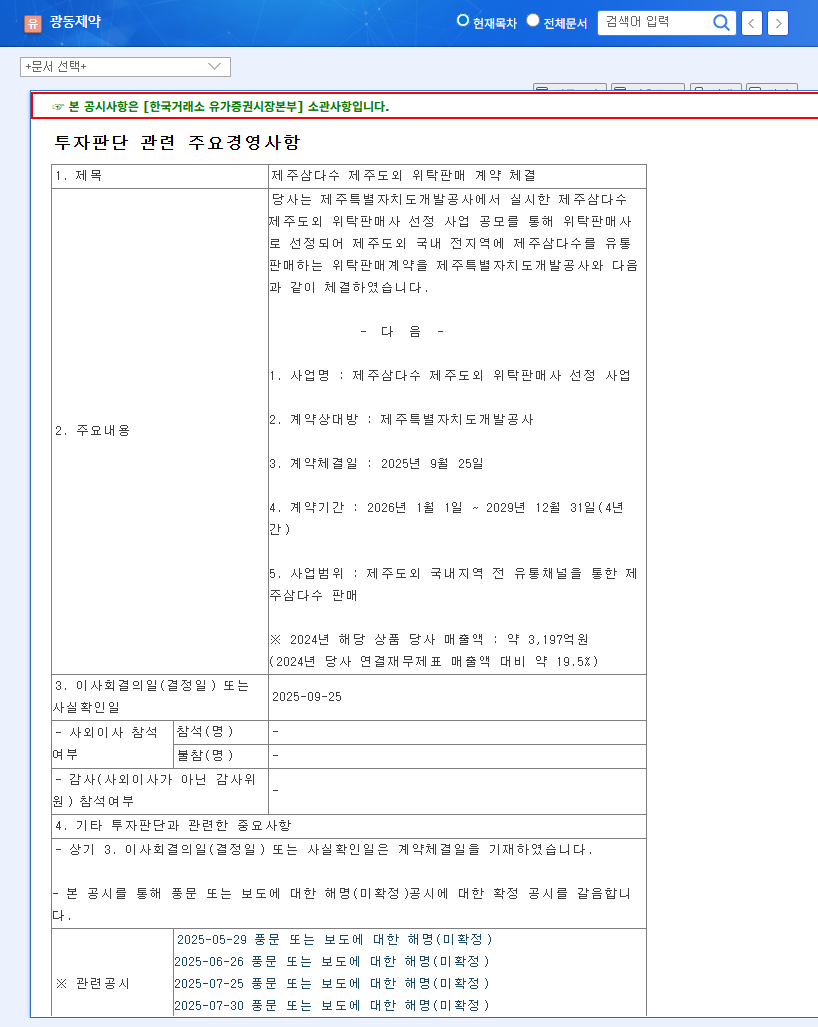
    On September 25, 2025, Kwangdong Pharmaceutical finalized a ‘Jeju Samdasoo Domestic Distribution Contract (excluding Jeju Island)’ with Jeju Special Self-Governing Province Development Corporation. This 4-year agreement, effective from January 1, 2026, to December 31, 2029, grants Kwangdong exclusive distribution rights for Samdasoo across South Korea (excluding Jeju Island). This represents approximately 19.5% of Kwangdong’s 2024 consolidated revenue, totaling ₩319.7 billion.

    2. Why Does it Matter? : Stabilizing a Shaky Performance

    Kwangdong experienced declining sales and a sharp drop in operating profit in the first half of 2025, primarily due to decreased Gardasil sales and increased fixed costs. The Samdasoo renewal is crucial as it provides a stable revenue base for the next four years, paving the way for earnings recovery. This stabilization of the F&B segment strengthens the financial foundation for investments in pharmaceuticals and new business ventures.

    3. So What’s Next? : Enhanced Financial Stability, Potential Stock Price Increase

    In the short term, the contract is expected to boost investor sentiment and drive stock price appreciation. In the long term, the stable cash flow generated by the Samdasoo distribution can contribute to R&D investment and new business expansion, potentially increasing the company’s overall value.

    • Positives: Revenue stabilization, strengthened business portfolio, increased predictability
    • Neutral/Potential Impacts: Contract profitability, competitive landscape

    4. What Should Investors Do? : Buy Rating, Monitor Key Variables

    The investment recommendation is ‘Buy’, based on the secured revenue stream, low valuation, and potential for long-term growth. However, investors should closely monitor key variables such as the specific profitability of the Samdasoo contract, F&B new product development, pharmaceutical segment recovery, performance of the solar energy business, and fluctuations in interest rates and exchange rates.

    Frequently Asked Questions

    How will the Samdasoo renewal impact Kwangdong’s earnings?

    Securing approximately ₩319.7 billion in stable revenue over four years is expected to offset the sluggish performance of the first half of 2025 and positively impact future earnings.

    What is the outlook for Kwangdong Pharmaceutical’s stock price?

    Short-term gains are anticipated due to improved investor sentiment. Long-term, the stable cash flow could drive enterprise value growth. However, it’s crucial to monitor contract profitability and the performance of other business segments.

    What should investors consider when evaluating Kwangdong Pharmaceutical?

    Key considerations include the specific terms and profitability of the Samdasoo contract, competitive dynamics in the F&B sector, the recovery of the pharmaceutical segment, the success of the solar energy business, and macroeconomic conditions.

    Kwangdong Pharmaceutical Secures 4-Year Samdasoo Contract: A Boost for Revenue and Investment? 관련 이미지
    Kwangdong Pharmaceutical Secures 4-Year Samdasoo Contract: A Boost for Revenue and Investment? 관련 이미지
  • Kwangdong Pharmaceutical: Will the Samdasu Water Distribution Rights Be Renewed?

    Kwangdong Pharmaceutical: Will the Samdasu Water Distribution Rights Be Renewed? 대표 차트 이미지

    What Happened? The Samdasu Distribution Rights Renewal

    With the expiration of Kwangdong Pharmaceutical’s current contract for Samdasu water distribution rights approaching, uncertainties surrounding the renewal have emerged. Kwangdong has addressed these concerns by announcing its selection as the preferred bidder and its ongoing negotiations. However, the final agreement remains subject to variables, keeping investors on high alert.

    Why Does This Matter? The Importance of Samdasu

    Samdasu water represents a significant portion of Kwangdong Pharmaceutical’s F&B revenue. Consequently, the renewal of distribution rights has a direct impact on the company’s performance. Successful renewal ensures stable revenue streams, while failure could significantly impact the F&B sector.

    What’s Next for Kwangdong Pharmaceutical?

    Beyond Samdasu, Kwangdong boasts a robust brand portfolio including Vita500. The company is also focused on strengthening its ethical drug pipeline and venturing into new businesses for long-term growth. However, the recent decline in operating profit requires attention and improvement. Furthermore, macroeconomic uncertainties pose potential risks.

    What Should Investors Do?

    In the short term, investors should monitor the upcoming official announcements regarding the Samdasu contract renewal and track the trend of operating profit improvement. In the long term, focus should be on Kwangdong’s diversification strategy to reduce reliance on Samdasu and the performance of its new pipelines. Investment decisions should be made carefully, considering all these factors.

    What are Kwangdong Pharmaceutical’s main businesses?

    Kwangdong Pharmaceutical’s core businesses are F&B (Food and Beverage), including beverages and food products, and pharmaceuticals. Beverage sales, particularly Samdasu water, contribute significantly to the company’s overall revenue.

    Why is the Samdasu distribution rights contract so important?

    Samdasu water is a key product in Kwangdong’s F&B segment. The renewal of the distribution contract significantly impacts the company’s financial performance. Successful renewal secures stable revenue, while failure could lead to a decline in sales.

    What is the outlook for Kwangdong Pharmaceutical?

    The renewal of the Samdasu contract, operating profit improvement, and the success of new business ventures will influence Kwangdong Pharmaceutical’s future outlook. Investors should closely monitor relevant information and make informed investment decisions.

    Kwangdong Pharmaceutical: Will the Samdasu Water Distribution Rights Be Renewed? 관련 이미지
    Kwangdong Pharmaceutical: Will the Samdasu Water Distribution Rights Be Renewed? 관련 이미지
  • Kwangdong Pharmaceutical H1 2025 Earnings: Revenue Growth, but Profitability Declines. What’s Next?

    1. Kwangdong Pharmaceutical H1 2025 Earnings: What Happened?

    Kwangdong Pharmaceutical achieved revenue of KRW 425.2 billion in H1 2025, continuing its growth trend. However, operating profit and net profit declined to KRW 4.5 billion and KRW 2.3 billion, respectively, indicating a decline in profitability.

    2. Why These Results?: Key Factor Analysis

    Revenue growth was driven by strong performance in the F&B sector (Samdasoo, Vita500) and ethical pharmaceuticals. However, increased selling, general and administrative expenses, and R&D expenses negatively impacted profitability. New business ventures (solar power generation) and investments in new drug development are positive in the long term.

    3. What’s Next?: Future Outlook and Investment Strategies

    In the short term, concerns about declining profitability could negatively impact the stock price. However, considering brand power, business diversification, and new business investments, the long-term outlook is positive. The key is cost management and the realization of new business results.

    4. Investor Action Plan: What Should You Do?

    • Short-term investors: Be cautious of stock price volatility following the earnings announcement.
    • Mid- to long-term investors: Monitor cost management capabilities and new business performance while exploring investment opportunities.
    • All investors: Continuously monitor exchange rate and interest rate fluctuations, as well as changes in the competitive landscape.

    Frequently Asked Questions

    What are Kwangdong Pharmaceutical’s main businesses?

    Kwangdong Pharmaceutical has a diverse business portfolio including F&B (Samdasoo, Vita500, etc.), ethical pharmaceuticals (ETC), and healthcare products.

    What is the most important takeaway from the H1 2025 earnings?

    Continued revenue growth alongside declining profitability. While sales increased due to the strong performance of the F&B sector, increased costs have negatively impacted profitability.

    What is the outlook for Kwangdong Pharmaceutical?

    While there are concerns about declining profitability in the short term, there are also positive aspects in the long term, considering brand power, business diversification, and new business investments.

  • Kwangdong Pharmaceutical Q2 2025 Earnings: A Mixed Bag for Investors

    1. What Happened?

    Kwangdong Pharmaceutical reported Q2 2025 revenue of KRW 425.2 billion (+12% YoY), operating profit of KRW 4.5 billion (+36% YoY), and net profit of KRW 2.3 billion (-44% YoY). While revenue and operating profit beat market expectations, net profit declined.

    2. Why Did This Happen?

    Positive Factors: Robust growth in the F&B segment (Samdasoo, Vita500) and new licensing agreements in the ETC segment drove revenue and operating profit growth.

    Negative Factors: Increased R&D expenses, marketing costs, and potentially one-off expenses contributed to the decline in net profit. Imbalanced capacity utilization in the F&B segment (overloaded food factory, low GMP factory utilization) also affected cost competitiveness.

    3. What’s Next?

    Kwangdong Pharmaceutical’s stable business portfolio and new business expansions point towards continued growth. However, addressing the decline in net profit, improving R&D investment efficiency, optimizing production capacity, and managing foreign exchange and interest rate risks are crucial.

    4. What Should Investors Do?

    • Closely monitor the upcoming detailed earnings release and management’s explanation for the decline in net profit.
    • Carefully evaluate R&D investment strategies, the performance of new businesses (such as the solar power project), and foreign exchange and interest rate risk management strategies.
    • Make informed investment decisions based on a comprehensive assessment of Kwangdong Pharmaceutical’s growth potential and risks from a long-term perspective.
    Q: What are the key takeaways from Kwangdong Pharmaceutical’s Q2 earnings?

    A: Revenue and operating profit exceeded expectations, but net profit fell short. While the strong F&B business and new licensing agreements are positive, addressing the decline in net profit is crucial.

    Q: What is the outlook for Kwangdong Pharmaceutical?

    A: The company’s stable business portfolio and new ventures suggest growth potential, but improving net profit, R&D efficiency, and risk management are key factors.

    Q: What should investors consider?

    A: Investors should monitor upcoming earnings releases, analyze R&D strategies, assess new business performance, and evaluate risk management before making investment decisions.

  • Kwangdong Pharmaceutical Wins Jeju Samdasoo Distribution Rights: What it Means for Investors

    What Happened?

    News of Kwangdong Pharmaceutical potentially losing the Samdasoo distribution rights sent shockwaves through the market in May 2025. However, the company quickly turned the tables by announcing its selection as the preferred bidder, making it highly likely to retain the rights.

    Why Does the Samdasoo Deal Matter?

    Samdasoo holds the largest market share in the Korean bottled water market. Retaining distribution is crucial for Kwangdong’s stable revenue stream and market dominance. The potential synergy with its recent Healthport acquisition makes this deal even more significant.

    What Does This Mean for Kwangdong’s Future?

    Securing the Samdasoo rights is expected to boost Kwangdong’s revenue and market share. However, addressing challenges like high debt-to-equity ratio, rising raw material costs, and dependence on Coupang is essential for sustained growth. The company’s future hinges on its ability to develop effective sales strategies and improve its financial health.

    Action Plan for Investors

    • Short-term investors: Closely monitor the terms of the Samdasoo contract and market conditions, being mindful of short-term price volatility.
    • Long-term investors: Analyze Kwangdong’s efforts to improve its financial health, new business strategies, and the potential synergy with Healthport from a long-term perspective.

    Frequently Asked Questions

    Has Kwangdong Pharmaceutical secured the Samdasoo distribution rights?

    While the final contract is yet to be signed, being selected as the preferred bidder makes it highly likely.

    Will this positively impact Kwangdong’s stock price?

    While generally expected to be positive, the actual impact can vary based on several market factors.

    What are the key investment risks for Kwangdong?

    Consider the company’s high debt-to-equity ratio, raw material price volatility, and dependence on Coupang as potential risks.

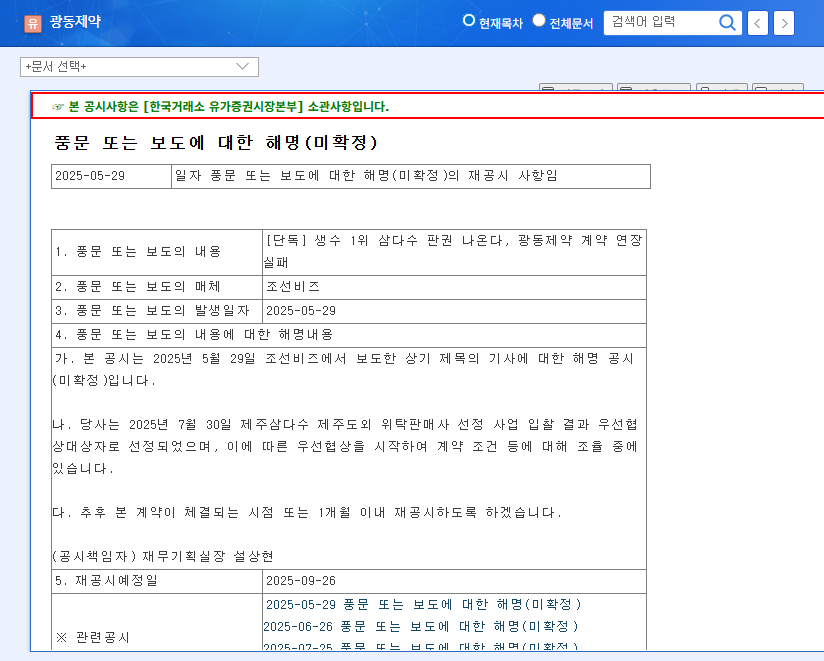
  • Kwangdong Pharmaceutical: Will They Lose Samdasu? In-Depth Analysis and Investment Strategies

    1. What’s Happening? Samdasu Distribution Rights Expiring

    In May 2025, a report by ChosunBiz revealed the possibility of Kwangdong Pharmaceutical losing its distribution rights for Jeju Samdasu. Kwangdong confirmed its participation in the bidding process but stated the outcome is yet to be determined. The final decision will be announced before August 22nd.

    2. Why Does it Matter? Heavy Reliance on Samdasu

    Samdasu is a core product in Kwangdong’s F&B sector, accounting for a significant portion of its revenue. Losing the distribution rights would inevitably lead to a decline in sales, and combined with its dependence on Coupang (14.1%), profitability could worsen considerably. Given the current low operating profit margin of 1.2%, rising raw material prices, and increasing SG&A expenses, the loss of Samdasu could severely impact the company’s fundamentals.

    3. What’s Next? Scenario Analysis

    • Worst-case scenario: Complete loss of distribution rights would lead to a sharp decline in sales, deteriorating profitability, and a drop in stock price.
    • Mid-case scenario: Retaining partial distribution rights would mitigate the sales decline but limit profitability improvement.
    • Best-case scenario: An unexpected strategic partnership securing the rights or a more favorable contract could lead to a rise in stock price.

    4. What Should Investors Do? Proceed with Caution

    A cautious approach is recommended until the official announcement on August 22nd. It’s advisable to review the announcement and assess the future business outlook before making any investment decisions. Long-term investors should continuously monitor the performance of Healthport acquisition, solar power business, and risk management system.

    Q: What is the impact of losing Samdasu distribution rights on Kwangdong Pharmaceutical?

    A: As Samdasu represents a significant portion of Kwangdong’s revenue, losing the rights could lead to a decline in sales and profitability, potentially impacting stock price.

    Q: How are Kwangdong Pharmaceutical’s other businesses performing?

    A: While Kwangdong is pursuing new businesses such as Healthport acquisition and solar power generation, it still heavily relies on Samdasu sales. Continuous monitoring of other business growth is essential.

    Q: How should investors respond to this situation?

    A: Investors should proceed with caution until the official announcement on August 22nd. Careful consideration of the announcement and analysis of future business prospects are crucial for informed investment decisions.