Tag: KPOP

  • (352820) HYBE Q3 2025 Earnings: A Deep Dive Analysis for Investors

    (352820) HYBE Q3 2025 Earnings: A Deep Dive Analysis for Investors

    The upcoming HYBE Q3 2025 earnings report is poised to be a pivotal moment for investors and market analysts alike. As the global entertainment powerhouse, home to superstars like BTS and SEVENTEEN, prepares to unveil its third-quarter performance, all eyes are on whether it can sustain the positive momentum from its H1 2025 turnaround. This deep dive provides a critical HYBE stock analysis, exploring the key growth drivers, potential risks, and strategic questions that will define the company’s trajectory.

    HYBE has officially scheduled its investor relations (IR) conference call to present the Q3 2025 results and host a Q&A session on November 10, 2025, at 4:30 PM KST. The announcement, available for public review in the Official Disclosure, sets the stage for a report that will offer crucial insights into the health of its diverse business segments.

    Core Growth Engines Under the Microscope

    The significance of the HYBE Q3 2025 earnings report lies in its ability to validate the company’s multi-pronged growth strategy. Investors will be scrutinizing three primary pillars of HYBE’s business model.

    1. The Power of IP and Fandom Monetization

    At its core, HYBE is an intellectual property (IP) giant. The consistent revenue from its artist roster, driven by a deeply loyal global fandom, is its biggest strength. This includes:

    • Album and Music Sales: Consistent high-volume sales from established acts and successful debuts from new groups.
    • Tours and Live Events: The return to full-scale global tours represents a massive revenue stream that directly impacts profitability.
    • Merchandise (MD) and Licensing: High-margin revenue generated from leveraging powerful artist brands across various products.

    2. Weverse Platform: The Fan Economy Super-App

    The Weverse growth trajectory is a key focus for long-term investors. More than just a fan community app, Weverse is evolving into an integrated ecosystem for content, commerce, and communication. The Q3 report should provide updates on user acquisition, engagement metrics, and the platform’s success in onboarding third-party artists, which is crucial for scaling. For a deeper look, you can read our guide on The Future of the Weverse Ecosystem.

    Weverse’s ability to lock in fans and create new monetization channels is central to HYBE’s strategy of reducing dependency on the cyclical nature of album releases and tours. Its performance is a bellwether for HYBE’s future valuation.

    3. Global Expansion and M&A Synergy

    HYBE’s acquisition of Ithaca Holdings and the establishment of various overseas subsidiaries marked a bold move into the global market. The HYBE financial report for Q3 will be the latest test of this strategy. Investors will want to see tangible evidence of synergy, such as successful global projects for existing K-pop acts and the performance of international artists under the HYBE America umbrella. This expansion is critical for de-risking and tapping into larger, more mature markets.

    Financials and Future Scenarios: What to Expect

    After turning a net loss in 2024 into a significant net profit in the first half of 2025, maintaining profitability is paramount. The Q3 numbers will be compared not only to the previous year but also to the market consensus estimates compiled by sources like Bloomberg.

    Positive Scenario (Bull Case)

    A strong upward move in HYBE’s stock could be triggered if the company reports earnings and revenue that beat expectations. Key catalysts would include higher-than-anticipated album sales, robust growth in Weverse’s monthly active users (MAUs), and positive forward guidance for Q4 and 2026. A clear, detailed roadmap for new ventures in gaming or AI would further boost investor confidence.

    Potential Risks (Bear Case)

    Conversely, the stock could face short-term pressure if the HYBE Q3 2025 earnings fall short of forecasts. Potential headwinds include macroeconomic factors like currency fluctuations impacting overseas profits, rising operational costs, or slower-than-expected progress in monetizing new business segments. Any ambiguity regarding artist contract renewals or future activity schedules could also introduce uncertainty.

    Investor Action Plan for the IR Call

    Beyond the headline numbers, seasoned investors should listen closely during the Q&A session for management’s tone and strategic priorities. Key areas to focus on include:

    • Profitability Margins: Is the H1 2025 profitability trend sustainable? Look for details on operating margins across different segments.
    • New Artist Pipeline: What is the status of upcoming debuts? New groups are vital for long-term, sustainable IP generation.
    • Capital Allocation: How does management plan to deploy its cash reserves? Are further M&A activities or increased R&D investments planned?

    In conclusion, the HYBE Q3 2025 earnings call is far more than a simple financial update. It’s a critical stress test of the company’s ambitious vision. A report that demonstrates strong execution, clear strategic direction, and sustained profitability could solidify its position as a top-tier global entertainment investment. Conversely, any signs of weakness could invite a period of cautious reassessment from the market.

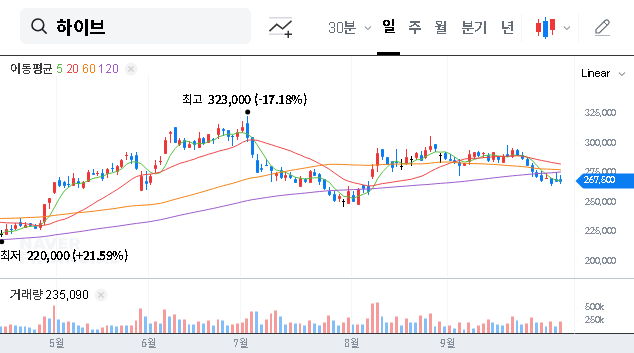
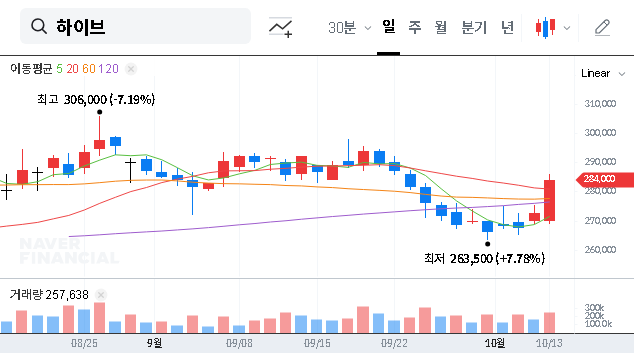
    (352820) HYBE Q3 2025 Earnings: A Deep Dive Analysis for Investors 관련 이미지
  • (352820) HYBE Shareholding Change (Oct 2025): A Deep Dive for Investors

    (352820) HYBE Shareholding Change (Oct 2025): A Deep Dive for Investors

    A recent HYBE shareholding change disclosure has caught the attention of the market, raising questions among investors about the future of the K-POP entertainment powerhouse. On October 2, 2025, a report detailed a minor adjustment in Chairman Bang Si-hyuk’s stake in HYBE (352820). While the shift was minuscule, any change in a founder’s holdings warrants a closer look. Is this a routine corporate maneuver, or does it signal a deeper strategic shift? This in-depth analysis will dissect the official disclosure, evaluate HYBE’s robust fundamentals, and provide a clear outlook on what this event means for the HYBE stock price and long-term investors.

    Decoding the HYBE Shareholding Change: What Actually Happened?

    The catalyst for this discussion is the ‘Report on Status of Large Shareholder’s Holding (General)’ filed on October 2, 2025. You can view the Official Disclosure on DART. At first glance, the numbers seem almost negligible, but the reasons behind them tell a story of internal strategy and financial prudence.

    The Key Figures at a Glance

    • Main Reporting Party: Chairman Bang Si-hyuk
    • Ownership Before Change: 48.02%
    • Ownership After Change: 48.01%
    • Net Change: A slight decrease of 0.01%

    The primary drivers behind this adjustment were multifaceted, involving standard corporate operations rather than a single large transaction. These include the vesting of employee stock options, minor on-market sales by executives for personal financial management, and, notably, the repayment of stock-backed loans. This indicates a focus on rewarding talent and strengthening the company’s financial footing.

    “Minor adjustments in a founder’s stake are common. The key for investors is to analyze the ‘why’ behind the change. In HYBE’s case, the reasons—employee compensation and debt reduction—point towards healthy, long-term corporate governance, not a lack of confidence.”

    Beyond the Numbers: HYBE’s Unshakable Fundamentals

    To truly understand the minimal impact of this shareholding change, one must look at the powerhouse fundamentals HYBE has built. The H1 2025 financial report paints a picture of a company that is not just surviving but thriving through strategic diversification and innovation.

    Core Strengths Fueling Growth

    • Profitability on the Rise: Despite market fluctuations, operating profit surged by over 34%. This wasn’t driven by revenue alone but by masterful cost control and focusing on high-margin sectors like world tours and merchandise.
    • Diversified Revenue Streams: HYBE has successfully reduced its dependency on physical album sales. The explosive growth in concerts (featuring artists like SEVENTEEN and LE SSERAFIM) and high-demand MD/licensing has created a more resilient and balanced business model.
    • Weverse Platform Dominance: The fan community platform Weverse is a critical growth engine. It deepens fan engagement and serves as a powerful e-commerce hub, creating a direct-to-consumer flywheel. For more on this, read our deep dive into HYBE’s Weverse platform strategy.
    • Investing in the Future: HYBE is not just a music label; it’s a tech company. Significant investments in game development and proprietary AI solutions signal a commitment to owning the future of entertainment technology.

    Investor Outlook: Long-Term Value Over Short-Term Noise

    Given the context, the 0.01% HYBE shareholding change is unlikely to have any meaningful negative impact on the stock price. In fact, the underlying reasons can be interpreted as net positives. Motivating key employees with stock compensation ensures talent retention, while repaying loans enhances financial stability—both are hallmarks of a well-run company. As reported by leading financial outlets like Bloomberg, market sentiment often rewards companies with strong governance and a clear vision for the future.

    Key Factors to Monitor Moving Forward:

    Instead of over-analyzing this minor stock ownership shift, a prudent HYBE investor analysis should focus on the strategic drivers that will truly shape its value:

    • Global Artist Pipeline: The success of upcoming group debuts and the continued global expansion of established acts will be paramount.
    • Weverse Monetization: Keep an eye on user growth, new feature rollouts, and the expansion of its e-commerce and subscription services.
    • New Venture Performance: The tangible results from investments in gaming and technology will be crucial for long-term diversification.

    In conclusion, the recent news about the HYBE shareholding change should be seen as business as usual. It’s a small technical adjustment within a much larger, compelling growth story. For investors, the focus should remain on the company’s strong execution, its multi-layered business strategy, and its dominant position in the expanding global market for K-POP entertainment stocks. The intrinsic value of HYBE lies in its innovation and vision, not in the third decimal place of its founder’s ownership percentage.

    (352820) HYBE Shareholding Change (Oct 2025): A Deep Dive for Investors 관련 이미지
  • (182360) Cube Entertainment Stock Analysis (182360): CEO Increases Stake – A Deep Dive into Future Growth

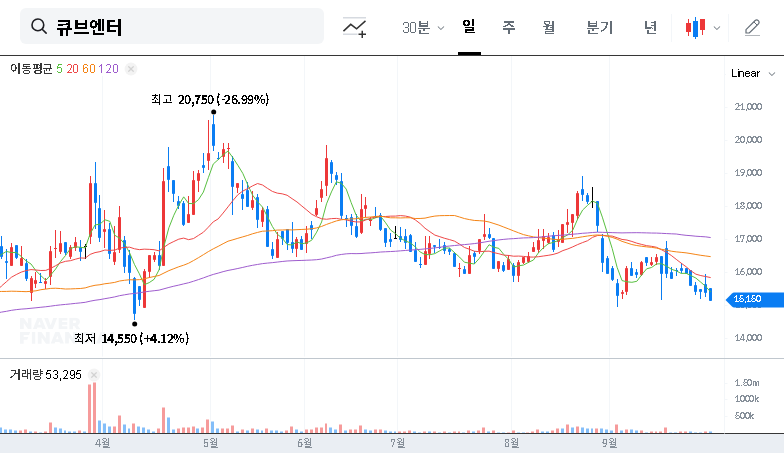
    (182360) Cube Entertainment Stock Analysis (182360): CEO Increases Stake – A Deep Dive into Future Growth 대표 차트 이미지

    In a significant move for Cube Entertainment (182360), CEO Kang Seung-gon recently increased his ownership stake, sending a clear signal to investors about his confidence in the company’s future. This decision comes at a pivotal time, with the K-Pop powerhouse navigating a successful turnaround in its core entertainment division while facing headwinds in other segments. This in-depth analysis will dissect the implications of this development, examine the company’s fundamentals based on its H1 2025 report, and provide a strategic outlook for investors evaluating Cube Entertainment stock.

    The CEO’s stake increase isn’t just a line item on a report; it’s a declaration of intent. It reinforces management stability and signals a commitment to aggressively pursuing a long-term growth strategy for Cube Entertainment.

    CEO Strengthens Control: A Vote of Confidence

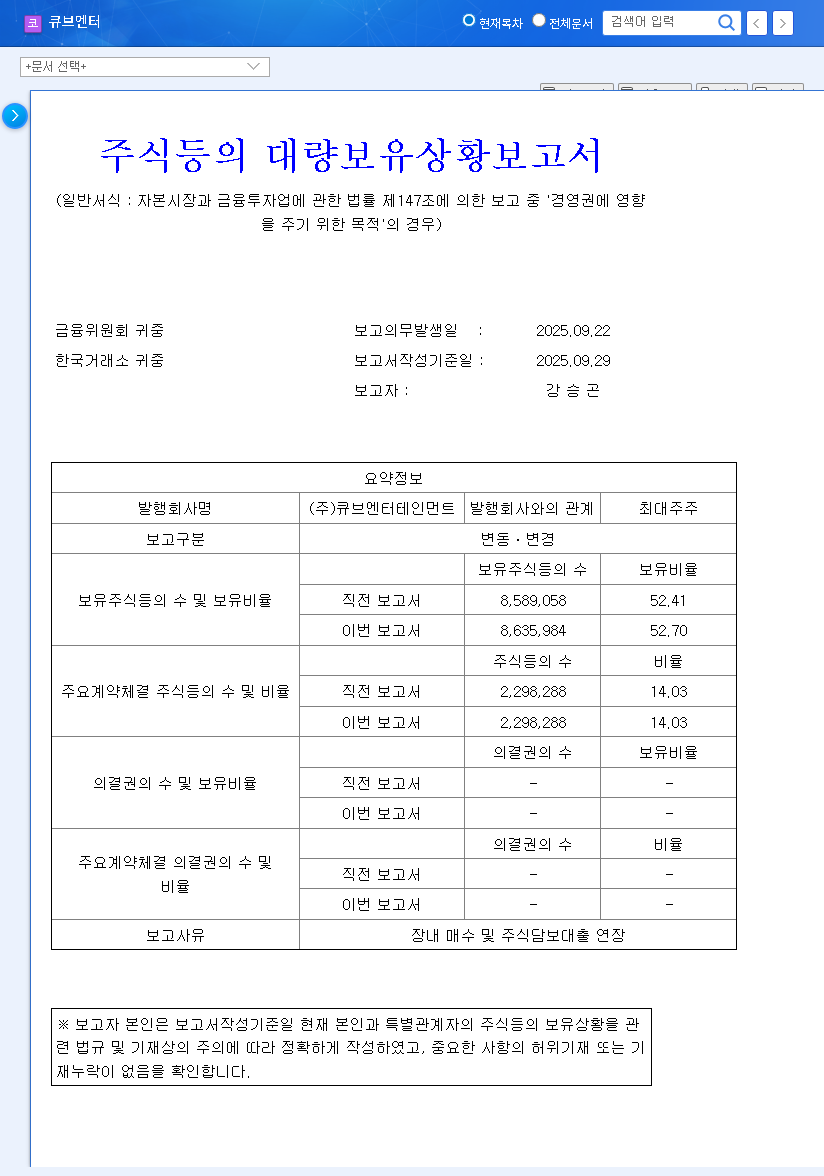
    On September 29, 2025, an official disclosure revealed that CEO Kang Seung-gon increased his ownership stake in Cube Entertainment from 52.41% to 52.70%. According to the Official Disclosure (DART), the acquisition was made via on-market purchases with the stated purpose of strengthening ‘management influence.’ While the percentage increase seems minor, its strategic importance is substantial. It solidifies the CEO’s control, reduces the risk of hostile takeovers, and empowers the leadership to make bold, long-term decisions without short-term shareholder pressure. This move is a powerful statement of belief in the company’s intrinsic value and future direction.

    Fundamental Analysis: A Tale of Two Divisions

    To understand the landscape in which this decision was made, we must look at the company’s performance. The H1 2025 report for Cube Entertainment paints a picture of stark contrast between its primary business lines.

    The Entertainment Engine: Firing on All Cylinders

    The core entertainment division is the company’s crown jewel and has shown remarkable resilience. Despite a slight revenue dip, the segment’s operating profit turned to black, indicating vastly improved efficiency and profitability. This success is anchored by the global phenomenon of K-Pop and the stabilization of key intellectual properties.

    • Dominance of (G)I-DLE: The continued global success of artist group (G)I-DLE cannot be overstated. Their successful world tours, high album sales, and strong digital presence are major revenue drivers and form the bedrock of the company’s IP portfolio.
    • Stable Artist Roster: Successful re-contracting of established artists ensures continuity and predictable revenue streams, a critical factor for stability in the volatile entertainment industry.
    • Future Growth Pipeline: The industry is watching closely for Cube’s development of new talent, which is essential for long-term, sustainable growth. For more context on industry trends, you can read our analysis of the broader K-Pop market.

    The Cosmetics Challenge: Navigating Market Headwinds

    In sharp contrast, the cosmetics division has faced significant struggles, with sales plummeting by 54.4% year-over-year. This downturn is attributed to a confluence of factors, including hyper-competition in the key Japanese market, rising supply costs, and unfavorable exchange rate fluctuations. Improving the profitability and strategic direction of this segment remains a top priority and a considerable challenge for management.

    Financial Health & Strategic Vision

    Recent corporate actions have reshaped Cube Entertainment’s financial structure. The debt ratio has risen to a concerning 101% following rights issues and convertible bond issuances. This level of debt increases financial risk, especially in a rising interest rate environment, which could elevate borrowing costs. However, this is counterbalanced by a massive increase in cash and cash equivalents, which now stand at KRW 78.7 billion. This substantial cash reserve provides a crucial liquidity cushion and the capital needed to fund new strategic initiatives, such as the recently announced Metaverse MOU and other joint ventures.

    Investment Outlook: What’s Next for Cube Entertainment Stock?

    The CEO’s stake increase is a clear positive catalyst, but a smart investment strategy requires a holistic view. The market’s initial reaction may be positive on the news of management stability, but sustained growth in the Cube Entertainment stock price will depend on tangible results.

    Key Factors to Monitor:

    • Entertainment Growth Momentum: Can (G)I-DLE maintain its trajectory, and can the company successfully launch new, profitable artist IPs? Continued success here is non-negotiable.
    • Cosmetics Division Turnaround: Watch for any strategic pivots, new product launches, or market entries designed to revive this struggling segment.
    • Debt Management: Investors should monitor the company’s plans to manage its 101% debt ratio and mitigate the impact of rising interest rates.
    • Execution of New Ventures: The success of new initiatives in areas like the metaverse will be a testament to the new management’s strategic execution capabilities, as reported by industry analysts.

    In conclusion, Kang Seung-gon’s increased stake is a bullish signal for Cube Entertainment. It solidifies leadership and aligns the CEO’s interests directly with those of shareholders. While challenges in the cosmetics division and a high debt load present risks, the powerful performance of the entertainment business and a strong cash position provide a promising foundation for future growth. Cautious optimism is warranted, with a close eye on the key performance indicators outlined above.

    (182360) Cube Entertainment Stock Analysis (182360): CEO Increases Stake – A Deep Dive into Future Growth 관련 이미지
    (182360) Cube Entertainment Stock Analysis (182360): CEO Increases Stake – A Deep Dive into Future Growth 관련 이미지
  • JYP Ent. Q2 Earnings Soar: Operating Profit Hits ₩52.9B, Investment Strategies Analyzed

    1. Key Highlights: What Happened?

    JYP Ent.’s Q2 revenue reached ₩215.8 billion, surpassing market expectations by 6%, while operating profit soared by an impressive 23.3% to ₩52.9 billion. Net profit also saw a healthy increase of 6.7%, reaching ₩36.4 billion.

    2. Drivers of Growth: Why?

    This strong performance can be attributed to the expansion of overseas concerts and IP licensing, coupled with consistent growth in the management business. The growth in overseas tours and IP licensing was particularly notable. The music/album business, which experienced some weakness in Q1, also showed signs of recovery, contributing to the overall improvement in performance.

    3. Fundamental Analysis and Future Outlook: What’s Next?

    Stronger Fundamentals: The Q2 results highlight JYP Ent.’s solid fundamentals. Revenue increased by over 53% compared to Q1, and operating profit surged by an astounding 170%. This signals a strengthening of core business competitiveness and a recovery in profit generation.
    Future Outlook: Considering the continued growth of the K-pop market, JYP Ent.’s artist lineup, and its new artist development strategy, revenue growth is expected to continue. Profitability is also projected to improve steadily. However, external factors such as exchange rate volatility and macroeconomic uncertainties warrant ongoing monitoring.

    4. Action Plan for Investors

    • Monitor Overseas Market Performance: Keep an eye on the sustainability of overseas tour and promotion performance.
    • Assess Music/Album Business Trends: Continuously evaluate the effectiveness of strategies aimed at improving profitability in the music/album business.
    • Observe New Artist Debuts and Performance: Pay attention to the successful debut and market entry of new artists.
    • Consider Macroeconomic Factors: Account for the potential impact of external factors such as exchange rate fluctuations and the possibility of a global economic slowdown.

    Frequently Asked Questions

    What was JYP Ent.’s operating profit for Q2?

    JYP Ent.’s operating profit for Q2 2025 was ₩52.9 billion.

    What were the main drivers of this strong performance?

    The main drivers were expansion of overseas concerts and IP licensing, along with growth in the management business.

    What is the outlook for JYP Ent.’s stock price?

    The strong Q2 results are likely to provide positive momentum for the stock price in the short term. However, investment decisions should always be made with caution.

  • YG Entertainment Q1 Earnings Surprise: Profitability Remains a Challenge

    1. YG Entertainment Q1 Results: What Happened?

    YG Entertainment achieved consolidated revenue of KRW 100.1 billion in Q1 2025, a 15.24% increase year-over-year. Positive momentum from BABYMONSTER’s successful debut and Blackpink’s world tour announcement fueled this growth. However, operating profit plummeted by 207.02% to KRW 9.5 billion. Declining profitability at YG PLUS and losses from investments in affiliates are identified as the primary culprits.

    2. Analyzing the Profitability Decline: Why These Results?

    Despite the earnings surprise, the significant drop in operating profit stems from declining profitability at YG PLUS and losses from investments in affiliates. A decline in advertising revenue also contributed to this downturn. These factors pose potential obstacles to YG Entertainment’s sustained growth.

    3. Key Takeaways for Investors: What Should You Do?

    Investors considering YG Entertainment should carefully monitor the following:

    • Profitability improvement
    • Cost efficiency strategies
    • New business diversification
    • Managing artist dependency risk

    Focusing on the long-term and observing fundamental improvements is crucial, rather than reacting to short-term stock price fluctuations.

    4. Investment Action Plan: Your Choice?

    Currently, YG Entertainment’s stock price heavily relies on artist activity momentum. Before making investment decisions, thoroughly analyze the company’s fundamental improvement trends and monitor their efforts in profitability recovery and cost optimization. A cautious and strategic investment approach is advised.

    Q: How did YG Entertainment perform in Q1?

    A: While revenue grew, operating profit experienced a significant decline due to lower profitability at YG PLUS and losses from investments in affiliates.

    Q: What is the outlook for YG Entertainment’s stock price?

    A: The current stock price is heavily influenced by artist activity momentum. Future profitability will likely play a major role in its performance.

    Q: What are the key considerations when investing in YG Entertainment?

    A: Investors should carefully consider profitability improvements, cost efficiency, and managing artist dependency risk.

  • CJ ENM Q1 2025 Earnings: Music and Commerce Growth, Content Business Struggles, What’s the Investment Strategy?

    1. CJ ENM Q1 2025 Earnings: What Happened?

    CJ ENM reported Q1 2025 revenue of KRW 1.31 trillion (up 4.8% YoY), operating profit of KRW 28.6 billion (down 18.5% YoY), and net profit of KRW 126 billion (turning to profit). Revenue exceeded market expectations, but operating profit fell short, painting a mixed picture. Music and commerce showed robust growth, while film/drama and media platforms struggled.

    2. Reasons for Underperformance: Why These Results?

    The film/drama division saw its losses widen due to a sluggish content market and high production costs. The media platform division faced declining revenue due to intensified competition in the OTT market and a shrinking advertising market. In contrast, the music division achieved high growth thanks to the global popularity of K-pop, and the commerce division maintained stable growth.

    3. Future Outlook and Investment Strategy: What’s Next?

    CJ ENM is focusing on strengthening its digital platform competitiveness through the global expansion of TVING, reinforcement of Mnet Plus, and expansion of mobile live commerce. Investments in next-generation content production technologies such as virtual studios, XR, and metaverse are also underway. However, high debt ratios and intensifying competition remain risk factors.

    • Short-term Investment Strategy: The return to profitability may lead to a short-term rebound in stock price, but investors should closely monitor improvements in the fundamentals of core businesses.
    • Long-term Investment Strategy: Continuous monitoring of profitability improvements in the content business, digital platform growth, and financial soundness management is crucial.
    What was CJ ENM’s revenue for Q1 2025?

    CJ ENM’s revenue for Q1 2025 was KRW 1.31 trillion, exceeding market expectations.

    Why did CJ ENM’s operating profit decline?

    The decline in operating profit was primarily due to underperformance in the film/drama and media platform divisions.

    What is CJ ENM’s future investment strategy?

    CJ ENM is expected to focus on improving profitability in the content business, strengthening digital platform competitiveness, and managing financial soundness.

  • HYBE Q2 2025 Earnings Disappoint: Time to Reassess Investment Strategy?

    1. HYBE Q2 Earnings: A Disappointing Performance

    HYBE reported Q2 2025 revenue of ₩705.7 billion and operating profit of ₩65.9 billion, missing market consensus by 2% and 3% respectively. Most concerning was the net profit, which plummeted to ₩18 billion, a staggering 67% below expectations.

    2. What’s Behind the Underperformance?

    Several factors contributed to this disappointing performance, including seasonality in fandom activities, increased investment in new ventures, and potentially unforeseen expenses. The significant drop in net profit raises the possibility of one-off costs, which require further investigation. The company’s high debt ratio could also be a concern in a rising interest rate environment.

    3. HYBE’s Fundamentals: Still Strong?

    HYBE retains its growth potential, driven by its strong artist IP and platform competitiveness. Q1 results demonstrated robust growth across key business segments, including albums/music, concerts, and merchandise. However, the Q2 underperformance raises questions about the balance between growth and profitability.

    4. Action Plan for Investors

    If you’re invested in HYBE or considering an investment, here are some key factors to consider:

    • Net Profit Decline Analysis: Determine whether the drop is due to one-off factors or more structural issues through detailed analysis.
    • Artist Activities and New IP Performance: HYBE’s future performance hinges on the success of its upcoming artist activities and new IP launches in the second half of the year.
    • Profitability Management: Closely monitor HYBE’s strategy for balancing investments in new businesses with improving profitability in its core operations.
    • Macroeconomic Factors: Assess HYBE’s ability to navigate external challenges such as interest rate fluctuations and currency exchange rate volatility.

    We maintain a ‘Hold’ rating for now and recommend investors closely monitor future earnings announcements and market reactions before adjusting their investment strategies.

    Why did HYBE’s Q2 2025 earnings fall short of expectations?

    Several factors contributed, including seasonality in fandom activities, increased investments in new ventures, and potentially unforeseen expenses. The significant drop in net profit raises the possibility of one-off costs, which will need further investigation.

    What is the outlook for HYBE’s future growth?

    HYBE maintains its growth potential, driven by its strong artist IP and platform competitiveness. However, the Q2 underperformance raises questions about the balance between growth and profitability, making future earnings trends and management strategies crucial to observe.

    Should I invest in HYBE stock now?

    We currently maintain a ‘Hold’ rating and recommend that investors closely monitor future earnings releases and market reactions before adjusting investment strategies. Consider factors like the reason for the decline in net profit, artist activity plans, profitability management strategy, and macroeconomic conditions before making any investment decisions.

  • SM Entertainment Q2 Earnings: A Beat Across the Board – Is it Time to Invest?

    SM Entertainment Q2 Earnings Breakdown: What Happened?

    SM Entertainment reported revenue of ₩302.9 billion, operating profit of ₩47.6 billion, and net income of ₩29.3 billion for Q2 2024, beating market consensus by 7%, 23%, and 1% respectively.

    Why the Surge in Earnings?

    This strong performance is attributed to a combination of factors: sustained growth in the K-Pop industry, active promotions by major artists, expansion of MD and content businesses, and successful stabilization efforts following the management dispute. The substantial growth in operating profit, in particular, indicates improved cost management and strong performance in high-margin business segments.

    Future Outlook and Investment Strategies

    SM Entertainment has demonstrated consistent growth over the past four quarters, and this positive momentum is expected to continue. Considering the growth potential of the K-Pop market, SM’s diverse business portfolio, and stable management environment, the company presents an attractive investment opportunity.

    Action Plan for Investors

    Investors are advised to be mindful of short-term market fluctuations and consider investments with a medium- to long-term perspective. Careful monitoring of stock price movements and market conditions is crucial before making any investment decisions.

    What was SM Entertainment’s Q2 operating profit?

    SM Entertainment reported an operating profit of ₩47.6 billion for Q2 2024, significantly exceeding market expectations.

    What are SM Entertainment’s main business activities?

    SM Entertainment’s core businesses include K-Pop artist management, music production and distribution, MD and content businesses, and concert planning.

    What is the investment outlook for SM Entertainment?

    Considering the growth of the K-Pop market, SM’s robust business portfolio, and management stability, the company has a positive long-term investment outlook. However, investment decisions should be made cautiously.

  • JYP Entertainment Q2 Earnings: Will the Stock Price Rise?

    1. JYP Entertainment Q2 Earnings: What Happened?

    JYP Entertainment will announce its Q2 earnings on August 13th. While operating profit and net profit increased year-over-year in Q1, revenue declined. This Q2 earnings release will be a critical moment to determine whether this trend continues or signals a rebound.

    2. Q1 Performance and Market Analysis – Why These Results?

    The decline in Q1 revenue can be attributed to seasonal factors and a base effect. However, intensifying competition in the K-POP market is also a key factor. Positive aspects include efficient artist management, expanding global partnerships, and diversification of artist IP businesses. A strong Korean Won could lead to a decrease in overseas revenue, and rising interest rates could dampen consumer sentiment. However, JYP is assessed to have low sensitivity to interest rate fluctuations.

    3. Q2 Earnings Forecast and Stock Price Impact – What’s Next?

    If Q2 earnings improve compared to Q1, upward momentum in the stock price can be expected. The performance of artist IP businesses, synergy effects from the JYP Publishing merger, and the results of the A2K Project and Nizi Project 2 are expected to significantly influence the stock price. Conversely, poor performance or a negative outlook could lead to a stock price decline. JYP’s strategy to address intensifying market competition and its effectiveness will also be a crucial factor affecting the stock price.

    4. Investor Action Plan – What Should Investors Do?

    Investors should thoroughly analyze the IR announcements and consider potential risk factors such as unexpected negative earnings, intensifying competition, global economic uncertainty, and artist-related risks. Continuous monitoring of additional information and changing market conditions is crucial.

    When is JYP Entertainment’s Q2 earnings announcement?

    It is scheduled for August 13, 2025, at 4:30 PM KST.

    What were the key takeaways from the Q1 earnings?

    While operating profit and net profit increased year-over-year, revenue decreased. Both positive factors, such as diversification of artist IP businesses, and negative factors, such as intensifying competition in the K-POP market, coexisted.

    How will the Q2 earnings announcement affect the stock price?

    Improved performance may lead to a stock price increase, while poor performance may lead to a decline. The performance of artist IP businesses and the company’s strategy to address market competition are key variables.