Tag: Kolon Mobility Group

  • Kolon Mobility Group Trading Halt: Investment Strategy & Future Outlook

    What Happened? – The Trading Halt

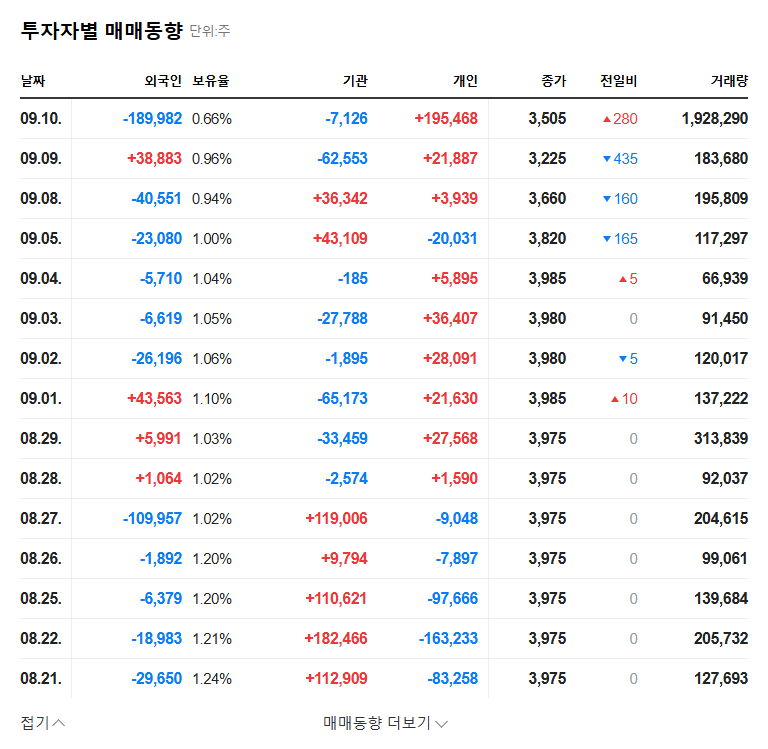
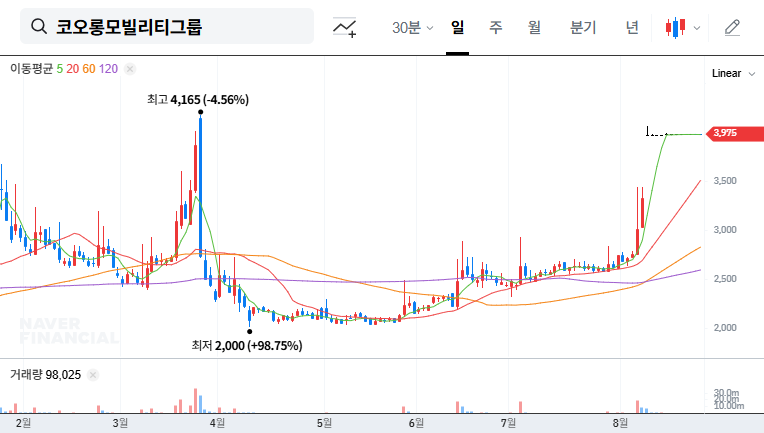
    Kolon Mobility Group’s stock trading was halted on September 23, 2025, due to being designated as a short-term overheating and investment warning item. This is an investor protection measure following recent sharp fluctuations in stock prices.

    Why Did This Happen? – Fundamental Analysis

    While Kolon Mobility Group achieved sales growth and returned to profitability in the first half of 2025, high debt-to-equity ratio (284%) and declining operating profit margin remain challenges. Corporate governance changes, such as treasury stock cancellation and share exchange, can be positive in the long run, but may increase short-term stock price volatility. The continued high interest rates and exchange rates can be burdensome for Kolon Mobility Group, an importer of vehicles.

    • Strengths: Sales growth, return to profitability, extensive sales network
    • Weaknesses: High debt-to-equity ratio, low operating profit margin, macroeconomic uncertainty

    What Should We Do? – Investment Strategy

    Caution and observation are advised at this time. Due to the high possibility of increased stock price volatility after trading resumes, a cautious approach is necessary. Investors should monitor the announcement of 2025 second-half earnings and changes in macroeconomic variables to confirm whether fundamentals are improving. The progress of corporate governance restructuring and the performance of the eco-friendly vehicle segment are also important observation points.

    Investor Action Plan

    • Short-term: Closely monitor stock price trends after trading resumes, avoid hasty investments
    • Mid- to long-term: Make investment decisions after comprehensively considering factors such as earnings improvement, debt management, and corporate governance changes
    What are Kolon Mobility Group’s main businesses?

    Kolon Mobility Group primarily focuses on importing and selling automobiles (BMW, Volvo, Audi, MINI, etc.), along with certified pre-owned cars, A/S maintenance, and audio sales.

    What will happen to the stock price after the trading halt?

    Immediately after trading resumes, stock price volatility is likely to increase depending on investor sentiment. Both positive and negative factors exist, so a cautious approach is necessary.

    Should I invest in Kolon Mobility Group?

    The current recommendation is ‘caution/observation’. It is advisable to make investment decisions after comprehensively considering factors such as improvement in fundamentals, macroeconomic variables, and changes in corporate governance.
  • Kolon Mobility Group Designated as Investment Warning Stock: Should You Invest? (September 2025 Analysis)


    What Happened to Kolon Mobility Group?

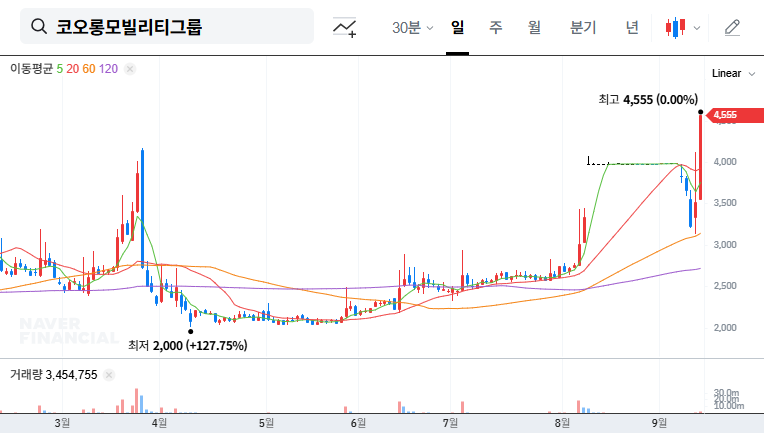
    Kolon Mobility Group was recently designated as an investment warning stock by the Korea Exchange. This is a measure to protect investors due to the recent surge in stock price. While this designation doesn’t directly impact the company’s fundamentals, it can lead to a decline in investor sentiment and trading volume.

    Why the Investment Warning Designation?

    The Korea Exchange issued the warning due to the rapid price fluctuations, posing a higher risk of loss for investors. In the case of Kolon Mobility Group, the designation followed a sharp increase in the stock price within a short period.

    What are the Implications of This Designation?

    • Short-term Impact: Potential decline in investor sentiment, reduced trading volume, increased price volatility.
    • Long-term Impact: Stock price will depend on the company’s fundamentals and future growth potential.

    What Should Investors Do?

    Rather than reacting to short-term price fluctuations, investors should carefully analyze Kolon Mobility Group’s fundamentals and growth potential. The return to profitability in the first half of 2025 is positive, but the high debt ratio and declining operating profit margin remain challenges. The intensifying competition in the premium import car market and exchange rate volatility should also be considered. Efforts to enhance shareholder value, such as the share exchange with Kolon Corporation and the decision to cancel treasury shares, are positive signs. Investment decisions should be made prudently and based on your own judgment.


    FAQ

    What is an investment warning stock?

    An investment warning stock is a stock that has experienced rapid price increases or decreases within a short period, requiring investor protection. It serves as a warning to exercise caution when investing.

    What restrictions apply to investment warning stocks?

    Restrictions such as limitations on credit transactions, increased margin requirements, and single-price trading may apply. Trading may also be suspended if there are further sharp price fluctuations.

    What is the outlook for Kolon Mobility Group?

    In the short term, price volatility may increase due to weakened investor sentiment. The long-term outlook depends on the company’s ability to improve its fundamentals, strengthen profitability, and secure its competitiveness in the market.


  • Kolon Mobility Group Stock Outlook: Majority Shareholder Increases Stake to 93% – Opportunity or Threat?

    Kolon Mobility Group Stock Outlook: Majority Shareholder Increases Stake to 93% - Opportunity or Threat? 대표 차트 이미지

    1. What Happened?

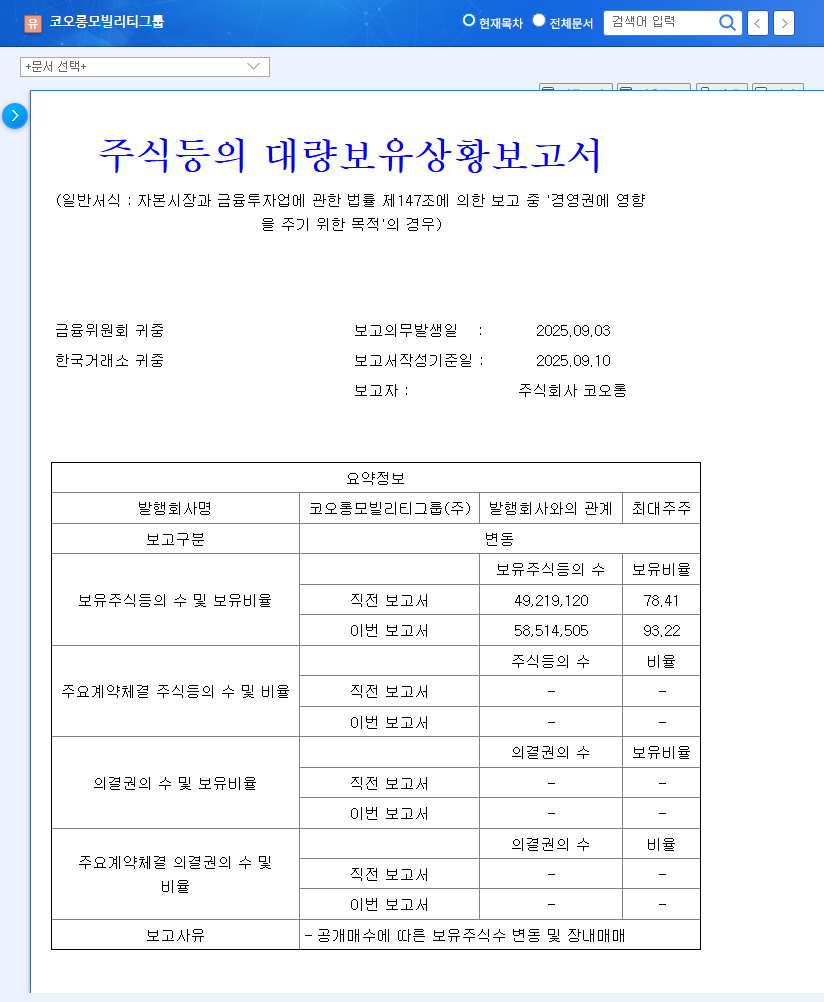
    Kolon increased its stake in Kolon Mobility Group from 78.41% to 93.22% through a tender offer and on-market purchases. The stated purpose of this acquisition is to influence management.

    2. Why This Decision?

    This move solidifies Kolon’s control over Kolon Mobility Group. It signals their intent to strengthen management control, enabling them to pursue long-term business strategies and efficiently implement shareholder value enhancement policies like treasury stock cancellation and share swaps with Kolon Corp.

    3. What’s Next?

    • Positive Impacts:
      • Management stabilization and faster decision-making
      • Expected implementation of shareholder value enhancement policies
      • Increased market confidence
    • Negative Impacts/Potential Risks:
      • Potential weakening of minority shareholder rights
      • Concerns about short-term liquidity decrease
      • Fundamental risks like high debt ratio and intensified market competition

    While a short-term price increase is anticipated due to this ‘management defense’ event, long-term stock performance hinges on fundamental improvements.

    4. What Should Investors Do?

    Instead of reacting to short-term price fluctuations, investors should carefully analyze Kolon Mobility Group’s fundamentals, financial health, and market competitiveness, making investment decisions with a long-term perspective. Continuous monitoring of macroeconomic conditions and trends in the import car market is crucial.

    Does an increase in majority shareholder stake always positively impact the stock price?

    Not necessarily. While short-term price increases can occur due to expectations of management stability, sustained price growth requires underlying improvements in the company’s performance.

    What are the key investment points for Kolon Mobility Group?

    Consider factors like market share in the import car market, improvements in financial structure, new business ventures and their performance.

    What are the key risks to consider before investing?

    Be aware of risks like high debt-to-equity ratio, increasing competition in the import car market, and macroeconomic uncertainties.

    Kolon Mobility Group Stock Outlook: Majority Shareholder Increases Stake to 93% - Opportunity or Threat? 관련 이미지
    Kolon Mobility Group Stock Outlook: Majority Shareholder Increases Stake to 93% - Opportunity or Threat? 관련 이미지
  • Kolon Mobility Group: Insider Share Sale – Fundamental Analysis vs. Market Sentiment

    Kolon Mobility Group: Insider Share Sale - Fundamental Analysis vs. Market Sentiment 대표 차트 이미지

    1. What Happened?

    On August 26, 2025, an insider at Kolon Mobility Group, ‘Jo Jin,’ reduced their stake from 78.44% to 78.41% (0.03%p) through on-market sales. The stated purpose of the sale was ‘influence on management rights.’

    2. Why the Sale? What’s the Impact on Stock Price?

    While the change in ownership is minimal, the stated purpose of ‘influence on management rights’ could raise concerns in the market. In the short term, this selling pressure could lead to a stock price decline. However, if the company’s fundamentals remain strong, the long-term impact is expected to be limited. Kolon Mobility Group reported strong H1 2025 results with consolidated revenue of KRW 1.1367 trillion (+7.2%) and operating profit of KRW 159 billion (+91.7%). The decision to cancel treasury stock also suggests a focus on shareholder value. However, investors should be mindful of declining standalone revenue, high consolidated debt-to-equity ratio, and foreign exchange volatility.

    3. What Should Investors Do?

    Investors should closely monitor any further share sales, the company’s explanation for the sale, and changes in fundamental indicators. Further sales without a clear explanation could negatively impact investor sentiment. The continued strength of the company’s fundamentals will be a key factor for long-term investment decisions.

    Q: How will the insider share sale affect the stock price?

    A: In the short term, selling pressure could lead to a price decline. However, if fundamentals remain strong, the long-term impact is expected to be limited. Monitor for further sales and company explanations.

    Q: What is the current state of Kolon Mobility Group’s fundamentals?

    A: The company reported strong consolidated H1 2025 results and is canceling treasury stock. However, declining standalone revenue and high consolidated debt-to-equity ratio are points of caution.

    Q: What should investors watch for?

    A: Investors should closely monitor further share sales, explanations from the company regarding the sale, and any changes in key fundamental indicators.

    Kolon Mobility Group: Insider Share Sale - Fundamental Analysis vs. Market Sentiment 관련 이미지
    Kolon Mobility Group: Insider Share Sale - Fundamental Analysis vs. Market Sentiment 관련 이미지
  • Kolon Mobility Group Returns to Profitability in H1 2025, But Proceed with Caution

    1. What Happened? H1 2025 Earnings Analysis

    Kolon Mobility Group reported revenue of KRW 1.1367 trillion, operating profit of KRW 158 billion, and net income of KRW 49 billion in the first half of 2025, marking a return to profitability. Revenue increased by 6.7% year-on-year, while operating profit surged by an impressive 52%. Q2 performance significantly contributed to the positive momentum for the half-year results.

    2. Why These Results? Analyzing Positive & Negative Factors

    • Positive Factors:
      • Steady growth in the import car market and Kolon Mobility Group’s strong brand power
      • Efforts to enhance shareholder value, including treasury stock cancellation and share exchange agreements
    • Negative Factors:
      • High debt-to-equity ratio of 284% and interest rate hike risks
      • Deterioration of operating cash flow (KRW -5.6 billion)
      • Potential decline in profitability due to the rising KRW/USD exchange rate

    3. What’s Next? Outlook and Investment Strategy

    While Kolon Mobility Group’s improved earnings are positive, the high debt-to-equity ratio and exchange rate volatility remain significant risks. Close monitoring of the KRW/USD exchange rate and the company’s financial restructuring efforts is necessary. The integration with the largest shareholder is expected to positively impact long-term growth.

    4. What Should Investors Do? Action Plan

    The current investment recommendation is “Neutral”. A cautious approach is advised, considering both the improving earnings trend and the existing risk factors. It is recommended to reassess investment decisions after confirming concrete results of financial structure improvement.

    Frequently Asked Questions

    What is Kolon Mobility Group’s main business?

    Sales of new and certified pre-owned import cars (BMW, Audi, Volvo), after-sales service and maintenance, and audio sales (B&O).

    What are the key highlights of the H1 2025 earnings?

    Revenue of KRW 1.1367 trillion (up 6.7% YoY), operating profit of KRW 158 billion (up 52% YoY), and net income of KRW 49 billion (return to profitability).

    What are the key risks to consider when investing in Kolon Mobility Group?

    High debt-to-equity ratio (284%), deteriorating operating cash flow, and potential profit decline due to KRW/USD exchange rate fluctuations.

  • Kolon Mobility Group Q1 2025 Earnings: Analysis and Investment Strategy

    1. Kolon Mobility Group Q1 2025 Performance: Strong BMW Sales, But…

    Kolon Mobility Group’s Q1 2025 results presented a mixed picture. Positive aspects included robust BMW sales and growth in the after-sales service segment. However, the overall decline in the import car market and the sluggish performance of the Audi brand raised concerns.

    1.1 Key Performance Indicators

    • BMW New Car Sales: KRW 325.9 billion (Strong)
    • After-Sales Service Revenue Share: 17.2% (Steady Growth)
    • Overall Import Car Market: Declining Trend
    • Audi Brand Sales: Continued Slump

    2. Understanding the Results: Market Environment and Macroeconomic Analysis

    The decline in the import car market is primarily attributed to macroeconomic factors such as high interest rates, unfavorable exchange rates, and an economic slowdown. These factors have weakened consumer purchasing power, negatively impacting import car sales.

    2.1 Key Macroeconomic Variables

    • Exchange Rates: Continued Volatility (KRW/USD, KRW/EUR)
    • Interest Rates: Maintained Hold Stance, Continued Financing Cost Burden

    3. Looking Ahead: Key Events and Future Outlook

    Kolon Mobility Group has initiated a capital reduction to improve its financial structure. However, the high debt-to-equity ratio remains a risk factor. While the change in management led to a short-term surge in stock price, its sustainability depends on fundamental improvements.

    4. Investor Action Plan: Investment Strategy Insights

    In the short term, investors should capitalize on the stock’s momentum while closely monitoring fundamental improvements. The long-term strategy should focus on adapting to market changes, strengthening financial soundness, managing risks, and diversifying the business portfolio.

    4.1 Key Investment Strategies

    • Short-Term: Leverage Momentum, Monitor Fundamental Improvements
    • Long-Term: Adapt to Market Changes, Improve Financial Health, Manage Risks, Diversify Business

    Frequently Asked Questions (FAQ)

    What are Kolon Mobility Group’s main businesses?

    Kolon Mobility Group primarily focuses on the sales and after-sales service of imported cars such as BMW, Audi, and Volvo. Recently, they have been diversifying into other areas such as Bang & Olufsen audio sales.

    What are the key takeaways from the Q1 2025 earnings?

    Strong BMW sales and growth in the after-sales service business were positive, while the declining import car market and the weak performance of the Audi brand posed challenges.

    What are the main risks for Kolon Mobility Group?

    Key risks include the declining import car market, high interest rates, exchange rate volatility, and a high debt-to-equity ratio.

  • Kolon Mobility Group Q2 2025 Earnings Analysis: Continued Recovery, But Potential Risks Remain?

    1. Q2 Earnings: What Happened?

    Kolon Mobility Group reported consolidated revenue of KRW 590.3 billion, operating profit of KRW 9.1 billion, and net income of KRW 2.4 billion for Q2 2025. This represents a 5.58% increase in revenue and a 15.19% increase in operating profit compared to the same period last year. The clear recovery trend following the slump in the second half of 2024 is particularly encouraging.

    2. Drivers of Improvement: Why the Positive Results?

    • Strong sales of key brands including BMW, Volvo, Audi, and MINI
    • Steady growth in the after-sales service segment
    • Ongoing efforts to improve profitability

    3. Potential Risks: What to Watch Out For?

    It’s important to acknowledge the challenges. Kolon Mobility Group still carries a high debt-to-equity ratio (284% as of Q1 2025). Potential economic slowdown, foreign exchange volatility, and the need to adapt to the rapidly growing eco-friendly vehicle market are key factors to consider.

    4. Investor Action Plan: What Should You Do?

    In the short term, the positive earnings momentum is expected to have a positive impact on the stock price. However, for a long-term investment perspective, investors should carefully monitor the following:

    • Continued improvement in profitability and financial structure
    • Success of new car lineup enhancements and eco-friendly vehicle strategy
    • Effective cost management and marketing strategies
    Q: What was Kolon Mobility Group’s revenue in Q2 2025?

    A: Kolon Mobility Group’s consolidated revenue in Q2 2025 was KRW 590.3 billion.

    Q: What are Kolon Mobility Group’s main brands?

    A: Their main brands include BMW, Volvo, Audi, and MINI.

    Q: What is the outlook for Kolon Mobility Group’s stock price?

    A: The short-term outlook is positive, but the long-term outlook depends on factors like profitability improvement, financial restructuring, and their eco-friendly vehicle strategy.

  • Kolon Mobility Group’s Capital Reduction: Investment Opportunity?

    1. Kolon Mobility Group’s Capital Reduction: What Happened?

    On August 7, 2025, Kolon Mobility Group announced a capital reduction by cancelling 2.3% of common stock and 7.6% of preferred stock. This is part of the process of streamlining treasury shares acquired during the company’s split. The reduction is scheduled to take effect on December 15, 2025, following approval at the November shareholders’ meeting.

    2. Why is the Capital Reduction Important?

    Capital reduction decreases the number of outstanding shares, increasing the value per share. This can be interpreted as a positive signal for shareholders. Especially for companies with high debt ratios like Kolon Mobility Group, capital reduction can improve the financial structure.

    3. What Will Be the Impact of the Capital Reduction?

    • Positive Impacts:
      • Increased value per share and potential stock price increase
      • Improved financial health indicators (capital per share, PBR)
      • Increased capital efficiency
    • Negative Impacts (Limited):
      • No actual cash inflow or outflow
      • Minimal direct impact on operating results

    However, capital reduction alone does not change a company’s fundamentals. Investment decisions should consider the macroeconomic environment, the company’s financial condition, and future growth potential.

    4. Action Plan for Investors

    Before making an investment decision, carefully review the following:

    • Consolidated financial statements: check trends in debt ratio and operating cash flow
    • Macroeconomic indicators: monitor interest rate fluctuations, exchange rate movements, consumer sentiment, etc.
    • New growth engines: evaluate the growth potential of eco-friendly vehicles, used car businesses, etc.
    • Shareholders’ meeting results: confirm final approval of the capital reduction and future plans
    What is a capital reduction through treasury stock cancellation?

    Treasury stock cancellation is a method of reducing a company’s capital by eliminating its own shares, effectively decreasing the number of outstanding shares and increasing the value per share. It is characterized by no actual cash flow.

    Does capital reduction always have a positive impact on stock prices?

    Not necessarily. While capital reduction can increase the value per share, long-term stock price increases are difficult to expect without improved company performance.

    What are the key considerations for investing in Kolon Mobility Group?

    Investment decisions should be made cautiously, taking into account factors such as the slowdown in the imported car market, high debt-to-equity ratio, and changes in the macroeconomic environment.