Tag: KG Chemical

  • KG Chemical: Governance Improvements Amidst Ongoing Losses – August Filings Analysis & Investment Strategy

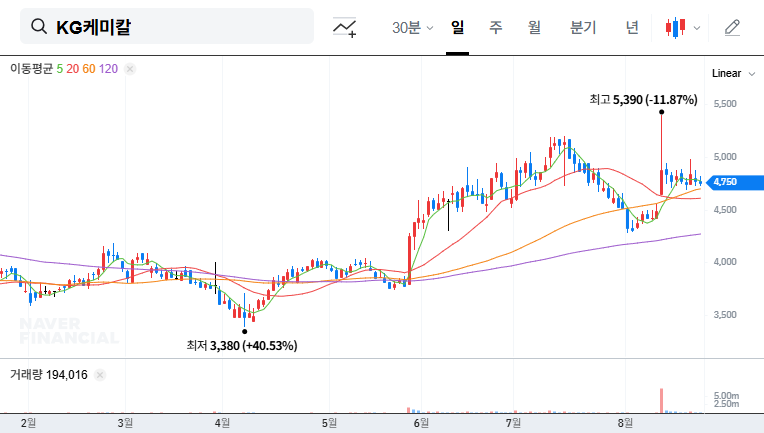
    KG Chemical: Governance Improvements Amidst Ongoing Losses – August Filings Analysis & Investment Strategy 대표 차트 이미지

    1. What Happened at KG Chemical?

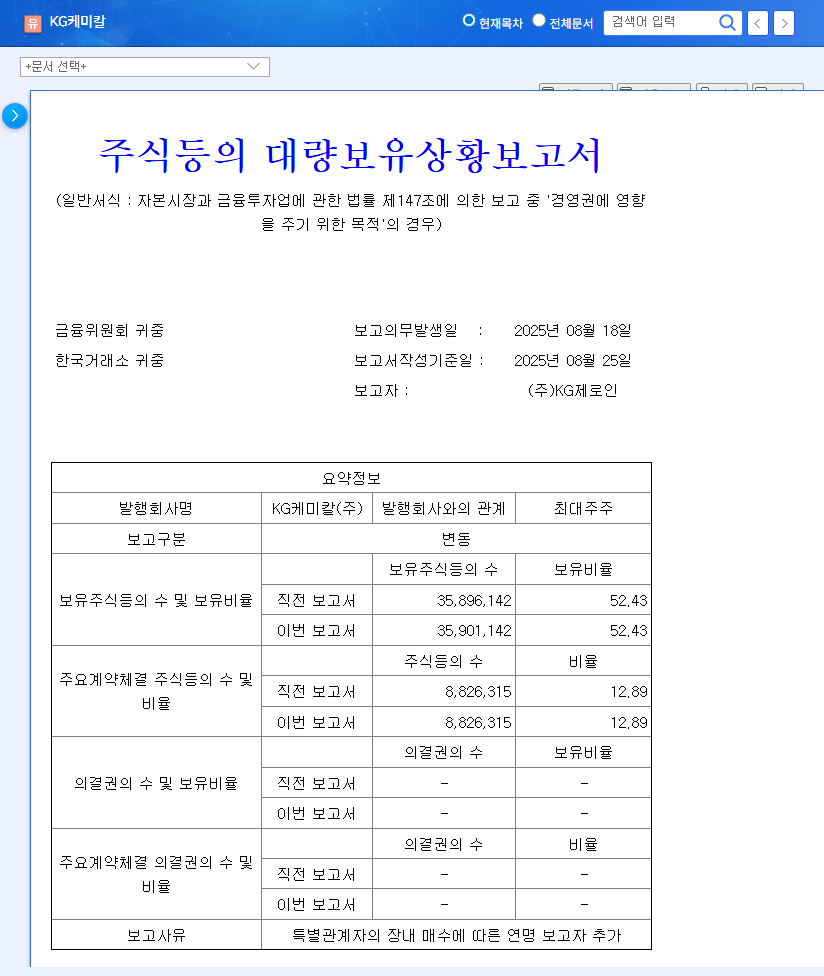
    In August, KG Chemical filed an amended business report, providing further details on treasury stock transactions and minority shareholder rights exercises. A large shareholding report was also submitted, indicating a change in major shareholders due to open market purchases for the purpose of influencing management control.

    2. Positive Signals and Hidden Risks

    • Positive Factors:
      • Increased stake by major shareholders suggests greater management stability.
      • Efforts towards greater transparency could boost investor confidence.
    • Negative Factors:
      • Continuing losses since 2022 paint a concerning financial picture.
      • Macroeconomic uncertainties, including high interest rates and exchange rate volatility, add to the risks.

    3. Investment Strategy for KG Chemical

    Investing in KG Chemical requires caution. While governance improvements are welcome, sustained share price appreciation is unlikely without fundamental improvements in profitability. Investors should closely monitor the company’s ability to return to profitability, its relationship with minority shareholders, and macroeconomic developments.

    4. Future Outlook and Key Considerations

    The future trajectory of KG Chemical’s stock price hinges on its ability to overcome its losses and improve profitability. Investors should pay close attention to management’s business strategies and execution, changes in its relationship with minority shareholders, and shifts in the macroeconomic environment.

    Frequently Asked Questions

    What are the key takeaways from KG Chemical’s recent filings?

    KG Chemical’s amended business report emphasizes transparency, while the large shareholding report signals increased ownership by major shareholders and their intent to influence management.

    What is the biggest concern for investors in KG Chemical?

    The company’s persistent losses are the most significant concern. Without improvements in financial performance, long-term investment value is questionable.

    What is the outlook for KG Chemical’s stock price?

    The stock’s future performance depends heavily on whether the company can return to profitability. Continuous monitoring of relevant indicators is crucial.
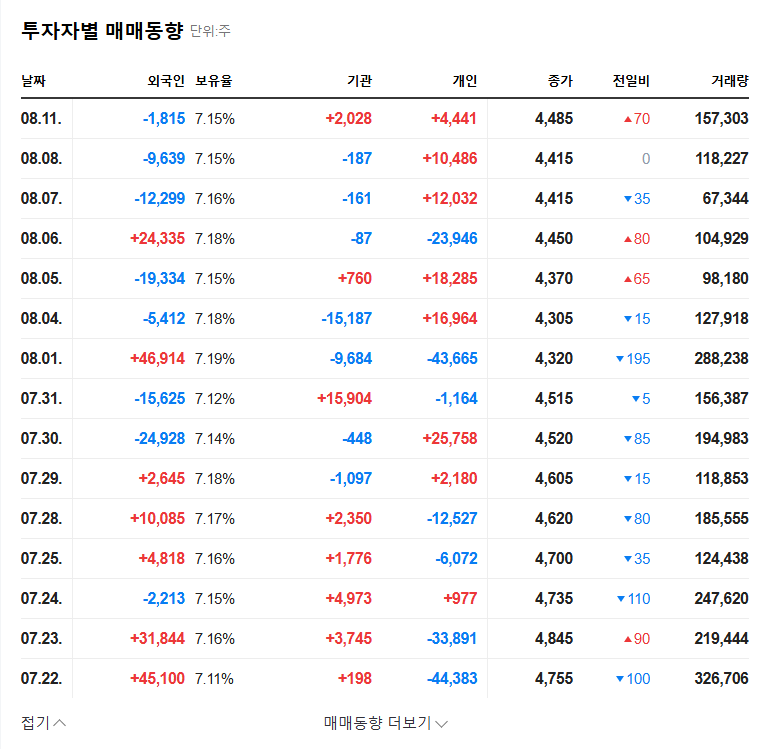
    KG Chemical: Governance Improvements Amidst Ongoing Losses – August Filings Analysis & Investment Strategy 관련 이미지
    KG Chemical: Governance Improvements Amidst Ongoing Losses – August Filings Analysis & Investment Strategy 관련 이미지
  • KG Chemical Q2 2025 Earnings: Solid Performance, But Proceed with Caution

    KG Chemical Q2 Earnings Analysis: Maintaining Solid Growth

    KG Chemical maintained solid performance in Q2 2025, recording sales of KRW 21,812 billion, operating profit of KRW 788 billion, and net profit of KRW 581 billion. They are also focusing on enhancing shareholder value through the complete cancellation of treasury stock.

    Shareholder Return Policy and Minority Shareholder Activism: Winds of Change to Watch

    KG Chemical has implemented 84.48% of its planned treasury stock acquisition and cancelled all of it. This is a positive factor as it increases the value per share by reducing the number of outstanding shares. Also, minority shareholder proposals, such as requests for shareholder meetings, proposals for increased treasury stock purchases/dividends, and inquiries about new businesses, are actively being made. This could lead to improvements in corporate governance and communication with shareholders.

    Macroeconomic Uncertainty: Potential Risk Factors

    However, we cannot only focus on the positive aspects. Volatile exchange and interest rates are potential burdens on KG Chemical’s financial soundness. Fluctuations in the KRW/USD exchange rate around 1,380, the KRW/EUR exchange rate around 1,600, the US base rate between 4.50-5.50%, the Korean base rate between 2.50-3.50%, and international oil price volatility are important factors to consider when investing.

    Investment Strategy: Wait and See, Then Proceed with Caution

    KG Chemical is showing solid performance and efforts to enhance shareholder value, but macroeconomic uncertainties pose a risk. Therefore, it is advisable to wait and see further performance improvements and changes in the macroeconomic environment. Making investment decisions while consistently monitoring quarterly earnings, management’s response to shareholder proposals, global interest rate and exchange rate trends, and new business performance is recommended.

    How was KG Chemical’s performance in Q2 2025?

    They maintained solid performance with sales of KRW 21,812 billion, operating profit of KRW 788 billion, and net profit of KRW 581 billion.

    What should I be aware of when investing in KG Chemical?

    Consider the volatile exchange and interest rates, and macroeconomic uncertainties.

    What is KG Chemical’s shareholder return policy?

    They are focusing on enhancing shareholder value through the complete cancellation of treasury stock, and minority shareholders are actively participating in management.

  • KG Chemical Q2 2025 Earnings: Revenue Growth Overshadowed by Profit Decline

    1. KG Chemical Q2 2025 Earnings: What Happened?

    KG Chemical reported revenue of KRW 2.18 trillion (a 4% YoY increase), operating profit of KRW 78.8 billion (a 25% YoY decrease), and net income of KRW 58.1 billion (a 20% YoY decrease). While revenue exceeded expectations, both operating and net income fell short.

    2. Reasons for Profit Decline: Why Did This Happen?

    The economic slowdown and sluggish business performance are identified as the primary causes. A detailed cost structure analysis is necessary, but factors like rising raw material prices and increased SG&A expenses likely played a role.

    3. KG Chemical’s Future: What’s Next?

    • Short-term Outlook: The decline in profitability could negatively impact stock prices in the short term. The market’s focus will be on the company’s outlook for the second half of the year and its plans for profit improvement.
    • Long-term Outlook: The performance of new businesses, such as the tank terminal project, will be a critical factor. Successful market entry could provide new growth momentum, but initial investment and market entry risks should be considered. Additionally, while shareholder return policies like share buybacks are positive, the decline in profitability could limit future policy options.

    4. Action Plan for Investors: What Should Investors Do?

    • Short-term Investors: It’s advisable to wait and see, monitoring further information on the causes of the profit decline and market reactions.
    • Long-term Investors: Closely monitor the company’s fundamentals and the performance of its new businesses. Pay attention to the impact of macroeconomic variables such as exchange rate and interest rate fluctuations.

    Frequently Asked Questions

    Q: What are the key takeaways from KG Chemical’s Q2 2025 earnings?

    A: Revenue exceeded expectations, but profitability declined due to the economic slowdown and sluggish business performance.

    Q: What is the outlook for KG Chemical’s stock price?

    A: The stock price will likely be influenced by factors such as profitability improvement, the success of new businesses, communication with shareholders, and changes in the macroeconomic environment.

    Q: What should investors keep in mind?

    A: In the short term, monitor the factors contributing to the profit decline and market reactions. In the long term, closely monitor the company’s fundamentals and the performance of its new businesses.

  • KG Chemical’s Stock Repurchase: A Bullish Signal or a Temporary Boost?

    1. What Happened?

    KG Chemical announced a stock repurchase program totaling 6 billion won, representing 1.95% of its outstanding shares. The company stated that the purpose of the repurchase is to enhance shareholder value and potentially cancel the repurchased shares.

    2. Why the Repurchase?

    While the official reason is to ‘enhance shareholder value,’ there are several interpretations considering KG Chemical’s current situation. It can be seen as a defensive strategy to stabilize the stock price and improve investor sentiment amidst recent declines. Alternatively, it could signal confidence in future earnings growth and an attempt to communicate this potential to the market.

    3. How Will the Repurchase Impact the Stock Price?

    • Positive Effects: The repurchase could lead to increased earnings per share due to a reduced number of outstanding shares, signal a commitment to shareholder returns, and provide downside support for the stock price.
    • Potential Negative Effects: The 6 billion won expenditure, the lack of immediate fundamental change in the business, and the potential for market volatility to influence the stock price regardless of the repurchase should be considered.

    KG Chemical’s Q1 2025 results showed mixed performance with decreased revenue, slightly decreased operating profit, but increased net income. Growth in the bioenergy, chemical, and electronic payment segments was offset by weakness in the automotive manufacturing division. Macroeconomic uncertainties also remain.

    4. What Should Investors Do?

    While the stock repurchase may offer a short-term positive impact on the stock price, long-term investors should carefully assess the company’s underlying fundamentals. It’s crucial to consider KG Chemical’s future earnings, diversification strategy, and the overall macroeconomic environment when making investment decisions. Key factors to watch include the company’s performance in the second half of the year, recovery of the automotive segment, success of its eco-friendly vehicle strategy, and its ability to maintain financial stability.

    Frequently Asked Questions

    What is a stock repurchase?

    A stock repurchase is when a company buys back its own shares from the market.

    Why might a stock repurchase have a positive impact on the stock price?

    It reduces the number of outstanding shares, which can increase earnings per share, and it can signal a company’s commitment to returning value to shareholders.

    What is the size of KG Chemical’s stock repurchase?

    KG Chemical is repurchasing 6 billion won worth of its shares, representing 1.95% of its outstanding shares.

  • KG Chemical’s Stock Buyback: Investment Opportunity or Risk?

    1. Why is KG Chemical Buying Back its Stock?

    KG Chemical has decided to repurchase 1,359,003 shares, representing approximately 1.98% of its market capitalization. This move aims to enhance shareholder value by reducing the number of outstanding shares, thereby increasing earnings per share (EPS) and book value per share (BPS). This is generally considered a positive signal for stock price appreciation and is likely to attract investor interest.

    2. KG Chemical’s Business Overview: Opportunities and Threats

    KG Chemical operates across diverse sectors, including chemicals, bioenergy, steel & ports, automotive, and electronic payments. While bioenergy and electronic payments show growth potential, other sectors like construction and steel face challenges due to market downturns.

    • Positive Factors: Growth in bioenergy, expansion of the electronic payment market
    • Risk Factors: Downturn in construction and steel markets, financial burden from convertible bond issuance

    Q1 2025 results showed a slight increase in operating profit despite a decrease in revenue, suggesting a positive trend. However, continuous efforts in financial soundness and risk management are crucial.

    3. Impact of the Buyback on Stock Price

    Stock buybacks typically act as a catalyst for stock price increases. Reducing outstanding shares increases the value per share and can improve investor sentiment. However, various factors influence stock prices, including macroeconomic conditions, company fundamentals, and market sentiment. Therefore, a comprehensive analysis is necessary, rather than focusing solely on short-term price fluctuations.

    4. Action Plan for Investors

    Short-term Investors: Monitor stock price movements following the buyback announcement, and adjust investment positions considering macroeconomic indicators and exchange rate volatility.
    Long-term Investors: Continuously monitor the performance of growth sectors like bioenergy and electronic payments, improvements in financial soundness, and risk management capabilities.

    What is a stock buyback?

    A stock buyback is when a company repurchases its own shares and removes them from circulation. This reduces the number of outstanding shares, increasing the value of each remaining share.

    What are KG Chemical’s main businesses?

    KG Chemical operates in various sectors, including chemicals, bioenergy, steel & ports, automotive, and electronic payments.

    What should investors consider after the stock buyback?

    Investors should consider the company’s overall fundamentals and the macroeconomic environment, rather than focusing solely on short-term price movements.

  • KG Chemical’s Stock Repurchase: A Bullish Signal or a Hidden Agenda?

    1. What’s Happening with KG Chemical’s Stock Repurchase?

    On August 11, 2025, KG Chemical announced a stock repurchase program of 1,359,003 shares (approximately 6 billion won) to enhance shareholder value and burn treasury stock. The repurchase will be conducted through NH Investment & Securities via on-market purchases.

    2. Why the Buyback?

    The official purpose is to enhance shareholder value and burn treasury stock. Burning treasury stock reduces the number of outstanding shares, which can increase earnings per share (EPS) and book value per share (BPS). It can also be interpreted as a signal that the company believes its stock is undervalued, potentially improving investor sentiment.

    3. How Will the Buyback Affect the Stock Price?

    • Positive Impacts:
      • Potential increase in shareholder value and stock price
      • Improved investor sentiment and positive market perception
      • Reduced stock price volatility
    • Negative Impacts and Considerations:
      • Potential financial burden due to the 6 billion won cash outflow (though unlikely to be significant given current financials)
      • Uncertainty regarding the recovery of underperforming business segments
      • Possibility of only a temporary stock price boost

    4. What Should Investors Do?

    While a positive short-term momentum can be expected, long-term investment requires caution. Investors should closely monitor the recovery of underperforming business segments, the securing of new growth engines, financial soundness, and market conditions before making investment decisions. Pay close attention to macroeconomic indicators such as interest rates, exchange rate volatility, and international oil and gold prices.

    Frequently Asked Questions

    Does a stock buyback always lead to a price increase?

    Not necessarily. While buybacks can be seen as a positive sign, various factors such as earnings and market conditions influence stock prices.

    Is KG Chemical financially sound?

    The company has a stable debt-to-equity ratio, but high interest rates and an economic slowdown pose risks. Managing contingent liabilities, such as lawsuits, is also crucial.

    When will the treasury stock be burned?

    This report does not contain information on the timing of the stock burn. This information should be confirmed through company announcements.