Tag: KAI

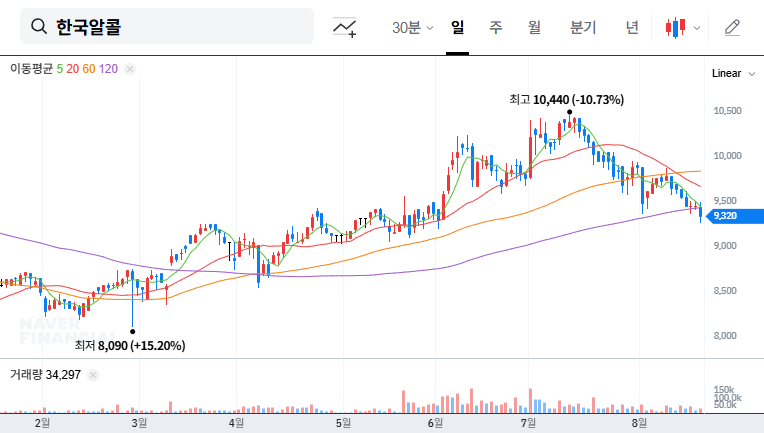
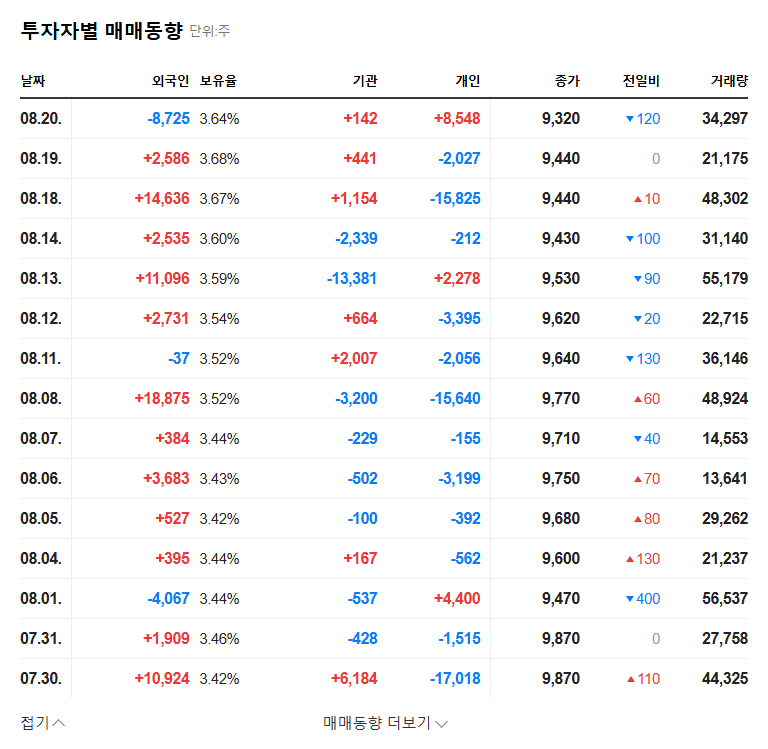
  • (017890) KoreaAlcoholIndustrial Q3 2025 Earnings: In-Depth KAI Stock Analysis & Investment Outlook

    (017890) KoreaAlcoholIndustrial Q3 2025 Earnings: In-Depth KAI Stock Analysis & Investment Outlook

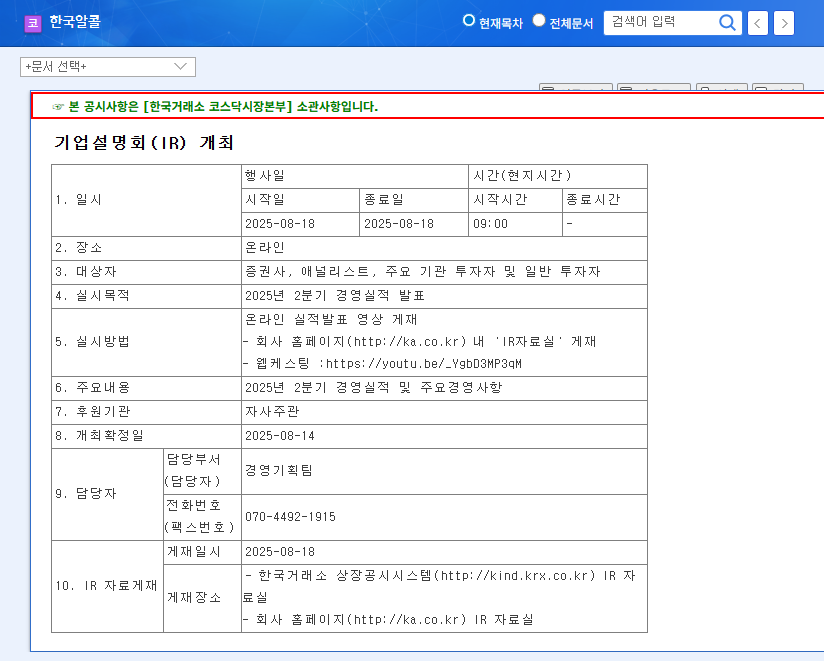
    As the upcoming KoreaAlcoholIndustrial Q3 2025 earnings investor relations (IR) call on November 17, 2025, approaches, investors are keenly watching. KoreaAlcoholIndustrial (KAI), a pivotal player in the specialty chemical sector, is set to reveal its performance and strategic direction. This analysis provides a deep dive into the company’s financial standing, operational strengths, and the market risks that could shape its future. We will dissect the key factors to watch during the IR call, offering a data-driven investment outlook to help you make informed decisions about this unique ethyl acetate producer.

    This report synthesizes information from the company’s latest quarterly filing, which can be viewed in the Official Disclosure, to provide a comprehensive KAI stock analysis.

    Understanding KoreaAlcoholIndustrial’s Core Business

    KoreaAlcoholIndustrial operates a dual-engine business model focused on chemical manufacturing and real estate. The chemical division is the company’s cornerstone, primarily involved in producing ethyl alcohol (ethanol) and various chemical products. A key competitive advantage is its status as the sole domestic producer of ethyl acetate, a crucial solvent used in paints, coatings, and adhesives. This market dominance provides a stable foundation.

    Furthermore, KAI is strategically expanding into the high-purity organic solvent market, a move aimed at capturing higher-margin opportunities within the electronics and pharmaceutical industries. Complementing its industrial operations, the company’s real estate leasing arm, particularly its assets in the United States, generates consistent, stable rental income, adding a layer of financial diversification and resilience.

    KAI’s unique position as the only domestic ethyl acetate producer, combined with its rock-solid financial health, makes it a compelling, albeit complex, investment case in the current macroeconomic climate.

    Financial Health & Q3 Performance Highlights

    The upcoming KoreaAlcoholIndustrial Q3 2025 earnings report is expected to reaffirm the company’s robust financial position. Despite a minor dip in cumulative sales, the initial data points to a positive trajectory in profitability.

    Key Strengths to Consider

    • Profitability Growth: Despite market headwinds, operating profit has seen a year-over-year increase. More impressively, net income has surged, largely due to strong performance from its equity-method investees.
    • Impeccable Financial Stability: With a remarkably low debt-to-equity ratio of just 18% and a negative net borrowing ratio, KAI boasts a fortress-like balance sheet. This minimizes its vulnerability to interest rate hikes and provides substantial capacity for future investment.
    • Future-Focused R&D: The company is actively investing in research and development for eco-friendly products and next-generation petrochemical materials, signaling a commitment to securing long-term growth engines.
    • Diversified Revenue Streams: The steady income from the US-based real estate portfolio provides a reliable buffer against the inherent volatility of the chemical industry. For a deeper understanding of market dynamics, you can read our analysis of global chemical industry trends.

    Potential Risks and Market Headwinds

    No investment is without risk. Prudent investors conducting a thorough KAI stock analysis must consider several external and internal challenges that could impact profitability.

    • Manufacturing Profitability Squeeze: The global chemical market is facing oversupply issues and intense price competition, particularly from low-cost producers in China and the Middle East. This has already led to a year-over-year decline in average chemical segment prices and could continue to pressure margins.
    • Currency Exchange Volatility: As a Korean company with international dealings, KAI is exposed to fluctuations in the USD and JPY. The company estimates that a 10% change in foreign exchange rates could impact its bottom line by approximately KRW 1.9 billion.
    • Macroeconomic Uncertainty: A slowdown in the global economy or specific sectors like the IT industry could dampen demand for KAI’s high-purity solvents, affecting its growth ambitions. For context on economic indicators, see the latest reports from sources like The World Bank.
    • Input Cost Fluctuations: The prices of crude oil and other raw materials, along with global freight costs, are notoriously volatile and can directly impact KAI’s cost structure and profitability.

    Investment Strategy: A Prudent ‘Hold’ Recommendation

    Given the balance of strong fundamentals against significant market headwinds, the recommended investment strategy is a cautious “Wait and See (Hold)”. The upcoming IR is a critical event that will provide clarity on management’s strategy to navigate the identified risks.

    Investors should meticulously scrutinize the details of the Q3 report and listen closely to the management’s commentary during the call. Pay specific attention to the profitability metrics within the chemical division, any forward-looking guidance on demand, and concrete plans for managing currency and raw material price risks. The progress and outlook for the high-purity organic solvent business will be a key indicator of the company’s future growth trajectory. A clear, convincing strategy from leadership could turn a ‘Hold’ into a ‘Buy’, while ambiguity or a downbeat forecast would warrant continued caution.
    (017890) KoreaAlcoholIndustrial Q3 2025 Earnings: In-Depth KAI Stock Analysis & Investment Outlook 관련 이미지
    (017890) KoreaAlcoholIndustrial Q3 2025 Earnings: In-Depth KAI Stock Analysis & Investment Outlook 관련 이미지
  • (047810) KAI Q3 2025 Earnings Shock: In-Depth Analysis & Future of KAI Stock

    (047810) KAI Q3 2025 Earnings Shock: In-Depth Analysis & Future of KAI Stock

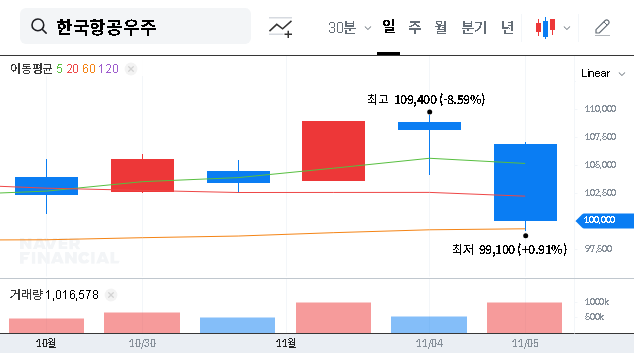
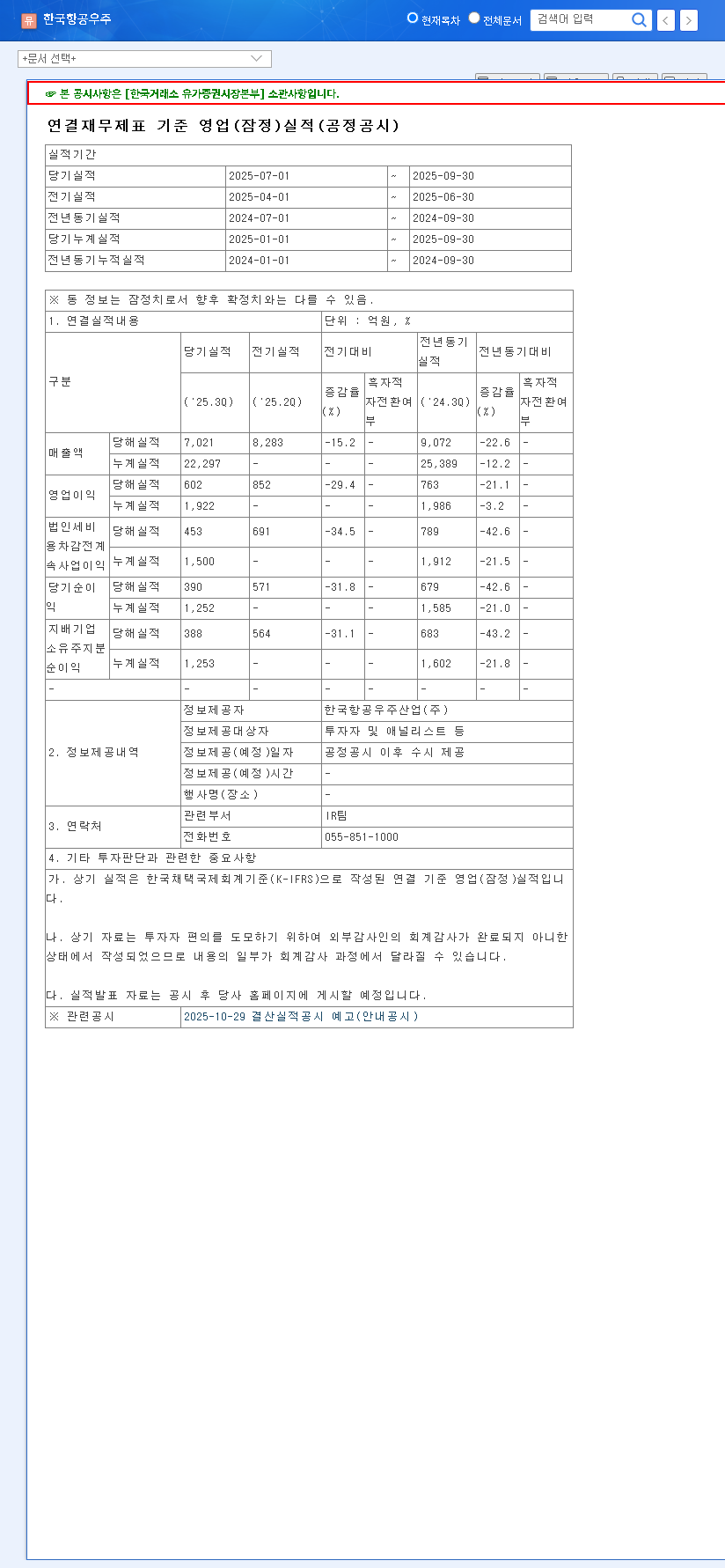
    The latest KAI Q3 2025 earnings report has sent a shockwave through the market. On November 5, 2025, KOREA AEROSPACE INDUSTRIES, LTD. (KAI) unveiled preliminary financial results that fell significantly short of analyst consensus, raising critical questions about the company’s trajectory and the future of KAI stock. This comprehensive analysis will dissect the Q3 performance, explore the underlying causes for the downturn, and provide a forward-looking perspective for concerned investors.

    The Q3 2025 Earnings Report: A Closer Look

    The preliminary consolidated financials for the third quarter revealed a substantial miss across all key metrics. The gap between expectations and reality was stark, signaling potential challenges ahead. The full details can be reviewed in the Official Disclosure filed with DART.

    • Revenue: KRW 702.1 billion, falling short of the KRW 940.9 billion market estimate by a staggering 25%.
    • Operating Profit: KRW 60.2 billion, approximately 17% below the consensus forecast of KRW 72.1 billion.
    • Net Profit: KRW 38.8 billion (attributable to controlling shareholders), a significant 29% miss compared to the expected KRW 55.0 billion.

    Such a broad-based underperformance immediately erodes investor confidence and points to deeper issues beyond a simple miscalculation, making a thorough aerospace industry analysis of KAI’s position essential.

    Dissecting the Underperformance: What Went Wrong?

    The poor KAI financial results stem from a confluence of internal operational factors and challenging external macroeconomic conditions.

    Fundamental Business Challenges

    The core issue is a persistent decline in revenue. The Q3 figure represents a 22.6% drop year-over-year and a 15.2% decrease from the previous quarter. This top-line shrinkage directly squeezed profitability, with the operating profit margin falling to 8.57% from 10.29% in Q2 2025. This volatility suggests that revenue recognition may be lumpy, possibly due to the timing of milestone payments on large-scale defense projects or unforeseen delays in production schedules.

    Macroeconomic Headwinds

    The global economic climate has created a complex operating environment. While geopolitical tensions fuel demand in the military sector, the civil aviation market faces uncertainty from high interest rates and recessionary fears. Furthermore, exchange rate volatility presents a double-edged sword; a strong USD/KRW rate boosts the value of exports but also inflates the cost of imported components and raw materials, potentially negating the benefits. For a comprehensive overview of global economic trends, sources like Reuters’ market analysis provide valuable context. Rising energy prices and high interest rates in both Korea and the U.S. further compound these challenges by increasing logistics costs and the burden of servicing KAI’s significant debt.

    This earnings shock is a critical stress test for KAI’s fundamentals. The market will now be scrutinizing whether this is a temporary setback or a sign of deeper structural weaknesses.

    Impact on KAI Stock and Long-Term Value

    Short-Term Pressure and Investor Sentiment

    The immediate reaction to the KAI Q3 2025 earnings miss will almost certainly be negative. Downward pressure on the KAI stock price is expected as investors recalibrate their expectations and pricing models. The key concern is the erosion of trust, which can lead to a sustained sell-off until management provides a clear and convincing recovery plan.

    Mid-to-Long-Term Growth Drivers Remain Key

    Despite the current turmoil, KAI’s long-term value hinges on its key growth catalysts. The company’s massive order backlog, exceeding KRW 26 trillion, provides a theoretical revenue cushion. However, the focus now shifts to the profitability and execution of these contracts. The performance of flagship programs, such as the KF-21 Boramae fighter jet program and FA-50 light combat aircraft exports to nations like Poland and Malaysia, will be paramount. Success in these areas, along with advancements in its burgeoning space business, is crucial to restoring market confidence and justifying a higher valuation in the future.

    The Path Forward: A Dual Mandate for Management and Investors

    To navigate this crisis, both KAI’s leadership and its investors must adopt a strategic and clear-eyed approach.

    • Management’s Role: KAI’s leadership must prioritize transparent communication. This includes clarifying the specific reasons for the delays and cost overruns, presenting a tangible strategy to improve margins, and offering a concrete plan to manage its high debt-to-equity ratio of 432.37%.
    • Investor’s Prudence: A cautious approach is warranted. Investors should monitor management’s follow-up communications and look for tangible evidence of operational improvements. Rushing to ‘buy the dip’ without a clear understanding of the recovery path could be risky. It may be prudent to wait for signs of stabilization before making significant new investments in KAI stock.

    Frequently Asked Questions

    Q1: Did KOREA AEROSPACE INDUSTRIES (KAI) meet market expectations for Q3 2025?

    No, KAI reported a significant ‘earnings shock’ for Q3 2025. Revenue, operating profit, and net profit all fell substantially below market consensus estimates, with revenue missing by approximately 25%.

    Q2: What were the main reasons for KAI’s underperformance in Q3?

    The underperformance was driven by a sharp decline in revenue compared to both the previous year and the prior quarter. This is likely due to a combination of factors including project timing/delays, rising costs for materials, and a challenging macroeconomic environment with high interest rates.

    Q3: What does KAI’s high debt-to-equity ratio imply for investors?

    KAI’s high debt ratio of 432.37% is a significant risk factor. It increases financial fragility, makes the company more vulnerable to interest rate hikes, and could limit its ability to invest in future growth if profitability and cash flow do not improve.

    Q4: What should investors do after this KAI earnings report?

    A cautious approach is highly recommended. Investors should wait for clear communication from KAI’s management regarding a recovery plan and monitor for tangible signs of improvement in financial health and project execution before making major investment decisions.

    (047810) KAI Q3 2025 Earnings Shock: In-Depth Analysis & Future of KAI Stock 관련 이미지
  • (047810) KOREA AEROSPACE INDUSTRIES (KAI) Secures ₩448.6B Contract: An In-Depth Investor Analysis

    (047810) KOREA AEROSPACE INDUSTRIES (KAI) Secures ₩448.6B Contract: An In-Depth Investor Analysis

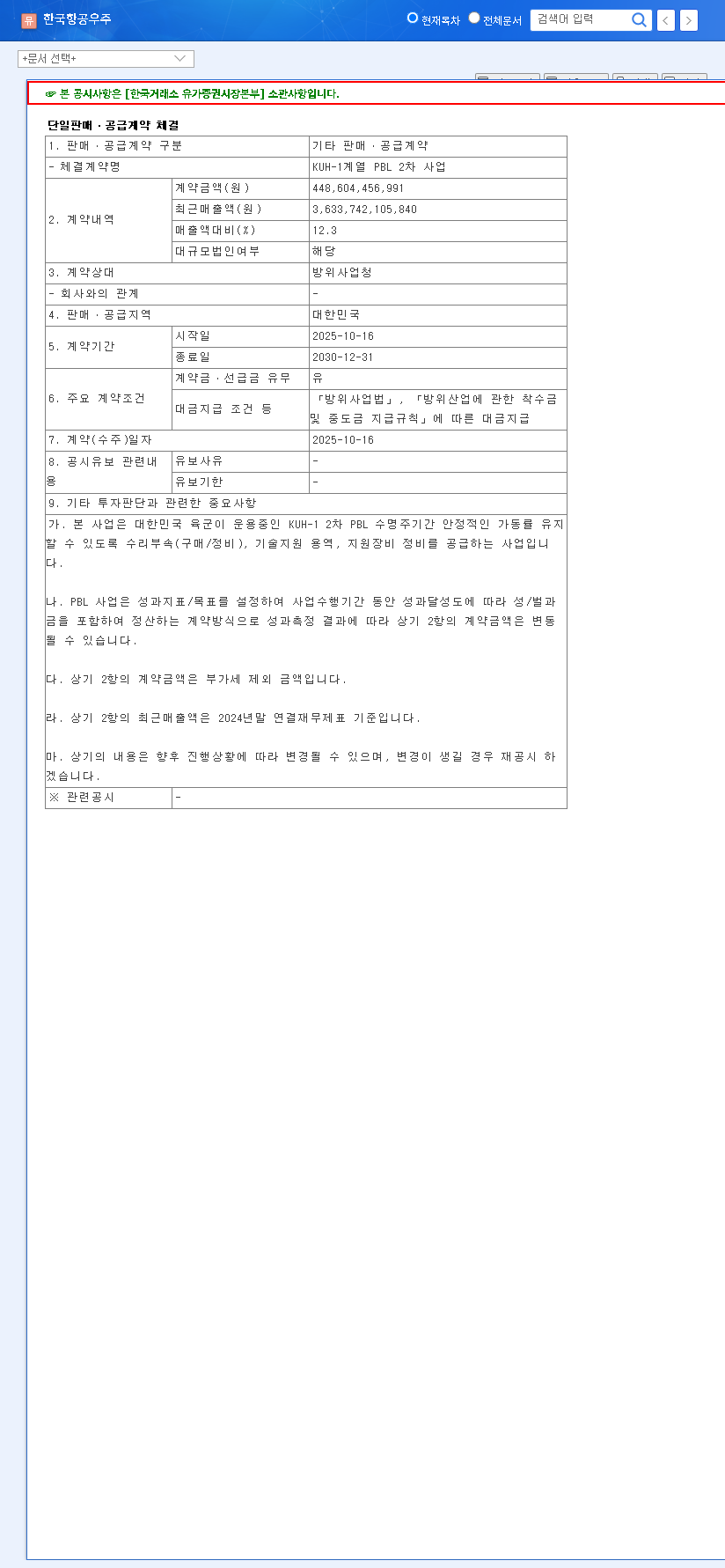
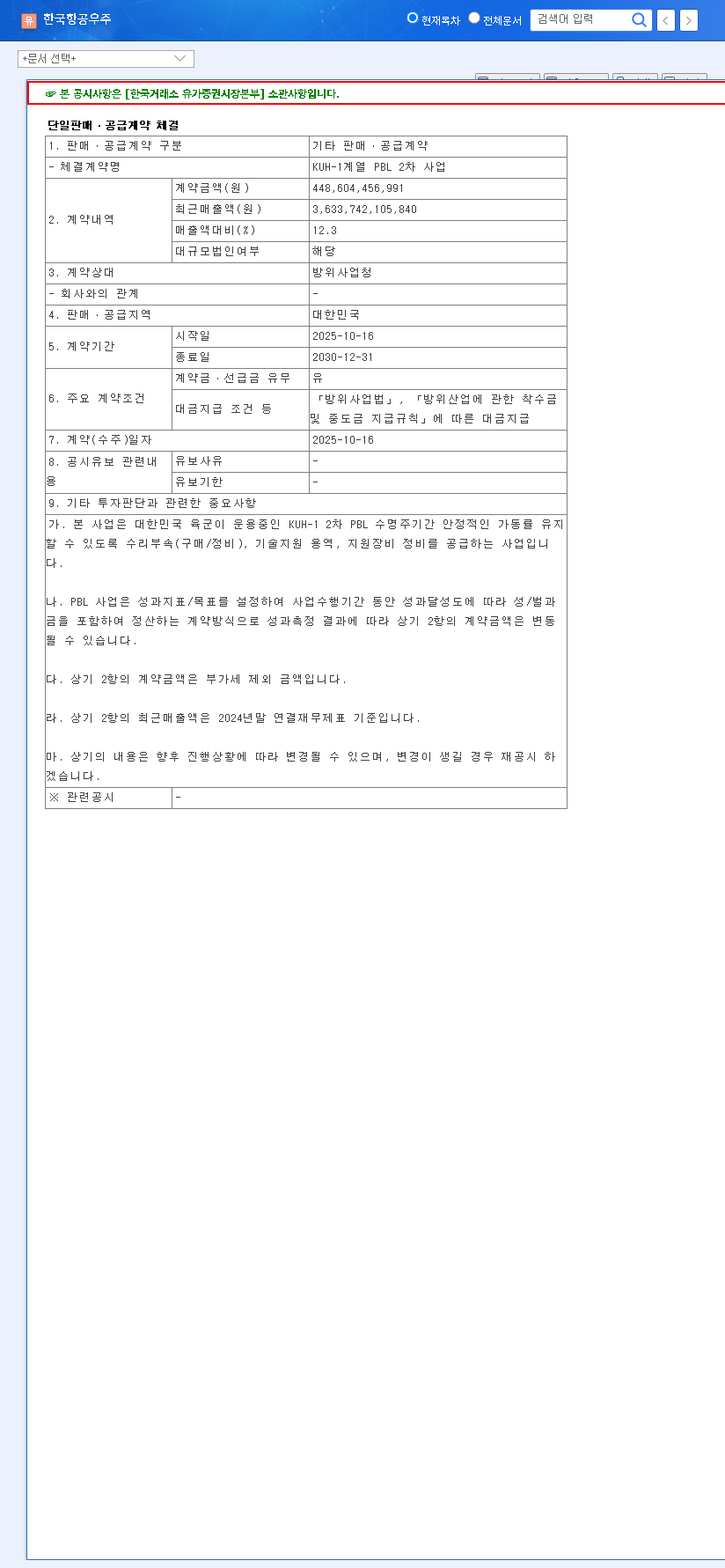
    KOREA AEROSPACE INDUSTRIES, LTD. (KAI), a titan in South Korea’s aerospace and defense sector, has made a significant move that has captured the attention of the investment community. The company recently announced a massive supply contract for the KUH-1 Series Performance-Based Logistics (PBL) Phase 2 Project with the Defense Acquisition Program Administration (DAPA). Valued at an astounding ₩448.6 billion, this agreement represents a major financial injection and a powerful vote of confidence in KAI’s capabilities. This article provides a comprehensive analysis of the KAI contract, its implications for corporate value, and the strategic considerations for current and potential investors.

    Unpacking the Landmark ₩448.6 Billion KAI Contract

    On October 16, 2025, KOREA AEROSPACE INDUSTRIES officially entered into this long-term agreement with DAPA. The contract is not just substantial in value—accounting for 12.3% of KAI’s recent annual revenue—but also in duration, spanning over five years until December 31, 2030. This secures a predictable and significant revenue stream, a highly desirable trait in the often-cyclical defense industry.

    The core of the deal revolves around providing comprehensive logistics, maintenance, and operational support for the KUH-1 ‘Surion’ utility helicopter fleet. For full transparency and verification, the details of this agreement can be reviewed in the Official Disclosure (Source: DART).

    What is Performance-Based Logistics (PBL)?

    Understanding the PBL model is crucial to grasping the value of this KAI contract. Unlike traditional contracts that focus on selling parts and performing repairs as needed, a PBL model is a strategic partnership. KAI is not just a supplier; it’s a service provider responsible for ensuring the Surion fleet meets specific performance and readiness targets. This involves inventory management, technical support, and proactive maintenance to maximize aircraft availability. This high-value service model fosters a deeper relationship with the client (DAPA) and generates more stable, recurring revenue compared to one-off hardware sales.

    This five-year, ₩448.6 billion PBL contract significantly de-risks KAI’s revenue forecast, providing a stable foundation for growth and solidifying its role as a key national defense partner.

    The Bull Case: Positive Impacts for KOREA AEROSPACE INDUSTRIES

    This contract is poised to deliver multiple strategic benefits that could positively influence KAI stock and its long-term valuation.

    • Enhanced Revenue Stability: The most immediate impact is the secured ₩448.6 billion revenue stream over five years. National defense projects offer unparalleled stability, shielding KAI from commercial market volatility and providing a solid financial footing.
    • Strengthened Defense Position: This large-scale contract with DAPA reinforces KAI’s indispensable role in South Korea’s defense infrastructure. It validates the performance of the Surion helicopter platform and enhances trust, which can lead to preferential consideration for future government projects.
    • Validation and Export Potential: A successful, long-term domestic support contract serves as a powerful testament to the reliability of the KUH-1 platform. This can be leveraged as a crucial selling point in international markets, potentially boosting KAI’s export sales for both the helicopter and its associated support services.

    Navigating Potential Headwinds: Risks Investors Must Consider

    Despite the overwhelmingly positive outlook, a prudent investment strategy requires acknowledging potential risks associated with this long-term endeavor.

    • Project Execution Risk: Long-term projects can encounter unforeseen challenges, such as technical issues, supply chain disruptions, or cost overruns. As a PBL contract, failure to meet performance metrics could result in financial penalties, impacting profitability.
    • Government Policy and Budget Shifts: The defense industry is intrinsically linked to government policy. Future changes in administration, defense priorities, or budget allocations could potentially alter the scope or funding of ongoing projects.
    • Competitive Landscape: While KAI is dominant domestically, the global aerospace market is fiercely competitive. Investors should monitor how KAI’s technology and cost-effectiveness stack up against international rivals, which could affect future export opportunities.

    Strategic Action Plan for KAI Investors

    This initial analysis provides a strong foundation, but thorough due diligence is essential. Investors should consider the following steps:

    1. Review Financial Health: Analyze KAI’s recent financial statements to assess its balance sheet strength, debt levels, and cash flow. This will help quantify the exact impact of the new contract on its overall financial stability.
    2. Consult Market Analysis: Gain a wider perspective by reviewing analyst reports and market consensus from reputable financial news sources like Bloomberg or Reuters to understand target stock prices and broader market sentiment.
    3. Understand the Sector: Contextualize KAI’s performance by exploring the wider trends in the global defense industry. For more information, read our Guide to Investing in the Aerospace & Defense Sector.

    Conclusion: A Stable Trajectory for Growth

    The KUH-1 PBL Phase 2 contract is unequivocally a major victory for KOREA AEROSPACE INDUSTRIES. It provides a robust, multi-year revenue stream, deepens a critical government partnership, and validates its flagship helicopter program. While investors must remain mindful of execution and policy risks, this deal marks a significant milestone that enhances KAI’s business stability and growth prospects for the foreseeable future.

    (047810) KOREA AEROSPACE INDUSTRIES (KAI) Secures ₩448.6B Contract: An In-Depth Investor Analysis 관련 이미지
  • (047810) KAI Stock Analysis: Inside the $285M T-50 Contract for KOREA AEROSPACE INDUSTRIES, LTD.

    (047810) KAI Stock Analysis: Inside the $285M T-50 Contract for KOREA AEROSPACE INDUSTRIES, LTD.

    KOREA AEROSPACE INDUSTRIES, LTD. (KAI) has solidified its future revenue stream with the announcement of a landmark contract worth approximately ₩285.3 billion. This five-year agreement with the Defense Acquisition Program Administration (DAPA) for the ‘4th T-50 Series Aircraft Airframe Spares Performance-Based Logistics (PBL) Project’ is a significant catalyst for the company. But what does this high-value T-50 PBL contract truly mean for KAI’s financial health, its market position, and the outlook for KAI stock? This comprehensive analysis will break down the contract’s strategic importance and provide actionable insights for investors.

    Deep Dive: The Strategic Value of the T-50 PBL Contract

    On October 16, 2025, KAI officially confirmed the single-seller contract, which represents a substantial 7.9% of its most recent annual revenue. The contract, spanning until October 31, 2030, is far more than a simple sales agreement; it marks a strategic pivot towards higher-margin, long-term service-based revenue that is increasingly crucial in the global aerospace and defense sector. The details were made public via an Official Disclosure (Source: DART), adding a layer of transparency for investors.

    What is Performance-Based Logistics (PBL)?

    To understand the contract’s significance, one must first grasp the concept of Performance-Based Logistics (PBL). Unlike traditional contracts focused on supplying spare parts, a PBL model aligns the contractor’s goals with the customer’s. KAI is not just selling components; it is selling operational readiness. The company is now incentivized to improve aircraft availability and reduce total lifecycle costs for the T-50 fleet. This model demonstrates KAI’s advanced technological capabilities in integrated logistics and supply chain management, shifting its business portfolio into a more sophisticated, high-value-added service area.

    “This PBL contract is a clear indicator of KAI’s maturation from a premier manufacturer to a full-spectrum aerospace solutions provider. It enhances revenue visibility and margin potential, which is exactly what long-term investors look for in the defense sector.”

    Financial Implications for KAI Stock and Investors

    For those invested in or watching KAI stock, this deal offers several layers of positive financial implications. The long-term nature of the agreement provides a predictable and stable revenue stream for the next five years, reducing volatility and enhancing financial planning. This is a critical factor for KOREA AEROSPACE INDUSTRIES, LTD. in a market that can be subject to fluctuating government budgets and procurement cycles.

    • Enhanced Profitability: PBL contracts typically carry higher profit margins than standard manufacturing, as they reward efficiency and performance. This could lead to improved earnings per share over the contract’s duration.
    • Stable Cash Flow: The multi-year structure ensures a consistent cash flow, strengthening KAI’s balance sheet and providing capital for future R&D and strategic initiatives.
    • Increased Investor Confidence: A long-term, high-value contract with a key government body like DAPA signals stability and reinforces KAI’s dominant position in the domestic market, boosting investor sentiment.

    The T-50 Golden Eagle: A World-Class Platform

    The T-50 series, often known as the ‘Golden Eagle’, is the backbone of this contract. Developed by KOREA AEROSPACE INDUSTRIES, LTD. in partnership with Lockheed Martin, it is one of the world’s most successful supersonic advanced trainers and light combat aircraft. Its success, with multiple variants exported to countries like Poland, the Philippines, and Thailand, provides a strong foundation for a robust aftermarket and services business. This PBL contract for the domestic fleet serves as a powerful case study, proving KAI’s support capabilities and potentially opening doors for similar lucrative service contracts with its international customers. For more information on military aircraft, authoritative sources like Janes Defence offer extensive fleet details.

    Future Outlook & Investor Action Plan

    While this contract is an undeniable positive, savvy investors should continue to monitor key developments. It’s crucial to analyze how this agreement fits into the broader strategy of KOREA AEROSPACE INDUSTRIES, LTD., including its progress on other key projects like the KF-21 fighter program. Investors can learn more by reviewing our complete KAI company profile for a deeper fundamental analysis.

    Frequently Asked Questions (FAQ)

    Q1: What is the core of the ₩285.3 billion contract signed by KAI?
    A1: KAI signed a five-year Performance-Based Logistics (PBL) contract with DAPA to provide integrated logistics support, including spare parts and maintenance solutions, to ensure the high operational readiness of South Korea’s T-50 series aircraft fleet.

    Q2: How will this contract affect KAI’s revenue recognition?
    A2: The contract value of ₩285.3 billion, which is 7.9% of recent annual revenue, will be recognized incrementally over the five-year period. A partial impact is expected in late 2025, with full-scale contributions beginning in 2026, leading to stable, predictable revenue growth.

    Q3: What should investors primarily consider regarding KAI stock now?
    A3: This contract significantly de-risks future revenue and points to higher-margin business growth. Investors should view this as a positive long-term fundamental, but also analyze KAI’s overall project pipeline, competitive landscape, and broader defense industry trends for a complete picture.

    (047810) KAI Stock Analysis: Inside the $285M T-50 Contract for KOREA AEROSPACE INDUSTRIES, LTD. 관련 이미지
  • (047810) Korea Aerospace Industries Stock (KAI): Analysis of Fidelity’s Sale & Future Outlook

    (047810) Korea Aerospace Industries Stock (KAI): Analysis of Fidelity’s Sale & Future Outlook

    News of a major institutional investor reducing their stake can send tremors through the market, and that’s precisely what happened with Korea Aerospace Industries stock. Fidelity Management, a global asset management titan, recently disclosed a reduction in its KAI holdings. For current and prospective investors, this immediately raises critical questions: Is this a red flag signaling underlying problems, or does it create a strategic entry point? This comprehensive KAI stock analysis will dissect the situation, evaluate the company’s core fundamentals, and examine the macroeconomic currents shaping its future to provide a clear, actionable investment outlook.

    While Fidelity’s move introduces short-term uncertainty, KAI’s long-term trajectory appears anchored by a formidable order backlog and its pivotal role in national and global defense projects.

    The Catalyst: Unpacking Fidelity’s Stake Reduction

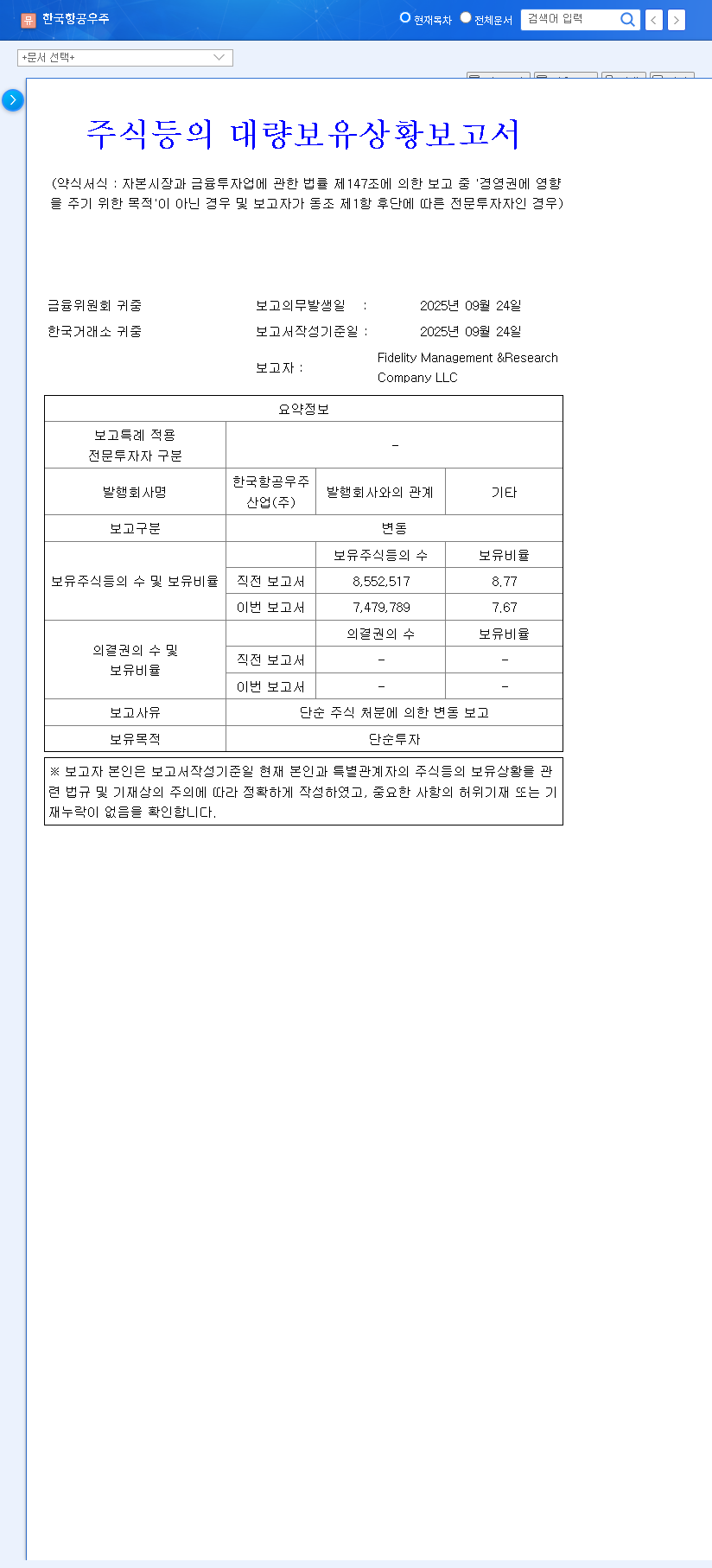
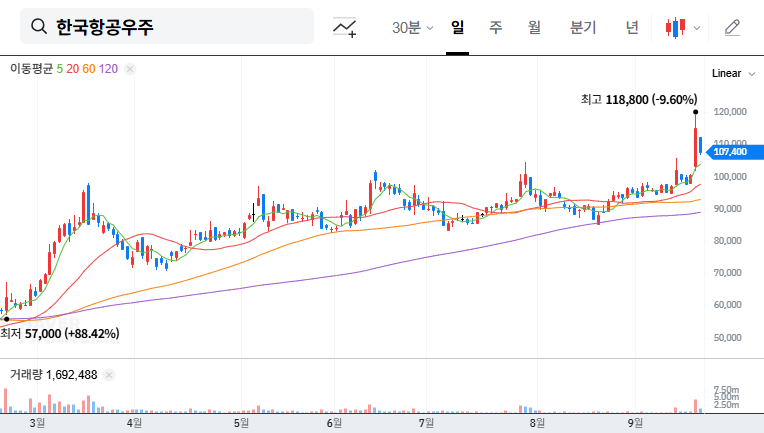
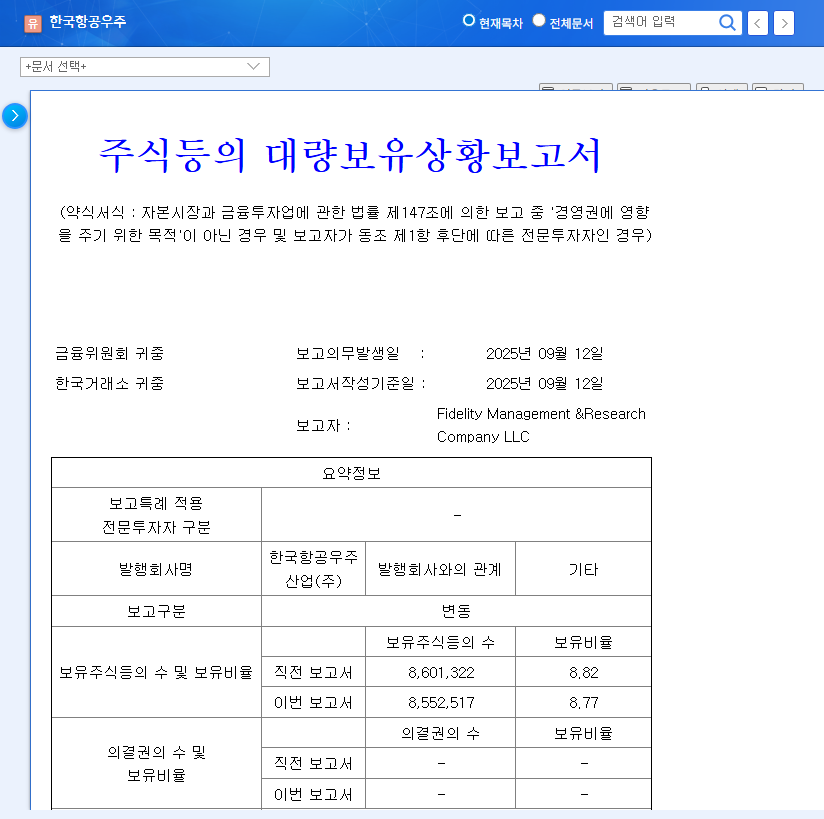
    On October 10, 2025, Fidelity Management & Research Company filed a mandatory disclosure report detailing a change in their significant shareholding of Korea Aerospace Industries. The filing revealed a 1.10 percentage point decrease in their ownership, dropping from 8.77% to 7.67%. The transactions, involving the sale of 303,764 shares, occurred between September 15 and September 24, 2025. You can view the Official Disclosure on DART. While Fidelity cited ‘simple investment’ as the reason—a common term for portfolio rebalancing—the sale’s magnitude is enough to warrant a deeper investigation into KAI’s intrinsic value and external pressures.

    A Deep Dive into Korea Aerospace Industries Stock Fundamentals

    An institutional sale doesn’t alter a company’s core business. To truly understand the KAI investment outlook, we must look past the market noise and at the company’s financial and operational health. KAI presents a classic case of powerful strengths balanced by notable financial concerns.

    The Bull Case: Pillars of Strength

    • Massive Order Backlog: KAI boasts an impressive order backlog of 26.67 trillion KRW. This isn’t just a number; it represents guaranteed revenue streams for years to come, providing exceptional stability and visibility into future earnings.
    • Strategic Defense Projects: The company is at the heart of South Korea’s defense modernization, leading cornerstone projects like the KF-21 fighter jet development and the LAH/KUH helicopter mass production. These are not just contracts; they are long-term, government-backed programs with high strategic importance and export potential.
    • Favorable Global Tailwinds: Rising geopolitical tensions are prompting nations worldwide to increase defense spending. This trend directly benefits KAI’s military aircraft and defense parts exports. Simultaneously, the post-pandemic recovery in commercial air travel, as noted by industry leaders like Boeing and Airbus, buoys its civil aircraft parts business.

    The Bear Case: Points of Caution

    • Heavy Debt Load: KAI’s consolidated debt ratio stands at a high 432.37%. While common in capital-intensive industries, this level of leverage makes the company vulnerable to interest rate hikes, which can squeeze profitability by increasing financing costs.
    • Short-Term Profit Dip: The first half of 2025 saw a year-on-year decrease in operating profit and net income. This was primarily driven by increased R&D expenditures for future projects. While investing in growth is positive, the market often reacts negatively to short-term profit declines.
    • Macroeconomic Sensitivity: As a major exporter, KAI’s bottom line is highly sensitive to fluctuations in currency exchange rates and interest rates, factors largely outside its control.

    The Macroeconomic Environment

    For a global player like KAI, the big picture matters. A weak Korean Won (a high USD/KRW rate) is a double-edged sword: it makes KAI’s exports cheaper and more competitive abroad, boosting revenue, but it also increases the cost of imported raw materials and components. The recent trend of interest rate cuts by the US Federal Reserve and ECB is a net positive, potentially lowering borrowing costs. However, investors must monitor whether these cuts are sustained. To understand this better, you can review our complete analysis of the global defense market for more context.

    Final Verdict & Investor Action Plan

    The Fidelity KAI sale is best viewed as a source of short-term price pressure rather than a fundamental flaw in the company’s long-term story. The core drivers for Korea Aerospace Industries stock—its massive backlog and strategic national projects—remain firmly intact. However, the high debt and macroeconomic sensitivity are undeniable risks that cannot be ignored.

    Given this balance, a ‘Neutral’ investment stance is prudent. This is not a signal to sell, but rather a call for diligent monitoring. Investors should keep a close watch on the following key points:

    • Any further changes in Fidelity’s holdings.
    • Progress and export contract milestones for the KF-21 project.
    • Quarterly financial reports, with a focus on debt reduction and profit margins.
    • Market adoption and results from new ventures like UAM and satellite services.

    Positive developments in these areas could shift the outlook from Neutral to Buy, but for now, observation is the wisest course of action.

    Disclaimer: This report is for informational purposes only and is based on publicly available information. Investment decisions should be made at the investor’s own discretion and responsibility.

    (047810) Korea Aerospace Industries Stock (KAI): Analysis of Fidelity's Sale & Future Outlook 관련 이미지
  • KAI Stock Analysis: Decoding the ₩42.6B After-Hours Block Trade

    1. Analyzing the KAI After-Hours Block Trade

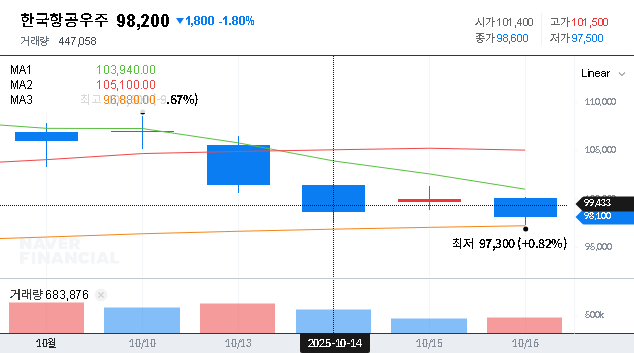
    On September 24, 2025, a substantial block trade of 392,310 KAI shares, amounting to approximately ₩42.6 billion, occurred after regular trading hours. Notably, foreign investors were heavily involved, with both significant buying (₩87.6B) and selling (₩82.5B) activity, resulting in a net buy of ₩5.1B.

    2. Fundamental Analysis: Opportunities and Risks

    KAI boasts a robust order backlog exceeding ₩26 trillion and has secured future growth drivers, including the KF-21 development, Surion helicopter exports, and diversification into civil aircraft components. Profitability is also on an upward trend. However, the high debt-to-equity ratio of over 430% poses a concern for financial soundness.

    • Strengths: Strong order backlog, future growth drivers, improving profitability
    • Weakness: High debt-to-equity ratio

    3. Market Environment Analysis: Potential for Volatility

    The global aviation market is recovering post-pandemic, but uncertainties remain, including high interest rates, exchange rate fluctuations, and volatile commodity prices. The military aircraft market is expected to grow steadily, but competition is also intensifying.

    4. Investment Implications: A Cautious Approach

    KAI possesses long-term growth potential, but investors should be mindful of its high debt-to-equity ratio and susceptibility to external factors. The potential for short-term stock price volatility exists, and investors should closely monitor macroeconomic indicators, exchange rates, oil prices, and company announcements before making investment decisions. The current investment recommendation is neutral (Monitor & Wait).

    How will the after-hours trade impact KAI’s stock price?

    It could increase short-term price volatility. While the net foreign buy is a potentially positive signal, the sustainability of this trend depends on future earnings, order momentum, and macroeconomic conditions.

    What are KAI’s main business segments?

    KAI operates across various segments, including fixed-wing aircraft (KF-21, T-50), rotary-wing aircraft (LAH/KUH, Surion), aerostructures, and space programs.

    What are the key investment considerations for KAI?

    Investors should carefully consider the high debt-to-equity ratio, exchange rate and oil price fluctuations, intensifying competition, and potential changes in government policies. Thorough due diligence is crucial before investing.

  • KAI Stock: Fidelity’s Stake Reduction – A Short-Term Setback? Investment Strategy Analysis


    KAI Stock: Fidelity's Stake Reduction – A Short-Term Setback? Investment Strategy Analysis 대표 차트 이미지


    What Happened? Fidelity Reduces KAI Stake by 0.05%

    On September 18, 2025, Fidelity Management & Research Company LLC (FMR LLC) announced a 0.05% decrease in its stake in Korea Aerospace Industries (047810), from 8.82% to 8.77%. The reason for the change was portfolio adjustment due to the addition of an operating fund, resulting in both buy and sell transactions.

    Why Does the Stake Change Matter? KAI Investment Strategy Analysis

    Stake changes by large institutional investors like Fidelity can influence market sentiment. However, considering the small scale of this change and its classification as a simple investment, it’s unnecessary to over-interpret it. Instead, focus on KAI’s fundamentals and growth potential.

    What is KAI? Fundamental Analysis

    • Strengths: Solid order backlog (KRW 26.67 trillion) driven by KF-21 development and production, LAH/KUH series production, and expansion of aircraft parts exports, indicating growth potential.
    • Weaknesses: Increased debt-to-equity ratio (432.37%) and net debt-to-equity ratio (17.83%) as of H1 2025, along with declining profitability. Improvement in financial soundness is needed.
    • Opportunities: Global aviation industry recovery, growth in the military aircraft market, and recovery of the commercial aircraft market.
    • Threats: Fluctuations in raw material prices, international political instability, exchange rate fluctuations, and the possibility of tariff imposition by the US.

    What Should Investors Do? Short-Term and Long-Term Strategies

    • Short-term: Observe and wait while monitoring macroeconomic indicators, exchange rate fluctuations, and progress related to KF-21 exports.
    • Long-term: Adjust investment weighting by considering improvements in financial soundness and profitability, the outlook for the defense/aerospace industry, and the investment stance of institutional investors.

    ※ Investment decisions are the responsibility of the individual investor.


    Frequently Asked Questions

    Will Fidelity’s stake change negatively impact KAI’s stock price?

    This stake change is small and for simple investment purposes, so it is not expected to have a significant short-term impact. Focus on KAI’s fundamentals and growth potential.

    Is it a good time to invest in KAI?

    KAI has strong growth potential, but deteriorating financial soundness and profitability are risk factors. Make investment decisions by comprehensively considering macroeconomic indicators, industry trends, and company fundamentals.

    What is the outlook for KAI?

    There are many positive factors, such as KF-21 development, expansion of defense exports, and recovery of the commercial aircraft market, but there are also risk factors such as raw material prices, exchange rate fluctuations, and international political instability. Continuous monitoring is required.


    KAI Stock: Fidelity's Stake Reduction – A Short-Term Setback? Investment Strategy Analysis 관련 이미지


  • Korea Aerospace Industries (KAI) Stock Forecast: Analyzing Fidelity’s Stake Change and Investment Strategy

    Korea Aerospace Industries (KAI) Stock Forecast: Analyzing Fidelity's Stake Change and Investment Strategy 대표 차트 이미지

    1. Fidelity’s KAI Stake Adjustment: What Happened?

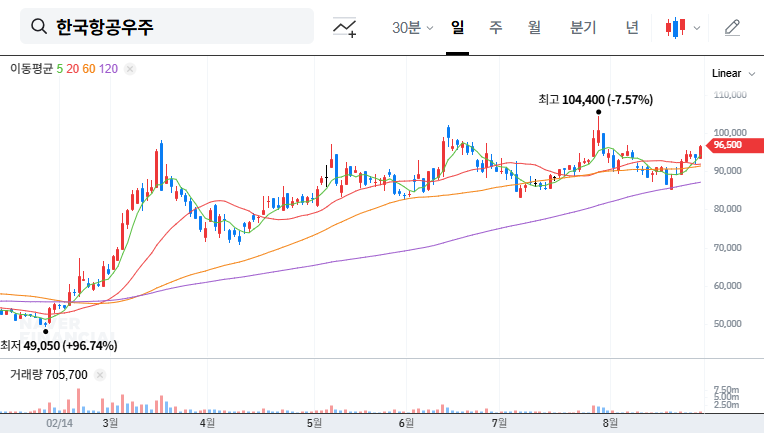
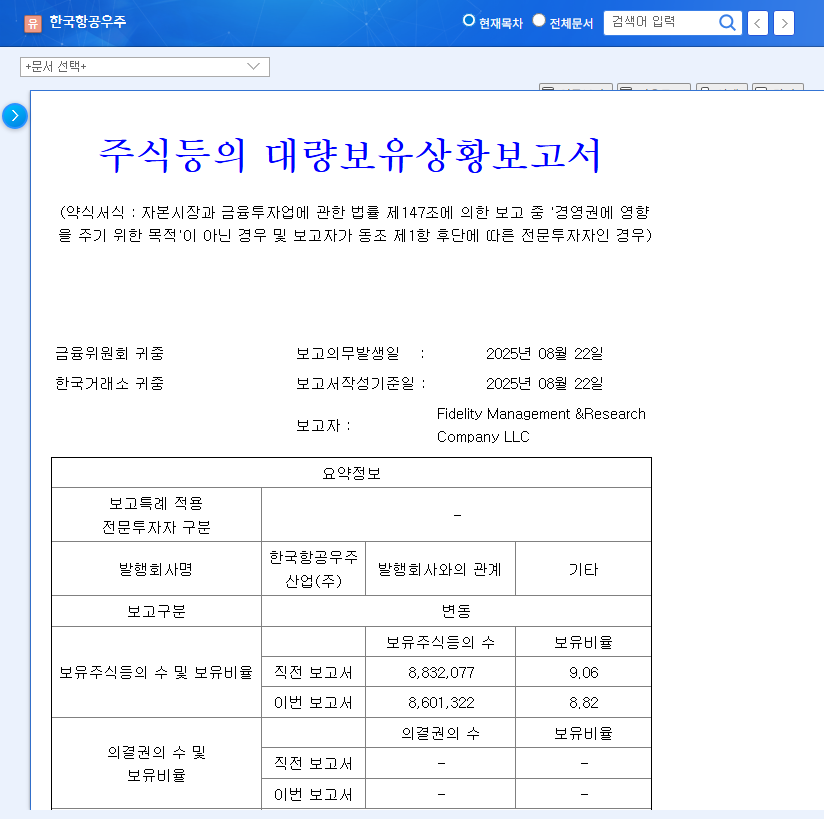
    Fidelity net bought KAI shares from August 1st to 22nd, but its overall stake decreased slightly from 9.06% to 8.82%. This change is due to the addition of managed funds, and Fidelity maintains its investment objective as ‘simple investment.’ While the 0.24%p change is not substantial, movements by large institutional investors like Fidelity can send important signals to the market.

    2. KAI’s Fundamentals: Are They Solid?

    Korea Aerospace Industries maintains stable growth based on a solid order backlog exceeding 26 trillion won. Positive factors include strong exports of fixed-wing aircraft like the KF-21 and FA-50, and growth potential in the space business sector. However, high debt ratio and exchange rate volatility could pose risks.

    • Strengths: Solid order backlog, strong fixed-wing aircraft performance, growth potential in space business, robust credit rating (AA-)
    • Weaknesses: High debt ratio, sensitivity to exchange rate fluctuations

    3. Impact of Fidelity’s Stake Change on KAI’s Stock Price

    This stake adjustment is not a factor that directly impacts KAI’s fundamentals. However, Fidelity’s net buying can be interpreted as a reflection of a positive market evaluation of KAI and could positively influence investor sentiment. Short-term stock price movements are likely to be driven by market conditions and the company’s earnings announcements.

    4. Investor Action Plan: Should You Invest in KAI Now?

    KAI is a company with solid fundamentals and future growth potential. It is considered an attractive investment from a long-term perspective, but investors should also consider risk factors such as exchange rate volatility and global economic uncertainty. Before making an investment decision, it’s crucial to continuously monitor the progress of key projects like the KF-21 and the signing of export contracts.

    Frequently Asked Questions

    Does Fidelity’s stake change negatively impact KAI’s stock price?

    No. The change in stake is not significant and the investment objective remains as ‘simple investment,’ thus the direct negative impact is expected to be limited. The net buying can be seen as a positive sign.

    What are the key considerations when investing in KAI?

    Investors should consider factors such as exchange rate volatility, global economic uncertainty, and KAI’s debt ratio. Continuous monitoring of the progress of key projects and earnings announcements is essential.

    What is the future growth outlook for KAI?

    Given the potential expansion of exports in the defense sector with the KF-21 and FA-50, and the growth potential in the space business, KAI has a high potential for long-term growth.

    Korea Aerospace Industries (KAI) Stock Forecast: Analyzing Fidelity's Stake Change and Investment Strategy 관련 이미지
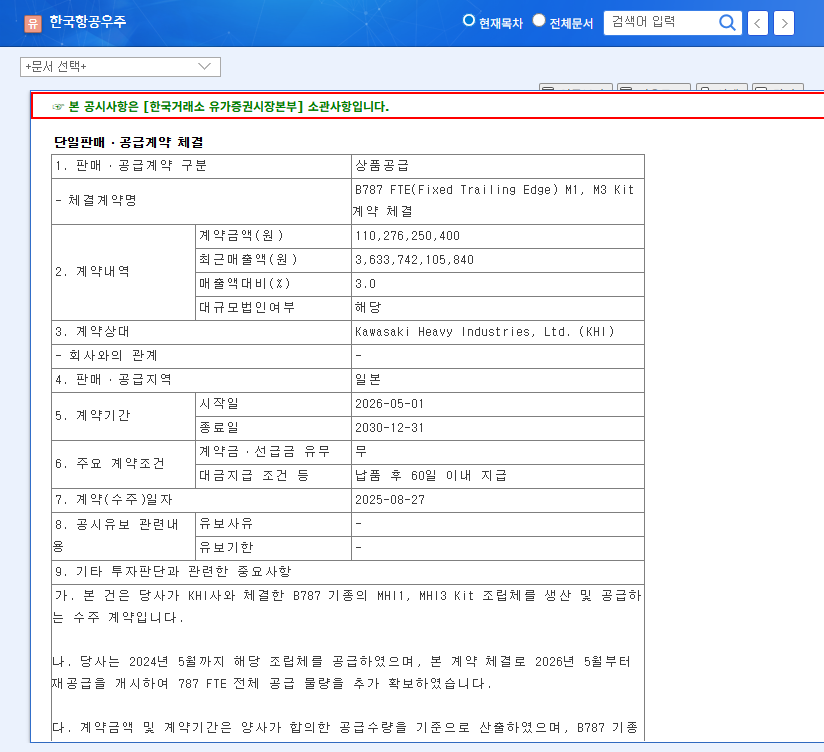
  • KAI Secures $83M Deal to Supply B787 Parts: What it Means for Investors

    KAI Secures $83M Deal to Supply B787 Parts: What it Means for Investors 대표 차트 이미지

    KAI Signs $83M Deal with Kawasaki Heavy Industries

    Korea Aerospace Industries (KAI) has inked an $83 million contract with Kawasaki Heavy Industries (KHI) to supply B787 FTE (Fixed Trailing Edge) M1 and M3 Kit parts. The contract spans from May 1, 2026, to December 31, 2030, covering a period of four years and eight months. This represents 3.0% of KAI’s projected revenue for 2026.

    Deal Significance: Expanding Commercial Aircraft Business and Global Partnerships

    This contract signifies more than just increased revenue for KAI. By supplying critical parts for the Boeing 787 Dreamliner, KAI gains recognition for its technological prowess and competitiveness in the global commercial aircraft market. It also strengthens KAI’s collaborative relationship with Boeing, a leading aircraft manufacturer, and provides a foothold for stable entry into the global supply chain. This is a crucial step that increases the likelihood of future orders. Moreover, the diversification from the existing defense-centric business into the commercial aircraft parts business will contribute to building a stable portfolio.

    KAI Stock Outlook: Limited Short-Term Impact, Long-Term Growth Expected

    In the short term, the contract’s size relative to market capitalization may limit its impact on the stock price. However, the growth potential of the commercial aircraft business and the strengthening of global partnerships can be perceived as positive signals, positively influencing investor sentiment. In the long run, successful performance and demonstration of technological capabilities in the commercial aircraft parts business can be expected to drive KAI’s corporate value upward.

    Investor Action Plan: Consider Investment Value from a Long-Term Perspective

    Investors should consider risk factors such as KAI’s high debt ratio and the possibility of interest rate hikes. However, this contract is viewed positively in terms of KAI’s business diversification and strengthening of global competitiveness. Therefore, it is crucial to assess the investment value from a long-term perspective.

    What is the contract value between KAI and Kawasaki Heavy Industries?

    $83 million.

    What is the expected impact of this contract on KAI’s stock price?

    The short-term impact may be limited, but a positive long-term impact is expected.

    What are KAI’s main business areas?

    Fixed-wing aircraft, airframes, and new businesses (satellites, UAVs, MRO, UAM/AAV, etc.).

    KAI Secures $83M Deal to Supply B787 Parts: What it Means for Investors 관련 이미지
  • National Pension Service Shifts KAI Stake: What It Means for Investors

    National Pension Service Shifts KAI Stake: What It Means for Investors 대표 차트 이미지

    1. What Happened? : NPS Changes KAI Stake Purpose

    The NPS recently shifted its KAI stake purpose from ‘simple investment’ to ‘general investment’, simultaneously reducing its stake from 8.31% to 8.12%. As ‘general investment’ implies a more active investment approach compared to ‘simple investment’, attention is focused on the NPS’s future moves.

    2. Why? : Analyzing KAI’s Current Situation

    Despite a robust order backlog, KAI has recently faced financial challenges, including declining sales and operating profit, and an increasing debt ratio. These challenges stem from a combination of factors, including decreased sales in the fixed-wing segment, rising cost of sales, and increased selling, general, and administrative expenses. However, with continuous R&D investment and global competitiveness, KAI maintains a high growth potential.

    3. So What? : KAI Stock Outlook and Investment Strategy

    The NPS’s change in stake purpose is not expected to significantly impact KAI’s stock price in the short term. However, the shift to ‘general investment’ suggests the possibility of more active shareholder engagement by the NPS in the long term. KAI’s stock price may fluctuate depending on the improvement of its fundamentals and the NPS’s future actions.

    4. Investor Action Plan

    • Short-term investors: Be mindful of short-term stock price volatility and pay attention to the NPS’s further stake changes and KAI’s earnings announcements.
    • Long-term investors: Develop an investment strategy by comprehensively considering KAI’s fundamental improvement, international situations, and industry trends.
    How will the NPS’s change in KAI stake affect the stock price?

    While no significant short-term impact is expected, the stock’s volatility could increase in the long run depending on the NPS’s actions and KAI’s fundamentals.

    What should investors consider when investing in KAI?

    Investors should carefully analyze KAI’s financial status, performance, and industry trends, while monitoring the movements of institutional investors, including the NPS. Macroeconomic factors such as defense budgets, international situations, and raw material prices should also be considered.

    National Pension Service Shifts KAI Stake: What It Means for Investors 관련 이미지