Tag: InvestmentStrategy

  • (069410) nTels Treasury Stock Disposal: A Deep-Dive Financial Analysis of Q3 Performance & Investor Impact

    (069410) nTels Treasury Stock Disposal: A Deep-Dive Financial Analysis of Q3 Performance & Investor Impact

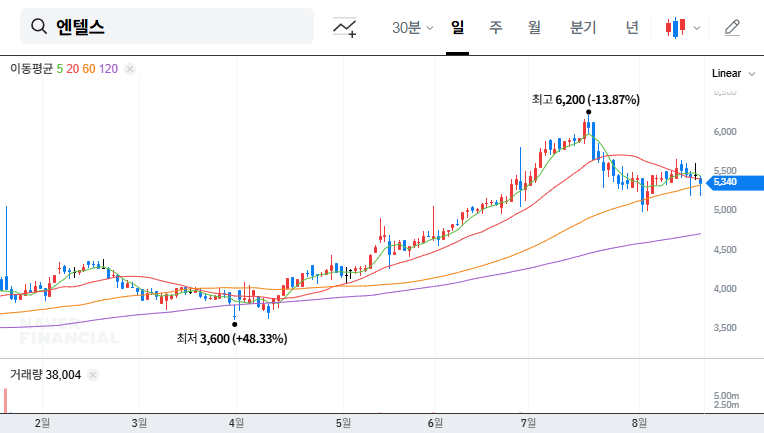
    The recent announcement of an nTels treasury stock disposal has captured the attention of the market. On November 14, 2023, nTelsCo.,Ltd. (엔텔스) disclosed its plan to dispose of treasury shares specifically for employee bonuses. This move, while a common corporate action, arrives at a pivotal moment, following a quarter of significant financial improvement. For investors, the key question is whether this is a routine financial maneuver or a strategic signal of confidence in the company’s future growth trajectory. This comprehensive financial analysis will unpack the implications of this decision, examine the robust Q3 2023 performance, and outline what investors need to know to make informed decisions.

    Is the nTels treasury stock disposal a simple compensation plan or a bullish indicator? By combining this event with a detailed look at the company’s fundamentals, we can uncover the true narrative for nTels stock.

    Disposal Details and Company Context

    nTelsCo.,Ltd., a key player in providing telecommunications software and solutions like Business/Operations Support Systems (B/OSS), is navigating the dynamic landscape of 5G and IoT integration. The company’s decision, as per the Official Disclosure (DART Report), involves the disposal of 140,000 common shares. This represents approximately 1.37% of the total outstanding shares, valued at around KRW 700 million.

    The stated purpose is explicit: to grant bonuses to executives and employees. This is a crucial detail. Unlike disposals aimed at raising capital, which can lead to share dilution, this action is designed to incentivize and retain key talent—a move often interpreted by the market as a sign of management’s confidence in sustained future performance.

    Deep Dive: nTels Financial Analysis for Q3 2023

    The treasury stock disposal does not happen in a vacuum. It is framed by an exceptionally strong third quarter in 2023, which suggests a fundamental turnaround. Let’s examine the key performance indicators:

    • Surging Revenue & Profitability: Revenue skyrocketed by 59.2% year-over-year to KRW 46.647 billion. Even more impressively, operating profit shifted from a loss to a surplus of KRW 1.44 billion, signaling a significant operational turnaround fueled by its core B/OSS solution business.
    • Explosive Global Growth: International sales were a standout performer, surging 119.8% to KRW 8.088 billion. This indicates that nTels is successfully expanding its footprint beyond domestic markets, a critical driver for long-term growth.
    • Robust Order Backlog: The total order backlog swelled by 93.5% from the end of the previous year to KRW 72.254 billion. This provides strong revenue visibility and a stable foundation for the upcoming quarters.

    Areas for Continued Scrutiny

    Despite the stellar top-line growth, a complete nTels financial analysis requires a balanced view. Key profitability metrics like Return on Equity (ROE) at 0.13% and Earnings Per Share (EPS) at 4 KRW remain low. Furthermore, operating cash flow is still negative. This suggests that while the company is growing rapidly, it must now focus on converting that growth into efficient, sustainable profit and positive cash flow.

    Impact of the nTels Treasury Stock Disposal

    Short-Term Market Implications

    In the short term, the impact on the nTels stock price is expected to be minimal. The volume (1.37%) is too small to create significant selling pressure. More importantly, the market often views disposals for employee compensation positively, as it aligns employee interests with shareholder value and signals a commitment to retaining talent. When combined with the strong Q3 results, the immediate market reaction is likely to be neutral to positive.

    Mid-to-Long-Term Strategic Value

    The long-term effect is more strategic than financial. By rewarding performance, nTels aims to boost morale and productivity, which can serve as an indirect catalyst for innovation and operational excellence. This internal strengthening aligns perfectly with the company’s external growth story, driven by its expanding order backlog and international success. It’s a move to ensure the internal engine is just as robust as the external opportunities.

    Actionable Investor Checklist

    For those considering an investment in nTels, the focus should be on the underlying fundamentals rather than the disposal event itself. Here are key points to monitor:

    • Sustainability of Growth: Is the Q3 performance a one-time event or the start of a new, sustainable growth phase? Look for continued strength in international sales and new contracts in the 5G and IoT sectors in subsequent earnings reports.
    • Path to Profitability: Keep a close eye on ROE, EPS, and operating cash flow. The next step in nTels’ evolution is to translate its impressive revenue growth into bottom-line profit and positive cash generation.
    • Competitive Landscape: How is nTels positioned against its competitors in the B/OSS and telecom software space? Understanding their competitive advantage is key to assessing long-term viability. Consider reading our broader report on Investing in the Korean Tech Sector for more context.

    Conclusion: A Bullish Signal Backed by Fundamentals

    The nTels treasury stock disposal should be viewed not as an isolated event, but as a confident internal maneuver that complements a powerful external growth story. The action itself is a healthy sign of a company investing in its people. However, the true investment thesis rests on the impressive fundamental improvements seen in Q3 2023. Investors should focus on the company’s ability to maintain its growth momentum, particularly in international markets, and its strategic efforts to enhance profitability. If nTels can continue this trajectory, this period may be remembered as a significant inflection point for the company.
    (069410) nTels Treasury Stock Disposal: A Deep-Dive Financial Analysis of Q3 Performance & Investor Impact 관련 이미지
  • (060560) HC HomeCenter Co.,Ltd Stock Analysis: A Major Shareholder’s Bet Amidst Financial Turmoil

    (060560) HC HomeCenter Co.,Ltd Stock Analysis: A Major Shareholder’s Bet Amidst Financial Turmoil

    An investment analysis of HC HomeCenter Co.,Ltd reveals a classic conflict for investors: a vote of confidence from a major shareholder set against a backdrop of alarming financial distress. Recently, HC Partners Co.,Ltd, the company’s largest shareholder, slightly increased its stake, a move often interpreted as a positive signal. However, with severe performance slumps and volatile market conditions, the critical question is whether this maneuver can steer the company toward recovery and generate value for investors. This deep-dive analysis goes beyond the headlines to provide a comprehensive investment strategy based on the latest financial data and market outlook.

    While an insider purchase is a notable event, it cannot single-handedly reverse the powerful tide of poor fundamentals. Investors must weigh this gesture of confidence against the hard numbers reported by the company.

    The Shareholder’s Move: A Closer Look

    On November 13, 2025, an official disclosure revealed that HC Partners Co.,Ltd had bolstered its position in HC HomeCenter Co.,Ltd. According to the Official Disclosure (DART Report), the stake increased marginally from 55.19% to 55.28%. This was achieved through a combination of open market purchases and the partial repayment of stock-backed loans. The stated purpose was clear: to strengthen and influence management rights. This action demonstrates HC Partners’ commitment and their intent to stabilize leadership, which is often a prerequisite for a corporate turnaround.

    The Unsettling Reality: A Deep Dive into Financial Health

    Despite the shareholder’s vote of confidence, the fundamental financial health of HC HomeCenter Co.,Ltd remains precarious. The consolidated performance for the first half of 2025 paints a grim picture that cannot be ignored.

    Plummeting Revenue and Widespread Decline

    The company’s revenue experienced a catastrophic decline, falling approximately 59.3% year-over-year to 143.7 billion KRW. This wasn’t an isolated issue in one division; the downturn was systemic across all primary business segments. Ready-mix concrete/asphalt saw a 71.6% drop, oil retail fell by 52.0%, and merchandise retail collapsed by a staggering 83.9%. Such widespread weakness indicates deep-rooted operational challenges rather than a temporary market dip.

    Profitability Under Siege

    The revenue collapse translated directly into significant losses. The company reported a consolidated operating loss of -8 billion KRW. While a net profit of 4.6 billion KRW was technically recorded, this was solely due to a one-time bargain purchase gain of 13.76 billion KRW from acquiring a new subsidiary. This accounting gain masks the severe deterioration in core profitability and should not be mistaken for a genuine operational recovery. Learn more about how to analyze a company’s income statement on our internal blog.

    Mounting Financial Burdens

    The balance sheet provides further cause for concern. Total liabilities have swelled to 282.7 billion KRW, with a worrying increase in short-term borrowings. This rising debt level not only increases financial risk but also puts immense pressure on cash flow, potentially hindering future investments and operational flexibility.

    External Headwinds: A Challenging Market Environment

    The company’s internal struggles are compounded by a difficult external market. The outlook for HC HomeCenter Co.,Ltd‘s key sectors is fraught with uncertainty. The construction and real estate markets, vital for its concrete and asphalt business, face persistent risks from rising costs, potential project financing (PF) defaults, and reduced government spending on infrastructure. Furthermore, macroeconomic factors like currency exchange rate volatility and rising commodity prices add another layer of risk to the overall business environment.

    Investor Action Plan: A Strategy of Prudent Observation

    Given the critical state of the company’s financials, a highly cautious and conservative approach is warranted. While the major shareholder’s move to strengthen management is a positive footnote, it is far from a compelling investment thesis on its own. The stock price has trended downward in line with its poor performance, and this minor ownership change is unlikely to reverse that trend without tangible proof of a turnaround. Investors should closely monitor the following key areas before considering a position:

    • Core Market Recovery: Watch for clear signs of stabilization and recovery in the construction and real estate markets. This is a fundamental prerequisite for the rebound of HC HomeCenter’s primary revenue streams.
    • Tangible Performance Improvement: Look for quarter-over-quarter improvement in revenue and, most importantly, a return to positive operating profit that is not dependent on one-time gains.
    • Financial Deleveraging Efforts: Monitor the company’s actions to reduce its debt burden and strengthen its balance sheet. A clear plan to improve financial health is essential for long-term viability.
    • Strategic Management Actions: Observe whether the newly solidified management control translates into concrete strategic actions, such as effective cost-cutting, successful business diversification, or valuable synergy creation with subsidiaries.

    In conclusion, the investment case for HC HomeCenter Co.,Ltd is currently high-risk. Deferring any investment decisions until there is undeniable evidence of a fundamental operational and financial recovery appears to be the most prudent strategy.

    (060560) HC HomeCenter Co.,Ltd Stock Analysis: A Major Shareholder's Bet Amidst Financial Turmoil 관련 이미지
  • (009450) Kyung Dong Navien’s ₩119.7B Asset Disposition: A Deep Dive into its Investment Strategy & Future Growth

    (009450) Kyung Dong Navien’s ₩119.7B Asset Disposition: A Deep Dive into its Investment Strategy & Future Growth

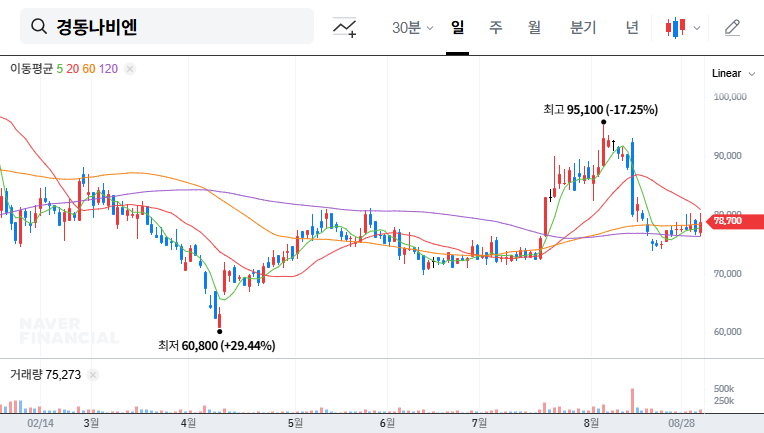
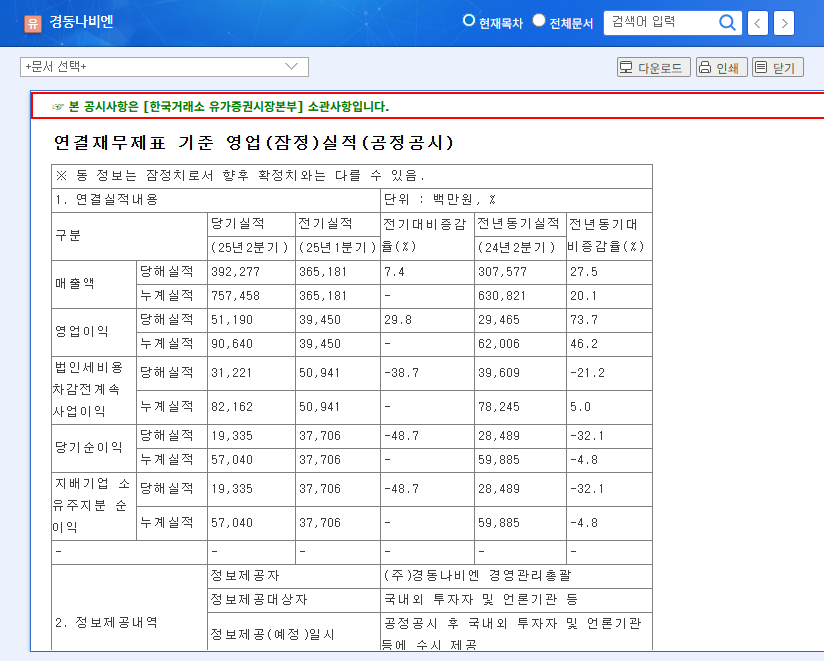
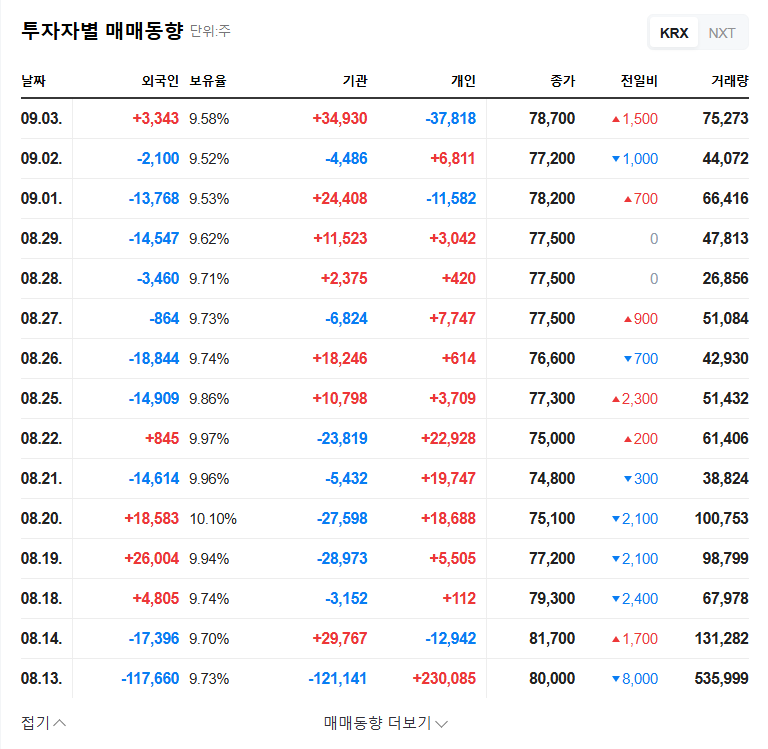
    The recent Kyung Dong Navien asset disposition has sent ripples through the market, signaling a pivotal moment for the global HVAC giant. On November 12, 2025, KYUNG DONG NAVIEN CO.,LTD (KDN) announced a significant sale of tangible assets valued at ₩119.7 billion. This isn’t merely a transaction; it’s a calculated maneuver designed to streamline operations, bolster financial health, and position the company for its next phase of growth. For investors and industry observers, understanding the nuances of this decision is critical to forecasting KDN’s future trajectory.

    This comprehensive financial analysis will dissect the deal’s structure, explore the long-term strategic goals like production base integration, and evaluate the potential impacts on KDN’s fundamentals amidst a complex global economic landscape.

    Unpacking the ₩119.7 Billion Deal

    The core of the transaction involves the sale of the A7-1B land and all facilities currently under construction within the Seotan General Industrial Complex in Pyeongtaek-si, Gyeonggi-do. The buyer is Kyung Dong Polium Co., Ltd., an affiliate company within the same corporate family. This sale, representing 8.81% of KDN’s total assets, is slated for completion by February 10, 2026. This intra-group transfer is a key detail, indicating a strategic reshuffling of assets rather than an exit from a business line. For full transparency, the company released an Official Disclosure which provides granular detail on the transaction, reinforcing the company’s commitment to corporate governance.

    This move is fundamentally about optimization. By reallocating assets within the group, Kyung Dong Navien is paving the way for a more integrated and efficient production network, unlocking long-term value.

    The Strategic Blueprint: Efficiency and Growth

    The primary driver behind this Kyung Dong Navien asset disposition is a dual-pronged strategy focused on enhancing operational efficiency and fortifying the company’s financial structure for future investments.

    Achieving Synergy Through Production Base Integration

    Consolidating production facilities is a classic strategy for achieving economies of scale. For KDN, this means creating a more streamlined manufacturing ecosystem. In the long run, this integration is expected to reduce redundant overhead, simplify supply chain logistics, and enhance quality control. A centralized production system allows for better resource allocation, faster innovation cycles, and a more agile response to shifts in global demand for their core products like gas boilers and water heaters. This is a critical component of any effective modern HVAC manufacturing strategy.

    Fueling Future Growth with Enhanced Liquidity

    The infusion of ₩119.7 billion in cash provides significant strategic flexibility. This newfound liquidity can be deployed in several high-impact areas:

    • Accelerating New Ventures: It provides capital to fully integrate and scale the recently acquired SK Magic business, unlocking synergies in the home appliance market.
    • Boosting R&D Investment: Sustained investment in research and development is crucial for maintaining a competitive edge in the rapidly evolving HVAC industry, particularly in eco-friendly and smart-home technologies.
    • Strengthening the Balance Sheet: The cash can be used to pay down debt, improve key financial ratios, and increase resilience against economic downturns, reinforcing its strong credit rating.

    Navigating Macroeconomic Headwinds

    KDN’s performance is intrinsically linked to the global economic climate. Investors conducting a thorough Kyung Dong Navien financial analysis must consider several external variables that could influence its operations and profitability:

    • Currency Fluctuations: As a major exporter, a weaker Korean Won against the US Dollar and Euro can make KDN’s products more competitive abroad. However, it also increases the cost of imported raw materials.
    • Interest Rate Environment: Global interest rate policies affect borrowing costs for capital expenditures and can influence investment sentiment. Potential rate cuts could be a positive catalyst.
    • Commodity Prices & Logistics: The price of crude oil, steel, and copper, along with global shipping costs (like the BDI and CCFI indices), directly impacts the company’s cost of goods sold.

    Investor Takeaway: A Long-Term Perspective

    The Kyung Dong Navien asset disposition should be viewed as a strategic realignment for long-term health, not a short-term catalyst. While the immediate cash injection is a clear positive, the true measure of success will be in the execution. Investors should look beyond immediate stock price movements and focus on monitoring key performance indicators in upcoming quarterly and annual reports. For more on market trends, see the latest global manufacturing outlook from Reuters.

    Moving forward, the critical factors will be the tangible cost savings and efficiency gains from the production base integration, the successful synergy realized from the SK Magic acquisition, and the company’s agility in navigating the macroeconomic environment. This strategic pivot demonstrates a forward-thinking management team focused on building a more resilient and competitive enterprise for the future.

    Frequently Asked Questions (FAQ)

    Why did Kyung Dong Navien sell these assets?

    The asset disposition is part of a larger strategy to integrate production bases, which aims to improve long-term operational efficiency, reduce costs, and optimize the company’s asset portfolio among its affiliates.

    How does this ₩119.7 billion sale affect KDN’s finances?

    It provides a significant cash infusion that immediately improves liquidity and strengthens the company’s financial structure. This shifts the balance sheet from fixed tangible assets to more flexible cash equivalents, enhancing overall financial health.

    What should investors monitor following this decision?

    Investors should focus on long-term indicators rather than short-term price fluctuations. Key areas to watch in future financial reports include improvements in operating margins, the progress of the SK Magic business integration, and the company’s management of macroeconomic risks.

    (009450) Kyung Dong Navien's ₩119.7B Asset Disposition: A Deep Dive into its Investment Strategy & Future Growth 관련 이미지
    (009450) Kyung Dong Navien's ₩119.7B Asset Disposition: A Deep Dive into its Investment Strategy & Future Growth 관련 이미지
  • (011150) CJ SEAFOOD CORPORATION Earnings (Q3 2025): Deep Dive & Stock Analysis

    (011150) CJ SEAFOOD CORPORATION Earnings (Q3 2025): Deep Dive & Stock Analysis

    CJ SEAFOOD CORPORATION Q3 Earnings: A Mixed Signal for Investors

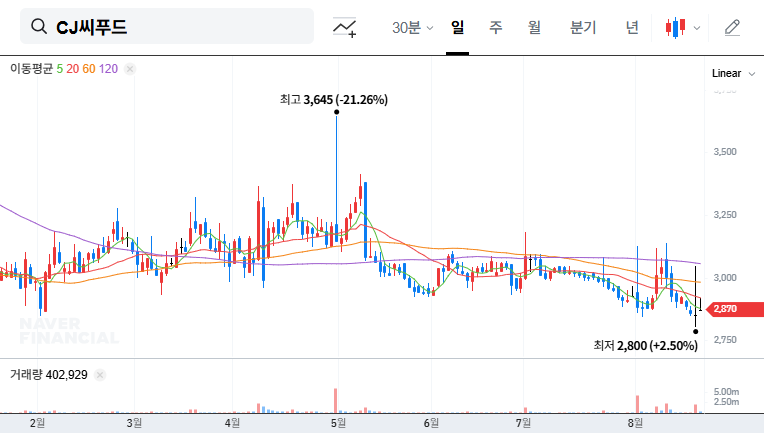
    The latest CJ SEAFOOD CORPORATION earnings report for Q3 2025 presents a complex picture for current and potential investors. While the company posted a notable quarter-over-quarter revenue increase, the persistent operating loss and stagnant net profit have cast a shadow over its performance, leaving many to question the future of CJ Seafood stock. This article provides a comprehensive fundamental analysis of the results, explores the underlying challenges, and outlines a potential investor action plan based on the available data.

    According to the Official Disclosure filed on November 11, 2025, the preliminary consolidated financials reveal a company at a critical crossroads. Let’s break down the key figures.

    Q3 2025 Financial Highlights

    • Revenue: KRW 49.4 billion, a promising 16.2% increase from the previous quarter, but still down 7.8% year-over-year.
    • Operating Profit: A loss of KRW 0.6 billion. While this is an improvement from the previous quarter’s loss, it marks a worrying shift to a deficit compared to the same period last year.
    • Net Profit: KRW 0 billion. This break-even result represents a significant decline both quarter-over-quarter and year-over-year, indicating a complete stall in bottom-line profitability.

    Fundamental Analysis: Unpacking the Underperformance

    To understand the trajectory of CJ Seafood stock, we must look beyond the headline numbers. Several internal and external factors are contributing to this challenging period, forming the basis of our fundamental analysis.

    Core Business and Financial Weaknesses

    The company’s core operations, particularly in the seaweed and fishery product divisions, have seen a significant slump. This isn’t just about revenue; it’s about profitability. Despite the quarterly revenue bump, a higher cost of goods sold and rising selling & administrative expenses have effectively erased any gains, preventing a return to operating profit. Furthermore, the company’s financial health is a major concern. A high debt-to-equity ratio, coupled with diminishing operating cash flow, creates a precarious situation, making the company vulnerable to market shocks.

    While investments in affiliated companies signal an effort to find future growth, these initiatives have yet to deliver tangible results, adding to investor uncertainty surrounding the latest CJ SEAFOOD CORPORATION earnings.

    Navigating Macroeconomic Headwinds

    CJ SEAFOOD CORPORATION is also battling a difficult macroeconomic environment. Persistently high interest rates, driven by the US benchmark, directly increase the cost of servicing its significant debt. As reported by major financial news outlets, global economic conditions remain challenging. The high KRW/USD exchange rate exacerbates this by inflating the cost of imported raw materials, putting constant pressure on profit margins. On a brighter note, key logistics cost indicators like the Baltic Dry Index (BDI) have stabilized, offering some relief on the expense side, but this has not been enough to offset the other financial pressures.

    Investor Action Plan & Stock Outlook

    Given the disappointing Q3 results, the market’s reaction is likely to be negative. The continued operating loss is a major red flag that could lead to downward pressure on the stock in the short term as investor sentiment wanes. Many of these fundamental weaknesses may already be priced in, but this report could accelerate a decline if confidence erodes further.

    Investment Thesis: A Cautious ‘Hold’

    At this juncture, a proactive investment is difficult to recommend. The lack of positive momentum and clear profitability pathways suggests a cautious approach is warranted. For a more detailed look at industry trends, see our analysis of the broader consumer staples sector.

    • For Current Shareholders: Consider holding your position but monitor the Q4 report and 2026 business plan closely. Look for concrete strategies on margin improvement, debt reduction, and a tangible return from affiliated company investments.
    • For Potential Investors: It is prudent to remain on the sidelines. The risk currently outweighs the potential reward. A potential entry point would only emerge after the company demonstrates a sustained turnaround with at least one to two quarters of positive operating profit and a clear, credible growth strategy.

    In conclusion, while the quarterly revenue uptick provides a sliver of hope, the overall financial picture from the CJ SEAFOOD CORPORATION earnings report is concerning. Until the company can prove it has a viable plan to restore profitability and manage its financial burdens, exercising caution is the most sensible investor action plan.

    (011150) CJ SEAFOOD CORPORATION Earnings (Q3 2025): Deep Dive & Stock Analysis 관련 이미지
    (011150) CJ SEAFOOD CORPORATION Earnings (Q3 2025): Deep Dive & Stock Analysis 관련 이미지
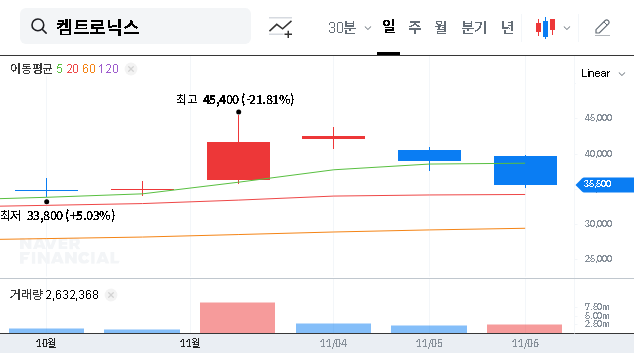
  • (089010) CHEMTRONICS Co., Ltd. Share Sale: In-Depth Stock Analysis & Investor Guide

    (089010) CHEMTRONICS Co., Ltd. Share Sale: In-Depth Stock Analysis & Investor Guide

    A recent disclosure has sent ripples through the investment community: a significant CHEMTRONICS Co., Ltd. share sale by parties related to CEO Kim Bo-kyun. While any insider transaction can trigger alarm bells, what does this specific event truly mean for the company’s future and your investment? This comprehensive analysis cuts through the market noise to provide a clear-eyed view of the situation.

    We will dissect the details of the equity change, evaluate Chemtronics’ robust fundamentals against its inherent risks, and offer actionable investment strategies for both short-term traders and long-term believers in the company’s vision.

    The Disclosure: Unpacking the Insider Share Sale

    On November 10, 2025, CHEMTRONICS Co., Ltd. filed a “Report on Status of Large Shareholdings,” revealing a notable shift in its ownership structure. Understanding the specifics is the first step in a thorough Chemtronics stock analysis.

    • Principal Reporting Person: Kim Bo-kyun (Stated Purpose: Management Influence)
    • Ownership Before Sale: 25.37%
    • Ownership After Sale: 23.52%
    • Reason for Change: The on-market sale of 163,408 shares by special related parties (Ms. Lee Jung-sook and Ms. Jang Jung-sun), leading to a 2.15 percentage point decrease in the total related-party holding.

    The full details of this transaction were made public in an official filing. Source: Official DART Disclosure. An on-market sale by insiders, particularly those connected to a CEO with a stated goal of ‘management influence,’ is an event that the market watches closely for its potential impact on supply and sentiment.

    Investors are now weighing the short-term market pressure from this share sale against the company’s promising long-term growth prospects in the high-demand semiconductor sector.

    Fundamental Analysis: The Bull vs. Bear Case

    To understand the true implications of the CHEMTRONICS Co., Ltd. share sale, we must look beyond the single transaction and analyze the company’s core health and the environment it operates in.

    The Bull Case: Key Growth Drivers

    • Aggressive Semiconductor Expansion: Chemtronics is strategically positioning itself in the high-growth semiconductor market. Key initiatives include the mass production of eco-friendly, ultra-high purity PGMEA for advanced EUV lithography and the acquisition of wafer processing firm J3, which are set to create significant synergies.
    • Stable Cash Cow: The company’s basic materials and distribution business continues to provide robust and stable sales, ensuring a reliable stream of cash flow to fund new growth ventures.
    • Proactive Risk Management: Management is actively working to improve its debt structure, utilizing tools like currency swap agreements to hedge against interest rate volatility—a prudent move in the current macroeconomic climate.

    The Bear Case: Potential Risks & Headwinds

    • Legacy Business Struggles: The electronics and automotive segments face intense competition, particularly from low-cost Chinese manufacturers, leading to declining sales. While breakthroughs in wireless charging and foldable glass offer hope, this remains a challenge.
    • Increased Financial Leverage: Ambitious investments in semiconductor M&A and new facilities have increased the company’s reliance on borrowing. A sustained high-interest-rate environment could significantly escalate financial pressure.
    • Macroeconomic Volatility: As a global player, Chemtronics is exposed to currency exchange rate fluctuations, geopolitical tensions like the US-China trade conflict, and the risk of a global economic slowdown. For more on industry-wide factors, see our deep dive on The Future of the Global Semiconductor Market.

    Investor Action Plan: Navigating the Uncertainty

    While this insider stock sale creates short-term noise, it doesn’t fundamentally alter Chemtronics’ long-term value proposition. A prudent Chemtronics investment approach requires a balanced perspective. It’s crucial to understand that not all insider sales are a red flag; they can occur for reasons like portfolio diversification, as explained by financial authorities like Investopedia.

    Short-Term Strategy (1-3 Months)

    The immediate market reaction could be negative due to increased share supply. A cautious stance is recommended.

    • Observe and Monitor: Adopt a ‘wait-and-see’ approach. Watch for further disclosures and monitor trading volumes for signs of capitulation or stabilization.
    • Identify Key Support Levels: Use technical analysis to pinpoint critical price support levels. A breach of these levels could signal further downside.

    Mid-to-Long-Term Strategy (6+ Months)

    Long-term success hinges on the execution of the company’s growth strategy. Focus on tangible results.

    • Verify Fundamental Progress: Track quarterly reports for concrete revenue growth from the semiconductor division and signs of a turnaround in the electronics business.
    • Analyze Financial Health: Scrutinize the balance sheet for improvements in the debt-to-equity ratio and other key financial health indicators.
    • Assess Management Control: While the stake has decreased, 23.52% is still a very significant holding. Continue to monitor the actions and communications from CEO Kim Bo-kyun‘s team.

    In conclusion, the CHEMTRONICS Co., Ltd. share sale by related parties is a notable event that warrants caution but not panic. The company’s future value will be determined not by this single transaction, but by its ability to execute its ambitious semiconductor growth strategy and manage its financial risks effectively. Investors who maintain a long-term, data-driven perspective will be best positioned for success.

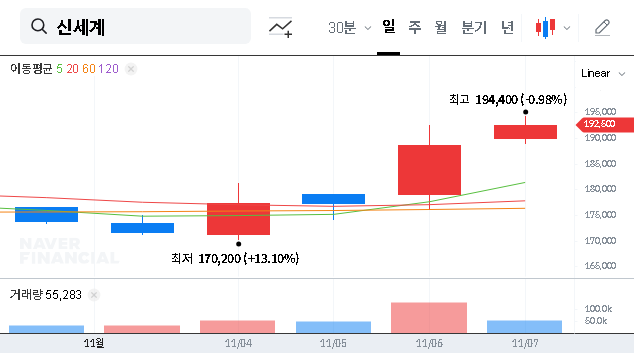
  • (004170) SHINSEGAE Inc. IR (004170): 2025 Deep Dive for Investors & Stock Analysis

    (004170) SHINSEGAE Inc. IR (004170): 2025 Deep Dive for Investors & Stock Analysis

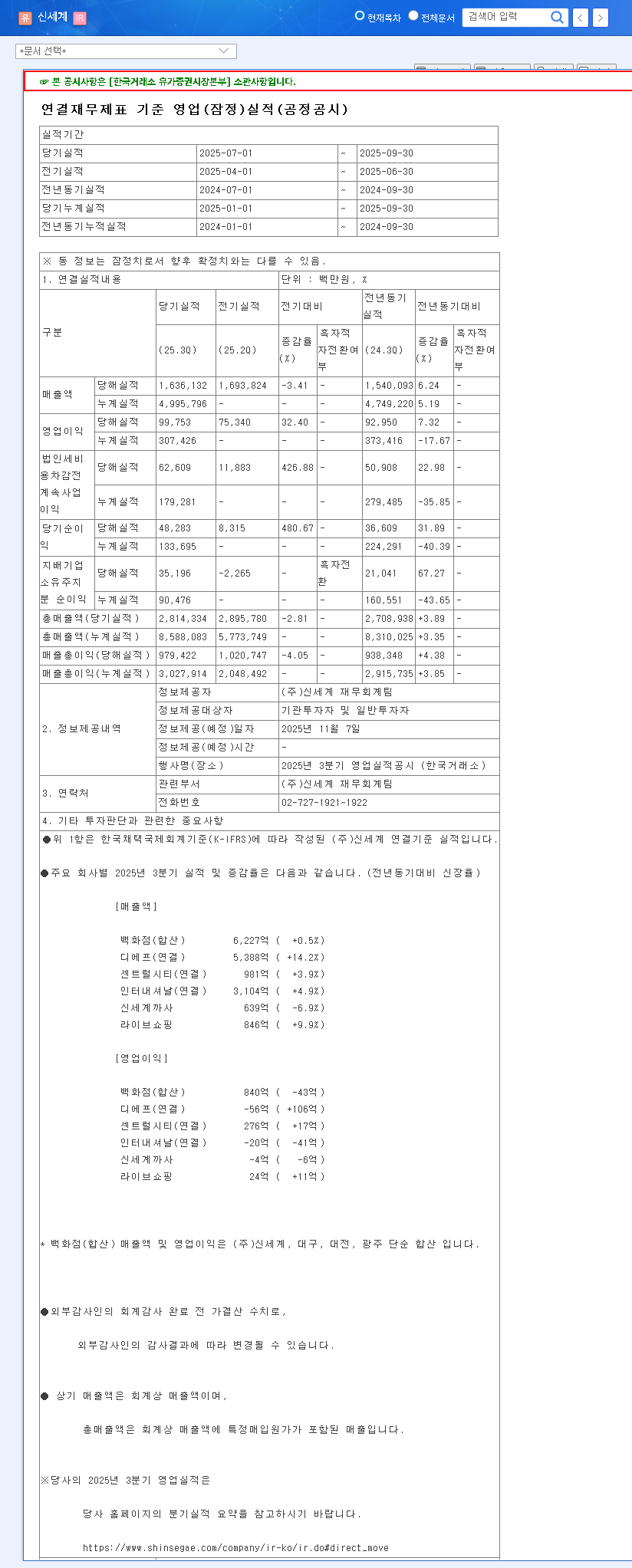
    The upcoming SHINSEGAE Inc. IR meeting, scheduled for November 11, 2025, represents a critical moment for the South Korean retail powerhouse (KRX: 004170). As investors scrutinize recent stock performance amidst a complex global economic climate, this event is more than a standard update; it’s a strategic platform for SHINSEGAE to restore confidence, articulate a clear path forward, and define its value proposition for the coming years. This deep-dive analysis will explore the key factors shaping the narrative around this pivotal meeting, offering a comprehensive guide for any potential SHINSEGAE Inc. investment.

    We will dissect the company’s fundamental strengths and weaknesses, analyze the macroeconomic pressures, and outline what investors must watch for to make informed decisions. From the struggling duty-free segment to the resilient department store division, we cover every angle of the upcoming SHINSEGAE investor relations event.

    The Critical Juncture: Why This IR Matters

    SHINSEGAE Inc. is at a crossroads. The company’s stock has faced significant headwinds, trading in a volatile range and showing a marked decline in late 2024. This performance is a reflection of both internal challenges and external market forces. The primary objective of this IR is to address these concerns head-on, enhance investor understanding through transparent communication, and ultimately, stabilize and boost its market valuation. The session will feature a detailed review of management performance, an outlook on core business segments, and a crucial Q&A session.

    In times of uncertainty, clarity is the most valuable asset a company can offer its shareholders. This IR is SHINSEGAE’s opportunity to provide that clarity and redefine its growth story.

    Analyzing SHINSEGAE’s Fundamentals (Based on H1 2025 Data)

    A thorough SHINSEGAE stock analysis must begin with its core fundamentals. The company presents a mixed but compelling picture of stability in some areas and significant challenges in others. For the most granular details, investors can review the Official Disclosure (DART).

    Strengths and Opportunities

    • Resilient Department Store Business: The core department store segment continues to demonstrate stable growth, acting as the company’s foundational pillar.
    • Shareholder Value Initiatives: Active efforts, including share buybacks and dividend increases, signal a strong commitment to shareholder returns.
    • Digital Transformation: Ongoing investments in e-commerce and digital integration present a significant opportunity to capture a wider market and compete with online-native retailers.

    Weaknesses and Threats

    • Duty-Free Underperformance: The duty-free segment has been a major drag on revenue and profitability, requiring a convincing turnaround strategy.
    • Macroeconomic Pressures: High interest rates, inflation, and fluctuating exchange rates create a challenging environment for consumer spending and import costs. For context, you can track these trends on platforms like Bloomberg’s economic calendar.
    • Intense Competition: The rise of specialized online marketplaces continues to erode market share from traditional department stores.

    Investor Checklist: Key Questions for the SHINSEGAE Inc. IR

    Investors should go into the IR with a clear set of questions. The quality of SHINSEGAE’s answers will be the primary determinant of post-event market sentiment. For a broader framework, you can review our Complete Guide to Retail Stock Analysis.

    • The Duty-Free Turnaround: What is the specific, actionable, and timeline-driven plan to return the duty-free business to profitability?
    • Future Growth Engines: Beyond the core business, what are the concrete new investment plans? What is the expected ROI and timeline for these ventures?
    • Shareholder Return Policy: Will the current pace of share buybacks and dividends be maintained or increased, given the revenue challenges?
    • Risk Management: How is the company hedging against currency fluctuations and preparing for a potential sustained period of lower consumer demand?

    Conclusion: A Pivotal Moment for the 004170 Stock

    The November 2025 SHINSEGAE Inc. IR is far more than a routine corporate meeting. It is a referendum on the company’s strategy and its ability to navigate a turbulent market. A successful presentation—characterized by transparency, concrete plans, and confident leadership—could mark a bottom for the stock and catalyze a new wave of investor interest. Conversely, a vague or unconvincing performance could lead to further erosion of confidence. For current and prospective investors, this is a must-watch event that will likely set the tone for the 004170 stock for months to come.

    (004170) SHINSEGAE Inc. IR (004170): 2025 Deep Dive for Investors & Stock Analysis 관련 이미지
  • (111380) DONG IN ENTECH Treasury Stock Disposal (111380): An In-Depth Investor Analysis

    (111380) DONG IN ENTECH Treasury Stock Disposal (111380): An In-Depth Investor Analysis

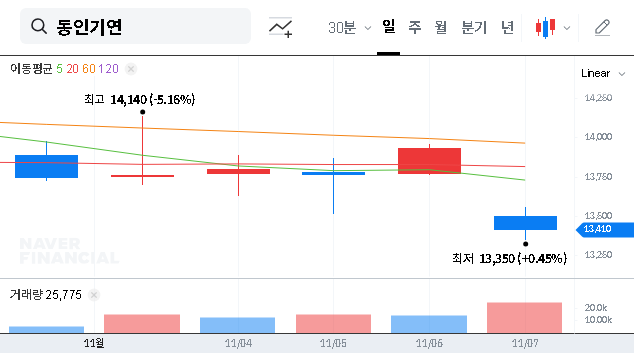
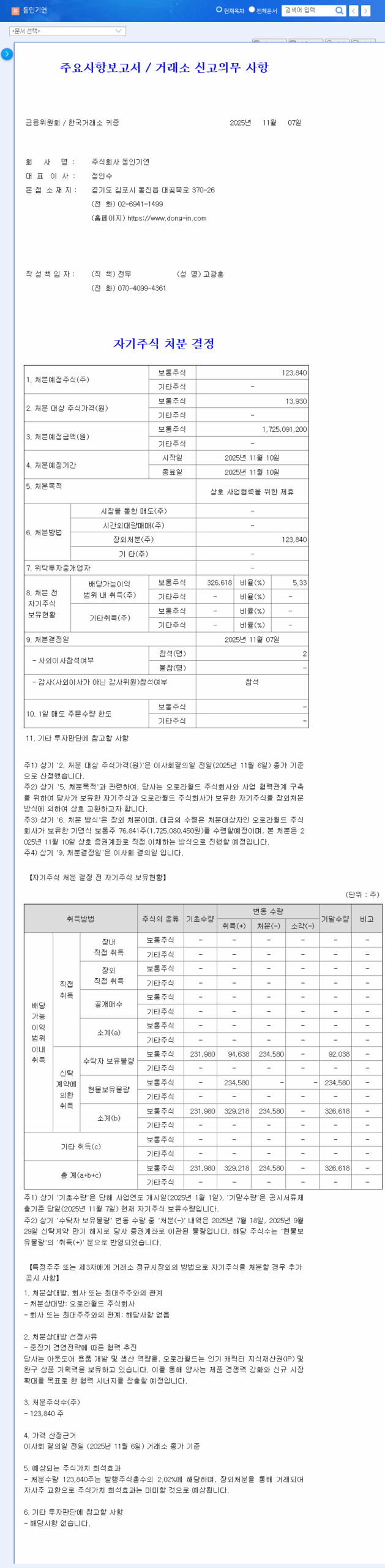
    The recent DONG IN ENTECH treasury stock disposal announcement has sent ripples through the investment community, raising critical questions about the company’s strategic direction. On November 7, 2025, DONG IN ENTECH Co., Ltd. (111380), a major player in the outdoor backpack Original Development Manufacturing (ODM) sector, revealed its plan to sell a significant block of treasury shares. While framed as a move for ‘mutual business collaboration,’ this action comes at a time when the company faces considerable fundamental challenges, including a sharp decline in sales. For investors, this creates a complex picture of potential opportunity mixed with tangible risk. This in-depth analysis will dissect the transaction, evaluate the company’s financial health, and provide a clear guide on what to expect next.

    The Core Announcement: A KRW 1.7 Billion Strategic Move

    According to the official disclosure, DONG IN ENTECH will dispose of 123,840 of its common treasury shares, valued at approximately KRW 1.7 billion. This represents 2.02% of the total shares issued, a notable amount that suggests this is more than a simple cash-raising exercise. The stated purpose—’mutual business collaboration’—points towards a strategic alliance. The infusion of capital is intended to bolster the company’s financial structure and fuel investment in new business ventures. You can view the complete filing here: Official Disclosure (DART).

    Understanding DONG IN ENTECH’s Fundamentals Amidst Challenges

    To understand the impact of the DONG IN ENTECH treasury stock disposal, we must first assess the company’s current operational and financial state. The picture is one of contrast, with signs of cost control efficiency set against a backdrop of shrinking revenue.

    A Strained Core Business Model

    DONG IN ENTECH’s primary business is outdoor backpack ODM, which constituted roughly 70% of sales in the first half of 2025. This model, while historically stable, has shown recent vulnerability:

    • Significant Revenue Contraction: H1 2025 sales plummeted to KRW 119.73 billion, a startling 47% decrease year-over-year. This signals a serious contraction in external growth and market demand.
    • Improved Operating Margin: In a positive counterpoint, the operating profit margin improved to 7.55%. This suggests successful cost management initiatives or a shift in product mix towards higher-margin items, even as overall sales fell.
    • Net Income Collapse: Net income was just KRW 0.33 billion, a drastic drop from the previous year, largely due to rising financial costs and foreign exchange losses.

    The company is attempting to pivot by transitioning to an Original Brand Manufacturing (OBM) model and diversifying into tents and luggage. However, building a successful brand from the ground up is a capital-intensive, long-term endeavor with no guarantee of success. For more on this business model, see our guide on how to analyze ODM companies.

    Analyzing the Impact of the Treasury Stock Disposal

    This corporate action presents both a compelling bull case based on strategic potential and a bearish case rooted in execution risk and dilution.

    The Positive Angle: Synergy and Financial Fortification

    • Strengthened Business Collaboration: A successful partnership could open new markets, provide access to new technologies, or create powerful distribution channels, leading to significant long-term synergies.
    • Improved Financial Structure: The KRW 1.7 billion cash infusion directly improves liquidity, providing crucial capital for the OBM transition or other strategic investments.
    • Increased Market Interest: Such a significant event often attracts market attention, leading to higher short-term trading volumes and potential stock price volatility that active traders may exploit.

    The Negative Angle: Dilution and Lingering Uncertainty

    • Inevitable Share Dilution: Releasing treasury shares into the market increases the total number of outstanding shares. This action will dilute existing shareholders’ equity by 2.02%, potentially putting downward pressure on earnings per share (EPS). For more details, see this explanation of share dilution from Investopedia.
    • Uncertainty on Terms: The disclosure lacks specifics on the collaboration partner, the terms of the deal, and the appropriateness of the disposal price. A weak partner or unfavorable terms could nullify any potential benefits.
    • Not a Fundamental Fix: A cash injection doesn’t solve the core problem of declining sales. The success of this move hinges entirely on whether the subsequent collaboration can reverse the company’s negative growth trajectory.

    Investor’s Guide: Why a ‘Neutral’ Stance is Prudent

    Given the balance of potential and risk, a neutral investment thesis is the most reasonable approach at this juncture. The DONG IN ENTECH treasury stock disposal is a significant event, but it is a means to an end, not the end itself. The outcome is entirely dependent on the yet-unseen details of the business partnership.

    While this event may create short-term volatility, it is premature to view it as a signal of fundamental improvement. Long-term value will be dictated by the tangible results of the forthcoming business collaboration, not the transaction itself.

    Key Due Diligence Checklist for Investors

    Investors should shift from reacting to the news to monitoring for concrete evidence of progress. Keep a close watch on the following points:

    • Partner and Strategy Reveal: The most crucial upcoming data point is the identity of the partner and the specifics of the collaboration. Is it a technology partner, a distributor, or a raw material supplier?
    • Price Justification: Scrutinize whether the disposal price was fair value compared to the market price at the time of the agreement.
    • Tangible Business Outcomes: Over the next several quarters, look for measurable results like new product line sales, entry into new geographic markets, or improved cost efficiencies directly linked to the partnership.
    • Reversal of Fundamental Decline: Ultimately, the only thing that matters is a turnaround in the core financials. Monitor future earnings reports for a stabilization and subsequent reversal of the revenue decline.

    In conclusion, investors should view the DONG IN ENTECH 111380 treasury stock disposal not as a definitive buy or sell signal, but as the beginning of a new chapter. Prudence and diligent monitoring of subsequent disclosures will be key to making an informed and profitable investment decision.

    (111380) DONG IN ENTECH Treasury Stock Disposal (111380): An In-Depth Investor Analysis 관련 이미지
  • (002790) AMOREPACIFIC Holdings Corp. Stock: A 2025 Analysis & Investment Outlook

    (002790) AMOREPACIFIC Holdings Corp. Stock: A 2025 Analysis & Investment Outlook

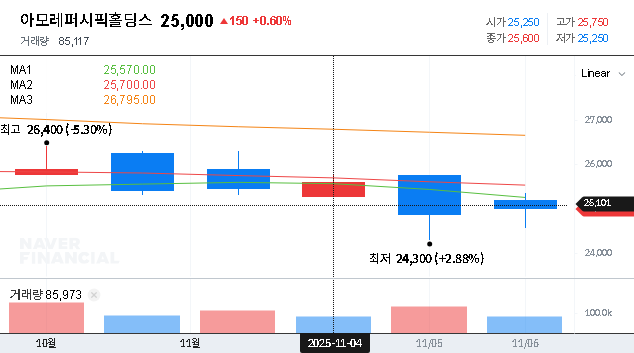
    Recent corporate disclosures, like the one from AMOREPACIFIC Holdings Corp. regarding its treasury stock disposal, often fly under the radar. However, for the discerning investor, these events serve as a crucial entry point for a deeper evaluation of a company’s strategic health and future trajectory. While the disposal itself, announced on November 6, 2025, is minor, it prompts a vital question: What is the true fundamental value and long-term investment potential of AMOREPACIFIC Holdings Corp. stock in today’s dynamic market?

    This comprehensive analysis moves beyond the headline to dissect the company’s robust H1 2025 performance, identify key growth drivers, and weigh them against potential risks. We’ll provide clear insights to help you make more informed decisions about your investment in AMOREPACIFIC Holdings Corp.

    The Treasury Stock Disposal: A Minor Event

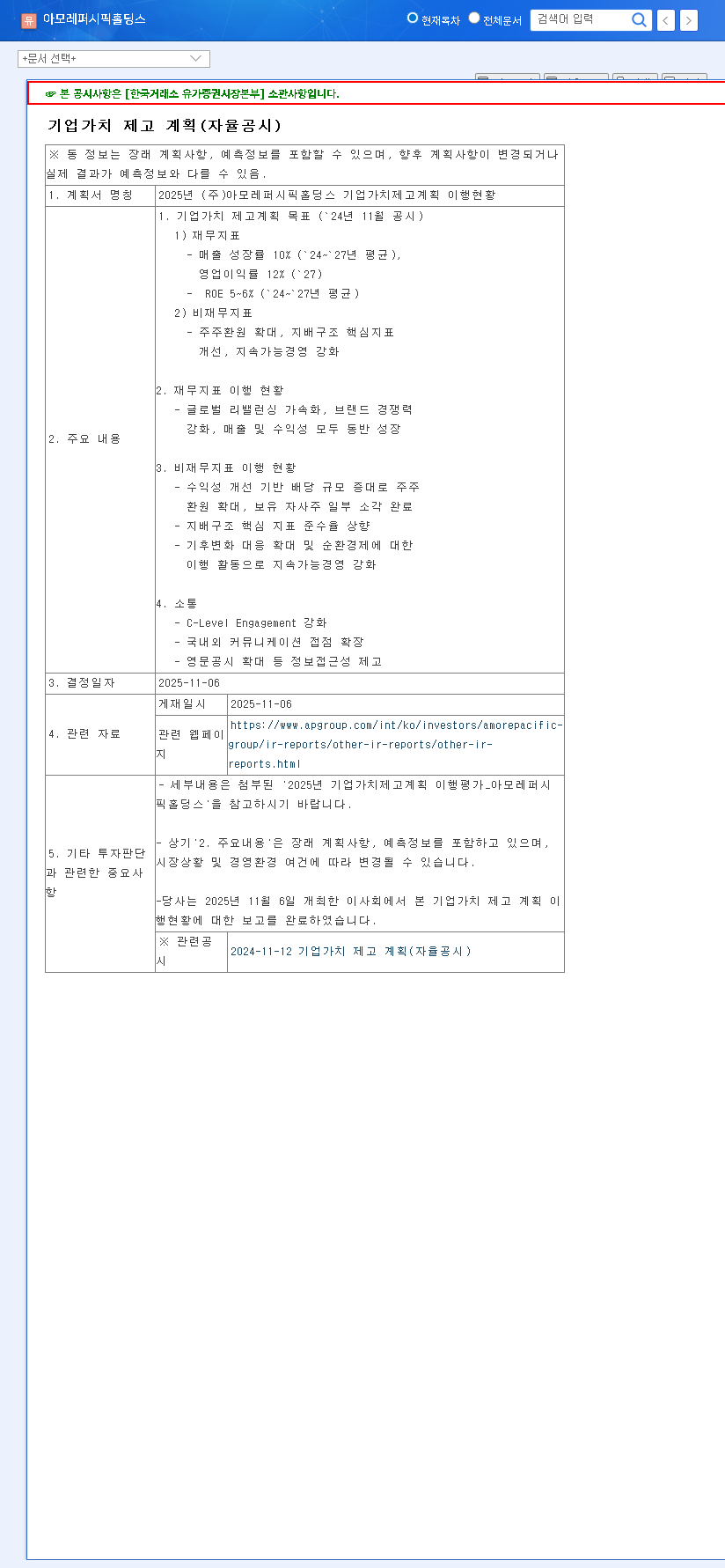
    On November 6, 2025, AMOREPACIFIC Holdings Corp. announced the disposal of 2,124 treasury shares, valued at approximately KRW 100 million. The stated purpose was to provide performance-based bonuses for employees. You can view the Official Disclosure on the DART system for full details.

    While using stock for employee compensation can align interests and boost morale, the scale of this transaction is negligible. It has no material impact on the total number of outstanding shares or the company’s overall valuation. Therefore, investors should view this as a routine operational matter rather than a significant signal for the stock’s direction. The real story lies within the company’s core business fundamentals.

    While the treasury stock disposal is a non-event for the market, the underlying fundamentals of AMOREPACIFIC Holdings Corp. present a compelling mix of robust international growth and persistent domestic challenges, warranting a neutral but watchful investment stance.

    Core Fundamentals: Growth vs. Headwinds

    To truly assess the investment value of AMOREPACIFIC Holdings Corp., we must look at its financial performance and strategic positioning. The first half of 2025 painted a promising picture, with sales reaching KRW 2,259.7 billion (a 12.3% year-over-year increase) and operating profit soaring to KRW 209 billion (a 119.4% increase).

    Positive Fundamentals: The Growth Engines

    • Explosive Overseas Growth: The international business surged by an impressive 26.6%, serving as the primary performance driver. This was fueled by a successful restructuring of the China business and the strategic acquisition of the popular brand COSRX, which has resonated with a global audience. This diversification reduces reliance on any single market.
    • Strong Brand Equity: In its home market, luxury brands like Sulwhasoo and Hera maintain a powerful competitive moat. Furthermore, the expansion of AESTURA into the derma-specialized category is tapping into a high-growth segment, showcasing the company’s ability to innovate and capture new Korean beauty trends.
    • Shareholder-Friendly Actions: Beyond operations, the company’s commitment to R&D and past decisions on treasury stock cancellation are positive signals for those focused on long-term shareholder value enhancement.

    Negative Fundamentals & Risks to Monitor

    • Intense Domestic Competition: The South Korean cosmetics market is hyper-competitive. The rise of agile indie brands and shifting consumer preferences pose a constant threat, as evidenced by the sales decline in some subsidiaries like Innisfree.
    • China Market Volatility: While restructuring has helped, the Chinese market remains sensitive to fierce local competition and rapid shifts in consumer sentiment. Any geopolitical or economic shifts could impact this key region.
    • Macroeconomic Pressures: Global factors cannot be ignored. A strengthening won against the dollar could erode profitability from overseas sales. Additionally, volatility in raw material prices could increase production costs, squeezing margins. Investors should monitor the global macroeconomic environment closely.

    2025 Investor Action Plan for AMOREPACIFIC Stock

    Given the balance of strong growth drivers and tangible risks, our outlook for AMOREPACIFIC Holdings Corp. is Neutral. This rating suggests that while the stock is not a clear ‘buy’ for aggressive growth seekers, it holds potential for patient, long-term investors who are confident in its international expansion strategy. Investors should focus on the company’s fundamental performance rather than minor events.

    Your strategy should involve continuous monitoring of key performance indicators. Pay close attention to quarterly reports for updates on overseas market growth, particularly in North America and emerging markets beyond China. Evaluate the company’s initiatives to revitalize its domestic brands and gain market share. Finally, keep an eye on macroeconomic trends like exchange rates and commodity prices, which can significantly influence profitability.

    (002790) AMOREPACIFIC Holdings Corp. Stock: A 2025 Analysis & Investment Outlook 관련 이미지
  • (003540) DAISHIN SECURITIES Q3 2025 Earnings Analysis: Profit Soars 36%, But Red Flags Emerge

    (003540) DAISHIN SECURITIES Q3 2025 Earnings Analysis: Profit Soars 36%, But Red Flags Emerge

    The latest DAISHIN SECURITIES Q3 2025 earnings report presents a fascinating and complex picture for investors. In a period of sustained market volatility, the company has posted a provisional earnings announcement that is stirring significant debate. On one hand, core business performance, reflected by operating profit, has shattered market expectations. On the other, the bottom-line net income has faltered, raising critical questions about underlying financial health and future prospects.

    This comprehensive DAISHIN SECURITIES earnings analysis will dissect these contrasting results, explore the driving factors behind them, and provide a strategic guide for current and potential investors. What does this divergence signify for the DAISHIN SECURITIES stock, and how should you position your portfolio in response?

    While operating profit surged an impressive 36% above expectations, net income unexpectedly dipped 6% below forecasts, creating a complex narrative that requires a deeper look beyond the headlines.

    DAISHIN SECURITIES Q3 2025 Earnings: The Official Numbers

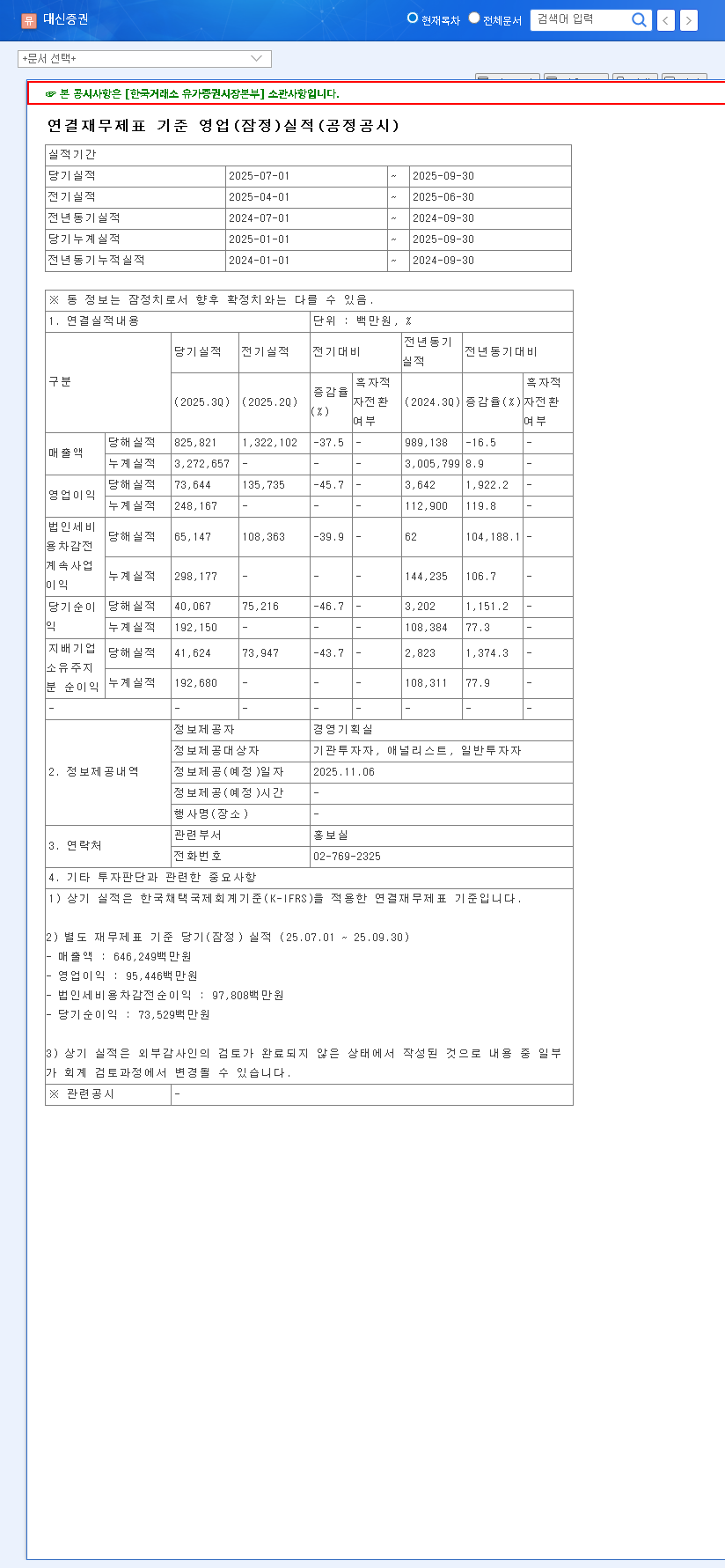
    According to the provisional data disclosed on November 6, 2025, the company’s consolidated performance for the third quarter revealed the following key metrics. For a complete and unfiltered view, investors can review the Official Disclosure filed with the Financial Supervisory Service (DART).

    • Revenue: KRW 825.8 billion (Market Estimate N/A)
    • Operating Profit: KRW 73.6 billion (36% above the market estimate of KRW 54.3 billion)
    • Net Profit: KRW 41.6 billion (6% below the market estimate of KRW 44.3 billion)

    The Bull & Bear Case: Deconstructing the Results

    The core of this quarter’s story lies in the significant gap between operational success and net profitability. Let’s break down the positive and negative drivers influencing these outcomes.

    The Bull Case: A Resilient Core Business

    The standout figure—operating profit of KRW 73.6 billion—is a powerful testament to the strength of DAISHIN SECURITIES’ primary business activities. This performance indicates that segments like brokerage, investment banking, and asset management are thriving despite a challenging economic backdrop. The company has shown a remarkable turnaround, maintaining a strong positive operating profit trend since Q1 2025, following a loss in Q4 2024. This consistent recovery builds confidence in the management’s strategy and operational execution.

    The Bear Case: The Mystery of the Net Income Miss

    Despite the robust operating profit, the net income of KRW 41.6 billion is a point of concern. This shortfall suggests that factors outside of core operations negatively impacted the bottom line. Such factors could include:

    • Non-operating Losses: Losses from the valuation of financial assets, investments in associate companies, or foreign exchange translations could be significant culprits.
    • One-Time Expenses: A specific, non-recurring cost or a significant litigation provision could have dragged down net profit.
    • Higher Corporate Taxes: An increase in the effective tax rate for the quarter could also explain the discrepancy. For more details, investors might want to review our guide on analyzing a company’s income statement.

    This quarterly decline in net income, when compared to Q1 (KRW 76.9 billion) and Q2 (KRW 75.2 billion), warrants close scrutiny in the full, audited report.

    Market Outlook and Strategic Considerations

    The forward-looking picture for securities company earnings is tied to broader market forces. A projected revenue decline for Q4 2025 could signal weakening investor sentiment or lower asset management fees. Furthermore, macroeconomic variables such as high KRW/USD exchange rates and interest rate policies from central banks can introduce significant volatility, as highlighted by recent global market analysis from Reuters. While stable U.S. Treasury yields may offer some stability, the overall environment remains uncertain.

    The company’s previously stated purpose for holding treasury shares—to enhance shareholder value and improve its financial structure—is a positive signal of shareholder-friendly policies. However, its direct impact on near-term profitability remains to be seen.

    Investor Guide: A Smart Action Plan

    Given the mixed signals from the DAISHIN SECURITIES Q3 2025 earnings, investors should adopt a cautiously optimistic approach. While the operational recovery is encouraging, the potential red flags cannot be ignored. Here is a checklist for informed decision-making:

    • Analyze the Full Report: Wait for the finalized, detailed financial statements to pinpoint the exact cause of the net income decline.
    • Monitor Revenue Trends: Closely watch for signs that the company is developing new growth drivers to counter the potential slowdown in revenue.
    • Track Treasury Stock Utilization: Observe how and when the company uses its treasury stock to ensure it translates into tangible shareholder value.
    • Assess Macro-Environment: Stay informed about changes in exchange rates, interest rates, and overall market sentiment that directly affect the securities industry.

    Frequently Asked Questions (FAQ)

    What are the key takeaways from DAISHIN SECURITIES’ Q3 2025 earnings?

    The key takeaway is a dual narrative: the company’s core operations are performing exceptionally well (operating profit up 36% over estimates), but its final net profit was dragged down by other factors (down 6% vs. estimates), signaling a need for deeper investigation.

    Why did net income decrease while operating profit rose?

    The most likely causes are non-operating factors. These can include valuation losses on investments, foreign exchange impacts, one-time expenses, or a higher-than-expected corporate tax bill. The full financial report will provide clarity.

    What should investors watch for in the coming months?

    Investors should focus on the detailed explanation for the net income miss, the company’s strategy to address declining revenue trends, and how management plans to use treasury stock to benefit shareholders.

    (003540) DAISHIN SECURITIES Q3 2025 Earnings Analysis: Profit Soars 36%, But Red Flags Emerge 관련 이미지
  • (009160) SIMPACInc Lawsuit: Merger in Jeopardy & In-Depth Financial Analysis for Investors

    (009160) SIMPACInc Lawsuit: Merger in Jeopardy & In-Depth Financial Analysis for Investors

    A critical legal battle is unfolding for SIMPACInc, as a significant shareholder lawsuit threatens to derail its planned merger with parent company SIMPAC Holdings. This SIMPACInc lawsuit arrives at a time when the company is already navigating severe financial turbulence, creating a perfect storm of uncertainty for investors. This comprehensive analysis will explore the core issues of the litigation, provide a deep dive into SIMPACInc’s financial health, and outline the potential consequences for stakeholders.

    Understanding the intersection of this legal challenge and the company’s underlying performance is crucial for making informed investment decisions. We will unpack the details to provide clarity on SIMPACInc’s current standing and its precarious future.

    Dissecting the SIMPACInc Lawsuit: What’s at Stake?

    The legal action was initiated on October 2, 2025, by shareholder ‘MJ Partners Co., Ltd.’, which filed a ‘Lawsuit for Confirmation of Nullity of Board Resolution Regarding Merger’. At its heart, the lawsuit contests the validity of the board’s decision to merge with SIMPAC Holdings. The two primary points of contention are the procedural legality of the merger resolution and, critically, the fairness of the proposed merger ratio of 1:34.2122440. Such disputes often arise when minority shareholders believe the valuation used to determine the share swap ratio unfairly benefits the acquiring company at their expense. The official details of the filing provide the primary account of this challenge. (Official Disclosure)

    The confluence of a contentious merger lawsuit and deteriorating financial health creates a perfect storm of uncertainty for SIMPACInc, demanding careful scrutiny from all stakeholders.

    Financial Red Flags: A Deep Dive into SIMPACInc’s Performance

    The SIMPACInc merger plan doesn’t exist in a vacuum. It’s set against a backdrop of sharply declining financial health, which is likely the key motivator for the consolidation. A thorough SIMPACInc financial analysis reveals several worrying trends between December 2022 and December 2024:

    Revenue has collapsed, falling from KRW 1,147.7 billion to just KRW 627.2 billion—a staggering 45% drop in two years. This indicates a severe contraction in its core business. More alarmingly, Operating Profit plummeted from KRW 175.8 billion to a mere KRW 19.1 billion, showcasing an inability to maintain profitability amidst falling sales. While Net Income improved from a loss of KRW 196.1 billion to a loss of KRW 128.1 billion, the company remains deeply in the red. Furthermore, the Debt-to-Equity Ratio has swelled from 92.27% to 114.65%, signaling increased financial risk and leverage. This precarious financial state makes the strategic direction of the company, including the now-contested merger, all the more critical.

    Macroeconomic Headwinds and Market Pressures

    SIMPACInc’s internal struggles are compounded by a challenging global economic environment. Persistently high interest rates in key markets (US, Europe, and Korea) increase borrowing costs, putting further strain on the company’s balance sheet and making it more expensive to fund operations or invest in growth. For a detailed overview of global economic indicators, investors can consult authoritative sources like Bloomberg’s Market Data. While commodity prices and freight indices show some stability, the high-cost capital environment remains a significant hurdle for industrial companies like SIMPACInc.

    Potential Fallout: Ripple Effects of the Merger Dispute

    The ongoing SIMPACInc lawsuit introduces several layers of risk that could have far-reaching effects:

    • Heightened Merger Uncertainty: The most direct impact is the potential delay or complete nullification of the merger with SIMPAC Holdings. This ambiguity clouds the company’s strategic roadmap for financial recovery.
    • Downward Pressure on Stock Price: Legal uncertainty is toxic for investor sentiment. The perceived risk will likely lead to a sell-off, depressing the stock’s value until a clear resolution is reached.
    • Management Distraction: Protracted litigation diverts significant time, attention, and resources away from core business operations and turnaround efforts, potentially causing further performance degradation.
    • Erosion of Corporate Value: An unfavorable ruling or a drawn-out legal fight can damage the company’s reputation and credibility, impacting its long-term value and relationships with stakeholders.

    Strategic Guidance for SIMPACInc Investors

    Given the high stakes, investors should adopt a cautious and diligent approach. The primary focus should be on monitoring lawsuit developments, as the outcome will be a major catalyst for the company’s future. Beyond the courtroom, it is imperative to scrutinize management’s efforts to improve the company’s dire fundamentals. Without a tangible turnaround in revenue and profitability, even a successful merger may not be enough to create sustainable value. If you’re new to this type of situation, it may be helpful to read up on how to analyze corporate legal risks before making any decisions. Ultimately, any investment thesis must weigh the potential for a strategic turnaround against the considerable legal and financial risks currently at play.

    In conclusion, while the lawsuit does not alter SIMPACInc’s existing financial data, it introduces a significant variable that could profoundly shape its path forward. Prudence and close monitoring are strongly advised.

    (009160) SIMPACInc Lawsuit: Merger in Jeopardy & In-Depth Financial Analysis for Investors 관련 이미지