Tag: Investment Warning

  • (102280) SBW Delisting Crisis 2025: An In-Depth Financial Analysis for Ssangbangwool Investors

    (102280) SBW Delisting Crisis 2025: An In-Depth Financial Analysis for Ssangbangwool Investors

    The ongoing SBW delisting crisis has reached a critical boiling point, leaving investors of Ssangbangwool (SBW) in a precarious position. Following the court’s dismissal of its injunction to halt the delisting process, the company’s immediate appeal signals a desperate, final stand. This comprehensive analysis will unpack the layers of this corporate crisis, from the dire financial health and severe operational risks to the complete erosion of market trust. For anyone holding SBW stock or considering its future, this guide provides essential clarity and a stark, urgent action plan.

    We will delve into the specific reasons behind the delisting decision, examine the alarming financial figures, and assess the likelihood of the company’s survival. The situation demands immediate attention, as the risk of total investment loss is now higher than ever.

    The Latest Development: A Legal Battle on Life Support

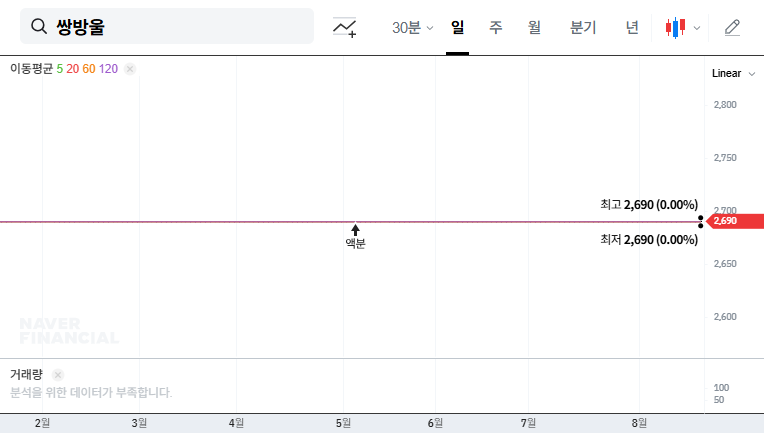
    On November 13, 2025, SBW formally announced its immediate appeal against the court’s decision to dismiss its injunction. This legal maneuver is a direct response to the Seoul Southern District Court’s refusal to suspend the Korea Exchange’s delisting order. The original delisting decision, issued on February 11, 2025, was triggered by serious allegations of embezzlement and breach of trust involving former executives. This appeal represents the company’s last-ditch effort to remain on the stock exchange. You can view the Official Disclosure on DART for more details. However, legal experts suggest the probability of overturning the decision at this stage is extremely low, meaning the SBW delisting crisis is likely entering its final, decisive phase.

    With legal avenues narrowing and financials in a freefall, SBW is facing an existential threat. The core issue is not just poor performance but a fundamental breakdown in corporate governance and trust, making a recovery highly improbable.

    Urgent Financial Analysis: A Company in Distress

    A close look at SBW’s fundamentals reveals a company teetering on the brink of collapse. The numbers paint a grim picture that goes far beyond temporary setbacks, indicating deep-rooted structural problems. For more context on how markets react to such events, see analyses from authoritative sources like Reuters on corporate governance failures.

    1. Severe Financial Deterioration

    • Expanding Losses: For the 2024 fiscal year, SBW reported a consolidated operating loss of approximately KRW 2.29 billion and a staggering net loss of KRW 10.33 billion. This isn’t a one-off event but a continuation of a trend of widening deficits, showing the business is fundamentally unprofitable.
    • Deep Capital Impairment: The company’s financial stability is shattered, with an accumulated deficit of approximately KRW 165.89 billion in retained earnings. This severe capital impairment means its equity has been significantly eroded by sustained losses.
    • Unrecovered Embezzled Funds: A sum of KRW 8.481 billion from the embezzlement and breach of trust scandal remains unrecovered, acting as a direct drain on the company’s already scarce resources.

    2. Operational & Reputational Risks

    • Eroded Credibility: A fine for dishonest disclosure related to its mask business has severely damaged the company’s reputation for transparency. This loss of trust makes it difficult to attract partners, customers, and investors.
    • Declining Core Business: While the Try/mask segment showed a minor increase, sales in retail and overseas operations have fallen, pointing to a loss of competitiveness and market share.
    • Credit Downgrade: The company’s credit rating has been lowered to BB-, a sub-investment grade that will make it incredibly difficult and expensive to secure future funding, effectively cutting off a vital financial lifeline.

    Investor Action Plan: Navigating the SBW Delisting Crisis

    Given the overwhelming negative factors, the investment outlook for SBW is rated as ‘Very Negative.’ The path to recovery is virtually non-existent, and the primary risk is the total and permanent loss of invested capital. New investments in SBW stock should be avoided at all costs. For existing shareholders, the focus must shift from hope for recovery to aggressive loss mitigation. To learn more about managing high-risk assets, you can read our guide on understanding portfolio risk.

    Urgent Recommendations for SBW Investors

    • Investment Opinion: IMMEDIATE SELL. The probability of delisting is exceptionally high. Holding onto shares in the hope of a miraculous turnaround is a high-risk gamble with a very low chance of success. Selling now, even at a significant loss, is the most prudent strategy to prevent a complete wipeout.
    • Cease Further Monitoring: The company’s fundamentals are broken. Continuing to spend time and resources tracking SBW news is unlikely to yield any positive outcomes. It’s time to reallocate your focus and capital to more viable investments.
    • Consider Legal Options (with caution): While investors could explore legal action to recover funds, the success rate for such cases against a financially insolvent company is historically very low. This path should only be considered after consulting with a legal professional and weighing the potential costs against the slim chance of recovery.

    In conclusion, the SBW delisting crisis is not a temporary downturn but a terminal event for the company as a publicly-traded entity. The combination of financial ruin, legal condemnation, and a complete loss of trust creates an insurmountable challenge. The time for decisive, protective action is now.
  • (016790) HYUNDAI FEED Inc. Stock Attachment: A Critical Investor Warning (016790 Analysis)

    (016790) HYUNDAI FEED Inc. Stock Attachment: A Critical Investor Warning (016790 Analysis)

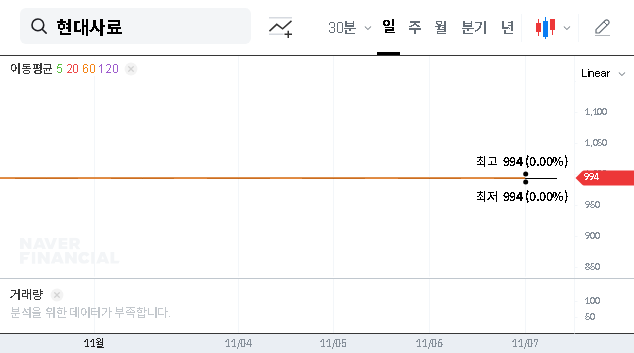
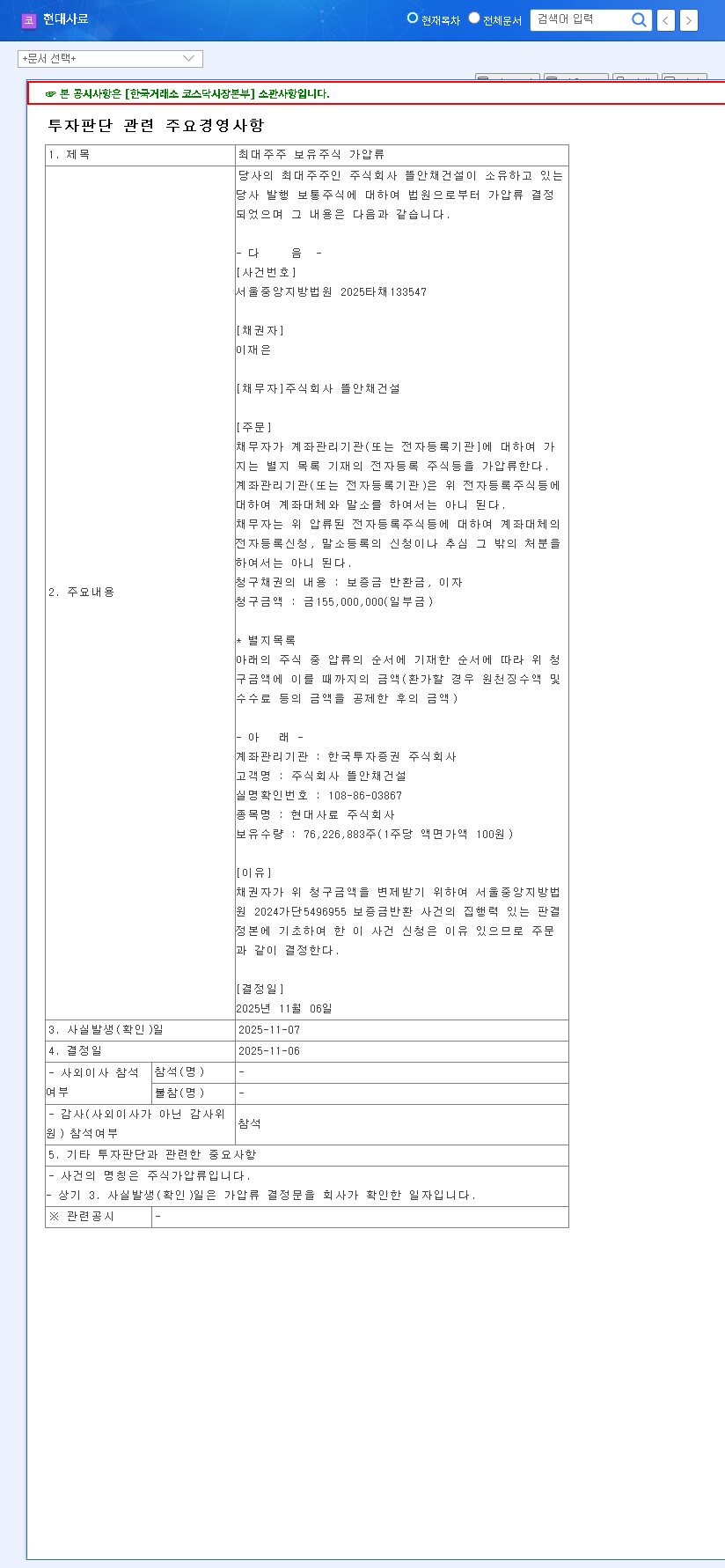
    For a company already on the brink, the latest news surrounding HYUNDAI FEED Inc. (016790) serves as a critical alarm for investors. Already navigating the treacherous waters of severe capital impairment and a pending delisting decision, the company now faces a court-ordered HYUNDAI FEED Inc. stock attachment on its major shareholder’s holdings. This development dramatically escalates the existing 016790 investment risk profile, casting a dark shadow over its future management stability and survival on the stock market. What are the precise implications of this legal action, and how should current and potential investors navigate this high-stakes situation? This comprehensive analysis provides the answers.

    The Event: Unpacking the Major Shareholder Stock Attachment

    On November 13, 2025, HYUNDAI FEED Inc. formally disclosed a ‘Key Management Matter’ concerning the attachment of its major shareholder’s shares. This is not a routine filing; it’s a significant event with potentially severe consequences. According to the Official Disclosure, the core details are:

    • Attached Asset: A court has ordered an attachment on 76,226,883 common shares of HYUNDAI FEED Inc. owned by the major shareholder, Tteuranchaechungseol Co., Ltd.
    • Underlying Claim: The legal action stems from a relatively small claim of 30,000,000 KRW for a lease deposit refund.
    • Core Concern: The primary fear is the significant uncertainty this introduces regarding the major shareholder’s ability to exercise management rights and the looming possibility of a forced equity sale.

    Why This Matters: A Perfect Storm of Red Flags

    This stock attachment is not an isolated incident. It pours fuel on an already raging fire of financial and operational crises at HYUNDAI FEED Inc. To understand the full gravity, we must look at the company’s fragile state.

    1. Devastated Corporate Fundamentals

    The company’s H1 2025 report painted a bleak picture. Revenue from its core compound feed business fell 17.8% year-over-year. More critically, as of June 2025, the company’s retained earnings were a staggering -433.88 billion KRW. This signifies a state of severe capital impairment, where accumulated losses have wiped out the company’s entire capital stock, a condition that threatens its very existence.

    2. The Impending HYUNDAI FEED Delisting Threat

    The company is not just financially weak; it is actively fighting for its life on the KOSDAQ market. A delisting decision was already made in August 2025, and HYUNDAI FEED Inc. is currently in a desperate appeal process. This stock attachment event could weaken its case and further jeopardize its chances of remaining a publicly traded company.

    The attachment of the major shareholder’s shares is a significant negative factor that maximizes business uncertainty and further erodes investor confidence in a company already on life support.

    Projected Impact on Investors and the Company

    The ripple effects of the HYUNDAI FEED Inc. stock attachment will be felt in both the short and long term, compounding the existing 016790 investment risk.

    Short-Term Impact (1-4 weeks)

    • Price Pressure: Expect immediate and significant downward pressure on the stock price as investor confidence plummets.
    • Heightened Volatility: Panic selling and speculative trading could lead to extreme price swings and erratic trading volumes.
    • Erosion of Trust: This event completely shatters any remaining market trust, making it nearly impossible for the company to attract new capital.

    Mid- to Long-Term Impact (Beyond 1 month)

    • Risk of Forced Sale: If the claim is not settled, the attached shares could be sold off, leading to a chaotic change in management control. For more on this, read our guide on how to analyze high-risk stocks.
    • Paralyzed Strategy: The uncertainty surrounding ownership will stall any meaningful financial restructuring or long-term business strategy.
    • Weakened Delisting Appeal: This instability could be viewed negatively by market authorities, potentially dealing a final blow to the company’s appeal to maintain its listing.

    Final Verdict & Investor Action Plan

    Given the confluence of severe financial distress, an active delisting threat, and now a destabilizing major shareholder stock attachment, the investment outlook for HYUNDAI FEED Inc. is exceptionally poor.

    Investment Opinion: ‘NOT RECOMMENDED / AVOID’

    We strongly advise against any new investment in HYUNDAI FEED Inc. The risks overwhelmingly outweigh any potential for speculative gains. The fundamental pillars of the company are crumbling, and this latest event has significantly increased the probability of a worst-case scenario, such as a complete wipeout of shareholder value through delisting.

    For Existing Shareholders: Extreme caution is warranted. The likelihood of further capital loss is high. Investors should closely monitor the delisting appeal process and any news regarding the resolution of the stock attachment. Preparing an exit strategy to minimize losses should be a top priority.

    (016790) HYUNDAI FEED Inc. Stock Attachment: A Critical Investor Warning (016790 Analysis) 관련 이미지
  • (066790) CCS Management Dispute: A Critical Investor Warning for KOREA CABLE T.V (033630)

    (066790) CCS Management Dispute: A Critical Investor Warning for KOREA CABLE T.V (033630)

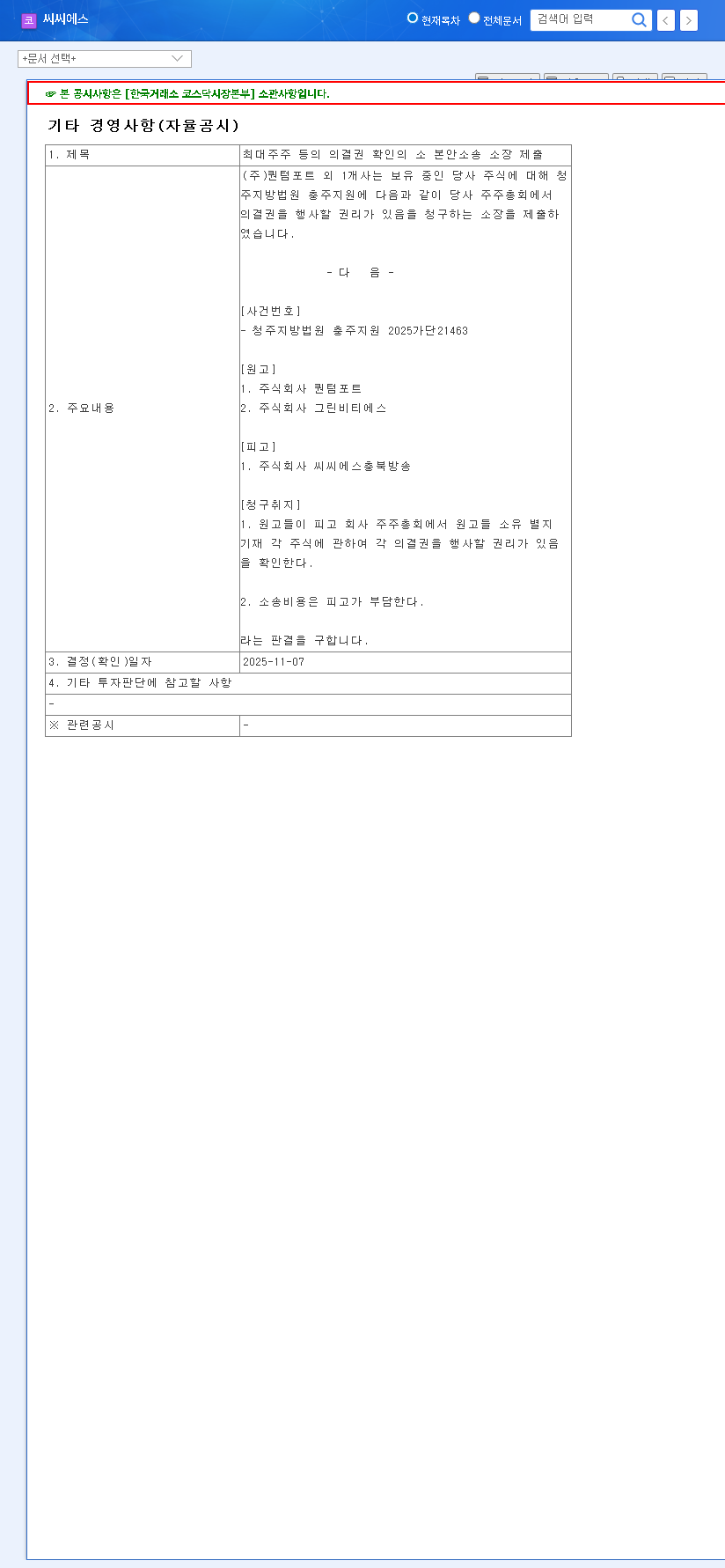
    The unfolding CCS management dispute has cast a dark shadow over KOREA CABLE T.V CHUNG-BUK SYSTEM CO., LTD. (CCS), a company already struggling under the weight of an ‘administrative issue stock’ designation. On November 13, 2025, a public disclosure confirmed the filing of a lawsuit seeking an injunction to suspend the duties of its current leadership. This legal challenge is not merely a corporate squabble; it’s a direct threat to the company’s operational stability and very existence, sending a clear investor warning to the market.

    This comprehensive analysis will dissect the lawsuit’s details, explore the crumbling corporate fundamentals of CCS, and evaluate the profound implications for current and potential investors. As uncertainty swirls, understanding the full scope of this crisis is paramount for making informed financial decisions.

    The Lawsuit Unpacked: A Leadership Coup in Motion

    At the heart of the CCS management dispute is a formal ‘Application for Provisional Injunction to Suspend Duties.’ Filed by a significant group of 46 individuals, this legal action aims to paralyze the current management team and install a court-appointed administrator. The official disclosure (Source) outlines the core requests:

    • Plaintiffs: Kang ○○ and 45 others.
    • Defendants: CEO Kwon ○○, Internal Director Kim ○○, and Outside Director Jeon ○○.
    • Objective: Immediately suspend the executive duties of the defendants and appoint a neutral temporary administrator.
    • Company Stance: CCS has stated its intention to respond through standard legal channels.

    This is far more than a procedural matter. An injunction, if granted, would create a power vacuum at the top, halting strategic decisions, disrupting daily operations, and further spooking an already anxious market. Such events often signify deep-rooted issues with corporate governance, a topic frequently analyzed by leading financial news outlets like Bloomberg.

    When a company already flagged as an ‘administrative issue stock’ faces a leadership challenge of this magnitude, it’s not just a red flag for investors—it’s a blaring siren signaling imminent danger.

    A Foundation of Instability: Why CCS Was Vulnerable

    The current management dispute lawsuit did not arise in a vacuum. KOREA CABLE T.V CHUNG-BUK SYSTEM CO., LTD. has been on precarious ground for some time, plagued by a combination of financial decay and regulatory scrutiny.

    Deteriorating Corporate Fundamentals

    The company’s core business has been in steady decline. Shrinking revenues from its broadcasting and advertising segments have led to widening deficits. Its financial health is critically weak, with substantial debt relative to assets and a massive retained earnings deficit. This history of poor performance is a key reason why it was designated an administrative issue stock, a label reserved for companies with severe solvency or governance problems, often a precursor to delisting.

    A History of Turmoil and Legal Risk

    CCS is no stranger to controversy. The company’s past is littered with issues including embezzlement, breach of trust allegations, and unfaithful disclosures. A recent change in the largest shareholder that failed to secure approval under the Broadcasting Act triggered a trading halt and exacerbated its legal woes. This pattern of instability has resulted in extreme stock price volatility, destroying investor confidence long before the current lawsuit was filed.

    Impact Analysis: The Domino Effect of the CCS Management Dispute

    The consequences of this management dispute lawsuit will be swift and severe, creating a domino effect that could lead to the company’s ultimate collapse.

    • Escalated Management Uncertainty: A leadership vacuum will paralyze strategic initiatives, from daily operations to crucial new business ventures or life-saving investment attraction.
    • Accelerated Financial Collapse: The dispute will make it nearly impossible to raise capital. With its already weak financial structure, any efforts to secure funding to improve its balance sheet will be futile.
    • Increased Delisting Risk: For an administrative issue stock, a major management dispute is a critical blow. It significantly increases the probability that the stock exchange will initiate delisting procedures, which could wipe out remaining shareholder value.
    • Stock Price Plummet: In the short term, investor sentiment will be crushed, making a steep price decline inevitable upon resumption of trading. In the long term, a prolonged dispute could render normal business operations impossible, causing irreparable damage to the company’s valuation.

    Conclusion: An Action Plan for Investors

    KOREA CABLE T.V CHUNG-BUK SYSTEM CO., LTD. (CCS) is at a critical juncture. The combination of its administrative issue status and this new management dispute lawsuit creates a scenario of exceptionally high risk. The overarching investment opinion is a “Strong Sell.”

    Recommended Actions:

    • Avoid New Investments: Under no circumstances should new capital be allocated to CCS. The risk of total loss is unacceptably high.
    • Existing Shareholders – Damage Control: Current investors should develop a cautious exit strategy to minimize further losses, acknowledging that a significant portion of value may already be lost.
    • Monitor Key Information: Closely track the court’s decision on the injunction, official company disclosures, and any announcements from the stock exchange regarding the company’s listing status.
    • Explore Alternatives: Prudent investors should reallocate funds to companies with strong financial health, transparent governance, and clear growth potential. Learning how to analyze company fundamentals is a crucial skill in avoiding similar situations.

    In its current state, CCS represents a textbook case of a high-risk investment collapsing under the weight of its own internal failures. Active avoidance is the most rational strategy for investor protection.

    (066790) CCS Management Dispute: A Critical Investor Warning for KOREA CABLE T.V (033630) 관련 이미지
  • (102280) SBW Delisting Confirmed: The Final Investor Action Plan for Ssangbangwool Stock

    (102280) SBW Delisting Confirmed: The Final Investor Action Plan for Ssangbangwool Stock

    The final chapter for Ssangbangwool (SBW, 102280) on the public market is closing. The recent court decision has officially confirmed the SBW delisting, creating an urgent and high-stakes situation for all current shareholders. This is no longer a distant threat; it is an immediate reality that could result in the total loss of investment capital if not addressed with a clear and decisive strategy. This in-depth analysis breaks down the final verdict, the underlying causes, and provides a critical action plan for investors navigating this financial storm.

    The Final Verdict: Liquidation Trading Begins

    On November 12, 2025, the court delivered a critical blow by denying SBW’s request for an injunction to halt the delisting process. This ruling effectively sealed the company’s fate. As a direct consequence, the Korea Exchange announced that a final period of liquidation trading for SBW shares will take place from November 19, 2025, to November 27, 2025. After this brief window, trading will be permanently halted, rendering the shares illiquid and effectively worthless on the public market. For more details on the official proceedings, you can review the Official Disclosure.

    Unraveling the Downfall: Why is Ssangbangwool Being Delisted?

    A company’s delisting is rarely a sudden event. In SBW’s case, it’s the culmination of severe, long-standing issues that have systematically eroded investor trust and destroyed the company’s financial foundation. The primary reasons for the Ssangbangwool delisting can be traced back to three core areas of failure.

    A Crisis of Integrity: Embezzlement and Breach of Trust

    The most significant catalyst was the alleged embezzlement and breach of trust by former executives, amounting to over 13.4 billion KRW. Such massive internal corruption strikes at the very heart of a publicly-traded company’s credibility. It signals a complete breakdown in corporate governance and transparency, making it impossible for exchanges and investors to trust the company’s management and financial reporting.

    The Bleeding Balance Sheet: Critical Financial Instability

    The company’s financial health has been in a state of terminal decline. With consolidated deficits soaring past 173.2 billion KRW, SBW was suffering from severe capital impairment. Continuous operating losses and declining sales painted a picture of a business unable to sustain itself. This financial distress, exacerbated by the potential liabilities from the ongoing legal battles, left the company fundamentally nonviable in the eyes of regulators.

    A Pattern of Deception: History of Dishonest Disclosures

    Trust is the currency of the stock market. SBW’s history of being designated as a ‘dishonest disclosure corporation’ further damaged its reputation. Issues surrounding supply contract disclosures demonstrated a lack of transparency, making it impossible for investors to make informed decisions based on reliable information. This pattern of behavior is a major red flag that stock exchanges take extremely seriously.

    The confirmed delisting signifies a final vote of no confidence from the market. For shareholders, this means the value of their SBW stock will almost certainly converge to zero, leading to irreversible capital losses.

    Your Urgent Investor Action Plan

    Given the finality of the SBW delisting, immediate and pragmatic action is required. Hope is not a strategy. Investors must consider the following steps to mitigate further damage. For a broader understanding of this process, you can read more about what delisting means for shareholders on high-authority financial sites.

    • Absolutely No New Investments: Under no circumstances should you invest new money into SBW. The delisting is confirmed, and any additional capital invested is highly likely to be lost completely.
    • Utilize the Liquidation Trading Window: For current shareholders, the period from Nov. 19 to Nov. 27 is the last chance to exit your position. We strongly advise selling your holdings to salvage any remaining value, however small. Be prepared for extremely low prices and high volatility.
    • Abandon ‘Wait and See’ Approaches: Holding on in the hope of a miraculous turnaround is unrealistic. Once delisted, shares become untradable on public exchanges, and recovering any investment becomes nearly impossible.
    • Consult a Financial Advisor: If your holdings are significant, consult with a professional financial advisor to discuss potential tax implications and strategies for managing investment losses within your portfolio.

    In conclusion, the court’s decision has removed all uncertainty: the SBW delisting is happening. The priority for every investor must now shift from potential gains to immediate loss mitigation. The liquidation trading period is the final opportunity to act before the window closes for good.

  • (068790) DMS Co.,Ltd. Financial Analysis: LG Contract vs. Critical Auditor’s Disclaimer of Opinion

    (068790) DMS Co.,Ltd. Financial Analysis: LG Contract vs. Critical Auditor’s Disclaimer of Opinion

    The recent news surrounding DMS Co.,Ltd. (DMS) presents a classic case of conflicting signals for investors. While a newly announced supply contract with industry giant LG Display seems positive on the surface, a much more sinister issue lurks within its financial reporting: a critical auditor’s disclaimer of opinion. This analysis unpacks the details of the contract, the severe implications of the audit issue, and DMS’s deteriorating financial health to provide a clear perspective on the inherent investment risks.

    This comprehensive breakdown is essential for any investor looking to understand whether the recent contract is a sign of recovery or merely a distraction from fundamental, potentially catastrophic, problems at DMS Co.,Ltd.

    The LG Display Contract: A Glimmer of Hope?

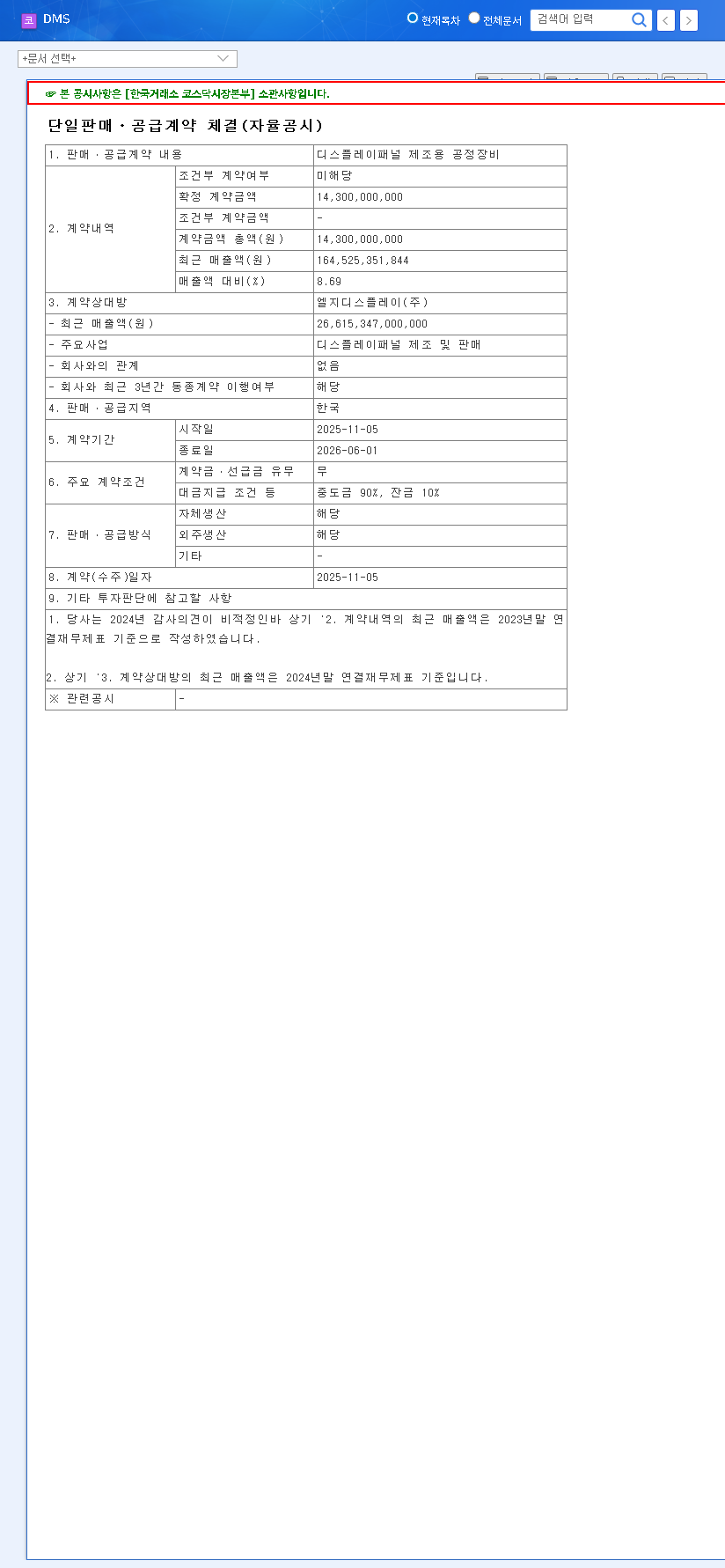
    On November 6, 2025, DMS Co.,Ltd. disclosed a significant supply agreement for display panel manufacturing equipment with LG Display Co., Ltd. This deal, valued at 14.3 billion KRW, represents approximately 8.69% of the company’s projected annual revenue. The contract period extends from November 5, 2025, to June 1, 2026. You can view the Official Disclosure on DART for more details.

    Ordinarily, securing a contract with a key client like LG Display would be a bullish signal, suggesting continued operational relevance and potential for short-term revenue stability. However, this positive news is overwhelmingly overshadowed by a profound issue that strikes at the very heart of the company’s credibility.

    The Critical Red Flag: DMS’s Auditor’s Disclaimer of Opinion

    The most significant factor in any DMS financial analysis is the ‘auditor’s disclaimer of opinion’ issued for its financial statements as of December 31, 2024. This is not a minor concern; it is one of the most severe findings an auditor can issue and serves as a major warning to the market.

    What Does a ‘Disclaimer of Opinion’ Actually Mean?

    In simple terms, a disclaimer of opinion means the independent auditor was unable to gather sufficient evidence to form an opinion on the accuracy and fairness of the company’s financial statements. It’s like a doctor telling you they couldn’t complete an examination because the patient wouldn’t cooperate or the equipment was broken—you simply cannot trust any conclusions about their health. For a publicly-traded company, this is a catastrophic failure in transparency and governance.

    An auditor’s disclaimer of opinion fundamentally undermines investor confidence, as it renders the company’s reported financial position and performance unreliable. This can be a direct precursor to a stock being delisted from an exchange.

    In the case of DMS Co.,Ltd., the disclaimer was reportedly due to limitations regarding related-party transactions and other major audit procedures. This raises serious questions about internal controls and potential conflicts of interest. For a detailed explanation of this audit finding, you can reference this external resource on understanding audit reports from Investopedia.

    Financial Health Under the Microscope

    Even without the disclaimer, the financial trajectory for DMS Co.,Ltd. is alarming. The 14.3 billion KRW contract is simply not enough to reverse the significant and persistent negative trends.

    • Plummeting Revenue: Projections show a steep and continuous decline in revenue, falling from KRW 1,147.7 billion in 2022 to a forecast of just KRW 469.4 billion in 2025.
    • Profitability Collapse: The company is on track to swing from an operating profit of KRW 175.8 billion in 2022 to a projected operating loss of KRW -30.8 billion in 2025.
    • Worsening Debt Load: The debt-to-equity ratio has climbed from 92.27% to 114.65% in two years, signaling increased financial leverage and risk.
    • Negative Margins: Key metrics like net profit margin and Return on Equity (ROE) show consistently negative trends, indicating an inability to generate value for shareholders.

    These metrics paint a picture of a company in severe distress, a situation that the auditor’s disclaimer of opinion only exacerbates.

    Investment Recommendation: Extreme Caution Required

    Considering the evidence, the DMS investment risk is exceptionally high. The positive sentiment from the LG Display contract is completely negated by the fundamental lack of financial transparency and the company’s rapid financial decline.

    Key Actions for Investors:

    • Await Audit Resolution: No investment should be considered until DMS Co.,Ltd. fully resolves the issues that led to the disclaimer and receives a clean audit opinion. The company must demonstrate a commitment to transparent financial reporting.
    • Monitor Financial Turnaround: Look for multiple consecutive quarters of revenue stabilization, a return to profitability, and an improving balance sheet before re-evaluating.
    • Consider Reducing Exposure: For current investors, the risk of delisting or further value erosion is substantial. It is prudent to consider reducing or eliminating positions until there is concrete proof of a fundamental resolution. For more information, read our guide on how to analyze high-risk stocks.

    In conclusion, the ‘disclaimer of opinion’ is the only story that matters for DMS Co.,Ltd. right now. Until this foundational issue of trust and transparency is rectified, any positive operational news should be viewed with extreme skepticism. A highly cautious, watch-and-wait approach is the only logical strategy.

    (068790) DMS Co.,Ltd. Financial Analysis: LG Contract vs. Critical Auditor's Disclaimer of Opinion 관련 이미지
  • (066790) CCS Delisting Risk Skyrockets: Shareholder Ruling Exposes Deep Crisis | In-Depth Analysis

    (066790) CCS Delisting Risk Skyrockets: Shareholder Ruling Exposes Deep Crisis | In-Depth Analysis

    The CCS delisting risk for investors in KOREA CABLE T.V CHUNG-BUK SYSTEM CO., LTD. (ticker: CCS) has reached a critical point. A recent court decision has invalidated crucial shareholder meeting resolutions, plunging the already troubled company into deeper management chaos. This ruling, combined with a precarious financial state and an ‘administrative issue’ designation, creates a perfect storm that could lead to the company’s removal from the stock exchange. This comprehensive analysis will explore the court’s decision, its devastating impact on the company’s fundamentals, and the essential investment strategy investors must consider to navigate this high-stakes crisis.

    The Verdict That Shook the Company: Shareholder Meeting Nullified

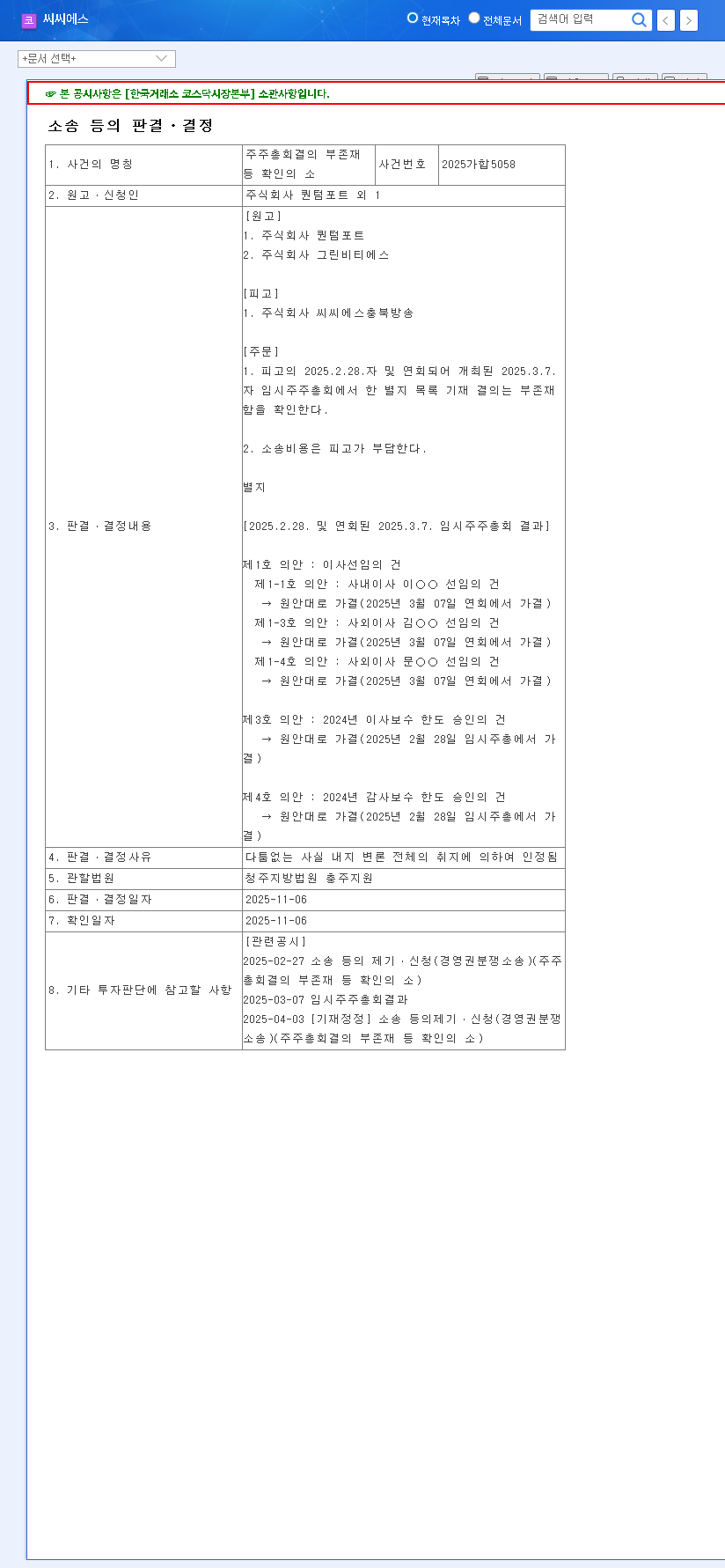
    On November 6, 2025, the Chungju Branch of the Cheongju District Court delivered a landmark ruling against CCS. The court confirmed the nullity of resolutions passed during the company’s extraordinary general meetings in February and March 2025. This decision effectively erases key corporate actions, including the appointment of directors and the approval of compensation limits, rendering them legally void from the start. The full details were made public, as seen in the company’s Official Disclosure (Source: DART).

    What This Ruling Actually Means for CCS

    This isn’t merely a procedural setback; it’s a catastrophic blow to the company’s corporate governance. The ruling raises fundamental questions about who has been legally running the company for the past several months. Key implications include:

    • Leadership Vacuum: The legitimacy of the current board of directors is now under serious legal question, creating a power vacuum and operational paralysis.
    • Invalidated Decisions: Any strategic decisions, contracts, or financial approvals made by the now-invalidated board could be challenged, leading to further legal battles and financial liabilities.
    • Eroded Investor Confidence: The CCS shareholder ruling signals deep-seated internal conflict and instability, which is toxic for investor sentiment and stock valuation.

    Unpacking the Financial Crisis and CCS Delisting Risk

    The legal turmoil is layered on top of an already deteriorating financial foundation. CCS, a cable TV and internet provider, is struggling to compete in a market dominated by IPTV and OTT streaming giants. This competitive pressure is reflected in its dismal financial performance.

    A Business in Rapid Decline

    The half-year report as of June 2025 painted a bleak picture. Revenue fell by 4.3% year-on-year to just KRW 8.7 billion, with declines across all business segments. More alarmingly, the operating loss widened to KRW 1.55 billion, and the net loss ballooned to KRW 1.289 billion. This is not a company experiencing a temporary slump; it’s a business model in structural decline as the media landscape shifts, a trend well-documented by major financial news outlets.

    With expanding losses, negative operating cash flow, and the looming threat of capital impairment, CCS is facing a perfect storm of financial distress that significantly heightens the CCS delisting risk.

    Failed Promises and Management Chaos

    In an apparent attempt to generate investor excitement, CCS added speculative new business objectives like ‘secondary batteries’ and ‘superconductors’ to its charter. However, these are officially listed as ‘not pursued.’ This, coupled with ongoing lawsuits and the uncertainty around the approval of its largest shareholder, points to a management team in disarray. The designation as an ‘administrative issue’ company on August 4, 2025, was the final confirmation that its foundation is crumbling. This designation is a serious warning from the exchange, a topic we cover in our guide on Understanding High-Risk Stock Designations.

    Investment Strategy: An Extremely Conservative Approach is Required

    Given the confluence of legal, financial, and operational crises, a sound investment strategy for CCS must be rooted in extreme caution. The risks overwhelmingly outweigh any speculative potential for returns.

    • Avoid New Investments: The uncertainty is too high for any new capital. Attempting to trade short-term volatility is exceptionally risky and akin to gambling. New investment should be avoided entirely until there is clear, legally-binding resolution to the management control issues.
    • For Existing Shareholders: The situation is dire. Assess your risk tolerance carefully. Holding on hopes for a miraculous turnaround is a high-risk proposition. The possibility of the stock becoming worthless due to delisting is real and must be factored into any decision.
    • Monitor Key Developments: The only course of action is to watch from the sidelines. Key events to monitor include the company’s appeal against the ruling, any announcements of a new, legally-convened shareholder meeting, and updates from the stock exchange regarding its ‘administrative issue’ status.

    In conclusion, the CCS stock analysis reveals a company on the brink. The shareholder ruling was not the cause of its problems but a symptom of a deep-rooted crisis. With its management structure invalidated, finances in freefall, and the very real prospect of delisting, investors are strongly advised to exercise extreme caution and prioritize capital preservation above all else.

    (066790) CCS Delisting Risk Skyrockets: Shareholder Ruling Exposes Deep Crisis | In-Depth Analysis 관련 이미지
  • (020760) ILJIN DISPLAY Improvement Period: A Deep Dive into Delisting Risk & Investor Strategy

    (020760) ILJIN DISPLAY Improvement Period: A Deep Dive into Delisting Risk & Investor Strategy

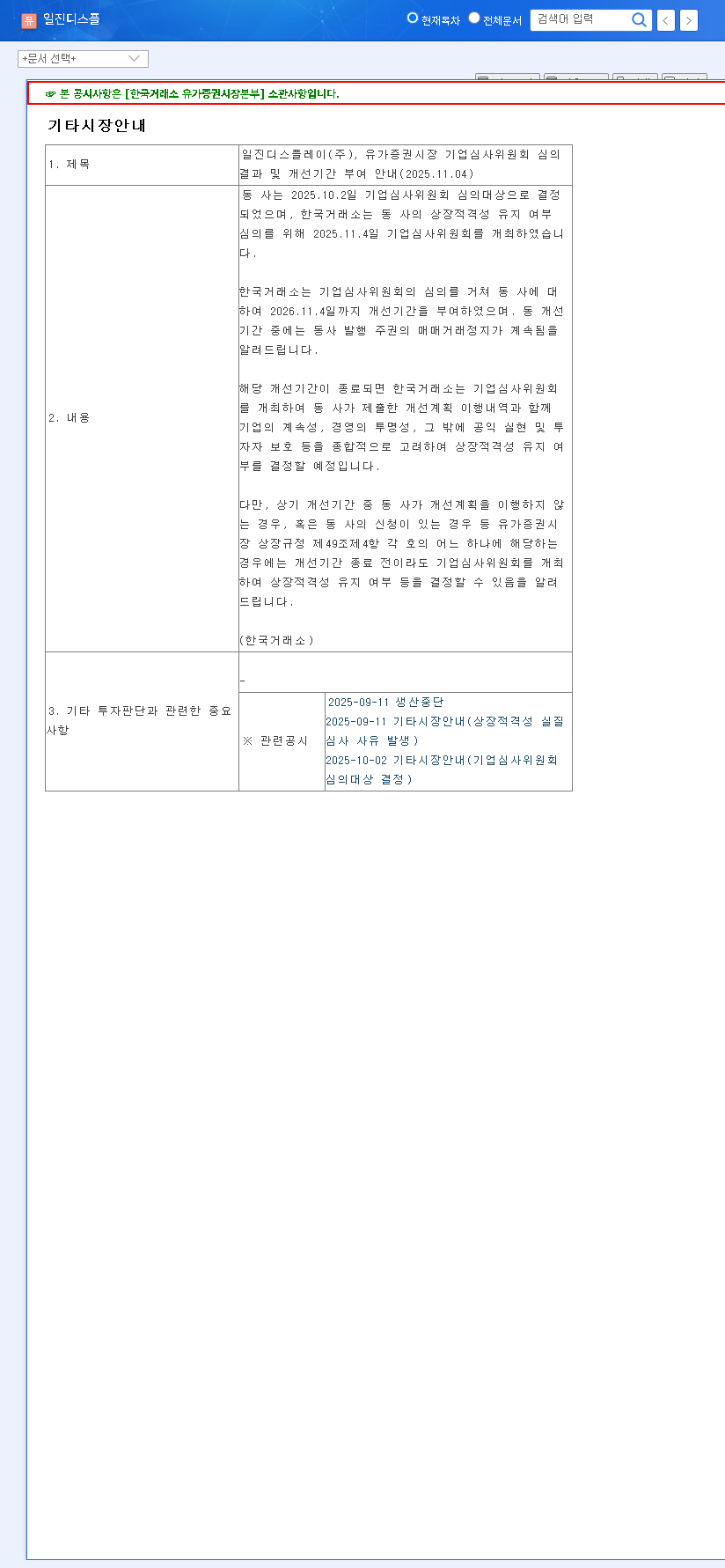
    The recent decision to grant ILJIN DISPLAY CO.,LTD. an improvement period by the Korea Exchange Corporate Review Committee has placed the company at a critical crossroads. For investors, this news is a double-edged sword, representing both a sliver of hope for recovery and a stark reminder of the looming ILJIN DISPLAY delisting risk. With trading suspended and fundamentals deteriorating, navigating this uncertainty requires a clear-eyed analysis of the facts and a prudent action plan.

    This comprehensive guide will dissect the implications of the ILJIN DISPLAY improvement period, explore the severe financial challenges the company faces, and provide a strategic roadmap for current and potential investors. We will delve into the specific conditions of the trading suspension, the factors influencing its potential delisting, and what to monitor over the coming year.

    Understanding the ILJIN DISPLAY Improvement Period

    On November 4, 2025, the Korea Exchange’s KOSPI Market Corporate Review Committee opted not to immediately delist ILJIN DISPLAY (Market Cap: KRW 46.5 billion). Instead, it granted the company a one-year grace period to address the issues threatening its listing eligibility. This is a critical lifeline, but one with strict conditions.

    • Improvement Period Duration: One full year, concluding on November 4, 2026.
    • Trading Status: The ILJIN DISPLAY trading suspension will remain in effect throughout this period.
    • Objective: The company must implement a comprehensive improvement plan to resolve concerns about its financial stability, going concern status, and management transparency.

    At the end of this period, the Exchange will re-evaluate the company. Success could lead to the resumption of trading; failure will almost certainly result in delisting. Investors can review the full details in the Official Disclosure on DART (Source).

    A Deep Dive into ILJIN DISPLAY’s Financial Crisis

    The decision to review ILJIN DISPLAY’s listing eligibility was not arbitrary. It stemmed from a profound and worsening deterioration of its core business fundamentals, raising significant doubts about its ability to continue as a going concern. A look at the H1 2025 financials paints a grim picture.

    Collapsing Revenue and Profitability

    Revenue in the first half of 2025 fell to KRW 40,256 million, with both the Touch Screen Panel (DS) and Sapphire Wafer (AD) divisions experiencing declines. More alarmingly, the company swung from a profit to an operating loss of KRW 1,791 million and a net loss of KRW 4,206 million, indicating that its core operations are no longer sustainable in their current form.

    Precarious Financial Health and High Delisting Risk

    The balance sheet reveals several red flags that directly contribute to the high ILJIN DISPLAY delisting risk:

    • High Leverage: The debt-to-equity ratio has climbed to 153.25%, a worrying figure that signifies a heavy reliance on borrowed funds.
    • Liquidity Squeeze: With a current ratio below 100%, the company’s short-term assets are insufficient to cover its short-term liabilities, posing an immediate cash flow risk.
    • Convertible Bond Overhang: Over KRW 10.1 billion in convertible bonds could lead to share dilution and further financial strain if converted.

    While the improvement period offers a chance for a structured turnaround, the underlying financial sickness is severe. Success is far from guaranteed and will require drastic operational and financial restructuring.

    Strategic Action Plan for Investors

    Given the high stakes and prolonged ILJIN DISPLAY trading suspension, investors must adopt a cautious and highly informed approach. Hope is not a strategy; diligence and realism are paramount.

    Key Monitoring Points During the Improvement Period

    Your focus should be on tangible evidence of a successful turnaround, not just promises. Monitor the following closely:

    • Improvement Plan Execution: Scrutinize the specifics of the company’s plan. Are they selling non-core assets? Are they securing new financing? Is management taking clear, decisive action?
    • Financial Filings: Pay close attention to quarterly reports for any signs of stabilizing revenue, margin improvement, or debt reduction.
    • Corporate Governance Changes: Look for efforts to enhance transparency and strengthen the management team, as this is a key part of the Exchange’s review. This is a common step in the corporate turnaround process.

    External macroeconomic pressures, such as sustained high interest rates and volatile shipping costs, as reported by leading financial analysts (Reuters), will only add to the company’s challenges.

    Investment Recommendation

    For Potential Investors: Entering a new position in ILJIN DISPLAY stock at this juncture is an extremely high-risk endeavor. The potential for a total loss of capital in a delisting scenario is significant. It is strongly advised to remain on the sidelines until there is concrete evidence of a sustainable recovery and trading has resumed.

    For Existing Shareholders: The capital is currently locked due to the trading suspension. The best course of action is to diligently follow the company’s progress. Avoid emotional decision-making and focus on the objective metrics outlined above. The fate of your investment rests entirely on the company’s ability to execute its improvement plan over the next year.

    In conclusion, the ILJIN DISPLAY improvement period is a final chance, not a guarantee. The path ahead is fraught with challenges, and investors must proceed with the utmost caution.

    (020760) ILJIN DISPLAY Improvement Period: A Deep Dive into Delisting Risk & Investor Strategy 관련 이미지
  • (082660) Cosnine Delisting Decision (082660): A Deep-Dive Analysis for Investors

    (082660) Cosnine Delisting Decision (082660): A Deep-Dive Analysis for Investors

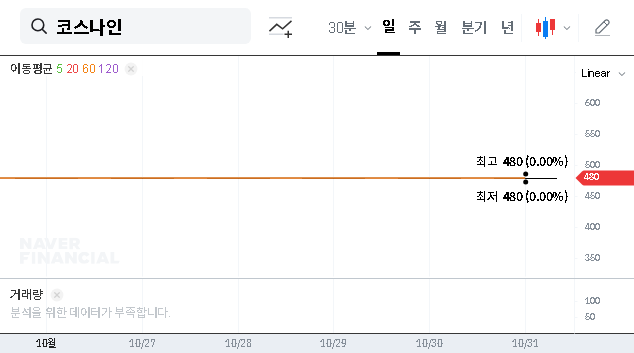
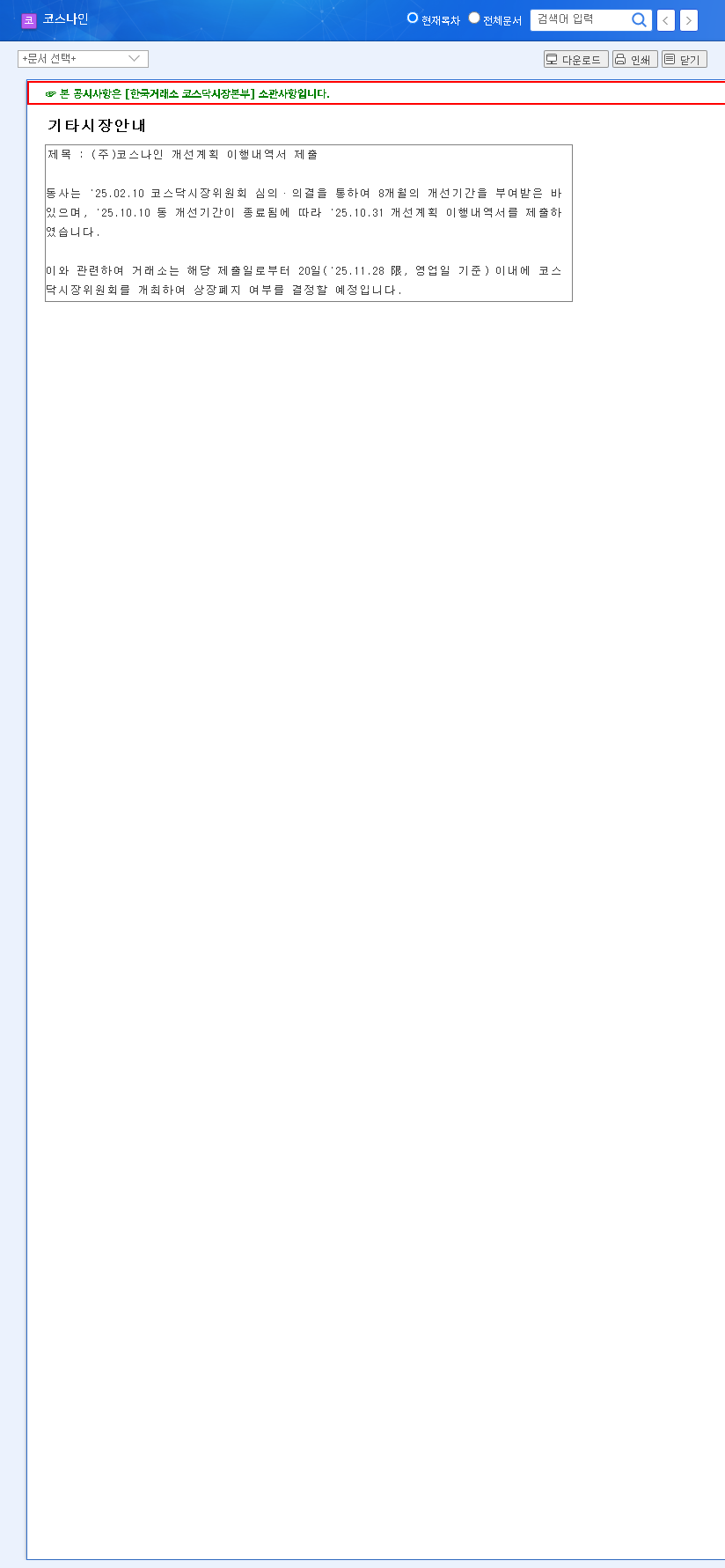
    The future of Cosnine Co., Ltd (082660) hangs in the balance, with a critical Cosnine delisting decision looming on the horizon. After submitting its corporate improvement plan to the Korea Exchange (KRX) on October 31, 2025, all eyes are now on the KOSDAQ Market Committee, which is set to deliver its final verdict by November 28, 2025. With stock trading currently suspended, this decision is not just a procedural step; it represents a moment of truth for the company and a point of extreme peril for its investors. This comprehensive Cosnine investor analysis will dissect the multifaceted crisis, evaluate the potential outcomes, and provide actionable guidance for stakeholders navigating this period of intense uncertainty.

    The Critical Crossroads: What is the Cosnine Delisting Decision?

    On February 10, 2025, Cosnine was granted an eight-month improvement period to address severe deficiencies threatening its status as a publicly-traded company. The culmination of this period was the submission of its improvement plan execution report. This document, available via the official disclosure on DART (Source), is now under intense scrutiny by the KRX. The committee will evaluate whether the company has made sufficient, sustainable changes to warrant its continued listing on the KOSDAQ market. The verdict will determine if the 082660 stock will ever trade again or if it will be permanently removed from the exchange.

    A Cascade of Crises: Analyzing Cosnine’s Core Issues

    Cosnine’s predicament is not the result of a single misstep but a deep-seated corporate crisis rooted in governance failures, financial decay, and a collapse in business fundamentals.

    Management Instability and Governance Failures

    The company’s history is marred by severe governance issues. The initiation and subsequent termination of rehabilitation proceedings created significant doubt about its operational viability. More damaging are the allegations of embezzlement and breach of trust, which have shattered corporate credibility and investor confidence. Such issues are a major red flag for regulators like the KRX, as they undermine the principles of market transparency and fairness. A lack of trustworthy leadership makes any turnaround plan, no matter how well-written, difficult to believe.

    Dire Financial Health

    A look at Cosnine’s financials reveals a company in distress. The key indicators point towards a rapidly deteriorating situation:

    • Sustained Operating Losses: The first half of 2025 saw a widening of operating losses, demonstrating that the core business is not only unprofitable but is becoming increasingly so.
    • Worsening Cash Flow: Cash flow from operations has plummeted, a clear sign that the company is struggling to generate the cash needed to sustain itself, let alone invest in growth.
    • Questionable Debt Reduction: While the overall debt size has decreased, this was primarily due to large-scale bond repayments, which may signal severe liquidity pressure rather than a healthy deleveraging process.

    Eroding Business Competitiveness

    The company’s primary cosmetics business is in decline, with a significant drop in revenue from a major client, Lion Korea Co., Ltd. This instability is compounded by the tarnished corporate image, which naturally leads to diminished trust from customers and partners. Furthermore, while Cosnine has added new business objectives like renewable energy and AI to its articles of incorporation, there is a stark lack of concrete plans or reported investments. This raises serious doubts about the feasibility of such a pivot, especially for a company lacking the capital and stability to execute it effectively.

    Given the confluence of management scandals, financial instability, and a weakening core business, investing in Cosnine Co., Ltd at this juncture involves an exceptionally high level of risk. The possibility of a total loss of capital is significant.

    Investor Action Plan & Future Outlook

    For current and prospective investors, the path forward requires extreme caution. The outcome of the Cosnine delisting decision is the single most important variable. If the KRX decides to delist, trading will be permanently halted, and the stock’s value will likely be reduced to zero. For more information on this process, investors can review general guides on understanding stock delisting procedures.

    Even if listing is maintained, a difficult road lies ahead. The company would still need to address its fundamental issues, a process that could involve further dilutive capital raises or painful restructuring. As highlighted by corporate governance experts at institutions like the Harvard Law School Forum on Corporate Governance, rebuilding trust after major scandals is a long and arduous journey.

    Therefore, a wait-and-see approach is strongly advised. Key points to monitor include:

    • The final KRX decision by November 28, 2025.
    • Tangible evidence that the submitted improvement plan is being implemented effectively.
    • The results of any legal investigations into the embezzlement and breach of trust allegations.

    Frequently Asked Questions

    Q1: What is the most critical issue for Cosnine Co., Ltd (082660) right now?

    A1: The most critical issue is the impending Cosnine delisting decision by the Korea Exchange (KRX), expected by November 28, 2025. This decision will determine if the company can continue to be publicly traded.

    Q2: Is Cosnine Co., Ltd at high risk of being delisted?

    A2: Yes, the risk is extremely high. A combination of rehabilitation proceedings, embezzlement allegations, and persistent operating losses has severely damaged the company’s fundamentals, making delisting a very real possibility.

    Q3: Is it advisable to invest in Cosnine Co., Ltd stock?

    A3: No. Investing in Cosnine Co., Ltd currently involves extreme risks. If delisting occurs, investment capital will likely be lost entirely. A cautious, observational stance is the only prudent approach at this time.

    (082660) Cosnine Delisting Decision (082660): A Deep-Dive Analysis for Investors 관련 이미지
  • (010600) WELLBIOTEC Delisting: In-Depth Analysis of Accounting Violations & Investor Risks

    (010600) WELLBIOTEC Delisting: In-Depth Analysis of Accounting Violations & Investor Risks

    The impending WELLBIOTEC delisting has become a stark reality for investors, compounded by a recent and damning disclosure. The company has been formally accused by prosecutors of significant accounting violations, a development that all but seals its fate on the KOSPI market. While the company announced that a listing suitability review for this new charge would not proceed, this is not good news. It’s a procedural formality, as the company is already on a confirmed path to be removed from the exchange. This article provides a comprehensive analysis of WELLBIOTEC’s terminal decline, the severe implications for shareholders, and a clear-eyed action plan for those affected.

    We will dissect the core reasons behind this corporate collapse, from critical audit failures to a complete erosion of business fundamentals, offering investors the clarity needed to navigate this precarious situation.

    The Core of the Crisis: Accounting Violations and Audit Failures

    WELLBIOTEC’s troubles reached a critical point with the prosecutor’s accusation of violating accounting standards. This official charge, detailed in the Official Disclosure, confirms that the company’s financial reporting cannot be trusted. Normally, such an event would trigger an immediate listing suitability review by the exchange. However, this step is being bypassed for a chillingly simple reason: WELLBIOTEC is already slated for delisting on May 19, 2025.

    This prior delisting decision was made because the company received a ‘disclaimer of audit opinion’ for two consecutive years (2023 and 2024). A disclaimer of opinion is one of the most severe judgments an auditor can issue. It essentially means the auditors were unable to gather sufficient evidence to form an opinion on the financial statements, indicating a catastrophic breakdown in internal controls and financial transparency. For investors, understanding the gravity of an audit opinion disclaimer is crucial.

    Why WELLBIOTEC is Collapsing: A Fundamental Breakdown

    The WELLBIOTEC delisting is not a sudden event but the culmination of a systemic failure across its entire operation. The company’s fundamentals have completely disintegrated.

    1. Catastrophic Financial Health

    • Severe Capital Impairment: The company’s balance sheet shows a negative total capital. This means its liabilities far exceed its assets, rendering it technically insolvent.
    • Persistent Operating Losses: Year after year, WELLBIOTEC has failed to generate profit from its core business, indicating a fundamentally flawed business model.
    • Negative Operating Cash Flow: The company is burning through cash just to stay afloat. It is not generating any cash from its primary business activities, a major red flag for any enterprise.

    2. Lack of Business Viability

    • Failing Core Business: Revenue from its main multimodal transport business has been in steady decline, signaling a loss of market share and competitiveness.
    • Stagnant Ventures: The retail business contributes 0% to revenue, meaning it is effectively defunct. Ambitious but unrealistic plans for Ukraine reconstruction and EV charging are non-starters given the company’s financial ruin.

    3. Overwhelming Legal and Governance Risks

    Beyond the financial decay, the company is mired in legal battles. Allegations of embezzlement and breach of trust by management, coupled with numerous pending lawsuits, paint a picture of poor corporate governance—a topic frequently covered by authoritative sources like Bloomberg Law. This toxic environment makes any chance of recovery or attracting new capital impossible.

    The combination of an audit opinion disclaimer and a prosecutor’s accusation for accounting violations is a terminal diagnosis for a publicly traded company. For WELLBIOTEC, the path to delisting is now irreversible.

    Investor Action Plan: Navigating the Aftermath

    For current shareholders, this is a critical investor warning. The delisting process will transition the stock from the main KOSPI board to the over-the-counter (K-OTC) market, where liquidity is extremely low, and finding buyers can be nearly impossible. The value of your investment is at extreme risk of becoming zero.

    • Acknowledge the Reality: Hope for a miraculous turnaround is unfounded. The legal and financial barriers are insurmountable. The delisting is happening.
    • Assess Your Position: Holding onto the shares through the delisting process is an extremely high-risk strategy that will likely result in a total loss of principal.
    • Consult a Professional: Speak with a qualified financial advisor to discuss potential tax-loss harvesting or other strategies to mitigate the financial damage.
    • Learn from the Experience: Use the WELLBIOTEC case as a powerful lesson on the importance of scrutinizing a company’s audit reports, cash flow statements, and management integrity before investing.

    In summary, the WELLBIOTEC delisting is a cautionary tale of corporate failure. The confluence of financial mismanagement, operational decline, and severe accounting irregularities has destroyed shareholder value and eroded all market trust. Extreme caution is advised.

    (010600) WELLBIOTEC Delisting: In-Depth Analysis of Accounting Violations & Investor Risks 관련 이미지
  • (234920) Zaigle Delisting Review (2025): Full Analysis, Stock Risks & Investor Guide

    (234920) Zaigle Delisting Review (2025): Full Analysis, Stock Risks & Investor Guide

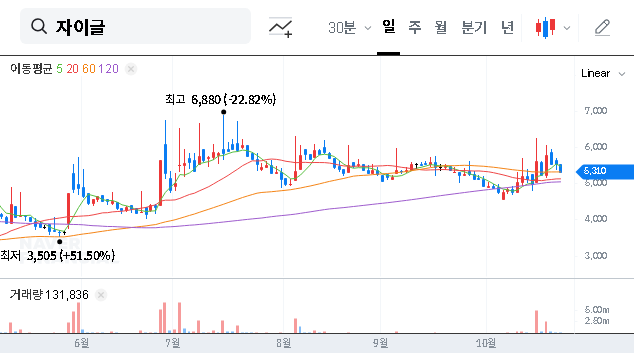
    Investors in Zaigle Co., Ltd. (KOSDAQ) are facing a period of critical uncertainty. The recent announcement of a pending Zaigle delisting review has sent shockwaves through the investment community, raising serious questions about the company’s future and the safety of shareholder capital. This comprehensive analysis will break down the situation, from the initial disclosure to the underlying financial weaknesses, helping you understand the immense risks and formulate a rational strategy in these turbulent times.

    We will explore the company’s precarious fundamentals, the external market pressures, and the potential scenarios that could unfold, providing you with the insights needed to navigate this high-stakes event.

    What Happened? The Official Zaigle Delisting Review Announcement

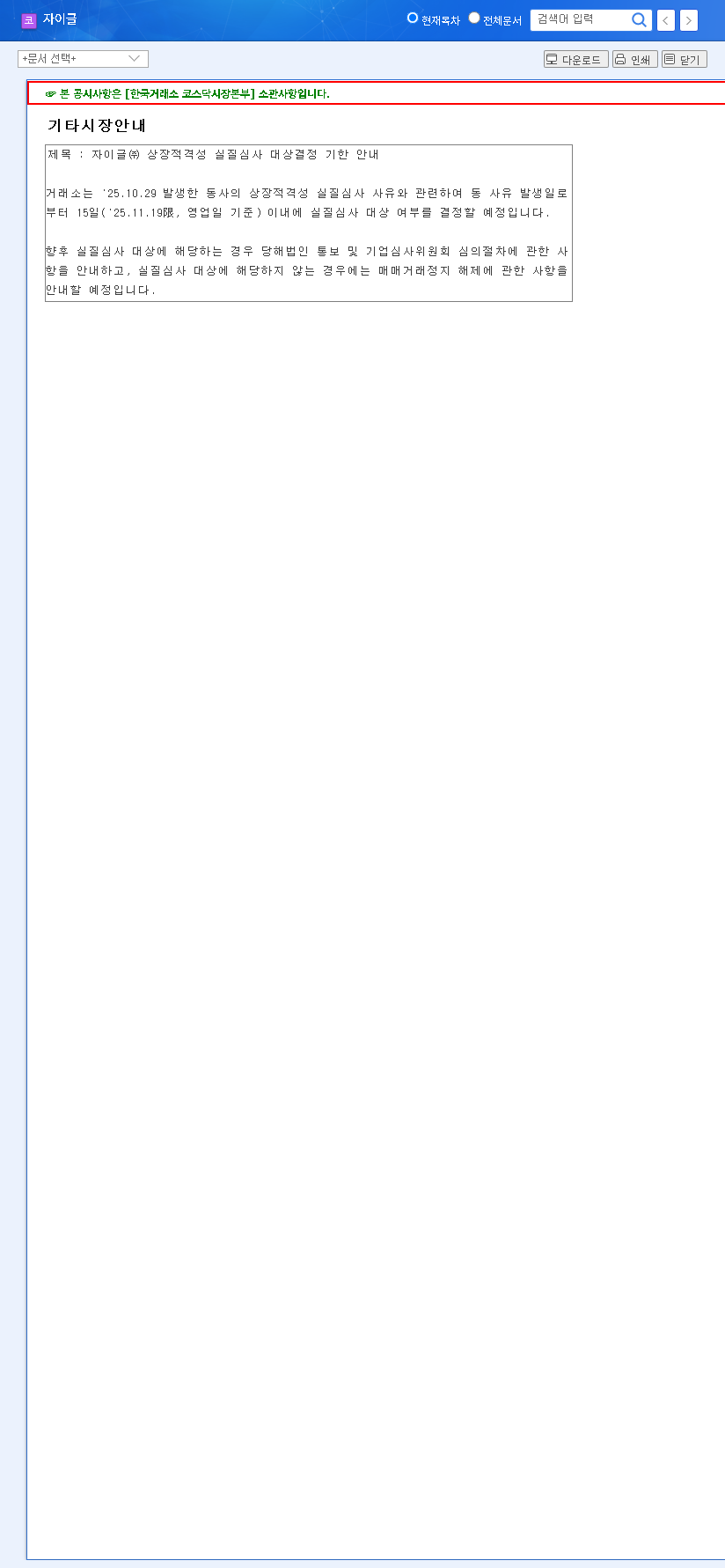
    On October 29, 2025, Zaigle Co., Ltd. filed a disclosure that triggered an alarm for every shareholder. The company officially announced the occurrence of a reason for a delisting eligibility substantial review. According to the filing, a decision on whether the company is subject to this formal review will be made by November 19, 2025. You can view the complete report directly from the source: Official Disclosure (DART).

    If the Korea Exchange (KRX) determines a formal review is unnecessary, the currently suspended trading of Zaigle stock will be lifted. However, if Zaigle is deemed subject to the review, it enters a high-risk deliberation process that could lead to severe consequences, including designation as an administrative issue or, in the worst-case scenario, complete delisting from the exchange.

    Why Is Zaigle Facing a Delisting Review? A Look at the Cracks

    This critical situation did not arise overnight. It is the culmination of deteriorating business fundamentals, questionable financial health, and a history of compliance issues that have eroded investor trust.

    Struggling Core Business & Uncertain New Ventures

    • Existing Business Slump: Sales of its flagship ‘Zaigle Grill’ and other well-being appliances have remained sluggish. The healthcare segment has also failed to gain traction, showing a decline in sales year-over-year.
    • Unproven New Ventures: While the company is pinning its hopes on new ventures like the ‘Zaigle On Simple’ medical device, their contribution to revenue is still negligible. More concerning is the collapse of its highly anticipated US secondary battery joint venture, which has amplified uncertainty. Plans for domestic LFP battery development remain on paper, with no clear path to production. For more information on market challenges, you can read about global supply chain disruptions.

    Alarming Financial Health Indicators

    • Deteriorating Profitability: With falling revenue and operating losses for two consecutive quarters in the first half of 2025, the company’s core profitability is in question.
    • Solvency Concerns: The debt-to-equity ratio climbed to a concerning 135.03% as of Q1 2025. This indicates the company is relying more on debt to finance its assets, which is a major red flag for financial stability.
    • Negative Cash Flow: Negative operating cash flow reveals that the company’s core business activities are not generating enough cash to sustain operations, forcing it to rely on financing or asset sales.
    • History of Sanctions: A past record of fines for dishonest disclosures has damaged corporate credibility, making investors wary of management’s transparency. If you want to learn more, check out our guide on how to analyze high-risk stocks.

    The combination of a failing core business, unproven ventures, and weak financials creates a perfect storm. The Zaigle delisting review is a direct consequence of these deep-seated issues.

    The Ripple Effect: Potential Impacts on Zaigle Stock and Business

    The outcome of this review will have profound and far-reaching consequences. Investors must prepare for significant volatility and potential downside.

    Direct Consequences

    • Stock Price Volatility: The uncertainty alone will likely lead to severe downward pressure on Zaigle’s stock price.
    • Trading Suspension: If subjected to the full review, a prolonged trading suspension is highly probable, locking up investor capital and creating immense liquidity risk.
    • Total Loss of Investment: In the worst-case scenario of delisting, the stock could become worthless, leading to a total loss for shareholders.

    Indirect Consequences

    • Credit Rating Downgrade: The situation could trigger a downgrade, making it harder and more expensive for Zaigle to raise capital.
    • Business Contraction: Partners, suppliers, and clients may become hesitant to do business with a company on the verge of being delisted, impacting contracts and revenue streams.

    Investor Playbook: Navigating the Uncertainty

    Given the high degree of investment risk, a cautious and defensive strategy is paramount.

    Potential Scenarios by November 19

    • Positive Scenario (Not Subject to Review): This would resolve immediate uncertainty and could cause a short-term relief rally. However, without a fundamental business turnaround, any gains may be short-lived.
    • Negative Scenario (Subject to Review): This is the worst outcome. It would trigger the formal Zaigle delisting review process, almost certainly leading to a trading suspension and a sharp drop in value if and when trading resumes.

    Recommendations for Investors

    For Potential Investors: Initiating a new position in Zaigle at this time carries an extremely high level of risk. It is strongly advised to stay on the sidelines until there is absolute clarity on the company’s listed status.

    For Existing Shareholders: The decision is more complex. You must assess your risk tolerance and be prepared for the possibility of a total loss. Monitoring the situation closely until the November 19 deadline is crucial. Any decision to sell or hold should be based on the understanding that the stock’s value is highly precarious.

    (234920) Zaigle Delisting Review (2025): Full Analysis, Stock Risks & Investor Guide 관련 이미지