Tag: Investment

  • Kolmar BNH’s Injunction Withdrawal: What’s Next for the Stock? Key Analysis and Investment Strategy


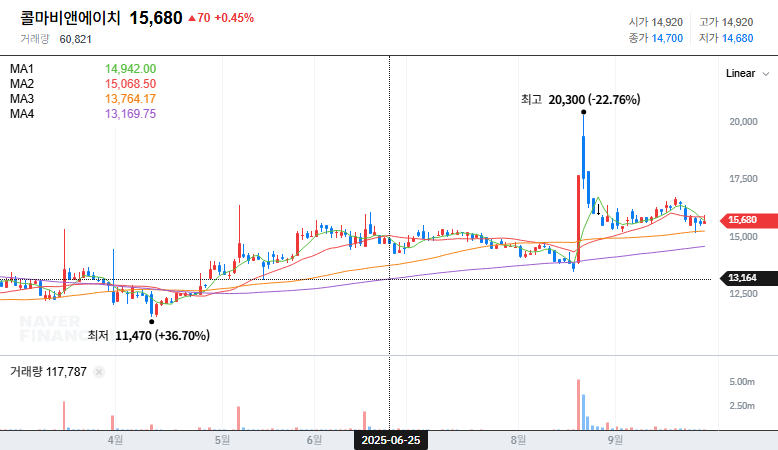
    Kolmar BNH's Injunction Withdrawal: What's Next for the Stock? Key Analysis and Investment Strategy 대표 차트 이미지


    1. What Happened?: Background of the Injunction Withdrawal

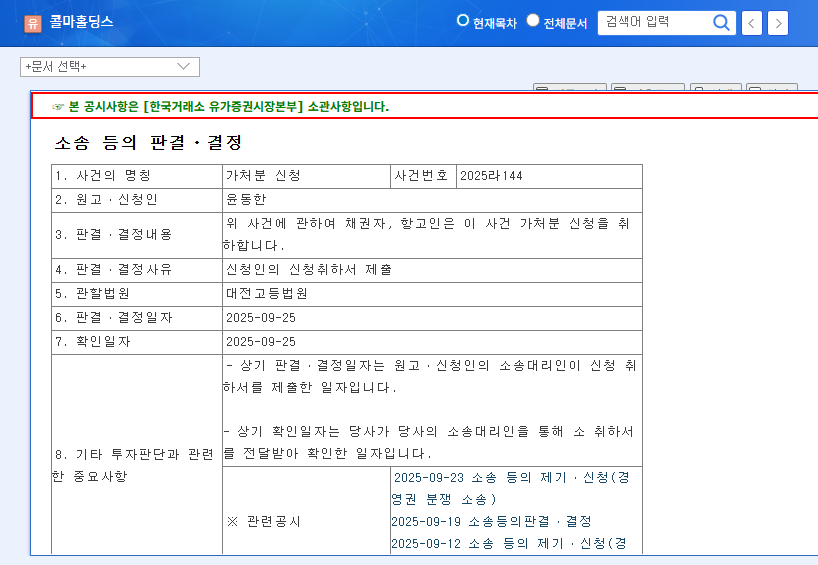
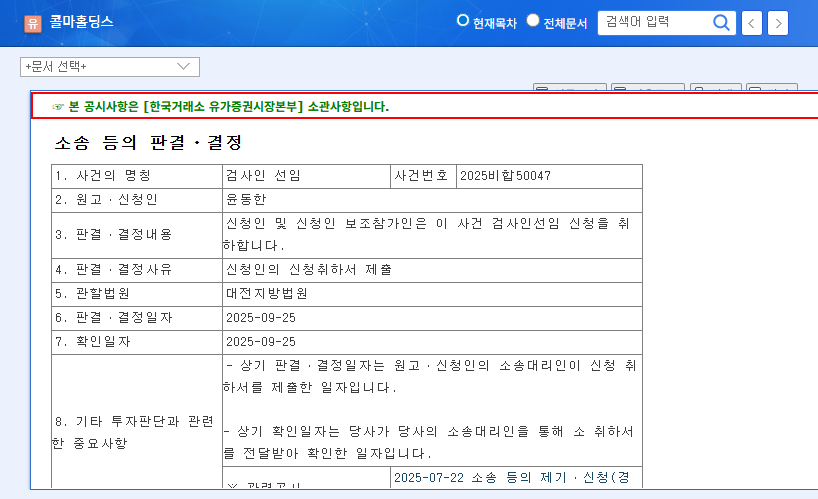
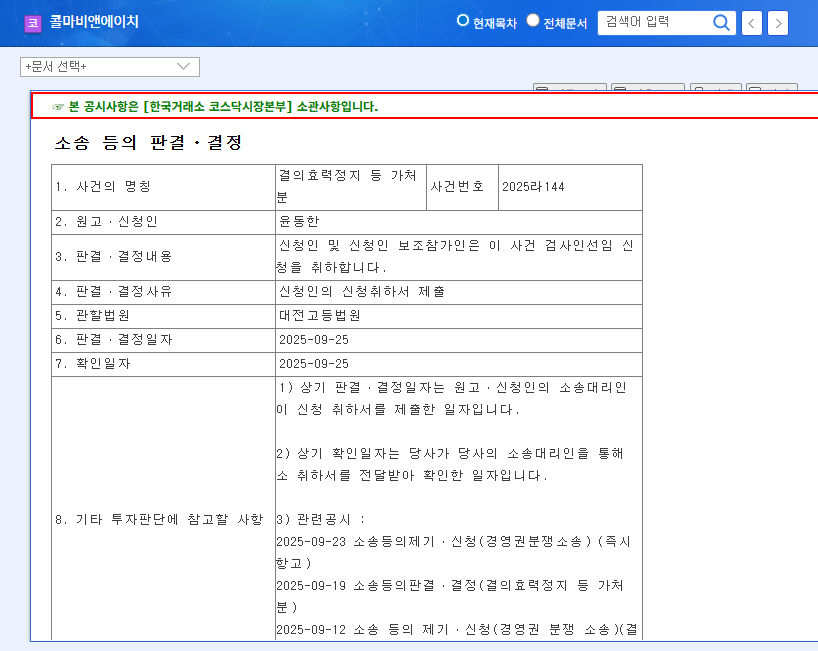
    On September 25, 2025, the injunction filed by Mr. Yoon Dong-han was withdrawn. This suggests that the tension surrounding the management dispute may ease somewhat. However, this doesn’t signify the end of the dispute, and the possibility of further legal proceedings, such as immediate appeals, should be considered.

    2. Why It Matters: Fundamental and Market Environment Analysis

    Kolmar BNH operates in the growing health functional foods and cosmetics ODM/OEM market. However, it has recently shown signs of weakening fundamentals, including declining sales, a high debt ratio, and decreased R&D investment. The uncertain macroeconomic environment (exchange rate, interest rate, and oil price fluctuations) is also a factor that investors should carefully consider.

    3. What’s Next?: Impact Analysis and Stock Outlook

    • Positive Impact: Reduced management uncertainty and improved investor sentiment could lead to a short-term stock price increase.
    • Negative Impact: Fundamental management issues and fundamental problems remain. Without continuous improvement efforts, long-term stock price growth is difficult to expect.

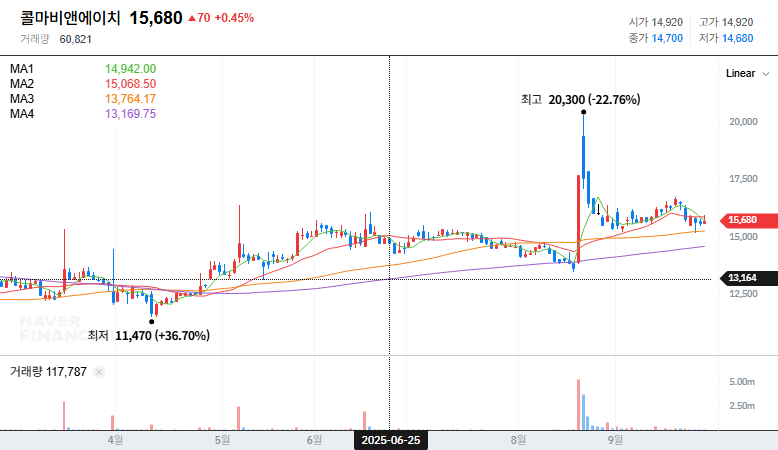
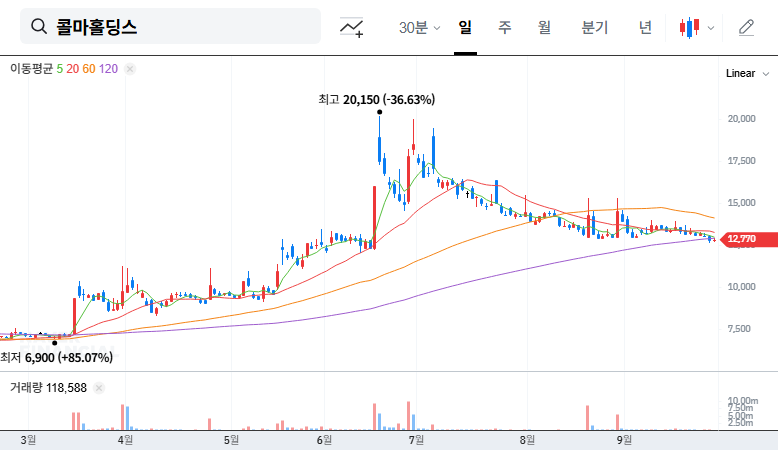
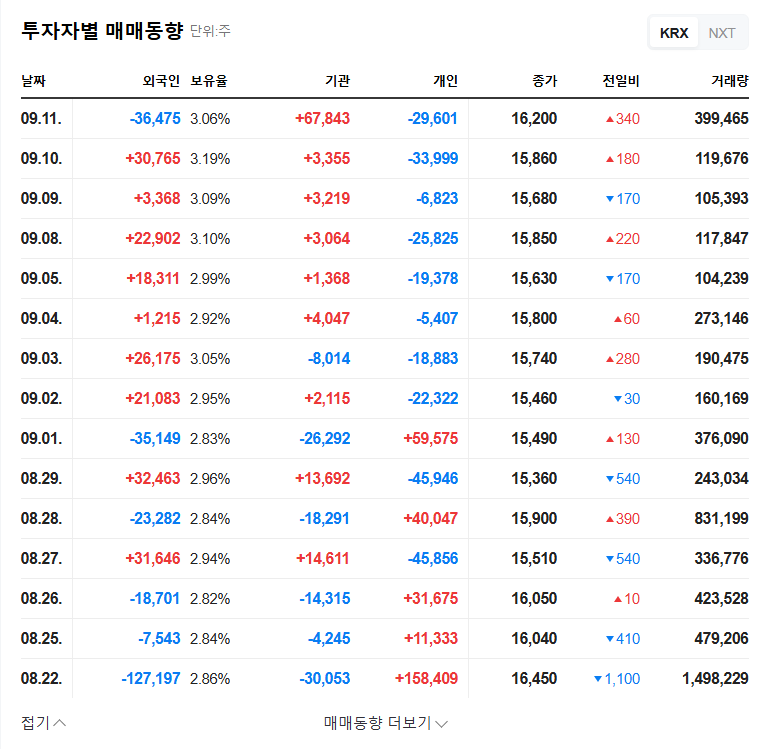
    Analysis of past stock data shows that Kolmar BNH is sensitive to market conditions and internal corporate issues. Therefore, it’s important to be aware of the possibility of short-term stock price volatility.

    4. What Investors Should Do: Action Plan

    Investors should not be misled by the possibility of short-term stock price gains and should carefully consider the following:

    • Future trajectory of the management dispute
    • Whether fundamentals improve (sales growth, profitability improvement, strengthening financial soundness)
    • The company’s ability to respond to changes in the market and macroeconomic environment

    From a medium- to long-term perspective, it’s crucial to prioritize fundamental improvements and the establishment of a stable management environment when making investment decisions.


    Will the withdrawal of the injunction positively impact Kolmar BNH’s stock price?

    It may have a positive impact in the short term, but long-term stock price appreciation depends on whether the company’s fundamentals improve.

    Is Kolmar BNH’s management dispute completely resolved?

    The withdrawal of the injunction has resolved some uncertainty, but the dispute is not entirely over, and further legal proceedings are possible.

    What should investors be cautious of when investing in Kolmar BNH?

    Investors should carefully consider the direction of the management dispute, improvements in fundamentals, and the company’s ability to respond to changes in the market and macroeconomic environment.
     

    Kolmar BNH's Injunction Withdrawal: What's Next for the Stock? Key Analysis and Investment Strategy 관련 이미지
    Kolmar BNH's Injunction Withdrawal: What's Next for the Stock? Key Analysis and Investment Strategy 관련 이미지


  • Kolmar BNH’s Lawsuit Withdrawal: A Sign of Management Stability and Investment Opportunity?

    Investment Analysis

    Kolmar BNH Lawsuit Withdrawal: 3 Key Insights for Investors

    The recent **withdrawal of Kolmar BNH’s application for a temporary shareholders’ meeting** has sent a strong signal to the market, suggesting a potential end to the prolonged management dispute. For investors, this development is a critical turning point. But what does it truly mean for the company’s future and your portfolio? This article breaks down the situation, analyzes the core fundamentals, and provides a clear action plan for what to watch next.

    Kolmar BNH stock chart showing positive movement after lawsuit withdrawal news
    The lawsuit withdrawal marks a pivotal moment for Kolmar BNH’s corporate governance.

    1. The Lawsuit Withdrawal: A Sudden Turn of Events

    On September 25, 2025, **Kolmar BNH formally withdrew its application** for a temporary shareholders’ meeting. The lawsuit (case number 2025Bihap50052), filed in the Daejeon District Court by Yoon Dong-han and another party, was officially concluded when their legal representative submitted a withdrawal notice. This move is widely interpreted as a step toward de-escalation, allowing the company’s management to sidestep a public confrontation and focus on core business operations.

    2. The Impact: Why This Matters for Corporate Value

    Management disputes are a significant drain on corporate resources and a major red flag for investors. They create a cloud of uncertainty that can depress stock prices, stall strategic initiatives, and damage morale. The withdrawal of this lawsuit is crucial because it:

    • Reduces Uncertainty: It removes the immediate threat of a disruptive shareholders’ meeting and signals a potential reconciliation behind the scenes.
    • Improves Investor Sentiment: A stable management team is key to long-term value creation. This news provides a much-needed boost to investor confidence.
    • Allows Focus on Business: Management can now redirect its energy and resources from legal battles to tackling fundamental business challenges.

    3. Investor Outlook: Analyzing Fundamentals & Strategy

    While the management situation appears to be stabilizing, savvy investors must look beyond the headlines. The core health of the business remains the ultimate driver of long-term stock performance.

    Fundamental Health Check

    Strengths to Build On

    • Solid business foundation
    • Consistent R&D investment
    • Ongoing global market expansion
    • Stable dividend policy

    Weaknesses to Address

    • Declining sales and profits
    • Increasing inventory levels
    • Dependence on major customers
    • Rising corporate debt

    “The key takeaway for investors is that while the withdrawal is a significant short-term positive, the mid-to-long-term success of Kolmar BNH hinges on its ability to address these fundamental challenges.”

    Your Action Plan: Key Metrics to Monitor

    Prudent investment requires ongoing vigilance. While the lawsuit withdrawal is a positive signal, focus on the following key performance indicators (KPIs) in the upcoming quarters:

    1. 1
      Performance Recovery: Is there a visible turnaround in sales and profit growth? Look for signs of stabilizing revenue streams.
    2. 2
      Balance Sheet Health: Are inventory and debt levels being managed effectively? Check the debt-to-equity ratio and inventory turnover.
    3. 3
      Innovation & R&D: Are new business ventures and R&D efforts yielding tangible results or new product pipelines?
    4. 4
      Customer Diversification: Are there concrete steps being taken to reduce dependency on a small number of major customers?

    Final Takeaway

    The end of the management dispute is a welcome development that clears the air for Kolmar BNH. For investors, this translates to reduced risk and a renewed focus on business fundamentals. While the short-term outlook is positive, long-term success will be determined by the company’s ability to execute its growth strategy and improve its financial health. Continue to monitor the key metrics outlined above to make an informed investment decision.

    Frequently Asked Questions

    Why was a temporary shareholders’ meeting requested?
    +

    It was likely requested as a strategic move during the management dispute to give shareholders a formal platform to make decisions on company direction and leadership.

    Will this news positively affect the stock price?
    +

    In the short term, reduced uncertainty often leads to improved investor sentiment, which can positively impact the stock price. However, long-term growth will depend on fundamental business improvements.

    What is the overall outlook for Kolmar BNH now?
    +

    The outlook is cautiously optimistic. With the management dispute seemingly resolved, the company can focus on its strategic goals. The key tasks ahead are reversing the decline in sales and improving overall profitability.

  • Kolmar Holdings: Lawsuit Dismissed, What’s Next for Investors?

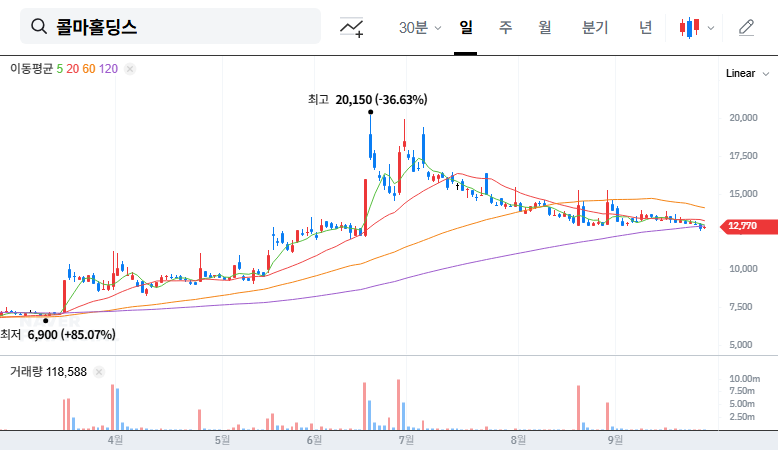
    Kolmar Holdings: Lawsuit Dismissed, What's Next for Investors? 대표 차트 이미지

    1. What Happened? (Event Analysis)

    The injunction filed by Mr. Yoon Dong-han (2025la144) was dismissed on September 25th at the plaintiff’s request. While market expectations remain unclear, the removal of legal uncertainty is generally viewed as a positive signal.

    2. Why Does it Matter? (Impact Analysis)

    The dismissal eliminates uncertainty surrounding business operations and can contribute to improving the company’s image. The plaintiff’s withdrawal suggests a change in their stance on the initial issues raised or the exploration of alternative solutions, potentially hinting at improved relations with management. However, the event itself does not directly impact the company’s financial status or business model.

    3. What’s Kolmar Holdings’ Current Status? (Fundamentals & Financial Analysis)

    • Corporate Governance: Previous corrections in business reports, including strengthened ESG management, detailed records of minority shareholder exercises, and additional details on key discussions at shareholder meetings, are interpreted as efforts to enhance corporate governance transparency and information disclosure.
    • Financial Indicators: The projected recovery of sales and operating profit in 2024 and 2025 compared to 2023, particularly the significant improvement in net income and ROE, is positive. However, the increasing debt ratio and decreasing current ratio require ongoing monitoring of liquidity management.
    • External Environment: The strong dollar and rising raw material prices can be positive for exporting companies but also pose a burden due to increased import costs. The trend of frozen interest rates can impact investment and financing environments.

    4. What Should Investors Do? (Investment Strategy)

    This event is expected to contribute indirectly to corporate value through the removal of uncertainty rather than directly impacting Kolmar Holdings’ fundamentals negatively. However, continuous monitoring is needed, considering future financial soundness management, global economic variable volatility, business competitiveness, and new business performance.

    Key Checkpoints:

    • • Analyze the underlying cause of the lawsuit dismissal.
    • • Monitor Kolmar Holdings’ financial soundness and liquidity management strategies.
    • • Understand the company’s response strategies to exchange rate and raw material price volatility.
    • • Analyze the progress and performance of growth drivers and new businesses.

    Disclaimer: This analysis is a subjective opinion based on the provided information. Actual investment decisions should be made carefully at the investor’s own discretion and responsibility.

    Q: Will the dismissal of the lawsuit positively affect Kolmar Holdings’ stock price?

    A: It is likely to have a positive impact in the short term. Removing legal uncertainty can improve investor sentiment. However, long-term stock price trends are determined by various factors such as company fundamentals, performance, and market conditions.

    Q: How should investors formulate their investment strategy for Kolmar Holdings?

    A: Investors should develop their investment strategy by comprehensively analyzing the company’s financial soundness, liquidity management, responses to exchange rate and raw material price volatility, and new business progress following this event.

    Q: Why did Mr. Yoon Dong-han withdraw the lawsuit?

    A: The exact reason has not been disclosed. Several possibilities include a change in stance on the initial issues raised, the pursuit of alternative solutions, or improved relations with management. Further information is needed.

    Kolmar Holdings: Lawsuit Dismissed, What's Next for Investors? 관련 이미지
    Kolmar Holdings: Lawsuit Dismissed, What's Next for Investors? 관련 이미지
  • NJET (419080) Stock Forecast: CEO Byun Do-young’s Stake Sale – What Should Investors Do?

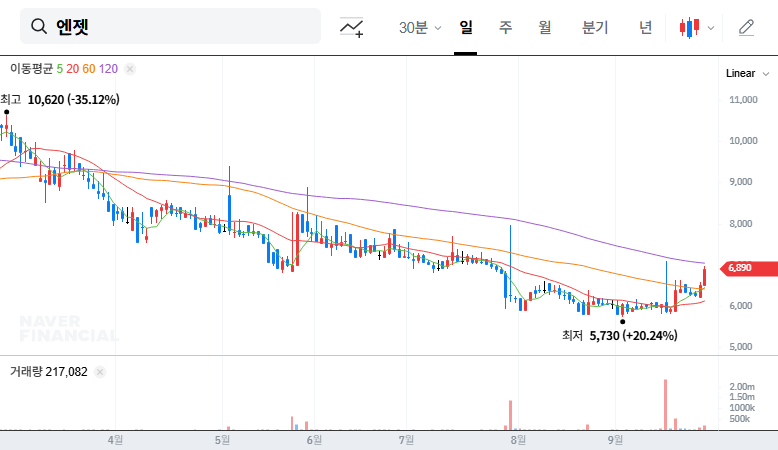
    NJET (419080) Stock Forecast: CEO Byun Do-young's Stake Sale - What Should Investors Do? 대표 차트 이미지

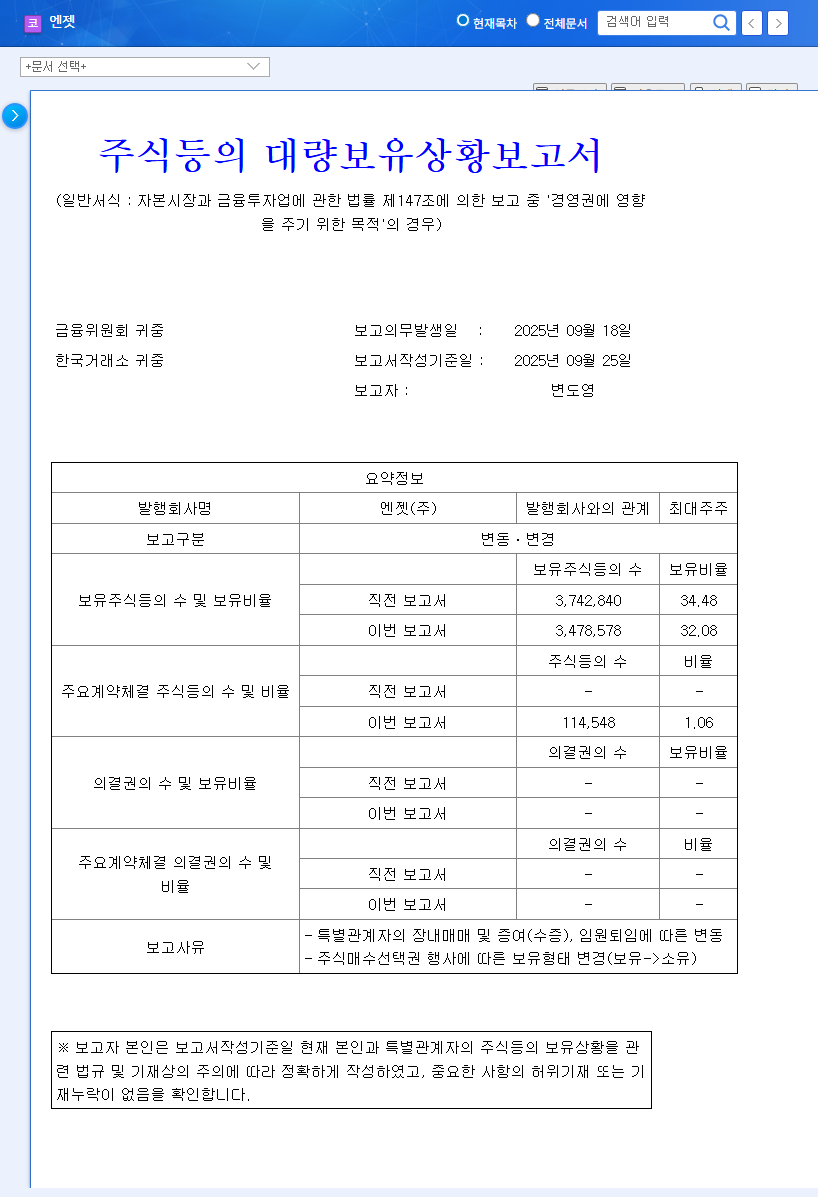
    1. What Happened? : NJET CEO Byun Do-young Reduces Stake by 2.4%

    NJET CEO Byun Do-young announced on September 25, 2025, a 2.4% decrease in his stake, from 34.48% to 32.08%. The reasons for the decrease were cited as over-the-counter trading and gifts by related parties, resignation of executives, and exercise of stock options. While stating that the purpose of holding the shares remains ‘influencing management,’ the actual decrease raises several questions in the market.

    2. Why is it Important? : Potential Management Changes and Deteriorating Market Sentiment

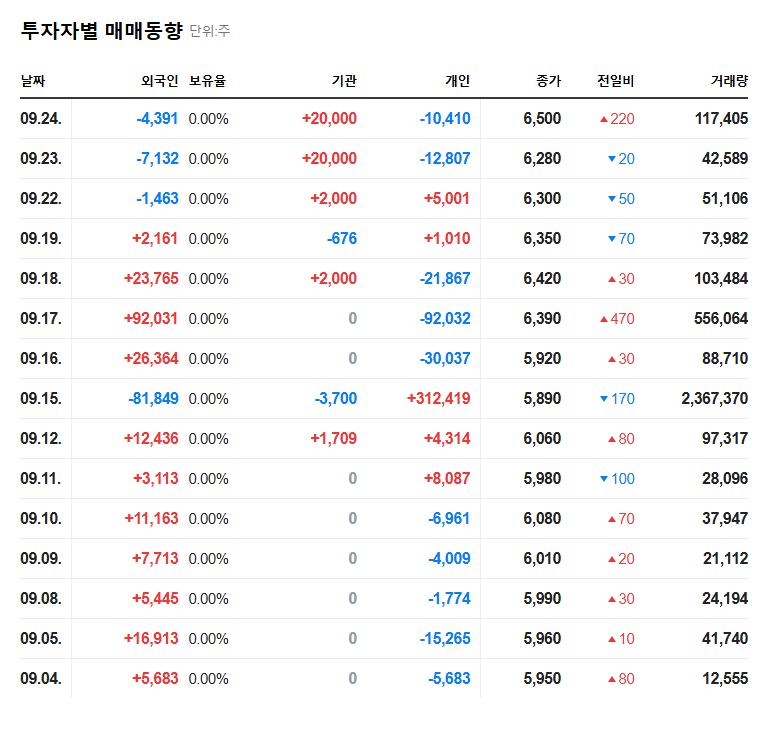
    The CEO’s stake reduction suggests the possibility of management changes and could negatively impact investor sentiment. This, combined with NJET’s recent poor performance (decline in sales and net loss in the first half of 2025), could exacerbate downward pressure on the stock price. Furthermore, over-the-counter trading by related parties hints at the possibility of further stake changes, amplifying investor anxiety.

    3. So What Will Happen? : Short-term Volatility Increase, Focus on Mid- to Long-term Fundamental Improvement

    Increased stock price volatility is expected in the short term. Investors should carefully monitor the announcement details and market reactions. In the mid- to long term, NJET’s fundamental improvement will determine the stock price direction. Clear explanations from management and efforts to improve performance will play a crucial role in restoring market confidence.

    4. What Should Investors Do? : Maintain a Wait-and-See Approach, Monitor Information Disclosure and Fundamentals

    • Short-term Investors: Maintain a wait-and-see approach, explore technical rebound points in case of further decline.
    • Mid- to Long-term Investors: Continuously monitor information disclosure related to stake changes, management communication, fundamental improvement, and re-evaluate valuation.

    Frequently Asked Questions (FAQ)

    How will CEO Byun Do-young’s stake sale affect NJET’s stock price?

    In the short term, it is likely to put downward pressure on the stock price. However, the mid- to long-term impact will depend on NJET’s future performance and management strategy.

    Should I invest in NJET?

    Caution is advised at this point. It’s recommended to make investment decisions after confirming additional information disclosure and changes in fundamentals.

    What is the outlook for NJET?

    NJET has growth potential based on its unique EHD technology, but currently faces challenges such as poor performance and management uncertainty. The future outlook can vary significantly depending on management’s efforts and market conditions.

    NJET (419080) Stock Forecast: CEO Byun Do-young's Stake Sale - What Should Investors Do? 관련 이미지
    NJET (419080) Stock Forecast: CEO Byun Do-young's Stake Sale - What Should Investors Do? 관련 이미지
  • Unison Selected for 6MW Wind Turbine National Project: What Does it Mean for Investors?


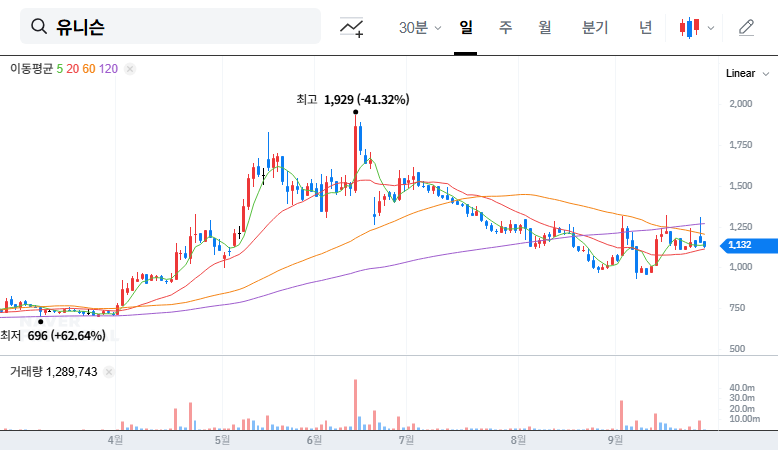
    Unison Selected for 6MW Wind Turbine National Project: What Does it Mean for Investors? 대표 차트 이미지


    1. What Happened?

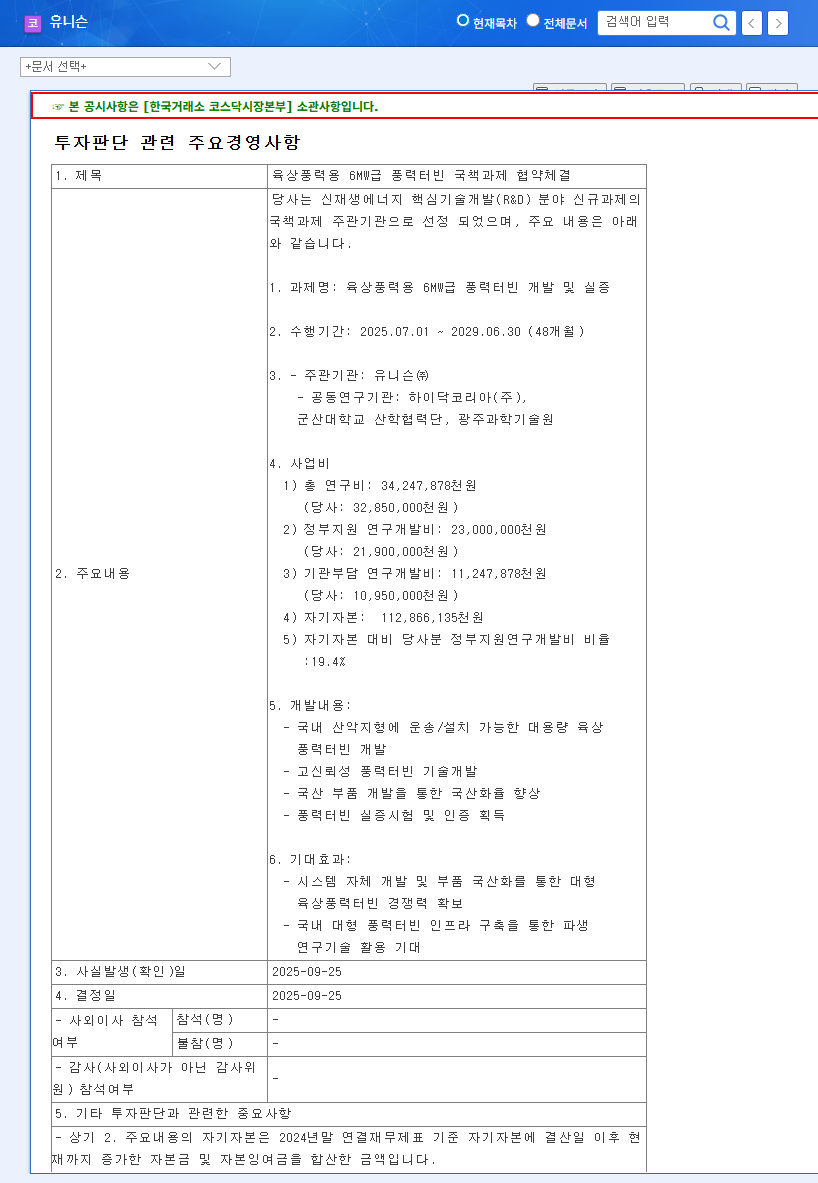
    On September 25, 2025, Unison signed an agreement for a national project to develop and demonstrate 6MW onshore wind turbines. The project will last 48 months, with a total research budget of approximately KRW 34.2 billion. Unison aims to develop large-capacity onshore wind turbines suitable for Korea’s mountainous terrain and increase the domestic component ratio by utilizing local parts.

    2. Why is it Important?

    This national project selection represents a significant opportunity for Unison to strengthen its technological competitiveness and secure new growth engines. Successful development of the 6MW large-scale turbine will likely lead to its adoption as key equipment in future wind farm construction projects, resulting in long-term order expansion and sales growth. However, considering Unison’s current financial vulnerabilities (high net loss, low operating rate, credit rating downgrade, etc.), there is also a possibility of increased financial burden due to the project execution.

    3. So, What Should You Do? Investment Strategy

    Short-term investors should take a conservative approach. They need to closely monitor financial indicators and the progress of the national project. Mid-to-long-term investors should assess the likelihood of the national project’s success, commercialization prospects, financial restructuring efforts, and the renewable energy market and competitive landscape to make investment decisions.

    • Short-term Investment (within 1 year): Monitor financial indicators and national project progress.
    • Mid-to-long-term Investment (over 1 year): Analyze the likelihood of national project success, commercialization prospects, financial restructuring efforts, and market competition.

    4. Conclusion

    While this national project agreement is a positive sign for Unison, it will take time to overcome its financial difficulties and achieve tangible results. Investors should make informed investment decisions through a cautious approach and continuous monitoring.


    Q: Will Unison’s selection for the 6MW wind turbine national project have a positive impact on its stock price?

    A: It has the potential to positively influence stock price in the long term, but the possibility of increased financial burden in the short term should also be considered. A cautious approach to investment is necessary.

    Q: What is Unison’s current financial status?

    A: It is currently financially vulnerable, facing a net loss, low operating rate, and a credit rating downgrade. However, there is a possibility of a turnaround, and continuous monitoring of financial indicators is crucial.

    Q: What factors should be considered before investing in Unison?

    A: A comprehensive analysis of the likelihood of the national project’s success, commercialization prospects, financial restructuring efforts, the renewable energy market, and the competitive environment should be conducted.


    Unison Selected for 6MW Wind Turbine National Project: What Does it Mean for Investors? 관련 이미지
    Unison Selected for 6MW Wind Turbine National Project: What Does it Mean for Investors? 관련 이미지


  • Western T&D Stock Forecast: Major Shareholder Divestment – Crisis or Opportunity? (September 2025 Analysis)


    Western T&D Stock Forecast: Major Shareholder Divestment - Crisis or Opportunity? (September 2025 Analysis) 대표 차트 이미지


    1. What Happened? – Analysis of the Major Shareholder Divestment

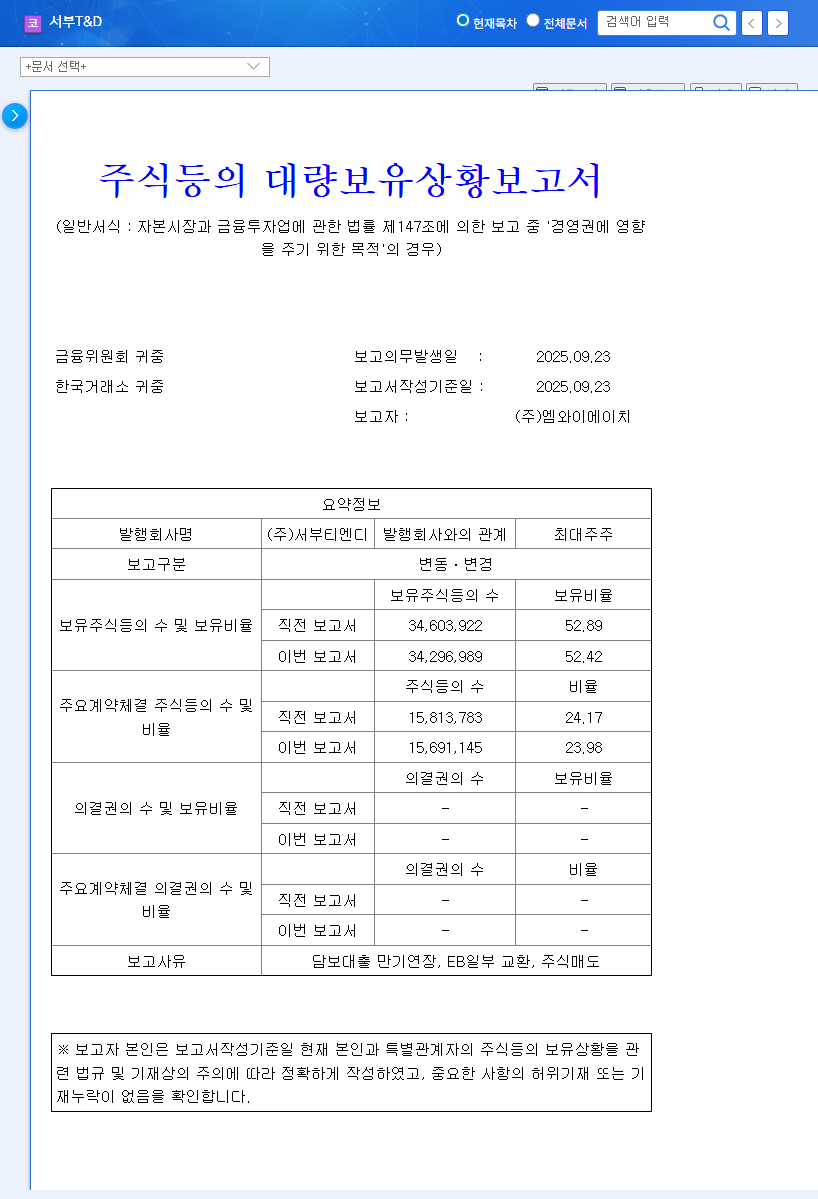
    MYH, the major shareholder of Western T&D, reduced its stake from 52.89% to 52.42%, a decrease of 0.47%, on September 25, 2025. This was a result of a combination of factors, including the rollover of secured loans, partial exchange of convertible bonds (EB), and on-market sales by LEE DIANE MIEHYE and Park Mi-yeong.

    2. Why the Divestment? – Background and Market Impact

    MYH’s divestment is likely due to a combination of financial reasons and potential shifts in individual investment strategies. The rollover of secured loans could indicate efforts to secure financial liquidity, while the EB exchange might be part of capital structure adjustments. The stock sales are likely based on the individual shareholders’ investment decisions. This divestment could negatively impact stock prices in the short term.

    3. Western T&D’s Fundamentals – Positive and Negative Factors

    • Positive Factors: Seoul Dragon City hotel operations, exclusive logistics facility operations, treasury stock cancellation.
    • Negative Factors: Declining sales, increasing debt ratio, risks associated with interest rate and exchange rate fluctuations.

    4. What’s Next? – Investor Action Plan

    A conservative approach is recommended for investors at this time. Closely monitor MYH’s further stake changes, the company’s financial restructuring plans, and business outlook for the second half of 2025 and 2026. Pay close attention to macroeconomic factors such as interest rate fluctuations, exchange rate changes, and the recovery of the tourism industry. In the medium to long term, the key indicators for investment decisions will be the enhancement of the hotel business’s competitiveness, the growth of the logistics business, and the recovery of financial soundness.


    Frequently Asked Questions (FAQ)

    Will MYH’s stake sale affect Western T&D’s management control?

    Currently, the possibility of a change in management control is low as MYH maintains its purpose of “influencing management.” However, further stake changes need to be closely monitored.

    What is the status of Western T&D’s financials?

    As of the first half of 2025, the company’s financial soundness has deteriorated, with an increasing debt ratio and declining sales. There are also concerns about the increasing burden of interest expenses in a high interest rate environment.

    Should I invest in Western T&D?

    A conservative investment approach is recommended at this time. It’s advisable to make investment decisions after carefully monitoring the company’s financial restructuring, core business competitiveness enhancement, and changes in the macroeconomic environment.



    Western T&D Stock Forecast: Major Shareholder Divestment - Crisis or Opportunity? (September 2025 Analysis) 관련 이미지
    Western T&D Stock Forecast: Major Shareholder Divestment - Crisis or Opportunity? (September 2025 Analysis) 관련 이미지


  • Kolmar Holdings Lawsuit Withdrawal: Positive Impact on Stock Price?

    Kolmar Holdings Lawsuit Withdrawal: Positive Impact on Stock Price? 대표 차트 이미지

    1. What Happened? : Kolmar Holdings Lawsuit Withdrawal

    On September 25, 2025, Kolmar Holdings withdrew its lawsuit (2025비합50047) for the appointment of an inspector. This followed a request from the plaintiff, Yoon Dong-han, and the legal proceedings concluded with the decision of the Daejeon District Court.

    2. Why Does It Matter? : Reduced Uncertainty and Positive Signals

    This withdrawal signifies more than just the end of legal proceedings. It can be interpreted as a signal of resolved uncertainty related to past management disputes or corporate governance issues, potentially fostering investor confidence. Furthermore, recent amendments to the business report disclose enhanced ESG management, strengthened shareholder rights, and increased information transparency, all of which could positively impact long-term corporate value.

    3. What’s Next? : Stock Price Outlook and Investment Strategy

    In the short term, the lawsuit withdrawal could provide positive momentum for the stock price by reducing uncertainty and improving the company’s image. However, stock movements can vary depending on changes in macroeconomic conditions such as interest rates, exchange rates, international oil prices, and company-specific variables. In the long term, strengthening business competitiveness, improving financial performance, and consistently implementing ESG management and shareholder-friendly policies will be key factors for stock price appreciation.

    4. What Should Investors Do? : Action Plan

    • • Continuously monitor Kolmar Holdings’ efforts to enhance ESG management and transparency.
    • • Observe changes in macroeconomic indicators and market conditions, adjusting investment strategies accordingly.
    • • Continuously analyze the company’s financial performance and changes in its business competitiveness.

    Frequently Asked Questions

    Q: What is the short-term impact of the lawsuit withdrawal on Kolmar Holdings’ stock price?

    A: The resolution of uncertainty and enhanced corporate image could provide positive momentum for the stock price in the short term.

    Q: What is the long-term investment outlook for Kolmar Holdings?

    A: Key factors for long-term stock price appreciation include strengthening business competitiveness, improving financial performance, and consistently implementing ESG management and shareholder-friendly policies.

    Q: What should investors consider when investing in Kolmar Holdings?

    A: Investors should carefully consider various factors, including changes in macroeconomic indicators, market conditions, and company-specific variables, before making investment decisions.

    Kolmar Holdings Lawsuit Withdrawal: Positive Impact on Stock Price? 관련 이미지
    Kolmar Holdings Lawsuit Withdrawal: Positive Impact on Stock Price? 관련 이미지
  • LOTTE Fine Chemical Invests 127 Billion Won: Strengthening Green Materials Business with Hesellos Acquisition


    LOTTE Fine Chemical Invests 127 Billion Won: Strengthening Green Materials Business with Hesellos Acquisition 대표 차트 이미지


    1. LOTTE Fine Chemical’s Hesellos Acquisition: What’s Happening?

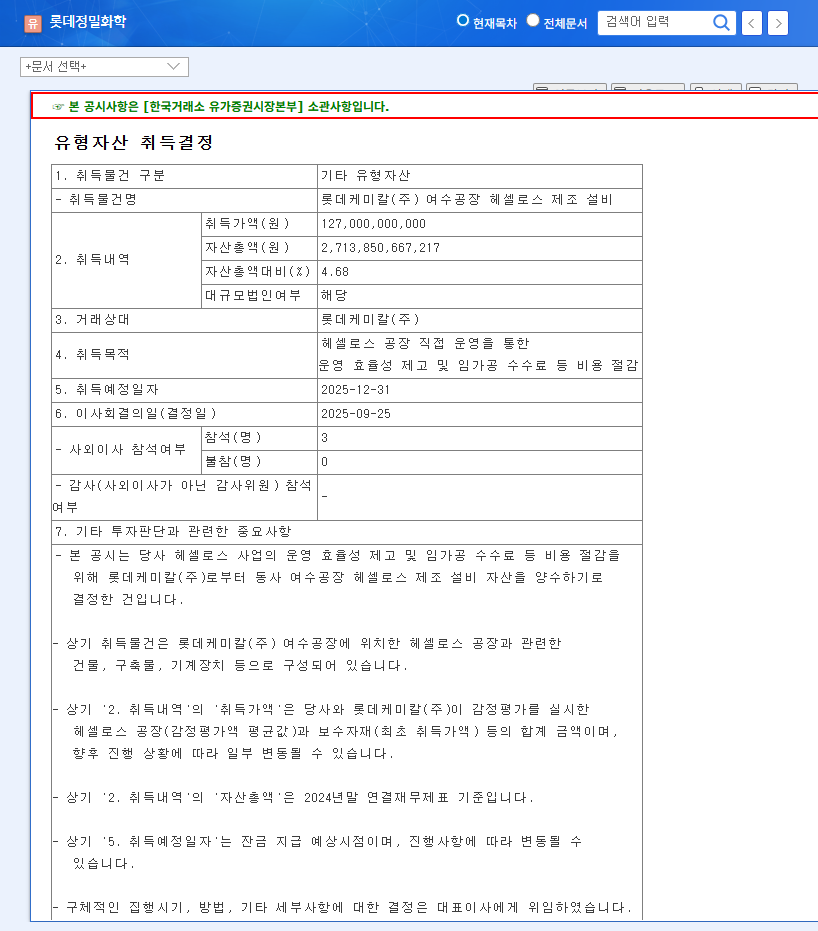
    LOTTE Fine Chemical will acquire LOTTE Chemical’s Yeosu plant Hesellos manufacturing facilities for 127 billion won by December 31, 2025. This represents 4.68% of LOTTE Fine Chemical’s assets and is a strategic investment to improve efficiency and reduce processing costs by directly operating the Hesellos plant.

    2. Why the Hesellos Acquisition?

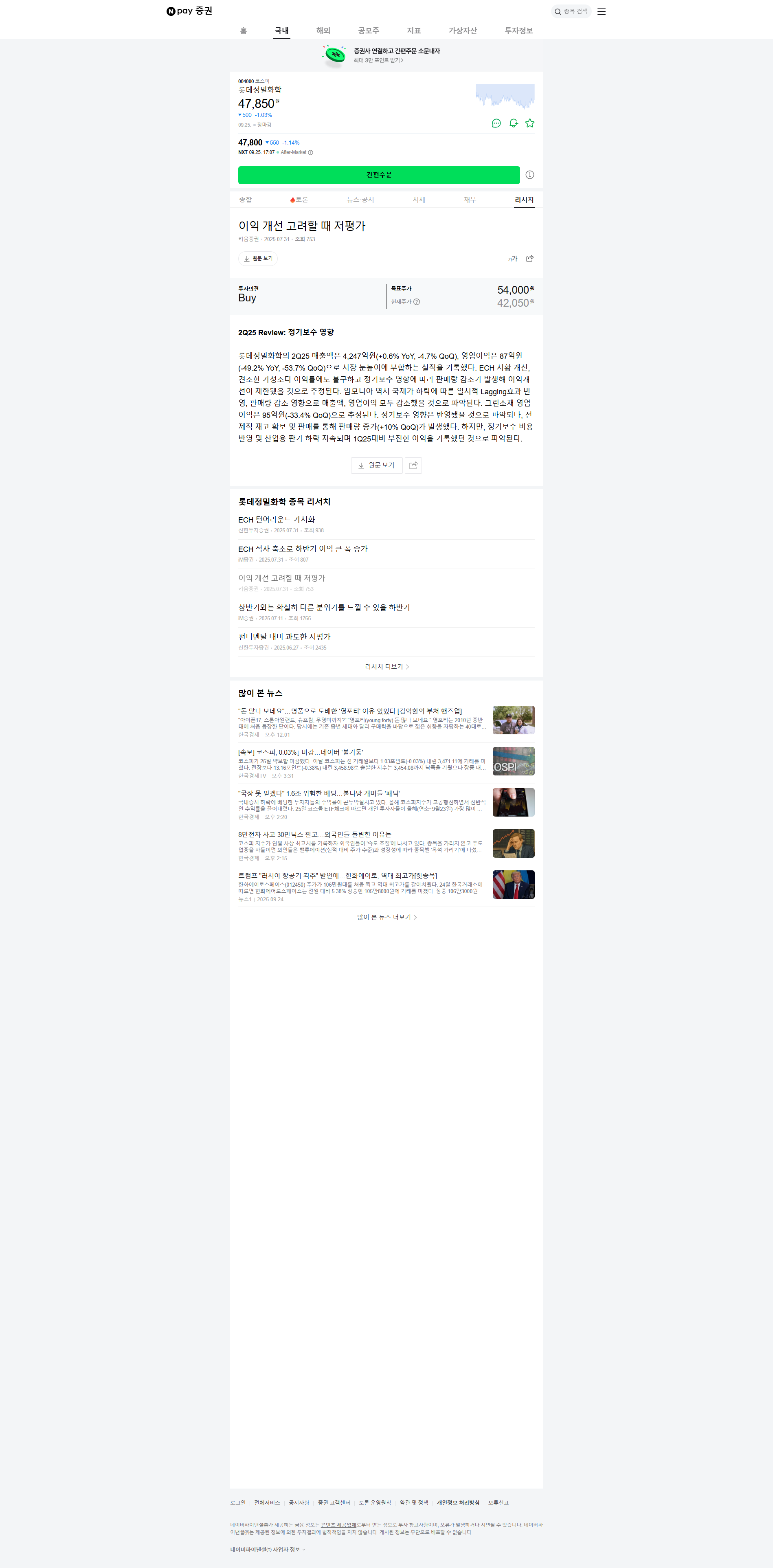
    LOTTE Fine Chemical focuses on chemical and green materials businesses, and Hesellos is one of the key products in the green materials business. This acquisition aims to enhance production efficiency and cost competitiveness through vertical integration of the Hesellos business. LOTTE Fine Chemical’s operating profit slightly decreased in the first half of 2025 compared to the same period last year, and this investment is expected to improve profitability.

    3. Impact of the Acquisition on LOTTE Fine Chemical

    • Positive Impacts: Increased operating efficiency, cost reduction, strengthened competitiveness in the green materials business, synergy with LOTTE Chemical
    • Negative Impacts: Short-term liquidity burden, facility operation risks
    • Neutral Impacts: Macroeconomic variables such as exchange rates, interest rates, and raw material prices

    Overall, positive impacts are expected to outweigh negative ones in the long term. However, continuous monitoring of facility operation and market conditions after the acquisition is necessary.

    4. Investor Action Plan

    Currently, no specific market expectations for this acquisition have been released. However, experts interpret it as a positive signal in the long term and recommend a ‘buy’ opinion. Investors should closely monitor the actual cost reduction effect, Hesellos business growth rate, and additional investment plans after the acquisition.


    Frequently Asked Questions

    What is Hesellos?

    Hesselos is one of the core products of LOTTE Fine Chemical’s green materials business.

    How will this investment affect LOTTE Fine Chemical’s stock price?

    It may not have a significant impact in the short term, but it is expected to have a positive impact in the long term.

    What are the key points to consider when investing?

    Investors should continuously monitor post-acquisition facility operating efficiency, Hesellos business growth rate, and macroeconomic variables.


    LOTTE Fine Chemical Invests 127 Billion Won: Strengthening Green Materials Business with Hesellos Acquisition 관련 이미지
    LOTTE Fine Chemical Invests 127 Billion Won: Strengthening Green Materials Business with Hesellos Acquisition 관련 이미지


  • POSCO International’s $1.6B Investment: A Hydrogen-Fueled Leap into the Future of Energy (and What it Means for Investors)


    POSCO International's $1.6B Investment:  A Hydrogen-Fueled Leap into the Future of Energy (and What it Means for Investors) 대표 차트 이미지


    1. POSCO International’s $1.6B Investment – What Happened?

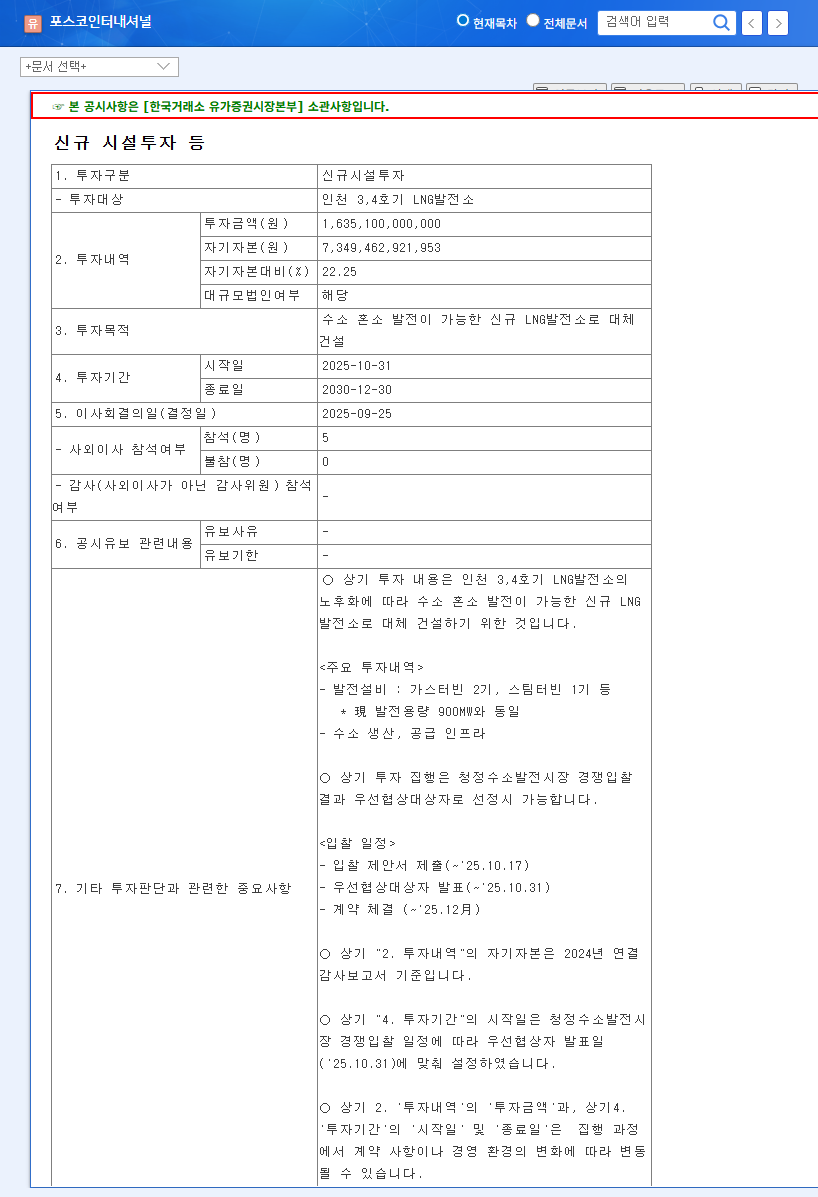
    POSCO International has committed $1.635 billion to replace its Incheon LNG power plants 3 and 4 with new, hydrogen co-firing enabled facilities. With construction slated to begin in October 2025 and completion by the end of 2030, this project is expected to play a crucial role in expanding POSCO International’s energy portfolio and strengthening its competitiveness in the future energy market.

    2. Why This Investment?

    This investment goes beyond simply replacing aging infrastructure. It addresses key strategic goals, including:

    • Leading the Green Energy Transition: Implementing hydrogen co-firing technology to reduce carbon emissions and reinforce ESG commitments
    • Securing Future Growth Engines: Establishing a foothold in the hydrogen energy market and securing a long-term revenue stream
    • Strengthening the LNG Value Chain: Enhancing LNG business competitiveness in conjunction with LNG terminal expansions

    3. The Impact – Opportunities and Risks

    Opportunities

    • Strengthened ESG profile and enhanced corporate image
    • Stable revenue generation through hydrogen co-firing and securing future growth drivers
    • Expansion and synergy creation within the LNG value chain

    Risks

    • Increased financial burden due to substantial investment costs
    • Global economic slowdown and heightened energy market volatility
    • Investment uncertainty stemming from interest rate and exchange rate fluctuations
    • Operational risks associated with hydrogen co-firing technology

    4. Action Plan for Investors

    Investors should focus on the long-term growth potential rather than short-term stock price fluctuations.

    • Establish a long-term investment strategy: Consider the growth of the green energy market and the company’s long-term vision.
    • Continuously monitor risk factors: Pay attention to macroeconomic variables, energy market volatility, and investment progress.
    • Review company disclosures and IR materials: Gain insights into detailed investment information and management’s future strategies.


    FAQ

    What is hydrogen co-firing power generation?

    Hydrogen co-firing is a power generation method that uses a mixture of hydrogen and LNG as fuel. It is an eco-friendly technology that reduces carbon emissions.

    How will this investment impact POSCO International’s stock price?

    In the short term, stock price volatility may increase due to concerns about the investment burden. However, in the long term, it is expected to have a positive impact as expectations for the expansion of eco-friendly energy businesses are reflected.

    What are POSCO International’s other business areas?

    POSCO International engages in various businesses such as steel, energy, food, and chemicals. It excels particularly in the energy sector, including the Myanmar gas field development project and LNG terminal business.


    POSCO International's $1.6B Investment:  A Hydrogen-Fueled Leap into the Future of Energy (and What it Means for Investors) 관련 이미지
    POSCO International's $1.6B Investment:  A Hydrogen-Fueled Leap into the Future of Energy (and What it Means for Investors) 관련 이미지


  • DGP (060900) Convertible Bond Exercise Analysis: Opportunity or Risk? (September 2025)


    DGP (060900) Convertible Bond Exercise Analysis: Opportunity or Risk? (September 2025) 대표 차트 이미지


    DGP Convertible Bond Exercise, What Happened?

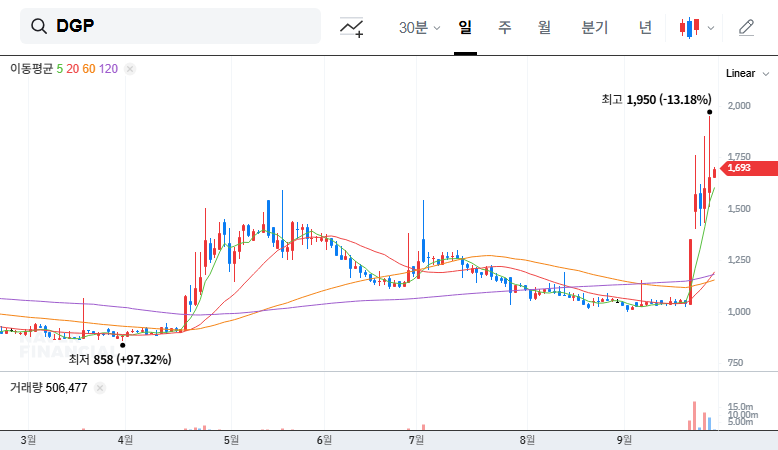
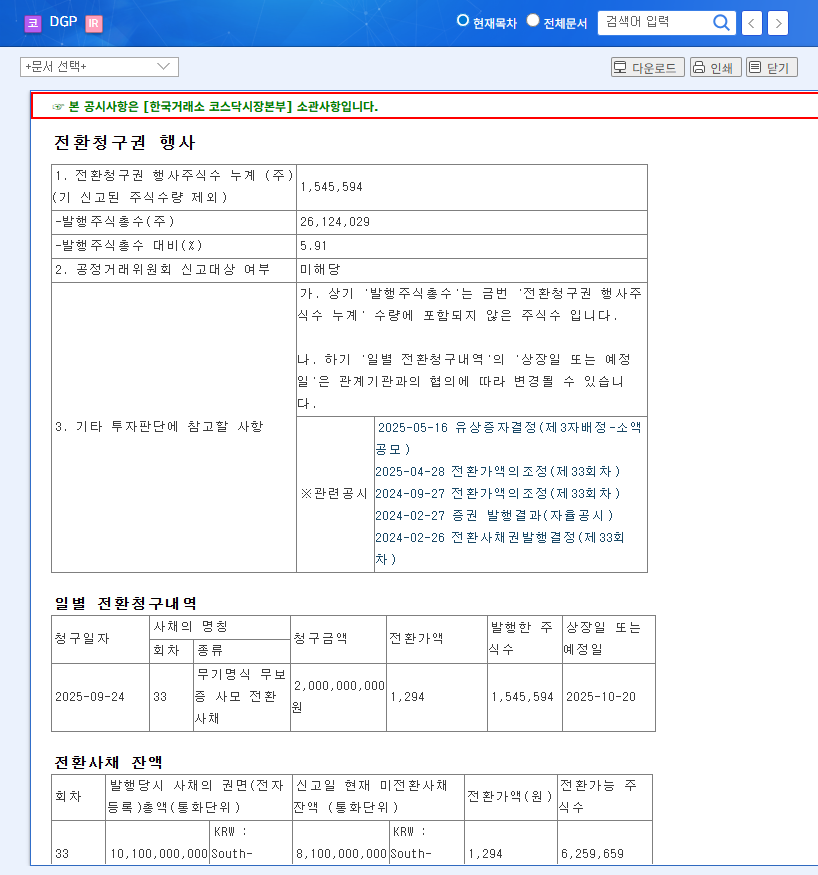
    DGP is planning to issue 1,545,594 shares through the 33rd convertible bond exercise. This represents 5.91% of the market capitalization and is scheduled to be listed on October 20, 2025. Although the current stock price (KRW 1,693) is higher than the conversion price (KRW 1,294), a significant volume could be released into the market depending on future stock price fluctuations.

    Investment Opportunity? What are the risk factors?

    • Positive Factors:
      • Entry into promising future industries such as green hydrogen, EV charging, and ESS
      • Expected synergy through securing the largest shareholder position in NGVI
      • Potential benefits from global eco-friendly energy policies
    • Negative Factors:
      • Continued decline in sales and operating losses
      • Deteriorating financial soundness (decrease in capital, increase in debt ratio)
      • Litigation risks and history of inaccurate disclosures
      • Unstable cash flow

    How will the convertible bond exercise affect the stock price?

    The convertible bond exercise can lead to a stock dilution effect due to the increase in the number of shares. In particular, because the current stock price is higher than the conversion price, the possibility of selling pressure for profit-taking cannot be ruled out. In addition, the deterioration of the macroeconomic environment, such as interest rate hikes and exchange rate fluctuations, can also negatively affect DGP’s stock price.

    What should investors do?

    • Short-term investors: Carefully monitor market reactions and stock price trends before and after the listing of converted shares and approach with caution.
    • Long-term investors: Continuously evaluate DGP’s new business performance, resolution of litigation and disclosure risks, and recovery of financial soundness.


    FAQ

    What are DGP’s main businesses?

    DGP focuses on the renewable energy sector, specifically EV chargers, ESS, and green hydrogen projects.

    How many shares will be issued through the convertible bond exercise?

    1,545,594 shares.

    What is the impact of the convertible bond exercise on the stock price?

    It can cause a stock dilution effect due to the increase in the number of shares. There is also the possibility of profit-taking sales.

    What are the key points to consider when investing in DGP?

    Consider the continued decline in sales and operating losses, deteriorating financial soundness, and litigation risks. It is important to continuously monitor new business performance and financial structure improvement.


    DGP (060900) Convertible Bond Exercise Analysis: Opportunity or Risk? (September 2025) 관련 이미지
    DGP (060900) Convertible Bond Exercise Analysis: Opportunity or Risk? (September 2025) 관련 이미지