Tag: Interest Rate

  • (058610) SPG Q3 2025 Earnings Analysis: Profit Soars Despite Revenue Dip – Investment Outlook

    (058610) SPG Q3 2025 Earnings Analysis: Profit Soars Despite Revenue Dip – Investment Outlook

    This comprehensive SPG CO., LTD Q3 2025 earnings analysis dives into a compelling financial story. While top-line revenue slightly missed market expectations, SPG (058610) demonstrated remarkable resilience by delivering a significant outperformance in profitability and a successful turnaround to net profit. This performance highlights the company’s operational strength in a challenging global market.

    How did SPG achieve this feat, and what does it mean for the current SPG investment strategy? We will explore the core drivers behind this success, analyze the macroeconomic landscape, and provide a clear outlook on the company’s stock potential.

    Q3 2025 Earnings at a Glance

    On November 11, 2025, SPG announced its preliminary consolidated results, revealing a mixed but ultimately positive picture. The key takeaway is the divergence between revenue and profit, showcasing excellent internal management.

    • Revenue: KRW 84.1 billion, which was 3% below the consensus estimate of KRW 86.6 billion. This reflects the broader impact of a global economic slowdown.
    • Operating Profit: KRW 4.9 billion, a strong 7% beat over the estimated KRW 4.6 billion. This indicates a significant improvement in operational efficiency.
    • Net Profit: KRW 3.6 billion, marking a crucial and successful turnaround to profitability (return to black), a figure not fully reflected in prior estimates.

    The Q3 results show that while external market conditions were tough, SPG’s internal cost controls and strategic focus allowed it to convert less revenue into more profit, boosting its operating profit margin from an estimated 4.87% to 5.82%.

    Why Did SPG Succeed? Unpacking the Profitability Drivers

    Several key factors contributed to SPG’s impressive profitability performance, demonstrating a multi-faceted approach to navigating market headwinds.

    1. Masterful Cost and Efficiency Management

    The star of the SPG CO., LTD Q3 2025 earnings report is undoubtedly its cost management. The company effectively controlled its Selling, General, and Administrative (SG&A) expenses. This proactive approach, first highlighted in its semi-annual report, continued to yield fruit, proving that the management team is adept at maintaining financial discipline without stifling core operations. This is a powerful signal of a well-run organization.

    2. Strategic Investment in Future Growth Engines

    SPG is not just surviving; it’s investing in the future. The company has expanded its R&D into high-potential areas like actuators for humanoid and collaborative robots. This market is a cornerstone of the next industrial revolution, with applications spanning factory automation, logistics, and even healthcare. By securing a foothold here, SPG is positioning itself for significant long-term growth beyond its traditional small motor markets. According to a report by MarketsandMarkets, the collaborative robot market is projected to grow exponentially, and SPG is getting in on the ground floor.

    3. Favorable Macroeconomic Tailwinds

    As a major exporter, SPG benefited from favorable foreign exchange rates. The strong KRW/USD (KRW 1,453.00) and KRW/EUR (KRW 1,679.60) rates increased the value of its overseas sales when converted back to Korean Won. Furthermore, declining global commodity prices, including WTI crude oil ($60.19) and lower shipping costs (as seen in the Baltic Dry Index), helped reduce raw material and logistics expenses, directly boosting the bottom line.

    SPG Investment Strategy: Outlook and Recommendations

    The positive profit surprise could provide a short-term boost to the SPG stock outlook. However, a prudent investor must look at the mid-to-long-term picture, which presents both opportunities and risks.

    Opportunities & Positive Factors

    • Proven Resilience: The ability to grow profit during a revenue downturn is a hallmark of a resilient business model.
    • Robotics Growth Catalyst: The investment in robot actuators provides a clear path to participating in a high-growth, next-generation industry.
    • Global Recovery Potential: Any recovery in the U.S. and Chinese markets would directly translate into a revenue rebound for SPG.

    Risks & Factors to Monitor

    The primary risk stems from the macroeconomic environment. Persistently high interest rates could increase the financial burden on the company, given its debt-to-equity ratio of approximately 102.93%. Investors should also monitor for a sustained global slowdown, which could further suppress revenue growth and limit the stock’s upside. For more on navigating market risks, see our guide on building a recession-resistant portfolio.

    Investment Opinion: Neutral with a Positive Bias

    We recommend a “Neutral” stance for now. SPG has proven its operational excellence, but sustained share price appreciation will require a clear signal of revenue recovery. Investors should monitor for the following catalysts:

    • Clear evidence of a rebound in global manufacturing and consumer demand.
    • Tangible commercial success and revenue generation from the new robotics division.
    • Continued demonstration of efficient cost management in upcoming quarters.

    In conclusion, this was a strong quarter for SPG’s profitability. The company has laid a solid foundation, and once the external environment improves, it is well-positioned for growth. For full transparency, investors can review the company’s Official Disclosure filed with DART.
    (058610) SPG Q3 2025 Earnings Analysis: Profit Soars Despite Revenue Dip – Investment Outlook 관련 이미지
    (058610) SPG Q3 2025 Earnings Analysis: Profit Soars Despite Revenue Dip – Investment Outlook 관련 이미지
  • (003200) ILSHIN SPINNING CO.,LTD Earnings (Q3 2025): Analysis, Stock Outlook & Investment Strategy

    (003200) ILSHIN SPINNING CO.,LTD Earnings (Q3 2025): Analysis, Stock Outlook & Investment Strategy

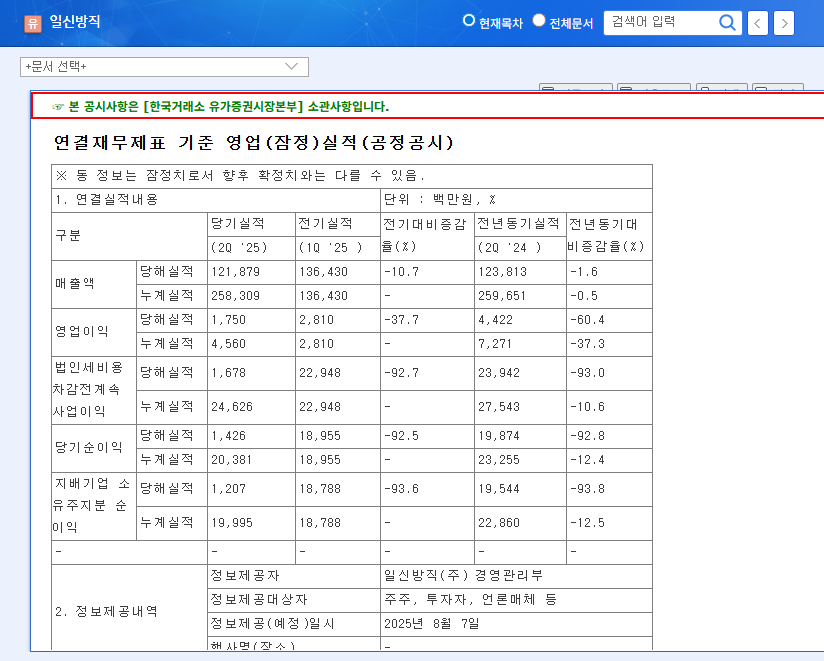
    The latest ILSHIN SPINNING CO.,LTD earnings report for the third quarter of 2025 has revealed significant challenges, causing concern among investors. While revenue saw a marginal increase, a sharp and unexpected decline in operating profit has cast a shadow over the company’s short-term outlook. This comprehensive analysis will dissect the Q3 2025 results, explore the underlying causes for the performance dip, and outline a prudent investment strategy for navigating the path ahead.

    Breaking Down the ILSHIN SPINNING CO.,LTD Q3 2025 Earnings Report

    On November 10, 2025, ILSHIN SPINNING CO.,LTD released its provisional financial results, providing a critical snapshot of its health. The market reacted swiftly to the numbers, which pointed to a clear deterioration in profitability. The official figures, as filed with the regulator, can be found in the Official Disclosure on DART.

    Here are the key takeaways from the announcement:

    • Revenue: KRW 124.3 billion, showing a minor increase from the previous quarter.
    • Operating Profit: KRW 0.9 billion, a significant and concerning plunge compared to the prior quarter.
    • Net Profit: KRW 1.1 billion, also marking a sequential decrease.

    The dramatic fall in ILSHIN SPINNING operating profit is the central story of this report. It marks the second straight quarter of decline and signals deep-seated issues that revenue growth alone cannot mask.

    Core Factors Behind the Profitability Decline

    The weak performance isn’t due to a single issue but a convergence of internal business struggles and harsh external economic conditions. Understanding these factors is crucial for any ILSHIN SPINNING stock analysis.

    Persistent Headwinds in the Core Textile Business

    The company’s primary textile segment has been underperforming for some time, posting an operating loss of KRW 3.6 billion in the first half of 2025. The Q3 results suggest this trend has continued, if not worsened. Structural issues within the global textile industry, coupled with sluggish domestic and international demand, have compressed margins and limited growth.

    Challenging Macroeconomic Environment

    A perfect storm of macroeconomic factors has exacerbated the company’s problems. As reported by leading financial outlets like Bloomberg, the global economic climate has been unforgiving.

    • Adverse Exchange Rates: High EUR/KRW and USD/KRW rates directly increase the cost of importing essential raw materials like cotton, squeezing profitability at the source.
    • High Interest Rates: Elevated benchmark rates in both Korea and the U.S. amplify financial costs, making debt servicing more expensive and pressuring the bottom line.
    • Raw Material Volatility: Fluctuations in the price of crude oil and other key inputs create uncertainty and make cost management a significant challenge.

    The Real Estate Business: A Stabilizing Force

    On a more positive note, the company’s real estate leasing and management division continues to be a reliable source of income. It generated KRW 6.2 billion in operating profit during H1 2025, providing a crucial buffer against the losses in the textile segment. However, its stable contribution was not enough to offset the severe downturn in the core business, highlighting the need for diversification or a textile turnaround.

    A Prudent Investment Strategy for ILSHIN SPINNING

    Given the recent ILSHIN SPINNING CO.,LTD earnings, investors should adopt a cautious and observant stance. While short-term volatility and downward pressure on the stock price are likely, a long-term perspective requires monitoring several key indicators. For more background, you can read our guide to investing in the South Korean textile industry.

    • Textile Turnaround Strategy: Watch for any new management initiatives, cost-cutting measures, or shifts in market strategy aimed at reviving the core business in Q4 and beyond.
    • Diversified Business Growth: Monitor the performance of other ventures, such as cosmetics and alcoholic beverages, to see if they can become meaningful growth engines.
    • Macroeconomic Response: Assess the company’s risk management and its ability to adapt to ongoing changes in currency exchange rates and interest rates.
    • Shareholder Value: Pay attention to the company’s dividend policy and any other actions taken to enhance shareholder returns, as this can indicate management’s confidence.

    Frequently Asked Questions (FAQ)

    What were the key figures from ILSHIN SPINNING’s Q3 2025 earnings?

    ILSHIN SPINNING reported revenue of KRW 124.3 billion, an operating profit of just KRW 0.9 billion, and a net profit of KRW 1.1 billion. The most notable figure was the sharp decline in operating profit from the previous quarter.

    What is the primary cause of the poor operating profit?

    The decline is attributed to a combination of persistent struggles in its core textile business and significant macroeconomic pressures, including high raw material costs, unfavorable currency exchange rates, and rising interest rates.

    What is the expected impact on ILSHIN SPINNING’s stock price?

    In the short term, the disappointing earnings are likely to increase market concerns and put downward pressure on the stock price. A long-term recovery will depend on a fundamental turnaround in its core operations and overall market conditions.

    (003200) ILSHIN SPINNING CO.,LTD Earnings (Q3 2025): Analysis, Stock Outlook & Investment Strategy 관련 이미지
    (003200) ILSHIN SPINNING CO.,LTD Earnings (Q3 2025): Analysis, Stock Outlook & Investment Strategy 관련 이미지
  • (101490) S&S TECH Stock Analysis: EUV Market Future & Mirae Asset Shareholding

    (101490) S&S TECH Stock Analysis: EUV Market Future & Mirae Asset Shareholding

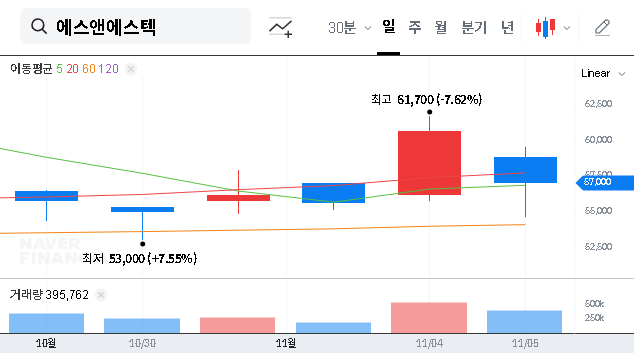
    A recent development concerning S&S TECH CORPORATION, a pivotal player in the advanced semiconductor materials sector, has captured the attention of investors. A minor adjustment in shareholding by institutional giant Mirae Asset Management raises important questions. While the change itself is small, it serves as a catalyst to re-evaluate the company’s trajectory, especially given its critical role in the burgeoning EUV blank mask and pellicle market. This analysis will dissect the shareholding report, examine the fundamentals of the S&S TECH stock, and consider macroeconomic headwinds to provide a comprehensive outlook for informed investment decisions.

    The Mirae Asset Management Shareholding Adjustment

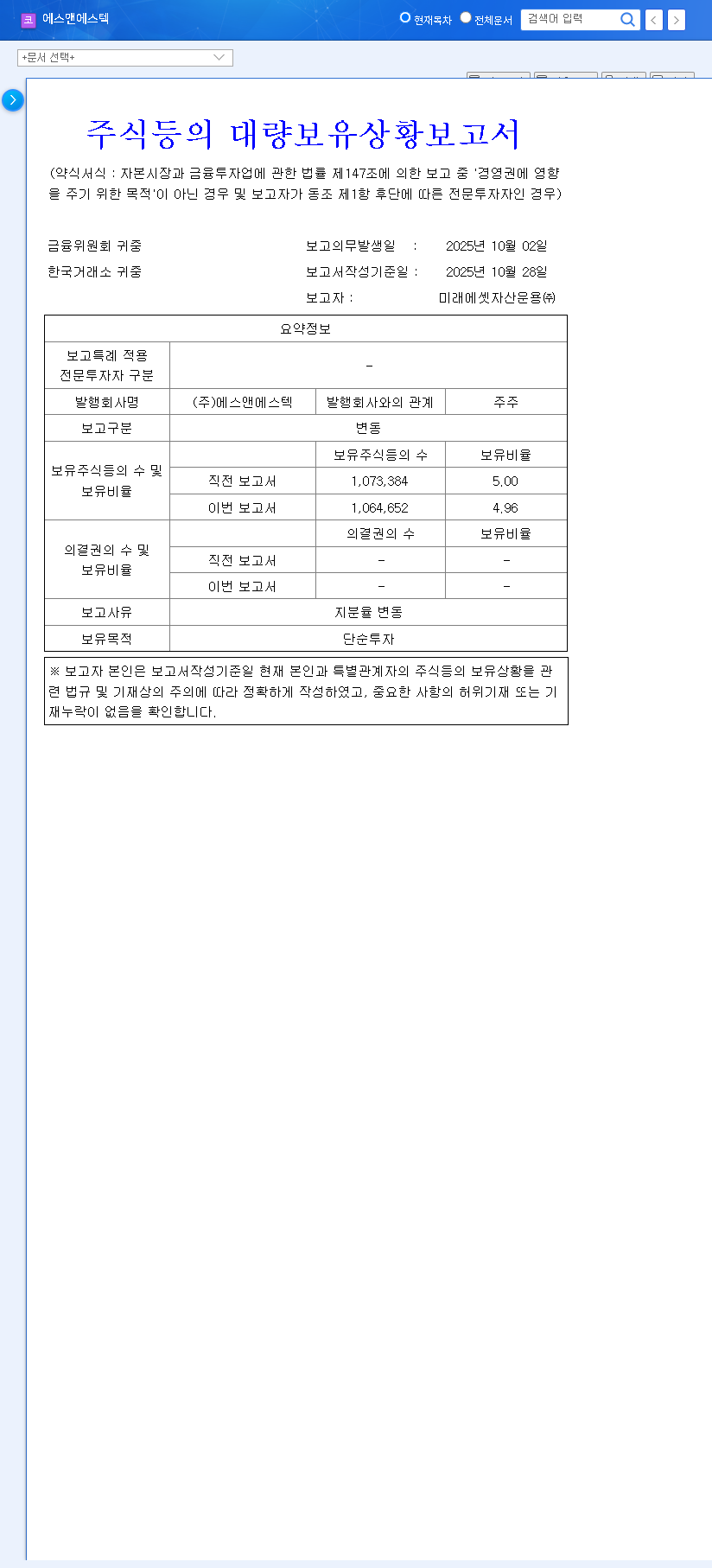
    On November 5, 2025, an official disclosure revealed a change in Mirae Asset Management’s stake in S&S TECH CORPORATION. The filing, accessible via the official DART report (Official Disclosure), detailed a minor decrease in ownership.

    • Previous Stake: 5.00%
    • New Stake: 4.96%
    • Net Change: A reduction of 0.04 percentage points.

    This adjustment resulted from open market transactions, including a sale of 34,574 shares, between October 15 and October 28, 2025. While seemingly insignificant, any move by a major institutional investor warrants a closer look at the company’s underlying health and future prospects.

    The Critical Role of S&S TECH in the EUV Revolution

    To understand the long-term value of S&S TECH CORPORATION, one must first appreciate its position in the semiconductor manufacturing process. The company specializes in materials for Extreme Ultraviolet (EUV) lithography, the cutting-edge technology used to produce the world’s most advanced microchips for AI, high-performance computing, and mobile devices.

    What are EUV Blank Masks and Pellicles?

    An EUV blank mask is the master template for a chip’s design. It is an incredibly complex, multi-layered substrate onto which a circuit pattern is etched. An EUV pellicle is an ultra-thin protective membrane that shields the mask from contaminants during production. A single defect on either of these components can ruin millions of dollars’ worth of chips. As such, the quality and reliability provided by specialists like S&S TECH are non-negotiable for semiconductor giants.

    Financial Health & Company Fundamentals (H1 2025)

    Despite its technological leadership, S&S TECH is not immune to broader industry cycles. A recent slowdown in the semiconductor and display sectors has impacted its short-term performance.

    • Revenue: KRW 118.6 billion (a decrease year-on-year).
    • Operating Profit: KRW 25.17 billion (a slight decrease, mitigated by cost management).
    • Total Assets: Increased to KRW 320.5 billion, reflecting strategic investments in new EUV production facilities.
    • Financial Stability: Remains robust with an A+ credit rating and 2.90% treasury shares.

    The minor shift in shareholding by Mirae Asset Management is less a red flag and more a signal for investors to pay closer attention to the company’s long-term EUV strategy and its execution on new factory investments.

    Investment Outlook: Catalysts and Risks

    The future trajectory for the S&S TECH stock hinges on balancing short-term headwinds with significant long-term growth potential. Investors should consider the following factors.

    Positive Catalysts

    The company’s strategic investments in new EUV-related factories are the primary long-term growth driver. As the demand for AI chips accelerates and more fabs adopt EUV processes, S&S TECH’s market position is set to strengthen. This positions them to capture significant value in a high-growth, high-barrier-to-entry industry. For more on this, see our analysis of broader semiconductor industry trends.

    Potential Risks to Consider

    Macroeconomic uncertainty remains a primary concern. A high-interest-rate environment increases the cost of capital for expansion, while exchange rate volatility (KRW/USD) can impact the profitability of an export-heavy business. Furthermore, the recent decline in the R&D-to-revenue ratio (from 10.7% to 6.0% year-on-year) is a metric to monitor closely, as sustained innovation is key to maintaining a technological edge.

    Disclaimer: This analysis is for informational purposes only and is based on publicly available data. It does not constitute investment advice. All investment decisions should be made based on your own judgment and research.

    (101490) S&S TECH Stock Analysis: EUV Market Future & Mirae Asset Shareholding 관련 이미지
  • (109610) SY CO., LTD. Stock Forecast (109610): A Deep Dive Analysis & 2025 Investment Strategy

    (109610) SY CO., LTD. Stock Forecast (109610): A Deep Dive Analysis & 2025 Investment Strategy

    Investors are closely watching SY CO., LTD. stock (109610) following a recently disclosed Major Shareholding Status Report. While changes in ownership can signal shifts in management stability, a truly informed investment decision requires a much deeper look. It’s critical to move beyond the headlines and conduct a thorough fundamental analysis of the company’s intrinsic value, financial health, and the broader macroeconomic landscape.

    This comprehensive report breaks down the key details of the shareholding changes and provides a meticulous SY CO., LTD. fundamental analysis based on its 2025 half-year report. We will explore its profitability, growth drivers, and critical risk factors to offer a clear, actionable investment strategy for the future of the 109610 stock.

    The Shareholding Report: What Really Changed?

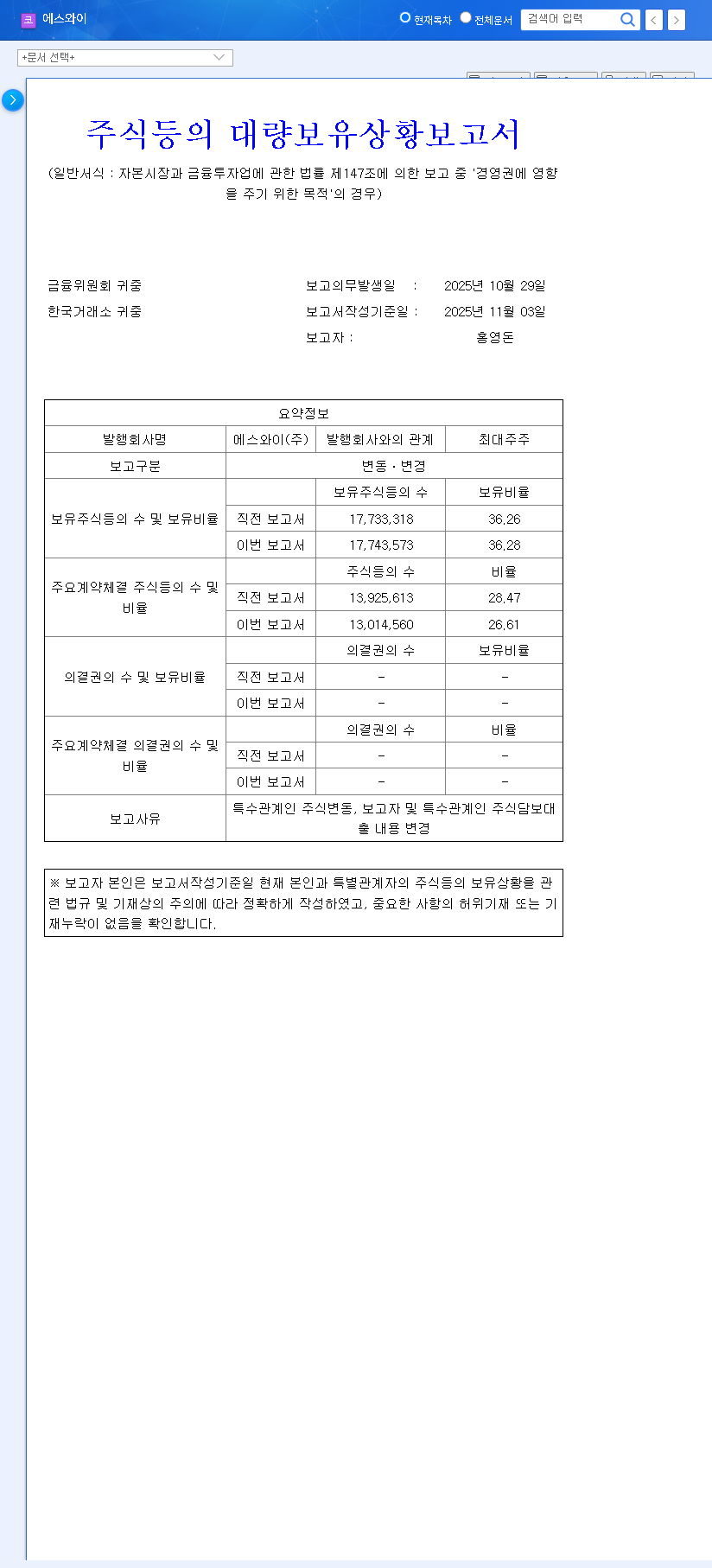
    On November 5, 2024, SY CO., LTD. filed its Major Shareholding Status Report, an event that warrants careful consideration. The full details can be viewed in the Official Disclosure (DART). Here are the key takeaways:

    • Minor Stake Increase: The total shareholding of CEO Hong Young-don and related parties increased fractionally from 36.26% to 36.28%.
    • Purpose: The stated purpose for the holding is to influence management control, signaling a move to consolidate leadership and stabilize operations.
    • Transaction Details: The change resulted from SB Holdings Co., Ltd. purchasing 307,689 shares, while related party Kim Ok-ju sold 327,291 shares.

    This subtle increase can be interpreted as a strategic move by the core leadership to reaffirm their commitment and tighten their grip on the company’s direction. While not a dramatic shift, it suggests a focus on long-term stability from the top.

    SY CO., LTD. Fundamental Analysis: Beyond the Numbers

    To understand the true value of SY CO., LTD. stock, we must look at its operational performance and financial health as detailed in the 2025 half-year report.

    Profitability and Revenue Challenges

    The company’s top-line performance shows signs of strain. Consolidated revenue for the first half of 2025 was KRW 252,238 million, a 12.6% decrease year-over-year. This slump is primarily attributed to a slowdown in the domestic construction market, affecting key products like sandwich panels and deck plates, compounded by a steep 46.3% decline in exports.

    Interestingly, the company reported a net profit of KRW 16,231 million, a positive turnaround. However, this figure is heavily skewed by a one-time gain of KRW 15,740 million from the sale of investment shares in SY Steeltech. The core operating profit margin fell sharply from 12.11% to 5.22%, indicating that the underlying business profitability has weakened. This is a critical distinction for any stock analysis of 109610.

    Financial Health and Risk Factors

    The balance sheet reveals several areas that require monitoring:

    • High Debt Load: The debt-to-equity ratio remains elevated at 107.56%. While manageable, this level of debt can increase financial risk during periods of rising interest rates. For context, you can learn more about what constitutes a healthy debt-to-equity ratio on Investopedia.
    • Rising Inventory: Inventory assets have increased to KRW 68,551 million, suggesting a potential burden from sluggish sales that could lead to future write-downs.
    • External Volatility: The company is vulnerable to raw material price swings and currency fluctuations. A 5% change in the USD exchange rate could impact after-tax profit by approximately KRW 1.8 billion.
    • Litigation Risk: Seven ongoing lawsuits represent a potential, unquantified financial liability.

    Growth Drivers and Future Outlook

    Despite the challenges, SY CO., LTD. is actively pursuing several avenues for growth. Success in these areas is key to the long-term SY CO., LTD. stock forecast. Initiatives include overseas expansion in Vietnam and Nepal, R&D in eco-friendly and solar panels, and business diversification into new subsidiaries like SY Green Energy and SY Cosmetics. The performance of these new ventures will be crucial in offsetting the slowdown in its core construction materials business.

    Investor Action Plan & Final Recommendation

    Considering all factors, a cautious and patient approach is warranted. The management’s move to stabilize control is a modest positive, but it does not outweigh the fundamental headwinds the company is facing.

    Key Watch Points for Investors:

    • Core Profitability: Look for a recovery in revenue and operating profit margin from the main business, independent of one-off gains.
    • New Venture Success: Monitor for tangible revenue and profit contributions from new businesses and overseas expansion.
    • Financial Deleveraging: Watch for progress in reducing the debt-to-equity ratio and managing inventory levels effectively. To learn more about financial health, see our Guide to Analyzing Financial Reports.

    Overall Opinion: SY CO., LTD. is at a crossroads. While leadership appears stable, the company must prove it can restore profitability in its core operations and successfully execute its diversification strategy. At this time, a ‘Wait-and-See’ approach is the most prudent strategy. Investors should closely monitor upcoming earnings reports for signs of a fundamental turnaround before committing capital.

    Disclaimer: This analysis is for informational purposes only. All investment decisions are the sole responsibility of the investor.

    (109610) SY CO., LTD. Stock Forecast (109610): A Deep Dive Analysis & 2025 Investment Strategy 관련 이미지
  • (071320) KOREA DISTRICT HEATING CORPORATION (071320) Q3 2025: Investor’s Guide to Earnings & Strategy

    (071320) KOREA DISTRICT HEATING CORPORATION (071320) Q3 2025: Investor’s Guide to Earnings & Strategy

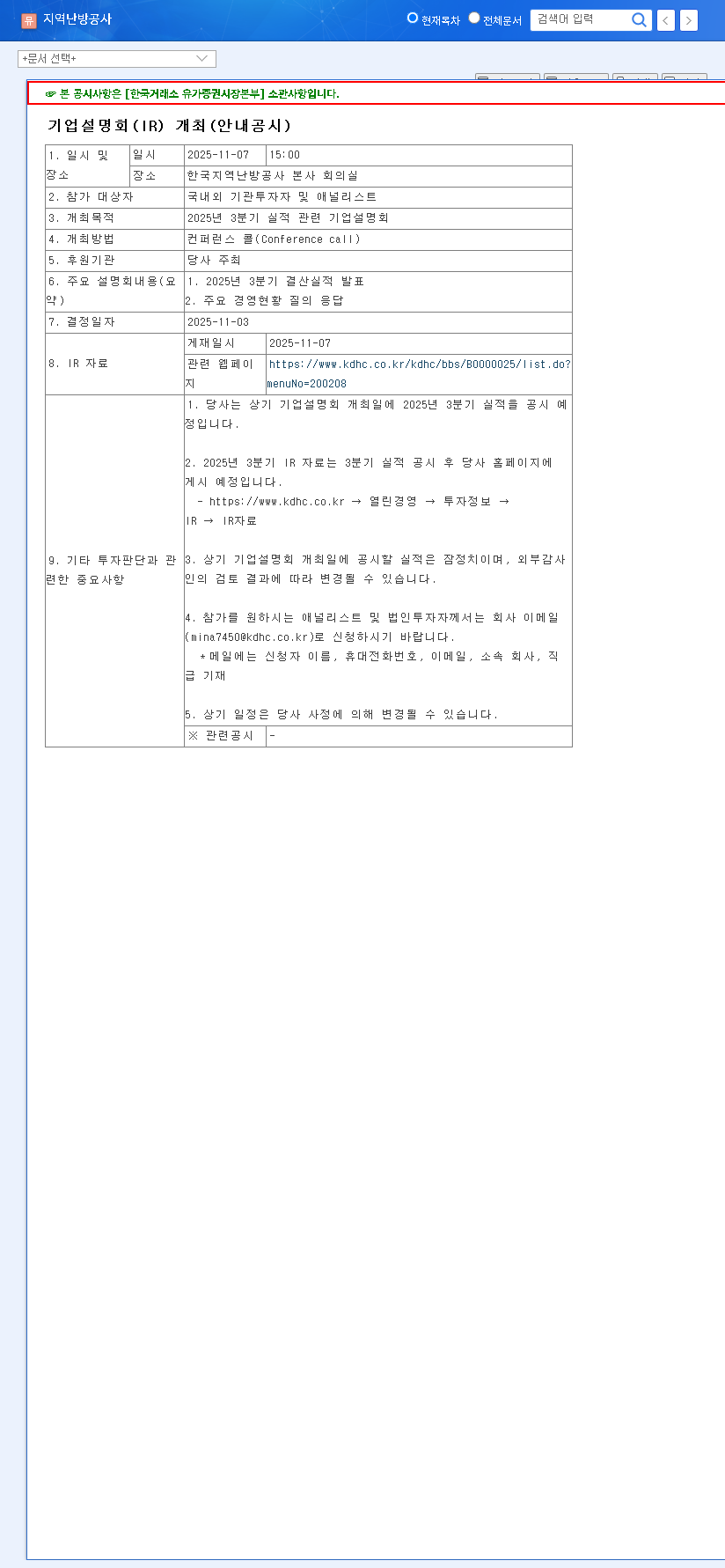
    The upcoming Q3 2025 earnings report for KOREA DISTRICT HEATING CORPORATION (KDHC), ticker 071320, represents a critical juncture for investors. Scheduled for November 7, 2025, this Investor Relations (IR) presentation is far more than a routine financial update. It is a comprehensive look into the company’s operational health, strategic direction, and resilience in a volatile energy market. For stakeholders, this event will provide vital clues about KDHC’s ability to navigate high debt, manage large-scale investments, and capitalize on its core strengths. This in-depth analysis will break down the fundamental factors, potential market reactions, and a strategic roadmap for evaluating your KDHC investment strategy.

    This IR is a pivotal moment to assess the balance between KDHC’s stable, foundational heating business and the challenges plaguing its electricity segment, all set against a complex macroeconomic backdrop.

    Event Details: The Q3 2025 Investor Briefing

    KOREA DISTRICT HEATING CORPORATION has officially scheduled its corporate IR for November 7, 2025, at 3:00 PM (KST). The session will feature a detailed presentation of the third-quarter financial results, followed by a crucial Q&A session with management. As a public enterprise with a significant market presence, KDHC aims to use this platform to enhance transparency and directly address investor concerns. The full details can be found in the Official Disclosure (DART).

    Fundamental Analysis: The Bull vs. Bear Case for KDHC

    Understanding the company’s core strengths and weaknesses is essential before analyzing the 071320 earnings report. The investment thesis for KDHC is a tale of two sectors, balanced by strategic growth initiatives and weighed down by financial and market risks.

    Positive Factors: Stability and Future Growth

    • Rock-Solid Heat Sector Revenue: The demand for district heating is largely inelastic, providing a stable and predictable revenue stream that forms the company’s financial bedrock. This consistent cash flow is a significant defensive characteristic.
    • Strategic Growth Investments: KDHC is not standing still. Major projects, including the Suwon Combined Heat and Power Plant replacement and the Goyang Changneung District Energy initiative, are poised to become long-term growth engines, diversifying the business and aligning with modern ESG standards.
    • Favorable Cost Environment: A global downward trend in Liquefied Natural Gas (LNG) prices serves as a significant tailwind, easing the burden of raw material costs and potentially boosting margins if the trend continues.

    Negative Factors & Risks: The Challenges Ahead

    • High Debt Ratio: A debt-to-equity ratio of 236.57% (as of H1 2025) is a major red flag. In a rising interest rate environment, this high leverage can significantly increase interest expenses and squeeze profitability.
    • Underperforming Electricity Sector: Intense competition and declining wholesale electricity prices have eroded the profitability of this segment. Investors will be keenly watching for any signs of a turnaround or a strategic pivot.
    • New Project Investment Burden: While promising for the future, these large-scale projects require massive capital outlays, introducing execution risk and further straining the balance sheet in the short to medium term.
    • Macroeconomic Headwinds: The performance of KOREA DISTRICT HEATING CORPORATION is directly tied to global markets. A strengthening USD against the KRW increases import costs for LNG, while rising interest rates amplify debt service costs.

    Investor Takeaways & Strategic Checklist

    The KDHC Q3 2025 IR is an opportunity to pressure-test the company’s narrative. A positive outcome hinges on management’s ability to present a convincing plan. If Q3 earnings meet or beat expectations and the company provides a clear, confident outlook on its new projects and cost controls, the stock could see significant positive momentum. Conversely, a miss on earnings or vague commentary on risks could amplify investor concerns and lead to downward pressure.

    Prudent investors should prepare by focusing on the following:

    • Scrutinize Segment Performance: Look for specific data on the profitability drivers and detractors in both the heat and electricity sectors. Is the electricity division stabilizing?
    • Evaluate Project Milestones: Seek concrete updates on the progress, budget adherence, and expected ROI for the Suwon and Goyang Changneung projects.
    • Listen to the Macro Outlook: Pay close attention to management’s commentary on hedging strategies against currency fluctuations and their plans for managing debt in a shifting interest rate landscape.
    • Assess Market Reaction: Monitor trading volume and price action following the IR to gauge institutional sentiment and adjust your investment strategy accordingly.

    Ultimately, the outlook for KOREA DISTRICT HEATING CORPORATION stock will depend on its ability to execute its growth strategy while navigating significant financial headwinds. For further context on energy market trends, investors can consult authoritative sources like the International Energy Agency (IEA). To learn more about portfolio diversification, consider reading our guide on building a resilient investment portfolio.

    (071320) KOREA DISTRICT HEATING CORPORATION (071320) Q3 2025: Investor's Guide to Earnings & Strategy 관련 이미지
  • (005930) Samsung Electronics Stock Analysis (2025): Future Growth, Shareholding & AI Outlook

    (005930) Samsung Electronics Stock Analysis (2025): Future Growth, Shareholding & AI Outlook

    This comprehensive Samsung Electronics stock analysis provides a meticulous look into the company’s current standing and future trajectory. Following a recent large shareholding report from Samsung C&T, investors are keen to understand the implications for management stability, stock performance, and long-term value. Simply looking at share percentages misses the bigger picture.

    We will dissect the details of this report, evaluate Samsung Electronics’ fundamentals based on its H1 2025 performance, and identify the key Samsung Electronics future growth engines. We’ll also examine how macroeconomic variables could shape its path forward, offering an expert perspective for savvy investors.

    Unpacking the Samsung C&T Shareholding Report

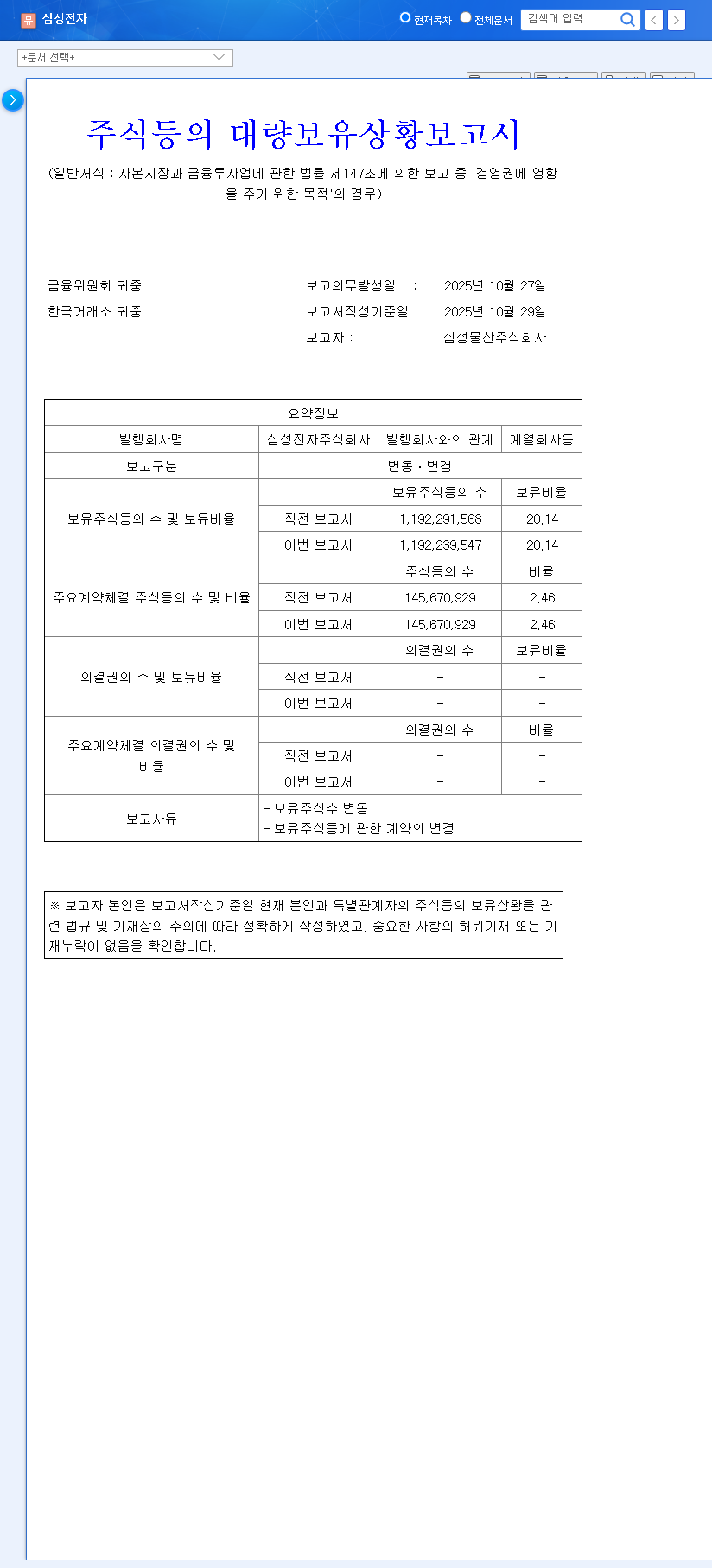
    On October 31, 2025, Samsung C&T filed a ‘Report on the Status of Large Shareholdings’ concerning Samsung Electronics. The filing, available via this Official Disclosure, confirmed that Samsung C&T’s stake in Samsung Electronics Co., Ltd. remained unchanged at 20.14%. The primary reason cited for the report was minor changes in share-related contracts and small-scale transactions by related parties, not a strategic shift in ownership.

    The key takeaway from the report is not change, but stability. It reaffirms a consistent governance structure, which is a crucial factor for long-term investors conducting a thorough Samsung Electronics stock analysis.

    What This Signifies for Governance and Stability

    The report explicitly states the holding purpose as ‘Influence over Management.’ This is a clear signal of Samsung C&T’s enduring commitment to participating in Samsung Electronics’ core strategic decisions. As a central entity in the group’s governance, this ensures a consistent and stable management direction. The minor share transactions by Samsung Life Insurance were part of routine portfolio adjustments and are too small to have any meaningful impact on the Samsung Electronics stock price or overall ownership structure.

    Deep Dive: Samsung Electronics’ Robust Fundamentals (H1 2025)

    Beyond governance, the company’s H1 2025 performance reveals powerful growth drivers that are solidifying its role as a leader in the AI era. These fundamentals are the true engine behind the company’s value.

    Powering the AI Revolution: The DS (Device Solutions) Division

    The semiconductor division is at the heart of Samsung Electronics future growth. Surging demand for AI servers has fueled impressive sales of high-bandwidth memory like HBM3E and high-capacity DDR5 modules. The company is also pushing the boundaries of technology by launching 2nm foundry products for mobile applications, strengthening its competitive edge against rivals. This positions Samsung to capture a significant share of the expanding AI chip market, which market analysts predict will see exponential growth.

    Dominating Consumer Tech: DX, SDC, and Harman

    Samsung’s other divisions continue to perform strongly:

    • DX (Device Experience): Continued leadership in the TV and mobile markets, highlighted by an expanded AI TV lineup and enhanced Galaxy AI features that are defining the next generation of smartphones.
    • SDC (Samsung Display): The OLED panel business is thriving, with diversification into IT, automotive, and foldable device applications ensuring a broad revenue base.
    • Harman: Showing impressive growth in lifestyle audio and successfully nurturing its automotive components business for next-gen vehicles.

    Navigating Macroeconomic Headwinds

    While the Samsung C&T shareholding news has a limited short-term impact, global economic factors will play a more significant role. Investors should monitor several key variables:

    • Interest Rates: Potential rate cuts by the US Federal Reserve (policy rate at 4.00%) could boost investor sentiment and appetite for tech stocks. The correlation with Korea’s policy rate (2.50%) will be crucial.
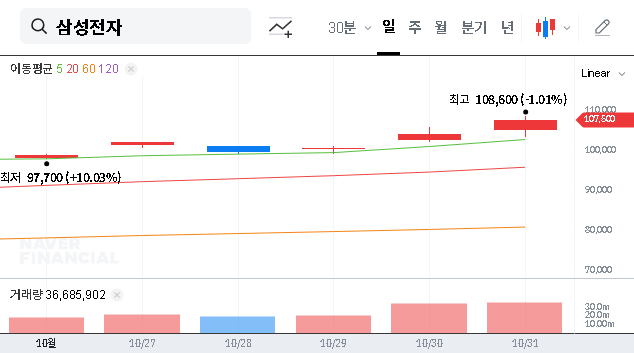
    • Exchange Rate Fluctuations: A strong US dollar against the Korean Won (KRW/USD ~1,648) benefits export profitability but introduces volatility risk for a global operator like Samsung.
    • Commodity & Shipping Costs: Volatility in oil prices and changes in shipping costs, reflected by indicators like the Baltic Dry Index, directly impact manufacturing and logistics expenses.

    Conclusion: Investor Outlook for Samsung Electronics

    This event should be viewed as a confirmation of long-term stability rather than a trigger for short-term price movement. Our Samsung Electronics stock analysis concludes that the company’s intrinsic value and future growth potential are the primary factors to consider. The company is strategically positioned to capitalize on the AI boom, supported by a diverse portfolio and a stable governance structure.

    Investors should focus on the execution of its AI and advanced semiconductor strategies while keeping an eye on the broader economic environment. To understand the market better, consider reading our complete guide to investing in the semiconductor sector. Samsung Electronics’ technological leadership and market dominance suggest a strong capacity for sustained growth, provided it continues to manage global risks effectively.

    (005930) Samsung Electronics Stock Analysis (2025): Future Growth, Shareholding & AI Outlook 관련 이미지
  • (052420) OSUNG ADVANCED MATERIALS Stock Analysis: Impact of Major CB Acquisition

    (052420) OSUNG ADVANCED MATERIALS Stock Analysis: Impact of Major CB Acquisition

    A significant financial maneuver has placed OSUNG ADVANCED MATERIALS CO., LTD. under the investor spotlight. Korea Bond Investment Management Co., Ltd. recently executed a strategic acquisition of convertible bonds (CBs), securing a new 5.82% stake in the company. While officially designated as a ‘simple investment,’ this move has sent ripples through the market, prompting a deeper look into the company’s future. This analysis will dissect the implications of this convertible bond acquisition, evaluate the core fundamentals of OSUNG ADVANCED MATERIALS, and assess the broader macroeconomic factors at play to provide a comprehensive investment outlook.

    The Core Event: A 5.82% Stake via Convertible Bonds

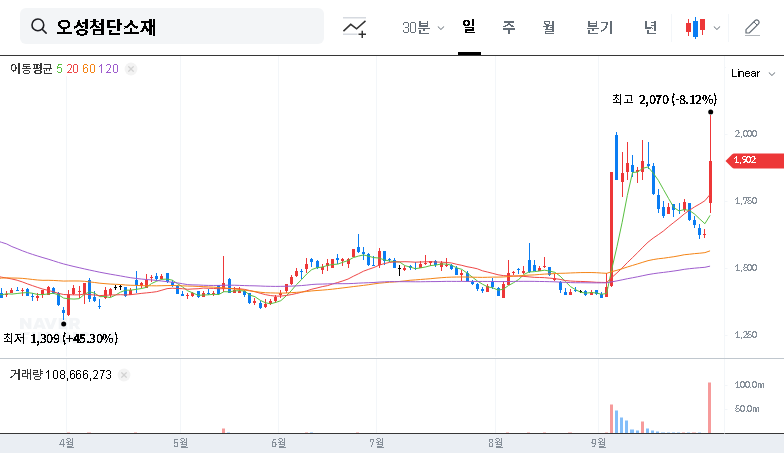
    On October 23, 2025, Korea Bond Investment Management acquired convertible bonds of OSUNG ADVANCED MATERIALS, marking a pivotal moment. According to the Official Disclosure filed on October 28, 2025, this transaction shifted their holding from 0% to a notable 5.82%. Understanding this requires knowing what convertible bonds are. Essentially, they are a form of debt that can be converted into a predetermined number of the company’s common stock, offering a hybrid of both debt and equity features. For a more detailed explanation, you can refer to authoritative sources like Investopedia’s guide on convertible bonds.

    Key Details of the Transaction:

    • Reporting Entity: Korea Bond Investment Management Co., Ltd.
    • Purpose of Holding: Stated as ‘Simple Investment’.
    • Change in Holding: From 0% to 5.82% post-issuance.
    • Mechanism: Acquisition of company-issued Convertible Bonds.

    Deep Dive into OSUNG ADVANCED MATERIALS’ Fundamentals

    Beyond this single event, a prudent investor must analyze the company’s underlying health. OSUNG ADVANCED MATERIALS presents a mixed but intriguing picture, characterized by strategic diversification efforts counterbalanced by risks in its legacy operations.

    Growth Drivers and Strengths

    The company is actively pursuing new growth engines to offset weaknesses in its traditional markets. The acquisitions of Chunji Shipping Co., Ltd. (logistics) and Hwail Pharmaceutical Co., Ltd. (pharmaceuticals) are pivotal steps in this business diversification strategy. These moves are viewed as positive long-term value creators. Furthermore, a stable financial position, underpinned by substantial cash and cash equivalents, provides a solid foundation for these new ventures.

    Risk Factors and Weaknesses

    Several challenges warrant caution. The core display materials business continues to face declining sales amidst a competitive global landscape. A concerning trend is the reduction in R&D investment, which could jeopardize long-term technological competitiveness—a critical factor in the advanced materials sector. Until the new business segments generate stable, tangible results, the company remains vulnerable to market shifts and the performance of its existing operations.

    The primary challenge for OSUNG ADVANCED MATERIALS is managing the transition: leveraging its financial stability to successfully scale new ventures while mitigating the decline in its legacy display materials business.

    Navigating Macroeconomic Headwinds

    No company operates in a vacuum. The performance of OSUNG ADVANCED MATERIALS is intrinsically linked to several key macroeconomic indicators:

    • Exchange Rate Sensitivity: With significant USD-denominated assets, currency fluctuations are a major factor. A 10% change in the KRW/USD rate is estimated to impact net profit by approximately 2.6 billion KRW. A rising dollar helps exports but inflates the cost of imported raw materials.
    • Interest Rate Environment: A climate of rising interest rates globally increases the cost of capital. This can make future funding more expensive and potentially dampen the company’s appetite for new investments and large-scale expansion.
    • Commodity and Freight Costs: Volatility in raw material prices can squeeze margins in the materials business. Simultaneously, the profitability of its logistics subsidiary, Chunji Shipping, is directly tied to global freight indices like the Baltic Tanker Index, which have shown recent declines.

    Investment Outlook and Action Plan

    Considering the CB acquisition, the company’s mixed fundamentals, and macroeconomic uncertainties, a cautious yet watchful stance is recommended. The acquisition by Korea Bond Investment Management is not an immediate catalyst for a stock re-rating, but rather a long-term factor to monitor. The potential for future share dilution upon conversion is real, but the immediate impact is limited.

    Therefore, the current investment outlook for OSUNG ADVANCED MATERIALS is a ‘Hold’ or ‘Watch’. The company’s strategic diversification is a significant positive, but the risks associated with its core business and the broader economy cannot be ignored.

    Key Monitoring Points for Investors:

    Investors should keep a close eye on the following developments. For more insights, you might also want to review our complete guide to the advanced materials sector.

    • Any announcement regarding the timing and price of the convertible bond conversion.
    • Quarterly performance reports, focusing on the revenue growth and profitability of the new pharmaceutical and logistics businesses.
    • Changes in the company’s R&D budget and any new technology announcements.
    • Management commentary on the impact of exchange rates and interest rates on earnings.

    ※ This analysis is for informational purposes only and is based on publicly available data. It does not constitute investment advice. All investment decisions should be made based on your own judgment and research.

    (052420) OSUNG ADVANCED MATERIALS Stock Analysis: Impact of Major CB Acquisition 관련 이미지
    (052420) OSUNG ADVANCED MATERIALS Stock Analysis: Impact of Major CB Acquisition 관련 이미지
  • (005500) In-Depth SAMJIN PHARMACEUTICAL Stock Analysis: Decoding the Latest Shareholding Disclosure

    A recent disclosure from SAMJIN PHARMACEUTICAL CO.,LTD has captured the attention of the investment community, detailing CEO Choi Seung-joo’s unwavering stake and a curious, minor share transaction. The official report, filed on October 24, 2025, cited a ‘change in major contract terms,’ sparking speculation about the company’s future direction. This deep-dive analysis unpacks the implications of these developments for SAMJIN PHARMACEUTICAL, examining its management stability, fundamental health, and stock outlook amidst a challenging macroeconomic landscape.

    Investors can review the complete filing directly from the source for full transparency. Official Disclosure: Click to view the DART report.

    Deconstructing the Shareholding Disclosure

    The core of the recent market chatter revolves around the ‘Report on the Status of Large Shareholdings.’ Let’s dissect the two main components and what they signal for the company.

    CEO Choi Seung-joo’s Unchanged 9.90% Stake

    CEO Choi Seung-joo confirmed his stake remains at 9.90%, held for the stated purpose of ‘management influence.’ This is a significant indicator of leadership stability. For investors, a steady hand at the helm suggests a consistent long-term vision and reduces the risk of abrupt strategic shifts, providing a foundation of predictability for SAMJIN PHARMACEUTICAL in the near term.

    The Mystery of the 12,000 Share Transaction

    A seemingly minor transaction involved Song Hae-gang and Song Hae-seong selling a combined 12,000 shares to Choi Ji-yoon. While the volume is too small to impact market dynamics, the reported reason—’change in major contract terms’—is what raises eyebrows. This phrasing could hint at several possibilities, from adjustments in shareholder agreements to groundwork for future strategic partnerships or licensing deals. This warrants close monitoring of subsequent announcements from the company.

    While the CEO’s stable ownership provides comfort, the ambiguity surrounding the ‘change in major contract terms’ introduces a layer of uncertainty that the market will be keen to resolve.

    Fundamental Health Check: A SAMJIN PHARMACEUTICAL Analysis

    Beyond the disclosure, a company’s underlying fundamentals provide the true long-term picture. Based on the 2025 semi-annual report, here’s where SAMJIN PHARMACEUTICAL stands.

    Financial Performance Snapshot (H1 2025)

    • Revenue: KRW 145.47 billion, a modest 1.5% year-over-year increase.
    • Operating Profit: KRW 12.79 billion, down 3.6% due to rising selling and administrative costs.
    • Net Income: KRW 8.401 billion, a sharp 69.9% decrease, largely skewed by a one-off tax refund in the previous year.
    • Profitability: An operating profit margin of 8.8% highlights a clear need for efficiency improvements.

    Future Growth Engines & Financial Soundness

    Despite margin pressures, the company’s commitment to the future is evident. R&D spending stands at an impressive 11.59% of sales, funding a promising pipeline that includes an in-licensed Alzheimer’s treatment (AR1001). This level of investment is crucial for long-term growth in the competitive pharmaceutical sector. For a deeper understanding of industry R&D cycles, investors can review resources from authoritative bodies like the Pharmaceutical Research and Manufacturers of America (PhRMA). Financially, the company’s debt-to-equity ratio of 66.2% remains sound, providing a stable base for these growth initiatives.

    Market Outlook & Investor Strategy

    The stock’s performance will likely be influenced by a confluence of internal developments and external macroeconomic pressures.

    Navigating Macroeconomic Headwinds

    Two major external risks loom over SAMJIN PHARMACEUTICAL:

    • Currency Volatility: A rising KRW/USD and KRW/EUR exchange rate increases the cost of importing raw materials and servicing foreign currency debt, directly threatening profitability.
    • High-Interest Rates: Sustained high rates in Korea and the U.S. elevate borrowing costs for funding R&D and capital expenditures, while also dampening overall investor sentiment in growth-oriented sectors.

    Key Monitoring Points for Investors

    Moving forward, investors should focus on several key areas. For more on valuation metrics, you might want to read our guide on How to Value Pharmaceutical Stocks.

    • Clarification on Contract Terms: Any follow-up disclosures explaining the ‘change in major contract terms’ will be a primary stock catalyst.
    • Profitability Improvements: Future earnings reports must show a clear path to improving operating and net profit margins.
    • R&D Progress: Watch for clinical trial updates and progress reports on the new drug pipeline, especially the Alzheimer’s treatment.

    Frequently Asked Questions (FAQ)

    Q1: Did CEO Choi Seung-joo sell any of his SAMJIN PHARMACEUTICAL shares?
    No, the disclosure confirmed that CEO Choi Seung-joo maintained his 9.90% stake, signaling continuity in management control for the short term.

    Q2: What is the significance of the 12,000 share transaction?
    The transaction volume itself is negligible. Its importance comes from the stated reason: a ‘change in major contract terms,’ which hints at potential underlying strategic shifts that are not yet public.

    Q3: Is SAMJIN PHARMACEUTICAL financially healthy?
    The company shows modest revenue growth but faces profitability challenges due to rising costs. However, its debt levels are manageable, and it is investing heavily in R&D, which is a positive sign for future growth.

    Disclaimer: This content is for informational purposes only and is based on publicly available information. It should not be construed as financial advice. All investment decisions should be made at the investor’s own discretion and responsibility.

  • (032350) Lotte Tour Development Stock: Analysis of VIP Asset Management’s Sale & Future Outlook

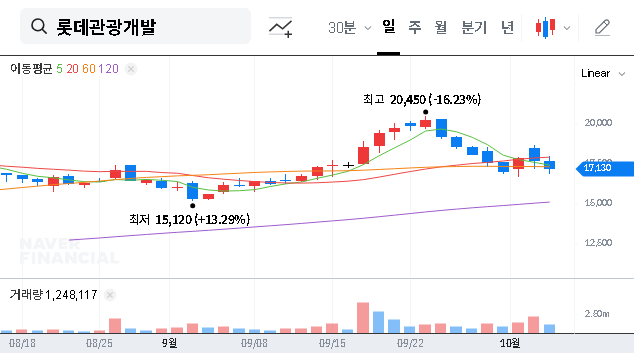
    (032350) Lotte Tour Development Stock: Analysis of VIP Asset Management’s Sale & Future Outlook

    The financial markets were recently stirred by a significant disclosure concerning Lotte Tour Development stock. VIP Asset Management, a major institutional investor, announced a reduction of over 1% in its holdings. This move, officially labeled a ‘simple investment-purpose market sale’, has sent ripples through the investment community. What does this significant shareholding change truly mean for the company’s stock price, its long-term corporate value, and your personal investment strategy?

    This in-depth analysis unpacks the background, implications, and future outlook following VIP Asset Management’s stake sale. We will dissect Lotte Tour Development’s current financial health, evaluate the shifting macroeconomic landscape, and provide actionable insights to help you navigate this pivotal moment.

    The Catalyst: VIP Asset Management Reduces Its Stake

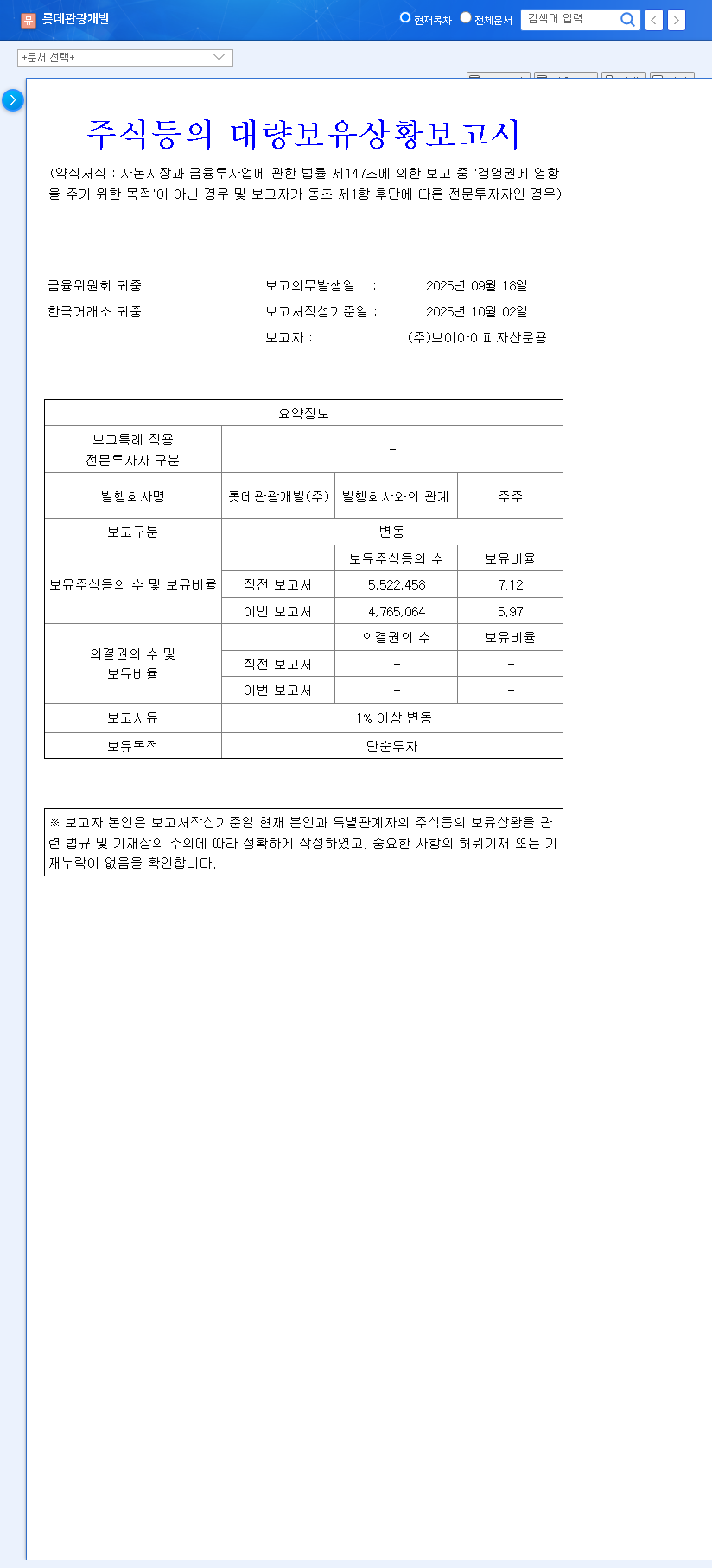
    On October 10, 2025, VIP Asset Management filed a mandatory “Report on Status of Large Shareholding” for Lotte Tour Development. The critical detail within this filing, which can be viewed in the Official Disclosure (Source), was the reduction of their stake from 7.12% to 5.97%. While a 1.15% reduction might seem small, a sale of this magnitude from a prominent asset manager is a signal that warrants careful examination. It immediately raises questions about their confidence in the future of the Lotte Tour Development stock.

    Why Now? A Look at Lotte Tour’s Financials and Market Pressures

    The decision to sell was likely not made in a vacuum. It reflects a complex interplay between the company’s internal performance and external macroeconomic forces.

    1. Analysis of Lotte Tour’s H1 2025 Financial Performance

    A closer look at the Lotte Tour financials reveals a mixed but challenging picture:

    • Revenue vs. Profit Paradox: Operating revenue for the first half of 2025 was KRW 279.63 billion, a significant 40.66% decrease year-on-year. Paradoxically, operating profit rose by 18.29% to KRW 46.139 billion. This suggests aggressive cost-cutting measures are working, but the top-line growth is struggling. Crucially, the company’s net income remained negative at -KRW 17.628 billion, a major concern for investors focused on bottom-line results.
    • Segment Divergence: The company’s core Casino business, while down 34.27%, still accounts for nearly 70% of revenue and remains the profit engine. However, the Travel and Hotel businesses have plummeted 45.55% and 57.43% respectively, crippled by weak consumer sentiment and a notable decline in tourism from China.
    • Financial Burdens: Persistent net losses, driven by exchange rate volatility and rising financial costs, diminish the stock’s attractiveness. For an institutional investor like VIP Asset Management, this ongoing financial drag may have outweighed the potential for future recovery.

    2. The Evolving Macroeconomic Environment

    Global economic factors add another layer of complexity to any Lotte Tour Development investment:

    • Rising Exchange Rates: The strengthening USD against the KRW (trending towards 1,425) directly impacts the bottom line by increasing foreign exchange losses, especially for the casino segment which deals heavily with international patrons.
    • Interest Rate Uncertainty: While central banks have paused rate hikes, the threat of future volatility remains, potentially increasing the company’s significant debt servicing costs.
    • Positive Tailwinds: It’s not all negative. Falling oil prices (around $61.51/barrel) provide relief on transportation costs for the beleaguered travel and hotel sectors, offering a potential boost to margins if demand returns.

    The sale by a major shareholder acts as a negative signal, potentially creating short-term price pressure. It forces the market to re-evaluate the risk-reward profile of Lotte Tour Development stock in light of its financial and macroeconomic challenges.

    Investor Action Plan: A Prudent and Watchful Strategy

    While this event may cause short-term volatility, the long-term impact on the company’s intrinsic value is not yet determined. Lotte Tour Development is showing discipline in cost management, but the headwinds are strong. Investors should adopt a cautious approach and monitor several key areas:

    • Monitor Shareholder Activity: Keep a close eye on any further changes in VIP Asset Management’s stake. Are they continuing to sell, or was this a one-time rebalancing?
    • Analyze Upcoming Earnings: The H2 2025 and 2026 earnings reports will be critical. Look for a stabilization or recovery in the travel and hotel segments and continued profitability in the casino business.
    • Track Macro Indicators: Pay special attention to the KRW/USD exchange rate. A reversal in its trend could provide significant relief. For more global context, resources like Bloomberg’s market analysis are invaluable.
    • Look for Strategic Shifts: Watch for company announcements regarding new growth drivers or diversification efforts, which could change the long-term narrative. This is similar to what we discussed in our Deep Dive into the Asian Casino Market.

    Frequently Asked Questions

    Why did VIP Asset Management sell its shares?

    The official reason was a ‘simple investment purposes market sale.’ This is often a way to realize profits, rebalance a portfolio, or reduce exposure to a stock they perceive as having increased risk due to financial or macroeconomic factors.

    What is the immediate impact on Lotte Tour Development stock?

    A large sale from a known investor typically puts short-term downward pressure on the stock price as it can be interpreted as a negative signal by the broader market.

    What macroeconomic factor is most critical right now?

    The rising KRW/USD exchange rate is a major headwind. It can increase costs and lead to foreign exchange losses, directly hurting the company’s profitability. Monitoring this indicator is crucial.

    Disclaimer: This report is for informational purposes only and is based on publicly available information. The ultimate responsibility for investment decisions rests solely with the investor. The author bears no legal responsibility for any investment outcomes. Always conduct your own thorough research.

    (032350) Lotte Tour Development Stock: Analysis of VIP Asset Management's Sale & Future Outlook 관련 이미지
  • (010140) Samsung Heavy Industries Q3 Earnings 2025: Zvezda Losses vs. Record Orders

    (010140) Samsung Heavy Industries Q3 Earnings 2025: Zvezda Losses vs. Record Orders

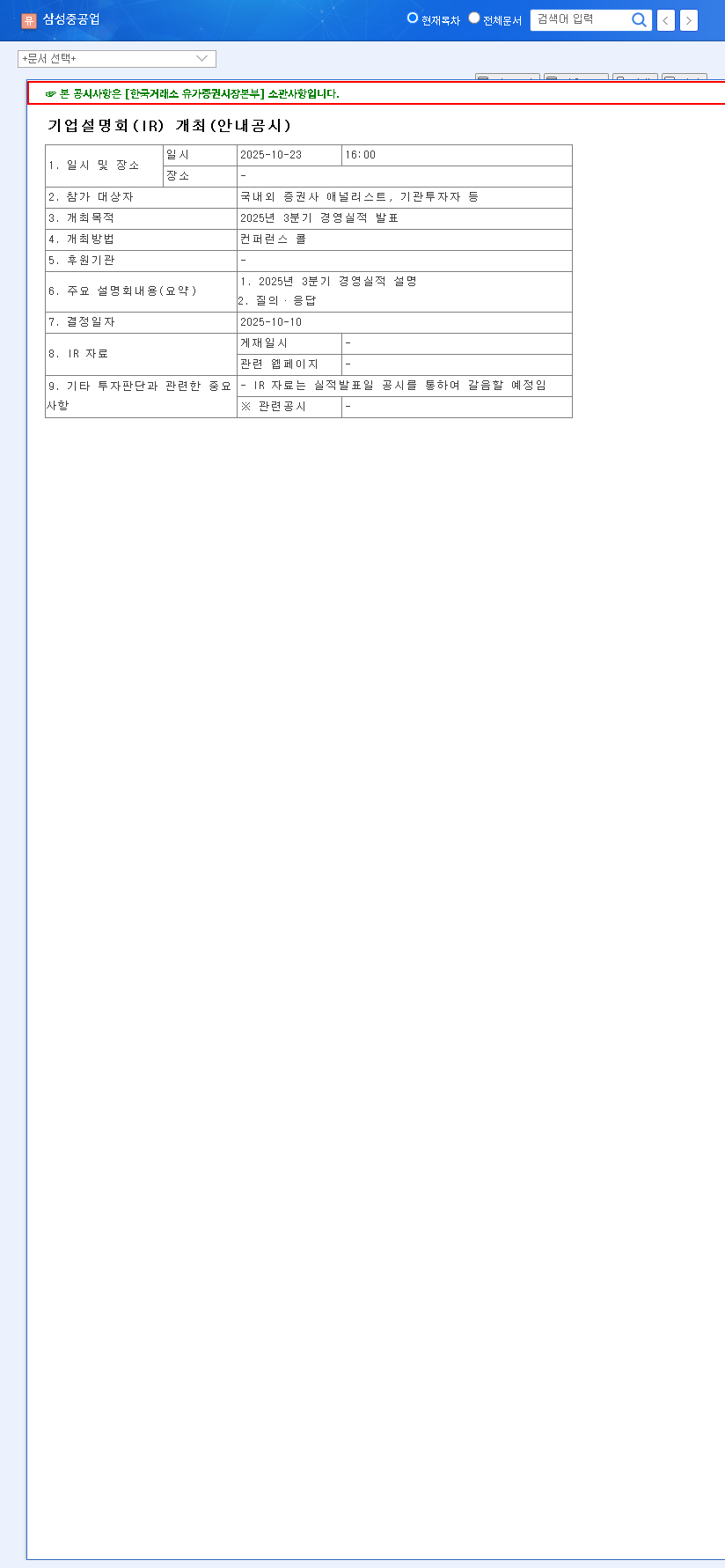
    As the investment community turns its attention to the upcoming Samsung Heavy Industries Q3 earnings call on October 23, 2025, a critical narrative is taking shape. The company stands at a crossroads, balancing a record-breaking order book for high-value vessels against a significant financial storm brewing from the Russian Zvezda shipyard incident. This analysis unpacks the key factors that will define SHI’s performance, offering investors a comprehensive look at the risks and opportunities ahead.

    While the first half of 2025 showcased robust fundamentals with 5.177 trillion KRW in sales and an order backlog exceeding 45 trillion KRW, the Q3 report will be the true test of resilience. The central question is whether SHI’s operational strength can absorb the multibillion-dollar shock from the Zvezda contract cancellations and associated derivatives losses.

    The Zvezda Incident: A Trillion-Won Shadow

    The most significant headwind facing Samsung Heavy Industries is the fallout from the Zvezda incident. The cancellation of contracts with the Russian shipyard has created a perfect storm of direct and indirect financial pressures. The market anticipates a direct impact on Q3 earnings, with potential losses including an estimated 2.8 trillion KRW in derivatives valuation losses and a 2 trillion KRW contract termination charge.

    This complex situation is further compounded by the ongoing international arbitration process, the outcome of which remains uncertain and could introduce additional financial volatility. Investors will be scrutinizing management’s commentary for clarity on the accounting treatment of these losses and the company’s strategy for mitigating further damage. For detailed information, see the Official Disclosure (Source: DART).

    The core challenge for investors is to weigh the severe, but potentially one-off, financial impact of the Zvezda incident against the company’s long-term, sustainable growth drivers in the high-value shipbuilding sector.

    Fundamental Strengths: The Engine of Recovery

    Despite the Zvezda overhang, SHI’s core business remains fundamentally strong, supported by powerful tailwinds in the global maritime industry.

    Dominance in High-Value Vessel Orders

    SHI’s strategic focus on high-value vessels, particularly LNG carriers and large container ships, is its primary competitive advantage. This segment is driven by long-term, non-cyclical demand. Stricter environmental regulations from the International Maritime Organization (IMO) are accelerating the need for a global fleet replacement cycle with eco-friendly, fuel-efficient vessels. This regulatory push creates a sustained demand pipeline where SHI’s technological expertise gives it a significant edge.

    Strategic Diversification

    Recognizing the cyclical nature of shipbuilding, SHI is wisely expanding into new business areas. Ventures into ship leasing and fuel supply are designed to create more stable, recurring revenue streams. Progress updates on these initiatives during the Q3 earnings call will be crucial for evaluating the company’s long-term vision and its ability to build a more resilient business model.

    Macroeconomic Landscape: Opportunities and Risks

    The broader economic environment presents a mixed bag for SHI. Rising global oil demand could spur a recovery in offshore plant orders, a historically strong segment for the company. However, volatility in currency and interest rate markets requires careful management.

    • Exchange Rates: A strengthening KRW/USD rate is a double-edged sword, benefiting export contract values but increasing import costs and negatively impacting derivatives valuations linked to the Zvezda contracts.
    • Interest Rates: Potential rate cuts by the US Federal Reserve and the Bank of Korea could lower financing costs but also directly influence the valuation of interest-rate-sensitive financial instruments on SHI’s books.

    Investor Action Plan for the Q3 IR Call

    To make an informed decision, investors should focus on these key areas during the Samsung Heavy Industries Q3 earnings presentation:

    • Zvezda Clarity: Demand a clear and transparent explanation of the total financial impact, the timeline for resolution, and the legal strategy for the arbitration.
    • Forward-Looking Order Book: Look for updates on new high-value vessel orders and management’s outlook on the global shipbuilding industry for 2026.
    • Risk Management: Assess the robustness of the company’s strategies for managing currency, interest rate, and counterparty risks going forward.
    • New Business Progress: Seek tangible metrics on the performance and future potential of the ship leasing and fuel supply divisions.

    Ultimately, the Q3 2025 earnings report will be a pivotal moment. While the short-term financial results will likely be challenging, SHI’s long-term value proposition remains tied to its leadership in the next generation of eco-friendly shipbuilding. A clear strategy from management to navigate the current crisis will be essential to restoring investor confidence and setting the stage for future growth.

    (010140) Samsung Heavy Industries Q3 Earnings 2025: Zvezda Losses vs. Record Orders 관련 이미지