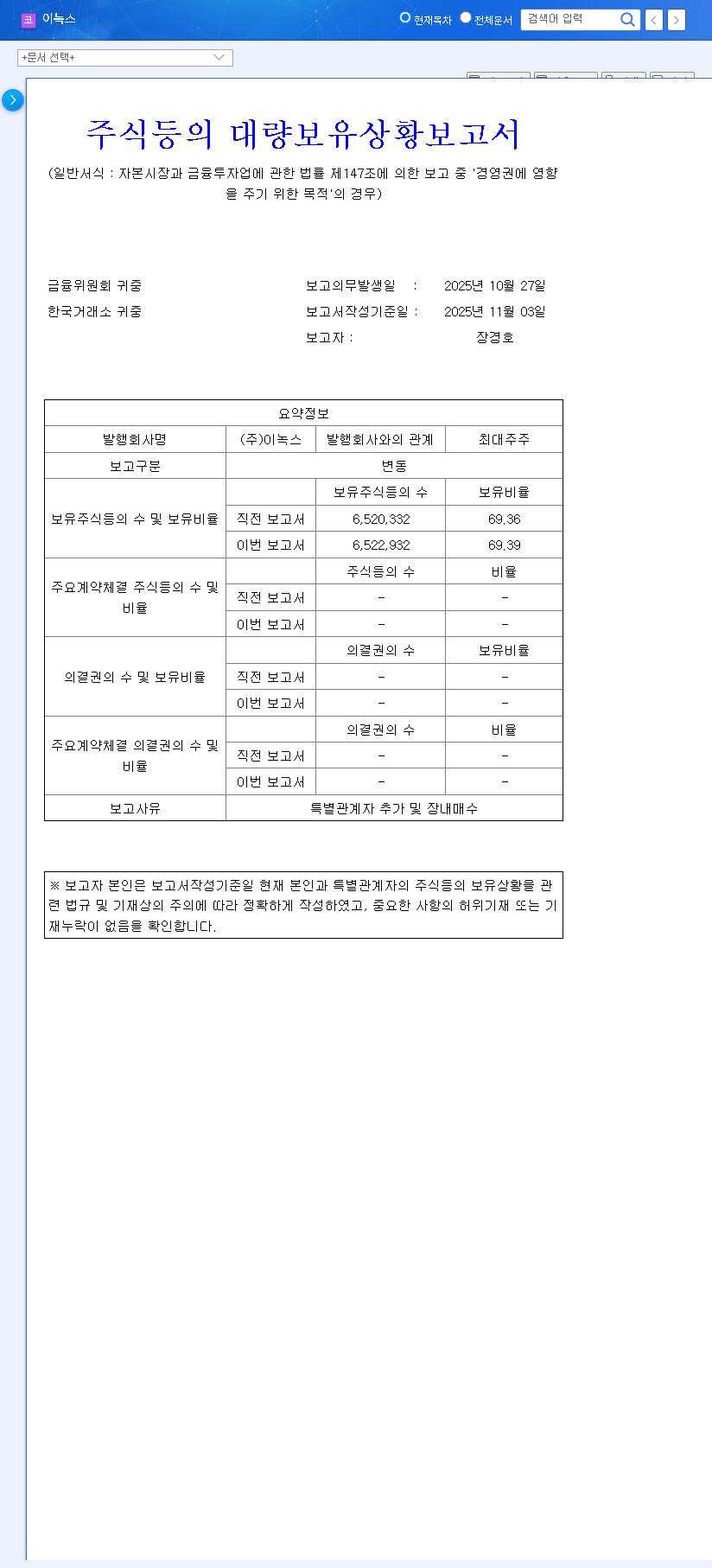
The latest INNOXCorporation shareholding disclosure has sent ripples through the investment community. On November 3, 2025, a report revealed that CEO Jang Kyeong-ho and related parties have increased their stake, explicitly citing a desire to bolster management influence. While the increase is modest, the strategic intent behind it warrants a thorough analysis for any serious investor. This move could signal long-term confidence, a defensive posture, or the prelude to significant corporate action.
This comprehensive analysis will unpack the details of the disclosure, evaluate INNOXCorporation’s current fundamentals, and explore the macroeconomic factors shaping its future. We’ll provide the critical insights you need to make an informed decision about your INNOX investment strategy.
Deconstructing the INNOXCorporation Shareholding Disclosure
The official ‘Report on Status of Large Shareholder’s Holdings’, filed on November 3, 2025, confirmed that CEO Jang Kyeong-ho and special related parties increased their collective ownership from 69.36% to 69.39%. This 0.03 percentage point rise was achieved via the inclusion of new related parties and strategic open market acquisitions. You can view the full report here: Official Disclosure.
While the percentage seems minor, the stated purpose of ‘management influence’ is the key takeaway. In the world of corporate governance, such a declaration is a powerful statement. It suggests a proactive strategy to ensure stable leadership and shield the company from external pressures, reinforcing the management’s long-term vision and commitment to enhancing shareholder value. This move solidifies INNOX management control at a pivotal time.
An insider share increase, even a small one, is often interpreted as a bullish signal. It demonstrates that those with the most intimate knowledge of the company believe its shares are undervalued and have strong future prospects.
A Tale of Two Subsidiaries: INNOX’s Core Fundamentals
As a holding company, INNOX’s health is directly tied to the performance of its subsidiaries. The current landscape presents a mixed but fascinating picture.
Alton Co., Ltd. (Bicycle Business) – The Growth Engine
Alton is riding a wave of success, capitalizing on the global shift towards green transportation. Its 2025 semi-annual performance was stellar, with revenue hitting KRW 21.8 billion (a 42% YoY increase) and operating profit turning positive at KRW 1.2 billion. This growth is fueled by the booming e-bicycle and shared bicycle markets. This subsidiary represents a strong, tangible growth story within the INNOX portfolio.
INNOX Eco-M Co., Ltd. (Battery Materials) – The Strategic Challenge
Conversely, the secondary battery anode material business faces significant headwinds. INNOX Eco-M reported a semi-annual revenue of KRW 2.7 billion (a 48% YoY decrease) and a continued operating loss. The primary culprits are geopolitical and regulatory: raw material supply instability from China and the stringent requirements of the US Inflation Reduction Act (IRA). The company’s future here depends on its ability to diversify its supply chain and adapt to new international trade policies, a critical test of management’s strategic agility.
Investor Outlook & Strategic Checklist
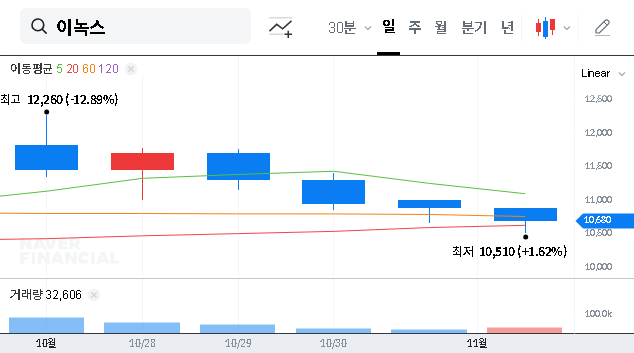
This INNOXCorporation shareholding disclosure is a vote of confidence from the top, likely to bolster investor sentiment. However, the direct short-term impact on stock price may be muted. The true value will be unlocked by fundamental performance. Investors should perform a thorough INNOX stock analysis by monitoring these key areas:
- •Subsidiary Turnaround: Can INNOX Eco-M navigate the IRA and supply chain challenges to achieve profitability? This is perhaps the most significant variable for future growth.
- •Sustained Growth: Will Alton Co. maintain its impressive growth trajectory in the competitive mobility market? Look for signs of market share expansion and innovation.
- •Affiliate Performance: The value of the KRW 206.6 billion investment in INNOX Advanced Materials is a major factor. The performance of this key affiliate will heavily influence the holding company’s balance sheet. For more on this, see our guide to evaluating holding company investments.
- •Macroeconomic Resilience: Monitor how management navigates global economic slowdowns, currency fluctuations (USD/VND), and rising interest rates. Their reinforced control should translate into decisive action.
In conclusion, the decision by INNOX management to increase their stake is a clear message of commitment and stability. While external risks and subsidiary challenges persist, this act of leadership provides a layer of confidence for long-term investors. A prudent investment approach will involve continuous monitoring of the key performance indicators outlined above, using this disclosure as a foundational piece of the larger investment puzzle.