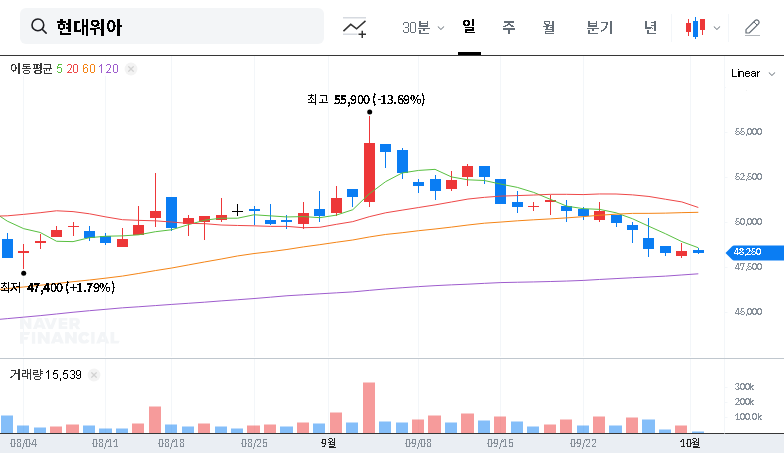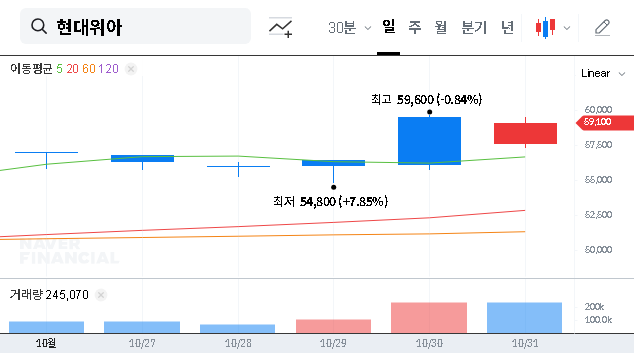
Tag: Hyundai Wia

  • (011210) HYUNDAI WIA Q3 2025 Earnings Analysis: Record Revenue, Shocking Net Loss Explained

    (011210) HYUNDAI WIA Q3 2025 Earnings Analysis: Record Revenue, Shocking Net Loss Explained

    The latest HYUNDAI WIA Q3 2025 earnings report presents a complex and contradictory picture for investors. While the company delivered impressive top-line growth, with both revenue and operating profit handily beating market expectations, a significant and unexpected plunge into a net income loss has sent shockwaves through the investment community. This stark contrast between operational strength and bottom-line weakness demands a thorough investigation.

    What caused this financial paradox? Are the underlying fundamentals of Hyundai WIA strong, or does the net loss signal deeper, more systemic risks? This comprehensive Hyundai WIA earnings analysis will break down the Q3 2025 results, explore the contributing factors, and provide a strategic outlook for investors navigating this uncertainty.

    Deconstructing the HYUNDAI WIA Q3 2025 Earnings Report

    On the surface, Hyundai WIA demonstrated robust business activity. The official consolidated financial statements, which can be viewed in the company’s Official Disclosure, revealed figures that initially appeared positive. Let’s examine the key metrics against market consensus:

    • Revenue: KRW 2,151.9 billion, a solid 3.87% above analyst estimates.
    • Operating Profit: KRW 51.8 billion, a remarkable 25.42% above estimates, signaling strong operational efficiency.
    • Net Income: KRW -16.3 billion, a shocking reversal from an expected profit of KRW 86.2 billion, resulting in a -118.91% miss and a transition to loss.

    The core challenge of the HYUNDAI WIA Q3 2025 earnings is deciphering how a company with surging revenue and excellent operational control could end up with a substantial net loss. The answer lies beyond the core business operations.

    Analyzing the Discrepancy: The Good, The Bad, and The Ugly

    The Good: Factors Driving Revenue & Operating Profit

    The positive performance was not accidental. It was fueled by strong execution in key divisions. The Mobility segment, which includes core automotive components, performed well. More notably, the Special Business segment, heavily focused on defense products, saw a significant boost from increased global defense spending and successful export contracts. This diversification helped drive Hyundai WIA revenue beyond forecasts. Furthermore, the impressive operating profit margin suggests that the company’s internal cost management and efficiency initiatives are paying off, allowing it to translate higher sales into greater operational earnings.

    The Bad: Pinpointing the Net Income Loss

    The Hyundai WIA net income loss is the central mystery. Since operating profit was strong, the cause must be found in non-operating items—expenses and losses that occur outside the primary business activities. The most likely culprits include:

    • One-Off Costs: The company may have incurred significant, non-recurring charges such as asset write-downs, restructuring costs, or legal settlements.
    • Financial Expenses: Higher interest rates or losses from foreign currency exchange fluctuations could have heavily impacted the bottom line.
    • Losses from Subsidiaries: Poor performance or impairment charges related to affiliated companies, particularly the ongoing uncertainty in Russian operations, could have led to significant equity-method losses.

    Future Outlook & Investor Strategy

    The Hyundai WIA stock outlook is now at a crossroads. The market’s reaction will depend heavily on the company’s ability to clarify the nature of the net loss. If it is truly a one-time event, the strong underlying business performance could pave the way for a recovery. However, if it signals persistent issues, investor confidence may erode.

    Long-Term Growth Drivers Remain Intact

    Despite the quarterly setback, Hyundai WIA’s long-term strategy is focused on high-growth areas. The company is making significant investments in the future of mobility. Key initiatives include:

    • Electrification Components: Development and mass production of integrated coolant modules and e-axles for electric vehicles (EVs). The EV market continues to expand globally, as noted by industry experts at leading market research firms.
    • Advanced Manufacturing: Entering the market for EV component manufacturing equipment, positioning itself as a key supplier in the electrification supply chain.
    • Urban Air Mobility (UAM): Expanding into the nascent but potentially lucrative air mobility sector, showcasing a forward-thinking approach to transportation. More on this can be found in our article on Investing in Future Mobility Trends.

    Key Considerations for Investors

    Moving forward, investors should demand clarity. The company must transparently explain the specific causes of the Q3 net loss and outline concrete measures to prevent recurrence. A clear roadmap for improving profitability in the core mobility segment and managing geopolitical risks associated with its Russian operations is essential. While the long-term vision is promising, consistent execution and profitability in the present are non-negotiable for rebuilding market trust. The full HYUNDAI WIA Q3 2025 earnings report, though jarring, serves as a critical reminder that operational success must always be validated by a healthy bottom line.

    (011210) HYUNDAI WIA Q3 2025 Earnings Analysis: Record Revenue, Shocking Net Loss Explained 관련 이미지
  • (011210) HYUNDAI WIA IR Q3 2025: In-Depth Analysis of Growth Strategy & Stock Impact

    (011210) HYUNDAI WIA IR Q3 2025: In-Depth Analysis of Growth Strategy & Stock Impact

    On November 3, 2025, all eyes will be on HYUNDAI WIA as the company hosts a pivotal Investor Relations (IR) session. This event is far more than a routine earnings report; it’s a critical moment for the company to articulate its vision following the significant divestment of its machine tools division. For investors, the upcoming HYUNDAI WIA IR is the first major opportunity to gauge the success of its business restructuring and the true potential of its future growth engines. This analysis will delve into the key performance indicators, strategic shifts, and what the HYUNDAI WIA Q3 results could mean for the company’s stock valuation moving forward.

    Event Overview: The Q3 2025 HYUNDAI WIA IR

    HYUNDAI WIA has scheduled a Non-Deal Roadshow (NDR) for domestic institutional investors at 9:00 AM on November 3, 2025. The primary agenda is to present the Q3 2025 management performance and provide a comprehensive update on its core business operations. Following the strategic sale of its machine tools business, investors are keenly awaiting clarity on how the company plans to reinvest capital and drive its new HYUNDAI WIA growth strategy, particularly in high-potential sectors like vehicle electrification and defense. The official announcement can be reviewed in the company’s disclosure. (Official Disclosure)

    This IR session is a litmus test for HYUNDAI WIA’s strategic pivot. The market is looking for concrete evidence that the company can successfully transition into a leader in next-generation mobility and defense solutions, justifying a higher valuation for HYUNDAI WIA stock.

    Analyzing H1 2025 Performance: A Restructured Foundation

    A look at the first half of 2025 provides essential context. Despite the disruption from the business sale, the company maintained a stable financial footing. Consolidated revenue saw a modest 1.7% year-on-year increase to 4.24 trillion KRW, largely buoyed by strong export performance in the defense sector. While operating profit declined to 104.9 billion KRW, this figure is skewed by the classification of the machine tools division as a discontinued operation. The core business profitability, therefore, remains a key focus of the upcoming Hyundai Wia investor relations event.

    Deep Dive into Key Business Segments

    • Mobility (Vehicle Components): This core segment is adapting to the EV revolution. Focus is shifting towards integrated thermal management systems and advanced electrification components. Stable revenue growth is expected to continue, driven by orders from Hyundai Motor Group. For more on this trend, see our deep dive into the EV component market.
    • Mobility Solutions: While impacted by the machine tools divestment, this segment holds future promise in smart factory automation, including Autonomous Mobile Robots (AMR) and Automated Guided Vehicles (AGV). Growth here will signal a successful technology pivot.
    • Special Business (Defense/Aerospace): This has been a star performer, securing stable profitability through increased defense exports. The company is also venturing into new frontiers like Urban Air Mobility (UAM), a potential long-term growth driver that investors will be watching closely.

    Potential Catalysts & Risks for HYUNDAI WIA Stock

    The outcome of the HYUNDAI WIA IR could swing investor sentiment significantly. A clear, confident presentation of a forward-looking growth strategy will be a major positive catalyst.

    Positive Impacts to Watch For:

    • Detailed Growth Roadmap: Concrete timelines, investment figures, and order backlogs for electrification and defense businesses will build confidence.
    • Capital Allocation Clarity: A clear plan for how proceeds from the machine tools sale will be used—whether for R&D, strategic acquisitions, or debt reduction—is crucial.
    • Enhanced Transparency: Proactive communication about challenges and strategies to overcome them can significantly boost investor trust.

    Potential Risks and Headwinds:

    Conversely, investors should be wary of several potential risks. The most immediate is the possibility of the HYUNDAI WIA Q3 results missing market consensus, which could trigger a negative stock reaction. Furthermore, broader macroeconomic factors, such as currency fluctuations and rising interest rates, pose a persistent threat to profitability and are a topic covered by major financial news outlets like Reuters. A vague or unconvincing presentation of the new HYUNDAI WIA growth strategy could also lead to market disappointment.

    Conclusion: A Defining Moment for HYUNDAI WIA

    The upcoming HYUNDAI WIA IR is more than just a quarterly update; it’s an inflection point. The company has a prime opportunity to redefine its narrative, shifting focus from a traditional manufacturer to a dynamic, future-focused technology leader in mobility and defense. Investors should analyze the details of the Q3 performance, scrutinize the roadmap for new business ventures, and listen carefully to management’s tone and confidence. The insights gained will be invaluable for assessing the long-term potential of HYUNDAI WIA stock and whether the company is truly positioned for a new era of growth.

    (011210) HYUNDAI WIA IR Q3 2025: In-Depth Analysis of Growth Strategy & Stock Impact 관련 이미지
  • (011210) Hyundai Wia Stock Analysis: Navigating the NPS Stake Sale & Future Growth

    (011210) Hyundai Wia Stock Analysis: Navigating the NPS Stake Sale & Future Growth

    The recent news of the National Pension Service (NPS) reducing its holdings in Hyundai Wia stock has sent ripples through the investment community, raising questions about the company’s immediate future. When a major institutional investor makes such a move, it’s natural to feel uncertain. This comprehensive analysis will look beyond the headlines to provide a clear, data-driven perspective on what this means for Hyundai Wia’s fundamentals, its long-term investment value, and how you should strategically approach your position.

    We’ll dissect the reasons behind the sale, evaluate the underlying strength of the company, and provide a roadmap for making informed decisions rather than reacting to short-term market noise surrounding your Hyundai Wia investment.

    The Official Disclosure: What Exactly Happened?

    On October 1, 2025, the National Pension Service formally disclosed a reduction in its Hyundai Wia stake. The filing confirmed a decrease of 1.03 percentage points, bringing their ownership down from 8.22% to 7.19%. The move was officially confirmed in a public disclosure (Official Disclosure) with the stated reason of ‘simple additional acquisition/disposal’.

    • Reporting Entity: National Pension Service (NPS)
    • Date of Disclosure: October 1, 2025
    • Change in Holdings: 8.22% → 7.19% (a 1.03% decrease)
    • Purpose of Holding: General Investment

    Decoding the Motives: Why Did the NPS Reduce Its Stake?

    While the term ‘simple disposal’ can seem vague, it’s crucial to understand that for an entity the size of the NPS, investment decisions are rarely based on a single company’s performance. More often, they are part of a much larger, strategic portfolio management process. This could include rebalancing sector allocations, taking profits after a period of good performance, or managing overall risk exposure across trillions of won in assets. It is more likely a top-down portfolio adjustment rather than a bottom-up indictment of Hyundai Wia’s fundamentals.

    The NPS stake sale should be viewed primarily as a strategic portfolio rebalancing act, not a red flag on Hyundai Wia’s intrinsic corporate value or future prospects.

    Assessing the True Impact on Hyundai Wia’s Investment Value

    Short-Term Headwinds: Supply Pressure and Investor Sentiment

    In the immediate term, the sale of a significant block of shares can create a supply-demand imbalance, putting downward pressure on the Hyundai Wia stock price. This can also trigger a temporary contraction in investor sentiment, as other market participants may worry about further sales. This period of volatility is a risk that short-term-focused investors must consider carefully.

    Long-Term Outlook: Strong Fundamentals Remain Intact

    Looking beyond the immediate market reaction, the long-term investment thesis for Hyundai Wia remains robust. The company’s core business is aligned with powerful secular trends in the automotive and defense industries. The underlying corporate value is driven by tangible progress in high-growth areas. For more details on market trends, investors often consult authoritative sources like Bloomberg’s market analysis section.

    • Electrification & Future Mobility: Hyundai Wia is not just a legacy auto parts supplier; it’s a key player in the transition to electric vehicles (EVs). Its development of integrated drive modules and thermal management systems for EVs positions it as a critical supplier for the future of mobility. To learn more, see our guide on investing in the EV components market.
    • Expanding Defense Sector: The company’s defense business is an increasingly important growth engine. With growing global demand for advanced artillery and naval systems, Hyundai Wia’s expertise provides a stable, high-margin revenue stream that diversifies its income away from the cyclical auto industry.
    • Strategic Business Realignment: The recent sale of its machine tool business demonstrates a sharp focus on core competencies. This move streamlines operations, improves capital efficiency, and allows management to concentrate resources on the high-growth electrification and defense sectors.

    Investment Strategy: How to Approach Hyundai Wia Stock Now

    The key takeaway is to separate the short-term market noise from the long-term business reality. The NPS stake sale is a significant event, but it does not alter the fundamental growth trajectory of Hyundai Wia.

    For long-term investors, any price weakness resulting from this institutional sell-off could present an attractive entry point. The core drivers—EV transition, defense sector growth, and enhanced corporate focus—remain firmly in place. The investment thesis is not built on the whims of a single fund but on the company’s ability to execute its strategic vision.

    For short-term traders, caution is advised. The overhang from the sale could lead to continued volatility. It is essential to monitor trading volumes and price action closely before making any moves. The wisest approach is to focus on the company’s upcoming earnings reports and business performance updates to validate the long-term growth story before committing capital.

    (011210) Hyundai Wia Stock Analysis: Navigating the NPS Stake Sale & Future Growth 관련 이미지
  • Hyundai Wia Q2 2025 Earnings: A Stunning Beat and 100% Net Profit Surge 🚀

    1. Hyundai Wia Q2 2025 Earnings: An Impressive Beat

    Hyundai Wia reported revenue of KRW 21.785 trillion, operating profit of KRW 56.3 billion, and net profit of KRW 17.3 billion for Q2 2025. These figures significantly surpassed market estimates, with net profit showing a particularly impressive surge of over 100%.

    2. Drivers of Growth: Core Business Strength and Strategic Decisions

    • Mobility (Auto Parts): Despite a global slowdown in auto sales, Hyundai Wia maintained stable revenue thanks to its solid customer base.
    • Defense: Strong defense exports were a key driver of overall earnings growth.
    • Mobility Solutions: The company accelerated its expansion into smart factory and electric vehicle component equipment markets, securing future growth engines.
    • Divestiture of Machine Tool Business: This strategic decision to focus on core businesses and strengthen financial health contributed positively to the results.

    3. Outlook and Investment Strategy: Focus on Future Growth Drivers

    Hyundai Wia is expected to pursue continued growth through its focus on electrification, smart factory solutions, and maintaining competitiveness in its defense business. Despite potential risks such as global economic uncertainty and exchange rate fluctuations, the Q2 2025 earnings demonstrate the company’s robust fundamentals and future growth potential. Investors should pay attention to Hyundai Wia’s long-term growth prospects.

    4. Action Plan for Investors

    It’s crucial for investors to develop a long-term investment strategy and not be swayed by short-term market volatility. Consider expert analysis, market conditions, and your own risk tolerance before making investment decisions.

    Frequently Asked Questions

    What was Hyundai Wia’s net profit growth rate in Q2 2025?

    Hyundai Wia’s net profit increased by over 100% year-over-year in Q2 2025.

    What are Hyundai Wia’s main business segments?

    Hyundai Wia’s main business segments are Mobility (Auto Parts), Defense, and Mobility Solutions.

    What is the outlook for Hyundai Wia’s stock price?

    While the strong earnings are expected to positively impact Hyundai Wia’s stock price, investment decisions should be made cautiously.

  • Hyundai Wia Q2 2025 Earnings Surprise: Restructuring Success? Future Stock Outlook?

    1. Hyundai Wia’s Q2 Results: What Happened?

    Hyundai Wia reported sales of KRW 21.786 trillion, operating profit of KRW 563 billion, and net profit of KRW 128 billion for Q2 2025. Operating profit surpassed expectations by 12.6%, while net profit significantly exceeded estimates by 45.5%. Sales slightly decreased compared to the previous quarter, which was anticipated due to the sale of the machine tool division.

    2. Behind the Strong Performance: Why These Results?

    The primary drivers of this strong performance are the growth and improved profitability of the mobility (vehicle components) and special (defense) business units after the sale of the machine tool division. In particular, the increase in defense exports is analyzed to have driven the growth of the special business unit. The inflow of KRW 3.4 trillion from the sale also significantly improved the company’s financial soundness.

    3. Future Outlook and Investment Strategy: What’s Next?

    While the stock is expected to show a positive trend in the short term, long-term perspectives require consideration of risk factors such as the global economic slowdown, raw material price fluctuations, and exchange rate fluctuations. Continuous monitoring of future earnings trends and the market competitiveness of new businesses is crucial.

    4. Action Plan for Investors

    • Short-term Investment: The positive earnings announcement could be leveraged for short-term stock price gains.
    • Medium- to Long-term Investment: Continuously analyze the growth and competitiveness of the mobility and special business sectors, carefully considering risk factors. Investment strategies should be adjusted based on quarterly earnings announcements and changes in market conditions.
    Q: What are the key takeaways from Hyundai Wia’s Q2 earnings?

    A: Operating and net profits exceeding expectations, and growth in the mobility and special business sectors following the sale of the machine tool division.

    Q: What is the outlook for Hyundai Wia’s stock price?

    A: Positive in the short term, but long-term prospects need to consider risk factors such as the global economic slowdown.

    Q: What precautions should investors take?

    A: Continuously monitor future earnings trends, market competitiveness of new businesses, and react flexibly to changes in the macroeconomic environment.

  • Hyundai Wia IR: Q2 Earnings and Future Outlook

    1. What Happened? Background of the Hyundai Wia IR

    Hyundai Wia will hold an investor relations (IR) meeting for institutional investors on July 28, 2025. The main purpose of this IR is to announce the Q2 2025 earnings and explain the current management status. Investor interest is particularly high in Hyundai Wia’s future strategy as it restructures its business portfolio after the sale of its machine tool division.

    2. Why Does it Matter? Key IR Topics and Issues

    This IR will discuss Q2 earnings, the business strategy after the sale of the machine tool division, and growth plans for the mobility, defense, and new business sectors. Key issues include Hyundai Wia’s performance amid global economic downturn and declining auto market demand, and how it will secure future growth engines.

    3. So What? Stock Outlook Based on IR Outcomes

    • Positive Scenario: Strong Q2 earnings, presentation of a concrete and persuasive growth strategy → Improved investor sentiment, stock price increase
    • Negative Scenario: Weak Q2 earnings, inadequate growth strategy, continued macroeconomic uncertainty → Weakened investor sentiment, stock price decline

    Macroeconomic uncertainties such as the global economic slowdown, interest rate hikes, and exchange rate fluctuations can also affect stock prices. Therefore, investors should consider these factors comprehensively when making investment decisions.

    4. What Should Investors Do? Action Plan

    Investors should carefully analyze the IR materials and pay close attention to management’s explanations. It is crucial to scrutinize the concreteness and feasibility of the future growth strategy and risk management measures. Referencing analyst reports, competitor analyses, and industry outlook data will be essential in gathering information for informed investment decisions.

    Frequently Asked Questions

    What are Hyundai Wia’s main business segments?

    Hyundai Wia’s main businesses are auto parts (mobility), machine tools, and defense. It recently sold its machine tool division and is restructuring its business around mobility and defense.

    What are the key points to watch for in this IR?

    Q2 earnings and the future growth strategy are most important. Pay close attention to the strategy for securing alternative growth engines after the sale of the machine tool division, the expansion of the eco-friendly car parts business in the mobility segment, and the sustainability of growth in the defense segment.

    What factors affect Hyundai Wia’s stock price?

    Key influencing factors include earnings, growth strategy, macroeconomic environment (global economic downturn, interest rates, exchange rates), competitor trends, and automotive and defense market outlook.

  • Hyundai Wia Q2 2025 Earnings Announcement: Key Analysis and Investment Strategies

    1. What’s Happening with Hyundai Wia’s Q2 Earnings?

    Hyundai Wia will hold its Q2 2025 earnings conference call on July 25th at 3 PM. The market is keenly focused on the company’s performance and future strategy after the divestiture of its machine tool business in Q1.

    2. Why Does It Matter?

    This IR is the first earnings announcement since the sale of the machine tool business, making it a crucial indicator of Hyundai Wia’s future. If improved financials and growth in new businesses like mobility, defense, and smart factories are confirmed, it could positively impact the stock price. Conversely, if performance is sluggish due to the global economic slowdown or if the future outlook appears uncertain, the stock price could decline.

    3. What’s the Likely Outcome?

    • Positive Scenario: Confirmation of growth in new businesses, realization of improved financials → Stock price increase
    • Negative Scenario: Sluggish performance, uncertain future outlook, impact of exchange rates and interest rates → Stock price decline

    However, macroeconomic uncertainties such as the recent rise in the USD/KRW exchange rate, persistently high interest rates, and increased volatility in international oil prices remain risk factors.

    4. What Should Investors Do?

    Closely monitoring the data released after the IR event and future performance is crucial. Pay attention to management’s forward-looking statements and adjust your investment strategy accordingly. It’s advisable to make investment decisions based on a long-term perspective, analyzing the company’s fundamentals and growth potential, rather than reacting to short-term stock price fluctuations.

    Frequently Asked Questions

    When is Hyundai Wia’s Q2 earnings announcement?

    It is scheduled for July 25th at 3 PM.

    How will the sale of the machine tool business affect Hyundai Wia?

    While a decrease in sales is expected in the short term, improved financial structure and a focus on profitable business sectors are expected to enhance corporate value in the long run.

    What are Hyundai Wia’s main businesses?

    The company focuses on mobility, defense, and mobility solutions, and is pursuing new businesses such as electric vehicle components and smart factories.