Tag: Home Appliances

  • (021240) COWAY Q3 2025 Earnings & Stock Analysis: A Deep Dive for Investors

    (021240) COWAY Q3 2025 Earnings & Stock Analysis: A Deep Dive for Investors

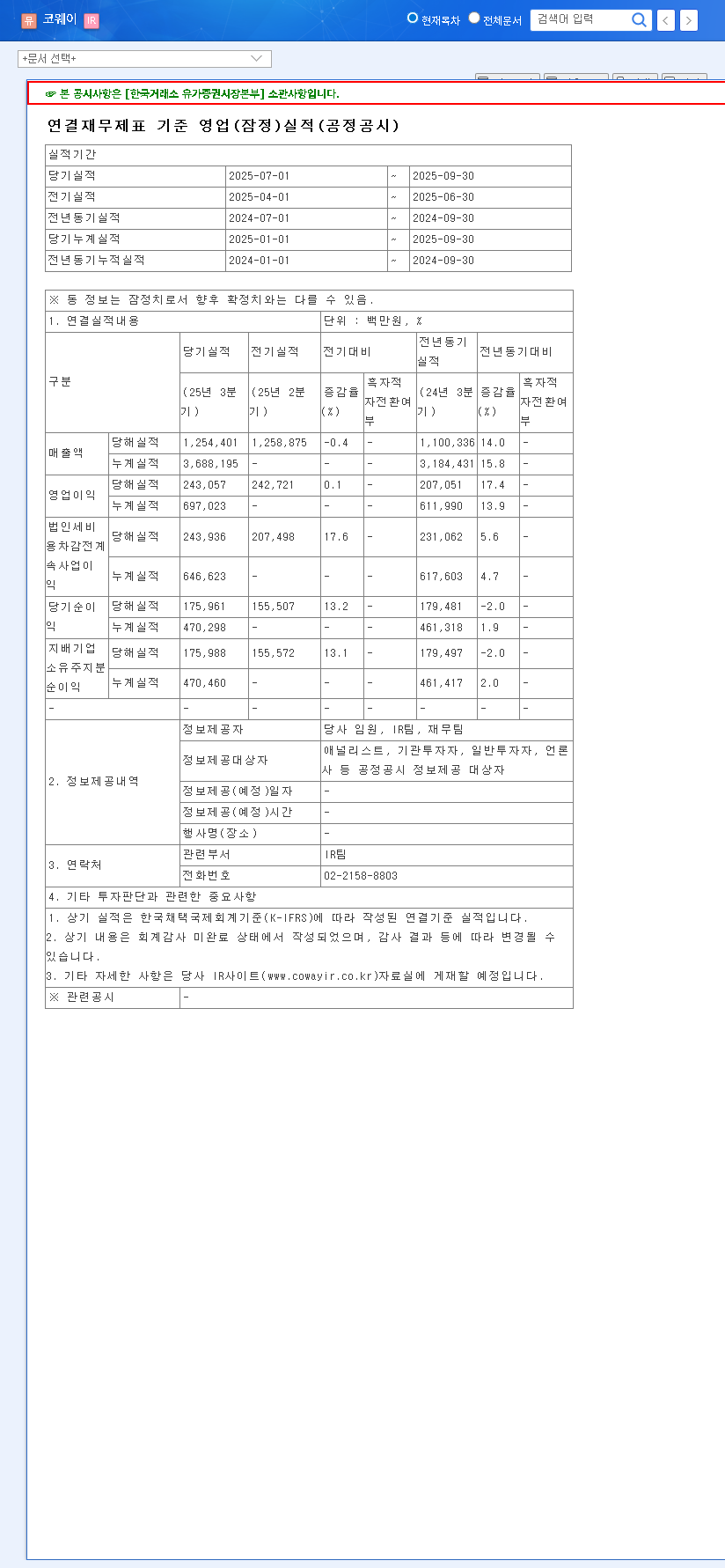
    The upcoming COWAY Q3 2025 earnings announcement and subsequent investor relations (IR) call represent a pivotal moment for shareholders and market watchers. Scheduled for November 11, 2025, at 10 AM KST, this event offers more than just a financial snapshot; it provides a crucial window into the strategic direction of COWAY Co., Ltd., a leader in the environmental home appliance market. Investors are keen to understand the company’s performance amidst a complex global economic landscape. The official details of the event can be found in the Official Disclosure. This analysis will delve into COWAY’s fundamental strengths, pressing risks, and what to expect from the highly anticipated COWAY investor relations conference.

    Robust Fundamentals: The Pillars of COWAY’s Success

    COWAY’s consistent performance is built on a foundation of several key strategic advantages. While the H1 2025 results were strong—showing a 17.0% year-on-year revenue increase to KRW 2.4338 trillion—understanding the underlying drivers is essential for any long-term COWAY stock analysis.

    The Power of a Stable Rental Business Model

    The cornerstone of COWAY’s financial stability is its massive rental and membership base, boasting over 7.36 million accounts. This subscription-like model, which accounts for over 90% of revenue, generates predictable, recurring cash flows. Unlike companies reliant on one-time sales, COWAY’s rental system creates a loyal customer ecosystem and a formidable barrier to entry for competitors, ensuring financial resilience even during economic downturns.

    Strategic Diversification into New Growth Arenas

    To secure future growth, COWAY has successfully expanded beyond its core offerings of water and air purifiers. The strategic push into new rental lineups, such as mattresses and massage chairs, has been well-received. This diversification not only opens up new revenue streams but also reduces the company’s dependence on a single market segment, positioning it to capture a larger share of the consumer’s home wellness budget.

    Expanding Global Footprint

    Consistent growth in key overseas markets, particularly Malaysia and the United States, is a critical component of COWAY’s long-term strategy. This international expansion mitigates risks associated with the highly competitive domestic South Korean market and strengthens overall business stability. Investors will be closely watching for updates on international account growth and profitability during the COWAY Q3 2025 earnings call.

    Navigating Headwinds: Key Risks on the Horizon

    Despite its strengths, COWAY is not immune to challenges. A thorough analysis requires acknowledging the potential risks that could impact future profitability and stock performance.

    For investors, the key is not just to see the impressive growth but to understand how management plans to navigate the increasing macroeconomic and competitive pressures.

    • Macroeconomic Volatility: With a significant portion of its sales overseas, COWAY is exposed to exchange rate fluctuations. The rising KRW against the USD and EUR could negatively impact reported earnings. Furthermore, the global trend of rising interest rates, as tracked by sources like global central banks, will increase the company’s funding costs, especially with a debt-to-equity ratio of 94.3% as of H1 2025.
    • Intensified Competition: The environmental home appliance market is fiercely competitive. Both domestic and international players are vying for market share, necessitating continuous investment in R&D and marketing, which can pressure profit margins.
    • Non-Core Investment Scrutiny: The company’s investment in the MBX virtual asset (token) has been noted as a potential risk. During the COWAY investor relations Q&A, management will likely face tough questions on this topic. A lack of clear, convincing answers could heighten investor anxiety about the company’s capital allocation strategy.

    Investor Action Plan for the IR Event

    To make an informed decision, investors should actively engage with the information presented during the IR event. Focus on the following key areas:

    • Analyze the Presentation: Look beyond the headline numbers. Scrutinize the detailed performance of overseas operations, the growth trajectory of new business lines, and the specific strategies outlined for managing debt and currency risks.
    • Monitor the Q&A Session: The Q&A is often the most revealing part of an IR call. Pay close attention to the questions asked by analysts and the depth and confidence of management’s responses. This is where their grasp of the challenges will be tested.
    • Evaluate Future Guidance: Any forward-looking statements or changes in guidance will be critical. Management’s tone—whether optimistic, cautious, or defensive—can provide valuable clues about the company’s internal outlook for Q4 and beyond.

    In conclusion, while COWAY’s strong market position and business model provide a solid foundation, the upcoming COWAY Q3 2025 earnings call will be a crucial test of management’s ability to navigate a challenging environment. A transparent and forward-thinking presentation could reinforce investor confidence, whereas ambiguity on key risks could lead to market disappointment.
    (021240) COWAY Q3 2025 Earnings & Stock Analysis: A Deep Dive for Investors 관련 이미지
  • (065350) SHINSUNG DELTA TECH Stock Analysis: Treasury Stock Disposal & Future Growth Strategy

    (065350) SHINSUNG DELTA TECH Stock Analysis: Treasury Stock Disposal & Future Growth Strategy

    The recent announcement from SHINSUNG DELTA TECH (065350) regarding its treasury stock disposal has sent ripples through the investment community. This strategic move, valued at approximately KRW 17 billion, is designed to fuel future growth, particularly its ambitious expansion into the North American Energy Storage System (ESS) market. But what does this mean for the company’s share price and your investment strategy? This comprehensive analysis will dissect the decision, evaluate its potential impacts, and provide a clear roadmap for investors.

    We’ll explore the immediate market reaction, the long-term strategic vision behind the capital raise, and the macroeconomic factors that could influence SHINSUNG DELTA TECH’s trajectory. Whether you’re a current shareholder or considering a new position, this guide offers the expert insights you need to make an informed decision.

    Unpacking the Treasury Stock Disposal

    On October 14, 2025, SHINSUNG DELTA TECH officially announced its plan to dispose of 300,000 shares of its treasury stock. This transaction, facilitated by Hana Securities, is expected to inject approximately KRW 17 billion into the company’s coffers. According to the Official Disclosure (Source: DART), the primary purpose is twofold: to secure essential operating funds and to raise capital for strategic new investments.

    A treasury stock disposal, also known as a stock buyback sale, is a common corporate finance tool. While it increases the number of shares available on the market, the strategic use of the resulting capital is what truly determines its long-term impact on shareholder value.

    Who is SHINSUNG DELTA TECH? A Business Deep Dive

    To understand the impact of this financial maneuver, we must first understand the company’s core operations. SHINSUNG DELTA TECH is a diversified manufacturer with a robust portfolio spanning multiple sectors:

    • HA (Home Appliances): The largest segment, supplying essential components to global giants like LG Electronics and expanding its OEM/ODM business.
    • BA (Secondary Battery & Automotive): The key growth engine. This division is at the forefront of the electric vehicle (EV) and ESS revolution, making it the focus of recent investments.
    • SVC (Logistics Services): A stable segment that has benefited from increased global freight volumes, providing consistent revenue streams.

    The company’s 2025 half-year performance showed strong fundamentals, with an 8.1% year-over-year revenue increase to KRW 480.2 billion and a profitable turnaround in net income. This solid base provides the stability needed to pursue aggressive growth strategies like the one funded by the treasury stock disposal.

    The core of this decision is not just about raising capital; it’s about strategically deploying it into high-growth sectors. The success of the USD 35 million North American ESS component investment will be the ultimate measure of this strategy’s effectiveness.

    Analyzing the Impact on SHINSUNG DELTA TECH’s Share Price

    Short-Term Market Pressure

    The introduction of 300,000 additional shares into the market can create a supply-demand imbalance, often leading to short-term downward pressure on the share price. However, context is crucial. The KRW 17 billion disposal represents only about 1.08% of SHINSUNG DELTA TECH’s total market capitalization. This relatively small percentage suggests that the market impact should be limited and absorbed without significant volatility.

    Long-Term Growth Potential

    The long-term outlook is far more optimistic and hinges entirely on the successful execution of the company’s growth plan. If the funds are channeled effectively into the North American ESS market—a sector experiencing explosive growth due to green energy initiatives—the potential return on investment could far outweigh the minor dilution from the stock sale. A successful expansion would lead to increased revenue, higher profits, and ultimately, a significant positive re-rating of the company’s corporate value and share price.

    A Smart Investment Strategy for Investors

    Given the analysis, here is a breakdown of potential investment strategies for SHINSUNG DELTA TECH:

    • For the Long-Term Investor: The core investment thesis remains strong. The focus should be on the company’s progress in the BA segment and the North American ESS market. The treasury stock disposal is a means to an end. Consider maintaining your position and monitoring quarterly reports for signs of successful capital deployment. For more on sector trends, you can review our analysis of the global secondary battery market.
    • For the Short-Term Trader: Be aware of potential price dips immediately following the disposal event. These could present buying opportunities for those confident in the long-term story. A cautious approach would be to wait for the market to digest the news and for the share price to stabilize before entering a position.
    • Risk Management: All investors should keep a close watch on macroeconomic factors like currency exchange rates and interest rate fluctuations, which can impact profitability, especially with significant overseas investments. Diversification remains the most prudent risk management tool.

    In conclusion, SHINSUNG DELTA TECH’s treasury stock disposal is a calculated, forward-looking move. While it introduces minor short-term market risk, its true purpose is to unlock significant long-term value. Investors who focus on the strategic rationale and the company’s execution capabilities are best positioned to benefit from its ambitious growth journey.

    Disclaimer: This article is for informational purposes only and does not constitute investment advice. All investment decisions should be made with the consultation of a qualified financial professional.

    (065350) SHINSUNG DELTA TECH Stock Analysis: Treasury Stock Disposal & Future Growth Strategy 관련 이미지
  • Shinsung Delta Tech Divests Subsidiary: What it Means for Investors


    Shinsung Delta Tech Divests Subsidiary: What it Means for Investors 대표 차트 이미지


    1. What Happened?

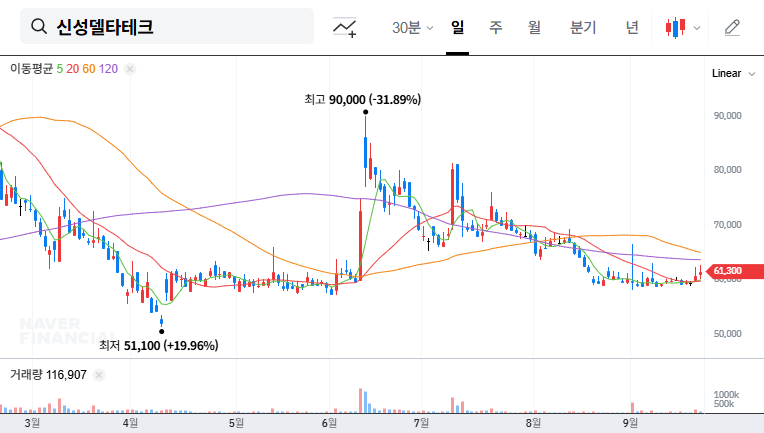
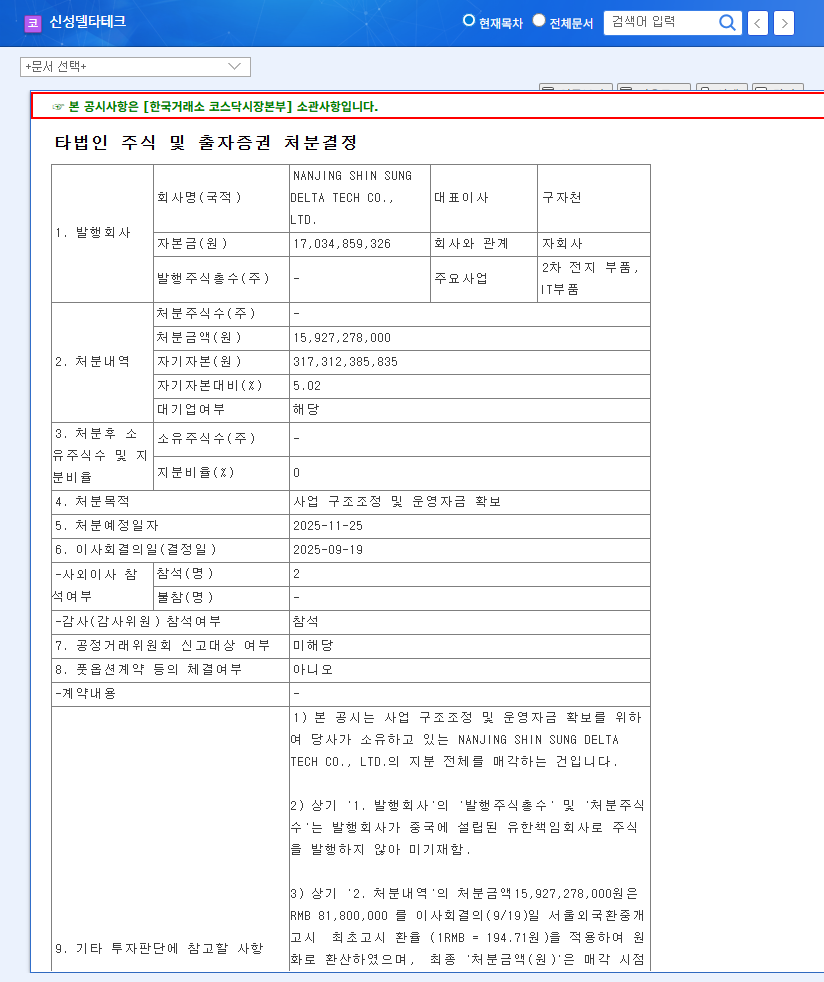
    Shinsung Delta Tech announced on September 19, 2025, its decision to divest its entire stake in NANJING SHIN SUNG DELTA TECH CO., LTD. for 15.9 billion KRW. The divestiture is expected to be completed by November 25, 2025.

    2. Why the Divestiture?

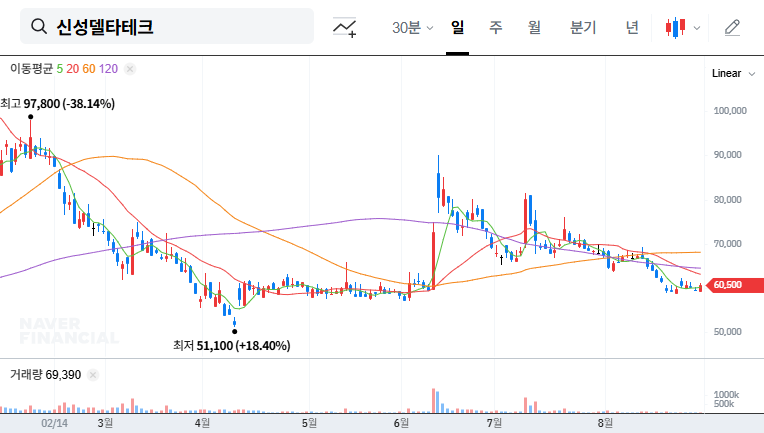
    Officially, the divestiture aims to ‘restructure the business and secure operating funds.’ Shinsung Delta Tech’s 2025 semi-annual report reveals declining sales and operating profit, coupled with increasing debt ratios. The divestiture appears to be a strategic move to improve liquidity and address these financial challenges, especially crucial in a high-interest rate environment.

    3. What are the Implications?

    • Positive Impacts:
      • Improved short-term liquidity and reduced financial burden.
      • Allows the company to focus on its core businesses (HA, BA).
    • Negative Impacts:
      • Potential loss of growth potential in the subsidiary’s secondary battery and IT components businesses.
      • Possible decline in consolidated financial performance due to the loss of the subsidiary’s contributions.

    4. What Should Investors Do?

    Investors should carefully consider the following:

    • The company’s specific plans for utilizing the proceeds from the divestiture (debt repayment, investment in core businesses, etc.).
    • The growth potential and performance improvement of core businesses (HA, BA), particularly the US ESS market entry and robotics business performance.
    • The company’s strategy for应对 macroeconomic changes (exchange rates, interest rates, oil prices, etc.).

    While the divestiture may be positive in the short term, long-term growth depends on the success of the core businesses. Careful investment decisions are crucial at this juncture.


    FAQ

    How will the proceeds from the divestiture be used?

    Officially, the funds will be used for securing operating funds and business restructuring. However, specific plans have not yet been disclosed. Investors should consider various possibilities, such as debt repayment and investment in core businesses, and await further announcements from the company.

    How will this divestiture affect Shinsung Delta Tech’s stock price?

    In the short term, the improved liquidity could positively impact the stock price. However, the long-term stock performance will depend on the growth and profitability of the core businesses. Investors should carefully analyze the company’s plans for utilizing the funds and its growth strategies for core businesses.

    What are Shinsung Delta Tech’s core businesses?

    Shinsung Delta Tech operates four business segments: Home Appliances (HA), Battery & Automotive (BA), Service & Logistics (SVC), and Others (ETC). Home Appliances (HA) and Battery & Automotive (BA) are considered the core businesses.


    Shinsung Delta Tech Divests Subsidiary: What it Means for Investors 관련 이미지
    Shinsung Delta Tech Divests Subsidiary: What it Means for Investors 관련 이미지


  • OA (342870) KOSDAQ Listing Analysis: Rebound Potential After a Sharp Decline?

    OA (342870) KOSDAQ Listing Analysis: Rebound Potential After a Sharp Decline? 대표 차트 이미지

    1. What Happened?: OA’s KOSDAQ Listing and Stock Price Plunge

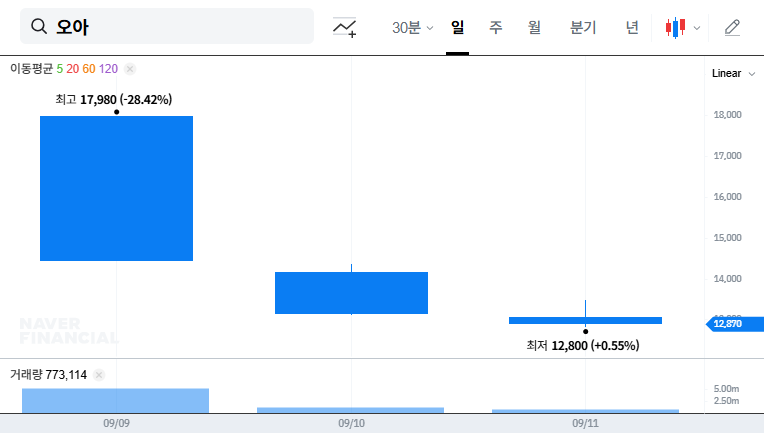
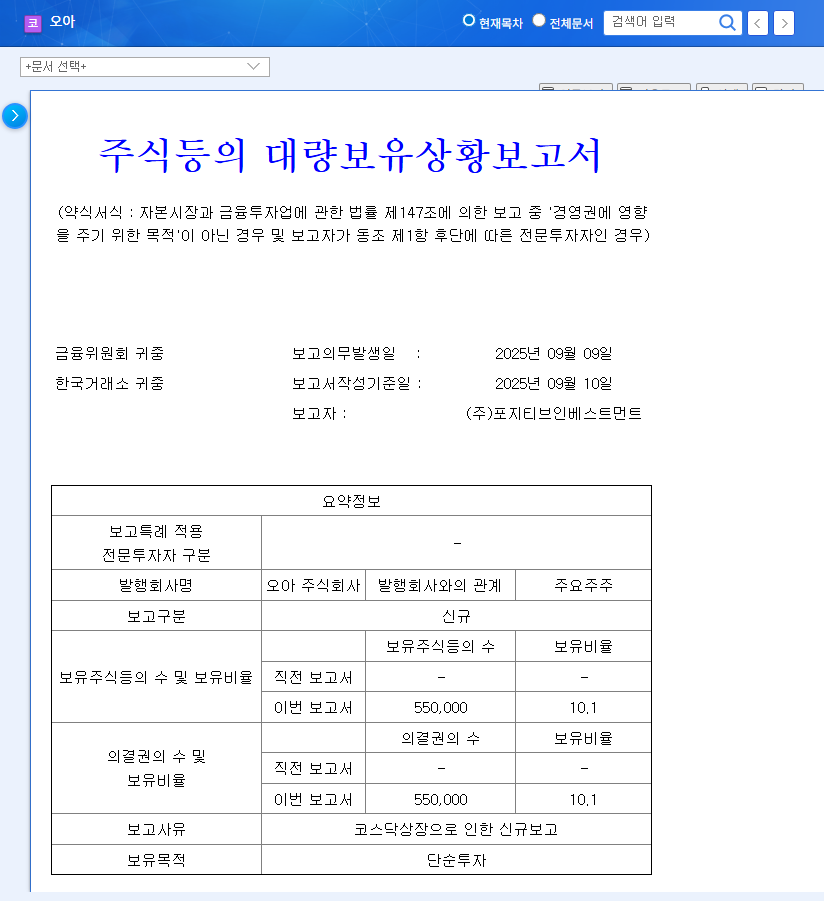
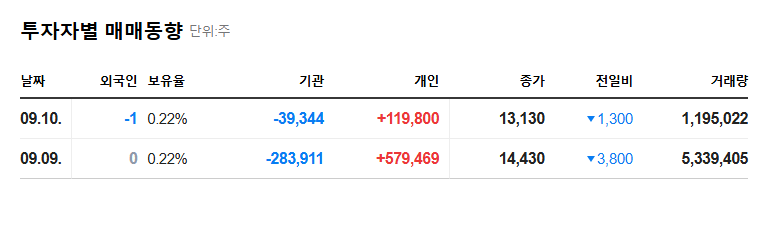
    OA (342870) successfully debuted on the KOSDAQ market on September 9th. Although the initial price exceeded the IPO price on the first day, it has since turned downward and is currently significantly lower than its debut price. Despite the announcement of Positive Investment acquiring a 10.1% stake, the stock price has not rebounded.

    2. Why Did This Happen?: Analysis of the Stock Price Decline

    The main reasons for the stock price decline are profit-taking sell-offs following the listing, concerns about declining sales due to the sluggish small and medium-sized home appliance market, and financial risks such as recent increases in current liabilities. There is also the possibility that the company’s value reassessment after listing did not meet investors’ expectations.

    3. What Should We Do?: Investment Strategies and Key Points

    Rather than focusing on short-term stock price fluctuations, investors should focus on OA’s mid-to-long-term growth potential. The key factors are maintaining the trend of improving profitability, growth in the health food sector, new business development, and the future moves of venture capital. Investment strategies should be developed by carefully analyzing these factors.

    • Profitability: Improved operating profit margin despite declining sales is a positive sign. The key is whether this trend can be sustained.
    • New Growth Drivers: Growth in the health food sector and the performance of new businesses like smart home and big data marketing are crucial.
    • Financial Stability: Managing the increasing current liabilities is necessary.
    • Investor Trends: The future moves of Positive Investment should be monitored closely.

    4. Investor Action Plan

    Investors considering investing in OA should analyze the company’s fundamentals and growth strategies without being swayed by short-term stock price fluctuations. It is particularly important to continuously monitor the company’s growth prospects through future earnings announcements and business plans. Changes in the macroeconomic environment and competitor trends should also be considered.

    What are OA’s main businesses?

    OA operates in the small and medium-sized home appliance and health food businesses. They own brands such as ‘OA’, ‘Boir’, and ‘Samdaeobaek’.

    What are the main reasons for OA’s stock price decline?

    Profit-taking sell-offs after listing, concerns about declining sales due to the sluggish small and medium-sized appliance market, and increasing current liabilities are considered the main reasons.

    What should investors be cautious of when investing in OA?

    Investors should consider factors such as stock price volatility in the initial stages after listing, the possibility of continued decline in sales, debt structure, exchange rate fluctuations, and the future actions of venture capital firms.

    OA (342870) KOSDAQ Listing Analysis: Rebound Potential After a Sharp Decline? 관련 이미지
    OA (342870) KOSDAQ Listing Analysis: Rebound Potential After a Sharp Decline? 관련 이미지
  • Shinsung Delta Tech Stock Forecast: Major Shareholder Divestment – Crisis or Opportunity?

    Shinsung Delta Tech Stock Forecast: Major Shareholder Divestment - Crisis or Opportunity? 대표 차트 이미지

    1. What Happened?

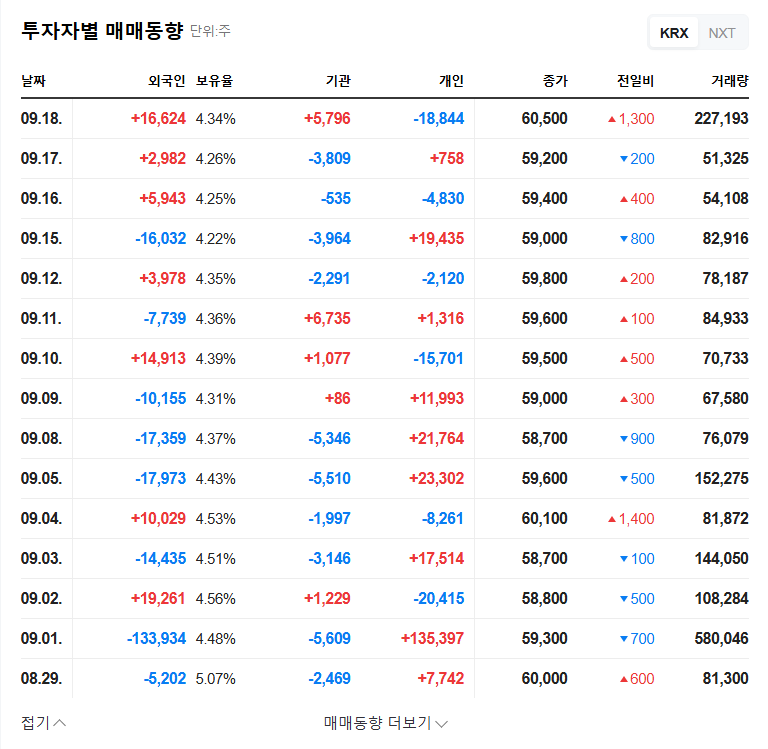
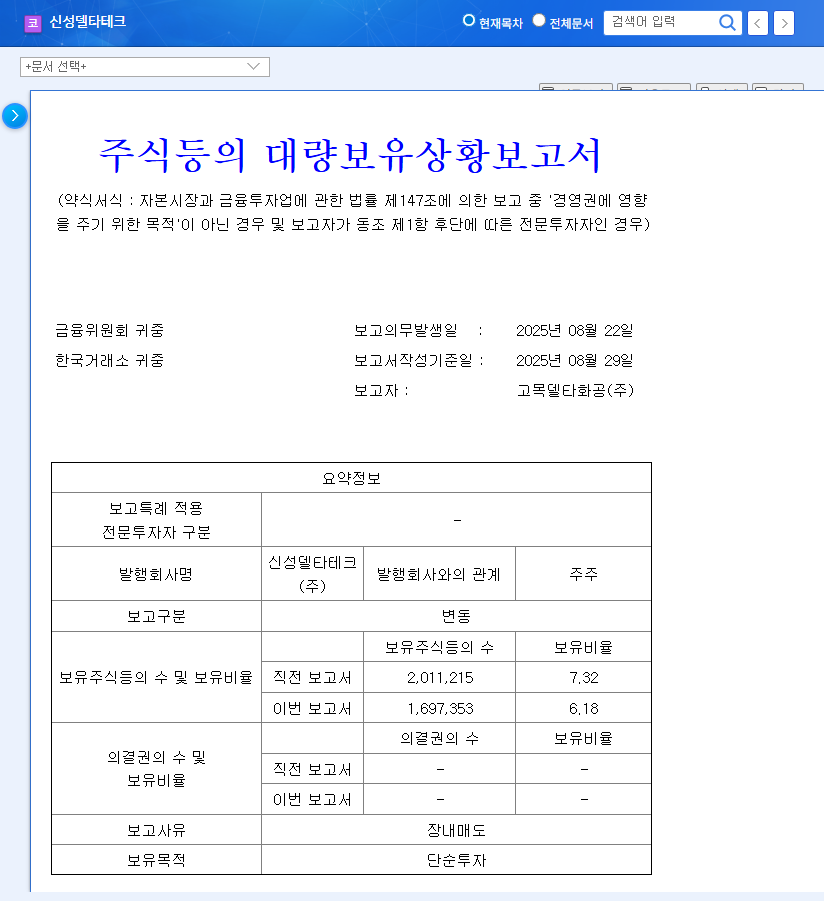
    Gomoku Delta Chemical (Japan), a major shareholder of Shinsung Delta Tech, sold off a portion of its stake between August 7 and August 25, 2025. This reduced Gomoku Delta Chemical’s stake from 7.32% to 6.18%.

    2. Why the Divestment?

    The official reason for the sale has not been disclosed. It could be profit-taking, a change in investment strategy, or other reasons. Understanding the motivation behind the sale and the potential for further divestment is crucial.

    3. How Will This Impact the Stock Price?

    • Short-term Impact: The divestment could lead to negative investor sentiment, putting downward pressure on the stock price.
    • Long-term Impact: Given Shinsung Delta Tech’s solid fundamentals (stable growth in the home appliance sector, expansion into the North American market for secondary batteries/auto parts, and entry into the robotics industry), a recovery after a short-term decline is possible. However, continued large-scale selling could prolong negative sentiment.

    4. What Should Investors Do?

    • Stay Calm: This event doesn’t directly damage the company’s fundamentals. Avoid overreacting to short-term market fluctuations and maintain an objective perspective.
    • Focus on Fundamentals: Continuously monitor the stable performance of the home appliance sector, growth momentum in the secondary battery/auto parts sector, progress in new businesses (robotics), and evaluate the intrinsic value of the company.
    • Monitor Further Sales: Keep an eye on whether Gomoku Delta Chemical continues to sell its stake and if any new investors are entering.

    Frequently Asked Questions

    Why did Gomoku Delta Chemical sell its stake?

    The official reason hasn’t been disclosed. It could be profit-taking, a change in investment strategy, or other factors.

    Is this divestment bad news for Shinsung Delta Tech?

    While short-term negative investor sentiment and downward pressure on the stock price are expected, the direct impact on the company’s fundamentals is likely limited.

    How should investors react?

    Investors should avoid emotional reactions to short-term price fluctuations and focus on analyzing the company’s fundamentals, making investment decisions based on a long-term perspective.

    Shinsung Delta Tech Stock Forecast: Major Shareholder Divestment - Crisis or Opportunity? 관련 이미지
    Shinsung Delta Tech Stock Forecast: Major Shareholder Divestment - Crisis or Opportunity? 관련 이미지
  • Shinsung Delta Tech Turns Profitable in Battery Sector: Investment Opportunity?

    1. Shinsung Delta Tech H1 2025: What Happened?

    Shinsung Delta Tech operates across diverse sectors including Home Appliances (HA), Batteries (BA), and Logistics Services (SVC). While consolidated revenue slightly decreased year-over-year, operating profit increased by approximately 8.2% due to improved profitability in the HA segment and the BA segment turning profitable.

    2. What Drove These Changes?

    • HA: Improved profitability through cost reduction and increased OEM/ODM focus. New robot cleaner parts business shows growth potential.
    • BA: Turned profitable due to North American ESS market expansion and facility investments. High growth potential expected.
    • SVC: Stable profit contribution driven by global shipping volume growth trends.

    3. What Does This Mean for Investors?

    Positive Factors: The turnaround in the BA segment, improved profitability in HA, and stable contributions from SVC enhance investment appeal.

    Negative Factors: Vulnerability to exchange rate and interest rate fluctuations, potential global economic slowdown, and investment burden in the BA segment pose risks.

    4. What Actions Should Investors Take?

    • Monitor risk management strategies regarding exchange rate and interest rate fluctuations.
    • Assess the investment performance and profit improvement in the BA segment.
    • Check the company’s efforts in business diversification and maintaining a stable revenue base.
    • Evaluate the growth potential of new businesses, such as robotics.

    Frequently Asked Questions

    What are Shinsung Delta Tech’s main businesses?

    Shinsung Delta Tech operates in Home Appliances (HA), Batteries (BA), and Logistics Services (SVC).

    What are the key highlights of H1 2025 earnings?

    Key highlights include improved profitability in the HA segment, the BA segment turning profitable, and stable profit contribution from the SVC business.

    What should investors consider when investing in Shinsung Delta Tech?

    Investors should consider factors such as exchange rate and interest rate volatility, the potential for a global economic slowdown, and the investment burden related to the BA business.

  • CUCKOO Holdings H1 2025 Earnings Analysis: Unveiling Opportunities and Risks

    1. CUCKOO Holdings H1 2025 Performance: What Happened?

    CUCKOO Holdings experienced a year-over-year decline in consolidated revenue, operating profit, and net income for H1 2025. The downturn in consumer sentiment in the home appliance market and the overall economic slowdown are considered primary factors. However, standalone financials showed stability, and Q2 preliminary results revealed a recovery, with revenue and operating profit exceeding expectations. Net income, however, fell short of projections, requiring further investigation.

    2. Analyzing the Drivers of Performance: Why These Results?

    Externally, macroeconomic factors like the slumping appliance market and rising raw material prices impacted performance. Internally, one-off expenses or tax-related issues might have contributed to the Q2 net income decline. We await official explanations from the company.

    3. Future Outlook and Investment Strategy: What Now?

    Despite short-term concerns about the earnings slowdown, CUCKOO Holdings is securing mid-to-long-term growth drivers through new product development, overseas market expansion, and the transition to a holding company structure. The company’s low debt ratio is also a positive factor. Investors should monitor upcoming earnings announcements and macroeconomic indicators, considering the company’s growth strategy and risk factors comprehensively.

    4. Key Checklist for Investors

    • ▶ Check upcoming earnings announcements
    • ▶ Monitor changes in macroeconomic indicators
    • ▶ Review the performance of new product launches and overseas expansion
    • ▶ Track the progress of the holding company transition

    Frequently Asked Questions

    Why did CUCKOO Holdings perform better than expected in Q2?

    While revenue and operating profit exceeded expectations, net income fell short. The revenue and operating profit growth are likely attributed to new product launches and efficient cost management. However, the reasons for the decline in net income are not yet clear.

    Should I invest in CUCKOO Holdings?

    Investment decisions should be based on your own judgment. The information provided in this article is not investment advice, and the responsibility for investment decisions rests solely with the investor. Consider CUCKOO Holdings’ fundamentals, growth strategy, and risk factors comprehensively before making any investment decisions.

  • Lotte Himart H1 2025 Earnings Analysis: Profitability Improves, But Sales Decline Continues

    1. What Happened at Lotte Himart?

    Lotte Himart reported KRW 1.12 trillion in revenue for H1 2025, a significant drop of 52.3% year-over-year. However, operating loss narrowed to KRW 5.7 billion, and net loss improved to KRW 26.7 billion, signaling a potential return to profitability.

    2. Why These Results?

    The main reason for the sales decline is the decrease in demand for home appliances due to the overall economic downturn and weakened consumer sentiment. However, Lotte Himart’s aggressive cost-cutting efforts have led to improved profitability. Furthermore, the company is focusing on securing future growth engines through new businesses and strategies, such as launching the private brand ‘PLUX’, introducing subscription services, and strengthening online channels.

    3. What’s Next for Lotte Himart?

    The shift to positive operating and net income in Q2 2025 is encouraging. This demonstrates that profitability improvement efforts are translating into tangible results. However, continued sales decline, exchange rate and interest rate volatility, and intensifying competition remain challenges for Lotte Himart.

    • Positive Factors: Improved profitability, expectations for new businesses and strategies
    • Negative Factors: Potential for continued sales decline, macroeconomic variables, intensifying competition

    4. What Should Investors Do?

    The current investment recommendation for Lotte Himart is ‘Neutral’. Despite the positive signs of profitability improvement, the continued decline in sales and external uncertainties must be considered. Investors should closely monitor the detailed Q2 earnings analysis, sales trends from Q3 onwards, and the performance of new businesses to adjust their investment strategies accordingly.

    Frequently Asked Questions

    How was Lotte Himart’s revenue in the first half of 2025?

    Lotte Himart’s revenue in H1 2025 was KRW 1.12 trillion, a 52.3% decrease year-over-year.

    What efforts is Lotte Himart making to improve profitability?

    Lotte Himart is implementing cost-cutting measures and pursuing new businesses and strategies such as launching the private brand ‘PLUX’, introducing subscription services, and strengthening online channels.

    What is the outlook for investment in Lotte Himart?

    The current investment recommendation is ‘Neutral’. While improved profitability is a positive sign, the continued decline in sales and external uncertainties must be considered. Future earnings announcements and the performance of new businesses should be monitored.

  • Parseco (037070) Q2 2025 Earnings: Back in Black, But Is It Sustainable?

    1. Parseco Q2 2025 Earnings Analysis: A Closer Look at the Black Ink

    Parseco reported revenue of KRW 47.5 billion, operating profit of KRW 1.7 billion, and net income of KRW 2.2 billion in Q2 2025, marking a return to profitability after a loss in Q1. While the continued growth of the OEM/ODM segment drove revenue growth, the low operating margin remains a key challenge.

    2. H1 2025 Performance and Fundamentals: Balancing the Positives and Negatives

    For the first half of 2025, Parseco reported revenue of KRW 81.8 billion (up 21.5% YoY) and an operating loss of KRW 0.57 billion. Despite revenue growth, profitability deteriorated. While OEM/ODM and overseas expansion are positive factors, the sluggish performance of the heating appliance segment, financial burdens, and weakened cash flow are causes for concern.

    3. External Environment Analysis: Opportunities and Threats

    The weak Korean Won is positive for exports but may lead to higher import costs. High interest rates add to financial burdens. Oil and freight rates remain stable, while rising gold prices reflect a preference for safe-haven assets.

    4. Investment Strategy: Proceed with Caution

    While the Q2 return to profitability is positive, investors should proceed with caution given the low operating margin and historical volatility. Key factors to watch include the continued growth of the OEM/ODM segment, the potential recovery of the heating appliance segment, cost reduction efforts, and strategies to mitigate the impact of fluctuating interest rates and exchange rates.

    5. Key Observation Points

    • OEM/ODM segment growth trajectory
    • Heating appliance segment recovery potential
    • Profitability improvement strategies
    • Response to interest rate and exchange rate volatility

    Frequently Asked Questions

    What is Parseco’s core business?

    Parseco is a comprehensive home appliance company that manufactures heating appliances, air conditioners, and kitchen appliances. Its OEM/ODM business segment has shown significant growth recently.

    How did Parseco perform in Q2 2025?

    Parseco returned to profitability in Q2 2025, reporting revenue of KRW 47.5 billion, operating profit of KRW 1.7 billion, and net income of KRW 2.2 billion.

    What are the key considerations for investing in Parseco?

    Investors should proceed with caution due to the low operating margin and historical volatility. It’s important to monitor the continued growth of the OEM/ODM segment and the potential recovery of the heating appliance segment.

  • Coway IR Analysis: Q2 2025 Earnings and Future Outlook

    1. Coway’s Q2 Earnings Announcement: What’s Happening?

    Coway will hold an investor relations (IR) meeting on August 12, 2025, to announce its Q2 2025 earnings and share key management updates. Following a solid performance in Q1, market attention is focused on Q2 results and future prospects.

    2. Q1 Performance and Market Expectations

    2.1 Strong Q1 Driven by Rentals and Overseas Business: Coway delivered strong Q1 2025 results thanks to growth in rental and membership sales, and a robust overseas business. The company achieved impressive growth with 7.21 million domestic rental accounts, KRW 1.1749 trillion in revenue, and KRW 211.2 billion in operating profit.

    2.2 High Market Expectations: The market anticipates the Q1 earnings review to provide valuable insights into Coway’s future growth trajectory.

    3. Key IR Analysis: Where are the Investment Opportunities?

    3.1 Positive Factors:

    • – Increased financial transparency and investor confidence
    • – Confirmation of core business competitiveness and overseas market growth
    • – Enhanced management transparency and communication
    • – Sharing of macroeconomic risk response strategies and growth plans

    3.2 Negative Factors and Potential Risks:

    • – Potential disappointment if results fall short of market expectations
    • – Possibility of management-related issues
    • – Macroeconomic variables such as exchange rate fluctuations and interest rate hikes

    4. Investor Action Plan

    This IR presents a crucial opportunity to assess Coway’s growth potential and formulate investment strategies. Investors should carefully review the IR content and management’s responses to inform their decisions. Pay particular attention to the company’s strategies for addressing macroeconomic variables and any explanations regarding potential management-related issues.

    Frequently Asked Questions

    When is Coway’s Q2 earnings announcement?

    It is scheduled for August 12, 2025, at 9:00 AM KST.

    What will be covered in the IR meeting?

    The meeting will cover Q2 2025 earnings results and key management updates. It is also expected to include discussions on macroeconomic risk management strategies and future growth plans.

    What are the key points for investors to consider?

    Investors should carefully analyze the Q2 results and future outlook presented, as well as the management’s proposed strategies for addressing macroeconomic risks. Potential risk factors such as management-related issues should also be considered.