Tag: Hanwha Vision

  • Hanwha Vision IR Analysis: Q2 Earnings Turnaround, What’s Next?


    Hanwha Vision IR Analysis: Q2 Earnings Turnaround, What's Next? 대표 차트 이미지


    Hanwha Vision Q2 2025 Earnings: A Turnaround, But Challenges Remain

    Hanwha Vision reported consolidated revenue of KRW 908.9 billion and operating profit of KRW 100.5 billion in the first half of 2025, marking a return to profitability. While the security division’s impressive growth fueled this turnaround, the struggles of the industrial equipment and semiconductor design divisions persist.

    Future Growth Drivers: Security’s Strength and New Ventures

    The security division continues to expand globally, driven by AI and cloud-based solutions. However, improving profitability in the industrial equipment division and achieving profitability in the semiconductor design division are crucial for sustained growth. Hanwha Vision is expected to address these challenges in the upcoming IR.

    Action Plan for Investors: Analyze the IR and Watch the Market

    • Carefully monitor the IR presentation: Pay close attention to Q2 results, growth strategies, and risk management plans.
    • Balance growth potential and risk factors: Objectively assess the security division’s growth alongside the risks in other business segments.
    • Monitor macroeconomic changes: Keep track of how external factors like exchange rate and interest rate fluctuations impact Hanwha Vision.
    • Evaluate the presentation against market expectations: After the IR, consider market reactions and expert analyses to inform your investment decisions.


    FAQ

    How did Hanwha Vision perform in Q2 2025?

    Hanwha Vision reported consolidated revenue of KRW 908.9 billion and operating profit of KRW 100.5 billion in Q2 2025, achieving a turnaround to profitability. The strong performance of the security division was the main driver.

    What are Hanwha Vision’s main business segments?

    Hanwha Vision operates three main business segments: security, industrial equipment, and semiconductor design.

    What should my investment strategy be?

    Carefully analyze the IR presentation, balancing the growth potential of the security division with the risks in the industrial equipment and semiconductor design divisions. It’s crucial to monitor macroeconomic changes and evaluate the presentation against market expectations.

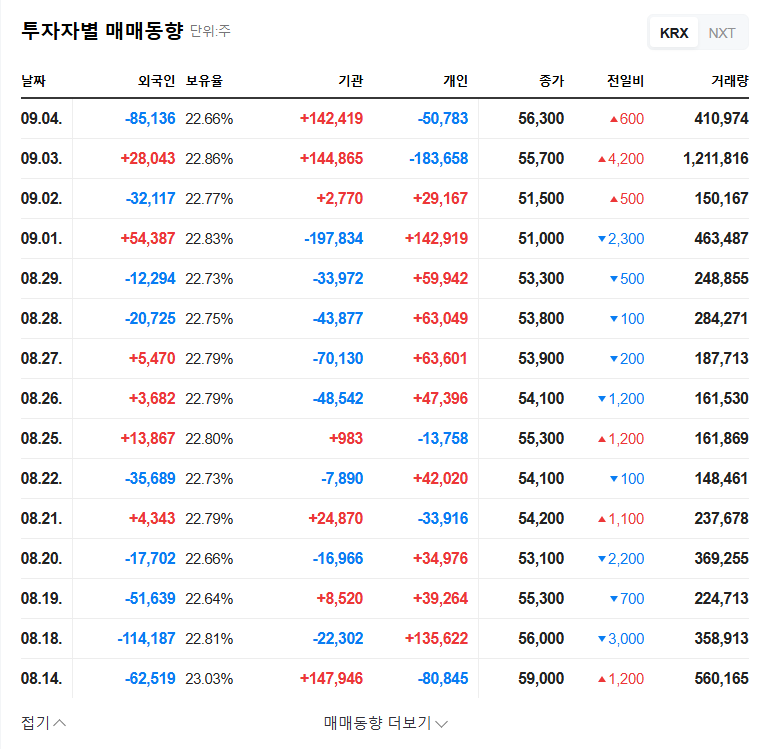


    Hanwha Vision IR Analysis: Q2 Earnings Turnaround, What's Next? 관련 이미지
    Hanwha Vision IR Analysis: Q2 Earnings Turnaround, What's Next? 관련 이미지


  • Hanwha Vision IR Analysis: Q2 2025 Earnings and Future Growth Strategies

    1. Hanwha Vision Q2 2025 Earnings: A Mixed Bag

    Hanwha Vision reported solid growth in its security solutions segment, achieving KRW 1.2133 trillion in revenue, a 51.37% increase year-over-year. The strong export ratio of 87% underscores the company’s global competitiveness. However, the industrial equipment segment, despite generating KRW 229.9 billion in revenue, recorded an operating loss of KRW 19.3 billion, signaling the need for improved profitability. Earnings per share (EPS) also declined year-over-year to (240) KRW.

    2. Growth Drivers and Future Strategies: AI and Global Expansion

    Hanwha Vision is focusing on differentiated security solutions integrating AI and IoT technologies, with positive results in North American and European markets. The recent supply contract with SK Hynix for HBM equipment offers a potential turnaround for the industrial equipment segment. In the semiconductor design sector, the company continues R&D in image processing SoC and NPU design, focusing on future growth engines, notably the commercialization of the WN9 SoC.

    3. Investment Considerations: Macroeconomic Factors and Competitive Landscape

    Investors should carefully monitor the impact of macroeconomic factors such as fluctuations in foreign exchange rates, interest rates, and oil prices on Hanwha Vision’s performance. The intensifying competition in the Chinese market and increased investment and competition in the semiconductor and machine tool sectors also warrant close analysis. Prudent investment decisions should be based on a thorough assessment of the IR presentation, stock price movements, and a long-term value perspective.

    4. Investor Action Plan: Analyze IR Data and Assess Long-Term Value

    • Carefully analyze the IR presentation to identify key takeaways.
    • Assess growth drivers in the security segment and profitability improvement strategies for the industrial equipment segment.
    • Continuously monitor changes in the macroeconomic environment.
    • Evaluate long-term value rather than reacting to short-term stock price fluctuations.
    • Pay close attention to the potential turnaround in the industrial equipment segment.
    Q: What are Hanwha Vision’s main business segments?

    A: Hanwha Vision operates primarily in security solutions, industrial equipment, and semiconductor design.

    Q: How did Hanwha Vision perform in the first half of 2025?

    A: While the security solutions segment showed robust growth, the industrial equipment segment needs to improve profitability. See the main article for further details.

    Q: What are the key factors to consider when investing in Hanwha Vision?

    A: Key considerations include macroeconomic factors, the competitive landscape, and the potential for a turnaround in the industrial equipment segment.

  • Hanwha Vision Q2 2025 Earnings: Strong Growth Overshadowed by Unexpected Loss

    1. What Happened? Hanwha Vision Announces Q2 2025 Earnings

    Hanwha Vision released its Q2 2025 earnings report on August 13, 2025. Revenue soared by 84.27% year-over-year to KRW 908.97 billion, and operating profit reached KRW 100.57 billion, marking a return to profitability. However, the results fell short of market expectations (revenue of KRW 459 billion and operating profit of KRW 57.1 billion), and the company reported a net loss of KRW 10.1 billion.

    2. Why Did This Happen? Earnings Analysis

    Positive Factors: The explosive growth of the security segment, driven by global market expansion and the launch of new AI-powered products, was the key growth driver. The industrial equipment segment also showed improved profitability with reduced losses.

    Negative Factors: Missing market expectations and the unexpected net loss could negatively impact investor sentiment. Increased debt due to borrowing for business expansion is also a risk factor.

    • Security Segment: Expanding global market share, launch of AI/cloud-based products
    • Industrial Equipment Segment: 17.47% global market share in chip mounters
    • Semiconductor Design Segment: Ongoing R&D investment for future growth

    3. What’s Next? Investment Strategies

    While Hanwha Vision maintains strong growth momentum, investors should be aware of potential short-term stock price volatility. Investment decisions should be made carefully, considering the detailed financial information and profitability trends of each business segment that will be released in the future. A thorough analysis of the reasons behind the net loss is particularly crucial.

    4. Investor Action Plan

    Short-term investors should be cautious of price volatility, while long-term investors should focus on the growth potential and continuously monitor changes in the company’s fundamentals. It’s crucial to review the company’s explanation for the net loss and its future strategies.

    Frequently Asked Questions

    What are Hanwha Vision’s main businesses?

    Hanwha Vision’s main businesses are security (video surveillance), industrial equipment (SMT equipment), and semiconductor design.

    Why did Q2 2025 earnings fall short of market expectations?

    The exact reasons are yet to be disclosed, but further analysis is needed regarding the net loss. This information will likely be available in future disclosures.

    Should I invest in Hanwha Vision?

    Hanwha Vision has high growth potential, but investment decisions should be based on individual judgment. Carefully consider the information provided in this article before making any investment decisions.

  • Hanwha Vision Stock Forecast: Is Orbis’s Divestment a Bad Sign? Analyzing Core Business Growth

    1. Orbis’s Divestment: What Happened?

    Orbis Investment Management Limited reduced its stake in Hanwha Vision from 6.41% to 5.28% on August 11, 2025, for investment recovery purposes. The market is focusing on the possibility of short-term stock price volatility following this news.

    2. Focus on Fundamentals! Hanwha Vision’s Q1 2025 Earnings Analysis

    While Orbis’s divestment may act as a short-term negative factor, there is no significant change in Hanwha Vision’s fundamentals. In fact, Q1 earnings were positive. The company returned to profitability thanks to the solid growth of its security business and secured future growth engines through investments in AI technology.

    • Security Division: Achieved KRW 673.7 billion in sales and KRW 81.4 billion in operating profit (global market growth, strengthened AI solutions)
    • Industrial Equipment Division: Sluggish performance due to the economic slowdown, but expected to benefit from automation/unmanned trends
    • Semiconductor Design Division: Currently in the R&D investment stage, securing future growth engines

    3. Investing in Hanwha Vision: What Should You Do Now?

    In the short term, a cautious approach is needed, observing the digestion of Orbis’s selling volume and market reaction. However, in the medium to long term, it is necessary to closely monitor the growth of the security business, the results of new technology investments, and the turnaround of the industrial equipment division, and look for investment opportunities.

    4. Key Investment Points to Keep in Mind

    • Orbis’s additional selling/buying plans
    • Moves by other institutional investors
    • Future earnings announcements
    • Results of AI technology investments
    • Global economic and exchange rate fluctuations

    Frequently Asked Questions

    Will Orbis’s divestment negatively impact Hanwha Vision’s future?

    Short-term stock price volatility is expected, but considering that the reason for Orbis’s sale is investment recovery, the direct impact on the company’s fundamentals is expected to be limited.

    What is Hanwha Vision’s core business?

    Hanwha Vision’s core business is the security division, which is showing steady growth through global market growth and AI technology convergence.

    What should I be aware of when investing in Hanwha Vision?

    It is important to make investment decisions by comprehensively considering the company’s core business growth trends, new technology investment performance, and external factors, without being swayed by short-term market volatility.

  • Hanwha Vision Q2 2025 Earnings Analysis: Below Expectations, Increased Net Loss… Investment Strategy?

    1. Hanwha Vision Q2 Earnings: Key Highlights

    Hanwha Vision reported revenue of KRW 457.2 billion, operating profit of KRW 56.3 billion, and a net loss of KRW 9.7 billion for Q2 2025. While revenue and operating profit saw a slight increase compared to the previous quarter, the significant expansion of the net loss is the key takeaway.

    2. Analyzing the Factors Behind the Underperformance

    The increased net loss is attributed to a combination of factors, including the sluggish performance of the industrial equipment segment, continued losses in the semiconductor design segment, and unexpected additional costs. The global economic downturn and rising raw material prices significantly impacted the profitability of the industrial equipment segment.

    3. External Environmental Factors

    • Exchange Rates: The rise in the KRW/USD exchange rate and the decline in the KRW/EUR exchange rate had a mixed impact on exports in the security segment.
    • Raw Material Prices: Rising oil prices increased cost pressures for the industrial equipment segment.
    • Interest Rate Hikes: Increased funding costs and dampened investment sentiment.
    • Global Economic Downturn: The decline in the China Containerized Freight Index suggests decreased demand in the industrial equipment segment.

    4. Outlook and Investment Strategy

    Hanwha Vision’s future outlook hinges on the recovery of the industrial equipment segment, improvement in the profitability of the semiconductor design segment, and the success of its new AI-based businesses. Investors should carefully consider these factors and develop their investment strategies based on detailed segment-by-segment performance analysis, competitor analysis, and sensitivity analysis of external environmental changes.

    Frequently Asked Questions

    What are the main reasons for Hanwha Vision’s poor Q2 performance?

    The underperformance is attributed to the sluggish industrial equipment segment, continued losses in the semiconductor design segment, and unexpected additional costs.

    What is the outlook for Hanwha Vision’s stock price?

    The outlook is highly dependent on the recovery of the industrial equipment segment, improvement in the profitability of the semiconductor design segment, and the success of its new AI-based businesses.

    What should investors consider when investing in Hanwha Vision?

    Investors should develop their investment strategies based on detailed segment-by-segment performance analysis, competitor analysis, and sensitivity analysis of external environmental changes.