Tag: Hana Financial Group Inc.

  • (086790) Hana Financial Group Share Cancellation: A Deep Dive for Investors

    (086790) Hana Financial Group Share Cancellation: A Deep Dive for Investors

    In a significant move for the financial market, Hana Financial Group Inc. has announced a major share cancellation, signaling a robust commitment to enhancing shareholder value. This decision has captured the attention of investors and analysts alike, prompting questions about its long-term impact on the company’s stock and financial health. This comprehensive analysis will explore the specifics of the Hana Financial Group share cancellation, its strategic rationale, and what it means for investors navigating the current economic landscape.

    The Landmark Announcement: 150 Billion KRW in Shares Retired

    On May 20, 2024, Hana Financial Group formally disclosed its plan to cancel 1,708,428 of its common shares, which corresponds to a value of approximately 150 billion KRW. The shares are slated to be acquired via open market purchases, a common method for executing such buyback and cancellation programs. The specific timeline for the acquisition remains to be finalized. You can view the Official Disclosure on the DART system for complete regulatory details. This action is a direct and powerful form of shareholder return, designed to increase the intrinsic value of the remaining shares in circulation.

    By reducing the total number of outstanding shares, a company effectively gives each remaining shareholder a larger piece of the ownership pie. This directly boosts key performance metrics and signals management’s confidence in the company’s future earnings power.

    Strategic Rationale: More Than Just a Stock Boost

    While a share price increase is a welcome outcome, the decision by Hana Financial Group is rooted in deeper strategic objectives aimed at strengthening the company’s fundamental profile. This move is a clear example of prioritizing strong corporate governance and is expected to deliver several key benefits.

    Driving Capital Efficiency and Profitability

    The primary mechanical benefit of a share cancellation is the immediate improvement in capital efficiency metrics. With fewer shares outstanding, the company’s net income is divided by a smaller number, which directly increases Earnings Per Share (EPS). Furthermore, as total equity on the balance sheet can decrease, it can lead to a higher Return on Equity (ROE). These are two of the most scrutinized metrics by which investors judge a company’s profitability and management effectiveness.

    Enhancing Long-Term Shareholder Value

    The law of supply and demand applies directly to stocks. By reducing the supply of shares, the value of each remaining share tends to increase, assuming demand stays constant or grows. This is a direct return of value to shareholders and a clear statement that the management believes the company’s stock is undervalued in the open market. This can lead to a positive re-rating of the stock by the investment community.

    Market Impact and Stock Analysis

    The announcement of the Hana Financial Group share cancellation is widely seen as a positive catalyst. However, the true impact on the stock price will be a function of short-term market sentiment and long-term fundamental performance. While an initial positive reaction is common, its sustainability depends on the broader market context. According to market analysis from leading financial news outlets, bank stocks are heavily influenced by macroeconomic trends, particularly interest rate policies.

    Investors should therefore focus on whether the improved EPS and ROE figures translate into sustained operational excellence. The real test will be observing the company’s performance in the quarters following the cancellation. A deeper look at other key metrics for analyzing bank stocks will provide a more complete picture.

    A Strategic Checklist for Investors

    For those holding or considering an investment in Hana Financial Group, this development warrants careful consideration. Here is a strategic checklist to guide your decision-making process:

    • Acknowledge the Positives: Understand that this is a fundamentally positive action. It reflects a healthy balance sheet, strong cash flow, and a management team focused on delivering shareholder value.
    • Monitor Macro-Environment: Keep a close watch on key economic indicators, especially the Bank of Korea’s interest rate decisions and the overall health of the global economy, as these heavily influence the banking sector’s profitability.
    • Track Fundamental Performance: Look beyond the headline numbers. In upcoming quarterly reports, verify if the improved EPS and ROE are complemented by growth in core banking operations, such as net interest margin and loan growth.
    • Assess the Competitive Landscape: Compare Hana Financial Group’s shareholder return policies with those of its domestic competitors. A proactive approach to corporate governance can be a significant competitive advantage in attracting institutional investment.

    In conclusion, Hana Financial Group’s share cancellation is a confident and shareholder-friendly move. It provides a solid foundation for potential stock price appreciation and reinforces the company’s investment appeal. However, for this potential to be fully realized, it must be supported by continued strong operational performance and a stable macroeconomic environment.

    Frequently Asked Questions

    What does the Hana Financial Group share cancellation entail?

    Hana Financial Group has committed to buying back and canceling 1,708,428 of its own common shares from the open market, valued at about 150 billion KRW. This reduces the total number of shares available, thereby increasing the ownership stake of remaining shareholders.

    How does a share cancellation impact stock prices?

    It typically has a positive effect. By improving key metrics like EPS and ROE and reducing the supply of shares, it can make the stock more attractive to investors. This can lead to short-term price momentum and supports long-term valuation if the company’s performance remains strong.

    Is this a good long-term signal for the company?

    Yes, it is generally considered a very positive long-term signal. It demonstrates that management is confident in the company’s future prospects and is committed to efficient capital management and delivering value directly to its shareholders, which is a hallmark of good corporate governance.

    (086790) Hana Financial Group Share Cancellation: A Deep Dive for Investors 관련 이미지
  • (086790) Hana Financial Group Q3 2025 Earnings: A Deep Dive Analysis & Stock Outlook

    (086790) Hana Financial Group Q3 2025 Earnings: A Deep Dive Analysis & Stock Outlook

    In a landscape of market volatility, the Hana Financial Group Inc. Q3 2025 earnings report has emerged as a beacon of stability and growth. The provisional results, disclosed on October 28, 2025, not only met but significantly exceeded analyst expectations, signaling robust underlying strength and capturing the attention of the global investment community. This comprehensive analysis will dissect these impressive figures, explore the key drivers behind this outperformance, and provide a forward-looking perspective on the Hana Financial Group stock.

    Hana Financial’s third-quarter performance showcases a potent combination of strategic execution and favorable market positioning, solidifying its status as a top-tier financial institution in the region.

    Q3 2025 Earnings: By the Numbers

    The official results, filed and made public, paint a clear picture of financial strength. According to the company’s Official Disclosure, the consolidated financial performance for the third quarter was exceptional.

    • Revenue: KRW 10,892.3 billion.
    • Operating Profit: KRW 1,478.2 billion, a remarkable 7.3% beat over the market consensus of KRW 1,377.8 billion.
    • Net Profit: KRW 1,132.4 billion, surpassing market expectations of KRW 1,067.2 billion by 6.1%.

    This consistent overperformance in both operating and net profit underscores the group’s solid earnings generation capabilities and efficient operational management, even amidst a challenging global economic environment.

    In-Depth Hana Financial Analysis: Pillars of Success

    Several interconnected factors contributed to this stellar quarterly report. A detailed Hana Financial analysis reveals a strategy built on strengthening fundamentals and capitalizing on market conditions.

    1. Fortified Financial Fundamentals

    After navigating a temporary downturn in 2022, Hana Financial Group has demonstrated a powerful recovery. Since 2023, key metrics have shown consistent upward momentum. The group’s improving Return on Equity (ROE) and operating profit margins point to highly effective cost controls and superior asset management. Furthermore, a steadily declining debt-to-equity ratio signals a strengthening balance sheet and enhanced financial resilience, a crucial factor for investors seeking stability. This positive trend sets a strong foundation for the full-year 2025 financial performance.

    2. Proactive Asset and Risk Management

    In a sector where risk is inherent, Hana’s proactive approach has been a key differentiator. The group’s ability to maintain asset quality and manage credit risk effectively, as detailed in many expert financial analyses, has insulated it from some of the headwinds affecting competitors. This disciplined strategy has been pivotal in achieving superior results and maintaining investor confidence.

    3. Favorable Macroeconomic Environment

    The current interest rate environment has provided a tailwind for profitability across the banking sector, and Hana Financial has skillfully capitalized on this. Stable international oil prices and shipping costs have also supported broader economic activity, fueling demand for financial services. However, it’s important to monitor potential risks, such as volatility in the KRW/USD exchange rate, which could signal underlying geopolitical or economic uncertainty.

    Investment Outlook and Valuation

    The positive Hana Financial Group Inc. Q3 2025 earnings report significantly enhances the stock’s investment appeal. The current valuation metrics, with a PER of 16.42 and PBR of 2.21, appear attractive when juxtaposed with the company’s strong growth trajectory and improving profitability. For those interested in this sector, you can learn more about banking stock valuation here. These figures suggest that there may be further room for stock price appreciation as the market continues to recognize the company’s solid performance.

    Based on this analysis, a ‘Buy’ recommendation is warranted. Hana Financial Group stands out as a compelling defensive investment, offering both stability and growth potential in a fluctuating market.

    Key Factors to Monitor Moving Forward:

    Prudent investors should continue to monitor several key areas:

    • Interest Rate Policy: Future decisions by the Bank of Korea will directly impact profitability.
    • Global Economic Trends: Macroeconomic shifts and geopolitical events can influence market sentiment.
    • Competitive Landscape: Keep an eye on evolving financial regulations and competitive pressures.

    Disclaimer: This analysis is for informational purposes only and is based on publicly available data. It does not constitute financial advice. All investment decisions should be made at the investor’s own discretion and risk.

    (086790) Hana Financial Group Q3 2025 Earnings: A Deep Dive Analysis & Stock Outlook 관련 이미지
  • (086790) Hana Financial Group’s ₩150B Treasury Share Cancellation: A Deep Dive for Investors

    (086790) Hana Financial Group’s ₩150B Treasury Share Cancellation: A Deep Dive for Investors

    In a significant move to bolster investor confidence, Hana Financial Group Inc. has announced a decisive plan to acquire and cancel ₩150 billion in treasury shares. This isn’t merely a line item on a balance sheet; it’s a powerful statement about the company’s commitment to shareholder value enhancement. For investors watching the Hana Financial Group stock, understanding the mechanics and implications of this treasury share cancellation is crucial for making informed decisions.

    This in-depth analysis will break down the announcement, explore the strategic rationale, evaluate the potential market impact, and provide a clear action plan for current and prospective investors.

    The Announcement: A ₩150 Billion Commitment

    Hana Financial Group has officially declared its intention to acquire 1,708,428 of its common shares, valued at approximately ₩150 billion. The acquisition will be conducted via open market purchases, with Hana Securities facilitating the process, and is slated for completion by October 28, 2025. Following the acquisition, these shares will be permanently canceled. The full details of this corporate action are available in the group’s Official Disclosure (Source: DART).

    A treasury share cancellation, or stock buyback and retirement, is one of the most direct ways a company can return value to its shareholders. It reduces the total number of shares outstanding, making each remaining share more valuable.

    Why a Treasury Share Cancellation is a Powerful Move

    The core objective behind managing Hana Financial Group treasury shares this way is to maximize shareholder value. This strategy achieves its goal through several key mechanisms:

    • Boosted Per-Share Metrics: With fewer shares in circulation, key financial metrics like Earnings Per Share (EPS) and Book Value Per Share (BPS) automatically increase. This mathematical improvement makes the stock appear more attractive on a fundamental basis.
    • Positive Market Signaling: A significant stock buyback sends a strong message. It implies that the company’s management believes its own stock is undervalued and represents a good investment, boosting overall market sentiment and trust.
    • Improved Capital Efficiency: By deploying excess cash to repurchase shares instead of letting it sit on the balance sheet, the company demonstrates efficient capital allocation, which can lead to a higher Return on Equity (ROE).
    • Confidence in Future Performance: This move aligns with Hana Financial Group’s positive financial outlook, showing a trend of growing revenue and net profit. The buyback reinforces the belief that future earnings will be robust enough to support both business growth and shareholder returns.

    Market Impact and Macroeconomic Context

    Expected Impact on Fundamentals

    Historically, the market reacts favorably to shareholder return policies from major financial institutions. Hana Financial Group’s stock has already been on an upward trajectory, and this shareholder-friendly policy is expected to add further momentum. While the action doesn’t change the company’s core operations, it reframes its financial structure in a way that directly benefits existing shareholders, which is a powerful catalyst for positive price action.

    Indirect Macroeconomic Influences

    No company operates in a vacuum. While the decision is internal, its success can be influenced by broader economic conditions. Investors should remain aware of:

    • Interest Rate Environment: Central bank decisions on interest rates directly impact a bank’s Net Interest Margin (NIM), a key profitability driver.
    • Currency Fluctuations: As a global financial player, shifts in KRW/USD and KRW/EUR exchange rates can affect earnings from international operations and derivative transactions.
    • Global Economic Health: Broader concerns of an economic slowdown, as tracked by institutions like The World Bank, could create market volatility that affects all financial stocks.

    Investor Action Plan & Strategic Takeaways

    Given the positive outlook, here’s how investors might approach this development. It is essential to align these strategies with your personal risk tolerance and as part of a plan for diversifying your investment portfolio.

    Short-Term Strategy

    The announcement is likely to generate positive short-term momentum. Traders may watch for increased volume and price stability following the news, potentially presenting short-term buying opportunities. However, be mindful of initial volatility as the market digests the information.

    Mid-to-Long-Term Strategy

    For long-term investors, this decision reinforces the company’s solid fundamentals and shareholder-centric management. The key is to monitor the execution of the stock buyback and the company’s ongoing financial performance. Continued improvement in earnings and a stable macroeconomic environment could make Hana Financial Group an attractive holding for sustained growth and value.

    Key Risks to Monitor

    Despite the positive news, due diligence is paramount. Keep an eye on potential risks such as unexpected macroeconomic downturns or any deviation from the announced share acquisition plan. Verifying the completion of the buyback through future company reports is a critical final step.

    (086790) Hana Financial Group's ₩150B Treasury Share Cancellation: A Deep Dive for Investors 관련 이미지
  • (086790) Hana Financial Group Inc. Dividend (2025): Expert Analysis & Stock Forecast

    (086790) Hana Financial Group Inc. Dividend (2025): Expert Analysis & Stock Forecast

    The latest Hana Financial Group Inc. dividend announcement for Q4 2025 has captured the attention of the market. With a cash dividend of KRW 920 per common share declared, investors are keen to understand the implications for the company’s stock price, especially amidst a shifting macroeconomic landscape defined by anticipated interest rate cuts. This comprehensive analysis will break down the dividend details, evaluate the company’s fundamental health, and provide a strategic outlook for current and prospective shareholders.

    We’ll explore not just the immediate effects of this shareholder return, but also the long-term growth prospects for Hana Financial Group stock. By examining profitability trends, the impact of global rate policies, and the competitive environment, this guide offers a clear, expert-level perspective to inform your investment decisions for 2025 and beyond.

    Unpacking the Q4 2025 Hana Financial Group Inc. Dividend

    On October 28, 2025, Hana Financial Group Inc. formally announced its quarterly cash dividend, reinforcing its commitment to its shareholder-friendly policies. This decision is a critical piece of information for evaluating the stock’s current appeal. For full transparency, investors can review the Official Disclosure (DART).

    Key Dividend Details at a Glance

    • Dividend per Share: KRW 920 per common share.
    • Dividend Yield: Approximately 1.0% based on the stock price at the time of announcement.
    • Record Date: Shareholders must be on record by November 12, 2025, to be eligible.
    • Payment Date: The dividend is scheduled for payment on November 28, 2025.

    Fundamental Strength: The Bedrock of Shareholder Returns

    A sustainable dividend policy is always backed by strong fundamentals. Hana Financial Group has demonstrated a significant operational turnaround, moving from a deficit in 2022 to profitability in 2023. Projections for 2025 indicate continued growth in both revenue and profit margins, which is the engine that powers shareholder returns. While the Dividend Per Share (DPS) saw a temporary dip in 2024, it is forecast to rebound strongly to KRW 391 in 2025, showcasing the management’s confidence in future earnings.

    A Look at Key Financial Metrics

    Understanding valuation metrics is crucial for any bank stock analysis. The Price-to-Earnings (PER) ratio for Hana is recovering, suggesting that its earnings power is being increasingly recognized by the market. Simultaneously, the Price-to-Book (PBR) ratio is expected to see a slight increase, reflecting confidence in the value of its underlying assets. For more information, you can explore our guide on how to value financial stocks.

    The Macroeconomic Tailwind: How 2025 Rate Cuts Affect Financial Stocks

    The global economic environment in 2025 is expected to be characterized by monetary easing. Central banks, including the U.S. Federal Reserve and the Bank of Korea, are projected to begin a cycle of gradual interest rate cuts. According to analysis from sources like Bloomberg, this trend can be a significant tailwind for financial institutions like Hana Financial Group.

    Lower benchmark rates reduce a bank’s cost of funding. This can lead to an expansion of the Net Interest Margin (NIM)—the difference between interest income generated and the amount of interest paid out—which is a primary driver of profitability for banks.

    Furthermore, a lower rate environment typically stimulates borrowing from both consumers and businesses, potentially increasing loan demand and driving revenue growth. While exchange rate volatility presents both risks and opportunities, the overall macroeconomic shift appears favorable for Korean financial stocks.

    Strategic Investor Action Plan & Outlook

    The Q4 2025 Hana Financial Group Inc. dividend is a positive signal, but prudent investors must look at the complete picture. A holistic approach that combines short-term income potential with long-term value creation is essential.

    Key Considerations Before Investing

    • Monitor Fundamentals: Ensure that the projected earnings growth for 2025 materializes. Track quarterly reports to confirm the positive trend.
    • Analyze the Competitive Landscape: Compare Hana’s dividend policy and performance against peers like KB Financial Group and Shinhan Financial Group to gauge its relative attractiveness.
    • Assess Macro Risks: While rate cuts are expected, their timing and magnitude can change. Monitor central bank communications and inflation data closely.
    • Evaluate Sustainability: Look beyond a single quarter. Assess the company’s long-term capital adequacy and earnings stability to determine if the dividend policy is sustainable.

    Frequently Asked Questions (FAQ)

    Q1: What is Hana Financial Group Inc.’s quarterly dividend for Q4 2025?
    A1: Hana Financial Group Inc. announced a quarterly dividend of KRW 920 per common share on October 28, 2025.

    Q2: When must I own the stock to receive this dividend?
    A2: To be eligible, you must be a registered shareholder as of the record date, which is November 12, 2025. The dividend will be paid on November 28, 2025.

    Q3: How do interest rate cuts affect Hana Financial Group Inc.?
    A3: Anticipated rate cuts can be beneficial by lowering the bank’s funding costs and stimulating loan demand, which may lead to improved profitability and higher Net Interest Margins.

    Q4: What is the fundamental outlook for Hana Financial Group Inc.?
    A4: The outlook is positive, with significant revenue and profit growth projected for 2025, following a successful turnaround to profitability in 2023. The dividend per share is also expected to increase in 2025.

    (086790) Hana Financial Group Inc. Dividend (2025): Expert Analysis & Stock Forecast 관련 이미지
  • (086790) Hana Financial Group Stock Cancellation: A KRW 199.8B Deep Dive for Investors

    (086790) Hana Financial Group Stock Cancellation: A KRW 199.8B Deep Dive for Investors

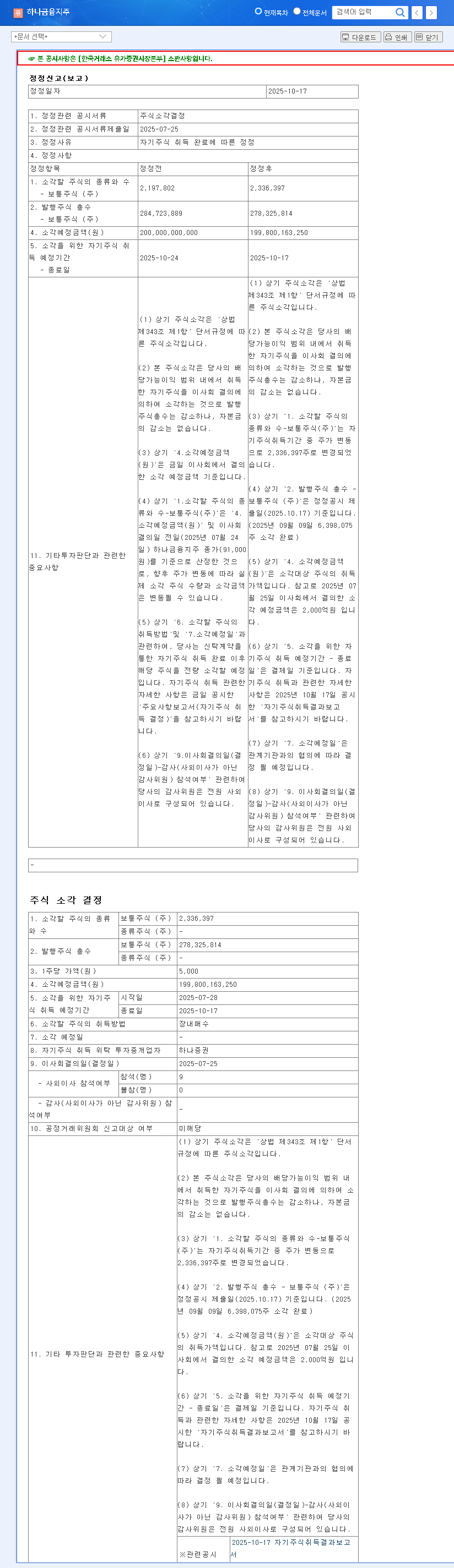
    The recent announcement of the Hana Financial Group stock cancellation has sent ripples through the investment community. With a significant KRW 199.8 billion in shares slated for removal, existing and potential investors are asking a critical question: What does this strategic move mean for the company’s future and, more importantly, for my portfolio? This comprehensive analysis will break down the details of this treasury stock cancellation, explore its impact on shareholder value, and provide a clear guide for navigating this development.

    A stock cancellation is more than just an accounting entry; it’s a powerful signal from management about their confidence in the company’s intrinsic value and future cash flow.

    The Details of the KRW 199.8B Stock Cancellation

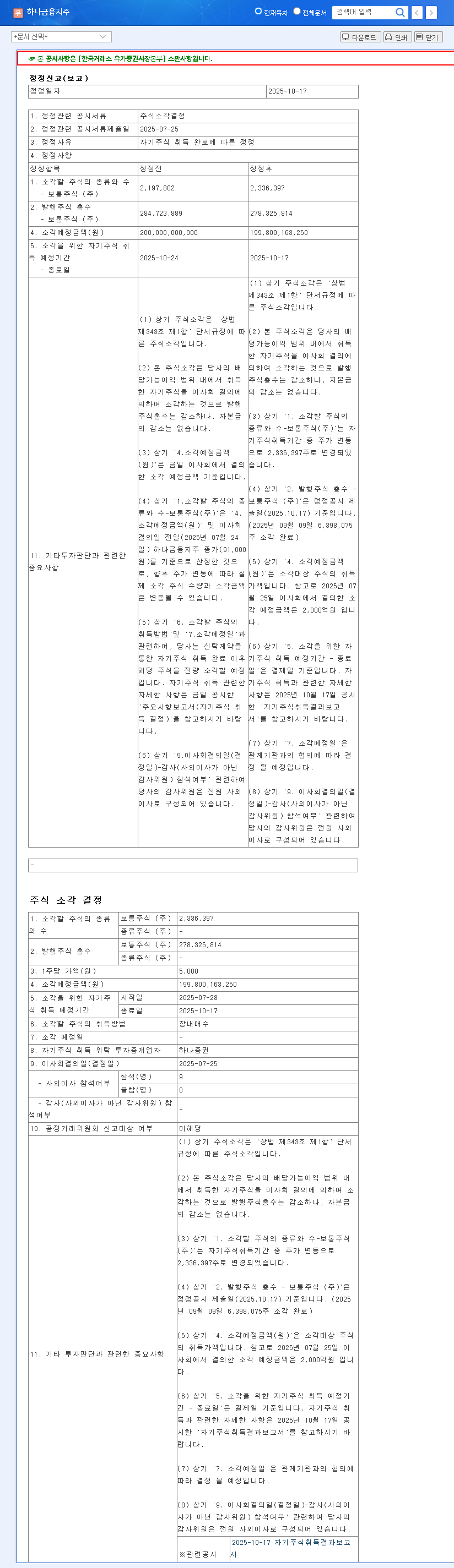
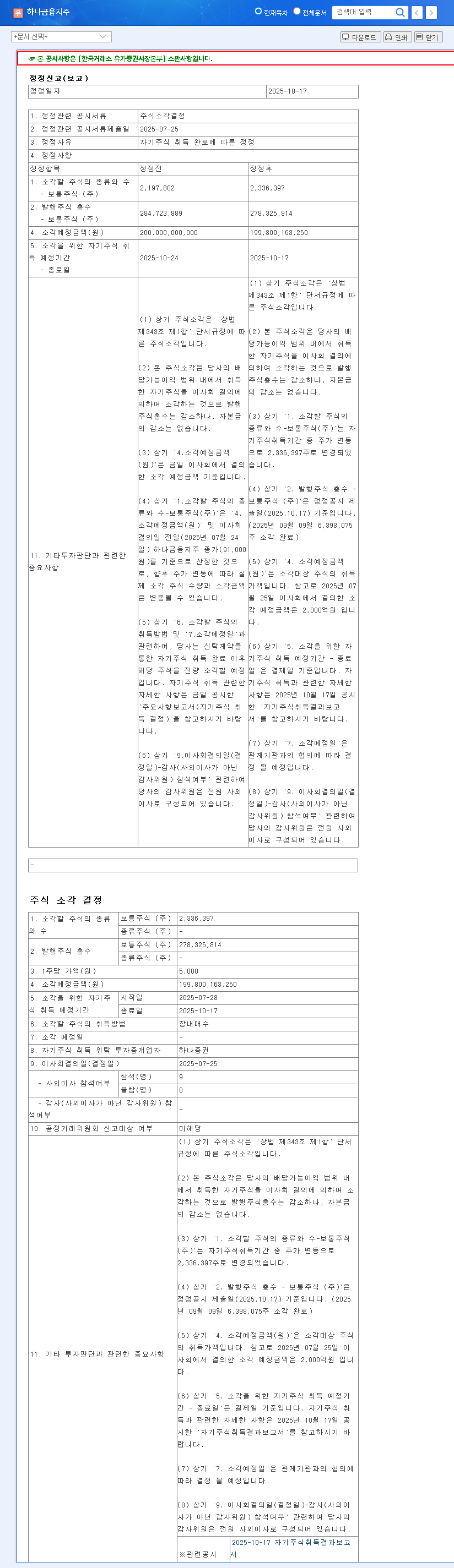
    On October 17, 2025, Hana Financial Group Inc. officially disclosed its plan to cancel a substantial number of its own shares. This corporate action is a deliberate move to enhance shareholder returns. Let’s look at the core figures:

    • Total Cancellation Value: KRW 199.8 billion
    • Shares to be Canceled: 2,336,397 common shares
    • Proportion of Market Cap: Approximately 0.82%
    • Acquisition Method: Phased open market purchases

    The shares will be repurchased from the open market and then permanently retired, a process often referred to as a stock buyback and cancellation. This differs from simply holding them as treasury stock, as cancellation permanently reduces the total number of shares outstanding.

    Deciphering the ‘[Correction Filing]’ Notice

    Notably, the announcement was marked as a ‘[Correction Filing]’. This label is critical for investor due diligence. It signifies that the company has amended or supplemented its initial disclosure. While this promotes transparency, it requires investors to carefully compare the original and updated documents to understand the precise changes. The primary source for this verification is Korea’s official corporate filing system. You can view the full report directly from the source: Official Disclosure (DART).

    Why This Boosts Shareholder Value

    A treasury stock cancellation is a well-established method for returning capital to shareholders and is generally viewed as a positive market signal. The mechanics are straightforward but powerful.

    Enhancing Per-Share Metrics

    By reducing the total number of shares, the company’s net income is divided among fewer shares. This directly increases key financial metrics like:

    • Earnings Per Share (EPS): A higher EPS is often correlated with a higher stock price, as it indicates greater profitability per share.
    • Book Value Per Share (BPS): This increases the intrinsic value attributable to each remaining share.

    This Hana Financial Group stock cancellation is a clear commitment to improving these fundamental per-share analytics for its investors. For a deeper understanding of these metrics, resources like Investopedia offer excellent primers.

    Investor Strategy: Key Considerations

    While this news is fundamentally positive, a savvy investor must dig deeper. The cancellation’s scale—0.82% of market cap—is modest, suggesting the immediate financial impact will be limited. It is unlikely to cause significant short-term liquidity pressure on the company. However, the true value lies in a holistic stock buyback analysis.

    Analyze the Financial Context

    Investors should examine how this action fits into the company’s broader financial health. Key questions to ask include: How is the buyback being funded? Does the company have strong, stable cash flows to support this without taking on excessive debt? How does this affect its capital adequacy ratios, such as the Common Equity Tier 1 (CET1) ratio, a critical health indicator for banks?

    Monitor Market Reaction and Long-Term Trends

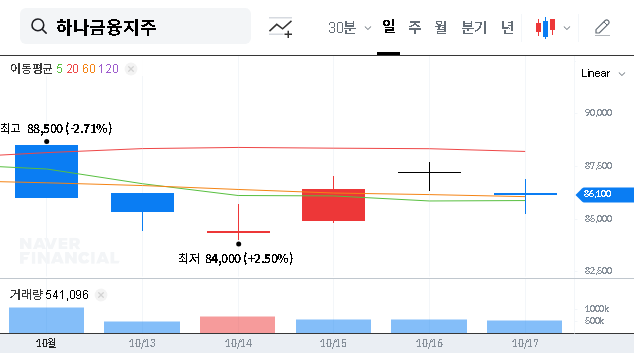
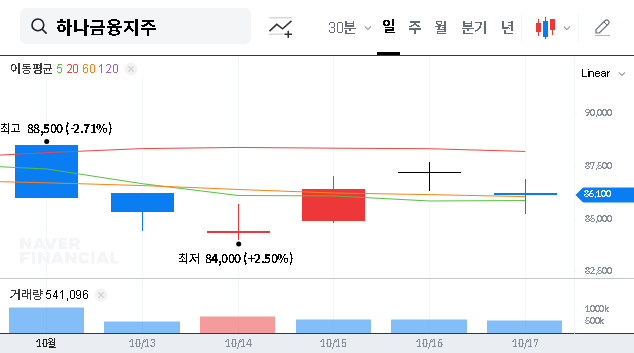
    The gradual acquisition of shares via the open market is designed to minimize price volatility. However, it’s crucial to monitor trading volumes and price action following the announcement. Compare this event with past shareholder return policies from Hana Financial Group and its peers in the financial sector. This historical context provides valuable insight into potential market behavior. Furthermore, consider how this fits into your broader investment goals, such as those outlined in a guide to building a financial stock portfolio.

    Conclusion: A Positive Signal Requiring Due Diligence

    In summary, the Hana Financial Group stock cancellation is a positive and shareholder-friendly action. It demonstrates management’s commitment to delivering value and confidence in the company’s financial stability. While the immediate quantitative impact may be modest, the qualitative signal is strong. For investors, this news should serve as a catalyst for deeper research—reviewing the official filings, analyzing the impact on per-share metrics, and placing this action within the company’s overall strategic and financial framework.

    (086790) Hana Financial Group Stock Cancellation: A KRW 199.8B Deep Dive for Investors 관련 이미지
  • (086790) Hana Financial Group Q3 2025 Earnings: Complete Investor Guide & Stock Analysis (086790)

    (086790) Hana Financial Group Q3 2025 Earnings: Complete Investor Guide & Stock Analysis (086790)

    The upcoming Hana Financial Group Q3 2025 earnings announcement represents a pivotal moment for investors. Scheduled for October 28, 2025, at 15:00 KST, this Investor Relations (IR) conference call for Hana Financial Group Inc. (086790) will provide critical insights into the company’s performance, potentially setting the tone for its stock trajectory in the months ahead. This comprehensive guide will unpack what’s at stake, analyze key metrics, and offer a strategic action plan for making informed investment decisions. The official announcement can be viewed via the company’s regulatory filing (Official Disclosure).

    Why the Q3 2025 Earnings Call is Crucial

    In today’s complex economic environment, the performance of major financial institutions like Hana Financial Group is a bellwether for the broader market. This earnings call is more than just a presentation of numbers; it’s a direct line to management’s thinking on strategy, risk, and future growth. For those following Hana Financial Group stock, this event provides the data needed to validate or challenge their investment thesis. Given the current lack of specific market consensus, the information revealed could lead to significant stock price volatility.

    Key Financial Metrics Investors Will Scrutinize

    Experienced investors will look beyond the headline earnings per share. The true health and trajectory of Hana Financial Group can be gauged by focusing on these core indicators:

    • Net Interest Margin (NIM): This measures the difference between interest income generated and the amount of interest paid out to lenders. A stable or expanding NIM suggests strong profitability from its core lending business.
    • Loan Growth: Indicates the demand for credit and the bank’s ability to expand its market share. Investors will be looking for sustainable, high-quality loan growth.
    • Asset Quality & Loan Loss Provisions: This reflects the bank’s risk management. An increase in non-performing loans (NPLs) or higher provisions for bad debt could be a red flag.
    • Non-Interest Income: Revenue from fees, commissions, and wealth management services. Strong growth here shows successful business diversification.
    • Capital Adequacy Ratios (e.g., CET1): These ratios measure the bank’s capital strength and its ability to absorb potential losses.

    For investors, the difference between a bull and bear scenario lies not just in the Q3 numbers, but in the narrative management presents for navigating future economic challenges and opportunities.

    Analyzing Potential Stock Impact: Bull vs. Bear Scenarios

    The market’s reaction to the Hana Financial earnings call will hinge on whether the results and outlook are perceived positively or negatively.

    The Bull Case: What a Positive Report Looks Like

    A positive report that could drive the stock price higher would involve performance that surpasses market expectations. This could include a surprisingly strong Net Interest Margin, robust loan growth without sacrificing asset quality, and higher-than-anticipated fee income. Furthermore, a clear and confident outlook from management regarding future profitability, digital transformation progress, or enhanced shareholder return policies (like increased dividends or share buybacks) would significantly boost investor sentiment.

    The Bear Case: Warning Signs to Watch For

    Conversely, a negative impact could be triggered if Q3 results fall short of analyst consensus. Key warning signs would be a contracting NIM, deteriorating asset quality (rising NPLs), or a significant increase in loan loss provisions. Vague or pessimistic guidance from management, announcements of unforeseen regulatory hurdles, or any negative changes to the dividend policy could also lead to a sell-off and exert downward pressure on the stock price.

    A Strategic Action Plan for Investors

    To navigate the potential volatility, a structured approach is essential. Consider breaking down your analysis into three phases.

    • Before the Call: Gather intelligence. Review the latest analyst reports to understand market consensus. Analyze recent broader economic trends that could affect the banking sector. It’s also wise to review the performance of competitors to establish a benchmark. Our guide to analyzing financial stocks can provide a useful framework.
    • During the Call: Listen carefully not just to the prepared remarks but also to the Q&A session. This is often where management provides unscripted, candid insights into challenges and opportunities. Pay attention to the tone and confidence of the executives.
    • After the Call: Analyze the market’s reaction in the hours and days following the announcement. Read post-earnings analysis from reputable financial news sources. Re-evaluate your own investment thesis based on the new information to decide whether to hold, buy, or sell.

    Frequently Asked Questions (FAQ)

    Q1: When is the Hana Financial Group Q3 2025 earnings call?

    A1: The IR conference for the Q3 2025 management performance results is scheduled for October 28, 2025, at 15:00 KST.

    Q2: What key information will be disclosed during this IR event?

    A2: The event will cover the detailed Q3 2025 financial results, management’s analysis of the performance, and a discussion of key current issues and the strategic outlook for the company.

    Q3: How might this earnings report affect the 086790 stock price?

    A3: If the results significantly exceed market expectations or the future outlook is very positive, the stock price could appreciate. Conversely, if results disappoint or negative guidance is provided, the stock could face downward pressure. High volatility is possible due to the current limited information.

    In conclusion, the Hana Financial Group Q3 2025 earnings call is a must-watch event for anyone invested in or considering an investment in the company. By conducting thorough due diligence and analyzing the results within a broader context, investors can make more strategic and informed decisions.

    (086790) Hana Financial Group Q3 2025 Earnings: Complete Investor Guide & Stock Analysis (086790) 관련 이미지
  • (086790) Hana Financial Group Acquisition: A Deep Dive into the Hana Non-Life Insurance Takeover

    (086790) Hana Financial Group Acquisition: A Deep Dive into the Hana Non-Life Insurance Takeover

    In a significant strategic maneuver, Hana Financial Group has announced its intention to fully acquire Hana Non-Life Insurance. This pivotal Hana Financial Group acquisition is not merely a financial transaction; it’s a calculated move to reshape its profit structure, bolster its non-banking portfolio, and secure powerful new engines for future growth. This in-depth analysis will dissect the details of this ₩200 billion deal, evaluate its potential impact on the company’s fundamentals, and offer strategic insights for investors navigating the evolving financial landscape.

    The complete integration of Hana Non-Life Insurance represents a firm commitment to diversifying revenue streams and creating a more resilient, synergy-driven financial ecosystem within the Hana Financial Group.

    The Anatomy of the Deal: What’s Changing?

    On October 17, 2025, the board of Hana Financial Group Inc. approved a ₩200 billion investment to acquire the remaining shares of Hana Non-Life Insurance, transitioning it into a wholly-owned subsidiary. As the existing majority shareholder, this move solidifies complete control, paving the way for seamless integration and strategic alignment. The official details of this decision were made public via the Financial Supervisory Service’s Data Analysis, Retrieval and Transfer System (DART). You can view the Official Disclosure here.

    • Acquired Company: Hana Non-Life Insurance
    • Acquisition Amount: KRW 200 billion (approx. 0.5% of capital)
    • Post-Acquisition Shareholding: 100%
    • Primary Objective: Optimize profit structure and secure a long-term growth foundation.

    Analyzing the Impact of the Hana Financial Group Acquisition

    This full subsidiary integration is poised to send significant ripples through Hana Financial Group’s business portfolio, profitability metrics, and overall market position. Let’s examine the potential upsides and necessary considerations.

    Positive Catalysts: Strengthening the Non-Banking Core

    • Profit Structure Optimization: By fortifying its non-banking arm, the group mitigates its reliance on traditional banking income, creating a more balanced and diversified revenue portfolio that is resilient to sector-specific downturns.
    • Synergy and Efficiency: 100% ownership eliminates minority interest complexities, accelerating decision-making. This enables deep integration of IT systems, marketing campaigns, and product development, unlocking powerful cross-selling opportunities (e.g., bundling insurance with mortgages) and significant cost savings. Understanding these synergies in financial services M&A is key to evaluating the deal’s potential.
    • Agile Capital Allocation: As a full subsidiary, capital can be allocated more flexibly to support Hana Non-Life Insurance’s growth initiatives, allowing for nimble responses to market opportunities without external shareholder friction.

    Potential Headwinds and Integration Risks

    • Financial Soundness: While the ₩200 billion cash outlay is minor relative to the group’s total capital (0.5%), it still represents a deployment of resources. Prudent management of capital adequacy ratios will be essential to maintain market confidence.
    • Valuation Scrutiny: The market will closely analyze the acquisition price. If it is perceived as overvalued relative to Hana Non-Life Insurance’s growth prospects, it could trigger a negative reaction from investors. For context, see how markets react to similar deals on platforms like Bloomberg.
    • Regulatory and Integration Hurdles: The insurance sector is heavily regulated. The post-acquisition integration process must be meticulously planned to navigate regulatory requirements and avoid operational disruptions that could delay synergy realization.

    Conclusion and Investment Outlook

    The Hana Financial Group acquisition of Hana Non-Life Insurance is a strategically sound, forward-looking decision. It signals a clear intent to build a more robust and diversified financial institution. The investment size poses a limited risk to the group’s overall financial health, while the potential for long-term value creation through synergy and enhanced Hana Financial Group growth in the non-banking sector is substantial.

    For investors, the key is to monitor the execution. Success will hinge on a smooth integration process, the demonstration of tangible cost savings, and a clear uptick in cross-selling revenue. While short-term market volatility is possible, the long-term outlook appears positive, provided management delivers on its strategic promises. Maintaining a position based on fundamental analysis and a close watch on post-merger performance indicators is the recommended approach.

    (086790) Hana Financial Group Acquisition: A Deep Dive into the Hana Non-Life Insurance Takeover 관련 이미지
  • (086790) Hana Financial Group Stock Analysis: What Capital Research’s 6.60% Stake Means for Investors

    (086790) Hana Financial Group Stock Analysis: What Capital Research’s 6.60% Stake Means for Investors

    When a major institutional investment firm like Capital Research and Management Company makes a significant move, the market pays attention. A recent disclosure revealed that the firm now holds a 6.60% stake in Hana Financial Group, a titan in the financial sector. This news naturally raises questions for current and potential investors: Is this a vote of confidence in Hana Financial Group’s future, or simply an administrative footnote? This analysis will cut through the noise, examine the report’s true meaning, and provide a clear-eyed view of what this development means for your investment strategy.

    We’ll go beyond the headlines to dissect the core fundamentals of Hana Financial Group stock, placing this news within the broader context of macroeconomic trends and the company’s own financial health to deliver actionable insights.

    Deconstructing the Disclosure: The 6.60% Stake Explained

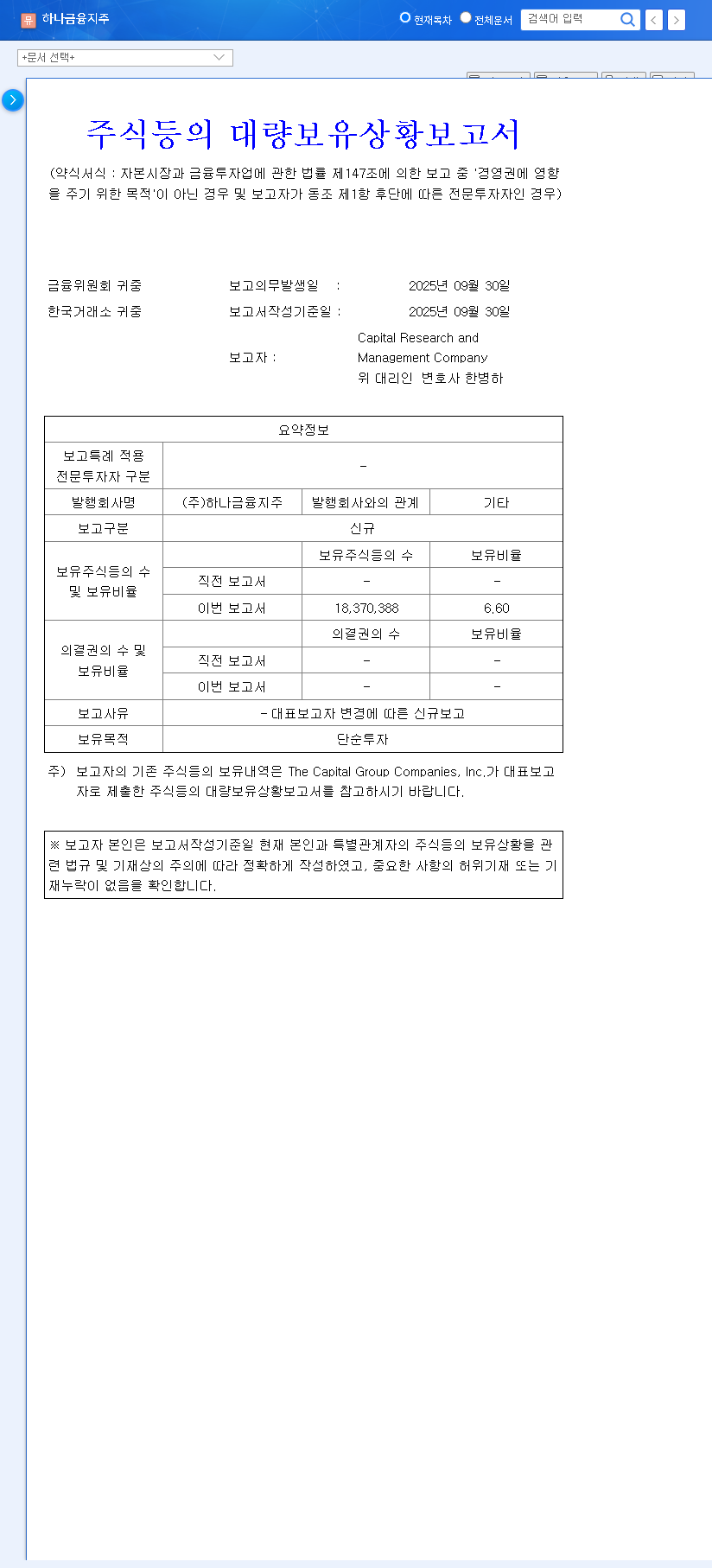
    On October 14, 2025, the market received a ‘Report on the Status of Large-scale Shareholding, etc. (Simplified)’. This formal report, filed by Capital Research, officially documented their position in Hana Financial Group. Let’s break down the critical details from the filing, which you can view in the Official Disclosure (Source).

    • Reporting Entity: Capital Research and Management Company
    • Target Company: Hana Financial Group Inc.
    • Stake Percentage: 6.60%
    • Stated Purpose of Holding: ‘Simple Investment’
    • Reason for Report: New filing due to a change in the representative reporter.

    The key takeaways here are the ‘Simple Investment’ purpose and the reason for the report. This combination suggests the disclosure is primarily an administrative update from an existing investor, not a new, aggressive acquisition of shares. This is not an activist investor seeking to influence management, but rather a large-scale institutional investment firm re-aligning its reporting.

    Essentially, this report is a confirmation of an existing position, not a signal of a new strategic shift. Therefore, its direct impact on Hana Financial Group’s day-to-day operations and fundamental value is negligible.

    Macroeconomic Headwinds and Tailwinds

    To truly understand the outlook for Hana Financial Group stock, we must look at the bigger picture. The performance of financial institutions is deeply intertwined with the global economic climate.

    Global Interest Rate Environment

    Major central banks, including the US Federal Reserve (4.50%), the European Central Bank (2.15%), and the Bank of Korea (2.50%), have recently paused their rate hike cycles. This freeze is significant. For banks, a high-rate environment can boost Net Interest Margins (NIM), but a pause often signals the peak of the cycle. The market is now anticipating potential rate cuts in the future, which could compress margins but also stimulate economic activity and loan demand, creating a mixed but cautiously optimistic outlook for the banking sector.

    Currency and Commodity Markets

    The relative stability of the USD/KRW exchange rate is a positive factor, as it reduces currency risk for a globally-connected institution like Hana Financial Group. Meanwhile, stable oil prices and a declining freight index suggest easing inflationary pressures and stabilizing global trade. While these are indirect factors, they contribute to a less volatile operating environment—a clear positive for financial markets.

    A Closer Look at Hana Financial Group’s Financial Health

    While the macroeconomic picture provides context, a company’s internal performance is paramount. Here, the story for Hana Financial Group becomes more complex.

    Stock Performance and Ownership

    The stock has shown a solid upward trend over the last few years, and foreign ownership has crept up to over 68%. This indicates sustained interest from international investors like Capital Research, who see long-term value. However, past performance is no guarantee of future results, especially when underlying financials show signs of stress.

    Key Profitability Concerns

    Recent financial data (2022-2024 estimates) reveals a concerning trend:

    • Declining Profits: Revenue, operating profit, and net income have been on a continuous downward slide.
    • Negative Returns: Key metrics like Return on Equity (ROE) and net profit margin are projected to be in the negative, signaling significant performance issues.
    • Weakening Stock Indicators: Earnings Per Share (EPS), Price-to-Earnings (PER), and Price-to-Book (PBR) ratios all reflect this deteriorating profitability.

    This disconnect between a stable macroeconomic environment and the company’s weakening fundamentals is the central challenge for investors. The positive external factors may not be enough to overcome internal profitability struggles.

    Strategic Takeaways for Investors

    So, how should you act on this information? The Capital Research stake report is best viewed as background noise. The real signal comes from the fundamentals. For a more detailed guide on this topic, check out our article on how to analyze financial stocks.

    • Focus on Fundamentals: The most critical factor is Hana Financial Group’s ability to reverse its negative profitability trend. Watch for improvements in revenue and net income in upcoming quarterly reports.
    • Monitor Macro Trends: Keep an eye on central bank policies. A move towards rate cuts could provide a tailwind for the entire banking sector, potentially lifting Hana Financial Group stock despite its issues.
    • Adopt a Cautious Stance: Given the poor profitability indicators, a cautious and measured approach is warranted. The presence of a major institutional investor provides some stability, but it doesn’t erase the underlying risks.

    In conclusion, while the Capital Research disclosure provides an interesting data point, it shouldn’t be the primary driver of your investment decision. The core challenge for Hana Financial Group is to address its declining profitability. Investors should prioritize this fundamental financial analysis over shareholder reporting formalities.

    (086790) Hana Financial Group Stock Analysis: What Capital Research's 6.60% Stake Means for Investors 관련 이미지
  • (086790) Hana Financial Group Stock: Analyzing The Capital Group’s Exit & Alarming Financials

    (086790) Hana Financial Group Stock: Analyzing The Capital Group’s Exit & Alarming Financials

    Recent disclosures surrounding Hana Financial Group Inc. have sent ripples through the investment community. A significant filing reveals that The Capital Group Companies, Inc., a major institutional investor, has completely ceased its substantial shareholding. This move raises critical questions: Is this a simple portfolio rebalancing, or a more profound signal about the future of Hana Financial Group Inc.? This comprehensive investor analysis will dissect the announcement, evaluate the company’s deteriorating fundamentals, and assess the challenging macroeconomic landscape to provide investors with a clear, actionable perspective.

    The exit of a major institutional holder like The Capital Group should prompt investors to look beyond the headline and scrutinize the underlying health of the company. The real story often lies in the fundamentals.

    The Event: The Capital Group Ceases Substantial Shareholding

    On October 14, 2025, a pivotal disclosure was made public regarding Hana Financial Group Inc. According to the ‘Report on the Status of Large Shareholding (Simplified)’, The Capital Group Companies, Inc. officially ceased its substantial shareholding. The filing shows their holding plummeting from 6.85% to 0.00%. This ‘cessation report’ signifies the end of their obligation to report significant holdings, a direct result of liquidating their position. You can view the Official Disclosure here (Source: DART).

    Understanding the Direct vs. Indirect Impact

    It is crucial to differentiate the direct and indirect consequences. Directly, this event has a very low impact. The transactions occurred on the open market and do not alter the business operations, financial structure, or core profitability of Hana Financial Group Inc. itself. However, the indirect implications are far more significant. The actions of a respected institutional investor like The Capital Group are often seen as a form of market signaling. Their exit could negatively influence broader investor sentiment and raise red flags for other potential or current shareholders, who may question the reasons behind such a decisive move.

    Investor Analysis: A Deep Dive into Hana Financial Group Inc.’s Fundamentals

    While the filing itself is neutral, the underlying financial health of Hana Financial Group stock is a major cause for concern. A thorough analysis of its financial data reveals a persistent decline in profitability that cannot be ignored.

    Key Areas of Financial Weakness

    • Declining Revenue: Projections show a significant drop in revenue from KRW 44.4 billion in 2022 to an estimated KRW 27.3 billion in 2024. This top-line erosion suggests challenges in core business growth or market share.
    • Expanding Deficits: Both operating profit and net income have been consistently negative since 2022, with forecasts indicating the deficit will widen further. This shows the company is not only unprofitable but its losses are accelerating.
    • Deteriorating Profitability Ratios: Key metrics like operating profit margin, net profit margin, and Return on Equity (ROE) are all negative and worsening. A negative ROE means the company is actively destroying shareholder value.
    • Weak Per-Share Metrics: Earnings Per Share (EPS) remains negative, and Book Value Per Share (BPS) is decreasing, indicating the intrinsic value of the company is shrinking on a per-share basis.

    While the company has improved its debt-to-equity ratio, this may be a consequence of asset sales to cover losses rather than a sign of robust financial management. This paradox highlights the need to look at financial health holistically.

    Macroeconomic Headwinds and Market Environment

    The financial industry is highly sensitive to the macroeconomic climate, which currently presents several challenges for Hana Financial Group Inc. Interest rate volatility can squeeze margins, fluctuating exchange rates impact the value of overseas assets, and declining global shipping indices like the Baltic Dry Index (BDI) suggest a slowdown in global trade, which could reduce demand for financial services.

    Actionable Investment Strategy

    Given the evidence, investors should adopt a cautious and research-driven approach.

    • Avoid Overreacting to the Filing: The Capital Group’s exit is a data point, not a complete thesis. Avoid making rash decisions based solely on this news.
    • Focus Intensely on Fundamentals: The primary concern is the company’s declining profitability. Monitor the next few quarterly earnings reports for any signs of a turnaround in revenue and net income. A potential recovery must be proven with hard data.
    • Monitor Broader Trends: Keep an eye on macroeconomic indicators and continue to track institutional investor trends. Is The Capital Group an outlier, or are other large funds also reducing their positions?
    • Review Portfolio Allocation: Ensure your investment is aligned with your risk tolerance. For valuable insights on building a resilient portfolio, consider resources on diversification strategies from authoritative sites like Investopedia.

    In conclusion, the cessation of substantial shareholding by The Capital Group acts as a catalyst for a deeper investigation into Hana Financial Group Inc. That investigation reveals concerning financial trends that warrant significant caution. Prudent investors will prioritize fundamental analysis and await clear evidence of a sustainable recovery before making any significant capital commitments.

    Disclaimer: This article is for informational purposes only and does not constitute investment advice. All investment decisions should be made based on your own judgment and research.

    (086790) Hana Financial Group Stock: Analyzing The Capital Group's Exit & Alarming Financials 관련 이미지