Tag: FX Impact

  • (222040) COSMAX NBT, INC. Earnings Shock (Q3 2025): A Deep Dive for Investors

    (222040) COSMAX NBT, INC. Earnings Shock (Q3 2025): A Deep Dive for Investors

    The latest COSMAX NBT, INC. earnings report for Q3 2025 has sent a shockwave through the investment community. As a leading health functional food OEM/ODM manufacturer, the company’s preliminary results, released on November 7, 2025, revealed a performance that significantly missed market consensus. This isn’t merely a minor setback; it raises critical questions about the company’s operational competitiveness, financial stability, and future growth trajectory. This in-depth COSMAX NBT analysis will dissect the numbers, explore the underlying causes, and provide a clear, actionable strategy for current and potential investors navigating this turbulence.

    With profitability plummeting and financial risks mounting, understanding the full picture of the Q3 2025 COSMAX NBT, INC. earnings is no longer optional—it’s essential for prudent investment decisions.

    Deconstructing the Q3 2025 Earnings Miss

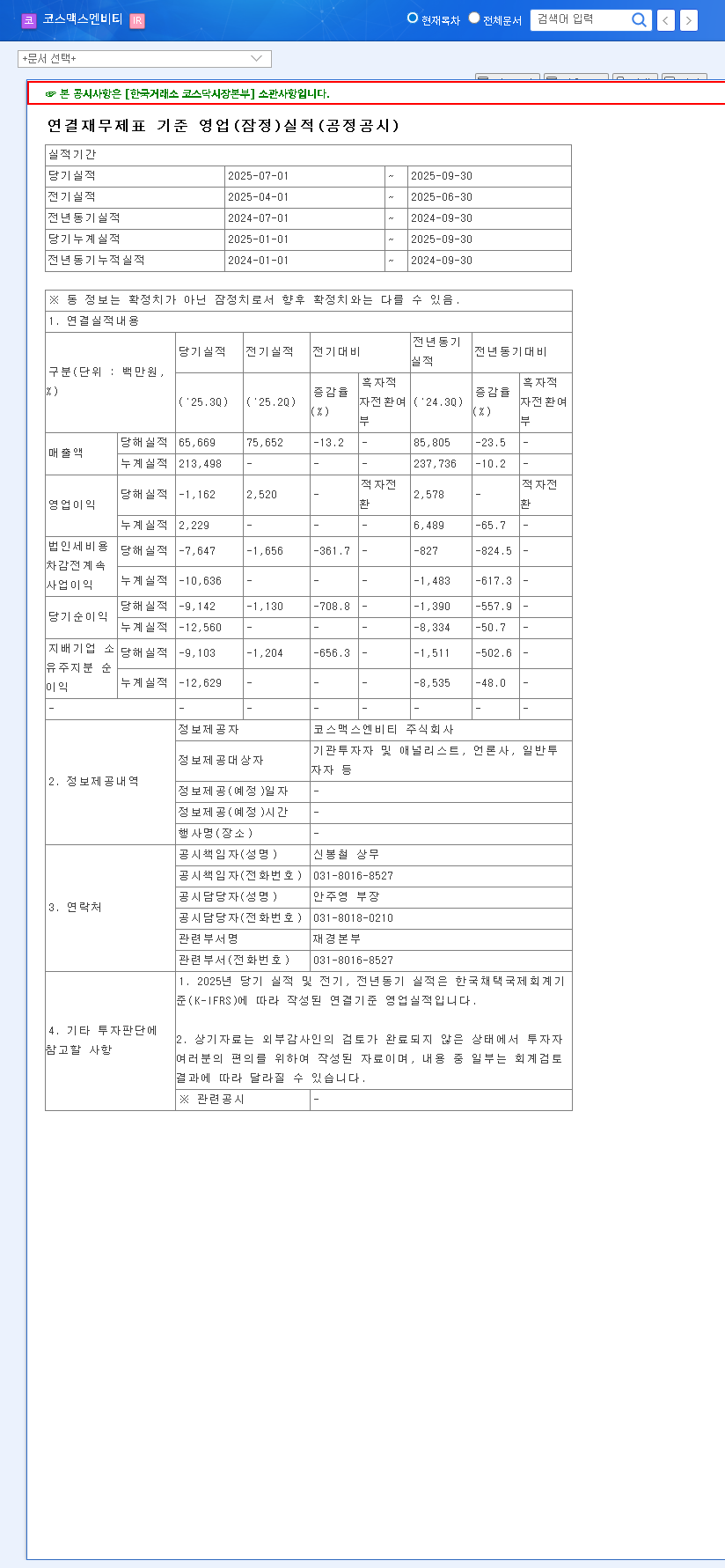
    The official preliminary consolidated financial results, which can be viewed in the Official Disclosure on DART, painted a stark picture. The deviation from market expectations was not subtle, highlighting a severe operational disruption. Let’s break down the key figures:

    • Revenue: Reported at KRW 65.7 billion, a staggering 17% below the market estimate of KRW 79.1 billion.
    • Operating Profit: A loss of KRW -1.2 billion, which is 135% below the consensus forecast for a KRW 3.4 billion profit.
    • Net Profit: The most alarming figure, a net loss of KRW -9.1 billion, representing a shocking 3133% miss compared to the expected KRW 0.3 billion profit.

    This sharp reversal into a significant loss, especially after a promising turnaround to profitability in Q2, indicates escalating earnings volatility and deep-seated structural issues that a single positive quarter could not resolve.

    Core Factors Driving the Disappointing Performance

    This poor showing is not a one-off event but the result of a confluence of negative factors. Understanding these drivers is key to assessing the future of the COSMAX NBT stock.

    1. Revenue Erosion and Severe Profitability Decline

    The 17% revenue miss signals significant challenges in business expansion and penetrating new markets. Compounding this, the company’s high dependency on overseas revenue (65.47%) has become a double-edged sword. The continued strength of the USD and EUR against the Korean Won has led to substantial foreign exchange-related valuation losses, severely eroding profitability. Furthermore, global inflationary pressures, including rising oil prices and shipping costs, have inflated production costs, squeezing margins from all sides.

    2. The Crushing Weight of a High Financial Burden

    As of H1 2025, COSMAX NBT’s debt-to-equity ratio stood at an alarming 359.10%. In the current high-interest-rate environment, this massive debt load translates into crippling interest payments, which directly consume any potential profits. This high leverage not only deepens profitability issues but also heightens liquidity risk, making financial restructuring an urgent priority. Investors can learn more about how to analyze a company’s financial health in our related guide.

    3. Navigating a Mature and Saturated Domestic Market

    The domestic health functional food market in Korea is showing signs of maturation, having contracted by 1.7% in 2024. While a shift towards personalized nutrition presents new opportunities, the slowdown in overall market growth makes it increasingly difficult for established players like COSMAX NBT to find new avenues for substantial expansion. Increased competition for a shrinking pie adds another layer of pressure.

    Outlook for COSMAX NBT Stock and Investor Sentiment

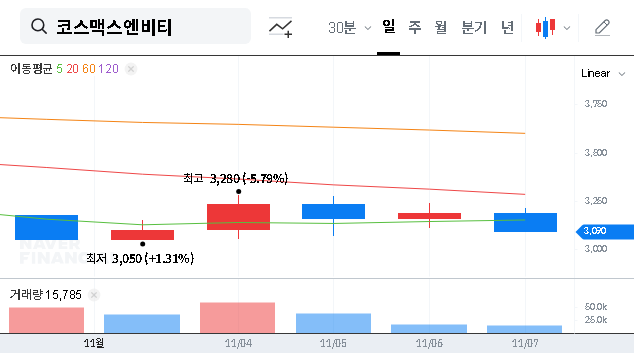
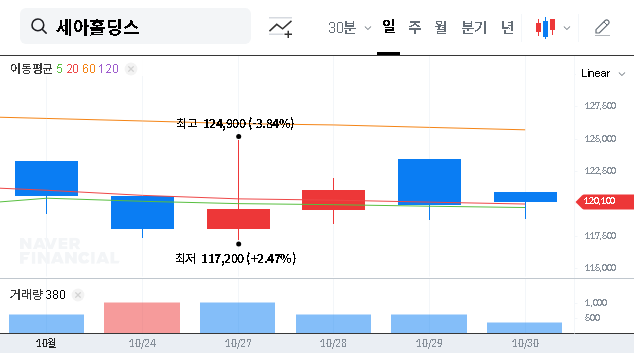
    The immediate fallout from this earnings report will undoubtedly be negative for the COSMAX NBT stock price. According to market analysis from sources like Reuters, such a significant earnings miss typically leads to a sharp sell-off as investor confidence is shaken. We can expect strong downward pressure on the stock in the short term. The mid-to-long-term outlook depends entirely on the company’s response. Without a clear and convincing turnaround plan, investor sentiment is likely to remain bearish, leading to a prolonged period of stock price stagnation or decline.

    A Strategic Playbook for Investors

    Given the severity of the Q3 2025 earnings report and the underlying financial concerns, a highly conservative and cautious approach is warranted. Prematurely buying the dip could be a costly mistake. Instead, investors should adopt a wait-and-see strategy focused on the following key areas:

    • Demand for Transparency: The management must provide a clear, detailed explanation for the earnings collapse, going beyond surface-level excuses.
    • Scrutinize Turnaround Plans: Look for concrete, measurable plans for cost management, FX hedging strategies, and, most importantly, a specific roadmap to reduce the high debt ratio and improve the financial structure.
    • Monitor Growth Initiatives: Keep a close watch on any new raw material developments or overseas market expansion efforts for tangible signs of progress and revenue generation.

    In conclusion, the latest COSMAX NBT, INC. earnings report is a clear red flag. Until the company demonstrates a credible path to recovery with visible results, investors are advised to remain on the sidelines. The risk currently outweighs the potential reward, making caution the most valuable asset.
    (222040) COSMAX NBT, INC. Earnings Shock (Q3 2025): A Deep Dive for Investors 관련 이미지
  • (058650) SEAH HOLDINGS CORP Performance (H1 2025): An In-Depth Investment Analysis

    (058650) SEAH HOLDINGS CORP Performance (H1 2025): An In-Depth Investment Analysis

    The first half of 2025 presented a complex and challenging landscape for SEAH HOLDINGS CORP. An in-depth look at the SEAH HOLDINGS CORP performance reveals a company grappling with a prolonged slump in the global steel industry, compounded by macroeconomic headwinds. As a holding company, its financial health is intrinsically tied to its subsidiaries, making a detailed analysis crucial for current and prospective investors. This report dissects the H1 2025 interim findings, exploring the fundamental causes behind the numbers and evaluating the strategic path forward to help you make more informed investment decisions.

    Deconstructing the H1 2025 SEAH HOLDINGS CORP Performance Report

    In its H1 2025 report, SEAH HOLDINGS CORP disclosed a mixed financial picture. While the top line showed modest growth, profitability metrics took a significant hit, raising questions about operational efficiency and market pressures. The consolidated financials, confirmed by the Official Disclosure on DART, paint a clear picture of a company navigating turbulence.

    Consolidated Performance: A Story of Shrinking Margins

    The core issue lies in the divergence between revenue and profit. The company managed to increase sales, but this did not translate to bottom-line growth, primarily due to rising raw material costs and the persistent steel industry downturn.

    • Revenue: KRW 3.227 trillion (a 3.6% increase year-over-year).
    • Operating Profit: KRW 83.4 billion (a sharp 29.8% decline year-over-year).
    • Net Profit: KRW 49.4 billion (a significant 37.6% drop year-over-year).

    Financial Health Under Scrutiny: The Rising Debt Ratio

    A key metric for assessing SEAH HOLDINGS financial health is its debt-to-equity ratio. While total assets grew, liabilities grew faster, pushing the consolidated debt-to-equity ratio from 93.82% to a concerning 106.26%. This indicates increased financial leverage and risk, placing a greater emphasis on effective debt management strategies in the upcoming quarters. For investors, understanding the implications of this metric is crucial, and you can learn more by reading about how to analyze corporate debt-to-equity ratios.

    Why the Downturn? Analyzing the Root Causes

    The company’s performance decline is not an isolated event but a result of a confluence of powerful external factors impacting its core operations and subsidiaries.

    The convergence of a slumping steel sector, volatile currency markets, and intense international competition created a perfect storm, directly impacting SEAH HOLDINGS’ profitability in H1 2025.

    The Pervasive Slump in the Steel Industry

    The steel industry, the lifeblood of SEAH HOLDINGS’ key subsidiaries, faced a severe downturn. Sluggish demand from construction and major frontline industries like automotive and machinery created a low-demand environment. This was exacerbated by a global economic slowdown and the influx of low-cost steel exports from China, which applied immense downward pressure on prices and margins. Furthermore, volatility in the prices of essential raw materials like iron ore and coking coal made cost management exceptionally difficult.

    Adverse Macroeconomic Indicators

    The macroeconomic environment was largely unfavorable:

    • Exchange Rates: A rising USD/KRW exchange rate (from mid-1,300s to early 1,400s) directly increased the cost of imported raw materials and amplified the financial burden of foreign currency-denominated debt.
    • Interest Rates: While the US benchmark rate held steady, global monetary policy remains a key variable. A stable Korean benchmark rate provided some predictability, but any future hikes could further strain the company’s finances.
    • Commodities & Shipping: Rising oil prices added to operational costs, although declining freight indices suggested a potential stabilization in logistics expenses.

    Strategic Outlook: Challenges and Future Direction

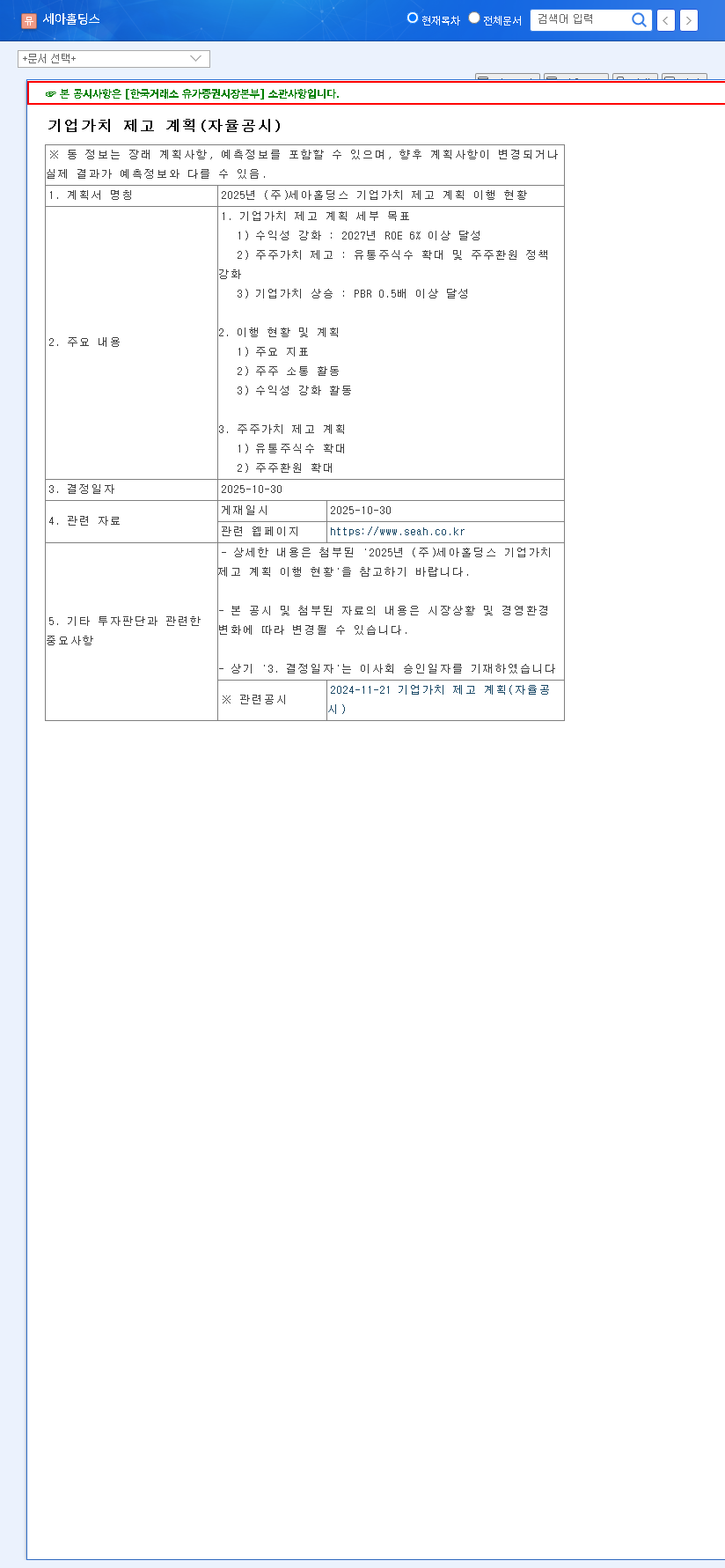
    In response to these challenges, the SEAH HOLDINGS investment community is closely watching the company’s strategic plans. Management has outlined a ‘Value Enhancement Plan’ with ambitious targets, but the H1 2025 results underscore the significant hurdles that remain.

    Executing the Value Enhancement Plan

    The company’s stated goals include achieving a Return on Equity (ROE) of 6% or more by 2027 and a Price-to-Book Ratio (PBR) of 0.5x or more. While some progress was made in 2024, the recent performance setback means that a more aggressive and effective execution of this plan is now imperative. This includes improving subsidiary profitability, reinforcing financial health through deleveraging, and implementing concrete shareholder return policies.

    Key Takeaways for Investors

    For those evaluating a SEAH HOLDINGS investment, a cautious and informed approach is vital. The company’s future hinges on its ability to navigate the ongoing steel market recovery and execute its internal strategies effectively.

    • Monitor Industry Recovery: Keep a close eye on the steel industry analysis and leading indicators in construction and automotive sectors.
    • Track Financial Health: Pay close attention to the consolidated debt-to-equity ratio in future reports and look for signs of successful deleveraging.
    • Evaluate Strategic Execution: Assess whether the company is taking concrete actions to achieve its Value Enhancement Plan goals, particularly regarding profitability and shareholder returns.
    • Analyze Macro Risks: Continue to monitor macroeconomic variables, especially the USD/KRW exchange rate, which has a direct impact on costs and debt.

    (058650) SEAH HOLDINGS CORP Performance (H1 2025): An In-Depth Investment Analysis 관련 이미지