Tag: Food Service

  • (051500) CJ Freshway IR: Expert Analysis of Financial Headwinds & 2025 Growth Strategy

    (051500) CJ Freshway IR: Expert Analysis of Financial Headwinds & 2025 Growth Strategy

    The upcoming CJ Freshway IR (Investor Relations) event is set to be a pivotal moment for the company (CJ프레시웨이) and its stakeholders. Despite reporting a commendable 9.02% revenue increase in the first half of 2025, the company faces a troubling financial reality: plummeting profitability and a negative operating cash flow. This paradox has created significant uncertainty in the market, placing immense pressure on management to deliver a clear and convincing turnaround plan.

    This comprehensive CJ Freshway financial analysis delves into the core issues plaguing the company, examines the macroeconomic headwinds, and outlines the critical points investors must scrutinize during the IR. Can the leadership team quell anxieties and present a viable CJ Freshway growth strategy that reignites confidence?

    The H1 2025 Financial Paradox: Growth Without Profit

    On the surface, CJ Freshway’s top-line growth seems robust. However, a closer look at the numbers reveals a concerning decline in financial health and operational efficiency. This disconnect is the central theme heading into the CJ Freshway IR event.

    Key Financial Performance Summary (H1 2025)

    • Revenue Growth: Achieved KRW 1,681.95 billion, a year-on-year increase of 9.02%, driven by food ingredients distribution (+11.87%) and food services (+5.74%).
    • Operating Profit Decline: Dropped to KRW 38.07 billion, a decrease of 6.37% from the previous year, highlighting severe margin compression.
    • Net Profit Collapse: Plummeted to KRW 16.58 billion, a staggering 39.49% year-on-year decline.
    • Negative Operating Cash Flow: Turned negative to -KRW 3.98 billion, a significant deterioration that signals potential liquidity challenges.
    • High Debt-to-Equity Ratio: Stood at a concerning 264.68%, increasing the company’s financial risk profile.

    Compounding these issues is a fine of approximately KRW 24.5 billion levied in August 2024 for a Fair Trade Act violation, which casts a shadow on both financial health and corporate governance. Further details can be found in the Official Disclosure (DART).

    Diagnosing the Decline: Internal and External Pressures

    CJ Freshway’s deteriorating profitability is not the result of a single factor but a perfect storm of internal cost pressures and a volatile macroeconomic landscape.

    The core challenge for CJ Freshway is proving it can translate top-line growth into bottom-line results amidst rising costs and economic uncertainty. The upcoming IR is their primary stage to make this case.

    Internal Cost Headwinds

    • Raw Material Inflation: Persistent increases in global food commodity prices have directly squeezed gross margins.
    • Soaring Logistics Costs: Elevated oil prices and global freight rates have significantly increased the cost of distribution, a core part of their business.
    • Working Capital Strain: A buildup in inventory combined with a reduction in accounts payable has negatively impacted cash flow. For more on this, see our guide on how to analyze a company’s cash flow statement.

    External Macroeconomic Factors

    Global economic trends are further exacerbating the situation. As reported by leading financial outlets like Bloomberg, central banks worldwide are tightening monetary policy.

    • Exchange Rate Volatility: A rising USD/KRW exchange rate inflates the cost of imported goods, directly impacting costs.
    • Rising Interest Rates: Increased rates will escalate interest expenses on the company’s substantial debt load, further pressuring net income.

    Investor Focus: Key Questions for the CJ Freshway IR

    The success of the IR event hinges on management’s ability to provide concrete, actionable answers. Investors should look beyond vague promises and demand a specific CJ Freshway growth strategy. Key areas of scrutiny include:

    • Profitability Roadmap: What specific cost-control measures (e.g., procurement optimization, logistics efficiency) are being implemented? How will profitability be enhanced in the core food service segment?
    • Cash Flow Improvement: What is the plan to improve working capital management and return operating cash flow to positive territory?
    • New Business Ventures: What are the tangible revenue models and growth projections for the new ‘Freight Transport Brokerage’ and ‘Online Welfare Mall’ businesses?
    • Risk Management: How will the Fair Trade Act fine be managed, and what compliance measures are in place to prevent recurrence and restore trust?

    Conclusion: An Investor’s Action Plan

    The CJ Freshway IR is more than a standard corporate presentation; it’s a litmus test for the company’s future. For investors, the path forward requires careful listening and critical analysis. A vague or defensive presentation could signal continued struggles, while a transparent, data-driven plan could restore confidence and create a buying opportunity.

    Ultimately, a successful CJ Freshway financial analysis will depend on the company’s ability to demonstrate a clear path to sustainable, profitable growth. Investors must weigh the potential of new strategies against the execution risks and persistent macroeconomic challenges to make a well-informed decision.

(051500) CJ Freshway IR: Expert Analysis of Financial Headwinds & 2025 Growth Strategy 관련 이미지
  • (051500) CJ Freshway Q3 2025 Earnings: Full Analysis of Stock & Profit Surprise

    (051500) CJ Freshway Q3 2025 Earnings: Full Analysis of Stock & Profit Surprise

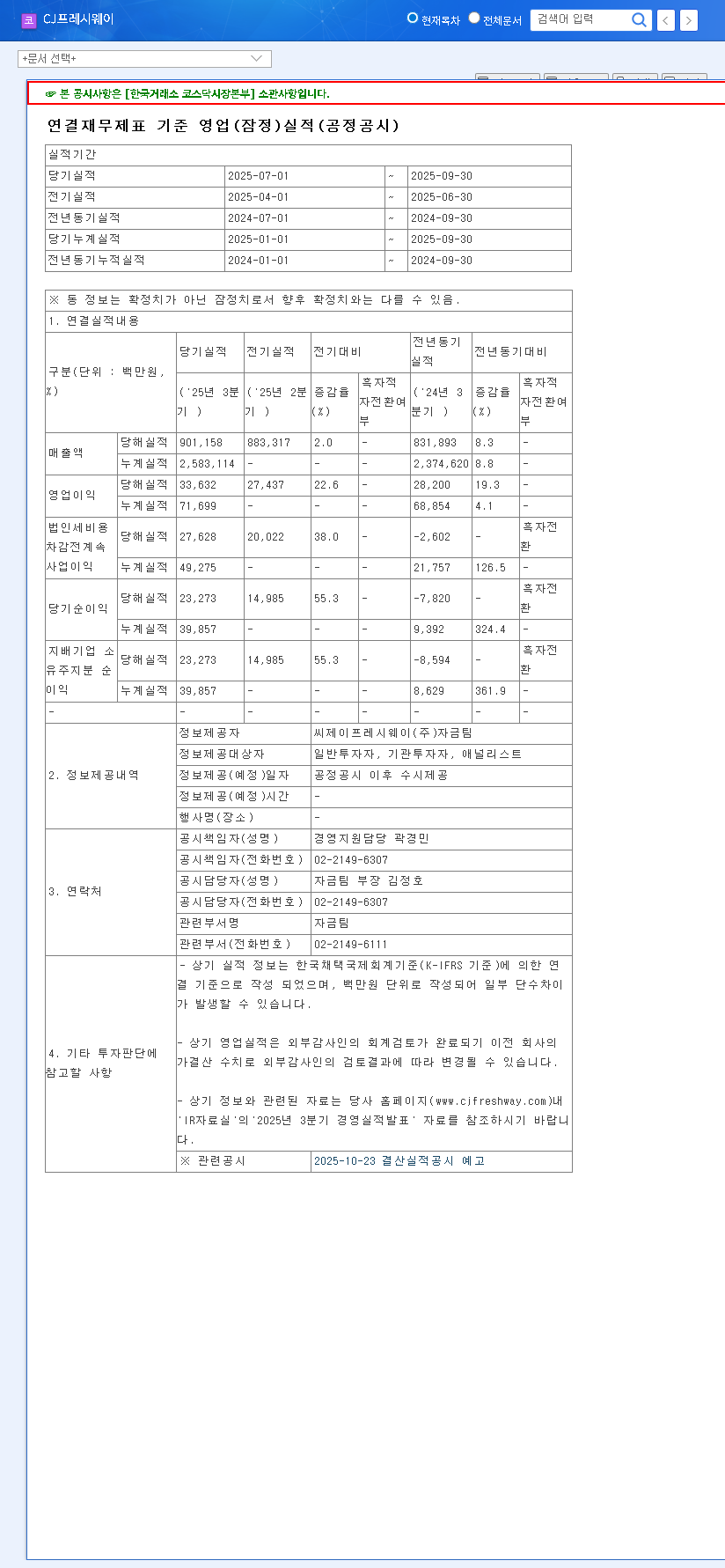
    As the market closely watches the latest earnings season, CJ Freshway Corporation (CJ프레시웨이) has unveiled its provisional Q3 2025 results, presenting a complex picture for investors. The report on the CJ Freshway Q3 2025 earnings highlighted a significant ‘earnings surprise’ in net profit, which soared past market consensus. However, this positive news was tempered by revenue and operating profit figures that narrowly missed expectations, creating a mixed narrative that requires careful analysis.

    This detailed analysis will dissect the key figures from the report, explore the underlying factors driving this performance, and provide a comprehensive outlook on the CJ Freshway stock. We’ll examine the company’s fundamental health, strategic growth initiatives, and the critical risks that could shape its future trajectory.

    CJ Freshway Q3 2025 Earnings: A Detailed Breakdown

    On November 6, 2025, CJ Freshway released its provisional consolidated results, offering a crucial glimpse into its operational standing. Here are the headline numbers compared to market estimates:

    • Revenue: KRW 901.2 billion (1.0% below the forecast of KRW 911.4 billion).
    • Operating Profit: KRW 33.6 billion (0.6% below the forecast of KRW 33.4 billion).
    • Net Profit: KRW 23.3 billion (a remarkable 25.9% above the forecast of KRW 18.5 billion).

    The standout figure is undoubtedly the net profit, which dramatically outperformed expectations. This suggests that while top-line growth faced headwinds, the company’s bottom-line management was exceptionally effective. For complete transparency, the official filing is available. Source: Official Disclosure (DART Report).

    Decoding the Mixed Signals: Profitability vs. Revenue

    The divergence between revenue and net profit in the CJ Freshway Q3 2025 earnings report warrants a closer look. The slight revenue miss could stem from macroeconomic pressures on the food service industry or strategic shifts in the company’s client portfolio. However, the impressive net profit beat reveals a story of operational discipline.

    The ability to expand net profit margins despite stagnant revenue points to successful cost-control measures and efficiency gains. This is a testament to the company’s adept management of its Selling, General, and Administrative (SG&A) expenses and potentially favorable non-operating factors.

    Factors contributing to the net profit surge could include one-time gains, reduced interest expenses, favorable tax effects, or strong performance in non-core business segments. This indicates that while the core business environment is challenging, the company is finding ways to protect and enhance its bottom line, a positive signal for long-term CJ Freshway profitability.

    Fundamental Health: A Look at the Balance Sheet

    Financial Leverage and Cash Flow Concerns

    While the income statement tells a mixed story, the balance sheet reveals areas requiring continued attention. The company’s debt-to-equity ratio stands at a high 264.68%. This level of leverage, while not uncommon in capital-intensive industries, exposes the company to risks from interest rate fluctuations and can strain financial flexibility. Prudent management of this debt will be critical for ensuring long-term stability.

    Furthermore, operating cash flow has seen a decrease, while cash outflows for investing and financing activities have increased. This trend suggests that the company is actively investing in its future, but investors will be keen to see these investments translate into positive cash flow in the coming quarters.

    Strategic Diversification as a Growth Engine

    To counter market saturation and rising costs, CJ Freshway is actively pursuing diversification. Key initiatives include:

    • Freight Brokerage: Leveraging its existing logistics network to create a new revenue stream.
    • Alcoholic Beverage Business: Expanding its product portfolio to capture a wider share of the food and beverage market.
    • Online Welfare Mall: Tapping into the B2B e-commerce space to serve corporate clients.

    These strategic moves are designed to secure long-term growth and create synergies with its dominant position in food ingredient distribution and group meal services.

    CJ Freshway Stock: Investment Outlook and Key Risks

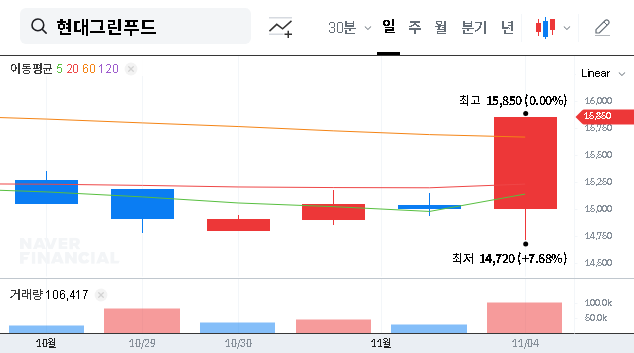
    The CJ Freshway stock price has shown a steady recovery, but the Q3 report is unlikely to trigger a major short-term rally. The positive net profit is balanced by the revenue softness and underlying financial risks, leading to a ‘Neutral’ overall investment opinion.

    Key Points for Investors to Monitor

    For those considering an investment, the focus should be on the company’s ability to execute its long-term strategy. Watch for:

    • Profitability Trends: Can the cost-saving measures be sustained to improve operating margins in the coming quarters?
    • Debt Reduction: Are there clear plans and actions to lower the high debt-to-equity ratio and strengthen the balance sheet?
    • New Business Growth: Are the diversification initiatives translating into meaningful revenue and profit contributions?
    • Macroeconomic Resilience: How effectively does the company manage risks from volatile raw material prices and currency fluctuations?

    In conclusion, while the CJ Freshway Q3 2025 earnings report provides a welcome boost to the bottom line, the company still faces persistent challenges. A prudent, long-term approach that focuses on fundamental improvements is the recommended strategy for investors. Learn more about how to approach these reports by understanding financial reports in depth.

    (051500) CJ Freshway Q3 2025 Earnings: Full Analysis of Stock & Profit Surprise 관련 이미지
  • (453340) Hyundai Green Food Share Buyback: A KRW 5 Billion Boost to Shareholder Value | In-Depth Investor Analysis

    (453340) Hyundai Green Food Share Buyback: A KRW 5 Billion Boost to Shareholder Value | In-Depth Investor Analysis

    In a significant move to enhance shareholder value, HYUNDAI GREEN FOOD CO., LTD has announced a substantial KRW 5 billion treasury share buyback and subsequent cancellation. This strategic decision is more than a simple financial adjustment; it’s a powerful signal of the company’s confidence in its future growth and a firm commitment to its investors. For those holding or considering an investment in Hyundai Green Food stock, this development warrants a closer look. This in-depth analysis will explore the details of the share cancellation, its underlying motivations, and the potential impact on the company’s stock price and overall investment appeal.

    This isn’t just a financial transaction; it’s a clear message from management that enhancing shareholder value is a top priority and a core part of the company’s long-term strategy.

    Unpacking the KRW 5 Billion Treasury Share Cancellation

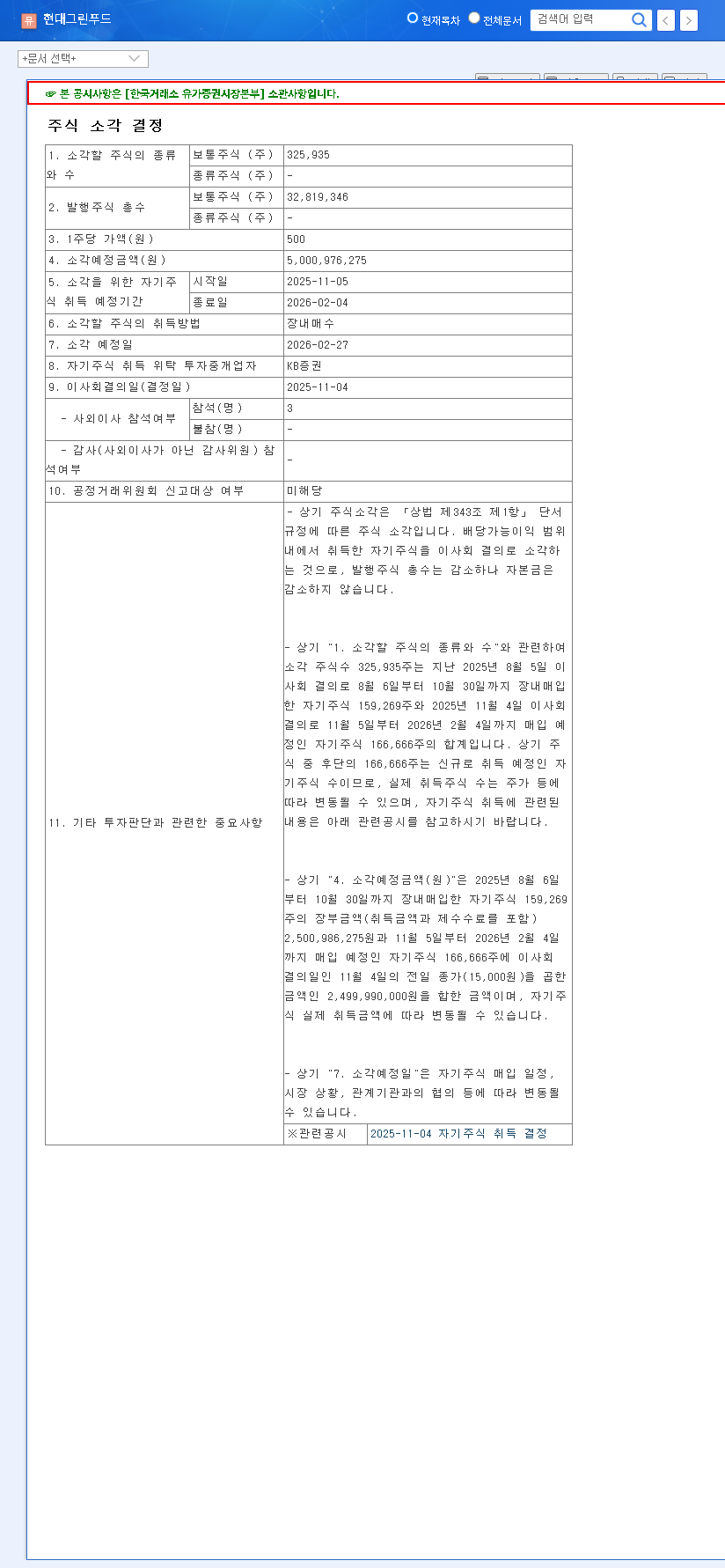
    Hyundai Green Food’s board of directors has officially approved the cancellation of its own treasury shares, a move detailed in their public filing. Here are the crucial facts investors need to know:

    • Company: HYUNDAI GREEN FOOD CO., LTD
    • Event: Decision to cancel 325,935 common treasury shares.
    • Planned Cancellation Amount: Approximately KRW 5 billion (1.02% of market cap).
    • Share Proportion: Represents 0.72% of total outstanding shares.
    • Disclosure Date: November 4, 2025.
    • Scheduled Cancellation Date: February 27, 2026.

    The complete details were made public in the company’s filing. You can view the Official Disclosure on the DART system for a comprehensive record. This move is a clear execution of the company’s stated goal to improve shareholder returns.

    Why This Hyundai Green Food Share Buyback Matters

    A company buying back and canceling its own stock is one of the most direct ways to return value to its shareholders. By reducing the number of shares in circulation, the company increases the ownership stake of each remaining shareholder. This has several positive knock-on effects.

    Robust Fundamentals and Growth Initiatives

    This decision is not being made in a vacuum. It is supported by the company’s solid financial health. The H1 2025 report showed strong sales of KRW 1.127 trillion and an operating profit of KRW 63.1 billion. While facing industry-wide margin pressures from rising costs, Hyundai Green Food is proactively diversifying its revenue streams through new growth engines, including an expansion into the health functional food sector and strategic investments in overseas operations. This performance builds on trends seen in previous quarters. Read our full analysis of Hyundai’s Q3 earnings report here.

    Direct Impact on Per-Share Value

    The most immediate consequence of the Hyundai Green Food treasury share cancellation is an increase in key per-share metrics. With fewer shares outstanding, the company’s total earnings are divided among a smaller number, which mathematically increases the Earnings Per Share (EPS), a critical indicator used by analysts to assess a company’s profitability. This can make the stock appear more attractive from a valuation standpoint and may lead to an improved Price-to-Earnings (P/E) ratio.

    Strategic Playbook for Investors

    Given the positive implications of the share cancellation, coupled with solid fundamentals and growth potential, we are issuing a ‘Buy’ recommendation with a mid-to-long-term perspective.

    Key Investment Thesis: Why Buy?

    • Focus on Shareholder Value: This proactive move demonstrates a management team that is aligned with shareholder interests.
    • Enhanced Per-Share Metrics: The reduction in outstanding shares will mechanically boost EPS and overall per-share value, enhancing investment attractiveness.
    • Growth Synergy: The combination of a strong balance sheet, new business investments, and shareholder-friendly policies creates a powerful synergy for future growth.
    • Positive Market Sentiment: Share buybacks are often interpreted as a sign that management believes its stock is undervalued, which can significantly boost investor confidence.

    Navigating Potential Risks and Headwinds

    While the outlook is positive, savvy investors must always consider potential risks. Prudent decision-making involves weighing the pros against the cons:

    • Execution Timeline: The cancellation is scheduled for February 2026. The extended timeline means the impact will be gradual, and unforeseen market events could alter the situation.
    • Macroeconomic Pressures: Persistent challenges from raw material price inflation, currency fluctuations, and changes in interest rates could impact profitability.
    • Competitive Landscape: The food and distribution industry is highly competitive, and the success of new ventures is not guaranteed.

    In conclusion, the KRW 5 billion cancellation is a significant and positive catalyst for Hyundai Green Food. It reinforces the company’s financial stability and dedication to its investors. While short-term market volatility is always a possibility, this strategic action substantially brightens the mid-to-long-term investment outlook for the company. As always, investors should align this information with their personal financial goals and risk tolerance.

    (453340) Hyundai Green Food Share Buyback: A KRW 5 Billion Boost to Shareholder Value | In-Depth Investor Analysis 관련 이미지
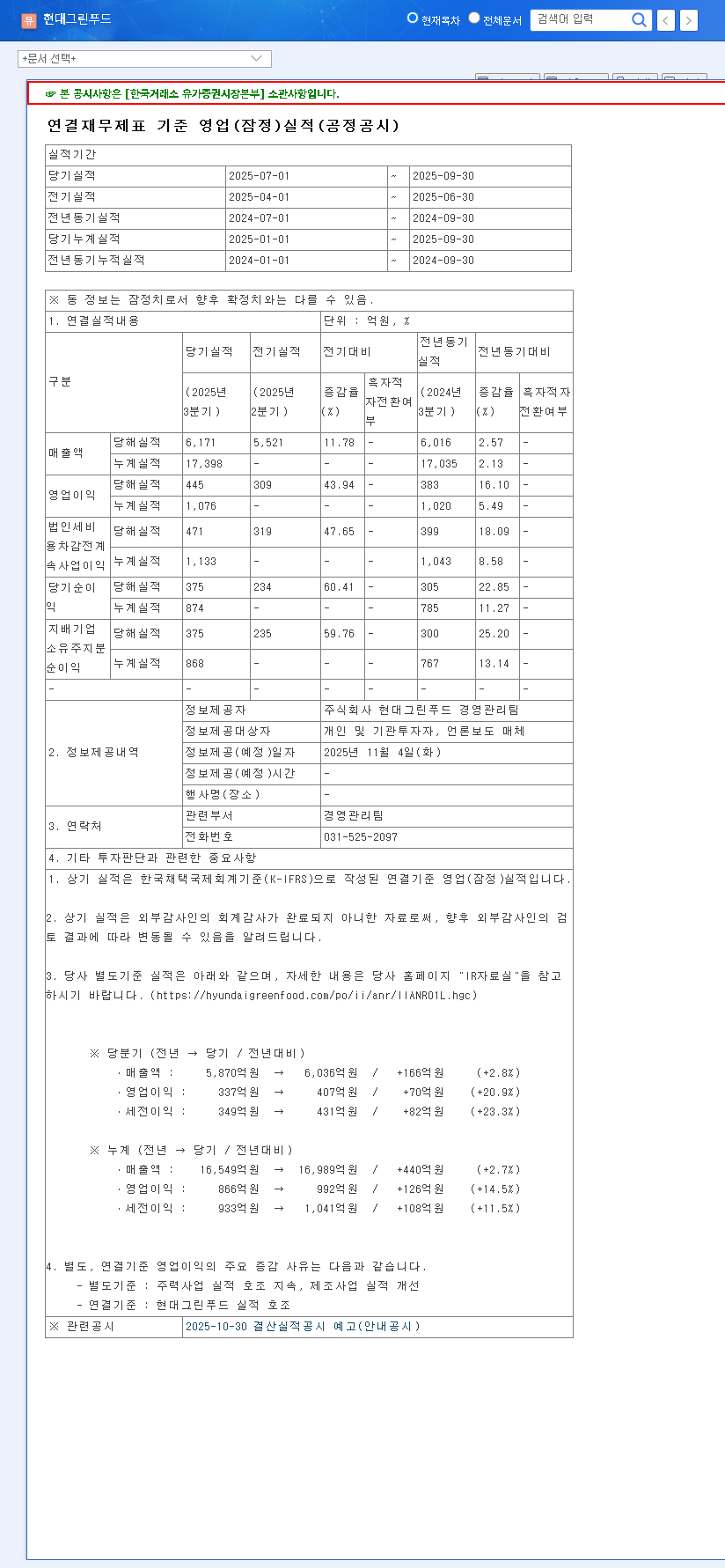
  • (453340) HYUNDAI GREEN FOOD CO., LTD Q3 2025 Earnings: A Deep Dive into the Operating Profit Surprise

    (453340) HYUNDAI GREEN FOOD CO., LTD Q3 2025 Earnings: A Deep Dive into the Operating Profit Surprise

    The latest HYUNDAI GREEN FOOD CO., LTD Q3 2025 earnings report has created a significant buzz in the investment community. While top-line revenue slightly missed consensus, the company delivered a powerful ‘earnings surprise,’ with operating profit surging past expectations. This pivotal moment raises critical questions: Is this a sign of enhanced operational mastery setting the stage for sustained growth, or a temporary bright spot amidst ongoing market challenges?

    This comprehensive financial analysis will dissect the HYUNDAI GREEN FOOD CO., LTD Q3 2025 earnings, examining the core fundamentals, financial health, and strategic management activities that shaped these results. We will also evaluate the external macroeconomic environment to provide a clear perspective on the company’s future potential and what it means for the current stock outlook.

    Q3 2025 Earnings Breakdown: The Story Behind the Numbers

    On November 4, 2025, HYUNDAI GREEN FOOD CO., LTD released its preliminary consolidated financial results for the third quarter. The official filing can be viewed here: Official Disclosure. The standout detail was the significant outperformance in operating profit, a key indicator of core business health.

    The market is interpreting these results as a clear demonstration of the company’s enhanced ability to generate profit through improved operational efficiency, even in the face of slight revenue headwinds.

    Key Financial Metrics vs. Market Consensus

    • Revenue: KRW 617.1 billion (versus an estimate of KRW 620.9 billion, a -1% miss).
    • Operating Profit: KRW 44.5 billion (versus an estimate of KRW 40.6 billion, a +10% beat).
    • Net Income: KRW 37.5 billion (in line with the KRW 37.6 billion estimate).

    This divergence between revenue and profit suggests successful cost management initiatives, favorable product mix, or margin improvements in key segments like food service, which proved instrumental in offsetting the H1 slowdown.

    In-Depth Fundamental and Financial Analysis

    A Clear Recovery Trajectory

    The Hyundai Green Food Q3 results confirm a strong positive trend. After a challenging Q4 2024 which saw an operating loss, the company has posted three consecutive quarters of growth. This quarter’s performance not only surpasses the previous quarter (Q2 2025) but also shows robust year-over-year growth compared to Q3 2024, indicating that the recovery has solid momentum. For more on historical trends, you can review our previous quarterly earnings analyses.

    Improving Financial Stability Ratios

    A closer look at the company’s financial health reveals positive developments. The debt ratio, which had climbed in 2023, has shown significant improvement, declining to 230.13% in 2024, strengthening the balance sheet. While profit margins dipped in 2023, the recovery in 2024 and the strong operating profit in Q3 2025 suggest that the annual operating profit margin has a high probability of exceeding current estimates. This points to a more resilient and financially sound operation.

    Strategic Management Activities Fueling Growth

    HYUNDAI GREEN FOOD CO., LTD’s management has been proactive in driving value. Key initiatives include:

    • Enhancing Shareholder Value: The cancellation of over 745,000 treasury shares and the introduction of interim dividends signal a strong commitment to shareholder returns.
    • Securing New Growth Engines: The strategic addition of health functional foods to its business objectives taps into a growing consumer wellness trend, creating a new avenue for long-term growth.
    • Global Expansion: Continued investment in overseas operations, such as its Mexican subsidiary, diversifies revenue streams and reduces dependency on the domestic market.

    External Factors and Future Outlook

    No company operates in a vacuum. The Hyundai Green Food stock outlook is influenced by several macroeconomic variables. Rising international oil prices could increase raw material and logistics costs, putting pressure on margins. Furthermore, exchange rate volatility, particularly with the KRW/USD, presents both risks and opportunities for its import/export activities. However, a positive sign comes from declining global freight indices, which could help alleviate some cost burdens. These are factors that leading economic analysts are watching closely.

    Opportunities & Threats Summary

    • Positive Drivers: Strong operating profit, proven cost control, growth in key business segments, proactive shareholder return policies, and new business diversification.
    • Potential Headwinds: Revenue growth concerns, rising raw material costs, and broader macroeconomic uncertainties that could impact consumer spending.

    Investment Thesis and Final Recommendation

    The HYUNDAI GREEN FOOD CO., LTD Q3 2025 earnings report is a net positive, providing a strong catalyst that could boost short-term investor sentiment. The company’s ability to expand profitability despite flat revenue is a testament to its operational strength.

    However, for long-term upward momentum, the market will need to see sustained revenue growth and tangible results from new ventures like health functional foods. Therefore, our current investment opinion is a ‘Cautious Hold.’ We expect a positive short-term stock reaction but advise investors to closely monitor performance in the upcoming quarters, specifically focusing on top-line growth and margin sustainability before making a significant long-term commitment. A shift in this opinion would be warranted upon seeing concrete success from the company’s diversification efforts.

    Disclaimer: This analysis is for informational purposes only and does not constitute investment advice. All investment decisions should be made based on your own research and discretion.

    (453340) HYUNDAI GREEN FOOD CO., LTD Q3 2025 Earnings: A Deep Dive into the Operating Profit Surprise 관련 이미지
  • (051500) CJ Freshway Q3 2025 IR: A Deep Dive Investment Analysis & Growth Strategy

    (051500) CJ Freshway Q3 2025 IR: A Deep Dive Investment Analysis & Growth Strategy

    As a dominant force in South Korea’s food ingredient and service market, CJ Freshway Corporation is approaching a critical juncture. The upcoming CJ Freshway Q3 2025 IR, scheduled for November 6, 2025, is far more than a routine earnings announcement. It represents a pivotal moment for management to articulate a clear vision, address persistent profitability concerns, and build market confidence. This deep-dive CJ Freshway investment analysis will unpack the company’s recent performance, explore its future growth strategy, and outline the essential factors investors must watch to make informed decisions.

    Will CJ Freshway’s strategic pivots and new ventures finally translate into bottom-line growth? This IR holds the key to understanding the company’s trajectory and its potential to deliver long-term shareholder value.

    Recapping H1 2025: A Story of Growth and Challenge

    To understand the stakes of the Q3 earnings call, we must first look at the company’s performance in the first half of 2025. CJ Freshway demonstrated commendable top-line growth, with revenue reaching KRW 1,681.95 billion—a 9.02% year-on-year increase. This growth was largely fueled by strong sales in its core food ingredient distribution and food service divisions. However, this revenue strength was overshadowed by significant profitability headwinds.

    Rising operational costs and increased Selling, General & Administrative (SG&A) expenses compressed margins, leading to a year-on-year decrease in both consolidated operating profit and net profit. Furthermore, an increase in inventory levels by 16.7% raises questions about working capital management. While the debt-to-equity ratio saw a slight improvement, it remains elevated at 264.68%, a figure that demands scrutiny. Investors will be keen to hear management’s detailed plans for tackling these fundamental financial challenges.

    Forging New Paths: Diversification and Future Growth Engines

    A core part of the CJ Freshway growth strategy involves aggressive diversification to create new, sustainable revenue streams. The success of these ventures is crucial for the company’s long-term narrative and will be a major focus of the CJ Freshway Q3 2025 IR. Management is expected to provide concrete updates on these key initiatives:

    • Logistics & Transportation: The foray into freight transportation brokerage is a natural extension of its core business, promising significant synergistic benefits by optimizing its vast distribution network.
    • New Market Ventures: Expansion into liquor sales and the creation of an online welfare mall target new customer segments and diversify the company’s market exposure.
    • Digital & ESG Transformation: Investments in digital platforms and a commitment to ESG principles are not just buzzwords; they are essential for long-term competitiveness and attracting modern institutional investors.

    Navigating Macroeconomic and Competitive Headwinds

    No company operates in a vacuum. CJ Freshway faces a complex external environment characterized by fluctuating interest rates, volatile raw material prices, and intense competition. The company estimates that a 100-basis-point rise in interest rates could increase its annual interest expenses by KRW 320 million. This highlights its vulnerability to monetary policy shifts. In the competitive landscape, the trend towards large-scale, chain-based operations in the broader food service industry requires CJ Freshway to innovate constantly. Its response, focusing on digital solutions and targeting premium segments like specialized therapeutic meals, is a strategic move to defend and grow its market share.

    Investor’s Watchlist for the Q3 2025 Earnings Call

    To conduct a thorough CJ Freshway investment analysis, investors should listen closely for specific details during the IR presentation and Q&A session. Pay attention to the following key points, which are derived from public filings and market expectations. For official figures, refer to the company’s Official Disclosure (DART report).

    • Consolidated Profitability Roadmap: Vague promises are not enough. Look for a concrete, data-driven plan for managing costs, optimizing SG&A, and improving margins in underperforming segments.
    • New Business Metrics: What is the specific revenue contribution from the logistics, liquor, and online mall businesses? What are the forward-looking growth targets and timelines for these ventures to become meaningful profit centers?
    • Risk Mitigation Strategies: How is the company actively hedging against interest rate hikes and raw material price inflation? What defensive measures are in place to protect profitability from these external shocks? This is critical in the current economic climate, as noted in analyses by institutions like the International Monetary Fund (IMF).
    • Capital Management & Debt Reduction: Is there a clear strategy to improve inventory turnover and reduce the high debt-to-equity ratio? Details on cash flow management will be paramount.

    Ultimately, the CJ Freshway Q3 2025 IR is a test of management’s credibility and strategic clarity. A presentation that delivers positive results, a compelling growth vision, and robust risk management will likely build significant market confidence. Conversely, a failure to address the key challenges head-on could lead to increased investor skepticism. This event will undoubtedly be a defining moment for CJ Freshway’s stock in the months to come.

    (051500) CJ Freshway Q3 2025 IR: A Deep Dive Investment Analysis & Growth Strategy 관련 이미지
  • (051500) CJ Freshway Stock: VIP Asset Management’s Big Move & 2025 Investment Analysis

    (051500) CJ Freshway Stock: VIP Asset Management’s Big Move & 2025 Investment Analysis

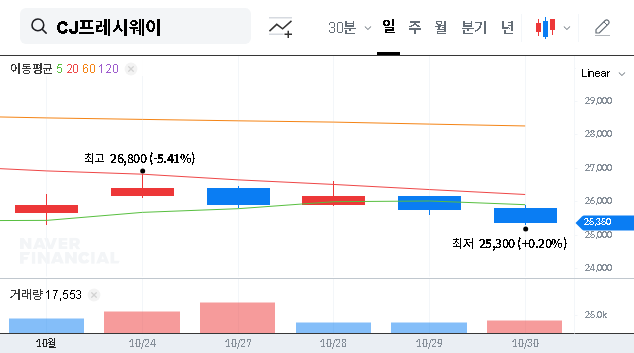
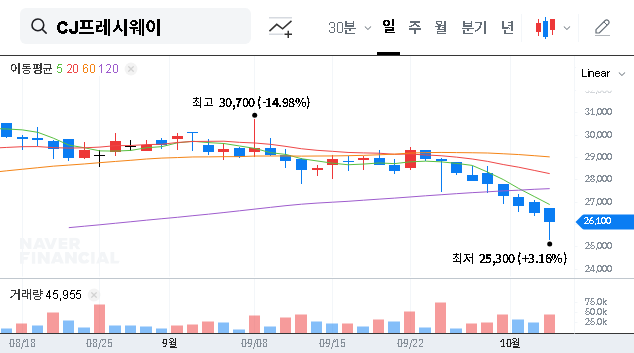
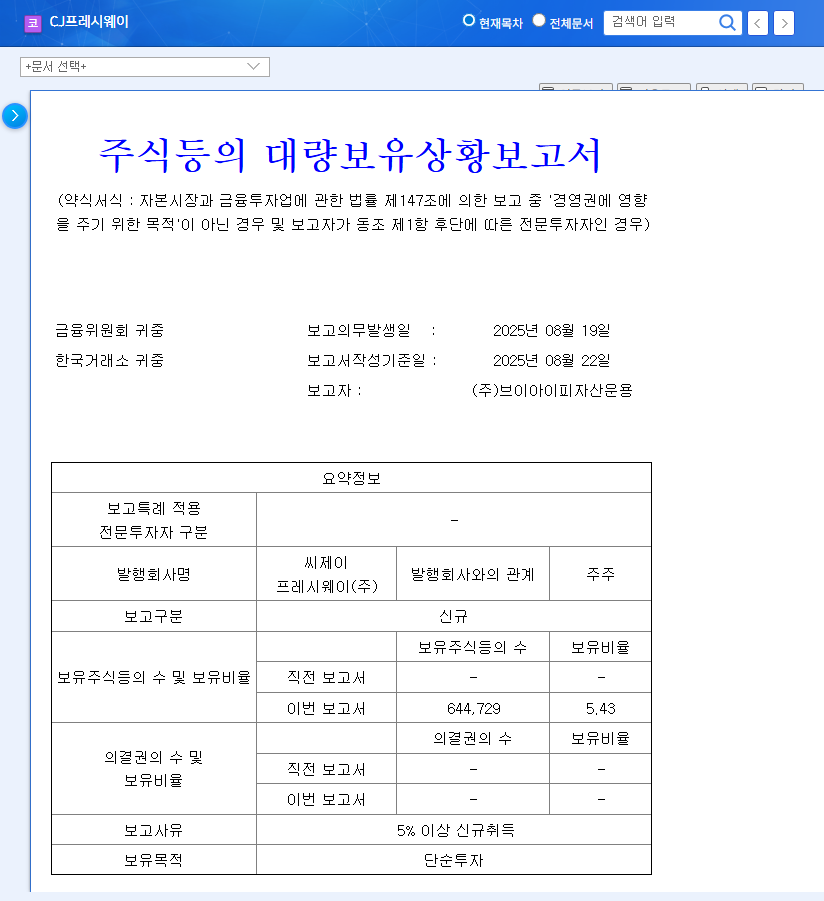
    A significant development is capturing the attention of investors monitoring the CJ Freshway stock market. VIP Asset Management, a prominent domestic asset firm, has notably increased its holdings in CJ Freshway to 7.16%. This move, detailed in an Official Disclosure, goes beyond a simple share report, prompting a crucial question: What does this mean for the future of CJ Freshway’s valuation and your investment portfolio?

    In this comprehensive CJ Freshway analysis, we will unpack the implications of this institutional investment, examine the company’s core fundamentals, assess the challenging macroeconomic landscape, and provide a clear, actionable investment outlook to guide your decisions.

    The Event: VIP Asset Management Doubles Down on CJ Freshway

    Between September 26 and October 2, 2025, VIP Asset Management executed a series of open market purchases, aggressively boosting its stake in CJ Freshway from 5.43% to 7.16%. This 1.73 percentage point increase represents a strong vote of confidence from a major institutional player. While the stated purpose is ‘simple investment,’ such a concentrated buying period often signals a belief in the company’s long-term value proposition, even amidst market uncertainty.

    This isn’t just a portfolio adjustment; it’s a strategic accumulation that suggests VIP Asset Management sees untapped potential in CJ Freshway’s future, making a deeper look into the company’s health essential for any prospective investor.

    Fundamental Analysis: The Core of CJ Freshway’s Value

    To understand this CJ Freshway investment, we must look beyond the headlines and into its operational and financial health. The company presents a mixed but compelling picture of robust growth paired with notable financial challenges.

    Strengths: Dominant Business Segments & Growth Initiatives

    • Food Ingredient Distribution: This core segment remains a powerhouse, with sales climbing 11.76% to KRW 1.2678 trillion. Growth is fueled by enhanced online platforms and strategic initiatives like contract farming.
    • Food Service (Catering): Showing steady growth of 5.76% to KRW 401.5 billion, this division leverages the extensive CJ Group infrastructure and is expanding its lucrative concession business.
    • Future Growth Engines: The company is actively diversifying with new ventures in freight brokerage, liquor distribution, and e-commerce, signaling a proactive approach to long-term sustainability.

    Weaknesses: Financial Burdens and Regulatory Hurdles

    Despite strong operational performance, investors must be aware of significant financial pressures. The company’s debt-to-equity ratio stands at a high 264.68%, creating a considerable financial burden. Furthermore, a recent fine for violating the Fair Trade Act, while not immediately impacting liquidity, introduces a compliance risk that could cloud investor sentiment. For more on evaluating financial health, see our guide on analyzing company balance sheets.

    Macroeconomic Headwinds Facing CJ Freshway Stock

    No company operates in a vacuum. Several external factors are currently exerting pressure on CJ Freshway’s profitability and, consequently, its stock performance.

    • Currency Fluctuations: With high reliance on imported raw materials, the rising KRW/USD exchange rate directly increases costs and poses a risk of foreign exchange losses.
    • Commodity and Logistics Costs: Volatility in international oil prices and shipping rates, which you can track on platforms like Bloomberg Markets, can inflate logistics expenses and squeeze profit margins.
    • Interest Rate Environment: Potential rate hikes could increase the company’s interest expenses on its significant debt, further pressuring cash flow and profitability.

    Investment Outlook: A ‘Neutral’ Stance with Key Monitors

    Considering all factors, the current investment opinion for CJ Freshway stock is ‘Neutral.’ The positive signal from VIP Asset Management’s investment is balanced by the prevailing fundamental and macroeconomic risks.

    Short-Term Strategy (Cautious Approach)

    The increased institutional demand could provide a short-term lift to the stock price. However, without concrete improvements in the company’s financial structure or a more favorable economic climate, any significant, sustained rally is unlikely. A cautious, observant approach is recommended.

    Mid-to-Long-Term Strategy (Watch for Catalysts)

    A long-term re-evaluation of the stock hinges on several key developments:

    • Successful execution and monetization of new business ventures.
    • Demonstrable progress in improving the financial structure, specifically in debt reduction and cash flow enhancement.
    • A clear and final resolution of the legal issues surrounding the Fair Trade Act violation.

    In conclusion, while VIP Asset Management’s increased stake is a noteworthy and positive signal, it should be viewed as one piece of a much larger puzzle. Prudent investors will weigh this against the company’s financial liabilities and the broader economic pressures before making a commitment to CJ Freshway stock.

    (051500) CJ Freshway Stock: VIP Asset Management's Big Move & 2025 Investment Analysis 관련 이미지
  • VIP Asset Management Acquires 5.43% Stake in CJ Freshway: Investment Opportunity?

    VIP Asset Management Acquires 5.43% Stake in CJ Freshway: Investment Opportunity? 대표 차트 이미지

    1. What Happened?

    A ‘Report on the Status of Large Shareholdings of Stocks, etc. (Simplified)’ was publicly announced, stating that VIP Asset Management acquired a 5.43% stake in CJ Freshway. This is a public disclosure of large shareholdings exceeding 5% for simple investment purposes.

    2. Why Did VIP Asset Management Invest in CJ Freshway?

    CJ Freshway has shown robust sales growth and is strengthening its B2B market position in food distribution and food services. It’s also exploring future growth engines through business diversification, such as freight transportation and alcoholic beverage sales. VIP Asset Management likely made this investment based on this growth potential.

    3. How Will This Investment Impact CJ Freshway?

    This investment is expected to positively impact CJ Freshway’s stock price. Increased stake by an institutional investor can be interpreted as a positive signal by market participants, potentially improving investor sentiment. It can also highlight the valuation attractiveness compared to fundamentals, raising expectations for stock price increases.

    4. What Should Investors Do?

    Investors should consider this investment from a long-term perspective rather than focusing on short-term stock fluctuations. It’s crucial to carefully monitor factors such as improvement in financial soundness, earnings growth trends, interest rate cuts, and exchange rate stabilization when making investment decisions. Risks such as high debt ratio, macroeconomic variables, and intensifying competition should also be thoroughly examined.

    Frequently Asked Questions

    Why is VIP Asset Management’s acquisition of a stake in CJ Freshway significant?

    Increased stake by an institutional investor can be interpreted as a positive market signal and reflects confidence in CJ Freshway’s growth potential.

    What are the investment risks associated with CJ Freshway?

    Risks include a high debt ratio, changes in the macroeconomic environment (exchange rates, interest rates, oil price fluctuations), intensifying market competition, and fair trade-related risks.

    What should investors be aware of when investing in CJ Freshway?

    Consider investments from a long-term perspective rather than focusing on short-term stock price fluctuations, and carefully monitor improvements in fundamentals and actual profit growth.

    VIP Asset Management Acquires 5.43% Stake in CJ Freshway: Investment Opportunity? 관련 이미지
    VIP Asset Management Acquires 5.43% Stake in CJ Freshway: Investment Opportunity? 관련 이미지
  • Hyundai Green Food IR Analysis: Growth Momentum and Investment Strategy (August 2025)

    1. IR Event: Hyundai Green Food’s Present and Future

    Hyundai Green Food held an IR on August 28, 2025, during Hyundai Department Store Group’s Corporate Day, announcing its current management status and future strategies. The company expressed its commitment to securing future growth engines through the continuous growth of its food service business and investments in new businesses.

    2. Core Business Analysis: Stable Growth and Future Potential

    Hyundai Green Food’s main businesses are food service, food ingredients, and distribution, and it is actively investing in new businesses such as health functional foods and HMR. The food service business continues to grow based on stable sales, and new businesses are key drivers for enhancing future growth potential. However, factors such as raw material prices, intensifying competition, and exchange rate/interest rate volatility should be considered.

    • Sales Ratio: Food Service (47.8%), Food Ingredients (25.4%), Distribution (13.6%), Other (13.2%)
    • New Businesses: Health functional foods, HMR, care foods, overseas infrastructure investment

    3. Financial Status: Solid Foundation and Shareholder Value Enhancement

    The company’s financial structure has improved due to an increase in total capital, and it continues its efforts to enhance shareholder value through operating profit growth, treasury stock acquisition/cancellation, and interim dividends. However, it is necessary to prepare for external factors such as interest rate fluctuations.

    4. Key IR Takeaways and Investment Strategy

    This IR provided investors with a transparent disclosure of Hyundai Green Food’s growth potential and risks. Investors should establish investment strategies based on the information disclosed in the IR.

    • Positive Factors: Direct explanation from management, disclosure of growth drivers and financial soundness
    • Negative Factors: Possibility of falling short of market expectations, possibility of unexpected risks
    • Investment Strategy: Closely monitor information disclosed in the IR, consider buying if the announcement is positive, and wait and see if the announcement is negative

    Frequently Asked Questions

    Q: What are Hyundai Green Food’s main businesses?

    A: Hyundai Green Food’s main businesses are food service, food ingredients, and distribution. They are also actively investing in new businesses such as health functional foods and HMR.

    Q: What were the key takeaways from this IR?

    A: This IR disclosed Hyundai Green Food’s current management status, future growth strategies, financial soundness, and risk management plans.

    Q: What should investors be aware of when investing in Hyundai Green Food?

    A: Investors should consider external factors such as raw material price volatility, intensifying competition, and exchange rate/interest rate fluctuations, as well as market expectations.

  • CJ Freshway Q2 2025 Earnings: Revenue Growth, but Profitability Remains a Challenge

    1. CJ Freshway Q2 2025 Performance: What Happened?

    CJ Freshway reported Q2 2025 revenue of KRW 883.3 billion (YoY +2.7%), operating profit of KRW 27.4 billion (YoY -6.4%), and net income of KRW 14.9 billion. Revenue slightly exceeded market expectations, while operating and net income fell short.

    2. Analyzing the Results: Why Did This Happen?

    Revenue growth was driven by solid performance in the food distribution and food service sectors. However, rising costs, including raw materials, logistics, and labor, impacted profitability.

    • Positive Factors: Core business growth, improved food service margins, financial health improvement efforts, new business expansion
    • Negative Factors: Rising cost pressures, increased inventory, exchange rate volatility, issues related to Fair Trade Commission sanctions

    3. Outlook and Investment Strategies: What’s Next?

    CJ Freshway maintains stable revenue growth but faces a pressing need to improve profitability. Here’s a potential investment strategy:

    • Short-Term Strategy: Monitor announcements on inventory management and cost efficiency plans, maintain a conservative approach.
    • Mid-to-Long-Term Strategy: Consider core business competitiveness and new business growth potential, seek long-term investment opportunities if structural profitability improves.
    What were the key takeaways from CJ Freshway’s Q2 2025 earnings?

    Revenue grew, but profitability declined, primarily due to increased cost pressures.

    What is the outlook for CJ Freshway?

    The company’s core business strength and new business growth potential are positive, but profitability improvement remains a key variable.

    What should investors watch for?

    Investors should monitor cost reduction efforts, inventory management efficiency, new business performance, and macroeconomic changes.

  • Hyundai Green Food (453340) Q2 2025 Earnings: Below Expectations, What’s Next?

    1. What Happened? : Hyundai Green Food’s Q2 2025 Performance Review

    Hyundai Green Food reported revenue of KRW 552.1 billion and operating profit of KRW 30.9 billion for the first half of 2025, falling short of market expectations. While the food service division maintained growth, the other business segment negatively impacted overall results.

    2. Why Did This Happen? : Analyzing the Earnings Miss

    Rising raw material prices, increased logistics costs, and widening operating losses in the other business segment are identified as the main culprits. Weakening consumer sentiment also likely contributed to the sluggish performance of the distribution and food materials businesses.

    • Food Service: Maintained robust growth.
    • Food Materials: Slight decline due to rising raw material prices.
    • Distribution: Slight decline due to increased market competition.
    • Other Business: Widening operating losses despite growth in the restaurant business.

    3. What’s Next? : Key Takeaways for Investors

    The turnaround of the other business segment will be the key determinant of the future stock price direction. Investors should closely monitor the company’s cost management strategies and the performance of its new businesses (e.g., health functional foods).

    • Positive Factors: Growth in the food service division, new business ventures, shareholder return policy, stable financial structure.
    • Negative Factors: Struggling other business segment, increasing cost burden, missed market expectations.

    4. Investor Action Plan: Hyundai Green Food Investment Strategy

    Investors should be mindful of short-term stock price volatility and continuously monitor the performance improvement of the other business segment and new businesses. It is important to establish a mid- to long-term investment strategy considering the growth potential of the food service division and new businesses.

    Frequently Asked Questions

    How did Hyundai Green Food perform in the first half of 2025?

    Hyundai Green Food reported KRW 552.1 billion in revenue and KRW 30.9 billion in operating profit, falling short of market expectations.

    What are the main reasons for the weak performance?

    Rising raw material costs, increasing logistics expenses, and operating losses in the other business division are the primary reasons.

    What should be the future investment strategy?

    Investors should carefully monitor the performance of the other businesses and new ventures, while considering a mid- to long-term investment strategy based on the growth potential of the core food service business and new businesses.