Tag: Fittings

  • (023160) T. K. CORPORATION IR Analysis (2025): Stock Value, HYTC Battery Growth & Investment Outlook

    (023160) T. K. CORPORATION IR Analysis (2025): Stock Value, HYTC Battery Growth & Investment Outlook

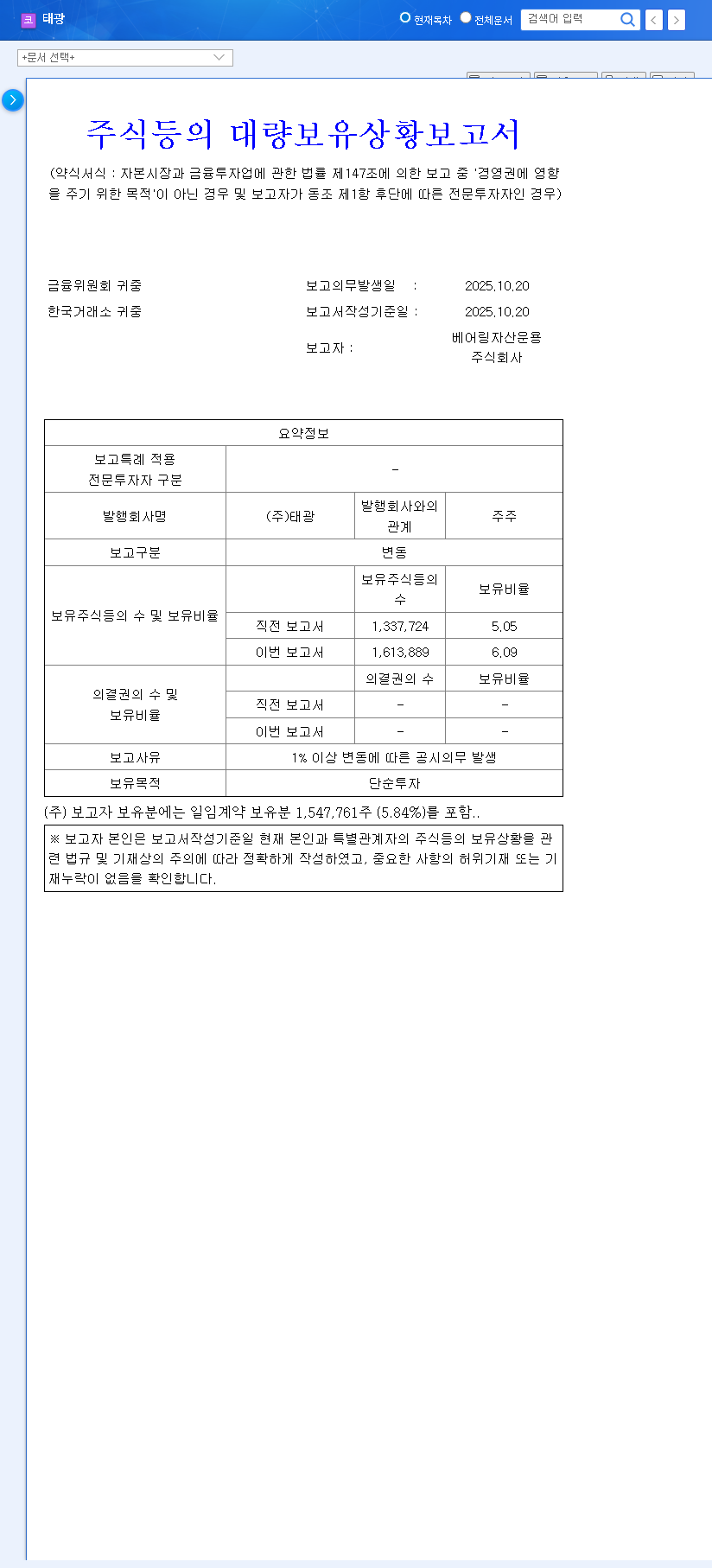
    The upcoming T. K. CORPORATION IR (Investor Relations) conference on November 17, 2025, is poised to be a pivotal moment for investors. As a global leader in plant fittings, T. K. CORPORATION is navigating a complex landscape, balancing its robust core operations against recent performance declines and the crucial task of scaling its new growth engine: the secondary battery business. This comprehensive T. K. CORPORATION stock analysis will dissect the company’s financial health, competitive advantages, and the immense potential of its subsidiary, HYTC, providing you with the critical insights needed to make an informed investment decision. The information presented is based on public data, including the company’s Official Disclosure.

    Event Overview: What to Expect from the T. K. CORPORATION IR

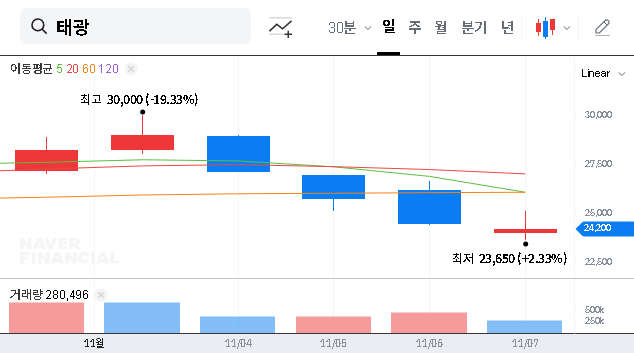
    Scheduled for 9:00 AM on November 17, 2025, this IR event is more than a routine update. With a market capitalization of KRW 658.5 billion, the company aims to transparently communicate its performance and strategic direction. Given the current lack of specific brokerage reports, this conference represents a significant opportunity for management to shape the market narrative and investor expectations directly.

    This IR is a critical juncture. Investors will be keenly listening for a clear roadmap on how T. K. CORPORATION plans to enhance profitability in its secondary battery segment while reinforcing the stability of its core business.

    Analyzing the Dual Engines of Growth

    The Bedrock: Dominance in the Plant Fitting Market

    T. K. CORPORATION’s primary business is the manufacture and sale of plant fittings—essential components for national key industries like energy and petrochemicals. This foundation provides a stable, recurring revenue stream built on decades of expertise and a formidable market position.

    • Oligopolistic Market: The company operates within a global oligopoly, characterized by high technological barriers to entry, which insulates it from excessive competition.
    • Export Powerhouse: With exports making up 83.1% of its 2024 revenue, the company boasts a global market share of 58.34%, far surpassing domestic rivals and providing a natural hedge against raw material cost fluctuations. For more details, you can read our analysis of the global plant equipment market.
    • Financial Resilience: A high proportion of exports allows the company to effectively manage exchange rate risks and navigate volatile raw material prices.

    The Future: HYTC and the Secondary Battery Boom

    The most anticipated part of the T. K. CORPORATION IR will be the update on its KOSDAQ-listed subsidiary, ‘HYTC’. This venture, focused on secondary battery equipment parts and Slitter manufacturing, is the company’s bet on the future of energy.

    The HYTC secondary battery business is positioned in a market with explosive growth potential, driven by the global transition to electric vehicles (EVs) and energy storage systems (ESS). According to authoritative industry reports, this sector is projected to grow exponentially over the next decade. However, this potential comes with challenges. HYTC recorded an operating loss in H1 2025, highlighting the urgent need for a clear strategy to improve profitability. Investors will be looking for concrete plans on technology development, customer acquisition, and cost management to turn this growth engine into a profitable one.

    Financial Health and Investor Value

    Despite recent performance dips, T. K. CORPORATION’s financial foundation remains exceptionally strong. As of H1 2025, its debt-to-equity ratio stood at a mere 9.07%, signaling remarkable financial stability and low risk. This robust balance sheet provides the company with the flexibility to invest in growth areas like HYTC without taking on undue leverage. Furthermore, the company maintains a shareholder-friendly policy, with a history of consistent dividend payments, offering a degree of stability for income-focused investors.

    Investment Outlook & Action Plan

    Our current investment opinion is Neutral, pending the outcomes of the IR. The company presents a compelling blend of a stable, cash-generating core business and a high-growth venture. However, the uncertainties surrounding the profitability of the secondary battery segment and broader macroeconomic headwinds (e.g., interest rates) warrant a cautious approach.

    Key Points for Investors to Monitor Post-IR:

    • HYTC’s Profitability Roadmap: Look for specific, measurable plans and timelines for achieving profitability in the secondary battery division.
    • Core Business Order Book: Assess management’s outlook on order trends and the recovery timeline for the plant fitting business.
    • Capital Allocation Strategy: Understand the company’s plans for future investments, R&D spending, and potential fundraising.
    • Macroeconomic Impact Management: Evaluate the strategies in place to mitigate risks from fluctuating exchange rates and interest rates.

    In conclusion, the T. K. CORPORATION IR is a must-watch event. A compelling presentation of a clear growth strategy and financial outlook could provide significant positive momentum for the stock. Conversely, a failure to address key concerns could deepen investor uncertainty. Careful analysis of the information presented will be paramount to determining the true investment value of T. K. CORPORATION.
    (023160) T. K. CORPORATION IR Analysis (2025): Stock Value, HYTC Battery Growth & Investment Outlook 관련 이미지
  • (013030) HY-LOK CORPORATION Stock (013030): Analysis of Baring’s Stake Change & Investment Outlook

    (013030) HY-LOK CORPORATION Stock (013030): Analysis of Baring’s Stake Change & Investment Outlook

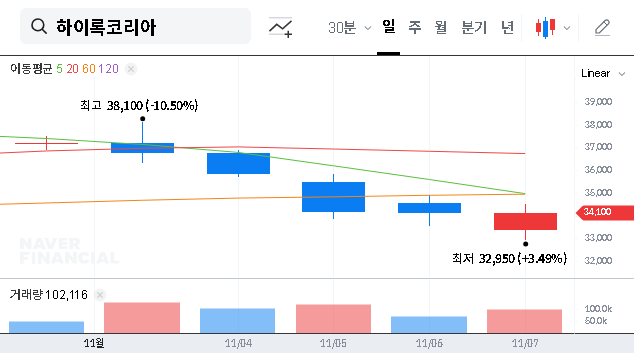
    Recent movements in HY-LOK CORPORATION stock (013030) have captured the market’s attention, particularly the public disclosure on November 7, 2025, concerning a change in shareholding by major shareholder Baring Asset Management. This news has understandably raised questions for current and potential investors: Is this a warning sign? How does this impact the company’s long-term value? This comprehensive analysis will dissect the Baring stake change, evaluate HY-LOK CORPORATION’s robust fundamentals, and provide a clear, actionable outlook to guide your investment strategy.

    Instead of reacting to short-term market noise, we will focus on the intrinsic value and future growth potential that define this industry leader. Let’s explore why HY-LOK CORPORATION remains a compelling company, even amidst shareholder adjustments.

    Decoding Baring Asset Management’s Stake Change

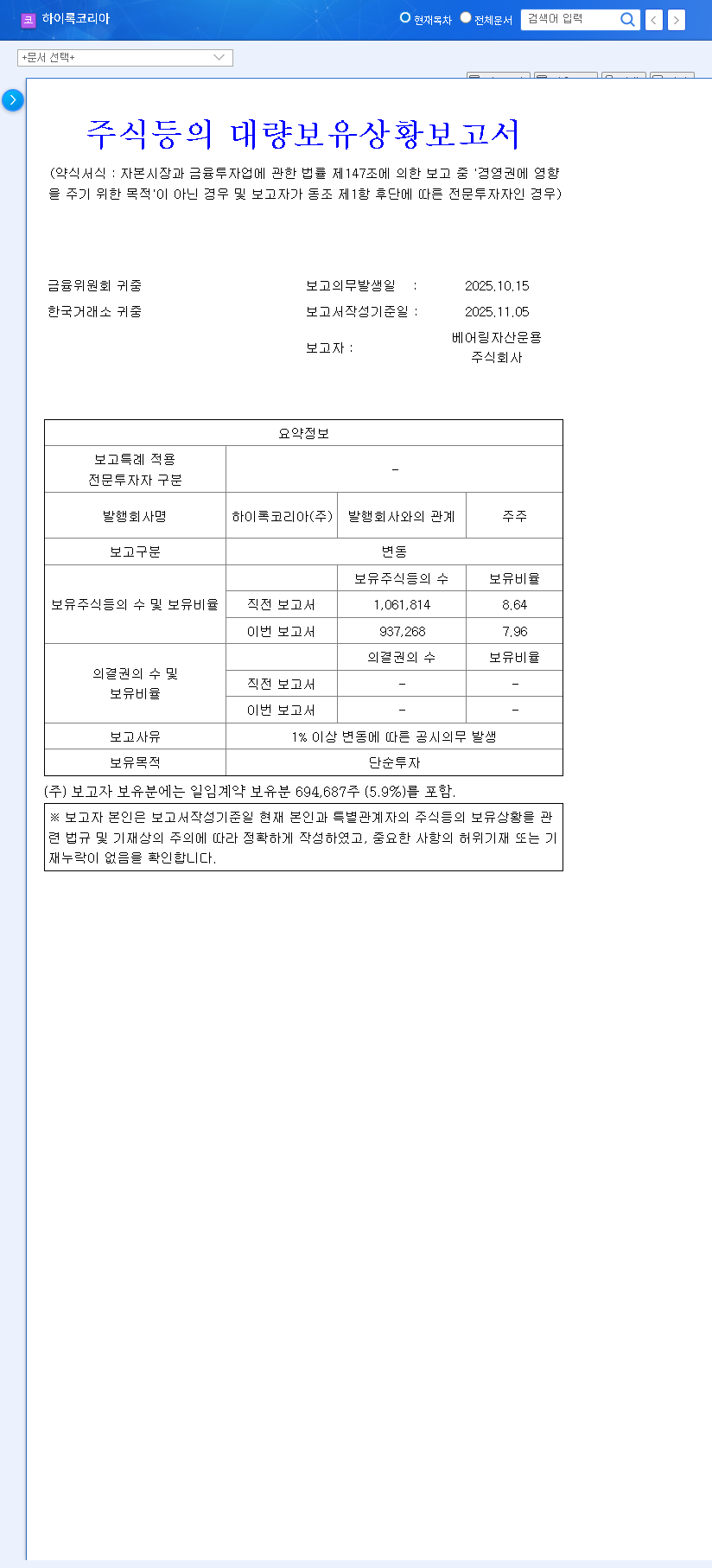
    The catalyst for recent discussion was a regulatory filing confirming that Baring Asset Management reduced its stake in HY-LOK CORPORATION from 8.64% to 7.96%—a modest decrease of 0.68%. The official reason cited was ‘simple investment,’ which typically points towards routine portfolio management rather than a fundamental issue with the underlying company. You can view the Official Disclosure here.

    What Does ‘Simple Investment’ Adjustment Mean?

    For a large institutional investor like Baring, stake adjustments are common and can be driven by several factors unrelated to company performance:

    • Portfolio Rebalancing: Asset managers regularly adjust holdings to maintain a desired asset allocation. A successful stock that has grown in value might be trimmed to bring its portfolio weight back in line.
    • Profit Taking: The sale could simply be a strategic move to realize gains after a period of positive performance.
    • Fund-Level Strategy: The decision might be dictated by the specific mandate of the fund holding the shares or by capital redemptions from the fund’s own investors.

    Crucially, Baring still retains a significant 7.96% stake, signaling continued confidence. This reduction is more likely a tactical adjustment than a strategic retreat from their HY-LOK investment analysis.

    Beyond the Headlines: A Deep Dive into HY-LOK CORPORATION Fundamentals

    An investor’s focus should remain on the company’s intrinsic health. Here, HY-LOK CORPORATION’s fundamentals are exceptionally strong, painting a picture of stability and long-term potential.

    Rock-Solid Financial Health

    Based on the June 2025 half-year report, the company’s balance sheet is a fortress. With total assets of KRW 467.2 billion against a mere KRW 38.1 billion in total liabilities, the company operates with minimal debt and extremely low financial risk. Furthermore, holding KRW 179.7 billion in cash and cash equivalents provides immense operational flexibility for R&D, strategic acquisitions, or weathering economic downturns. For more on how to interpret these figures, see our guide on analyzing a company’s balance sheet.

    Unrivaled Business Competitiveness

    HY-LOK operates in a sector with high barriers to entry. The company manufactures mission-critical instrumentation fittings and valves for essential industries like petrochemicals, shipbuilding, power generation, and semiconductors. The cost of failure for these components is immense, meaning clients prioritize reliability, quality, and long-term supplier relationships over price. This has allowed HY-LOK to build a deep competitive moat based on decades of technical expertise and trust. The strong 21% year-over-year growth in exports underscores its global competitiveness.

    The key takeaway is that the stake change is a shareholder-level event, not a company-level problem. The underlying strength of the HY-LOK CORPORATION stock remains anchored in its formidable market position and pristine financials.

    Navigating Market Factors & Future Growth

    While the fundamentals are strong, a comprehensive HY-LOK investment analysis must consider external factors. The company’s profitability is influenced by global economic trends, as reported by sources like Bloomberg. Key variables include currency fluctuations (KRW/USD vs. KRW/EUR), raw material costs, and freight indexes. The recent dip in net profit (-20.5% YoY) was attributed to temporary increases in financial costs, but the core operational profitability remains high.

    Looking ahead, HY-LOK is not standing still. The company is actively expanding into high-growth sectors like aerospace and hydrogen fuel cells. These industries demand the same high-precision, ultra-reliable components that are HY-LOK’s specialty, opening up significant new revenue streams for the future.

    Investor Action Plan & Strategic Outlook

    The reduction in Baring’s stake may create short-term volatility, potentially offering a buying opportunity for long-term investors who understand the company’s core strengths. The share buyback trust agreement signed in February 2025 further signals management’s commitment to enhancing shareholder value.

    Key Monitoring Points for Investors:

    • Profitability Trends: Watch for the recovery of operating and net profit margins in upcoming quarterly reports as temporary cost pressures subside.
    • New Business Traction: Look for concrete announcements and revenue contributions from the aerospace and hydrogen initiatives.
    • Macro Environment: Keep an eye on exchange rates and commodity prices that could impact cost of goods sold and export revenue.

    In conclusion, the intelligent investor will look past the noise of a minor stake reduction and focus on the enduring value of HY-LOK CORPORATION stock. The company’s financial resilience, market leadership, and forward-looking growth strategy provide a solid foundation for long-term value creation.

    (013030) HY-LOK CORPORATION Stock (013030): Analysis of Baring's Stake Change & Investment Outlook 관련 이미지
  • Sungkwang Bend’s IR: Uncovering Investment Opportunities Amidst Q2 Earnings Decline


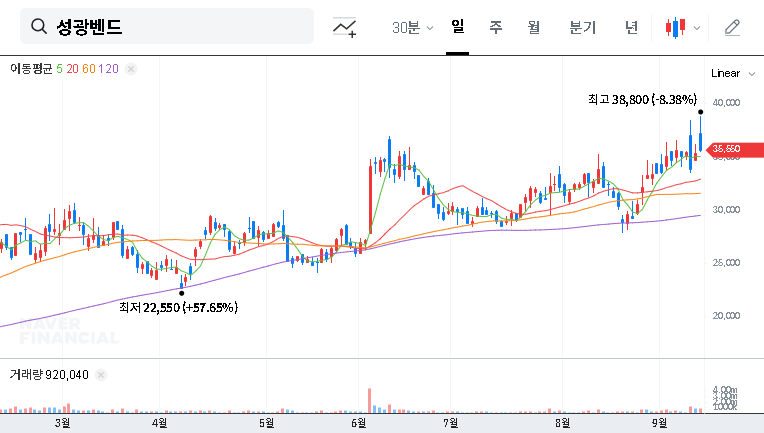
    Sungkwang Bend's IR: Uncovering Investment Opportunities Amidst Q2 Earnings Decline 대표 차트 이미지


    What’s Happening with Sungkwang Bend?

    Sungkwang Bend recorded sales of KRW 121.8 billion (a 1.9% decrease year-on-year), operating profit of KRW 21.5 billion (a 48.7% decrease), and net income of KRW 15.6 billion (a 62.5% decrease) in the first half of 2025. The global economic slowdown and increased cost burdens are considered the main factors.

    Reasons Behind the Decline and Future Outlook

    Despite the decline in performance due to external factors, Sungkwang Bend suggests future growth potential based on its solid order backlog, especially consistent orders from overseas markets. Positive factors also exist, such as prolonged high oil prices, strengthened environmental regulations, and robust demand in the shipbuilding/marine and power generation sectors. The weak Korean Won can be advantageous for Sungkwang Bend as an exporting company.

    What Should Investors Do?

    • Key IR Checkpoints: Closely examine cost management measures, overseas market expansion strategies, and concrete performance and profitability improvement plans for the solar power business.
    • Investment Strategy: It is crucial to make investment decisions based on a comprehensive assessment of the likelihood of earnings improvement, overseas business expansion strategies, and profitability of new businesses based on the IR content.


    Frequently Asked Questions

    What is Sungkwang Bend’s main business?

    Sungkwang Bend’s main business is manufacturing metal pipe fittings for petrochemicals, shipbuilding/marine, and power plants.

    Why were Q2 earnings weak?

    The global economic slowdown and increased cost burdens are the main causes. However, the solid order backlog and competitiveness in overseas markets are positive factors.

    What is the outlook for Sungkwang Bend?

    Prolonged high oil prices, strengthened environmental regulations, and robust demand in the shipbuilding/marine and power generation sectors are positive factors. Cost management measures and overseas market expansion strategies, which will be presented at the IR, will be key to future earnings improvement.


    Sungkwang Bend's IR: Uncovering Investment Opportunities Amidst Q2 Earnings Decline 관련 이미지
    Sungkwang Bend's IR: Uncovering Investment Opportunities Amidst Q2 Earnings Decline 관련 이미지


  • Korea Steel Wire(025550) H1 2025 Earnings Report Analysis: Growth in Fittings & Valves, Challenges in Steel Division

    1. What Happened? H1 2025 Earnings Report Breakdown

    Korea Steel Wire’s revenue for the first half of 2025 decreased compared to the same period last year. The sluggish performance of the steel division was the primary cause, while the fittings and valves division maintained relatively robust performance. Operating profit increased slightly year-over-year but fell short of market expectations. Net income turned to profit, but continuous improvement in profitability is necessary.

    2. Why These Results? Background and Analysis

    The steel division faces multiple challenges, including low-priced competition from China, a global economic slowdown, and rising raw material prices. Conversely, the fittings and valves division secured growth momentum by successfully entering future growth industries such as renewable energy, hydrogen, secondary batteries, and semiconductors. However, external uncertainties, such as the rising KRW/USD exchange rate and increasing volatility in raw material prices, continue to burden Korea Steel Wire.

    3. What’s Next? Future Outlook and Investment Strategies

    Korea Steel Wire is expected to pursue growth centered around its fittings and valves business. In particular, the expansion of the hydrogen, secondary battery, and semiconductor markets could serve as long-term growth drivers. However, the sluggish performance of the steel division and high debt-to-equity ratio pose investment risks. Whether the company can achieve earnings that exceed market expectations will determine the future direction of its stock price.

    4. What Should Investors Do? Action Plan

    • Focus on the Positives: Closely monitor the growth potential of the fittings and valves business and the performance of new market entries.
    • Essential Risk Management: Managing risks related to the volatility of the steel division’s performance and macroeconomic uncertainties is crucial.
    • Maintain a Long-Term Perspective: It is advisable to invest in Korea Steel Wire based on its long-term growth potential rather than being swayed by short-term stock price fluctuations.
    What are Korea Steel Wire’s main businesses?

    Korea Steel Wire’s main businesses are the manufacturing and sale of steel wire, steel products, fittings, and valves. The fittings and valves division is particularly focused on entering future growth industries such as hydrogen, secondary batteries, and semiconductors.

    How did Korea Steel Wire perform in the first half of 2025?

    While revenue decreased compared to the same period last year, operating profit increased slightly, and net income turned to profit. The fittings and valves division drove growth amidst the sluggish performance of the steel division.

    What should investors be aware of when investing in Korea Steel Wire?

    Investors should consider the volatility of the steel division’s performance, fluctuations in raw material prices, and the high debt-to-equity ratio as risk factors.