Tag: FinancialHealth

  • (060560) HC HomeCenter Co.,Ltd Stock Analysis: A Major Shareholder’s Bet Amidst Financial Turmoil

    (060560) HC HomeCenter Co.,Ltd Stock Analysis: A Major Shareholder’s Bet Amidst Financial Turmoil

    An investment analysis of HC HomeCenter Co.,Ltd reveals a classic conflict for investors: a vote of confidence from a major shareholder set against a backdrop of alarming financial distress. Recently, HC Partners Co.,Ltd, the company’s largest shareholder, slightly increased its stake, a move often interpreted as a positive signal. However, with severe performance slumps and volatile market conditions, the critical question is whether this maneuver can steer the company toward recovery and generate value for investors. This deep-dive analysis goes beyond the headlines to provide a comprehensive investment strategy based on the latest financial data and market outlook.

    While an insider purchase is a notable event, it cannot single-handedly reverse the powerful tide of poor fundamentals. Investors must weigh this gesture of confidence against the hard numbers reported by the company.

    The Shareholder’s Move: A Closer Look

    On November 13, 2025, an official disclosure revealed that HC Partners Co.,Ltd had bolstered its position in HC HomeCenter Co.,Ltd. According to the Official Disclosure (DART Report), the stake increased marginally from 55.19% to 55.28%. This was achieved through a combination of open market purchases and the partial repayment of stock-backed loans. The stated purpose was clear: to strengthen and influence management rights. This action demonstrates HC Partners’ commitment and their intent to stabilize leadership, which is often a prerequisite for a corporate turnaround.

    The Unsettling Reality: A Deep Dive into Financial Health

    Despite the shareholder’s vote of confidence, the fundamental financial health of HC HomeCenter Co.,Ltd remains precarious. The consolidated performance for the first half of 2025 paints a grim picture that cannot be ignored.

    Plummeting Revenue and Widespread Decline

    The company’s revenue experienced a catastrophic decline, falling approximately 59.3% year-over-year to 143.7 billion KRW. This wasn’t an isolated issue in one division; the downturn was systemic across all primary business segments. Ready-mix concrete/asphalt saw a 71.6% drop, oil retail fell by 52.0%, and merchandise retail collapsed by a staggering 83.9%. Such widespread weakness indicates deep-rooted operational challenges rather than a temporary market dip.

    Profitability Under Siege

    The revenue collapse translated directly into significant losses. The company reported a consolidated operating loss of -8 billion KRW. While a net profit of 4.6 billion KRW was technically recorded, this was solely due to a one-time bargain purchase gain of 13.76 billion KRW from acquiring a new subsidiary. This accounting gain masks the severe deterioration in core profitability and should not be mistaken for a genuine operational recovery. Learn more about how to analyze a company’s income statement on our internal blog.

    Mounting Financial Burdens

    The balance sheet provides further cause for concern. Total liabilities have swelled to 282.7 billion KRW, with a worrying increase in short-term borrowings. This rising debt level not only increases financial risk but also puts immense pressure on cash flow, potentially hindering future investments and operational flexibility.

    External Headwinds: A Challenging Market Environment

    The company’s internal struggles are compounded by a difficult external market. The outlook for HC HomeCenter Co.,Ltd‘s key sectors is fraught with uncertainty. The construction and real estate markets, vital for its concrete and asphalt business, face persistent risks from rising costs, potential project financing (PF) defaults, and reduced government spending on infrastructure. Furthermore, macroeconomic factors like currency exchange rate volatility and rising commodity prices add another layer of risk to the overall business environment.

    Investor Action Plan: A Strategy of Prudent Observation

    Given the critical state of the company’s financials, a highly cautious and conservative approach is warranted. While the major shareholder’s move to strengthen management is a positive footnote, it is far from a compelling investment thesis on its own. The stock price has trended downward in line with its poor performance, and this minor ownership change is unlikely to reverse that trend without tangible proof of a turnaround. Investors should closely monitor the following key areas before considering a position:

    • Core Market Recovery: Watch for clear signs of stabilization and recovery in the construction and real estate markets. This is a fundamental prerequisite for the rebound of HC HomeCenter’s primary revenue streams.
    • Tangible Performance Improvement: Look for quarter-over-quarter improvement in revenue and, most importantly, a return to positive operating profit that is not dependent on one-time gains.
    • Financial Deleveraging Efforts: Monitor the company’s actions to reduce its debt burden and strengthen its balance sheet. A clear plan to improve financial health is essential for long-term viability.
    • Strategic Management Actions: Observe whether the newly solidified management control translates into concrete strategic actions, such as effective cost-cutting, successful business diversification, or valuable synergy creation with subsidiaries.

    In conclusion, the investment case for HC HomeCenter Co.,Ltd is currently high-risk. Deferring any investment decisions until there is undeniable evidence of a fundamental operational and financial recovery appears to be the most prudent strategy.

    (060560) HC HomeCenter Co.,Ltd Stock Analysis: A Major Shareholder's Bet Amidst Financial Turmoil 관련 이미지
  • (067370) SunBio Stock Cancellation (선바이오): A Deep Dive for Investors on Shareholder Value

    (067370) SunBio Stock Cancellation (선바이오): A Deep Dive for Investors on Shareholder Value

    The recent SunBio stock cancellation has captured significant market attention. SunBio, Inc. (선바이오) announced a plan to cancel 1 billion KRW in treasury stock, a move widely seen as a commitment to boosting shareholder value. However, for savvy investors, this action warrants a deeper look beyond the headlines. Is this a sign of sustainable growth, or a short-term boost for a company facing financial headwinds?

    This comprehensive analysis will dissect the stock cancellation event, evaluate SunBio’s fundamental financial health, assess its promising but uncertain business pipeline, and consider the macroeconomic landscape. Our goal is to provide investors with the critical insights needed to make informed decisions about SunBio’s long-term potential.

    Deconstructing the SunBio Stock Cancellation

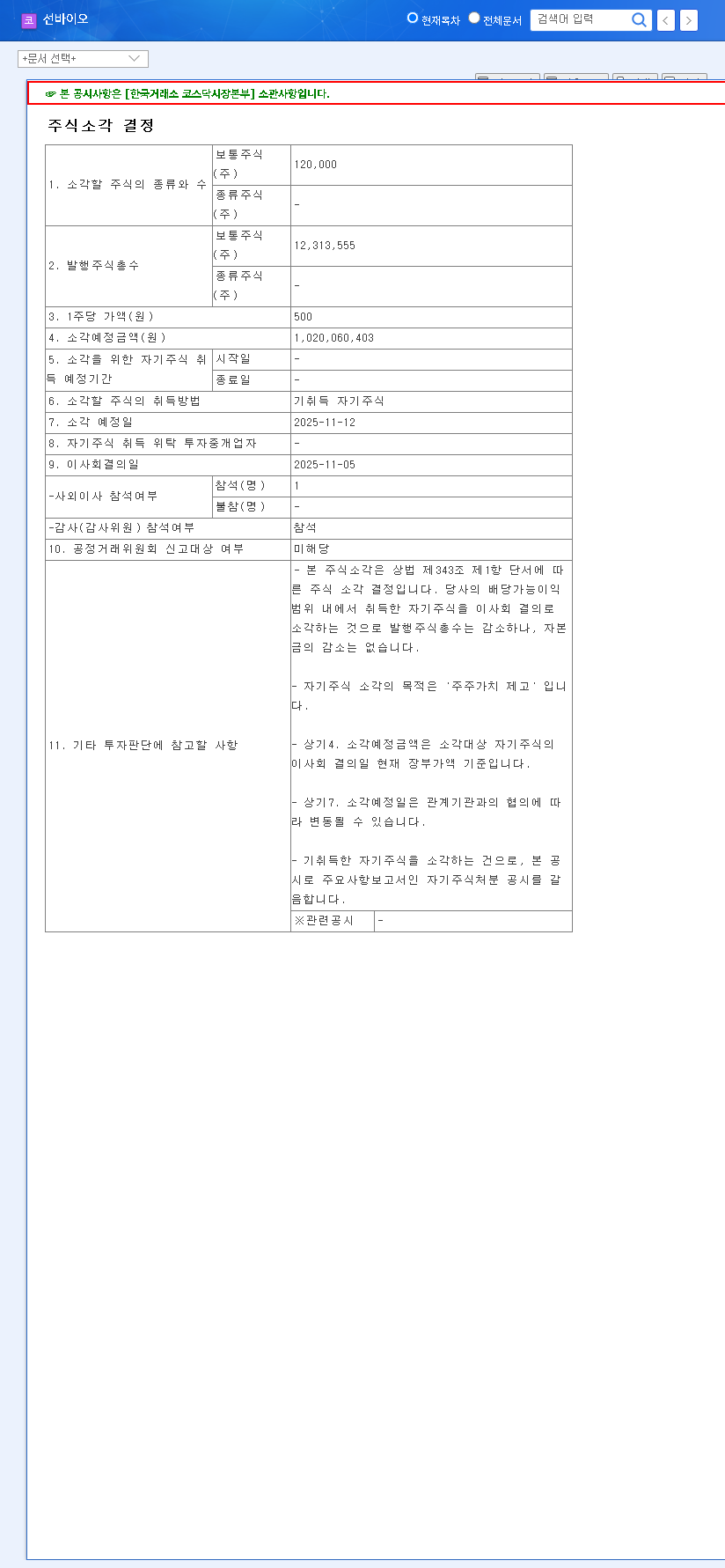
    On November 5, 2025, SunBio’s board made a decisive move: the cancellation of 120,000 common shares held as treasury stock. This action, valued at approximately 1 billion KRW, removes 1.58% of the company’s market capitalization from circulation. The cancellation is officially scheduled for November 12, 2025, as detailed in their Official Disclosure (DART).

    By reducing the total number of outstanding shares, the value of each remaining share theoretically increases. This is a classic strategy to enhance SunBio shareholder value and signal confidence from management to the market. However, its true impact is intrinsically linked to the company’s underlying financial strength.

    Treasury stock cancellation is a powerful signal. It tells investors that management believes the company’s shares are undervalued and that returning capital to shareholders is a better use of funds than other investment opportunities at this moment.

    A Financial Health Check: The Numbers Behind SunBio

    The Revenue and Profit Paradox

    SunBio’s H1 2025 report presents a mixed financial picture. While revenue saw a significant year-over-year decrease of 59.7% to 4.75 billion KRW, the company successfully managed a turnaround in operating profit to 118 million KRW. This was achieved through aggressive cost-cutting in sales, general, and administrative expenses. While operational efficiency is commendable, the sharp revenue decline remains a primary concern that cost control alone cannot solve indefinitely. Furthermore, a widening net loss of 1.187 billion KRW, driven by financial costs, signals ongoing pressures.

    Debt, Liquidity, and Risk Management

    With a debt-to-equity ratio of 130.32%, SunBio is more leveraged than many of its peers. A high proportion of current liabilities combined with insufficient cash reserves to cover short-term debt obligations means liquidity management is paramount. Investors must watch for improvements in cash flow and any efforts to restructure or pay down debt. For a deeper understanding of financial ratios, you can explore resources from authoritative sites like Bloomberg’s financial analysis section.

    SunBio’s Business Pipeline: Potential and Pitfalls

    A company’s future is defined by its products and innovations. Here’s a look at SunBio’s core and emerging business lines:

    • PEG Derivatives: This core business faced a temporary production halt for new plant certification, causing the recent revenue dip. With operations normalizing, revenue is expected to recover in the latter half of the year, driven by a solid order backlog.
    • Pegfilgrastim (Neutropenia Treatment): Awaiting U.S. FDA approval, this biologic could be a game-changer for SunBio. Pegfilgrastim is a long-acting treatment for low white blood cell counts, often a side effect of chemotherapy, and represents a significant market opportunity. Approval would be a major catalyst.
    • New Ventures (Secondary Battery Electrolytes): Diversification into high-growth areas like battery technology shows foresight. However, these ventures are in their infancy and carry inherent uncertainty and capital requirements. Their success is a long-term play.

    Investor Action Plan: Key Checkpoints

    While the SunBio stock cancellation is a positive short-term signal, a long-term investment thesis must be built on fundamental progress. Investors should maintain a watchlist focused on the following key areas. For more tips on portfolio management, consider reading our guide on evaluating biotech stocks.

    • Tangible Growth: Watch for a rebound in PEG derivative sales and, most importantly, any news regarding the U.S. FDA approval of Pegfilgrastim. This is the single most significant potential catalyst on the horizon.
    • Financial Fortitude: Monitor quarterly reports for improvements in the debt-to-equity ratio, positive cash flow generation, and a reduction in net losses. Sustainable profitability is the ultimate goal.
    • Macroeconomic Sensitivity: As an exporter, SunBio is sensitive to EUR/KRW and USD/KRW exchange rate fluctuations. Keep an eye on global currency trends and how they might impact earnings.

    In conclusion, SunBio’s stock cancellation is a welcome gesture of shareholder-friendliness. It provides a short-term tailwind for investor sentiment. However, the company’s long-term trajectory will be determined not by financial engineering, but by its ability to execute on its business plan, secure regulatory approvals, and fundamentally improve its financial health.

    (067370) SunBio Stock Cancellation (선바이오): A Deep Dive for Investors on Shareholder Value 관련 이미지
  • (204270) JNTC CO.,LTD. (204270) Stock Analysis: Self-Stock Disposal & H1 2025 Performance Deep Dive

    (204270) JNTC CO.,LTD. (204270) Stock Analysis: Self-Stock Disposal & H1 2025 Performance Deep Dive

    For investors in JNTC CO.,LTD. (204270), recent announcements have raised serious concerns. The decision for a self-stock disposal combined with a deeply challenging H1 2025 financial report has created significant market uncertainty. This comprehensive JNTC stock analysis will dissect these events, evaluate the company’s financial health, and provide a clear, strategic investment outlook to help you navigate the path forward.

    Dissecting the JNTC CO.,LTD. Self-Stock Disposal

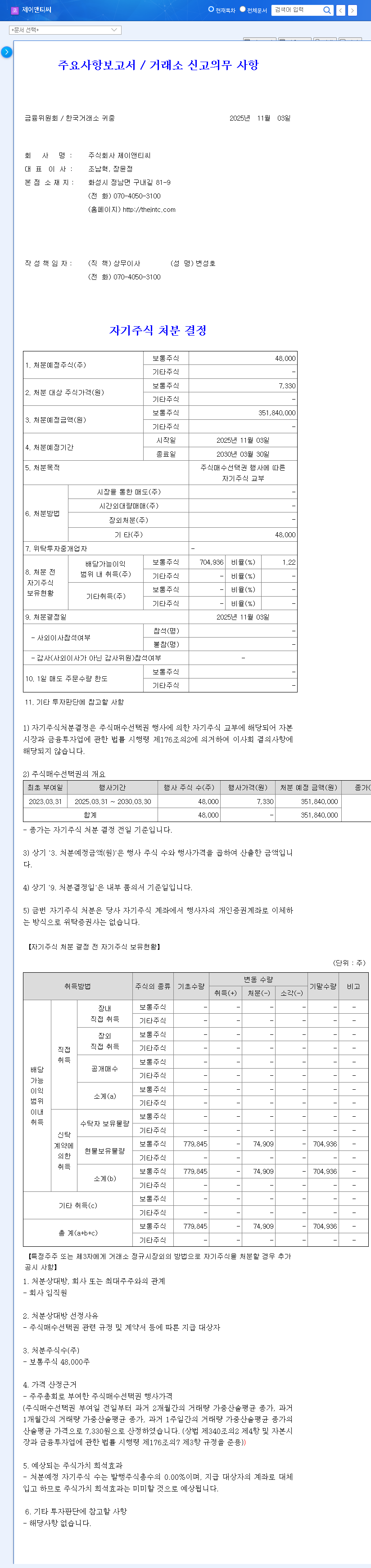
    On November 3, 2025, JNTC CO.,LTD. disclosed a plan to dispose of 300,000 of its own common shares, valued at approximately KRW 2.1 billion. According to the company’s filing, the stated purpose of this disposal is to grant shares tied to the exercise of employee stock options. You can view the Official Disclosure for complete details. While such a move can sometimes signal management’s long-term commitment, the context of JNTC’s current financial distress dramatically mutes any potential positive sentiment from this action.

    The Motivation Behind the Move

    The key details of the JNTC self-stock disposal are as follows:

    • Disposal Volume: 300,000 common shares.
    • Total Value: Approximately KRW 2.1 billion.
    • Stated Purpose: Fulfilling obligations from the exercise of stock options.

    Ordinarily, using treasury stock for employee compensation can be a positive, aligning employee interests with shareholder value. However, against the backdrop of severe operational losses, the market is likely to view this as a neutral-to-negative event, as it does nothing to address the core fundamental weaknesses plaguing the company.

    A Red Flag: JNTC H1 2025 Performance Collapse

    To fully understand the limited impact of the stock disposal, one must analyze the shocking JNTC H1 2025 performance report. The results paint a picture of a company facing significant management difficulties and a crisis in its core business segments.

    Key Factors Driving the Downturn

    • Plummeting Revenue: Consolidated revenue fell by a staggering 46.4% year-over-year to KRW 56 billion.
    • Massive Losses: The company swung to a massive operating loss of KRW 38 billion and a net loss of KRW 57.6 billion.
    • Core Business Failure: The Reinforced Glass division was hit hard by declining demand for mobile products in the Greater China region. While the Connector business grew, it was nowhere near enough to offset the primary segment’s collapse.

    Deteriorating Financial Health: A Closer Look

    The operational failure has led to a rapid decline in financial stability. Total debt has surged to KRW 287.1 billion, pushing the debt-to-equity ratio to a precarious 103.90%. Furthermore, with negative operating cash flow, the company will face an increasing burden to secure funding for its operations and investments, a difficult task in the current high-interest-rate environment. To learn more about these metrics, you can read our guide on understanding key financial ratios for tech companies.

    Navigating a Turbulent Market: Future Outlook for JNTC

    While JNTC is investing in future technologies, the current financial storm and intense market pressures require immediate, tangible results to restore investor confidence and stabilize the 204270 stock.

    Intensifying External Pressures

    JNTC’s internal problems are compounded by a harsh external environment:

    • Smartphone Market Slowdown: A global cooling in smartphone sales, as reported by authorities like Bloomberg, directly impacts the core reinforced glass business.
    • Geopolitical Risks: As an export-heavy company, tensions between the US and China create supply chain and demand uncertainty.
    • High Interest Rates: The global monetary tightening cycle increases borrowing costs and dampens investment sentiment for struggling companies.

    Can New Ventures Provide a Lifeline?

    JNTC is not standing still. The company is pursuing diversification into automotive display glass, wearable device glass, and, most notably, TGV (Through-Glass Via) substrates for semiconductors. TGV is a promising technology for advanced chip packaging. However, the path from R&D to commercialization and meaningful revenue is long and capital-intensive. While increased R&D spending (3.2% of sales) is a positive sign, it may not deliver results fast enough to offset the current massive losses.

    Investment Thesis & Recommendations for JNTC Stock

    The JNTC self-stock disposal is a minor event overshadowed by catastrophic operational performance. In the short term, it will have a negligible defensive effect on the stock price. The mid-to-long-term trajectory of JNTC CO.,LTD. 204270 depends entirely on its ability to turn around its core business or achieve a significant breakthrough in its new ventures.

    Actionable Advice for Investors

    Given the high degree of risk and fundamental weakness, a deeply conservative and cautious approach is warranted. Our JNTC stock analysis leads to the following recommendations:

    • Reduce & Observe: The risk of further price declines is high. Consider reducing your investment proportion and moving to a wait-and-see stance.
    • Monitor Key Turnaround Signals: Defer any new investment until there is clear evidence of performance improvement, tangible results from new business lines (especially TGV substrates), and concrete steps to improve the balance sheet.
    • Look Beyond Headlines: Do not interpret minor corporate actions like this stock disposal as signs of a turnaround. Focus on the fundamental financial and operational data.

    In conclusion, JNTC CO.,LTD. is navigating a period of severe distress. Until the company can demonstrate a credible path back to profitability and financial stability, investors should exercise extreme caution.

    (204270) JNTC CO.,LTD. (204270) Stock Analysis: Self-Stock Disposal & H1 2025 Performance Deep Dive 관련 이미지
  • (101490) S&S TECH Stock Cancellation: A 2025 Investor’s Deep Dive

    (101490) S&S TECH Stock Cancellation: A 2025 Investor’s Deep Dive

    In a significant move for investors, S&S TECH CORPORATION (에스앤에스텍) has announced a strategic S&S TECH stock cancellation of its treasury shares. This decision is more than a routine corporate action; it’s a powerful signal about the company’s commitment to shareholder value and its confidence in future growth. But what does this treasury share cancellation truly mean for the stock’s trajectory and the company’s long-term prospects? This analysis will delve into the details, expected impacts, and crucial strategies for investors looking to navigate this opportunity effectively.

    We’ll explore the fundamentals of S&S TECH, a pivotal supplier in the semiconductor and display industries, and assess how this corporate action fits into the broader picture of its ambitious growth plans, particularly in the EUV sector.

    The S&S TECH Stock Cancellation: Key Details

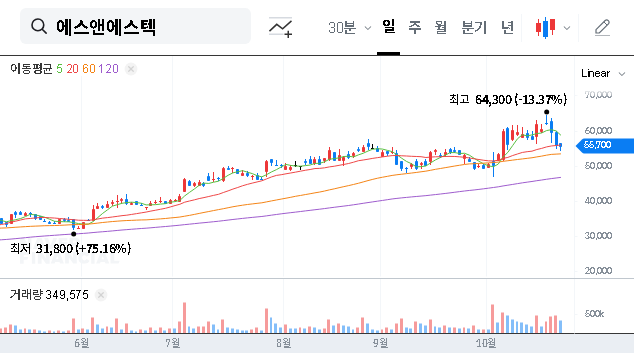
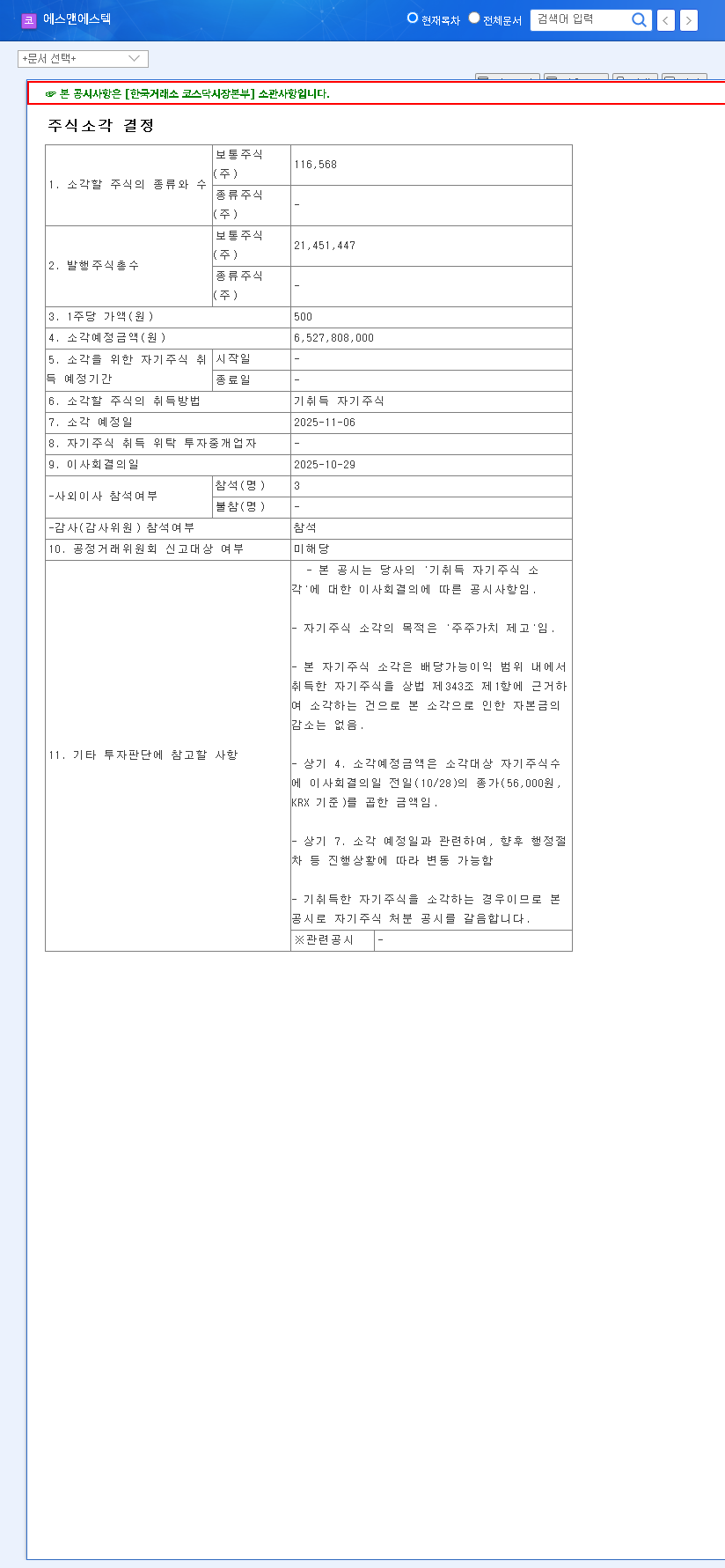
    According to the Official Disclosure filed on October 29, 2025, S&S TECH CORPORATION has committed to canceling 116,568 common shares. This action, scheduled for November 06, 2025, represents a cancellation value of approximately 6.5 billion KRW, or about 0.54% of its market capitalization. Critically, the company is using existing treasury shares it has already acquired. This means the shareholder return is being implemented efficiently, without any new cash outlay or additional financial burden, underscoring the company’s robust financial health.

    Canceling treasury stock is a direct method of increasing the value of each remaining share. It’s a definitive statement that management believes the stock is a good investment and is committed to delivering returns to its shareholders.

    The Strategic Rationale: Why Now?

    S&S TECH’s decision is rooted in a dual strategy aimed at both immediate market perception and long-term value affirmation. Understanding these motives is key to a comprehensive semiconductor investment thesis.

    1. An Unwavering Commitment to Shareholder Value

    A treasury share cancellation is one of the most direct ways to enhance shareholder value. By reducing the total number of outstanding shares, the company effectively increases the ownership stake of each remaining shareholder. This mathematically boosts key per-share metrics like Earnings Per Share (EPS), which often leads to a higher valuation. It’s a strong signal to the market that management is prioritizing returns to its investors, which can foster loyalty and attract new capital.

    2. Signaling Financial Strength and Confidence

    This move is also an act of confidence. By taking shares off the market, the company implicitly states that its stock is undervalued. Executing this without financial strain highlights its solid financial structure (backed by an A+ credit rating) and prudent capital management. It sends a message that the company has ample resources to fund its growth initiatives, like the critical EUV projects, while simultaneously rewarding its investors. For a deeper understanding of this corporate finance strategy, you can read more about how treasury stock buybacks and cancellations work on authoritative financial sites.

    Potential Market Impact and Long-Term Outlook

    The immediate effect of the S&S TECH stock cancellation is likely to be positive, but savvy investors must look beyond the short-term buzz and focus on the company’s fundamental growth drivers.

    • Short-Term Positivity: The announcement can create upward momentum as it improves investor sentiment and attracts traders. The mechanical increase in EPS can also cause valuation models to rerate the stock higher.
    • Long-Term Value Creation: True, sustainable growth will not come from this cancellation alone. It will be driven by S&S TECH’s execution in its core business and, more importantly, its strategic investments in next-generation technology.

    The Real Growth Engine: EUV Blank Masks & Pellicles

    S&S TECH’s future is inextricably linked to the success of its investment in a new factory for mass-producing EUV blank masks and pellicles. Extreme Ultraviolet (EUV) lithography is the cutting-edge technology used to manufacture the world’s most advanced semiconductor chips. Blank masks are the master plates for these chips, making them an indispensable part of the high-tech supply chain. As AI, high-performance computing, and data centers drive relentless demand for more powerful chips, S&S TECH is positioning itself as a key enabler of this revolution. Investors should closely monitor the progress of this new facility as it is the company’s primary long-term value catalyst. You can learn more by reading our in-depth analysis of semiconductor trends.

    Actionable Strategy for Investors

    Given this context, a balanced investment approach is crucial. The stock cancellation is a positive data point, but it should be viewed as part of a larger mosaic.

    • Acknowledge the Signal: Recognize the stock cancellation as a sign of management’s confidence and shareholder-friendly stance. This can provide a solid foundation for an investment thesis.
    • Prioritize Fundamentals: Your primary focus should remain on the company’s core business performance and its progress in the EUV market. Track quarterly earnings, factory ramp-up milestones, and customer wins in the EUV space.
    • Monitor Macro-Factors: Keep an eye on the broader semiconductor industry cycle, global economic conditions, and currency exchange rates, as these will influence S&S TECH’s performance regardless of its corporate actions.

    In conclusion, the S&S TECH treasury stock cancellation is a welcome development that enhances shareholder value and reinforces the company’s financial stability. While it may provide a short-term catalyst, long-term investors should weigh this action alongside the more critical factor of the company’s fundamental ability to execute its ambitious growth strategy in the high-stakes EUV market.

    (101490) S&S TECH Stock Cancellation: A 2025 Investor's Deep Dive 관련 이미지
  • (294870) HYUNDAI DEVELOPMENT COMPANY Earnings (Q3 2025): Deep Dive Analysis & Future Outlook for HDC Stock

    (294870) HYUNDAI DEVELOPMENT COMPANY Earnings (Q3 2025): Deep Dive Analysis & Future Outlook for HDC Stock

    The latest HYUNDAI DEVELOPMENT COMPANY earnings report for Q3 2025 has sent ripples through the investment community. The provisional announcement revealed an operating profit and net profit that significantly missed market consensus, raising critical questions for current and potential investors. Is this a sign of deeper foundational issues, or a temporary setback in a volatile market? This comprehensive HDC stock analysis will dissect the numbers, explore the underlying causes, and provide a strategic outlook for what comes next.

    We’ll delve into the company’s profitability challenges, its surprisingly robust financial health, and offer an actionable plan for investors navigating this pivotal moment for HYUNDAI DEVELOPMENT COMPANY.

    Deep Dive: Unpacking the HDC Q3 2025 Earnings Report

    HYUNDAI DEVELOPMENT COMPANY (HDC) announced its provisional consolidated earnings for the third quarter of 2025, with figures falling short of analyst expectations. The full details can be found in the company’s Official Disclosure. Here’s a breakdown of the key performance indicators:

    • Revenue: KRW 1.053 trillion (a marginal 1% below market expectation of KRW 1.0688 trillion).
    • Operating Profit: KRW 73 billion (a significant 16% below market expectation of KRW 86.4 billion).
    • Net Profit: KRW 39.8 billion (a stark 44% below market expectation of KRW 71.6 billion).

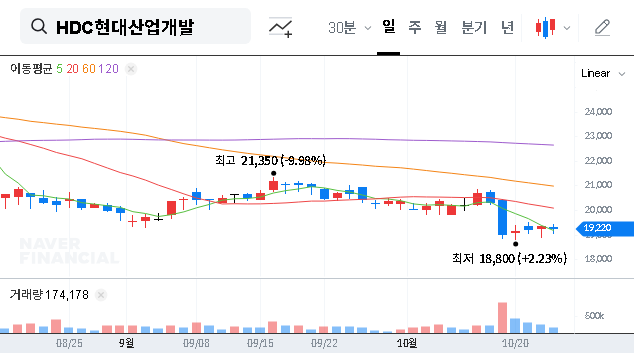
    While revenue holding steady suggests that HDC’s core business operations and project pipeline are intact, the sharp declines in operating and net profit are the primary cause for concern. The net profit figure, being less than half of what the market anticipated, is a particularly jarring result that undoubtedly disappointed investors and requires a closer look at the company’s profitability.

    Why the Underperformance? Profitability Pressures and Market Headwinds

    The core of this earnings miss is a clear erosion of profitability. Several factors, both internal and external, contributed to this decline.

    Construction-Specific Challenges

    • Soaring Input Costs: The global construction industry is grappling with inflation. The rising prices of essential raw materials like steel and cement, coupled with fluctuating energy costs and exchange rates, directly compress profit margins on existing projects.
    • Project Mix & Delays: A higher concentration of lower-margin projects in the current quarter, or unforeseen delays in high-profit projects, can skew profitability downwards. Furthermore, issues with payment collection for projects still in pre-commencement permitting stages can impact revenue recognition and cash flow.

    Impact of the Macroeconomic Environment

    No company operates in a vacuum. The construction sector is highly sensitive to macroeconomic shifts. As reported by leading financial news outlets like Reuters, persistent high interest rates cool the real estate market, potentially slowing new project development. This challenging environment puts pressure on all industry players, and the latest HYUNDAI DEVELOPMENT COMPANY earnings reflect this broader trend.

    Despite the short-term profitability squeeze, a deeper look at the balance sheet reveals a company with a strong and improving financial foundation.

    The Silver Lining: HDC’s Rock-Solid Financial Health

    Despite the disappointing profit figures, the HDC stock analysis would be incomplete without examining its financial stability. Here, the picture is far more positive and provides a crucial counterbalance to the quarterly performance.

    • Improving Debt Ratio: The company’s debt-to-equity ratio has shown consistent improvement, declining from 59.37% in late 2022 to a healthy 49.01% by the end of 2024. This deleveraging strengthens its financial structure and resilience.
    • High Reserve Ratio: The reserve ratio has steadily increased to over 1,237%, indicating a powerful buffer and a high degree of financial stability to weather economic storms.

    These metrics suggest that while profitability took a hit, the company’s long-term fundamental health is not only intact but improving. This is a critical factor for long-term investors.

    Strategic Outlook: What’s Next for HDC Investors?

    The short-term market reaction to the HDC Q3 2025 earnings miss will likely be negative. However, savvy investors should look beyond the headline numbers and focus on the company’s strategic response and underlying strengths.

    Key Factors to Monitor

    • Management’s Profitability Strategy: Look for clear communication from HDC on how they plan to mitigate rising costs, improve project management efficiency, and enhance margins in the coming quarters.
    • Project Pipeline Conversion: The progress of projects currently in the permitting stage is paramount. Successful commencement and payment collection will be key drivers of future revenue and profit.
    • Macroeconomic Indicators: Keep an eye on interest rate trends and commodity prices. A stabilizing environment could provide significant tailwinds for the entire sector. For a broader perspective, see our analysis of the South Korean construction sector.

    In conclusion, while the Q3 2025 results were a setback, the impact on HDC’s fundamentals appears neutral in the medium to long term. The company’s strong financial health provides a solid foundation to navigate the current challenges. Investors should adopt a cautious but watchful approach, focusing on the company’s strategic initiatives to restore profitability before making significant decisions.

    (294870) HYUNDAI DEVELOPMENT COMPANY Earnings (Q3 2025): Deep Dive Analysis & Future Outlook for HDC Stock 관련 이미지
  • (352910) Obigo Inc. IR Analysis (2025): New Strategies & Investment Outlook

    (352910) Obigo Inc. IR Analysis (2025): New Strategies & Investment Outlook

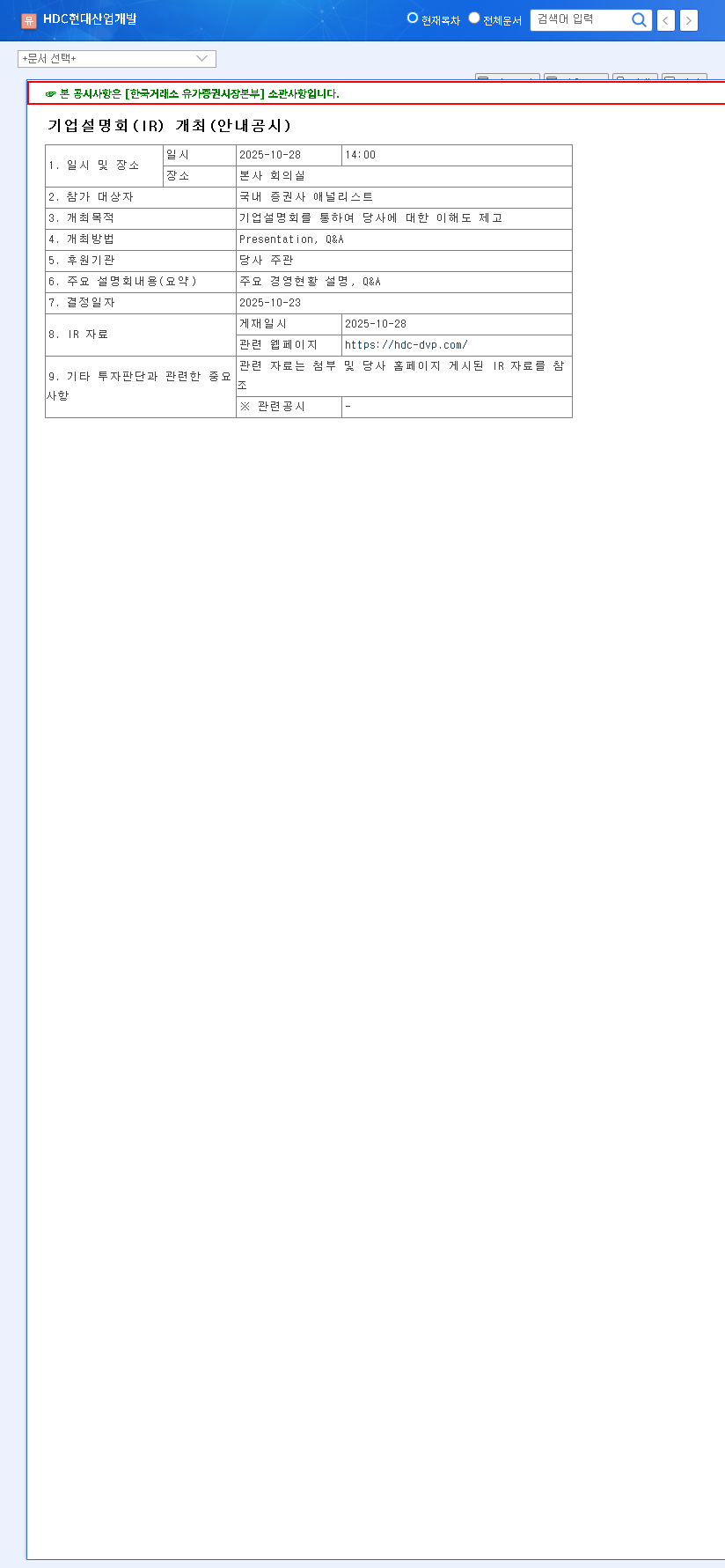
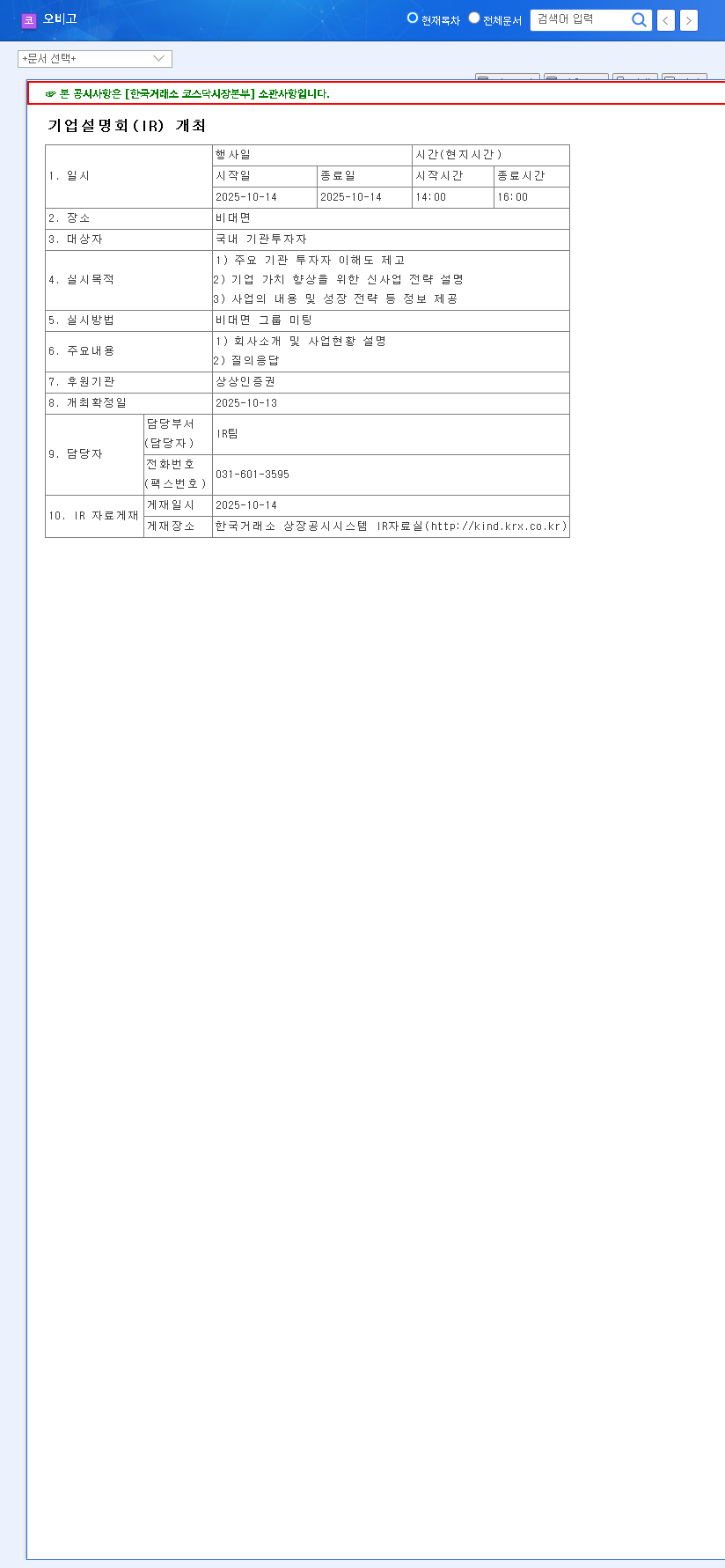
    Obigo Inc., a prominent player in the connected car service market, is approaching a pivotal moment. The upcoming Obigo Inc. IR (Investor Relations) conference, scheduled for October 14, 2025, is not just a routine update; it’s a critical event where the company will unveil its new business strategies to combat declining revenues and widening losses. For investors, this presents a crucial opportunity to assess whether Obigo can engineer a successful turnaround and unlock future growth. This comprehensive Obigo investment analysis will dissect the company’s financial state, explore its potential new ventures, and outline what stakeholders must watch for.

    The Financial Paradox: Obigo’s Current Landscape

    Understanding Obigo’s current situation requires looking at a tale of two conflicting stories: a remarkably strong balance sheet coupled with a deeply concerning income statement. This financial paradox is at the heart of the challenge the company faces.

    A Fortress Balance Sheet vs. A Struggling Operation

    On one hand, Obigo’s financial health is robust. As of late 2024, its debt-to-equity ratio was a mere 9.45%, and its current ratio stood at an astonishing 1,708.85%. These figures suggest excellent short-term liquidity and minimal solvency risk. However, this stability is overshadowed by severe profitability issues:

    • Persistent Revenue Decline: Sales have consistently fallen, from KRW 44.4 billion in 2022 to a projected KRW 27.3 billion in 2024.
    • Escalating Losses: The company has remained in the red, with operating losses ballooning to KRW 7.3 billion and net losses reaching KRW 15.0 billion in 2024.
    • Negative Operating Margin: A margin of -26.81% signals an urgent need for a fundamental strategic shift.

    A recent positive development, confirmed in an Official Disclosure, clarified the receipt of previously uncollected advance payments. This reduces financial uncertainty and improves transparency, a welcome sign for investors monitoring the Obigo stock.

    The Pivot: Can New Business Strategies Reignite Growth?

    The core focus of the Obigo Inc. IR will be the unveiling of its new business strategies. The traditional connected car service market is maturing and becoming fiercely competitive. To survive and thrive, Obigo must successfully expand into new, high-growth verticals. The market is watching closely to see if their plans are concrete and viable.

    The success of this IR hinges not on promises, but on a detailed, credible roadmap for profitability through new ventures. Investors will need to see more than just ideas; they’ll need to see a plan.

    Potential Growth Engine 1: Location-Based Services (LBS)

    Leveraging its automotive footprint, Obigo could pivot into sophisticated LBS. This could include fleet management solutions for commercial clients, usage-based insurance (UBI) partnerships, or hyper-local advertising and commerce platforms delivered directly to the car’s infotainment system. A clear strategy in this area could open up significant B2B and B2C revenue streams.

    Potential Growth Engine 2: Electronic Financial Services (FinTech)

    The concept of the ‘car as a wallet’ is gaining traction. Obigo could develop or integrate platforms for in-car payments for fuel, parking, tolls, and EV charging. This foray into FinTech would create valuable transaction-based revenue and position Obigo at the center of the evolving mobility ecosystem, a trend covered extensively by major outlets like TechCrunch.

    Investor Action Plan: What to Watch For

    Given the high stakes, a prudent ‘wait-and-see’ approach is advisable. The IR presentation will be the primary source of information to shift this outlook. Before making any investment decisions, it is wise to learn more about how to analyze tech company financials. Pay close attention to the following key points during the event:

    • Specificity of New Ventures: Are the plans detailed with target markets, revenue models, and competitive analysis, or are they vague concepts?
    • Path to Profitability: Does management present a credible and time-bound plan to reverse the losses and achieve sustainable profitability?
    • Capital Allocation: How will the company fund these new initiatives? Will it leverage its strong balance sheet or seek external funding?
    • Execution & Milestones: What are the key performance indicators (KPIs) and milestones that investors can use to track progress over the coming quarters?

    In conclusion, the upcoming Obigo Inc. IR is a watershed moment. While the company’s solid financial structure provides a safety net, its operational performance demands a radical change. If management presents a compelling, detailed, and executable strategy for its new businesses, Obigo’s investment attractiveness could increase dramatically. Until then, cautious observation is the most prudent course of action.

    (352910) Obigo Inc. IR Analysis (2025): New Strategies & Investment Outlook 관련 이미지
  • (278470) APR Stock Analysis: Why Morgan Stanley’s Stake Change Isn’t a Red Flag

    (278470) APR Stock Analysis: Why Morgan Stanley’s Stake Change Isn’t a Red Flag

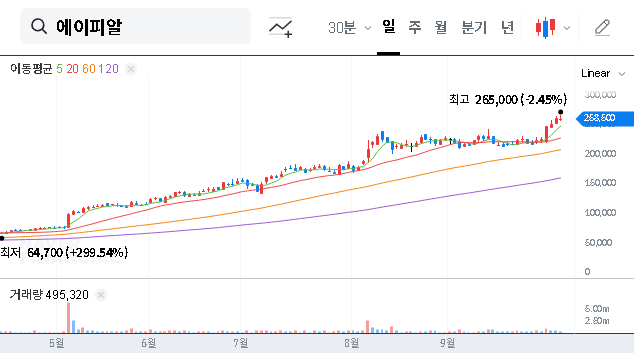
    Recent news about Morgan Stanley’s portfolio adjustment has put a spotlight on APR stock, sparking questions among investors. Whenever a major institution like Morgan Stanley alters its position, the market takes notice. However, a knee-jerk reaction can often be a mistake. This comprehensive analysis will dissect the event, evaluate APR’s unshakable core fundamentals, and provide a clear roadmap for your investment strategy, helping you separate the signal from the noise.

    We will explore why this disclosure is likely a minor event in the grand scheme of APR’s growth trajectory and how its intrinsic value remains firmly intact. Let’s delve into the details to empower your investment decisions.

    Decoding Morgan Stanley’s APR Shareholding Adjustment

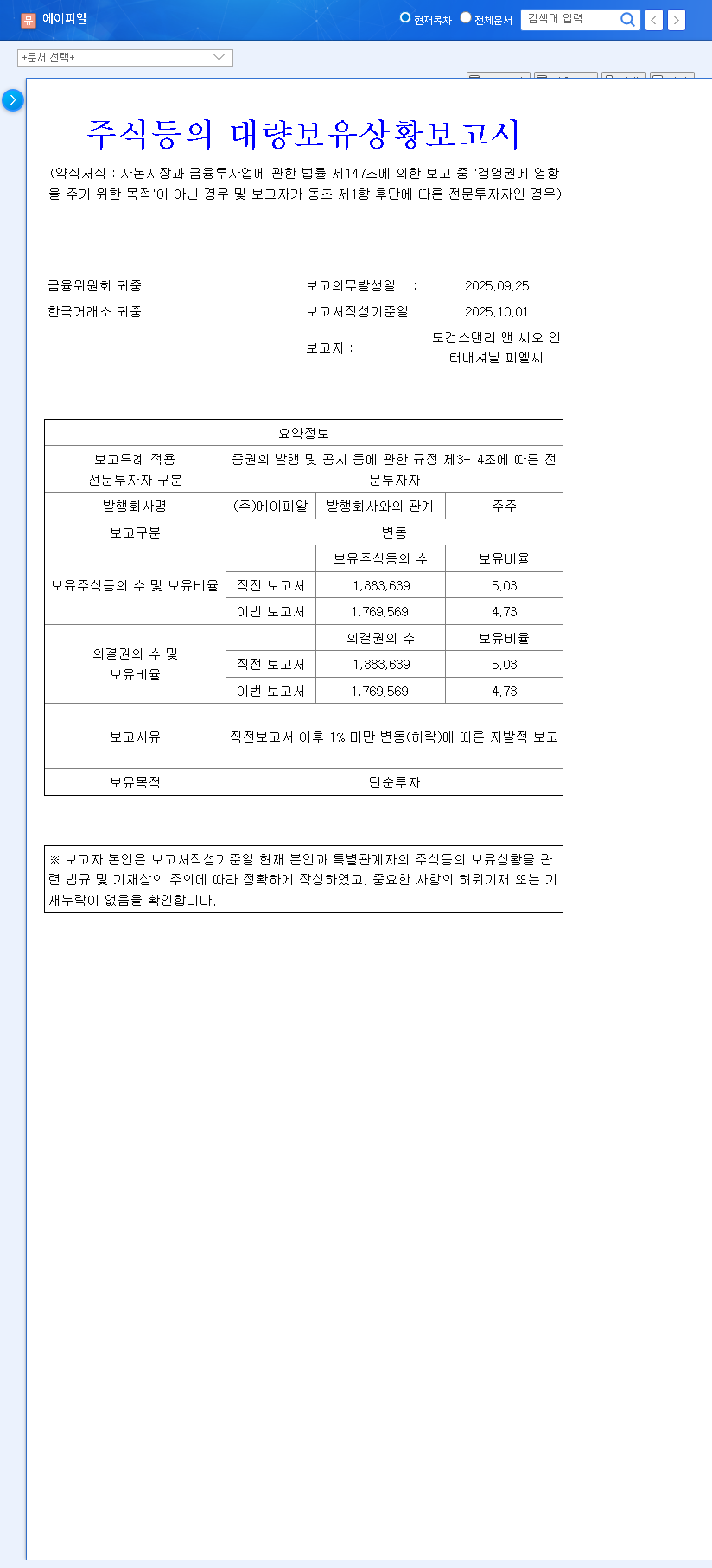
    On October 2, 2025, Morgan Stanley & Co. International PLC filed a public disclosure regarding its holdings in APR. According to the Official Disclosure (DART Report), the institution’s stake changed as follows:

    • Previous Stake: 5.03%
    • New Stake: 4.73%
    • Reason for Report: Voluntary disclosure for a change under 1%.

    The key takeaway here is the voluntary nature of the filing for a minor 0.3% reduction. This is not indicative of a large-scale, panicked sell-off. Instead, it aligns with routine portfolio rebalancing or a minor strategic shift, common practices for large investment firms managing diverse global assets. Such adjustments are often made for reasons entirely unrelated to the target company’s performance, such as managing fund liquidity or sector allocation targets.

    “While institutional selling can be a headwind, it’s crucial to analyze the magnitude and context. A sub-1% voluntary disclosure is more of a footnote than a headline, especially for a company with strong underlying growth.”

    APR’s Unwavering Fundamentals: The Real Story

    To truly gauge the future of APR stock, we must look beyond market noise and focus on its intrinsic value. The H1 2025 interim report paints a picture of a company firing on all cylinders, driven by innovation and global expansion.

    1. Exceptional Financial Performance

    APR’s financial results speak for themselves. With H1 2025 revenue hitting KRW 593.8 billion and operating profit at KRW 139.1 billion, the company is not just growing; it’s growing profitably. This performance is largely fueled by the phenomenal success of its home beauty device division and a savvy global market strategy that has turned international sales into a primary growth engine.

    2. Rock-Solid Financial Health

    A strong balance sheet is the foundation for sustainable growth. Following its IPO, APR has intelligently used the influx of capital and retained earnings to significantly boost its liquid assets. This has led to an improved debt-to-equity ratio and other key financial health indicators. This financial stability gives APR the flexibility to invest aggressively in future opportunities without taking on undue risk. For a detailed breakdown of balance sheet analysis, investors can consult resources from authoritative sites like Investopedia.

    3. A Unique Competitive Moat

    APR’s competitive advantage is built on its vertically integrated value chain. By controlling everything from R&D to production for its home beauty devices, the company can innovate faster and maintain higher quality standards than competitors. This, combined with the continued strength of its core cosmetic brands and an export ratio exceeding 55%, positions APR not just as a Korean leader but as a formidable global enterprise. Investors interested in company fundamentals should check out our guide to fundamental analysis.

    Investor Action Plan & Future Outlook for APR Stock

    Given the limited impact of the APR shareholding change and the company’s powerful fundamentals, the mid-to-long-term outlook for APR remains highly positive. The stock’s current valuation, in light of its growth trajectory, suggests significant upside potential.

    Strategic Approach for Investors

    • Short-Term: Treat any market overreaction to this news as a potential buying opportunity. Avoid panic-selling based on this isolated event and instead observe the price action for attractive entry points during any temporary dips.
    • Mid-to-Long-Term: Maintain a focus on the core business drivers. The investment thesis for APR is built on its earnings growth, global expansion, and innovation in the beauty device sector. These are the metrics that will determine its long-term value.

    Key Factors to Monitor Moving Forward:

    • Quarterly Earnings Reports: Continued confirmation of revenue and profit growth.
    • Global Expansion Milestones: Success in penetrating new international markets.
    • New Product Pipeline: The performance of upcoming product launches and R&D updates.
    • Macroeconomic Conditions: Changes in exchange rates and consumer spending trends.

    In conclusion, Morgan Stanley’s minor stake reduction should be viewed as background noise. The compelling story for investors is APR’s robust business performance, strategic global positioning, and solid financial foundation. The company remains a highly attractive investment for those with a mid-to-long-term horizon.

    (278470) APR Stock Analysis: Why Morgan Stanley's Stake Change Isn't a Red Flag 관련 이미지
  • (064760) TCK Stock Analysis: Why the National Pension Service Increased Its Stake

    (064760) TCK Stock Analysis: Why the National Pension Service Increased Its Stake

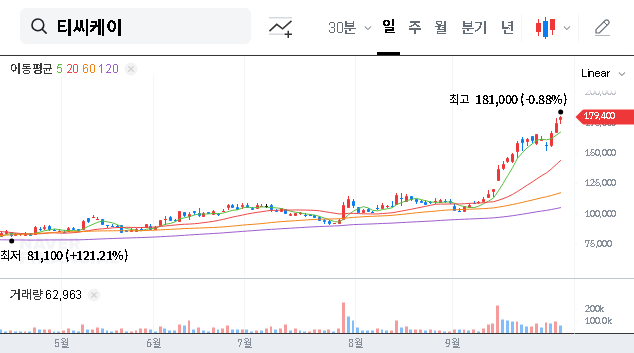
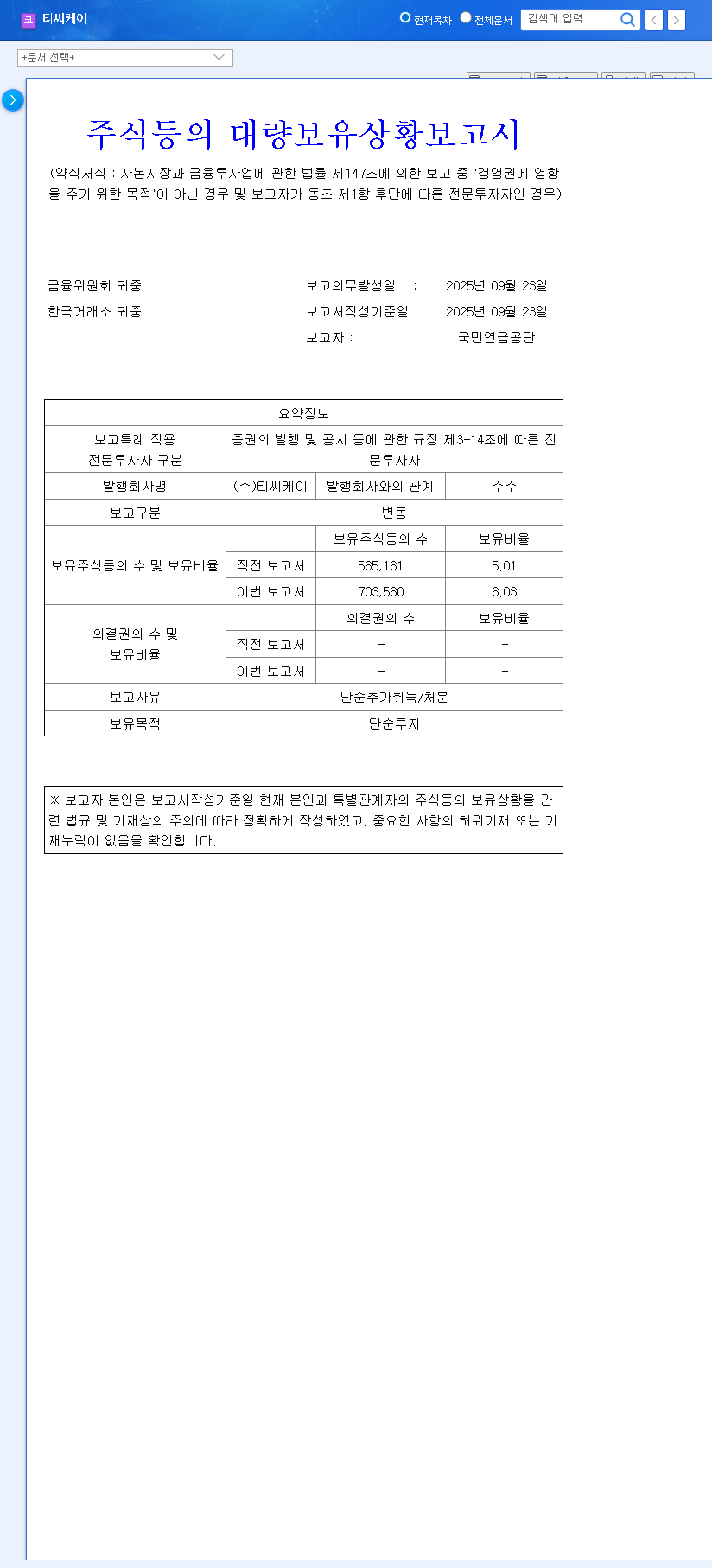
    The recent news that the TCK National Pension Service (NPS) stake has increased has sent a significant signal across the market. South Korea’s largest institutional investor has upped its holding in TCK, a pivotal semiconductor materials company, from 5.01% to 6.03%. While the official reason is ‘simple investment,’ seasoned investors know that moves by the NPS are rarely simple. This strategic acquisition warrants a deeper analysis into TCK’s fundamentals, the market environment, and the potential impact on TCK stock.

    This comprehensive guide will break down the details of the NPS investment, explore the core strengths that make TCK an attractive asset, and provide strategic insights for current and potential investors. Understanding the ‘why’ behind this move is crucial for anyone following the semiconductor industry.

    The Official Announcement: NPS Increases TCK Stake

    On October 1, 2025, the National Pension Service formally disclosed its increased shareholding in TCK. The filing confirmed a 1.02 percentage point increase, bringing their total TCK stake to 6.03%. This isn’t just a minor portfolio adjustment; when an institution with the financial might of the NPS makes such a move, it functions as a strong vote of confidence in the company’s future. The disclosure, made for ‘simple additional acquisition,’ suggests a belief in the company’s intrinsic value and long-term growth trajectory rather than a move to influence management. You can view the complete report via the Official Disclosure on DART.

    Why TCK? The Fundamentals Driving the NPS Investment

    The NPS’s decision is rooted in a thorough analysis of TCK’s robust fundamentals and the favorable market conditions surrounding the semiconductor materials sector. Let’s explore the key pillars supporting this investment.

    Exceptional Financial Health

    TCK stands out with its remarkably strong financial position. The company operates with debt-free management, a rare and valuable attribute in today’s interest-rate-sensitive environment. This financial discipline provides stability and flexibility, allowing TCK to navigate economic downturns and invest in growth opportunities without the burden of high financing costs. A stable debt-to-equity ratio and consistent positive cash flow further underscore its fiscal prudence.

    High-Growth Solid SiC Division

    The engine of TCK’s growth is its Solid SiC (Silicon Carbide) division. SiC components, particularly SiC rings, are critical consumables in the semiconductor manufacturing process, used in etching equipment. As chipmakers push for smaller, more complex, and more powerful semiconductors, the demand for high-quality SiC parts is soaring. TCK’s proprietary technology and successful domestic localization of SiC coating give it a significant competitive advantage in this high-margin market.

    Favorable Macroeconomic Environment

    Several external factors are currently working in TCK’s favor. The upward trend in EUR/KRW and USD/KRW exchange rates directly boosts the profitability of its exports. Furthermore, with the US benchmark interest rate expected to hold steady or potentially decrease, TCK’s debt-free status makes it an even more attractive investment compared to highly leveraged competitors. Stabilizing global logistics costs also help in managing raw material expenses effectively.

    An investment from a national pension fund is more than just capital; it’s a powerful endorsement of a company’s fundamentals, management, and long-term market position.

    Impact Analysis: What This Means for TCK Stock

    The TCK National Pension Service partnership has both immediate and long-term implications for the company’s stock value and market perception.

    Short-Term: Improved Credibility and Investor Sentiment

    In the short term, the news acts as a major catalyst. The endorsement from South Korea’s premier institutional investor immediately enhances TCK’s credibility. This can trigger a positive shift in investor sentiment, attracting retail and other institutional investors, which may lead to an appreciation in the TCK stock price.

    Long-Term: Foundation for Sustainable Growth

    Over the long term, the NPS’s increased stake solidifies market confidence in TCK’s core business. The presence of a stable, long-term institutional investor can reduce stock volatility and attract further foreign investment. This combination of strong fundamentals and institutional backing creates a powerful narrative for sustained upward momentum, reinforcing TCK’s position as a leader in the semiconductor materials space.

    Action Plan for Savvy Investors

    While the NPS investment is a strong bullish signal, prudent investors must conduct their own due diligence. It’s essential to weigh the company’s growth potential against broader market risks. For more context on industry trends, you can read our analysis of the semiconductor industry outlook. Institutional investment strategies are often detailed by leading financial analysts at sources like Reuters.

    Key factors to continuously monitor include:

    • Macroeconomic Variables: Keep an eye on exchange rates, interest rate policies, and raw material prices.
    • Semiconductor Cycle: Monitor global demand for semiconductors, as TCK’s performance is closely tied to the industry’s health.
    • Competitive Landscape: Watch for new technologies or competitors in the SiC market.
    • Company Reports: Pay attention to quarterly earnings reports for any changes in R&D investment ratios or reliance on major customers.

    In conclusion, the National Pension Service’s increased TCK stake is a significant vote of confidence. It validates the company’s strong fundamentals and bright future, but individual investors must pair this signal with continuous monitoring of the market to make informed decisions.

    (064760) TCK Stock Analysis: Why the National Pension Service Increased Its Stake 관련 이미지
  • (317830) SP Systems Stock: Analysis of ₩8.9B Robot Contract & Future Outlook

    (317830) SP Systems Stock: Analysis of ₩8.9B Robot Contract & Future Outlook

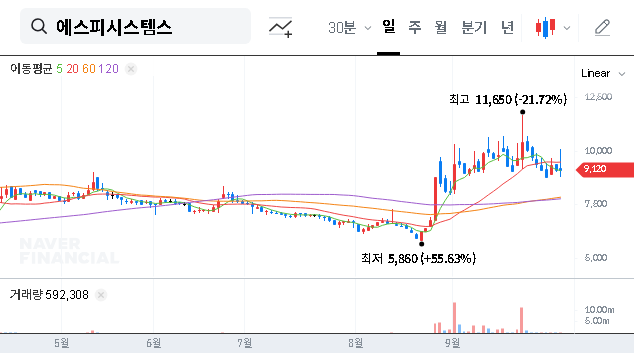
    Investors watching SP Systems stock (KRX: 317830) have received a significant piece of news amid a period of sluggish performance. The company has announced a major ₩8.9 billion contract, raising critical questions: Is this the catalyst needed for a stock price rebound, or do underlying financial weaknesses warrant continued caution? This comprehensive investor analysis will dissect the contract’s details, evaluate the company’s current financial health, and provide a clear outlook on what this means for the future of SP Systems.

    The Landmark ₩8.9 Billion Robot System Contract

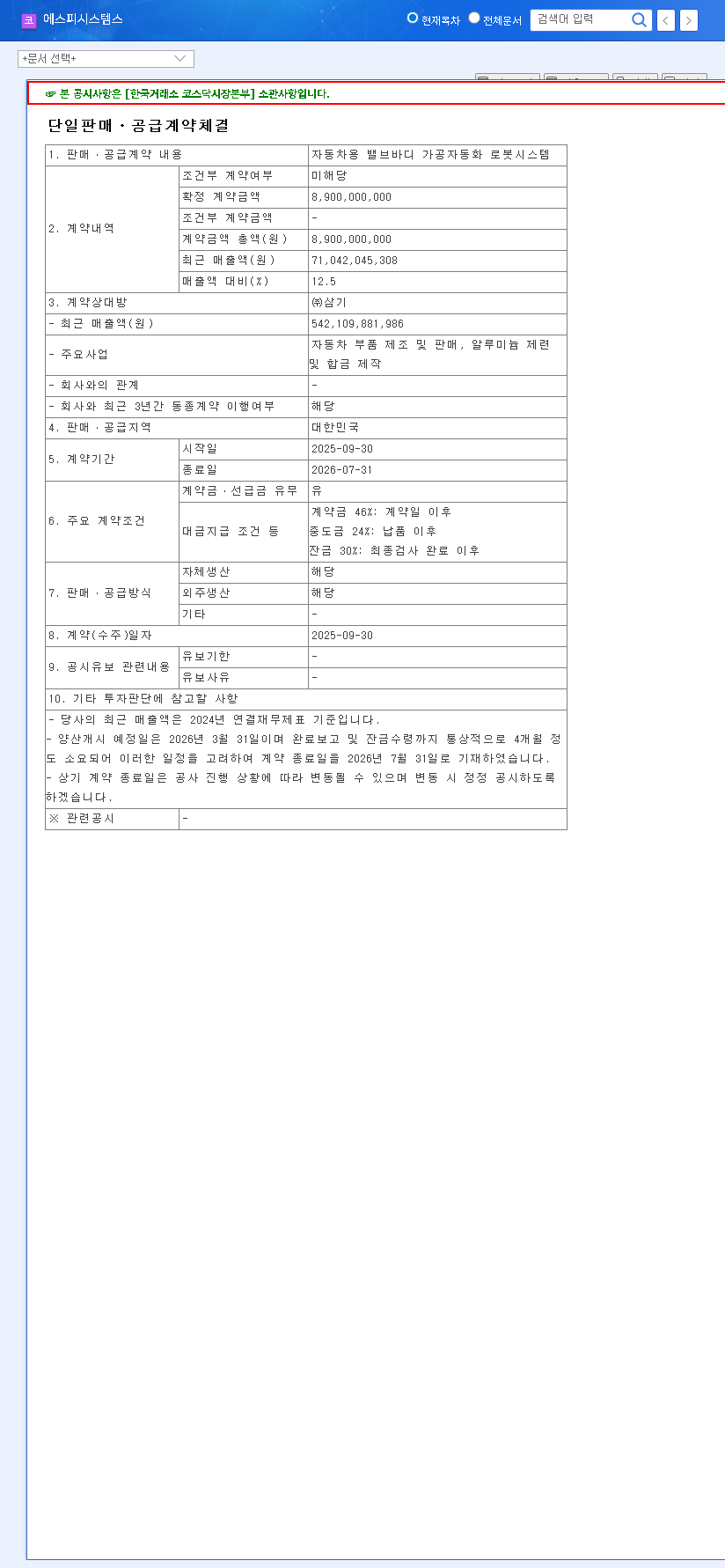
    On September 30, 2025, SP Systems officially disclosed a landmark agreement with Joo Sam Gi to supply a sophisticated automotive valve body processing automation robot system. This type of system is crucial for high-precision manufacturing in the automotive sector, handling complex tasks that demand both speed and accuracy. The deal represents a significant vote of confidence in SP Systems’ core technological capabilities. The official filing provides complete transparency on the agreement (Source: Official DART Disclosure).

    Key details of the contract are as follows:

    • Contract Value: ₩8.9 billion KRW
    • Significance: Represents a substantial 12.5% of the company’s H1 2025 revenue.
    • Contract Period: September 30, 2025, to July 31, 2026 (approximately 10 months).

    Current Financial Health: A Cautious Diagnosis (H1 2025)

    To understand the full impact of this contract, we must first assess the financial landscape SP Systems is currently navigating. The first half of 2025 painted a challenging picture, highlighting areas that require significant improvement before investors can feel confident in a long-term turnaround for the SP Systems stock.

    Despite the promising new contract, the company’s recent performance shows a 9.2% year-on-year revenue decline and a widening operating loss of ₩2.13 billion, underscoring the urgency for this new revenue stream.

    Profitability and Cash Flow Concerns

    The financial statements reveal that all primary business units—Robotics, ICT, and Battery Parts—experienced both revenue declines and operating losses in H1 2025. This broad-based weakness is a key concern. Furthermore, a persistent negative operating cash flow indicates that the company’s core operations are consuming more cash than they generate, putting pressure on liquidity and financial stability.

    Analyzing the Impact on SP Systems Stock

    The ₩8.9 billion SP Systems contract acts as a powerful counter-narrative to the recent financial struggles. However, its true effect on the company’s value will depend on a careful balance of positive catalysts and underlying risks.

    Positive Catalysts for Growth

    • Immediate Revenue Injection: This contract will directly and significantly boost revenue figures over the next year, providing a much-needed lifeline to the top line.
    • Core Business Validation: Securing a major deal for its flagship robot automation system reinforces its technical leadership and market reputation, which can attract future clients.
    • Long-Term Potential: The company’s focus areas—industrial robotics, smart factory ICT solutions, and EV battery components—are aligned with major global growth trends. Read our deep dive into the smart factory industry for more context on this expanding market.

    Potential Risks and Considerations

    • Profitability is Not Guaranteed: Securing revenue is one thing; delivering it profitably is another. Close attention must be paid to the project’s margins. If execution costs are high, the net benefit to the bottom line could be minimal.
    • One-Time vs. Sustained Growth: Is this a one-off success or the start of a trend? The market will be looking for a consistent pipeline of new orders to confirm a genuine business turnaround.
    • Macroeconomic Headwinds: The global economic climate, particularly investment sentiment in the automotive and manufacturing sectors, remains a significant external risk. A slowdown could impact future orders, as noted in recent industry reports from major financial news outlets.

    Investor Action Plan & Final Verdict

    For those evaluating SP Systems stock, a dual-track approach is prudent. The contract undeniably provides short-term positive momentum and could lift the share price from its current slump. However, a long-term investment decision should be withheld until there is clear evidence of two things: sustained profitability from this contract and a tangible pipeline of future orders. The key to unlocking long-term value lies in management’s ability to translate this single victory into a broader operational and financial recovery across all business segments.

    Frequently Asked Questions

    What is the scale of the new SP Systems contract?

    The contract with Joo Sam Gi is valued at ₩8.9 billion KRW, a significant sum that represents 12.5% of SP Systems’ entire revenue from the first half of 2025.

    What are the main business divisions of SP Systems?

    SP Systems operates across three core areas: industrial robot automation systems, ICT solutions (including AI and smart factory software), and manufacturing components for secondary batteries and automobiles.

    What should investors monitor regarding this contract?

    Investors should closely watch the project’s profitability upon completion, the company’s ability to secure follow-on orders of a similar scale, and overall improvements in the company’s operating cash flow and profitability across all divisions.

    (317830) SP Systems Stock: Analysis of ₩8.9B Robot Contract & Future Outlook 관련 이미지
  • (210120) CanvasN Major Shareholder Change: An Expert Investment Analysis (210120)

    (210120) CanvasN Major Shareholder Change: An Expert Investment Analysis (210120) 대표 차트 이미지

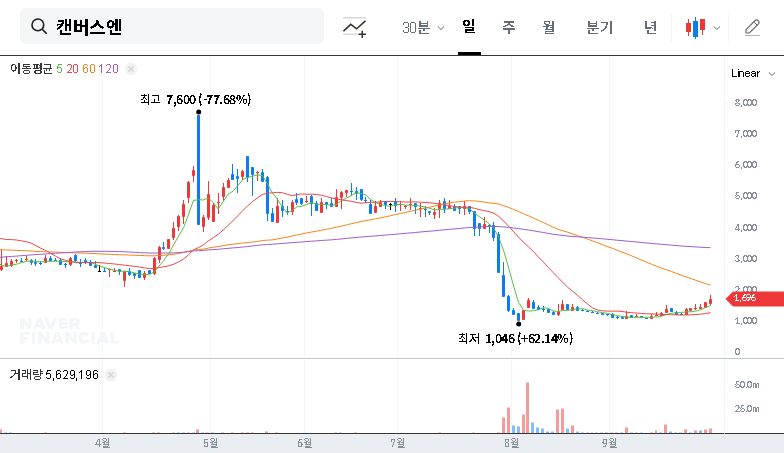
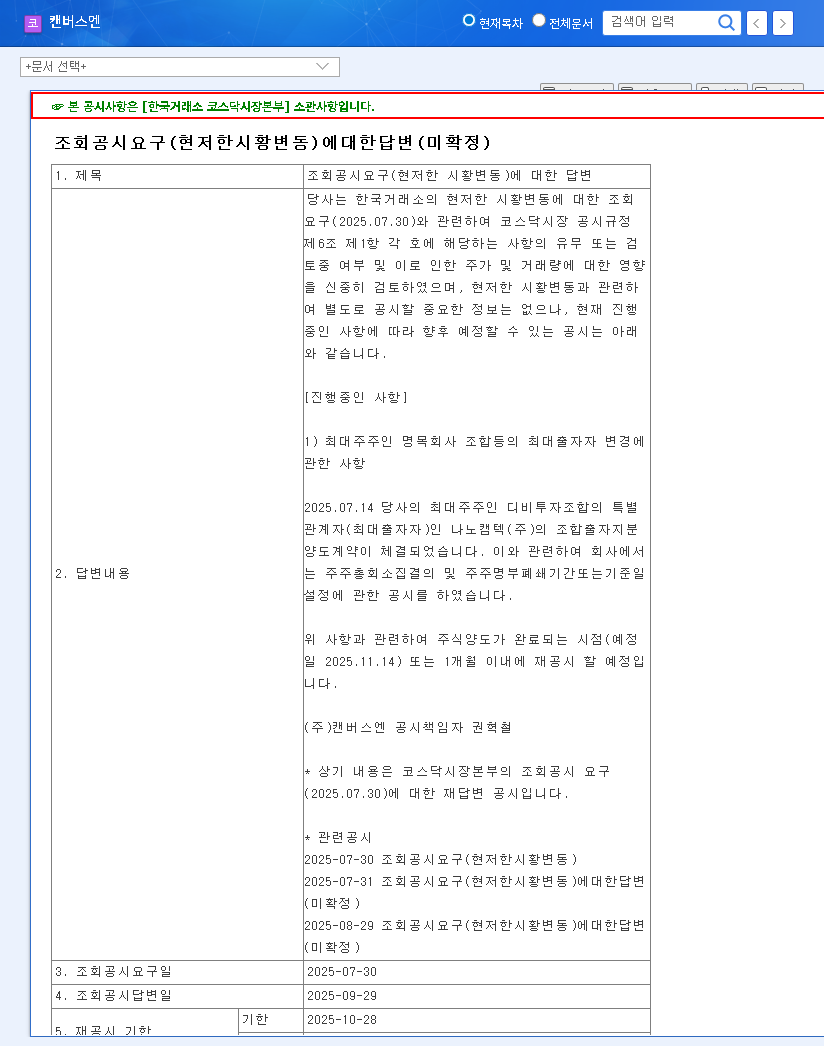
    On September 29, 2025, CanvasN (210120) confirmed that a significant CanvasN major shareholder change is underway, sending ripples of uncertainty through the market. This development, disclosed in response to a Korea Exchange inquiry, introduces a critical variable into the company’s future. For investors, this moment is pivotal: will new leadership steer the company out of its current financial distress, or will it compound existing risks? This comprehensive analysis provides a deep dive into CanvasN’s fundamentals, the potential repercussions of this transition, and a clear action plan to help you navigate your investment decisions with confidence.

    With the company facing declining revenues and mounting debt, the impending change in ownership represents both a potential lifeline and a significant gamble. Understanding the nuances is paramount for any current or prospective shareholder.

    The Official Announcement: What We Know So Far

    CanvasN’s announcement confirmed that the process of a major shareholder change is in progress, with an expected completion date around November 14, 2025. This move signals a fundamental shift in control and strategic direction for the company. The disclosure was made public following a regulatory inquiry into significant market fluctuations, suggesting that the event has already captured the attention of market authorities. For full transparency, investors can review the Official Disclosure (DART report). A re-disclosure with more detailed information is anticipated upon completion.

    A Deep Dive into CanvasN’s Financial Health

    Before assessing the impact of new ownership, it’s crucial to understand the challenges they will inherit. An analysis of CanvasN’s 2025 semi-annual report reveals a company in a precarious position. A successful CanvasN investment analysis must begin here.

    Collapsing Core Business Revenue

    Revenue has fallen by approximately 4.3% year-over-year. More alarmingly, income from drama production—historically a core business segment—was recorded as zero. This indicates a severe operational breakdown in a key profit center, a major red flag for any potential investor.

    Skyrocketing Operational Costs

    Selling, General, and Administrative (SG&A) expenses surged by an astounding 126.4% compared to the previous year. While the company attributes this to investments in new business ventures, such a dramatic increase has decimated profitability and flipped the company to an operating loss.

    Deteriorating Financial Stability

    CanvasN’s balance sheet shows signs of distress. Cash reserves have dwindled, while increased borrowings and convertible bond issuances have caused the debt-to-equity ratio to rise. This financial burden not only increases interest expenses but also limits the company’s flexibility to invest and navigate market downturns. Understanding this metric is key; you can learn more about it from authoritative sources like Investopedia.

    Impact Analysis: Short-Term Volatility vs. Long-Term Potential

    The CanvasN major shareholder change creates two distinct timelines for investors to consider.

    Short-Term Outlook: Heightened Uncertainty

    • Stock Price Volatility: Expect significant price swings as the market digests news and speculation about the new leadership’s intentions.
    • Negative Sentiment: Given the weak fundamentals, the immediate investor reaction could be negative until a clear, credible turnaround plan is presented.
    • Increased Trading Volume: The event will attract traders and speculators, leading to higher-than-average trading volumes.

    Mid-to-Long-Term Outlook: A Fork in the Road

    The company’s future hinges entirely on the new shareholder’s strategy and execution capabilities.

    Positive Scenario: The new leadership injects fresh capital, implements a strict cost-control regime, revitalizes the core drama business, and leverages its expertise to make the new ventures profitable. This could lead to a sustainable recovery and significant upside for the 210120 stock price.

    Negative Scenario: If the new management fails to address the fundamental issues, continues cash-burning investments without clear returns, or if their strategy is flawed, the company’s financial health could worsen, leading to further value erosion and potential delisting risks.

    Strategic Investor Action Plan

    Given the high degree of uncertainty, a disciplined and cautious approach is essential. This is not the time for impulsive decisions.

    • Adopt a ‘Wait and See’ Stance: Avoid making significant investments until the shareholder change is finalized and the new management publicly outlines its strategic plan.
    • Scrutinize the Re-disclosure: The follow-up disclosure around November 14 is the most important piece of information. Analyze it for details on the new shareholder’s identity, vision, and concrete plans for financial and operational improvements.
    • Assess the New Management’s Credibility: Research the track record of the new controlling party. Do they have experience in turning around distressed companies or in the content industry? Their past performance is a strong indicator of future success.
    • Prioritize Risk Management: If you currently hold a position, review its size in your portfolio. If you are considering a new position, be mindful of the high risk and size your investment accordingly. For more on portfolio management, consider our guide on Analyzing Corporate Financial Statements.

    In conclusion, the CanvasN major shareholder change is a defining moment for the company. While it offers a glimmer of hope for a turnaround, the path is fraught with risk due to the company’s severe underlying problems. Prudent investors will remain on the sidelines, gathering information and waiting for a clear, actionable strategy to emerge from the new leadership before committing capital.

    (210120) CanvasN Major Shareholder Change: An Expert Investment Analysis (210120) 관련 이미지
    (210120) CanvasN Major Shareholder Change: An Expert Investment Analysis (210120) 관련 이미지