Tag: Financial Statements

  • (469610) INNOTECH Co.,Ltd Stock Analysis: SBI Investment’s Stake & The 719% Profit Surge Explained

    In the dynamic world of the KOSDAQ market, few stories are as immediately captivating as that of the newly-listed INNOTECH Co.,Ltd. The company has recently generated significant buzz, not just for its market debut, but for two paradoxical developments: a major stake acquisition by the renowned SBI Investment and a financial report that defies conventional logic—a staggering 719% explosion in net income despite a decline in revenue. This analysis unpacks these critical events to provide a clear outlook for potential investors.

    What does SBI Investment’s 8.79% stake truly signal for the future of INNOTECH Co.,Ltd? And what financial wizardry allowed the company to achieve such explosive profit growth amidst falling sales? We will explore these questions, dissect the fundamentals, and offer a strategic perspective on the INNOTECH stock.

    The SBI Investment Catalyst: A Vote of Confidence?

    On November 14, 2025, a significant disclosure was made public: SBI Investment had become a major shareholder in INNOTECH Co.,Ltd. For a company fresh off its IPO, the backing of a prominent venture capital firm is a momentous event that warrants close examination.

    Decoding the 8.79% Stake

    According to the Official Disclosure (DART Report), SBI Investment acquired 1,241,226 shares. While the stated purpose is for ‘simple investment’—implying a focus on financial returns rather than management control—an 8.79% holding is substantial. It provides SBI with a powerful voice and indirect influence over the company’s strategic direction. The simultaneous market sale of a smaller share block (461,112 shares) is likely a strategic portfolio adjustment, possibly to realize initial profits while securing a long-term core position.

    While labeled a ‘simple investment,’ an 8.79% stake by a firm like SBI Investment gives them significant leverage, suggesting deep confidence in INNOTECH’s underlying potential beyond its core manufacturing business.

    The 719% Profit Anomaly: A Deep Dive into INNOTECH’s Financials

    The most perplexing aspect of the INNOTECH stock story is its 2024 audit report. While revenue fell by 15.3% to KRW 51.830 billion, net income skyrocketed by an incredible 719.1% to KRW 5.441 billion. How is this possible? The answer lies not in its primary operations but in astute financial management.

    Key Drivers of Unprecedented Profitability

    • Surging Financial Income: The company capitalized on the high-interest-rate environment, likely through its foreign asset holdings. Increased interest income became a primary profit center.
    • Elimination of One-Off Losses: The previous year’s financials were burdened by derivative valuation losses. The absence of these losses in 2024 provided a significant boost to the bottom line by comparison.
    • Strategic Cash Deployment: INNOTECH dramatically increased its investment in short-term financial products to KRW 20.922 billion, actively using its cash reserves to generate non-operational returns.
    • Robust Cash Flow: Critically, operating cash flow grew 185.2%, proving that the company’s ability to generate cash from its core activities remains strong despite lower revenue. For more details, investors can review our guide on how to analyze a company’s cash flow statement.

    Stock Impact and Investor Strategy

    The combination of SBI Investment’s involvement and these unusual financials creates a complex picture for the INNOTECH stock. Investors must consider both the short-term volatility and the long-term potential.

    Short-Term Outlook: Volatility and Sentiment

    News of a major shareholder can trigger sharp price movements. SBI’s presence acts as a strong positive signal, potentially attracting more institutional interest. However, any further sales could create temporary selling pressure. Expect heightened volatility as the market digests this new information.

    Mid-to-Long-Term Outlook: Fundamentals are Key

    The long-term trajectory of INNOTECH Co.,Ltd hinges on one crucial factor: the recovery of its core business. While strong financial management is commendable, sustainable growth must eventually come from its primary operations—manufacturing testing equipment and chemical products. If revenue continues to decline, the impressive net income figures will lose their luster.

    Conclusion: A Cautious but Optimistic Approach

    INNOTECH Co.,Ltd presents a fascinating case study. The company demonstrates exceptional financial acumen and has attracted a high-profile institutional investor. However, the weakness in its core revenue stream cannot be ignored. Therefore, a prudent investment strategy is recommended.

    Our official recommendation is to “Observe and Approach Cautiously.” Investors should add INNOTECH stock to their watchlist and closely monitor the following:

    • Upcoming Earnings Reports: Look for any signs of a turnaround or stabilization in the core business revenue.
    • SBI Investment’s Actions: Monitor any further disclosures regarding changes in their shareholdings.
    • Macroeconomic Trends: Keep an eye on interest rate and currency fluctuations, as they directly impact INNOTECH’s non-operational profitability.
  • (469610) INNOTECH Management Control: A Deep-Dive Financial Analysis of the 2024 Surge

    A significant event is reshaping the future of INNOTECH Co., Ltd., drawing intense scrutiny from investors. A recent large shareholding disclosure revealed that a new consortium has acquired a 38.88% stake with the explicit goal of INNOTECH management control. This move comes on the heels of a remarkable 2024 financial performance, including a staggering 720% surge in net income. This article provides an in-depth INNOTECH financial analysis, dissecting the implications of this power shift and evaluating the sustainability of its recent growth. For anyone tracking INNOTECH stock, this analysis is essential reading.

    The Landmark Stake Acquisition: A Shift in Power

    On November 13, 2025, the market was electrified by an official disclosure: lead reporter Jang Seok-jun and two associates acquired a commanding 38.88% stake in INNOTECH. This was not a passive investment. The stated purpose is to ‘influence management,’ a declaration that signals a new era for the company’s governance and strategic direction. The acquisition, formalized on November 7, 2025, has a current market value of approximately KRW 192.5 billion, based on a market cap of KRW 495.3 billion.

    This acquisition is a clear and powerful signal of intent. When a stake of this magnitude is acquired for management control, it often precedes significant operational or strategic changes designed to unlock shareholder value.

    The market’s reaction was immediate and positive. Typically, such events create buying pressure and heightened interest. True to form, between November 7 and November 13, 2025, the INNOTECH stock price climbed by a notable 10.3%, signaling investor optimism about the potential changes on the horizon. You can view the Official Disclosure on the DART system for complete details.

    Deep-Dive: INNOTECH Financial Analysis from the 2024 Audit Report

    The timing of the acquisition is intriguing, as it aligns with a period of explosive financial growth for INNOTECH. A thorough review of the INNOTECH audit report for 2024, which received a clean ‘unqualified opinion’ from Seonghyeon Accounting Firm, reveals a company on a powerful upward trajectory.

    Stellar Growth in Performance and Scale

    The company’s expansion is evident across its balance sheet. Total assets, liabilities, and equity all grew by over 24%, indicating a significant scaling of operations. The income statement tells an even more compelling story:

    • Revenue Growth: A healthy 18.1% year-over-year increase, primarily powered by the ‘other goods’ segment.
    • Profitability Jump: Gross profit rose by 30.2% and operating profit by 24.9%, showcasing improved efficiency and margin strength.
    • Explosive Net Income: The headline figure is the astounding 720% surge in net income, which reached KRW 5.441 billion. This was largely driven by a 187% increase in financial income and an 82% decrease in financial costs, a significant reversal from the derivative valuation losses of 2023.

    Cash Flow and Financial Health

    Cash is king, and INNOTECH’s cash flow from operations increased by an impressive 185%, proving its core business is a robust cash-generating machine. The company is actively reinvesting this cash, as shown by a significant outflow in investing activities for financial instruments and assets. While the debt ratio remains stable at 86%, the Return on Equity (ROE) deteriorated. This is a crucial point to understand: the ROE fell because the massive increase in total equity (from capital inflows) temporarily outpaced the growth in net income, a common scenario in rapidly scaling companies. For more on interpreting these metrics, see our guide to fundamental analysis.

    Investment Outlook: Strategy and Key Considerations

    The combination of a major INNOTECH management control event and strong fundamentals creates a compelling but complex investment case. Long-term success is not guaranteed. Investors must exercise caution and diligence by focusing on these critical factors:

    • Acquirer’s Vision: What is the new leadership’s strategic plan? Are they focused on operational efficiency, new market entry, or financial engineering? Their agenda will be the single most significant driver of future value.
    • Incumbent Management Relations: Will the transition be collaborative or confrontational? A cooperative relationship can accelerate growth, while a protracted boardroom battle could introduce uncertainty and paralyze decision-making.
    • Sustainability of Earnings: Investors must determine if the 720% net income jump is a one-time event based on financial items or a reflection of sustainable core business growth. Scrutinize future earnings reports for continued operational strength.
    • Macroeconomic Headwinds: While exchange rates have been favorable, global economic conditions can shift. Monitor interest rates and commodity prices, which influence INNOTECH’s costs and profitability. High-authority sources like Bloomberg offer excellent macroeconomic analysis.

    In conclusion, INNOTECH stands at a pivotal crossroads. The management shake-up provides a powerful catalyst for change, backed by a strong financial foundation. However, the path forward is laden with questions that require careful monitoring. Investors who perform deep due diligence on the new management’s plans and the company’s underlying operational health will be best positioned to navigate the opportunities and risks ahead.

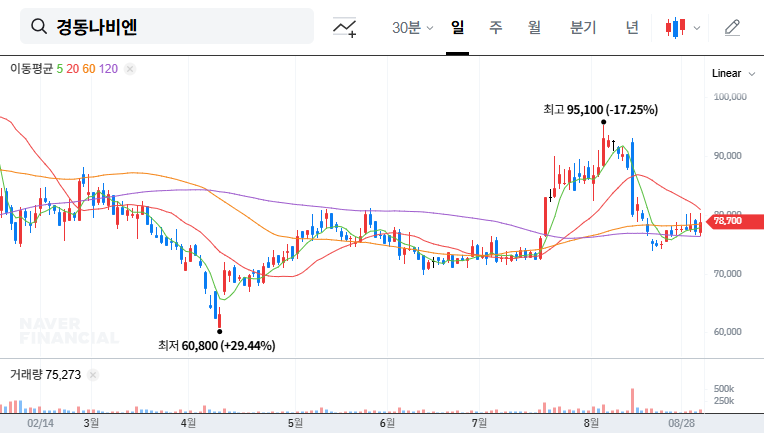
  • (009450) KYUNG DONG NAVIEN Capital Increase: In-Depth Stock Analysis of Share Dilution vs. Growth

    (009450) KYUNG DONG NAVIEN Capital Increase: In-Depth Stock Analysis of Share Dilution vs. Growth

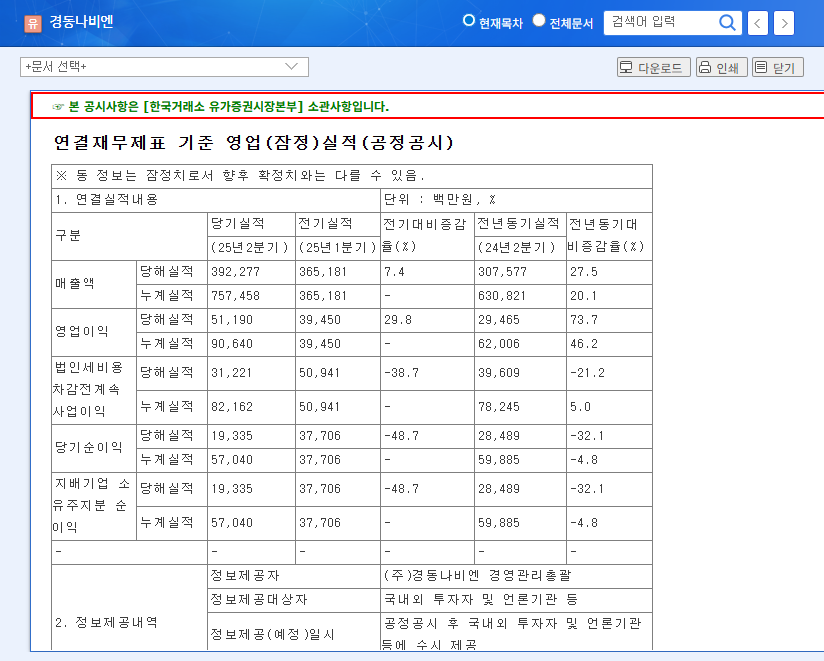
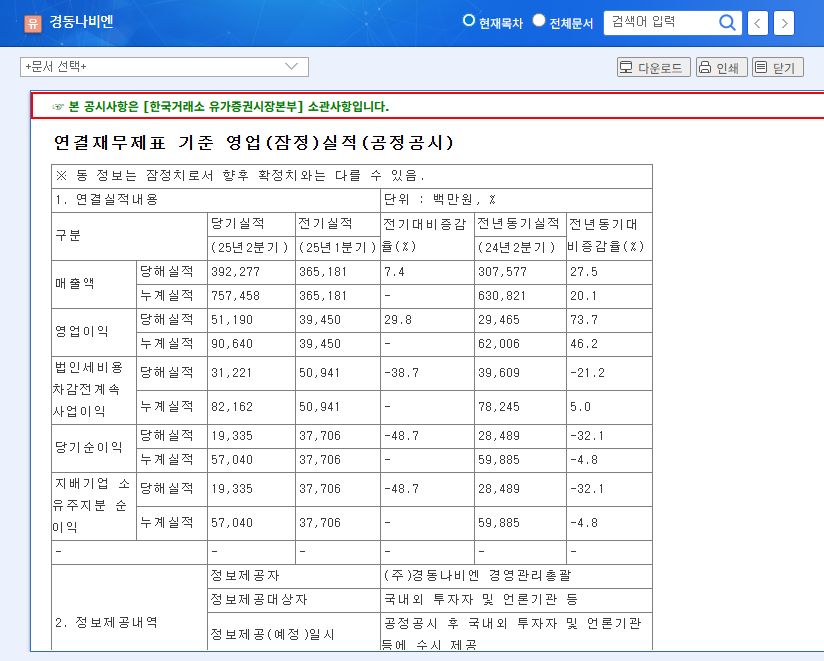
    The recent announcement of the KYUNG DONG NAVIEN capital increase has sent ripples through the investment community. The company, a dominant force in the living environment and energy sector, plans to inject ₩119.7 billion into its subsidiary, Kyung Dong Polium Co., Ltd. This move presents a classic investor dilemma: is it a strategic investment paving the way for future dominance, or will the resulting share dilution negatively impact current shareholder value? This in-depth KD Navien stock analysis will dissect the details, explore the potential outcomes, and provide investors with a clear framework for making informed decisions.

    We will examine the fundamentals driving this decision, the immediate financial implications, and the broader market context to understand whether this capital raise is a masterstroke for long-term growth or a necessary but painful short-term measure.

    Dissecting the KYUNG DONG NAVIEN Capital Increase

    On November 12, 2025, KYUNG DONG NAVIEN formally announced its decision to execute a significant capital increase valued at ₩119.7 billion. According to the Official Disclosure filed with DART, this transaction is structured as a shareholder-allocated rights offering. This means existing shareholders will have the right to purchase new shares, specifically at a ratio of 1.33 new shares for every existing share they hold. The explicitly stated purpose for this substantial fundraising effort is to secure crucial facility investment capital for its subsidiary, Kyung Dong Polium.

    This isn’t merely a financial transaction; it’s a strategic pivot. The allocation of funds to Kyung Dong Polium suggests a deliberate strategy to bolster a key part of their supply chain or venture into higher-margin, specialized materials, thereby fortifying their competitive moat.

    Company Fundamentals: The ‘Why’ Behind the Move

    A Story of Growth and Profitability Pressures

    KYUNG DONG NAVIEN’s recent performance paints a complex picture. The first half of 2025 saw impressive top-line growth, with consolidated sales reaching ₩757.45 billion—a 20.1% increase year-over-year. This surge was driven by strong overseas sales and the strategic acquisition of the SK Magic business unit. However, this growth came at a cost. Operating profit plummeted by 46.2% to ₩90.64 billion. This squeeze on profitability is a critical concern, stemming from a combination of rising raw material costs, higher administrative expenses, and the initial costs of new business investments. While the company’s debt ratio saw a slight improvement, an increasing net borrowing ratio signals a growing financial burden that this capital increase aims to address.

    Balancing Positives and Negatives

    • Strengths: The company maintains a dominant position in the domestic boiler market, is successfully expanding globally, and holds advanced technology in eco-friendly products. Its acquisition of SK Magic and strong credit rating are significant assets.
    • Weaknesses: The sharp decline in operating profit is the most pressing issue. The company is also vulnerable to volatile raw material prices and foreign exchange rates. A potential slowdown in the construction sector and fierce competition represent external threats. For more on market dynamics, you can read our guide on navigating volatile industrial markets.

    Potential Impacts on Investors and the Market

    The Double-Edged Sword: Financial Health vs. Share Dilution

    The infusion of ₩119.7 billion will undoubtedly strengthen KYUNG DONG NAVIEN’s balance sheet, likely lowering its debt-to-equity ratio and enhancing long-term financial stability. However, the high offering ratio of 1.33 new shares per existing one introduces the significant risk of share dilution. This means each existing share will represent a smaller percentage of ownership in the company, potentially decreasing earnings per share (EPS) in the short term. The ultimate impact will heavily depend on the final issue price of the new shares and the market’s reception.

    Market Reaction and Long-Term Outlook

    Historically, news of a capital increase can exert downward pressure on a company’s stock price. As noted by financial analysts at sources like Bloomberg, markets often react nervously to potential dilution. However, this initial pessimism can be overcome. If the funds from the KYUNG DONG NAVIEN capital increase are used efficiently and transparently, leading to tangible growth at Kyung Dong Polium and a subsequent boost in overall profitability, the long-term outlook for the stock could be very positive. The market will be watching closely to see if this facility investment translates into a sustainable competitive advantage.

    Investor Action Plan & Key Monitoring Points

    Given the conflicting factors, a ‘Neutral’ stance on KD Navien stock is prudent. The potential for long-term growth is balanced by short-term risks of dilution and ongoing profitability challenges. Investors should transition from a passive to an active monitoring mode.

    Investors should closely monitor the following key metrics:

    • New Share Issuance Details: The final issue price and the subscription rate will be the first indicators of market sentiment.
    • Kyung Dong Polium Performance: Track quarterly reports for updates on the facility investment’s progress and its impact on revenue and margins.
    • Macroeconomic Factors: Keep an eye on raw material prices (especially steel and copper) and currency exchange rates (KRW/USD), as these directly affect the company’s cost structure.
    • Profitability Metrics: Most importantly, watch for a turnaround in operating profit margins. A sustained improvement will signal that the growth strategy is succeeding.

    Disclaimer: This analysis is for informational purposes only and is based on publicly available data. Investment decisions should be made based on individual research and financial advice.

    (009450) KYUNG DONG NAVIEN Capital Increase: In-Depth Stock Analysis of Share Dilution vs. Growth 관련 이미지
    (009450) KYUNG DONG NAVIEN Capital Increase: In-Depth Stock Analysis of Share Dilution vs. Growth 관련 이미지
  • (009450) KYUNG DONG NAVIEN Earnings (009450) Q3 2025: Analysis of a Major Miss & Stock Outlook

    (009450) KYUNG DONG NAVIEN Earnings (009450) Q3 2025: Analysis of a Major Miss & Stock Outlook

    The latest KYUNG DONG NAVIEN earnings report for Q3 2025 has sent a clear and concerning signal to the market. The preliminary results for KYUNG DONG NAVIEN CO.,LTD (009450) revealed a significant underperformance across all key metrics, falling drastically short of consensus expectations. This analysis unpacks the factors behind the disappointing quarter, evaluates the potential impact on the 009450 stock price, and provides a strategic outlook for investors navigating this new period of uncertainty.

    Decoding the Q3 2025 KYUNG DONG NAVIEN Earnings Shock

    On November 12, 2025, the company released its preliminary consolidated financial results, which immediately rattled investor confidence. The figures for sales, operating profit, and net income all failed to meet market forecasts by a wide margin, pointing to severe operational and market challenges. You can view the Official Disclosure on DART for the raw data.

    The deviation from expectations was not minor; it was a substantial blow:

    • Sales: Recorded at KRW 306.0 billion, a staggering 18% below the market consensus of KRW 372.9 billion.
    • Operating Profit: Came in at just KRW 8.0 billion, an alarming 81% below the expected KRW 43.2 billion.
    • Net Income: Reached KRW 14.0 billion, falling 67% short of the KRW 42.1 billion forecast.

    The 81% miss in operating profit is the most critical red flag. It signals a severe and rapid deterioration in profitability, completely reversing the robust growth trajectory seen in the first half of 2025 and raising serious questions about the company’s cost structure and market positioning.

    What Caused the Drastic Underperformance?

    The sharp decline in the Q3 KYUNG DONG NAVIEN earnings appears to be the result of a perfect storm of internal and external pressures. Several key headwinds converged to create this challenging environment:

    Domestic and International Headwinds

    • Deepening Domestic Construction Slump: The slowdown in South Korea’s domestic construction and housing market, a trend we covered in our previous HVAC market analysis, likely intensified, directly impacting boiler and water heater sales.
    • Overseas Market Volatility: The North American market, a primary growth engine in early 2025, may have faced an unexpected slowdown. This could be due to cooling housing demand, heightened competition, or rising logistics and export costs.
    • Raw Material Price Pressures: As reported by sources like Reuters, global commodity prices have remained elevated. Persistent high costs for steel, copper, and other components have likely squeezed profit margins significantly.

    Financial and Strategic Pressures

    • Macroeconomic Instability: Sustained high interest rates increase borrowing costs, while exchange rate fluctuations can erode the value of overseas earnings when repatriated, affecting the bottom line.
    • New Business Integration Costs: Initial costs related to the post-acquisition integration (PMI) of SK Magic or strategic investments in new ventures like air quality management could have been concentrated in this quarter, temporarily depressing profits.

    Implications for Investors and the 009450 Stock

    This earnings shock has both immediate and long-term consequences that investors must carefully consider.

    Short-Term Outlook: Expect Turbulence

    In the short term, the 009450 stock is likely to face significant downward pressure. The massive miss will trigger a wave of target price downgrades from brokerage firms and weaken overall investor sentiment. The market abhors negative surprises, and the severity of this miss could lead to a sustained sell-off until a clear bottom is established.

    Long-Term Outlook: A Call for Strategic Reassessment

    The more critical question is whether this is a temporary blip or the start of a structural decline. If the slowdown in overseas markets persists or if cost pressures become entrenched, a fundamental reassessment of the company’s long-term value will be necessary. Management’s response will be paramount. Investors should look for a clear strategy to diversify markets, control costs, and improve operational efficiency.

    Investment Strategy: A Time for Caution

    Given the highly disappointing Q3 KYUNG DONG NAVIEN earnings and the heightened uncertainty, a cautious and conservative approach is strongly advised. We recommend a “Neutral” or “Sell” rating at this juncture.

    Before considering a new position or adding to an existing one, investors should wait for:

    • Management’s Detailed Explanation: The upcoming full earnings call must provide a transparent and convincing explanation for the Q3 failure and a credible plan for recovery.
    • Evidence of Stabilization: Monitor Q4 data and industry trends for signs that the domestic and overseas markets are stabilizing or that cost-cutting measures are taking effect.
    • Stock Price Consolidation: Allow the market to digest the news and for the stock price to find a stable support level before re-evaluating its fundamental value.

    Frequently Asked Questions (FAQ)

    What were the key figures from KYUNG DONG NAVIEN’s Q3 2025 earnings?

    Sales were KRW 306.0 billion (18% below forecast), operating profit was KRW 8.0 billion (81% below forecast), and net income was KRW 14.0 billion (67% below forecast). The severe drop in operating profit was the most concerning aspect.

    What caused KYUNG DONG NAVIEN’s poor performance?

    The miss was attributed to a combination of a domestic construction downturn, slowing demand in key overseas markets, rising raw material costs, and adverse macroeconomic conditions like high interest rates and exchange rate volatility.

    What is the investment outlook for the 009450 stock?

    The short-term outlook is negative, with significant downward pressure expected on the stock price. A cautious “Neutral” or “Sell” rating is recommended until the company demonstrates a clear path to performance recovery and profitability stabilization.

    (009450) KYUNG DONG NAVIEN Earnings (009450) Q3 2025: Analysis of a Major Miss & Stock Outlook 관련 이미지
    (009450) KYUNG DONG NAVIEN Earnings (009450) Q3 2025: Analysis of a Major Miss & Stock Outlook 관련 이미지
  • (469610) INNOTECH Co.,Ltd Investment: Deep-Dive Analysis of Growth Potential & Stock Strategy

    The market is buzzing with significant news surrounding a major INNOTECH Co.,Ltd investment. The Credit Guarantee Fund, a respected public financial institution, has officially acquired a 5.52% stake, a move that savvy investors interpret as a powerful vote of confidence in the company’s future. This type of institutional backing, especially in a recently listed company, often signals significant untapped growth potential and can act as a major catalyst for the stock’s performance.

    This article provides an in-depth analysis of the Credit Guarantee Fund’s strategic move, dissects INNOTECH’s fundamental financial health, and outlines the potential short-term and long-term impacts. We will explore whether this investment is the key to unlocking sustainable growth and what it means for your investment strategy.

    The Landmark Investment Announcement

    On November 11, 2025, a pivotal development was made public. According to the Official Disclosure filed on DART, the Credit Guarantee Fund reported its new acquisition of a 5.52% stake in INNOTECH Co.,Ltd. The stated purpose was for ‘simple investment,’ but the implications are far from simple. Institutional investments of this scale are meticulously researched and signal a belief in the underlying value and INNOTECH growth potential. For more on how institutional moves shape the market, you can read insights from authoritative sources like Bloomberg.

    INNOTECH’s Financial Health: A Tale of Two Stories

    To understand why an institution like the Credit Guarantee Fund would make this move, we must look under the hood at INNOTECH’s fundamentals, based on its 2024 audited report. The financials reveal a company with strong positive indicators alongside notable challenges, creating a complex but compelling picture.

    The Bull Case: Key Strengths & Growth Drivers

    • Impressive Profit Growth: Operating profit climbed by a healthy 24.9%, while net income skyrocketed by an astonishing 719.3%. This surge was partly due to favorable financial income and the resolution of prior derivative-related losses.
    • Core Business Strength: The company’s display equipment division, a key driver of future success, saw its revenue increase by a massive 82.7%, signaling strong market demand and competitive positioning.
    • Solid Financial Structure: Total assets and capital grew by over 24%, while the debt-to-equity ratio remained stable and sound at 86%. This demonstrates responsible management and a solid foundation for expansion.

    The Bear Case: Areas for Cautious Observation

    • Top-Line Revenue Decline: Despite profit growth, overall revenue fell by 15.3%, primarily due to a drop in merchandise sales. Understanding and reversing this trend is critical.
    • Profitability Margin Compression: Both operating and net profit margins decreased significantly. This suggests that while profits grew, the efficiency of generating those profits has lessened, a point that needs careful monitoring.
    • Shareholder Value Dilution: A large-scale capital increase led to a dilution of Earnings Per Share (EPS) and Return on Equity (ROE), which could concern existing shareholders. The sustainability of the net income surge also needs scrutiny, as it might be a one-off event.

    The core challenge for INNOTECH is to translate its operational strengths and the new INNOTECH Co.,Ltd investment into sustainable top-line revenue growth and improved profitability margins.

    Projected Impact of the Investment

    Short-Term Market Catalysts

    In the immediate term, the Credit Guarantee Fund’s involvement is a powerful market signal. It is likely to boost investor sentiment, enhance liquidity, and increase the stock’s credibility. We can expect heightened trading volume and volatility as the market digests this news, potentially attracting a new wave of buyers looking to capitalize on the positive momentum.

    Mid-to-Long-Term Strategic Value

    The long-term impact is where the true value lies. This capital infusion can fuel INNOTECH’s core business, particularly its high-growth display equipment division. The funds can be strategically deployed for R&D, facility upgrades, and expansion into new markets. This strategic support, combined with enhanced financial stability, provides a robust platform for sustained growth and could significantly improve long-term corporate value and earning power.

    Conclusion: An Investor’s Action Plan

    The Credit Guarantee Fund’s 5.52% stake in INNOTECH is a significant bullish signal. It validates the company’s underlying potential and provides a financial tailwind. However, this optimism must be balanced with a careful review of the existing financial challenges, namely the revenue decline and margin compression.

    For investors, the key is to look beyond the headline. A thorough INNOTECH stock analysis requires monitoring whether this investment translates into tangible results. Watch for the company’s next quarterly reports for signs of revenue stabilization and profitability improvement. To make informed decisions, it’s crucial to understand the fundamentals, which you can learn more about in our guide to fundamental analysis. The ultimate success of this INNOTECH Co.,Ltd investment will be measured not by the announcement, but by the execution of a concrete growth strategy in the months and years to come.

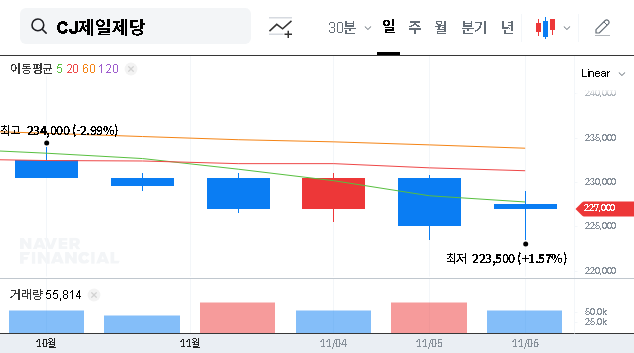
  • (097950) CJ CheilJedang Q3 2025 Earnings Analysis: Investment Strategy After the Shock

    (097950) CJ CheilJedang Q3 2025 Earnings Analysis: Investment Strategy After the Shock

    The recent CJ CheilJedang Q3 2025 earnings announcement sent a significant shockwave through the market, with preliminary figures falling substantially short of consensus expectations. This underperformance has understandably raised questions for current and potential investors about the company’s trajectory and financial health. Is this a temporary setback or a sign of deeper issues? This comprehensive analysis will dissect the Q3 results, evaluate the core strengths of CJ CheilJedang’s business segments against pressing macroeconomic challenges, and outline a clear CJ CheilJedang investment strategy for both short-term and long-term horizons.

    Decoding the Q3 2025 Earnings Shock

    CJ CheilJedang reported its preliminary consolidated financial results for the third quarter of 2025, revealing a significant deviation from market forecasts. The numbers, as detailed in the Official Disclosure (DART), painted a challenging picture:

    • Revenue: KRW 7,439.5 billion, which was 2% below the market expectation of KRW 7,565.4 billion.
    • Operating Profit: KRW 346.5 billion, a more significant 7% miss compared to the forecast of KRW 372.6 billion.
    • Net Income: KRW 72.9 billion, a staggering 58% below the market expectation of KRW 173.8 billion.

    While the revenue miss was modest, the sharp decline in operating profit and the collapse in net income are the primary drivers of investor concern. The significant gap in net income points towards non-operating factors, such as increased financial costs and adverse foreign exchange rate fluctuations, playing a major role in the quarter’s poor performance.

    The Q3 results underscore the company’s vulnerability to external macroeconomic variables, temporarily overshadowing the fundamental strength of its diverse business portfolio. The key question for investors is how effectively management can navigate these headwinds moving forward.

    Core Business Strength vs. External Pressures

    A proper CJ CheilJedang stock analysis requires looking beyond a single quarter. Despite the recent slump, the company’s foundational business pillars remain robust.

    A Diversified and Resilient Portfolio

    • Food Business: As a leader in the K-Food global expansion, anchored by domestic dominance and the growing Home Meal Replacement (HMR) trend, this segment has a strong consumer base. However, it faces persistent cost pressures from fluctuating international grain prices.
    • BIO Business: This division is a global powerhouse, leveraging world-class fermentation technology to lead in key amino acids. Future growth is pinned on the innovative White (bio-degradable plastics) and Red (specialty nutrients) BIO ventures. For more on this, see our deep dive into the BIO business segment.
    • Feed & Care (F&C): Focused on improving profitability through high-yield feed innovation and strategic expansion of its livestock operations.

    The Weight of Macroeconomic Variables

    The Q3 results clearly show that CJ CheilJedang is not immune to global economic shifts. Key variables that negatively impacted profitability include a volatile won/dollar exchange rate, rising interest rates that increase financial costs, and elevated international commodity prices. While the company employs risk management strategies, the scale of these external shocks proved overwhelming in this period. According to global market analysts, these pressures are expected to persist in the near term, making cost control and efficiency paramount.

    A Practical CJ CheilJedang Investment Strategy

    Given the disappointing CJ CheilJedang Q3 2025 earnings, investors must adapt their approach. A bifurcated strategy considering different time horizons is most prudent.

    Short-Term Strategy: A Cautious ‘Wait-and-See’ Stance

    In the immediate aftermath, market sentiment is likely to be negative. The stock may experience downward pressure as the market digests the full impact of the earnings miss. A tactical pause is recommended. Investors should wait for the company’s official conference call and detailed segment-by-segment analysis to understand the specific drivers of the slump and management’s concrete plans for remediation. Rushing into a position before these uncertainties are clarified carries unnecessary risk.

    Mid-to-Long-Term Strategy: Focus on Enduring Growth Potential

    The long-term growth thesis for CJ CheilJedang remains largely intact. The innovative potential of the BIO business, particularly in sustainable materials and high-value nutritional products, presents a significant upside that is not reflected in a single quarter’s results. For long-term investors, any significant price dip in the short term could present an attractive entry point. The key is to monitor for signs of stabilization, such as improved cost management, favorable shifts in raw material prices, and tangible progress in their new growth engines. Once these signals appear, re-entry can be considered for capturing the company’s enduring value.

    In conclusion, while the Q3 earnings report is a clear negative, it should not derail the long-term investment case. Prudent investors should exercise short-term caution while keeping a close watch for a long-term buying opportunity once the dust settles. Continuous monitoring of macroeconomic trends and company-specific execution will be critical to navigating this period successfully.

    Disclaimer: This analysis is based on preliminary data and is for informational purposes only. It is not intended as financial advice or an investment recommendation. All investment decisions should be made based on your own research and judgment.

    (097950) CJ CheilJedang Q3 2025 Earnings Analysis: Investment Strategy After the Shock 관련 이미지
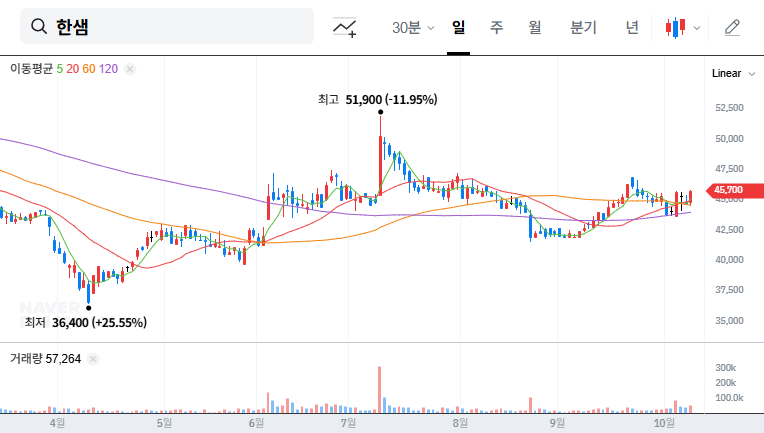
  • (009240) HANSSEM Q3 2025 Earnings Analysis: Deep Dive into Revenue Beat & Shocking Net Loss

    (009240) HANSSEM Q3 2025 Earnings Analysis: Deep Dive into Revenue Beat & Shocking Net Loss

    This comprehensive HANSSEM Q3 2025 earnings analysis delves into the recently announced preliminary financial results for HANSSEM CO.,LTD. (009240), a dominant force in the home interior market. The report has sent mixed signals across the investment community. While revenue and operating profit surpassed expectations, offering a glimmer of hope for a performance recovery, a sudden and unexpected net loss has introduced significant uncertainty. This analysis will dissect these figures, explore the underlying causes, and provide a strategic outlook for investors.

    What does this performance mean for HANSSEM’s stock and its long-term corporate value? We will examine the implications of the top-line beat, the critical reasons behind the bottom-line deficit, and the strategic path HANSSEM must navigate to ensure sustainable growth.

    HANSSEM’s Q3 2025 Earnings: The Official Numbers

    On November 10th, HANSSEM released its preliminary consolidated earnings for the third quarter of 2025. The results present a classic good news/bad news scenario. You can view the full report via the official disclosure: Source.

    • Revenue: KRW 441.4 billion, which is 0.36% above the market consensus of KRW 439.8 billion.
    • Operating Profit (OP): KRW 6.8 billion, a significant 17.24% above the market expectation of KRW 5.8 billion.
    • Net Income: KRW -0.1 billion, a staggering -101.41% below expectations of KRW 7.1 billion, resulting in a net loss.

    The key takeaway is the stark contrast. The solid performance in revenue and operating profit suggests operational improvements and resilient demand. However, the dramatic swing to a net loss points to significant issues in non-operating activities or financial management that cannot be ignored.

    Dissecting the Dichotomy: Why the Mixed Results?

    The Good News: Operational Strength and Cost Control

    The 17.24% beat in operating profit is the most positive signal from this HANSSEM earnings analysis. This indicates successful cost management initiatives, improved margins in key business areas, or better-than-expected sales in high-profit segments. It suggests that the core engine of the business is functioning more efficiently than the market anticipated, a testament to internal strategies aimed at bolstering profitability amidst a challenging economic environment.

    The Bad News: The Alarming Net Income Deficit

    The net loss is a major red flag. Net income is calculated after deducting non-operating expenses (like interest payments and foreign exchange losses) and taxes from the operating profit. A swing of this magnitude implies that substantial negative factors are at play outside of the company’s primary business operations. Potential culprits include high-interest expenses on debt, losses from foreign currency fluctuations, or one-time write-downs of asset values. A thorough investigation into the full financial statements, once released, is imperative to pinpoint the exact cause.

    While operational efficiency is improving, HANSSEM’s overall financial health is being undermined by significant non-operating pressures. Resolving these issues is now the company’s most critical challenge.

    Fundamental Strengths vs. Macroeconomic Headwinds

    To understand the future of the HANSSEM (009240) stock, we must weigh its internal strengths against external market pressures. For broader market context, investors often consult resources like Bloomberg’s market analysis for industry trends.

    Key Strengths (Internal Factors)

    • Enhanced Liquidity: Recent cash inflows from asset sales have significantly improved HANSSEM’s financial flexibility and capacity for future investments.
    • Market Leadership: Decades of brand building provide a powerful competitive moat, even as competition in the home interior space intensifies.
    • Shareholder Focus: A consistent policy of shareholder returns and stable governance builds investor confidence for the long term.

    Key Challenges (External Factors)

    • Intense Competition: The home remodeling market is increasingly crowded, putting pressure on market share and profitability, particularly in the Rehaus business segment.
    • Macroeconomic Volatility: Sustained high interest rates can dampen consumer spending on big-ticket home projects, while fluctuating currency exchange rates and raw material costs can erode profit margins.
    • Digital Transformation Race: The shift to online platforms and direct-to-consumer (D2C) models requires significant and continuous investment to stay ahead of more agile competitors.

    Investment Outlook and Strategic Recommendations

    Given the conflicting data points in the HANSSEM Q3 2025 earnings report, a cautious ‘Neutral’ investment stance is warranted. While the operational beat is encouraging, the net loss introduces a risk that is too significant to ignore. For those looking to learn more about portfolio management, consider our guide on diversification strategies.

    • Short-Term: Expect stock price volatility. The market will likely struggle to price in the positive OP against the negative net income. A ‘wait-and-see’ approach is prudent until the full business report clarifies the cause of the net loss.
    • Medium-to-Long-Term: The investment thesis hinges on two factors: a successful turnaround of the Rehaus business segment and effective management of the non-operating financial factors that led to the Q3 net loss. Continued monitoring is crucial.

    Frequently Asked Questions (FAQ)

    Q1: What is the most important takeaway from HANSSEM’s Q3 2025 earnings?

    The crucial takeaway is the conflict between operational success (revenue and OP beat) and financial distress (net loss). This suggests that while the core business is improving, underlying financial issues are creating a significant drag on overall profitability.

    Q2: Why did HANSSEM’s operating profit exceed market expectations?

    The 17.24% beat in operating profit likely stems from successful cost-cutting measures, improved supply chain efficiency, or a favorable sales mix tilted towards higher-margin products, reflecting a recovery in core business competitiveness.

    Q3: What are the likely reasons for HANSSEM’s net income turning into a deficit?

    While the preliminary report lacks detail, common causes include high-interest expenses, losses from foreign currency translation, one-time impairment charges on assets, or a larger-than-expected corporate tax bill. The full business report will provide definitive answers.

    Q4: What should HANSSEM investors watch for next?

    Investors should closely monitor the full Q3 report for details on the net loss, management’s strategy for the Rehaus business, any updates on their shareholder return policy, and how they plan to navigate the ongoing macroeconomic challenges.

    (009240) HANSSEM Q3 2025 Earnings Analysis: Deep Dive into Revenue Beat & Shocking Net Loss 관련 이미지
  • (060980) HL Holdings Corporation IR 2025: A Deep Dive for Investors on Stock Impact & Strategy

    (060980) HL Holdings Corporation IR 2025: A Deep Dive for Investors on Stock Impact & Strategy

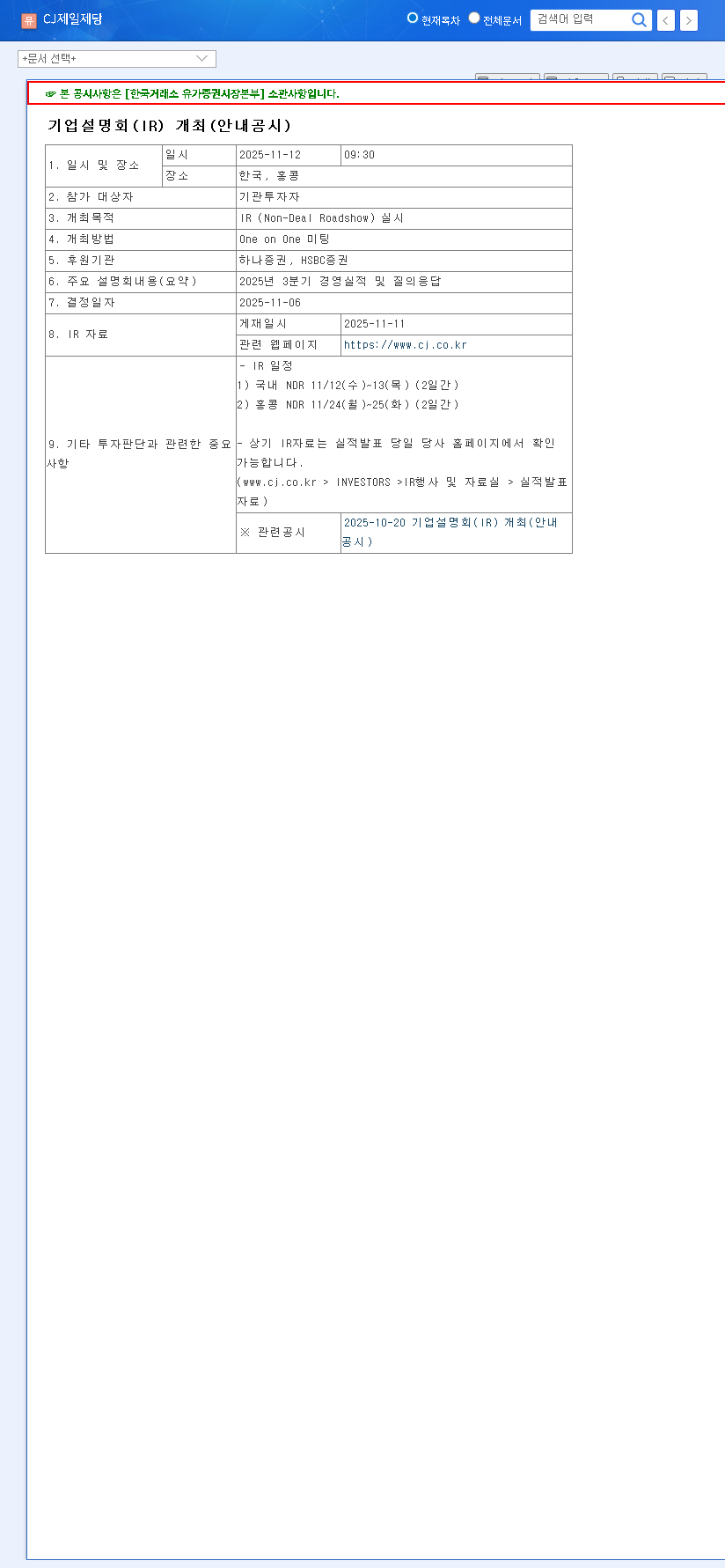
    The upcoming HL Holdings Corporation IR session, scheduled for November 17, 2025, is poised to be a pivotal event for institutional investors and the market at large. Following recent financial statement corrections and a period of slowing performance, this investor relations meeting represents a critical juncture. It is an opportunity for the company to address mounting concerns, restore confidence, and clearly articulate its future strategy.

    This comprehensive analysis will delve into the background of the IR event, provide a thorough financial analysis of HL Holdings, examine the surrounding macroeconomic pressures, and forecast the potential impacts—both positive and negative—on the HL Holdings stock price. Our goal is to equip you with the essential insights needed to make informed investment decisions.

    The Context: Q3 2025 IR Amidst Financial Scrutiny

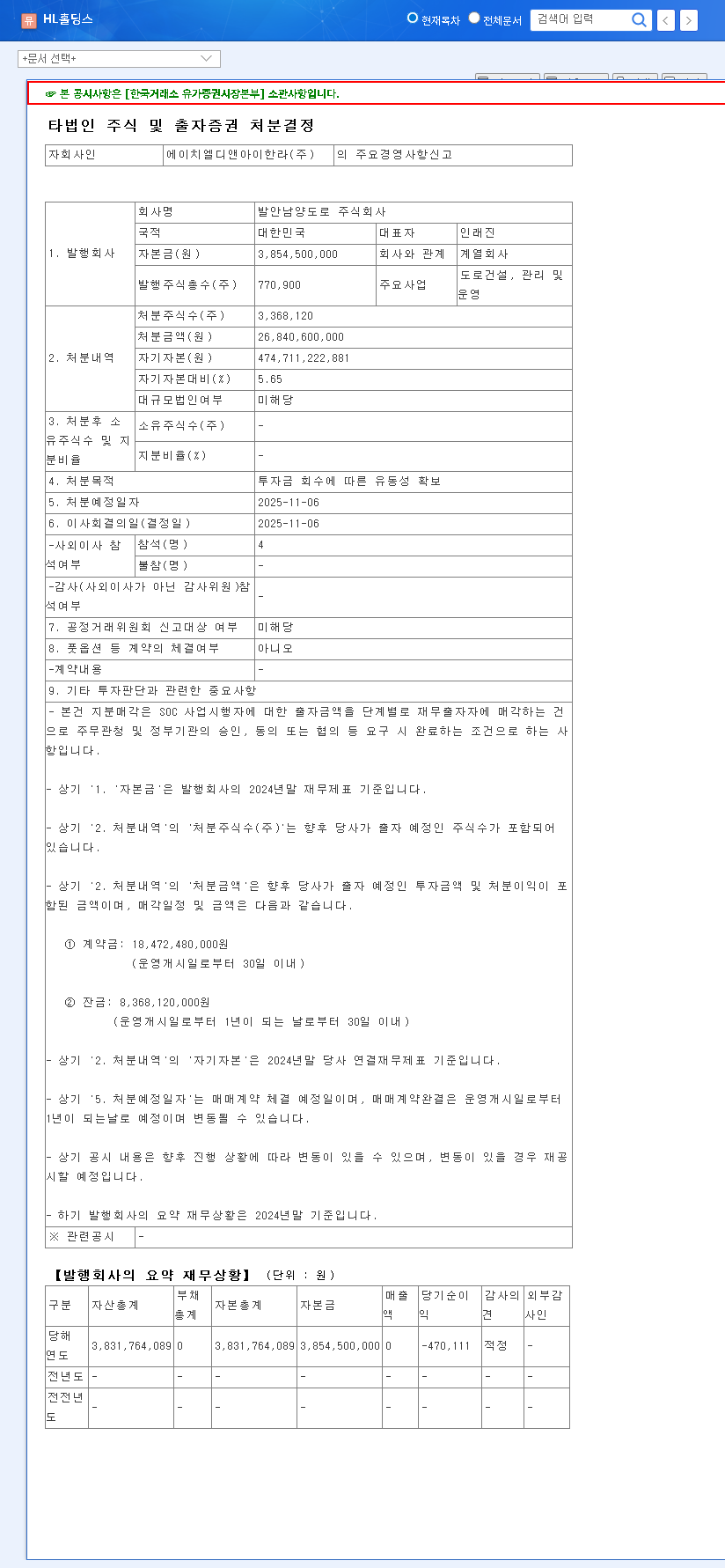
    HL Holdings Corporation has officially announced a non-deal roadshow Investor Relations (IR) session for domestic institutional investors. The event, taking place at 10 AM on November 17, 2025, will focus on the company’s Q3 2025 business performance and key operational updates. However, the session’s significance is amplified by recent financial disclosures.

    Understanding the Financial Statement Correction

    Recently, HL Holdings issued a correction to its financial statements, citing the underestimation of impairment losses on investment assets in its subsidiaries. This accounting adjustment led to a revised increase in net profit for the 26th fiscal period and a decrease for the 25th. While this news may cause short-term turbulence for the HL Holdings stock, it’s crucial to analyze the nuances. Proactively correcting such an error, while admitting a flaw, enhances long-term financial transparency and reliability. The official disclosure can be reviewed for further detail. (Official Disclosure)

    This IR is more than an earnings call; it’s a referendum on management’s credibility and their strategic vision to navigate current headwinds.

    Financial Analysis: A Pattern of Slowing Growth

    A review of HL Holdings’ key financial indicators reveals a concerning trend. While sales saw a marginal increase from 2022 to 2023, both operating and net profit contracted. The trend worsened in 2024, with declines across both revenue and profit metrics. This compression of margins is a red flag for investors. Key areas of concern include:

    • Profitability Decline: Both operating and net profit margins have shrunk, indicating potential pricing pressure or rising operational costs.
    • Falling ROE: Return on Equity is on a downward trajectory, suggesting that the company is becoming less efficient at generating profits from its shareholders’ equity.
    • Weakening Balance Sheet: A deteriorating debt-to-equity ratio and current ratio signal increasing financial risk and potentially tighter liquidity.

    Navigating the Macroeconomic Landscape

    HL Holdings’ diverse portfolio, with significant exposure to automotive parts and construction, is sensitive to global macroeconomic shifts. Investors should consider how external factors, like those tracked by leading financial news outlets, could influence future performance.

    • Currency Headwinds: Volatility in the USD/KRW and EUR/KRW exchange rates directly impacts the cost of imported raw materials for its manufacturing arms and the value of its exports.
    • Interest Rate Pressure: While key policy rates in the US and South Korea have been stable, any future hikes would increase borrowing costs for capital-intensive projects, potentially delaying expansion plans in their construction division.
    • Logistical Bright Spot: On a positive note, the decline in major shipping cost indices like the China Container Freight Index is a welcome development, promising to reduce logistics expenses and ease supply chain pressures.

    Forecasting the Stock Price Impact of the HL Holdings Corporation IR

    The outcome of this IR event could send the HL Holdings stock price in one of three directions. Here’s what investors should watch for in each scenario.

    Potential Positive Scenario (Bull Case)

    To restore confidence, management must present a compelling turnaround story. This includes a clear-eyed analysis of Q3’s underperformance, coupled with a concrete, actionable strategy for Q4 and 2026. Announcing new high-margin projects within their core automotive parts business or a significant cost-cutting initiative would be powerful catalysts.

    Potential Negative Scenario (Bear Case)

    If Q3 earnings miss already lowered expectations, or if the forward-looking guidance is vague and uninspiring, the market will likely react negatively. A failure to provide effective strategies to counter macroeconomic pressures or a defensive, non-transparent Q&A session could further erode investor trust and lead to a sell-off.

    Investor Checklist: Key Questions for the IR

    As you assess the HL Holdings Corporation IR, focus on the substance of the answers to these critical questions:

    Q1: What were the specific drivers of the Q3 performance slowdown?
    Look for detailed, segment-by-segment explanations, not just high-level excuses. A clear diagnosis is the first step toward a cure.

    Q2: What specific, measurable steps are being taken to improve profitability?
    Vague promises of ‘operational efficiencies’ are not enough. Demand specifics on cost reductions, new product pipelines, or market expansion plans.

    Q3: What internal controls have been implemented to prevent future financial reporting errors?
    This is a crucial question for rebuilding trust. The answer will reveal how seriously management took the recent correction.

    Q4: How is the company hedging against currency and interest rate risks?
    A sophisticated HL Holdings investment thesis requires a clear strategy for managing external macroeconomic volatility.

    Ultimately, the market’s reaction will hinge on the quality and transparency of the information provided. Investors should prepare for short-term volatility and use the insights gained from this IR to make prudent, long-term decisions.

    (060980) HL Holdings Corporation IR 2025: A Deep Dive for Investors on Stock Impact & Strategy 관련 이미지
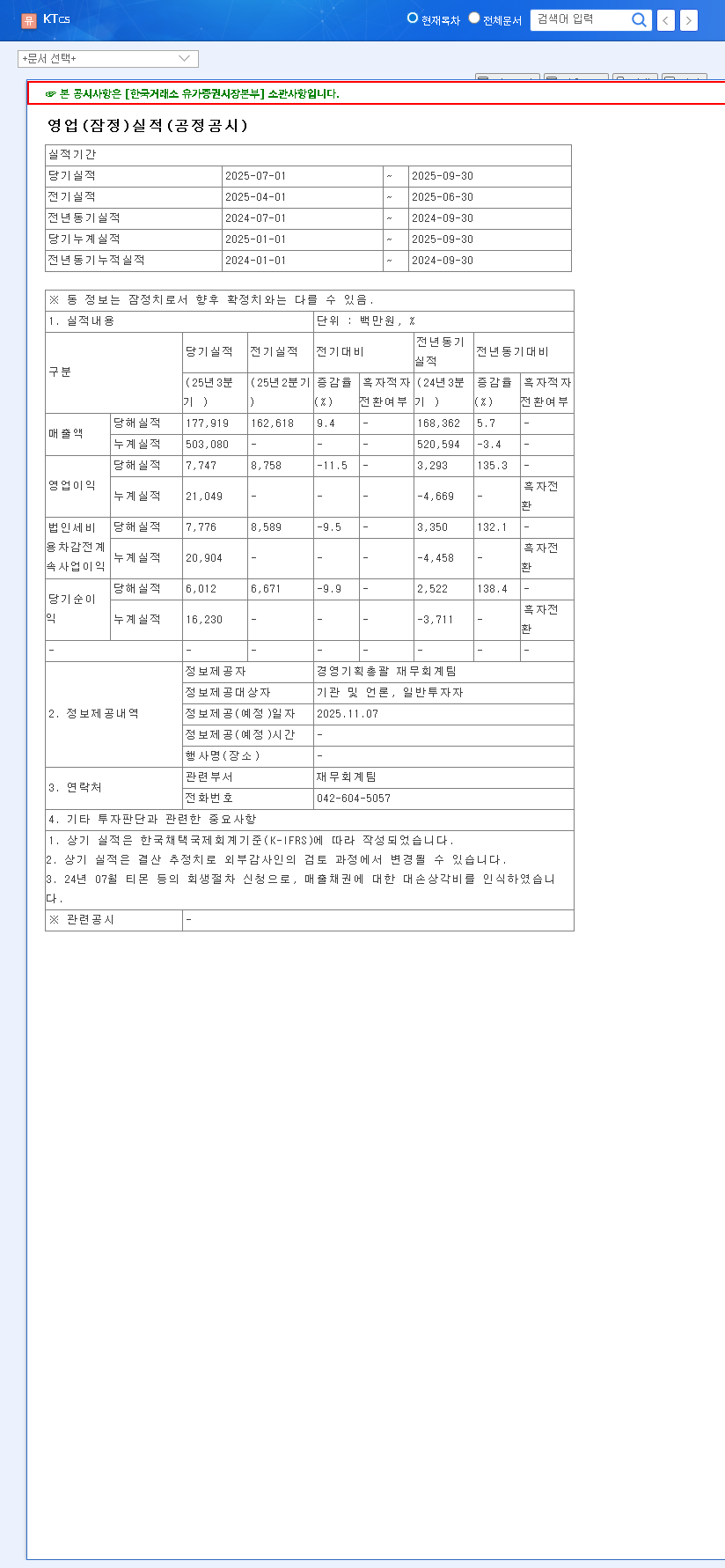
  • (058850) ktcs Corporation Q3 2025 Earnings Analysis: Turnaround Momentum or Temporary Peak?

    (058850) ktcs Corporation Q3 2025 Earnings Analysis: Turnaround Momentum or Temporary Peak?

    The latest ktcs corporation earnings report for Q3 2025 has landed, leaving investors at a critical crossroads. After a spectacular turnaround in the first half of the year that fueled significant optimism, the key question now is whether the company can sustain its upward trajectory. The preliminary figures present a complex narrative of continued growth tempered by emerging challenges.

    This comprehensive ktcs Q3 2025 analysis delves into the official financial disclosure, breaking down performance metrics, business segment dynamics, and the broader market environment. Our goal is to equip you with the crucial insights needed to evaluate the true value of ktcs stock and formulate a well-informed investment strategy.

    Q3 2025 Earnings: A Story of Diverging Trends

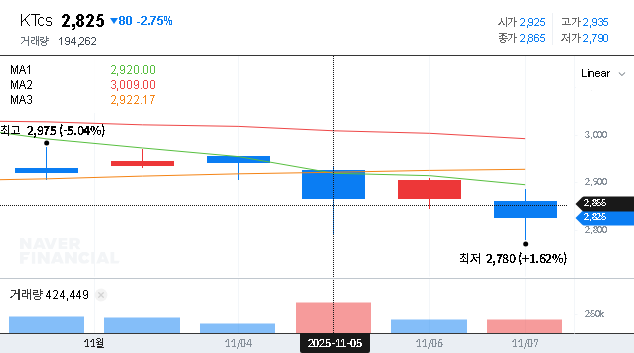
    On November 7, 2025, ktcs corporation released its preliminary Q3 earnings, which painted a mixed picture. The top-line revenue showed healthy growth, but profitability metrics took a step back from the previous quarter’s highs. You can view the complete filing here: Official Disclosure.

    While revenue climbed 8.4% quarter-over-quarter to KRW 268.9 billion, operating profit saw a significant 28.1% decrease to KRW 9.2 billion. This signals a potential pause in the powerful profitability momentum built during the first half of 2025.

    Quarterly Performance at a Glance

    • Q3 2025: Revenue KRW 268.9B, Operating Profit KRW 9.2B
    • Q2 2025: Revenue KRW 248.0B, Operating Profit KRW 12.8B
    • Q1 2025: Revenue KRW 235.2B, Operating Profit KRW 6.6B

    This data highlights that while year-over-year performance remains strong, the sequential decline in profitability warrants a closer look into the company’s operational drivers and cost structures.

    Dissecting the Business: The AI Engine vs. Legacy Drag

    The first half of 2025 was a testament to ktcs corporation’s strategic pivot. Despite lower overall revenue, operating profit surged an incredible 177.5% year-over-year. This success was driven by a deliberate shift away from lower-margin businesses towards high-profit services, particularly in the tech space.

    The Rise of the AI Contact Center

    The star of the show is the company’s transformation into an AI Contact Center (AICC) powerhouse. The commercialization of its proprietary ‘HiQri’ AICC solution is proving to be a powerful growth engine. This focus on AI-driven customer service is not just a trend; it’s a fundamental shift that enhances efficiency and scalability, directly boosting the bottom line. This aligns with broader market trends where automation is key, as noted in reports by major consulting firms like Gartner on customer service AI.

    Persistent Challenges in Distribution

    In stark contrast, the legacy distribution business continues to face significant headwinds. Market saturation and intense competition have led to a persistent slump in this segment. The Q3 results do not show any signs of a meaningful turnaround, and this continues to be a drag on the company’s overall performance. Investors should monitor whether ktcs decides to divest or further restructure this part of the business.

    Investment Outlook: Balancing Positives with Caution

    Considering the full picture of the ktcs corporation earnings, our investment opinion remains a cautious ‘Neutral’. The company’s future hinges on its ability to scale its high-growth AI business faster than its legacy segments decline.

    Key Factors to Watch

    • Bull Case: The AI Contact Center business continues its rapid expansion, securing major new clients and driving margin improvement. The company successfully manages costs, returning to a path of quarter-over-quarter profit growth.
    • Bear Case: Competition in the AI market intensifies, slowing growth and compressing margins. The distribution business continues to decline, offsetting gains elsewhere. Macroeconomic pressures impact client spending on contact center services.

    Strategic Considerations

    For short-term investors, it is prudent to monitor the stock’s reaction to these earnings and await the Q4 results for a clearer trend. For long-term investors, the focus should be on the tangible growth of the AICC business and any strategic moves to address the underperforming distribution segment. Our internal analysis suggests keeping an eye on their long-term corporate strategy updates.

    Frequently Asked Questions (FAQ)

    Q1: What were the main takeaways from ktcs corporation’s Q3 2025 earnings?

    The key takeaway is mixed performance. Revenue grew to KRW 268.9 billion, but operating profit and net income declined compared to the previous quarter, indicating a slowdown in the strong profitability trend seen in H1.

    Q2: What is driving ktcs corporation’s business transformation?

    The core of the transformation is a strategic shift towards its high-margin AI Contact Center (AICC) business. By focusing on technology and efficiency, the company is securing new growth engines to offset declines in its traditional distribution segment.

    Q3: What are the primary risks for investors considering ktcs stock?

    Major risks include fierce competition in the AI market, a potential slowdown in client demand due to macroeconomic factors, and the ongoing slump in the company’s distribution business acting as a drag on overall financial health.

    (058850) ktcs Corporation Q3 2025 Earnings Analysis: Turnaround Momentum or Temporary Peak? 관련 이미지
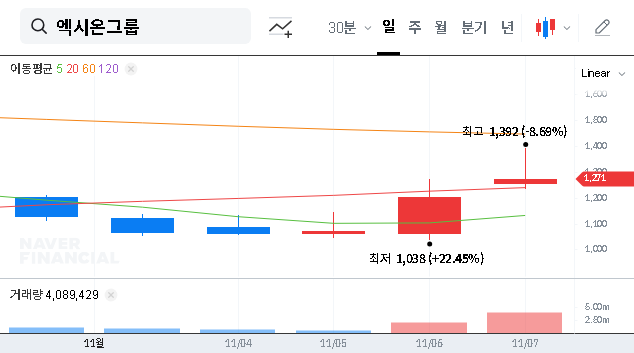
  • (069920) Exion Group Company Limited: In-Depth Q3 2025 Financial Analysis & Investment Outlook

    (069920) Exion Group Company Limited: In-Depth Q3 2025 Financial Analysis & Investment Outlook

    The latest financial report for Exion Group Company Limited has sent ripples through the investment community. After a challenging period marked by significant losses, the company’s provisional operating results for Q3 2025 suggest a potential, long-awaited turnaround. This detailed financial analysis will dissect these numbers, explore the underlying factors driving this change, and assess the formidable risks that remain. For investors, the crucial question is whether this is a sustainable recovery or a temporary reprieve.

    We will provide a comprehensive investment outlook, examining both the bullish case for growth and the bearish case for caution, helping you understand the true value proposition of Exion Group Company Limited stock in the current market.

    Unpacking the Q3 2025 Earnings Report

    Exion Group Company Limited announced impressive provisional figures for the third quarter of 2025. According to the Official Disclosure on the DART system, the company posted sales of KRW 6 billion, an operating profit of KRW 1.1 billion, and a net profit of KRW 2.5 billion. This performance represents a dramatic and successful pivot back to profitability, especially when contrasted with the KRW 1.4 billion operating loss and KRW 3.5 billion net loss from the preceding quarter (Q2 2025).

    This shift from substantial loss to notable profit is the most significant positive indicator in over two years, sparking renewed investor interest and raising expectations for a sustained recovery.

    Key Drivers of the Turnaround

    The robust Q3 results for Exion Group Company Limited can be attributed to a combination of strategic initiatives finally bearing fruit. While the official report is concise, our analysis points to two primary catalysts:

    • New Business Contributions: The strategic diversification into new sectors is likely a major factor. The sports apparel division and overseas resource development projects, previously considered long-term plays, may be contributing to the revenue stream sooner than anticipated. Furthermore, the synergistic benefits from the acquisition of MJ Tech, a key player in the high-tech space, are likely enhancing operational efficiency and opening new markets. For more on this, see our deep dive into MJ Tech’s market position.
    • Core Operational Improvements: Beyond new ventures, there appears to be a fundamental improvement in the core business. The substantial increase in sales suggests either a recovery in demand, successful market penetration, or improved pricing power. This, coupled with a positive operating profit, indicates effective cost management and a more streamlined operational structure.

    A Cautious Outlook: Navigating Financial Headwinds

    Despite the celebratory tone of the Q3 2025 earnings, a prudent investor must examine the significant financial burdens and external risks that Exion Group Company Limited continues to face. A single profitable quarter does not erase historical challenges.

    Lingering Financial Health Risks

    The company’s balance sheet still tells a story of caution. Several factors require close monitoring:

    • High Debt-to-Equity Ratio: With a debt-to-equity ratio of 85% as of December 2025, the company remains highly leveraged. This level of debt increases financial risk, makes the company vulnerable to interest rate hikes, and can limit its ability to secure further financing for growth initiatives. This is a classic example of what experts call high financial leverage, a double-edged sword.
    • Inconsistent Performance: History provides a crucial lesson. With two consecutive quarters of heavy losses preceding this positive result, investors need to see a sustained trend of profitability. It is essential to determine if Q3 was an anomaly or the beginning of a genuine recovery.
    • Macroeconomic Pressures: Exion Group operates in a volatile global market. Fluctuations in gold and crude oil prices, sharp movements in currency exchange rates (KRW/USD, KRW/EUR), and persistent interest rate hikes can all negatively impact its cost structure, profit margins, and financing expenses.

    Investment Thesis: Key Factors to Watch

    For those considering an investment in Exion Group Company Limited, the path forward requires diligent monitoring. The Q4 2025 and subsequent earnings reports will be critical in confirming a positive trajectory. Key performance indicators to watch include continued revenue growth from new business segments, concrete steps toward debt reduction and improving the debt-to-equity ratio, and the company’s stated strategy for mitigating macroeconomic risks. Furthermore, given past accounting issues, a reinforced commitment to transparent financial reporting and strong internal controls is non-negotiable for rebuilding long-term investor trust.

    In conclusion, the Q3 2025 results are a significant and encouraging step forward. They signal that the company’s strategic initiatives may be working. However, the legacy of financial instability and the presence of external threats necessitate a cautiously optimistic, long-term perspective. A sustained pattern of profitability and diligent financial management will be the true markers of a successful turnaround.

    (069920) Exion Group Company Limited: In-Depth Q3 2025 Financial Analysis & Investment Outlook 관련 이미지