Tag: Financial Stability

  • (024110) INDUSTRIAL BANK OF KOREA (IBK) Q3 2025 Earnings: A Deep Dive for Investors

    (024110) INDUSTRIAL BANK OF KOREA (IBK) Q3 2025 Earnings: A Deep Dive for Investors

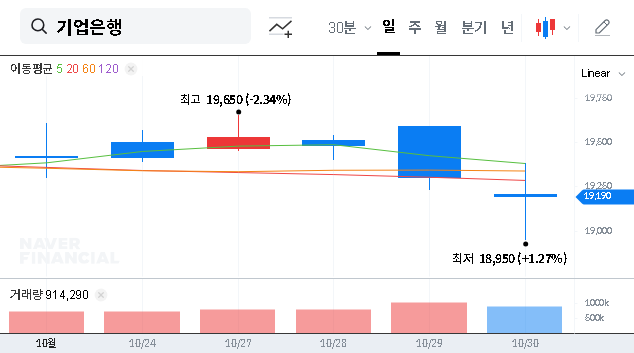
    The Q3 2025 earnings report for the INDUSTRIAL BANK OF KOREA (IBK) presents a nuanced picture for investors. As a pivotal institution for South Korea’s Small and Medium-sized Enterprise (SME) sector, IBK’s performance is a critical barometer of the nation’s economic health. While the latest figures showcase financial stability and continued dominance in SME finance, they also reveal a significant deceleration in growth momentum amidst a challenging macroeconomic landscape. This deep-dive analysis unpacks the IBK Q3 2025 results, exploring the underlying causes and future strategies to provide a clear perspective for informed investment decisions.

    IBK Q3 2025 Performance: A Tale of Stability and Slowdown

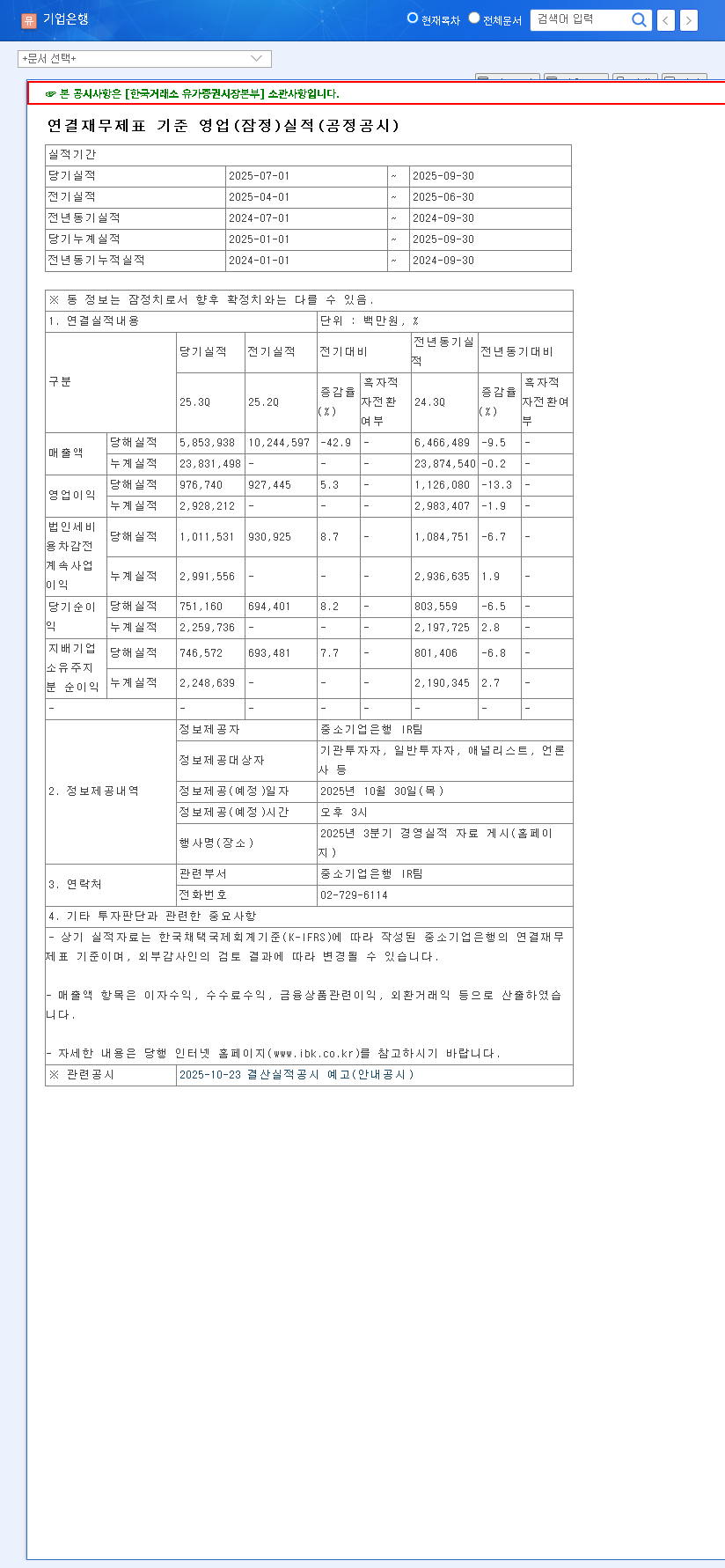
    In its latest financial disclosure, the INDUSTRIAL BANK OF KOREA reported a consolidated net profit of KRW 2.2597 trillion and a separate net profit of KRW 1.9973 trillion for the third quarter of 2025. While the consolidated figure marked a modest 2.8% year-over-year increase, the separate net profit’s nearly flat growth of 0.1% signals clear headwinds. (Official Disclosure: Source)

    Despite the growth concerns, IBK’s foundational strength remains evident. The bank reinforced its leadership in SME finance, with its SME loan balance reaching KRW 260.3 trillion, capturing an impressive market share of 24.33%. Key financial health indicators also remain robust, including a BIS capital ratio of 14.88% and a Liquidity Coverage Ratio (LCR) of 108.03%, well above regulatory requirements and indicating a strong capacity to withstand financial shocks.

    While top-line stability is commendable, the minimal growth in separate net profit is a critical data point that investors must scrutinize. It reflects intensifying pressures that extend beyond IBK’s direct control.

    Dissecting the Headwinds: Why the Growth Engine is Sputtering

    The slowdown in IBK’s earnings growth is not an isolated issue but a reflection of a complex interplay of external factors. Understanding these pressures is key to a comprehensive IBK stock analysis.

    Macroeconomic and Competitive Pressures

    South Korea’s economy is navigating a period of low growth and persistent interest rate volatility, as reported by global financial analysts. This environment directly squeezes bank profitability. Furthermore, the financial market has become a battleground. Stiff competition from traditional banks and the agile entry of ‘big tech’ firms like Kakao Bank and Toss Bank are eroding margins and forcing incumbents like IBK to innovate rapidly or risk losing market share.

    Internal Challenges and Subsidiary Performance

    Internally, the performance of the broader IBK group has been dragged down by certain subsidiaries. Specifically, IBK Savings Bank has struggled amidst a downturn in the real estate project financing (PF) market and a rising number of vulnerable borrowers. This highlights the concentrated risks within specific sectors and the need for stringent group-wide risk management.

    IBK’s Strategic Pivot: Charting a Course for Future Growth

    In response to these challenges, the INDUSTRIAL BANK OF KOREA is not standing still. Management has outlined a multi-pronged strategy aimed at reigniting growth and building long-term resilience.

    • Revenue Diversification: A core focus is to boost non-interest income from investment banking, wealth management, and financial market activities, reducing reliance on traditional lending spreads.
    • Aggressive Digital Transformation: Enhancing mobile banking platforms, streamlining digital loan applications, and leveraging data analytics are crucial for improving efficiency and competing with fintech challengers.
    • New Growth Ventures: IBK is actively seeking new revenue streams by entering the green finance market and expanding financial support for high-potential technology and bio-health startups.
    • Global Expansion: The planned establishment of a subsidiary in Poland is a key step in expanding its global footprint, aiming to serve Korean companies operating in Europe and tap into new markets.

    Investor Outlook: A ‘Neutral’ Stance with Key Monitors

    Given the current landscape, our investment opinion for the INDUSTRIAL BANK OF KOREA is a cautious ‘Neutral’. The bank’s unique public-private role in SME finance, sound asset quality, and stable capital base provide a strong defensive floor. However, the evident slowdown in core profit growth, coupled with external uncertainties, caps the short-term upside potential.

    Investors should closely monitor the execution of IBK’s growth strategies. Tangible progress in digital service adoption, non-interest income growth, and successful global expansion will be critical catalysts for a potential rating upgrade. For a broader context, investors can explore our analysis of the South Korean banking sector. Future IBK earnings reports will be crucial in determining if the bank can successfully navigate these turbulent waters.

    Frequently Asked Questions (FAQ)

    Q1: What was IBK’s net profit for Q3 2025?
    A1: For Q3 2025, IBK reported a consolidated net profit of KRW 2.2597 trillion (a 2.8% YoY increase) and a separate net profit of KRW 1.9973 trillion (a 0.1% YoY increase).

    Q2: Is the INDUSTRIAL BANK OF KOREA financially sound?
    A2: Yes. With a BIS capital ratio of 14.88% and an LCR of 108.03%, IBK maintains a robust financial position with strong capital and liquidity buffers.

    Q3: Why is IBK’s growth slowing down?
    A3: The slowdown is due to a combination of macroeconomic uncertainty, intense market competition from traditional and tech-based banks, and the underperformance of some subsidiaries, particularly in the real estate sector.

    Q4: What is the current investment outlook for IBK stock?
    A4: The current investment outlook is ‘Neutral’. While its dominant position in SME finance is a major positive, the risks from slowing profit growth and a challenging economic environment warrant a cautious approach from investors.
    (024110) INDUSTRIAL BANK OF KOREA (IBK) Q3 2025 Earnings: A Deep Dive for Investors 관련 이미지
  • (103140) POONGSAN CORPORATION Q3 2025 Earnings: In-Depth Financial Analysis for Investors

    (103140) POONGSAN CORPORATION Q3 2025 Earnings: In-Depth Financial Analysis for Investors

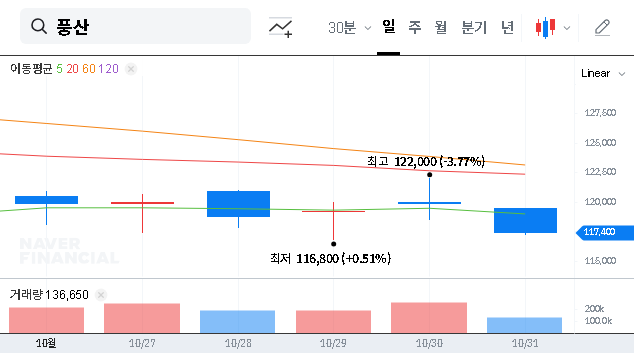
    The latest POONGSAN CORPORATION Q3 2025 earnings report has sent a clear and concerning signal to the market. The company’s provisional results for the third quarter revealed a significant underperformance against market consensus, raising critical questions about its immediate future and long-term trajectory. This deep-dive financial analysis unpacks the factors behind the earnings slump, examines the health of each business segment, and provides a strategic outlook for concerned investors. All data is based on the company’s official filing. (Source: Official DART Disclosure)

    The Q3 2025 Earnings Shock: A Numbers Breakdown

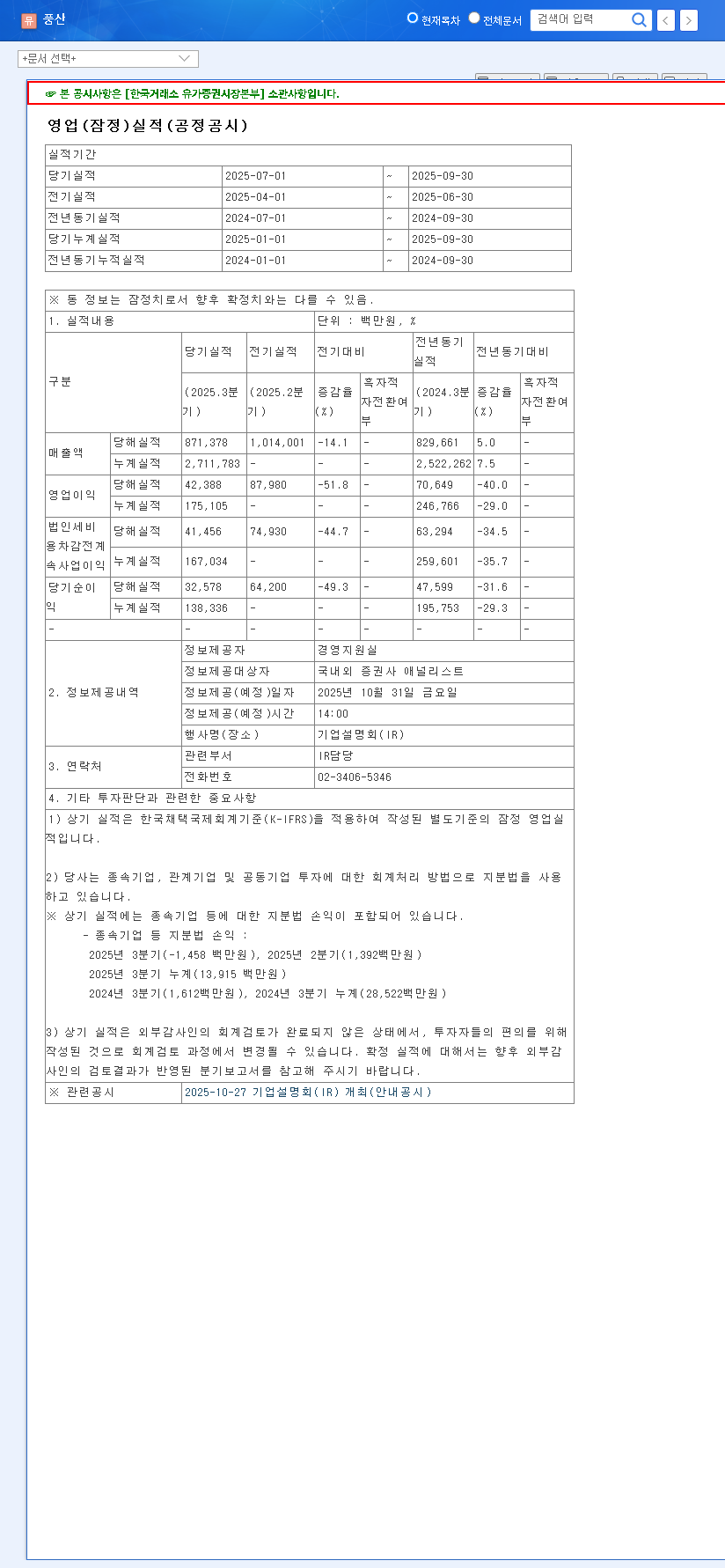
    POONGSAN CORPORATION’s provisional operating results for Q3 2025 fell drastically short of market forecasts, confirming that previously identified business risks have now fully materialized. The extent of the miss was significant across all key financial metrics.

    • Revenue: KRW 871.4 billion, a staggering 29% below the expected KRW 1,229.9 billion.
    • Operating Profit: KRW 42.4 billion, a 45% plunge from the anticipated KRW 77.2 billion.
    • Net Profit: KRW 32.6 billion, missing the forecast of KRW 53.4 billion by 39%.

    The nearly 50% drop in operating profit is the most alarming figure. It signals that the company’s issues are not just about slowing top-line growth but point to a severe and rapid deterioration in core profitability.

    Why the Underperformance? In-depth Segment Analysis

    The poor results were not isolated to one area. Both of POONGSAN’s core business segments faced significant and compounding challenges during the quarter.

    Non-Ferrous Metals (Shindong) Hit by Market Slump

    The non-ferrous metals division, a cornerstone of the Poongsan earnings report, was directly impacted by the persistent downturn in the construction industry. This long-feared risk led to a marked decrease in sales of high-volume products like rods and wires. Compounding this issue was the volatility in the price of copper, a key raw material. After a period of fluctuation, a sustained decline or stagnation in copper prices throughout Q3 likely suppressed revenue growth and squeezed margins. For a comprehensive view on global metal markets, resources like the London Metal Exchange provide essential context.

    Defense Business Suffers Deepening Export Decline

    The defense segment also continued its negative trend, with a notable decline in export sales. This slump can be attributed to heightened uncertainty in the global defense market and increasingly fierce competition. While the ‘K-Defense’ brand remains strong, securing new international contracts has become more challenging. A slight uptick in domestic sales provided a minor cushion but was insufficient to offset the significant drop in more lucrative export revenues, impacting the overall Poongsan stock outlook.

    Financial Health and Future Outlook

    While the quarterly performance is concerning, it’s crucial to assess the company’s underlying financial stability to understand its capacity to navigate this turbulent period.

    Is POONGSAN’s Financial Position Stable?

    Despite the profit squeeze, POONGSAN’s balance sheet remains relatively stable. As of the first half of 2025, the company reported a debt-to-equity ratio of 88.63% and a current ratio of 201.4%. These figures suggest that while short-term cash flow may be pressured, a severe liquidity crisis is unlikely. However, a rising trend in total borrowings, coupled with a high-interest-rate environment, presents a risk that demands careful monitoring. Investors can learn more about understanding key financial ratios to better perform their own analysis.

    Investor Action Plan & Key Monitoring Points

    Given this challenging POONGSAN CORPORATION Q3 2025 Earnings release, a prudent and cautious approach is warranted. The company is at a critical juncture, and its recovery depends on several key factors.

    Factors to Watch for Recovery

    • Construction Market Rebound: A recovery in construction is the primary catalyst needed for the non-ferrous metals business to bounce back.
    • New Defense Contracts: Securing new, large-scale export orders is essential to reverse the decline in the defense segment.
    • Profitability Initiatives: Look for aggressive cost management, a shift towards high-value-added products, and reductions in SG&A expenses.
    • Macroeconomic Management: How the company hedges against volatility in currency exchange rates and raw material prices will be crucial.

    In conclusion, this Q3 report serves as a major test for POONGSAN’s management. Regaining investor confidence will require not only a more favorable market environment but also decisive internal strategies to improve efficiency and competitiveness. For now, Poongsan investors are advised to remain cautious, closely monitor the key risks, and await clearer signs of a fundamental business turnaround before making new investment decisions.

    Disclaimer: This report is for informational purposes only and does not constitute investment advice. All investment decisions should be made based on personal research and consultation with a qualified financial advisor.

    (103140) POONGSAN CORPORATION Q3 2025 Earnings: In-Depth Financial Analysis for Investors 관련 이미지
  • (011000) GeneOne Life Science Convertible Bond: A 2025 Deep Dive for Investors

    (011000) GeneOne Life Science Convertible Bond: A 2025 Deep Dive for Investors

    Investors are closely watching GeneOne Life Science, Inc. following its recent major financial maneuver. The company announced the issuance of a 5 billion KRW GeneOne Life Science convertible bond (CB), a move that has sent ripples through the investment community. This decision, detailed in an official disclosure on October 29, 2025, presents a critical crossroads for the company—is it a lifeline to secure much-needed financial stability, or a precursor to significant share dilution for existing stockholders? This comprehensive analysis will explore every facet of this development.

    The Announcement: Unpacking the 5 Billion KRW CB Issuance

    On October 29, 2025, GeneOne Life Science confirmed its plan to raise 5 billion KRW through a private placement of convertible bonds. This strategic fundraising effort has immediate and long-term implications for the company’s financial structure and operational capacity. For a direct look at the filing, you can view the Official Disclosure (DART). Here are the core details of the issuance:

    • Issuance Size & Type: 5 billion KRW in private placement convertible bonds.
    • Payment Date: November 4, 2025.
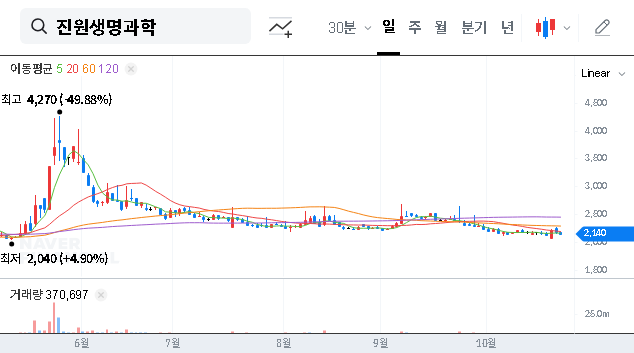
    • Conversion Price: 2,192 KRW (a slight premium over the current price of 2,140 KRW).
    • Coupon Rate: 0%, meaning no periodic interest payments.
    • Maturity Yield: 4.0%, the return paid to bondholders if the bonds are not converted.
    • Conversion Period: November 4, 2026, to October 4, 2028.
    • Primary Investor: Dongbangseongjang Investment Association No. 1.

    The Rationale: Securing Capital for Stability and Growth

    The decision to issue these convertible bonds is a direct response to GeneOne Life Science’s current financial position. The company faces significant challenges, including an accumulated deficit of 264.8 billion KRW and noted uncertainties about its status as a ‘going concern’. This capital injection is designed to address these issues head-on.

    Strengthening Short-Term Liquidity

    The primary benefit is the immediate influx of 5 billion KRW, which enhances short-term liquidity. This cash can cover operational costs, alleviate financial pressures, and provide the runway needed to execute its business strategy. With a 0% coupon rate, the company avoids the burden of regular interest payments, a significant plus for a firm managing losses. For more on debt financing, see this guide from a leading financial authority.

    Fueling Business Momentum

    Beyond survival, the funds are earmarked for growth. This includes advancing its core business, such as the large-scale Plasmid DNA supply contracts, and investing in the R&D pipeline for new drugs. Successfully executing on these fronts is critical for achieving long-term profitability and demonstrating the company’s value proposition to the market.

    For investors, the central conflict is clear: The company gains immediate financial relief and growth capital, but this comes at the cost of potential future share dilution, a risk that cannot be ignored.

    Investor Risks: The Other Side of the Coin

    While the fundraising is a necessary step, investors must carefully weigh the significant risks associated with the GeneOne Life Science convertible bond. These risks extend beyond simple market volatility.

    The Inevitable Risk of Share Dilution

    Convertible bonds, by nature, carry the potential for share dilution risk. When bondholders exercise their right to convert the debt into equity, new shares are issued. This increases the total number of outstanding shares, which can decrease the ownership percentage and earnings per share (EPS) for existing stockholders. Although the conversion price of 2,192 KRW is slightly above the current stock price, any significant appreciation in the stock’s value would make conversion highly attractive, leading to dilution.

    Persistent ‘Going Concern’ Uncertainty

    A critical red flag for any company is a ‘going concern’ notice from auditors, which indicates doubt about the company’s ability to operate for the next year. GeneOne’s 2024 financial statements contained such a note. While this 5 billion KRW injection helps, it does not erase the underlying structural issues or the massive accumulated deficit. It’s a patch, not a cure. The company must demonstrate a clear path to profitability to truly resolve this uncertainty.

    Performance and Management Scrutiny

    Execution remains a key concern. The company’s flagship Plasmid DNA contract is valued at a massive $11.8 billion, yet actual sales to date are minimal. This capital must translate into tangible progress on that contract. Furthermore, past issues with management, such as failures to achieve a quorum at shareholder meetings for key appointments, raise questions about stability and governance that investors should consider. To better understand how to evaluate such factors, you can read our guide on analyzing biotech company management.

    Investment Strategy and Final Verdict

    The issuance of the GeneOne Life Science convertible bond is a classic double-edged sword. It provides a vital lifeline that could empower the company to achieve its ambitious goals.

    A prudent investment strategy requires a cautious and vigilant approach. The short-term positive sentiment from the fundraising may provide a temporary lift to the GeneOne Life Science stock price, but sustainable, long-term growth is not guaranteed. The key determinants of future value will be:

    • Execution on Plasmid DNA Contracts: The market needs to see tangible revenue and progress, not just contract values.
    • R&D Milestones: Positive results and advancements in the new drug pipeline are essential.
    • Financial Improvement: A clear, demonstrated path to reducing the deficit and resolving the ‘going concern’ issue.

    Ultimately, this CB issuance buys time and opportunity. It is not, in itself, a solution to the company’s fundamental challenges. Investors should monitor performance metrics closely and remain aware that the risk of share dilution looms until the company achieves sustainable profitability.

    (011000) GeneOne Life Science Convertible Bond: A 2025 Deep Dive for Investors 관련 이미지
  • (101490) S&S TECH CORPORATION Stock Analysis (101490): EUV Growth vs. Q3 Dip

    (101490) S&S TECH CORPORATION Stock Analysis (101490): EUV Growth vs. Q3 Dip

    This comprehensive S&S TECH CORPORATION stock analysis (KRX: 101490) delves into the critical question facing investors today: Can the company’s ambitious bet on the future of semiconductor technology overcome its recent short-term stumbles? S&S TECH recently reported Q3 2025 earnings that fell short of market consensus, casting a shadow over its immediate prospects. The numbers reflect a challenging period for the broader IT industry. However, beneath the surface of these disappointing results lies a strategic pivot towards long-term dominance through sustained investment in EUV (Extreme Ultraviolet) blank masks and pellicles. We’ll dissect the fundamentals, explore the market dynamics, and provide a strategic outlook on this potential semiconductor growth stock.

    Deconstructing the Q3 2025 Earnings Miss

    Performance Below Expectations

    In its third quarter of 2025, S&S TECH CORPORATION reported sales of 61.5 billion KRW and an operating profit of 11.9 billion KRW. These figures represented a slight miss against analyst forecasts, with year-on-year declines in both key metrics signaling a persistent slowdown. The performance clearly illustrates the headwinds from a sluggish global IT market recovery. For a detailed breakdown, investors can review the Official Disclosure (DART).

    Fundamental Health Check

    A deeper dive into the company’s fundamentals reveals a mixed but strategic picture:

    • Profitability Pressures: The first half of 2025 saw a consolidated revenue decrease of 32.6% year-on-year, driven by softer demand in core semiconductor and display markets.
    • Strategic Investments: Despite the downturn, S&S TECH is forging ahead with facility investments for its S&S TECH EUV division, a critical move to capture the next wave of semiconductor manufacturing.
    • Financial Stability: The company maintains a healthy debt-to-equity ratio of 20.87%. However, rising short-term borrowings necessitate vigilant financial management in the current interest rate environment.
    • R&D Scrutiny: A notable point of concern is the decline in the R&D-to-sales ratio, which fell from 10.7% to 6.0% year-on-year. This will be a key metric for investors to watch.

    The core of any 101490 investment thesis rests on whether you believe the long-term potential of the EUV pellicle market outweighs the current, cyclical downturn in the semiconductor industry.

    The EUV Revolution: S&S TECH’s Growth Engine

    Extreme Ultraviolet (EUV) lithography is the cutting-edge technology used to manufacture the world’s most advanced microchips. It allows for the creation of smaller, faster, and more power-efficient processors. S&S TECH is positioning itself as a key supplier of two indispensable components for this process: EUV blank masks and pellicles. The pellicle, a thin membrane that protects the photomask from contamination, is particularly crucial and represents a high-margin opportunity. As industry giants like TSMC, Samsung, and Intel expand their EUV capacity, the demand for high-quality components from specialists like S&S TECH is expected to soar. This strategic focus is the primary reason many analysts maintain a long-term bullish outlook despite short-term performance issues.

    Market Environment & Risk Factors

    Navigating Macroeconomic Headwinds

    The broader economic landscape presents both challenges and opportunities. The slowdown in the global semiconductor market, a key factor in the Q3 results, is expected to persist in the short term. Furthermore, macroeconomic variables create a complex operating environment:

    • Exchange Rates: A strong US Dollar can boost the price competitiveness of exports but also increases the cost of imported raw materials.
    • Interest Rates: While easing global rates could spur investment, the current high levels continue to pressure corporate borrowing costs.

    Short-Term vs. Long-Term Outlook

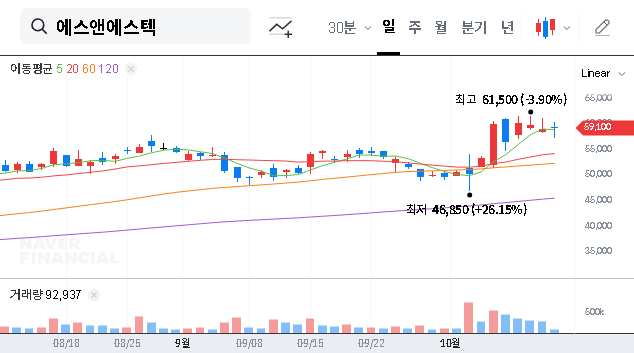
    Investors should differentiate between the immediate and future horizons. In the next 1-3 months, the stock may face continued pressure from weak sentiment and potential for another soft quarter. However, looking out 6-12 months and beyond, the narrative shifts. A recovery in the IT market, combined with tangible revenue from the S&S TECH EUV business, could lead to a significant re-evaluation of the company’s stock price. For more on cyclical market trends, you can read about understanding technology investment cycles.

    Investment Strategy & Comprehensive Opinion

    Our S&S TECH CORPORATION stock analysis concludes that the company is at a classic inflection point. While short-term headwinds are undeniable, the long-term growth story, centered on the high-barrier-to-entry EUV market, remains compelling.

    • For Short-Term Traders: Caution is advised. Increased volatility is likely. A phased buying strategy could be considered if the stock price sees a significant decline, but this approach carries risk until clear signs of an IT sector recovery emerge.
    • For Long-Term Investors: For those with a multi-year horizon who believe in the explosive growth of the EUV ecosystem, the current price weakness could present a strategic entry point for building a position in a key technology enabler. Continuous monitoring of the company’s progress in monetizing its EUV investments is essential.

    (101490) S&S TECH CORPORATION Stock Analysis (101490): EUV Growth vs. Q3 Dip 관련 이미지
  • (175250) Icure Pharmaceutical Sells Bioroget Stake: In-Depth Investor Analysis

    (175250) Icure Pharmaceutical Sells Bioroget Stake: In-Depth Investor Analysis

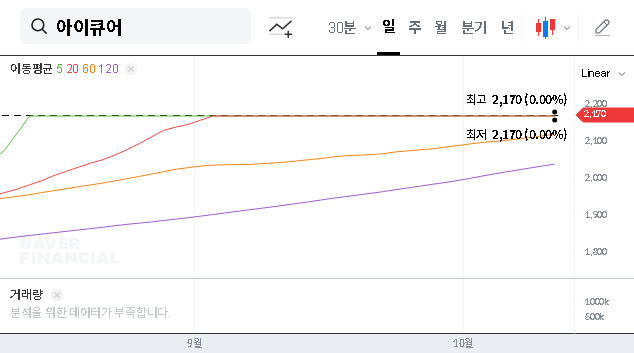
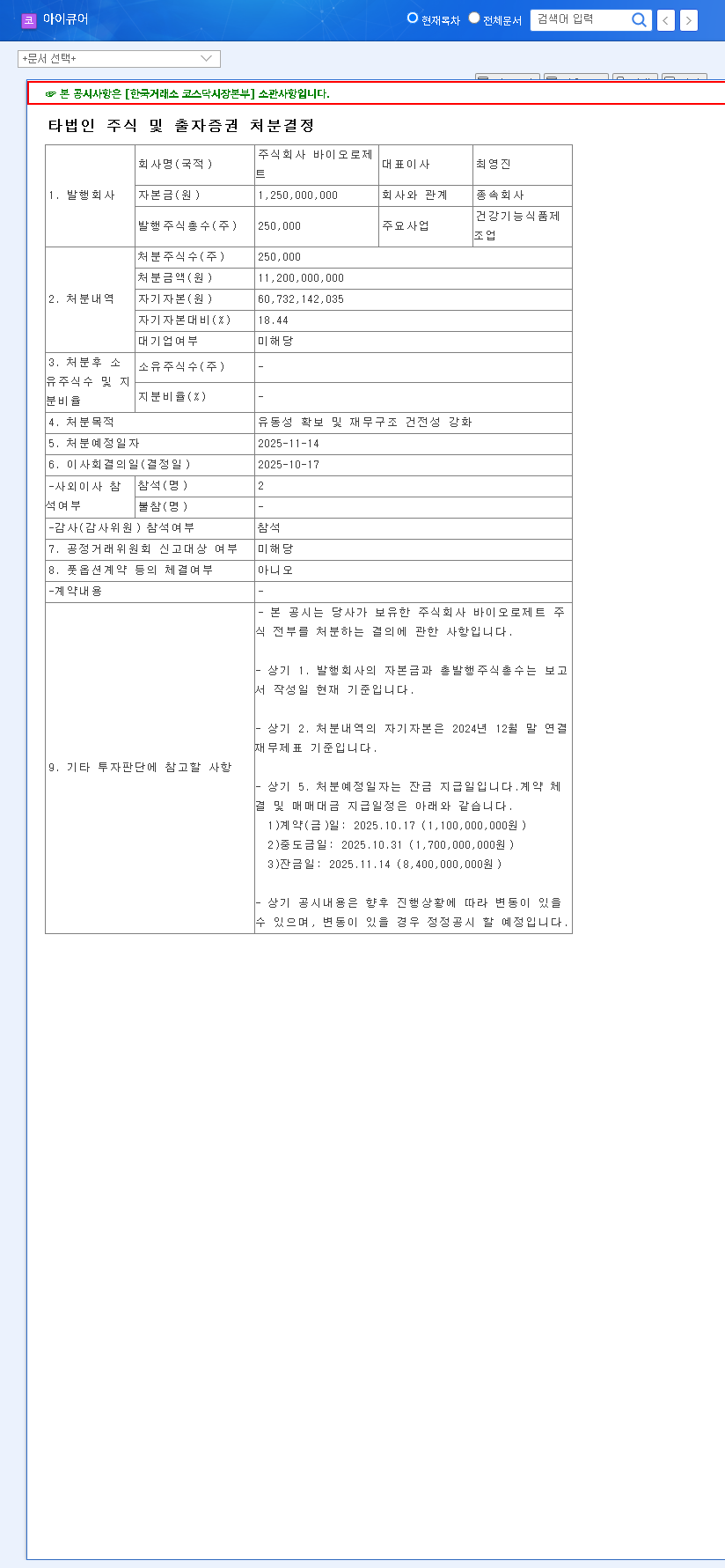
    In a significant strategic move, Icure Pharmaceutical Incorporation has announced the complete divestment of its stake in Bioroget, a prominent health functional food manufacturer. The decision to sell the Icure Pharmaceutical Bioroget stake, valued at ₩11.2 billion, has sent ripples through the investment community, raising critical questions about the company’s financial health and long-term growth strategy. Is this a savvy maneuver to bolster the balance sheet and refocus on core operations, or does it represent the forfeiture of a valuable future growth engine? This analysis will provide a comprehensive breakdown for investors.

    This article delves into the specifics of the disposition, explores the strategic rationale behind it, and weighs the potential benefits against the inherent risks. We will provide a clear, data-driven perspective to help you make informed decisions regarding Icure Pharmaceutical stock and its future trajectory.

    The Details of the Disposition

    According to the official filing on October 17, 2025, Icure Pharmaceutical will dispose of its entire 18.44% equity in Bioroget for ₩11.2 billion. The transaction, scheduled to be finalized by November 14, 2025, will reduce the company’s holding to zero. This move is not merely a financial transaction but a definitive statement about the company’s portfolio priorities moving forward. For full transparency, the Official Disclosure provides granular details of the sale agreement.

    The core objectives cited for the sale of the Icure Pharmaceutical Bioroget stake are twofold: securing immediate liquidity and reinforcing the company’s overall financial structure.

    Analyzing the Strategic Rationale

    1. Immediate Financial Fortification

    The injection of ₩11.2 billion in cash provides immediate relief and flexibility. In the capital-intensive pharmaceutical industry, maintaining a robust cash position is paramount for funding ongoing research and development (R&D), managing operational costs, and servicing debt. This liquidity can be used to:

    • Reduce short-term debt and lower interest expenses, thereby improving net income.
    • Fund crucial clinical trials or accelerate the development of promising drug candidates in their pipeline.
    • Provide a buffer against market volatility and unforeseen economic headwinds.

    2. A Pivot to Core Competencies

    Divesting from a non-core asset like a health food manufacturer allows Icure to streamline its operations and concentrate resources on its primary mission: pharmaceutical innovation. This corporate asset disposition signals a strategic pivot, enabling management to focus exclusively on drug development, manufacturing, and commercialization. This enhanced focus can lead to greater operational efficiency and potentially faster progress in their core business areas, a factor that seasoned investors often view favorably. For more on this, you can read about evaluating biotech company strategies in our related guide.

    Risks and Investor Considerations

    While the benefits are clear, a prudent investor must also weigh the potential downsides of this decision.

    The Loss of a Potential Growth Engine

    The global health and wellness market is expanding rapidly. By selling its stake in Bioroget, Icure Pharmaceutical is stepping away from this lucrative sector. If Bioroget was positioned for significant growth, this sale could be viewed in hindsight as a missed opportunity for diversification and long-term revenue generation. The key question is whether the capital gained from the sale can be deployed in their core pharma business to generate a higher return than what Bioroget was projected to deliver.

    Valuation and Market Perception

    The market’s perception of the ₩11.2 billion sale price is critical. Was this a fair valuation for an 18.44% stake? If the market perceives the sale as undervalued, it could raise concerns about management’s negotiation capabilities or suggest a sense of desperation for cash. Conversely, a favorable price would reinforce confidence in the leadership’s financial acumen. Investors should monitor analyst reports and market commentary, such as those from reputable financial news outlets like Reuters, to gauge the consensus on the transaction’s fairness.

    Actionable Insights for Investors

    Given this significant corporate development, investors should adopt a proactive and analytical approach.

    • Analyze Fund Utilization: Watch for subsequent announcements from Icure regarding how the proceeds will be used. A clear, strategic plan for reinvestment into R&D or debt reduction is a positive sign.
    • Review Financial Statements: In the upcoming quarterly reports, look for improvements in key metrics like the debt-to-equity ratio, cash on hand, and R&D spending.
    • Monitor Stock Performance: Observe the stock’s price movement and trading volume in the weeks following the disposition. Significant volatility may present risks, while stability could indicate market approval of the move.

    Conclusion: A Calculated Risk for a Focused Future

    Icure Pharmaceutical’s decision to sell its Bioroget stake is a classic example of a strategic trade-off. The company is exchanging a non-core asset with potential growth for immediate financial strength and a sharper focus on its primary pharmaceutical mission. The short-term benefits of improved liquidity and financial stability are undeniable.

    The long-term success of this move, however, will be determined by how effectively management deploys the newly acquired capital. For investors, this is a pivotal moment that requires careful monitoring. The disposition of the Icure Pharmaceutical Bioroget stake is not an end, but the beginning of a new chapter. Prudent analysis of the company’s subsequent actions will be key to navigating the opportunities and risks that lie ahead.

    (175250) Icure Pharmaceutical Sells Bioroget Stake: In-Depth Investor Analysis 관련 이미지
  • (001040) CJ CGV Lawsuit Resolved: A New Era for CJ Group Investment & Stock Outlook

    (001040) CJ CGV Lawsuit Resolved: A New Era for CJ Group Investment & Stock Outlook

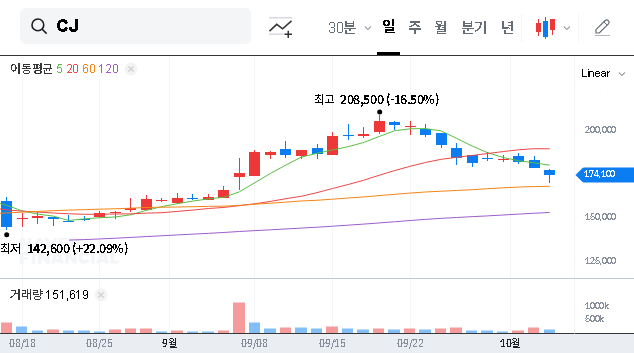
    A significant cloud of uncertainty has lifted for investors. The long-standing CJ CGV lawsuit, a major point of concern for the conglomerate, has been officially resolved, signaling a pivotal moment for both the subsidiary and its parent, CJ Group. This development removes a critical CJ CGV legal risk and paves the way for a renewed focus on growth and profitability, directly impacting the outlook for any CJ Group investment. This analysis explores the profound implications of this resolution on the company’s fundamentals, stock potential, and strategic future.

    By understanding the details of this event, investors can more accurately assess the company’s value proposition and formulate more informed strategies for engaging with CJ CGV stock and the broader CJ Group portfolio.

    The Landmark Resolution: What Happened with the CJ CGV Lawsuit?

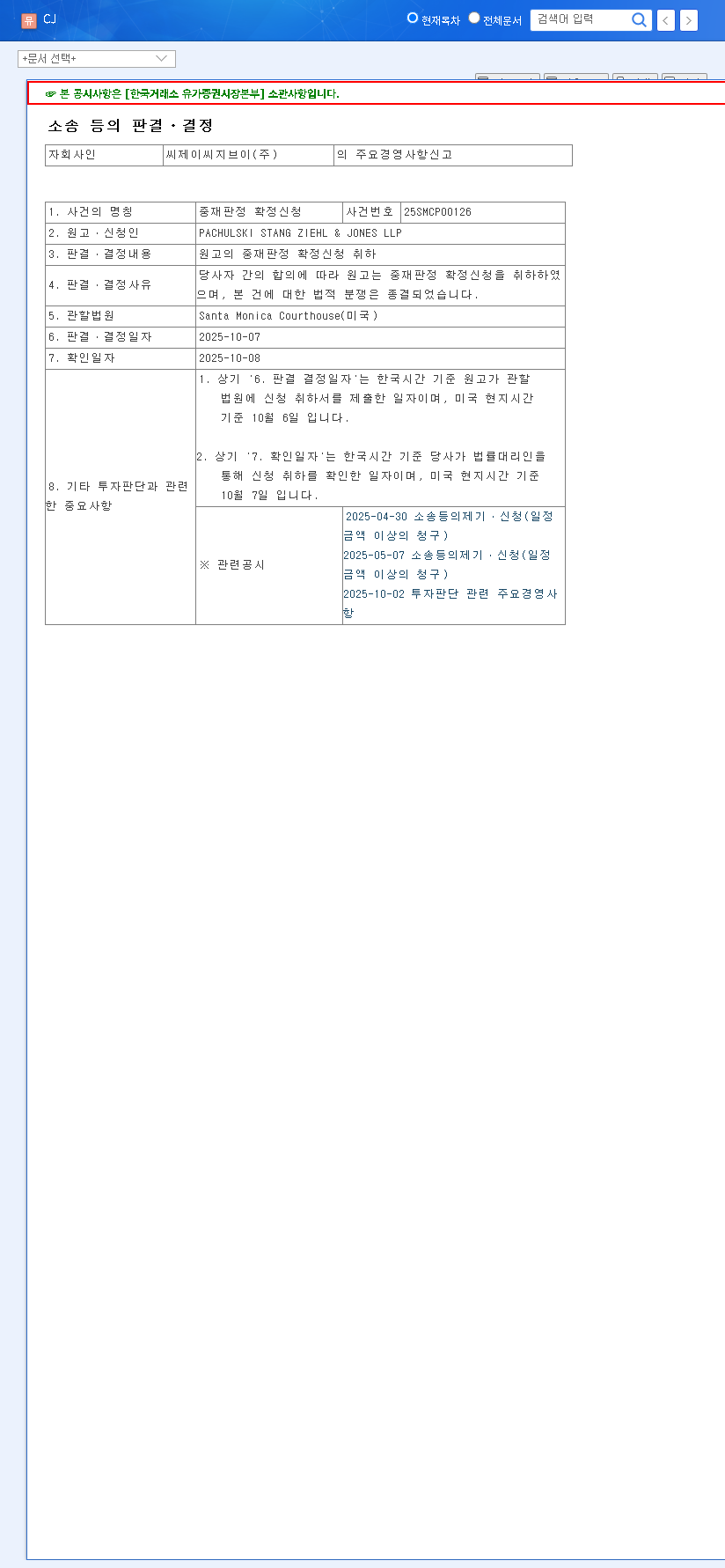
    On October 10, 2025, a decisive action concluded a period of significant legal uncertainty. The plaintiff, PACHULSKI STANG ZIEHL & JONES LLP, officially withdrew its application for the confirmation of an arbitration award (Case No. 25SMCP00126) in a U.S. court. This withdrawal was the result of a mutual agreement between the involved parties, effectively ending the dispute before it could escalate into a more costly and prolonged legal battle. The formal announcement can be reviewed in the Official Disclosure filed with the regulatory authorities.

    “The resolution of the CJ CGV lawsuit is a classic case of de-risking. When a known negative variable is removed from the equation, the market is free to re-evaluate the company based on its core operational strength and future potential. We see this as a clear positive for CJ Group fundamentals.”

    Why This Matters: A Deep Dive into the Impact

    The end of this legal challenge is far more than a simple footnote in a corporate filing. It triggers a cascade of positive effects across the organization, from financial stability to strategic focus.

    1. Bolstering CJ Group’s Core Fundamentals

    A healthy subsidiary is crucial for a healthy parent company. By resolving this issue, CJ CGV removes a potential financial drain and reputational risk, which in turn strengthens the entire CJ Group’s profile. This enhances financial stability by averting potential litigation costs and damage awards, a factor that rating agencies and large-scale investors watch closely. A stable financial base is critical for maintaining the group’s ‘AA-‘ credit rating and managing debt efficiently, as noted by financial analysts at sources like Bloomberg.

    2. Unlocking Strategic Focus and Synergy

    With legal distractions in the rearview mirror, CJ CGV’s management can now dedicate 100% of its attention to its core business: innovating the cinema experience and navigating the post-pandemic entertainment landscape. This renewed focus is expected to accelerate performance improvements and strengthen synergies with sister company CJ ENM. The potential to create a seamless content pipeline—from production (CJ ENM) to exhibition (CJ CGV)—is a cornerstone of a sound CJ Group investment thesis. For more on this, you can read our analysis of CJ ENM’s content strategy.

    3. Reshaping Market and Investor Perceptions

    For months, the CJ CGV legal risk was an overhang on the stock, potentially suppressing its value. Its removal is a powerful catalyst for a market re-rating. Investors who were previously hesitant may now view the company with renewed confidence. This positive sentiment is expected to reduce perceived business risk for the entire group, enhancing its overall investment appeal and potentially leading to a more favorable valuation for CJ CGV stock.

    The Path Forward: Outlook & Investor Takeaways

    The resolution of the CJ CGV lawsuit has both immediate and long-term implications that investors should monitor closely.

    • Short-Term Outlook: Expect a positive reaction in the market as uncertainty is priced out. The removal of this risk factor should improve investor sentiment and could provide an immediate lift to both CJ and CJ CGV’s stock prices.
    • Mid-to-Long-Term Outlook: The true test will be in execution. Investors should watch for tangible signs of progress, such as improved profitability at CJ CGV, new strategic initiatives focused on growth, and concrete examples of enhanced synergy with CJ ENM. These will be key indicators that the company is capitalizing on its newfound stability.

    Frequently Asked Questions (FAQ)

    How does this directly affect CJ CGV’s finances?

    While not a direct revenue event, it’s a significant cost-avoidance victory. It eliminates the risk of a large financial payout and ongoing legal fees. This preserves capital that can now be reinvested into core business operations, technology upgrades (like 4DX and ScreenX), and strategic growth, thereby indirectly strengthening the balance sheet.

    Is CJ Group now a more attractive investment?

    The removal of a major subsidiary’s legal risk certainly enhances the attractiveness of a CJ Group investment. It demonstrates proactive risk management and allows the market to focus on the group’s strong portfolio of businesses in food, logistics, and entertainment. This event strengthens the overall investment case by improving the stability and predictability of future earnings.

    (001040) CJ CGV Lawsuit Resolved: A New Era for CJ Group Investment & Stock Outlook 관련 이미지
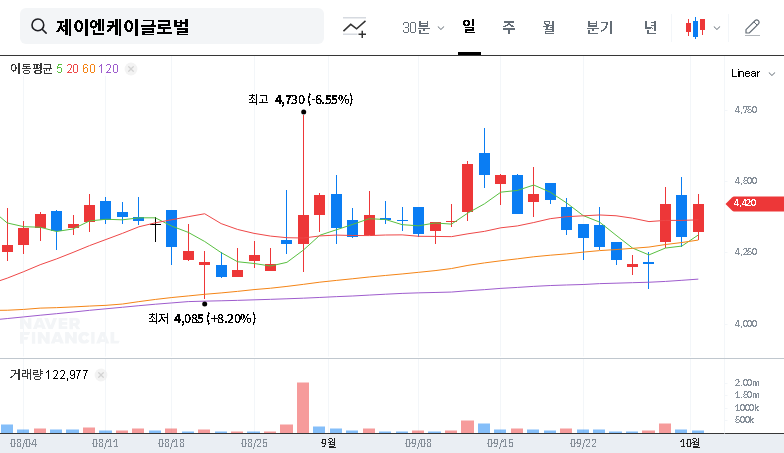
  • (126880) JNK Global Secures Landmark $300M Fired Heaters Contract with BPCL: In-Depth Analysis

    (126880) JNK Global Secures Landmark $300M Fired Heaters Contract with BPCL: In-Depth Analysis

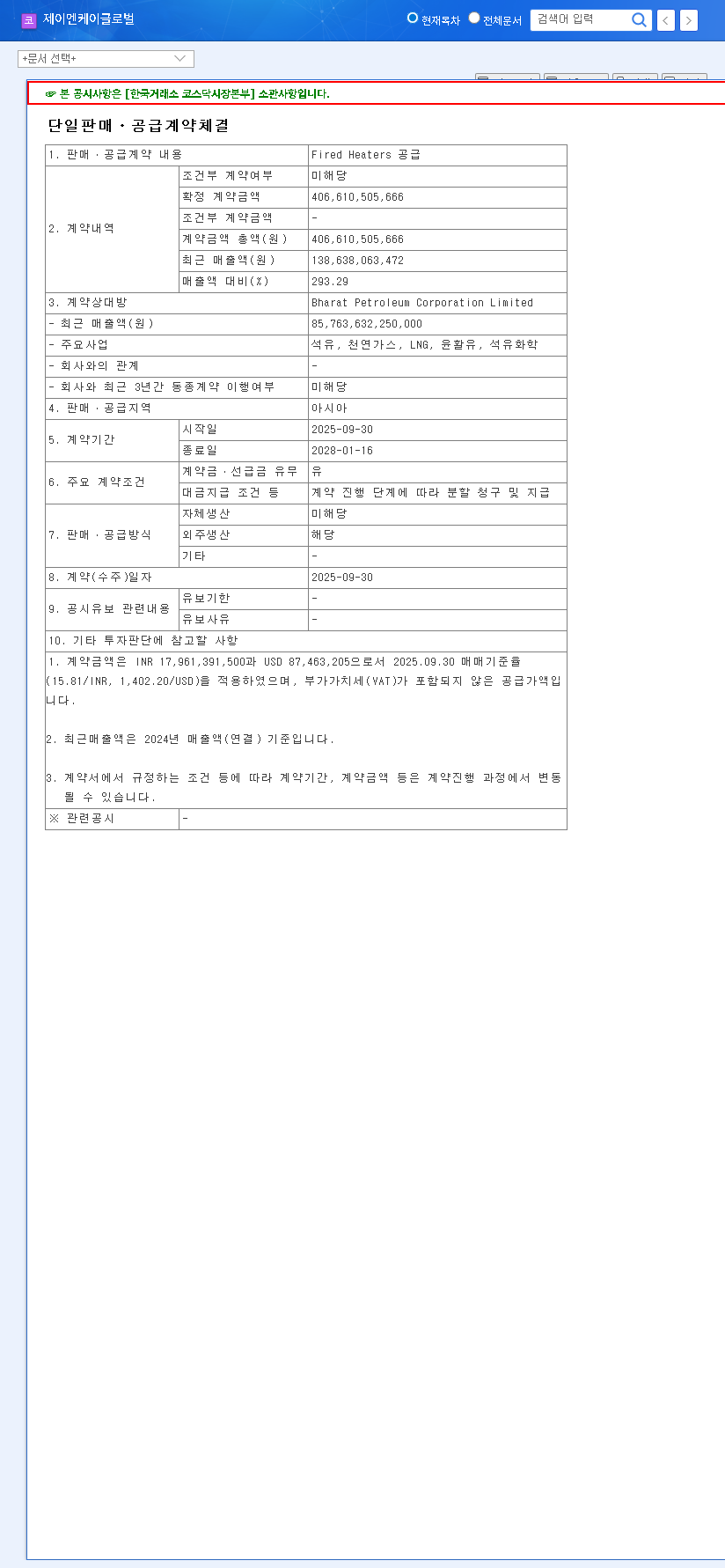
    The industrial equipment market is buzzing with the news of JNK Global‘s monumental new contract. The company has secured a deal with Bharat Petroleum Corporation Limited (BPCL), India’s state-owned petrochemical giant, to supply a significant number of Fired Heaters. Valued at KRW 406.6 billion (approximately USD 300 million), this agreement is not merely a significant order—it represents a staggering 293.29% of JNK Global’s entire 2023 revenue. This landmark achievement signals a pivotal moment for the company, promising substantial growth and solidifying its position as a global leader.

    For investors and market analysts, this raises critical questions. How will this massive influx of revenue reshape JNK Global’s financial landscape? What does this mean for its stock valuation and future projects? This comprehensive analysis provides the critical insights needed to understand the full implications of this game-changing JNK Global contract.

    Deconstructing the Landmark BPCL Agreement

    On October 1, 2025, JNK Global formally announced the supply contract for its high-tech Fired Heaters, also known as industrial furnaces, with BPCL. These critical components are essential for the refining and petrochemical processes, used to heat raw materials to precise temperatures. The scale of this deal underscores the trust BPCL has placed in JNK Global’s technology and execution capabilities. The key details are as follows:

    • Contracting Party: Bharat Petroleum Corporation Limited (BPCL), a leading Indian state-owned entity.
    • Contract Scope: Design, manufacture, and supply of advanced Fired Heaters (industrial furnaces).
    • Contract Value: KRW 406.6 billion (approx. USD 300 million).
    • Revenue Impact: Equivalent to 293.29% of JNK Global’s 2023 revenue (KRW 138.6 billion).
    • Contract Period: September 30, 2025 – January 16, 2028.

    “This contract is the largest single order in JNK Global’s history. It’s an unequivocal validation of our world-class Fired Heaters technology and our ability to compete and win on a global scale. This is a transformative moment for our company and its stakeholders.”

    Impact Analysis: Fundamentals and Market Expectations

    A deal of this magnitude will have profound and lasting effects on both the company’s internal health and its perception in the market. We can break down the impact into two key areas.

    Securing Strong Financial Momentum

    The most immediate impact will be on JNK Global’s balance sheet. The KRW 406.6 billion contract provides a guaranteed revenue stream for over two years, dramatically enhancing financial predictability. This will lead to fortified revenue and profitability, strengthening the company’s financial structure and providing capital for future investments in R&D, particularly in its promising hydrogen business division. This deal not only injects massive revenue but also de-risks the company’s financial profile, making it more attractive to long-term investors.

    Upgrading JNK Global Market Sentiment

    For the market, this contract serves as a powerful catalyst. It confirms that JNK Global’s core Fired Heaters business is not just stable but a dominant force in the global petrochemical equipment market. This success will likely lead to an upward re-evaluation of the company’s stock by analysts. The ability to secure such a large-scale project in India’s booming market also showcases JNK Global’s strategic prowess in navigating emerging economies, potentially opening doors for further expansion in Asia and beyond.

    Investor Action Plan & Key Monitorables

    In light of this highly positive event, our “BUY” investment opinion on JNK Global is firmly maintained and reinforced. The contract significantly boosts the company’s fundamental value and future earnings potential. However, prudent investors should continue to monitor several key factors moving forward:

    • Flawless Contract Execution: Ensuring adherence to quality standards and delivery timelines is paramount to realizing the full financial benefit.
    • Follow-on Opportunities: Successful delivery could position JNK Global as a preferred partner for BPCL’s future projects.
    • Hydrogen Business Progress: Tracking milestones and commercialization efforts in the high-potential hydrogen segment.
    • Macroeconomic Factors: Monitoring exchange rates and oil prices, which can influence profitability on international contracts.

    For complete transparency and details, investors are encouraged to review the company’s filing.
    Source: Official Disclosure (DART Report)

    Frequently Asked Questions (FAQ)

    Q1: What is the most significant aspect of the JNK Global contract with BPCL?

    A1: The most significant aspect is its immense scale. At KRW 406.6 billion ( ~$300M), the contract value is equivalent to 293.29% of JNK Global’s total revenue in 2023, making it a truly transformative deal that secures the company’s growth trajectory for years to come.

    Q2: How will this large-scale contract affect JNK Global’s financials?

    A2: The contract will dramatically boost revenue and profitability over the 2+ year period. It enhances financial stability, improves cash flow, and provides the necessary capital to fund strategic investments in both its core industrial furnaces business and new ventures like hydrogen technology.

    Q3: What is the investment outlook for JNK Global after this announcement?

    A3: The investment outlook is highly positive, reinforcing a strong “BUY” recommendation. The contract validates the company’s technological leadership and significantly de-risks its financial future, warranting a positive re-evaluation by the market.

    (126880) JNK Global Secures Landmark $300M Fired Heaters Contract with BPCL: In-Depth Analysis 관련 이미지
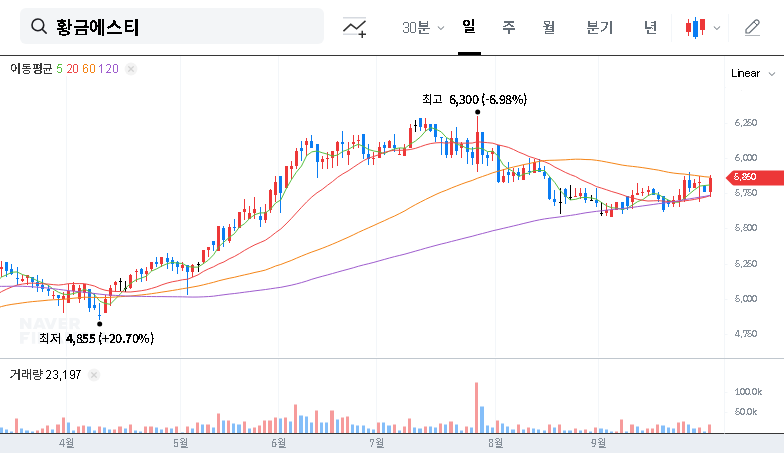
  • (032560) Hwanggeum ST (032560) Stock Analysis: CEO Increases Stake – What Investors Need to Know

    (032560) Hwanggeum ST (032560) Stock Analysis: CEO Increases Stake – What Investors Need to Know

    In a move signaling profound confidence, the leadership of Hwanggeum ST (032560) has sent a powerful message to the market. CEO Kim Jong-hyun recently increased his personal stake in the company through on-market purchases, an action often interpreted as a bullish indicator of a company’s future prospects. This development prompts a crucial question for investors: Is this the catalyst for a significant re-evaluation of the Hwanggeum ST stock price?

    This comprehensive analysis will dissect the details of the CEO’s stake increase, perform a deep dive into Hwanggeum ST’s H1 2025 fundamentals, and explore the potential short-term and long-term impacts on its valuation. We will provide a strategic action plan for current and prospective investors navigating this new information.

    The Details: CEO Kim Jong-hyun’s Stake Increase

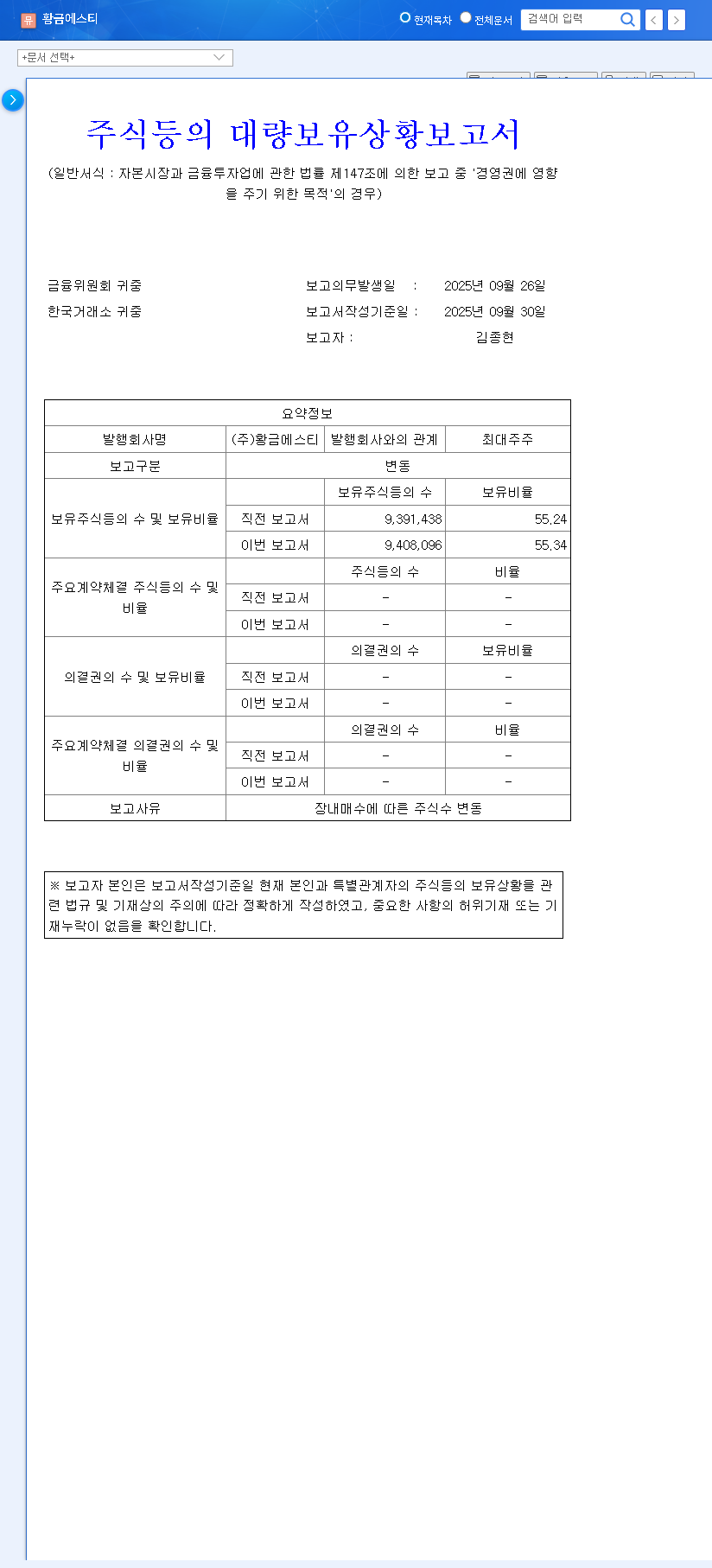
    On September 30, 2025, a disclosure filed with the regulatory authorities revealed key changes in CEO Kim Jong-hyun’s holdings. The specifics, as detailed in the Official Disclosure (DART), are as follows:

    • Shareholding Change: Increased from 55.24% to 55.34% (a +0.10% point increase).
    • Reason for Change: On-market purchases totaling 16,658 shares across two days.
    • Stated Purpose: To exert ‘management influence,’ reinforcing a commitment to stable leadership.

    An on-market purchase is particularly significant. Unlike stock options or grants, it involves the CEO using their own capital to buy shares at the current market price, indicating a strong belief that the stock is undervalued and poised for growth. It’s a classic case of ‘skin in the game.’

    Hwanggeum ST Fundamentals: A Deep Dive (H1 2025)

    To understand the context of this insider buying, we must examine the company’s underlying health. The H1 2025 report for Hwanggeum ST reveals a company with a stable core and promising ventures for future growth.

    Financial Performance & Stability

    While revenue saw a minor dip, profitability metrics tell a more optimistic story. Net profit increased year-on-year, bolstered by strong performance from equity-accounted investments. More importantly, the company’s financial structure has been significantly reinforced. An improved debt-to-equity ratio and a higher current ratio demonstrate enhanced financial stability and a reduced risk profile for investors. This fiscal prudence makes the CEO’s investment in Hwanggeum ST appear even more calculated and confident.

    Analysis of Core Business Segments

    • Steel Business: The backbone of the company remains robust. Operating at a healthy 91.46% plant utilization rate, this division maintains a competitive edge through effective management of raw material costs and foreign exchange volatility.
    • Construction Business: This segment is a key driver of recent success. With a stable 84.95% utilization rate and a strategic focus on government SOC projects, it is positioned for significant future revenue growth from large project wins.
    • Smart Farm Business: Representing a strategic pivot towards a high-value, future-oriented market, this new venture is a potential long-term growth engine. While still in the R&D phase, its development is a critical factor for the company’s future valuation.

    Impact on the Hwanggeum ST Stock Price

    How will this CEO stake increase affect the stock? We can anticipate effects on multiple timelines.

    Short-Term: News of significant insider buying often creates positive market sentiment. It can attract retail and institutional investors, leading to increased buying pressure and a potential short-term boost in the stock price. The explicit goal of ‘management influence’ further solidifies this signal.

    Medium-to-Long-Term: The lasting impact depends on the company’s ability to execute. The CEO’s investment signals a long-term belief in the company’s strategy—namely, the continued stability of its core businesses and the successful launch of the Smart Farm venture. If Hwanggeum ST delivers on these fundamental improvements, the CEO’s vote of confidence could mark the beginning of a sustained upward trend in corporate value and stock price.

    Strategic Action Plan for Investors

    While this news is overwhelmingly positive, prudent investment requires a holistic view. Consider the following action points when evaluating your position in Hwanggeum ST (032560):

    • Monitor Insider Activity: Keep an eye on any further changes in shareholdings from CEO Kim Jong-hyun or other executives. Continued buying would strengthen the bullish case.
    • Verify Fundamental Progress: Scrutinize upcoming quarterly earnings reports. Look for continued profitability, margin improvements, and, crucially, concrete milestones from the Smart Farm division.
    • Assess Macroeconomic Factors: Stay informed about exchange rates, global steel prices, and interest rate policies, as these external factors can significantly impact Hwanggeum ST’s profitability. Explore our guide to analyzing industrial stocks for more on this.
    • Analyze the Competitive Landscape: Understand the competitive pressures in both the steel and construction industries and how Hwanggeum ST is innovating to maintain its edge.

    In conclusion, the CEO’s increased stake in Hwanggeum ST is a significant and positive development. It aligns leadership’s financial interests directly with those of shareholders and suggests a deep-seated belief in the company’s intrinsic value and future trajectory. For investors, this moment serves as a compelling reason to conduct fresh due diligence, balancing this powerful insider signal with a rigorous analysis of the company’s fundamentals and the broader market environment.

    (032560) Hwanggeum ST (032560) Stock Analysis: CEO Increases Stake – What Investors Need to Know 관련 이미지
    (032560) Hwanggeum ST (032560) Stock Analysis: CEO Increases Stake – What Investors Need to Know 관련 이미지
  • Korean Reinsurance: Positive Outlook for 2025H1, Strong Performance and Financial Stability

    1. Impressive Growth in 2025H1

    Korean Re achieved significant growth in the first half of 2025, reporting revenue of KRW 3.5035 trillion, operating profit of KRW 253.4 billion, and net income of KRW 195.5 billion. This impressive performance reflects successful portfolio diversification, a profit-oriented strategy, and improved investment returns. The company also saw improved profitability with a return on assets of 3.96% and return on equity (ROE) of 11.28%, both up year-on-year.

    2. Solid Financial Stability

    Maintaining strong credit ratings from international agencies – A.M. Best: A (Stable), S&P: A+ (Stable), and Moody’s: A1 (Stable) – Korean Re demonstrates its solid financial health. A K-ICS ratio of 186.01% further underscores the company’s robust solvency position, providing confidence to investors.

    3. Securing Future Growth Drivers

    Korean Re is actively securing future growth drivers by expanding its global network and diversifying its business portfolio beyond reinsurance. These efforts are crucial for building long-term growth potential.

    4. Investor Action Plan

    Korean Re’s strong performance and stable financials offer a positive investment outlook. However, potential investors should carefully consider global macroeconomic factors, the company’s overseas expansion progress, and the potential impact of natural disasters or major accidents before making any investment decisions.

    Q: What were Korean Re’s key financial results for 2025H1?

    A: Korean Re reported revenue of KRW 3.5035 trillion, operating profit of KRW 253.4 billion, and net income of KRW 195.5 billion. Return on assets was 3.96% and ROE was 11.28%.

    Q: What are Korean Re’s credit ratings?

    A: Korean Re maintains ratings of A (Stable) from A.M. Best, A+ (Stable) from S&P, and A1 (Stable) from Moody’s.

    Q: What should investors consider when evaluating Korean Re?

    A: Investors should consider factors such as exchange rate and interest rate volatility, the possibility of natural disasters or major accidents, and the investment and risk analysis of new business ventures.

  • Jasco Holdings (023440) Q2 2025 Earnings Analysis: Widening Losses Raise Investor Concerns

    1. What Happened? : Jasco Holdings Q2 2025 Earnings Analysis

    Jasco Holdings reported revenue of KRW 10.6 billion, an operating loss of KRW 3 billion, and a net loss of KRW 7 billion for the first half of 2025. While revenue exceeded market expectations, operating and net losses widened, falling short of estimates.

    2. Why Did This Happen? : Analysis of Poor Performance

    • Steel Industry Downturn: The global economic slowdown and China’s economic struggles are negatively impacting the steel industry.
    • Raw Material Price Volatility: Fluctuations in raw material prices have eroded profitability.
    • High Interest Rate Environment: Rising interest rates have increased interest expense burdens.
    • Slow Progress in New Businesses: Delays in new business development have hindered meaningful results.
    • Deteriorating Financial Health: A high debt-to-equity ratio and the mention of ‘going concern uncertainties’ indicate serious financial risks.

    3. What Should Investors Do? : Investment Strategy

    Extreme caution is advised for investing in Jasco Holdings. Closely monitor their efforts to improve financial structure and profitability, funding plans, and business restructuring efforts. Currently, we recommend observing rather than investing. A cautious approach is necessary until clear evidence of a turnaround is presented.

    4. Action Plan for Investors

    • Monitor Financial Statements: Regularly review financial statements to understand the company’s financial position.
    • Check Public Disclosures: Stay informed about business progress and changes in management strategy by reviewing company disclosures.
    • Consult with Experts: Seek advice from investment professionals to inform your investment decisions.

    Frequently Asked Questions

    What is the current stock price of Jasco Holdings?

    This analysis is based on a specific point in time and does not provide real-time stock quotes. Please check a financial data provider or your brokerage account for current information.

    What is the outlook for Jasco Holdings?

    Currently, the outlook is negative. However, this can change depending on management efforts and market conditions.

    When should I consider investing in Jasco Holdings?

    Consider investing only when concrete indicators of a potential turnaround emerge, such as improvements in financial structure, recovery of profitability, or successful new business ventures.