Tag: Facility Investment

  • (009450) KYUNG DONG NAVIEN Capital Increase: In-Depth Stock Analysis of Share Dilution vs. Growth

    (009450) KYUNG DONG NAVIEN Capital Increase: In-Depth Stock Analysis of Share Dilution vs. Growth

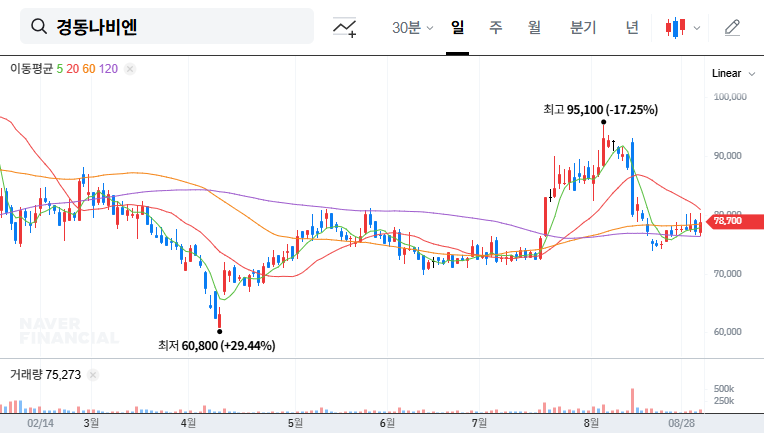
    The recent announcement of the KYUNG DONG NAVIEN capital increase has sent ripples through the investment community. The company, a dominant force in the living environment and energy sector, plans to inject ₩119.7 billion into its subsidiary, Kyung Dong Polium Co., Ltd. This move presents a classic investor dilemma: is it a strategic investment paving the way for future dominance, or will the resulting share dilution negatively impact current shareholder value? This in-depth KD Navien stock analysis will dissect the details, explore the potential outcomes, and provide investors with a clear framework for making informed decisions.

    We will examine the fundamentals driving this decision, the immediate financial implications, and the broader market context to understand whether this capital raise is a masterstroke for long-term growth or a necessary but painful short-term measure.

    Dissecting the KYUNG DONG NAVIEN Capital Increase

    On November 12, 2025, KYUNG DONG NAVIEN formally announced its decision to execute a significant capital increase valued at ₩119.7 billion. According to the Official Disclosure filed with DART, this transaction is structured as a shareholder-allocated rights offering. This means existing shareholders will have the right to purchase new shares, specifically at a ratio of 1.33 new shares for every existing share they hold. The explicitly stated purpose for this substantial fundraising effort is to secure crucial facility investment capital for its subsidiary, Kyung Dong Polium.

    This isn’t merely a financial transaction; it’s a strategic pivot. The allocation of funds to Kyung Dong Polium suggests a deliberate strategy to bolster a key part of their supply chain or venture into higher-margin, specialized materials, thereby fortifying their competitive moat.

    Company Fundamentals: The ‘Why’ Behind the Move

    A Story of Growth and Profitability Pressures

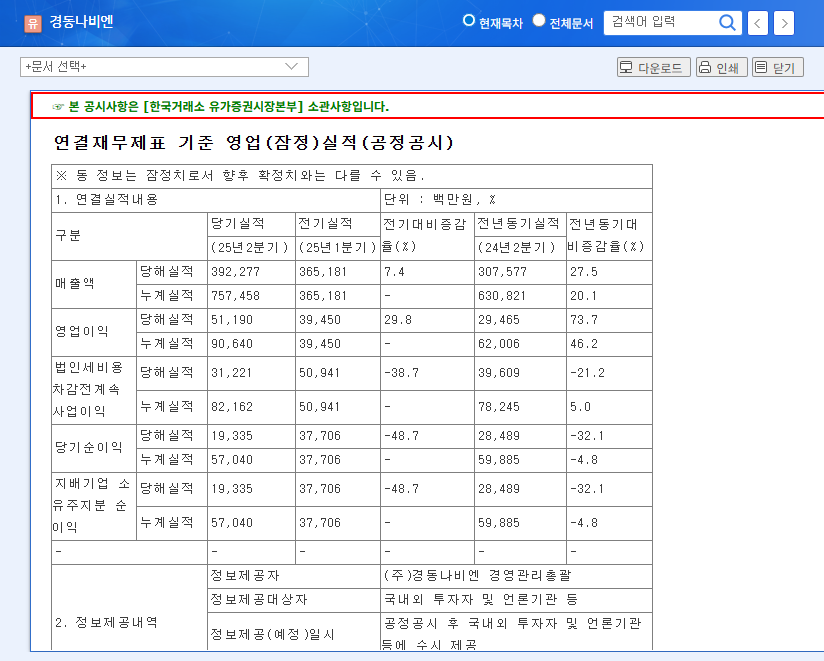
    KYUNG DONG NAVIEN’s recent performance paints a complex picture. The first half of 2025 saw impressive top-line growth, with consolidated sales reaching ₩757.45 billion—a 20.1% increase year-over-year. This surge was driven by strong overseas sales and the strategic acquisition of the SK Magic business unit. However, this growth came at a cost. Operating profit plummeted by 46.2% to ₩90.64 billion. This squeeze on profitability is a critical concern, stemming from a combination of rising raw material costs, higher administrative expenses, and the initial costs of new business investments. While the company’s debt ratio saw a slight improvement, an increasing net borrowing ratio signals a growing financial burden that this capital increase aims to address.

    Balancing Positives and Negatives

    • Strengths: The company maintains a dominant position in the domestic boiler market, is successfully expanding globally, and holds advanced technology in eco-friendly products. Its acquisition of SK Magic and strong credit rating are significant assets.
    • Weaknesses: The sharp decline in operating profit is the most pressing issue. The company is also vulnerable to volatile raw material prices and foreign exchange rates. A potential slowdown in the construction sector and fierce competition represent external threats. For more on market dynamics, you can read our guide on navigating volatile industrial markets.

    Potential Impacts on Investors and the Market

    The Double-Edged Sword: Financial Health vs. Share Dilution

    The infusion of ₩119.7 billion will undoubtedly strengthen KYUNG DONG NAVIEN’s balance sheet, likely lowering its debt-to-equity ratio and enhancing long-term financial stability. However, the high offering ratio of 1.33 new shares per existing one introduces the significant risk of share dilution. This means each existing share will represent a smaller percentage of ownership in the company, potentially decreasing earnings per share (EPS) in the short term. The ultimate impact will heavily depend on the final issue price of the new shares and the market’s reception.

    Market Reaction and Long-Term Outlook

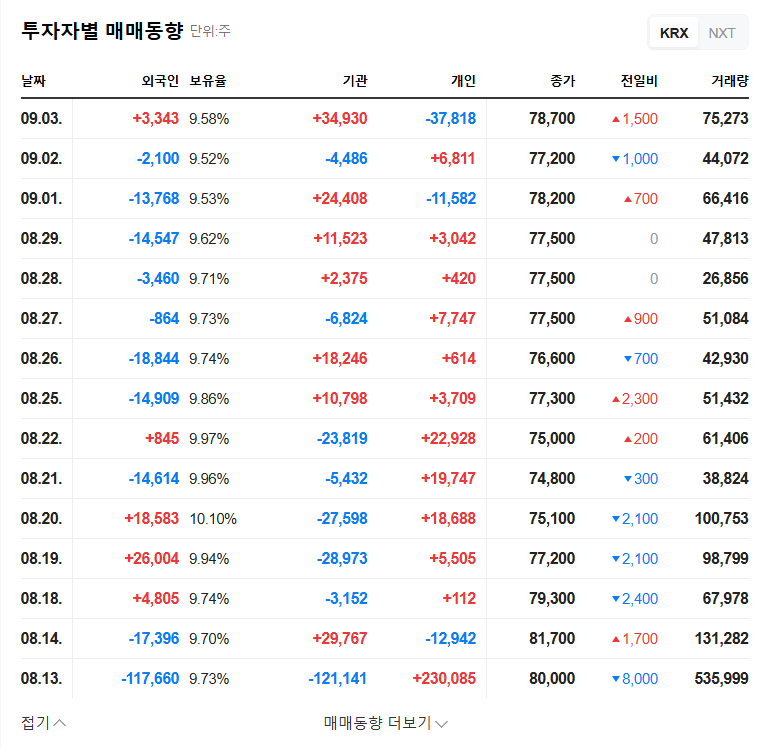
    Historically, news of a capital increase can exert downward pressure on a company’s stock price. As noted by financial analysts at sources like Bloomberg, markets often react nervously to potential dilution. However, this initial pessimism can be overcome. If the funds from the KYUNG DONG NAVIEN capital increase are used efficiently and transparently, leading to tangible growth at Kyung Dong Polium and a subsequent boost in overall profitability, the long-term outlook for the stock could be very positive. The market will be watching closely to see if this facility investment translates into a sustainable competitive advantage.

    Investor Action Plan & Key Monitoring Points

    Given the conflicting factors, a ‘Neutral’ stance on KD Navien stock is prudent. The potential for long-term growth is balanced by short-term risks of dilution and ongoing profitability challenges. Investors should transition from a passive to an active monitoring mode.

    Investors should closely monitor the following key metrics:

    • New Share Issuance Details: The final issue price and the subscription rate will be the first indicators of market sentiment.
    • Kyung Dong Polium Performance: Track quarterly reports for updates on the facility investment’s progress and its impact on revenue and margins.
    • Macroeconomic Factors: Keep an eye on raw material prices (especially steel and copper) and currency exchange rates (KRW/USD), as these directly affect the company’s cost structure.
    • Profitability Metrics: Most importantly, watch for a turnaround in operating profit margins. A sustained improvement will signal that the growth strategy is succeeding.

    Disclaimer: This analysis is for informational purposes only and is based on publicly available data. Investment decisions should be made based on individual research and financial advice.
    (009450) KYUNG DONG NAVIEN Capital Increase: In-Depth Stock Analysis of Share Dilution vs. Growth 관련 이미지
    (009450) KYUNG DONG NAVIEN Capital Increase: In-Depth Stock Analysis of Share Dilution vs. Growth 관련 이미지
  • (002720) Kukje Pharma’s KRW 9.5B Bet: Analyzing the Eye Drop Production Expansion and Stock Potential

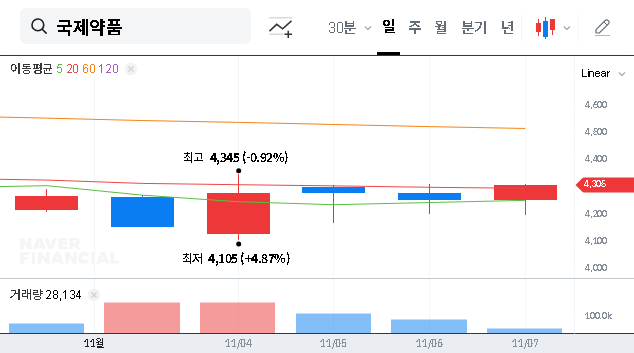
    (002720) Kukje Pharma’s KRW 9.5B Bet: Analyzing the Eye Drop Production Expansion and Stock Potential

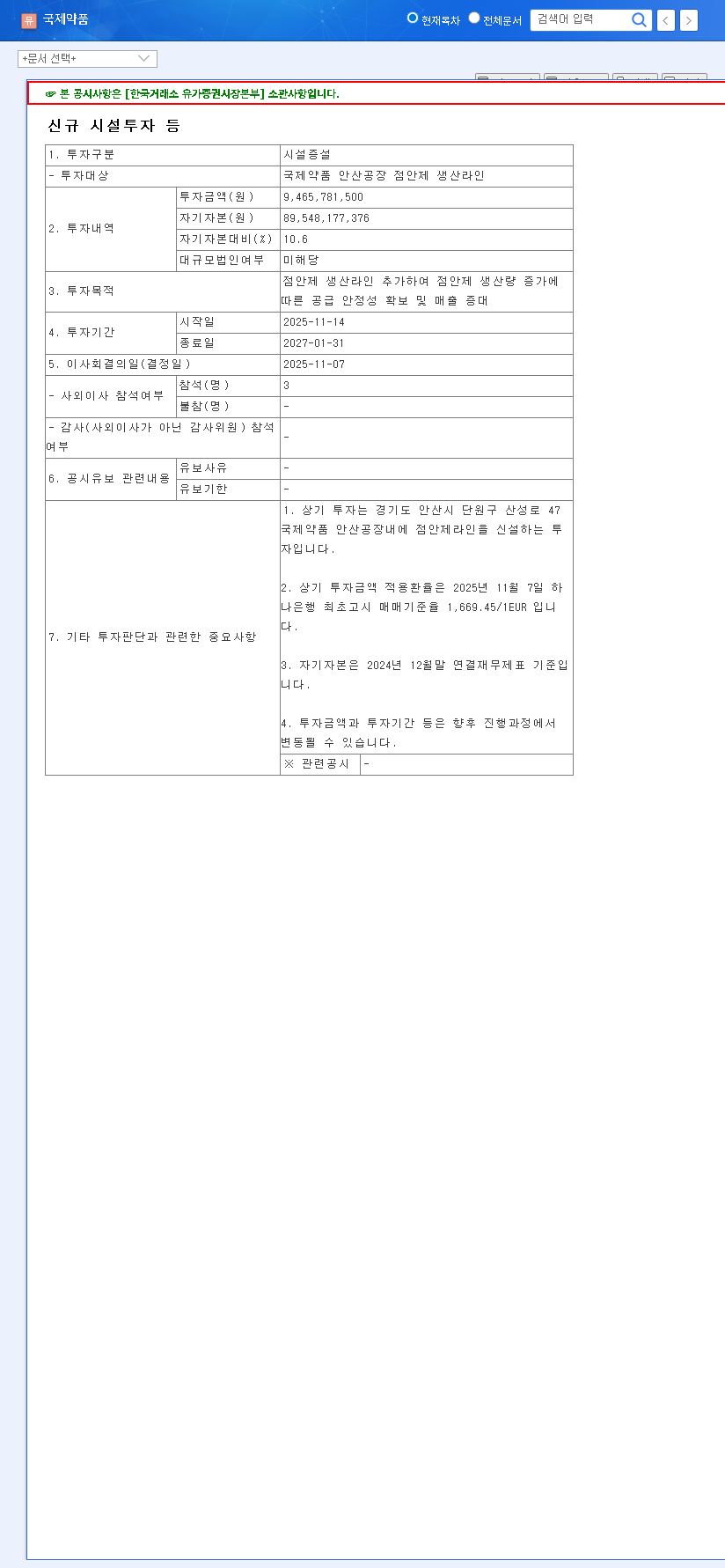
    In a significant move poised to reshape the ophthalmology sector, Kukje Pharma Co., Ltd. has announced a substantial new facility investment of KRW 9.5 billion. This strategic capital injection is earmarked for the expansion of its eye drop production line at the Ansan factory. This isn’t merely an operational upgrade; it’s a bold declaration of intent, signaling a new era of growth and market dominance. For investors and industry watchers, this development raises critical questions: How will this expansion impact Kukje Pharma’s stock valuation and long-term corporate value? This comprehensive analysis will explore every facet of this investment, from the company’s robust fundamentals to market expectations and potential risks.

    This strategic investment signals Kukje Pharma’s ambition not just to compete, but to dominate the burgeoning ophthalmology market in the coming years. It’s a calculated move to capitalize on demographic and lifestyle trends driving demand for eye care solutions.

    The Investment: A KRW 9.5 Billion Vision for the Future

    According to the Official Disclosure filed with DART, Kukje Pharma is committing KRW 9.5 billion, a figure representing 10.6% of its equity capital, to this crucial project. The expansion at the Ansan factory is scheduled over a period of roughly 14 months, from November 14, 2025, to January 31, 2027. The primary objectives are clear: dramatically increase eye drop production capacity to stabilize supply, meet escalating market demand, and ultimately, drive significant sales growth. This is a forward-looking move that prepares the company for the future of eye care.

    Why This Matters: Market Dynamics & Kukje Pharma’s Strengths

    This pharmaceutical investment is timed perfectly. The global eye drop market is experiencing unprecedented growth, fueled by several key factors including an aging global population, increased screen time leading to digital eye strain, and rising awareness of ocular health. By expanding its production capabilities, Kukje Pharma is positioning itself to capture a larger share of this lucrative and expanding market. To learn more about market trends, you can read our analysis of the broader pharmaceutical sector.

    Solid Fundamentals Underpinning the Expansion

    This ambitious project is built on a foundation of strong financial and operational health. Recent performance highlights the company’s readiness for such a large-scale investment.

    • Impressive Financial Growth: The first half of 2025 saw robust year-on-year increases in both revenue and operating profit, driven by strong pharmaceutical sales.
    • Enhanced Financial Stability: A capital procurement ratio of 14.99% points to improved financial soundness, providing a stable base for this significant capital expenditure.
    • Proven R&D Prowess: With active research projects for two new drugs and three modified new drugs, Kukje Pharma is committed to innovation. The past success of products like ‘Rebaeye Eye Drops’ demonstrates their capability to bring profitable new treatments to market.

    Projected Impacts and Potential Hurdles

    The Upside: Growth and Market Leadership

    The potential positive outcomes of the Ansan factory expansion are substantial. A significant increase in eye drop production will allow the company to expand its market share, enhance sales revenue, and build stronger customer loyalty through a stable and reliable product supply. This move solidifies its position as a key player in the ophthalmology space and provides a powerful engine for long-term, sustainable growth. Leading industry sources like PharmaExec magazine often highlight how such capacity expansions can lead to significant stock re-ratings.

    Navigating the Risks

    However, investors must also consider the potential challenges. The KRW 9.5 billion outlay represents a considerable short-term financial commitment, necessitating efficient capital management. Furthermore, the company must navigate the complexities of construction, operational ramp-up, and stringent quality control. External factors, such as intensified market competition or unfavorable exchange rate fluctuations affecting the cost of imported raw materials, also pose risks that require careful monitoring.

    Investor Takeaway and FAQ

    Ultimately, this investment in eye drop production is a clear, strategic move by Kukje Pharma to secure its future. While short-term financial pressures exist, the long-term potential for growth, market leadership, and enhanced shareholder value is compelling. Investors should view this as a pivotal moment in the company’s trajectory, closely observing the execution of the project and evolving market conditions. If successful, this expansion could significantly boost the Kukje Pharma stock price and solidify its reputation as an industry leader.

    Frequently Asked Questions (FAQ)

    Q1: What is the core purpose of Kukje Pharma’s KRW 9.5 billion investment?
    A1: The investment is dedicated to expanding the eye drop production line at their Ansan factory. The primary goals are to increase production capacity to meet growing demand, stabilize product supply, and drive sales growth.

    Q2: How will this expansion affect Kukje Pharma’s market position?
    A2: By increasing production, Kukje Pharma can more effectively serve the growing eye care market, which is expected to increase its market share and revenue. It strengthens their competitive edge and customer trust.

    Q3: What are the main risks for investors to consider?
    A3: Key risks include the short-term financial burden of the KRW 9.5 billion cost, potential delays or inefficiencies in project execution, increased market competition, and macroeconomic factors like exchange rate volatility impacting material costs.

    Disclaimer: This analysis is for informational purposes only and is based on publicly available data. Investment decisions carry risk and should be made by the individual investor after careful consideration.

    (002720) Kukje Pharma's KRW 9.5B Bet: Analyzing the Eye Drop Production Expansion and Stock Potential 관련 이미지
  • (006260) LS Cable & System Rights Offering: A Deep Dive into LS Corp’s ₩157.6B Growth Strategy

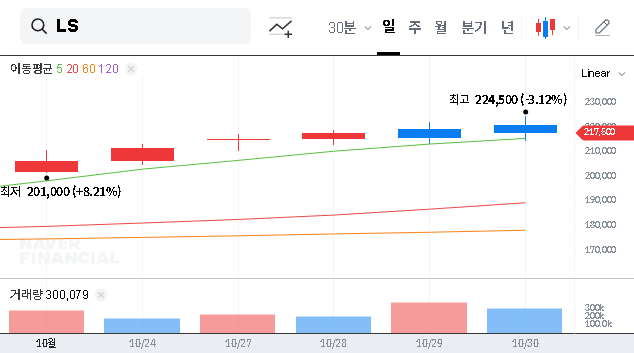
    (006260) LS Cable & System Rights Offering: A Deep Dive into LS Corp’s ₩157.6B Growth Strategy

    A ₩157.6 Billion Bet: Inside the LS Cable & System Rights Offering

    The recent announcement of the LS Cable & System rights offering, a massive capital injection totaling 157.6 billion KRW, represents a pivotal moment for its parent company, LS Corp. This strategic maneuver is not merely a financial transaction; it’s a clear signal of the company’s ambitious plans for future growth, technological advancement, and a reinforced commitment to LS Corp shareholder value. For investors, this move presents both opportunities and critical questions. How will these funds be utilized, and what does this capital increase signal about the broader LS Corp investment strategy? This comprehensive analysis will break down every facet of the offering, providing investors with the clarity needed to navigate this development.

    Deconstructing the Rights Offering: The Core Details

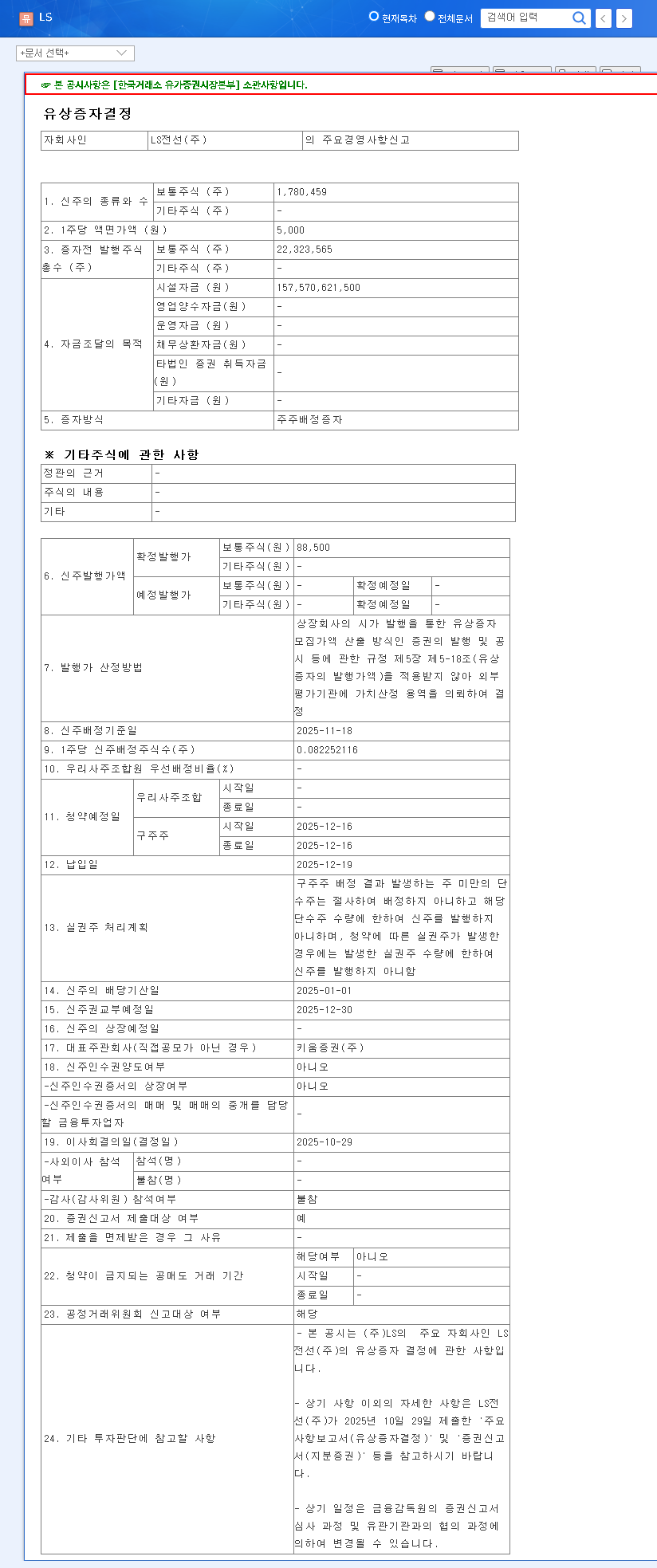
    Announced on October 30, 2025, this shareholder rights offering grants existing shareholders the right to subscribe to new shares, directly funding the company’s expansion. Understanding these corporate actions is key for any investor; you can learn more about the fundamentals of corporate finance on our related resources page. Here are the essential details of the plan:

    • Total Amount: 157.6 billion KRW
    • Issuance Method: Shareholder Rights Offering
    • Offering Ratio: 0.08 new shares per existing share
    • Primary Purpose: Exclusively for facility investments
    • Subscription Period: December 16 – December 19, 2025

    The Grand Strategy: Fueling LS Group Growth

    This rights offering is a cornerstone of LS Corp.’s dual-pronged strategy: securing future growth engines while simultaneously enhancing shareholder value. It’s a calculated move to fortify the company’s market position and financial health for the long term, directly contributing to the overall LS Group growth trajectory.

    A Clear Commitment to Shareholder Returns

    LS Corp. has recently clarified its shareholder return policy, stating its intent to use financial resources for “dividend expansion” and other methods to boost LS Corp shareholder value. This offering should be viewed through that lens. By strengthening a key subsidiary, the parent company increases its capacity for future returns, creating a synergistic relationship between growth investment and shareholder rewards.

    Fortifying Financials for Future Expansion

    The influx of capital will significantly bolster LS Cable & System’s balance sheet. This financial fortification extends to the entire LS Group, enhancing its investment capacity and overall stability. The primary allocation of these funds is earmarked for critical facility investments, aimed at expanding production capacity and upgrading technology. This is confirmed by the company’s Official Disclosure (Source: DART), which outlines the use of proceeds. This strategic investment is designed to secure a competitive edge in a rapidly evolving global market.

    This isn’t just about raising money; it’s about investing in dominance. The funds from the LS Cable & System rights offering are a direct injection into the company’s technological and production backbone, positioning it for long-term market leadership.

    The Investor’s Playbook: Critical Monitoring Points

    While the long-term outlook appears promising, savvy investors must remain vigilant. Success hinges on execution and market conditions. Here are the key factors to monitor as part of your LS Corp investment strategy:

    • Subscription Success & Market Sentiment: The subscription rate among existing shareholders will be the first major indicator of market confidence. A high rate signifies strong investor belief in the company’s vision.
    • Investment Execution & Transparency: Monitor company reports for specific details on how the ₩157.6B is being deployed. Is it on schedule? Are the projected efficiencies being realized? Transparency is paramount.
    • Macroeconomic Headwinds: The global economic climate is volatile. Keep an eye on interest rates, raw material costs (especially copper), and global shipping indices, as these directly impact profitability. Authoritative sources like Bloomberg’s market analysis can provide valuable context.
    • Competitive Landscape: The cable industry is fiercely competitive. Track the R&D, capital expenditures, and market share of key rivals to ensure LS Cable & System maintains its competitive advantage.

    Conclusion: A Strategic Pivot for LS Group

    The LS Cable & System rights offering is far more than a line item on a balance sheet. It is a strategic, forward-looking investment in the future of the entire LS Group. While short-term concerns about share dilution are valid, the long-term potential for increased corporate value, enhanced competitiveness, and greater shareholder returns is significant. For investors, the path forward requires diligent monitoring and a clear understanding of the company’s long-term vision. This move could very well be the catalyst that powers the next decade of LS Group growth.

    Frequently Asked Questions (FAQ)

    Why did LS Cable & System decide on a rights offering?

    LS Cable & System plans to secure 157.6 billion KRW for facility investments through this rights offering. The primary purpose is to fund investments aimed at future growth, such as expanding production capacity and strengthening technological competitiveness.

    What is the impact of this rights offering on LS Corp. as a whole?

    As a major subsidiary, LS Cable & System’s enhanced financial health through these facility investments is expected to positively influence LS Group’s overall investment capacity, financial stability, and long-term growth potential.

    What does the rights offering mean for existing LS Corp. shareholders?

    While a rights offering can raise short-term dilution concerns, this action is aimed at long-term corporate value appreciation. If aligned with LS Group’s shareholder return initiatives, it enhances long-term LS Corp shareholder value. Existing shareholders receive the right to subscribe for new shares.

    What should investors monitor regarding the LS Corp investment strategy?

    Investors should comprehensively monitor the rights offering subscription rate, the specificity and execution of the facility investment plan, macroeconomic changes, and competitor trends to assess LS Group’s mid-to-long-term growth potential.

    (006260) LS Cable & System Rights Offering: A Deep Dive into LS Corp's ₩157.6B Growth Strategy 관련 이미지
  • (194700) NOVAREX Investment: Full Analysis of the ₩61.8B Osong Facility Expansion

    (194700) NOVAREX Investment: Full Analysis of the ₩61.8B Osong Facility Expansion

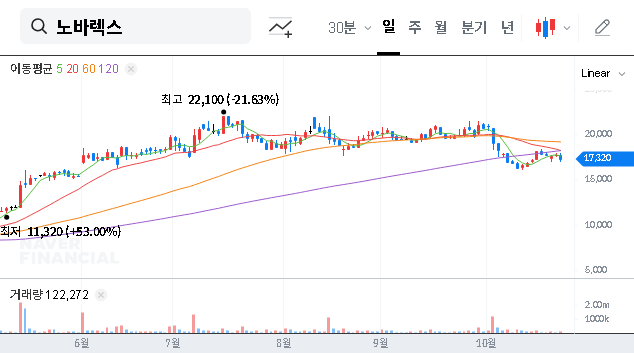
    In the dynamic health functional food market, strategic capital allocation is the key to long-term dominance. This detailed analysis unpacks the recent NOVAREX investment, a significant ₩61.8 billion commitment to expand its production capabilities. For investors, understanding the nuances of this move is critical. We’ll explore the strategic rationale, the profound impact on corporate value, the inherent risks, and what this NOVAREX facility expansion means for the company’s stock price, providing a comprehensive guide for your investment decisions.

    The Landmark NOVAREX Investment: A ₩61.8 Billion Bet on the Future

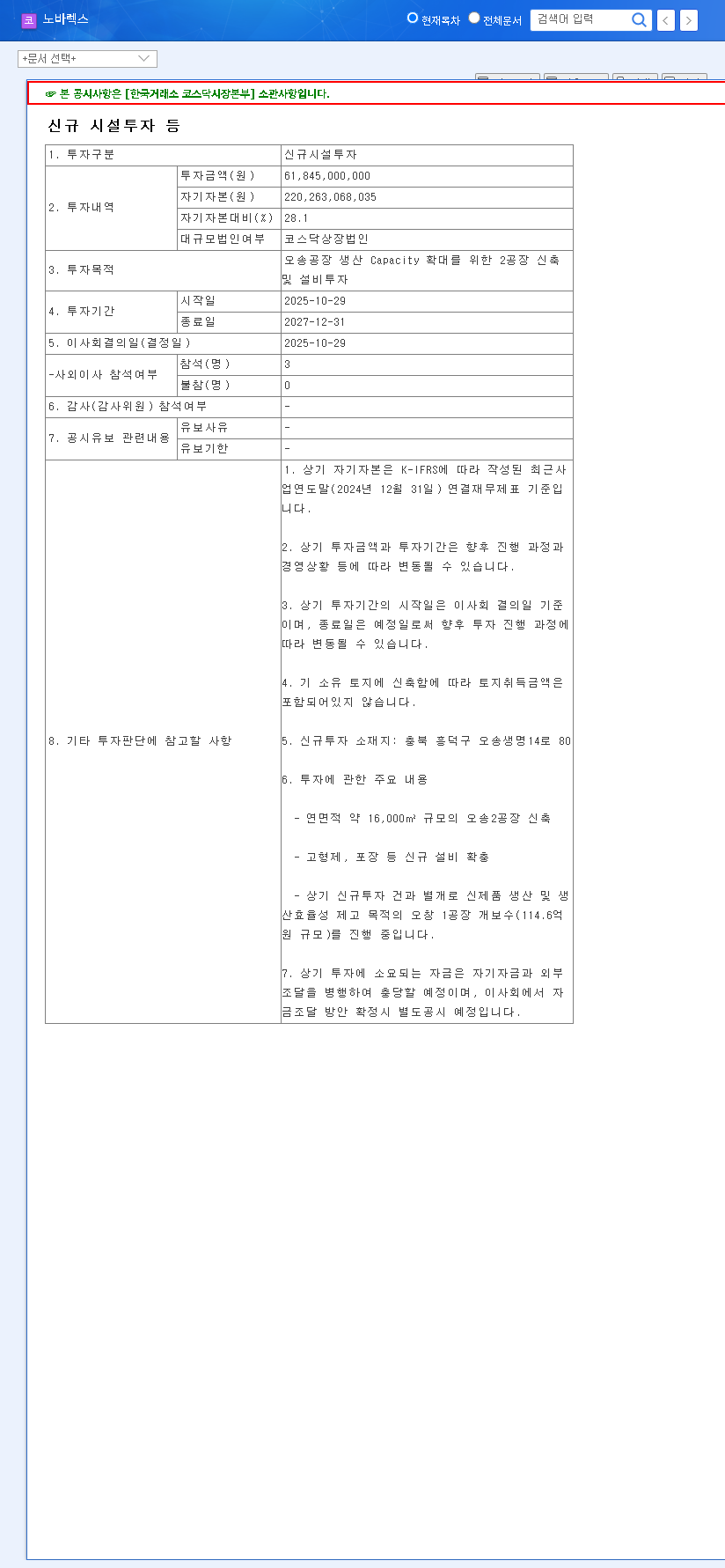
    NOVAREX Co., Ltd., a leading Original Design Manufacturer/Original Equipment Manufacturer (ODM/OEM) in the health functional food sector, has officially announced a landmark new facility investment. According to the company’s public disclosure, this strategic initiative involves the construction of a second plant (Osong Plant 2) and a significant facility upgrade. You can view the Official Disclosure (DART) for complete details.

    The total investment amounts to a staggering ₩61.8 billion, a figure that represents 28.1% of the company’s entire capital base. This isn’t merely an operational upgrade; it’s a monumental declaration of intent. The project is scheduled over a 2.2-year period, from October 29, 2025, to December 31, 2027. This long-term commitment is designed to dramatically expand NOVAREX’s production capacity and solidify its market leadership for years to come.

    This ₩61.8 billion investment is more than just building a new factory; it’s a strategic move to unlock economies of scale, enhance R&D synergy, and secure a dominant position in the rapidly expanding global health food market.

    Why Now? Market Tailwinds & Strong Fundamentals

    A NOVAREX investment of this magnitude is not a decision made lightly. It is underpinned by a booming market and the company’s own robust operational and financial health.

    A Surging Health Functional Food Market

    The global wellness trend has accelerated, creating unprecedented demand for health functional foods. Factors like aging populations, increased health consciousness post-pandemic, and a shift towards preventative care are driving significant market growth. According to market research reports, the industry is poised for double-digit annual growth, creating a perfect opportunity for a leading health functional food ODM like NOVAREX to capture more market share.

    NOVAREX’s Rock-Solid Foundation

    The company is building from a position of strength, making this expansion a logical next step rather than a risky gamble. Key fundamentals include:

    • Impressive Profitability: With H1 2025 sales reaching ₩189.77 billion and an operating profit of ₩19.435 billion, NOVAREX has demonstrated consistent, robust growth.
    • Powerful R&D Pipeline: Holding an industry-leading 46 individually recognized raw materials gives the company a unique competitive advantage in developing innovative and effective products.
    • Global Export Growth: Expanding exports, especially within Asia, provide crucial revenue diversification and a pathway to becoming a global player.
    • Stable Financial Structure: Sound financial health ensures the company can manage the investment burden without jeopardizing its core operations.

    Unpacking the Multi-Faceted Impacts of the Investment

    This new NOVAREX facility expansion is poised to create significant value, but it’s not without potential challenges.

    Positive Catalysts for Growth

    • Massive Capacity Increase: The new Osong Plant 2 will allow NOVAREX to meet surging demand, take on larger client orders, and rapidly launch new products from its R&D pipeline.
    • Economies of Scale: Higher production volumes will drive down the cost per unit, enhancing profit margins and price competitiveness in a crowded market.
    • Enhanced Shareholder Value: Ultimately, increased sales and profitability directly translate to a higher corporate valuation and a positive outlook for shareholders.

    Potential Risks & Considerations

    A thorough NOVAREX stock analysis must also account for potential hurdles. While the company is well-positioned, investors should monitor the funding process for any short-term financial strain, watch for potential construction delays that could impact timelines, and stay aware of broader market demand shifts. For more on this, see our guide to evaluating investment risks in the manufacturing sector.

    Investor Playbook: Short-Term vs. Long-Term Outlook

    From an investor’s perspective, this NOVAREX investment should be viewed through two distinct lenses.

    In the short term, expect some stock price volatility. The market may react positively to the news, but the financial burden of a large-scale investment could create temporary uncertainty. Monitoring company announcements on funding and construction progress will be key.

    From a mid-to-long-term perspective, this is a profoundly positive development. It solidifies the company’s growth foundation, prepares it for global competition, and creates a powerful synergy between its R&D strengths and its production capabilities. If executed successfully, this investment is expected to significantly enhance corporate and shareholder value over the coming years.

    Frequently Asked Questions (FAQ)

    What is NOVAREX’s new facility investment about?

    NOVAREX is investing ₩61.8 billion to build a second plant at its Osong factory. This is a strategic decision to expand production capacity for its health functional food ODM/OEM business.

    What is the scale and timeline for this investment?

    The investment totals ₩61.8 billion, representing 28.1% of NOVAREX’s capital. The project is scheduled to begin on October 29, 2025, with completion expected by December 31, 2027.

    How will the new investment impact NOVAREX’s sales and profitability?

    The expanded capacity will allow NOVAREX to meet growing market demand, leading to significant sales growth. Furthermore, achieving economies of scale will improve cost competitiveness and enhance overall profitability.

    How should investors view NOVAREX from a long-term perspective?

    While short-term volatility is possible, this is a highly positive event for the long term. It strengthens the company’s growth foundation and is expected to create significant shareholder value through expanded capacity and synergy with its R&D leadership.

    (194700) NOVAREX Investment: Full Analysis of the ₩61.8B Osong Facility Expansion 관련 이미지
  • (484120) DOWOOINSYS Stock Analysis: Is a ₩10B Investment a Buy Signal for UTG Market Dominance?

    (484120) DOWOOINSYS Stock Analysis: Is a ₩10B Investment a Buy Signal for UTG Market Dominance?

    The outlook for DOWOOINSYS stock has become a hot topic following the company’s major announcement of a ₩10 billion new facility investment. As a pivotal player in Ultra Thin Glass (UTG) technology for the rapidly growing foldable display market, this strategic move into factory automation could either cement its industry leadership or introduce short-term financial strain. For investors, the key question is clear: Does this investment signal a long-term buying opportunity, or are the risks too great? This comprehensive analysis will explore the details of the DOWOOINSYS investment, its strategic implications, and the potential impact on the DOWOOINSYS stock price.

    Deconstructing the ₩10 Billion Investment

    On October 24, 2025, DOWOOINSYS Co., LTD. filed a voluntary disclosure detailing a significant capital expenditure. The company committed KRW 10 billion, which represents approximately 8.2% of its capital, to a comprehensive factory automation project at its headquarters in Okcheon. The project is slated for a rapid execution, running from November 2025 to the end of January 2026. The primary objectives are to slash production costs, enhance manufacturing quality and consistency, and ultimately fortify its competitive advantage in the global UTG market. You can view the complete filing in the Official Disclosure on DART.

    Strategic Rationale: A Proactive Move for Market Leadership

    This DOWOOINSYS investment is not merely about expansion; it’s a calculated strategy to deepen the company’s technological moat. In the precision-driven world of UTG manufacturing, automation is key to achieving higher yields, reducing defects, and maintaining consistent quality—all crucial factors for winning and retaining contracts with major smartphone manufacturers.

    The Bull Case: Potential Upside for DOWOOINSYS Stock

    • Enhanced Profit Margins: Automation directly tackles fixed costs like labor, leading to improved production efficiency and reduced operational expenses, which could significantly boost long-term profitability.
    • Technological Superiority: State-of-the-art facilities will solidify DOWOOINSYS’s position as a leader in UTG technology, making it a more attractive partner for tech giants in the foldable device space.
    • Future-Proofing Growth: By investing now, DOWOOINSYS is preparing to meet the anticipated surge in demand as the foldable display market matures and expands beyond flagship smartphones.

    The Bear Case: Potential Risks and Headwinds

    • Short-Term Cash Flow Strain: A ₩10 billion outlay is substantial and could temporarily pressure the company’s balance sheet and liquidity, especially if financed through debt in a high-interest-rate environment.
    • Market Demand Uncertainty: If the broader slowdown in IT and smartphone demand persists, the return on this investment could be delayed, leaving the company with underutilized advanced capacity.
    • Corporate Governance Concerns: A past voluntary disclosure of a securities registration statement violation, while addressed, could linger as a concern for some institutional investors, affecting overall corporate credibility.

    While the factory automation investment presents a compelling case for DOWOOINSYS’s long-term growth and market dominance, investors must weigh this against short-term financial pressures and macroeconomic uncertainties before making a decision on the stock.

    Investment Thesis: A ‘Neutral’ Stance with a Positive Long-Term Bias

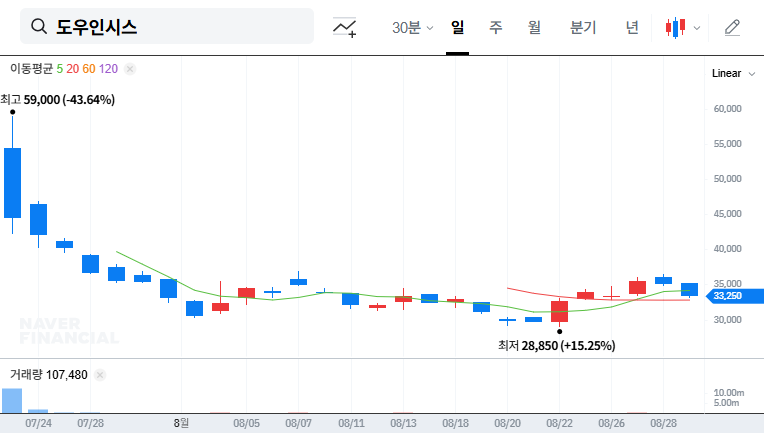
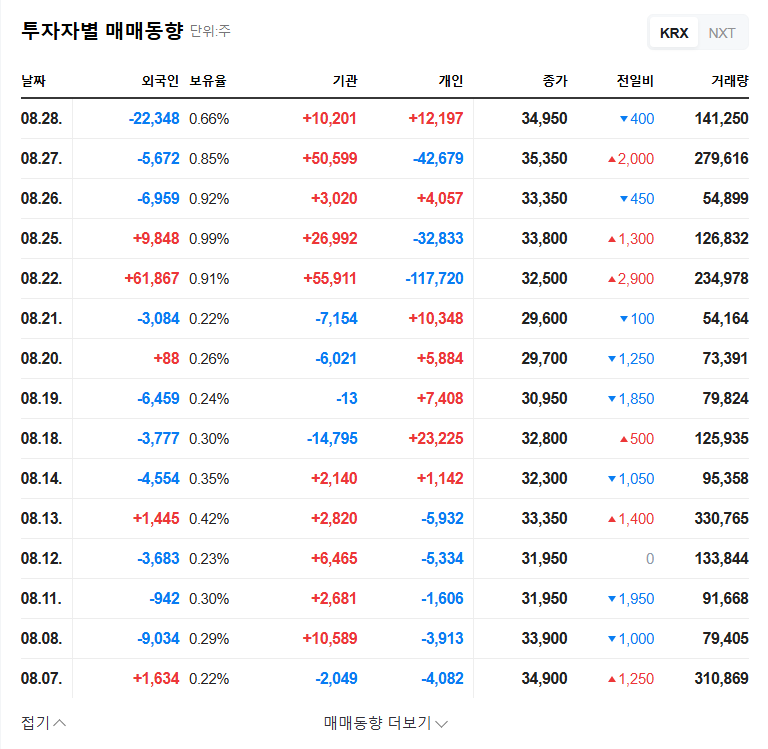
    Our overall investment opinion for DOWOOINSYS stock is ‘Neutral’ in the short term. The positive strategic direction is clear, but the visibility of immediate performance improvements is low. The stock has been in a general downtrend since its KOSDAQ listing, and this investment alone may not be enough to reverse the trend without tangible results. For a deeper understanding of market dynamics, you can read our guide on navigating KOSDAQ technology stocks.

    Investors should closely monitor several key factors that will dictate the future trajectory of the DOWOOINSYS stock price. These include the pace of the IT market recovery, the successful and timely completion of the factory automation, and any improvements in the company’s quarterly earnings reports post-investment. Macroeconomic factors like currency exchange rates and interest rate policies will also play a crucial role.

    Frequently Asked Questions (FAQ)

    What is the core purpose of the DOWOOINSYS investment?

    DOWOOINSYS is investing ₩10 billion in factory automation to enhance production efficiency, reduce manufacturing costs, and solidify its technological leadership in the Ultra Thin Glass (UTG) market, which is essential for foldable displays.

    How will this investment affect the DOWOOINSYS stock price?

    Long-term, the investment is expected to be positive for DOWOOINSYS stock by improving profitability. However, short-term impacts are uncertain due to financial burden and market conditions, leading to a ‘Neutral’ investment rating for the immediate future.

    What is DOWOOINSYS’s main competitive advantage?

    The company’s primary advantage is its specialized expertise in UTG, a critical component for the growing foldable device market. This factory automation investment aims to amplify that advantage by securing cost and quality leadership.

    (484120) DOWOOINSYS Stock Analysis: Is a ₩10B Investment a Buy Signal for UTG Market Dominance? 관련 이미지
  • (074600) WONIK QnC Capital Increase: A Deep Dive into Growth vs. Share Dilution Risk

    (074600) WONIK QnC Capital Increase: A Deep Dive into Growth vs. Share Dilution Risk

    WONIK QnC Capital Increase: Growth Catalyst or Investor Risk?

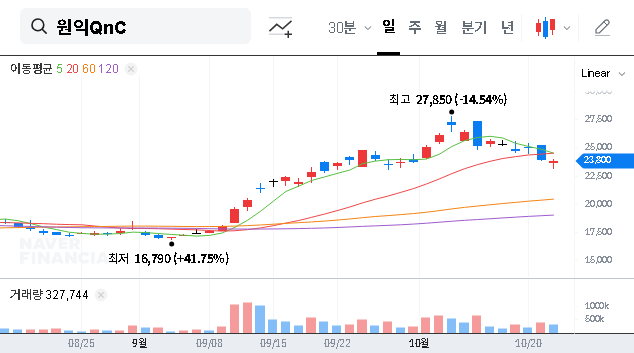
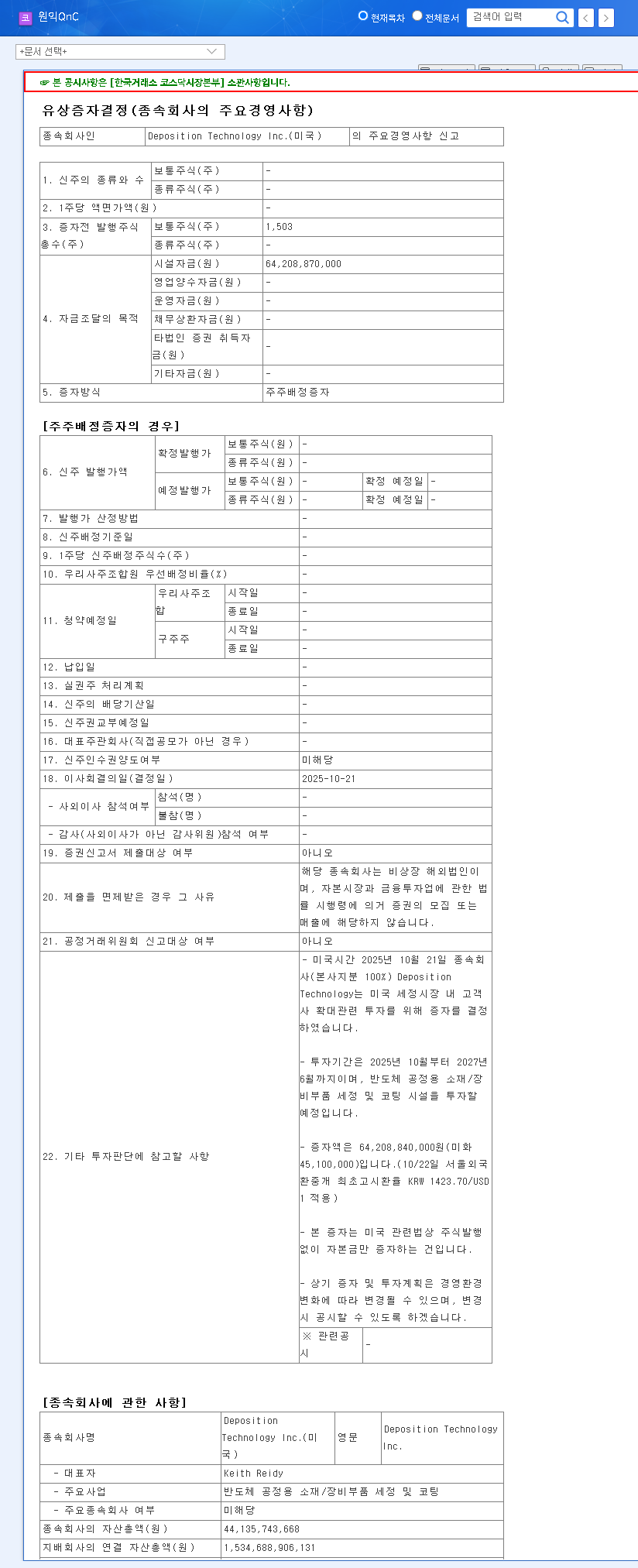
    The recent announcement of the WONIK QnC capital increase has sent ripples through the investment community. On October 22, 2025, the company unveiled a plan to raise significant funds for its U.S. subsidiary, Deposition Technology Inc. (DTI). This strategic move is positioned as a powerful catalyst for future growth, aimed at expanding production capacity in the competitive semiconductor components market. However, for existing shareholders, the news is a double-edged sword, raising immediate and valid concerns about potential share dilution risk. This in-depth analysis will dissect the key details, weigh the potential opportunities against the inherent risks, and provide a clear action plan for investors navigating this pivotal moment for WONIK QnC stock.

    While the capital injection into DTI promises long-term growth, investors must carefully evaluate the short-term impact of share value dilution and information uncertainty surrounding the deal’s structure.

    Deconstructing the Announcement: Key Details

    WONIK QnC has officially decided on a capital increase via a shareholder allotment method, targeting 64.2 billion KRW. These funds are earmarked exclusively for a significant DTI facility investment. For context, DTI is a crucial subsidiary specializing in deposition technology vital for semiconductor manufacturing, making this a strategic, not just financial, maneuver. Here are the core facts from the official filing:

    • Company: WONIK QnC CORPORATION (Market Cap: ~625.7B KRW)
    • Event: Capital Increase via Shareholder Allotment
    • Fundraising Goal: 64.2 Billion KRW (approx. 10.3% of market cap)
    • Purpose: Facility investment funds for Deposition Technology Inc. (DTI)
    • Source: Official Disclosure (DART)

    The Strategic Imperative vs. The Financial Risk

    Every major corporate action carries a balance of opportunity and risk. The WONIK QnC capital increase is a textbook example of this dynamic. Let’s explore both sides of the coin.

    The Upside: Seizing Growth Opportunities

    The primary motivation is clear: aggressive growth. By channeling funds into its DTI subsidiary, WONIK QnC aims to achieve several long-term objectives. Enhanced production capacity allows DTI to meet rising global demand for semiconductor components, potentially capturing greater market share. These funds can also fuel R&D, leading to technological advancements that solidify DTI’s competitive edge. A stronger, more profitable subsidiary ultimately translates to improved consolidated performance and increased enterprise value for the parent company, WONIK QnC.

    The Downside: The Core Risk of Share Dilution

    The most significant concern for current investors is the immediate share dilution risk. A capital increase involves issuing new shares, which increases the total number of outstanding shares. Consequently, the ownership stake and earnings per share for existing shareholders are reduced. A fundraising round amounting to 10.3% of the company’s market capitalization is substantial and can exert downward pressure on the stock price. Compounding this risk is the uncertainty from the initial report, which cited a ‘0.0 shares/per share’ allotment ratio. This lack of clarity creates confusion and can sour market sentiment until precise details are provided.

    A Proactive Investor’s Action Plan

    Given the mix of long-term potential and short-term uncertainty, a cautious and informed approach is paramount. Investors should focus on gathering more information and analyzing the following key areas:

    • Demand Clarity on Allotment: The top priority is seeking clarification on the exact terms of the shareholder allotment. The ‘0.0’ figure is untenable and must be explained through subsequent company announcements.
    • Scrutinize the Fund Usage Plan: Look for detailed breakdowns of how the 64.2 billion KRW will be deployed. Vague plans are a red flag; concrete details on equipment, technology, and timelines are essential. It’s important to learn how to analyze corporate financial statements for such details.
    • Evaluate DTI’s Market Position: Research DTI’s specific role in the semiconductor supply chain. Is its technology a leader? Who are its main competitors? The success of this investment hinges on DTI’s ability to execute.
    • Monitor Market and Analyst Reactions: Keep an eye on reports from financial analysts and the broader market reaction as more information becomes available. Understanding the institutional perspective provides valuable context. For more on the core concepts at play, resources like Investopedia offer excellent explanations on topics like share dilution.

    Frequently Asked Questions

    What is the primary goal of the WONIK QnC capital increase?

    The main objective is to secure 64.2 billion KRW to fund facility expansion and technology enhancement for its US-based subsidiary, DTI. This is a strategic investment intended to bolster production capacity and secure long-term growth in the semiconductor components market.

    How might this capital increase affect WONIK QnC’s stock price?

    In the short term, the stock price may face downward pressure due to concerns about share dilution risk. However, if the market believes the investment in DTI will generate significant future returns that outweigh the dilution, the stock could see positive momentum in the long term as the growth story becomes reality.

    Ultimately, the WONIK QnC capital increase is a calculated risk. The company is trading short-term shareholder value dilution for a chance at significant, long-term strategic growth. For investors, this requires patience, diligence, and a close watch on forthcoming details to make an informed decision.

    (074600) WONIK QnC Capital Increase: A Deep Dive into Growth vs. Share Dilution Risk 관련 이미지
  • (327260) RF Materials Treasury Stock Disposal: Deep-Dive Investor Analysis on the AI Data Center Bet

    (327260) RF Materials Treasury Stock Disposal: Deep-Dive Investor Analysis on the AI Data Center Bet

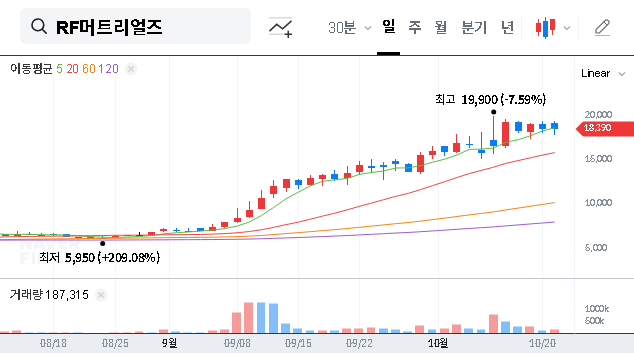
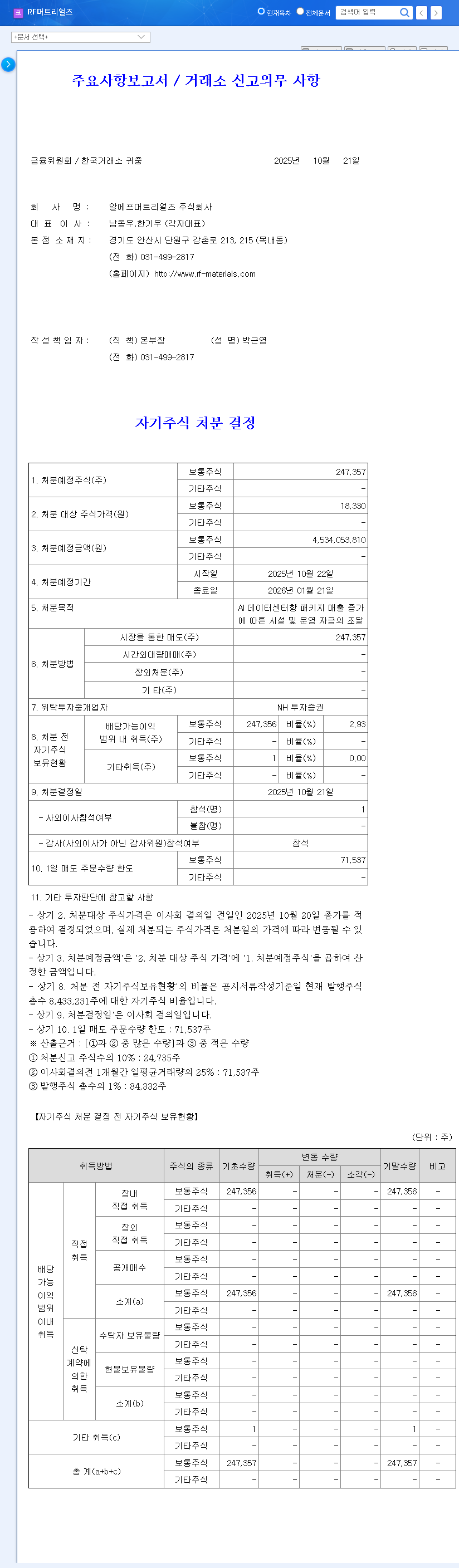
    In a significant strategic pivot, RF Materials Co., Ltd. has announced a major RF Materials treasury stock disposal, a move squarely aimed at capturing the explosive growth within the AI sector. This decision to offload 4.5 billion KRW in shares is more than a financial maneuver; it’s a declaration of intent to become a key player in the high-stakes AI data center expansion race. For investors, this presents a critical question: is this a calculated risk paving the way for unprecedented growth, or does it introduce unwelcome volatility? This deep-dive investor analysis will unpack the details, implications, and strategic considerations you need to navigate this pivotal moment for RF Materials stock.

    The Details of the Treasury Stock Disposal

    On October 21, 2025, the board of RF Materials Co., Ltd. officially resolved to dispose of 247,357 shares of its treasury stock. This transaction, valued at approximately 4.5 billion KRW, represents 2.93% of the company’s total outstanding shares. The disposal will be managed via a block deal through NH Investment & Securities, a move intended to ensure a stable and transparent process. The primary purpose, as stated in their public filing, is to secure vital capital for facility upgrades and operational expenses directly tied to the surging demand for their packages used in AI data centers. You can view the complete filing here: Official Disclosure (DART Source).

    The core objective is clear: to channel funds directly into the company’s AI data center business, transforming existing market demand into a long-term, sustainable growth engine.

    Strategic Rationale: Betting Big on AI Data Centers

    The decision for the RF Materials treasury stock disposal was not made in a vacuum. It is a direct response to the seismic shifts in the technology landscape. The global AI market is fueling an unprecedented build-out of data centers, with industry reports from sources like Gartner projecting double-digit annual growth for the foreseeable future. These aren’t traditional data centers; they require specialized, high-performance components capable of handling immense computational loads and thermal outputs. RF Materials aims to supply critical ‘packages’—likely advanced semiconductor packaging or housing for AI accelerators—that are essential for the performance and reliability of these next-generation facilities. By securing 4.5 billion KRW now, the company intends to scale its production capabilities, invest in R&D for more advanced materials, and solidify its supply chain position before competitors can catch up.

    Analyzing the Treasury Stock Disposal Impact

    Any capital event of this nature has a dual impact. A comprehensive investor analysis must weigh the long-term strategic upside against the immediate market mechanics.

    The Bull Case: Potential Positive Impacts

    • Accelerated Growth Engine: The capital injection directly fuels expansion in the high-margin AI data center market, potentially leading to significant revenue growth and enhanced profitability over the long term.
    • Enhanced Financial Stability: The immediate cash inflow strengthens the balance sheet, improves liquidity, and provides a buffer for operational scaling without necessarily taking on new debt.
    • Strategic Market Positioning: This proactive fundraising signals to the market that RF Materials is serious about capturing a significant share of the AI infrastructure boom.

    The Bear Case: Potential Negative Impacts

    • Short-Term Share Dilution: The introduction of 247,357 new shares into the market increases the total number of circulating shares. This can exert downward pressure on the stock price in the short term as the supply increases. For a deeper understanding, you can read our guide on how to analyze share dilution.
    • Market Sentiment Risk: While the volume (2.93%) is not excessively large, the market’s reaction can be unpredictable. If investors focus solely on the dilution aspect, it could trigger temporary selling pressure on RF Materials stock.
    • Execution Risk: The success of this move hinges entirely on the company’s ability to effectively deploy the new capital and generate a return on investment that outweighs the cost of dilution.

    Investor Action Plan & Key Considerations

    For current and prospective investors, a wait-and-see approach combined with diligent monitoring is prudent. The focus should be on separating the short-term market noise from the long-term business trajectory.

    1. Monitor Disposal Progress Closely

    Keep an eye on the execution of the block trade. Key metrics to watch include the final disposal price per share and the speed at which the shares are absorbed by the market. A strong institutional uptake at a good price would be a bullish signal.

    2. Scrutinize Future Capital Allocation

    The most critical factor will be how RF Materials details its use of the funds. Look for subsequent announcements regarding specific facility expansions, new machinery purchases, or R&D milestones. Concrete plans are the best catalyst for building investor confidence.

    3. Adopt a Long-Term Perspective

    This RF Materials treasury stock disposal should be viewed as an investment in the company’s future. While short-term price fluctuations are possible, the ultimate success will be measured by revenue growth and market share gains in the AI sector over the next 2-5 years. The core of your investor analysis should focus on this long-term growth story.

    (327260) RF Materials Treasury Stock Disposal: Deep-Dive Investor Analysis on the AI Data Center Bet 관련 이미지
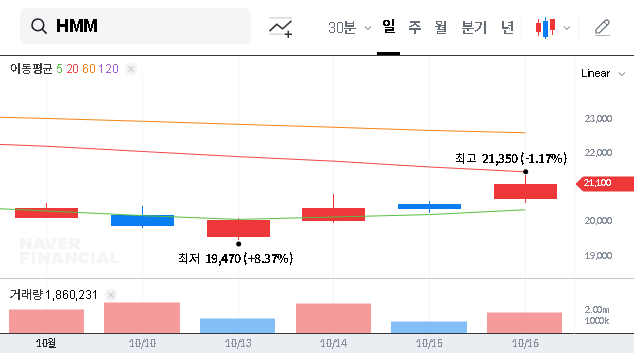
  • (011200) HMM’s $3B Investment: A Deep Dive into the KRW 4 Trillion Strategy for Fleet Competitiveness

    (011200) HMM’s $3B Investment: A Deep Dive into the KRW 4 Trillion Strategy for Fleet Competitiveness

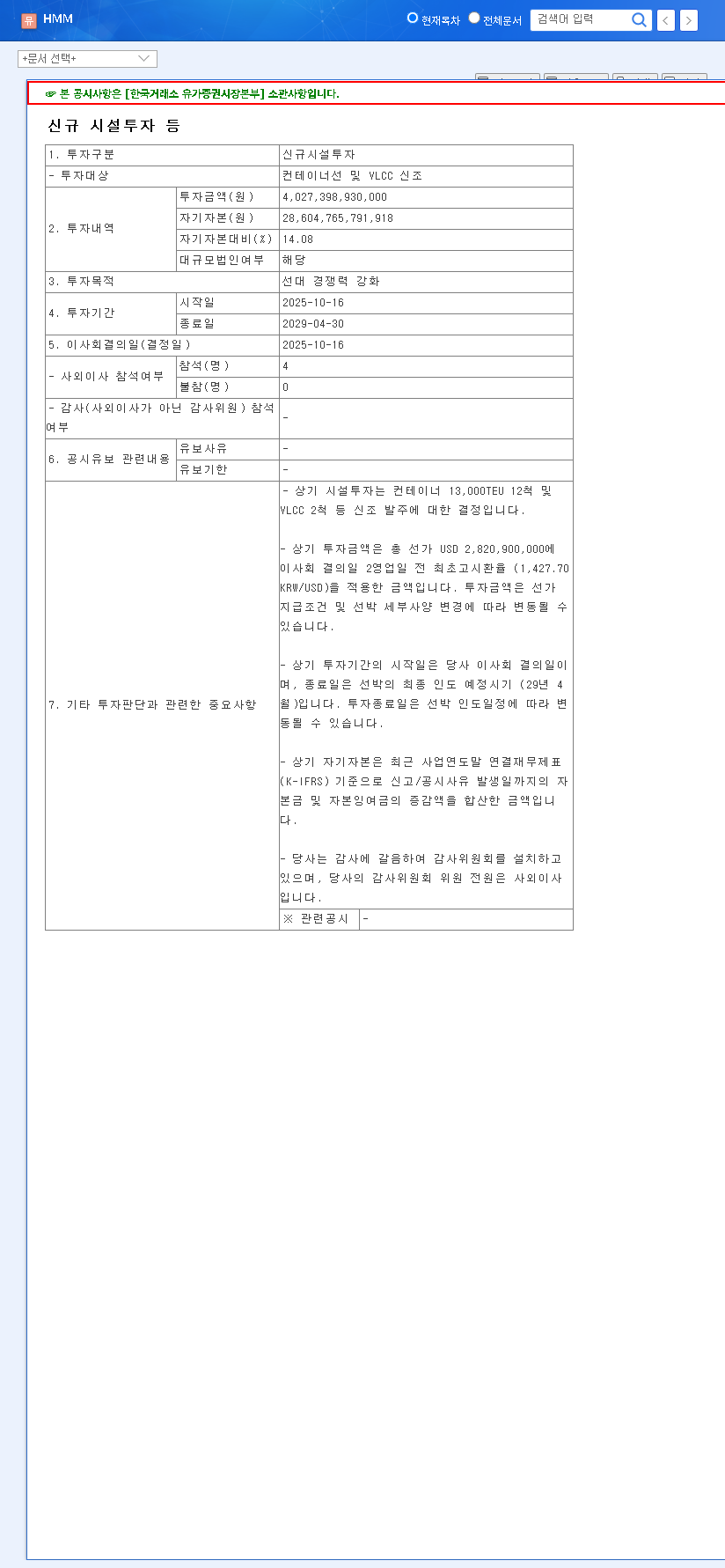
    In a bold declaration of intent amidst the volatile currents of the global shipping market, South Korean shipping giant HMM CO.,LTD has announced a landmark HMM investment of KRW 4.027 trillion (approximately $3 billion USD). This strategic capital injection is aimed squarely at revolutionizing its fleet and cementing its position as a global maritime leader. The official announcement can be reviewed in the company’s public disclosure (Source: DART).

    This comprehensive analysis will dissect the multifaceted implications of this decision, exploring the blueprint for replacing aging vessels with advanced eco-friendly ships, the potential financial pressures, and the overarching vision for the future. For stakeholders and investors, understanding both the immense opportunities and the inherent risks is paramount.

    Deconstructing the KRW 4 Trillion HMM Investment

    Scheduled to unfold over a 3.5-year period from October 2025 to April 2029, this investment represents 14.08% of HMM’s total capital. The core objective is to procure new, state-of-the-art container ships and Very Large Crude Carriers (VLCCs). This is not merely a fleet expansion; it’s a strategic overhaul designed to significantly boost HMM fleet competitiveness and build a foundation for long-term, sustainable growth in a rapidly evolving global shipping market.

    This monumental investment is a clear signal of HMM’s ambition to lead, not just participate, in the next era of global shipping—an era defined by efficiency, sustainability, and scale.

    The Upside: Strategic Advantages and Opportunities

    Driving Fleet Competitiveness and Efficiency

    The primary benefit lies in the modernization of the fleet. Replacing older vessels with new-builds offers a cascade of advantages. These next-generation ships are engineered for superior fuel efficiency, drastically cutting operational costs—a critical factor with fluctuating bunker fuel prices. Furthermore, their design incorporates the latest environmental technologies, ensuring compliance with stringent international regulations like those from the International Maritime Organization (IMO). This proactive stance on sustainability not only reduces carbon footprint but also future-proofs the fleet against upcoming regulatory changes.

    Expanding Market Share and Boosting Profitability

    With a larger, more efficient fleet, HMM is positioned to expand its global market share. The new container ships will likely feature higher TEU (twenty-foot equivalent unit) capacities, allowing for greater economies of scale on major trade lanes. The VLCC investment diversifies HMM’s revenue streams, providing a strategic hedge against the cyclical nature of the container shipping market by tapping into the global crude oil transportation sector.

    The Downside: Navigating Risks and Financial Headwinds

    An investment of this magnitude is not without significant risks that require careful management and investor consideration.

    • Increased Financial Burden: The most immediate concern is the strain on HMM’s balance sheet. This large-scale capital expenditure will likely increase the company’s debt-to-equity ratio and interest expenses in the short to medium term. The cost of borrowing could also rise depending on global interest rate trends.
    • Market Volatility and ROI Uncertainty: The profitability of these new assets is heavily dependent on the health of the global shipping market. An economic downturn, geopolitical instability, or a slump in freight rates could delay the return on investment.
    • Execution and Operational Risks: The shipbuilding process itself carries risks, including potential construction delays, cost overruns, or issues with new technologies. Integrating these massive vessels into existing service loops requires flawless logistical planning.

    Investor Outlook and Strategic Recommendations

    This HMM investment is a calculated, long-term play. While short-term stock price volatility is possible due to financial concerns, the strategic rationale is sound. For investors, a nuanced approach is critical. The focus should be on HMM’s potential to emerge as a more dominant, efficient, and sustainable player in the years to come. For more insights on market trends, you can explore our 2024 Shipping Industry Outlook.

    Key areas to monitor include HMM’s quarterly financial reports for debt management, global freight indices (like the SCFI), shipbuilding progress reports, and shifts in international environmental policy. A disciplined, long-term perspective, coupled with a keen awareness of market dynamics, will be essential for navigating this transformative period for HMM.

    (011200) HMM's $3B Investment: A Deep Dive into the KRW 4 Trillion Strategy for Fleet Competitiveness 관련 이미지
  • BCNC Co., Ltd.’s ₩16 Billion Investment: Reshaping the Semiconductor Materials Market?


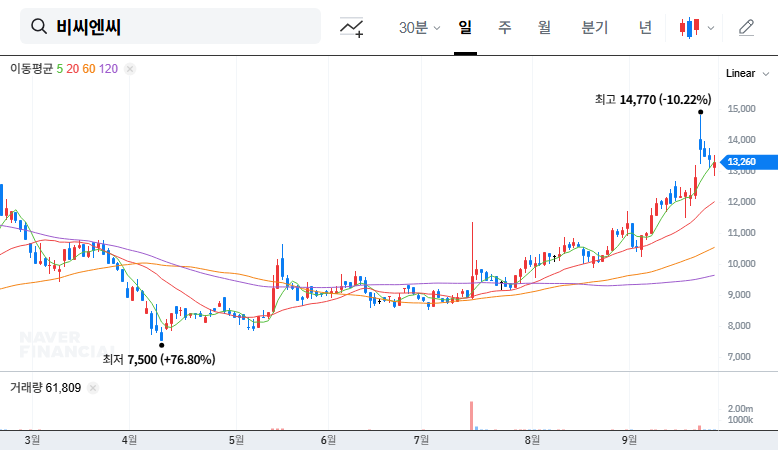
    BCNC Co., Ltd.'s ₩16 Billion Investment: Reshaping the Semiconductor Materials Market? 대표 차트 이미지


    1. What is BCNC Co., Ltd.’s ₩16 Billion Investment About?

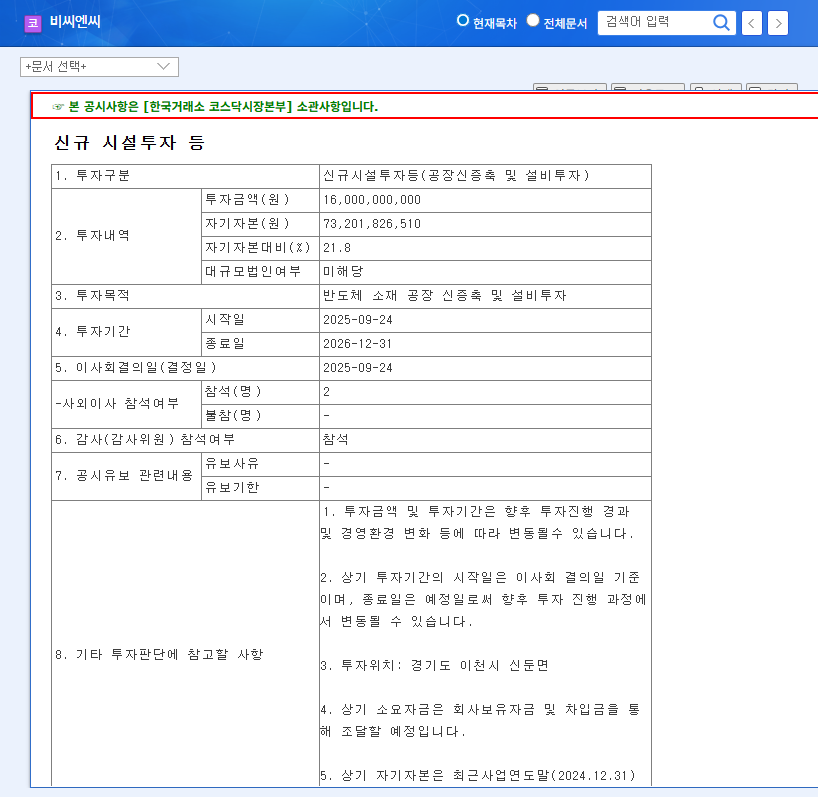
    On September 24, 2025, BCNC Co., Ltd. announced a ₩16 billion investment in new semiconductor material production facilities and equipment. The investment period is from September 24, 2025, to December 31, 2026.

    2. Why the Investment? (Background and Objectives)

    This investment aims to expand the production capacity of synthetic quartz components and new materials (CD9, single crystal/polycrystalline silicon) to respond to the growth of the semiconductor industry and address the trend of miniaturization. The ultimate goal is to secure future growth engines and improve profitability by localizing high-value-added materials that currently rely heavily on imports.

    3. Positive Effects and Potential Risks of the Investment?

    • Positive Effects: Strengthened business competitiveness, expanded production capacity, securing future growth engines, expected improvement in profitability.
    • Potential Risks: Possibility of increased financial burden, uncertainty in investment execution and performance, exchange rate volatility, intensified market competition, macroeconomic volatility.

    4. Key Points for Investors

    While this investment presents long-term growth potential, given its size, risk management related to financial soundness, exchange rate fluctuations, and market competition is crucial. Investors should closely monitor the following:

    • Investment execution status and progress rate
    • Production volume and order trends after new facility operation
    • Debt repayment plan and interest expense trend
    • Exchange rate fluctuations and the effectiveness of hedging strategies
    • Competitor trends and market share changes


    FAQ

    What is BCNC Co., Ltd.’s main business?

    BCNC Co., Ltd. produces semiconductor materials such as synthetic quartz, CD9, and single/polycrystalline silicon.

    What is the size of this investment?

    It is a ₩16 billion investment, representing 21.8% of the company’s capital.

    How long will the investment period last?

    The investment period is from September 24, 2025, to December 31, 2026, approximately one year and three months.

    What are the main goals of the investment?

    The main goals are to expand semiconductor material production capacity, secure future growth engines, and improve profitability.

    What are the potential risks of the investment?

    Potential risks include increased financial burden, uncertainty of investment performance, and exchange rate fluctuations.


    BCNC Co., Ltd.'s ₩16 Billion Investment: Reshaping the Semiconductor Materials Market? 관련 이미지


  • Ecopro HN Invests ₩23.6B in Next-Gen PFC Catalyst Production: A Strategic Move for Future Growth


    Ecopro HN Invests ₩23.6B in Next-Gen PFC Catalyst Production: A Strategic Move for Future Growth 대표 차트 이미지


    Ecopro HN’s ₩23.6B Investment – What’s Happening?

    Ecopro HN is investing ₩23.6 billion (8.0% of its capital) to build a next-generation PFC catalyst (honeycomb catalyst, composite heat storage body) production plant at its second campus (Chopyeong). The investment period is from September 3, 2025, to October 31, 2026.

    Why the Investment? – Background and Objectives

    The market for catalysts that reduce PFCs, greenhouse gases generated during semiconductor and display manufacturing processes, has high growth potential. Ecopro HN is investing in this next-generation PFC catalyst production facility to preemptively capture this market and secure future growth engines. This is part of a strategy to diversify its portfolio with new high-value-added businesses in addition to its existing businesses (greenhouse gas reduction equipment and wastewater treatment plants).

    Investment Outcomes – Opportunities and Risk Analysis

    • Opportunities:
      • Securing future growth engines and business diversification
      • Expected increase in sales and profitability due to PFC catalyst market growth
      • Strengthening technological and business competitiveness through entry into high-value-added businesses
    • Risks:
      • Initial investment burden and impact on cash flow
      • Uncertainty of new business success (market demand, competitive environment, technology development, etc.)
      • Possibility of a downturn in the semiconductor/display industry and dependence on related industries
      • Risk of profit fluctuations due to exchange rate fluctuations

    What Should Investors Do? – Action Plan

    From a long-term perspective, securing future growth engines is positive. However, in the short term, financial burdens due to investment execution and uncertainties in initial business performance should be considered. Make cautious investment decisions by referring to the following monitoring points.

    • PFC catalyst market growth and competitive landscape changes
    • Progress of new plant construction and stabilization of mass production
    • New orders and sales visualization related to next-generation PFC catalysts
    • Investment trends in the semiconductor/display industry
    • Fluctuations in exchange rates and raw material prices


    FAQ

    What are Ecopro HN’s main businesses?

    Supplying greenhouse gas reduction equipment (RCS), delivering and installing wastewater treatment plants, and preparing to enter the secondary battery materials and electronic materials businesses.

    What is the size and duration of this investment?

    ₩23.6 billion, from September 3, 2025, to October 31, 2026 (approximately 1.2 years).

    What is the purpose of the investment?

    To secure future growth engines and diversify the business portfolio by entering the next-generation PFC catalyst market.

    What are the risks associated with the investment?

    Initial investment burden, uncertainty of new business success, dependence on related industries, and exchange rate fluctuations.


    Ecopro HN Invests ₩23.6B in Next-Gen PFC Catalyst Production: A Strategic Move for Future Growth 관련 이미지
    Ecopro HN Invests ₩23.6B in Next-Gen PFC Catalyst Production: A Strategic Move for Future Growth 관련 이미지