Tag: ESG Management

  • (138930) BNK Financial Group Inc. 2025 Investor Outlook: A Deep Dive Analysis

    (138930) BNK Financial Group Inc. 2025 Investor Outlook: A Deep Dive Analysis

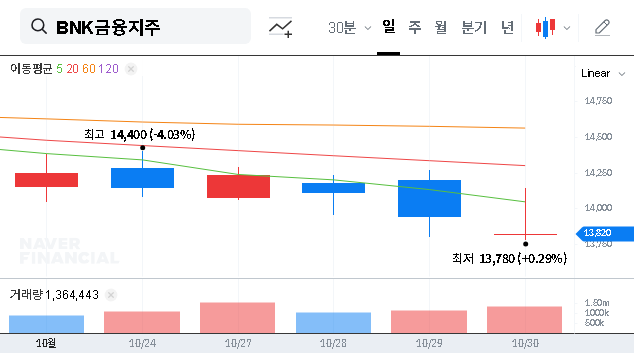
    BNK Financial Group Inc. is poised for a pivotal moment as it prepares to host its 2025 Shareholder Roundtable on November 21, 2025. In an era of significant financial market volatility and macroeconomic uncertainty, this event represents a crucial opportunity for investors to gain direct insight into the company’s strategic direction. This comprehensive analysis will delve into the group’s recent performance, the external challenges it faces, and what stakeholders should watch for during this important investor relations event. We will explore the core investment value and future outlook for BNK Financial Group Inc. to provide a clear roadmap for current and prospective shareholders.

    The upcoming Shareholder Roundtable is more than a standard meeting; it’s a critical juncture for BNK Financial Group Inc. to rebuild investor confidence and articulate a clear, compelling vision for sustainable growth in a rapidly evolving digital finance landscape.

    Event Overview: The 2025 Shareholder Roundtable

    Scheduled for 10:00 AM on November 21, 2025, the roundtable is designed to foster direct and transparent communication. The primary goal is to address key management issues, present forward-looking strategies, and engage in a live Q&A session with investors. This direct dialogue is essential for clarifying the company’s position on profitability, risk management, and digital innovation, ultimately helping to shape market perception of BNK Financial Group Inc.’s investment value.

    Financial Health Check: H1 2025 Fundamentals Analysis

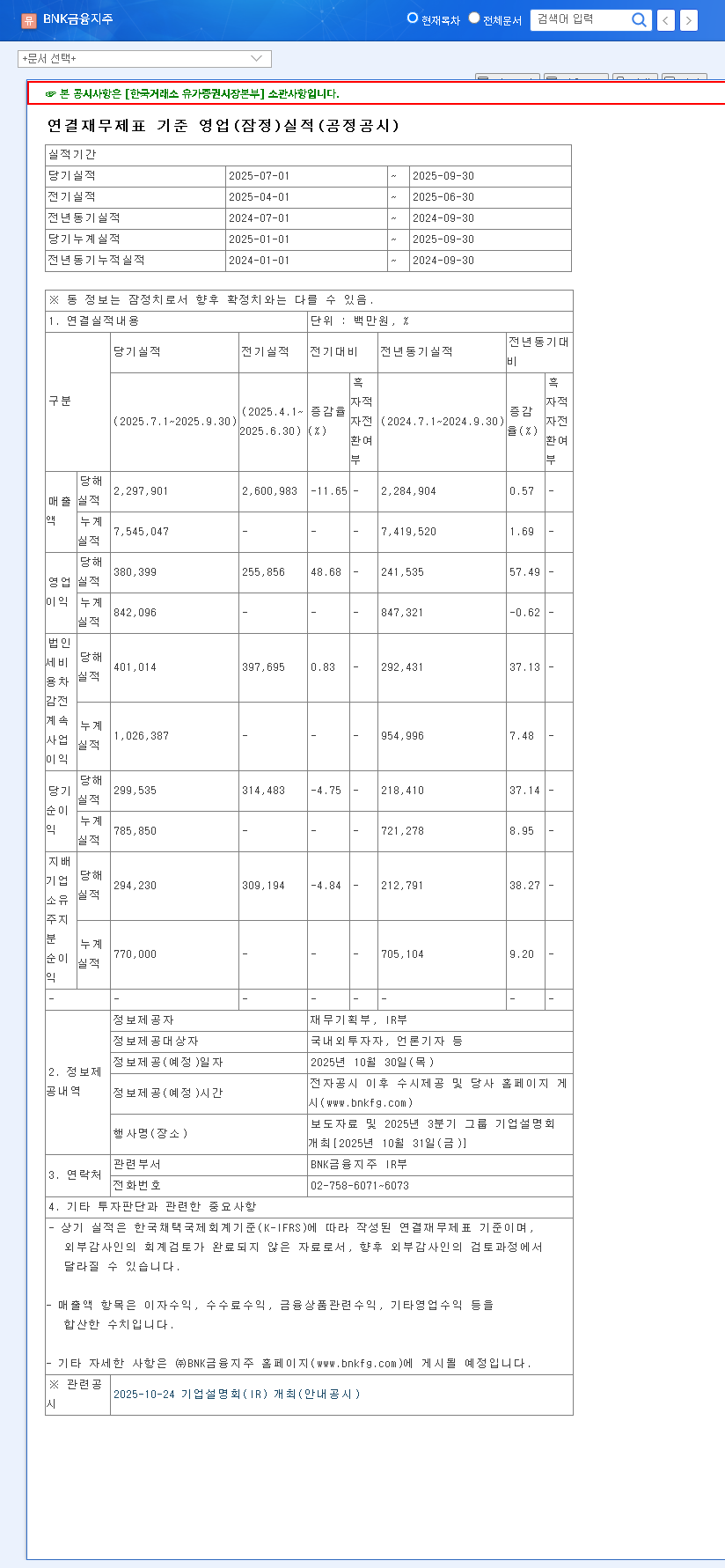
    A thorough examination of BNK Financial Group Inc.’s first-half 2025 performance reveals a mixed but stable picture. While the group demonstrates robust risk management and capital adequacy, profitability remains a key area requiring strategic attention.

    Key Performance Indicators

    • Asset Growth: Total assets grew by 2.7% to KRW 181.56 trillion, signaling consistent external expansion.
    • Profitability Concerns: Net profit saw a 3.4% year-over-year decrease to KRW 475.8 billion. While Busan Bank showed positive results, declines at Gyeongnam Bank and BNK Capital impacted overall earnings. Improving ROA (0.63%) and ROE (8.97%) is a top priority.
    • Asset Soundness: Risk management appears strong, with a non-performing loan ratio of 1.62% and a delinquency ratio of 1.39%, indicating a healthy loan portfolio.
    • Capital Adequacy: The group maintains a stable capital structure, with a CET1 ratio of 12.56%, comfortably above regulatory requirements. This solid foundation is crucial for navigating economic uncertainty. For further details, investors can review the Official Disclosure (DART).

    Navigating Market Headwinds and Competition

    BNK Financial Group Inc. operates within a complex environment characterized by global economic shifts and domestic competitive pressures. The ongoing US-China trade tensions and geopolitical instability, as discussed by sources like the World Bank, could dampen global growth and affect the group’s overseas ventures. Domestically, while there are hopes for a consumption recovery, interest rate volatility remains a significant factor that directly influences the Net Interest Margin (NIM).

    Furthermore, the rise of FinTech disruptors and the convergence of financial services are intensifying competition. To thrive, BNK must accelerate its digital transformation, innovate its service models, and secure a competitive edge in both its home region and expanding metropolitan markets. To learn more about this sector, you can read our guide on how to analyze modern banking stocks.

    Investor Outlook: Potential Scenarios Post-Roundtable

    The market’s reaction will hinge on the substance and clarity of the strategies presented. The event could be a major catalyst or a source of increased uncertainty.

    Potential Upside: Building Trust and Vision

    A positive outcome would involve a transparent presentation of concrete plans to tackle profitability challenges, especially at Gyeongnam Bank and BNK Capital. If management effectively communicates a clear roadmap for digital transformation, ESG integration, and new growth engines, it could significantly boost investor confidence and lead to a positive re-rating of the stock.

    Potential Risks: Heightened Uncertainty

    Conversely, if the plans presented are vague or fail to address core concerns, investor disappointment could lead to negative pressure on the stock price. An overemphasis on external macroeconomic challenges without presenting robust mitigation strategies could also dampen sentiment and highlight perceived vulnerabilities.

    Action Plan: What Investors Should Watch For

    For investors evaluating BNK Financial Group Inc., the roundtable is a key data point. Pay close attention to the specifics of their future strategy.

    • Profitability Roadmap: Look for detailed strategies to expand non-interest income and improve the performance of underperforming subsidiaries.
    • Digital Competitiveness: Assess the commitment to and investment in technology to compete with FinTechs and deliver innovative customer experiences.
    • Risk Management Philosophy: Understand their approach to managing risks associated with the regional economy and global macroeconomic shifts.
    • Shareholder Value Commitment: Note any announcements regarding share buybacks, dividend policies, or other initiatives aimed at enhancing shareholder returns.

    Ultimately, this Shareholder Roundtable will be a defining moment. It provides a platform for management to demonstrate its capability to navigate challenges and unlock the long-term investment value of BNK Financial Group Inc. Investors should listen closely to re-evaluate their positions based on the strength and credibility of the vision presented.
    (138930) BNK Financial Group Inc. 2025 Investor Outlook: A Deep Dive Analysis 관련 이미지
  • (015760) KEPCO Earnings (015760) H1 2025: Deep Dive into Record Profits & Stock Outlook

    (015760) KEPCO Earnings (015760) H1 2025: Deep Dive into Record Profits & Stock Outlook

    The latest KEPCO earnings report for the first half of 2025 has captured the market’s full attention, revealing a significant turnaround for the utility giant. KOREA ELECTRIC POWER CORPORATION (KEPCO) announced impressive results that not only surpassed expectations but also suggest a potential shift in its long-term trajectory. For investors evaluating KEPCO stock (015760), this moment is critical. But beyond the headline numbers, what are the fundamental drivers behind this resurgence, and what risks remain on the horizon? This comprehensive analysis will break down the H1 2025 performance, explore KEPCO’s strategic initiatives, and provide a clear outlook for potential investors.

    H1 2025 KEPCO Earnings: The Numbers at a Glance

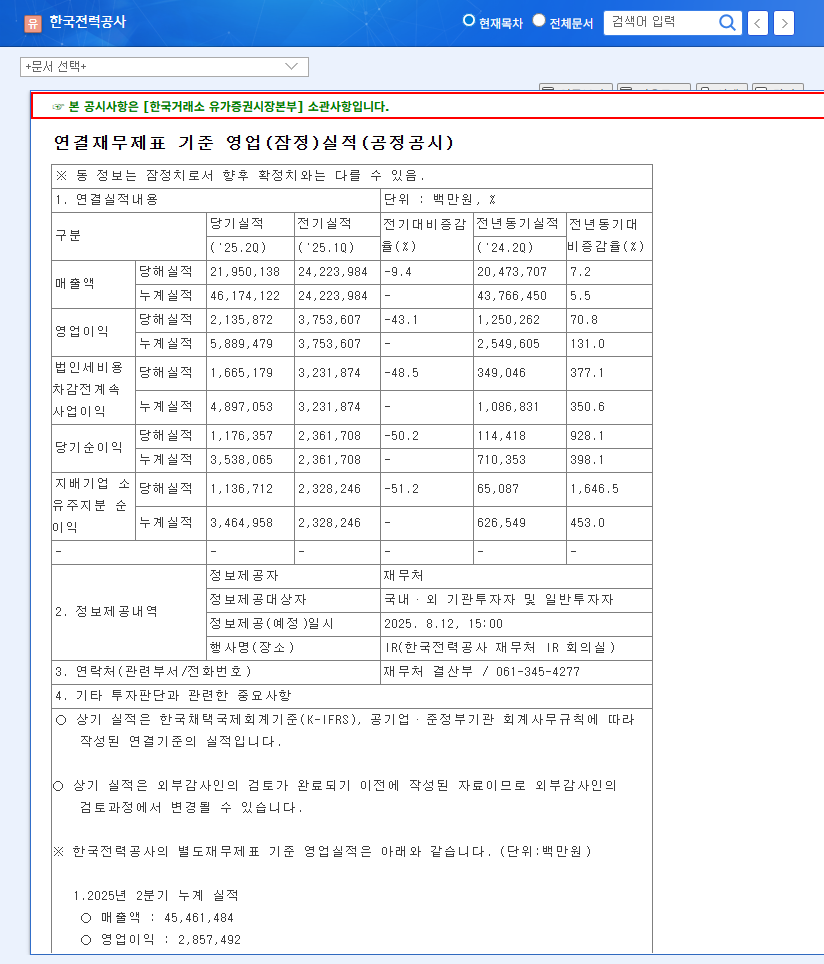
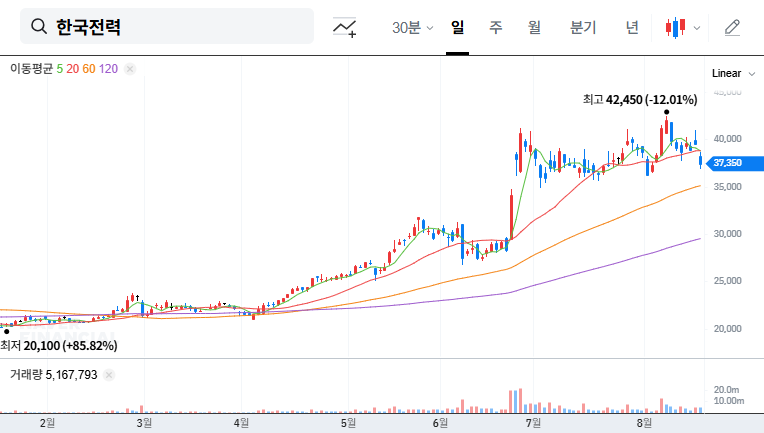
    In a powerful demonstration of recovery, KOREA ELECTRIC POWER CORPORATION reported a consolidated revenue of 46.1741 trillion KRW, a year-on-year increase of 5.5%. Even more impressively, operating profit surged by 23.2% to reach 5.8895 trillion KRW. This robust performance led to a net income surplus of 3.5381 trillion KRW, a figure that decisively beat market consensus. These figures, confirmed in their official disclosure (Source: DART), signal that KEPCO’s operational and strategic adjustments are beginning to yield substantial financial fruit.

    Key Drivers Fueling KEPCO’s Remarkable Growth

    1. The Resurgence of Nuclear Power & Operational Excellence

    A cornerstone of the improved KEPCO earnings was the exceptional performance of its nuclear power division. Achieving a high utilization rate of 92.1%, the nuclear fleet provided a stable and cost-effective source of electricity, which is crucial for profitability. This operational excellence is being exported globally, with KEPCO expanding its overseas nuclear projects in the Czech Republic and the UAE. This not only diversifies revenue but also showcases the company’s world-class technological capabilities on an international stage.

    2. Strategic Tariff Adjustments and Digital Transformation

    On the revenue side, an increase in electricity sales tariffs for industrial use played a significant role. This adjustment reflects both the recovery of domestic economic activity and a more favorable regulatory environment. Concurrently, KEPCO has enhanced operational efficiency and customer satisfaction through digital initiatives like the ‘KEPCO ON’ platform. This focus on technology-driven service improvement helps in retaining a loyal customer base for the long term.

    3. A Decisive Pivot to Future Energy Solutions

    KEPCO is proactively future-proofing its portfolio. The completion of major projects like the Jeju Hanlim Offshore Wind Power Complex and strategic acquisitions in Saudi Arabia and the U.S. highlight a serious commitment to renewable energy. This aligns with global ESG trends and diversifies the energy mix. Furthermore, investments in replacing aging coal plants with efficient LNG facilities and developing hydrogen co-firing technology show that KEPCO is adapting to tightening environmental regulations and a changing energy landscape.

    KEPCO’s H1 2025 performance is more than a financial rebound; it’s a strategic pivot, balancing the stability of nuclear power with aggressive expansion into renewable and future-proof energy technologies.

    Financial Health & External Risks: A Balanced View

    The Lingering Challenge of Debt

    Despite the positive earnings, a key concern for any KEPCO investment thesis is its financial structure. The consolidated debt ratio, while slightly improved, stood at a high 110% at the end of H1. This level of leverage poses a risk, particularly in a rising interest rate environment, as it could significantly increase interest payment burdens and pressure financial soundness. Close monitoring of KEPCO’s deleveraging efforts is essential for investors.

    External Headwinds to Monitor

    Several external variables could impact the KEPCO stock price and future earnings:

    • Government Policy: As a state-owned utility, KEPCO’s profitability is heavily influenced by government decisions on electricity tariffs and renewable energy mandates (RPS).
    • Macroeconomic Factors: Fluctuations in the Korean Won’s exchange rate can affect the cost of servicing foreign currency debt, while rising interest rates increase borrowing costs.
    • Global Energy Prices: The price of international commodities like oil and natural gas directly impacts fuel costs for thermal power generation, creating potential volatility in profit margins.

    Action Plan for KEPCO Investors

    The strong KEPCO earnings and forward-looking strategy present a compelling case, but investors must weigh this against the financial and external risks. From a long-term perspective, KEPCO’s strategic positioning within the global energy transition is a significant advantage. The company’s deep expertise in nuclear power and its growing footprint in renewables could drive substantial corporate value over the next decade. The global shift towards sustainable energy is a powerful tailwind, a trend frequently highlighted by sources like the International Energy Agency.

    In conclusion, KOREA ELECTRIC POWER CORPORATION is at an exciting inflection point. While the high debt ratio requires cautious monitoring, the company’s ability to generate strong profits, innovate in future technologies, and expand globally suggests a positive outlook. Investors should adopt a long-term perspective, carefully tracking KEPCO’s progress in improving its financial structure while capitalizing on its growth engines. For more analysis on this sector, you can explore our complete guide to investing in Asian utility stocks.

    (015760) KEPCO Earnings (015760) H1 2025: Deep Dive into Record Profits & Stock Outlook 관련 이미지
    (015760) KEPCO Earnings (015760) H1 2025: Deep Dive into Record Profits & Stock Outlook 관련 이미지
  • (032830) Samsung Life Insurance Q3 2025 Earnings Analysis: Profit Beat & Future Outlook

    (032830) Samsung Life Insurance Q3 2025 Earnings Analysis: Profit Beat & Future Outlook

    The latest Samsung Life Insurance Q3 2025 earnings report, released on November 13, 2025, has sent a mixed but ultimately resilient signal to the market. While operating profit came in slightly under analyst expectations, a significant beat on net profit highlights the company’s adept financial management and underlying strength. This detailed Samsung Life Insurance analysis moves beyond the headlines to explore the core fundamentals, strategic initiatives, and potential risks that will define its trajectory. For investors looking to understand the long-term value proposition rather than react to short-term market noise, this comprehensive breakdown provides crucial insights.

    While the Q3 operating profit presented a minor headwind, the stronger-than-expected net profit underscores Samsung Life’s robust profitability and strategic agility in a complex macroeconomic environment.

    Deconstructing the Samsung Life Insurance Q3 2025 Earnings Report

    According to the official preliminary disclosure, the key financial metrics for the third quarter of 2025 paint a nuanced picture of the company’s performance. You can view the full details in the Official Disclosure (DART).

    • Revenue: 7,486.5 billion KRW
    • Operating Profit: 815.8 billion KRW (a 3% miss versus market consensus)
    • Net Profit: 723.0 billion KRW (a 6% beat versus market consensus)

    The slight dip in operating profit can be attributed to increased short-term costs associated with new business acquisitions and strategic investments in digital infrastructure. However, the impressive net profit figure suggests highly effective asset management, cost control in core operations, and positive performance from key subsidiaries, ultimately reassuring investors about the company’s core profitability.

    Fundamental Analysis: Strengths and Growth Catalysts

    A deeper look at Samsung Life fundamentals reveals a company built on a solid foundation with clear vectors for future growth. These strengths provide a significant buffer against market volatility and position it for long-term success.

    Unshakeable Financial Health

    Samsung Life’s financial stability is its cornerstone. The company boasts an industry-leading K-ICS (Korean Insurance Capital Standard) ratio of 186.7%. This key solvency metric, which you can learn more about on sites like Investopedia, indicates a powerful capital buffer far exceeding regulatory requirements, ensuring its ability to meet policyholder obligations under stress.

    Digital Transformation and New Ventures

    The company is not resting on its laurels. Significant investment in digital transformation is underway, centered on the integrated financial platform ‘Monimo’ and the strategic integration of AI technology. These initiatives aim to enhance customer experience, optimize underwriting processes, and reduce operational costs. Furthermore, Samsung Life is proactively diversifying its revenue streams by exploring high-growth sectors like healthcare and senior care businesses, tapping into powerful demographic trends.

    Commitment to ESG Leadership

    In today’s investment climate, strong Environmental, Social, and Governance (ESG) credentials are non-negotiable. Samsung Life has demonstrated a firm commitment to sustainable management by joining global initiatives like TCFD and RE100. This focus not only mitigates long-term risk but also attracts a growing pool of institutional capital, as detailed in our guide to ESG investing strategies.

    Risk Factors and Strategic Mitigation

    No Samsung Life investment thesis is complete without a clear-eyed view of the potential challenges. The company faces several macroeconomic and industry-specific headwinds.

    • Demographic Shifts: A declining birth rate and an aging population in South Korea present a long-term challenge to the growth of the traditional life insurance market. Samsung’s pivot to senior care is a direct strategic response.
    • Market Saturation: The mature life insurance market fuels intense competition. Differentiation through digital innovation and superior customer service is paramount for maintaining market share.
    • Macroeconomic Volatility: As a major institutional investor, Samsung Life’s asset management returns are sensitive to fluctuations in interest rates, currency exchange rates, and broader market performance.

    Investment Outlook and Conclusion

    The Samsung Life Insurance Q3 2025 earnings report solidifies the view of a stable, well-managed industry leader navigating a challenging environment with strategic foresight. While the operating profit miss could cause some short-term volatility in the Samsung Life stock, the strong net profit and robust fundamentals provide a compelling case for a long-term perspective.

    Investors should focus on the company’s long-term growth narrative, driven by its financial resilience, digital innovation, and expansion into new markets. Continuous monitoring of macroeconomic factors and the execution of its growth strategies is advised. Ultimately, Samsung Life Insurance appears well-positioned to not only weather current uncertainties but also to create sustainable value for shareholders over the long haul.

    (032830) Samsung Life Insurance Q3 2025 Earnings Analysis: Profit Beat & Future Outlook 관련 이미지
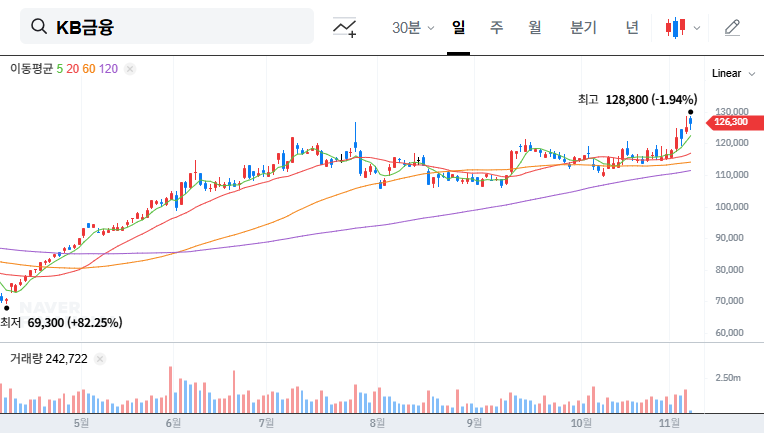
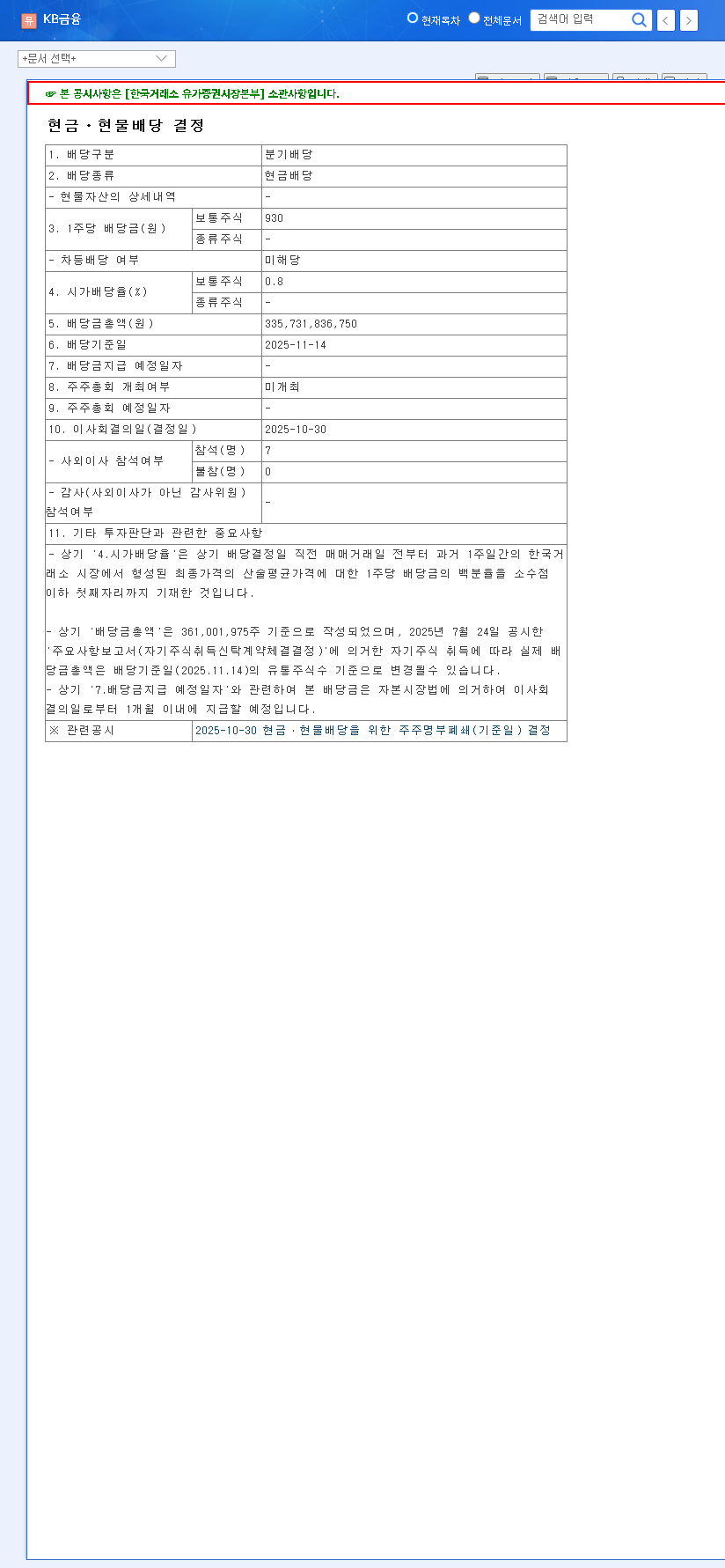
  • (105560) KB Financial Group Inc. Stock Analysis 2025: A Deep Dive into Earnings, Growth & Investment Potential

    (105560) KB Financial Group Inc. Stock Analysis 2025: A Deep Dive into Earnings, Growth & Investment Potential

    In a dynamic financial market, KB Financial Group Inc. (KBFG) continues to demonstrate a powerful growth trajectory, solidifying its position as a market leader heading into 2025. With impressive first-half earnings and strategic preparations for Morgan Stanley’s ‘Asia Pacific Summit,’ the company is poised to capture the attention of global investors. This in-depth KBFG analysis explores the robust fundamentals, key growth drivers, and overall investment appeal that underpin its ‘Buy’ rating. We will dissect its performance, strategic initiatives, and what the future holds for this financial powerhouse.

    KB Financial Group Inc. isn’t just maintaining its leadership; it’s actively shaping the future of finance through digital innovation, strategic global expansion, and an unwavering commitment to shareholder value.

    H1 2025 Earnings: A Story of Sustained, Robust Growth

    The first half of 2025 has been exceptionally strong for KB Financial Group Inc., showcasing impressive financial results that underscore its operational excellence and market leadership. The group’s performance is a testament to its well-balanced strategy, leveraging both its core banking operations and its expanding non-banking segments.

    Key Financial Highlights

    • Impressive Net Profit: The company reported a cumulative net profit of KRW 3.436 trillion for H1 2025, a significant increase of 23.8% year-over-year. This growth reflects the stability of interest income and the successful expansion of its diversified business lines.
    • Expanding Asset Base: Total assets grew to KRW 780.6 trillion, marking a 3.0% rise from the end of the previous year, demonstrating consistent and managed growth across the group.

    The Bedrock of Stability: Financial Soundness

    A core component of the KB Financial stock investment thesis is its exceptional financial health. The company maintains industry-leading capital adequacy and asset quality ratios, providing a stable foundation for future growth and resilience against market volatility. You can review the specifics in their Official Disclosure.

    • BIS Total Capital Ratio: At 16.36%, KBFG’s capital ratio is among the highest in the industry, indicating a strong capacity to absorb unexpected losses.
    • Non-Performing Loan (NPL) Ratio: Maintained at a very low 1.09%, highlighting a prudent risk management framework and high-quality loan portfolio.
    • Return on Equity (ROE): An impressive 11.86%, showcasing top-tier profitability and efficient use of shareholder equity. For more context, you can learn about Understanding Key Financial Ratios for Bank Stocks.

    Strategic Pillars: Diversification and Innovation

    KB Financial Group’s strength lies not just in its size but in its strategic diversity. With 11 affiliates spanning banking, securities, insurance, and more, the group creates powerful synergies, offering comprehensive financial solutions while diversifying its revenue streams.

    Key Future Growth Drivers for KB Financial Group Inc.

    • Digital Transformation: KBFG is aggressively investing in technology. This includes developing AI-powered financial advisory services, enhancing its flagship ‘KB Star Banking’ app, and building a robust ecosystem around ‘KB Pay’ to compete with fintech disruptors and create new value streams.
    • Global Expansion: The company is strategically expanding its footprint in high-growth emerging markets, particularly in Southeast Asia with ventures in Cambodia and Indonesia, securing long-term growth avenues beyond the domestic market.
    • ESG Leadership: A strong focus on ESG (Environmental, Social, and Governance) management is not only building a sustainable foundation but also enhancing corporate value and attracting a modern, conscientious investor base.

    Market Outlook & Upcoming Investor Relations

    The upcoming participation in the ‘Twenty-Fourth Annual Asia Pacific Summit’ hosted by Morgan Stanley on November 19, 2025, is a pivotal event. It provides a global stage for KBFG to communicate its compelling growth story, showcase its robust financials, and build deeper trust with international investors. This event is expected to highlight the company’s resilience amid macroeconomic uncertainties, such as fluctuating interest rates and geopolitical risks discussed by sources like Reuters Global Markets.

    Investment Thesis: A Confident ‘Buy’

    Considering the evidence, the investment outlook for KB Financial Group Inc. is decidedly positive. The combination of stable earnings growth, fortified financial soundness, and clear, forward-looking strategies in digital and global markets makes a strong case for a ‘Buy’ rating.

    • Proven Profitability: Demonstrated ability to grow profits consistently.
    • Future-Proof Strategy: Active investment in technology and global markets secures future relevance.
    • Shareholder Commitment: A history of active dividend policies and a focus on enhancing shareholder value.

    While risks like macroeconomic shifts and intensified competition exist, KBFG’s robust foundation and proactive management are well-equipped to navigate these challenges. For investors seeking a blend of stability and growth in the financial sector, KB Financial Group Inc. presents a compelling and attractive opportunity.

    Disclaimer: This article is for informational purposes only and is based on publicly available data. It should not be construed as investment advice. All investment decisions should be made based on your own judgment and risk tolerance.

    (105560) KB Financial Group Inc. Stock Analysis 2025: A Deep Dive into Earnings, Growth & Investment Potential 관련 이미지
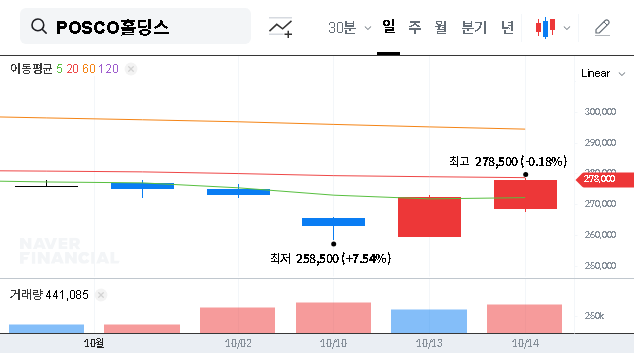
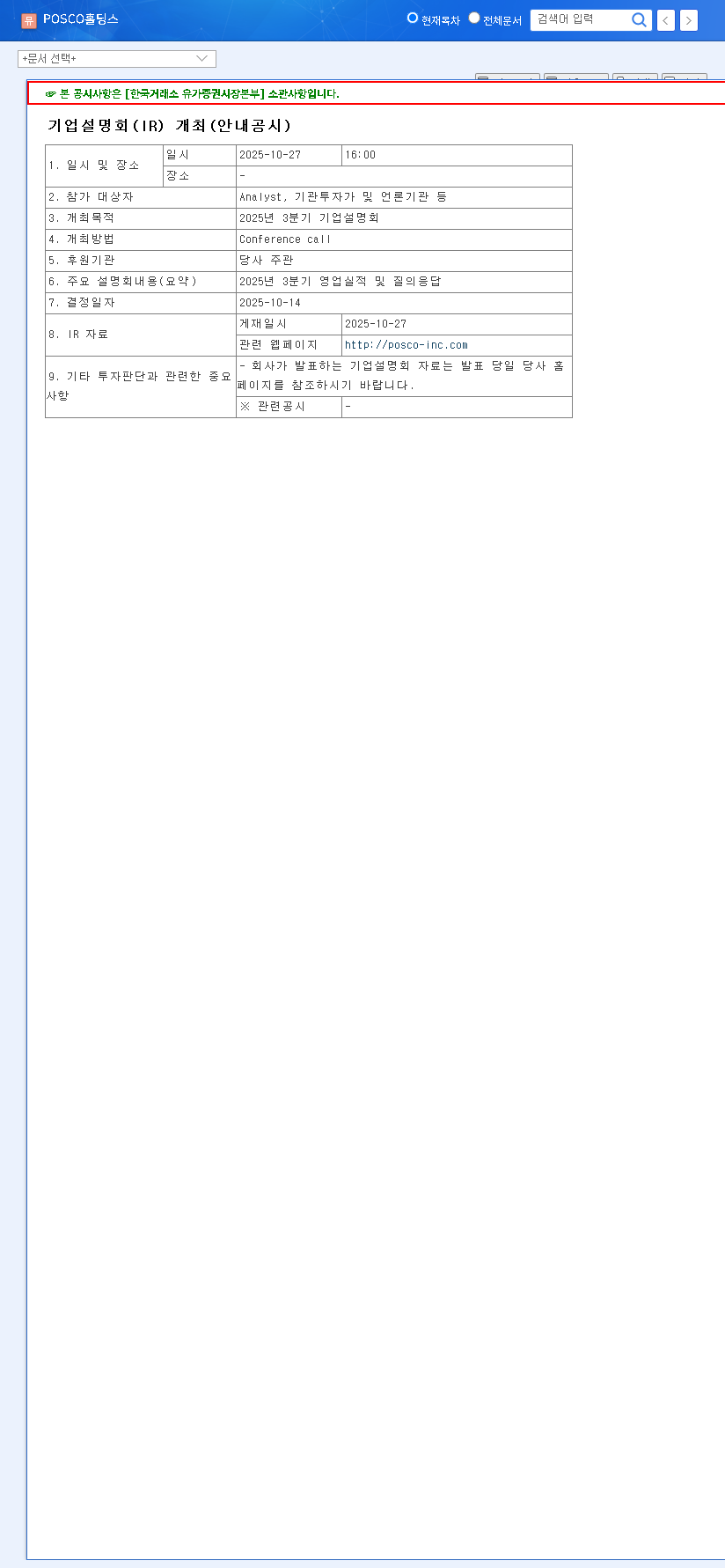
  • (005490) POSCO Holdings Inc. H1 2025 Analysis: Battery Growth & Steel Challenges

    (005490) POSCO Holdings Inc. H1 2025 Analysis: Battery Growth & Steel Challenges

    This comprehensive POSCO Holdings Inc. analysis for the first half of 2025 reveals a company at a pivotal crossroads. As a titan of the global steel industry, POSCO is navigating significant headwinds in its traditional market while aggressively forging a new path in the high-growth battery materials sector. The H1 2025 earnings report paints a clear picture of this dual reality: a story of transformation fueled by future-facing investments and the persistent challenges of a cyclical core business. This deep dive will illuminate POSCO’s performance, the strategic weight of its critical mineral investments, and the fundamental shifts shaping its future, providing key insights for investors tracking POSCO stock.

    POSCO’s H1 2025 performance is a tale of two businesses: the remarkable ascent of its battery materials division and the continued profitability pressure on its legacy steel operations.

    POSCO Holdings Inc. H1 2025: A Story of Transformation and Challenge

    The first half of 2025 crystalized POSCO’s strategic pivot. While the company’s identity is historically rooted in steel, its future growth narrative is now inextricably linked to the electric vehicle (EV) revolution. The financial results clearly reflect this strategic duality.

    Battery Materials: Securing a Powerful Growth Engine

    The POSCO battery materials business has emerged as the company’s star performer. The division is not just growing; it’s building a comprehensive, vertically integrated value chain that positions it as a key player in the global EV market. For a detailed look at market dynamics, you can review global EV market trends.

    • Impressive Revenue Growth: The division posted revenues of KRW 10,922 billion, a significant 16.8% increase year-over-year, showcasing robust demand and successful operational scaling.
    • Value Chain Realized: Strategic investments are now paying dividends. This includes POSCO Future M’s cathode/anode production, POSCO Pilbara Lithium Solution’s lithium hydroxide output, and POSCO HY Clean Metal’s nickel refining capabilities.
    • Future-Proofing Investments: The completion of a new silicon anode plant in 2024 and a KRW 1 trillion capital injection in 2025 signal a powerful commitment to staying ahead of technological curves and market demand.

    Steel Business: Navigating Economic Headwinds

    In stark contrast, the legacy POSCO steel business faces a challenging environment. Persistent global economic softness, particularly the downturn in China’s critical real estate sector, has dampened demand and suppressed prices. Adding to the pressure, geopolitical factors and rising protectionism, such as the US imposition of 50% tariffs on certain steel and aluminum products in June 2025, create significant short-term hurdles for export-oriented operations. This environment tests the resilience of POSCO’s core profit center and underscores the importance of its diversification efforts.

    Strategic Analysis: The LithiumCo Acquisition

    A cornerstone of POSCO’s recent strategy was the KRW 1,112.1 billion investment to acquire a 30% stake in LithiumCo, an Australian mining company. This move is more than a simple investment; it’s a decisive step to de-risk its supply chain and bolster its cost competitiveness in the fierce market for critical minerals. By securing a direct line to raw lithium, POSCO Holdings Inc. mitigates volatility and ensures a stable supply for its expanding battery materials division. This strategic foresight is critical, especially amid concerns of a potential slowdown in the EV market. Further details of this transaction can be found in the Official Disclosure (DART).

    Investment Outlook: Balancing Risk and Reward

    For investors, a POSCO analysis requires balancing the company’s bright long-term prospects against its short-term vulnerabilities. Understanding these factors is key to making an informed decision about POSCO stock.

    Short-Term Cautions

    In the immediate future, market sentiment may be weighed down by several factors. The continued slump in the steel sector, coupled with high financial costs stemming from a KRW 40 trillion consolidated liability, presents a drag on profitability. External risks, including global macroeconomic uncertainty and trade tariffs, could further impact stock performance.

    Mid-to-Long-Term Opportunities

    The long-term outlook appears significantly more promising. The aggressive and well-executed strategy in the POSCO battery materials sector is set to unlock substantial value. As the world transitions to EVs, POSCO is positioning itself as an indispensable part of the supply chain. For more on this, you can read our guide to the EV battery supply chain. Furthermore, the company’s commitment to ESG principles, including investments in hydrogen reduction steelmaking and carbon capture technologies, enhances its long-term sustainability and appeal to a broader class of investors.

    Key Considerations for Investors

    When evaluating POSCO Holdings Inc., investors should closely monitor the following areas:

    • Battery Business Execution: Track the production ramp-up at POSCO Future M, the profitability of lithium and nickel operations, and the successful integration of the LithiumCo investment.
    • Steel Sector Resilience: Look for progress in shifting the steel portfolio towards high-value-added products, advancements in carbon-neutral production, and cost efficiencies from smart factory initiatives.
    • Financial Health: Monitor the company’s debt management strategies, efforts to reduce financing costs, and the return on invested capital for major projects.
    • Macro-Risk Response: Assess how effectively management navigates geopolitical trade shifts, fluctuating currency exchange rates, and changes in global economic demand.

    In conclusion, POSCO Holdings Inc. represents a compelling, albeit complex, investment case. The company is successfully engineering a major transformation, securing powerful new growth drivers while managing the cyclical nature of its foundational business. For patient, long-term investors, the strategic pivot towards battery materials could unlock significant corporate value over the coming years.

    (005490) POSCO Holdings Inc. H1 2025 Analysis: Battery Growth & Steel Challenges 관련 이미지
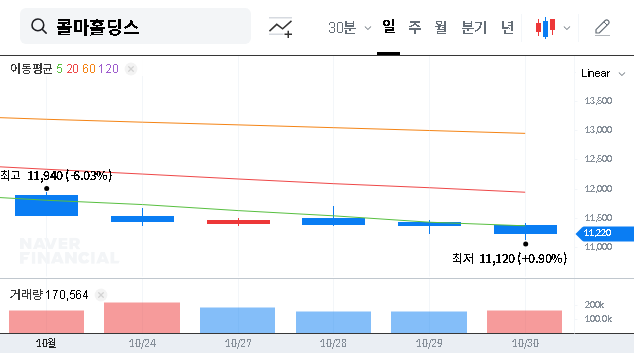
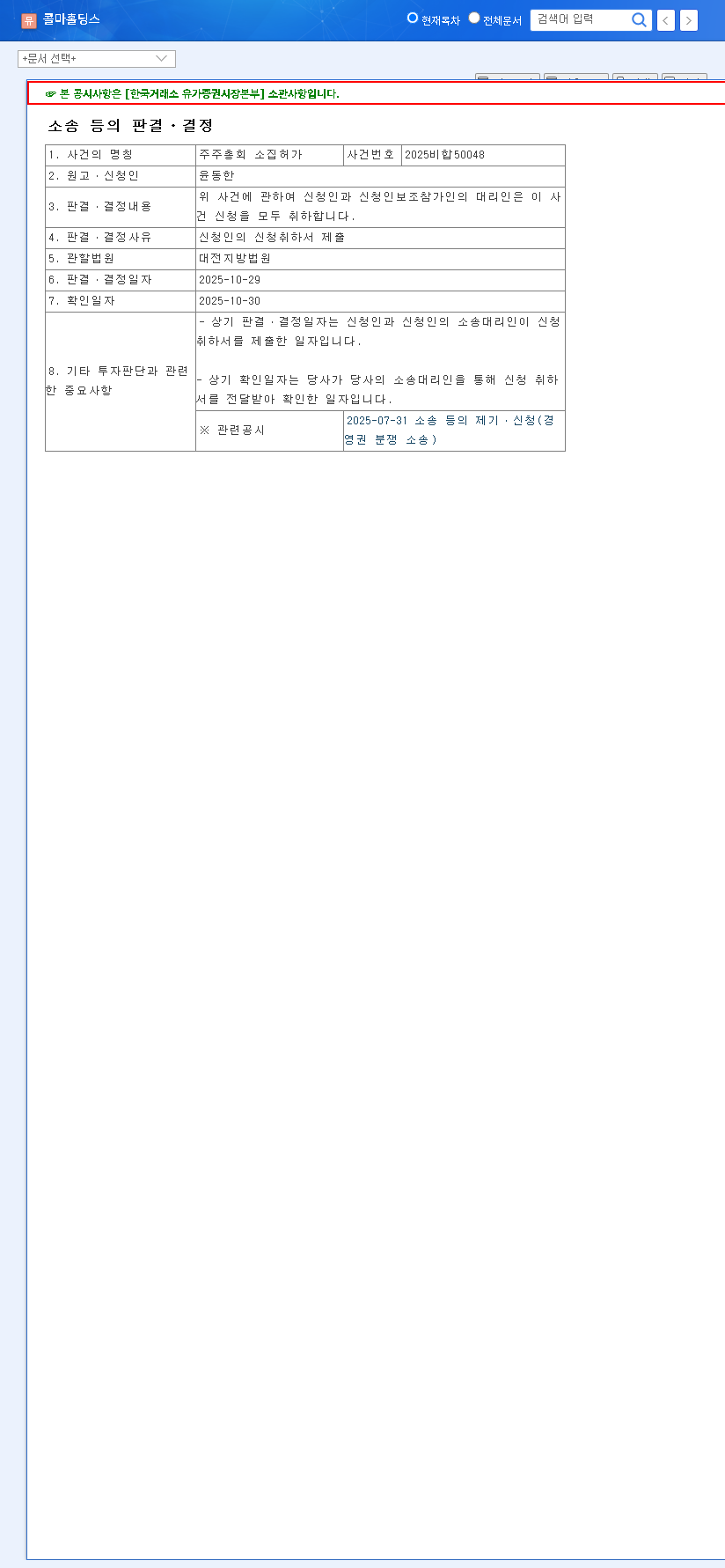
  • (024720) KOLMAR HOLDINGS Stock (024720): Sell Alert After 93% Revenue Plunge in Q3 2025 Earnings

    (024720) KOLMAR HOLDINGS Stock (024720): Sell Alert After 93% Revenue Plunge in Q3 2025 Earnings

    Investors in KOLMAR HOLDINGS stock (024720) are facing a period of significant uncertainty. The company recently released two major disclosures: a routine business report correction and a bombshell provisional earnings announcement for Q3 2025. While one hints at improved governance, the other reveals a catastrophic financial performance, sending shockwaves through the market. A staggering 93% plunge in revenue and a swing to a net loss have raised urgent questions about the company’s operational health and future prospects.

    This comprehensive analysis dissects these critical events, exploring their impact on the fundamentals of KOLMAR HOLDINGS stock. We will delve into the alarming numbers, evaluate the potential causes, and provide a clear investment thesis based on the available data. If you are holding or considering an investment in KOLMAR HOLDINGS, this report provides the essential insights needed to navigate the current turmoil.

    Deconstructing the Disclosures: A Tale of Two Reports

    To understand the current situation, we must look at the two distinct pieces of information released by the company. One is a procedural update, while the other is a fundamental blow to investor confidence.

    1. Business Report Correction: A Minor Positive Signal

    KOLMAR HOLDINGS filed a disclosure to correct and supplement its business report. In the grand scheme, this is an administrative action, but it contains subtle indicators of a management team focusing on governance. These changes, while not impacting immediate financials, can be viewed as a long-term positive for the KOLMAR HOLDINGS investment thesis.

    • Enhanced ESG Focus: The inclusion of agenda items related to ESG (Environmental, Social, and Governance) performance and risk management systems points toward a commitment to sustainable, modern management practices.
    • Improved Governance: Clarifying shareholder rights and explicitly noting the election of an outside director via a shareholder proposal suggests a move toward a more transparent and shareholder-friendly corporate structure.
    • Greater Transparency: Detailed minutes from general meetings increase information accessibility, which helps build long-term investor trust.

    However, any goodwill generated by these procedural improvements was completely overshadowed by the subsequent financial disclosure.

    2. The Q3 2025 Earnings Shock: A Fundamental Crisis

    The provisional KOLMAR HOLDINGS Q3 2025 earnings report was nothing short of disastrous. The figures paint a picture of a company in severe distress, with a sudden and dramatic collapse in performance. The data can be viewed in the Official Disclosure on DART.

    The Q3 earnings report revealed a staggering 93.4% quarter-over-quarter revenue decrease and a swing from a KRW 39.3 billion profit to a KRW 6.8 billion net loss. This is a critical red flag for any investor.

    • Revenue Annihilation: Revenue came in at a mere KRW 11.6 billion, a collapse of over 93% from the previous quarter (KRW 175.7 billion) and the prior year’s same quarter (KRW 163 billion). This indicates a severe breakdown in its key subsidiaries like Korea Kolmar and Kolmar BNH.
    • Profit Evaporation: Operating profit of KRW 0.6 billion is down over 96% from the previous quarter’s KRW 16.4 billion. While still positive, it is negligible and cannot be seen as a sign of stability.
    • Plunge into Net Loss: The company posted a net loss of KRW -6.8 billion. This is a stark reversal from Q2 2025’s KRW 39.3 billion profit and a clear signal of deep-seated operational or financial issues.

    Macro Headwinds or Company-Specific Failure?

    When a company’s performance deteriorates this rapidly, investors must ask whether the cause is a broad economic downturn or a problem unique to the firm. While global macroeconomic factors like high interest rates and fluctuating currency exchange rates certainly play a role, the sheer magnitude of KOLMAR HOLDINGS’ decline points squarely toward company-specific issues. A 93% revenue drop is not a cyclical dip; it is a sign of a potential crisis within one or more of its core business segments. For more on this, read our guide on how to analyze company-specific risk.

    The market needs immediate clarification on the root cause. Was there a loss of a major client? A catastrophic failure in a new product line? Or perhaps significant one-off expenses that have not yet been fully disclosed? Without transparency, investor confidence in KOLMAR HOLDINGS stock will continue to erode.

    Investment Outlook: A Clear ‘Sell’ Recommendation

    Given the overwhelming negativity of the Q3 2025 provisional earnings, our investment recommendation for KOLMAR HOLDINGS is an unequivocal ‘Sell’ or ‘Reduce Weight.’ The financial deterioration is too severe to ignore, and the risk of further decline is substantial. A ‘Sell’ rating from analysts, such as this one from Investopedia, typically indicates that a stock is expected to underperform the broader market significantly.

    The projected negative EPS and PER for 2025 reflect a complete breakdown in profitability. Until the company can provide a transparent account of this performance collapse and present a credible turnaround strategy, the stock is likely to remain under intense pressure.

    Key Actions for Investors to Monitor

    • Demand Transparency: Watch for official company statements that clearly explain the cause of the Q3 disaster.
    • Look for a Recovery Plan: Management must outline concrete steps, such as cost-cutting, asset sales, or strategic pivots, to stabilize the business.
    • Monitor Subsidiary Performance: Pay close attention to the individual results of Korea Kolmar, Kolmar BNH, and HK inno.N in the coming quarters.
    • Re-evaluate After Q4 Results: The next earnings report will be critical to determine if Q3 was a one-off catastrophe or the start of a prolonged downturn.

    Disclaimer: This analysis is based on publicly available information. All investment decisions carry risk and are the sole responsibility of the investor.

    (024720) KOLMAR HOLDINGS Stock (024720): Sell Alert After 93% Revenue Plunge in Q3 2025 Earnings 관련 이미지
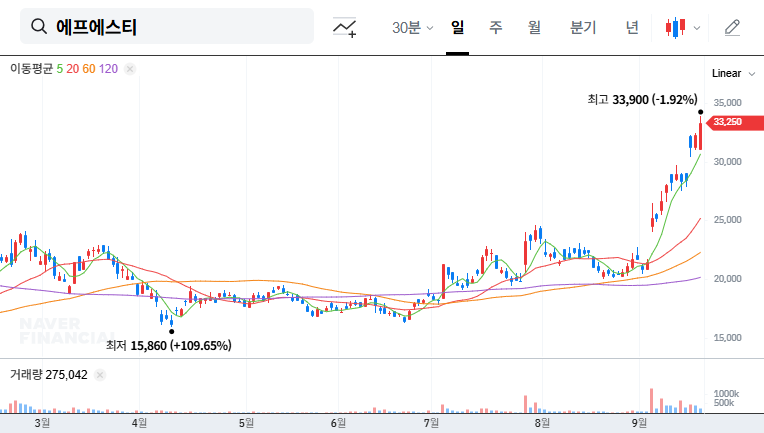
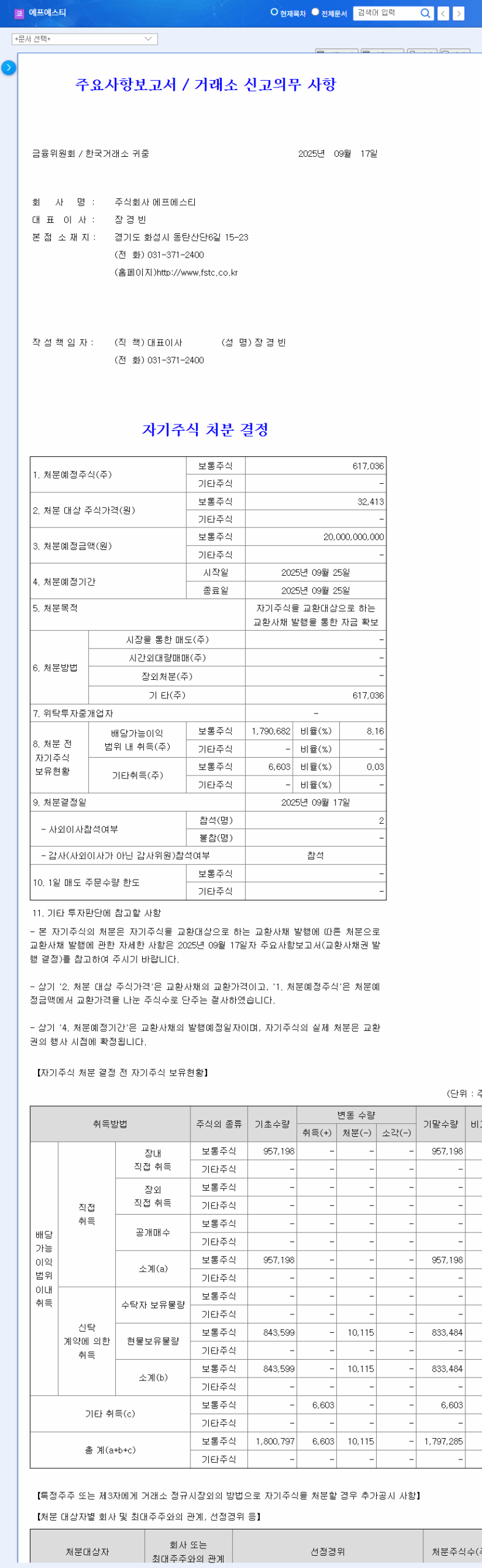
  • (036810) FINE SEMITECH (FST) Analysis: Is EUV Pellicle Technology the Ultimate Growth Catalyst?

    (036810) FINE SEMITECH (FST) Analysis: Is EUV Pellicle Technology the Ultimate Growth Catalyst?

    Investors are closely watching FINE SEMITECH Corp. (FST), a key innovator in the semiconductor space, particularly for its advancements in EUV pellicle technology. With a major Investor Relations (IR) event on the horizon, the market is buzzing with a critical question: is FST standing at a major growth inflection point? This event is more than a standard corporate update; it’s a crucial opportunity to assess the company’s trajectory and the real-world impact of its core technologies.

    This comprehensive analysis explores FST’s fundamentals, the immense potential of its EUV pellicle business, the surrounding market environment, and the strategic considerations for investors. If you’re seeking a deep dive into FINE SEMITECH Corp. to inform your investment decisions, this breakdown provides the clarity you need.

    The Critical Role of EUV Pellicle Technology

    Before diving into FST’s financials, it’s essential to understand why the EUV pellicle is so significant. Extreme Ultraviolet (EUV) lithography is the cutting-edge process used to manufacture the world’s most advanced microchips. During this process, a photomask (the blueprint for the chip) is exposed to intense light. An EUV pellicle is an ultra-thin membrane that acts as a protective dust cover for this photomask. Without it, even a single microscopic particle could create a defect, rendering a multi-million dollar mask and countless chips useless. As chipmakers like TSMC and Samsung push the boundaries of physics, the demand for high-quality, durable pellicles is skyrocketing, placing companies like FST at the center of the next generation of computing.

    “Mastery of EUV pellicle technology is not just an incremental improvement; it is a fundamental enabler for the future of the entire semiconductor industry. Companies that lead in this niche hold a powerful key to the next wave of technological innovation.”

    Dissecting the Upcoming FST Investor Relations Event

    FINE SEMITECH Corp. is set to host its IR event on November 17, 2025, at 9:00 AM. The primary goal is to enhance investor understanding and provide a clear view of the company’s business status. You can view the Official Disclosure for more details. Key agenda items include:

    • Q3 2025 Performance Review: A detailed analysis of recent financial results and operational milestones.
    • Core Business & Management Strategy: Updates on the current state and future vision for key divisions, with a special focus on the EUV pellicle business.
    • Investor Q&A Session: A direct line for investors to address concerns and clarify the company’s direction.

    Analyzing FST’s Fundamentals: The Bull vs. Bear Case

    The Bull Case: Core Strengths & Growth Engines

    FST presents several compelling factors for a positive outlook within the dynamic semiconductor market.

    • Dominance in EUV Pellicle: With a commanding 80% domestic market share and expanding overseas presence, FST’s leadership in this high-growth segment is its primary catalyst.
    • Diversified Growth: Strong performance from subsidiaries like SP Tech and Hwaseon Ceratech provides a stable foundation and diversifies the company’s revenue streams.
    • Commitment to Innovation: A high R&D investment ratio (10.52% of sales) and a focus on ESG through products like eco-friendly chillers signal a forward-looking strategy for sustainable growth.
    • Impressive Financials: In H1 2025, FST reported sales of KRW 144.49 billion (a 43.2% YoY increase) and a return to operating profitability, showcasing strong momentum.

    The Bear Case: Navigating Potential Headwinds

    Prudent investors must also weigh the potential risks facing FINE SEMITECH Corp.

    • Currency Exposure: A high volume of foreign currency transactions makes FST’s profitability vulnerable to exchange rate volatility.
    • Debt Load: With total borrowings at KRW 219.10 billion, rising interest rates could significantly increase the company’s financial burden.
    • Macroeconomic Sensitivity: The semiconductor industry is cyclical. A global economic slowdown, inflation, or interest rate hikes could dampen demand. For more on this, read this Gartner analysis on market trends.

    Post-IR Investment Strategy & Outlook

    The IR event’s outcome will likely dictate short-term stock volatility. Positive news on EUV pellicle commercialization, new customer acquisitions, or better-than-expected Q3 results could trigger a significant upward re-rating of the stock. Conversely, an emphasis on risks or a lack of clear progress could lead to a pullback.

    Actionable Steps for Investors

    Following the announcement, investors should:

    • Analyze the Details: Scrutinize the specifics of the EUV pellicle business progress, future guidance, and the company’s risk mitigation plans.
    • Watch for Positive Triggers: Confirmation of customer evaluation success or clear visibility into mass production schedules would be strong bullish signals.
    • Re-evaluate Valuation: Based on the new information, reassess FST’s fair value to determine if the current stock price offers an attractive entry point for a long-term semiconductor investment.

    Frequently Asked Questions (FAQs)

    What is FST’s most important growth driver?

    FST’s core growth driver is its EUV pellicle business. The technology’s critical role in advanced chipmaking, combined with FST’s high domestic market share and international expansion, positions it as the central pillar of the company’s future performance.

    What are the main risks for FST investors?

    The key risks for anyone considering a FST stock analysis include currency exchange rate volatility, the financial strain from its significant debt load in a rising-rate environment, and the semiconductor industry’s inherent sensitivity to global economic cycles.

    How might the IR event impact FST’s stock price?

    A positive IR, detailing strong progress in the EUV pellicle segment and solid financials, could significantly boost investor confidence and drive the stock price higher. Conversely, if the presentation lacks substance or highlights major unresolved risks, it could lead to a short-term sell-off.

    (036810) FINE SEMITECH (FST) Analysis: Is EUV Pellicle Technology the Ultimate Growth Catalyst? 관련 이미지
    (036810) FINE SEMITECH (FST) Analysis: Is EUV Pellicle Technology the Ultimate Growth Catalyst? 관련 이미지
  • (005430) KOREA AIRPORT SERVICE (005430) Q3 2025 Earnings Analysis: Growth vs. Profitability

    (005430) KOREA AIRPORT SERVICE (005430) Q3 2025 Earnings Analysis: Growth vs. Profitability

    This comprehensive KOREA AIRPORT SERVICE earnings analysis for Q3 2025 provides a deep dive into the company’s latest financial performance announced on November 10, 2025. As the global aviation industry recovery continues to gain momentum, stakeholders are keenly watching key players like KOREA AIRPORT SERVICE (KAS). While top-line revenue growth signals a positive trend, a closer look reveals underlying challenges in profitability that warrant careful consideration.

    This report moves beyond the surface-level numbers, exploring the business environment, fundamental financial health, macroeconomic pressures, and future growth drivers. Our goal is to equip investors with a nuanced understanding of the opportunities and risks facing the KOREA AIRPORT SERVICE stock, enabling more informed and strategic investment decisions.

    Q3 2025 Performance: A Tale of Two Realities

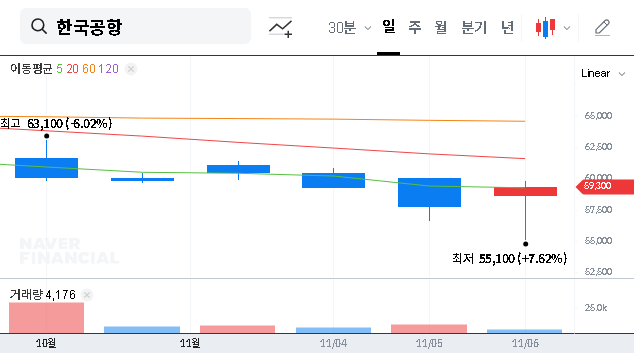
    On November 10, 2025, KOREA AIRPORT SERVICE (한국공항) released its consolidated interim results for the third quarter. The figures present a mixed picture of healthy revenue growth countered by concerning profitability compression.

    • Revenue: KRW 167.0 billion, marking a 4.1% increase Quarter-on-Quarter (QoQ) and a 6.2% increase Year-on-Year (YoY).
    • Operating Profit: KRW 14.5 billion, a strong 26.1% increase QoQ but a significant 10.5% decrease YoY.
    • Net Income: KRW 11.6 billion, showing a 22.1% increase QoQ but a 12.8% decrease YoY.

    The revenue upswing is a direct reflection of the recovering demand for air travel. However, the year-on-year decline in both operating profit and net income signals that the company is struggling to translate higher sales into better bottom-line results, primarily due to escalating operational costs.

    Fundamental Analysis: Behind the Numbers

    Tailwinds from Aviation Industry Recovery

    The positive revenue trend is firmly anchored in the broader recovery of the aviation sector. Increased international flight schedules, the ongoing expansion of Incheon Airport’s Phase 4, and a resurgence in global travel demand are creating a favorable environment. As a key provider of essential airport ground handling services, air cargo logistics, and aircraft refueling, KAS is a primary beneficiary. These core operations constitute over 90% of its revenue, making its performance a reliable barometer for the health of South Korea’s aviation hub. For more data on global trends, see the latest reports from authoritative bodies like IATA.

    Headwinds from Rising Operational Costs

    The primary culprit behind the declining profitability is a significant rise in costs, particularly selling, general, and administrative (SG&A) expenses. Reports from the first half of 2025 already indicated pressures from increased average per capita salaries and executive compensation. These factors, combined with broader inflationary pressures on materials and maintenance, continued to weigh on margins in Q3. While investments in personnel are vital for service quality and employee retention, they highlight a critical need for enhanced operational efficiency and stringent cost management moving forward.

    KOREA AIRPORT SERVICE finds itself at a pivotal juncture where the tailwinds of market recovery are met with the headwinds of internal cost pressures. The company’s ability to navigate this challenge will define its trajectory for the coming year.

    Financial Stability and Macroeconomic Risks

    From a balance sheet perspective, KAS maintains a solid financial footing. As of H1 2025, its debt-to-equity ratio stood at a healthy 31.6%, supported by a growing cash position. However, external macroeconomic factors pose tangible risks:

    • Exchange Rates: A volatile USD/KRW exchange rate can impact net income, particularly affecting the cost of imported equipment and foreign currency-denominated liabilities.
    • Interest Rates: A sustained high-interest-rate environment globally could increase the company’s financing costs for future investments and debt servicing.
    • Oil Prices: Fluctuations in global oil prices directly influence aircraft refueling costs, a key variable in the company’s profitability equation.

    Strategic Outlook & Investor Action Plan

    Pivoting to New Growth Drivers

    Recognizing the need for diversification, KAS is actively pursuing new revenue streams to secure long-term growth. Key initiatives include expanding its ground handling operations into the Japanese market (via its KAAS subsidiary), launching a non-aviation equipment rental platform, and developing new training programs at its ground handling equipment training center. The successful execution and scaling of these ventures are critical to enhancing corporate value beyond its traditional core business.

    Key Considerations for Investing in KOREA AIRPORT SERVICE Stock

    For those conducting a KOREA AIRPORT SERVICE earnings analysis with an eye toward investment, several factors must be continuously monitored. This balanced approach is essential for anyone interested in the broader South Korean aviation sector.

    Before making a decision, investors should:

    • Validate New Business Traction: Track quarterly reports for tangible revenue and profit contributions from the new ventures in Japan and the rental/training platforms.
    • Analyze Profitability Trends: Scrutinize operating profit margins to see if cost management initiatives are effectively counteracting rising SG&A expenses.
    • Assess Competitive Positioning: Monitor the competitive landscape in the airport ground handling market and evaluate KAS’s strategies for maintaining its market share.
    • Review Primary Sources: Always refer to the original financial statements for complete accuracy. The Official Disclosure (DART Report) provides the unabridged data.

    In conclusion, KOREA AIRPORT SERVICE is a company with clear growth potential tied to a recovering industry, but it faces an immediate and significant test in improving its profitability. Long-term investment success will likely depend on management’s ability to control costs effectively while successfully launching and scaling its new business initiatives.

  • (038500) SAMPYO Cement Stock: Shareholder Increase Analysis & 2025 Forecast

    (038500) SAMPYO Cement Stock: Shareholder Increase Analysis & 2025 Forecast

    The recent announcement that the SAMPYO Cement major shareholder has significantly increased its stake has sent ripples through the market. This move, which consolidates control, raises a critical question for investors: Is this a prelude to enhanced corporate value and a bullish signal for SAMPYO Cement stock, or does it merely mask underlying fundamental weaknesses amid a challenging economic landscape? This comprehensive analysis will delve into the positive and negative implications, scrutinize the company’s financial health, and provide a forward-looking perspective for investors.

    The Details of the Shareholder Consolidation

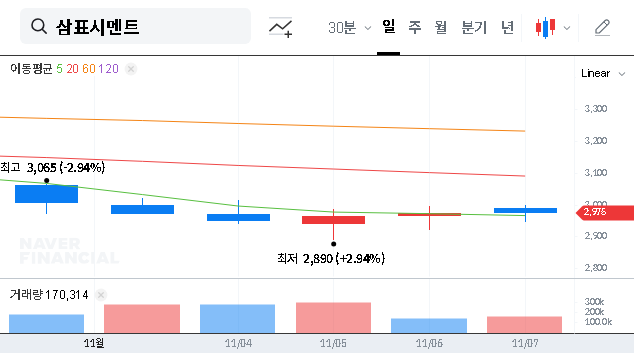
    According to the Official Disclosure filed on November 10, 2025, SPS&A and its related parties acquired an additional 4,202,332 shares of SAMPYO Cement Co., Ltd. This after-hours transaction increased their total holdings to a commanding 68.32% of the company’s total issued shares. Such a significant consolidation by a major shareholder is often interpreted as a strong vote of confidence and a strategic move to solidify control over the company’s long-term direction, ostensibly shielding it from external pressures and enabling more agile decision-making.

    This move is more than a simple transaction; it’s a statement about the future governance and strategic intent for SAMPYO Cement. The key is to discern whether this stability will translate into tangible performance improvements.

    The Bull Case: Potential Catalysts for Growth

    An increased stake by a key shareholder can unlock several positive outcomes. For SAMPYO Cement, investors are hopeful that this signals a new phase of strategic focus and operational excellence.

    Enhanced Management Stability

    With a super-majority stake, the management team can operate with a long-term horizon, free from the distractions of short-term market pressures or the threat of activist investors. This stability allows for the implementation of multi-year capital investment projects, research into greener cement production, and strategic pivots that might not yield immediate returns but are crucial for sustainable growth.

    Foundation for Strategic Investments

    A unified ownership structure can streamline the approval process for major investments. This could mean upgrading aging facilities to improve efficiency, expanding into new geographic markets, or diversifying the product portfolio. The ability to act decisively is a significant competitive advantage in the capital-intensive cement industry analysis landscape.

    The Bear Case: Persistent Headwinds and Challenges

    However, a change in ownership structure does not erase fundamental business challenges or macroeconomic pressures. Investors must weigh the potential positives against some significant risks facing SAMPYO Cement.

    • Underperforming Business Segments: The core cement business, while generating sales, is hampered by a low operating rate of just 51.2%, indicating significant room for efficiency gains. More alarmingly, the ready-mixed concrete division is posting operating losses with a critically low operating rate of 16%, demanding an urgent and effective turnaround strategy.
    • Financial Health Concerns: While the debt ratio has seen improvement, a decrease in cash and cash equivalents raises concerns about liquidity. The ongoing burden of debt repayment requires careful financial management, especially in a high-interest-rate environment.
    • Macroeconomic Pressures: The broader economic climate is unfavorable. A slowdown in the construction sector, volatile raw material prices, elevated logistics costs, and persistent high interest rates all pose significant threats to profitability. For a deeper dive into market trends, resources like Bloomberg’s market analysis provide valuable context.

    Investor Outlook and Strategic Considerations

    In conclusion, the SAMPYO Cement major shareholder increase provides a crucial element of management stability, which is a clear positive. This could pave the way for long-term strategic execution. However, this stability must be leveraged to address the company’s pressing challenges. The long-term trajectory of the SAMPYO Cement stock will not be determined by ownership percentages alone, but by the tangible results of the new leadership’s strategy.

    Investors should adopt a prudent and watchful approach. While the news may generate short-term positive sentiment, the real indicators of success will be found in the company’s quarterly reports. Key metrics to monitor include improvements in operating margins, a successful turnaround in the ready-mixed concrete business, and effective management of the company’s balance sheet amidst economic headwinds. For those interested in this sector, it’s also wise to read about how to evaluate other industrial stocks for comparison. Diligent monitoring of fundamental improvements will be the key to making an informed investment decision.

    Disclaimer: This analysis is for informational purposes only and is based on publicly available data. It does not constitute investment advice or a solicitation to buy or sell securities. All investment decisions should be made by the investor after conducting their own due diligence.

  • (097950) CJ CHEILJEDANG CORP. Quarterly Dividend: A 2025 Stock Analysis & Investment Guide

    (097950) CJ CHEILJEDANG CORP. Quarterly Dividend: A 2025 Stock Analysis & Investment Guide

    The recent announcement of the CJ CHEILJEDANG CORP. quarterly dividend for November 2025 has generated significant interest among investors. This decision is more than a simple payout; it’s a statement about the company’s financial confidence, commitment to shareholder value, and its strategic direction. For anyone considering a CJ CHEILJEDANG investment, understanding the nuances behind this move is crucial. This comprehensive analysis will explore the company’s robust fundamentals, its forward-thinking growth strategy, and the tangible impact of this dividend on its stock performance.

    We will dissect what makes CJ CHEILJEDANG a leader in the global food and biotechnology markets and provide you with the critical insights needed to make an informed decision. Let’s delve into the value proposition and long-term potential of this Korean powerhouse.

    Dissecting the Dividend Announcement

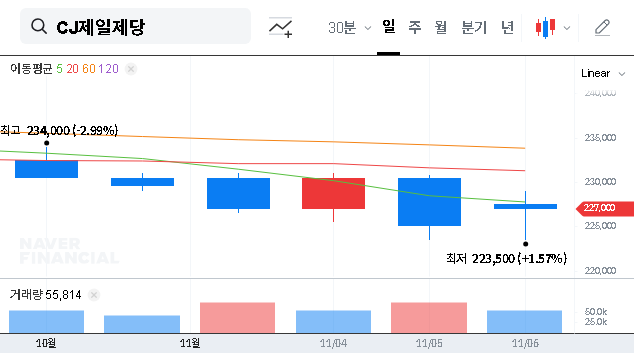
    On November 10, 2025, CJ CHEILJEDANG CORP. (Market Cap: 3.46 Trillion KRW) formally declared a cash and in-kind quarterly dividend. The key details, as per the Official Disclosure, are as follows:

    • Dividend Amount: 1,500 KRW per share (for both common and other shares).
    • Record Date: November 30, 2025.
    • Dividend Yield: Approximately 0.7% for common shares and 1.1% for other shares based on current prices.

    This move is a clear execution of the company’s shareholder-friendly policy. It signals robust and stable cash flow, underscoring management’s confidence in its operational stability and future earnings potential. For investors, it’s a tangible return and a reinforcement of the company’s commitment to delivering consistent shareholder value.

    The consistent dividend, paired with aggressive investment in future-forward sectors like BIO-tech, showcases a balanced strategy aimed at rewarding current investors while building long-term, sustainable growth. It’s a hallmark of a mature yet innovative company.

    Unwavering Fundamentals: The Four Pillars of Growth

    A detailed CJ CHEILJEDANG stock analysis reveals a diversified and resilient business portfolio. The company’s strength isn’t just in one area but is spread across four synergistic pillars, each poised for growth.

    1. Food Business: Spearheading the Global K-Food Strategy

    Led by its flagship ‘Bibigo’ brand, CJ CHEILJEDANG is at the forefront of the global K-Food phenomenon. The company isn’t just selling products; it’s exporting Korean food culture. This successful global expansion, as detailed in reports from authorities like Forbes, continues to drive revenue. Domestically, its powerful brand recognition and ability to adapt to modern trends like single-person households ensure a stable market share and consistent performance.

    2. BIO Business: The High-Tech Growth Engine

    This is arguably the most exciting part of the company’s future. Leveraging world-class fermentation technology, the BIO division produces high-value-added products like amino acids for feed and food. More importantly, it is aggressively investing in next-generation ventures, including biodegradable plastics (PHA) and cutting-edge microbiome-based pharmaceuticals. These initiatives represent massive potential for future revenue streams and position CJ CHEILJEDANG as a key player in the sustainable technology space.

    3. Feed & Care (F&C) and Logistics: The Stable Foundation

    The F&C business provides stability through its global strategy centered on Southeast Asia’s growing markets. Meanwhile, the logistics arm, powered by advanced TES-based automation, enhances operational efficiency across the entire corporation and capitalizes on the booming e-commerce market. This integration creates a powerful, self-reinforcing ecosystem.

    Investment Impact of the CJ CHEILJEDANG CORP. Quarterly Dividend

    This dividend decision will have both immediate and long-term effects on the stock and overall CJ CHEILJEDANG investment appeal.

    • Short-Term Outlook: The announcement is expected to foster positive sentiment. However, the modest dividend yield may not trigger a dramatic, immediate price surge. Investors should anticipate potential volatility around the ex-dividend date, though any dip is likely to be temporary, supported by the company’s strong fundamentals.
    • Mid- to Long-Term Outlook: This is where the real value lies. Consistent dividend payments build a reputation for reliability and financial prudence. This attracts a stable base of long-term, institutional investors, reducing volatility and enhancing overall corporate value. It proves that management can successfully balance reinvestment for growth with direct returns to shareholders.

    Comprehensive Outlook & Investment Strategy

    The decision to issue a CJ CHEILJEDANG CORP. quarterly dividend is a net positive for current and prospective investors. It reflects a company that is firing on all cylinders.

    Positive Factors

    • Diversified Portfolio: A stable business model that balances mature food and logistics arms with a high-growth BIO division.
    • Future-Focused Investment: Clear dedication to securing future growth drivers in sustainable and high-tech industries.
    • ESG Commitment: Proactive ESG management, including carbon neutrality goals, enhances corporate value and appeals to modern investors.

    Risks to Consider

    • Macroeconomic Headwinds: Vulnerability to raw material price volatility and foreign exchange fluctuations can impact profitability.
    • Competitive Landscape: The global food and BIO markets are highly competitive, requiring constant innovation and efficiency.
    • Financial Monitoring: While currently stable, the company’s increased investment requires continuous monitoring of its financial health. You can read more about our approach to analyzing corporate financials here.

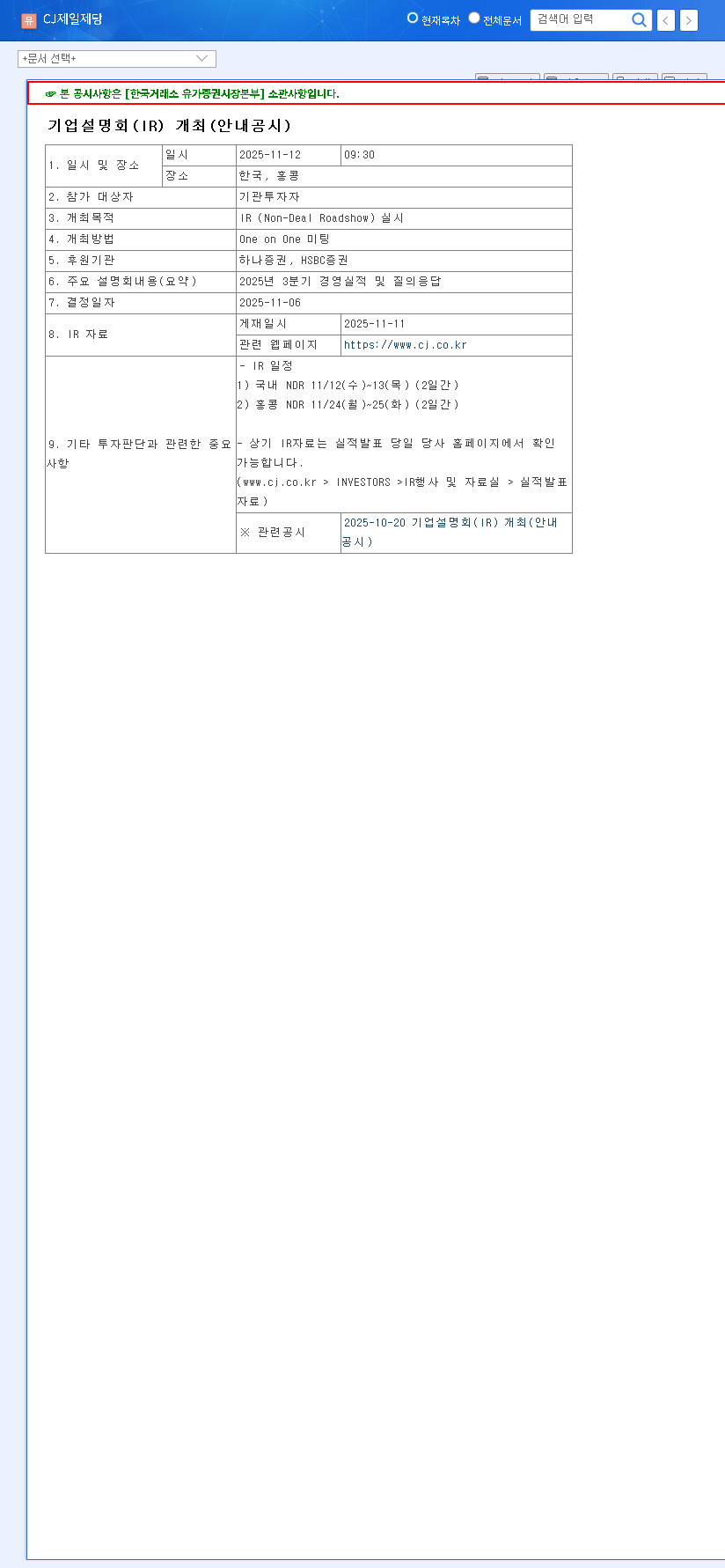
    In conclusion, while investors must remain vigilant of external market risks, CJ CHEILJEDANG CORP. presents a compelling case. Its stable fundamentals, clear growth trajectory, and now, a reinforced commitment to shareholder returns, make it an attractive consideration for a well-balanced, long-term portfolio.

    (097950) CJ CHEILJEDANG CORP. Quarterly Dividend: A 2025 Stock Analysis & Investment Guide 관련 이미지