Tag: Eco-friendly Business

  • (096770) SK Innovation Q3 2025 Earnings: A Deep Dive into the Profit Surprise, Net Loss, and Future Outlook

    (096770) SK Innovation Q3 2025 Earnings: A Deep Dive into the Profit Surprise, Net Loss, and Future Outlook

    The latest SK Innovation Q3 2025 earnings report has sent a complex but powerful signal to the market. While the company delivered a stunning operating profit that crushed expectations, a surprising net loss has raised critical questions about its costly but vital pivot towards a green energy transition. This comprehensive analysis will break down the key figures, explore the driving forces behind this dual-sided performance, and outline the strategic opportunities and challenges that lie ahead for investors monitoring SK Innovation stock.

    Breaking Down the SK Innovation Q3 2025 Earnings Report

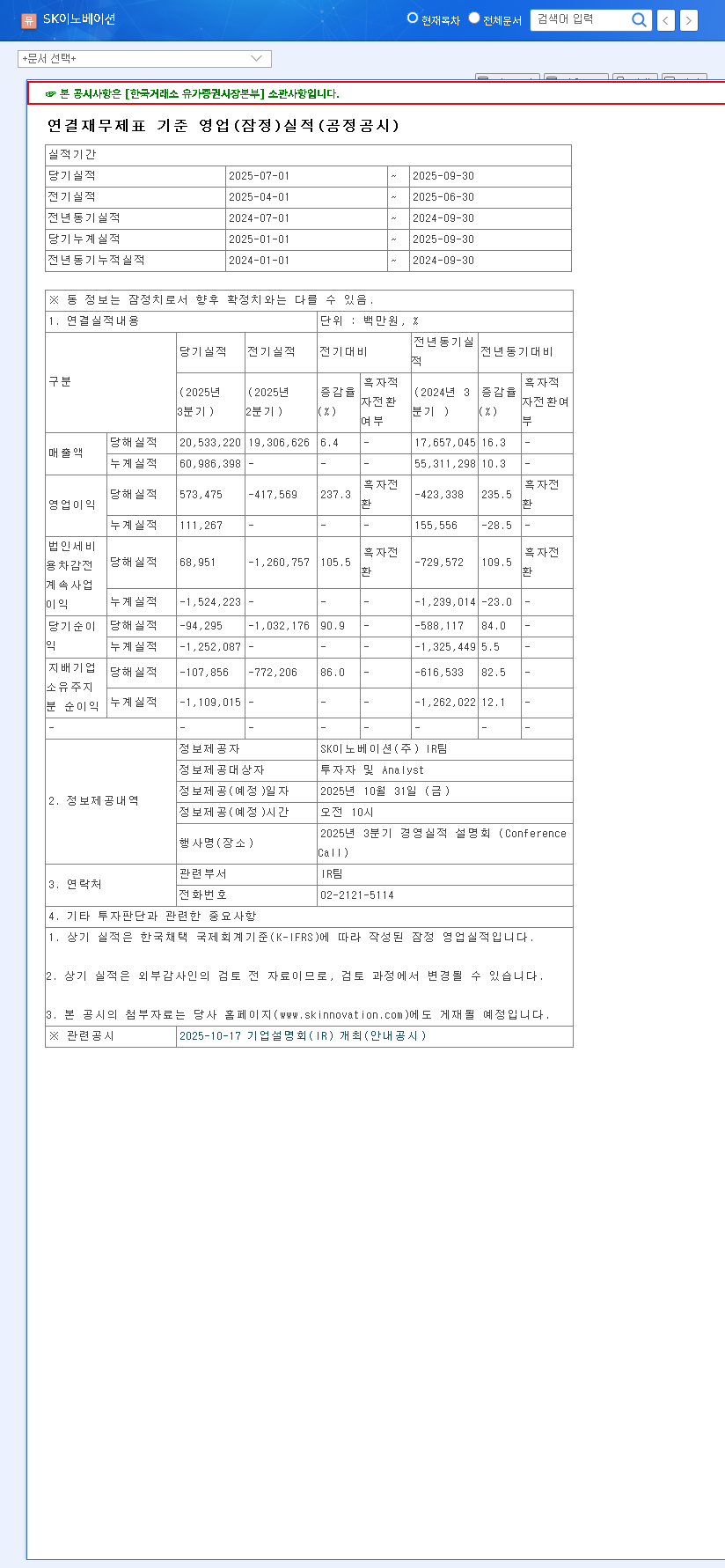
    In its preliminary third-quarter announcement for 2025, SK Innovation revealed a financial narrative of contrasts. The synergy from its merger with SK E&S is clearly materializing, propelling the company’s core operations to new heights. According to the Official Disclosure, the key metrics are as follows:

    • Revenue: KRW 20.53 trillion, a robust figure that beat market consensus by a healthy 6%.
    • Operating Profit: KRW 573.5 billion, a massive earnings surprise that soared 127% above expectations, showcasing strong operational execution.
    • Net Profit: A deficit of KRW -107.9 billion, a stark shift into the red that fell significantly below forecasts.

    This data paints a picture of a company with a powerful traditional energy engine that is funding a future-facing, but currently unprofitable, green technology portfolio. The core question is how long this balancing act can, or should, continue.

    The Q3 results highlight a pivotal moment for SK Innovation: leveraging today’s fossil fuel profits to build tomorrow’s battery empire. The challenge is navigating the immense cash burn required for that transition without jeopardizing near-term financial stability.

    Analysis: The Forces Shaping Performance

    To understand the divergent paths of operating profit and net income, we must dissect the key contributors—both positive and negative.

    Positive Catalysts: The Engine of the Earnings Surprise

    The remarkable operating profit was not a fluke. It was driven by a confluence of strategic successes and favorable market conditions:

    • SK E&S Merger Synergies: The integration is bearing fruit, creating a diversified energy portfolio spanning LNG, hydrogen, and renewables. This has created a more stable and predictable revenue base, shielding the company from volatility in a single sector.
    • Strong Oil & Petrochemical Markets: Favorable international oil prices and robust petrochemical spreads provided a significant tailwind, boosting both revenue and margins in SK Innovation’s legacy businesses.
    • Operational Efficiency: Concerted efforts to improve efficiency and control costs, particularly within the nascent battery division, contributed positively to the overall operating profit beat.

    Negative Pressures: The Drag of Future Investments

    The net loss is almost entirely attributable to the aggressive, capital-intensive expansion of its battery subsidiary, SK On.

    • SK On’s Persistent Losses: The battery business is in a high-growth, high-investment phase. Accumulated operating losses and substantial depreciation costs from new plants are a primary driver of the net deficit. Improving SK On profitability is the company’s most critical short-term challenge.
    • Financial Headwinds: Beyond operational losses, external financial factors such as currency exchange rate fluctuations can impact the bottom line, offsetting some of the strong operational gains. For more on this, you can review market analysis from authoritative financial news sources.

    Investor Outlook: Balancing Risk and Reward

    For investors, the SK Innovation Q3 2025 earnings demand a nuanced, long-term perspective. The company is successfully funding its future growth, but this path is not without significant hurdles.

    Key Growth Drivers to Watch

    The long-term bull case rests on the successful execution of its green strategy. SK On’s expanding production capacity and diversification into new areas like Battery-as-a-Service (BaaS) are crucial. Furthermore, investments in battery recycling and carbon capture enhance its ESG profile and position it to capitalize on a circular economy. To better understand this sector, learn more about the global EV battery market and its key players.

    Critical Risks to Monitor

    Several challenges remain. The path to consistent SK On profitability is paramount. Additionally, a high debt ratio of over 200% poses a financial risk in a rising interest rate environment. Investors must also remain vigilant about macroeconomic volatility, geopolitical tensions affecting oil prices, and evolving regulations like the U.S. Inflation Reduction Act (IRA), which directly impacts battery supply chains.

    Frequently Asked Questions

    What caused SK Innovation’s massive operating profit surprise in Q3 2025?

    The 127% beat on operating profit was driven by strong performance in its legacy oil and chemical businesses, which benefited from high global oil prices, as well as emerging synergies from its merger with SK E&S.

    Why did the company post a net loss despite the strong operating profit?

    The net loss was primarily due to the heavy capital expenditures and ongoing operating losses from its battery subsidiary, SK On, which is in a rapid global expansion phase. High depreciation costs associated with new factories were a major factor.

    What is the strategic outlook for SK Innovation?

    SK Innovation is pursuing a long-term energy transition strategy, using profits from its traditional businesses to fund its future in EV batteries and green energy. Success hinges on achieving profitability in the battery segment while managing its high debt load and navigating macroeconomic risks.
    (096770) SK Innovation Q3 2025 Earnings: A Deep Dive into the Profit Surprise, Net Loss, and Future Outlook 관련 이미지
  • (004020) HYUNDAI STEEL COMPANY Earnings Shock: Q3 2025 Analysis & Investor Guide

    (004020) HYUNDAI STEEL COMPANY Earnings Shock: Q3 2025 Analysis & Investor Guide

    The latest HYUNDAI STEEL COMPANY earnings report for Q3 2025 has sent a clear and unsettling message to the market: the steel giant is facing significant headwinds. The company’s provisional financial results, released on October 30, 2025, revealed a dramatic shortfall against market expectations, with revenue plummeting and net income shockingly swinging to a loss. This performance has raised critical questions among investors about the company’s trajectory and the stability of Hyundai Steel stock.

    This comprehensive analysis will dissect the Q3 2025 financial results, explore the macroeconomic storms brewing behind the numbers, and provide a strategic outlook for investors navigating this turbulent period. We’ll examine the causes, the potential impacts, and the road ahead for one of the industry’s key players.

    The Q3 2025 Earnings Report: A Closer Look at the Numbers

    The disparity between market consensus and actual performance was stark. The official figures paint a picture of a company struggling against a challenging economic backdrop. Let’s break down the key performance indicators that missed the mark:

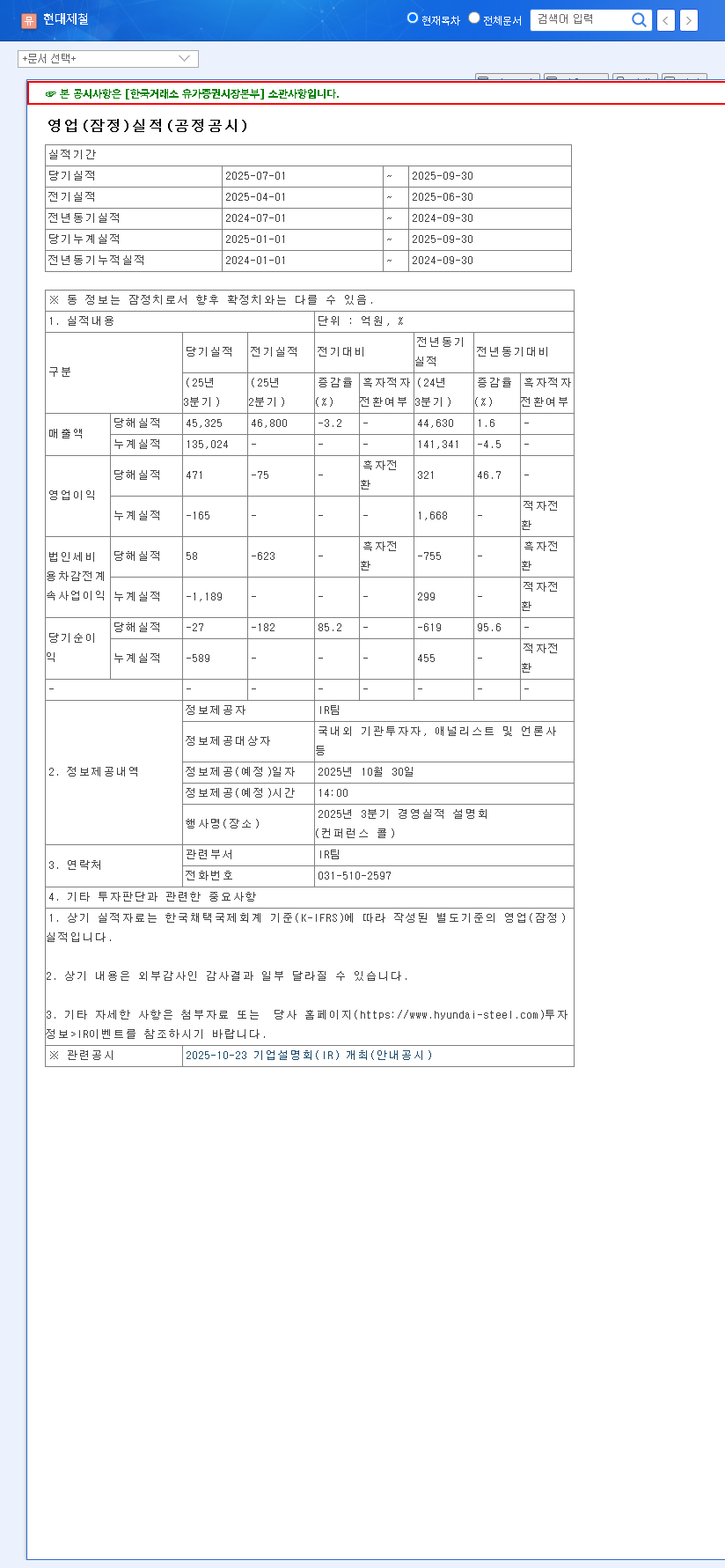
    • Revenue: The company reported actual revenue of KRW 45,325 billion, a steep 20.99% below the expected KRW 57,367 billion. This significant drop underscores the severe impact of weakening global steel demand.
    • Operating Profit: At KRW 471 billion, the operating profit was less than half of the anticipated KRW 1,023 billion—a staggering 53.96% miss. This highlights a severe deterioration in profitability beyond just lower sales volumes.
    • Net Income: Perhaps the most alarming figure was the net income, which turned to a loss of KRW 27 billion, a 107.07% deviation from the expected profit of KRW 382 billion. This shift indicates that mounting costs and other financial pressures are eroding the bottom line completely.

    For full transparency and detailed figures, investors are encouraged to review the company’s Official Disclosure filed with DART.

    Why the Downturn? Analyzing the Macroeconomic Pressures

    This poor performance isn’t an isolated event but a symptom of wider industry and global economic malaise. Several converging factors contributed to Hyundai Steel’s challenging quarter.

    Global Economic Slowdown and Weak Steel Demand

    The primary culprit is a pervasive global economic slowdown. Major economies are grappling with inflation and high interest rates, leading to a sharp contraction in key steel-consuming sectors like construction and manufacturing. As global projects are delayed or canceled, the demand for steel products has fallen, directly impacting Hyundai Steel’s sales volume and pricing power. For more context, you can review analysis from leading bodies like the World Steel Association.

    Volatility in Raw Materials and Currency

    The steel industry is highly sensitive to the costs of raw materials like iron ore and coking coal. While some input costs have stabilized, market volatility remains a threat to profit margins. Furthermore, currency fluctuations, particularly a stronger US dollar against the Korean Won, can negatively affect KRW-denominated profits and add another layer of financial complexity to import/export operations.

    “The Q3 results for Hyundai Steel are a clear signal that macroeconomic headwinds are now translating into significant fundamental pressure. The focus for management must pivot aggressively towards cost control and strategic realignment to weather this storm.”

    What’s Next? Future Outlook and Strategic Pivots

    The immediate future will likely be challenging for the Hyundai Steel stock price, with downward pressure expected. The weak Q3 earnings report has understandably eroded investor confidence. However, the company’s long-term response will be what truly defines its future value.

    Key Focus Areas for Hyundai Steel’s Recovery:

    • Aggressive Cost Management: Expect a renewed focus on operational efficiency and aggressive cost-cutting measures to protect and restore profitability.
    • Re-evaluation of Capital Expenditure: Large-scale projects, such as the planned electric arc furnace (EAF) in North America, may face reassessment or delays as the company prioritizes financial stability.
    • Focus on High-Value Products: Shifting the product mix towards high-value-added steel for industries like automotive and shipbuilding will be critical for improving margins.
    • Accelerating Green Transition: The long-term trend towards sustainable, low-carbon steel remains. Investing in eco-friendly technologies is not just about compliance but also about securing a competitive advantage for the future. You can learn more in our guide on analyzing industrial stocks in the green economy.

    Investor Action Plan: Key Factors to Monitor

    For those invested in or considering an investment in HYUNDAI STEEL COMPANY, a cautious and informed approach is paramount. The negative HYUNDAI STEEL COMPANY earnings report necessitates careful monitoring of several key indicators:

    1. Macroeconomic Recovery: Keep a close eye on global PMI data, construction sector health, and automotive production figures. A rebound in these downstream industries is the most critical catalyst for a recovery in steel demand and prices.

    2. Company’s Profitability Initiatives: Watch for announcements and results from the company’s cost-cutting programs. Are they effectively improving margins in subsequent quarterly reports?

    3. Strategic Updates: Pay attention to official communications regarding major overseas investments and progress on the transition to eco-friendly production methods. These are vital for assessing the company’s long-term growth strategy.

    In conclusion, while the Q3 2025 results are deeply concerning, they reflect a broader industry downturn. The path forward for Hyundai Steel will depend on disciplined execution of its cost-saving and strategic initiatives. Investors should remain vigilant, balancing the short-term risks against the company’s long-term potential in a cyclical industry.

    Disclaimer: This analysis is for informational purposes only and does not constitute investment advice. All investment decisions should be made based on personal research and consultation with a financial professional.

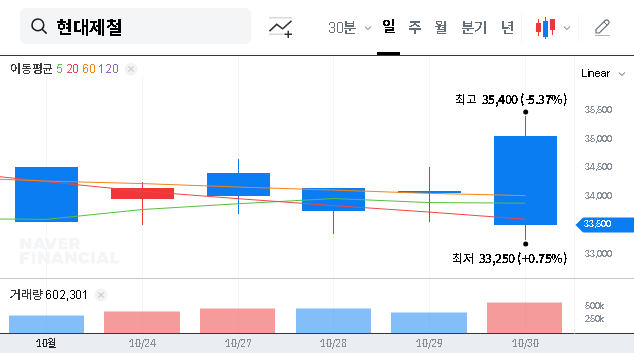
    (004020) HYUNDAI STEEL COMPANY Earnings Shock: Q3 2025 Analysis & Investor Guide 관련 이미지
  • (004250) NPC NSC Merger Analysis 2026: Stock Impact & Investment Strategy

    (004250) NPC NSC Merger Analysis 2026: Stock Impact & Investment Strategy

    The recent announcement of the NPC NSC merger has sent ripples through the market. National Plastic Company Limited (NPC), a major player in the industry, has declared its intent to absorb its subsidiary, NSC, in a strategic move set for early 2026. For investors, this corporate action presents a critical question: is this a catalyst for growth and enhanced shareholder value, or a harbinger of short-term volatility and risk? This comprehensive corporate absorption analysis will dissect the merger’s background, evaluate NPC’s current financial health, and provide a clear NPC investment strategy for navigating the path ahead.

    By understanding the nuances of this merger, investors can move beyond speculation and make data-driven decisions regarding their position in National Plastic Company Limited stock.

    Deconstructing the NPC NSC Merger

    On October 29, 2025, NPC formally announced its decision to merge with and absorb its subsidiary, NSC. According to the Official Disclosure, NPC will be the surviving entity, and NSC will be dissolved upon the merger’s effective date of January 2, 2026. The stated purpose is to streamline operations, enhance management efficiency, and create powerful synergies that strengthen NPC’s market position. This move is designed to simplify decision-making and eliminate redundant administrative functions, ultimately aiming for a more agile and competitive organization.

    Financial Health & Market Context

    NPC’s Challenging Fundamentals

    The decision for this corporate absorption analysis comes at a challenging time for NPC. A look at the company’s recent performance reveals key pressures:

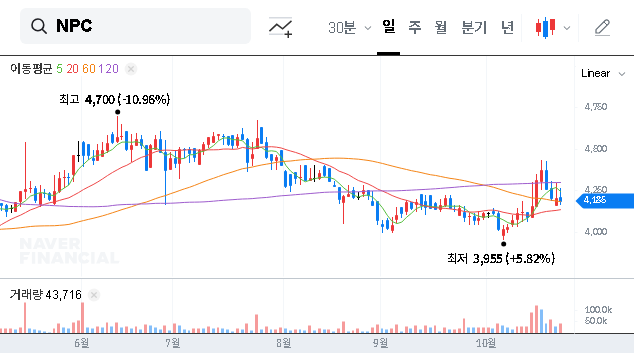
    • Declining Profitability: In the first half of 2025, consolidated revenue fell by 10.8% year-over-year, with operating profit dropping 11.8%. These figures reflect domestic economic headwinds and reduced cargo volumes, impacting the core business.
    • Strategic Investments: NPC is investing heavily in long-term growth through eco-friendly initiatives like recycled plastics. While crucial for future competitiveness, these ventures increase short-term costs and can weigh on immediate profitability.
    • Financial Standing: Although total debt has risen, the company’s capital soundness is stable. However, an increase in borrowings warrants careful monitoring by investors. For more context on evaluating corporate debt, resources from authoritative sites like Bloomberg can be highly valuable.

    Impact Analysis: Opportunities vs. Risks

    Any merger presents a double-edged sword. For investors considering their NPC investment strategy, weighing the potential upside against the inherent risks is paramount.

    Potential Positive Impacts (The Upside)

    • Streamlined Operations: The primary goal is enhanced efficiency. A unified structure allows for faster decision-making, consolidated supply chains, and a single, focused marketing strategy.
    • Business Synergy: Integrating NSC’s synthetic resin business with NPC’s core operations could unlock new efficiencies and cross-selling opportunities, bolstering overall market competitiveness.
    • Optimized Resources: Merging allows for better allocation of capital, R&D funding, and human resources, directing them towards the most profitable ventures.

    Potential Negative Impacts & Risks (The Downside)

    • Integration Challenges: Post-merger integration (PMI) is complex and costly. Combining corporate cultures, IT systems, and operational processes can lead to unforeseen disruptions and expenses.
    • Limited Financial Uplift: NSC’s financial contribution is modest (revenue of KRW 6.2 billion, net income KRW 0). Therefore, the merger is unlikely to provide an immediate, significant boost to NPC’s bottom line.
    • Stock Price Volatility: The National Plastic Company Limited stock will likely experience heightened volatility around key merger dates, such as shareholder meetings and appraisal rights exercises.

    An Actionable NPC Investment Strategy

    The NPC NSC merger is fundamentally a long-term strategic play. While immediate financial gains are improbable, the potential for a leaner, more efficient company is the key attraction. Investors should adopt a nuanced approach. To learn more about company valuation techniques during such events, you might find our guide on how to analyze M&A deals helpful.

    Short-Term (3-6 Months)

    The short-term outlook is dominated by uncertainty. A conservative or ‘wait-and-see’ approach is advisable. Monitor stock price movements closely and watch for market sentiment regarding the merger terms. Any significant negative reaction could present short-term downside risk.

    Mid- to Long-Term (1-3 Years)

    The long-term success hinges on execution. Key performance indicators to watch include improved profit margins, successful integration of business units, and tangible returns from the eco-friendly investments. If NPC can demonstrate that the merger is creating real synergistic value, a positive re-rating of the stock could occur. A positive investment decision is only prudent once concrete evidence of successful integration and business strengthening emerges.

    (004250) NPC NSC Merger Analysis 2026: Stock Impact & Investment Strategy 관련 이미지