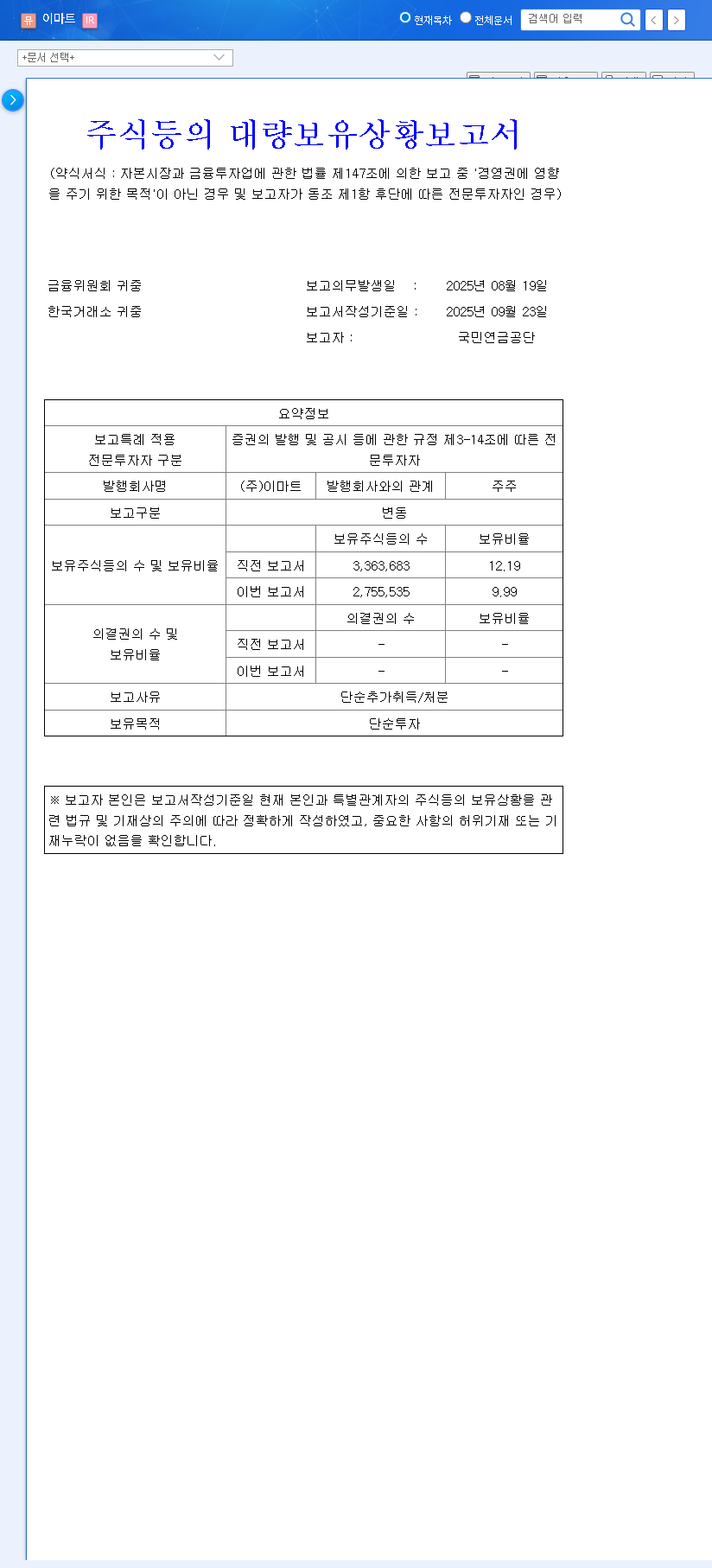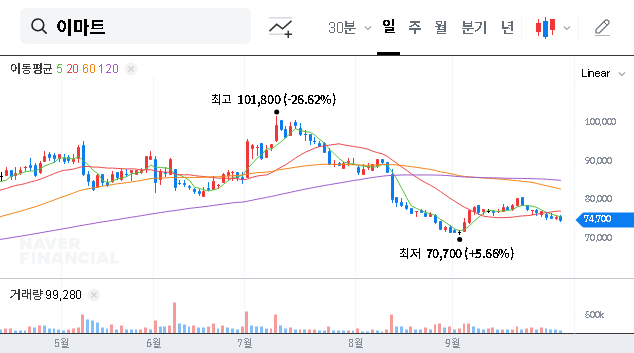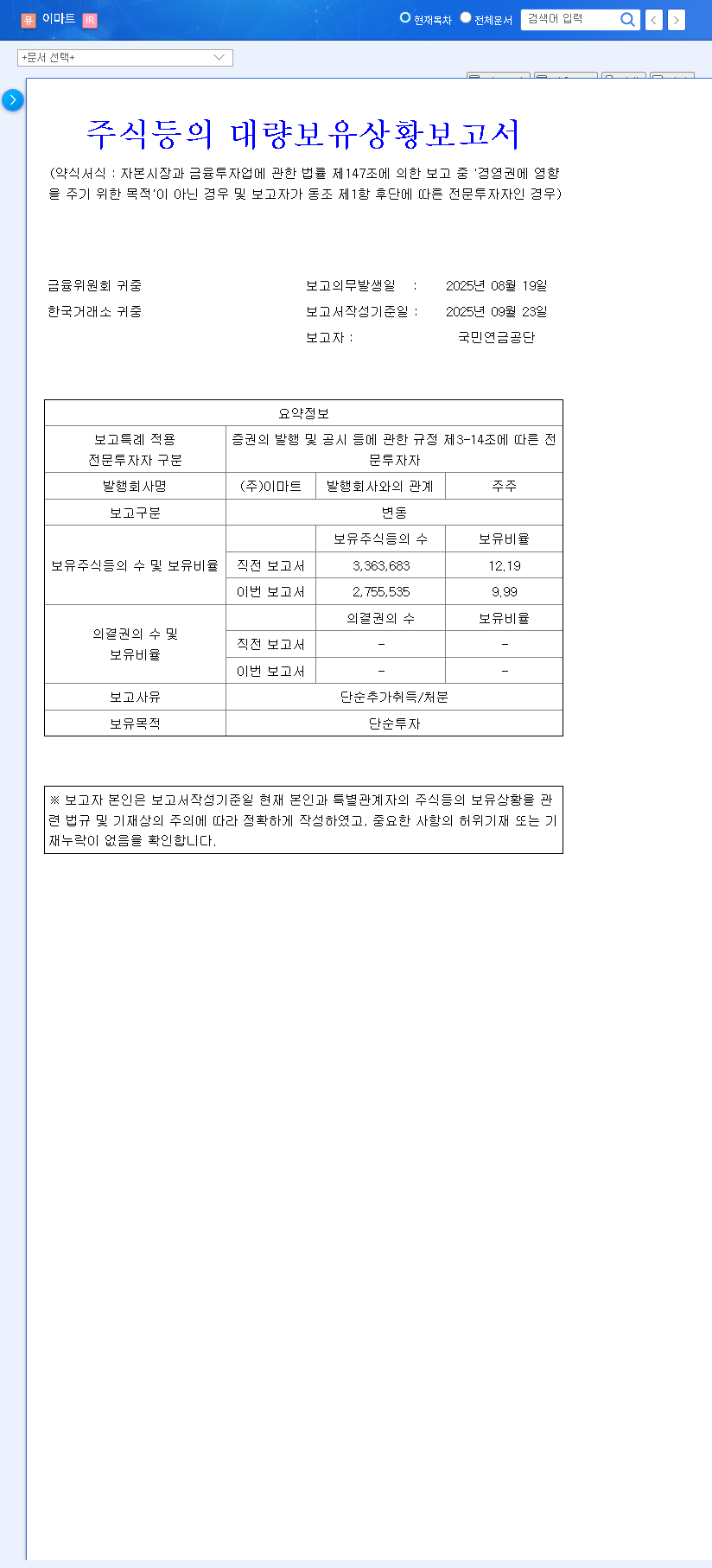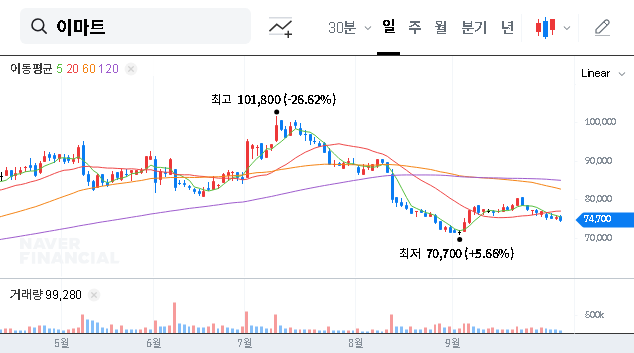
The upcoming E-MART Inc. IR (Investor Relations) event, scheduled for November 13, 2025, represents a pivotal moment for the South Korean retail giant and its stakeholders. As the company navigates a complex landscape of declining sales but a remarkable turnaround in profitability, this event is a critical platform to articulate a clear E-MART investment strategy and inspire confidence in its future vision. This in-depth analysis will dissect the key financial metrics, explore the performance of its diverse business segments, and provide a strategic outlook for investors weighing the potential of E-MART stock.
E-MART Inc. IR: Setting the Stage
E-MART Inc. is hosting this IR event to achieve two primary objectives: enhance transparency with current investors and attract new capital. The agenda will feature comprehensive presentations on management performance, deep dives into key business operations, and an interactive Q&A session. This proactive communication underscores E-MART’s commitment to rebuilding market confidence by clearly outlining its strategies for sustainable growth and shareholder value creation.
Decoding the Financials: The Paradox of E-MART’s Performance
The 2025 semi-annual report paints a complex picture of E-MART’s financial health, revealing a paradox that investors must carefully understand. While top-line revenue has faced headwinds, bottom-line profitability has seen a significant recovery.
A Closer Look at the Numbers
- •Revenue Contraction: Consolidated revenue registered at 10.5173 trillion KRW, marking a 130.6 billion KRW decrease year-over-year. This dip reflects the pressures of a sluggish domestic economy and fierce competition within the retail space.
- •Operating Profit Rebound: In a stunning turnaround, the company converted a 47.1 billion KRW operating loss from the previous year into an 180.9 billion KRW profit. This was largely driven by operational efficiencies and strong performance in non-retail segments.
- •Net Profit Turnaround: The net income story is equally impressive, shifting from a staggering 573.4 billion KRW loss to a 52.3 billion KRW profit, thanks to better management and lower interest expenses.
- •Improved Financial Structure: Total equity rose to 13.3335 trillion KRW while total liabilities fell, showcasing a concerted effort to deleverage and strengthen the balance sheet. For a complete breakdown, investors can view the Official Disclosure on the DART system.
This stark contrast between falling revenue and rising profits is the central narrative. It suggests a successful strategic pivot towards profitability and efficiency, but also raises crucial questions about the long-term growth of its core retail business.
Performance by Business Segment: Growth Drivers Emerge
E-MART’s diversified portfolio is proving to be a key asset. While the core retail segment faces challenges, other business units are emerging as powerful growth engines, shaping the company’s E-MART future vision.
- •Core Retail: The 1.1% revenue decline highlights the urgent need for innovation. E-MART is responding by expanding its popular private label (PB) products, accelerating digital transformation, and leveraging its warehouse-style Traders chain to drive traffic.
- •High-Growth Segments: The stars of the portfolio include Hotel & Leisure (revenue up 71.9B KRW), IT Services (+46.9B KRW), and Overseas Business (+115.4B KRW). The overseas division, particularly its operations in the US and expansion into Southeast Asia, is a significant bright spot.
- •Real Estate & Construction: This segment is focused on profitability and diversification to hedge against market volatility, contributing to overall stability.
The Investor’s Playbook: What to Watch at the IR Event
For those evaluating an E-MART investment strategy, this IR is an opportunity to look beyond the numbers and gauge the conviction of the leadership team. To make an informed decision, it’s vital to analyze the company’s strategy within the broader South Korean retail market landscape.
Key Questions for Management
- •What specific, actionable plans are in place to reverse the sales decline in the core retail segment?
- •How will E-MART create meaningful synergies between its offline stores and its digital channels to compete with e-commerce giants?
- •What are the detailed expansion plans and profit margin targets for the high-growth Overseas Business and Hotel & Leisure segments?
- •What are the company’s risk mitigation strategies for macroeconomic factors like interest rate volatility, which major financial outlets like Bloomberg continue to highlight?
Conclusion: A Critical Juncture for Building Trust
The E-MART Inc. IR event is more than a presentation of data; it’s a test of leadership’s ability to craft a compelling and believable narrative for the future. By transparently addressing the challenges in its core business while highlighting the success of its growth engines, E-MART has a prime opportunity to secure investor trust. The success of this event will hinge on providing clear, convincing answers that transform concerns about E-MART financial performance into confidence in its long-term vision.
Frequently Asked Questions (FAQ)
When is the E-MART Inc. IR event?
E-MART Inc.’s Investor Relations (IR) event is scheduled for November 13, 2025. Its purpose is to enhance understanding among investors and attract investments.
What is E-MART Inc.’s recent financial performance?
According to the 2025 semi-annual report, E-MART Inc. experienced a decline in revenue year-on-year but successfully turned to profit in both operating income and net income. Particularly, the Hotel & Leisure, Food & Beverage, and Overseas Business segments showed positive growth.
What are E-MART Inc.’s key growth drivers?
While the core retail segment focuses on strengthening competitiveness, the key growth drivers are the Hotel & Leisure, IT Services, Food & Beverage, and Overseas Business segments, all of which have posted significant revenue increases.
What should investors pay attention to at E-MART Inc.’s IR?
Investors should focus on the specific strategies to address the retail segment’s sales decline, the future growth plans for its high-performing segments, and the company’s plans for managing financial health and macroeconomic risks.