Tag: Drug Discovery

  • (068270) Celltrion Spatial Transcriptomics: A Deep Dive into the $87.75M Portrai Partnership for Drug Discovery

    (068270) Celltrion Spatial Transcriptomics: A Deep Dive into the $87.75M Portrai Partnership for Drug Discovery

    Biopharmaceutical giant Celltrion, Inc. is making a significant leap forward in its mission to develop next-generation therapeutics. The recent announcement of a landmark joint research agreement with Portrai, Inc. centers on leveraging cutting-edge Celltrion spatial transcriptomics technology for advanced drug discovery. This partnership, valued at up to $87.75 million, signals a pivotal strategy shift, aiming to solidify Celltrion’s position as a leader in innovative new medicines. This in-depth analysis will explore the technology, the deal’s implications, and the potential impact on Celltrion’s future growth and market value.

    The Landmark Agreement: Celltrion and Portrai Join Forces

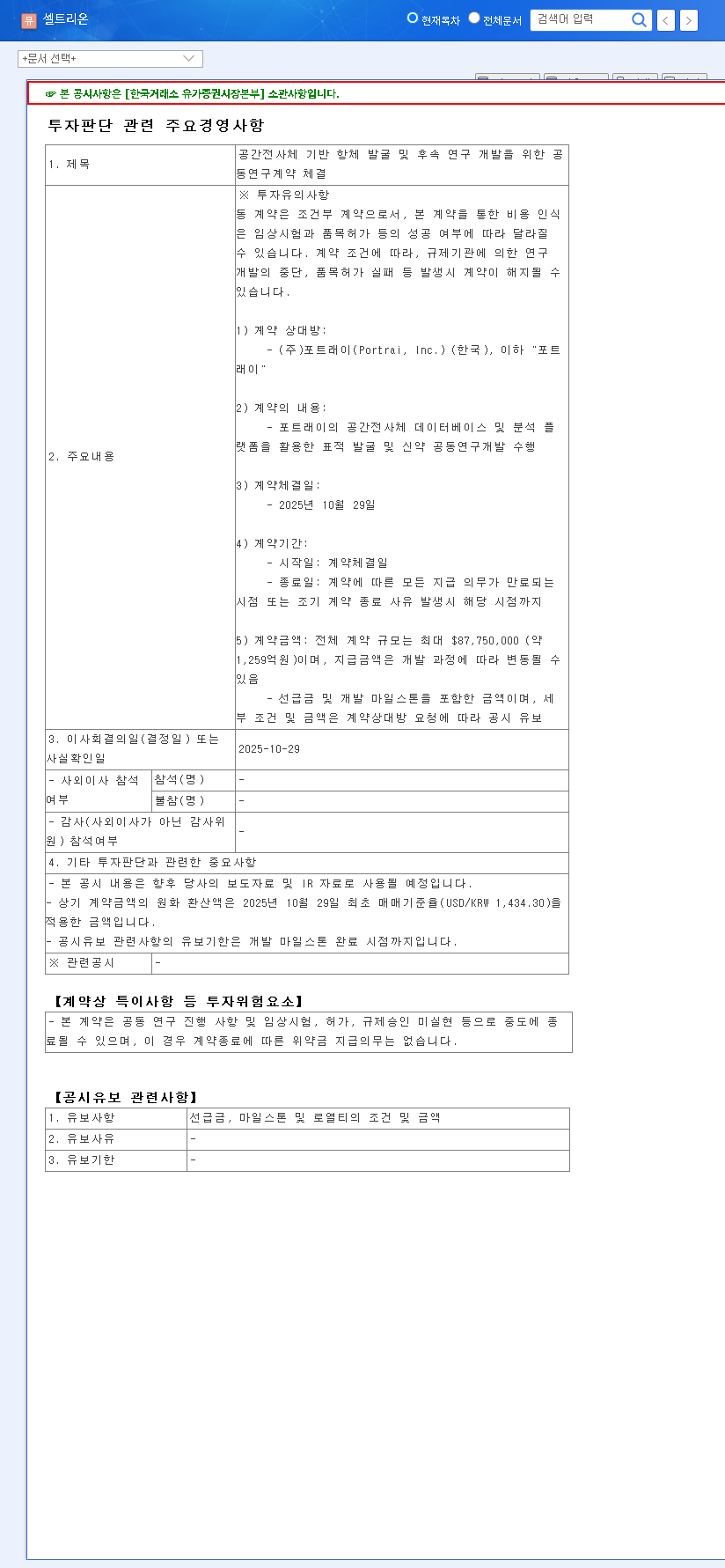
    On October 29, 2025, Celltrion formalized a joint research agreement with Portrai, Inc., a specialist in spatial transcriptomics. The core of this collaboration is to utilize Portrai’s sophisticated database and analysis platform to pinpoint new disease targets and co-develop groundbreaking drugs. The agreement, which was detailed in an Official Disclosure, includes upfront payments and development milestones totaling up to $87.75 million (approximately KRW 125.9 billion). This substantial investment underscores Celltrion’s commitment to evolving beyond its biosimilar stronghold into a premier developer of innovative pharmaceuticals.

    This partnership is more than a financial investment; it’s a strategic fusion of Celltrion’s development prowess with Portrai’s next-generation target discovery engine. The goal is clear: accelerate the creation of first-in-class therapies.

    Why Spatial Transcriptomics is a Game-Changer

    To grasp the significance of this deal, it’s essential to understand the technology at its heart. Traditional genetic analysis often involves grinding up tissue samples, losing all information about where specific cells were located. Spatial transcriptomics, however, is a revolutionary technique that maps gene activity within the precise anatomical context of the tissue. It’s like switching from a black-and-white photograph to a high-definition, interactive 3D map of a disease’s microenvironment. For more technical information, publications like Nature Methods provide extensive resources on this technology.

    Strategic Advantages for Celltrion’s Drug Discovery

    • Innovative Target Identification: By visualizing gene expression patterns in diseased tissue, Celltrion can identify entirely new therapeutic targets that were previously invisible, especially in complex areas like oncology and immunology.
    • Pipeline Diversification: This technology is not limited to antibody drugs. It opens the door to developing new modalities, allowing Celltrion to build a more diverse and resilient long-term growth engine.
    • Increased R&D Efficiency: Collaborating with Portrai allows Celltrion to de-risk the costly early stages of research. Pinpointing more viable targets from the outset can significantly reduce failure rates and shorten development timelines.

    Financial and Market Impact Analysis

    While the total contract value represents a significant outlay, it’s a calculated investment. Celltrion’s robust financial health, as detailed in its Q2 2025 report, suggests the payments are manageable. Investors should monitor the timing of milestone payments and consider the potential risk from currency fluctuations in the dollar-denominated contract. This partnership reinforces the strategic vision following the merger with Celltrion Healthcare, which you can read about in our analysis of the integrated R&D strategy.

    Stock Price Outlook: Short-Term Optimism, Long-Term Performance

    • Short-Term: The market is expected to react positively to the news, driven by enthusiasm for Celltrion’s adoption of innovative technology and the strengthening of its R&D pipeline.
    • Mid-to-Long-Term: The ultimate impact on corporate value and stock price will hinge on tangible results. Successful clinical trials and drug approvals stemming from the Celltrion spatial transcriptomics platform could lead to substantial, sustained appreciation.

    Investor Action Plan & Final Thoughts

    The Celltrion-Portrai partnership is a profoundly positive development that secures a critical future growth engine. While the inherent risks of new drug development—long timelines and high failure rates—remain, Celltrion’s strong fundamentals and commitment to R&D position it well for long-term success. The adoption of spatial transcriptomics provides a distinct competitive advantage in the crowded biopharmaceutical landscape.

    Therefore, we maintain a positive, long-term outlook and reiterate a “Buy” recommendation for investors with a multi-year horizon. The key is to view this not as a short-term catalyst, but as a foundational investment in Celltrion’s next decade of growth.

    Frequently Asked Questions

    Q1: Why did Celltrion choose to partner with Portrai?

    A1: Celltrion aims to leverage Portrai’s specialized expertise and advanced platform in spatial transcriptomics to accelerate its drug discovery efforts, identify novel targets, and strengthen its evolution from a biosimilar leader to an innovative drug powerhouse.

    Q2: How does spatial transcriptomics improve drug development?

    A2: It provides a detailed map of gene activity within tissue, allowing scientists to understand the complex microenvironment of a disease. This helps identify new, more effective therapeutic targets that traditional methods might miss, increasing the probability of success.

    Q3: What is the long-term stock price impact of this agreement?

    A3: While a short-term positive reaction is likely, the long-term impact is entirely dependent on R&D success. If this partnership leads to successful clinical trials and approved drugs, it could significantly increase Celltrion’s corporate value and stock price over the long term.
    (068270) Celltrion Spatial Transcriptomics: A Deep Dive into the $87.75M Portrai Partnership for Drug Discovery 관련 이미지
  • (310210) Boronoi Exchangeable Bond: A ₩36B Growth Catalyst or Risk? (In-Depth Analysis)

    (310210) Boronoi Exchangeable Bond: A ₩36B Growth Catalyst or Risk? (In-Depth Analysis)

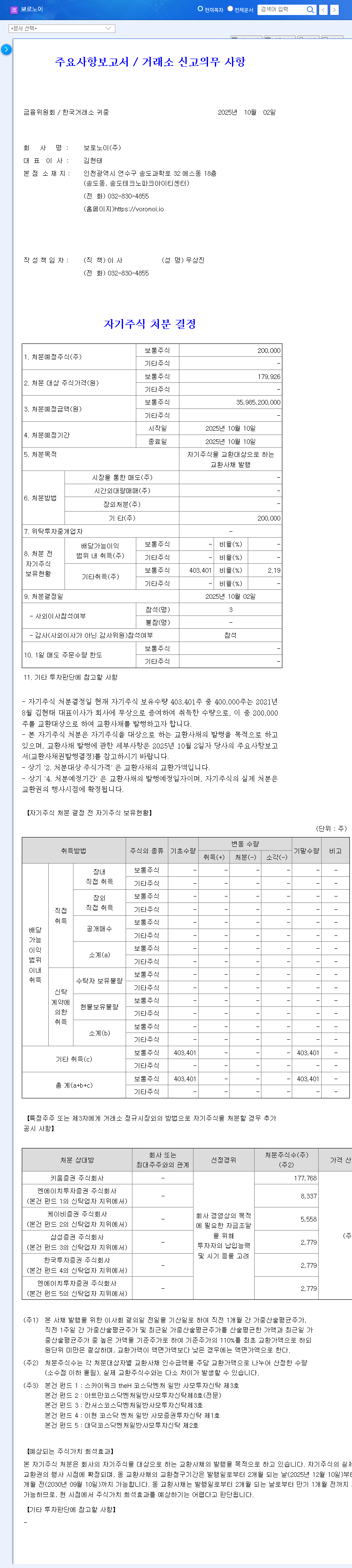
    Boronoi’s recent announcement of a ₩36 billion Boronoi exchangeable bond has sent ripples through the investment community. As a pioneering company leveraging an AI-powered drug discovery platform, this strategic financial maneuver is pivotal. For investors, it raises a critical question: Is this EB issuance a powerful catalyst for accelerated growth, or does it introduce significant risks, such as stock price volatility and share dilution?

    This comprehensive analysis will dissect the details of the Boronoi EB issuance, evaluate the company’s fundamental strengths and weaknesses, and provide a clear framework for making an informed investment decision. We’ll explore the opportunities this funding unlocks and the potential challenges that lie ahead.

    The ₩36 Billion Announcement: What Exactly Happened?

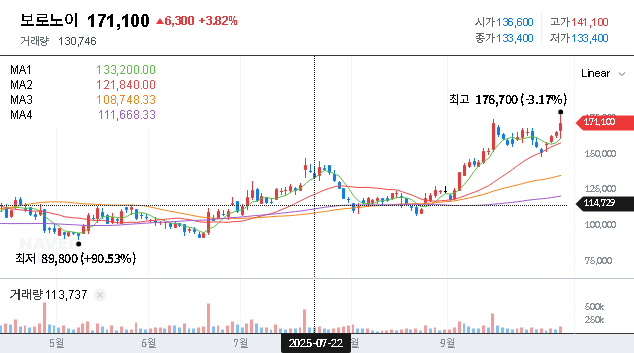
    On October 2, 2025, Boronoi officially confirmed its decision to issue ₩36 billion in private placement Exchangeable Bonds (EB). This move targets specific institutional investors, including Skywalk theH KOSDAQ Venture and Artman KOSDAQ Venture trusts. The full details can be reviewed in the Official Disclosure (Source: DART). A key detail is the exchange price, set at ₩179,926—notably higher than the current stock price of ₩171,100 at the time of the announcement. This premium suggests a vote of confidence from both the company and the investors in the future appreciation of Boronoi’s stock value.

    Behind the Capital Raise: Company Fundamentals and Market Context

    Boronoi’s Core Competencies & Potential Risks

    Boronoi’s investment appeal is anchored in its innovative technology. Its AI-powered drug discovery platform, ‘VORONOMICS®’, significantly accelerates the identification and development of new drug candidates, a crucial edge in the hyper-competitive pharmaceutical industry. This platform has yielded a promising pipeline of targeted therapies, including:

    • VRN11: A key asset in their targeted therapy portfolio.
    • VRN07: Showing highly encouraging clinical results, with significant potential for treating challenging brain metastases.
    • VRN10: Another promising candidate bolstering the company’s long-term outlook.

    However, the company isn’t without risks. The high R&D-to-sales ratio, while common for biotech firms, represents a continuous cash burn. The recent termination of the VRN02 technology transfer agreement serves as a reminder of the inherent uncertainties in drug development. This Boronoi exchangeable bond issuance is a direct strategy to mitigate these financial pressures and fuel the progression of its core pipeline.

    The core dilemma for investors is balancing the immense potential unlocked by this funding against the future risks of share dilution and market volatility. This Boronoi exchangeable bond is a pivotal moment for the company’s trajectory.

    Analyzing the Impact of the Boronoi Exchangeable Bond

    This financial instrument carries a dual nature, presenting both clear advantages and potential drawbacks for the company and its shareholders.

    The Upside: Fueling Future Growth

    • Capital for R&D: The ₩36 billion infusion provides a crucial runway to advance clinical trials and expand pipeline development, strengthening long-term growth prospects.
    • Enhanced Financial Stability: Securing capital through a private placement bolsters the balance sheet and reduces immediate fundraising pressures.
    • Investor Confidence Signal: The above-market exchange price signals that sophisticated investors see significant upside in Boronoi’s future stock performance.

    The Downside: Potential Headwinds

    • Stock Overhang and Volatility: The potential for these bonds to convert into stock can create an ‘overhang,’ where the market anticipates future supply, potentially capping upward price movement or increasing volatility.
    • Dilution of Shareholder Value: If and when the bonds are exchanged, the total number of outstanding shares increases. This dilutes the ownership stake and earnings per share (EPS) for existing shareholders.
    • Pressure to Perform: This capital raise heightens market expectations. A failure to deliver on clinical milestones or business objectives could lead to significant investor disappointment and sell-offs.

    Investor Playbook: Navigating Your Boronoi Investment

    A prudent Boronoi investment analysis requires a forward-looking, milestone-driven approach. The EB issuance is a positive strategic step, but investors must remain vigilant. Consider the following actions:

    • Track Clinical Progress: Closely monitor press releases and clinical trial updates for the key pipelines (VRN11, VRN07, VRN10). Positive data is the single most important catalyst for the stock.
    • Analyze Dilution Impact: Understand the conversion terms of the Boronoi exchangeable bond to model the potential impact on share count if the stock price rises above the exchange price. This is a key skill detailed in guides on how to analyze biotech stocks.
    • Monitor Macro-Economic Factors: Keep an eye on broad market trends. Factors like rising interest rates, as reported by high-authority sources like Bloomberg, can impact funding costs and investor sentiment towards growth-stage biotech companies.

    In conclusion, Boronoi’s ₩36 billion EB issuance is a calculated move to secure its future and accelerate its high-potential pipeline. For investors, it reinforces the high-risk, high-reward nature of the biotech sector. Success hinges on the company’s ability to translate this capital into tangible scientific and clinical achievements.

    (310210) Boronoi Exchangeable Bond: A ₩36B Growth Catalyst or Risk? (In-Depth Analysis) 관련 이미지
  • (354200) EngeneBio HQ Acquisition: Analyzing the ₩23.7 Billion Bet on Seongsu-dong

    (354200) EngeneBio HQ Acquisition: Analyzing the ₩23.7 Billion Bet on Seongsu-dong

    The recent EngeneBio HQ acquisition has sent ripples through the investment community. On September 30, 2025, the precision diagnostics company announced a monumental ₩23.7 billion deal for a new headquarters in the trendy, high-growth district of Seongsu-dong, Seoul. For a company navigating financial headwinds, this move is far more than a simple real estate transaction; it’s a bold declaration of intent. But does it represent a strategic masterstroke for long-term growth or a perilous gamble that could strain its resources to the breaking point?

    This comprehensive analysis delves into the fundamentals of EngeneBio, dissects the potential impacts of this massive investment, and outlines the critical factors every investor must consider. We will explore whether this acquisition can truly secure a stable future or if it’s a financial burden in disguise.

    The Landmark Deal: What We Know

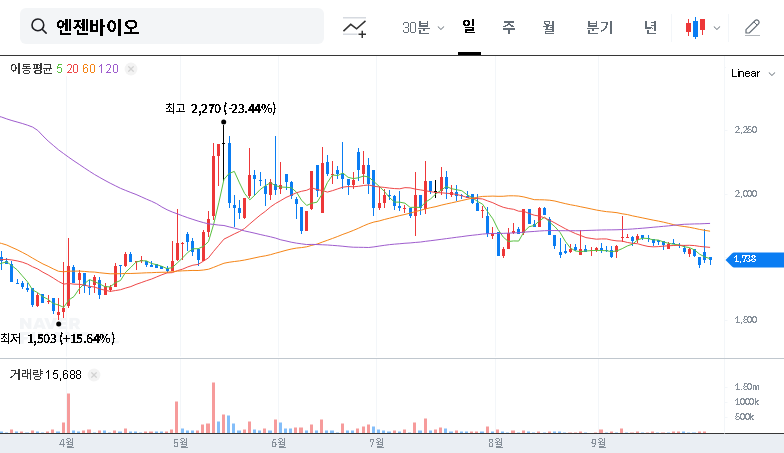
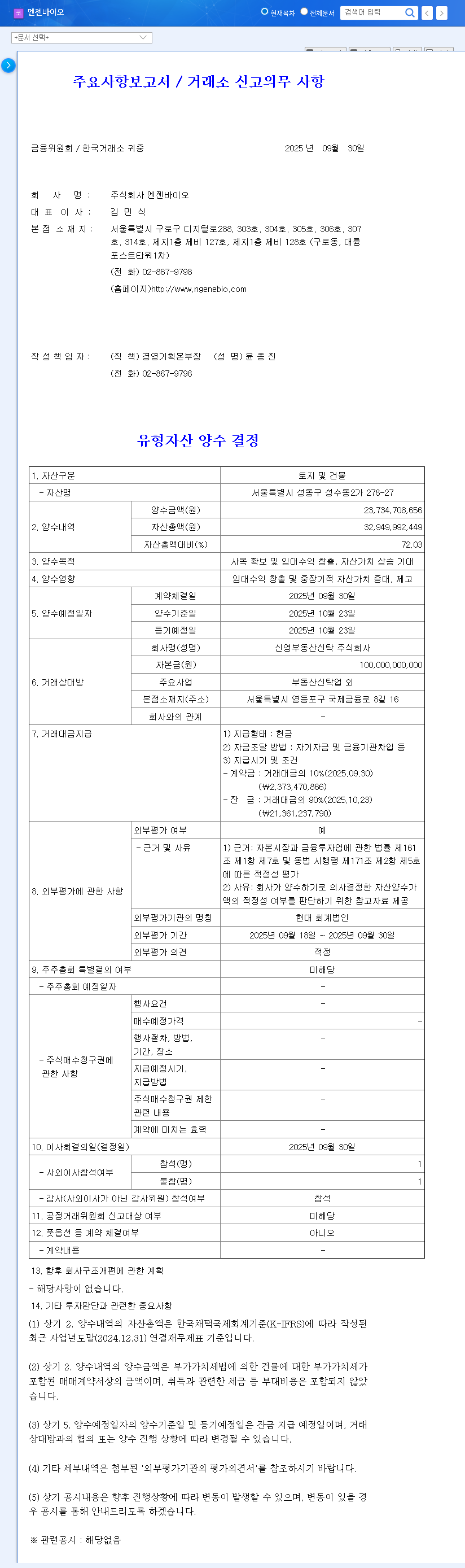
    EngeneBio (KOSDAQ: 354200) formalized its decision to acquire land and a building in Seongsu-dong 2-ga, Seongdong-gu, Seoul. The stated purpose is threefold: to establish a stable operational headquarters, generate ancillary rental income, and capitalize on the long-term appreciation of real estate assets in one of Seoul’s most coveted districts. According to the Official Disclosure (DART), the transaction is valued at ₩23.7 billion. The payment structure involves a 10% deposit paid upfront, with the remaining 90% due on October 23, 2025, funded through a combination of company capital and loans from financial institutions.

    This acquisition represents a staggering 72.03% of EngeneBio’s total assets, a figure that underscores the magnitude of this commitment and the associated financial risks.

    EngeneBio’s Financial Health: A High-Stakes Context

    To understand the gravity of the EngeneBio HQ acquisition, one must examine the company’s current financial landscape. As of the first half of 2025, the company reported sales of ₩3.84 billion against an operating loss of ₩4.73 billion and a net loss of ₩9.12 billion. This persistent unprofitability highlights a core challenge: EngeneBio is a research-intensive firm with high R&D costs but has yet to achieve sustainable profitability. The company has actively raised capital through rights issues and convertible bonds to fuel its expansion, making this large, debt-financed acquisition a particularly noteworthy event. For more context on biotech financials, you can review market trends on platforms like Bloomberg.

    A Double-Edged Sword: Potential Upsides vs. Downsides

    This strategic move presents a classic risk-reward scenario. The potential benefits and drawbacks must be weighed carefully.

    Positive Impacts (The ‘Masterstroke’ Argument)

    • Asset Value Appreciation: Seongsu-dong is a premier Seoul location, often compared to trendy, high-tech hubs globally. The long-term appreciation of this asset could significantly bolster EngeneBio’s balance sheet.
    • Operational Stability & Cost Savings: Owning headquarters eliminates rental volatility and provides a permanent base of operations, which can improve morale and long-term planning.
    • Enhanced Corporate Image: A prestigious address in Seongsu-dong enhances corporate credibility, potentially attracting top-tier talent and fostering stronger partnerships.
    • New Revenue Stream: Leasing unused space can generate a stable rental income, partially offsetting the acquisition’s cost and diversifying revenue sources.

    Negative Impacts (The ‘Risky Gamble’ Argument)

    • Severe Financial Strain: The ₩23.7 billion price tag is a heavy burden for a loss-making company. Increased debt and interest payments could severely impact profitability and cash flow.
    • Opportunity Cost in R&D: This capital could have been invested directly into core R&D projects, such as its promising NGS-based diagnostics or AI drug discovery platforms. This diversion of funds could slow innovation. You can read our previous analysis of EngeneBio’s R&D pipeline here.
    • Cash Flow Deterioration: A large capital expenditure can deplete cash reserves needed for day-to-day operations, potentially forcing further capital raises under less favorable terms.
    • Macroeconomic Risks: The company becomes more exposed to interest rate hikes (affecting loan payments) and fluctuations in the commercial real estate market.

    Investment Implications: What Investors Must Watch

    The EngeneBio HQ acquisition fundamentally alters the company’s risk profile. Investors must shift their focus to monitor not just its biotech advancements but also its performance as a real estate asset manager. Key points to monitor include:

    • Funding Plan Execution: Scrutinize the final terms of the loans. A high interest rate could be crippling.
    • Rental Income Realization: Track how quickly EngeneBio secures tenants for excess space and at what rates. This is crucial for validating the financial model of the acquisition.
    • Core Business Performance: The company’s precision diagnostics and R&D pipelines must continue to advance. Any slowdown could indicate that the acquisition is distracting from the core mission.
    • Management’s Strategy: Pay close attention to leadership’s commentary on balancing real estate management with its primary biotech objectives.

    In conclusion, EngeneBio’s bold move into Seongsu-dong is a pivotal moment. If executed flawlessly, it could provide a stable foundation and significant asset growth. However, given the company’s financial state, the margin for error is razor-thin. Investors should approach this with cautious optimism, demanding clear evidence that this significant financial risk will translate into tangible, long-term value for the company and its shareholders.

    (354200) EngeneBio HQ Acquisition: Analyzing the ₩23.7 Billion Bet on Seongsu-dong 관련 이미지
    (354200) EngeneBio HQ Acquisition: Analyzing the ₩23.7 Billion Bet on Seongsu-dong 관련 이미지
  • Syntekabio Issues ₩10B Convertible Bonds: Opportunity or Risk? Investor Analysis


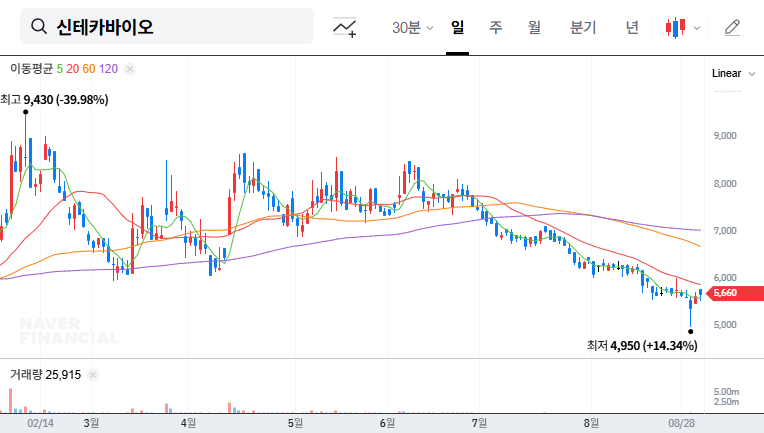
    Syntekabio Issues ₩10B Convertible Bonds: Opportunity or Risk? Investor Analysis 대표 차트 이미지


    What Happened? Syntekabio Announces ₩10B Convertible Bond Offering

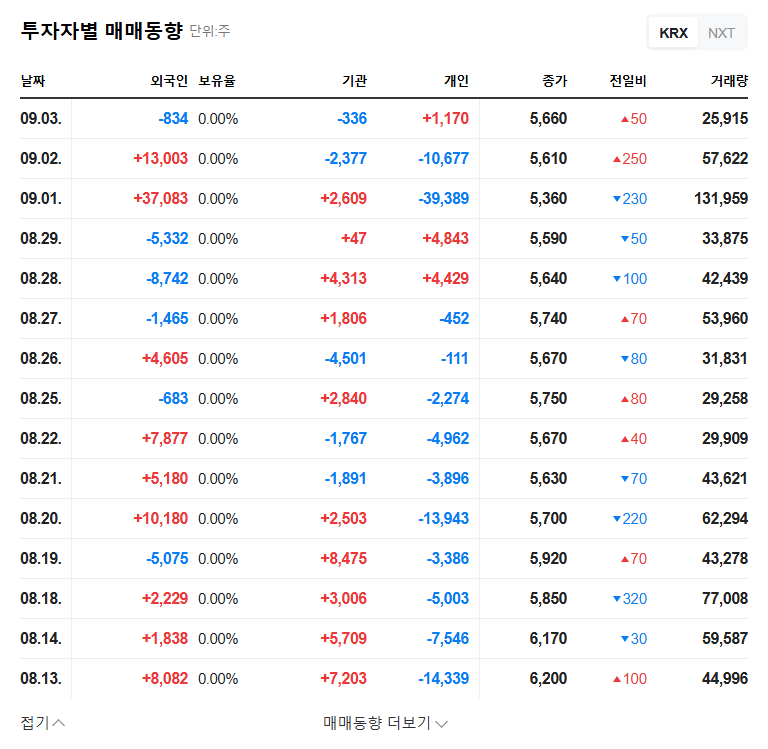
    Syntekabio has decided to issue ₩10 billion worth of convertible bonds to Sangsangin Savings Bank and Sejong Industrial. The payment date is September 12, 2025, and the conversion claim period is from September 12, 2026, to August 12, 2028.

    Why the Convertible Bond Issuance?

    Syntekabio urgently needs funding for the advancement of its AI drug discovery platform and expansion of its data center business. The company has been facing financial difficulties due to continuous operating losses and high debt-to-equity ratio, and this convertible bond issuance is intended to address the short-term liquidity crisis.

    What are the Potential Impacts?

    Positive Impacts:

    • Securing ₩10 billion for R&D investment and new business development
    • Expected stabilization of short-term liquidity and operations

    Negative Impacts:

    • Potential stock dilution upon future conversion to shares
    • Concerns about increased financial burden with an already high debt-to-equity ratio (190.47%)
    • Inevitable dilution of existing shareholders’ equity

    What Should Investors Do?

    Investors should proceed with caution. It’s crucial to closely monitor whether the secured funds will translate into tangible business results and how the company plans to improve its financial health. Investment decisions should be made considering the potential impact of the convertible bonds, particularly the possibility of stock dilution upon conversion if the share price rebounds.


    Frequently Asked Questions (FAQ)

    What are convertible bonds?

    Convertible bonds (CBs) are debt securities that can be converted into a predetermined number of shares of the issuing company’s common stock after a specified period.

    How will Syntekabio’s convertible bond issuance affect its stock price?

    In the short term, securing funding could create positive sentiment and potentially drive the stock price up. However, the long-term impact of potential stock dilution upon conversion needs to be considered.

    Should I invest in Syntekabio?

    Syntekabio possesses technological capabilities in AI drug discovery but faces significant financial instability. Investors should carefully consider these risks and closely monitor the company’s business performance and financial improvement efforts.


    Syntekabio Issues ₩10B Convertible Bonds: Opportunity or Risk? Investor Analysis 관련 이미지
    Syntekabio Issues ₩10B Convertible Bonds: Opportunity or Risk? Investor Analysis 관련 이미지


  • JPMorgan Acquires 5.16% Stake in Protina: Investment Analysis and Future Outlook

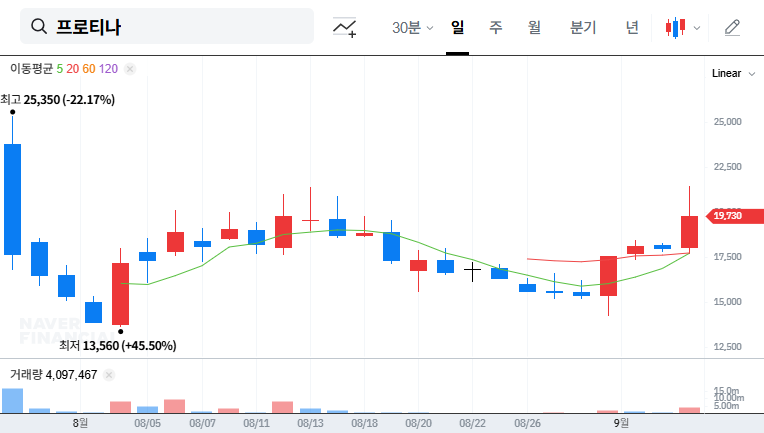
    JPMorgan Acquires 5.16% Stake in Protina: Investment Analysis and Future Outlook 대표 차트 이미지

    1. What Happened? JPMorgan Acquires 5.16% Stake in Protina

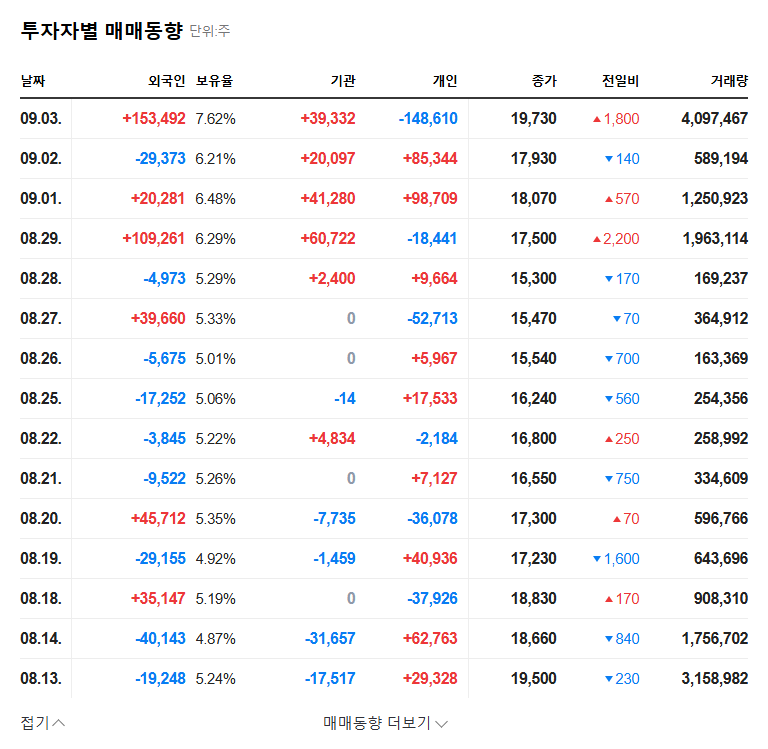
    JPMorgan Asset Management has acquired 513,000 shares of Protina, securing a 5.16% stake. While categorized as a passive investment, the move by a global investment giant is expected to significantly influence market perception.

    2. Why Did JPMorgan Invest in Protina? Strong Fundamentals and Growth Potential

    • Proprietary Technology: Protina possesses a competitive edge in the drug discovery and companion diagnostics market with its proprietary SPID platform technology. Its AI-driven antibody design technology is particularly noteworthy as a future growth engine.
    • Rapid Revenue Growth: Protina has demonstrated remarkable growth, with a 194% year-over-year increase in revenue in the first half of 2025. Long-term contracts with major clients and expansion into international markets are expected to create a stable revenue base.
    • Active R&D: Continuous investment in R&D, including securing key research personnel, winning government grants, and filing patents, strengthens Protina’s technological competitiveness.
    • KOSDAQ Listing: Protina’s successful listing on the KOSDAQ exchange in July 2025 through the special technology listing process has enhanced its corporate value and facilitated investment attraction.

    3. JPMorgan’s Investment: What are the Implications? Improved Investor Sentiment and Stock Price Momentum

    JPMorgan’s investment is expected to boost market confidence in Protina and improve investor sentiment. This is likely to translate into upward momentum for the stock price. The possibility of further investment from JPMorgan cannot be ruled out, potentially serving as a long-term growth catalyst.

    4. What Should Investors Do? Positive Outlook Requires Risk Management

    Given Protina’s promising growth outlook, it appears to be an attractive investment opportunity. However, continuous monitoring of potential risk factors, including profitability, cost management, and exchange rate volatility, is crucial. Investors should also stay informed about market conditions and adjust their investment strategies accordingly.

    What percentage of Protina’s shares did JPMorgan acquire?

    JPMorgan acquired a 5.16% stake in Protina.

    What is Protina’s main business?

    Protina is engaged in drug discovery and companion diagnostics based on its SPID platform technology.

    What are the key factors to consider when investing in Protina?

    Potential risks such as profitability, cost management, and exchange rate fluctuations should be considered.

    JPMorgan Acquires 5.16% Stake in Protina: Investment Analysis and Future Outlook 관련 이미지
    JPMorgan Acquires 5.16% Stake in Protina: Investment Analysis and Future Outlook 관련 이미지
  • Protina’s Post-IPO Stumble: A Deep Dive into Q2 2025 Earnings and Investment Strategies

    1. What Happened? Protina’s Q2 Earnings Miss the Mark

    Protina reported KRW 9 billion in revenue, KRW 23 billion in operating loss, and KRW 19 billion in net loss for the first half of 2025. While no specific market consensus was available, the results were generally below expectations, showing decreased revenue and increased operating losses compared to the previous period.

    2. Why the Underperformance? Analyzing the Factors Behind the Disappointing Results

    The underperformance can be attributed to increased R&D investment and IPO-related expenses. It’s also crucial to consider that Protina is in its early growth stages, having commenced full-scale operations in Q3 2024. Furthermore, increased USD foreign currency deposits and receivables have heightened the company’s sensitivity to exchange rate fluctuations.

    3. What’s Next? Short-Term and Long-Term Outlook

    • Short-Term Impact: The disappointing earnings are likely to dampen investor sentiment and put downward pressure on the stock price. The volatility could be amplified given the recent IPO.
    • Long-Term Impact: Protina’s innovative protein-protein interaction (PPI) analysis technology, SPID Platform, positions it for growth in the expanding global proteomics and antibody market. Funding secured through the IPO will be used for R&D, business expansion, and global market penetration.

    4. What Should Investors Do? Investment Strategy Recommendations

    • Short-Term Strategy: A cautious wait-and-see approach is recommended, closely monitoring the company’s performance for signs of improvement.
    • Long-Term Strategy: Investors should focus on revenue growth and operating loss reduction in the next earnings report. Monitoring new technology development, pipeline expansion, and key partnerships will be crucial for assessing Protina’s long-term potential.

    Frequently Asked Questions

    What is Protina’s core technology?

    Protina’s core technology is the SPID Platform, a protein-protein interaction (PPI) analysis technology crucial for drug discovery. This platform enables Protina to collaborate with global pharmaceutical companies.

    What is the outlook for Protina?

    While short-term concerns exist due to recent underperformance, Protina’s innovative technology and the growing market present significant long-term growth potential.

    What should investors be aware of?

    Investors should be mindful of short-term price volatility and closely monitor the company’s future earnings and technological advancements.

  • Oncocross’s ₩12.5B Convertible Bond Issuance: Impact on Stock Price and Investment Strategy

    1. Oncocross’s CB Issuance: What Happened?

    Oncocross announced on July 21, 2025, the issuance of ₩12.5 billion in convertible bonds (CBs) through a private placement. The conversion price is set at ₩11,436, with a minimum adjusted price of ₩8,006. The CBs carry a 0% coupon rate and a 2% maturity rate, with payment due on July 25, 2025.

    2. Why the CB Issuance?

    Oncocross, a biotech company specializing in AI-powered drug discovery platforms, has been experiencing net losses due to continuous R&D investments. The funds raised through this CB issuance will be used to strengthen R&D activities, accelerate drug development, and expand business operations. Given the current financial situation, securing external funding is crucial.

    3. Impact on Stock Price?

    • Positive Impacts: Increased R&D investment, accelerated drug development → enhanced growth potential. Increased market confidence due to institutional investor participation. Potential for short-term stock price increase.
    • Negative Impacts: Potential stock dilution due to increased number of shares upon conversion. Increased financial burden from interest payments. Risk of stock price decline if R&D results are disappointing.

    4. What Should Investors Do?

    Oncocross’s CB issuance presents both opportunities and risks. Before making any investment decisions, investors should carefully analyze the current stock price, the planned use of funds from the CB issuance, the company’s R&D pipeline, competitor trends, and macroeconomic indicators. Consult with financial professionals and make informed decisions based on your individual investment goals and risk tolerance.

    What are Oncocross’s Convertible Bonds?

    Convertible bonds (CBs) are hybrid securities that act like bonds with interest payments but can be converted into company stock. Oncocross issued ₩12.5 billion in CBs to raise capital.

    How will the CB issuance affect the stock price?

    The CB issuance could lead to a short-term stock price increase, but there’s also a risk of a long-term decline due to stock dilution upon conversion.

    Should I invest in Oncocross?

    The decision to invest is ultimately yours. Carefully consider the positive and negative impacts of the CB issuance, the company’s fundamentals, and market conditions before making a decision.