Tag: Dividend Stocks

  • (081660) Misto Holdings (081660) Dividend Analysis: Is Acushnet’s Growth Enough?

    (081660) Misto Holdings (081660) Dividend Analysis: Is Acushnet’s Growth Enough?

    Investors are taking a closer look at Misto Holdings Corporation (081660) following the announcement of a new quarterly dividend. This move signals a commitment to shareholder returns, but it arrives amidst a complex financial landscape for the company. While its Acushnet segment shows impressive growth, the struggling Misto segment raises critical questions about long-term sustainability. This comprehensive analysis will break down the latest Misto Holdings dividend news, dissect the company’s fundamentals, and provide a strategic outlook to help inform your investment decisions.

    Is this dividend a sign of robust financial health, or a strategic move to placate investors while navigating internal challenges? Let’s delve into the data.

    The Dividend Announcement: A Signal of Confidence?

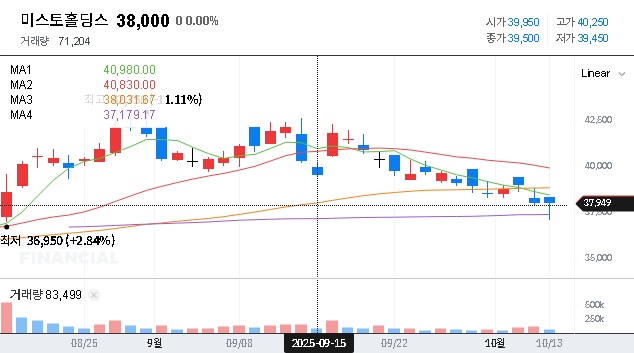
    On November 12, 2025, Misto Holdings Corporation confirmed its decision to issue a cash quarterly dividend of 940 KRW per common share for the period ending September 30, 2025. This action is a key part of the company’s multi-year shareholder return policy, aiming to distribute 500 billion KRW between 2025 and 2027. This decision, detailed in the company’s Official Disclosure (Source: DART), suggests management’s confidence in its cash flow, but a deeper look at the fundamentals is essential.

    Deep Dive: Misto Holdings’ H1 2025 Financial Health

    A company’s ability to sustain dividends is directly tied to its financial performance. The H1 2025 report for Misto Holdings Corporation reveals a story of divergence and resilience.

    The Tale of Two Segments: Acushnet vs. Misto

    The company’s performance is sharply divided between its two primary business units. The Acushnet segment, the powerhouse behind the globally recognized Titleist golf brand, is thriving. It posted an 8.5% increase in revenue, driving the company’s consolidated revenue up by 4.5% year-over-year to 2.4652 trillion KRW. This segment is the engine of growth and profitability.

    Conversely, the Misto segment has faced significant headwinds, largely due to weakening global consumer sentiment. This resulted in a stark 18.6% decline in revenue. While it’s a positive note that the Misto segment managed to turn a small profit compared to a major loss in the previous year, its underperformance remains the primary risk factor for the entire corporation.

    Analyzing the Balance Sheet and Cash Flow

    Misto Holdings maintains a stable financial position with a debt-to-equity ratio of 106.7%. However, operating cash flow saw a significant 49.6% decrease YoY to 99.4 billion KRW. This dip is directly attributable to the revenue decline and working capital challenges within the struggling Misto segment. While the dividend payment is currently manageable, a continued decline in cash flow could jeopardize future shareholder returns. For more on how to interpret these figures, see our Guide to Analyzing Corporate Financial Reports.

    Investor Implications: Weighing the Pros and Cons

    For current and prospective investors in 081660 stock, the dividend decision presents both opportunities and risks.

    Key Positives for Misto Holdings Corporation

    • Attractive Dividend Yield: The dividend offers an approximate yield of 2.38% (based on recent prices), which is appealing to income-focused investors. Learn more about calculating dividend yield at Investopedia.
    • Robust Acushnet Performance: The continued strength of the Acushnet segment provides a stable foundation for revenue and profit, currently funding the dividend.
    • Strong Shareholder Return Policy: The dividend is part of a clear, long-term commitment to return value to shareholders, which can support the stock price.
    • Positive ESG Ratings: The company’s inclusion in indices like the FTSE4Good highlights a commitment to sustainability, which is increasingly important to institutional investors.

    Significant Risks and Headwinds to Consider

    • Misto Segment Drag: The persistent underperformance of the Misto segment is the single largest threat. If it doesn’t recover, it could drain resources and threaten the sustainability of the dividend policy.
    • Macroeconomic Volatility: Global economic slowdowns, rising interest rates, and foreign exchange fluctuations pose a risk to both business segments.
    • Decreased Operating Cash Flow: The sharp drop in cash from operations is a red flag that needs to be monitored closely in upcoming quarters.

    Strategic Outlook: Crafting Your Investment Thesis

    Misto Holdings Corporation is a tale of two companies under one roof. The dividend is a vote of confidence, but its long-term viability hinges on a single question: can the Misto segment be fixed? Investors should build their strategy around monitoring key performance indicators.

    Keep a close watch on the revenue and profit margin trends for the Misto segment in subsequent quarterly reports. Any sign of a sustained turnaround could be a powerful catalyst for the stock. In contrast, further deterioration may force management to reconsider its capital allocation, potentially impacting future dividends and buybacks. For now, the strength of the Acushnet segment provides a valuable cushion, but it cannot carry the entire company indefinitely.

    Disclaimer: This article is for informational purposes only and does not constitute investment advice. All investment decisions should be made based on your own research and judgment.

    (081660) Misto Holdings (081660) Dividend Analysis: Is Acushnet's Growth Enough? 관련 이미지
  • (105560) KB Financial Group Inc. Stock Analysis 2025: A Deep Dive into Earnings, Growth & Investment Potential

    (105560) KB Financial Group Inc. Stock Analysis 2025: A Deep Dive into Earnings, Growth & Investment Potential

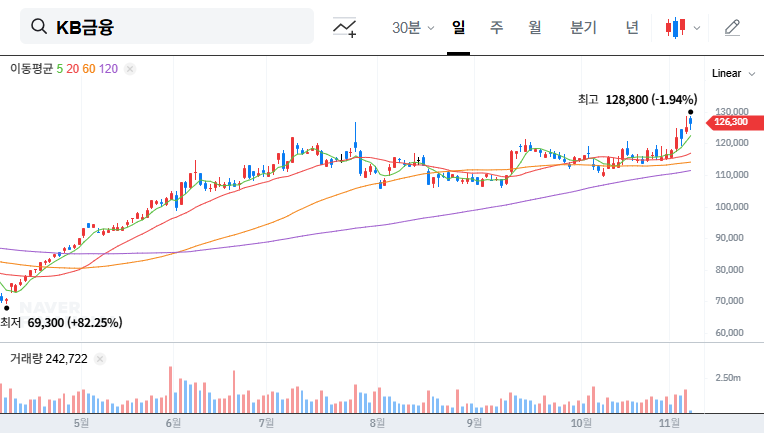
    In a dynamic financial market, KB Financial Group Inc. (KBFG) continues to demonstrate a powerful growth trajectory, solidifying its position as a market leader heading into 2025. With impressive first-half earnings and strategic preparations for Morgan Stanley’s ‘Asia Pacific Summit,’ the company is poised to capture the attention of global investors. This in-depth KBFG analysis explores the robust fundamentals, key growth drivers, and overall investment appeal that underpin its ‘Buy’ rating. We will dissect its performance, strategic initiatives, and what the future holds for this financial powerhouse.

    KB Financial Group Inc. isn’t just maintaining its leadership; it’s actively shaping the future of finance through digital innovation, strategic global expansion, and an unwavering commitment to shareholder value.

    H1 2025 Earnings: A Story of Sustained, Robust Growth

    The first half of 2025 has been exceptionally strong for KB Financial Group Inc., showcasing impressive financial results that underscore its operational excellence and market leadership. The group’s performance is a testament to its well-balanced strategy, leveraging both its core banking operations and its expanding non-banking segments.

    Key Financial Highlights

    • Impressive Net Profit: The company reported a cumulative net profit of KRW 3.436 trillion for H1 2025, a significant increase of 23.8% year-over-year. This growth reflects the stability of interest income and the successful expansion of its diversified business lines.
    • Expanding Asset Base: Total assets grew to KRW 780.6 trillion, marking a 3.0% rise from the end of the previous year, demonstrating consistent and managed growth across the group.

    The Bedrock of Stability: Financial Soundness

    A core component of the KB Financial stock investment thesis is its exceptional financial health. The company maintains industry-leading capital adequacy and asset quality ratios, providing a stable foundation for future growth and resilience against market volatility. You can review the specifics in their Official Disclosure.

    • BIS Total Capital Ratio: At 16.36%, KBFG’s capital ratio is among the highest in the industry, indicating a strong capacity to absorb unexpected losses.
    • Non-Performing Loan (NPL) Ratio: Maintained at a very low 1.09%, highlighting a prudent risk management framework and high-quality loan portfolio.
    • Return on Equity (ROE): An impressive 11.86%, showcasing top-tier profitability and efficient use of shareholder equity. For more context, you can learn about Understanding Key Financial Ratios for Bank Stocks.

    Strategic Pillars: Diversification and Innovation

    KB Financial Group’s strength lies not just in its size but in its strategic diversity. With 11 affiliates spanning banking, securities, insurance, and more, the group creates powerful synergies, offering comprehensive financial solutions while diversifying its revenue streams.

    Key Future Growth Drivers for KB Financial Group Inc.

    • Digital Transformation: KBFG is aggressively investing in technology. This includes developing AI-powered financial advisory services, enhancing its flagship ‘KB Star Banking’ app, and building a robust ecosystem around ‘KB Pay’ to compete with fintech disruptors and create new value streams.
    • Global Expansion: The company is strategically expanding its footprint in high-growth emerging markets, particularly in Southeast Asia with ventures in Cambodia and Indonesia, securing long-term growth avenues beyond the domestic market.
    • ESG Leadership: A strong focus on ESG (Environmental, Social, and Governance) management is not only building a sustainable foundation but also enhancing corporate value and attracting a modern, conscientious investor base.

    Market Outlook & Upcoming Investor Relations

    The upcoming participation in the ‘Twenty-Fourth Annual Asia Pacific Summit’ hosted by Morgan Stanley on November 19, 2025, is a pivotal event. It provides a global stage for KBFG to communicate its compelling growth story, showcase its robust financials, and build deeper trust with international investors. This event is expected to highlight the company’s resilience amid macroeconomic uncertainties, such as fluctuating interest rates and geopolitical risks discussed by sources like Reuters Global Markets.

    Investment Thesis: A Confident ‘Buy’

    Considering the evidence, the investment outlook for KB Financial Group Inc. is decidedly positive. The combination of stable earnings growth, fortified financial soundness, and clear, forward-looking strategies in digital and global markets makes a strong case for a ‘Buy’ rating.

    • Proven Profitability: Demonstrated ability to grow profits consistently.
    • Future-Proof Strategy: Active investment in technology and global markets secures future relevance.
    • Shareholder Commitment: A history of active dividend policies and a focus on enhancing shareholder value.

    While risks like macroeconomic shifts and intensified competition exist, KBFG’s robust foundation and proactive management are well-equipped to navigate these challenges. For investors seeking a blend of stability and growth in the financial sector, KB Financial Group Inc. presents a compelling and attractive opportunity.

    Disclaimer: This article is for informational purposes only and is based on publicly available data. It should not be construed as investment advice. All investment decisions should be made based on your own judgment and risk tolerance.

    (105560) KB Financial Group Inc. Stock Analysis 2025: A Deep Dive into Earnings, Growth & Investment Potential 관련 이미지
  • (338100) NH Prime REIT Analysis (Oct 2025): A Deep Dive for Investors

    (338100) NH Prime REIT Analysis (Oct 2025): A Deep Dive for Investors

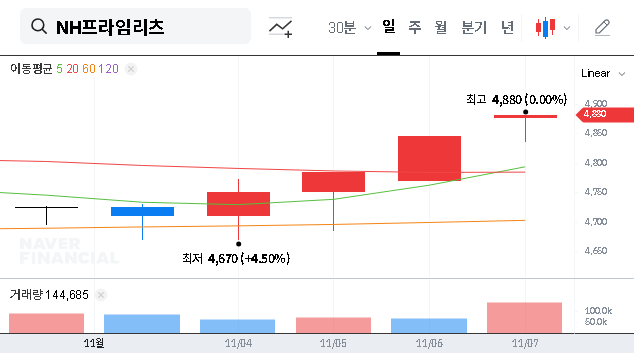
    The latest monthly report for NH Prime REIT has landed, offering a crucial data point for investors navigating a volatile real estate market. Following a challenging semi-annual report in August that highlighted profitability concerns, the market is keenly watching to see if October marks a turning point. This comprehensive NH Prime REIT analysis will dissect the report’s key findings, evaluate the performance of its core assets, and provide a clear outlook on the potential risks and opportunities for its stock price.

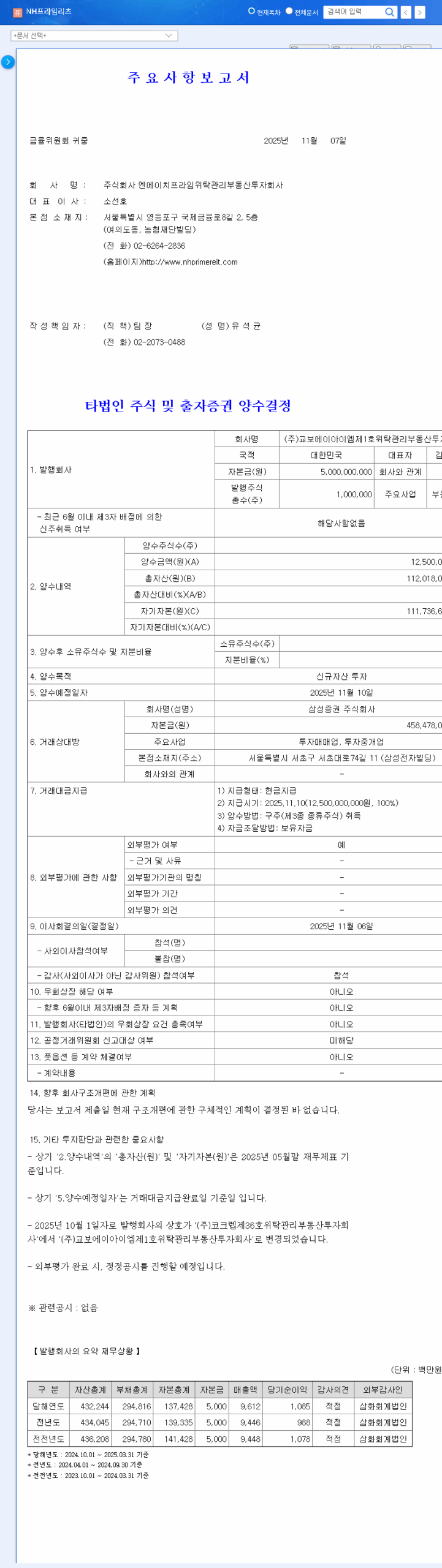
    On November 11, 2025, NH Prime REIT Co., Ltd. released its performance data as of October 2025, fulfilling its commitment to investor transparency. You can view the complete filing here: Official Disclosure (DART). Let’s explore what this data means for your investment strategy.

    Understanding the Current Landscape for NH Prime REIT

    Real Estate Investment Trusts (REITs) are companies that own, operate, or finance income-generating real estate. For investors, they offer a way to invest in a portfolio of properties without having to buy them directly. However, their performance is heavily tied to economic conditions. For a deeper understanding of how REITs work, you can explore this resource from a high-authority financial education site.

    The current environment of high interest rates and economic uncertainty has created significant headwinds for the entire REIT sector, and NH Prime REIT is no exception. Increased borrowing costs can squeeze profit margins, while economic slowdowns can impact occupancy rates and rental income. This report is therefore a critical litmus test of the company’s resilience.

    Key Findings from the October 2025 Report

    Financial Health & Profitability

    The August semi-annual report revealed a concerning trend: decreasing operating revenue and a significant drop in dividends per share. The October data provides the first glimpse into whether this trend is continuing, stabilizing, or reversing. Investors should focus on the month-over-month change in operating profit and revenue to gauge the company’s immediate financial trajectory.

    • Profitability Metrics: Scrutinize the operating loss/profit figures. A smaller loss or a return to profitability compared to previous months would be a strong positive signal.
    • Liquidity Position: While total assets have decreased, an increase in cash holdings noted in August was a silver lining. Check if this healthy liquidity has been maintained, as it provides a buffer against short-term shocks.
    • Dividend Outlook: Profitability is directly linked to dividend capacity. Any improvement here could restore confidence in future payouts, a key motivator for REIT investors.

    Core Asset Portfolio Performance

    The value of NH Prime REIT is intrinsically linked to its flagship properties. Stable, high-quality tenants and strong occupancy rates are the bedrock of its revenue stream.

    • Key Properties: Seoul Square, Arc Place, and Pangyo TechOne Tower are the crown jewels. The report should be analyzed for any changes in rental yields and vacancy rates for these specific assets.
    • Asset Value Stability: In a high-interest-rate environment, property valuations can come under pressure. Look for commentary on asset valuation and any potential write-downs.

    The central question for investors is whether the operational stability of NH Prime REIT’s prime assets can successfully counteract the persistent macroeconomic pressures and signal a bottom for the stock.

    Investment Scenarios & Stock Price Outlook

    The market’s reaction to this report will likely fall into one of two scenarios. Understanding both is key to making a sound REIT investment analysis.

    The Bullish Case (Positive Scenario)

    If the October data reveals signs of a turnaround—such as improved profitability, stable or rising occupancy rates, or positive commentary on asset management—it could act as a powerful catalyst. This would suggest the worst is over, potentially sparking a stock price rebound from its current suppressed levels. Investors who have been waiting on the sidelines may see this as an attractive entry point.

    The Bearish Case (Negative Scenario)

    Conversely, if the report confirms a continuation of the negative trends from August—worsening profitability, declining asset values, or rising vacancies—investor sentiment could sour further. This would reinforce concerns about the impact of high interest rates and could lead to additional downward pressure on the NH Prime REIT stock. In this case, a conservative, wait-and-see approach may be warranted. For more on this topic, see our guide on navigating REIT investments in a volatile market.

    Investor’s Final Checklist

    Before making any decisions, investors should carefully review the report with a focus on these critical points:

    • Revenue & Profit Trend: Is the trend improving, worsening, or stabilizing compared to previous months?
    • Core Asset Health: Are occupancy rates and rental income holding steady in key properties?
    • Management Commentary: What is the company’s forward-looking guidance or tone regarding market conditions?
    • Dividend Sustainability: Do the current financials support a stable or growing dividend in the near future?

    The October monthly report for NH Prime REIT is a vital piece of the puzzle. While a single month’s data does not define a long-term trend, it provides crucial insight into the company’s ability to navigate a challenging economic climate. A thorough review is essential for any current or prospective investor.

    (338100) NH Prime REIT Analysis (Oct 2025): A Deep Dive for Investors 관련 이미지
  • (432320) KB STAR REIT Rights Offering (432320): A Deep Dive for Investors

    The recent announcement of the KB STAR REIT rights offering has sent ripples through the investment community. For current and prospective shareholders of KB STAR REIT Co., Ltd. (432320), this move presents a critical juncture filled with both potential opportunities and significant risks. A rights offering can fuel expansion and strategic acquisitions, but it also inherently brings concerns about shareholder dilution and the company’s financial stability.

    This comprehensive analysis will dissect the details of the offering, evaluate the underlying fundamentals of KB STAR REIT, and provide a clear-eyed view of the potential impact on shareholder value and the stock price. We’ll explore whether this is a strategic masterstroke for long-term growth or a move that could jeopardize investor returns.

    Understanding the Rights Offering Announcement

    On November 10, 2025, KB STAR REIT officially disclosed its plan to conduct a shareholder-allocated rights offering to its subsidiary. The core purpose is to raise capital for ‘investment in other corporations,’ signaling a potential strategic shift or expansion. You can view the Official Disclosure on DART for complete details.

    Key Details of the Offering:

    • Offering Size: A substantial 19.3 billion KRW to be raised.
    • Allocation Method: A shareholder-allocated offering, meaning existing shareholders have the right to purchase new shares, typically at a discount.
    • Allocation Ratio: 0.3 new shares will be offered for every existing share held.
    • Stated Purpose: To secure new growth engines and strengthen the company’s portfolio through strategic investments.

    Diagnosing KB STAR REIT’s Financial Health

    To understand the ‘why’ behind this capital raise, we must first examine the company’s financial condition prior to the announcement. The July 2025 business report paints a mixed picture, highlighting both prudent risk management and concerning financial trends.

    As of July 2025, KB STAR REIT reported a concerning debt-to-asset ratio of approximately 75% and a net loss of 99.4 billion KRW, primarily due to increased operating expenses and impairment losses on its investment properties.

    These figures suggest that the rights offering is not just about growth, but also about shoring up a weakening balance sheet. The infusion of 19.3 billion KRW in equity will directly reduce the debt-to-equity ratio and increase cash reserves, improving short-term liquidity and overall financial stability. For investors, this dual purpose is a key factor in evaluating the offering’s merits.

    The Two Sides: Shareholder Dilution vs. Strategic Growth

    Every rights offering forces investors to weigh the immediate negative of shareholder dilution against the potential for future gains. Let’s break down the bull and bear cases for the KB STAR REIT rights offering.

    The Bull Case (Opportunity)

    • New Growth Engines: The capital could be used to acquire high-yield properties or invest in promising real estate ventures, creating new, diversified revenue streams.
    • Financial Fortification: The equity injection immediately improves the balance sheet, reducing leverage and potentially lowering future financing costs. This enhances investor confidence.
    • Long-Term Value Creation: If the investments are successful, the resulting increase in profits and asset value could far outweigh the initial dilution, leading to a higher KB STAR REIT stock price over time. For more on this, check our guide on How to Evaluate REIT Investments.

    The Bear Case (Risk)

    • Immediate Share Dilution: For shareholders who choose not to participate, their ownership stake in the company is immediately reduced. This can lead to a lower Earnings Per Share (EPS).
    • Execution Risk: There is no guarantee that the new investments will be successful. A failed investment could destroy capital, increase the financial burden, and further depress the stock price.
    • Short-Term Price Pressure: The announcement of a rights offering, coupled with the future listing of new shares, often creates downward pressure on the stock price as the market absorbs the increased supply.

    Investor Action Plan & Final Thoughts

    The KB STAR REIT rights offering is a pivotal event. The company’s future trajectory hinges on the successful deployment of this new capital. Investors should not make hasty decisions based on short-term price movements. Instead, a strategic approach is required.

    Your decision to participate should be based on a thorough evaluation of management’s specific investment plans, the macroeconomic environment (interest rates, real estate market trends), and your personal risk tolerance. For a deeper understanding of the mechanisms, a resource like Investopedia’s guide to rights offerings can be invaluable.

    Ultimately, this is a call for due diligence. Watch for further disclosures, analyze the proposed investments, and decide if you believe in management’s vision for long-term, sustainable growth that will ultimately enhance shareholder value.

    Frequently Asked Questions (FAQ)

    Why did KB STAR REIT decide on a rights offering?

    The primary stated objective is to raise 19.3 billion KRW to secure new growth engines through ‘investment in other corporations.’ However, given the company’s recent net loss and high debt ratio, the offering also serves to strengthen its financial health and improve liquidity.

    How will this rights offering affect the stock price?

    In the short term, the KB STAR REIT stock price may face downward pressure due to concerns about dilution and an increased supply of shares. The medium- to long-term impact depends entirely on the success of the investments made with the new capital. Profitable investments could lead to significant stock price appreciation.

    What should existing shareholders do?

    Existing shareholders must decide whether to exercise their rights to buy new shares. This decision should be based on a careful analysis of the company’s specific investment plans, your confidence in management, and your long-term view of the REIT investment sector. Not participating will result in the dilution of your ownership stake.

  • (138930) BNK Financial Group Inc. Stock: H1 2025 Earnings & Dividend Analysis

    (138930) BNK Financial Group Inc. Stock: H1 2025 Earnings & Dividend Analysis

    The latest H1 2025 earnings report for BNK Financial Group Inc. presents a complex narrative for investors. As a cornerstone of South Korea’s regional financial market, the group showcases impressive capital strength. However, this stability is contrasted by emerging challenges, including declining profitability amid shifting interest rate policies and fierce market competition. This comprehensive analysis will dissect the group’s performance, evaluate the strategic implications of its recent dividend announcement, and outline a prudent investment strategy for navigating the path ahead.

    H1 2025 Performance: A Tale of Two Realities

    In the first half of 2025, the financial results for BNK Financial Group Inc. painted a mixed picture. While the group’s capital foundation remains rock-solid, its core profitability metrics have faced headwinds. Let’s break down the key indicators that define this period.

    Key Financial Metrics

    • Capital Soundness: The consolidated BIS Capital Ratio stood at a robust 13.96%, significantly surpassing regulatory minimums and signaling excellent capital management and risk absorption capacity.
    • Interest Income Pressure: Net Interest Income (NII) saw a 2.3% year-on-year decline to KRW 1,443.9 billion. This was primarily driven by lower interest income from core deposit and loan activities, a direct reflection of a lower interest rate environment.
    • Profitability Metrics: Net profit attributable to controlling shareholders fell by 3.4% to KRW 475.8 billion. Consequently, Return on Assets (ROA) was 0.63%, and Return on Equity (ROE) was 8.97%.
    • Asset Quality: The group maintained stable asset quality, with a Non-Performing Loan (NPL) ratio of 1.62% and a delinquency ratio of 1.39%, indicating diligent risk management.

    Segment Performance Breakdown

    The performance varied significantly across the group’s subsidiaries. The banking segment, led by Busan Bank and Gyeongnam Bank, remains the profit engine, contributing 84.0% of the total. While Busan Bank delivered a solid KRW 251.7 billion in net profit, Gyeongnam Bank’s performance faltered, declining by KRW 45.8 billion to KRW 158.5 billion. The non-banking arms, including BNK Capital and BNK Savings Bank, also faced profitability slowdowns, though BNK Investment & Securities showed improvement.

    Drivers Behind the Slowdown & The Dividend Signal

    The performance of BNK Financial Group Inc. is not occurring in a vacuum. It is shaped by broad macroeconomic trends and specific company strategies. The downward pressure on profits is largely attributable to the external environment, including projected interest rate cuts in Korea, as discussed by financial analysts at reputable global news outlets. This trend directly squeezes the Net Interest Margin (NIM), the lifeblood of traditional banking.

    Despite these headwinds, the company’s commitment to shareholder returns remains unwavering, signaling confidence in its long-term financial stability and cash flow generation.

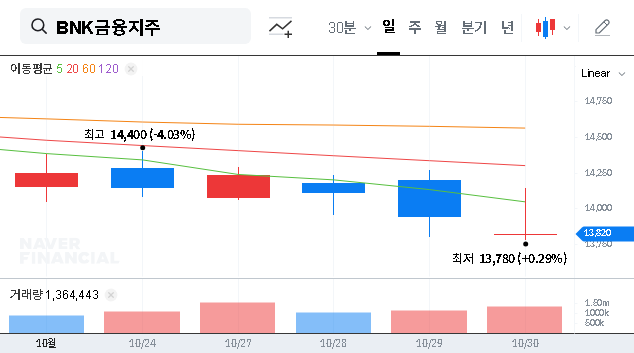
    On October 30, 2025, the board announced a Q3 cash dividend of KRW 120 per common share. This decision is a crucial piece of the group’s plan to achieve a shareholder return ratio exceeding 50% by 2027. This move is a clear, positive signal to the market about management’s focus on shareholder value. The official filing can be reviewed here: Official Disclosure (DART).

    Future Outlook: Strengths, Weaknesses, and Growth Drivers

    Looking ahead, investors should weigh the group’s inherent strengths against its pressing challenges. The future success of any BNK Financial Group Inc. investment strategy depends on the company’s ability to leverage its advantages while mitigating its risks.

    Positive Catalysts

    • Strong Capital Base: The high BIS ratio provides a formidable defense against economic shocks.
    • Digital Transformation: Ongoing investments in digital innovation and fintech partnerships are key to enhancing operational efficiency and long-term competitiveness.
    • Shareholder-Friendly Policies: The commitment to dividends and shareholder returns can attract and retain long-term investors.

    Concerns and Challenges

    • Profitability Squeeze: Continued pressure on NII requires a strategic pivot towards growing non-interest income streams.
    • Non-Banking Diversification: Improving the performance and diversifying the portfolios of non-banking subsidiaries like BNK Capital is critical for balanced growth.
    • Risk Management: Past disciplinary actions necessitate a continued focus on strengthening internal controls to ensure long-term stability and investor trust.

    Investment Thesis: A Neutral Stance with Key Monitors

    Given the balance of strong capital and profitability pressures, the current investment opinion for BNK Financial Group Inc. is ‘Neutral’. A cautious, observant approach is recommended. Investors should closely monitor several key performance indicators before adjusting their position. For a deeper dive into financial metrics, consider reading our guide on how to analyze banking stocks.

    Key Monitoring Points for Investors:

    • Quarterly changes in Net Interest Margin (NIM) and growth in non-interest income.
    • Profitability recovery in key subsidiaries, especially Gyeongnam Bank and BNK Capital.
    • Trends in asset quality metrics (NPL and delinquency rates).
    • Execution and sustainability of the announced shareholder return policy.

    In conclusion, while the quarterly dividend is an encouraging sign of management’s confidence, fundamental improvements in earnings power must follow. Investment decisions should be based on tangible progress in addressing the group’s strategic challenges.

    (138930) BNK Financial Group Inc. Stock: H1 2025 Earnings & Dividend Analysis 관련 이미지
  • (175330) JB Financial Group Share Cancellation: An In-Depth 2025 Investment Analysis

    (175330) JB Financial Group Share Cancellation: An In-Depth 2025 Investment Analysis

    In a significant move to bolster shareholder confidence, JB Financial Group has recently announced a substantial ₩40 billion treasury share cancellation. This strategic decision sends a powerful message about the company’s robust financial health and unwavering commitment to enhancing shareholder value. For investors, this action prompts critical questions: What are the immediate and long-term effects on the stock? And how does this fit into the broader picture of the company’s fundamentals and the macroeconomic landscape?

    This comprehensive investment analysis unpacks the nuances of the JB Financial Group share cancellation, evaluates its H1 2025 performance, identifies key risk factors, and provides a forward-looking perspective for potential investors. If you’re considering adding JB Financial Group stock to your portfolio, this is essential reading.

    The ₩40 Billion Share Cancellation: A Signal of Strength

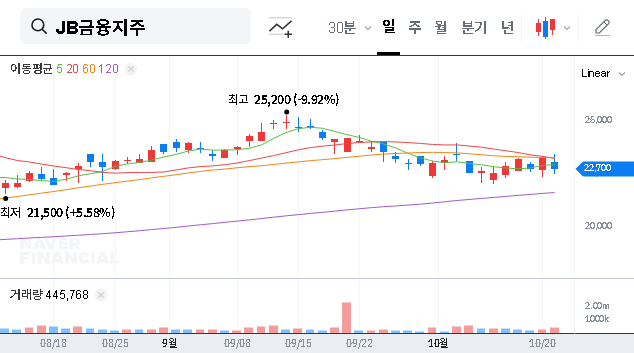
    On October 28, 2025, JB Financial Group’s board approved the cancellation of 1,805,869 common treasury shares, valued at approximately ₩40 billion. This figure represents 0.94% of the company’s total market capitalization. The official details of this decision can be reviewed in the company’s public filing (Official Disclosure).

    A share cancellation, or share buyback and retirement, is a direct method of returning capital to shareholders. By reducing the number of outstanding shares, the earnings attributable to each remaining share (Earnings Per Share, or EPS) increases, which can make the stock more attractive and potentially drive up its price. This action is widely seen as a bullish signal, indicating that management believes the company’s stock is undervalued and has confidence in its future earnings.

    “A share cancellation of this magnitude is more than just a financial transaction; it’s a clear declaration of management’s confidence in future profitability and a tangible commitment to increasing shareholder value.”

    In-Depth Fundamental Investment Analysis

    Beyond the share cancellation, a thorough investment analysis of JB Financial Group requires a look at its core strengths and potential weaknesses, based on H1 2025 performance.

    Strengths: A Foundation of Stability and Growth

    • Consistent Profitability: A consolidated net profit of ₩370.4 billion shows a stable earnings base, even in a challenging economic climate.
    • Industry-Leading Ratios: Return on Equity (ROE) of 13.1% and Return on Assets (ROA) of 1.11% are top-tier, showcasing superior profitability. An exceptionally low Cost-to-Income Ratio (CIR) of 35.8% highlights highly efficient operations.
    • Robust Capital Adequacy: With a BIS capital ratio of 14.36% and CET1 ratio of 12.40%, the group comfortably exceeds regulatory requirements, ensuring financial resilience.
    • Diversified Growth Engines: Strong performance from subsidiaries like JB Woori Capital, strategic overseas expansion in Cambodia and Vietnam, and a forward-thinking digital transformation strategy point to sustainable future growth. For more on this, see our analysis of emerging market banking.

    Concerns & Risk Factors to Monitor

    • Gwangju Bank Performance: A 7.9% year-over-year decline in net profit suggests vulnerability to macroeconomic headwinds, particularly concerning potential non-performing loans in real estate project financing (PF).
    • Asset Quality Metrics: An uptick in Gwangju Bank’s NPL ratio and JB Woori Capital’s real estate PF delinquency rate warrants close observation as signs of potential credit risk.
    • Interest Rate Pressure: A declining Net Interest Margin (NIM) at Jeonbuk Bank could signal broader pressure on profitability for the entire banking sector as interest rates stabilize or fall.
    • Macroeconomic Headwinds: The broader economic environment, including a cooling real estate market and the rise of FinTech competition, presents ongoing challenges. Authoritative sources like Reuters provide regular updates on these global financial trends.

    Overall Assessment and Investment Outlook

    The JB Financial Group share cancellation is an unequivocally positive development for current and prospective shareholders. It underscores a strong balance sheet and a management team focused on delivering value. This action is likely to provide a supportive tailwind for the stock price in the short to medium term.

    However, long-term shareholder value is ultimately driven by fundamental performance. Investors must weigh the positive signal of the buyback against the existing challenges. The company’s ability to navigate asset quality concerns, adapt to the interest rate environment, and successfully execute its digital and overseas strategies will be the true determinant of its long-term success.

    In conclusion, while the share cancellation makes JB Financial Group an attractive proposition, prudent investors should maintain a balanced view. It is crucial to monitor the identified risk factors and the company’s strategic responses continuously.

    Key Takeaways for Investors

    • Positive Signal: View the share cancellation as a strong vote of confidence from management in the company’s intrinsic value.
    • Monitor Fundamentals: Pay close attention to quarterly reports for trends in asset quality (NPL ratios), net interest margins, and the performance of key subsidiaries.
    • Long-Term Vision: Evaluate the progress of digital transformation and international expansion as key drivers of future growth beyond the traditional banking model.

    Disclaimer: This article is for informational purposes only and does not constitute investment advice. All investment decisions should be made with the consultation of a qualified financial professional.

    (175330) JB Financial Group Share Cancellation: An In-Depth 2025 Investment Analysis 관련 이미지
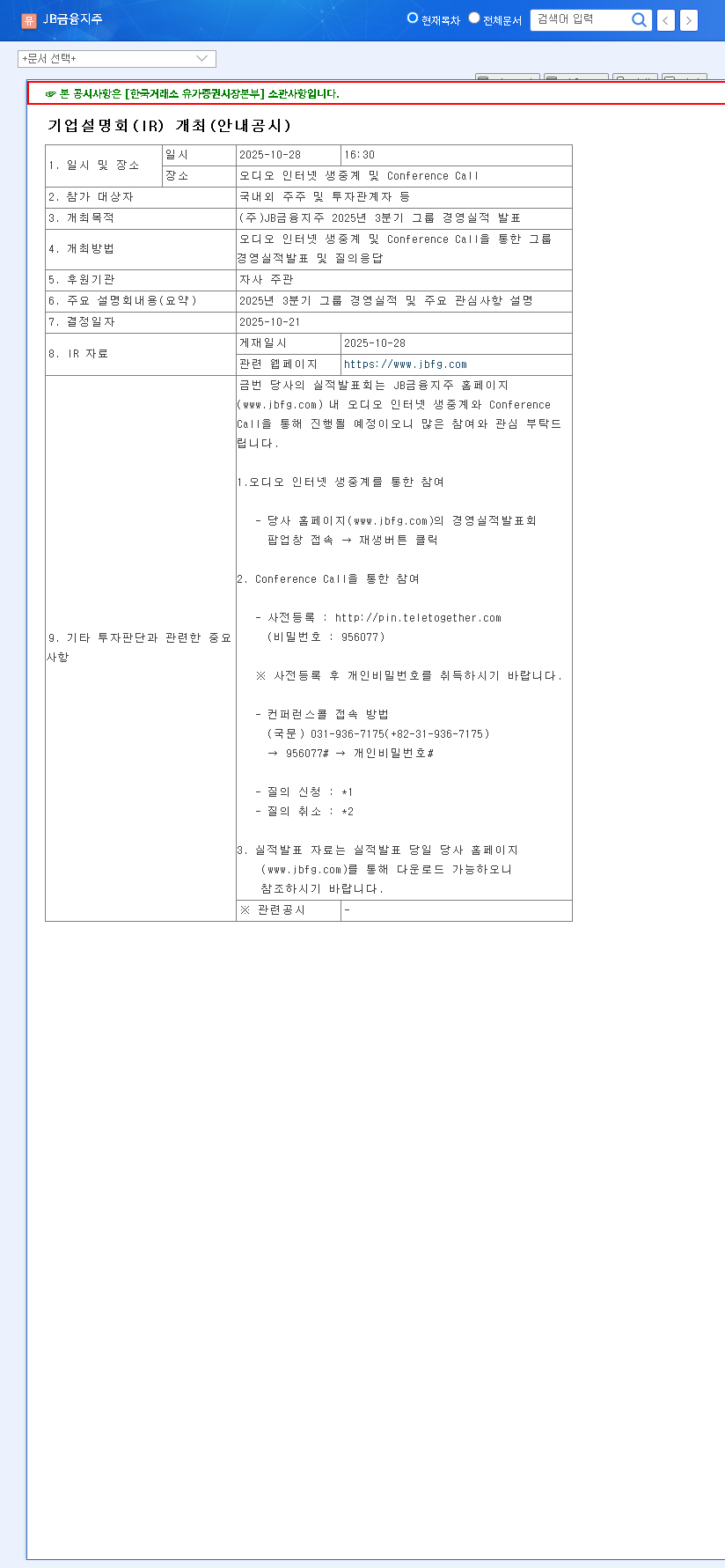
  • (055550) Shinhan Financial Group Stock: 2025 H1 Earnings & Dividend Analysis (HOLD)

    (055550) Shinhan Financial Group Stock: 2025 H1 Earnings & Dividend Analysis (HOLD)

    The latest financial release from Shinhan Financial Group has sent ripples through the investment community. With an impressive consolidated net profit of KRW 3.0374 trillion for the first half of 2025 and a confirmed quarterly dividend, the banking giant presents a complex picture of robust performance mixed with underlying risks. For investors, the key question is clear: Does this signal a prime buying opportunity, or are there hidden challenges that warrant caution?

    This comprehensive analysis dissects the 2025 H1 earnings report, evaluates the dividend decision’s impact, and provides a clear, actionable investment thesis. We will explore the fundamental strengths driving growth, scrutinize the potential risks on the horizon, and offer a strategic roadmap for navigating your investment in Shinhan Financial Group stock.

    Unpacking the 2025 H1 Earnings & Dividend Announcement

    On October 28, 2025, Shinhan Financial Group released its half-year performance figures and declared its shareholder return plan. These announcements are crucial indicators of the company’s health and strategic direction. Let’s break down the essential details from the Official Disclosure.

    Core Financial Highlights

    • Consolidated Net Profit: A remarkable KRW 3.0374 trillion, marking a solid 10.6% increase year-on-year.
    • Quarterly Dividend Per Share: KRW 570 for common stock, providing a tangible return to investors.
    • Dividend Record Date: November 4, 2025.
    • Dividend Payment Date: November 28, 2025.
    • Capital Adequacy (CET1 Ratio): A healthy 13.59%, indicating strong financial stability.

    The Bull vs. Bear Case: A Balanced Investment Analysis

    A thorough investment analysis requires looking beyond the headlines. While the profit growth is encouraging, a prudent investor must weigh the positive drivers against potential headwinds.

    Positive Factors: Pillars of Strength

    Several factors contribute to a positive outlook for Shinhan Financial Group.

    • Diversified Income Growth: The 10.6% profit increase wasn’t solely reliant on interest income. Significant gains in securities trading, foreign exchange, and derivatives showcases a well-balanced and resilient business model.
    • Aggressive Shareholder Returns: Beyond the quarterly dividend, the group’s KRW 800 billion share buyback and cancellation program is a powerful statement of its commitment to enhancing shareholder value. This can provide strong support for the stock price.
    • Digital Dominance: Achieving 27.5 million Monthly Active Users (MAU) across its digital platforms (like Shinhan SOL Bank) is a significant competitive advantage. This expanding user base is key to future growth in a digital-first banking landscape.

    Concerning Factors: Potential Risks to Monitor

    Despite the strong performance, certain challenges could impact future profitability.

    • Profitability Drag from Shinhan Card: A 35.0% year-on-year profit decrease at Shinhan Card is a major red flag. This is a result of a triple-threat: higher funding costs (what the company pays to borrow money), rising loan delinquencies requiring more cash to be set aside (provisioning), and costly infrastructure investments. This subsidiary’s performance is a critical variable for the group.
    • Macroeconomic Uncertainty: The global economic climate remains a significant risk. As major economies like the U.S. signal potential interest rate cuts, this could compress bank lending margins. For an overview of current trends, investors often consult sources like Reuters’ global economic coverage.

    Strategic Outlook & Investment Thesis

    Synthesizing these factors, we can form a clear investment opinion and action plan. The consistent Shinhan dividend and stable earnings are attractive, but risks necessitate a balanced approach.

    Investment Opinion: HOLD (Neutral)

    While Shinhan Financial Group’s fundamentals are solid and shareholder returns are strong, the pronounced weakness in its card subsidiary and looming macroeconomic uncertainties prevent a full-throated BUY recommendation. We advise a HOLD position, suggesting that current investors maintain their holdings while new investors wait for a clearer picture regarding the resolution of these risks.

    Action Plan for Investors

    Investors should adopt a strategy of active monitoring. For those looking to deepen their understanding, reviewing our guide on analyzing bank stocks can provide a valuable framework.

    • Short-Term Focus: Be mindful of potential price volatility around the ex-dividend date (after Nov 4, 2025). Short-term traders may see opportunities, but long-term investors should not be swayed by these minor fluctuations.
    • Long-Term Focus: Keep a close eye on Shinhan Card’s quarterly delinquency rates and Net Interest Margin (NIM). Any signs of stabilization or improvement here would be a strong positive catalyst. Also, track the group’s progress in new business ventures and ESG initiatives, as these are key to long-term sustainable growth.

    (055550) Shinhan Financial Group Stock: 2025 H1 Earnings & Dividend Analysis (HOLD) 관련 이미지
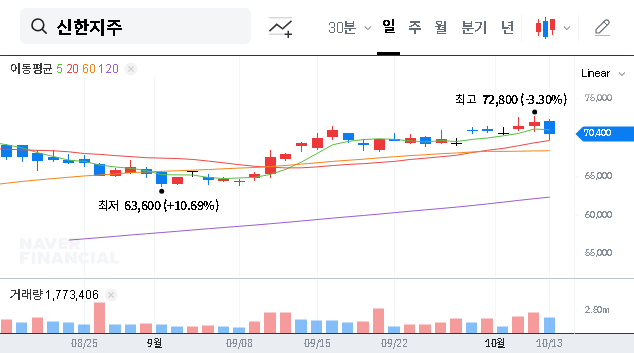
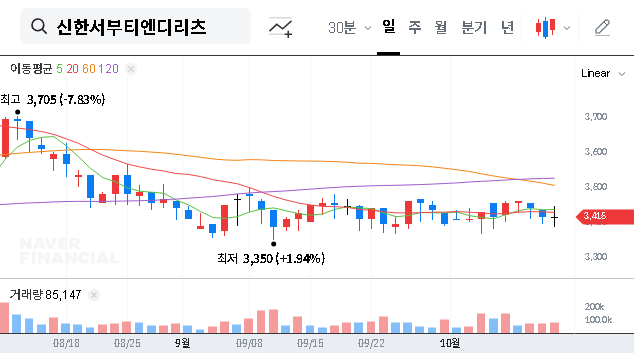
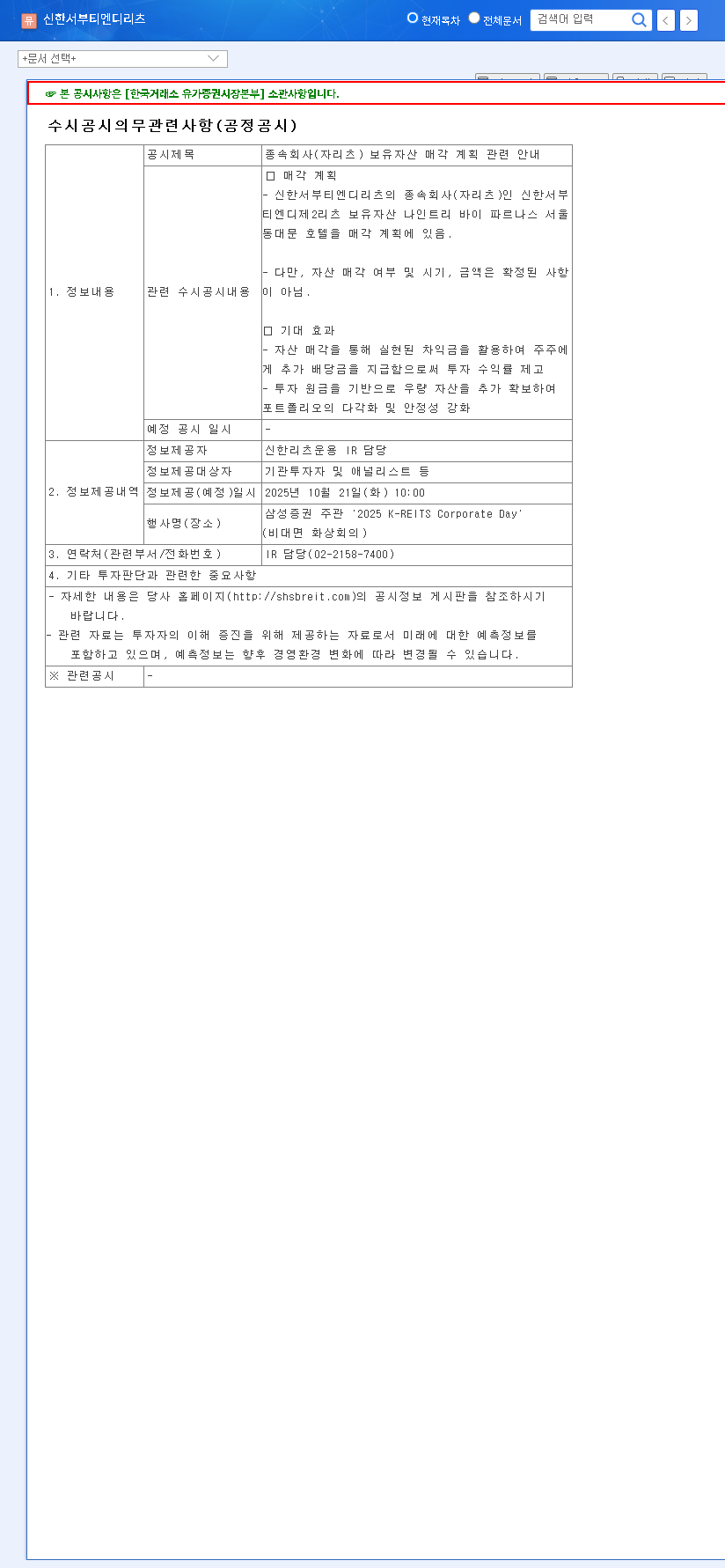
  • (404990) Shinhan Seobu T&D REIT: In-Depth Analysis of the Q3 2025 Report for Investors

    (404990) Shinhan Seobu T&D REIT: In-Depth Analysis of the Q3 2025 Report for Investors

    For investors tracking the dynamic world of Real Estate Investment Trusts (REITs), the latest quarterly report from Shinhan Seobu T&D REIT Co., Ltd. is a critical piece of intelligence. Released on October 27, 2025, this report provides a transparent look into the company’s financial health, operational performance, and strategic direction amid a complex economic landscape. You can view the complete filing here: Official Disclosure (DART).

    This analysis will dissect the key findings from the Q3 report, balancing the promising indicators of growth against the significant financial headwinds. We’ll explore whether its stable rental income can outweigh the challenges of rising interest rates and a growing debt load, providing a clear, actionable outlook for both current and potential investors.

    Core Financials: A Tale of Two Tapes

    The Q3 2025 report for Shinhan Seobu T&D REIT paints a dual picture. On one hand, operational performance shows resilience and growth. On the other, macroeconomic pressures are clearly impacting the bottom line.

    The Bright Spots: Growth and Stability

    Several positive factors suggest a solid operational foundation and potential for long-term value creation.

    • Impressive Asset Growth: Total assets have swelled by 13.1% year-on-year, reaching 1.1 trillion KRW. This expansion, largely in core investment properties, enhances the REIT’s portfolio and potential for future revenue streams.
    • Robust Operating Revenue: The first half of the 10th fiscal year saw operating revenue climb to 27 billion KRW, a 49.2% increase YoY. Operating profit also rose by 32.4% to 15.78 billion KRW, driven by high occupancy rates and favorable rental adjustments.
    • Reliable Rental Income: The majority of the REIT’s properties maintain near-100% occupancy, ensuring a predictable and stable cash flow—the lifeblood of any successful real estate investment.
    • Supportive Market Environment: The broader Korean REIT market continues to expand, bolstered by supportive government policies and a growing investor appetite for alternative income-generating assets.

    The Headwinds: Debt and Financial Costs

    Despite strong operations, significant financial risks require careful monitoring.

    • Consolidated Net Loss: The company reported a net loss of 0.59 billion KRW. This was primarily caused by a sharp 16.82 billion KRW spike in financial costs (interest expenses) due to rate hikes and increased borrowing.
    • Rising Debt Levels: Total debt surged by 17.6% YoY to 753.25 billion KRW. Consequently, the debt-to-equity ratio has climbed to a significant 2.17 times, signaling increased financial leverage and risk.
    • Key Asset Occupancy Lag: The Gwanghwamun G-Tower, a key property, has a relatively low occupancy rate of 87.8%. Improving this figure is crucial for maximizing rental income and asset performance.
    • Tenant Risk: While not yet impacting financials, the corporate rehabilitation proceedings for Homeplus Co., Ltd., a master lease tenant, present a potential future risk to rent collection and contract stability.

    The core challenge for Shinhan Seobu T&D REIT is clear: can its strong operational revenue growth outpace the escalating burden of its financial costs in a high-interest-rate environment? The answer will define its trajectory for the coming year.

    Future Outlook & Investor Strategy

    The path forward for the Shinhan Seobu T&D REIT will be heavily influenced by its ability to navigate external market forces, particularly interest rate trends. Continued rate hikes would further pressure profitability, while a shift towards rate cuts could provide significant relief.

    Actionable Advice for Investors

    For Existing Investors: The focus should be on vigilance. Closely examine the REIT’s upcoming reports for progress on debt management and cost-control strategies. Sustained operational growth is positive, but any further deterioration of the bottom line due to interest expenses should be a red flag. Hold your position, but be prepared to reassess based on the next quarter’s financial health indicators.

    For New Investors: A cautious, wait-and-see approach is prudent. The current risk profile, dominated by a high debt ratio and interest rate sensitivity, suggests waiting for a clearer signal of financial stabilization. An attractive entry point may emerge when the company demonstrates a tangible plan to reduce its debt burden or when macroeconomic conditions (i.e., interest rate cuts) become more favorable.

    Key Monitoring Points Going Forward

    • Debt Ratio and Interest Expense Trends: Is the debt-to-equity ratio stabilizing or decreasing? Are interest costs being managed effectively?
    • Gwanghwamun G-Tower Occupancy: Watch for any improvement in leasing activity at this key asset, as it’s a direct path to increased revenue.
    • Dividend Policy Sustainability: How will the current net loss impact future dividend distributions, a key attraction for REIT investors?
    • Management’s Strategic Response: Look for clear communication from leadership regarding their strategy to navigate the current financial challenges.

    In conclusion, Shinhan Seobu T&D REIT stands at a crossroads. Its portfolio of quality assets generates strong operational results, but this strength is being tested by significant financial pressures. Informed investment decisions will depend on a careful analysis of the data provided in this Q3 report and a continuous monitoring of the key risk factors outlined above.

    (404990) Shinhan Seobu T&D REIT: In-Depth Analysis of the Q3 2025 Report for Investors 관련 이미지
  • (138930) BNK Financial Group Stock: Why Capital Research’s Major Investment is a Game-Changer (2025 Analysis)

    (138930) BNK Financial Group Stock: Why Capital Research’s Major Investment is a Game-Changer (2025 Analysis)

    The financial markets are buzzing with a significant development surrounding BNK Financial Group Inc., a major player in South Korea’s banking sector. The news that a colossal U.S. asset manager, Capital Research and Management Company, has acquired a substantial new stake has ignited widespread interest among investors. This move is often seen as a powerful endorsement of a company’s fundamentals and future trajectory.

    This comprehensive analysis will delve into the core reasons behind this high-profile investment. We will break down the financial health of BNK Financial Group Inc. based on its latest performance data, explore the strategic implications of Capital Research’s involvement, and provide a detailed stock outlook for potential investors.

    The Landmark Investment: Capital Research’s Strategic Stake

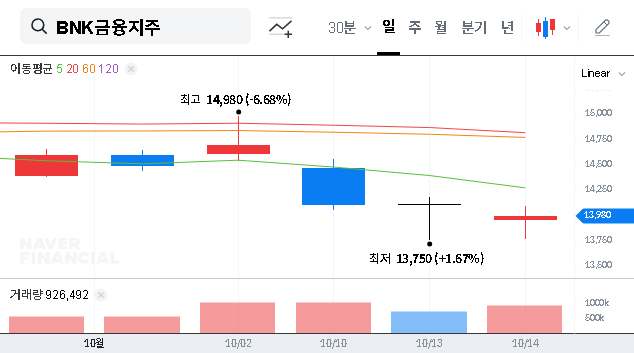
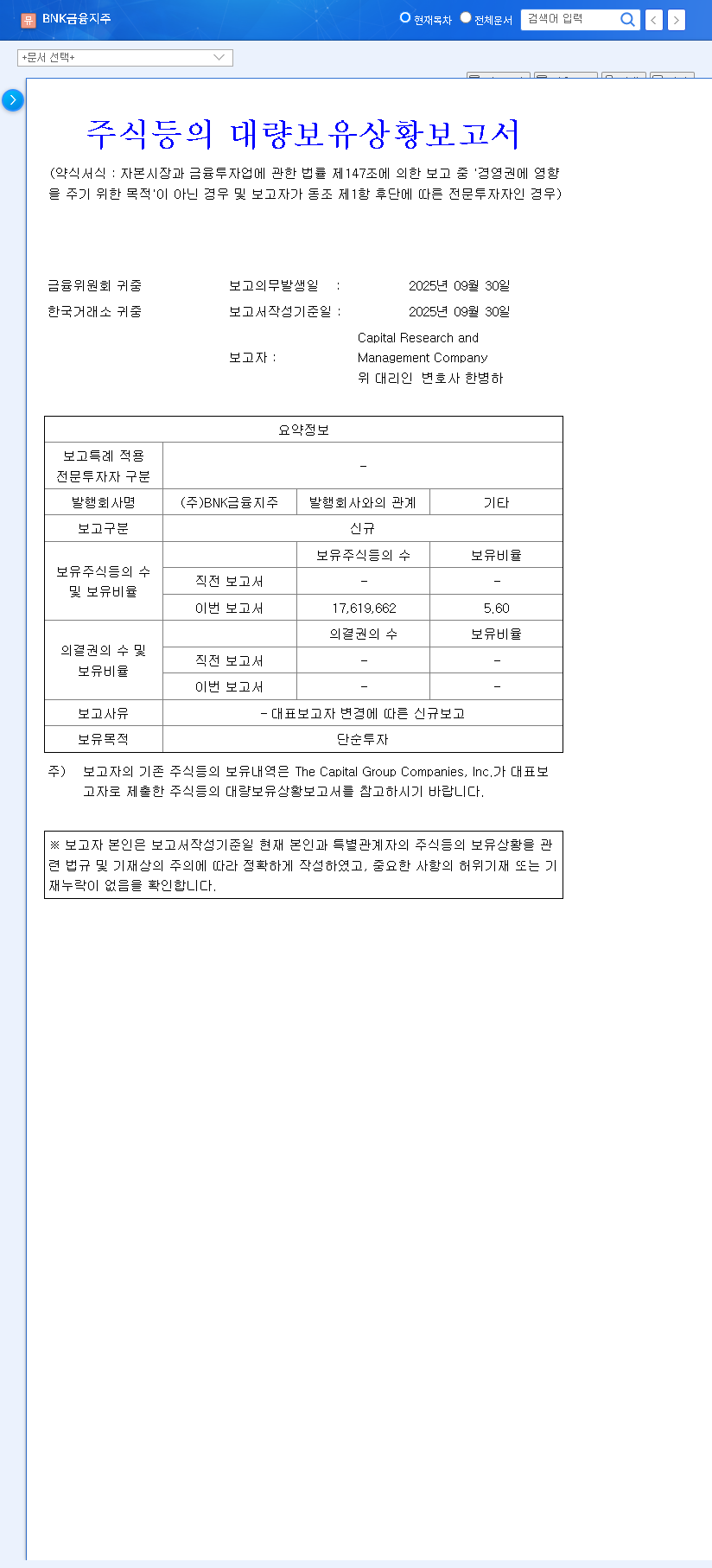
    On October 14, 2025, the market took note of a pivotal announcement. According to an Official Disclosure filed with Korea’s Financial Supervisory Service (DART), the global asset management firm Capital Research and Management Company newly acquired a 5.60% stake in BNK Financial Group Inc. This wasn’t just a minor portfolio adjustment; it represents a significant vote of confidence from one of the world’s most respected institutional investors.

    “The entry of a globally respected investor like Capital Research is more than a transaction; it’s a powerful signal of confidence in BNK Financial Group’s underlying value and long-term strategic direction.”

    Deep Dive: BNK Financial Group’s Fundamentals (Q2 2025)

    An investment of this magnitude is never made lightly. It’s rooted in a thorough financial analysis of the company’s health and potential. Based on the Q2 2025 semi-annual report, BNK Financial Group Inc. presents a picture of stability and strategic growth.

    Financial Performance & Profitability

    While the group shows consistent external growth, the net income tells a more nuanced story. Understanding these details is crucial for assessing the BNK Financial Group stock outlook.

    • Total Assets: Expanded to KRW 181.5583 trillion, a healthy 2.7% increase from year-end.
    • Net Income: Posted KRW 475.8 billion, a slight 3.4% decrease year-over-year, primarily due to headwinds at subsidiaries like Gyeongnam Bank and BNK Capital.
    • Profitability Ratios: Maintained stable levels with a Return on Assets (ROA) of 0.63% and Return on Equity (ROE) of 8.97%, which are solid figures for a major financial holding company. For context, you can compare these with industry benchmarks explained in Investopedia’s guide to financial ratios.

    Asset Quality and Capital Adequacy

    This is where BNK Financial Group truly shines, showcasing a robust foundation that is highly attractive to cautious, long-term investors like Capital Research.

    • Sound Asset Quality: The Substandard and Below Loan Ratio stood at a manageable 1.62%, indicating strong risk management protocols.
    • Strong Capital Foundation: All capital adequacy ratios significantly exceeded regulatory requirements, with a BIS Total Capital Ratio of 13.96% and a CET1 Ratio of 12.56%.

    Strategic Growth in Non-Banking Segments

    While traditional banking faced regional economic pressures, the diversification into non-banking sectors has become a key growth engine. This strategic pivot is likely a major factor in the Capital Research investment. BNK Securities, BNK Savings Bank, and BNK Asset Management all reported increased net income, showcasing enhanced competitiveness and a diversified revenue stream that mitigates risks in the core banking business.

    Investor Outlook & Action Plan for BNK Financial Group Stock

    The acquisition by Capital Research injects a new dynamic into the BNK Financial Group stock narrative. Here’s how investors might interpret this event and what to watch for moving forward.

    Short-Term & Long-Term Catalysts

    In the short term, the news is expected to generate positive momentum. The validation from a top-tier institutional investor could attract further buying interest, increasing trading volume and potentially lifting the stock price. In the long term, sustainable appreciation will depend on the execution of the group’s strategy. Key areas to monitor include:

    • Performance Recovery: A turnaround in the profitability of key subsidiaries like Gyeongnam Bank and BNK Capital.
    • Non-Banking Growth: Continued expansion and contribution from the securities, savings, and asset management divisions.
    • Shareholder Returns: Adherence to their proactive policy aiming for a shareholder return rate over 50% by 2027 through dividends and buybacks.

    Overall, BNK Financial Group Inc. presents a compelling case for long-term investment, underpinned by solid fundamentals and a new catalyst from a major institutional backer. Investors should conduct their own due diligence, perhaps by reviewing our guide to analyzing bank stocks, and weigh the robust capital base and growth potential against macroeconomic risks and competitive pressures from fintech innovators.

    (138930) BNK Financial Group Stock: Why Capital Research's Major Investment is a Game-Changer (2025 Analysis) 관련 이미지
  • (357430) Maston Premier REIT (357430) Analysis: A Deep Dive into the 2025 Report & Profit Turnaround

    (357430) Maston Premier REIT (357430) Analysis: A Deep Dive into the 2025 Report & Profit Turnaround

    Maston Premier REIT (357430) Analysis: Decoding the Path to Profitability

    This comprehensive Maston Premier REIT analysis delves into the recently released September 2025 monthly report, offering investors a critical opportunity to re-evaluate the company’s fundamentals. As a prominent externally managed real estate investment trust (REIT) on Korea’s KOSPI, Maston Premier REIT (357430) has captured market attention with its recent financial turnaround. The pivotal question remains: is this newfound profitability sustainable?

    On October 10, 2025, the company published its latest operational and financial data. This report is a crucial piece of the puzzle for any current or prospective investor. You can view the complete filing directly from the source. (Official Disclosure: Click to view DART report). We will dissect this information, examining asset stability, macroeconomic impacts, and the strategic outlook to guide your investment decisions.

    Core Fundamentals: Assets and Financial Health

    Understanding the foundation of Maston Premier REIT requires a close look at its high-quality asset portfolio and its recent financial performance, which signals a significant positive shift.

    A Premier International Asset Portfolio

    Established in February 2020 and listed in May 2022, the REIT generates rental income from a diversified portfolio of prime international properties. The stability of these assets is central to its investment appeal.

    • Crystal Park Office (France): A Grade-A office building in a core European market, ensuring access to high-quality tenants and resilient rental demand.
    • Incheon Hangdong Smart Logistics Center (Korea): Strategically located in a primary logistics hub, capitalizing on the sustained growth of e-commerce and supply chain modernization in Korea.
    • Amazon Logistics Center (France): A critical logistics facility leased to a global e-commerce giant, providing long-term, stable cash flow and a blue-chip tenant profile.

    Decoding the Financial Turnaround (H1 2025)

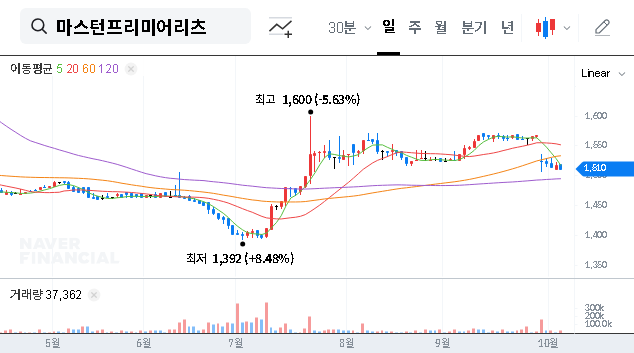
    The most compelling development is the company’s return to profitability. As of June 2025, Maston Premier REIT reported a consolidated net income profit of KRW 0.654 billion. This shift is crucial, turning the Earnings Per Share (EPS) positive to KRW 21.4. This isn’t just an accounting entry; it’s a strong indicator of the REIT’s capacity to secure and potentially increase future dividend payments. With total assets of KRW 152.846 billion against total liabilities of KRW 52.857 billion, the REIT maintains a robust and stable financial structure, providing a solid foundation for growth.

    The successful profit turnaround in H1 2025 is a testament to the portfolio’s resilience and management’s strategy. The key challenge now is navigating the complex macroeconomic environment to sustain this momentum.

    Macroeconomic Factors: Risks & Opportunities

    No REIT investment analysis is complete without considering the broader economic landscape. Fluctuations in interest rates, exchange rates, and bond yields present a complex set of challenges and potential benefits.

    • Interest Rate Environment: Rising benchmark rates can increase borrowing costs for REITs. However, this may be offset by rising rental income from European assets and the REIT’s relatively low borrowing costs, mitigating the negative impact on net operating income.
    • Exchange Rate Volatility: A strong Euro positively impacts the KRW-equivalent value of its French assets and rental income. Conversely, it increases the burden of foreign currency debt. Effective currency hedging strategies are crucial to managing this dual-edged sword.
    • National Bond Yields: REITs are often seen as an alternative to bonds. Stable or declining government bond yields help maintain the attractiveness of the dividend yield offered by Maston Premier REIT, drawing in income-focused investors.

    Action Plan and Strategic Outlook for Investors

    Given the positive momentum balanced by external uncertainties, a prudent and well-researched approach is recommended. While the turnaround is promising, investors should maintain a Neutral stance while closely monitoring key performance indicators.

    Recommendations for Prudent Investment

    • Scrutinize the Monthly Report: Go beyond the headline profit number. Analyze operational metrics like occupancy rates, lease durations, and Net Operating Income (NOI) to gauge the true health of the asset portfolio.
    • Monitor Macro-Trends: Keep a close watch on central bank policies in both Europe and Korea, as well as EUR/KRW exchange rate trends. These external factors will significantly influence performance.
    • Adopt a Long-Term View: Avoid short-term, event-driven trading. Base your investment in Maston Premier REIT on its long-term potential for asset value appreciation and stable dividend income. For more on this, read our guide on evaluating long-term REIT investments.

    Key Questions Answered

    What are Maston Premier REIT’s main investment assets?

    Maston Premier REIT invests in prime office and logistics assets, including the Crystal Park office in France, the Incheon Hangdong Smart Logistics Center in Korea, and an Amazon Logistics Center in France, to generate stable rental income.

    What are the REIT’s recent financial results?

    For the first half of 2025, the company achieved a significant turnaround to profitability, reporting a net income of KRW 0.654 billion. This resulted in a positive Earnings Per Share (EPS) of KRW 21.4.

    How stable is Maston Premier REIT’s dividend policy?

    The company has a strong track record, having paid dividends for 10 consecutive periods since its listing. It maintains a stable dividend policy, with an average dividend yield of 3.43% over the past three years.

    Disclaimer: This content is for informational purposes only and is based on publicly available report information. It should not be construed as financial advice. Investors are solely responsible for their investment decisions.

    (357430) Maston Premier REIT (357430) Analysis: A Deep Dive into the 2025 Report & Profit Turnaround 관련 이미지