The recent announcement of a Q2 cash dividend by iMarketKorea Inc. has caught the attention of investors. While any shareholder return is welcome news, this decision arrives amidst a complex business landscape. Is this a sign of robust financial health and a bright future, or a strategic move to maintain investor confidence during a challenging transition? This comprehensive analysis will dissect the dividend, evaluate the company’s core fundamentals, and provide a clear investment strategy for anyone considering iMarketKorea Inc. stock.
The Q2 Dividend Decision: Key Details
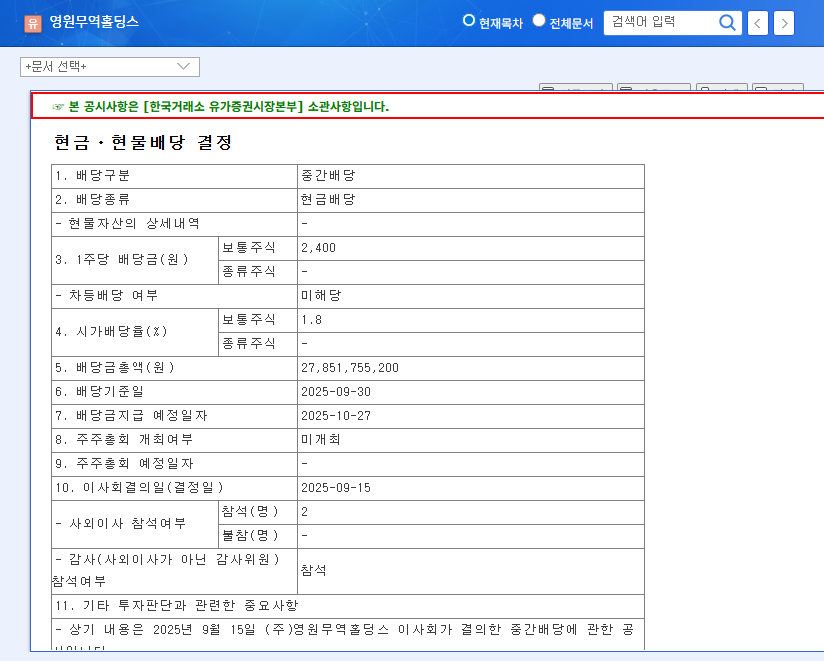
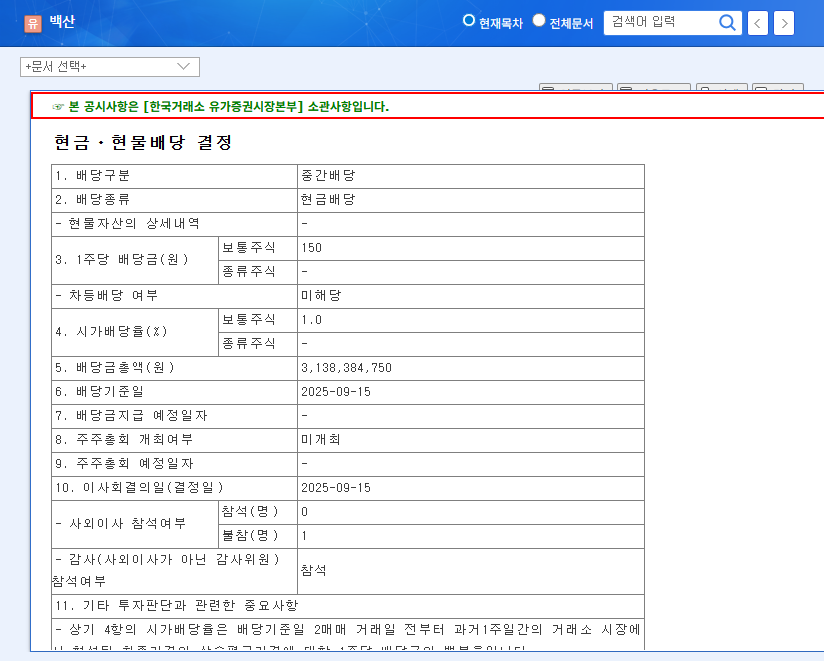
On November 12, 2025, iMarketKorea Inc. confirmed its commitment to shareholder returns by announcing a cash dividend for the second quarter. Here are the essential figures from the Official Disclosure:
- •Dividend Per Share: KRW 100 per common share.
- •Dividend Yield: A modest 1.2% for common stock.
- •Record Date: September 30, 2025.
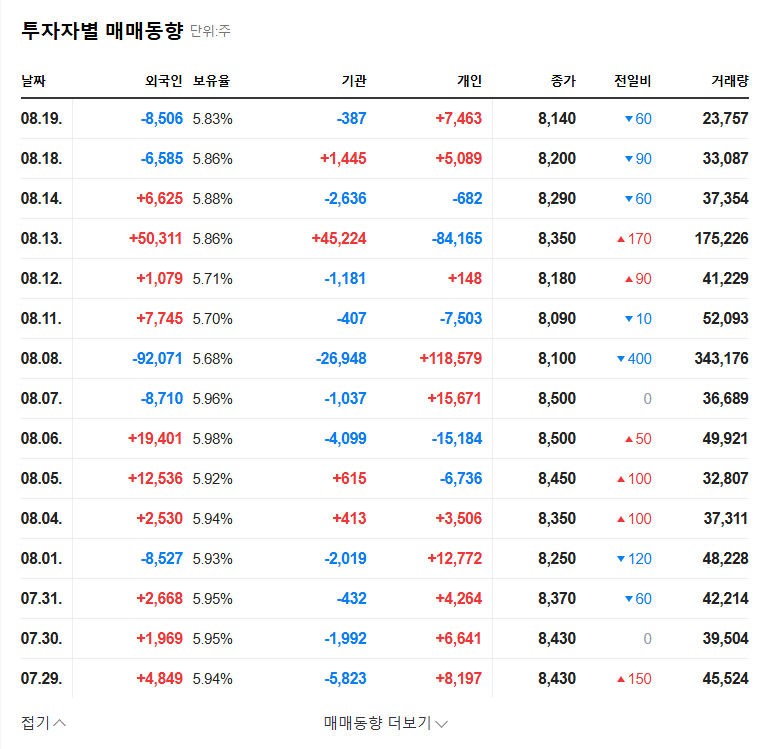
However, this figure represents a continued downward trend in payouts, dropping from KRW 600 historically to KRW 150 in late 2024 and now KRW 100. This reduction warrants a deeper look into the company’s operational health.
Dissecting the iMarketKorea Inc. Business Model
iMarketKorea operates as a tale of two very different segments. Understanding their divergent performance is critical to any iMarketKorea stock analysis.
1. The Struggling Engine: Industrial B2B E-commerce
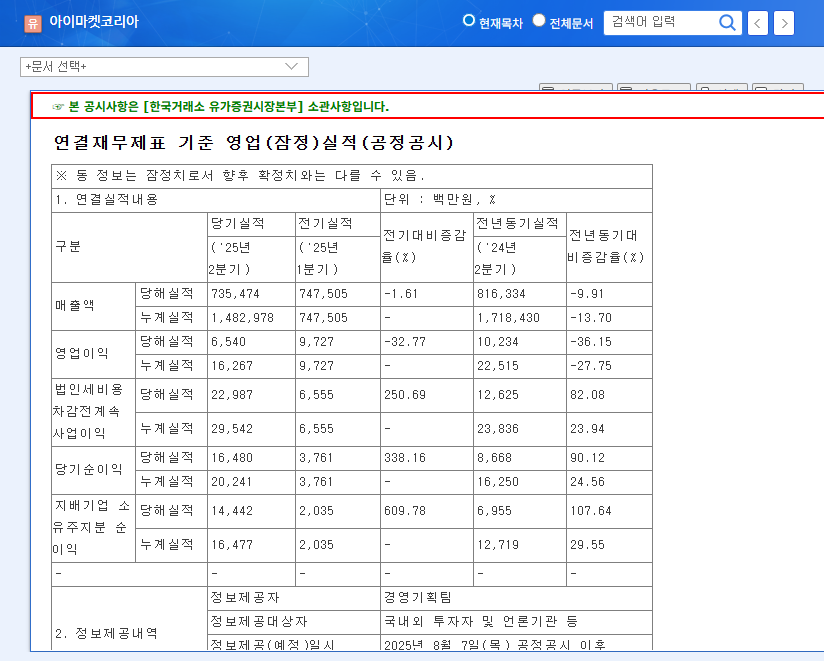
The company’s traditional core, its industrial B2B e-commerce platform, is facing significant headwinds. Revenue plummeted from KRW 331.8 billion in 2024 to just KRW 95.2 billion in the first half of 2025. This dramatic decline is compounded by a high concentration risk, with approximately 55% of its business tied to its top five clients, including Samsung Electronics. This dependency makes the segment highly vulnerable to shifts in client spending and procurement strategies. While the company is pursuing new growth avenues, like a new industrial complex in Texas, the recovery of this segment remains a primary concern for long-term stability.
2. The Stable Anchor: Pharmaceutical & Medical Supplies
In stark contrast, the pharmaceutical and medical supplies wholesale business has proven to be a reliable anchor. Revenue in this division has shown steady growth, rising to KRW 363.3 billion in H1 2025. This stability provides crucial cash flow and helps offset the volatility from the industrial segment. As the healthcare market continues to consolidate, iMarketKorea’s ability to maintain competitiveness here is a key factor for its overall financial health and a pillar of its current investment strategy.
The core challenge for iMarketKorea Inc. is whether the stable growth in its pharmaceutical arm can successfully fund and outlast the necessary transformation of its struggling industrial e-commerce business.
Financial Health and Macroeconomic Pressures
Despite the revenue challenges, iMarketKorea’s financial foundation appears sound, with low debt ratios. However, recent actions and external market forces require careful monitoring. The issuance of convertible bonds in May 2025, while securing capital, introduces the risk of future stock value dilution. Investors should read our guide to understanding convertible bonds to fully grasp the implications. Furthermore, the company is exposed to several macroeconomic risks:
- •Exchange Rate Volatility: The rising KRW/USD exchange rate could impact costs and profits, despite hedging strategies.
- •Interest Rate Environment: A widening interest rate gap between Korea and the U.S. could add further pressure on exchange rates and financing costs. For more context, see the latest analysis from authoritative sources like Bloomberg.
- •Commodity Prices: Fluctuations in oil and raw material prices can directly affect logistics and operational costs.
Investment Outlook: What’s Next for iMarketKorea?
The iMarketKorea dividend is a short-term positive, but savvy investors must look beyond it. The company is at a critical juncture, attempting to navigate a major business model transition while rewarding shareholders.
Key Factors to Monitor:
- •Industrial Segment Turnaround: Any signs of revenue stabilization or growth in the B2B e-commerce division would be a major positive catalyst.
- •New Business Success: The progress of the Texas industrial complex and other diversification efforts will be crucial for long-term value creation.
- •Future Dividend Policy: Will the company stabilize the dividend, or will payments continue to decline? This will signal management’s confidence in future earnings.
In conclusion, investing in iMarketKorea Inc. today is a bet on its ability to successfully execute a challenging business pivot. The consistent dividend, though reduced, provides a small cushion, but the real upside lies in the potential for long-term recovery and growth. Investors should prioritize fundamental business improvements over the allure of short-term dividend payments when making their decisions.