Tag: Divestment

  • (011790) SKC LTD’s SK PIC Global Divestment: 2025 Investor Deep Dive & Stock Analysis

    (011790) SKC LTD’s SK PIC Global Divestment: 2025 Investor Deep Dive & Stock Analysis

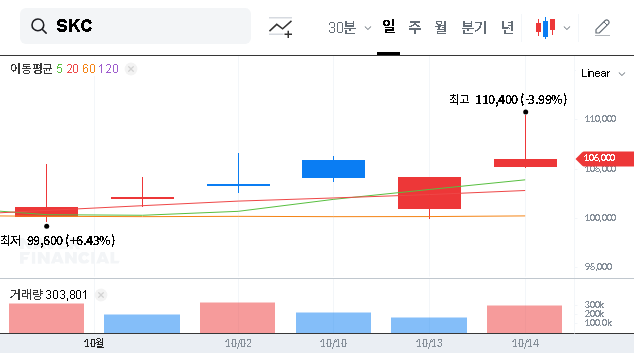
    Recent market reports surrounding the potential SKC LTD SK PIC Global divestment have sparked significant discussion among investors. This strategic move, first highlighted by Dong-A Ilbo on October 14, 2025, is widely seen as a pivotal step in SKC LTD’s overarching plan to streamline its chemical business and double down on high-growth sectors. This comprehensive analysis breaks down the rumors, examines the company’s fundamentals, and provides a clear, actionable perspective for anyone considering an SKC LTD investment.

    Understanding this potential SKC LTD divestment is crucial, as it offers a window into the company’s future trajectory. We will explore both the promising opportunities and the inherent risks to help you make well-informed financial decisions.

    The SK PIC Global Divestment Rumors: What We Know

    The initial report claimed that the SKC LTD SK PIC Global sale was actively underway as part of a broader consolidation of the SKC LTD chemical business. In response, SKC LTD issued a clarification, stating it is reviewing various strategic options for its stake in SK PIC Global, but no final decision has been made. The company has committed to providing a further update once details are confirmed or within one month. (Source: Official Disclosure).

    SKC LTD Fundamental Analysis (Based on H1 2025 Report)

    To grasp the full context of this move, a deep dive into SKC LTD’s current financial and strategic state is essential. The company is in the midst of a significant transformation, pivoting away from legacy operations to secure its position in next-generation industries.

    Business Restructuring and Core Focus

    SKC LTD has been methodically divesting non-core assets to sharpen its focus on three key pillars: secondary battery materials (copper foil, silicon anode), advanced semiconductor materials, and eco-friendly solutions. This strategic realignment is designed to enhance competitiveness and unlock long-term value in high-growth markets.

    Financial Health and Capital Allocation

    To fuel this expansion, SKC has been actively raising capital. As of June 30, 2025, its debt-to-equity ratio improved to a healthy 76.93%. However, this aggressive investment has come at a cost. The company reported a significant consolidated net loss in the first half of the year, driven by large-scale capital expenditures and weakening profitability in its traditional chemical segments. This financial pressure likely adds urgency to the SKC LTD SK PIC Global divestment considerations.

    Market Environment and Risk Management

    Each of SKC’s core businesses operates in a dynamic environment:

    • Secondary Battery Materials: The electric vehicle market underpins gradual but steady demand for copper foil. However, SKC must navigate increasing competition from global players. For more on this sector, read our complete guide to battery material stocks.
    • Semiconductor Materials: With the boom in AI, the long-term outlook is robust. Yet, the industry is famously cyclical, exposing SKC to economic volatility, as noted by analysts at high-authority sites like Reuters Business.
    • Chemical Business: The markets for Propylene Oxide (PO) and Propylene Glycol (PG) remain steady but are highly susceptible to downturns in manufacturing and industrial demand.

    Impact Analysis: How the Sale Could Reshape SKC LTD

    The rumored SKC LTD divestment carries significant potential consequences, both positive and negative, that require careful consideration in any SKC LTD stock analysis.

    Potential Upsides: A Leaner, More Focused Company

    • Accelerated Core Business Focus: Selling SK PIC Global would free up capital and management bandwidth to pour into the high-growth battery and semiconductor divisions.
    • Improved Financial Structure: Proceeds could be used to pay down debt or fund critical R&D, directly addressing the recent net loss and improving the balance sheet.
    • Corporate Re-evaluation: Shifting away from the legacy chemical business could help the market re-evaluate SKC LTD as a forward-looking technology materials company, potentially unlocking a higher valuation multiple.

    Potential Downsides and Inherent Risks

    • Market Uncertainty: As the deal is unconfirmed, the ensuing speculation can lead to short-term stock price volatility.
    • Loss of Profit Contribution: If SK PIC Global is a significant contributor to revenue, its sale could create a short-term earnings gap that the growth businesses may not immediately fill.
    • Execution Risk: A poorly executed sale or a lower-than-expected price could limit the financial benefits and disappoint the market.

    Investment Opinion: Neutral. While SKC LTD’s long-term pivot towards future-proof industries is strategically sound, the short-term uncertainties tied to the SKC LTD SK PIC Global divestment and current financial performance warrant a cautious, observant approach.

    Conclusion and Investor Recommendations

    The potential sale of SK PIC Global is a defining moment for SKC LTD. It represents a trade-off: sacrificing a stable, cash-generating asset for a more aggressive, focused push into higher-growth markets. Long-term, this strategy is commendable. Short-term, investors must remain vigilant.

    Key Recommendations:

    • Monitor Official Disclosures: Pay close attention to SKC LTD’s follow-up announcements regarding the sale’s progress and terms.
    • Analyze Core Business Performance: Track the profitability and market share gains in the secondary battery and semiconductor segments to see if the investment is paying off.
    • Assess Macroeconomic Factors: Keep an eye on exchange rates, interest rates, and commodity prices, as they directly impact SKC’s global operations and profitability.

    (011790) SKC LTD's SK PIC Global Divestment: 2025 Investor Deep Dive & Stock Analysis 관련 이미지
  • (036420) SLL Central Divestment: A Deep Dive Analysis of ContenTree Central (036420) Stock

    (036420) SLL Central Divestment: A Deep Dive Analysis of ContenTree Central (036420) Stock

    The potential SLL Central divestment has sent ripples through the market, placing its parent company, ContenTree Central (036420), at a critical crossroads. This move could either be a strategic masterstroke to heal its finances and unlock new growth or the loss of a vital growth engine that weakens its long-term competitive edge in the bustling K-content landscape. For investors, understanding the nuances of this situation is paramount.

    This comprehensive ContenTree Central analysis will dissect the context of the proposed sale, evaluate the company’s current financial health, and explore the potential positive and negative impacts on the 036420 stock price. Our goal is to provide the detailed insights you need for informed investment decisions.

    The Divestment Proposal: What’s on the Table?

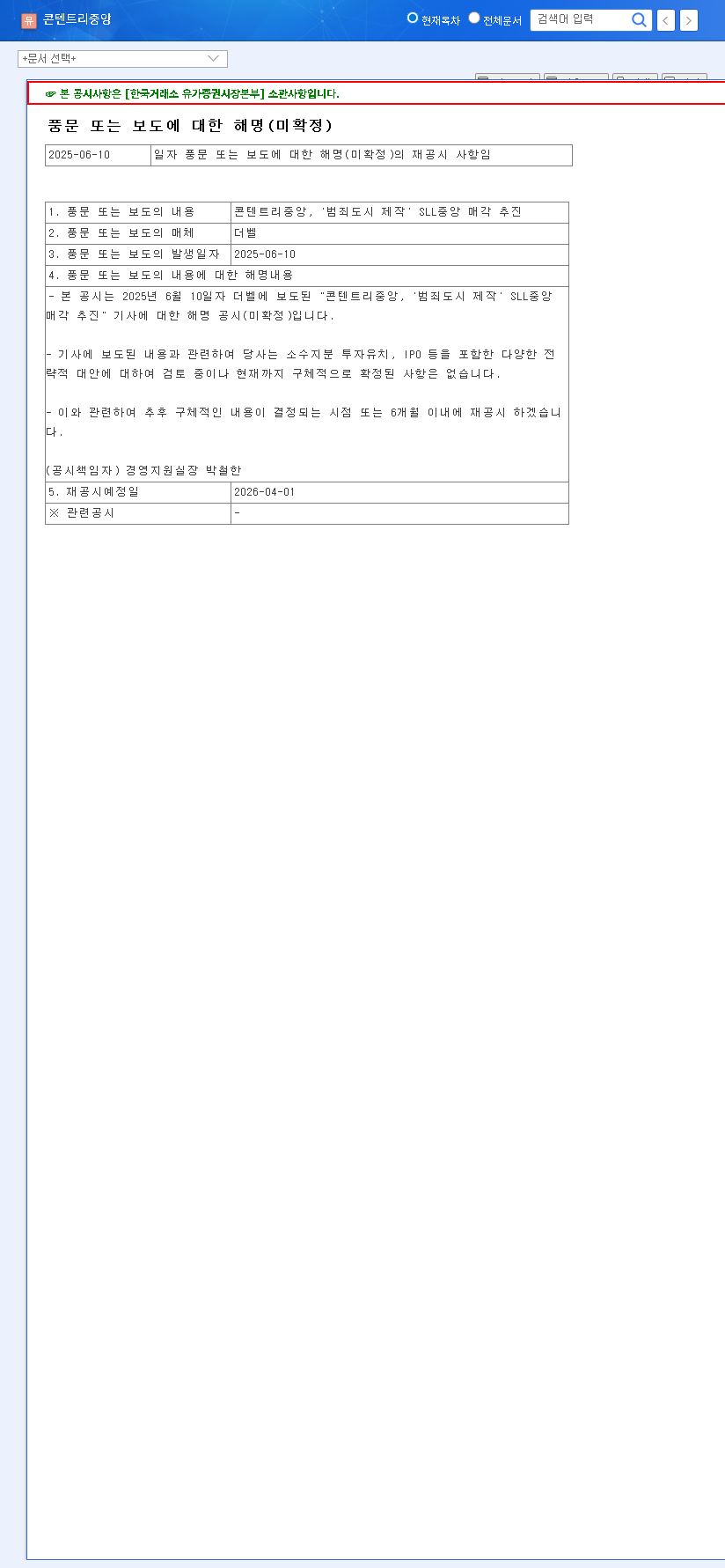
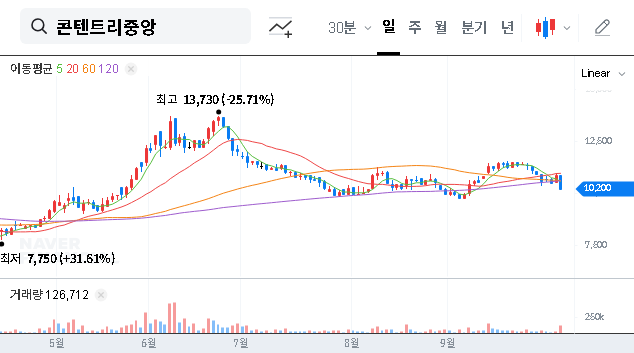
    The news first broke on June 10, 2025, when reports suggested that ContenTree Central was actively pursuing the sale of SLL Central, the powerhouse production studio behind massive hits like the ‘The Outlaws’ series. This subsidiary is widely seen as a crown jewel in the company’s content portfolio.

    In response, ContenTree Central issued a public disclosure, clarifying that while various strategic options—including attracting investment or pursuing an IPO for the subsidiary—were being considered, nothing had been finalized. The company has set a re-disclosure date of April 1, 2026, leaving the market in a state of anticipation. You can view the Official Disclosure (Source: DART) for their formal statement.

    ContenTree Central Analysis: A Company Under Pressure

    To understand why the SLL Central divestment is being considered, we must look at ContenTree Central’s current financial standing. While the company impressively achieved a turnaround to an operating profit of KRW 1.6 billion in H1 2025, significant underlying financial challenges remain.

    Key Financial Health Indicators (H1 2025)

    • Soaring Debt Ratio: The company’s debt-to-equity ratio has climbed to a concerning 434.24%. While partly due to a decrease in capital rather than new borrowing, this high level signals significant financial risk.
    • Capital Erosion: A net loss of KRW 84.8 billion in the first half of the year has reduced total capital, further weakening the balance sheet.
    • Rising Financial Costs: Financial costs surged by 81.9% year-on-year, placing a heavy burden on profitability and cash flow, a trend exacerbated by the current high-interest-rate environment. For more context, see a recent report from Bloomberg on global interest rate impacts.

    The Impact of the SLL Central Divestment

    The sale of SLL Central is a double-edged sword, presenting both substantial opportunities and significant risks for the 036420 stock.

    The Bull Case: A Path to Recovery

    • Financial Restructuring: A successful sale would inject a significant amount of cash, allowing the company to pay down debt, strengthen its balance sheet, and reduce crippling financial costs.
    • Strategic Refocus: Shedding a major subsidiary could allow management to concentrate resources on its core spatial business (like Megabox cinemas) and other strategic content ventures.
    • Value Revaluation: If SLL Central fetches a premium price, it could lead to a positive revaluation of ContenTree Central’s overall corporate worth, boosting investor confidence.

    The Bear Case: Losing the Growth Engine

    • Weakened Competitiveness: SLL Central is a cornerstone of the company’s K-content production. Selling it could severely hamper its ability to compete in the global content arena, a key factor in K-content investment appeal. You can learn more in our guide to investing in the K-content industry.
    • Execution Risk: The deal is far from certain. A failed sale or a lower-than-expected valuation could crush investor sentiment and leave the company in a worse position.
    • Profitability Concerns: The divestment would create short-term profitability gaps and volatility as the company restructures its business segments.

    Given the high degree of uncertainty surrounding the SLL Central divestment and its profound potential impact, a “Neutral” stance is warranted. Close monitoring of official disclosures and financial performance is critical for all current and prospective investors.

    Investor FAQ: Key Questions Answered

    Why is ContenTree Central considering selling SLL Central?

    The primary driver is financial pressure. The company is grappling with a high debt ratio (434.24%), eroding capital, and soaring financial costs. Selling SLL Central is a strategic option to raise cash, pay down debt, and improve its overall financial stability.

    How could this sale impact the 036420 stock price?

    The impact could be significant in either direction. A successful, high-value sale could boost the stock on expectations of a healthier balance sheet. Conversely, uncertainty, a failed deal, or concerns over losing a core asset could lead to increased volatility and a negative price trend.

    What are the key risks if the sale doesn’t happen?

    If the deal falls through, ContenTree Central will still face its existing financial burdens. Investor confidence would likely drop, and the company would miss a crucial opportunity to de-leverage and secure funds for future growth, potentially leading to a negative re-rating of the stock.

    Disclaimer: This analysis is for informational purposes only and is based on publicly available data. It does not constitute investment advice. All investment decisions should be made at the investor’s own discretion and responsibility.

    (036420) SLL Central Divestment: A Deep Dive Analysis of ContenTree Central (036420) Stock 관련 이미지
  • Western T&D Stock Forecast: Major Shareholder Divestment – Crisis or Opportunity? (September 2025 Analysis)


    Western T&D Stock Forecast: Major Shareholder Divestment - Crisis or Opportunity? (September 2025 Analysis) 대표 차트 이미지


    1. What Happened? – Analysis of the Major Shareholder Divestment

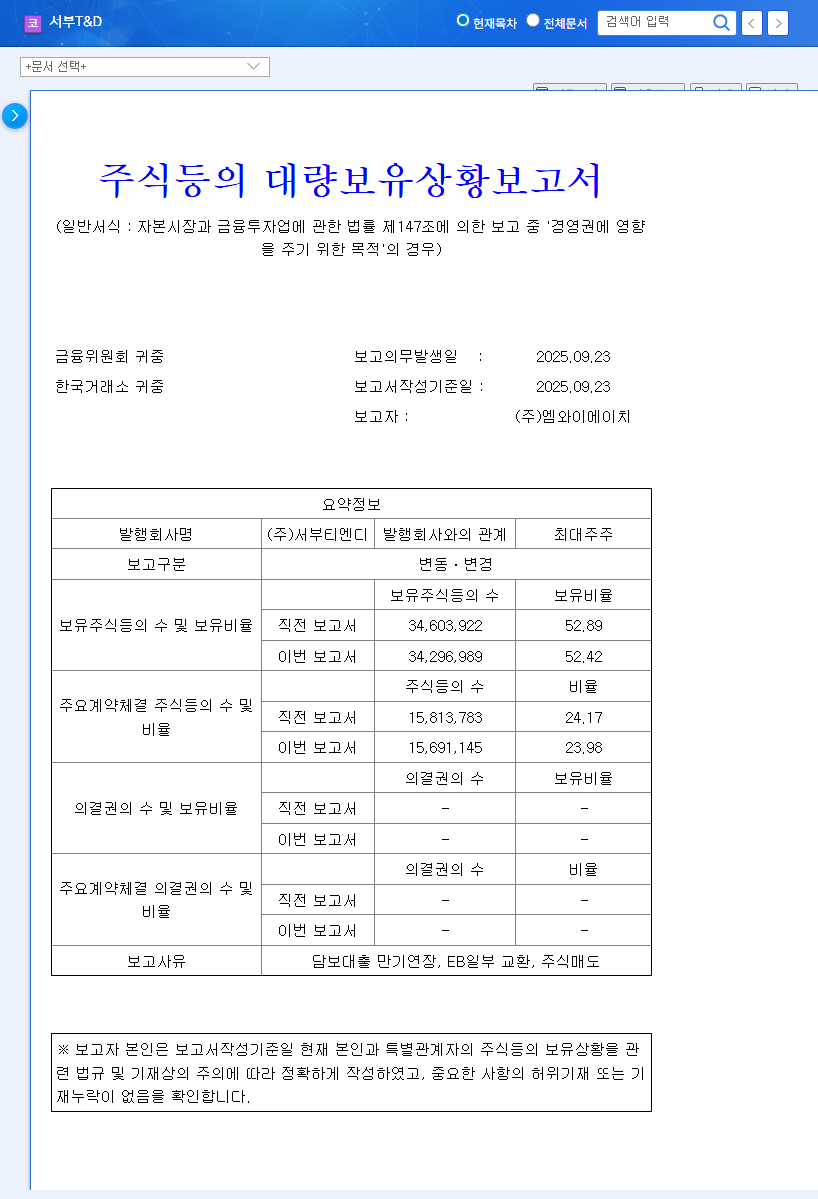
    MYH, the major shareholder of Western T&D, reduced its stake from 52.89% to 52.42%, a decrease of 0.47%, on September 25, 2025. This was a result of a combination of factors, including the rollover of secured loans, partial exchange of convertible bonds (EB), and on-market sales by LEE DIANE MIEHYE and Park Mi-yeong.

    2. Why the Divestment? – Background and Market Impact

    MYH’s divestment is likely due to a combination of financial reasons and potential shifts in individual investment strategies. The rollover of secured loans could indicate efforts to secure financial liquidity, while the EB exchange might be part of capital structure adjustments. The stock sales are likely based on the individual shareholders’ investment decisions. This divestment could negatively impact stock prices in the short term.

    3. Western T&D’s Fundamentals – Positive and Negative Factors

    • Positive Factors: Seoul Dragon City hotel operations, exclusive logistics facility operations, treasury stock cancellation.
    • Negative Factors: Declining sales, increasing debt ratio, risks associated with interest rate and exchange rate fluctuations.

    4. What’s Next? – Investor Action Plan

    A conservative approach is recommended for investors at this time. Closely monitor MYH’s further stake changes, the company’s financial restructuring plans, and business outlook for the second half of 2025 and 2026. Pay close attention to macroeconomic factors such as interest rate fluctuations, exchange rate changes, and the recovery of the tourism industry. In the medium to long term, the key indicators for investment decisions will be the enhancement of the hotel business’s competitiveness, the growth of the logistics business, and the recovery of financial soundness.


    Frequently Asked Questions (FAQ)

    Will MYH’s stake sale affect Western T&D’s management control?

    Currently, the possibility of a change in management control is low as MYH maintains its purpose of “influencing management.” However, further stake changes need to be closely monitored.

    What is the status of Western T&D’s financials?

    As of the first half of 2025, the company’s financial soundness has deteriorated, with an increasing debt ratio and declining sales. There are also concerns about the increasing burden of interest expenses in a high interest rate environment.

    Should I invest in Western T&D?

    A conservative investment approach is recommended at this time. It’s advisable to make investment decisions after carefully monitoring the company’s financial restructuring, core business competitiveness enhancement, and changes in the macroeconomic environment.


    Western T&D Stock Forecast: Major Shareholder Divestment - Crisis or Opportunity? (September 2025 Analysis) 관련 이미지
    Western T&D Stock Forecast: Major Shareholder Divestment - Crisis or Opportunity? (September 2025 Analysis) 관련 이미지


  • Global Tax Free: Decoding VIP Asset Management’s Divestment (Stock Analysis 204620)


    Global Tax Free: Decoding VIP Asset Management's Divestment (Stock Analysis 204620) 대표 차트 이미지


    What Happened?

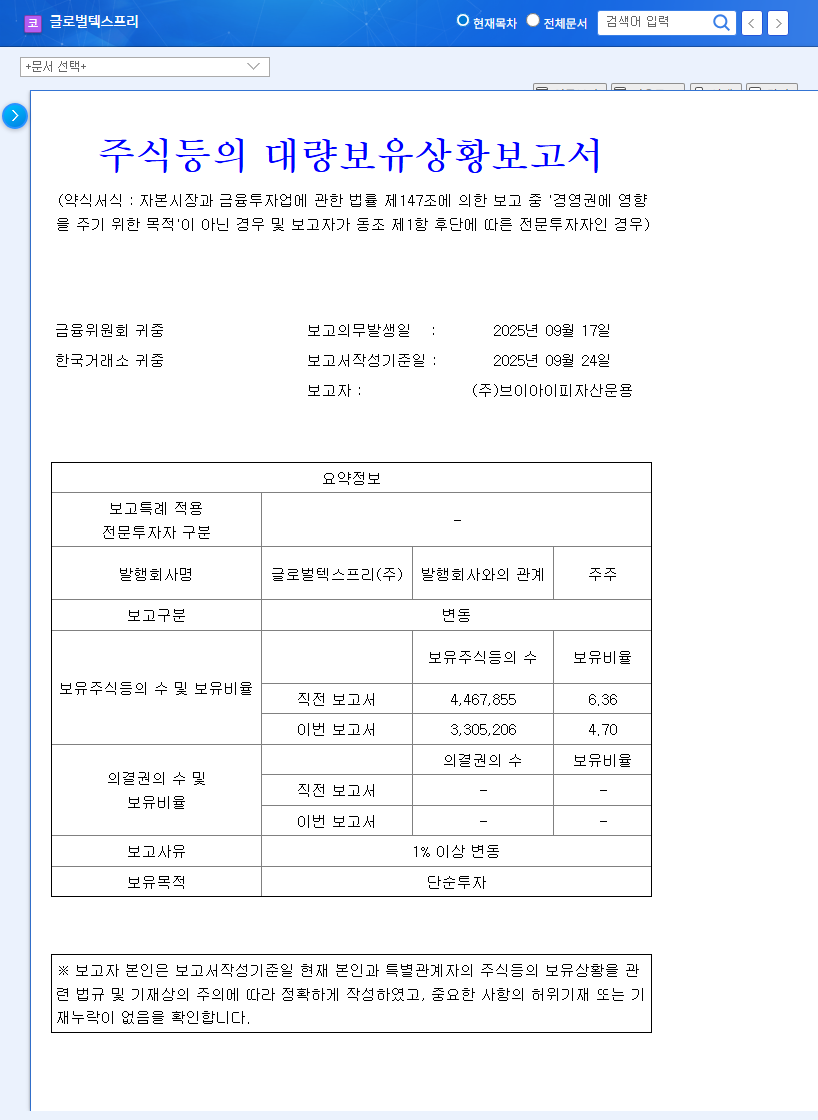
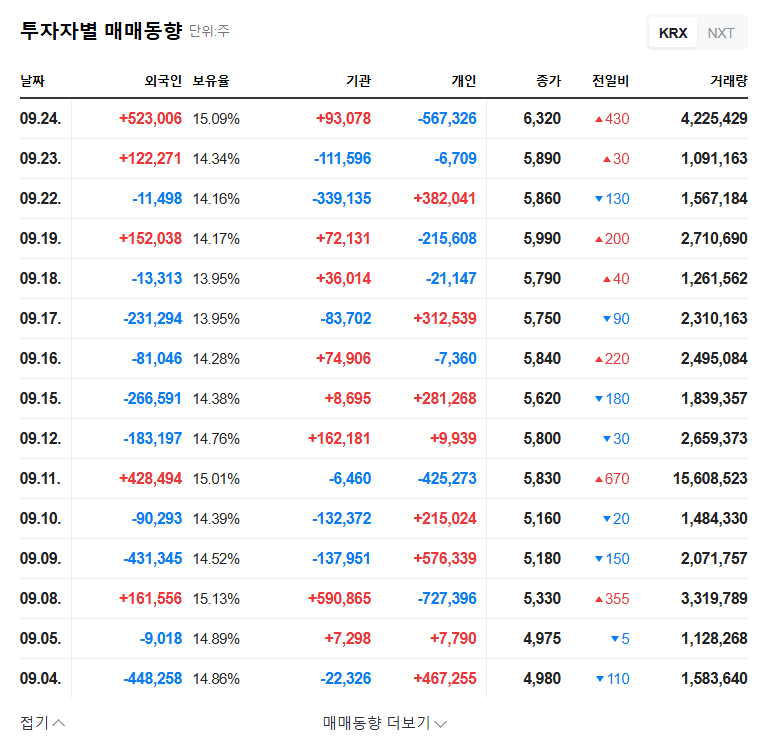
    VIP Asset Management sold a significant portion of its Global Tax Free shares between September 17th and 24th, 2025, decreasing its stake from 6.36% to 4.70%. This substantial divestment could be interpreted as a negative signal by the market.

    Analyzing the Divestment and Fundamentals

    While the specific reasons behind VIP Asset Management’s sale haven’t been disclosed, it’s crucial to analyze the company’s fundamentals and the macroeconomic environment to formulate an effective investment strategy.

    • Solid Fundamentals: Global Tax Free reported strong performance in the first half of 2025, with both revenue and operating profit increasing by over 30% year-on-year. The steady growth of its tax refund business and the profitability of its webtoon platform, FingersTory, are key drivers. The company also maintains a healthy financial position.
    • Subsidiary Risks: Despite revenue growth, the cosmetics subsidiary, Swanicoco, continues to report operating losses, requiring improvements in profitability.
    • Macroeconomic Influences: Fluctuations in the KRW/USD and KRW/EUR exchange rates can impact the company’s performance, but current volatility is limited. The prevailing interest rate cut environment is a positive factor.

    Investment Strategies

    While this divestment may increase short-term stock price volatility, it could present an opportunity for long-term investors.

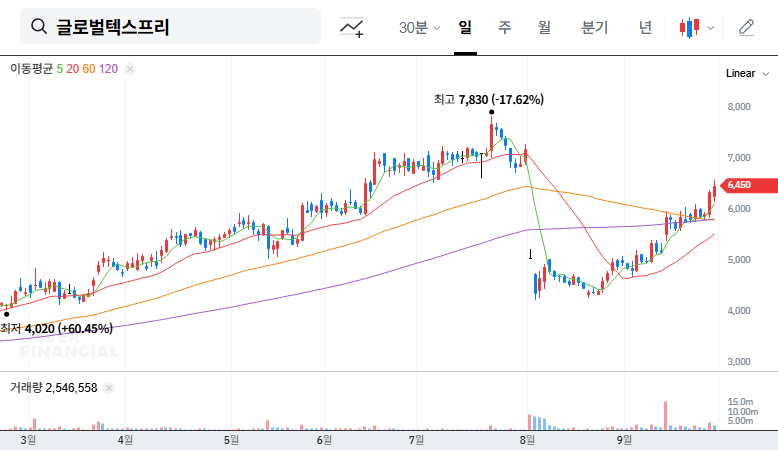
    • Short-Term Investors: A cautious approach is recommended, monitoring the market’s absorption of the sold shares. Pay close attention to potential further selling and the overall market reaction. Consider a staggered buying strategy after confirming support around 3,000 KRW.
    • Long-Term Investors: Considering Global Tax Free’s growth potential, the price drop could be a buying opportunity. Continuous monitoring of FingersTory’s growth trajectory and Swanicoco’s profitability is crucial.


    FAQ

    What does VIP Asset Management’s divestment mean?

    It could be a shift in their investment strategy, but it also introduces a short-term supply imbalance, potentially leading to a price drop. However, if the company’s fundamentals remain strong, this could present a buying opportunity for long-term investors.

    What is the outlook for Global Tax Free?

    The outlook is positive, driven by the stable growth of the tax refund business and the high growth potential of the webtoon platform. However, it’s important to monitor factors like the subsidiary’s profitability and exchange rate fluctuations.

    Is it a good time to buy Global Tax Free stock now?

    A cautious approach is advised, considering the potential for short-term price volatility. Aligning your investment strategy with your investment goals and timeframe is essential. Short-term investors should observe market absorption of the sold shares, while long-term investors might consider a staggered buying strategy during price dips.


    Global Tax Free: Decoding VIP Asset Management's Divestment (Stock Analysis 204620) 관련 이미지
    Global Tax Free: Decoding VIP Asset Management's Divestment (Stock Analysis 204620) 관련 이미지


  • Opticore Stock Forecast: Major Shareholder Divestment – What Investors Need to Know


    Opticore Stock Forecast: Major Shareholder Divestment - What Investors Need to Know 대표 차트 이미지


    1. What Happened? : Analysis of Opticore’s Stake Divestment

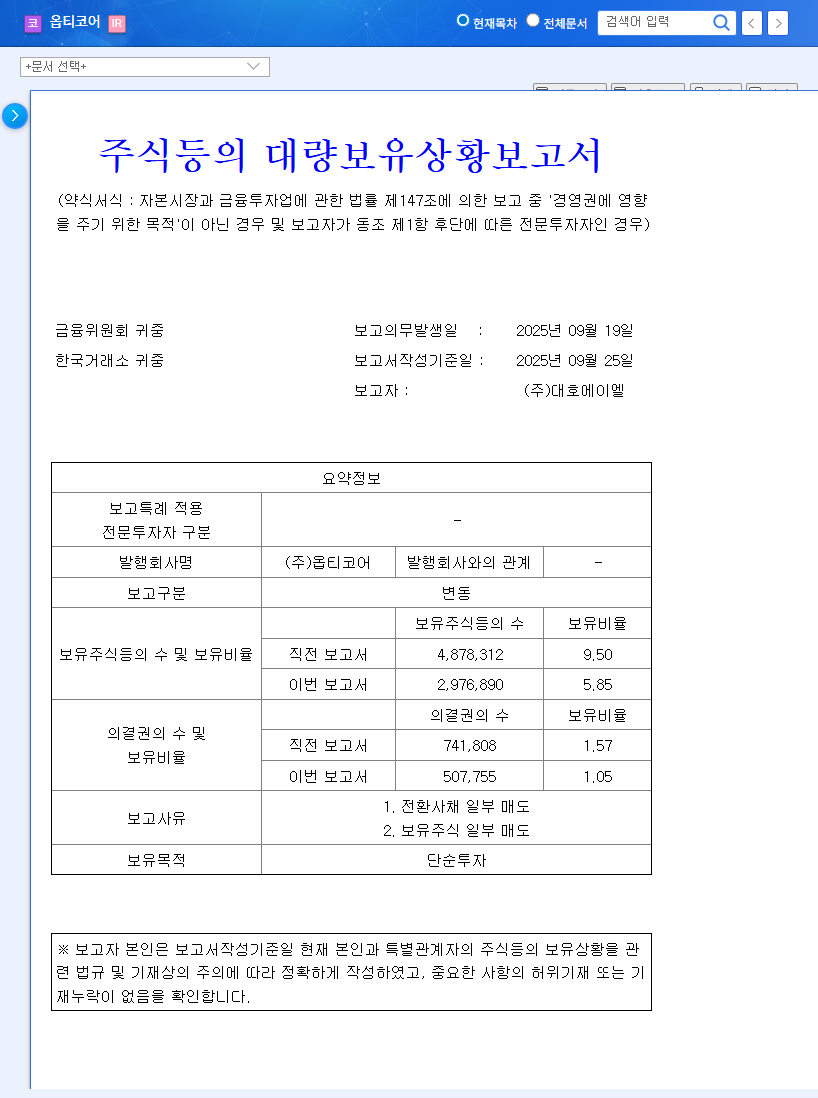
    Daeho AL, Opticore’s largest shareholder, reduced its stake from 9.50% to 5.85% through the sale of convertible bonds and a portion of its held shares. This has created considerable market shock, and investors are expressing concerns about the future stock price trajectory.

    2. Why Did This Happen? : Background of the Divestment and Investor Sentiment Analysis

    The stated reasons for the sale are ‘partial sale of convertible bonds’ and ‘partial sale of held shares’, which are somewhat general. This uncertainty contributes to a decline in investor confidence. Especially considering Opticore’s challenging business environment (declining sales, widening operating losses, increasing financial burden, etc.), this stake sale is likely to be interpreted as a negative signal.

    3. So, What Happens to the Stock Price? : Opticore Stock Forecast and Volatility Analysis

    In the short term, Opticore’s stock price is expected to face downward pressure. The possibility of a large volume of sell-offs can amplify short-term stock price volatility. However, there’s a chance that the market has already partially factored in the potential stake sale. The future stock price trend will depend on further sell-offs, changes in Daeho AL’s remaining stake, and Opticore’s fundamental improvements.

    4. What Should Investors Do? : Investment Strategy and Precautions

    • Be aware of short-term stock price volatility.
    • Closely monitor the company’s business outlook and improvements in its financial status.
    • Pay attention to additional information disclosures and changes in market conditions.


    Frequently Asked Questions (FAQ)

    How will Opticore’s major shareholder’s stake sale affect the stock price?

    In the short term, it’s likely to put downward pressure on the stock price. Declining investor sentiment and sell-offs can burden the stock price.

    Should I invest in Opticore now?

    Investment decisions should be made carefully. Consider the company’s fundamentals, future business prospects, and market conditions comprehensively before making any investment decisions. Be cautious of short-term stock price volatility.

    What is the outlook for Opticore?

    The outlook will depend on factors such as further stake sales by Daeho AL and the company’s efforts to improve its fundamentals. Close monitoring is necessary.


    Opticore Stock Forecast: Major Shareholder Divestment - What Investors Need to Know 관련 이미지
    Opticore Stock Forecast: Major Shareholder Divestment - What Investors Need to Know 관련 이미지


  • Wisebirds Stock Forecast: Opportunity or Crisis After Costone Growth Strategy M&A Divests Stake?

    Wisebirds Stock Forecast: Opportunity or Crisis After Costone Growth Strategy M&A Divests Stake? 대표 차트 이미지

    1. What Happened? Costone Divests Wisebirds Stake

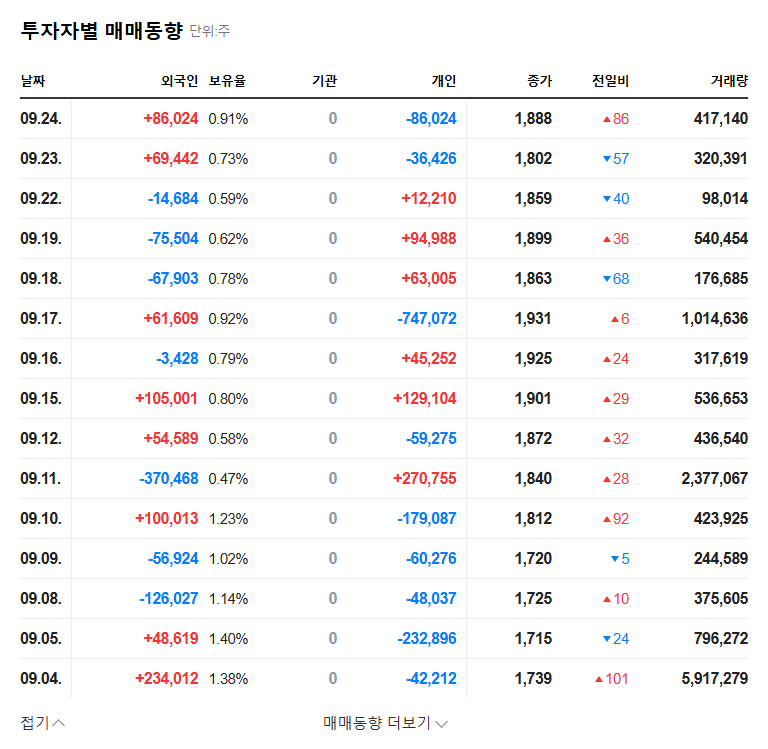
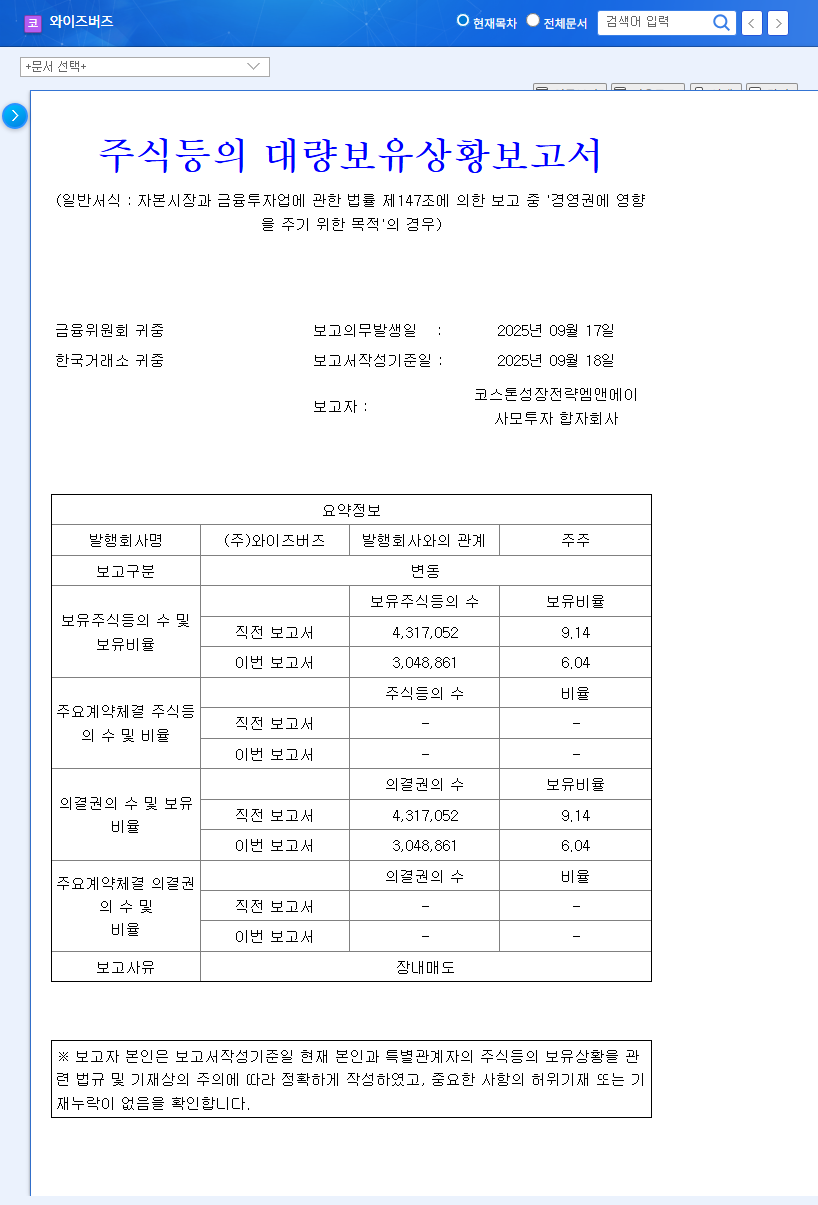
    Costone Growth Strategy M&A sold approximately 3.1% of its Wisebirds stake through block trades on September 17th and 18th, 2025. This reduced Costone’s ownership in Wisebirds from 9.14% to 6.04%.

    2. Why the Divestment? Shift in Investment Strategy?

    While the official reason for the sale remains undisclosed, it’s typically attributed to a shift in investment strategy or portfolio rebalancing. Given the stated objective of ‘influencing management,’ this divestment suggests a potential decrease in Costone’s intention to actively participate in Wisebirds’ management.

    3. Impact on Stock Price: Short-Term Dip vs. Long-Term Growth

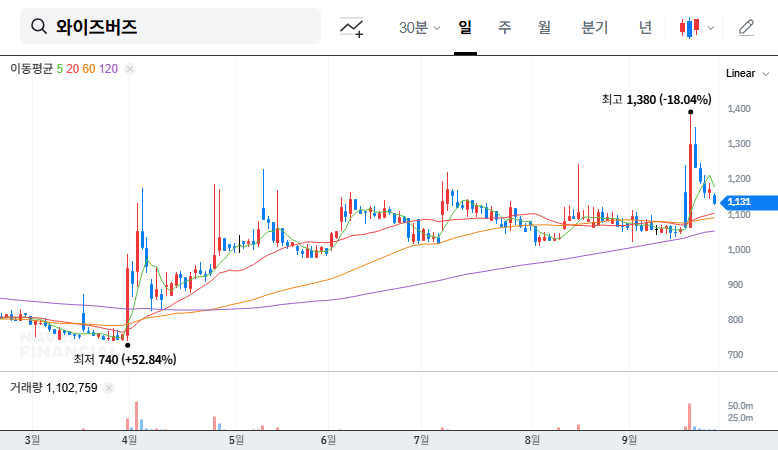
    In the short term, the large volume of shares sold may exert downward pressure on the stock price. However, Wisebirds’ fundamentals remain largely unchanged, and the company’s long-term growth potential, driven by the expanding digital advertising market, remains intact.

    • Strengths: Robust operating cash flow, growth in the digital advertising market
    • Weaknesses: High debt-to-equity ratio, financial cost burden
    • Opportunities: Growth of RTB and video advertising markets
    • Threats: Increased competition, macroeconomic uncertainty

    4. Investor Action Plan: Objective Analysis and Prudent Investment

    Rather than reacting emotionally to short-term price fluctuations, investors should objectively analyze Wisebirds’ fundamentals and growth potential. Investment decisions should align with individual risk tolerance and investment goals. Continuous monitoring of financial health indicators and changes in the competitive landscape is crucial.

    Does Costone’s divestment impact Wisebirds’ management control?

    There’s no immediate change in management control, but the likelihood of future management participation by Costone has decreased.

    Is Wisebirds financially healthy?

    While revenue growth is positive, the high debt-to-equity ratio and financial cost burden are risk factors.

    Should I invest in Wisebirds?

    Investment decisions should be based on long-term growth potential rather than short-term price volatility.

    Wisebirds Stock Forecast: Opportunity or Crisis After Costone Growth Strategy M&A Divests Stake? 관련 이미지
    Wisebirds Stock Forecast: Opportunity or Crisis After Costone Growth Strategy M&A Divests Stake? 관련 이미지
  • Daehan Optoelectronics Stock Forecast: Focus Asset Management’s Divestment, A Warning Sign?


    Daehan Optoelectronics Stock Forecast: Focus Asset Management's Divestment, A Warning Sign? 대표 차트 이미지


    What Happened?

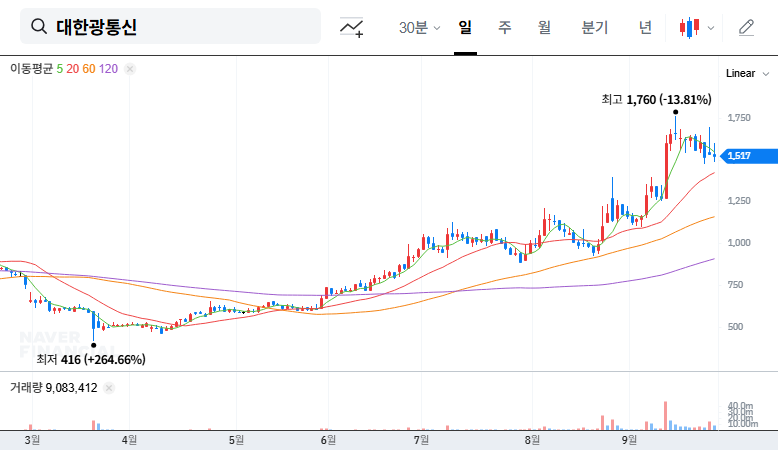
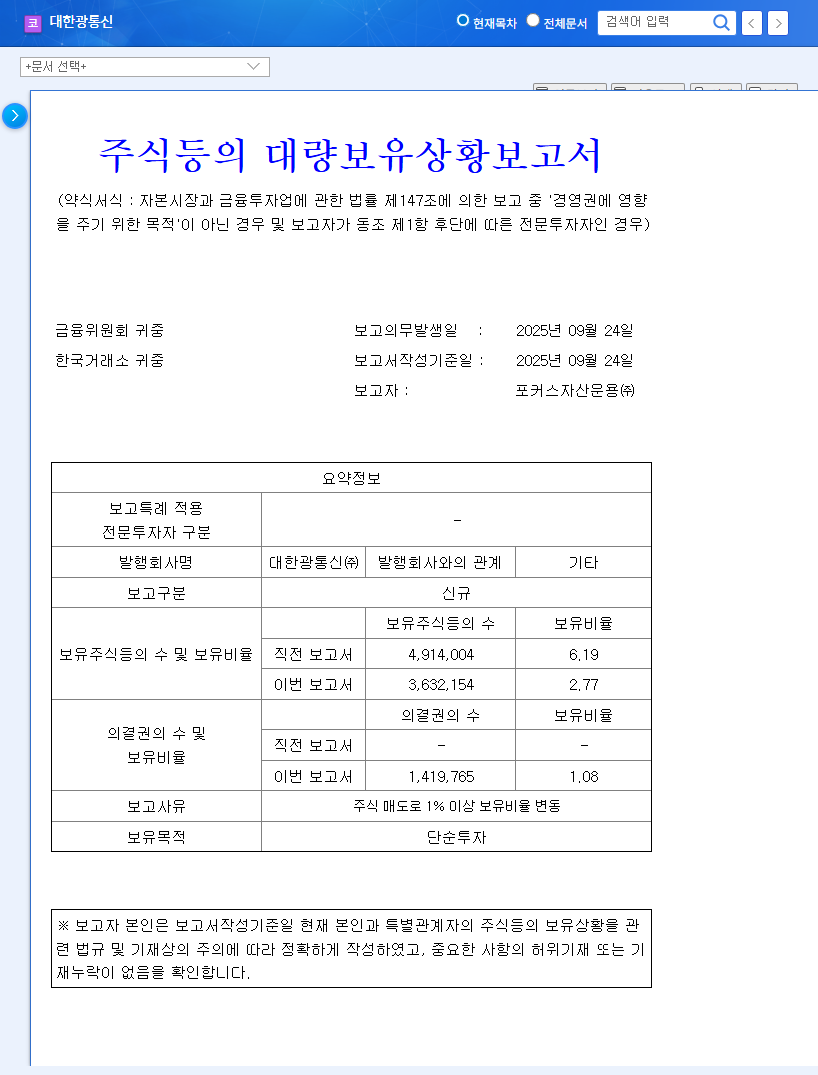
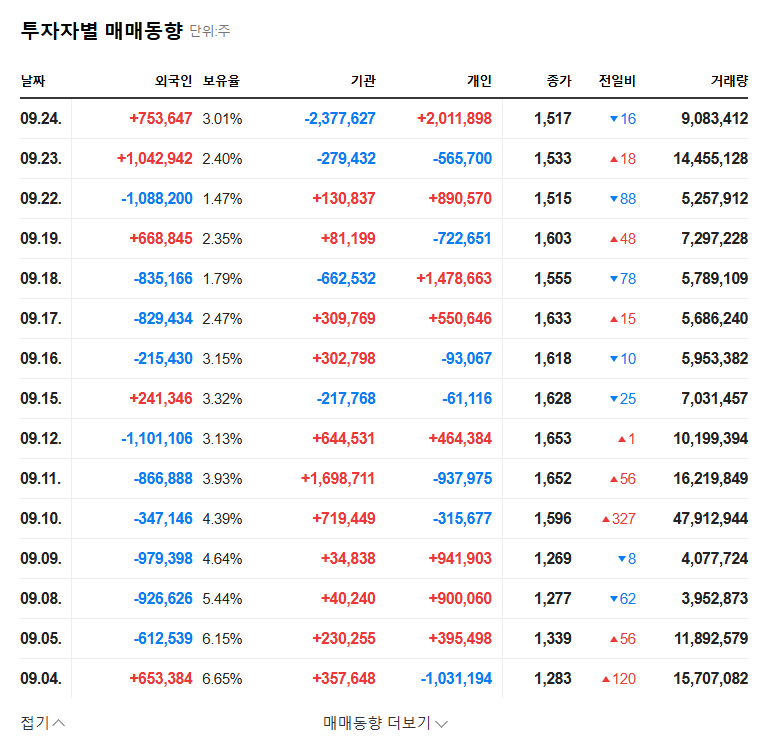
    On September 25, 2025, Focus Asset Management Co., Ltd. drastically reduced its stake in Daehan Optoelectronics from 6.19% to 2.77%. Kiwoom-Focus No. 1 New Technology Business Investment Association also participated in the sell-off. This is interpreted as reflecting concerns about Daehan Optoelectronics’ unstable fundamentals, rather than a simple investment portfolio adjustment.

    Why the Sell-off?

    Daehan Optoelectronics recorded a net loss of 8.1 billion KRW in the first half of 2025, with a debt-to-equity ratio of 286.32%. The company faces severe financial difficulties, with current liabilities exceeding current assets. Sales fell 8.2% year-on-year to 67.032 billion KRW, and operating losses continue. Questions are being raised about the company’s ability to continue as a going concern.

    What are the Implications?

    • Short-term impact: Increased pressure on stock prices. Potential for further decline due to weakened investor sentiment.
    • Mid- to long-term impact: Deterioration of credit rating, increased difficulty in raising capital. In a worst-case scenario, the possibility of rehabilitation proceedings cannot be ruled out.

    What Should Investors Do?

    Investments in Daehan Optoelectronics should be approached with extreme caution. Investors should closely monitor the company’s financial status improvements and business normalization prospects, and check the next earnings announcement and management’s future business plans. It is also crucial to continuously monitor the possibility of additional large-scale sell-offs and the impact of market conditions and macroeconomic variables.


    FAQ

    Why did Focus Asset Management sell its stake in Daehan Optoelectronics?

    Concerns over Daehan Optoelectronics’ worsening financial condition and uncertain future are considered the primary reasons.

    What is Daehan Optoelectronics’ current financial situation?

    As of the first half of 2025, the company reported a net loss of 8.1 billion KRW and a debt-to-equity ratio of 286.32%, indicating a very serious situation. Doubts have been raised about its ability to continue as a going concern.

    What is the impact of this divestment on Daehan Optoelectronics’ stock price?

    In the short term, there will be increased downward pressure on the stock price, and weakened investor sentiment could lead to further declines. In the long term, deteriorating credit ratings and difficulties in raising capital could accelerate management deterioration.

    How should investors respond?

    Investments in Daehan Optoelectronics should be made with extreme caution. Closely monitor the company’s financial status, business plans, and the possibility of further sell-offs.


    Daehan Optoelectronics Stock Forecast: Focus Asset Management's Divestment, A Warning Sign? 관련 이미지
    Daehan Optoelectronics Stock Forecast: Focus Asset Management's Divestment, A Warning Sign? 관련 이미지


  • HYBE Divests YG Plus Stake: What it Means for Investors


    HYBE Divests YG Plus Stake: What it Means for Investors 대표 차트 이미지


    HYBE Announces Divestment of YG Plus Stake

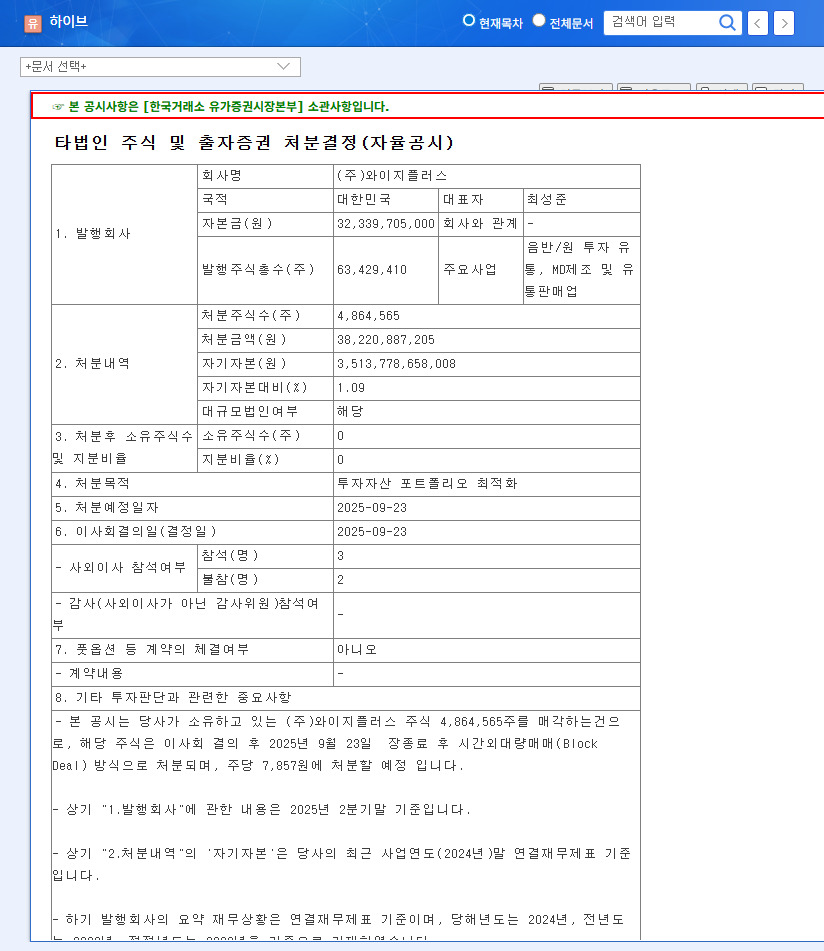
    HYBE announced it will sell its entire stake (1.09%) in YG Plus for ₩38.2 billion. The disposal is scheduled for September 23, 2025.

    Reasons for Divestment: Optimizing Investment Portfolio

    HYBE stated that the purpose of this divestment is to ‘optimize its investment portfolio.’ This suggests a strategy to streamline operations and focus on core businesses for improved efficiency. This is expected to positively impact the company’s value in the long run.

    Financial Impact and Market Outlook

    The ₩38.2 billion divestment amount is relatively small compared to HYBE’s total assets, thus the short-term financial impact is expected to be minimal. However, this portfolio adjustment could signal a significant shift in HYBE’s business strategy. The market is watching these moves closely, and HYBE’s stock price could experience increased volatility depending on its future actions.

    Key Takeaways for Investors

    • Key Artist Activities: New album releases, world tours, etc.
    • Platform Business Growth: Weverse user growth and revenue model expansion
    • New Business Performance: Growth potential of games, AI, etc.
    • Financial Health: Debt ratio management and interest coverage ratio
    • M&A Strategy: Strategies for securing new growth engines


    FAQ

    Why did HYBE sell its stake in YG Plus?

    To optimize its investment portfolio and focus on its core businesses.

    Will this sale affect HYBE’s stock price?

    The short-term impact may be limited, but it should be noted as a potential signal of long-term strategic changes.

    What should investors pay attention to?

    Investors should monitor HYBE’s core business performance, new business ventures, and financial health.


    HYBE Divests YG Plus Stake: What it Means for Investors 관련 이미지


  • Daol Investment & Securities: Analyzing the Thai Subsidiary Divestment

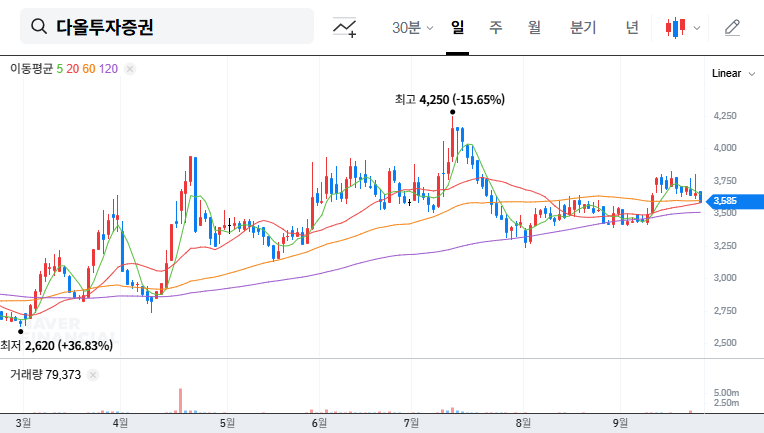
    Daol Investment & Securities: Analyzing the Thai Subsidiary Divestment 대표 차트 이미지

    1. What Happened? – Background of the Divestment

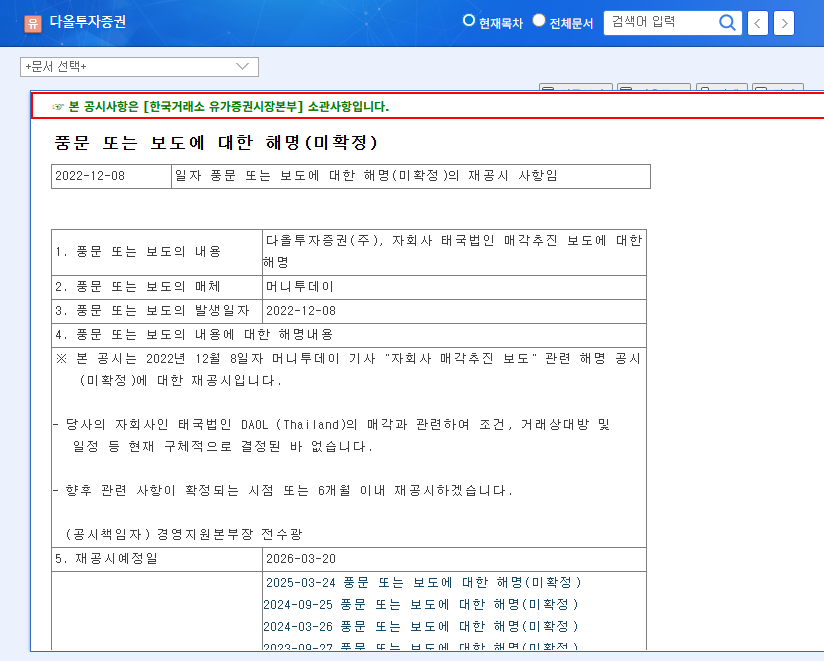
    In December 2022, Daol Investment & Securities announced its intention to sell its Thai subsidiary (DAOL Thailand). While specific terms were not disclosed, the decision was viewed as a strategic move to improve financial structure and focus on core businesses. However, as of September 2025, the sale has not been finalized.

    2. Why Does it Matter? – Analyzing the Potential Impact

    Positive Aspects

    • • Improved financial structure and increased liquidity
    • • Enhanced efficiency of the business portfolio
    • • Potential for increased shareholder value

    Negative Aspects

    • • Uncertainty and delays impacting investor sentiment
    • • Incurrence of divestment-related costs
    • • Uncertainty surrounding the Thai subsidiary’s performance and valuation

    3. What’s the Current Situation? – Financial Performance and Status

    Daol Investment & Securities reported strong earnings improvement in H1 2025, with revenue of KRW 940.3 billion, operating profit of KRW 25.6 billion, and net income of KRW 31.9 billion. Growth in the financial investment business was particularly notable. The company maintains a solid capital adequacy ratio of 256.42%. However, the Thai subsidiary is facing profitability challenges due to the sluggish local market.

    4. What’s Next? – Future Outlook and Investment Strategy

    If the sale is successful: Potential for improved financial structure and new investment opportunities. However, investors should consider potential fluctuations in the sale value.
    If the sale is delayed or fails: Potential negative impact on stock price and investor sentiment. The company needs to actively restructure its business and improve profitability.

    Investor Action Plan

    • • Continuously monitor official announcements and news related to the divestment.
    • • Keep an eye on the company’s core business competitiveness and earnings improvement.
    • • Pay attention to changes in the macroeconomic and industry environment.

    Frequently Asked Questions

    Why is Daol Investment & Securities selling its Thai subsidiary?

    It’s a strategic decision to improve the financial structure and focus resources on core businesses.

    How will the divestment impact Daol Investment & Securities?

    There are both positive and negative potential impacts, including improved financial structure and increased liquidity, but also increased uncertainty due to delays.

    When is the sale expected to be completed?

    There is no confirmed date yet, and investors should refer to official announcements for updates.

    Daol Investment & Securities: Analyzing the Thai Subsidiary Divestment 관련 이미지
    Daol Investment & Securities: Analyzing the Thai Subsidiary Divestment 관련 이미지
  • Hyosung Heavy Industries: Exploring the Potential Divestment of Jinheung Enterprise and Its Investment Implications


    Hyosung Heavy Industries: Exploring the Potential Divestment of Jinheung Enterprise and Its Investment Implications 대표 차트 이미지


    1. What Happened? – The Background of the Divestment Rumors

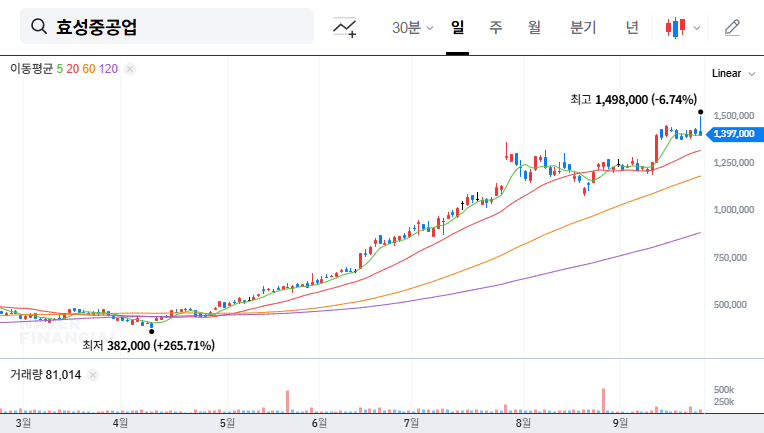
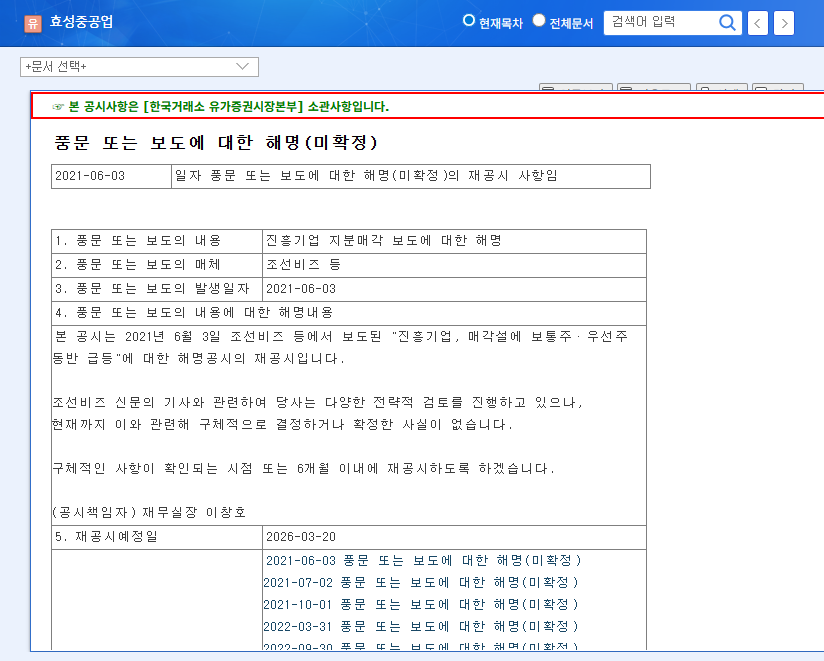
    On June 3, 2021, Hyosung Heavy Industries issued a clarification regarding rumors of divesting its stake in Jinheung Enterprise. While strategic reviews are underway, nothing has been finalized. The market is focusing on the potential for improved financial structure and portfolio adjustments.

    2. Why Does It Matter? – Potential Impact of the Divestment

    Positive Impacts:

    • • Improved financial structure and liquidity
    • • Enhanced profitability through focus on core businesses

    Negative Impacts:

    • • Market instability if the divestment fails
    • • Increased uncertainty depending on the terms of the divestment

    3. What Should Investors Do? – Key Investment Points

    Key Investment Points:

    • • Monitor the divestment process closely
    • • Observe the performance of the heavy industries division and new business ventures

    Risk Factors:

    • • Macroeconomic uncertainty (interest rates, exchange rates, raw material prices)
    • • Increased competition

    4. What’s Next? – Future Outlook and Investment Strategy

    The potential divestment of Jinheung Enterprise could increase Hyosung Heavy Industries’ value. However, given the significant uncertainties, a cautious investment approach is recommended. Consider the divestment progress, heavy industries performance, new business outcomes, and macroeconomic changes when formulating your investment strategy. Continuous monitoring and analysis are crucial for adapting to the evolving market landscape.


    FAQ

    Is the divestment of Jinheung Enterprise confirmed?

    No, the divestment is not yet confirmed. Hyosung Heavy Industries is currently conducting strategic reviews and will make a public announcement once details are finalized.

    Will the divestment positively impact Hyosung Heavy Industries?

    If the divestment is successful, it could positively impact the company through improved financial structure and focus on core businesses. However, failure or unfavorable terms could negatively affect the company.

    What should investors pay attention to?

    Investors should closely monitor the divestment’s progress, performance of the heavy industries division, new business developments, and macroeconomic changes. Continuous monitoring of relevant disclosures and market trends is also essential.


    Hyosung Heavy Industries: Exploring the Potential Divestment of Jinheung Enterprise and Its Investment Implications 관련 이미지