Tag: Divestiture

  • Dongjin Semichem Divests Chinese Subsidiaries: Strengthening Financial Structure and Growth Momentum

    Dongjin Semichem Divests Chinese Subsidiaries: Strengthening Financial Structure and Growth Momentum 대표 차트 이미지

    1. What Happened?

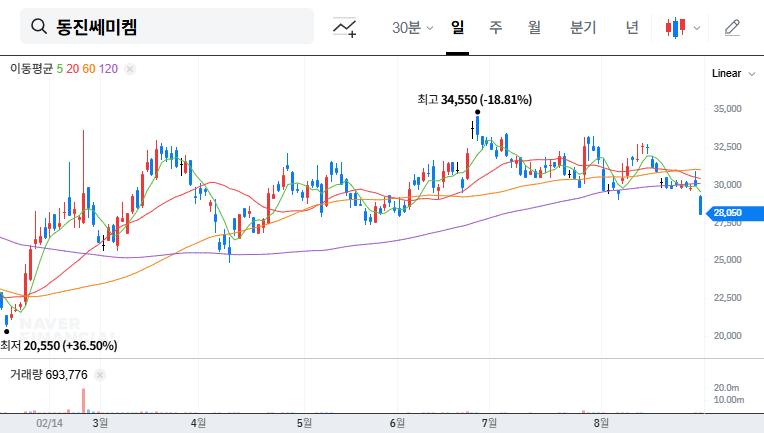
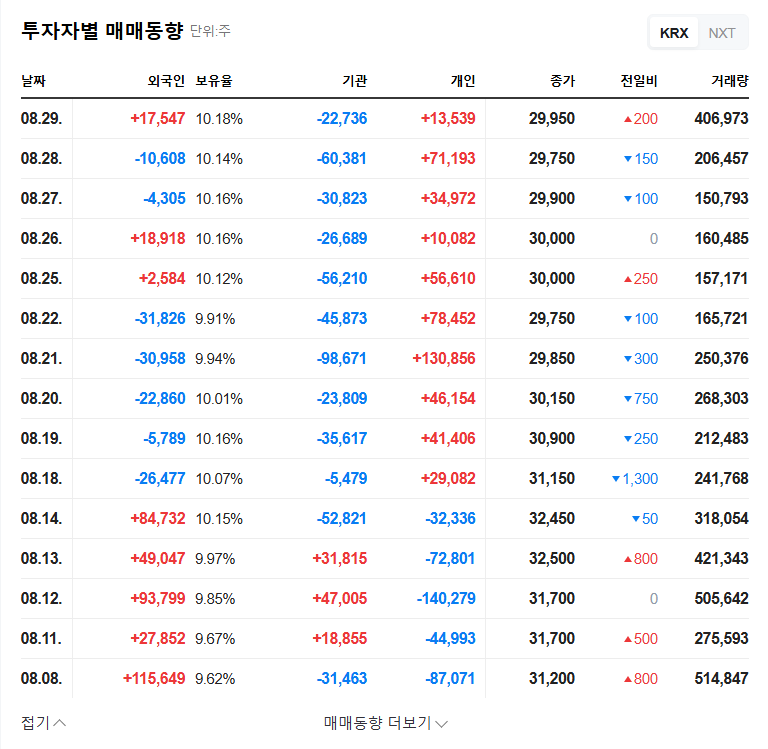
    On September 1, 2025, Dongjin Semichem announced its decision to sell a portion (30%) of its stake in three Chinese subsidiaries (Beijing Dongjin Semichem, Sichuan Dongjin Electronic Materials, and Wuhan Dongjin Semichem) for KRW 62.1 billion. The expected date of the sale is May 31, 2026.

    2. Why the Divestiture?

    This divestiture is more than just recovering investment funds; it’s a strategic move to facilitate a joint venture related to display materials in China. The secured funds will be used to improve financial structure and invest in new businesses.

    3. How Will This Divestiture Impact Dongjin Semichem?

    Positive Impacts

    • Improved Financial Structure: The inflow of KRW 62.1 billion will strengthen financial soundness, including reducing debt ratios.
    • Investment in New Businesses: The secured funds will be used for investments to secure new growth engines.
    • Strengthened Competitiveness in the Chinese Market: The joint venture will further solidify the company’s position in the Chinese market.

    Negative Impacts and Considerations

    • Potential for Disposal Losses: Losses may occur if the disposal price is lower than the book value.
    • Exchange Rate Fluctuations: Actual disposal proceeds may vary due to exchange rate fluctuations.

    4. What Should Investors Do?

    This divestiture can be interpreted as a positive signal for Dongjin Semichem’s long-term growth. However, it’s crucial for investors to make informed decisions by continuously monitoring variables that may arise during the disposal process. Particular attention should be paid to exchange rate fluctuations and the possibility of disposal losses.

    Frequently Asked Questions

    Will Dongjin Semichem continue its operations in China after the divestiture?

    Yes, as only a portion (30%) of the stake is being sold, Dongjin Semichem will maintain its influence in the Chinese market. Furthermore, it plans to strengthen its competitiveness within the Chinese market through the joint venture utilizing the funds from the divestiture.

    How will the proceeds from the divestiture be used?

    The proceeds will be used to improve financial structure and invest in new growth engines. Specific investment plans will be announced later.

    Will this divestiture positively impact the stock price?

    Generally, improving financial structure and securing new growth momentum have a positive influence on stock prices. However, continuous monitoring is necessary as stock price volatility can occur due to market conditions and other variables.

    Dongjin Semichem Divests Chinese Subsidiaries: Strengthening Financial Structure and Growth Momentum 관련 이미지
    Dongjin Semichem Divests Chinese Subsidiaries: Strengthening Financial Structure and Growth Momentum 관련 이미지
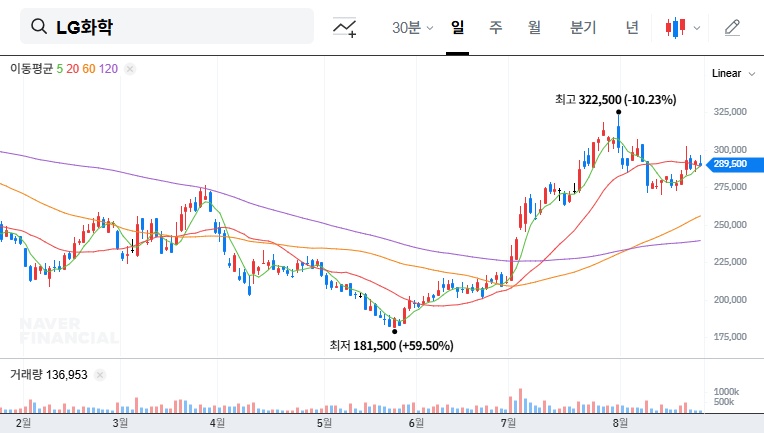
  • LG Chem Explores Sale of Yeosu NCC Plant: Restructuring Ahead?

    LG Chem Explores Sale of Yeosu NCC Plant: Restructuring Ahead? 대표 차트 이미지

    1. What’s Happening?: Potential Sale of Yeosu NCC Plant No. 2

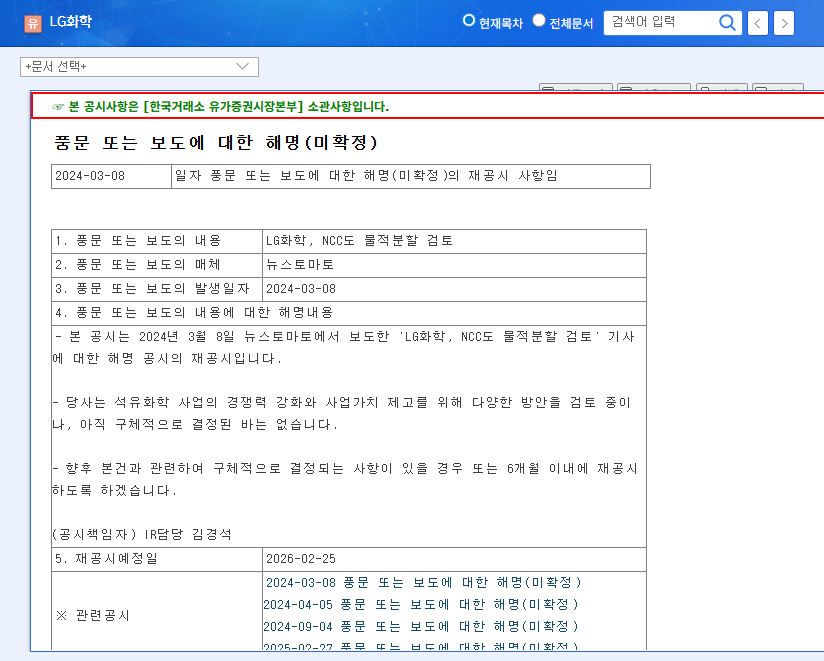
    LG Chem officially confirmed the possibility of selling its Yeosu NCC Plant No. 2 in a regulatory filing on August 26, 2025. While not yet finalized, the sale is being considered as a strategic option to enhance the competitiveness and value of its petrochemical business.

    2. Why?: Addressing Petrochemical Struggles and Securing Future Growth

    LG Chem’s petrochemical business has been facing prolonged challenges due to the global economic slowdown and oversupply. The potential sale of the NCC plant is interpreted as a strategic move to streamline assets, improve financial structure, and redirect resources towards future growth engines like battery materials, life sciences, and advanced materials.

    3. What’s Next?: Analyzing Potential Scenarios

    • Positive Scenario: A successful sale could improve LG Chem’s financial health, enabling increased investment in future growth areas and driving higher corporate value.
    • Negative Scenario: Delays or failure to sell the plant could prolong the struggles in the petrochemical business and hinder investment in key growth sectors.

    4. What Should Investors Do?: Short-Term and Long-Term Strategies

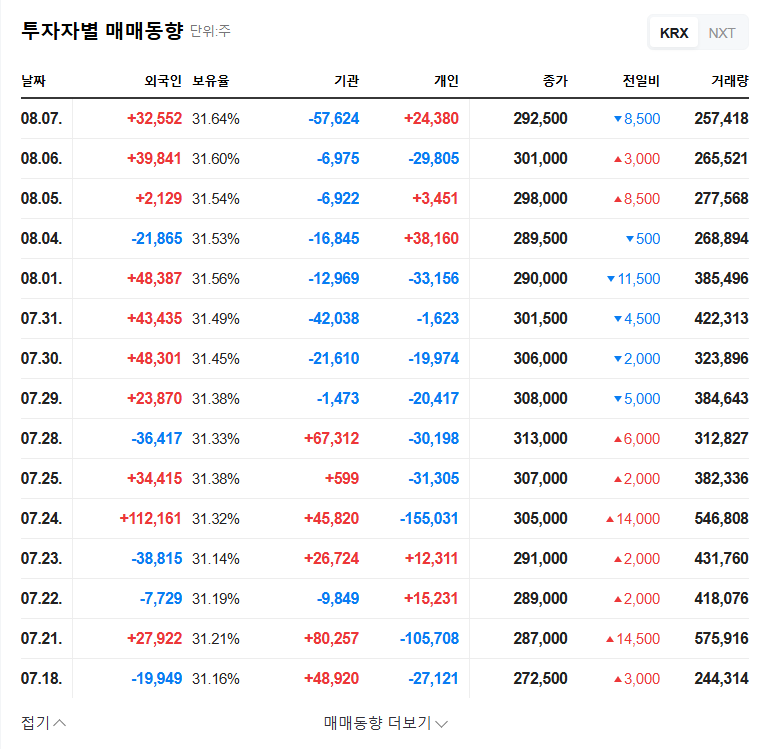
    • Short-Term Strategy: A cautious approach is recommended until uncertainties surrounding the sale are resolved. Investors should closely monitor related news and filings, adapting their strategies to market changes.
    • Long-Term Strategy: Focus on the competitiveness of LG Chem’s high-growth sectors like LG Energy Solution, life sciences, and advanced materials, while observing the restructuring process in the petrochemical business to identify long-term investment opportunities.

    FAQ

    Is the sale of LG Chem’s Yeosu NCC Plant No. 2 confirmed?

    No, the sale is not yet finalized. LG Chem has stated that it is exploring the sale as one of the options to strengthen its business competitiveness.

    How will the sale affect LG Chem’s stock price?

    The impact on stock price will depend on whether the sale is successful and the terms of the deal. A successful sale could boost the stock price by improving financial health and enabling investment in growth areas. However, delays or failure to sell could create uncertainty and negatively impact the stock.

    How should investors respond?

    In the short term, investors should remain cautious until the uncertainties surrounding the sale are resolved. In the long term, they should monitor LG Chem’s portfolio changes and growth strategies to identify investment opportunities.

    LG Chem Explores Sale of Yeosu NCC Plant: Restructuring Ahead? 관련 이미지
    LG Chem Explores Sale of Yeosu NCC Plant: Restructuring Ahead? 관련 이미지
  • Korea Refractories Divests Ilkwang E&C: What’s Next for the Stock?

    Korea Refractories Divests Ilkwang E&C: What's Next for the Stock? 대표 차트 이미지

    1. What Happened? : Divestiture of Ilkwang E&C

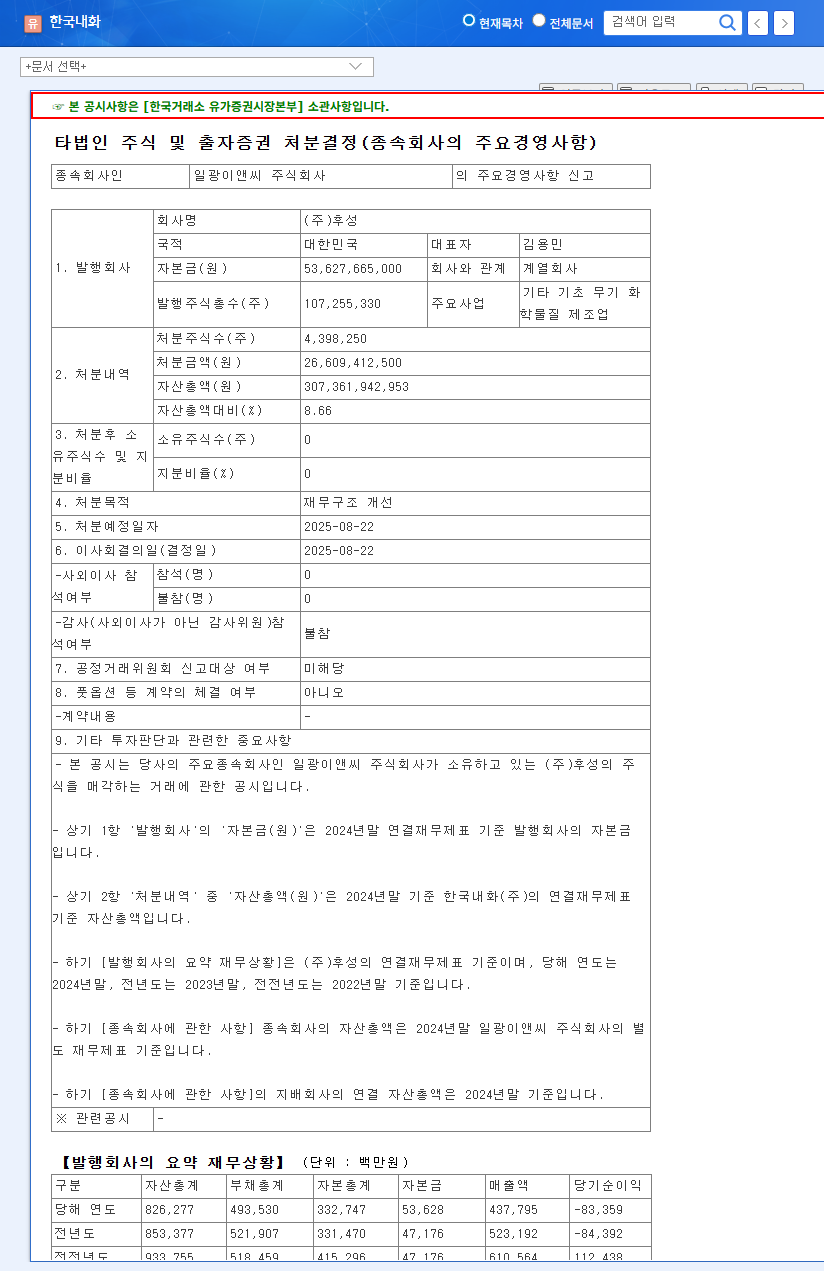
    On August 25, 2025, Korea Refractories announced the sale of its 100% stake in Ilkwang E&C to Hoosung for 26.6 billion KRW. Consequently, Ilkwang E&C will be removed from Korea Refractories’ consolidated financial statements.

    2. Why the Divestiture? : Strengthening Financials and Mitigating Risk

    Korea Refractories has been facing financial challenges due to recent underperformance and lawsuits. Ilkwang E&C, in particular, has been a burden due to increasing losses stemming from the construction industry downturn and ongoing litigation. This divestiture is expected to improve Korea Refractories’ debt-to-equity ratio and boost liquidity. It also allows the company to shed the financial risks associated with the underperforming subsidiary and focus on its core refractories business.

    3. What’s Next? : Analyzing Stock Price Implications

    The divestiture could have both positive and negative short-term impacts on the stock price. While the anticipated financial improvements could drive the price up, concerns about revenue decline due to the loss of Ilkwang E&C’s contributions could put downward pressure on the stock. The mid-to-long-term impact will depend on how Korea Refractories utilizes the proceeds from the sale and whether its core refractories business improves. The success of its new ventures in IT and big data will also be a key factor.

    4. What Should Investors Do? : Action Plan

    • Short-term Investors: Can consider short-term trading strategies during periods of increased stock volatility. However, proceed with caution due to the high risk involved.
    • Mid-to-Long-term Investors: Carefully monitor Korea Refractories’ performance post-divestiture, the use of proceeds, and the performance of the core refractories business and new ventures before making investment decisions.
    • All Investors: Keep a close eye on macroeconomic indicators such as raw material prices and exchange rate fluctuations.

    Frequently Asked Questions

    Is the divestiture of Ilkwang E&C positive for Korea Refractories’ stock price?

    In the short term, it could be positive due to anticipated financial improvements. However, in the long term, it could be negative due to potential revenue decline. The use of the proceeds and the performance of the core business are crucial factors.

    What is the outlook for Korea Refractories?

    The future of Korea Refractories hinges on strengthening its competitiveness in the refractories business and the success of its new ventures. Currently, the outlook is uncertain.

    What should investors be cautious about?

    Investors should consider the post-divestiture performance, the use of proceeds, and macroeconomic conditions. A cautious approach to investment is recommended.

    Korea Refractories Divests Ilkwang E&C: What's Next for the Stock? 관련 이미지
    Korea Refractories Divests Ilkwang E&C: What's Next for the Stock? 관련 이미지
  • i-SENS Stock Forecast: Templeton Divests, What’s Your Investment Strategy?

    1. Templeton Reduces i-SENS Stake from 5.39% to 4.34%

    On August 22, 2025, Templeton Investment Counsel announced that it had reduced its stake in i-SENS from 5.39% to 4.34%. The purpose of the holding remains unchanged as a simple investment, and it is known to be due to fluctuations from over-the-counter buying and selling by some funds.

    2. Unshakable Fundamentals, But What Are the Risks to Consider?

    i-SENS’s 2025 semi-annual report suggests positive fundamentals, showing stable growth in the blood glucose measurement sector, technological prowess in the continuous glucose monitoring system (CGMS) field, and growth potential in the POCT sector.

    • Strengths: Robust growth in the blood glucose measurement sector, CGMS market expansion, POCT sector diversification, return to net profit in the first half
    • Risks: Increased financial expenses, exchange rate and interest rate volatility, increased debt ratio

    While the market has positive expectations for i-SENS’s growth potential, risk management in response to external environment changes is crucial.

    3. Templeton’s Divestiture, How Will it Affect i-SENS?

    In the short term, there is a possibility of downward pressure on stock prices and a contraction of investor sentiment. However, since the change in stake is not significant, the direct impact on fundamentals is expected to be limited. In the medium to long term, attention should be paid to changes in shareholder composition and exchange rate and interest rate volatility.

    4. Investment Strategy: Hold, Observe, and Risk Management

    The current investment opinion is ‘Hold’. This is because while i-SENS maintains solid fundamentals, macroeconomic uncertainties persist. Investors should closely monitor key risk factors such as exchange rate and interest rate fluctuations and CGMS business performance. If considering a new entry, a strategy of splitting purchases when the stock price falls can be considered.

    Frequently Asked Questions

    Is Templeton’s divestiture a negative signal for i-SENS’s future?

    While Templeton’s selling may cause short-term stock price volatility, it is not expected to significantly impact i-SENS’s fundamentals themselves. The competitiveness of its core business and growth drivers are still valid, and it could even be a buying opportunity at a low price.

    What are the most important factors to consider when investing in i-SENS?

    Carefully monitor exchange rate and interest rate volatility, CGMS business performance, and changes in the competitive landscape. In particular, it is important to continuously understand the global economic situation and medical device market trends.

    Should I buy i-SENS stock now?

    Investment should always be made at your own discretion and responsibility. The information provided in this article is not investment advice, and the final investment decision should be made by the investor. Seeking professional help is also a good idea.

  • Doosan Enerbility Divests Vietnam Subsidiary: A Strategic Move for Future Growth?

    1. What Happened? : Divestiture of Vietnam Subsidiary

    Doosan Enerbility will sell 100% of its stake in a Vietnamese subsidiary for 291.7 billion won on December 19, 2025. The subsidiary was engaged in the manufacturing of other machinery and equipment, which is not considered a core business for Doosan Enerbility.

    2. Why the Divestiture? : Securing Investment Funds for Core Businesses

    The primary goal of this divestiture is to secure funding for investments in core businesses. Doosan Enerbility is focusing on high-growth areas such as nuclear power, combined cycle power plants, and offshore wind power, which require significant investment.

    3. What’s the Impact? : Improved Financial Structure and Enhanced Growth Momentum

    • Financial Impact: The 291.7 billion won cash inflow will strengthen short-term financial soundness and provide a foundation for long-term profitability improvement.
    • Business Impact: Streamlining non-core businesses allows Doosan Enerbility to focus on core competencies and secure future growth drivers, enhancing its competitiveness in nuclear, combined cycle, and offshore wind power.
    • Market Impact: The market is likely to interpret this divestiture positively, viewing it as a demonstration of efficient resource allocation and commitment to future growth.

    4. What Should Investors Do? : Monitor Core Business Performance and Fund Allocation

    Investors should closely monitor the following:

    • How the secured funds are actually utilized
    • Order intake and profitability of core businesses such as nuclear power, combined cycle power plants, and offshore wind power
    • Macroeconomic variables such as international raw material prices, exchange rates, and interest rates

    Frequently Asked Questions

    What is the divestiture amount for the Vietnam subsidiary?

    291.7 billion won.

    What is the purpose of the divestiture?

    To secure funding for investments in core businesses.

    How will Doosan Enerbility’s business strategy change after the divestiture?

    The company plans to focus investments on core businesses like nuclear power, combined cycle power plants, and offshore wind power to strengthen future growth drivers.

  • HyperCorporation Divests MakeUs Stake: A Strategic Move for AI Expansion?

    MakeUs Divestiture: What’s Happening?

    HyperCorporation plans to divest its entire stake in MakeUs (2.8 billion KRW, 16.01% of capital) by December 31, 2025. The official purpose is ‘improving management efficiency.’

    Why the Divestiture?

    Despite stable growth in its commerce business, HyperCorporation faces increasing financial burdens due to investments in new businesses (life care, tech). This divestiture is likely aimed at securing funds to address high debt ratios and accumulated deficits, and to focus on its future growth engine, AI.

    Positive & Negative Impacts of the Divestiture

    Positive Impacts

    • Improved Financial Health: The proceeds can be used to repay debt and secure liquidity.
    • Focus on Core Business: Divesting non-core assets allows for resource concentration on the AI business.
    • Potential Synergies: Maintaining a cooperative relationship with MakeUs could create synergies with the AI business.

    Negative Impacts & Considerations

    • Short-term Stock Volatility: Varying market interpretations of the divestiture could increase stock volatility.
    • Uncertainty in Use of Proceeds: If the proceeds are not used effectively, the expected benefits could be limited.
    • Macroeconomic Influences: Macroeconomic volatility, such as rising interest rates, could diminish the positive financial impact.

    What Should Investors Do?

    Investors should focus on HyperCorporation’s long-term business strategy and financial improvement efforts, rather than short-term stock fluctuations. It’s crucial to gather additional information about the use of proceeds and potential synergies with the AI business before making investment decisions.

    Frequently Asked Questions

    How will the proceeds from the MakeUs sale be used?

    Officially, the funds will be used to ‘improve management efficiency.’ They are expected to be used for debt repayment, securing liquidity, and investment in the new AI business.

    Will this divestiture positively impact HyperCorporation’s stock price?

    Short-term volatility is possible, but long-term positive impacts can be expected through improved financial structure and AI business growth. However, the actual impact depends on the use of proceeds and the execution of business strategies.

    What are the prospects for HyperCorporation’s AI business?

    Although still in its early stages, active investment and growth can be expected through the change in major shareholders and the addition of the AI business objective. The potential for cooperation with MakeUs is also noteworthy.

  • LG Chem Divests Aesthetics Business: Focusing on Core Growth Engines?

    1. What Happened?

    LG Chem has decided to divest its aesthetics business unit for 200 billion KRW, representing 0.42% of its connected equity capital.

    2. Why This Decision?

    LG Chem is pursuing a strategy focused on future growth engines, including battery materials, eco-friendly materials, and bio. The divestiture of the aesthetics business strengthens its core competencies. The proceeds will be used for investments in these growth areas and to improve financial soundness.

    3. What’s Next?

    • Positive Outlook: Focusing on core businesses, improved financial structure, and increased investment in future growth drivers are expected to improve long-term fundamentals. Divesting non-core assets will also enhance capital efficiency.
    • Negative Outlook: Potential short-term decline in sales and operating profit. New investments will require time to yield results. Rising market interest rates could also affect investment and financing decisions.

    Considering LG Chem’s portfolio restructuring, the market is likely to view this divestiture positively. However, uncertainties remain regarding the extent of the impact on sales/profits and the timing of returns on new investments.

    4. Action Plan for Investors

    Before making investment decisions, consider the following:

    • Growth prospects and investment performance analysis of core businesses
    • Specific plans for utilizing the proceeds from the divestiture
    • Ongoing monitoring of market reactions and stock price movements
    • Consideration of macroeconomic factors, including global economic conditions, interest rates, and exchange rate fluctuations

    While this divestiture can be seen as a positive sign for LG Chem, thorough due diligence and analysis of the company’s long-term growth strategy are crucial for sound investment decisions.

    Why did LG Chem divest its aesthetics business?

    LG Chem divested its aesthetics business to focus on future growth engines like battery materials, eco-friendly materials, and bio. The proceeds will be used to invest in these core areas and strengthen its financial position.

    How will this divestiture affect LG Chem’s stock price?

    While a positive impact is expected due to increased focus on core businesses and improved financial structure, there is also a possibility of short-term decline in sales. Investors should exercise caution and conduct thorough research.

    What are LG Chem’s core businesses?

    LG Chem’s core businesses are battery materials, eco-friendly materials, and bio.

  • Mirae Asset Sells YC Tech Stake: What Does it Mean for Investors?

    Why Did Mirae Asset Sell YC Tech Shares?

    Mirae Asset stated the sale was for portfolio rebalancing purposes. While the possibility of a hostile takeover is low, the sale likely reflects concerns over YC Tech’s weak Q1 earnings and the prolonged semiconductor downturn. The relatively small decrease in stake should provide some reassurance to investors.

    What is YC Tech’s Current Situation?

    YC Tech posted disappointing Q1 results, with operating and net losses reaching -128.3 billion KRW and -180.6 billion KRW respectively, and increasing debt-to-equity ratio. The semiconductor downturn and delays in new product launches are cited as primary causes. However, there may be opportunities amidst this crisis.

    What Actions Should Investors Take?

    • Proceed with Caution: Investors should be prepared for potential short-term price volatility and make informed decisions.
    • Fundamental Analysis: A thorough analysis of YC Tech’s fundamentals, including the timing of a semiconductor market recovery, successful new product launches, and financial restructuring efforts, is crucial.
    • Long-Term Perspective: Investors who believe in YC Tech’s long-term growth potential might consider holding their investment despite short-term headwinds.

    What are the Future Strategies and Growth Potential?

    YC Tech is focusing on new product development and launch, as well as actively working on improving its financial structure. If these efforts align with a semiconductor market recovery, YC Tech could return to a growth trajectory.

    What does Mirae Asset’s sale of YC Tech shares signify?

    It’s primarily a portfolio rebalancing move, with a low probability of a hostile takeover. However, it could negatively impact market sentiment.

    How was YC Tech’s Q1 performance?

    The company reported significant operating and net losses due to the semiconductor downturn and new product launch delays.

    Should I invest in YC Tech?

    Investment decisions should be made cautiously, considering the semiconductor market recovery, new product launch success, and financial restructuring efforts.

  • Ildong Holdings Divests Ildong Bioscience: Financial Restructuring or Sacrificing Long-Term Growth?

    What Happened?

    Ildong Holdings announced on July 30, 2025, that it would sell its entire 100% stake in Ildong Bioscience for ₩14.2 billion. The stated purpose of the sale is to improve financial structure and management profitability.

    Why the Divestiture?

    Ildong Holdings recorded a net loss of ₩5.2 billion and an operating loss of ₩3.8 billion in the first quarter of 2025. Declining sales at Ildong Pharmaceutical and increased R&D expenses were cited as primary factors. Ildong Bioscience also underperformed due to intensified competition in the probiotics market and rising raw material prices. These circumstances likely created an urgent need for funds to improve the financial structure. External factors such as the rising won/dollar and won/euro exchange rates and increasing international crude oil prices negatively impacted the performance of Ildong Holdings’ subsidiaries.

    Impact and Outlook

    In the short term, the ₩14.2 billion from the sale is expected to contribute to improving the financial structure, including reducing the debt ratio. However, in the long term, considering the growth potential of the probiotics market, the divestiture of Ildong Bioscience could lead to a weakening of growth momentum. Whether Ildong Holdings is simply restructuring its finances or strategically withdrawing from the probiotics business will be a crucial factor in its future growth prospects. The success of Xocova, the COVID-19 treatment, and the competitiveness of the remaining subsidiaries are also key factors to watch.

    What Should Investors Do?

    Investors should closely monitor additional information, including Ildong Holdings’ plans for using the proceeds from the sale, its future business portfolio strategy, and the sales outlook for Xocova. A conservative investment approach is currently recommended.

    Frequently Asked Questions

    Why did Ildong Holdings sell Ildong Bioscience?

    Officially, the sale was stated to be for improving financial structure and management profitability. However, the possibility of a strategic withdrawal from the probiotics business cannot be ruled out, and further information disclosure is needed.

    How will the proceeds from the sale be used?

    Specific plans for the use of the funds have not yet been disclosed. Investors should check future announcements for updates on the use of proceeds.

    What will Ildong Holdings’ future business strategy be?

    The business portfolio strategy following the divestiture of Ildong Bioscience remains uncertain. Investors should keep an eye on future announcements regarding business plans.

  • Solus Advanced Materials Divests Luxembourg Subsidiary: A Strategic Move Towards Battery Foil Dominance?

    1. What Happened?

    Solus Advanced Materials sold its entire stake in Circuit Foil Luxembourg for KRW 278.4 billion on July 29, 2025. The stated objective is to streamline operations and secure funding for investment in its battery foil business.

    2. Why the Divestiture?

    Solus Advanced Materials has been facing recent financial challenges, including declining profits and a weakened financial position. While its battery foil division has shown growth, underperformance in OLED and advanced materials has impacted overall results. This divestiture appears to be a strategic move to focus resources on the promising battery foil sector and regain growth momentum. External factors like rising raw material costs, exchange rate fluctuations, and rising interest rates have also played a role.

    3. What are the Potential Outcomes?

    In the short term, the divestiture is expected to improve Solus Advanced Materials’ financial structure and liquidity. However, long-term implications include a potential weakening of its diversification strategy due to the narrowed business portfolio and the loss of potential growth from the divested subsidiary. The success of the North American battery foil plant will be a critical factor determining the company’s future trajectory.

    4. What Should Investors Do?

    Investors should consider both the potential for short-term stock gains and the long-term uncertainties surrounding this divestiture. Careful monitoring of the company’s investment plans and performance, as well as changes in the competitive landscape of the battery foil market, is crucial for informed investment decisions. Analyzing competitor performance and conducting thorough chart analysis will be key to understanding Solus Advanced Materials’ competitive position and future stock movements. Prudent investment decisions should be based on continuous monitoring and further analysis of emerging information.

    Q: Why did Solus Advanced Materials sell its subsidiary?

    A: To streamline operations and secure funding for investment in its battery foil business.

    Q: How will this sale affect Solus Advanced Materials?

    A: It is expected to improve the company’s financial structure in the short term, but also carries the risk of a narrowed business portfolio in the long term. The success of its battery foil investments will be a crucial factor.

    Q: What should investors pay attention to?

    A: Investors should monitor the company’s investment plans and performance, as well as changes in the competitive landscape of the battery foil market.