Tag: Defense Sector

  • (012450) Hanwha Aerospace Q3 2025 Earnings: Deep Dive Analysis for Investors

    (012450) Hanwha Aerospace Q3 2025 Earnings: Deep Dive Analysis for Investors

    The latest Hanwha Aerospace Q3 2025 earnings report has sent ripples through the investment community. While the company showcases robust growth in key sectors, a significant miss on net income has raised critical questions. This deep-dive analysis unpacks the provisional results, separating short-term headwinds from long-term potential to provide a clear perspective on what the future holds for Hanwha Aerospace stock.

    Is this a temporary setback or a sign of deeper challenges? We will explore the fundamental drivers, financial risks, and macroeconomic factors shaping the company’s trajectory, offering a comprehensive outlook for your investment strategy.

    Unpacking the Hanwha Aerospace Q3 2025 Earnings Report

    On November 3, 2025, HANWHA AEROSPACE CO., LTD. released its provisional Q3 earnings based on consolidated financial statements. The top-line numbers were close to forecasts, but the bottom line told a different story. The figures, sourced directly from the company’s Official Disclosure, are as follows:

    • Revenue: KRW 6,486.5 billion (a minor 1.0% below market consensus).
    • Operating Profit: KRW 856.4 billion (just 1.3% below expectations).
    • Net Income: KRW 486.5 billion (a significant 39.3% below market expectation of KRW 801.7 billion).

    The substantial net income shortfall immediately became the focal point for analysts and investors. While year-over-year growth remains positive, the sharp sequential decline from Q2 has amplified concerns about profitability pressures.

    Core Strengths: The Engines of Growth

    Despite the net income concerns, a closer look at the Hanwha Aerospace financials reveals powerful and resilient growth drivers that form the foundation of its business.

    Dominance in Marine and Defense Sectors

    The Marine Business, contributing nearly 62% of revenue, is capitalizing on a global shipbuilding supercycle and the increasing demand for LNG carriers and eco-friendly vessels. Simultaneously, the Defense division (over 31% of revenue) is experiencing remarkable export-led growth. Products like the K9 self-propelled howitzer and Chunmoo rocket systems are in high demand as nations worldwide increase defense spending amidst rising geopolitical tensions. For a broader market context, you can explore expert analysis on global defense trends from authoritative sources like Bloomberg.

    Strategic Aerospace Investment & Financial Fortitude

    The company is making long-term bets on its Aerospace division. While initial investments in engine technology and partnerships weigh on current profits, they are crucial for securing future high-margin Aftermarket (AM) revenue streams. To fund this growth and shore up its balance sheet, the company’s planned KRW 4.2 trillion rights issue is a proactive step toward enhancing financial stability. This is supported by its strong ‘A1’ and ‘AA-‘ credit ratings, ensuring access to capital markets.

    Hanwha Aerospace presents a classic investment scenario: managing short-term profitability pressures stemming from strategic investments and external volatility, while building a foundation for powerful, long-term growth across diversified, high-demand sectors.

    Analyzing the Headwinds: Why the Net Income Miss?

    The disappointing net income figure was not caused by a single factor, but rather a convergence of external and internal pressures. Understanding these is key to any aerospace investment analysis.

    • Macroeconomic Volatility: As a global exporter, Hanwha is highly exposed to currency fluctuations. A strong Korean Won can erode the value of overseas earnings. Furthermore, rising global interest rates increase the cost of servicing its substantial debt load, directly impacting the bottom line.
    • Aerospace Investment Costs: The development and R&D for next-generation aerospace technologies are capital-intensive. These upfront costs are expensed currently, depressing net income before the long-term revenue benefits are realized.
    • High Debt Ratio: With a consolidated debt of nearly KRW 33 trillion, the company’s financial structure is sensitive to interest rate hikes. While the rights issue will help, investors must monitor the company’s deleveraging progress closely.

    Strategic Outlook & Investor Action Plan

    The path forward for Hanwha Aerospace involves navigating market volatility while executing its long-term growth strategy. In the short term, the market may react negatively to the Hanwha Aerospace Q3 2025 earnings miss, potentially creating buying opportunities for long-term investors.

    Key Areas for Investor Scrutiny:

    • Financial Risk Management: Look for enhanced strategies from the company on hedging against currency and interest rate risks. Transparent communication on these efforts is crucial.
    • Aerospace ROI: Monitor for tangible progress in the aerospace division, such as new contracts or milestones that signal a clear path to profitability and a return on investment.
    • Portfolio Synergy: Assess how effectively Hanwha integrates its marine, defense, and aerospace units to create technological and operational synergies, which can build a more resilient business model. For more on this, check our complete guide to investing in defense industry stocks.

    In conclusion, while the Q3 2025 net income figure is a point of caution, it does not derail the compelling long-term growth story of Hanwha Aerospace. The company’s market leadership in defense and marine provides a stable foundation, while its strategic investments in aerospace position it for future dominance. Investors with a long-term horizon who can tolerate short-term volatility may find the current climate presents a strategic entry point.

    (012450) Hanwha Aerospace Q3 2025 Earnings: Deep Dive Analysis for Investors 관련 이미지
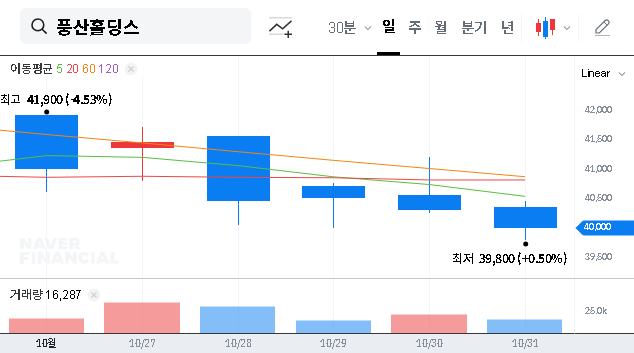
  • (005810) POONGSAN HOLDINGS CORPORATION (006090) Q3 2025 Earnings Analysis: A Deep Dive for Investors

    (005810) POONGSAN HOLDINGS CORPORATION (006090) Q3 2025 Earnings Analysis: A Deep Dive for Investors

    The provisional Q3 2025 earnings report from POONGSAN HOLDINGS CORPORATION (풍산홀딩스) sent a ripple of concern through the investment community. The announced figures fell significantly short of market consensus, raising critical questions: What drove this underperformance? What is the outlook for Poongsan’s stock price, and what strategic adjustments should investors consider now? This in-depth analysis unpacks the latest financial results, explores the underlying fundamentals, and provides a clear roadmap for navigating the path ahead.

    The Q3 2025 Earnings Shock: By the Numbers

    POONGSAN HOLDINGS CORPORATION delivered what can only be described as an earnings shock for the third quarter of 2025. The consolidated results revealed a considerable gap between performance and market expectations, immediately souring investor sentiment. For a complete breakdown, investors can review the Official Disclosure filed with DART.

    Provisional Q3 2025 Consolidated Results:
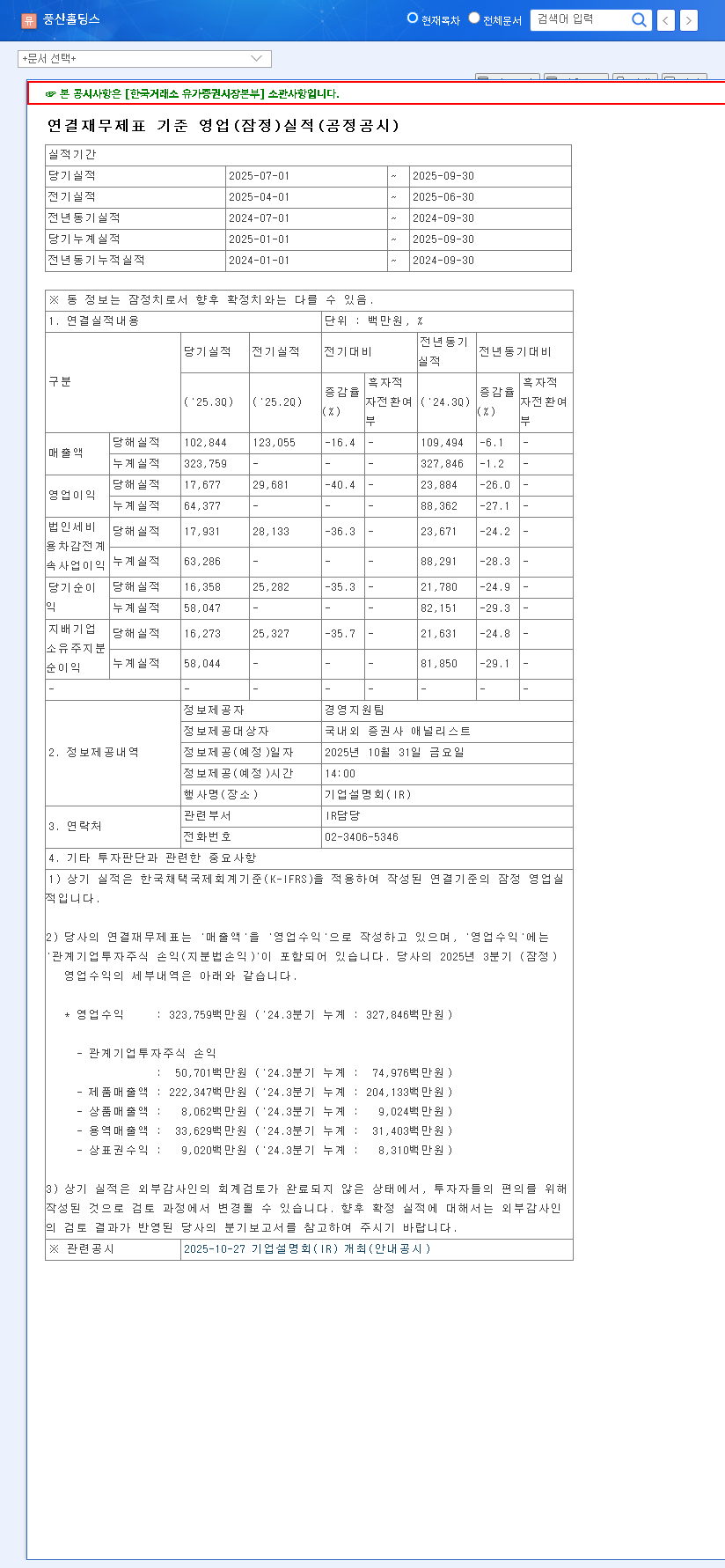
    Revenue: 102.8 billion KRW (approx. 10% below estimates of 114.2 billion KRW)
    Operating Profit: 17.7 billion KRW (approx. 17% below estimates of 21.2 billion KRW)
    Net Profit: 16.3 billion KRW

    These figures not only represent a significant miss on analyst projections but also show a sharp decline from the preceding quarter (Q2 2025), which saw revenues of 123.1 billion KRW and an operating profit of 29.7 billion KRW. This signals a potential reversal of momentum that requires careful examination.

    Dissecting the Disappointment: Key Factors Behind the Miss

    Subsidiary Struggles & Raw Material Headwinds

    A core reason for the consolidated underperformance stems from specific subsidiaries. Poongsan Special Metal Co., Ltd. faced significant challenges, negatively impacting overall profitability. This was compounded by revenue declines at other overseas subsidiaries, including PMX Industries, Inc. and Siam Poongsan Metal Co., Ltd. Furthermore, volatility in key raw material prices, particularly the declining outlook for nickel, has squeezed margins and created an unpredictable operating environment. These internal challenges were exacerbated by a notable rise in the consolidated debt-to-equity ratio to 5.94%, raising flags about financial health management.

    Mounting Macroeconomic Pressures

    The performance of POONGSAN HOLDINGS CORPORATION cannot be viewed in a vacuum. The broader global economic landscape is fraught with challenges that directly impact its business. These external headwinds include:

    • Global Economic Slowdown: Persistent inflation and monetary tightening policies across the globe are dampening industrial demand. For more on this trend, see analysis from authoritative sources like Reuters Economic Outlook.
    • Rising Interest Rates: Higher borrowing costs increase the financial burden on the company, potentially limiting future capital expenditures and pressuring the bottom line.
    • Currency and Freight Volatility: Fluctuations in exchange rates and shipping costs, such as the China Containerized Freight Index, create uncertainty in both revenue from overseas sales and costs for imported raw materials.

    The Silver Lining: Strengths and Rebound Potential

    Despite the concerning Q3 results, a comprehensive Poongsan stock analysis reveals significant underlying strengths that provide a pathway for a future rebound.

    The Powerhouse Defense Sector

    The brightest spot in the portfolio is the subsidiary Poongsan Co., Ltd., particularly its defense division. This segment continues to exhibit robust year-over-year revenue growth. Fueled by rising geopolitical tensions and the impressive global expansion of K-defense exports, this division acts as a powerful and reliable growth engine for the entire holding company. Continued investment in its defense production facilities solidifies this long-term positive momentum.

    Strategic Investments and Financial Stability

    While the debt ratio has risen, the company maintains a substantial capital base, with consolidated total equity of 1,118.319 billion KRW. This provides a stable foundation from which to navigate the current turbulence. Ongoing investments into the core copper alloy (Shin-dong) and defense sectors are designed to secure future profitability and market share. For a deeper dive into market dynamics, you can read our guide on understanding the copper market’s impact on industrial stocks.

    A Prudent Investor’s Guide for POONGSAN HOLDINGS CORPORATION

    Given the short-term headwinds and long-term potential, a cautious and informed approach is essential. The disappointing Poongsan Holdings earnings will inevitably lead to short-term stock price volatility. However, savvy investors should focus on the following key areas:

    • Monitor the Defense Sector: Keep a close eye on the performance and order backlog of Poongsan Co., Ltd.’s defense business. Its sustained growth is the primary catalyst for a stock price recovery.
    • Analyze Company Guidance: Scrutinize future communications from the company to understand if the Q3 issues are transient or indicative of a deeper, structural problem.
    • Assess Financial Health Initiatives: Watch for management’s strategies to address the rising debt-to-equity ratio and improve the financial stability of the consolidated entity.
    • Evaluate Risk Management: Consider how effectively the company is hedging against raw material price swings and currency fluctuations.

    Conclusion: ‘Neutral’ Stance with Cautious Optimism

    In conclusion, the POONGSAN HOLDINGS CORPORATION Q3 2025 earnings report was undeniably a setback. The combination of underperforming subsidiaries and a challenging macroeconomic environment creates clear short-term risks and downward pressure on the stock. However, this is balanced by the significant, long-term growth potential of its subsidiary’s defense sector, which remains a powerful engine for value creation.

    Therefore, a ‘Neutral’ investment opinion is warranted. Investors should brace for immediate market negativity but keep a close watch on the key positive drivers and the company’s strategic responses. The ability of management to navigate these headwinds while capitalizing on the strength of its defense business will determine the trajectory for a mid-to-long-term recovery.

    (005810) POONGSAN HOLDINGS CORPORATION (006090) Q3 2025 Earnings Analysis: A Deep Dive for Investors 관련 이미지
  • (042670) HD Hyundai Infracore Q3 2025 Earnings Analysis: Stock Outlook & Investment Thesis

    (042670) HD Hyundai Infracore Q3 2025 Earnings Analysis: Stock Outlook & Investment Thesis

    Our latest analysis of the HD Hyundai Infracore Q3 2025 earnings report reveals a complex picture for investors. The company (KRX: 042670) delivered a surprising revenue beat but fell short on profitability, creating uncertainty in the market. This deep dive unpacks the numbers, explores the underlying fundamentals versus macroeconomic headwinds, and provides a clear investment thesis for both short-term traders and long-term shareholders.

    Understanding this dichotomy is crucial for anyone considering an HD Hyundai Infracore investment. Is the profit miss a temporary blip caused by external factors, or does it signal deeper issues? Let’s dissect the results to find out.

    Q3 2025 Earnings: A Detailed Breakdown

    On October 30, 2025, HD Hyundai Infracore released its provisional third-quarter results, which presented a classic case of mixed signals. The official disclosure can be found on the DART (Financial Supervisory Service) portal. Here are the key figures compared to market consensus:

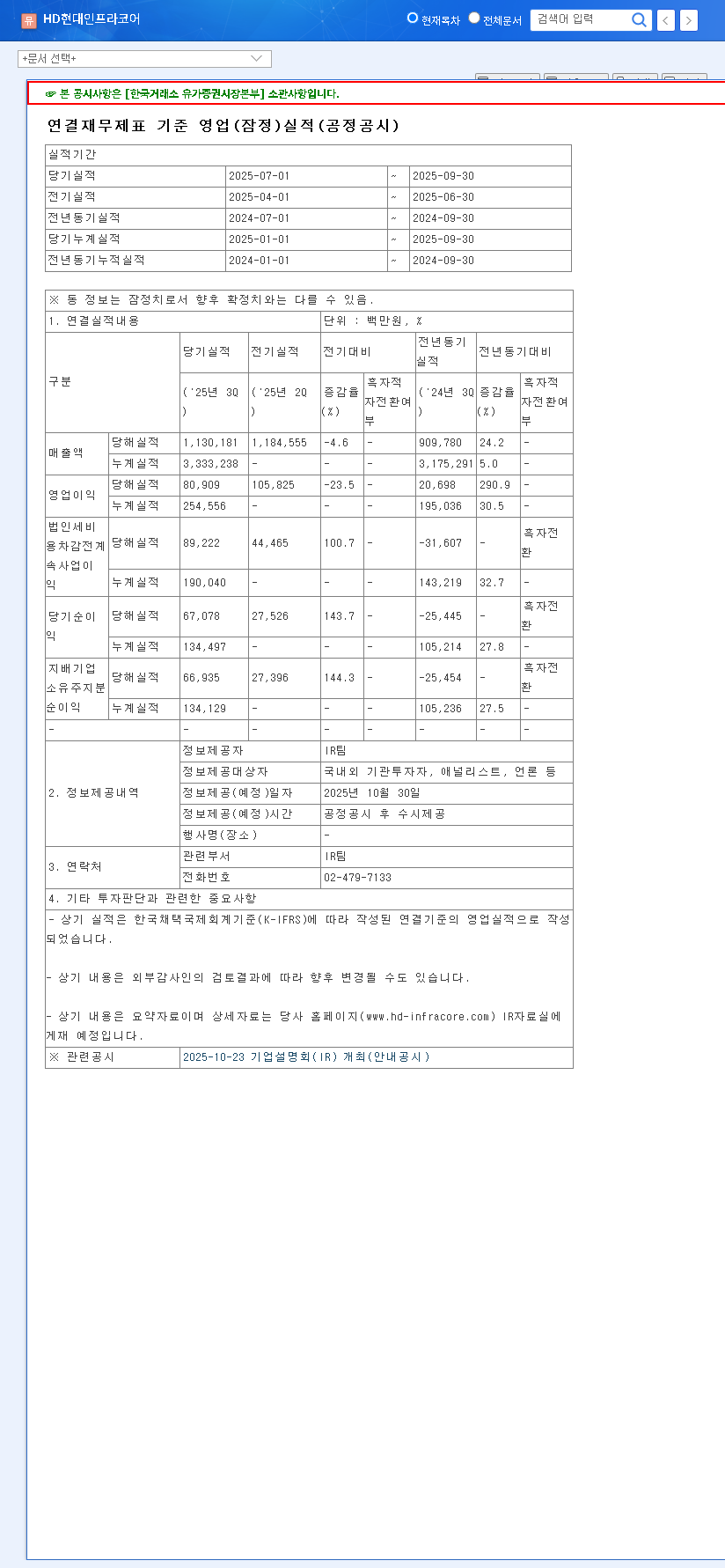
    • Revenue: KRW 1,130.2 billion, which was 1% above the market estimate of KRW 1,120.1 billion.
    • Operating Profit: KRW 80.9 billion, a significant 9% below the market estimate of KRW 88.9 billion.
    • Net Profit: KRW 66.9 billion, coming in 5% below the market estimate of KRW 70.3 billion.

    The top-line revenue growth continues a positive trend, suggesting resilient demand for the company’s products. However, the sharp sequential decline in operating profit from Q2’s KRW 105.8 billion is a major point of concern and is likely to weigh heavily on near-term HD Hyundai Infracore stock performance.

    Analyzing the Dichotomy: Strong Fundamentals vs. Macro Headwinds

    To understand the future trajectory, we must weigh the company’s internal strengths against the challenging external economic environment.

    The Bull Case: Enduring Corporate Strengths

    Despite the quarterly profit dip, the company’s fundamentals remain robust, signaling long-term potential:

    • Profitability Initiatives: Even with margin pressure, an improved operating profit margin of 7.87% in H1 2025 shows that cost-control measures and a focus on high-margin products are taking effect.
    • Solid Order Backlog: The defense division provides a stable revenue floor, with major contracts for Poland’s K2 tanks and engines for Turkey’s next-gen tanks ensuring future income streams.
    • Financial Fortitude: An improving debt-to-equity ratio and a healthy interest coverage ratio demonstrate a resilient balance sheet capable of weathering economic storms.
    • Future-Focused R&D: Significant investment in automation and unmanned technologies is positioning the company to be a leader in the next generation of industrial equipment. For more on this trend, see our analysis of automation in heavy industry.
    • DEVELON Brand Power: The new ‘DEVELON’ brand is gaining traction, which is expected to boost global market share and brand recognition over the long term.

    The Bear Case: Navigating a Turbulent Global Economy

    The profitability miss was likely driven by powerful macroeconomic forces that are impacting the entire industrial sector. As documented by sources like Bloomberg’s economic outlook, these challenges are significant:

    • Interest Rate Pressure: A rising global interest rate environment increases borrowing costs for both the company and its customers, potentially delaying large capital expenditures and construction projects.
    • Currency Volatility: While a strong USD/KRW can boost the value of exports, it also inflates the cost of imported raw materials and components, squeezing profit margins.
    • Input Cost Inflation: Fluctuations in the prices of steel, oil, and other key commodities directly impact production costs, making it difficult to maintain stable profitability without passing costs to consumers.

    Investment Thesis & Outlook: A Holding Pattern

    The core investment thesis for HD Hyundai Infracore is a balance of patience. The market is likely to react negatively to the short-term profitability miss, but the company’s strong fundamentals and long-term growth drivers—from defense contracts to the new DEVELON brand—remain firmly intact.

    Our overall investment opinion is a Hold. We anticipate potential short-term volatility and price corrections as the market digests the weaker-than-expected profits. This period calls for careful monitoring rather than immediate action. The long-term outlook, however, remains positive. If the company can demonstrate a recovery in profit margins in the coming quarters, the current price levels could represent an attractive entry point for patient investors.

    Actionable Plan for Investors

    • For Short-Term Investors: Exercise caution. Wait for the market’s initial reaction to settle. A break below key technical support levels could signal further downside. Monitor the Q4 earnings call for explicit commentary on margin recovery.
    • For Long-Term Investors: View any significant dips as potential opportunities for staggered accumulation. Focus on the execution of the defense backlog, DEVELON’s market penetration in North America and Europe, and progress in R&D initiatives.
    • Key Metrics to Watch: Keep a close eye on operating profit margins, raw material price trends, and global construction PMI data. The company’s ability to manage costs in this inflationary environment will be the ultimate determinant of future stock performance.

    Disclaimer: This article provides an analysis based on publicly available information. Investment decisions carry risk, and the final responsibility rests solely with the investor.

    (042670) HD Hyundai Infracore Q3 2025 Earnings Analysis: Stock Outlook & Investment Thesis 관련 이미지
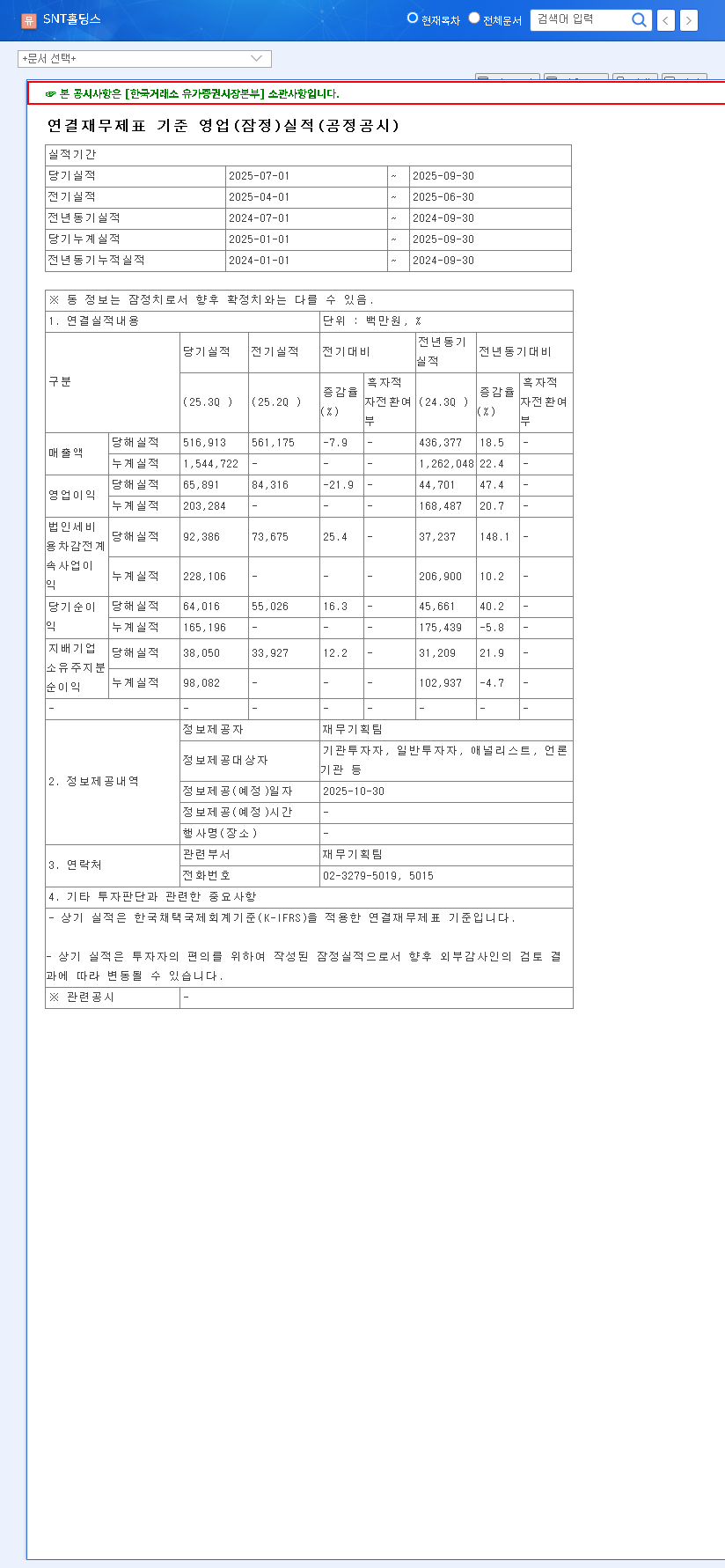
  • (036530) SNT Holdings Earnings (036530) Q3 2025: A Deep Dive into Profitability and Future Growth

    (036530) SNT Holdings Earnings (036530) Q3 2025: A Deep Dive into Profitability and Future Growth

    The latest SNT Holdings earnings report for Q3 2025 has presented a complex and challenging picture for investors. While the company posted a commendable increase in overall revenue, a noticeable decline in operating profit and net income has raised questions about its short-term trajectory. Is this a temporary dip or a sign of deeper structural issues? This comprehensive SNT Holdings stock analysis will dissect the Q3 performance, explore the underlying causes, and provide a clear outlook for potential investors.

    By examining the pressures on its core divisions alongside the success of its diversification strategy, we can gain the insights needed to understand SNT Holdings’ current standing and make informed decisions for the future.

    Decoding the SNT Holdings Q3 2025 Earnings Report

    According to the company’s preliminary announcement, SNT Holdings (036530) reported consolidated revenues of KRW 516.9 billion, a solid year-over-year increase. However, the profitability metrics tell a different story. Operating profit fell to KRW 65.9 billion, and net income dropped to KRW 38.0 billion. This decline, especially when compared to the strong performance in Q2, has understandably tempered market optimism. For a detailed breakdown, you can review the Official Disclosure (DART).

    The Core Challenge: Profitability Pressure in Vehicle Parts

    The primary driver behind the disappointing profit figures is the deteriorating SNT Holdings profitability within its crucial Vehicle Parts division. This isn’t an entirely new development; signs of pressure were already visible in the H1 2025 report. In Q3, these challenges likely intensified due to a confluence of factors:

    • Raw Material Costs: Volatility in the prices of steel, aluminum, and other key industrial commodities continues to squeeze margins.
    • Exchange Rate Fluctuations: As a major exporter, the volatility in the KRW/USD and KRW/EUR exchange rates directly impacts the company’s bottom line.
    • Intensified Competition: The global automotive market is fiercely competitive. The structural shift towards electric and eco-friendly vehicles demands significant R&D investment, further pressuring profitability in the short term. For more on this trend, see this global auto market report from Reuters.

    The pressure on the automotive sector reveals both a short-term challenge and a long-term strategic imperative for SNT Holdings: diversification is no longer a choice, but the key to survival and growth.

    Bright Spots: Diversification Strategy is Paying Off

    Despite the headwinds in the auto sector, the latest SNT Holdings earnings report highlights the success of its business diversification. Two divisions, in particular, provided a crucial counterbalance:

    Industrial Equipment & Defense Divisions

    The Industrial Equipment division demonstrated robust growth, largely fueled by expanding orders for LNG plant construction projects across the Middle East and the Americas. This reflects a strong global demand for energy infrastructure. Simultaneously, the Defense division maintained its stable, high-margin performance, bolstered by the deployment of new weapon systems and a successful push for overseas exports. These successes prove that SNT Holdings is not a one-trick pony and its multi-faceted business model provides a valuable hedge against cyclical downturns in any single industry.

    Financial Health: A Solid Foundation

    Beneath the surface of the quarterly performance, SNT Holdings maintains excellent financial health. As of the first half of 2025, its debt-to-equity ratio stood at a very low 35.11%. This indicates the company is not over-leveraged and has a strong capacity to weather economic storms. You can learn more about what this means in our guide to analyzing financial statements. Furthermore, an increase in cash reserves and proactive measures like issuing exchangeable bonds demonstrate a commitment to maintaining financial flexibility, which is crucial for funding ongoing R&D and future growth initiatives.

    Investor Outlook: Short-Term Caution, Long-Term Opportunity

    The market’s reaction to the Q3 SNT Holdings earnings may be negative in the short term. The halt in the trend of improving profitability is a valid concern. However, a mid-to-long-term perspective reveals a more nuanced picture.

    Investment Strategy Summary

    Based on this SNT Holdings stock analysis, here are our strategic considerations:

    • Hold: For existing investors, it is prudent to observe the next few quarters. Watch for signs that the profitability issues in the Vehicle Parts division are being effectively managed.
    • Consider Buying: New positions could be initiated if there is a clear stabilization in exchange rates and raw material prices, coupled with a demonstrable recovery in the auto division’s operating margins.
    • Consider Selling: If the auto division’s profitability continues to erode without a corresponding acceleration of growth in other segments, it may be a sign of deeper fundamental weakness that warrants a re-evaluation of the investment.

    In conclusion, while SNT Holdings faces immediate challenges, its diversified portfolio, strong financial footing, and potential in future growth sectors like eco-friendly vehicle components and defense present a compelling long-term case. Careful monitoring of key performance indicators will be essential in navigating the path forward.

    Disclaimer: This report is based on publicly available information. Investment decisions should be made based on the investor’s own judgment and responsibility.

    (036530) SNT Holdings Earnings (036530) Q3 2025: A Deep Dive into Profitability and Future Growth 관련 이미지
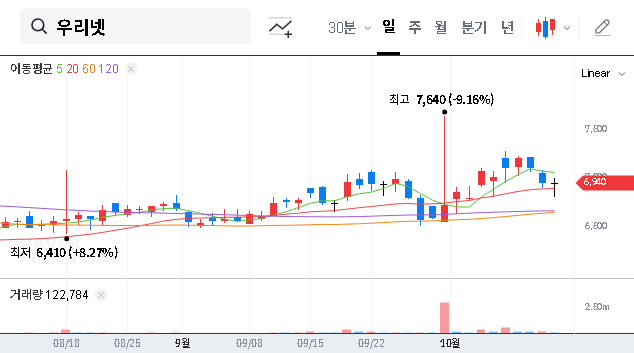
  • (115440) Woori-Net I-Storm Acquisition: In-Depth Analysis of the KRW 10B Defense Sector Gamble

    (115440) Woori-Net I-Storm Acquisition: In-Depth Analysis of the KRW 10B Defense Sector Gamble

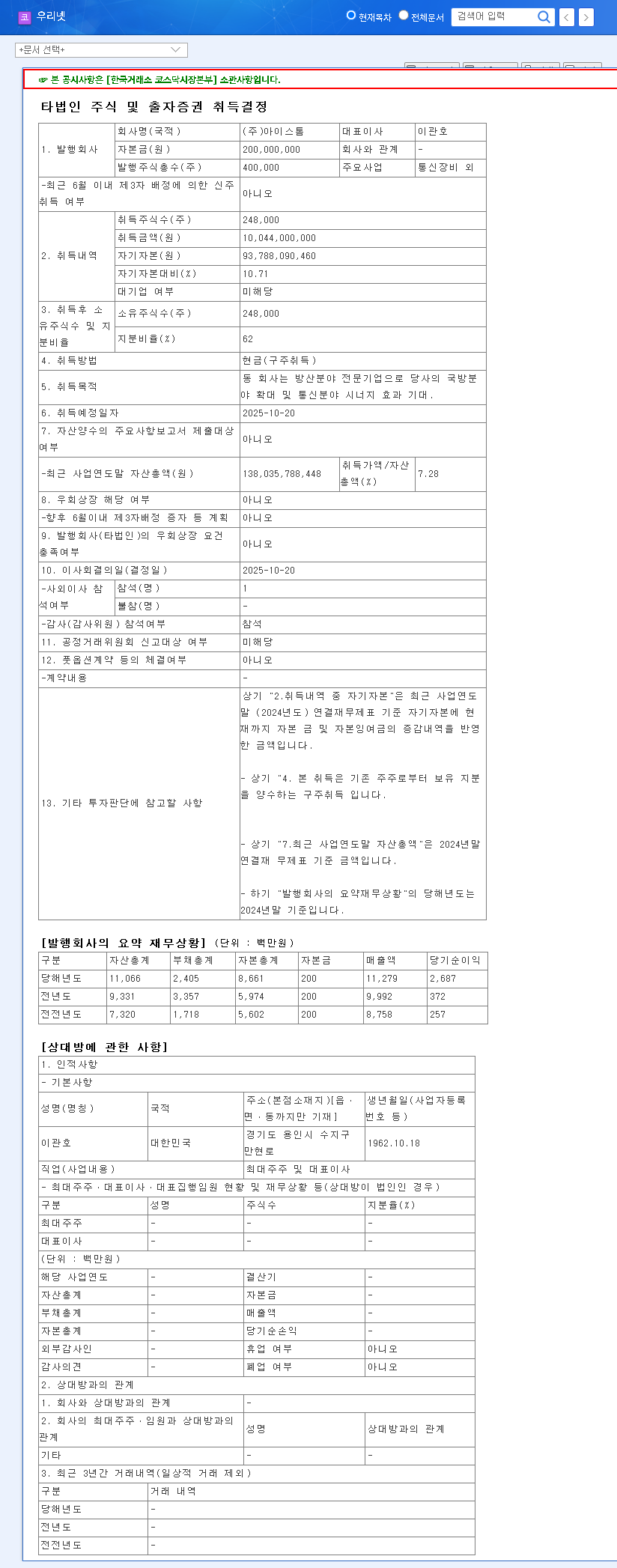
    The recent announcement of the Woori-Net I-Storm acquisition has sent significant ripples through both the telecommunications and defense industries. In a bold strategic move, communications specialist Woori-Net Co., Ltd. is set to acquire a majority stake in defense firm I-Storm. This decision marks a pivotal moment for Woori-Net, representing a significant diversification from its core business. But is it a masterstroke that will unlock new growth engines, or a high-stakes gamble with unforeseen challenges? This in-depth analysis will dissect the deal, explore the potential synergies, weigh the inherent risks, and provide a clear outlook for investors and industry observers.

    This acquisition is more than a financial transaction; it’s a strategic declaration of Woori-Net’s ambition to become a key player in the high-stakes national defense sector. The success of this venture will hinge on flawless integration and the genuine realization of technological synergy.

    The Acquisition in Detail: Terms and Official Confirmation

    According to the Official Disclosure filed with the Financial Supervisory Service, the deal is set for October 20, 2025. Woori-Net Co., Ltd. has committed to a cash acquisition of KRW 10 billion to secure a controlling 62% stake in I-Storm. This investment represents a substantial 10.71% of Woori-Net’s total capital, underscoring the seriousness of this strategic pivot. This move firmly establishes I-Storm as a subsidiary, paving the way for a deep integration of operations and strategy.

    Strategic Rationale: Why Pivot to the Defense Sector?

    Woori-Net’s decision is driven by two primary strategic objectives: diversifying revenue streams and creating powerful communication and defense synergy. By entering the national defense market, a sector characterized by long-term government contracts and high-tech demand, Woori-Net aims to secure new, stable growth drivers beyond the competitive telecommunications landscape.

    Anticipated Benefits and Synergies

    The true potential of the Woori-Net I-Storm acquisition lies in the fusion of their respective expertise. By combining Woori-Net’s advanced communication technologies with I-Storm’s defense industry knowledge, several lucrative opportunities can be unlocked:

    • Advanced Defense Communications: Development of next-generation, secure military communication equipment, encrypted data links for unmanned aerial vehicles (UAVs), and robust battlefield networks.
    • Enhanced C5ISR Systems: Integrating cutting-edge communication protocols into Command, Control, Communications, Computers, Cyber, Intelligence, Surveillance, and Reconnaissance (C5ISR) platforms, which are critical for modern warfare.
    • Market Expansion: Gaining immediate access to the defense market, its procurement processes, and established client relationships, thereby strengthening Woori-Net’s overall market position.

    Potential Risks and Challenges to Overcome

    Despite the promising outlook, the acquisition is not without significant risks that require meticulous management. Investors should carefully consider these potential headwinds before evaluating the long-term impact on Woori-Net stock.

    Key Factors Not to Overlook

    • Post-Merger Integration (PMI) Hurdles: The corporate cultures of a commercial tech company and a defense contractor can be vastly different. A failure to smoothly integrate operations could lead to inefficiency and an inability to realize projected synergies.
    • Financial Burden: The KRW 10 billion cash outlay is a significant expenditure. This could strain Woori-Net’s liquidity and potentially increase its debt burden, impacting financial flexibility for other R&D or operational needs.
    • Defense Market Volatility: The Woori-Net defense sector entry means exposure to a market highly dependent on government policy, budget allocations, and geopolitical shifts, which can be unpredictable.

    Conclusion and Investor Outlook

    Woori-Net’s acquisition of I-Storm is a transformative and calculated risk. The potential to create a powerhouse in defense communications is substantial, but success is contingent on a masterful execution of the post-merger integration. Investors must demand a clear and transparent PMI strategy from management.

    Moving forward, key performance indicators to watch will be the successful launch of joint products, the securing of new defense contracts, and the careful management of Woori-Net’s financial health. A cautious but optimistic approach is warranted, as this move could redefine Woori-Net’s trajectory for the next decade. For further reading, you can review our guide on how to analyze technology company acquisitions.

    Frequently Asked Questions (FAQ)

    What are the terms of the Woori-Net and I-Storm deal?

    Woori-Net Co., Ltd. will acquire a 62% stake in I-Storm for KRW 10 billion in cash on October 20, 2025. This investment amounts to 10.71% of Woori-Net’s capital.

    Why is Woori-Net acquiring a defense company?

    The primary goal is to enter the national defense sector to secure new growth drivers. Woori-Net plans to create synergy by combining its communication technology with I-Storm’s defense industry expertise.

    What are the main upsides of this acquisition?

    The main benefits include direct entry into the defense market, the creation of new business opportunities (e.g., advanced military communication systems), and the potential for long-term, stable revenue growth.

    What should investors be concerned about?

    Investors should monitor the risks associated with post-merger integration, the financial strain of the KRW 10 billion cash payment, the unique challenges of operating in the government-regulated defense market, and the technical difficulties of merging two distinct business models.

    (115440) Woori-Net I-Storm Acquisition: In-Depth Analysis of the KRW 10B Defense Sector Gamble 관련 이미지