Tag: Defense Industry

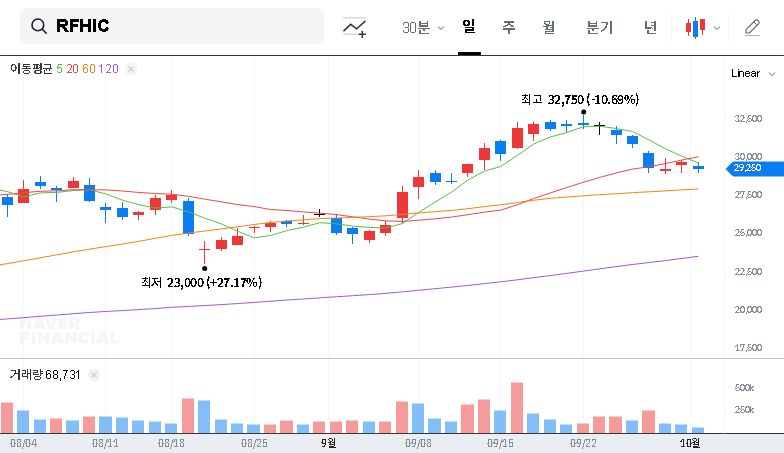
  • (218410) RFHIC Treasury Stock & Exchangeable Bonds: A 2025 Investor’s Guide

    (218410) RFHIC Treasury Stock & Exchangeable Bonds: A 2025 Investor’s Guide

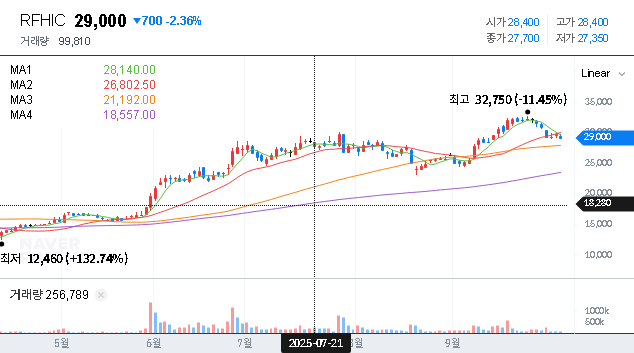
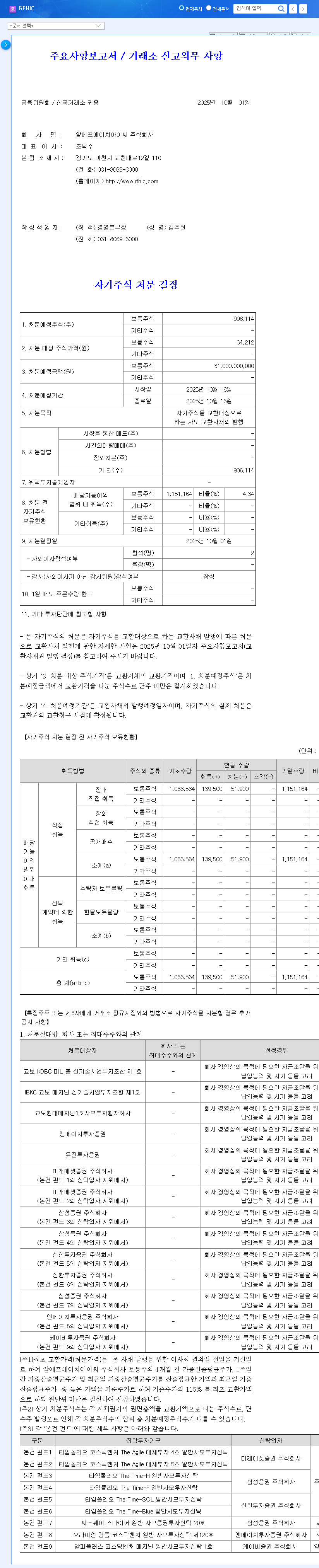
    RFHIC has captured the market’s attention with its recent announcement to dispose of 31 billion KRW in RFHIC treasury stock and issue private exchangeable bonds (EB). This strategic financial maneuver is a double-edged sword: it promises vital capital for fueling future growth but simultaneously introduces risks like share value dilution. For investors, this creates a critical question: is this a prime buying opportunity or a signal to be cautious?

    This comprehensive guide provides an in-depth analysis of the deal, its potential impact on RFHIC’s stock price, and a balanced investment strategy. We’ll explore the company’s core strengths in GaN technology, the significant threat of stock dilution, and what you need to monitor moving forward.

    Breaking Down the Deal: Treasury Stock and Exchangeable Bonds

    On October 1, 2025, RFHIC formally announced its decision to dispose of 906,114 shares of its common treasury stock, valued at approximately 31 billion KRW. These shares are not being sold on the open market directly; instead, they serve as the underlying asset for a private placement of RFHIC exchangeable bonds (EBs). The company’s plan was detailed in an Official Disclosure filed with the Financial Supervisory Service (Source).

    What Are Exchangeable Bonds?

    Exchangeable bonds are a hybrid financial instrument. They begin as corporate debt, paying interest to the bondholder. However, they contain an embedded option that allows the holder to exchange the bond for a predetermined number of shares—in this case, RFHIC’s own treasury stock. For a deeper technical explanation, you can learn more about corporate bonds from high-authority sources. This method allows RFHIC to raise cash immediately while potentially converting that debt into equity later, cleaning up its balance sheet if the stock performs well.

    The Bull Case: Fueling a GaN Technology Leader

    The primary motivation for this capital raise is to double down on RFHIC’s core strengths and secure its future. The potential upsides are significant and center around its technological prowess.

    The funds from the RFHIC exchangeable bonds are intended to accelerate innovation and solidify the company’s market position, a move that could lead to substantial long-term value creation.

    Key Strengths and Opportunities:

    • Dominance in GaN Technology: RFHIC is a global leader in Gallium Nitride (GaN) semiconductors. This advanced material is critical for high-power, high-frequency applications, making it essential for future growth markets like 5G/6G infrastructure, advanced defense radar, satellite communications, and RF energy systems. You can read our deep dive into other GaN technology stocks here.
    • Strong Order Backlog: With a 148.2 billion KRW backlog for GaN power amplifiers for radar systems, the company has a stable and predictable revenue base, which provides a cushion against market volatility.
    • Financial Stability: A low debt-to-equity ratio (31.6%) provides RFHIC with the flexibility to take on this new debt without immediate financial strain. The capital infusion will further strengthen its financial position for R&D and expansion.

    The Bear Case: Stock Dilution and Market Headwinds

    Despite the strategic rationale, investors are rightly concerned about the potential downsides, primarily the risk of stock dilution and prevailing economic uncertainties.

    Primary Risks and Concerns:

    • Equity Dilution: This is the most significant risk. When the exchangeable bonds are converted into stock, the total number of outstanding shares increases. This means each existing share represents a smaller percentage of the company, potentially diluting its value and earnings per share (EPS).
    • Recent Performance Trends: H1 2025 sales showed a potential decline, and a noted reduction in the R&D expense ratio raised concerns about long-term innovation. If this trend continues, the new capital may not be enough to reverse the momentum.
    • Macroeconomic Pressure: Rising interest rates, volatile currency exchange rates, and fluctuating raw material costs create a challenging environment. These external factors could dampen investor sentiment and offset the positive news from the capital raise.

    A Smart Investment Strategy for RFHIC Stock

    A prudent investment strategy requires balancing the long-term growth potential against the short-term risks. The disposal of RFHIC treasury stock is a pivotal event, and its success hinges entirely on execution.

    The key determinant of the stock’s future trajectory will be how effectively management deploys the new capital. If the funds lead to tangible results—new contracts, technological breakthroughs, and a return to sales growth—the initial concerns about dilution will likely fade, and the stock could be re-rated by the market. Conversely, if results are lackluster, the dilution risk will weigh heavily on the share price.

    Investor Action Plan: What to Watch

    • Follow-up Disclosures: Pay close attention to future announcements detailing the exact exchange price and terms of the EBs. A favorable exchange price for the company could mitigate dilution concerns.
    • Monitor Capital Allocation: Track quarterly reports and investor calls for updates on how the 31 billion KRW is being spent. Look for specific investments in R&D, capacity expansion, or strategic partnerships.
    • Analyze Sector Trends: Keep an eye on the health of the 5G, defense, and satellite communication markets. Strong sector-wide growth will provide a tailwind for RFHIC.
    (218410) RFHIC Treasury Stock & Exchangeable Bonds: A 2025 Investor's Guide 관련 이미지
  • (484870) M&C Solution Stock: Why the National Pension Service Bet Big on this K-Defense Leader (2025 Analysis)

    (484870) M&C Solution Stock: Why the National Pension Service Bet Big on this K-Defense Leader (2025 Analysis)

    The investment community is buzzing with significant news: South Korea’s National Pension Service (NPS) has substantially increased its stake in M&C Solution, a pivotal player in the booming K-Defense industry, to 8.34%. When the nation’s largest institutional investor makes a move this decisive, it’s more than just a headline—it’s a powerful signal of profound confidence in a company’s future. This deep dive into M&C Solution stock will unpack the fundamentals, market dynamics, and strategic implications of this major investment.

    What makes M&C Solution so compelling to the NPS? In this analysis, we’ll explore the company’s stellar performance, the favorable tailwinds of the K-Defense sector, and what this all means for your investment portfolio. Let’s uncover the value proposition of M&C Solution and forecast the trajectory of K-Defense investments.

    The NPS Stamp of Approval: A Major Stake Increase

    On October 1, 2025, the National Pension Service officially reported its increased holding in M&C Solution. The public filing, available on DART, confirmed a significant boost in ownership from 6.16% to 8.34%, representing a 2.18 percentage point increase. You can view the Official Disclosure directly from the source.

    The stated purpose of this holding is ‘simple investment,’ which is crucial. It signifies that the NPS is not seeking managerial control but is instead making a long-term bet on the intrinsic value and growth potential of M&C Solution stock. This endorsement from a highly respected institutional investor often serves as a powerful catalyst, enhancing market confidence and attracting further investment.

    Unpacking the Explosive H1 2025 Financials

    The NPS’s decision is firmly rooted in M&C Solution’s exceptional financial performance. The first half of 2025 painted a picture of remarkable, multi-faceted growth that cannot be ignored.

    M&C Solution’s H1 2025 results aren’t just good; they’re a testament to operational excellence and strategic positioning within a high-growth sector. The triple-digit profit growth is a clear indicator of superior execution.

    Record-Breaking Revenue and Profitability

    The numbers speak for themselves. The company’s ability to scale both its top and bottom lines simultaneously is a key reason for the heightened investor interest in M&C Solution stock.

    • Half-year Revenue: Reached KRW 172.53 billion, a staggering 37.3% increase year-over-year (YoY).
    • Operating Profit: Skyrocketed to KRW 22.96 billion, marking an incredible 120.2% surge YoY.
    • Net Income: Grew to KRW 18.73 billion, an even more impressive 137.3% jump YoY.

    This profitability explosion was driven by robust demand from the defense sector and significant improvements in operational efficiency, particularly in managing selling, general, and administrative (SG&A) expenses.

    A Solid Financial Foundation

    While growth is vital, stability is paramount. M&C Solution has managed its expansion well, maintaining a healthy balance sheet. Total assets grew to KRW 404.44 billion, and a successful IPO has infused the company with capital for facility investments and future operations. While the debt-to-equity ratio saw a slight increase to 137.11%, it remains at a manageable level, especially when viewed in the context of its aggressive, well-funded growth strategy.

    Riding the Wave: The Golden Age of K-Defense

    M&C Solution’s success is not happening in a vacuum. It is a key beneficiary of the unprecedented boom in the K-Defense investment landscape. Several global factors are creating a fertile ground for growth:

    • Geopolitical Tensions: Escalating global conflicts have led nations worldwide to increase their defense budgets, creating a surge in demand for the high-quality, cost-effective solutions offered by South Korean firms. For more on this trend, see analysis from authoritative sources like Reuters on global defense spending.
    • Favorable Exchange Rates: A strong US Dollar and Euro against the Korean Won during H1 2025 provided a significant boost to the profitability of exports.
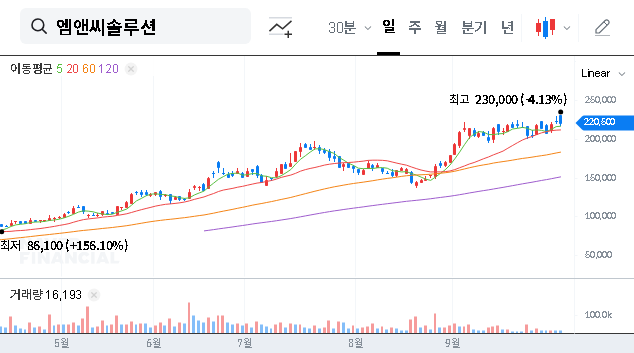
    • Market Recognition: The market has taken notice. The share price for M&C Solution stock has demonstrated phenomenal growth, and foreign ownership has steadily climbed from under 1% to nearly 9%, signaling strong international confidence.

    Investor Outlook & Strategic Action Plan

    The NPS investment solidifies M&C Solution’s position as a blue-chip K-Defense stock. However, prudent investors must consider both the opportunities and the risks.

    Short-Term and Long-Term Outlook

    In the short term, the NPS news is likely to provide strong support for the stock price, reinforcing positive sentiment. In the mid-to-long term, continued growth hinges on M&C Solution’s ability to maintain its performance trajectory and capitalize on the expanding K-Defense market. Further stake increases by institutional players could provide additional long-term tailwinds. To learn more about identifying such trends, you might find value in our guide to institutional investment strategies.

    Key Considerations and Potential Risks

    While the outlook is overwhelmingly positive, investors should remain vigilant:

    • Valuation Concerns: After a significant run-up, the stock’s valuation is high. Cautious investors should analyze future earnings forecasts before committing new capital.
    • Information Asymmetry: The defense industry is notoriously secretive. Detailed order information may be limited, requiring investors to trust in the management’s broader guidance.
    • Customer Concentration: A high reliance on a few major customers is a potential risk that needs continuous monitoring for signs of diversification.

    In conclusion, the National Pension Service’s increased stake in M&C Solution is a powerful validation of the company’s robust fundamentals and the immense potential of the K-Defense sector. For investors with a long-term horizon, M&C Solution stock represents a compelling opportunity to gain exposure to a high-growth industry leader, backed by one of the world’s most influential institutional investors.

    (484870) M&C Solution Stock: Why the National Pension Service Bet Big on this K-Defense Leader (2025 Analysis) 관련 이미지
  • (218410) RFHIC Stock Analysis: Why the National Pension Service is Betting Big on This GaN Leader

    (218410) RFHIC Stock Analysis: Why the National Pension Service is Betting Big on This GaN Leader

    The market is buzzing about RFHIC stock after a significant move from one of Korea’s largest institutional investors. The National Pension Service (NPS) recently increased its stake in the company by 5.10%, a clear vote of confidence that has captured the attention of investors. While this is undoubtedly a bullish signal, a savvy investor knows that looking beyond the headlines is crucial for making informed decisions. This comprehensive RFHIC analysis will delve into the company’s core fundamentals, the real market impact of the NPS investment, and a detailed strategy for approaching RFHIC stock.

    The Catalyst: NPS Acquires a 5.10% Stake in RFHIC

    On October 1, 2025, RFHIC made a public announcement confirming that the National Pension Service had acquired an additional 5.10% of its shares. This transaction was officially documented in a ‘Report on the Status of Large-Volume Holdings of Shares,’ solidifying the NPS’s increased conviction in RFHIC’s future. You can view the Official Disclosure (Source) on the DART system. This level of institutional buying often signals that a company possesses strong underlying value and significant long-term growth potential.

    Why RFHIC? A Deep Dive into the Company’s Fundamentals

    The NPS’s decision wasn’t made in a vacuum. It was likely based on a rigorous evaluation of RFHIC’s core technology, market position, and financial health. Let’s break down the key factors that make RFHIC an attractive, albeit complex, investment.

    Core Competence: A Leader in Gallium Nitride (GaN) Technology

    RFHIC is a global pioneer in Gallium Nitride (GaN)-based radio frequency (RF) power semiconductors. Unlike traditional silicon, GaN can operate at much higher frequencies, voltages, and temperatures, making it the ideal material for next-generation technologies. This technological edge is the primary driver of RFHIC’s growth in the demanding 5G telecommunications and advanced defense industries. Their proprietary design and mass-production capabilities create a significant competitive moat.

    The NPS investment is a strong endorsement of RFHIC’s leadership in the high-growth GaN semiconductor market, a critical component for 5G, satellite, and defense applications.

    The Bull Case: Growth Drivers and Financial Stability

    • GaN Technology Leadership: As demand surges, RFHIC is positioned to capture a significant share of the advanced semiconductor market.
    • New Market Expansion: Active expansion into high-potential markets like satellite communications and RF energy (used in industrial heating and plasma generation) promises new revenue streams.
    • Solid Revenue Base: A substantial order backlog of 148.2 billion KRW for radar GaN power amplifiers provides a stable foundation for revenue.
    • Strong Financials: A low debt-to-asset ratio of around 25% indicates a very stable and healthy financial structure.

    The Bear Case: Cautionary Factors and Challenges

    • Recent Revenue Decline: Revenue in the first half of 2025 saw a 33% year-on-year decrease, mainly due to a dip in GaN power amplifier sales. Investors must watch for a reversal of this trend.
    • Intensifying Competition: The GaN market is attracting global players, putting pressure on both technological leadership and pricing.
    • R&D Investment Levels: A recent decrease in R&D spending as a percentage of revenue raises questions about the company’s ability to maintain its long-term competitive edge.

    Smart Investment Strategy for RFHIC Stock

    The NPS investment is a significant positive, but it shouldn’t be the sole basis for an investment. A prudent strategy involves continuous monitoring of key performance indicators and market trends. For those looking to invest in RFHIC stock, a balanced and informed approach is essential.

    Key Considerations Before Investing

    Before committing capital, investors should diligently track several areas. First, monitor quarterly earnings reports for a clear reversal in the recent revenue decline and tangible progress in new business ventures. Second, assess the company’s commitment to innovation by tracking its R&D spending and patent filings. Lastly, stay informed about the broader macroeconomic factors affecting the semiconductor industry, such as global supply chain dynamics and interest rate policies, which you can learn more about from resources like Investopedia.

    Recommended Monitoring Strategy

    • Review Fundamentals Quarterly: Analyze earnings calls and new business disclosures to assess intrinsic value.
    • Track Institutional Trends: Follow the buying and selling patterns of other major institutions beyond the NPS to gauge broader market sentiment.
    • Compare Against Peers: Conduct a valuation analysis comparing RFHIC to its direct competitors to objectively gauge its attractiveness.

    Frequently Asked Questions (FAQ)

    What percentage of RFHIC stock did the NPS acquire?

    The National Pension Service (NPS) of Korea announced the acquisition of an additional 5.10% stake in RFHIC, signaling strong confidence in the company.

    What is RFHIC’s core technology?

    RFHIC specializes in high-performance Gallium Nitride (GaN)-based RF power semiconductors. This technology is crucial for the 5G communication, defense, and emerging satellite communication industries.

    What are the primary risks of investing in RFHIC stock?

    Key risks include a recent short-term revenue decline, intensifying global competition in the GaN semiconductor market, and concerns over a reduced R&D investment ratio. These factors require careful monitoring by any potential investor.

    (218410) RFHIC Stock Analysis: Why the National Pension Service is Betting Big on This GaN Leader 관련 이미지
  • (474650) Linksolution’s 3D Printing Contract for Rocket Engines: An In-Depth Investor Analysis

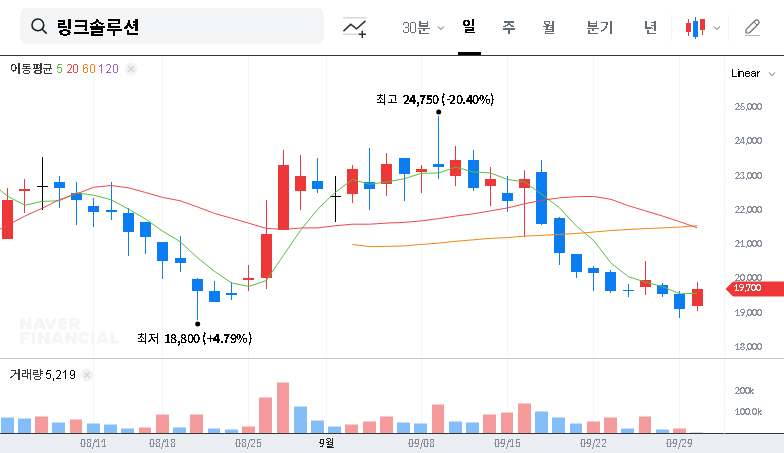
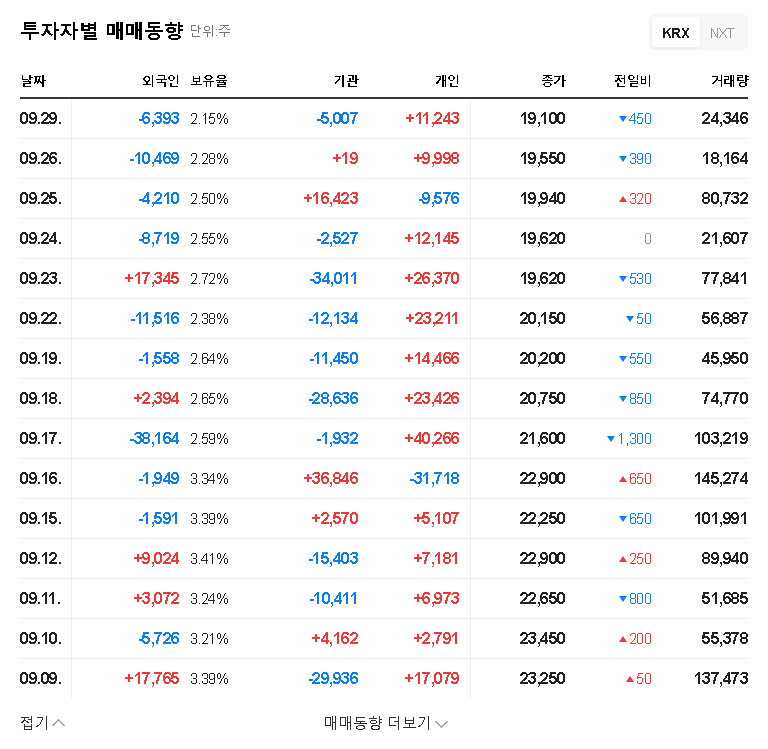
    (474650) Linksolution's 3D Printing Contract for Rocket Engines: An In-Depth Investor Analysis 대표 차트 이미지

    The recent Linksolution 3D printing contract has captured significant market attention, signaling a bold move into the highly advanced aerospace sector. Linksolution (KOSDAQ: 290650) announced a pivotal 600 million KRW agreement with Unastella Co., Ltd. for the additive manufacturing of critical rocket engine components. This development is far more than a simple sales update; it represents a strategic pivot into a high-growth, high-barrier-to-entry industry.

    For investors, this news raises crucial questions. What does this mean for Linksolution’s stock valuation? How does this contract position the company within the competitive landscape of aerospace additive manufacturing? This comprehensive analysis will break down the contract details, explore the significant opportunities, weigh the potential risks, and provide a clear action plan for investors looking to understand the future of Linksolution.

    The Contract: A Closer Look at the Unastella Deal

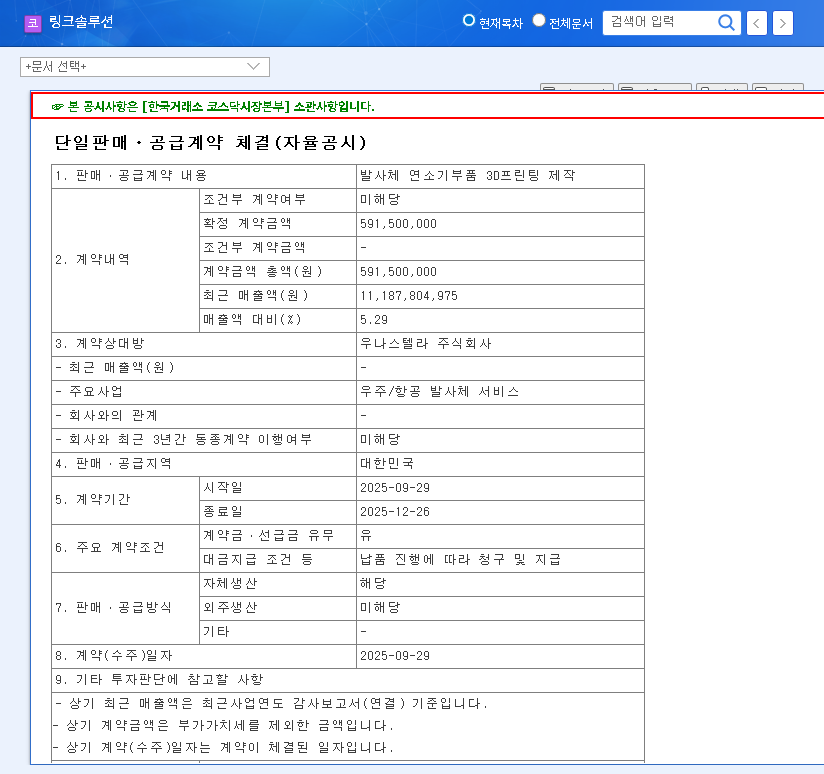
    On September 30, 2025, Linksolution filed a voluntary disclosure detailing the supply contract. The core components of the agreement, confirmed by the Official Disclosure (Source), are as follows:

    • Contract Partner: Unastella Co., Ltd., a rising player in the private space exploration industry.
    • Scope: 3D printing production of complex Unastella rocket engine parts.
    • Contract Value: 600 million KRW, representing approximately 5.29% of Linksolution’s recent annual revenue.
    • Contract Period: A concentrated timeframe from September 29, 2025, to December 26, 2025.

    This isn’t just a manufacturing deal; it’s a validation of Linksolution’s high-precision technology and a launchpad into the lucrative aerospace and defense markets.

    Why This Deal is a Game-Changer for Linksolution

    Entering the High-Value Aerospace Market

    The production of 3D printing rocket parts is a significant technological feat. The aerospace industry demands absolute precision, material integrity, and reliability. By securing this contract, Linksolution demonstrates its capabilities meet these exacting standards. Additive manufacturing is revolutionizing aerospace by enabling lighter components, rapid prototyping, and complex geometries that are impossible with traditional methods, a trend confirmed by industry leaders and agencies like NASA. This entry serves as a powerful long-term growth driver.

    Immediate Financial Impact and Future Revenue

    The 600 million KRW, representing over 5% of annual revenue, provides an immediate and substantial boost to the company’s top line. While a single contract’s profitability can vary, its true value lies in the potential for follow-on business. A successful delivery for Unastella could lead to larger, more lucrative, and longer-term production partnerships, establishing a new and stable revenue stream for Linksolution.

    Potential Risks and Investor Considerations

    Despite the overwhelmingly positive outlook, a prudent Linksolution stock analysis requires acknowledging potential risks. Investors should remain aware of the following factors:

    • Contract Duration: The short, two-month period raises the question of whether this is a one-off project or the start of a lasting partnership. The long-term impact hinges on securing future orders.
    • Execution Risk: Manufacturing rocket components carries zero tolerance for error. Any delays, quality control issues, or technical failures could damage the company’s reputation and financial standing.
    • Profitability Details: The announcement lacks specifics on profit margins. High material costs and R&D expenses could impact the net profitability of the contract.

    Investor Action Plan & Strategic Outlook

    For those considering an investment, this contract is a major bullish signal, but due diligence is key. We recommend focusing on the following areas:

    • Monitor Follow-on News: Watch for announcements regarding the successful completion of this contract and any news of further orders from Unastella or other aerospace companies.
    • Analyze Financial Reports: Scrutinize upcoming quarterly earnings reports to see the actual financial impact of this deal and any management commentary on the aerospace division’s future.
    • Evaluate Company Fundamentals: Place this contract in the broader context of the company’s health. This approach aligns with principles discussed in our guide to tech stock evaluation.

    Frequently Asked Questions (FAQ)

    Q1: What is the primary significance of Linksolution’s contract?

    The contract with Unastella for 3D printing rocket parts marks Linksolution’s strategic entry into the high-value aerospace industry, validating its technology and opening doors for long-term growth beyond its immediate revenue impact.

    Q2: How large is this contract relative to Linksolution’s revenue?

    The 600 million KRW contract represents approximately 5.29% of Linksolution’s recent annual revenue, making it a financially significant project for the company in the short term.

    Q3: What are the main risks associated with this aerospace contract?

    The main risks include the possibility of it being a one-time project, the high technical demands and execution risk associated with rocket parts, and uncertainty about the project’s final profitability.

    (474650) Linksolution's 3D Printing Contract for Rocket Engines: An In-Depth Investor Analysis 관련 이미지
    (474650) Linksolution's 3D Printing Contract for Rocket Engines: An In-Depth Investor Analysis 관련 이미지
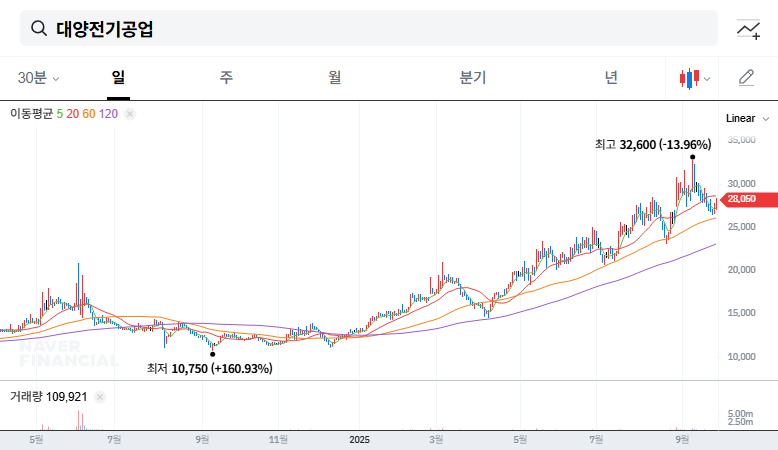
  • Dae Young Electric’s Treasury Stock Disposal: Impact Analysis and Investment Strategy


    Dae Young Electric's Treasury Stock Disposal: Impact Analysis and Investment Strategy 대표 차트 이미지


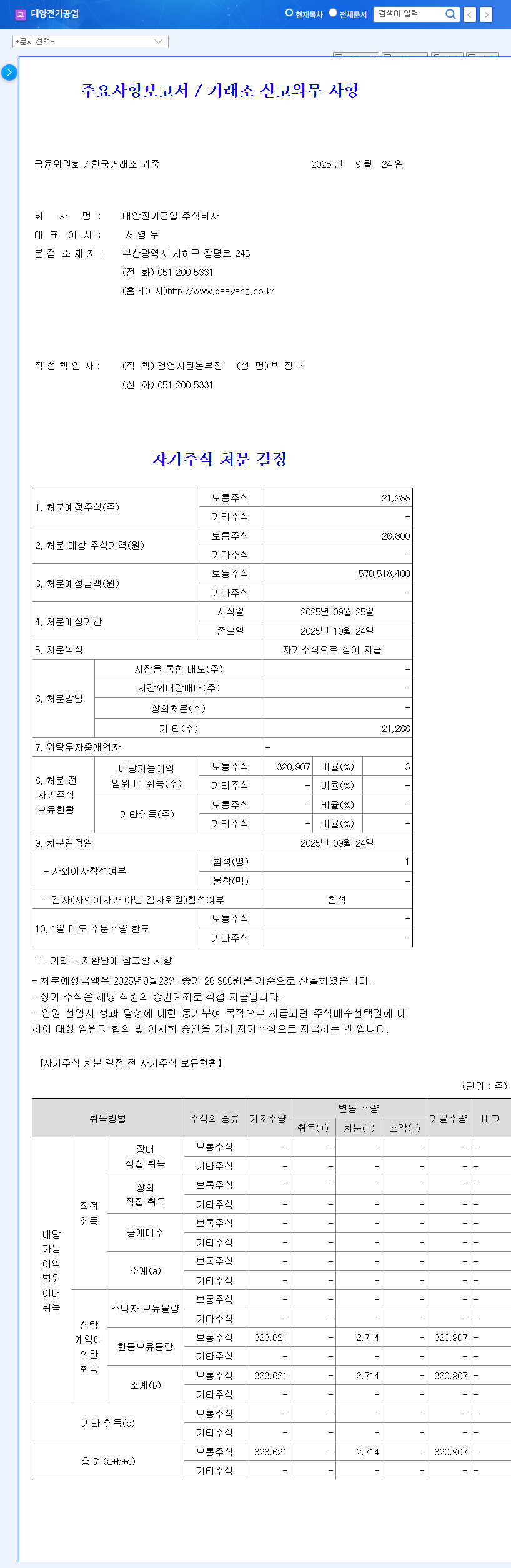
    1. What’s happening with Dae Young Electric’s Treasury Stock?

    Dae Young Electric announced on September 24, 2025, the disposal of 21,288 treasury shares (0.22% of total outstanding shares) for KRW 600 million. The purpose of this disposal is to provide bonuses to employees.

    2. Why is Dae Young Electric Disposing of Treasury Stock?

    The treasury stock disposal is intended to reward employees for their performance. The company aims to boost morale and motivation, leading to improved productivity and long-term performance gains.

    3. Company Fundamentals and Future Outlook

    • Strong Performance: For the first half of 2025, Dae Young Electric reported revenue of KRW 111.9 billion (up 22.7% YoY) and operating profit of KRW 11.4 billion (up 111.3% YoY), demonstrating robust growth. The defense and automotive sensor businesses are particularly noteworthy.
    • Solid Financials: With a debt-to-equity ratio of 25.30%, the company maintains a healthy financial position. Operating cash flow has also turned positive.
    • Securing Future Growth Engines: Dae Young Electric is actively investing in R&D and pursuing new business opportunities to secure future growth.

    4. What Should Investors Do?

    The disposal of a small amount of treasury stock is not expected to significantly impact the company’s value. Investors should focus on the potential for long-term growth driven by increased employee motivation. Given the company’s strong fundamentals and growth potential, maintaining a mid-to-long-term investment perspective is recommended. However, continuous monitoring of macroeconomic conditions and industry volatility is crucial.


    Frequently Asked Questions (FAQ)

    Will the treasury stock disposal negatively affect the stock price?

    The disposal involves only 0.22% of the total outstanding shares and is therefore unlikely to significantly impact the stock price directly. It may even have a positive impact by boosting employee morale and driving long-term growth.

    What are Dae Young Electric’s main businesses?

    Dae Young Electric manufactures various products for the shipbuilding, defense, railway, and automotive industries. The defense and automotive sensor businesses are showing particularly strong growth.

    What are the key investment points for Dae Young Electric?

    Key investment points include the company’s robust fundamentals, its efforts to secure future growth engines, and the positive outlook for its industries.


    Dae Young Electric's Treasury Stock Disposal: Impact Analysis and Investment Strategy 관련 이미지


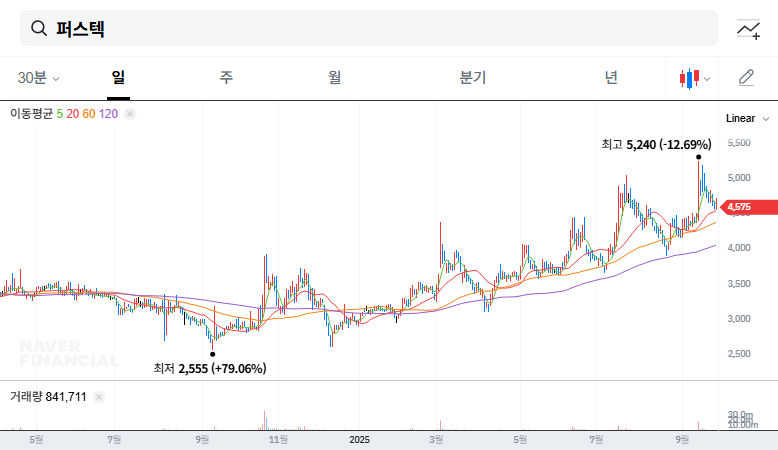
  • FursysTech Secures $42M Contract for Explosive Ordnance Disposal Robot Components

    FursysTech Secures $42M Contract for Explosive Ordnance Disposal Robot Components 대표 차트 이미지

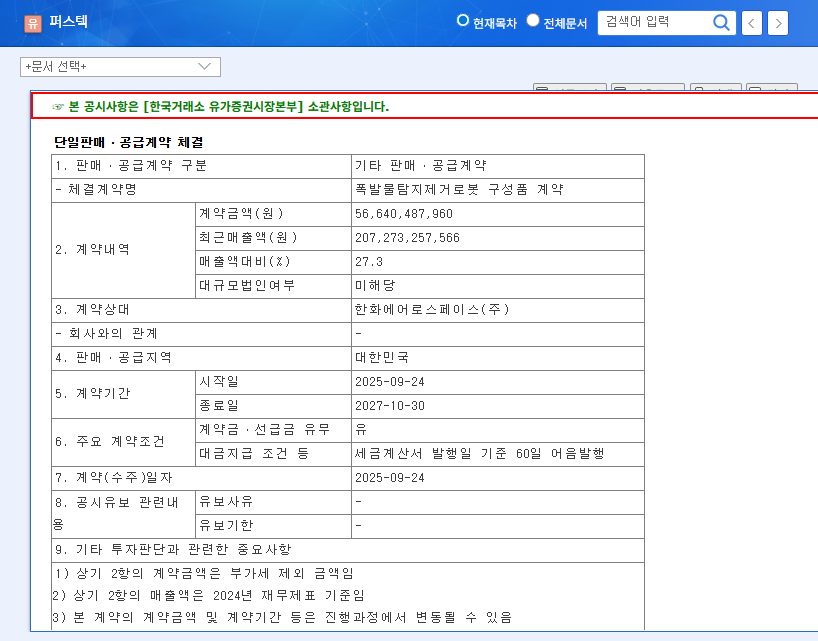
    What Happened? : A $42 Million Contract Signed

    FursysTech has secured a $42 million contract with Hanwha Aerospace to supply components for explosive ordnance disposal (EOD) robots. This contract, representing 27.3% of FursysTech’s sales, will run for approximately two years, from September 2025 to October 2027.

    Why is this Important? : FursysTech’s Growth Engine

    This contract signifies more than just increased sales; it’s a crucial step in securing FursysTech’s future growth. Collaboration with Hanwha Aerospace validates FursysTech’s technological prowess and enhances the likelihood of future contracts. It’s also expected to positively impact FursysTech’s existing business expansion and new market entry. The robust performance improvement seen in the 2025 semi-annual report further supports this growth potential.

    What’s Next? : Stock Potential and Risks

    This contract is likely to provide positive momentum for FursysTech’s stock price. However, investors should consider certain risk factors, such as dependence on defense sector contracts, contract margins, and foreign exchange volatility. Careful analysis of these elements is crucial before making investment decisions.

    What Should Investors Do? : Action Plan

    • Check Earnings: Verify the actual profit contribution and margin from the contract.
    • Track Contract Trends: Continuously monitor FursysTech’s new contract trends and the implementation of its future growth strategy.
    • Consider Macroeconomics: Factor in macroeconomic indicators and overall investment sentiment in the defense industry when making investment decisions.

    Frequently Asked Questions

    What is the size of this contract?

    The contract is worth $42 million, representing 27.3% of FursysTech’s sales.

    Who is the counterparty to the contract?

    The contract is with Hanwha Aerospace.

    Will this contract positively impact FursysTech’s stock price?

    The contract is expected to contribute to increased sales and improved profitability, potentially leading to a positive impact on the stock price. However, investments always carry risk, so careful consideration is necessary.

    FursysTech Secures $42M Contract for Explosive Ordnance Disposal Robot Components 관련 이미지
  • LIG Nex1’s $2 Billion Contract: Analysis and Investment Strategies (September 2025)

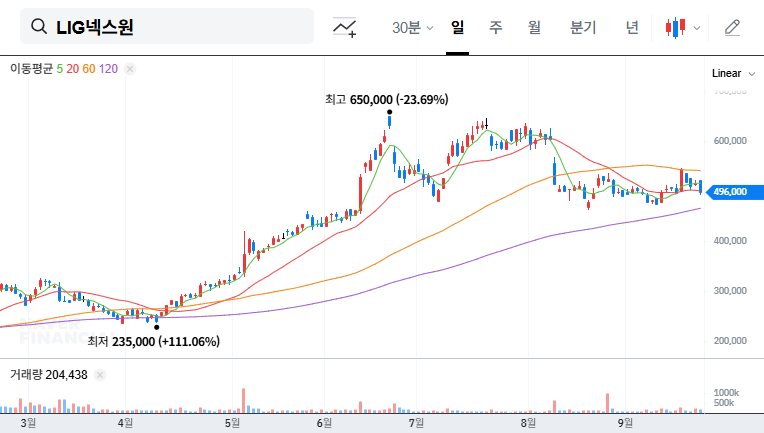
    LIG Nex1's $2 Billion Contract: Analysis and Investment Strategies (September 2025) 대표 차트 이미지

    1. What Happened? (Event Analysis)

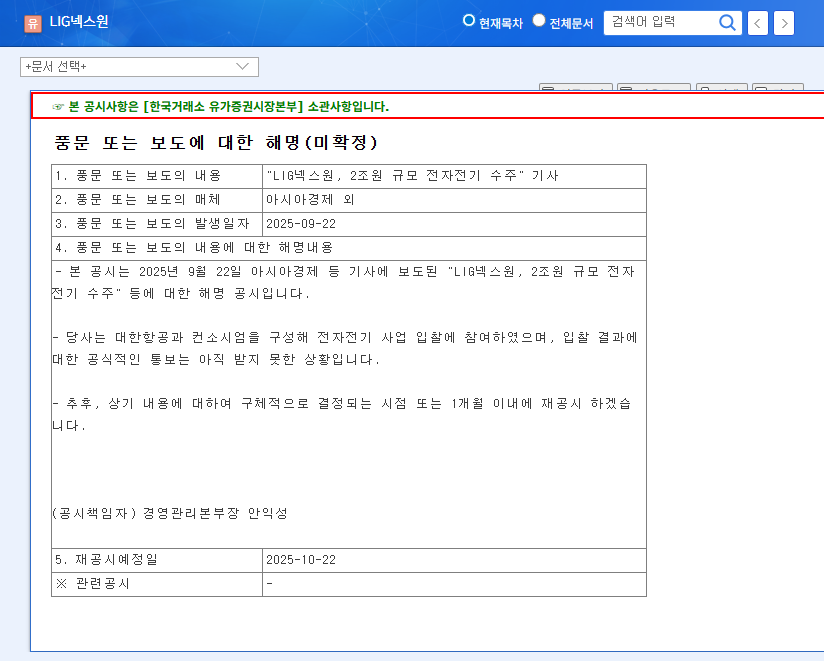
    On September 22, 2025, LIG Nex1 issued a clarification regarding its bid for a $2 billion electronic warfare systems contract, in consortium with Korean Air. The company has yet to receive official notification of the results, with a re-announcement expected on October 22, 2025.

    2. How Strong are LIG Nex1’s Fundamentals?

    Based on its Q2 2025 report, LIG Nex1 shows robust growth. Revenue and operating profit increased 35.5% and 63.1% year-on-year, respectively, and the company holds an order backlog exceeding $23 billion. However, investors should note the high debt-to-equity ratio of 396.18% and the negative operating cash flow due to substantial investments.

    3. How Will the Contract Impact Stock Price? (Impact Analysis)

    • Short-term Impact: Increased stock volatility is expected until the contract is confirmed. A wait-and-see approach is anticipated until the re-announcement date.
    • If the Contract is Awarded: Anticipate increased revenue and profit, strengthened fundamentals, and upward momentum for the stock price. Potential for increased competitiveness in international bids.
    • If the Contract is Lost: Potential for short-term stock price decline. The impact on fundamentals is likely to be limited due to the existing order backlog.

    4. What is the Macroeconomic Outlook?

    Fluctuations in global oil prices, exchange rates, and interest rates can all impact LIG Nex1’s business. A weak KRW/EUR exchange rate could negatively impact exports to the European market, while lower interest rates could positively affect borrowing costs. Geopolitical risks, leading to increased demand for defense products, may benefit LIG Nex1.

    5. What Should Investors Do? (Action Plan)

    While LIG Nex1 shows strong growth potential, stock price volatility may increase depending on the contract outcome and macroeconomic factors. Investors should carefully monitor related news and market reactions until the re-announcement on October 22, 2025, and make investment decisions cautiously.

    Frequently Asked Questions

    What are LIG Nex1’s main business areas?

    LIG Nex1 operates across a diverse range of defense sectors, including precision guided munitions (PGM), intelligence, surveillance, and reconnaissance (ISR), airborne early warning (AEW), and command, control, communications, computers, and intelligence (C4I).

    Is the $2 billion contract confirmed?

    No, it is not yet confirmed. The final outcome will be announced in a re-disclosure on October 22, 2025.

    What are the key investment risks to consider?

    Key investment risks include the high debt-to-equity ratio, ongoing litigation, and exchange rate volatility.

    LIG Nex1's $2 Billion Contract: Analysis and Investment Strategies (September 2025) 관련 이미지
  • Wellcron’s Treasury Stock Disposal: What it Means for Investors (September 2025 Analysis)


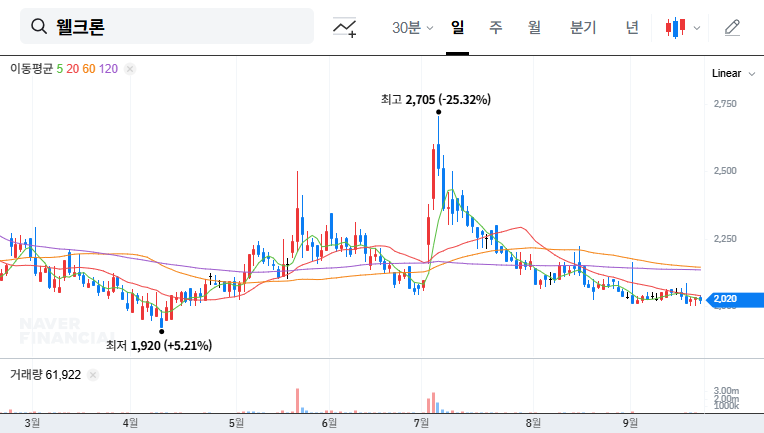
    Wellcron's Treasury Stock Disposal: What it Means for Investors (September 2025 Analysis) 대표 차트 이미지


    Treasury Stock Disposal: What Happened?

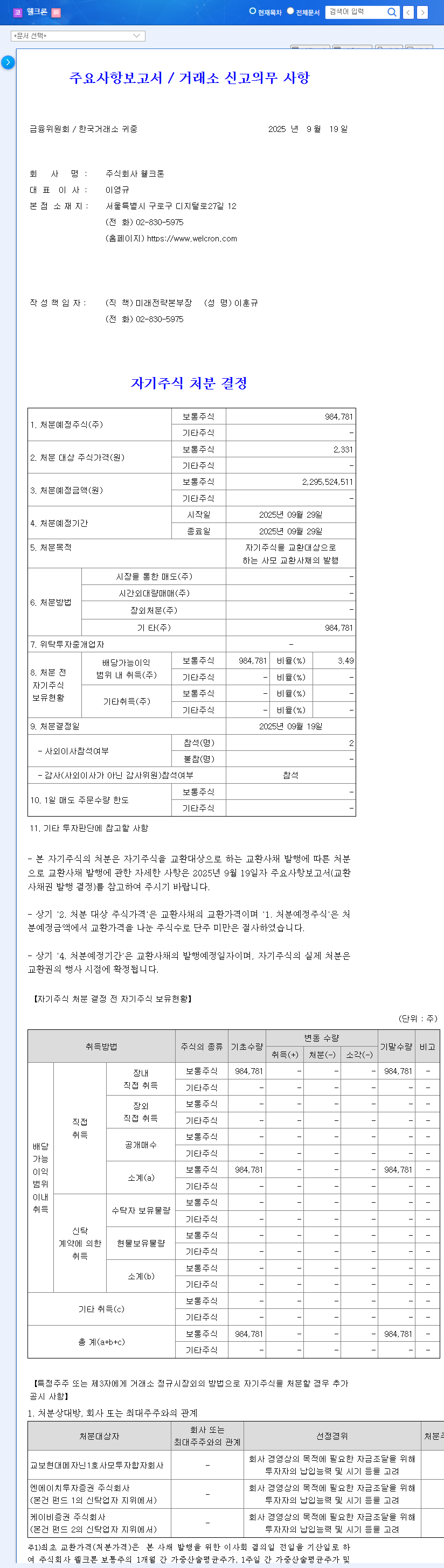
    Wellcron has decided to dispose of 984,781 shares (3.49% of the total) of its treasury stock to issue private exchangeable bonds. This amounts to 2.3 billion KRW.

    Why Dispose of Treasury Stock?

    This treasury stock disposal is a strategy for raising capital. The funds secured through the issuance of exchangeable bonds will be used to secure Wellcron’s future growth engines, such as new investments, R&D, and operating funds. This could be a crucial capital injection for Wellcron, which has recently been experiencing deteriorating profitability.

    Potential Impacts of the Disposal

    • Positive Effects:
      • Improved Financial Structure: Potential for increased liquidity and decreased debt ratio due to cash inflow.
      • Securing Growth Engines: Utilizing the procured funds for investments in growth areas such as the defense industry and eco-friendly textiles.
    • Negative Effects:
      • Dilution of Shareholder Value: Decrease in existing shareholders’ stake due to an increase in the number of issued shares.
      • Short-term Stock Price Decline: Concerns over equity dilution and increased market uncertainty.

    Investor Action Plan

    Investors should pay close attention to the following:

    • Specific terms of the private exchangeable bonds (conversion price, interest rate, maturity, etc.)
    • Specific investment plans and execution status of the procured funds
    • Performance improvement trends of Wellcron’s main business segments (textiles, defense industry, construction/plant)
    • Changes in macroeconomic environment such as exchange rates and interest rate fluctuations

    While treasury stock disposal can cause short-term stock price volatility, it can also open up long-term growth potential. Investment decisions should be made carefully, considering various factors.


    FAQ

    How will the treasury stock disposal affect Wellcron’s stock price?

    In the short term, there is a possibility of a stock price decline due to the increase in the number of shares. However, in the long term, if the company grows through the funds raised, it could lead to a stock price increase.

    What are private exchangeable bonds?

    A type of corporate bond that gives the investor the right to exchange it for the issuer’s stock if they wish.

    What are Wellcron’s fundamentals like?

    While it has a diversified business portfolio, it has recently been experiencing deteriorating profitability. The growth of the defense industry sector and R&D investments are positive factors.


    Wellcron's Treasury Stock Disposal: What it Means for Investors (September 2025 Analysis) 관련 이미지
    Wellcron's Treasury Stock Disposal: What it Means for Investors (September 2025 Analysis) 관련 이미지


  • SNT Dynamics: Investment Warning Lifted, Then Re-Issued – What’s Next?


    What Happened with SNT Dynamics?

    On September 17, 2025, SNT Dynamics saw its investment warning lifted, only to be immediately followed by a re-issuance warning due to the potential for overheating from the recent surge in stock price. This sends mixed signals to investors and increased short-term volatility is expected.

    SNT Dynamics: Fundamental Analysis

    As of H1 2025, SNT Dynamics recorded sales of KRW 336.667 billion (a 29.9% YoY increase), demonstrating solid growth. Strong exports of defense products and auto parts drove this growth. However, operating profit decreased to KRW 47.289 billion (down 30.9% YoY) due to rising cost of sales and increased SG&A expenses. The company maintains a stable financial position with a debt-to-equity ratio of 38.13%. R&D investment (2.81% of sales) and dividends (48.9% payout ratio) are also being maintained.

    Investment Warning Lifted and Re-Issued: What are the Implications?

    In the short term, increased stock price volatility and trading volume are expected, potentially leading to a wait-and-see approach from investors. In the medium to long term, factors such as improvement in fundamentals, growth in the defense sector, new business performance, and changes in the macroeconomic environment are expected to influence the stock price.

    Investor Action Plan

    • Approach short-term investments with caution, considering the risk of loss due to price fluctuations.
    • Long-term investors should closely monitor the company’s fundamentals, particularly improvements in profitability and new business performance.
    • Continuously monitor changes in the macroeconomic environment, especially the impact of exchange rate and interest rate fluctuations.
    • Pay attention to potential risk factors, such as continued deterioration in profitability, re-designation as an investment warning stock, and uncertainties in the defense industry.


    Frequently Asked Questions

    Why was SNT Dynamics’ investment warning lifted and then re-issued?

    The initial warning was lifted due to concerns about investment overheating caused by a rapid surge in stock price. However, it was re-issued due to the continued possibility of further rapid price increases.

    What are SNT Dynamics’ main businesses?

    SNT Dynamics operates in the defense, auto parts, and machinery industries. The growth potential of its defense sector is particularly noteworthy.

    What should I be aware of when investing in SNT Dynamics?

    Short-term stock price volatility can be significant, requiring careful investment decisions. Investors should monitor profitability improvements, new business performance, and changes in the macroeconomic environment.


  • SNT Dynamics Stock Forecast: Analyzing Investment Opportunities Amidst Large-Scale Sell-Off (September 2025)


    SNT Dynamics Stock Forecast: Analyzing Investment Opportunities Amidst Large-Scale Sell-Off (September 2025) 대표 차트 이미지


    What Happened to SNT Dynamics?

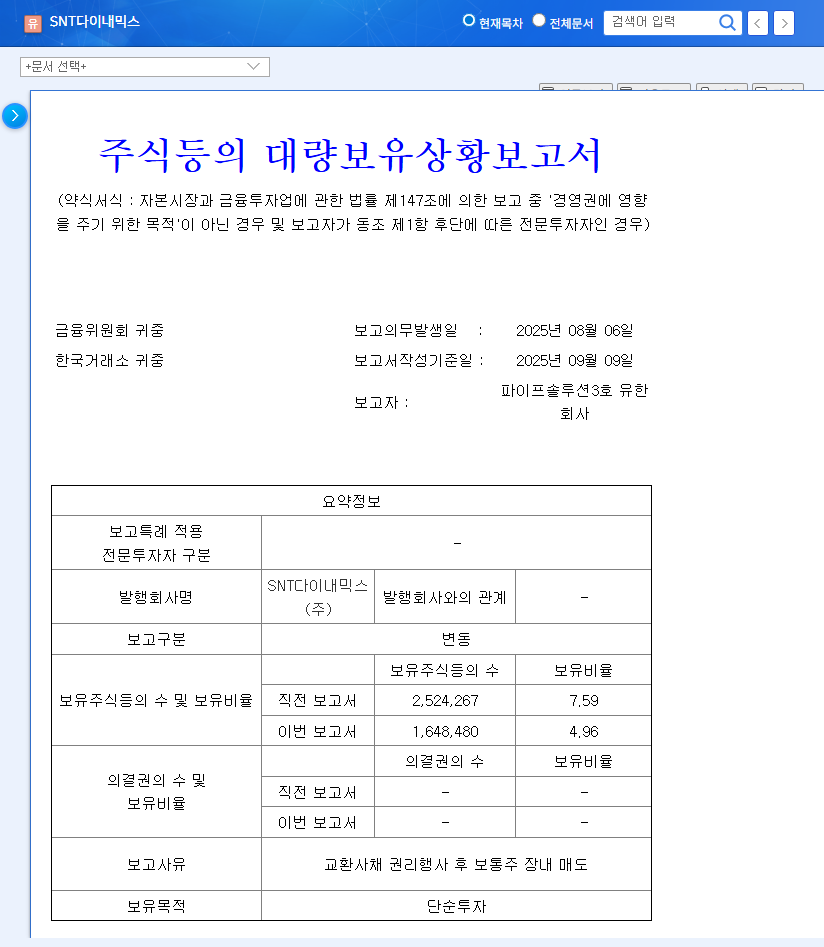
    Pipe Solution No. 3 sold 154,545 shares of SNT Dynamics, reducing its stake from 7.59% to 4.96%. The reason for the sale was reported as the exercise of convertible bonds and subsequent sale of common stock.

    Why the Large-Scale Sell-Off?

    Convertible bonds grant the right to exchange the bonds for stock at maturity. Pipe Solution No. 3 likely exercised this right, acquiring shares and then selling them for profit-taking or portfolio adjustment. This suggests a strategic investment decision rather than a fundamental issue with the company.

    Stock Forecast and Investment Strategy?

    Short-term: Increased stock volatility and downward pressure are expected. Long-term: Considering SNT Dynamics’ solid sales growth and efforts to secure new growth engines, the possibility of stock recovery is high. Positive factors like core business competitiveness and stable financial structure remain valid.

    What Should Investors Do?

    • Short-term investors: Be cautious of increased volatility and consider holding off on aggressive buying. The possibility of further sell-offs should be considered.
    • Long-term investors: The short-term stock decline could be a buying opportunity. Continuously monitor the company’s earnings improvement and the visibility of new business performance, considering investment from a long-term perspective.

    Key Investment Points: Continuously monitor efforts to improve profitability, new business performance, and cash flow improvement.


    Frequently Asked Questions

    What is SNT Dynamics’ main business?

    SNT Dynamics’ core business is the transportation equipment sector, producing defense industry products and vehicle components. This accounts for 99.7% of their revenue.

    Will this sell-off affect SNT Dynamics’ fundamentals?

    While short-term stock volatility is expected, the company’s fundamental business structure is not expected to be significantly impacted. This may even present a buying opportunity in the long run.

    What precautions should investors take?

    Investors should be wary of short-term volatility and continuously monitor the company’s efforts to improve profitability and the performance of new businesses.


    SNT Dynamics Stock Forecast: Analyzing Investment Opportunities Amidst Large-Scale Sell-Off (September 2025) 관련 이미지
    SNT Dynamics Stock Forecast: Analyzing Investment Opportunities Amidst Large-Scale Sell-Off (September 2025) 관련 이미지