Tag: Damages Claim

  • (028050) SAMSUNG E&A Arbitration: A Deep Dive for Investors on Risks & Stock Impact

    (028050) SAMSUNG E&A Arbitration: A Deep Dive for Investors on Risks & Stock Impact

    A significant development has emerged for investors in SAMSUNG E&A CO.,LTD, as the company now faces a major international arbitration request from a key Thai client. This news introduces a new layer of uncertainty, prompting questions about the potential ramifications for the company’s financial health and the performance of SAMSUNG E&A stock. This article provides a comprehensive analysis of the SAMSUNG E&A arbitration, delving into the core issues, potential impacts, and strategic considerations for current and prospective investors.

    The Heart of the Matter: The Arbitration Claim

    SAMSUNG E&A CO.,LTD officially announced that it has received a request for arbitration from Thai Oil Public Limited Company (TOP). The dispute centers on the large-scale Clean Fuels Project (CFP) in Thailand, a significant undertaking for both parties. The core of the claim involves TOP seeking damages for what it alleges are remaining construction costs and a loss of profit resulting from the project’s termination. The proceedings are slated to be held at the prestigious Singapore International Arbitration Centre, a common venue for major international commercial disputes.

    The information regarding this legal challenge was disclosed by the company to ensure transparency with the market. You can view the complete filing directly from the source. Official Disclosure (DART).

    While the arbitration request does not halt SAMSUNG E&A’s core operations, it casts a significant shadow of financial and reputational uncertainty that investors cannot afford to ignore. The final outcome could set a precedent for how the market views the company’s project execution capabilities.

    Analyzing the Potential Impacts on SAMSUNG E&A

    The Thai Oil arbitration poses a multi-faceted threat to SAMSUNG E&A. Understanding each potential area of impact is crucial for a complete risk assessment.

    1. Direct Financial Exposure

    The most immediate risk is financial. A ruling in favor of the claimant could force SAMSUNG E&A CO.,LTD to pay substantial damages. As the specific claim amount has yet to be finalized, a cloud of uncertainty hangs over the company’s balance sheet. This potential liability could strain cash reserves, impact profitability, and affect the company’s ability to fund future projects. Legal fees and associated costs will also add to the financial burden, regardless of the outcome.

    2. Reputational and Business Risk

    In the global Engineering, Procurement, and Construction (EPC) industry, reputation is paramount. A protracted and public dispute can damage a company’s credibility and client trust. This SAMSUNG E&A arbitration could make it more challenging to secure new large-scale overseas contracts, as potential clients may become warier of project execution risks. The outcome will be closely watched by competitors and partners alike.

    3. Impact on SAMSUNG E&A Stock

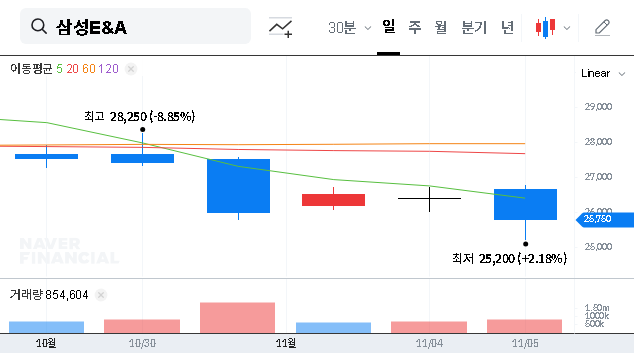
    Markets dislike uncertainty. With no clear analyst consensus on the company’s outlook, this arbitration news is a significant negative catalyst. We can anticipate heightened volatility for SAMSUNG E&A stock as investor sentiment sours. The share price is likely to remain under pressure until there is more clarity on the potential financial damages and the company’s mitigation strategy. This period of ambiguity can lead to a sell-off from risk-averse investors.

    Macroeconomic Factors Magnifying the Risk

    The current global economic climate further complicates the situation for SAMSUNG E&A. Several external factors could exacerbate the financial strain from the arbitration:

    • High KRW/USD Exchange Rate: A weaker won against the dollar increases the cost of imported materials and could inflate the real value of any potential damages awarded in foreign currency.
    • Elevated Interest Rates: Persistently high interest rates in the US and Korea increase corporate borrowing costs. This makes managing any large, unexpected financial payout from the arbitration more challenging.
    • Volatile Commodity Prices: Fluctuations in oil and material prices create an unfavorable and unpredictable environment for the entire EPC industry, adding another layer of operational risk. For further reading, industry analysis from sources like Reuters can provide broader context.

    Strategic Outlook and Investor Action Plan

    Given the circumstances, a prudent and cautious approach is warranted. Investors should actively monitor developments and consider the following steps. This situation is a reminder of the inherent risks in the sector, a topic we cover more deeply in our article on Understanding EPC Project Risks.

    • Monitor Disclosures: Pay close attention to all official company announcements and regulatory filings related to the arbitration proceedings.
    • Re-evaluate Risk: Assess how this new potential liability fits within your investment portfolio’s risk tolerance.
    • Wait for Clarity: Until the scope of the financial damages becomes clearer, the risk-to-reward ratio for SAMSUNG E&A stock appears unfavorable. A period of observation may be the wisest course of action.

    Frequently Asked Questions (FAQ)

    What is the core issue of the SAMSUNG E&A arbitration?

    The arbitration was initiated by Thai Oil Public Limited Company over the Clean Fuels Project (CFP). They are claiming damages for project termination, including remaining construction costs and lost profits.

    How significant is the potential financial impact?

    The financial impact is currently unknown but could be substantial. An unfavorable ruling could negatively affect SAMSUNG E&A’s cash flow and overall financial health. The uncertainty itself is a major risk factor for investors.

    What is the likely effect on SAMSUNG E&A’s stock price?

    The news is a negative catalyst that is expected to weaken investor sentiment and potentially lead to a decline in the stock price. Increased volatility is likely until the arbitration outcome is resolved.
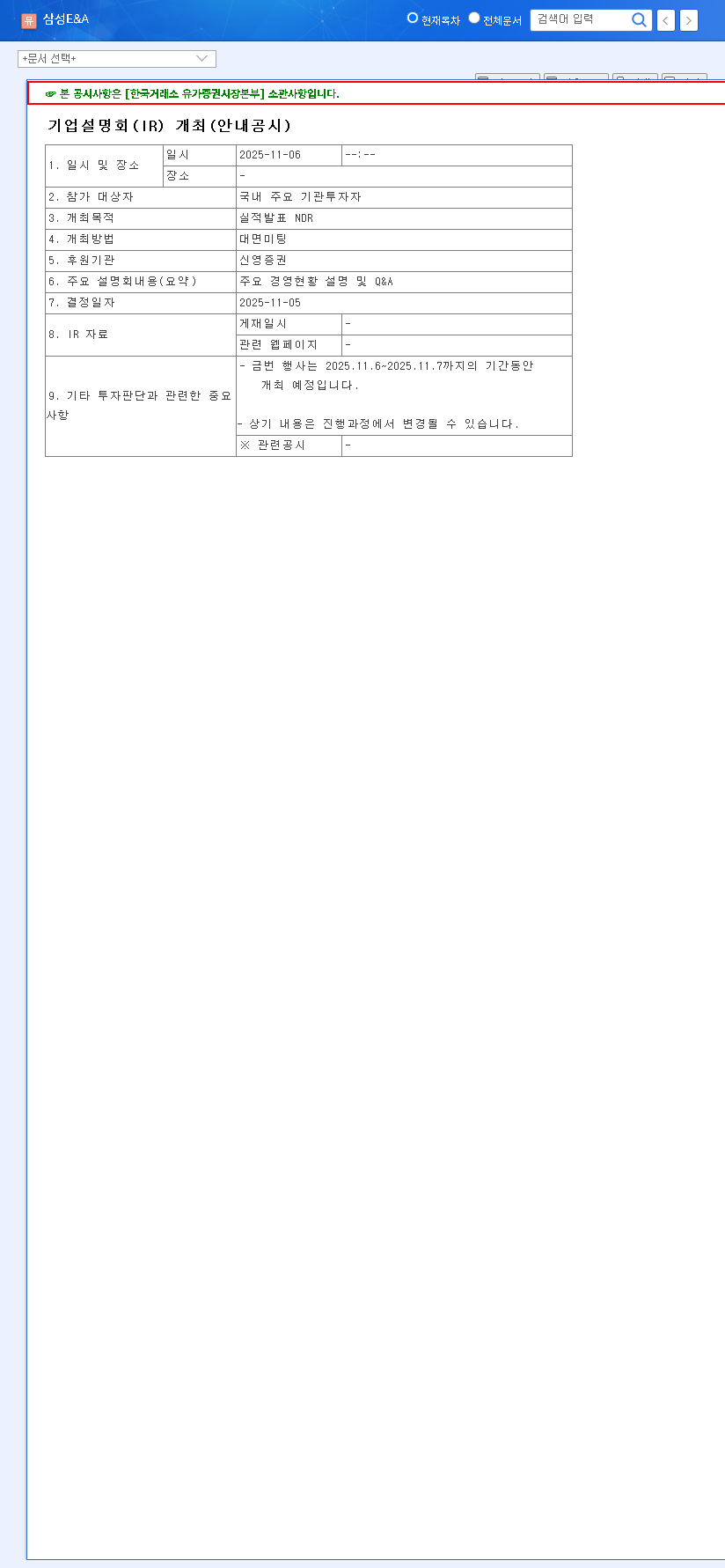
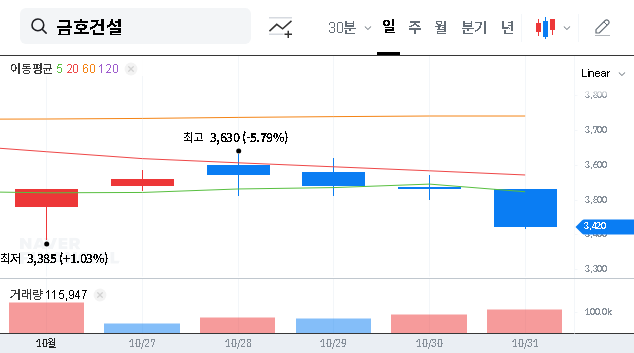
    (028050) SAMSUNG E&A Arbitration: A Deep Dive for Investors on Risks & Stock Impact 관련 이미지
  • (002990) KUMHO E&C Lawsuit: A ₩17.5B Risk & In-Depth Financial Analysis for Investors

    (002990) KUMHO E&C Lawsuit: A ₩17.5B Risk & In-Depth Financial Analysis for Investors

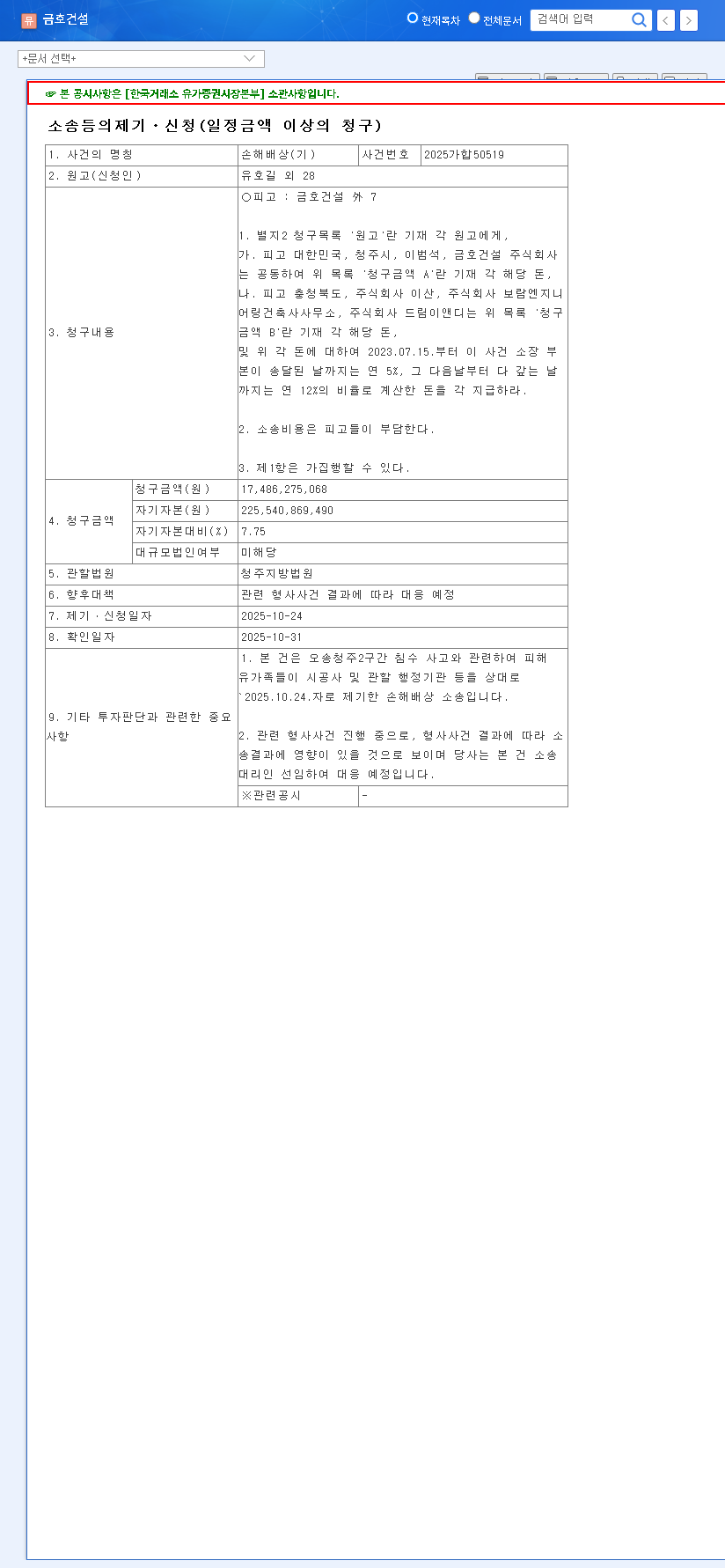
    Amidst a volatile construction sector, the challenges for KUMHO Engineering & Construction Co., Ltd. (금호건설) have intensified. A significant KUMHO E&C lawsuit demanding ₩17.5 billion in damages has emerged as a critical risk factor, compounding the company’s already precarious financial situation. With a staggering debt ratio and a difficult 2024 performance, this legal battle could have profound implications for the company’s future and its investors. This deep-dive analysis dissects the lawsuit, evaluates its impact on KUMHO E&C’s fundamentals, and provides a clear action plan for stakeholders.

    The ₩17.5 Billion Lawsuit: A Closer Look

    On October 31, 2025, KUMHO E&C formally disclosed the filing of a major ‘claim for damages’ lawsuit, a development that immediately captured investor attention. The case, filed at the Cheongju District Court by Yoo Ho-gil and 28 others, targets not only KUMHO E&C but also several other entities, including state bodies. The details, as per the Official Disclosure (DART), are as follows:

    • Claim Amount: A substantial ₩17.5 billion, representing approximately 7.75% of KUMHO E&C’s total assets.
    • Key Defendants: The lawsuit names the Republic of Korea, Cheongju City, Lee Bum-seok, and KUMHO Engineering & Construction, among four others.
    • Company Stance: KUMHO E&C has stated it will formulate its response based on the outcome of related criminal proceedings, adding a layer of prolonged uncertainty.

    This legal challenge is not just a line item on a balance sheet; it’s a significant contingent liability that threatens to drain cash reserves and further damage market confidence at the worst possible time.

    KUMHO E&C Financial Analysis: On Shaky Ground

    The lawsuit arrives as KUMHO E&C navigates severe financial turbulence. The company’s recent performance paints a grim picture, making this new legal battle particularly perilous.

    Worsening Performance and Alarming Debt Levels

    The 2024 fiscal year was deeply challenging. Sales saw a 14% year-over-year decline, but more alarmingly, the company swung from a profit to an operating loss of ₩181.8 billion. This operational strain is magnified by a severely leveraged balance sheet.

    The debt-to-equity ratio has surged to an alarming 588.78%. This level indicates extreme financial distress, significantly increasing bankruptcy risk and limiting the company’s ability to secure new financing on favorable terms.

    The Compounding Risk of Uncollected Payments

    Adding to the pressure are significant uncollected payments across six major projects. This issue points to underlying problems with project delays, developer funding, and escalating Project Financing (PF) risks. In a high-interest-rate environment, as detailed in this analysis of the construction market, such PF-related vulnerabilities can quickly spiral, choking off cash flow and impacting profitability.

    Strategic Pivots: Can KUMHO E&C Turn the Tide?

    Despite the bleak outlook, management is not standing still. The company is pursuing long-term strategies aimed at improving resilience and competitiveness, though their short-term impact may be limited.

    • Digital Transformation: Investments in a dedicated smart construction department, AI-powered safety monitoring, and BIM-centric development show a commitment to modernizing operations for future efficiency gains.
    • Selective Order Strategy: A shift towards a ‘profitability first’ approach to taking on new projects may reduce top-line revenue in the short term but is a necessary step toward rebuilding financial health and managing risk more effectively.

    Investor Action Plan: Navigating the Uncertainty

    Given the confluence of legal, financial, and market risks, investors must adopt a highly cautious and analytical approach. This isn’t a time for passive holding; it’s a time for active monitoring. Consider the following crucial steps:

    1. Closely Monitor the Lawsuit’s Progression

    The outcome of the KUMHO E&C lawsuit is a primary catalyst. Track all court filings, official company statements, and the results of the related criminal case. Any indication of a negative ruling could trigger further stock price declines.

    2. Scrutinize Financial Deleveraging Efforts

    The company’s survival hinges on its ability to manage its debt. Look for concrete actions like asset sales, successful debt refinancing, or capital injections. Understanding metrics is key, and you can learn more about analyzing a company’s debt ratio here. A failure to meaningfully reduce the 588.78% debt ratio is a major red flag.

    3. Assess Core Business Competitiveness

    Beyond the financials, gauge the health of the core operations. Is the company still securing profitable new orders? Are they making progress on collecting outstanding payments? A shrinking order book combined with existing cash flow problems would signal a deteriorating competitive position.

    In conclusion, the ₩17.5 billion lawsuit has cast a long shadow over KUMHO E&C, exacerbating existing financial vulnerabilities. While long-term strategic initiatives offer a glimmer of hope, the immediate risks are substantial. Investors must exercise extreme diligence, conducting a thorough analysis of the company’s financial recovery efforts and legal challenges before making any investment decisions.

    (002990) KUMHO E&C Lawsuit: A ₩17.5B Risk & In-Depth Financial Analysis for Investors 관련 이미지
  • (140410) Mezzion Pharma Lawsuit: KRW 4.7B Claim Rocks Stock – In-Depth Investor Analysis

    (140410) Mezzion Pharma Lawsuit: KRW 4.7B Claim Rocks Stock – In-Depth Investor Analysis

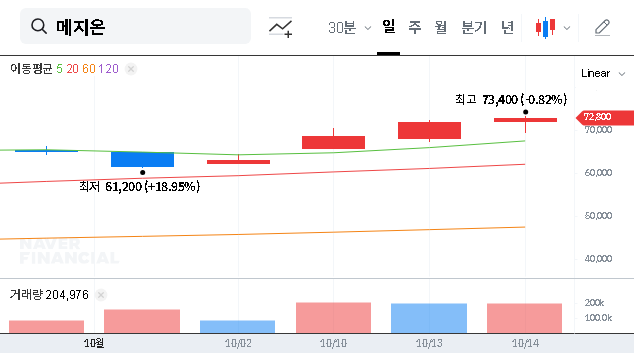
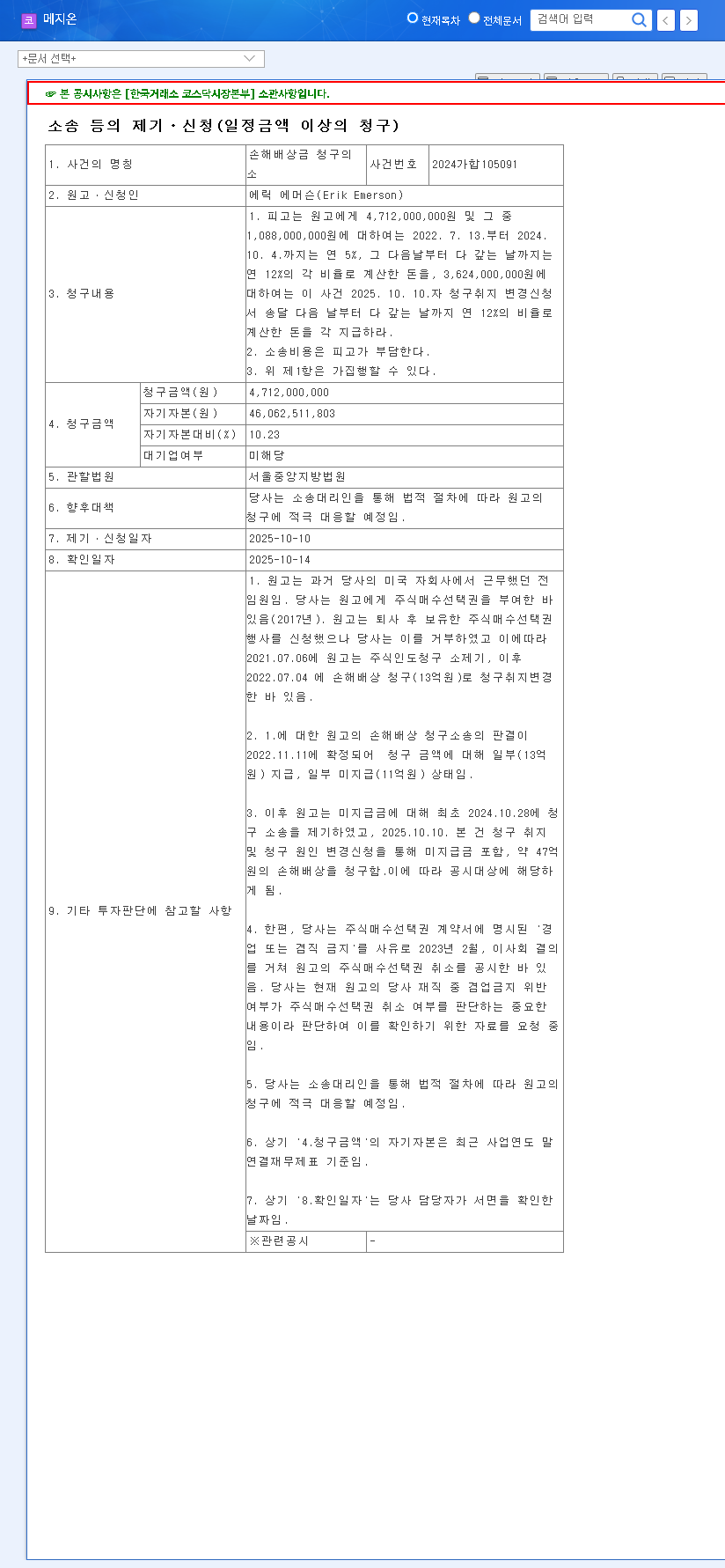
    A significant development has sent ripples through the biotech investment community: a major Mezzion Pharma lawsuit has been filed, creating a new layer of uncertainty for the company and its shareholders. Mezzion Pharma Co., Ltd., already navigating the turbulent waters of new drug development and financial pressures, now faces a ‘Claim for Damages’ lawsuit totaling approximately KRW 4.7 billion. This event could have substantial repercussions for the Mezzion stock price and overall investor confidence.

    This in-depth analysis will explore the specifics of the lawsuit, dissect its potential impact on Mezzion’s precarious financial situation, and offer strategic considerations for those following this critical story in biotech investing. For any investor with a stake in Mezzion Pharma Co., Ltd., understanding the full scope of this challenge is paramount.

    Deconstructing the KRW 4.7 Billion Lawsuit

    The legal challenge facing Mezzion is not a minor dispute. It represents a significant financial threat that demands close scrutiny. Here are the core details of the claim filed against Mezzion Pharma Co., Ltd.:

    • Case Name: Claim for Damages
    • Plaintiff: Erik Emerson
    • Jurisdiction: Seoul Central District Court
    • Claim Amount: KRW 4,712,000,000
    • Impact on Assets: This amount represents a staggering 10.23% of Mezzion’s total assets, highlighting the material nature of the claim.
    • Company Response: Mezzion has publicly stated its intention to mount an active legal defense through its representatives. For more details, see the Official Disclosure.

    For a company already facing significant headwinds, a lawsuit of this magnitude is the last thing investors wanted to see. It’s not just the potential financial payout; it’s the diversion of resources and the damage to market sentiment that pose the real threats.

    A Perfect Storm: Compounding Financial and Operational Pressures

    The timing of this Mezzion Pharma lawsuit could not be worse. It arrives when the company’s fundamentals are already under immense strain. To fully grasp the potential fallout, one must consider the broader context of Mezzion’s current state.

    Persistent Drug Development Hurdles

    Mezzion’s primary focus is the development of a treatment for single ventricle heart disease (SVHD) in Fontan surgery patients. This noble pursuit has been fraught with challenges. A key setback occurred when the US FDA recommended additional clinical trials, forcing Mezzion to withdraw its new drug application. This has led to extended development timelines, ballooning R&D costs (reaching KRW 34.2 billion in H1 2025), and a cloud of uncertainty over its most critical asset.

    Deteriorating Financial Health

    The company’s financial statements paint a concerning picture. With high current liabilities (KRW 47 billion) and derivative liabilities (KRW 15.8 billion), Mezzion exhibits a high debt ratio and significant liquidity risk. The recent issuance of KRW 23 billion in convertible bonds adds to this burden. Compounding the issue, revenue from its once-stable BNF business unit has been in decline, removing a crucial financial cushion. This fragile state makes the prospect of a KRW 4.7 billion payout from the lawsuit particularly alarming.

    Analyzing the Mezzion Pharma Lawsuit’s Impact on Stock & Strategy

    Given the context, the repercussions of this lawsuit are likely to be multi-faceted, affecting investor sentiment, financial stability, and long-term business operations.

    • Stock Price Volatility: The news is a clear negative catalyst for Mezzion stock. Expect heightened short-term downward pressure as the market digests the risk. The 10.23% of assets figure will likely fuel sell-offs from risk-averse investors.
    • Deteriorating Cash Flow: An unfavorable verdict would directly impact Mezzion’s cash reserves, further straining its ability to fund ongoing R&D and meet its debt obligations. This could trigger a vicious cycle of financial distress.
    • Resource Diversion: Legal battles are costly and time-consuming. Management’s focus may be diverted from critical business operations and drug development to litigation strategy, potentially delaying key milestones.

    Strategic Considerations for Mezzion Investors

    For those considering a Mezzion investment or holding a current position, a cautious and informed approach is essential. The market for developmental-stage companies is already volatile, a fact underscored by broader trends in biotech sector analysis from sources like Reuters. Here are key areas to monitor:

    • Transparency and Communication: Watch for how Mezzion communicates the lawsuit’s progress. Prompt, transparent updates can help mitigate market uncertainty.
    • Legal Defense Milestones: Keep an eye on any public statements or filings from Mezzion’s legal team that might indicate the strength of their defense.
    • Financial Contingency Plans: It is critical to see if management outlines a plan to mitigate the financial impact of a potential loss. This could involve asset sales, strategic partnerships, or other forms of financing.
    • Core Business Progress: Ultimately, Mezzion’s long-term value is tied to its drug pipeline. Any positive news on the R&D front could help offset the negative sentiment from the lawsuit. Learn more about how to analyze biotech stocks for a deeper perspective.

    In conclusion, the Mezzion Pharma lawsuit is a material event that significantly elevates the risk profile of the company. Investors must weigh the potential of its drug development pipeline against a backdrop of severe financial strain and now, a costly legal battle. Diligent monitoring and a comprehensive risk assessment are more crucial than ever.

    (140410) Mezzion Pharma Lawsuit: KRW 4.7B Claim Rocks Stock – In-Depth Investor Analysis 관련 이미지