Tag: DAEHO AL Co.

  • (069460) DAEHO AL Co.,Ltd. Stake Sale (069460): Analysis of Opticore Divestment & Future Strategy

    (069460) DAEHO AL Co.,Ltd. Stake Sale (069460): Analysis of Opticore Divestment & Future Strategy

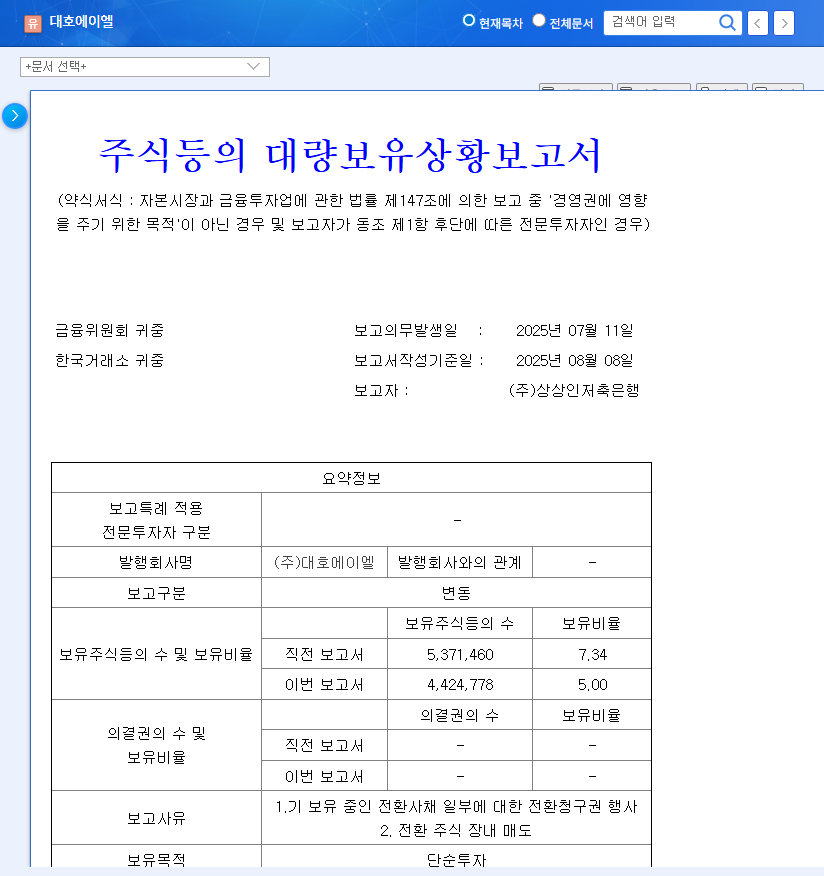
    The recent announcement of the DAEHO AL Co.,Ltd. stake sale in its subsidiary, Opticore, represents a pivotal strategic move for the company. While the transaction size of KRW 2 billion may seem modest, it signals a deliberate effort towards financial fortification and business realignment. This decision to divest is more than a simple line item on a balance sheet; it’s a calculated strategy aimed at securing vital operating funds and streamlining the corporate structure for future growth. For investors and market analysts, understanding the nuances of this divestment is key to forecasting the future trajectory of DAEHO AL (069460).

    This comprehensive analysis will explore the details of the Opticore stake disposal, delve into the company’s current financial health, and evaluate the short-term and long-term implications of this strategic restructuring.

    Transaction Overview: The Opticore Stake Disposal

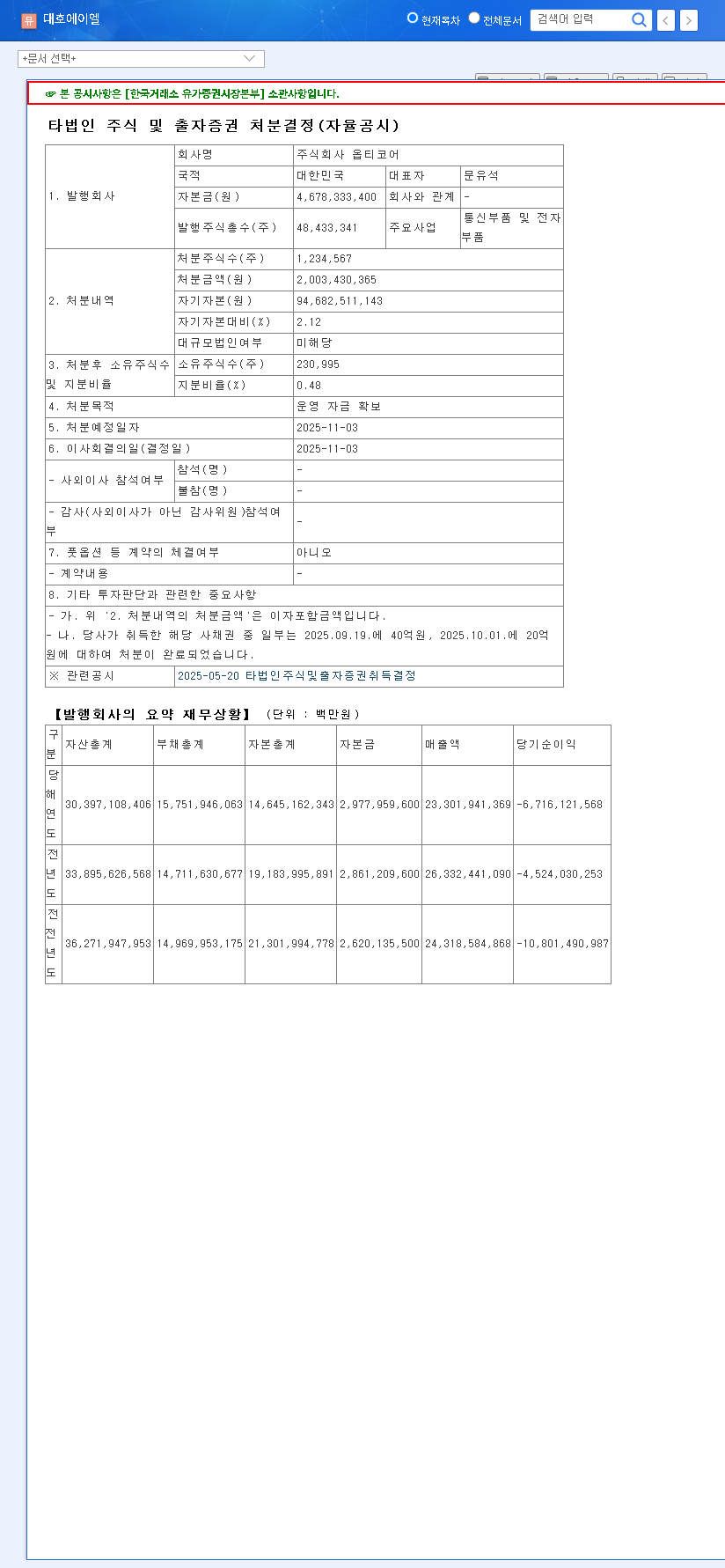
    On November 3, 2025, DAEHO AL Co.,Ltd. formally announced its decision to sell a portion of its shares and equity in Opticore. According to the Official Disclosure on DART, the transaction is valued at KRW 2 billion. This figure represents 2.12% of DAEHO AL’s total capital. Following the sale, DAEHO AL’s remaining stake in Opticore will be reduced to a minimal 0.48%, effectively marking a significant divestment from the subsidiary. The explicitly stated purpose is twofold: securing immediate operating funds and optimizing its business portfolio.

    The Strategic Rationale Behind the DAEHO AL Co.,Ltd. Stake Sale

    This decision is not merely a reactive measure for cash acquisition but a proactive step in a broader corporate strategy. Understanding the underlying motivations provides critical context for evaluating its potential success.

    Immediate Need: Securing Operating Funds

    The KRW 2 billion infusion provides DAEHO AL with immediate liquidity. This cash can be used to navigate short-term operational challenges, manage financial costs more efficiently, and weather periods of negative operating cash flow, which has been impacted by increases in inventory and accounts receivable. This financial buffer is crucial in a market facing rising interest rates and economic uncertainty.

    Long-Term Vision: Business Restructuring

    Beyond liquidity, the sale is a clear move towards DAEHO AL business restructuring. By divesting from what may be considered a non-core or underperforming asset, the management can redirect capital and focus towards more promising ventures. The company has already signaled its intent to pursue new growth drivers, including clean ventilation systems and the burgeoning battery business. This disposal frees up resources and management bandwidth to accelerate these new initiatives.

    Strategic divestment allows a company to prune its portfolio, shedding assets that no longer align with its core mission to reallocate resources toward areas with higher growth potential.

    A Snapshot of DAEHO AL’s Financial Health

    A detailed financial analysis of DAEHO AL reveals a mixed but improving picture, providing context for the stake sale. While half-year 2025 revenue saw a 39% decrease year-over-year to KRW 102.2 billion, the company’s profitability has shown remarkable improvement. An operating profit of KRW 8.58 billion and a net profit of KRW 7.58 billion suggest successful cost management and financial optimization strategies, likely aided by recent fundraising activities. However, the company faces several key risks:

    • Cash Flow Concerns: Despite profitability, operating cash flow remains negative, putting pressure on liquidity.
    • New Business Uncertainty: The success of new ventures in clean ventilation and batteries is not yet guaranteed and requires significant investment.
    • Macroeconomic Headwinds: The company is exposed to external risks like interest rate hikes, raw material price fluctuations, and currency volatility. For more on this, investors can track global economic trends on platforms like Reuters.

    Impact Analysis: What This Means for Investors

    The stake sale’s impact can be viewed through both a short-term and long-term lens.

    Short-Term Effects: Liquidity and Limited Stock Impact

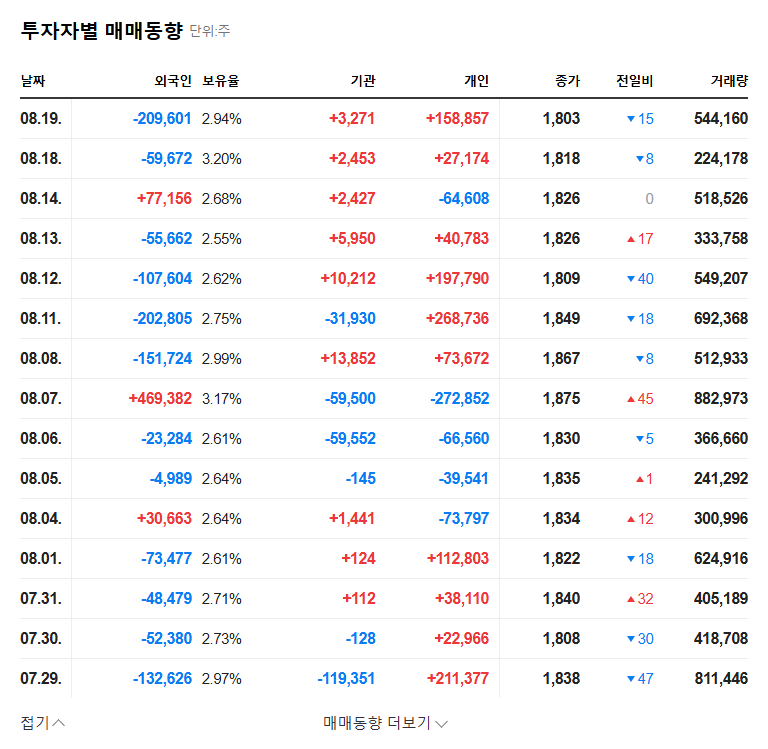
    The most immediate effect is a positive boost to financial liquidity. Furthermore, by reducing its stake in Opticore, DAEHO AL insulates its consolidated financial statements from the subsidiary’s performance volatility. However, the direct impact on the stock price is expected to be limited. The transaction size is not substantial relative to DAEHO AL’s overall market capitalization, and the market may view it as a necessary operational move rather than a transformative event.

    Long-Term Outlook: A Foundation for Growth

    The long-term implications are potentially more significant. This move is a textbook example of corporate restructuring, a topic you can learn more about in our guide to evaluating corporate strategy. If the proceeds are used wisely to pay down debt or invest in high-growth areas, it can strengthen the company’s financial health and enhance its competitive position. The market will be watching closely to see if this divestment marks the beginning of a successful turnaround and a pivot towards sustainable growth engines.

    Investor Takeaways & Key Questions

    Q: Why did DAEHO AL Co.,Ltd. sell its Opticore stake?

    A: The primary stated reasons are to secure KRW 2 billion in operating funds to improve short-term liquidity and to advance its business restructuring strategy by divesting from non-core assets to focus on new growth drivers.

    Q: How will this stake sale impact DAEHO AL’s stock price?

    A: The short-term impact on the stock price is likely to be minimal due to the relatively small scale of the transaction. The long-term impact will depend on how effectively the company utilizes the funds and executes its pivot to new business areas. A positive market reaction will hinge on tangible results from these new ventures.

    Q: What should investors monitor going forward?

    A: Investors should maintain a neutral but watchful stance. Key areas to monitor include: the specific use of the KRW 2 billion proceeds, tangible progress and revenue generation from the clean ventilation and battery businesses, and the company’s ability to manage macroeconomic risks like interest rates and raw material costs.
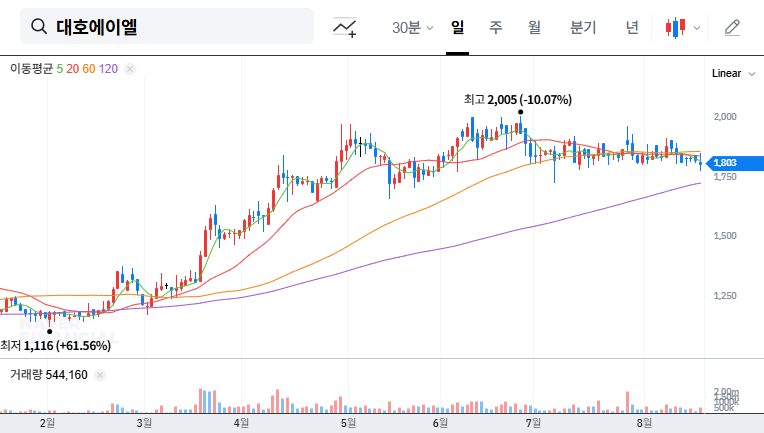
    (069460) DAEHO AL Co.,Ltd. Stake Sale (069460): Analysis of Opticore Divestment & Future Strategy 관련 이미지
  • (069460) DAEHO AL Convertible Bond (069460): A 2025 Investor’s Guide to Stock Impact & Dilution Risk

    (069460) DAEHO AL Convertible Bond (069460): A 2025 Investor’s Guide to Stock Impact & Dilution Risk

    The recent announcement of the DAEHO AL convertible bond issuance has sent ripples through the investment community. For stakeholders in DAEHO AL Co.,Ltd. (069460), this ₩10 billion capital raise represents a critical juncture. It’s a strategic move that promises fuel for growth but also introduces the significant risk of shareholder value dilution. Is this the catalyst for a new era of expansion, or a necessary evil that will weigh on stock prices?

    This comprehensive analysis will dissect the issuance, exploring its mechanics, potential convertible bond stock impact, and the underlying company fundamentals. We will equip you with the insights needed to refine your DAEHO AL investment strategy in light of this pivotal financial event.

    Understanding the ₩10 Billion DAEHO AL Convertible Bond

    On October 27, 2025, DAEHO AL officially announced its decision to issue ₩10 billion in convertible bonds (CBs) through a private placement. This method of fundraising is often chosen to secure capital from strategic institutional investors without the complexities of a public offering. A convertible bond is a hybrid security that acts as debt but can be converted into a predetermined number of the company’s common stock shares.

    Key Details of the Issuance

    • Total Issuance Size: ₩10 billion
    • Issuance Method: Private Placement to institutional investors.
    • Key Investors: Sangsangin Plus Savings Bank, Sangsangin Savings Bank.
    • Conversion Price: ₩1,834 per share.
    • Conversion Period: From November 5, 2026, to October 5, 2028.
    • Coupon & Maturity Rates: 1.0% coupon rate and 6.0% yield-to-maturity.
    • Source: Official Disclosure (DART Report)

    Analyzing the Stock Impact: A Double-Edged Sword

    For investors, the critical question is how this CB issuance will affect DAEHO AL’s stock value. The answer lies in balancing the potential for growth against the certainty of future dilution.

    The Bull Case: Potential Upsides for Investors

    • Fuel for Strategic Growth: The primary use of the ₩10 billion is to fund business diversification, including new subsidiaries and equity investments. Successful execution in high-growth areas like battery materials or clean energy could significantly boost long-term revenue and profitability.
    • Improved Financial Structure: While initially debt, the conversion of these bonds into stock will strengthen the company’s balance sheet by increasing equity and reducing the debt-to-equity ratio, making the company more financially robust.
    • Low-Cost Capital: With a 1.0% coupon rate, the immediate interest burden is minimal, allowing the company to deploy capital efficiently without being hampered by high financing costs, a significant advantage in a volatile interest rate environment.

    The Bear Case: Critical Risks to Consider

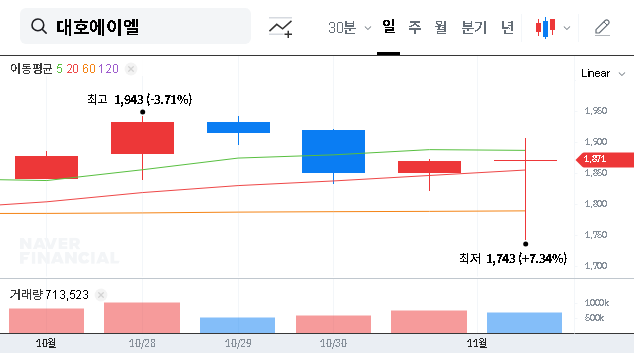
    • Inevitable Share Dilution: This is the most significant risk. When the bonds are converted, the total number of outstanding shares will increase, which can dilute the ownership stake and earnings per share (EPS) for existing shareholders. With the current stock price (₩1,877) already above the conversion price (₩1,834), conversion is highly probable.
    • Execution Risk: The success of this capital raise hinges on the company’s ability to generate a return on investment that outpaces the cost of dilution. If the new ventures fail to deliver on their promise, the company will be left with a diluted shareholder base and a weakened financial position.
    • Increased Market Volatility: The overhang of potential share conversion can create uncertainty and lead to increased stock price volatility. The market will be closely watching for conversion triggers and the performance of the new business segments.

    The core challenge for any DAEHO AL investment is to weigh the tangible promise of funded growth against the mathematical certainty of future stock dilution. Success depends entirely on execution.

    Company Fundamentals & Market Outlook

    The decision to issue the DAEHO AL convertible bond was not made in a vacuum. The company’s current financial health and the broader market environment provide crucial context.

    DAEHO AL’s 2025 half-year report showed a significant increase in operating profit and net income despite a decrease in revenue, signaling improved profitability and effective cost management. The company’s strategic pivot from its traditional aluminum business to new growth sectors is a clear indication of its forward-looking strategy. However, risks like fluctuating exchange rates and environmental regulations remain. The broader market shows stability in oil prices and shipping indices, with a trend towards interest rate cuts, which could create a favorable environment for DAEHO AL’s growth initiatives.

    Strategic Investor Checklist & Final Verdict

    This convertible bond issuance is a defining moment for DAEHO AL. For investors, a cautious and well-researched approach is paramount. Consider the following points before making a decision.

    Actionable Insights for DAEHO AL Investors

    • Monitor Conversion Activity: Keep a close eye on the conversion period (starting Nov 2026) and any announcements of bond conversions. This will be the primary indicator of the timing and scale of share dilution.
    • Track New Business Performance: The ultimate success metric is the ROI from the new ventures. Scrutinize quarterly reports for revenue and profit contributions from the new segments. You can learn more by reading our guide on Understanding Financial Statements for Investors.
    • Analyze the Price-to-Conversion Ratio: The wider the gap between the market stock price and the ₩1,834 conversion price, the higher the incentive for bondholders to convert. This ratio is a key leading indicator of potential dilution pressure.

    In conclusion, the DAEHO AL convertible bond is a calculated risk. If the management team effectively deploys this capital into high-return ventures, the resulting growth could more than offset the dilution, leading to long-term value creation. However, investors must remain vigilant, weighing the optimistic growth narrative against the concrete financial mechanics of the deal.

    Disclaimer: This analysis is for informational purposes only and is based on publicly available data. The ultimate responsibility for any investment decision rests with the individual investor.

    (069460) DAEHO AL Convertible Bond (069460): A 2025 Investor's Guide to Stock Impact & Dilution Risk 관련 이미지
    (069460) DAEHO AL Convertible Bond (069460): A 2025 Investor's Guide to Stock Impact & Dilution Risk 관련 이미지