Tag: Corporate Report

  • (212710) ISTE’s Landmark PECVD Equipment Deal with SK Hynix: Fueling the HBM Revolution

    (212710) ISTE’s Landmark PECVD Equipment Deal with SK Hynix: Fueling the HBM Revolution

    In a significant development for the semiconductor industry, ISTE Co., Ltd. (212710) has officially entered a new phase of growth by securing a pivotal contract to supply its advanced ISTE PECVD equipment to global memory leader, SK Hynix. This deal, centered on Plasma Enhanced Chemical Vapor Deposition (PECVD) technology, is a critical validation of ISTE’s capabilities and strategically positions the company within the explosive HBM market, which is the backbone of the current AI revolution.

    This article provides an in-depth analysis of the contract’s implications, exploring how this partnership with SK Hynix will shape ISTE’s financial fundamentals, market position, and long-term prospects. For investors and industry observers, this is a crucial moment that warrants a closer look.

    This contract is more than a transaction; it’s a technological endorsement from a world leader, signaling ISTE’s readiness to compete on a global scale in the high-stakes semiconductor equipment arena.

    Breaking Down the SK Hynix Contract

    On November 12, 2025, ISTE Co., Ltd. announced the landmark deal via a voluntary disclosure. The agreement involves the sale and delivery of specialized semiconductor PECVD equipment to an SK Hynix facility in South Korea. The details, confirmed in the Official Disclosure (DART Report), are as follows:

    • Contract Value: 2.4 billion KRW
    • Percentage of Recent Sales: 5.90%
    • Contract Period: November 11, 2025 to November 14, 2025

    While the contract value represents a modest portion of total sales, its strategic importance far outweighs the monetary figure. It serves as the commercial debut for ISTE’s flagship PECVD product line, proving its viability in a highly demanding production environment.

    Why This Deal is a Game-Changer for ISTE

    1. The Power of HBM and AI Demand

    The insatiable demand for generative AI and high-performance computing (HPC) has put High-Bandwidth Memory (HBM) in the spotlight. HBM is a specialized type of RAM that stacks memory chips vertically to achieve incredibly fast data transfer speeds, which is essential for training and running large AI models. Manufacturing these complex stacked chips requires cutting-edge techniques, and that’s where ISTE’s technology comes in. The company’s PECVD equipment is understood to be crucial for processes like hybrid bonding, a key enabler for next-generation HBM. By supplying to SK Hynix, a leader in the HBM market, ISTE directly plugs into the most dynamic segment of the semiconductor industry. To learn more about High-Bandwidth Memory (HBM) technology, you can explore detailed industry reports.

    2. Technology Validation and Market Credibility

    Securing a contract with a tier-one manufacturer like SK Hynix is the ultimate vote of confidence. It validates years of R&D and proves that ISTE’s PECVD technology meets the stringent performance, reliability, and quality standards of a global leader. This successful deployment de-risks the technology for other potential customers and significantly boosts ISTE’s credibility. This validation is a powerful marketing tool that can open doors to other semiconductor giants, potentially leading to a cascade of future orders.

    3. A Beachhead for Financial Improvement

    ISTE has been navigating financial challenges, including an operating loss and a high debt ratio. While this 2.4 billion KRW contract won’t single-handedly solve these issues, it represents a crucial first step. It generates positive revenue from a new, high-growth business segment and signals to investors that the company’s strategic pivot is bearing fruit. The key will be converting this initial success into a steady stream of orders for ISTE PECVD equipment, which can create a sustainable path toward profitability and strengthen the company’s balance sheet.

    Investor Outlook: A Prudent Growth Opportunity

    The market reacted positively to the news, with ISTE’s stock price showing a significant jump. This reflects investor optimism about the company’s entry into the high-value HBM supply chain. However, a prudent approach is necessary.

    Key Factors to Monitor:

    • Follow-on Orders: The most critical indicator of success will be the frequency and size of subsequent orders from SK Hynix and other potential clients. Consistent deal flow is essential.
    • Financial Health Metrics: Investors should keep a close eye on quarterly earnings reports for signs of improving operating margins, positive cash flow, and a reduction in the debt-to-equity ratio.
    • Competitive Landscape: The semiconductor equipment market is fiercely competitive. Monitoring ISTE’s technological edge against established players is crucial for assessing long-term viability. For more context, you can read our analysis of the global semiconductor market.

    In conclusion, ISTE’s PECVD equipment contract with SK Hynix is a watershed moment. It confirms the company’s technological prowess and provides a clear pathway into the lucrative HBM manufacturing ecosystem. While significant financial and operational hurdles remain, this deal has fundamentally improved ISTE’s growth narrative. For investors with a long-term horizon and an appetite for technology-driven growth, ISTE Co., Ltd. has become a compelling company to watch.
  • (364950) AI Korea Convertible Bond (364950) Analysis: Stock Impact & Battery Outlook

    (364950) AI Korea Convertible Bond (364950) Analysis: Stock Impact & Battery Outlook

    Investors in AI Korea Co., Ltd. (364950) are closely watching the recent announcement regarding its convertible bond exercise. This financial maneuver raises critical questions: How will the listing of new shares affect the stock price, and what does this mean for the company’s promising future in the secondary battery sector? This comprehensive analysis will break down the AI Korea convertible bond event, providing clarity on short-term volatility and long-term potential.

    Understanding the AI Korea Convertible Bond Exercise

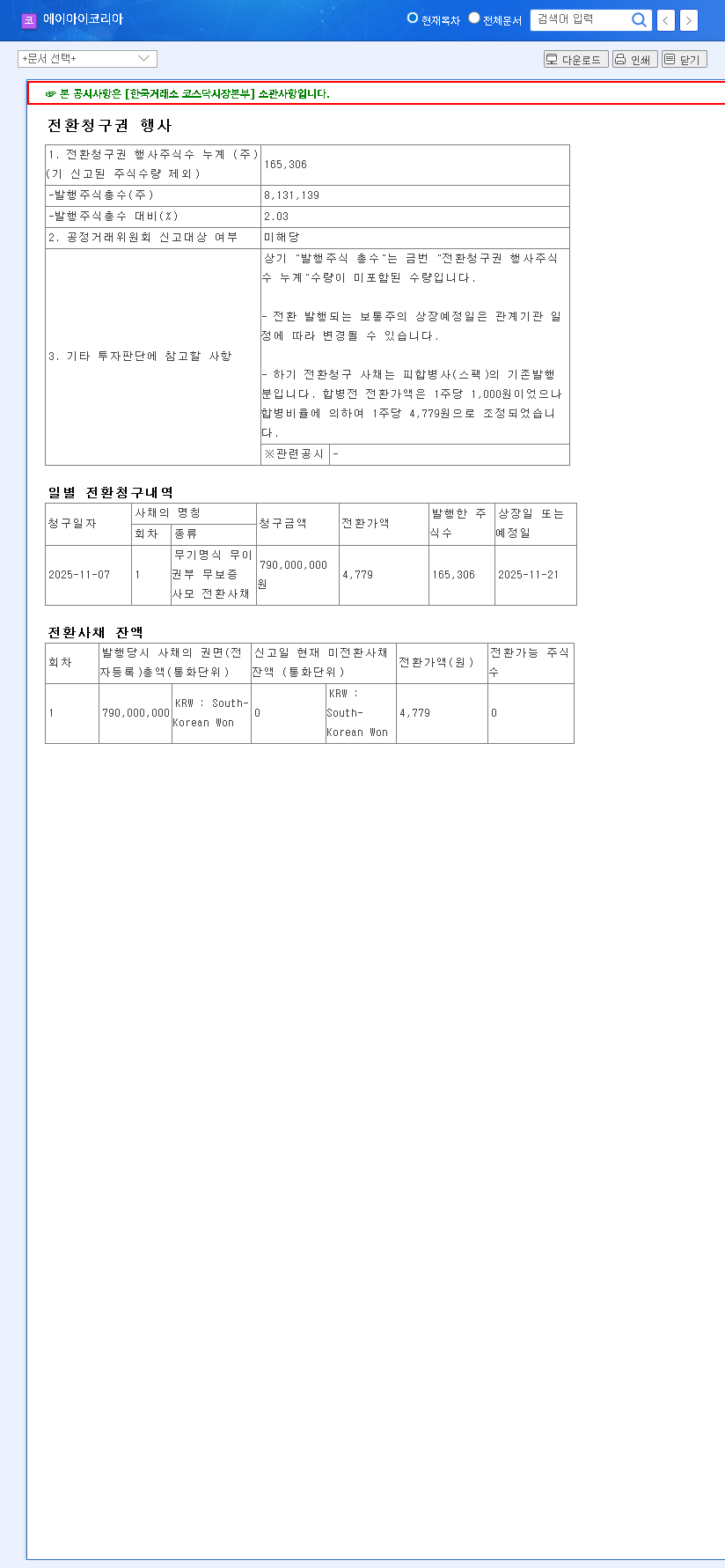
    On November 7, 2025, AI Korea officially announced the exercise of rights for its 1st series convertible bonds. According to the Official Disclosure, this action will result in the issuance of 165,306 new shares. These shares are set to be listed on the KOSDAQ market on November 21, 2025, constituting 2.03% of the company’s total outstanding shares. A convertible bond gives bondholders the right, but not the obligation, to convert their debt investment into a predetermined number of company shares. It’s a hybrid financial instrument that blends features of both debt and equity.

    The core issue for current shareholders is the potential for share dilution and increased selling pressure as these new shares enter the market, a common short-term effect of a convertible bond exercise.

    Key Factors Driving Short-Term Stock Volatility

    Two primary forces could create downward pressure on AI Korea’s stock price in the immediate future:

    • Supply Overhang: The introduction of over 165,000 new shares can create a temporary supply-demand imbalance. This influx, often referred to as ‘overhang,’ can weigh on the stock price until the market fully absorbs the new equity.
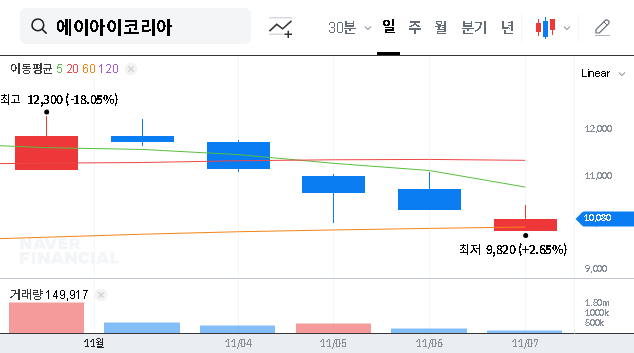
    • Profit-Taking Incentive: The conversion price for these bonds is KRW 4,779. With the current stock price hovering around KRW 10,080, bondholders who convert their debt to equity are sitting on an unrealized gain of over 111%. This creates a strong incentive for them to sell their newly acquired shares to lock in profits, increasing selling pressure.

    Fundamental Analysis: AI Korea’s Long-Term Outlook

    While the AI Korea convertible bond event may cause short-term market noise, it does not alter the company’s underlying business value. A thorough AI Korea stock analysis must focus on its core operations and future growth drivers.

    Positive Growth Drivers

    • Thriving Secondary Battery Business: AI Korea’s Central Electrolyte Supply System (CESS) and process piping business is directly tied to the explosive growth of the Electric Vehicle (EV) and Energy Storage System (ESS) markets. As Korea’s top three battery manufacturers expand globally, AI Korea stands to benefit significantly. For more on this trend, see this report on global EV market growth.
    • Strategic Diversification: The company is wisely expanding into high-growth technology sectors, including AI-based Autonomous Mobile Robot (AMR) automation and ESS device development. This diversification mitigates risk and builds new revenue streams for the future.
    • Strengthened Financial Health: A significant improvement in the company’s debt-to-equity ratio, which fell from 94% to 63%, demonstrates a commitment to financial stability and resilience.

    Key Risk Factors to Monitor

    • System Business Headwinds: The company’s system business segment faces challenges from a cooling display market and heightened competition. Investors should monitor for strategic adjustments in this area.
    • Low R&D Investment: An R&D expense ratio of 0.76% of sales is relatively low. To maintain a competitive edge, particularly in its new tech ventures, increased investment in innovation will be crucial.
    • Ongoing Litigation: Outstanding lawsuits with Haedong Co., Ltd. and Joosung Co., Ltd. introduce a level of uncertainty. The outcomes could have financial implications that investors need to be aware of.

    Investment Strategy for AI Korea (364950)

    Navigating the current environment requires a dual-focus strategy. Investors should differentiate between short-term market reactions and the company’s long-term value trajectory. To learn more about similar opportunities, you can explore our analysis of other secondary battery stocks.

    Short-Term Approach

    Pay close attention to trading volumes and price action around the November 21, 2025, listing date. Any significant price dip driven by this temporary supply increase could present a tactical buying opportunity for investors who believe in the company’s strong secondary battery outlook and new business potential.

    Mid-to-Long-Term Perspective

    Ultimately, AI Korea’s stock performance will reflect its business execution. Keep a close watch on key performance indicators such as revenue growth in the battery segment, milestones in the AMR and ESS ventures, and any resolutions to the outstanding litigation. A continued focus on fundamentals is the most prudent path for long-term investors.

    (364950) AI Korea Convertible Bond (364950) Analysis: Stock Impact & Battery Outlook 관련 이미지
  • (065450) VICTEK (065450) Q3 2025 Earnings Analysis: A Deep Dive for Investors

    (065450) VICTEK (065450) Q3 2025 Earnings Analysis: A Deep Dive for Investors

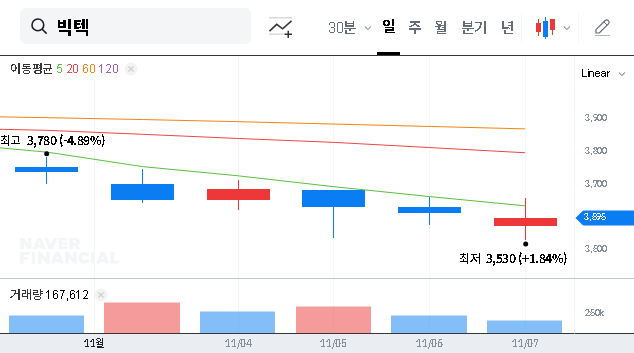
    The latest VICTEK 065450 earnings report for Q3 2025 has presented investors with a complex picture. On the surface, VICTEK. Co., Ltd., a prominent player in the defense sector, showcased impressive growth in revenue and operating profit. However, a significant drop in net income has raised questions and created uncertainty. This comprehensive VICTEK earnings analysis will dissect the provisional results, explore the underlying causes of the financial divergence, and provide a strategic outlook for current and potential investors in VICTEK stock.

    VICTEK Q3 2025 Earnings: The Key Figures

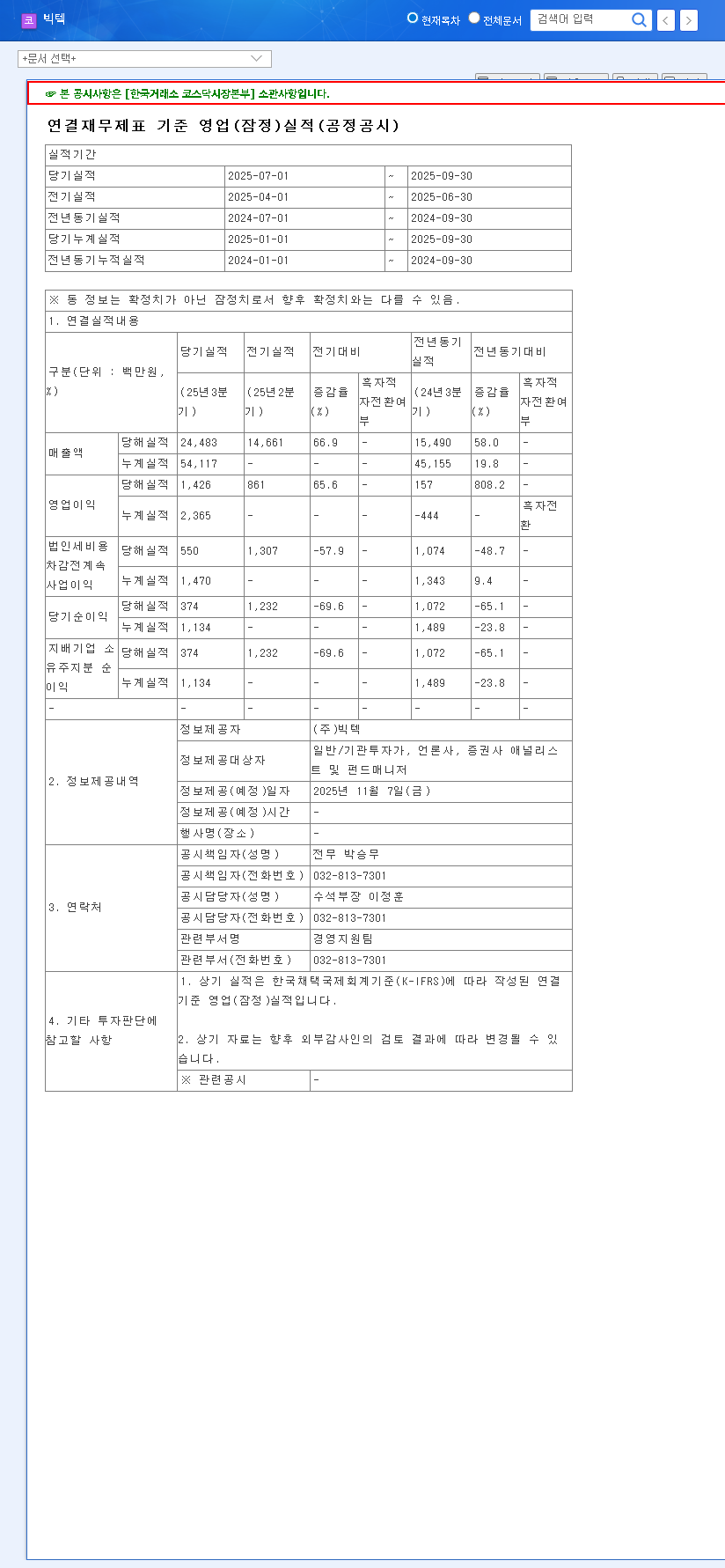
    VICTEK announced its provisional consolidated financial results for the third quarter of 2025, revealing a mixed but revealing performance. According to the Official Disclosure on DART, the numbers paint two different stories: one of operational strength and another of underlying challenges.

    • Revenue: Reached KRW 24.5 billion, a powerful increase of 66.7% quarter-on-quarter (QoQ) and 58.1% year-on-year (YoY). This signals strong demand and successful execution on its order backlog.
    • Operating Profit: Surged to KRW 1.4 billion, reflecting a 55.6% QoQ improvement and an astounding 600% YoY leap. This points to enhanced operational efficiency and effective cost management within its core business.
    • Net Income: Declined sharply to KRW 0.4 billion, a 66.7% decrease QoQ. This is the central concern for investors and the main focus of this analysis.

    The Paradox Explained: Why Did Net Income Fall?

    The stark contrast between a soaring operating profit and a falling net income points directly to non-operating factors. The primary culprit appears to be the persistent financial drag from VICTEK’s consolidated subsidiary, VICTEK MHD Rockland. In consolidated financial statements, the parent company must include the financial results of subsidiaries it controls. While VICTEK’s core defense operations are profitable, the subsidiary’s losses are subtracted further down the income statement, ultimately eroding the consolidated net income that is reported to shareholders.

    The core challenge for VICTEK is not its primary business, which is performing exceptionally well, but the financial burden of its underperforming subsidiary. Resolving this issue is paramount for unlocking the true value of VICTEK stock.

    Fundamental Strengths & Growth Catalysts

    Despite the subsidiary issue, the VICTEK 065450 earnings report highlights several fundamental strengths that provide a foundation for long-term growth.

    Positive Factors Driving VICTEK Forward:

    • Favorable Industry Outlook: Increased government defense spending, both domestically and internationally, creates a fertile ground for VICTEK’s main business segments.
    • Robust Order Backlog: With a substantial backlog of approximately KRW 226.5 billion, the company has secured a stable and predictable revenue stream for the near future.
    • Commitment to R&D: Ongoing investments in research and development are crucial for maintaining a technological edge and securing next-generation contracts.

    Identifying the Headwinds: Key Risks for Investors

    A thorough VICTEK earnings analysis requires a clear-eyed view of the risks. Investors should monitor these challenges closely as they could impact future performance.

    Challenges and Macroeconomic Pressures:

    • Subsidiary Losses: The most significant and immediate risk. Continued losses from VICTEK MHD Rockland will continue to suppress consolidated net income.
    • Financial Health Indicators: A rising debt ratio and increased current liabilities could constrain the company’s ability to invest in future growth or return capital to shareholders.
    • Macroeconomic Volatility: As noted by leading financial analysts at sites like Reuters, global interest rate hikes increase borrowing costs, while adverse exchange rate fluctuations can raise the price of imported components, squeezing profit margins.

    Investor Takeaway & Strategic Outlook

    The VICTEK Q3 2025 earnings report is a call for discerning analysis. The company’s core operational health is strong and improving, buoyed by a positive industry environment. However, the path to enhancing shareholder value is unequivocally tied to resolving the subsidiary’s profitability issues. For investors, the long-term potential is significant, but it hinges on management’s ability to execute a successful turnaround strategy for VICTEK MHD Rockland.

    Future announcements and the final, audited earnings report should be scrutinized for details on management’s plan to address this key issue. Understanding these dynamics is crucial, much like understanding key financial ratios for defense stocks. The key actions for VICTEK moving forward are clear: normalize the subsidiary’s operations, diversify revenue streams, and maintain transparent communication with the investor community.

    (065450) VICTEK (065450) Q3 2025 Earnings Analysis: A Deep Dive for Investors 관련 이미지
  • (100030) Inzisoft Share Buyback (100030): An Expert Analysis of Stock Impact & 2025 Investment Strategy

    (100030) Inzisoft Share Buyback (100030): An Expert Analysis of Stock Impact & 2025 Investment Strategy

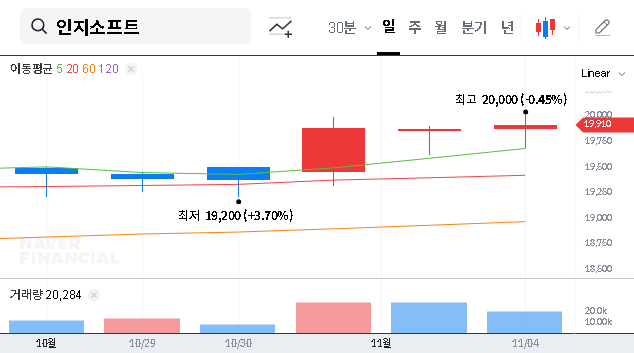
    The recent announcement of the Inzisoft share buyback has generated significant buzz among investors. Inzisoft Co., Ltd. (100030) has committed 1.5 billion KRW to repurchase its own shares, a move representing 2.3% of its market capitalization. This decision raises critical questions: What does this mean for the Inzisoft stock price, and how should investors adjust their strategy?

    This comprehensive analysis delves into the mechanics, motivations, and potential market impact of Inzisoft’s buyback program. We will explore the company’s current financial health, its promising growth drivers, and the underlying risks that warrant caution. By understanding these factors, you can develop a more informed investment thesis for Inzisoft (100030).

    Understanding the Inzisoft Share Buyback Details

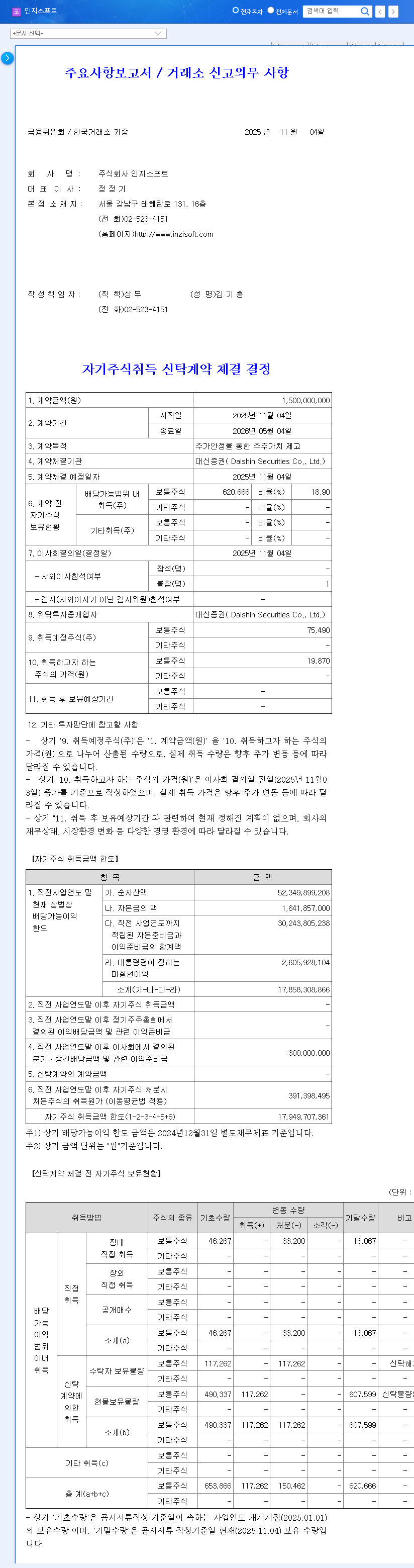
    On November 4, 2025, Inzisoft finalized a trust agreement with Daishin Securities to execute a share buyback valued at 1.5 billion KRW. The stated goal is explicit: ‘enhance shareholder value through stock price stabilization.’ This program is set to run for six months, concluding on May 4, 2026. This action is a classic corporate finance maneuver designed to signal confidence to the market and support the stock price. You can view the Official Disclosure (Source: DART) for precise details.

    A share buyback, also known as a share repurchase, is when a company buys back its own shares from the marketplace. This reduces the number of outstanding shares, which can increase earnings per share (EPS) and, often, the market value of the remaining shares.

    Company Fundamentals: The Bull vs. Bear Case

    Positive Factors: Growth and Stability

    Inzisoft’s decision is backed by strong underlying fundamentals. The company’s performance in the first half of 2025 was impressive, showcasing a clear turnaround and a solid foundation for future growth.

    • Strong Performance: Sales surged 24.2% year-over-year to 5.22 billion KRW, while operating profit swung to a healthy 663 million KRW. This is largely due to the accelerating digital transformation within the financial sector, a core market for Inzisoft.
    • Future Growth Engines: The company is not resting on its laurels. It’s actively investing in high-growth areas like AI Optical Character Recognition (AI OCR), deep learning solutions, and its cloud-based Software as a Service (SaaS) platform, ‘Q-service’. This strategic shift to a recurring revenue model with SaaS is a significant catalyst for long-term shareholder value.
    • Financial Resilience: A low debt-to-equity ratio of just 24.57% combined with growing liquid assets provides a sturdy financial base, enabling investments and shareholder-friendly actions like this buyback.

    Cautionary Factors: Potential Risks to Monitor

    While the outlook is promising, prudent investors must also consider potential headwinds that could impact the Inzisoft stock performance.

    • Profit Quality: A notable portion of net income comes from financial asset valuation gains. This introduces volatility, as profits are tied to market fluctuations rather than purely operational success.
    • Litigation Overhang: With three major lawsuits pending, there is a tangible risk of adverse financial impacts or reputational damage depending on the outcomes.
    • Working Capital: An increase in accounts receivable and contract assets could signal a growing burden on working capital, which needs to be managed effectively.

    Market Impact and Investment Outlook

    A share buyback is generally perceived positively. In the short term, it creates a new source of demand for the stock, providing downside protection and potentially boosting the price. It signals to investors that management believes the stock is undervalued. For more on the mechanics, you can read this guide on How Share Repurchases Work from an authoritative source.

    However, the long-term trajectory of the Inzisoft stock will not be determined by this buyback alone. The program doesn’t fundamentally change the company’s business operations. Sustained growth will depend on the successful execution of its new business ventures, particularly in the AI and SaaS domains. Investors should view the buyback as a supportive factor, not the sole reason for investment. The real story lies in the company’s ability to convert its growth initiatives into consistent profits, a topic we covered in our last quarterly earnings review.

    Final Verdict: An Action Plan for Investors

    The Inzisoft share buyback is a positive development that reinforces a bullish short-term outlook. However, a medium-to-long-term investment requires ongoing diligence. Key monitoring points include:

    • New Business Traction: Track the adoption rate and revenue generation from the AI OCR and SaaS (Q-service) platforms.
    • Profitability Metrics: Monitor operating margins to ensure growth is translating to the bottom line, independent of financial asset gains.
    • Legal Updates: Stay informed on the progress of the pending litigation and any potential financial provisions.

    By combining the positive signal of the share buyback with a thorough analysis of these fundamental drivers, investors can make a well-rounded and strategic decision regarding Inzisoft (100030).

    (100030) Inzisoft Share Buyback (100030): An Expert Analysis of Stock Impact & 2025 Investment Strategy 관련 이미지
  • (023160) T. K. CORPORATION Earnings: 307% Profit Surge & 2025 Stock Analysis

    (023160) T. K. CORPORATION Earnings: 307% Profit Surge & 2025 Stock Analysis

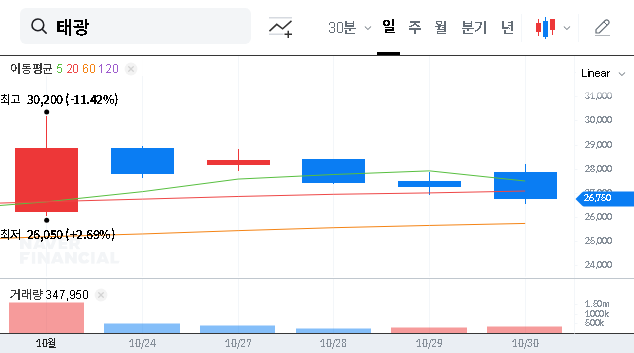
    The latest T. K. CORPORATION earnings report for Q3 2025 has sent ripples through the market, revealing an astonishing performance that far outpaced analyst predictions. The company, also known as 태광, delivered what can only be described as a significant ‘earnings surprise’, headlined by a jaw-dropping 307.5% surge in net profit. This explosive growth raises critical questions for investors: What are the fundamental drivers behind this success, and is it a sustainable trend or a one-time event? This comprehensive analysis will break down the T. K. CORPORATION stock outlook, exploring the core financials, the impact of its secondary battery materials division, and the macroeconomic landscape to provide a clear investment thesis.

    We will delve into the official numbers, compare them against market consensus, and assess the long-term viability of T. K. CORPORATION’s growth trajectory, offering actionable insights for your investment strategy.

    Q3 2025 Earnings Analysis: Crushing Expectations

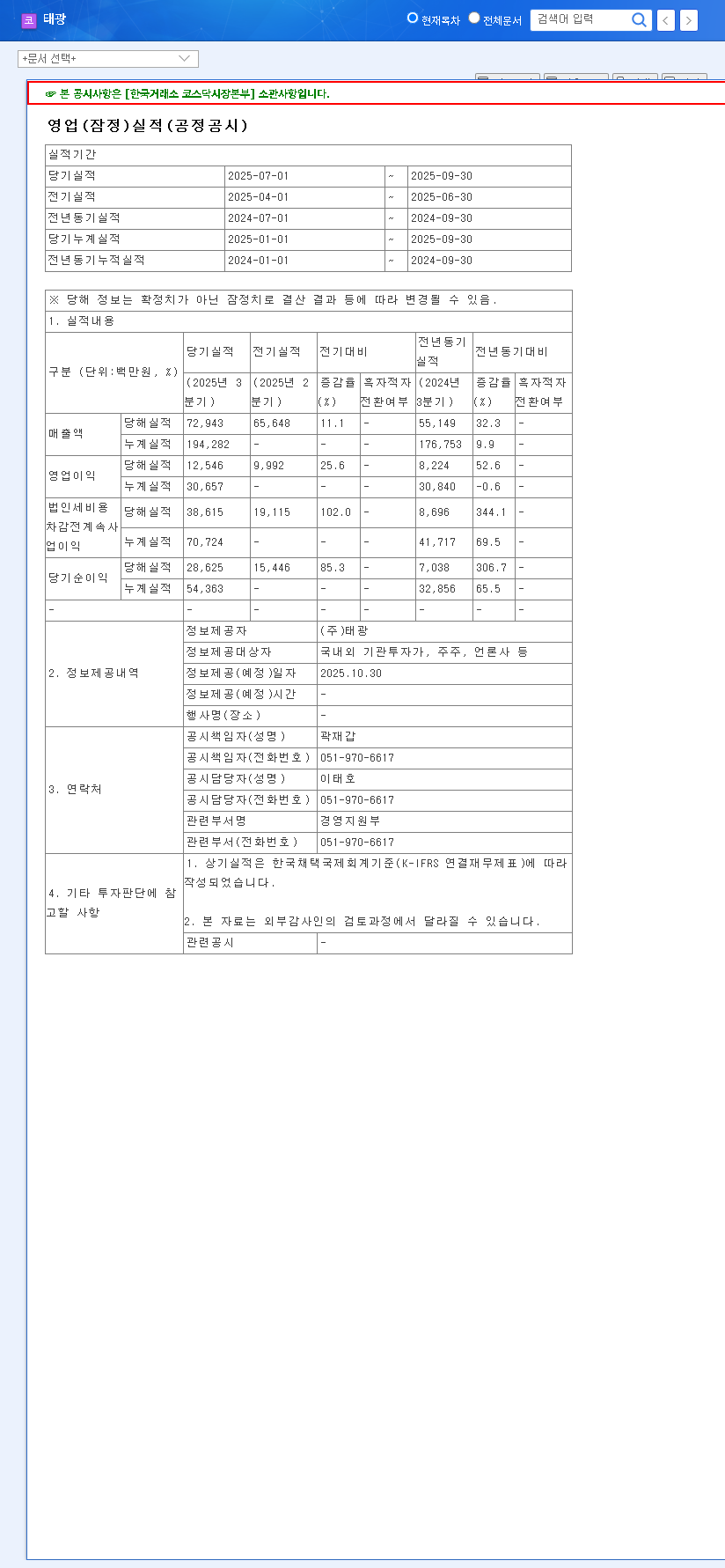
    On October 30, 2025, T. K. CORPORATION released its preliminary Q3 operating results, which significantly exceeded market consensus as reported by major financial news outlets. The performance was strong across the board, but the net profit figure was the undeniable highlight. The data comes directly from the company’s Official Disclosure filed with DART.

    The core of this earnings surprise was the net profit of 28.6 billion KRW, which demolished the market expectation of 9.3 billion KRW. This represents a 307.5% achievement rate, a staggering 207.5 percentage points above consensus.

    Key Financial Metrics vs. Market Consensus:

    • Revenue: 72.9 billion KRW (Achieved 102.8% of the 70.9 billion KRW expectation).
    • Operating Profit: 12.5 billion KRW (Achieved 109.6% of the 11.4 billion KRW expectation).
    • Net Profit: 28.6 billion KRW (Achieved an incredible 307.5% of the 9.3 billion KRW expectation).

    What’s Fueling the Growth Engine?

    This exceptional performance isn’t accidental. It’s a combination of solid fundamentals in core businesses and potentially significant one-off financial events that boosted the bottom line.

    The Power of Secondary Battery Materials

    T. K. CORPORATION operates in two primary segments: plant equipment and secondary battery materials. While plant equipment provides a stable foundation, the secondary battery division is the company’s star growth engine. Amid the global transition to electric vehicles (EVs), demand for high-quality battery components has skyrocketed. T. K. CORPORATION’s strategic position within this supply chain is a critical pillar supporting its revenue growth and a key factor for anyone evaluating T. K. CORPORATION stock for the long term. This segment is a key part of the broader, rapidly expanding renewable energy technology sector.

    The Mystery of the Net Profit Surge

    The fact that net profit was more than double the operating profit strongly suggests the influence of non-operating income. The most likely culprits are one-off gains, such as the sale of an asset, or significant foreign exchange (FX) gains from a weakening Korean Won. While this is fantastic for the Q3 report, investors must determine if this is repeatable before projecting similar results into the future.

    Navigating the Macroeconomic Tides

    No company operates in a vacuum. The current global economic environment presents both tailwinds and headwinds for T. K. CORPORATION.

    • Favorable Factors: The downward trend in key commodity prices (crude oil, industrial metals) and logistics costs (Baltic and China Container Freight Indexes) is a major positive. This directly reduces T. K. CORPORATION’s cost of goods sold and shipping expenses, thereby boosting profit margins.
    • Unfavorable Factors: Rising interest rates, particularly in the U.S., increase the cost of capital and can raise the financial burden from corporate debt. Furthermore, while a weak KRW can lead to FX gains on foreign-denominated assets, sustained volatility creates uncertainty for financial planning.

    Investment Outlook: Risks vs. Opportunities

    The blockbuster T. K. CORPORATION earnings for Q3 will likely provide a strong short-term catalyst for the stock. However, a prudent investor must weigh the long-term prospects.

    Short-Term Opportunities & Risks

    Opportunity: The powerful earnings surprise is expected to attract positive investor sentiment and could drive short-term momentum in the stock price as the market digests the news.
    Risk: The primary risk is that the market overreacts to a one-off gain. If the net profit surge is not from sustainable operational improvements, future earnings reports may seem disappointing in comparison, potentially leading to a correction.

    Long-Term Growth & Headwinds

    Growth Driver: The long-term investment appeal is anchored in the immense growth potential of the secondary battery materials business. As the world electrifies, T. K. CORPORATION is well-positioned to capitalize on this multi-decade trend.
    Headwind: Persistent macroeconomic uncertainty (interest rates, FX volatility) and intensifying competition in the battery market are notable risks. The company’s ability to innovate and maintain its competitive edge will be crucial for sustained growth.

    Actionable Investor Checklist

    For those considering an investment in T. K. CORPORATION, a disciplined approach is essential. Here are three key steps:

    • Verify the Source of Profit: Scrutinize subsequent company announcements and conference calls to identify the exact cause of the net profit surge. Differentiating between operational excellence and one-off gains is paramount.
    • Monitor Macro Trends: Keep a close watch on exchange rates, interest rates, and commodity prices. Understand how T. K. CORPORATION is using strategies like hedging to mitigate these external risks.
    • Evaluate Competitive Positioning: Analyze the company’s R&D pipeline, market share, and strategic partnerships within the secondary battery sector. Long-term success depends on staying ahead of the technological curve.

    In conclusion, while the Q3 T. K. CORPORATION earnings report is overwhelmingly positive, its long-term value hinges on the sustainability of its core business growth, particularly in the dynamic secondary battery market.

    (023160) T. K. CORPORATION Earnings: 307% Profit Surge & 2025 Stock Analysis 관련 이미지
  • (271560) Orion Stock Outlook 2025: Deep Dive Analysis of NPS Stake Sale & Future Forecast

    (271560) Orion Stock Outlook 2025: Deep Dive Analysis of NPS Stake Sale & Future Forecast

    The latest Orion stock outlook has become a hot topic for investors following a significant move by South Korea’s largest institutional investor, the National Pension Service (NPS). The NPS recently disclosed a reduction in its ownership stake, a development that inevitably sends ripples through the market. Does this signal underlying risk, or is it a non-event that creates a buying opportunity for savvy investors? This comprehensive Orion stock analysis will dissect the situation, providing a clear forecast for 2025.

    We will delve deep into Orion’s H1 2025 financial report, evaluate the true implications of the NPS’s portfolio adjustment, and analyze the macroeconomic landscape to provide actionable insights for your investment decisions.

    The Catalyst: NPS Reduces Its Stake in Orion

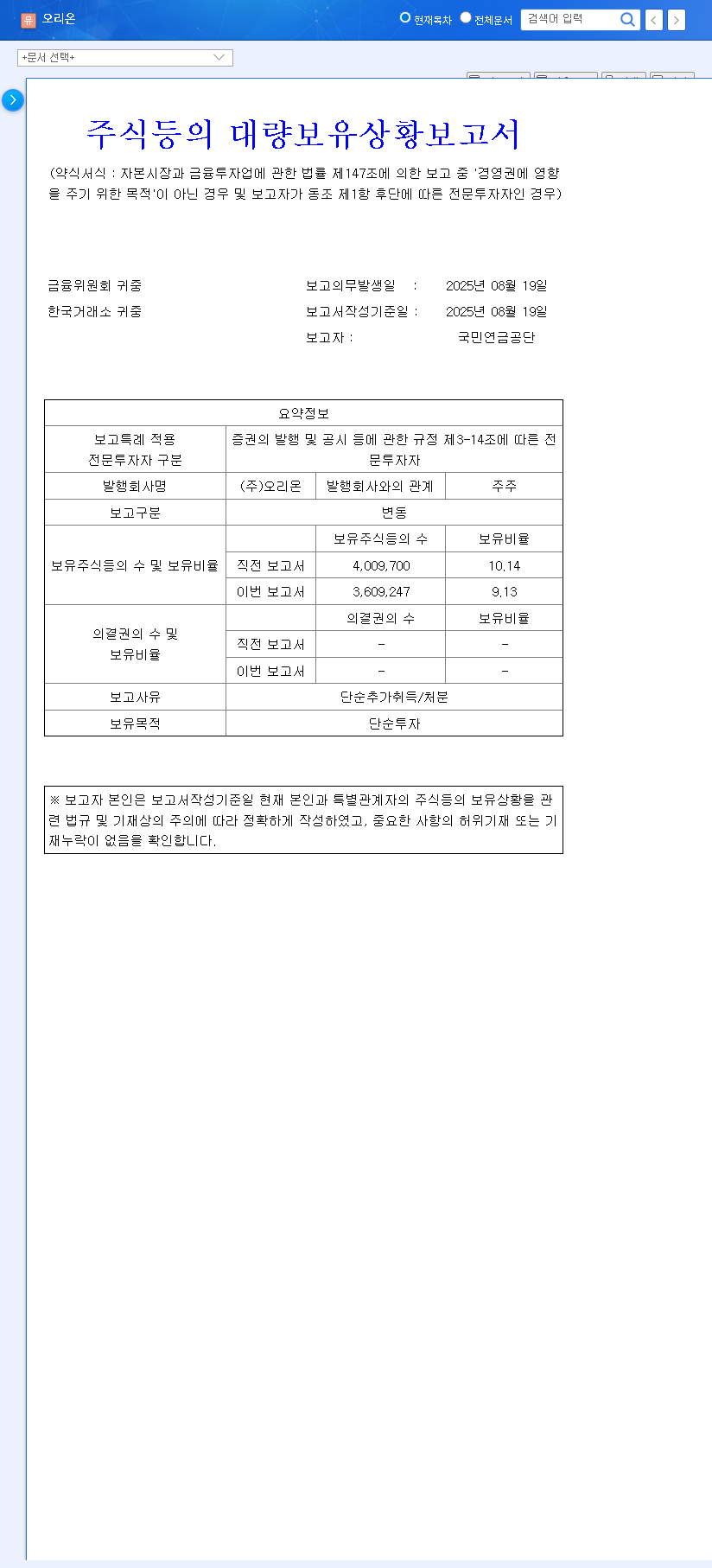
    On October 1, 2025, the market took note as the National Pension Service (NPS) filed an official report detailing a change in its holdings of Orion. As a bellwether institutional investor, any significant buy or sell action from the NPS is scrutinized for clues about a company’s future prospects.

    The key details from the disclosure are as follows:

    • Ownership Before Change: 10.14%
    • Ownership After Change: 9.13%
    • Net Change: A decrease of 1.01 percentage points.
    • Stated Reason: Simple additional acquisition/disposal.

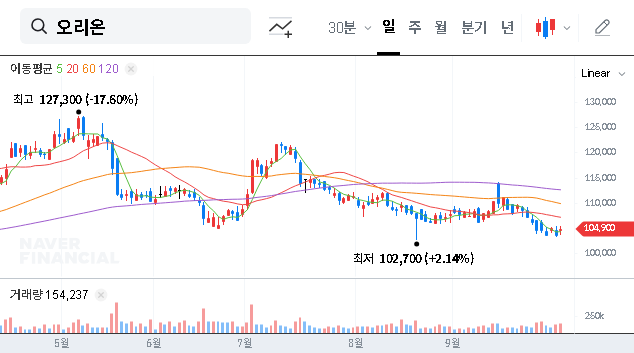
    The stated reason, ‘simple disposal,’ often points towards portfolio rebalancing or short-term profit-taking rather than a fundamental change in the long-term view of the company. However, the market can interpret such a large sale as a bearish signal, potentially creating downward pressure on the Orion stock price. You can view the Official Disclosure on the DART system for verification.

    Financial Health Check: Insights from the H1 2025 Report

    To form a complete Orion stock outlook, we must look beyond a single transaction and analyze the company’s core financial health. Orion’s 2025 Half-Year Report reveals a mixed but generally solid picture. For more details on how to interpret these figures, you can review our guide to fundamental analysis.

    Strengths and Positive Signals

    • Robust Overseas Growth: Revenue climbed to 1.5789 trillion KRW, an 8.3% year-on-year increase. This growth is primarily driven by strong performance in key international markets like China, Vietnam, and Russia, where its products continue to gain market share.
    • Fortified Financial Structure: The company’s stability has significantly improved. The debt-to-equity ratio fell to a healthy 54.4% from 73.4%, while the current ratio (a measure of short-term liquidity) surged to 413.8%. This indicates a low-risk balance sheet.
    • Strategic Future Investment: The ongoing construction of a new integrated production and logistics center is a clear sign of investment in future efficiency and growth capacity.

    Weaknesses and Potential Risks

    • Margin Compression Concerns: Operating profit grew by only 2.4%, lagging significantly behind the 8.3% revenue growth. This led to a decrease in the operating profit margin to 16.0% from 16.8%, suggesting that cost pressures are mounting.
    • External Headwinds: Volatility in global raw material prices (like cocoa and sugar) and currency exchange rates pose a persistent threat to profitability. As market reports from authoritative sources like Bloomberg indicate, these factors are impacting the entire consumer goods sector.
    • Slowing Capital Efficiency: The Return on Equity (ROE) dropped to 4.9% from 14.8% at the end of the previous year. This is a key metric for shareholders and warrants close monitoring, as it measures how effectively the company is generating profit from shareholder investments.

    2025 Investment Thesis & Action Plan

    Synthesizing these factors, the NPS stake reduction appears to be a short-term market sentiment event rather than a dire warning about Orion’s fundamental health. The company’s strong international footprint and sound balance sheet provide a significant buffer against external pressures.

    Given the balance of strong fundamentals against short-term market noise and margin pressures, our overall investment opinion for the Orion stock outlook is ‘Neutral.’ Investors should proceed with a clear strategy based on their time horizon.

    Strategy for Short-Term Traders

    A cautious approach is advised. The NPS sale could create selling pressure and price volatility in the immediate future. Any significant, news-driven dips in the Orion stock price could, however, present attractive entry points for nimble traders betting on a rebound based on the company’s solid underlying business.

    Strategy for Mid-to-Long-Term Investors

    For those with a longer investment horizon, the current situation is less concerning. The core drivers for a positive long-term Orion stock outlook remain intact: continued expansion into high-growth overseas markets and a commitment to operational efficiency. The key is to monitor the company’s ability to manage costs and improve its profit margins in upcoming quarters. A sustained improvement in ROE would be a strong bullish signal.

    Frequently Asked Questions (FAQ)

    Why did the National Pension Service sell Orion shares?

    The NPS cited ‘simple investment’ purposes for reducing its stake from 10.14% to 9.13%. This typically implies a portfolio rebalancing act or taking profits, rather than a negative verdict on Orion’s long-term fundamentals.

    How did Orion perform financially in the first half of 2025?

    Orion’s H1 2025 performance was strong on the top line, with an 8.3% revenue increase driven by overseas sales. However, profit growth was a slower 2.4%, indicating margin pressure. Its financial health improved, with lower debt and higher liquidity.

    What is the long-term Orion stock outlook?

    The long-term outlook remains positive, contingent on Orion’s ability to continue its successful international expansion and effectively manage rising costs to improve profitability. Investors should monitor profit margins and ROE in future earnings reports as key indicators.

    (271560) Orion Stock Outlook 2025: Deep Dive Analysis of NPS Stake Sale & Future Forecast 관련 이미지