A successful KOREA DISTRICT HEATING CORPORATION investment strategy requires looking beyond headlines. A recent disclosure has resurfaced a nearly decade-old rumor about a capital increase, prompting many investors to question its relevance today. This analysis will delve into the specifics of this re-disclosure, conduct a thorough review of KDHC’s current fundamentals, and provide a clear framework for evaluating the company’s stock value and potential risks moving into 2026.
We’ll move past the noise of the old rumor to focus on what truly matters: financial health, growth drivers, and strategic challenges. This will equip you with the knowledge to make an informed decision about KDHC as a potential addition to your portfolio.
Deconstructing the 2016 Capital Increase Rumor
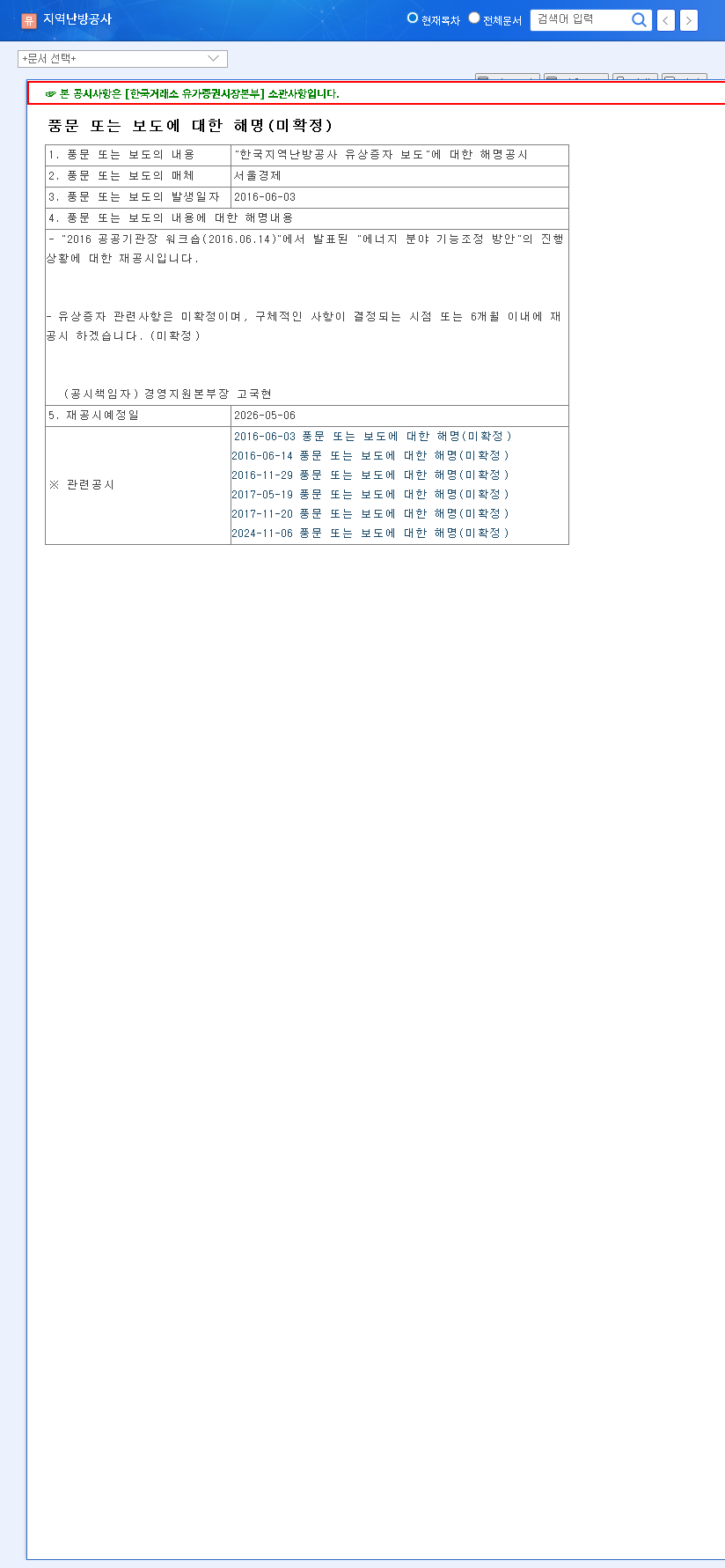
On November 7, 2025, KOREA DISTRICT HEATING CORPORATION (KDHC) issued a notice regarding a ‘re-disclosure’ scheduled for May 6, 2026. This pertains to a clarification of a capital increase rumor first reported by the Seoul Economic Daily back on June 3, 2016. The core of the matter is not the rumor itself, but the regulatory requirement to officially address and close the book on such long-standing, unconfirmed reports. The Official Disclosure provides the procedural details.
While this re-disclosure may create short-term market chatter, its direct impact on KDHC’s current valuation is expected to be minimal. The market is far more sensitive to present financial performance and future guidance than to the ghost of a nine-year-old rumor. The real value for investors is using this event as a catalyst to re-evaluate the company’s core financial health.
KDHC Stock Analysis: A Tale of Strengths and Weaknesses
To understand any potential KOREA DISTRICT HEATING CORPORATION investment, we must weigh the positive catalysts against the significant structural risks. Based on recent financial reports, a clear picture emerges.
Positive Fundamentals & Growth Drivers
- •Favorable Energy Prices: The stabilization and decline of global Liquefied Natural Gas (LNG) prices is a major boon for KDHC. As a cogeneration power provider, LNG is a primary input cost, and lower prices directly translate to wider profit margins and improved bottom-line performance.
- •ESG and New Business Ventures: KDHC is actively pursuing future growth. The establishment of an ESG committee signals a commitment to sustainability, which is crucial for attracting modern institutional capital. Tangible projects, like the Goyang Changneung district heating initiative, represent new revenue streams essential for long-term expansion. You can learn more about ESG investment trends here.
- •Shareholder-Friendly Policies: By implementing electronic voting and maintaining a stable dividend policy, KDHC is enhancing corporate governance and building trust with investors. These measures can lead to a more stable shareholder base and potentially reduced stock price volatility.
Significant Risks and Headwinds
- •High Debt Ratio (236.5%): This is the most significant risk factor. A high debt-to-equity ratio, as explained by financial authorities like Investopedia, makes a company highly vulnerable to rising interest rates. Increased borrowing costs can severely erode profitability. The need to refinance maturing bonds in 2025 and beyond will be a critical test of KDHC’s financial stability.
- •Revenue & R&D Concerns: A noticeable decline in revenue from the electricity segment puts pressure on overall profitability. Compounding this, a reduction in R&D spending as a percentage of revenue raises questions about the company’s ability to innovate and maintain a competitive edge in the evolving energy sector.
- •External Volatility: As an energy company, KDHC is exposed to macroeconomic forces beyond its control. Fluctuations in international oil prices, currency exchange rates, and ongoing litigation risks create a layer of uncertainty that investors must price in.
A Strategic Checklist for KDHC Investors
Prudent investors should treat the KDHC capital increase rumor as background noise. The focus should remain squarely on the company’s fundamental performance and strategic execution. Here are the key areas to monitor:
- •Debt Management Strategy: Pay close attention to quarterly reports for any changes in interest expenses and management’s plans for refinancing upcoming debt obligations. Their ability to manage this in the current rate environment is paramount.
- •New Project Execution: Track the progress and profitability of new initiatives like the Goyang Changneung project. Are these projects meeting deadlines and contributing positively to revenue?
- •Energy Policy and Market Adaptation: The energy market is in constant flux. Monitor how KDHC adapts to government policy shifts and competitive pressures within the broader Korean energy sector.
- •The May 2026 Disclosure: While the direct impact may be low, observe the specific language of the re-disclosure and the market’s reaction. It will be the final chapter in this long-running story and could reflect on management’s transparency.
Disclaimer: This article is for informational purposes only and does not constitute investment advice. All investment decisions should be made based on personal research and judgment.