Tag: Corporate Analysis

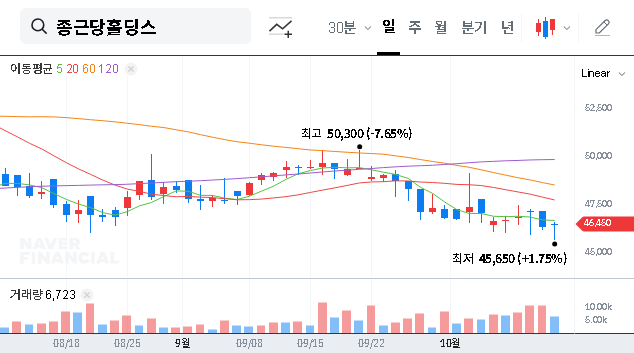
  • (001630) CHONGKUNDANG HOLDINGS CORP. Stake Change: Decoding Lee Jang-han’s ‘Management Control’ Move

    (001630) CHONGKUNDANG HOLDINGS CORP. Stake Change: Decoding Lee Jang-han’s ‘Management Control’ Move

    The recent CHONGKUNDANG HOLDINGS CORP. stake change has sent a subtle but significant signal to the market. When a controlling shareholder like CEO Lee Jang-han increases their position, even slightly, investors take notice. The explicitly stated purpose of ‘management control influence’ transforms this minor transaction into a critical event worthy of deep analysis. This guide unpacks the details, explores the potential strategic motives, and provides a clear action plan for investors monitoring CKD Holdings’ stock.

    Understanding the nuances of insider transactions is key to anticipating corporate direction. Let’s delve into what this move could mean for the company’s future and your investment portfolio.

    The Core Transaction: A Detailed Look

    According to a recent filing, the key details of the shareholding change are straightforward but packed with meaning. Here’s a breakdown based on the official report:

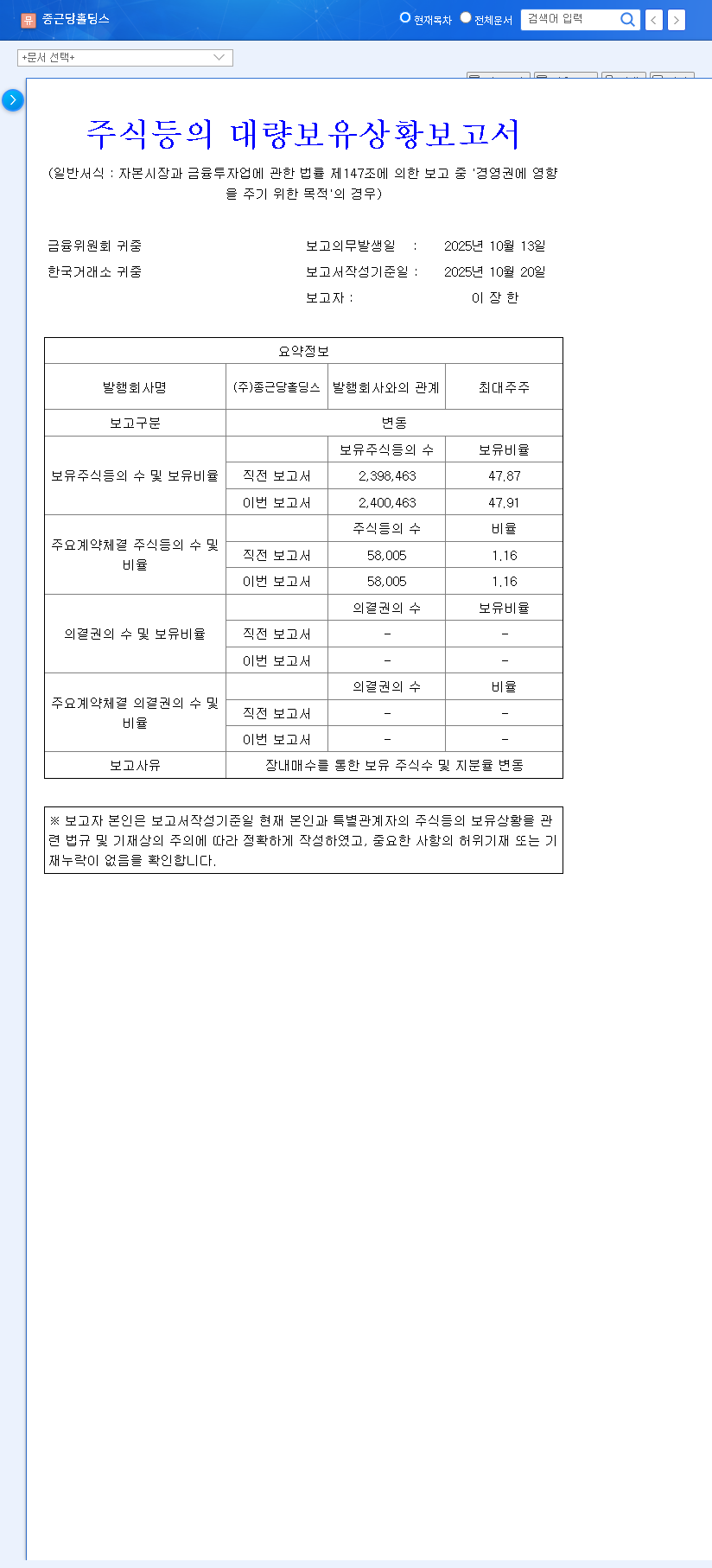
    • Reporter: Lee Jang-han (CEO)
    • Purpose of Holding: Management control influence
    • Transaction: On-market purchase of 2,000 common shares
    • Resulting Change: Shareholding ratio increased from 47.87% to 47.91% (+0.04%p)

    This transaction was executed via an entity named Bell S.M. Co., Ltd. The complete details can be verified in the Official Disclosure (Source). While the 0.04% increase appears nominal, the strategic intent behind it is what truly matters.

    Why Strengthen Control? Analyzing the Motives

    The phrase ‘management control influence’ is a clear declaration. For a shareholder who already holds a commanding stake, any further acquisition signals a deliberate strategic objective. Several possibilities could explain this CHONGKUNDANG HOLDINGS CORP. stake change.

    In corporate finance, an insider buy, no matter the size, is often seen as the ultimate vote of confidence. It signals that leadership believes the company’s stock is undervalued and its future prospects are bright.

    1. Solidifying Leadership and Stability

    The most direct interpretation is a move to reinforce stable management. By increasing his stake, Mr. Lee Jang-han reduces the risk of potential challenges from other shareholders and ensures his vision for the company remains unchallenged. This is a proactive measure to guarantee stability in decision-making for long-term projects.

    2. Preparing for Future Corporate Actions

    A stronger controlling stake can be a prerequisite for significant corporate actions. This could include preparing for a large-scale merger or acquisition (M&A), a strategic partnership, or a major capital investment. Having unshakable control simplifies the approval process for such transformative initiatives.

    3. Sending a Signal of Confidence

    An on-market purchase by a CEO is a powerful signal to investors. It demonstrates personal belief in the company’s intrinsic value and future growth prospects. In a volatile market, such an action can boost investor sentiment and potentially set a floor for the stock price.

    Impact on CKD Holdings Stock Price

    Short-Term Outlook

    Given the small transaction size (2,000 shares), a dramatic, immediate surge in the stock price is unlikely. However, the news can create a positive undercurrent. The market often interprets insider buying as a bullish signal, which could lend modest support to the stock and improve investor sentiment in the short term.

    Mid-to-Long-Term Outlook

    The true impact will unfold over the mid-to-long term. The significance of this stake increase will be measured by the actions that follow. If it precedes positive changes in corporate strategy, successful business expansions, or improved financial performance, it will be viewed in hindsight as a prescient move. The ‘management control influence’ purpose puts the onus on leadership to deliver results that justify this consolidation of power. For more context on market reactions, investors often consult major financial news outlets like Bloomberg for expert analysis.

    Action Plan for Investors

    A single data point, even an important one, should not be the sole basis for an investment decision. Prudent investors should use this event as a catalyst for further due diligence. Here’s what to monitor:

    • Continued Insider Activity: Is this an isolated purchase or the beginning of a trend? Consistent buying from Mr. Lee Jang-han would amplify the signal’s strength.
    • Corporate Communications: Watch for announcements regarding new strategic initiatives, M&A activity, or changes in dividend policy that may follow this move.
    • Fundamental Analysis: Re-evaluate CHONGKUNDANG HOLDINGS CORP.’s financial health, earnings reports, and competitive position. Strong fundamentals are essential to support any long-term stock appreciation. To learn more, consider reading our guide on effective fundamental analysis for holding companies.
    • Clarify Bell S.M. Co., Ltd.’s Role: Understanding if this entity is a related party or a third-party vehicle would provide deeper insight into the transaction’s structure.

    In conclusion, while CEO Lee Jang-han’s additional purchase is a positive signal, it is best viewed as a piece of a larger puzzle. Investors should adopt a ‘watchful waiting’ approach, combining this information with rigorous fundamental analysis before making any decisive moves.
    (001630) CHONGKUNDANG HOLDINGS CORP. Stake Change: Decoding Lee Jang-han's 'Management Control' Move 관련 이미지
  • (322780) COPUS KOREA Major Shareholder Change: A 2024 Investor’s Guide to What’s Next

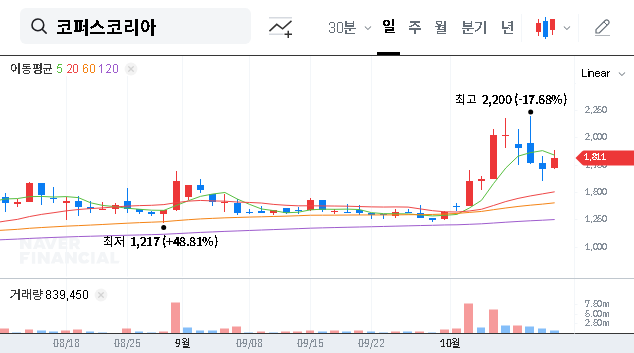
    (322780) COPUS KOREA Major Shareholder Change: A 2024 Investor’s Guide to What’s Next

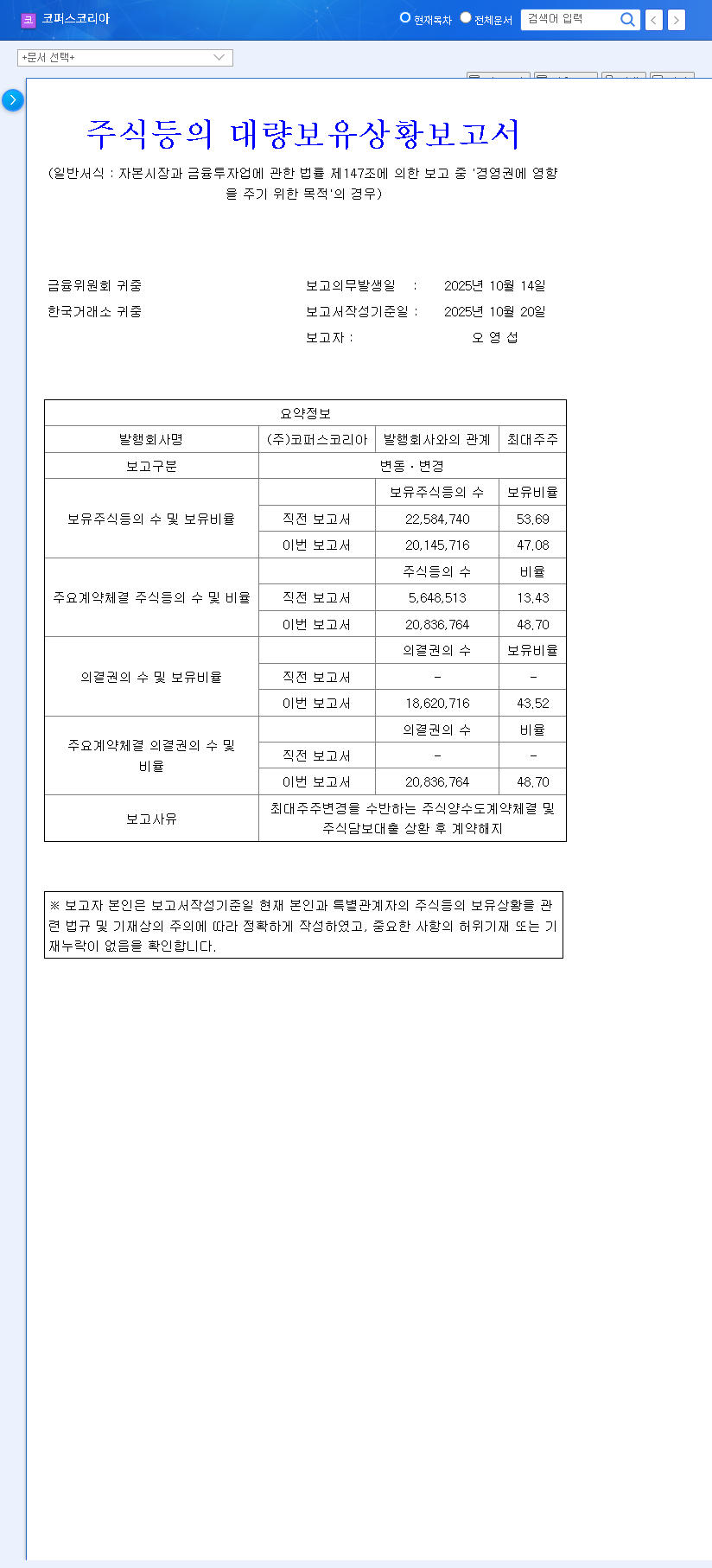
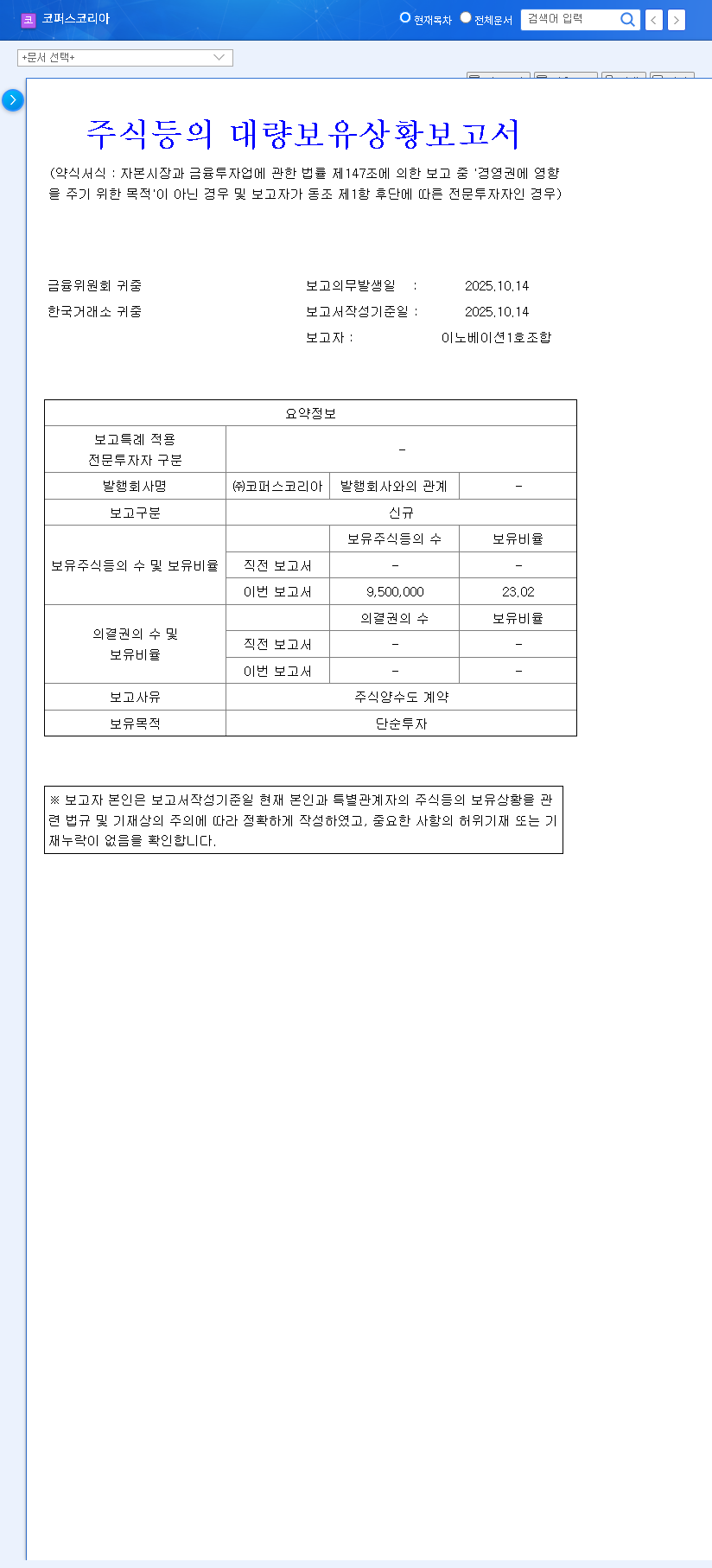
    A significant development is unfolding for investors in COPUS KOREA Co., Ltd., as recent disclosures signal an imminent COPUS KOREA major shareholder change. The news, stemming from a ‘Report on Status of Large Shareholdings’, has sent ripples through the investment community, raising critical questions about the company’s future leadership, strategic direction, and ultimately, its stock valuation. This comprehensive analysis will break down the official disclosure, explore the potential market ramifications, and provide a clear, actionable roadmap for investors navigating this period of uncertainty.

    The report reveals that major shareholder Mr. Oh Young-seop has significantly reduced his stake, not as a simple stock sale, but as part of a stock transfer agreement explicitly designed to change the company’s largest shareholder. This isn’t just a portfolio adjustment; it’s a potential changing of the guard.

    Deconstructing the Disclosure: What Exactly Happened?

    The official filing, disclosed on May 15, 2024, provides the core facts of this transaction. Understanding these details is the first step in a thorough investment analysis. You can view the original document directly from the source: Official Disclosure (DART Report).

    Key Details from the Shareholding Report

    • Significant Stake Reduction: The primary shareholder, Mr. Oh Young-seop, saw his stake decrease from 53.69% to 47.08%, a substantial reduction of 6.61 percentage points.
    • Explicit Purpose: The reason cited was the ‘Execution of stock transfer agreement entailing a change in the largest shareholder.’ This language removes ambiguity and confirms a transfer of management control is intended.
    • Transaction Specifics: A total of 2,439,024 common shares were sold by Mr. Oh Young-seop in an off-market transaction, indicating a pre-arranged deal with a specific buyer rather than a sale on the open stock exchange.

    The most critical phrase in the report is ‘entailing a change in the largest shareholder.’ This signals that the COPUS KOREA major shareholder change is not just a possibility, but a planned strategic event with a new controlling entity set to emerge.

    Impact Analysis: Volatility vs. Long-Term Value

    Any change in control introduces both risk and opportunity. For the COPUS KOREA stock, we can anticipate distinct short-term and long-term effects.

    Short-Term Market Reaction

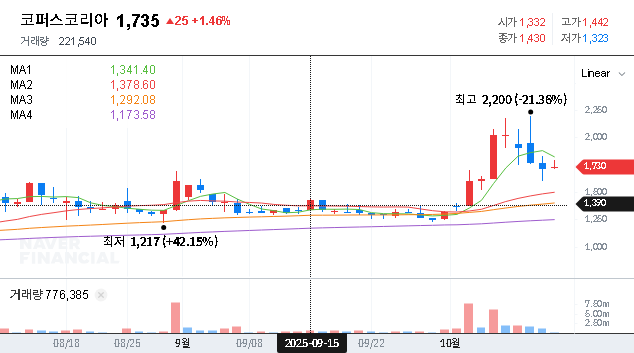
    In the immediate future, uncertainty is the dominant force. The market dislikes ambiguity, and until the new major shareholder’s identity and plans are revealed, we can expect heightened stock price volatility. Speculative trading may increase as the market attempts to price in various potential outcomes. A sale by a founding or long-term major shareholder can sometimes be perceived negatively, but the context of a strategic transfer often mitigates this.

    Long-Term Corporate Revaluation

    The long-term trajectory depends entirely on the new leadership. The company’s corporate value could be significantly re-evaluated based on several factors: the new owner’s strategic vision, their capacity to inject new capital or technology, and the potential for synergy with COPUS KOREA’s existing media and content businesses. This is where diligent investors can find opportunity; for more on this, see our guide to analyzing M&A deals for value.

    An Investor’s Action Plan: Key Monitoring Points

    With information still emerging, a patient and watchful approach is paramount. Rather than making rash decisions, investors should focus their attention on the following key areas and await further disclosures.

    • The New Shareholder’s Profile: Who is the acquirer? Are they a strategic player in the media industry or a financial investor? Analyze their track record, financial health, and past acquisitions to predict their likely strategy for COPUS KOREA.
    • Details of the Transfer Agreement: Subsequent disclosures must be scrutinized for the acquisition price, payment terms, and any attached conditions. The price paid per share will be a key indicator of how the new owner values the company.
    • Future Strategic Announcements: Pay close attention to any announcements regarding changes in the management team, revised business plans, or a new corporate vision. These will be the clearest signals of the company’s future direction.
    • Fundamental Business Performance: Amidst the ownership news, don’t lose sight of COPUS KOREA’s underlying business fundamentals. Continue to monitor revenue growth, profitability, and industry trends.

    Conclusion: Finding Opportunity in Transition

    The pending COPUS KOREA major shareholder change represents a pivotal moment for the company and its investors. While the current lack of complete information creates short-term risk, it also sets the stage for a potential long-term re-rating of the company’s value. The capabilities, resources, and strategy of the incoming management will be the ultimate determinants of success. For now, the best strategy is not to react, but to prepare. By conducting thorough due diligence and closely monitoring new information as it is released, investors can position themselves to make well-informed decisions as this new chapter for COPUS KOREA unfolds.

    (322780) COPUS KOREA Major Shareholder Change: A 2024 Investor's Guide to What's Next 관련 이미지
  • (247540) ECOPRO BM Treasury Stock Disposal: An Investor’s Guide to the RSU Impact

    (247540) ECOPRO BM Treasury Stock Disposal: An Investor’s Guide to the RSU Impact

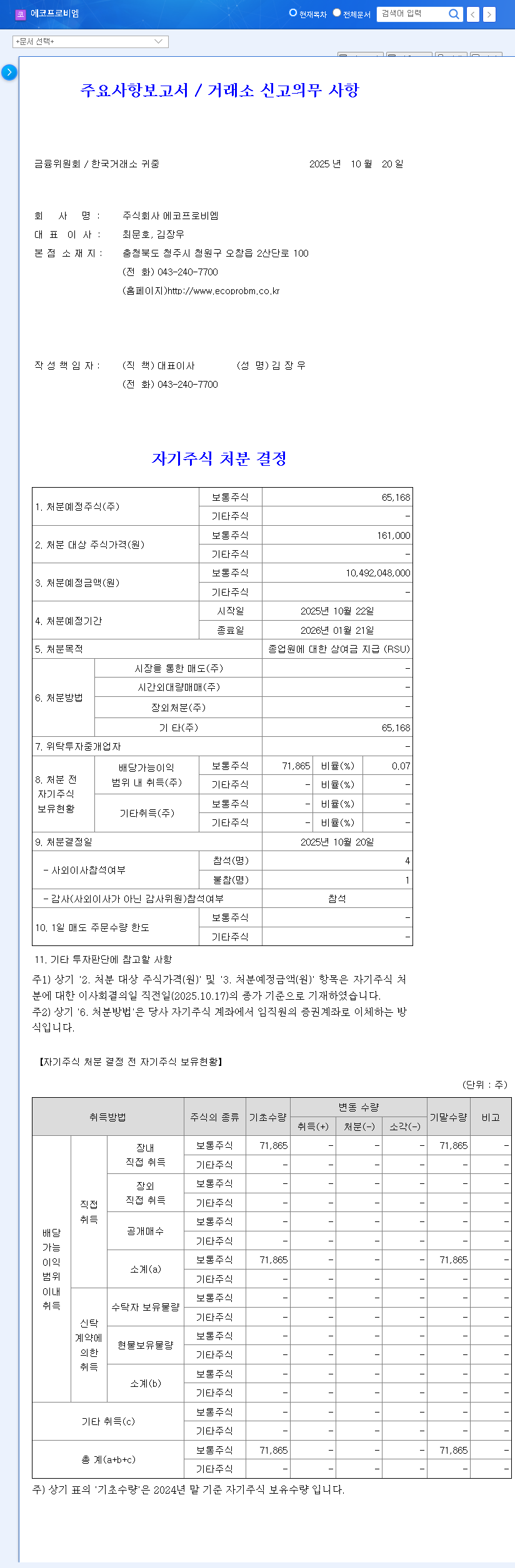
    The recent news of the ECOPRO BM treasury stock disposal has sent ripples through the investment community, prompting questions about its implications. On October 20, 2025, the leading cathode material manufacturer announced a plan to dispose of 65,168 treasury shares, valued at approximately 10.5 billion KRW. This isn’t a typical share sell-off; it’s a strategic move tied directly to the company’s Restricted Stock Unit (RSU) program for its employees. For investors, understanding the mechanics and motivations behind this decision is crucial for navigating the future of their ECOPRO BM stock holdings. This comprehensive analysis will unpack the details, evaluate the market impact, and provide a clear action plan.

    What Exactly is Happening? The Details of the Disposal

    According to the official filing, ECOPRO BM CO.,LTD. has committed to disposing of its own shares that it previously held in treasury. The key details are as follows:

    • Number of Shares: 65,168
    • Total Value: Approximately 10.5 billion KRW
    • Primary Purpose: To fund employee bonus payments via its Restricted Stock Unit (RSU) program.
    • Official Source: The details were confirmed in the company’s public disclosure. You can view the Official Disclosure here.

    This action is fundamentally about human capital investment. Rather than raising capital or signaling financial distress, the company is using its own equity to reward and retain its most valuable asset: its people.

    Why Now? The Strategic Importance of RSUs

    To fully grasp the context of the ECOPRO BM treasury stock disposal, one must understand the role of the Restricted Stock Unit. An RSU is a form of equity compensation where an employee receives the right to acquire shares after a certain vesting period or upon achieving specific performance goals. Unlike stock options, RSUs almost always have value as long as the stock price is above zero. This makes them a powerful tool for modern corporations.

    Key Benefits of an RSU Program

    • Aligns Employee and Shareholder Interests: When employees own a piece of the company, they are more motivated to work towards long-term growth and profitability, which directly benefits all shareholders.
    • Retains Top Talent: In the highly competitive technology and manufacturing sectors, vesting schedules on RSUs encourage key engineers, researchers, and managers to stay with the company for the long haul.
    • Performance-Based Motivation: By tying stock awards to performance metrics, the company incentivizes the achievement of critical business objectives. For a deeper understanding of equity compensation, you can explore resources like Investopedia.

    This move should be viewed primarily as a strategic investment in talent retention and long-term growth, not as a short-term financial maneuver that should alarm investors.

    Investor Analysis: Will This Affect the Stock Price?

    The most pressing question for shareholders is the potential impact on stock price and overall corporate value. Here’s a balanced breakdown.

    Positive Signal for Long-Term Value

    The decision reinforces the company’s commitment to its workforce, which is the engine of innovation and competitiveness. By rewarding and retaining skilled personnel, ECOPRO BM is strengthening its foundation for sustained growth, which is a significant positive for long-term shareholder value.

    Minimal Short-Term Market Impact

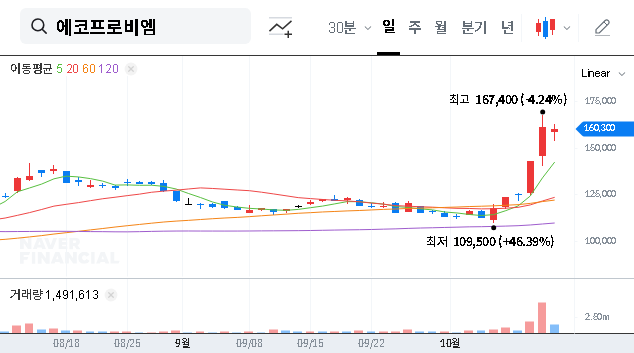
    The scale of this disposal is minimal. The 65,168 shares represent only about 0.067% of ECOPRO BM’s total market capitalization. This is a negligible amount compared to the daily trading volume and is highly unlikely to exert any meaningful downward pressure on the stock price. The market typically absorbs such small, strategically-motivated sales with little to no volatility. Furthermore, the 10.5 billion KRW value is immaterial to the company’s overall financial health. For more context, you can read our complete guide to investing in the EV sector.

    Frequently Asked Questions (FAQ)

    Q1: Why is ECOPRO BM selling its own stock?

    The company is disposing of treasury shares to fund its Restricted Stock Unit (RSU) program, which is a form of employee compensation designed to reward performance and encourage long-term retention of key talent.

    Q2: Should I be worried about the impact on my ECOPRO BM stock?

    No, the short-term impact is expected to be negligible. The number of shares being sold is extremely small (0.067% of market cap) and is unlikely to affect the stock price. In the long term, this is a positive sign of a company investing in its talent.

    Q3: Is the company in financial trouble?

    No, this action is not indicative of financial trouble. The value of the disposal is minor relative to the company’s overall finances. It is a common and healthy corporate practice for funding equity-based compensation plans.

    Conclusion: A Strategic Investment in People

    In summary, the ECOPRO BM treasury stock disposal is a routine corporate action with a clear strategic purpose. It is a forward-looking investment in human capital, aimed at fostering a culture of ownership and ensuring the company retains the talent needed to lead in a competitive industry. For investors, this should be viewed not as a red flag, but as a sign of prudent management focused on sustainable, long-term growth. The immediate market impact will be minimal, but the long-term benefits of a motivated and stable workforce are invaluable.

    (247540) ECOPRO BM Treasury Stock Disposal: An Investor's Guide to the RSU Impact 관련 이미지
  • (322780) COPUS KOREA Stake Acquisition: A Deep Dive into Green Growth’s 27.47% Power Play

    (322780) COPUS KOREA Stake Acquisition: A Deep Dive into Green Growth’s 27.47% Power Play

    A significant corporate event is unfolding that demands investor attention: the recent COPUS KOREA stake acquisition by an entity named Green Growth. On October 20, 2025, public records revealed that Green Growth secured a massive 27.47% stake in COPUS KOREA Co., Ltd., with the explicit goal of influencing management. This move is far from a passive investment; it signals a potential paradigm shift in the company’s direction, strategy, and leadership. This comprehensive analysis will unpack the details of the deal, explore the potential ramifications for corporate governance, and provide a strategic guide for investors navigating this period of uncertainty and opportunity.

    The Landmark Deal: Unpacking the Green Growth Acquisition

    The transaction was officially solidified on October 14, 2025, when Green Growth agreed to an off-market purchase of 11,336,764 shares of COPUS KOREA. The subsequent disclosure confirmed the magnitude of this move, positioning Green Growth as a dominant shareholder with nearly a third of the company’s voting power. The stated purpose, to ‘influence management rights,’ is a clear and direct declaration of intent to be an active, and likely disruptive, force within the company. For a detailed verification of this event, investors can refer to the Official Disclosure (DART report).

    “A stake of this size is a game-changer. It’s not about suggesting changes from the sidelines; it’s about having the power to demand a seat at the table and fundamentally alter the company’s trajectory. The Green Growth COPUS KOREA dynamic will be the single most important factor for the company’s valuation in the coming year.”

    The Ripple Effect: Potential Scenarios for COPUS KOREA

    With such a substantial holding, Green Growth’s influence can manifest in several key areas. Understanding these potential outcomes is critical for any stock analysis of COPUS KOREA.

    1. A New Era of Corporate Governance or a Management Shake-up?

    A 27.47% stake provides the leverage to request board seats, challenge executive decisions, and even call for special shareholder meetings to vote on critical matters. This could lead to a productive overhaul of corporate governance, introducing new strategies and efficiencies. However, if the current management resists these changes, it could ignite a contentious management dispute. Such a conflict can create operational paralysis and negatively impact employee morale and stock performance, making this the most immediate risk factor to monitor.

    2. Unlocking Synergy: What ‘Green’ Means for Growth

    While details about Green Growth are scarce, its name suggests a focus on environmentally conscious or sustainable sectors. This could be a significant opportunity for COPUS KOREA. Green Growth might push for greater investment in sustainable technologies, improved ESG (Environmental, Social, and Governance) ratings, or entry into new, eco-friendly markets. A strong ESG profile is increasingly important for attracting institutional investment. For more on this trend, you can read about the fundamentals of ESG-focused corporate strategies. A successful synergy could unlock new revenue streams and position COPUS KOREA as a forward-thinking leader in its industry.

    3. Stock Price Volatility and Long-Term Value

    In the short term, the market’s reaction to the COPUS KOREA stake acquisition will likely be volatile. Speculators may drive the price up on takeover rumors, while uncertainty could cause sell-offs. The long-term stock price trajectory, however, will be determined by tangible results. If Green Growth’s involvement leads to better financial performance, clear strategic direction, and profitable growth, substantial long-term value can be created for all shareholders.

    A Strategic Checklist for Investors

    In this fluid situation, a cautious and informed approach is paramount. Investors should focus on gathering intelligence and monitoring key developments. Here are the critical points to watch:

    • Profile Green Growth: Who are the principals behind this entity? Investigate their track record with other investments. Are they known for hostile takeovers or for collaborative value creation?
    • Monitor Official Communications: Watch for any press releases, shareholder letters, or new regulatory filings from either COPUS KOREA or Green Growth that clarify their specific plans and intentions.
    • Analyze Existing Shareholder Base: How will other major shareholders react? The stance of the current largest shareholder and the board will be crucial in determining whether the transition is smooth or adversarial.
    • Re-evaluate COPUS KOREA’s Fundamentals: Conduct a fresh stock analysis. Assess the company’s core business strengths, weaknesses, and financial health to understand how Green Growth’s influence could either enhance or detract from its value. Authoritative platforms like Bloomberg offer extensive financial data for this purpose.

    In conclusion, Green Growth’s acquisition of a 27.47% stake in COPUS KOREA is a pivotal event that has moved the company from a predictable path to a crossroads. While the move introduces significant uncertainty and the risk of a management shake-up, it also presents the possibility of renewed vision and accelerated growth. The ultimate outcome for the company and its stock price hinges entirely on the forthcoming actions of Green Growth and the response of COPUS KOREA’s existing leadership. Vigilant monitoring and comprehensive due diligence are now more critical than ever for investors.

    (322780) COPUS KOREA Stake Acquisition: A Deep Dive into Green Growth's 27.47% Power Play 관련 이미지
  • (383800) LX Holdings’ ₩512B Gwanghwamun Building Acquisition: An Investor’s Deep Dive

    (383800) LX Holdings’ ₩512B Gwanghwamun Building Acquisition: An Investor’s Deep Dive

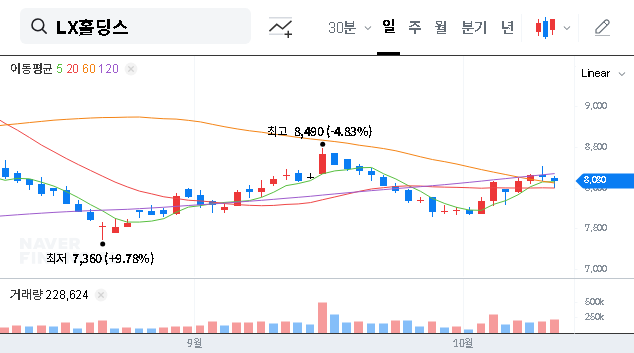
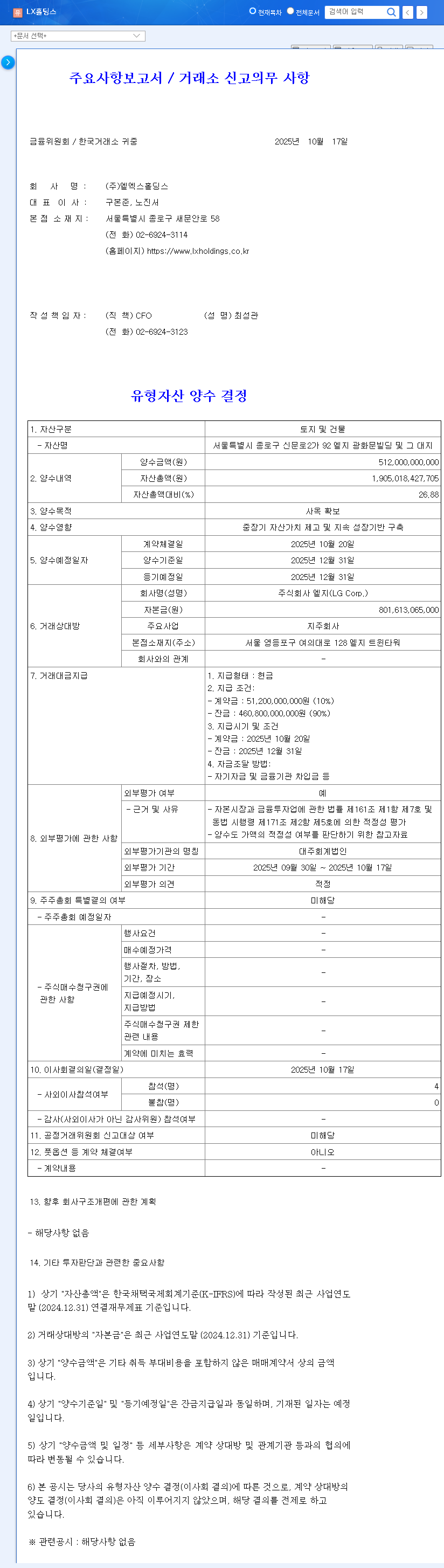
    The announcement of the LX Holdings Gwanghwamun Building acquisition for a staggering ₩512 billion (approx. $380 million USD) has ignited intense discussion across financial markets. This landmark deal, representing nearly 27% of the company’s total assets, is far more than a simple real estate transaction; it’s a bold strategic maneuver that could redefine LX Holdings’ future. As a pivotal investment, it presents a compelling mix of immense opportunity and significant financial exposure.

    While securing a prestigious headquarters in Seoul’s core business district promises long-term benefits, the sheer scale of the capital outlay raises critical questions. Will this move catalyze growth and enhance shareholder value, or will the financial burden constrain the company’s agility in the short term? This analysis provides a comprehensive deep dive into the deal’s mechanics, strategic rationale, potential upsides, and inherent risks for investors.

    Deconstructing the Landmark Deal

    The Core Details of the Acquisition

    On October 27, 2023, LX Holdings formalized its intent to acquire the ‘LG Gwanghwamun Building’ and its underlying land from LG Corp. The official transaction details, as outlined in the public disclosure, paint a picture of a carefully structured, high-value transfer.

    • Asset: The LG Gwanghwamun Building, a prime commercial property in Seoul’s central business district.
    • Purchase Price: ₩512 billion, paid in cash.
    • Payment Schedule: A 10% down payment (₩51.2B) by Oct 20, 2025, with the 90% balance (₩460.8B) due by Dec 31, 2025.
    • Funding Sources: A combination of existing corporate funds and new borrowings from financial institutions.

    The complete financial filing can be reviewed in the Official Disclosure (DART), which provides the authoritative source for this transaction.

    This acquisition is a strategic declaration. By securing a flagship asset in Gwanghwamun, LX Holdings is not just buying an office; it’s investing in brand prestige, operational synergy, and long-term financial stability.

    Strategic Analysis: Opportunity vs. Risk

    The Potential Upside: A Foundation for Growth

    The rationale behind the LX Holdings Gwanghwamun Building acquisition is multi-faceted. Consolidating various group entities under one roof is expected to dramatically enhance management efficiency, breaking down silos, reducing rental expenses, and fostering a more unified corporate culture. This physical integration can accelerate decision-making and boost employee morale. Furthermore, owning prime Seoul commercial real estate provides a stable, tangible asset anticipated to appreciate over time, strengthening the company’s balance sheet. This move provides a solid foundation for future expansion and talent acquisition, signaling stability and ambition to the market. For more on market trends, see the latest reports from authoritative sources like Bloomberg’s real estate analysis.

    The Inherent Risks: A Financial Tightrope

    The primary concern is the immense financial burden. Mobilizing ₩512 billion will significantly impact LX Holdings’ liquidity and debt profile. The vague funding plan of ‘self-funds and borrowings’ leaves investors questioning the cost of capital and the terms of future loans. A rise in interest rates could make this debt significantly more expensive. Moreover, the Seoul commercial real estate market, while stable, is not immune to macroeconomic headwinds. A downturn could lead to asset value depreciation, undermining one of the key justifications for the purchase. Finally, the transition from renter to owner introduces new operational costs, including property taxes, maintenance, and management fees, which will impact cash flow.

    Investor Action Plan & Key Questions

    For those invested in or watching LX Holdings, this is a critical juncture. A proactive and analytical approach is necessary. Investors should prioritize monitoring the following key areas as more information becomes available.

    What is the detailed funding strategy?

    Scrutinize upcoming announcements for specifics on the debt-to-equity ratio for this purchase. Understanding the interest rates and repayment schedules is crucial to assessing the long-term financial impact. A heavily leveraged deal increases risk significantly.

    How will this impact operational cash flow?

    Investors should look for pro-forma financial statements that project the impact of new operating costs (taxes, maintenance) against the savings from eliminated rent. A clear, positive net effect on cash flow would be a strong bullish signal. You can compare this to our analysis of LX Holdings’ Q3 financials.

    What is the company’s broader capital allocation plan?

    This large investment in LX Holdings real estate raises questions about opportunity cost. How does this acquisition fit within the company’s overall growth strategy? Will it limit their ability to invest in R&D, M&A, or other core business ventures? A clear articulation from management is needed.

    Conclusion: A Calculated Gamble on the Future

    The LX Holdings Gwanghwamun Building acquisition is a defining moment for the company. It’s a calculated gamble that trades short-term financial flexibility for long-term strategic advantages. While the potential for enhanced efficiency and asset appreciation is undeniable, the financial risks are substantial. Prudent investors will maintain a watchful eye, demanding clarity on funding and strategy as this monumental chapter in LX Holdings’ story unfolds.

    (383800) LX Holdings' ₩512B Gwanghwamun Building Acquisition: An Investor's Deep Dive 관련 이미지
  • (005930) Samsung C&T & Samsung Electronics Shares: A Deep Dive into the 2025 Stake Adjustment

    (005930) Samsung C&T & Samsung Electronics Shares: A Deep Dive into the 2025 Stake Adjustment

    The intricate web of Samsung C&T Samsung Electronics shares is a critical barometer for understanding the conglomerate’s governance and future direction. Recently, a minor yet significant fluctuation in this shareholding, detailed in a ‘Report on Major Shareholding,’ has captured the market’s attention. While the change appears negligible on the surface, the stated purpose of ‘influencing management’ signals that every move warrants close scrutiny. This deep-dive analysis unpacks the event, exploring its potential impact on Samsung Electronics’ management control and offering a clear roadmap for investors.

    We will move beyond the headlines to interpret the subtle cues within the official disclosure, assess the short-term and long-term consequences, and provide actionable insights for navigating this complex corporate landscape.

    Breaking Down the Share Fluctuation: What Happened?

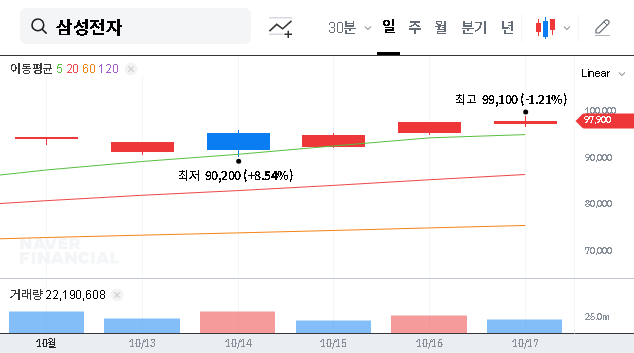
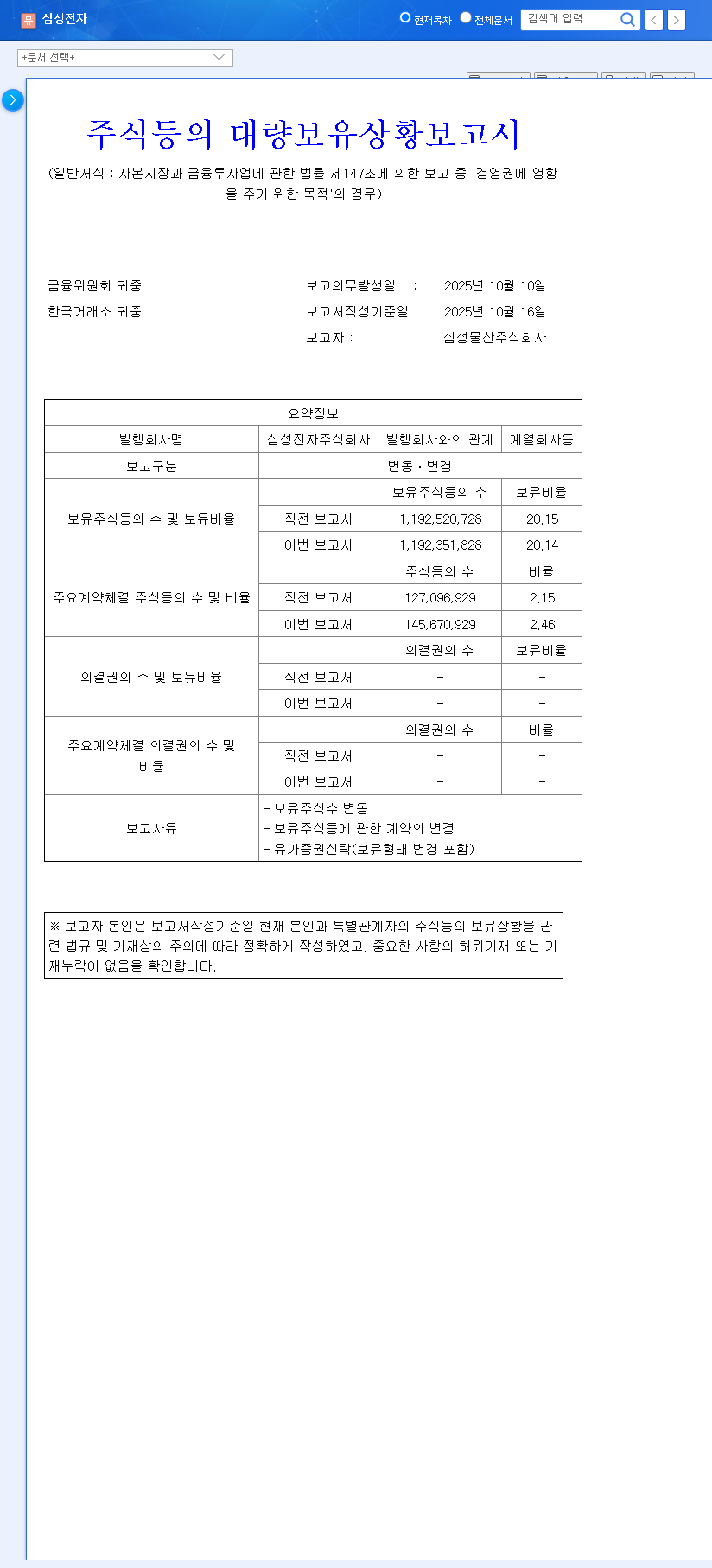
    On October 17, 2025, Samsung C&T filed a mandatory ‘Report on Major Shareholding’ regarding its stake in SAMSUNG ELECTRONICS CO., LTD. This report, now public, is the catalyst for the current market discussion. Let’s examine the core details.

    The Official Filing Details

    The filing revealed a minor decrease in Samsung C&T’s stake in Samsung Electronics by 0.01 percentage points, moving from 20.15% to 20.14%. The transaction details, executed through Samsung Life Insurance, show a series of sales and purchases over three days, resulting in a net sale of 80,013 shares. The stated reasons for the change were listed as ‘change in the number of shares held,’ ‘change in contracts related to shares held,’ and ‘securities trust (including change in holding type).’

    For transparency and direct verification, investors can review the complete filing directly from the source. The Official Disclosure (DART Report) provides the unabridged details of the transaction.

    The most critical piece of information in the report is the stated ‘purpose of holding: influencing management.’ This phrase transforms a seemingly trivial transaction into a strategic signal that cannot be ignored by serious investors.

    Analyzing the Strategic Implications

    A 0.01% change is mathematically insignificant for control, so why the market chatter? The answer lies in the context of Samsung corporate governance, where Samsung C&T acts as the de facto holding company and a linchpin in the founding family’s control over the vast electronics empire.

    Short-Term Impact: Minimal Stock Volatility

    In the immediate term, the impact on Samsung Electronics’ stock price is expected to be minimal. The sale is too small to trigger any significant sell-off or suggest a loss of confidence. There might be a temporary uptick in trading volume as algorithms and day traders react to the news, but this is unlikely to affect the stock’s fundamental trajectory. The market understands that Samsung C&T’s 20.14% stake still represents an ironclad position of control.

    Mid-to-Long-Term Impact: A Test of Governance Stability

    The long-term view is more nuanced. While this specific event does not threaten Samsung Electronics’ management control, it could be a precursor to more significant structural adjustments. The mention of ‘securities trust’ and ‘change in contracts’ may hint at complex financial or estate planning strategies within the Samsung ownership structure. These are often long-term plays that unfold over years, not days. Therefore, while stability is the current status, this filing serves as a reminder to investors to remain vigilant about the evolving dynamics of the Samsung C&T shareholding structure.

    Investor Action Plan: How to Respond

    Given the limited information, a reactionary investment decision is ill-advised. Instead, a prudent approach involves deeper research and continuous monitoring. Here are key steps for investors to take:

    • Monitor Follow-Up Disclosures: Look for any subsequent filings from Samsung C&T or related entities that might clarify the nature of the ‘contract changes’ or ‘securities trust’ arrangements. This is where the real story may lie.
    • Analyze Market Commentary: Follow analyses from reputable financial news sources like Bloomberg and institutional research reports. Expert commentary can often provide crucial context that isn’t apparent from the filing alone.
    • Focus on Fundamentals: Remember that this event is about shareholding structure, not Samsung Electronics’ operational performance. Continue to base your primary investment thesis on the company’s earnings, product pipeline, and competitive position in the semiconductor and electronics markets.
    • Understand the Broader Context: For a deeper perspective, it’s helpful to learn more about the unique dynamics of South Korean conglomerates. Our guide on Understanding Chaebol Governance Structures provides essential background information.

    Conclusion: A Minor Move with Major Implications

    In conclusion, the 0.01% reduction in the Samsung C&T Samsung Electronics shares is not an immediate cause for alarm regarding management stability or stock performance. However, its classification as a move to ‘influence management’ firmly places it in the realm of strategic maneuvering. It serves as a valuable data point for investors, reinforcing the need to look beyond the numbers and appreciate the intricate governance dynamics at play. The prudent path forward is not to overreact, but to enhance due diligence and remain watchful for the next chapter in Samsung’s corporate evolution.

    (005930) Samsung C&T & Samsung Electronics Shares: A Deep Dive into the 2025 Stake Adjustment 관련 이미지
  • (068790) DMS Co.,Ltd. Shareholding Change: 10% Stake Sparks Management Control Battle – Full Analysis

    (068790) DMS Co.,Ltd. Shareholding Change: 10% Stake Sparks Management Control Battle – Full Analysis

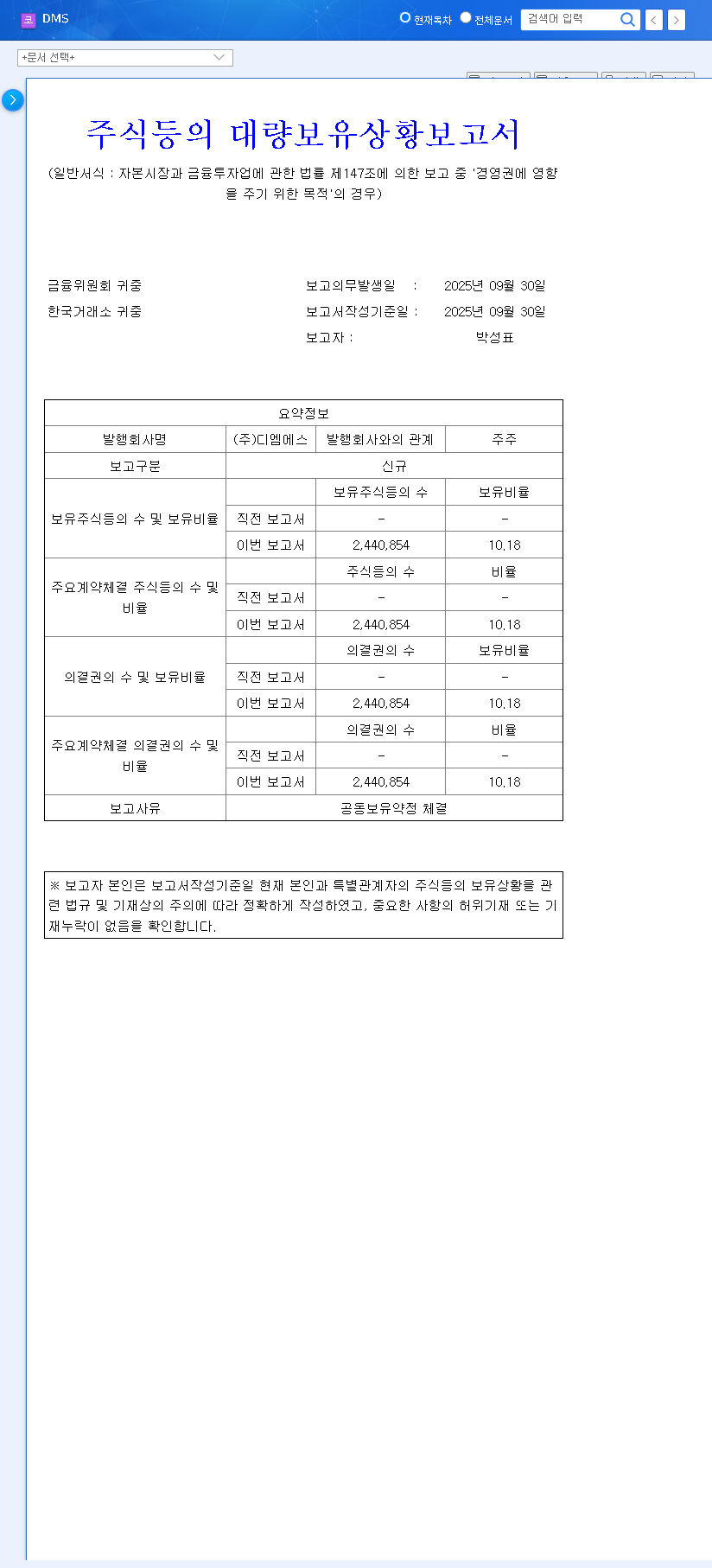
    A recent and significant DMS Co.,Ltd. shareholding change is capturing the attention of the market, signaling a potential shift in the company’s power dynamics. An official disclosure reveals that a group of investors, led by Park Sung-pyo, has collectively acquired a 10.18% stake. This move, bound by a ‘joint ownership agreement,’ raises critical questions about the future of DMS management control and corporate strategy. For investors, understanding the nuances of this development is paramount.

    Is this accumulation merely a passive investment, or does it herald a new management dispute, a strategic push to unlock shareholder value, or even a hostile takeover? This in-depth analysis examines the latest shareholding changes at DMS Co.,Ltd., explores the potential ramifications, and outlines key observation points for a well-informed investment strategy.

    The Catalyst: A 10.18% Stake Acquired Under Joint Ownership

    On October 17, 2025, Park Sung-pyo, acting as the primary reporter, publicly announced the major share acquisition through a ‘Report on Large Shareholding Status (General)’. The stake, which rose from 0% to 10.18%, was not acquired by a single entity but by Park and several co-holders. This was officially disclosed in a regulatory filing (Source: Official DART Filing). The stated purpose for this report—’execution of a joint ownership agreement’—is the critical detail that suggests a coordinated, strategic maneuver.

    A ‘joint ownership agreement’ signifies that multiple shareholders have aligned to act in concert, effectively pooling their voting power. This transforms a collection of small stakes into a formidable block capable of influencing corporate decisions.

    Details of the Acquisition

    The shares were acquired via open-market purchases throughout mid-to-late September 2025. This concerted buying activity under a unified agreement gives the 10.18% stake far more weight than a simple investment. A unified block of this size can demand board seats, challenge management proposals, and advocate for significant strategic changes. This type of shareholder activism is a well-documented force in corporate finance, often covered by outlets like Bloomberg and Reuters.

    Potential Impacts of the DMS Major Shareholder Move

    This DMS Co.,Ltd. shareholding change introduces both opportunities and risks. The market’s reaction will hinge on the ultimate intentions of the new DMS major shareholder block and the response of the incumbent management team. Investors should consider the following potential scenarios.

    Positive Scenarios (Value Creation)

    • Enhanced Corporate Governance: The new shareholders may push for greater transparency, accountability, and a management team more aligned with shareholder interests.
    • Strategic Shifts & M&A: The group could advocate for divesting underperforming assets, pursuing strategic mergers, or even an outright sale of the company, potentially unlocking significant value for all shareholders.
    • Improved Capital Allocation: Pressure could mount for more shareholder-friendly policies like increased dividends or share buyback programs.

    Negative Scenarios (Value Destruction)

    • Destructive Management Disputes: A prolonged and hostile battle for DMS management control (a proxy fight) can distract leadership, drain corporate resources, and create immense uncertainty, weighing heavily on the stock price.
    • Increased Volatility: The uncertainty surrounding the company’s future can lead to wild swings in the stock price as speculators and arbitrageurs enter the fray.
    • Short-Term Focus: If the new group’s intentions are purely for short-term gain, they might push for actions that boost the stock price now at the expense of long-term strategic investments.

    Investor Strategy: Key Points to Monitor

    Given the limited information, a cautious and vigilant approach is necessary. Investors should perform their own due diligence and focus on the following developments to inform their DMS stock analysis:

    • Co-holders’ Public Statements: Watch for any further filings, press releases, or interviews that clarify their specific objectives. Are they seeking collaboration or confrontation?
    • Incumbent Management’s Response: How does the current board and executive team react? Their posture—whether defensive (e.g., adopting a ‘poison pill’) or cooperative—will be a key indicator.
    • Further Share Purchases: Will the group continue to increase its stake? Any additional buying would signal a more aggressive intent to influence or seize control.
    • Fundamental Business Performance: Amid the noise, do not lose sight of DMS’s underlying business health, financial status, and growth prospects. Strong fundamentals can provide a buffer against uncertainty. For more on this, learn more about evaluating corporate governance in your investments.

    Frequently Asked Questions (FAQ)

    What is the significance of the 10.18% stake in DMS Co.,Ltd.?

    A stake of over 10% is highly significant. It grants the holders substantial influence and the ability to challenge management decisions, propose shareholder resolutions, and potentially seek representation on the board of directors. The ‘joint ownership agreement’ makes this stake particularly potent.

    Who is Park Sung-pyo?

    Park Sung-pyo is the primary individual named in the public disclosure report. His role as the reporter for the group suggests he is a key figure in orchestrating this coordinated investment. His background and track record with other companies will be critical information for investors to research.

    What should current DMS investors do?

    Current investors should avoid making rash decisions based on speculation. The best course of action is to stay informed by monitoring the key points listed above, re-evaluating DMS’s fundamental value, and assessing if the potential outcomes align with their personal investment thesis and risk tolerance.

    (068790) DMS Co.,Ltd. Shareholding Change: 10% Stake Sparks Management Control Battle - Full Analysis 관련 이미지
  • (178780) ILWOUL GML Major Shareholder Boosts Stake: A 2025 Investor Analysis

    (178780) ILWOUL GML Major Shareholder Boosts Stake: A 2025 Investor Analysis

    In the intricate world of stock market analysis, the actions of a company’s largest insiders often speak louder than words. Recently, a significant move by the ILWOUL GML major shareholder has captured the market’s attention, signaling a potential shift in the company’s trajectory. Ilwol Co.,Ltd, already the controlling shareholder, has methodically increased its stake in ILWOUL GML Co.,Ltd. This is far more than a simple transaction; it’s a statement of intent that could have profound implications for the company’s management, strategic direction, and ultimately, the ILWOUL GML stock price. This comprehensive investor analysis will dissect this development, exploring the motivations behind the move and what it means for both current and prospective shareholders.

    The Details: A Closer Look at the Shareholder Stake Increase

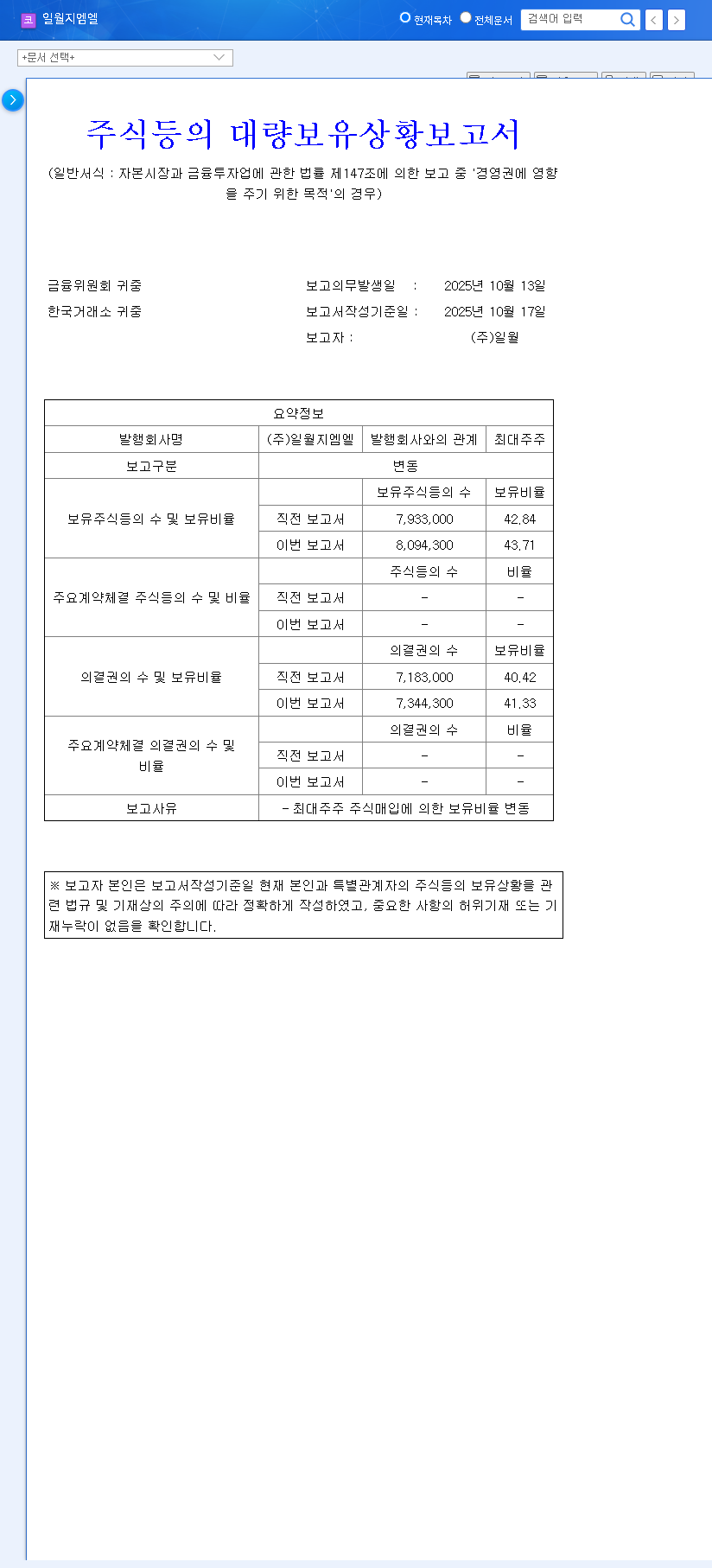
    On October 17, 2025, a mandatory filing revealed a notable change in the ownership structure of ILWOUL GML Co.,Ltd. The report, which can be viewed in the Official Disclosure, confirmed that the ILWOUL GML major shareholder, Ilwol Co.,Ltd, had increased its holdings. This wasn’t a minor adjustment; it was a deliberate acquisition through open market purchases.

    • Company: ILWOUL GML Co.,Ltd (Market Cap: 53 billion KRW)
    • Reporting Entity: Ilwol Co.,Ltd
    • Previous Ownership: 42.84%
    • New Ownership: 43.71%
    • Change: +0.87 percentage points (161,300 shares)
    • Method: Open market purchases from Oct 13-15, 2025.

    Acquiring shares on the open market is a bullish signal. Unlike a private placement, it requires buying at the prevailing market price, demonstrating a belief that the shares are currently undervalued. For a deeper understanding of market signals, resources from authoritative sites like Bloomberg can provide additional context on interpreting insider transactions.

    The ‘Why’: Decoding the ‘Influence on Management’ Motive

    Perhaps the most illuminating detail in the disclosure is the stated purpose for holding the shares: ‘influence on management.’ This explicitly moves the action beyond a passive investment and into the realm of active corporate governance. It signals a clear intent to steer the company’s future.

    The shift from passive ownership to active strategic involvement is the critical takeaway. It suggests the major shareholder sees untapped potential or wishes to accelerate a specific corporate strategy, and is willing to invest more capital to ensure its vision is realized.

    Key Motivations for Increased Control

    • Solidifying Management Stability: A higher stake insulates the management team from external pressures or potential hostile takeovers, allowing for more consistent execution of long-term strategies.
    • Signaling Confidence: It’s the ultimate vote of confidence. The entity with the most knowledge of the company’s inner workings is increasing its financial exposure, signaling a strong belief in future value creation.
    • Preparing for Strategic Moves: A stronger ownership position can be a prerequisite for significant corporate actions, such as mergers, acquisitions, or major capital expenditures.

    Impact Analysis: What This Means for ILWOUL GML Stock and Investors

    This shareholder stake increase creates ripples that affect various aspects of the company. Investors should consider both the positive signals and potential points of caution.

    Positive Implications

    • Improved Investor Sentiment: The market often reacts positively to insider buying, which can boost confidence and attract new investors to the ILWOUL GML stock.
    • Short-Term Price Support: The act of buying on the open market creates direct demand for the stock, providing a potential floor and upward pressure on the price in the short term.
    • Long-Term Strategic Alignment: A committed major shareholder is more likely to advocate for policies that create sustainable, long-term value over short-term gains.

    Potential Considerations for an Investor Analysis

    • Reduced Minority Shareholder Influence: As the major shareholder’s stake grows, the collective power of minority shareholders can diminish, potentially impacting votes on key corporate matters.
    • Potential for Over-Concentration: While stabilizing, a highly concentrated ownership structure can sometimes lead to governance risks if checks and balances are not robust.

    Action Plan for Savvy Investors

    This event should not be viewed in isolation. It is a critical data point that must be integrated into a broader investment thesis. Here’s what to monitor:

    • Future Filings: Watch for continued buying or any new disclosures that clarify the major shareholder’s strategic intentions. Learning how to analyze corporate filings is a crucial skill.
    • Corporate Communications: Pay close attention to upcoming earnings calls, investor presentations, and press releases for any changes in language or strategic priorities.
    • Fundamental Performance: The ultimate validation will be in the numbers. Monitor revenue growth, profit margins, and return on equity to see if this increased influence translates into tangible business improvements.

    In conclusion, the decision by the ILWOUL GML major shareholder to increase its stake is a significant and largely positive signal. It suggests deep conviction in the company’s future and a commitment to guiding its success. For investors, this provides a compelling reason to conduct a fresh and thorough review of the company’s prospects, viewing this insider action as a powerful endorsement of its underlying value.

    (178780) ILWOUL GML Major Shareholder Boosts Stake: A 2025 Investor Analysis 관련 이미지
  • (066430) I-ROBOTICS (I-ROM) Management Dispute: A Deep-Dive Analysis for Investors

    (066430) I-ROBOTICS (I-ROM) Management Dispute: A Deep-Dive Analysis for Investors

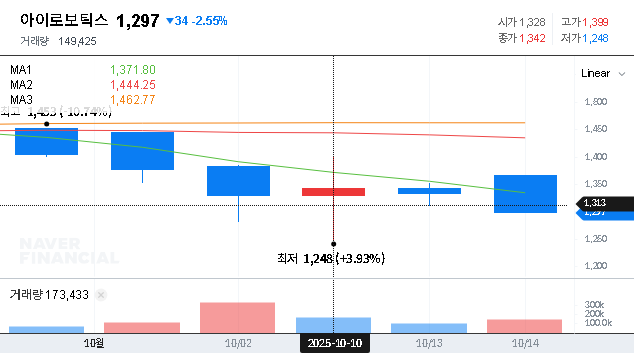
    The ongoing I-ROBOTICS management dispute has cast a shadow of uncertainty over the company, known by its ticker I-ROM. On October 14, 2025, a public disclosure of a significant lawsuit initiated by a bloc of minority shareholders sent ripples through the market, demanding the attention of current and prospective investors. This event is more than just a legal battle; it’s a critical inflection point that could redefine the company’s leadership, strategy, and long-term corporate value.

    How will this internal conflict impact I-ROM’s trajectory? From immediate stock price volatility to fundamental shifts in corporate governance, this comprehensive analysis will dissect the complex situation at I-ROBOTICS,Co.,Ltd. We will explore the root causes of the dispute, project potential outcomes, and provide a strategic roadmap to help you make informed investment decisions in these turbulent times.

    The Core of the I-ROBOTICS Management Dispute

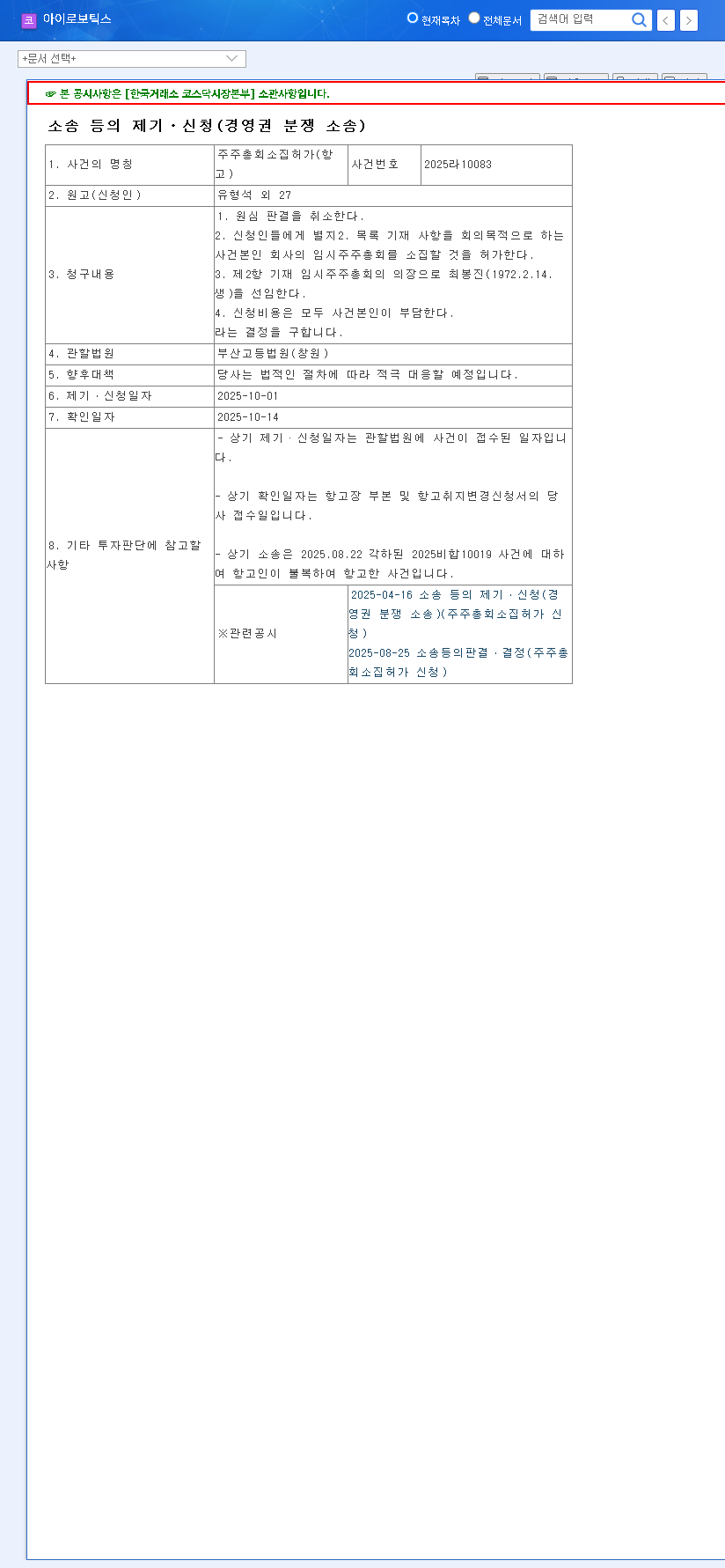
    The situation escalated on October 14, 2025, when I-ROBOTICS,Co.,Ltd. (I-ROM) formally announced the filing of a ‘Lawsuit/Application for Legal Proceedings’ by a group of 27 shareholders, including Yoo Hyeong-seok. The full details of the lawsuit were made public in an Official Disclosure (Source). The shareholders have petitioned the Busan High Court (Changwon) for permission to convene an extraordinary general meeting. Their key demands include the cancellation of a prior judgment, the authority to convene this new meeting, and the appointment of an interim chairman. In response, the current management has stated its firm intention to contest these claims through all available legal channels.

    Key Catalysts Driving the Shareholder Lawsuit

    This I-ROM lawsuit did not arise in a vacuum. It is the culmination of growing discontent fueled by several interconnected factors, from financial underperformance to a broader trend of investor empowerment.

    1. The Rise of Shareholder Activism

    Recent business reports from I-ROM have highlighted a notable increase in shareholder activism among its minority investors. This movement signifies a deep-seated distrust in the current management’s ability to steer the company effectively and a powerful desire to enforce checks and balances. The lawsuit is the most visible manifestation of this sentiment, with demands for improved corporate governance at its core. This includes calls for no-confidence votes against leadership, amendments to the articles of incorporation, and strategic appointments of new directors and auditors—all aimed at reshaping the company’s decision-making framework. For more on this trend, you can read about the principles of shareholder activism on authoritative financial sites.

    2. A Closer Look at I-ROM’s Financial Health

    The company’s deteriorating financial performance is a primary source of shareholder frustration. While I-ROM operates in the stable PE film manufacturing and raw material distribution sector, its recent results have been alarming.

    For the 2024 fiscal year, I-ROM reported sales of KRW 36.14 billion and an operating profit of KRW 934.62 million. However, a staggering net loss of KRW 1.48 billion, driven by financial asset valuation losses, marked a sharp turn into deficit.

    • Profitability Crisis: The transition to a net loss and a consistent decline in sales since late 2022 are major red flags that have eroded investor confidence.
    • Mixed Financial Soundness: While the company boasts a low debt-to-equity ratio and a strong current ratio, these positive indicators are overshadowed by the negative profitability and declining Earnings Per Share (EPS), which directly impact shareholder returns.

    3. Navigating a Turbulent Macroeconomic Climate

    External economic pressures have further compounded I-ROM’s internal challenges, creating a perfect storm for dissent:

    • Currency & Interest Rate Risks: Delays in interest rate cuts by the US Federal Reserve and the European Central Bank could amplify KRW/USD and KRW/EUR exchange rate volatility, directly increasing the cost of imported PE raw materials.
    • Rising Logistics Costs: An upward trend in global shipping indicators like the Baltic Tanker Index points to rising freight costs, which will squeeze profit margins for an import/export-dependent business like I-ROM.

    Projecting the Future: Short & Long-Term Impacts

    The outcome of the I-ROBOTICS management dispute will have profound and lasting effects on the company’s stock performance and overall health.

    Immediate Turbulence: Short-Term Stock Volatility

    In the short term, investors should brace for heightened stock price volatility. The uncertainty surrounding the lawsuit’s outcome can trigger sharp price swings. While the prospect of a new, more effective management team could build positive expectations, the protracted legal battle and defensive maneuvers by the existing board could just as easily lead to a contraction in investor sentiment.

    The Long Game: Corporate Value and Strategic Shifts

    Over the mid-to-long term, the impact could be transformative:

    • Potential for Governance Improvement: A successful challenge by the minority shareholders could lead to a more transparent board and improved management practices, ultimately enhancing long-term corporate value. Our guide on analyzing corporate governance structures provides more detail.
    • Strategic Overhaul: A new leadership team could pivot the company’s core business strategy, focusing on restoring profitability in the PE film division and optimizing asset management.
    • Financial Burden: The legal costs associated with the dispute will be a temporary but real financial drain on the company.

    A Strategic Action Plan for Investors

    Given the high stakes, a cautious and analytical approach to investing in I-ROM is paramount. This is not a time for speculation but for diligent monitoring.

    • Monitor Legal Proceedings: Keep a close watch on every development in the I-ROM lawsuit. The court’s final decision will be the most significant catalyst for change.
    • Assess New Leadership: If a management change occurs, scrutinize the new leadership’s track record, business acumen, and their stated vision for the company’s future.
    • Focus on Fundamentals: Look beyond the courtroom drama. The ultimate measure of success will be a tangible improvement in business performance—specifically, a return to net profitability.
    • Stay Informed on Macro Trends: Continue to analyze how macroeconomic shifts in interest rates, currency, and raw material costs will impact I-ROM’s operational environment.

    In conclusion, the I-ROBOTICS management dispute represents a critical juncture. Any investment decision should be made with extreme caution and be based on a thorough analysis of the company’s evolving governance, leadership, and financial recovery prospects.

    Disclaimer: This content is for informational purposes only and is based on publicly available information. It is not intended as investment advice. The ultimate responsibility for investment decisions rests with the individual investor.

    (066430) I-ROBOTICS (I-ROM) Management Dispute: A Deep-Dive Analysis for Investors 관련 이미지
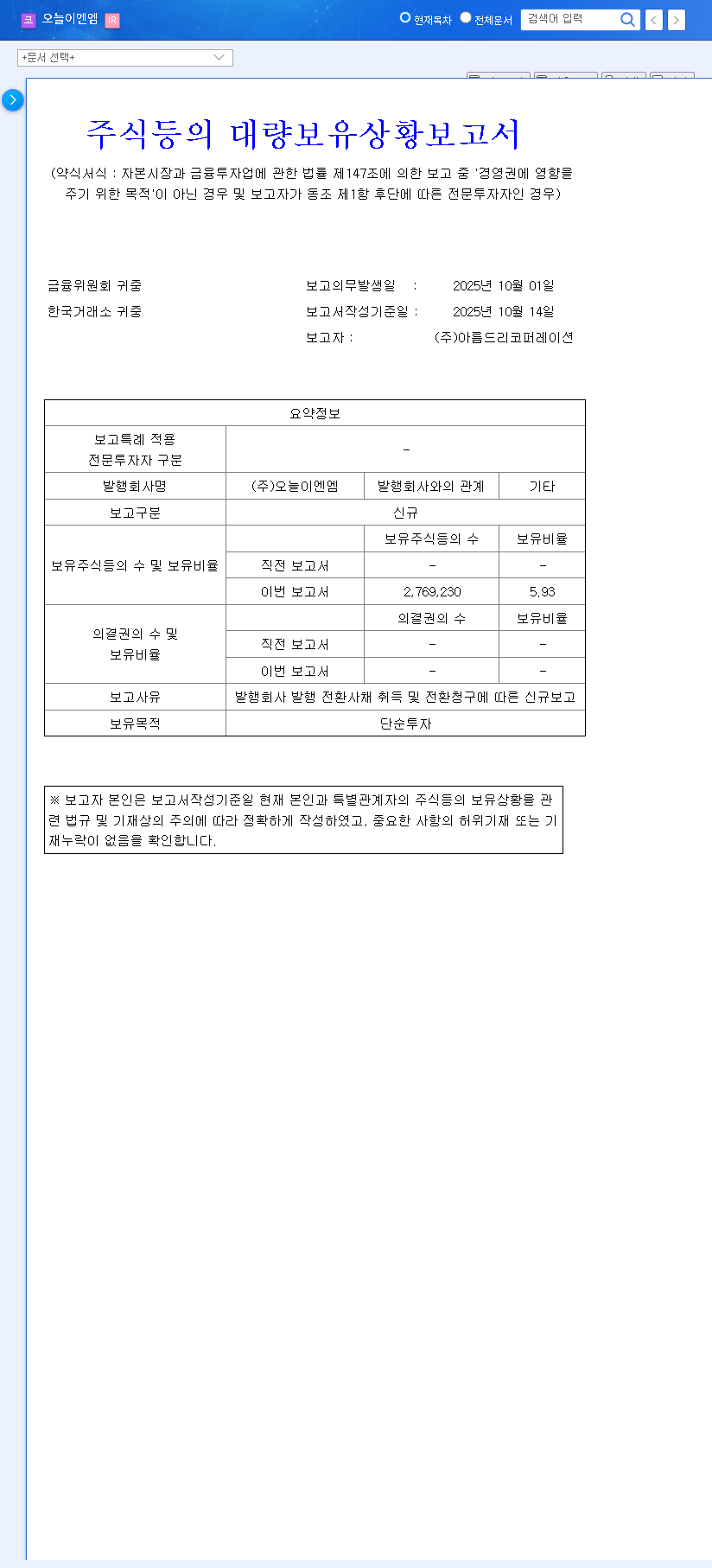
  • (192410) ONEUL E&M Financial Crisis: 5.93% Stake Change Analysis (2025)

    (192410) ONEUL E&M Financial Crisis: 5.93% Stake Change Analysis (2025)

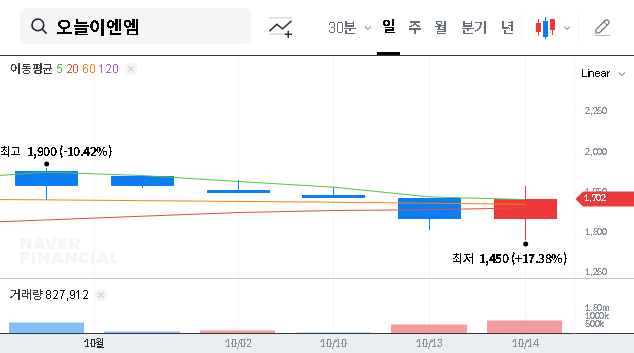
    The recent disclosure from ONEUL E&M has sent ripples through its investor community. A significant shift in shareholding has occurred, with Areumdri Corporation acquiring a new 5.93% stake. This move, stemming from the conversion of the company’s 5th Convertible Bonds (5CB), raises a critical question: Is this a vote of confidence and a potential lifeline for a company teetering on the edge of a severe financial crisis, or is it merely a temporary maneuver that fails to address the deep-seated issues of complete capital impairment?

    This comprehensive analysis will delve into the official disclosure, dissect ONEUL E&M’s precarious financial health, and evaluate the true impact of this development on the company’s future and its stock price.

    The Catalyst: A Major Change in Shareholding

    On October 14, 2025, a mandatory ‘Report on the Status of Large Shareholding’ was filed, revealing a pivotal transaction. The report, available via the official DART system, outlines the core event that has captured investor attention.

    The key event involved Wishbone Co., Ltd. and Areumdri Corporation exercising their rights to convert the 5th Convertible Bonds (5CB) of ONEUL E&M into common stock. This action resulted in Areumdri Corporation emerging as a new major shareholder with a 5.93% stake. At the time of this event, ONEUL E&M’s market capitalization stood at approximately 51.1 billion KRW. You can view the complete filing here: Official Disclosure.

    A Deep Dive into the ONEUL E&M Financial Crisis

    While a new major investor can be a positive signal, it’s crucial to place this news in the context of ONEUL E&M’s dire financial situation. The company’s H1 2025 report paints a grim picture of operational struggles and balance sheet distress.

    The Alarming State of Capital Impairment

    The most significant red flag is the company’s status of complete capital impairment. As of June 30, 2025, ONEUL E&M’s total equity was a staggering minus 20.69 billion KRW. This means the company’s liabilities far exceed its assets, a condition that threatens its very existence and is a primary reason for delisting considerations on stock exchanges. Furthermore, a severe liquidity crisis looms, with current liabilities (68.11 billion KRW) dwarfing current assets (11.04 billion KRW), signaling immense difficulty in meeting short-term obligations.

    Struggling Core Business Segments

    The financial strain is exacerbated by underperformance in its main business lines:

    • Antenna Business: Once a core revenue driver, sales have plummeted from 17.45 billion KRW in 2023 to just 7.19 billion KRW in the first half of 2025, crushed by intense competition.
    • Robot Business: This segment has failed to gain traction, contributing a negligible 1.43% to revenue and showing a continuous decline.

    Despite aggressive expansion plans into new sectors like AI semiconductors and data centers, the fundamental weakness in its core operations creates a fragile foundation for such capital-intensive ventures.

    Decoding the Areumdri Corporation Stake Acquisition

    The conversion of convertible bonds suggests that the investors, including Areumdri Corporation, saw value at the conversion price. This can be interpreted in two ways. On one hand, it’s a bet on the future potential of ONEUL E&M. On the other, it could be a strategic move to gain influence or control over a distressed asset. For a deeper understanding of such financial instruments, you can read more about how convertible bonds work on our blog.

    However, for existing shareholders, the issuance of new shares from the conversion leads to a dilution effect, potentially reducing the value of their holdings. While the entry of a large shareholder can sometimes stabilize stock supply and demand, the overwhelming negative fundamentals of the company are likely to limit any positive short-term impact. The long-term impact will depend entirely on whether this new capital can fuel a genuine turnaround, a prospect that currently seems remote.

    Investor Outlook: A Time for Extreme Caution

    In summary, the Areumdri Corporation stake, while noteworthy, is not a silver bullet for the deep-rooted ONEUL E&M financial crisis. Without a clear and credible plan to resolve the capital impairment and revitalize its core business, the company’s future remains highly uncertain. Investors should approach this situation with extreme caution.

    Key factors to monitor moving forward include:

    • Future Capital Raising: Will the company pursue further rights offerings or bond issues to address its liquidity crisis?
    • Management Strategy: Will the new shareholder influence a change in management or strategic direction?
    • New Business Performance: Any tangible progress or contracts from their ambitious ventures into AI and data centers.
    • Regulatory Scrutiny: Ongoing monitoring of tax issues and exchange warnings regarding its financial status. To learn about financial ratios that signal danger, see this guide from Investopedia.

    Ultimately, this change in shareholding is a single chapter in a long and difficult story for ONEUL E&M. A sustained recovery will require a fundamental operational and financial overhaul, not just a change on the cap table.

    (192410) ONEUL E&M Financial Crisis: 5.93% Stake Change Analysis (2025) 관련 이미지