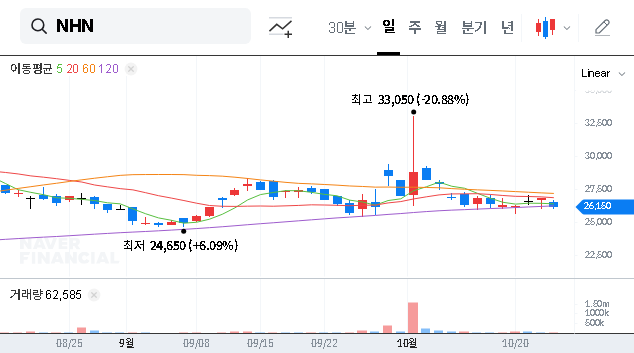
The recent announcement of the NHN Corporation merger with its wholly-owned subsidiary, NHN Investment Partners, represents a pivotal strategic shift for the South Korean technology giant. For investors, this move is more than a simple corporate reshuffling; it’s a calculated decision designed to streamline operations, concentrate investment power, and unlock new synergies. However, with opportunity comes risk. This comprehensive analysis will explore the strategic drivers behind the merger, its potential financial impact, and the critical factors investors must monitor to navigate this evolving landscape.
Understanding the nuances of this corporate restructuring is essential for making informed decisions about NHN’s future value and growth trajectory. Let’s delve into the details of this significant development.
The Official Announcement: What We Know
On October 23, 2025, NHN Corporation formally announced its resolution to absorb NHN Investment Partners. According to the company’s filing, NHN Corporation will be the surviving entity, while the subsidiary will be dissolved. The official announcement, detailed in the company’s regulatory filing (Source: Official Disclosure), outlines the timeline and legal framework for the merger. NHN Investment Partners, a key player in managing investment funds and venture capital, reported revenues of 24.4 billion KRW and a net income of 9.4 billion KRW in the last fiscal year, assets which will now be fully integrated into the parent company’s balance sheet.
This strategic absorption is designed to unify NHN’s financial prowess and investment acumen under a single, more agile corporate structure, aiming to accelerate decision-making and enhance capital allocation efficiency.
Strategic Rationale: Why This NHN Subsidiary Merger Matters
Corporate mergers are complex undertakings, often pursued to achieve specific strategic goals. The logic behind the NHN Corporation merger can be understood through two primary objectives:
1. Streamlining Governance and Enhancing Efficiency
By dissolving the subsidiary structure, NHN aims to simplify its complex corporate governance. This reduces administrative redundancy, eliminates overlapping functions, and lowers operational overhead. A flatter organizational structure can lead to faster, more coherent strategic decisions, a crucial advantage in the fast-paced tech industry. For more information on how corporate structures impact performance, investors can review analyses from authoritative sources like leading business publications.
2. Concentrating Business Capabilities for Greater Synergy
Perhaps the most significant goal is to internalize the investment expertise of NHN Investment Partners. By directly integrating this talent, NHN Corporation gains a powerful in-house team to identify and execute strategic investments. This can create powerful synergies with NHN’s core businesses in gaming, cloud services, and fintech, allowing the company to invest in or acquire startups that directly complement its existing ecosystem.
Investor Outlook: Balancing Opportunities and Risks
While the strategic intent is clear, the outcome is not guaranteed. Investors must weigh the potential upsides against the inherent risks of such a significant corporate restructuring.
Anticipated Positive Impacts
- •Enhanced Financial Profile: The direct consolidation of the subsidiary’s net income will immediately boost NHN Corporation’s bottom line, potentially improving key financial metrics and shareholder returns.
- •Accelerated Strategic Investments: With investment decisions made centrally, NHN can more rapidly deploy capital into emerging technologies and new ventures that align with its long-term vision.
- •Cost Savings: The elimination of redundant management and administrative layers is expected to yield tangible fixed-cost savings over time.
Potential Risk Factors to Consider
- •Integration Challenges: Merging distinct corporate cultures and IT systems can be complex and costly. Any friction during this process could disrupt business operations and delay expected synergies.
- •Direct Financial Exposure: Post-merger, any downturn in the investment market or poor performance from the acquired portfolio will directly impact NHN Corporation’s financial results without any structural buffer.
- •Key Talent Attrition: The specialized talent within NHN Investment Partners is a critical asset. If key investment managers depart due to the merger, it could significantly weaken the very capability NHN seeks to acquire.
Investor Action Plan: Key Indicators to Monitor
Proactive monitoring is crucial. Investors should pay close attention to the following developments in the coming months:
- •Shareholder Meeting Outcome: The level of approval for the merger will be a key indicator of market sentiment. A high ratio of dissenting shareholders could signal concerns.
- •Post-Merger Integration Updates: Look for official communications from NHN on the progress of organizational and systems integration. Smooth execution is paramount.
- •Performance of the Investment Division: Track the performance of the newly integrated investment arm within NHN’s quarterly earnings reports.
- •Future Strategy Announcements: Pay attention to how NHN articulates its vision and growth plans post-merger, which will provide insight into its long-term direction. To learn more about evaluating such strategic moves, consider reading our guide on how to analyze corporate governance reports.
In conclusion, the NHN Corporation merger is a bold strategic move with the potential to significantly enhance corporate value. However, the path to realizing these benefits is laden with execution risks. Diligent investors who monitor the key indicators and understand both the opportunities and threats will be best positioned to capitalize on this corporate evolution.