Tag: Corporate Analysis

  • (069960) Hyundai Department Store Earnings (069960): Q3 2025 Preview & Stock Analysis

    (069960) Hyundai Department Store Earnings (069960): Q3 2025 Preview & Stock Analysis

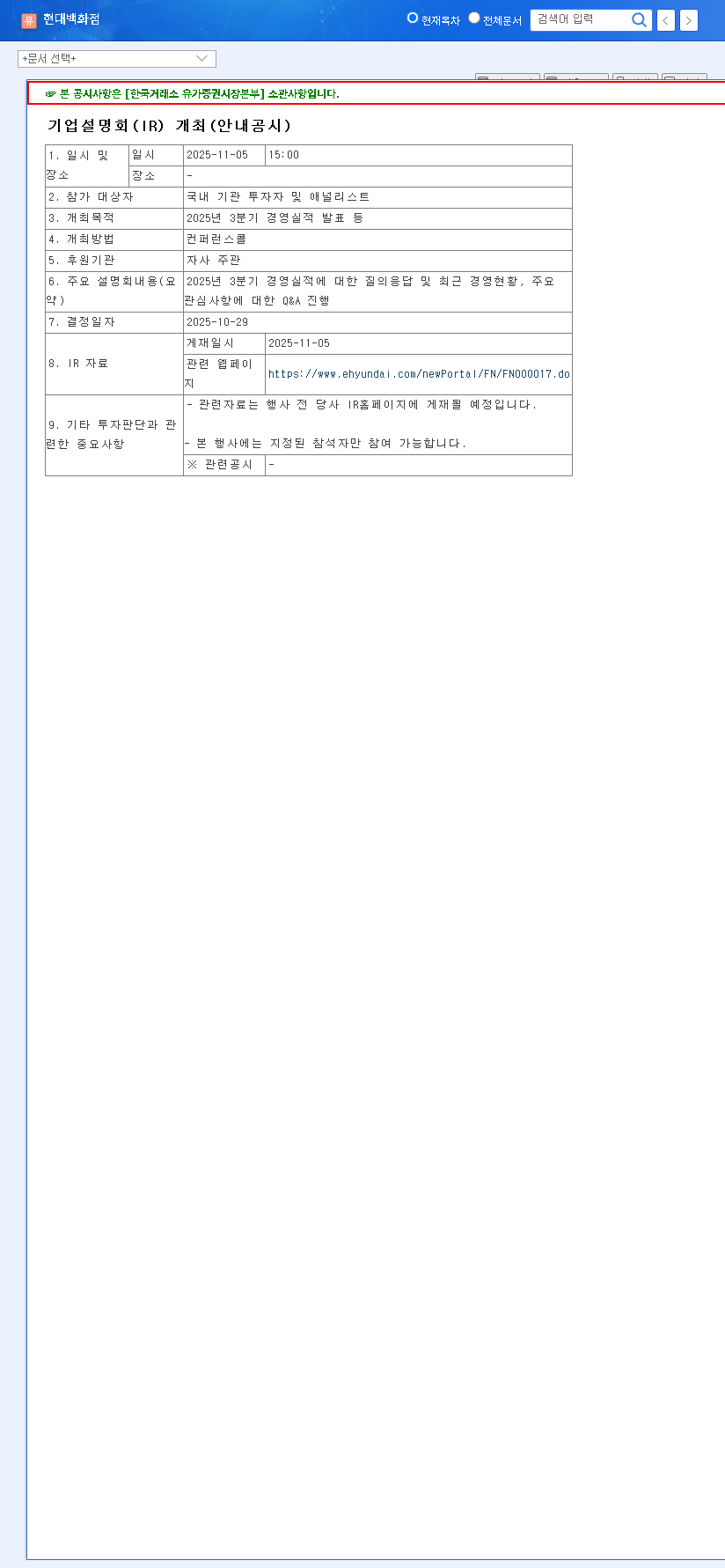
    The upcoming Hyundai Department Store earnings report for Q3 2025 represents a critical juncture for investors and market analysts. On November 5, 2025, HYUNDAI DEPARTMENT STORE CO.,LTD (KRX: 069960) will unveil its performance metrics and strategic outlook in its much-anticipated Investor Relations (IR) session. This event is more than a routine financial update; it’s a comprehensive look into the company’s ability to navigate a complex economic landscape, from fierce retail competition to the promising global expansion of its subsidiaries.

    This in-depth investment analysis will dissect the core pillars of Hyundai’s business, evaluate the market’s expectations, and provide a strategic roadmap for investors looking to make informed decisions about 069960 stock. Can the company solidify its premium market position, steer its duty-free segment to profitability, and capitalize on the international success of Zinus? Let’s explore the key factors to watch.

    The Main Event: Q3 2025 IR Announcement Details

    Mark your calendars: HYUNDAI DEPARTMENT STORE CO.,LTD has scheduled its Q3 2025 earnings release and IR session for November 5, 2025, at 3:00 PM KST. The session will provide a detailed review of third-quarter performance, an update on current management initiatives, and a crucial Q&A on future growth strategies. With a market capitalization hovering around 1.84 trillion KRW, the disclosures from this event will be closely scrutinized. The official announcement can be reviewed in the company’s regulatory filing (Official Disclosure: Click to view DART report).

    This IR is a litmus test for Hyundai’s diversified strategy. The market is eager for signs of a turnaround in the duty-free business and continued momentum from Zinus to offset the highly competitive domestic retail environment.

    Analyzing the Core Business Segments

    A thorough investment analysis of Hyundai Department Store requires a deep dive into its three primary revenue streams. The Q3 results will provide clarity on their individual trajectories.

    1. Department Store Division: The Premium Anchor

    Constituting over half of the company’s revenue (52.5% in H1 2025), this division is the bedrock of the business. Its strategy hinges on premiumization and creating destination shopping experiences, exemplified by flagships like The Hyundai Seoul and upcoming projects in Busan and Gwangju. However, intense competition from rivals like Shinsegae and Lotte, coupled with shifting consumer habits towards online platforms, presents an ongoing challenge. The Q3 figures will be vital in assessing if these premium strategies are effectively protecting and growing market share.

    2. Duty-Free Division: The Path to Profitability

    The Duty-Free segment (26.1% of revenue) has been a drag on profitability, posting an operating loss in the first half of the year. Yet, there are silver linings. The operating loss is narrowing year-over-year, and the recovery of international travel, particularly from key markets, offers significant tailwinds. The strategic closure of the underperforming Dongdaemun store should also aid in cost consolidation. The key question for the Hyundai Q3 2025 IR will be: when can this division finally turn a profit?

    3. Zinus (Furniture Division): The Global Growth Engine

    The standout performer has been Zinus (21.3% of revenue), the furniture manufacturing arm acquired by Hyundai. Its innovative ‘Mattress-in-a-box’ model has resonated with consumers globally, leading to robust sales and a successful turnaround to profitability. Continued Zinus performance is crucial for Hyundai’s overall growth story. Investors will be listening for updates on its expansion into new international markets and its strategies for mitigating risks associated with raw material price volatility, a common concern in the manufacturing sector. For more on market trends, see our 2025 Global Retail Trends Report.

    Financial Health and Key Risk Factors

    As of mid-2025, Hyundai’s financial standing appears stable, with a manageable debt-to-equity ratio of 78.94%. However, investors must remain aware of external macroeconomic risks that could impact the bottom line.

    • Foreign Exchange Volatility: With significant foreign currency assets and liabilities, a 10% swing in exchange rates could affect profitability by an estimated 9 billion KRW.
    • Interest Rate Fluctuations: A 1% increase in interest rates could raise annual interest expenses by approximately 2 billion KRW due to variable-rate borrowings.
    • Intense Competition: The relentless competition across department stores, duty-free shops, and the online furniture market remains the most significant operational threat.

    Actionable Investment Strategy Post-IR

    The outcome of the Hyundai Department Store earnings call could trigger significant stock price movement. A proactive investment approach is essential.

    • Analyze the Data, Not the Noise: Wait for the official transcript and analyst reports. Focus on key metrics like same-store sales growth, operating margins for each division, and any revisions to full-year guidance. Reports from high-authority sources like Reuters can provide unbiased context.
    • Evaluate Management’s Vision: Pay close attention to the Q&A session. A confident and transparent management team with clear strategies for mitigating risks and driving growth can significantly boost long-term investor confidence.
    • Focus on Long-Term Fundamentals: Avoid knee-jerk reactions to short-term price volatility. Re-evaluate your investment thesis based on whether the company’s fundamental value and growth prospects have materially changed. Consider the valuation of 069960 stock relative to its industry peers.

    In conclusion, the Q3 2025 IR is a pivotal event that will offer a clearer picture of Hyundai Department Store’s corporate health and future. By focusing on the performance of its core divisions and the clarity of its strategic path forward, investors can position themselves to make prudent and profitable decisions. We wish all investors successful trading.
    (069960) Hyundai Department Store Earnings (069960): Q3 2025 Preview & Stock Analysis 관련 이미지
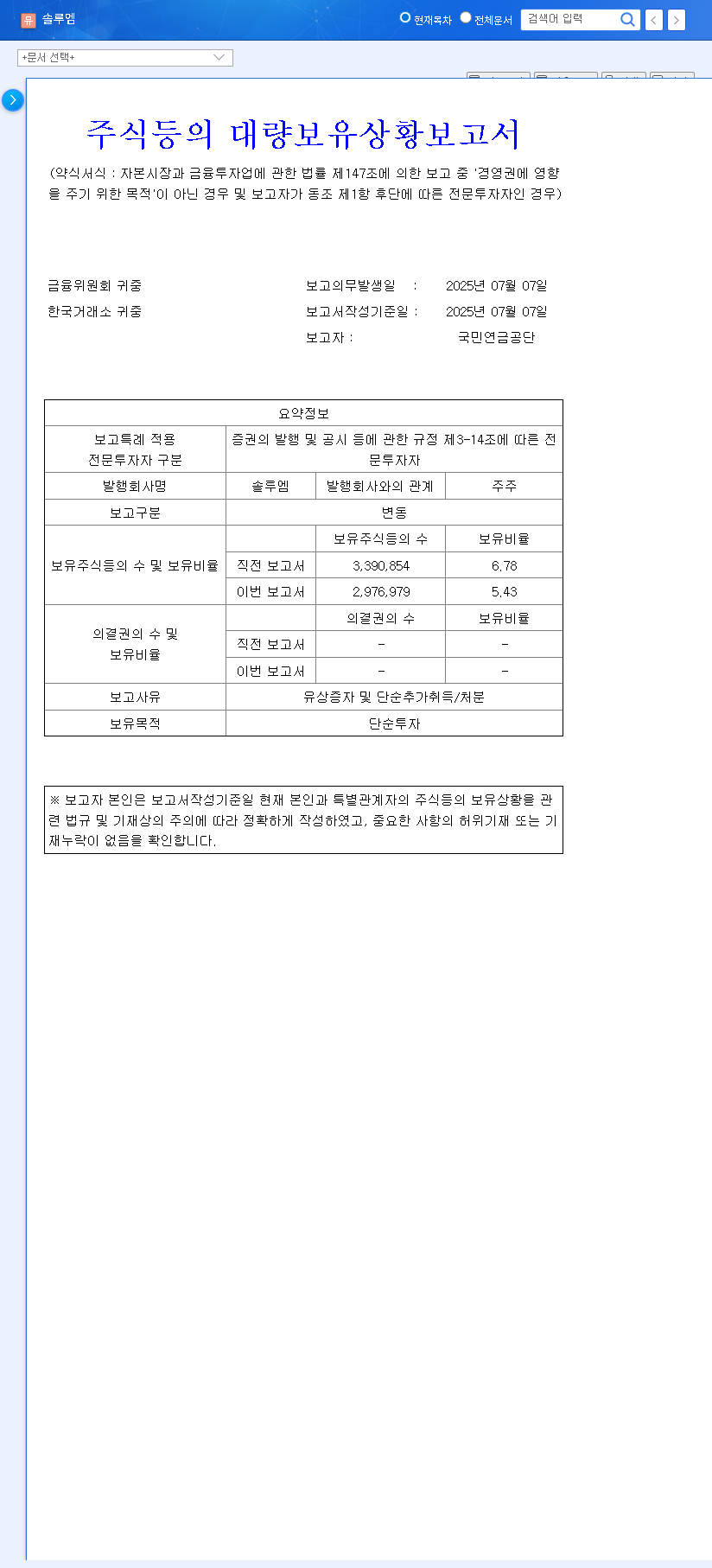
  • (248070) SOLUM Management Influence: Align Partners’ Move & What It Means for SOLUM Stock (248070)

    (248070) SOLUM Management Influence: Align Partners’ Move & What It Means for SOLUM Stock (248070)

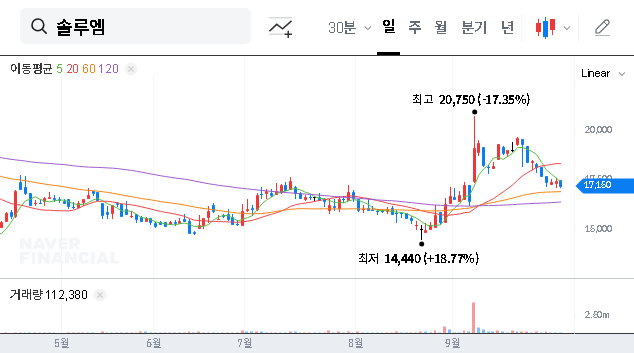
    A pivotal development is unfolding for SOLUM CO., LTD. (KRX: 248070), a key player in the electronics industry. The conversation around SOLUM management influence has intensified after Align Partners Asset Management, a prominent activist fund, officially changed its holding purpose to actively participate in company affairs. This shift from a passive ‘simple investment’ stance is a clear signal of intent that could significantly alter SOLUM’s strategic direction and, consequently, its stock performance.

    For investors and market watchers, this is more than a procedural update; it’s a potential catalyst for substantial change. This analysis will dissect the implications of the SOLUM Align Partners dynamic, evaluate the company’s underlying financial health, and provide a strategic roadmap for navigating the opportunities and risks that lie ahead.

    The Core Event: Align Partners’ Declaration of Management Influence

    On October 28, 2025, a mandatory disclosure confirmed a critical change: Align Partners Asset Management, which holds a significant 8.04% stake in SOLUM, reclassified its investment purpose to ‘management influence’. While the ownership percentage did not change, the stated intention did—profoundly. This move is a classic playbook entry for shareholder activism, indicating that Align Partners is no longer a silent partner but aims to take an active role in shaping the company’s future. This often involves advocating for strategic shifts, board representation, or enhanced shareholder return policies.

    Investors can review the complete filing directly from the source. The Official Disclosure on DART provides the granular details of this change in holding purpose.

    Why SOLUM? Decoding Align Partners’ Strategic Interest

    Activist funds like Align Partners typically target companies they believe are fundamentally strong but undervalued by the market due to managerial inefficiencies, suboptimal capital allocation, or a lack of clear strategic vision. SOLUM appears to fit this profile perfectly.

    Robust Financial Turnaround and Growth

    SOLUM has demonstrated impressive resilience and growth. After facing a deficit in 2022, the company orchestrated a successful turnaround to profitability in 2023. This momentum is supported by consistent revenue growth, improving profit margins, and a strengthening balance sheet, as evidenced by a decreasing debt-to-equity ratio. This strong operational performance signals a healthy core business that an activist investor can leverage for greater value extraction.

    The transition from deficit to surplus, coupled with a positive Return on Equity (ROE), showcases SOLUM’s solid fundamentals—a key attraction for any investor seeking to unlock further potential in the SOLUM stock.

    Expanding Business Horizons

    SOLUM isn’t standing still. The strategic consolidation of new subsidiaries like ‘SOLUM Healthcare’ and ‘PT SOLUM INDONESIA HIGHTECH’ points to an ambitious strategy of diversification and global expansion. While promising, rapid expansion can create operational complexities. Align Partners may see an opportunity to provide oversight and ensure this growth translates directly into shareholder value, potentially through improved integration or by divesting non-core assets.

    Potential Impacts on SOLUM Stock and Corporate Strategy

    The declaration of SOLUM management influence by a major shareholder is a significant market signal that can have both immediate and long-term consequences.

    Short-Term: Increased Volatility and Market Scrutiny

    In the short term, investors should expect heightened volatility in the SOLUM stock price. The news attracts speculators, and the stock will likely react to every rumor or statement from both Align Partners and SOLUM’s current management. The possibility of a management dispute or proxy battle could introduce uncertainty, leading to price swings.

    Long-Term: A Catalyst for Value Creation

    Over the long term, this intervention could be highly beneficial. Align Partners will likely push for measures that enhance corporate governance and shareholder returns. This could include demands for increased dividends, share buyback programs, a more focused business strategy, or even changes in executive leadership. If successful, these changes could lead to a significant re-rating of the company’s valuation, benefiting all shareholders. Exploring an internal link might provide more context on modern corporate governance practices.

    Investor Action Plan: How to Respond

    For current and prospective SOLUM shareholders, this is a time for diligence, not panic. A measured approach is crucial. Here are key steps to take:

    • Monitor Communications Closely: Pay careful attention to all future announcements from both Align Partners and SOLUM. The specifics of Align’s proposals and management’s response will dictate the narrative.
    • Re-evaluate SOLUM’s Fundamentals: Use this event as a prompt to conduct a fresh 248070 analysis. Is the company’s growth story still intact? How are macroeconomic factors like exchange rates and interest rates impacting its international business?
    • Assess the Potential for a Management Dispute: Consider the likelihood of a protracted battle for control. While sometimes productive, these disputes can also distract management and drain corporate resources.
    • Adopt a Long-Term Perspective: Avoid making rash decisions based on daily price fluctuations. The core question is whether Align Partners’ involvement will ultimately make SOLUM a more efficient, profitable, and valuable company over the next 1-3 years.

    In conclusion, Align Partners’ move to exert management influence is a defining moment for SOLUM. While it introduces short-term uncertainty, it also presents a powerful catalyst for positive change and long-term value appreciation. Informed and patient investors who focus on the fundamental trajectory of the business are best positioned to benefit from the developments to come.

    (248070) SOLUM Management Influence: Align Partners' Move & What It Means for SOLUM Stock (248070) 관련 이미지
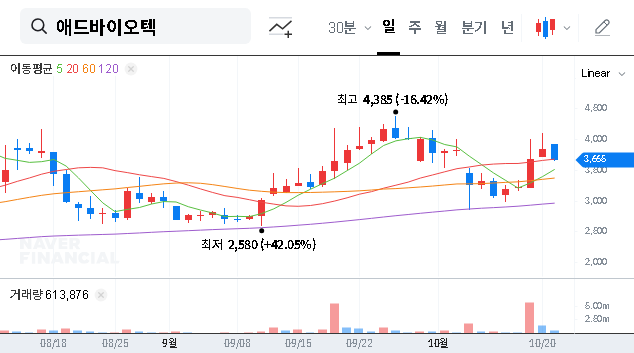
  • (179530) ADBIOTECH Stock Forecast: Deep-Dive Fundamental Analysis After Axiom’s Stake Increase

    (179530) ADBIOTECH Stock Forecast: Deep-Dive Fundamental Analysis After Axiom’s Stake Increase

    Crafting an accurate ADBIOTECH stock forecast has become a complex task for investors, especially following a significant new development. Axiom Asset Management, a major institutional investor, has increased its stake in ADBIOTECH Co.,Ltd., a move that typically signals confidence. However, this bullish signal is clashing with a backdrop of severely distressed company financials. Is this a sign of a turnaround, or is it a value trap? This in-depth ADBIOTECH fundamental analysis will explore every angle to provide a clear, actionable outlook.

    We will delve into the company’s financial health, macroeconomic headwinds, and the true implications of Axiom’s increased investment to determine whether ADBIOTECH stock is positioned for growth or further decline.

    The Institutional Catalyst: Axiom Asset Management Ups Its Stake

    On October 28, 2025, a key disclosure caught the market’s attention. According to the official report, Axiom Asset Management increased its ownership in ADBIOTECH from 6.46% to 7.81%. The stated purpose was ‘simple investment,’ triggered by a change in shareholding greater than 1%. You can view the Official Disclosure here. Generally, when a sophisticated institutional investor buys more shares, it’s seen as a vote of confidence in the company’s future prospects. This action can improve market sentiment and provide a support level for the stock price. However, this single data point cannot be viewed in a vacuum, especially when a company’s fundamentals are flashing warning signs.

    Deep Dive: ADBIOTECH Fundamental Analysis Reveals Critical Weaknesses

    Despite the positive news from Axiom, a thorough ADBIOTECH fundamental analysis based on its latest semi-annual report paints a grim picture. The company is facing serious challenges to its financial stability and profitability.

    Alarming Revenue Collapse & Persistent Losses

    ADBIOTECH’s revenue plummeted to 6.18 billion KRW, a staggering 41% decrease compared to the same period last year, primarily due to a sharp decline in product sales. Compounding this issue, the company posted a significant operating loss of 2.08 billion KRW. While this deficit narrowed slightly, it remains substantial, driven by high administrative expenses and a rising cost of goods sold. The bottom line is even worse, with a net loss ballooning to 5.46 billion KRW, exacerbated by financial costs and impairment losses on intangible assets.

    Deteriorating Financial Health

    The balance sheet provides little comfort. The company’s capital has shrunk to just 2.31 billion KRW, while its debt has climbed to 20.28 billion KRW. A notable portion of this debt is tied to complex financial instruments like convertible bonds and redeemable convertible preference shares, which can dilute shareholder value in the future. This indicates severe liquidity and solvency risks that investors cannot ignore. For more on evaluating company financials, you can explore our guide on How to Read a Balance Sheet.

    While R&D spending of 730 million KRW (11.84% of sales) shows a commitment to future growth, it currently acts as a significant cash drain on an already struggling company.

    Market Environment and External Pressures

    External factors add another layer of uncertainty to the ADBIOTECH stock forecast. As a company with international dealings, volatility in KRW/Euro and KRW/USD exchange rates can directly impact its financial results. Furthermore, a planned change in the company’s major shareholder adds a significant risk, creating uncertainty around future management strategy and corporate direction. While global economic trends, such as interest rate policies discussed by sources like Bloomberg, could offer minor relief on borrowing costs, they are unlikely to outweigh the company-specific challenges.

    Conclusion: A ‘Conservative Watch’ is Warranted

    While Axiom Asset Management’s increased stake may provide a short-term psychological boost for ADBIOTECH stock, its long-term impact is likely to be muted without a fundamental operational turnaround. The severe financial distress, management uncertainty, and lack of clear market catalysts are overwhelming concerns.

    Investment Opinion: Maintain “Conservative Watch”. A sustained upward trend is unlikely until the company demonstrates tangible improvements. Investors should exercise extreme caution.

    Key Monitoring Points for Investors:

    • Any new business plans or financial restructuring measures from the new management team.
    • Tangible results and commercialization progress from key R&D pipelines.
    • Execution of any new fundraising plans and how the capital is deployed.
    • Clear signs of improvement in quarterly and annual financial performance reports.

    Disclaimer: This article is for informational purposes only and is based on publicly available information. It does not constitute investment advice. All investment decisions should be made based on your own research and judgment.

    (179530) ADBIOTECH Stock Forecast: Deep-Dive Fundamental Analysis After Axiom's Stake Increase 관련 이미지
  • (013520) Hwaseung Corporation Asset Divestment: A Deep Dive into the ₩21B Restructuring for Investors

    (013520) Hwaseung Corporation Asset Divestment: A Deep Dive into the ₩21B Restructuring for Investors

    The recent Hwaseung Corporation asset divestment has sent ripples through the market, signaling a pivotal moment for the company (KRX: 013520). With the announcement of a ₩21 billion sale of assets from its Chinese subsidiary, investors are keenly analyzing what this strategic pivot means. This move is far more than a simple transaction; it’s a deliberate strategy to streamline operations, bolster financial health, and double down on high-growth core business areas. This in-depth analysis will dissect the divestment, evaluate its potential impact, and provide a clear investment outlook for Hwaseung Corporation.

    The ₩21 Billion Deal: A Closer Look

    On October 28, 2025, Hwaseung Corporation formally announced its decision to offload equity stakes and investment securities held by Hwaseung Special Rubber (Taicang) Co., Ltd. The move aims to realign the company’s focus and unlock significant capital. As detailed in the Official Disclosure (Source: DART), the key components of the deal are as follows:

    • Divesting Entity: Hwaseung Special Rubber (Taicang) Co., Ltd., a Chinese subsidiary focused on rubber product manufacturing.
    • Transaction Value: A substantial ₩21 billion, representing approximately 5.80% of the company’s equity capital.
    • Primary Purpose: Strategic business restructuring to concentrate resources and management attention on core, high-potential business segments.
    • Scheduled Completion: December 31, 2025.

    Financial Health & Market Context

    This restructuring doesn’t happen in a vacuum. Hwaseung’s H1 2025 performance showed robust sales of ₩894.7 billion, up 7.46% year-over-year, driven by its Auto Parts and Material businesses. However, net profit saw a decline due to non-recurring factors. This backdrop makes the asset sale a prudent strategic choice to navigate both internal financial metrics and external market pressures, such as the persistent global economic slowdown and interest rate volatility.

    The company’s debt-to-equity ratio, while slightly improved, stands at 126.4%. This figure, while not uncommon in manufacturing, suggests that a cash infusion to pay down debt would be a welcome development for strengthening the balance sheet. For more on this metric, see our guide on understanding key financial ratios for investors.

    This Hwaseung Corporation asset divestment is a clear signal of ‘addition by subtraction’—shedding non-core assets to sharpen focus, improve financial stability, and accelerate growth in the divisions that matter most.

    Impact Analysis: Opportunities and Risks

    This strategic move carries both significant upside potential and calculated risks that investors must consider.

    The Bull Case: Positive Impacts

    • Enhanced Liquidity & Financial Flexibility: The influx of ₩21 billion in cash provides a powerful tool. This capital can be used to pay down debt, thereby reducing the debt-to-equity ratio and lowering interest expenses, or be reinvested into high-return projects.
    • Sharpened Focus on Core Businesses: By offloading a peripheral asset, Hwaseung can concentrate its resources on the thriving Auto Parts and advanced Material Business segments. This focus is key to building a competitive advantage and driving long-term profitability.
    • Improved Corporate Efficiency: A leaner corporate structure often leads to more agile decision-making and better allocation of capital, creating a more efficient and resilient organization.

    The Bear Case: Potential Risks

    • Execution Risk: The ultimate success of this divestment hinges on how effectively the proceeds are used. A poor reinvestment strategy could nullify the benefits of the sale.
    • Loss of Potential Upside: It’s crucial to assess if the divested Chinese subsidiary had untapped growth potential. While deemed ‘non-core’ now, its future value has been forfeited.
    • Macroeconomic Headwinds: Currency fluctuations during the repatriation of funds and the ongoing high-interest-rate environment remain external risks that could impact the net financial benefit.

    Investment Outlook & Final Verdict

    The Hwaseung Corporation asset divestment is a strategically sound move that prioritizes long-term stability and focused growth over short-term complexity. While we maintain a ‘Neutral’ rating pending the execution of the company’s reinvestment plan, the initiative is a significant positive step towards building a more robust and competitive enterprise.

    Key Monitoring Points for Investors:

    • Capital Allocation Plan: Watch for official announcements on how the ₩21 billion will be deployed—debt reduction, R&D in core areas, or strategic acquisitions.
    • Core Business Performance: Closely track the revenue growth and profit margins of the Auto Parts and Material Business segments in subsequent quarterly reports.
    • Balance Sheet Improvement: Monitor the debt-to-equity ratio and interest coverage ratio to confirm tangible improvements in financial health.

    In conclusion, Hwaseung’s strategic divestment is a proactive measure to fortify its foundation. For investors, the coming months will be critical for observing whether this bold restructuring translates into sustained value creation.

    (013520) Hwaseung Corporation Asset Divestment: A Deep Dive into the ₩21B Restructuring for Investors 관련 이미지
    (013520) Hwaseung Corporation Asset Divestment: A Deep Dive into the ₩21B Restructuring for Investors 관련 이미지
  • (006090) OYANG CORPORATION Shareholding Shake-Up: An Investor’s Deep Dive Analysis

    (006090) OYANG CORPORATION Shareholding Shake-Up: An Investor’s Deep Dive Analysis

    A significant shift in the OYANG CORPORATION shareholding structure has captured the market’s attention. SAJO DAERIM, the company’s largest shareholder, has strategically increased its stake, signaling a major reinforcement of management control. For current and prospective investors, this development raises critical questions: What is the underlying strategy behind this move? How will it impact OYANG’s future direction and financial performance? This comprehensive investor analysis explores the implications of this pivotal event, providing the insights needed to navigate OYANG’s evolving landscape.

    The Catalyst: Deconstructing the Shareholding Change

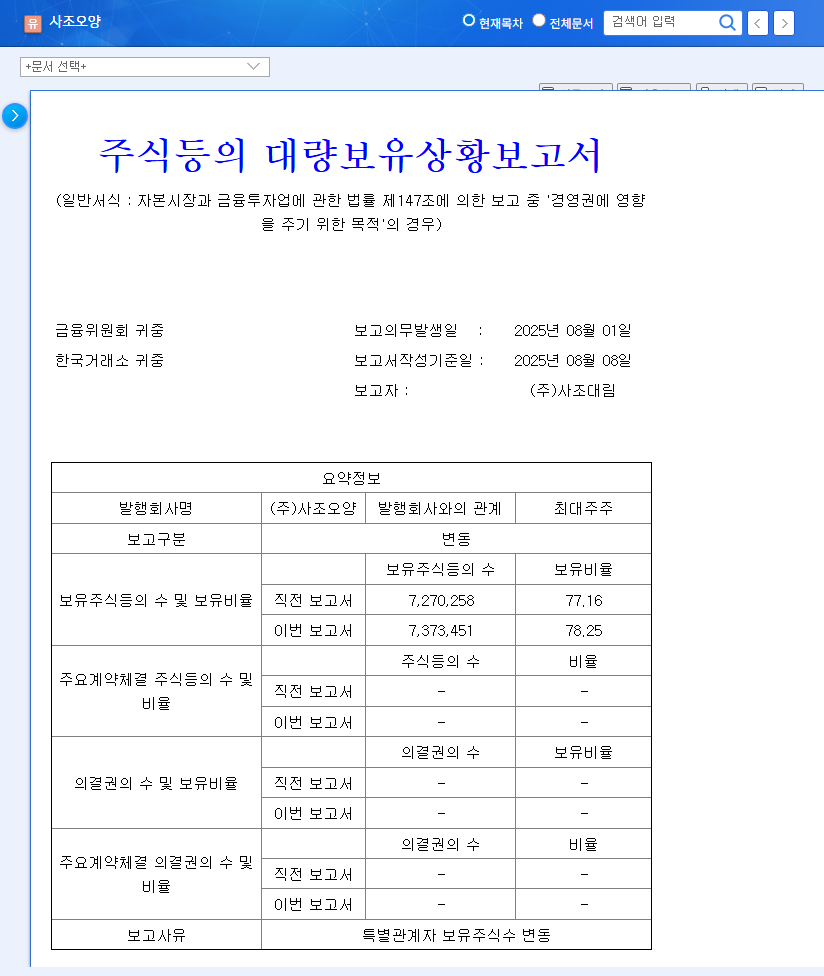
    On October 27, 2025, OYANG CORPORATION formally disclosed the change in its ‘Report on the Status of Large Shareholdings’. The filing revealed that SAJO DAERIM, acting through a related party (SAJO DONGAWON Corp.), acquired additional shares on the open market. This wasn’t a minor adjustment; it was a calculated move to tighten its grip on the company. You can view the complete filing here: Official Disclosure.

    • Previous Stake: 78.25%
    • New Stake: 79.35%
    • Shares Acquired: 17,670 shares
    • Stated Purpose: To exert influence over management

    This increase in the SAJO DAERIM stake is an unambiguous declaration of intent. It ensures that SAJO DAERIM’s vision for OYANG will face minimal internal resistance, allowing for faster and more decisive strategic execution across the entire Sajo Group.

    This isn’t just about owning more shares; it’s about cementing a unified corporate strategy and unlocking deep-seated operational synergies between OYANG’s production and SAJO DAERIM’s powerful distribution network.

    Strategic Rationale: The Pursuit of Deep Synergy

    The primary motivation behind this move is the pursuit of business synergy. OYANG CORPORATION is a powerhouse in food manufacturing (75.83%) and fisheries (23.38%), while its parent, SAJO DAERIM, excels in logistics and distribution. By increasing its OYANG CORPORATION shareholding, the parent company can more effectively integrate these complementary strengths.

    Potential Synergy in Action

    • Streamlined Supply Chain: Combining OYANG’s food processing plants with SAJO’s cold-chain logistics can reduce transportation costs and spoilage, directly improving profit margins.
    • Expanded Market Access: SAJO DAERIM’s extensive retail and wholesale distribution network can push OYANG’s products into new markets and increase shelf space in existing ones, driving top-line revenue growth.
    • Unified R&D and Marketing: Coordinated efforts can lead to the faster development of new products that are market-ready and supported by a group-wide marketing push.

    Outlook for the OYANG CORPORATION Stock: Pros and Cons

    This consolidation of management control presents both opportunities and risks that investors must weigh carefully. For a broader view on corporate governance, resources like Investopedia’s guide to shareholder rights can be very helpful.

    The Bull Case: Potential Positives

    • Management Stability: Reduced risk of leadership disputes creates a stable environment for long-term planning and value creation.
    • Improved Efficiency: Faster, group-level decision-making can lead to quicker adaptation to market changes and more effective operational integration.
    • Positive Market Signal: A major shareholder buying more stock is often seen as a vote of confidence, potentially boosting investor sentiment and the OYANG CORPORATION stock price in the short term.

    The Bear Case: Potential Risks

    • Minority Shareholder Rights: Highly concentrated ownership can sometimes lead to decisions that benefit the parent company at the expense of minority investors.
    • Execution Risk: Promised synergies are not guaranteed. Realizing them requires effective management and execution, which must be monitored.
    • External Headwinds: Macroeconomic factors, such as volatile raw material costs and exchange rates, remain significant challenges, as evidenced by the recent dip in profitability despite revenue growth.

    Investor Action Plan & Final Thoughts

    The change in OYANG CORPORATION shareholding is a net positive for the company’s medium-to-long-term trajectory. However, prudent investors should adopt a ‘trust but verify’ approach. When reviewing future quarterly reports, focus on metrics that demonstrate the realization of these synergies. Look for improved operating margins, notes on cost-savings from logistics, and sales growth in new channels. It is also wise to compare these results with our broader analysis of the Korean food industry to gauge relative performance.

    In conclusion, OYANG CORPORATION is at an exciting juncture. The solidified control by SAJO DAERIM paves the way for enhanced efficiency and growth. While risks related to minority shareholder rights and macroeconomic pressures persist, the strategic alignment offers a compelling path toward increased corporate value. Continuous monitoring of financial results and management’s transparency will be key to a successful investment thesis.

    (006090) OYANG CORPORATION Shareholding Shake-Up: An Investor's Deep Dive Analysis 관련 이미지
    (006090) OYANG CORPORATION Shareholding Shake-Up: An Investor's Deep Dive Analysis 관련 이미지
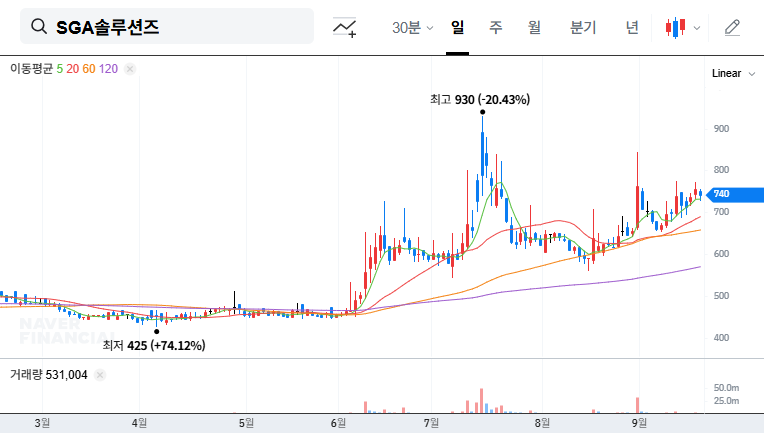
  • (184230) SGA Solutions Merger with SGA EPS: A Deep Dive into Financials, Strategy & Market Impact

    (184230) SGA Solutions Merger with SGA EPS: A Deep Dive into Financials, Strategy & Market Impact

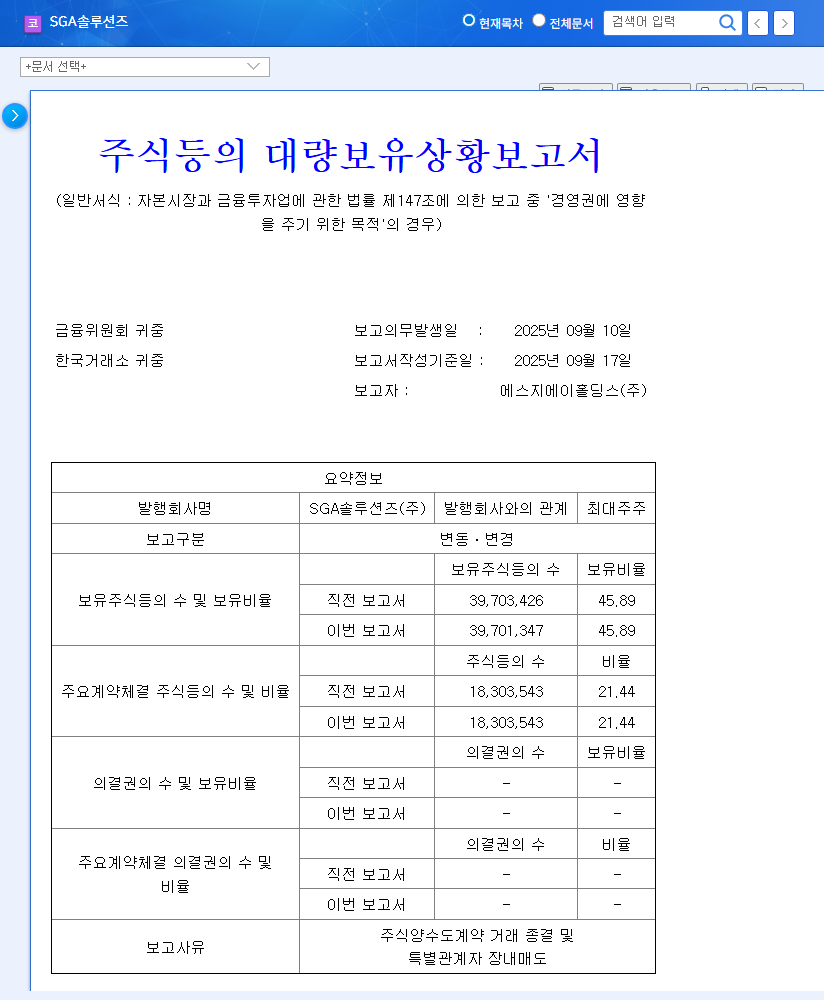
    In a significant strategic move, cybersecurity provider SGA Solutions Co.,Ltd. has announced its decision to merge with its subsidiary, SGA EPS. This absorption merger, detailed in an Official Disclosure, is poised to reshape the company’s business structure and competitive positioning. But what does the SGA Solutions merger truly mean for its financial health, technological roadmap, and future growth? This analysis unpacks the fundamentals, opportunities, and risks associated with this pivotal decision.

    We will explore the core objectives behind this consolidation, from strengthening its Zero Trust security framework to enhancing its AI-based endpoint security offerings. For investors and stakeholders, this article provides critical insights into the financial challenges and strategic imperatives driving the merger, enabling more informed decision-making for the path ahead.

    Breaking Down the SGA Solutions Merger with SGA EPS

    On October 27, 2025, SGA Solutions formally announced the absorption merger with its non-listed subsidiary, SGA EPS. In this arrangement, SGA Solutions will act as the surviving entity, fully integrating the operations, technology, and personnel of SGA EPS, which will subsequently be dissolved. This move is not merely an administrative consolidation but a calculated strategy to unify its cybersecurity portfolio and streamline operations for greater market impact.

    Core Strategic Objectives: The ‘Why’ Behind the Merger

    The decision for this SGA Solutions merger is underpinned by several clear strategic goals designed to fortify its position in the competitive cybersecurity landscape.

    1. Technology and Business Synergy

    The primary driver is the integration of technologies to create a more robust and comprehensive security platform. By combining SGA EPS’s specialized endpoint security solutions with SGA Solutions’ overarching Zero Trust Architecture (ZTA), the company aims to deliver a unified defense mechanism. This synergy is crucial for competing in a market increasingly demanding integrated, not siloed, security solutions. The concept of Zero Trust security, which operates on the principle of “never trust, always verify,” becomes significantly more powerful when tightly integrated with advanced endpoint protection.

    2. Enhanced Operational Efficiency

    Consolidating two separate entities allows for the elimination of redundant administrative, marketing, and R&D functions. This streamlining is expected to reduce operational overhead, lower fixed costs, and enable more efficient allocation of capital and human resources toward high-growth initiatives. For a company navigating financial headwinds, improving management efficiency is a critical step toward sustainable profitability.

    Fundamental Analysis and Expected Impact

    Current Financial Health of SGA Solutions

    An SGA financial analysis prior to the merger reveals a company with high growth potential but facing significant profitability challenges. Key indicators include:

    • Liability Concerns: An increase in short-term borrowings and current convertible bonds has raised total liabilities, putting pressure on the balance sheet. For more details on this, you can read our guide on understanding convertible bonds.
    • Equity Reduction: Continuous net losses (approx. -2.39 billion KRW) have led to a decrease in total equity, eroding shareholder value.
    • Operating Losses: The core solution business segment, despite its potential, continues to post operating losses, highlighting an urgent need for improved profitability.

    While the strategic rationale for the SGA Solutions merger is sound, the short-term financial picture is complex. The success hinges on executing the integration flawlessly to unlock synergies that can outweigh the initial financial burden.

    Potential Upsides of the Merger

    • Enhanced Market Competitiveness: A unified product portfolio under the SGA Solutions brand can create a more compelling value proposition for customers, leading to market share gains against competitors like Palo Alto Networks or Fortinet.
    • Accelerated Innovation: Combining R&D teams and intellectual property can accelerate the development of next-generation, AI-driven security solutions.
    • Strengthened Financial Foundation (Long-Term): If cost synergies are realized effectively, the merged entity could achieve profitability faster than the two companies could independently.

    Identified Risks and Challenges

    • Short-Term Financial Strain: Absorbing SGA EPS, which is also operating at a net loss (approx. -0.9 billion KRW), will immediately add to SGA Solutions’ financial deficit. Merger-related costs will further strain cash flow in the short term.
    • Integration Complexity: Merging distinct organizational cultures, technological stacks, and business processes is fraught with challenges. Any delays or missteps could erode morale, lead to the departure of key talent, and hinder the realization of synergies.
    • Market Volatility: With the stock currently suspended from trading, its performance upon resumption will be highly sensitive to market sentiment and the company’s communication regarding the integration progress.

    Investor Outlook and Action Plan

    The SGA Solutions merger with SGA EPS is a bold, forward-looking move that balances significant strategic upside with considerable short-term risk. For investors, the key is to monitor the execution closely. Success will depend on management’s ability to navigate the complex integration process while simultaneously driving profitability in its core business.

    Moving forward, SGA Solutions must prioritize:

    • Rapid Synergy Realization: Quickly integrate technology platforms to launch enhanced products and demonstrate tangible market benefits.
    • Financial Discipline: Aggressively manage costs and pursue profitability to offset the initial burden of the merger and restore balance sheet health.
    • Transparent Communication: Maintain open and clear communication with shareholders about integration milestones, challenges, and financial performance to build confidence.

    Ultimately, whether this merger becomes a catalyst for long-term growth or a financial quagmire will be determined in the coming quarters. Vigilant observation of execution and market response is paramount.

    (184230) SGA Solutions Merger with SGA EPS: A Deep Dive into Financials, Strategy & Market Impact 관련 이미지
    (184230) SGA Solutions Merger with SGA EPS: A Deep Dive into Financials, Strategy & Market Impact 관련 이미지
  • (006360) GS Engineering & Construction Stock: Analysis of ₩618.6B Mok-dong Project Win

    (006360) GS Engineering & Construction Stock: Analysis of ₩618.6B Mok-dong Project Win

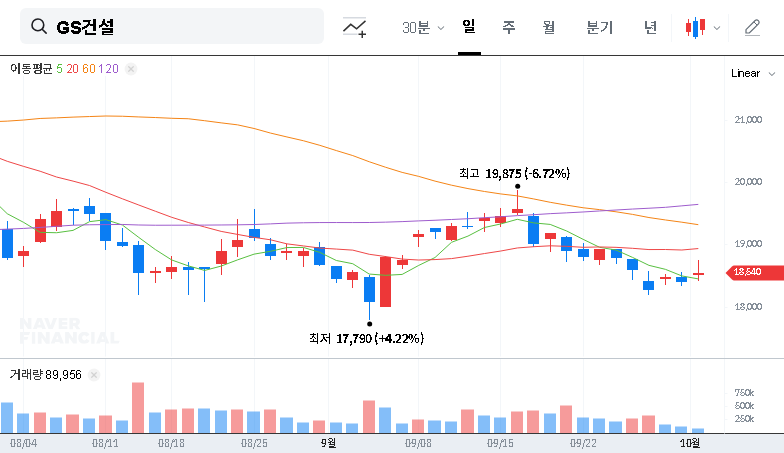
    In a significant development for the South Korean construction sector, GS Engineering & Construction Corp (GS E&C) has captured market attention by securing a massive new contract in a prime Seoul location. This move is poised to have a considerable impact on the GS Engineering & Construction stock performance and the company’s long-term financial health. The ₩618.6 billion deal for a mixed-use facility in Mok-dong represents a major vote of confidence in GS E&C’s capabilities and provides a substantial boost to its order backlog.

    For current and potential investors, this development raises critical questions: How will this contract translate into tangible financial gains? What are the underlying risks? And what does this signal for the company’s future growth trajectory? This comprehensive analysis will delve into the contract details, explore the positive implications, weigh the potential risks, and provide a strategic outlook for investors monitoring GS E&C.

    The Landmark Mok-dong Project: A Closer Look

    On October 27, 2025, GS E&C formally announced the signing of a construction contract with ICONIC Co., Ltd. The project involves the development of a new state-of-the-art mixed-use facility located at 924 Mok-dong, Yangcheon-gu, Seoul. The total contract value stands at an impressive ₩618.6 billion. To put this in perspective, this single deal accounts for approximately 4.81% of GS E&C’s entire revenue for the 2024 fiscal year. The details of this agreement were made public through an Official Disclosure on DART, South Korea’s corporate filing system, ensuring full transparency for the market.

    Analyzing the Impact on GS E&C’s Financials and Stock

    Securing a project of this magnitude is more than just a headline; it has profound implications for the company’s core financial strength and market valuation. The positive ripple effects are expected to be felt across revenue, market positioning, and balance sheet health.

    A Significant Boost to Revenue & Order Backlog

    The most immediate benefit is the direct injection into GS E&C’s order backlog, providing clear revenue visibility for the next several years. A robust backlog is a key indicator of stability in the construction industry, as it insulates the company from short-term market downturns. This project not only secures a future revenue stream but also enhances the overall quality of the company’s business portfolio, a factor closely watched by those analyzing GS Engineering & Construction stock. For investors seeking to learn more, it’s helpful to compare this to trends in the broader Korean construction market.

    Strengthening Market Leadership in Seoul

    Winning a high-profile project in Mok-dong, a competitive and prime area of Seoul, reaffirms GS E&C’s position as a top-tier builder. It demonstrates the company’s core competencies in managing complex, large-scale urban development projects. This success can create a halo effect, solidifying its competitive edge and making it a preferred partner for future landmark developments in the capital region.

    This contract strongly supports positive financial forecasts. The company’s operating profit margin is projected to improve significantly from 9.67% in December 2024 to an estimated 15.79% in December 2025, highlighting a clear path toward enhanced profitability.

    Potential Risks & Headwinds Investors Should Monitor

    While the Mok-dong project is overwhelmingly positive, prudent investors must also consider the potential challenges. Large-scale construction is inherently complex and subject to both internal and external pressures that could impact profitability.

    Project Execution and Profitability Risks

    The final profitability of the Mok-dong project hinges on meticulous cost management. Key risks include:

    • Raw Material Volatility: Fluctuations in the prices of essential materials like steel and concrete can erode profit margins if not managed effectively through strategic sourcing and hedging.
    • Labor Costs: Rising labor costs and potential shortages of skilled workers can lead to project delays and increased expenses.
    • Cash Flow Management: While GS E&C’s financial health appears sound (debt ratio of 49.01% as of Dec 2024), a contract of this size requires careful management of cash flow to handle upfront costs without straining liquidity.

    Navigating Macroeconomic Uncertainty

    The project’s success is also linked to the broader economic environment. Persistently high interest rates in Korea and globally could increase the cost of financing for the project. Furthermore, as noted by leading economic analysts, exchange rate volatility (KRW/USD) can impact the cost of imported equipment and materials, potentially affecting the project’s bottom line.

    Investor Outlook: Is GS Engineering & Construction Stock a Buy?

    The Mok-dong project win is a clear positive catalyst. It validates the company’s core strategy and strengthens its financial outlook. For investors, the key is to weigh this positive momentum against the execution and macroeconomic risks. While the contract could provide a short-term boost to the stock price, long-term value will be created through successful, on-budget project delivery. Investors should monitor quarterly earnings reports for updates on project milestones and margin performance. This win, coupled with plans to explore synergies in new ventures like modular homes and eco-friendly energy, positions GS E&C for sustained growth.

    Frequently Asked Questions (FAQ)

    Q1: What is GS Engineering & Construction’s most recent major contract?

    A1: On October 27, 2025, GS E&C secured a construction contract for a new mixed-use facility in Mok-dong, Seoul, with ICONIC Co., Ltd., valued at ₩618.6 billion.

    Q2: How will this contract affect GS E&C’s revenue and financials?

    A2: The contract is expected to directly contribute to future revenue growth, increase the company’s order backlog, enhance financial stability, and positively impact its operating profit margin.

    Q3: What are the potential risks associated with this project?

    A3: Key risks include potential volatility in raw material prices, rising labor costs, and careful cash flow management. Macroeconomic factors like high interest rates and currency fluctuations must also be monitored.

    Q4: How might this contract impact the GS Engineering & Construction stock price?

    A4: News of the contract may have a positive short-term impact. However, long-term stock performance will ultimately depend on the project’s profitability, successful execution, future earnings announcements, and the overall market sentiment.

    (006360) GS Engineering & Construction Stock: Analysis of ₩618.6B Mok-dong Project Win 관련 이미지
  • (042520) HANS BIOMED Treasury Stock Disposal: A Lifeline or Shareholder Risk?

    (042520) HANS BIOMED Treasury Stock Disposal: A Lifeline or Shareholder Risk?

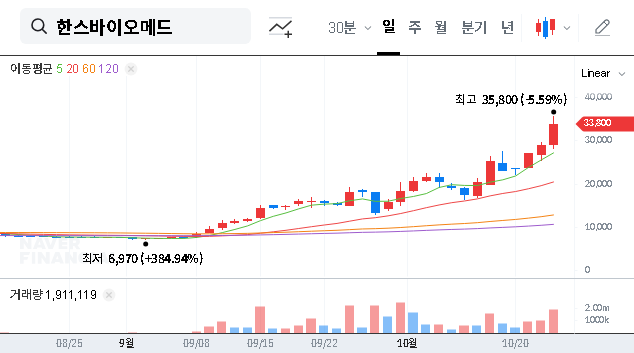
    The recent announcement of the HANS BIOMED CORPORATION treasury stock disposal has sent ripples through the investment community. Facing declining performance and mounting financial pressure, the company’s decision to sell 300,000 treasury shares for 10.1 billion KRW is a critical move. But is it a strategic masterstroke to secure short-term liquidity, or a red flag signaling deeper issues and potential shareholder dilution? This comprehensive analysis will explore the nuances of this decision, providing investors with the clarity needed to navigate the path forward.

    We will delve into the company’s precarious financial state, weigh the potential benefits against the significant risks, and offer an actionable plan for current and prospective investors. By understanding the full context, you can better assess the future of HANS BIOMED CORPORATION.

    The Details: HANS BIOMED’s Treasury Stock Sale

    On October 24, 2025, HANS BIOMED CORPORATION publicly announced its decision to dispose of 300,000 treasury shares, representing about 2.22% of its total outstanding shares. The transaction, facilitated by Shinhan Investment Corp., aims to raise 10.1 billion KRW (approximately 33,667 KRW per share). The stated purpose is to secure vital operational and facility funds. This move was officially documented in a public filing. You can view the Official Disclosure for complete details.

    Why Now? A Look at HANS BIOMED’s Financial Distress

    This capital raise is not happening in a vacuum. It is a direct response to the company’s deteriorating fundamentals, as revealed in its latest quarterly report. The challenges are multi-faceted and significant.

    Eroding Revenue and Profitability

    • Sharp Revenue Decline: Consolidated revenue plummeted by 18.6% year-over-year. The core segments of bone graft substitutes (-8.1%) and medical devices (-36.2%) saw substantial contractions.
    • Profitability Crisis: The company recorded significant losses in both operating profit and net income, painting a grim picture of its operational efficiency and market position.

    Worsening Financial Health

    • Surging Debt: Total liabilities surged by 23.8%, pushing the debt-to-equity ratio to a concerning 108.65%. This indicates the company now carries more debt than equity, a classic warning sign of financial instability.
    • Liquidity Squeeze: The increase in borrowings highlights an urgent need for short-term cash to meet obligations, making this treasury stock sale a necessity rather than a strategic choice.

    For investors, the key takeaway is that the treasury stock disposal is a symptom, not a cure. The focus must remain on the underlying fundamental health and risk factors of HANS BIOMED CORPORATION.

    Potential Impacts: A Double-Edged Sword

    The disposal of treasury stock carries both potential upsides and significant downsides that investors must carefully weigh.

    The Positives: A Short-Term Reprieve

    The primary benefit is the immediate injection of 10.1 billion KRW. This cash infusion can provide a crucial lifeline, helping the company cover operational expenses, invest in necessary facility upgrades, and maintain business continuity. It temporarily eases the intense liquidity pressure and buys management more time to orchestrate a turnaround.

    The Negatives: Long-Term Concerns

    • Shareholder Value Dilution: By increasing the number of shares in the market, the ownership stake of each existing shareholder is diluted. This can put downward pressure on the stock price, especially if the market perceives the sale price as unfavorable.
    • Negative Market Signaling: Such a move is often seen as a last resort. It signals to the market that the company is struggling to generate cash internally, which can erode investor confidence and attract short-sellers.
    • Litigation Overhang: A massive 42.92 billion KRW lawsuit related to silicone gel breast implants looms over the company. The funds raised are a drop in the bucket compared to this potential liability, which remains the single greatest threat to solvency.

    Investor Action Plan & Future Outlook

    Given the circumstances, the HANS BIOMED CORPORATION treasury stock disposal should be viewed as a temporary fix, not a long-term solution. The company’s future stock performance will depend less on this event and more on its ability to address its core problems.

    Key Monitoring Points for Investors:

    • Fundamental Turnaround: Watch for any signs of revenue stabilization and a clear, credible path back to profitability in quarterly reports.
    • Litigation Updates: The outcome of the 42.92 billion KRW lawsuit is paramount. Any news, positive or negative, will likely cause significant stock price volatility.
    • R&D and Growth Initiatives: Beyond survival, where will growth come from? Look for concrete results from the R&D pipeline and new market strategies. For context, see how other biotech firms are navigating the current economic climate according to reports from sources like Reuters Health.
    • Debt Management: Track the company’s efforts to manage its high debt load. Further borrowing could signal deeper trouble.

    Frequently Asked Questions

    What is the primary purpose of this treasury stock sale?

    The main goal is to secure 10.1 billion KRW for operational and facility funds. It is a defensive move to improve short-term liquidity and ensure the company can continue its operations amidst financial challenges.

    How will this affect HANS BIOMED’s stock price?

    In the short term, the dilution of shares could have a negative impact. However, the stock price is more likely to be driven by larger factors like its fundamental performance and the outcome of its major lawsuit. The direct impact of this sale may be limited compared to these overarching risks.

    What are the biggest risks for HANS BIOMED right now?

    The primary risks are continued revenue decline, a high debt ratio, and the potentially devastating financial impact of the 42.92 billion KRW lawsuit. These factors pose a much greater threat to the company’s long-term viability than the stock sale itself.

  • (027710) FarmStory Stock (KRX: 027710): Deep Dive Analysis of EZ Holdings’ Increased Stake

    (027710) FarmStory Stock (KRX: 027710): Deep Dive Analysis of EZ Holdings’ Increased Stake

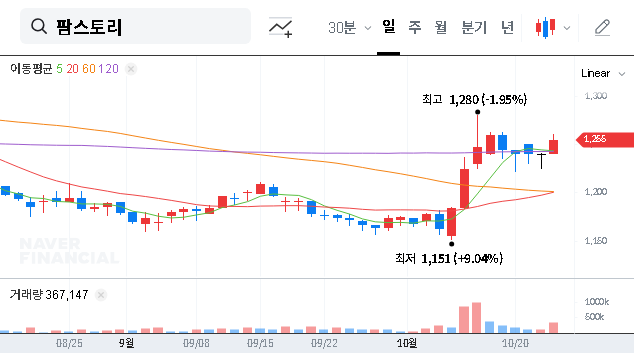
    The market is buzzing about FarmStory stock (KRX: 027710) after a significant move from its largest shareholder, EZ Holdings. The parent company recently increased its equity stake, a clear signal of its strategic intentions. But what does this mean for the average investor? This comprehensive stock analysis will break down the transaction, explore the potential impacts on management and share price, and provide an actionable framework for evaluating your investment in FarmStory CO.,LTD.

    ✅ A Closer Look at EZ Holdings’ Strategic Move

    EZ Holdings solidified its position in FarmStory CO.,LTD. by acquiring additional shares on the open market. This move wasn’t a passive investment; the company explicitly stated its objective was to influence management, signaling a more hands-on approach moving forward. The details of this transaction were made public in a mandatory filing. (Source: Official DART Disclosure)

    Here are the key details of the transaction:

    • Company: FarmStory CO.,LTD. (KRX: 027710)
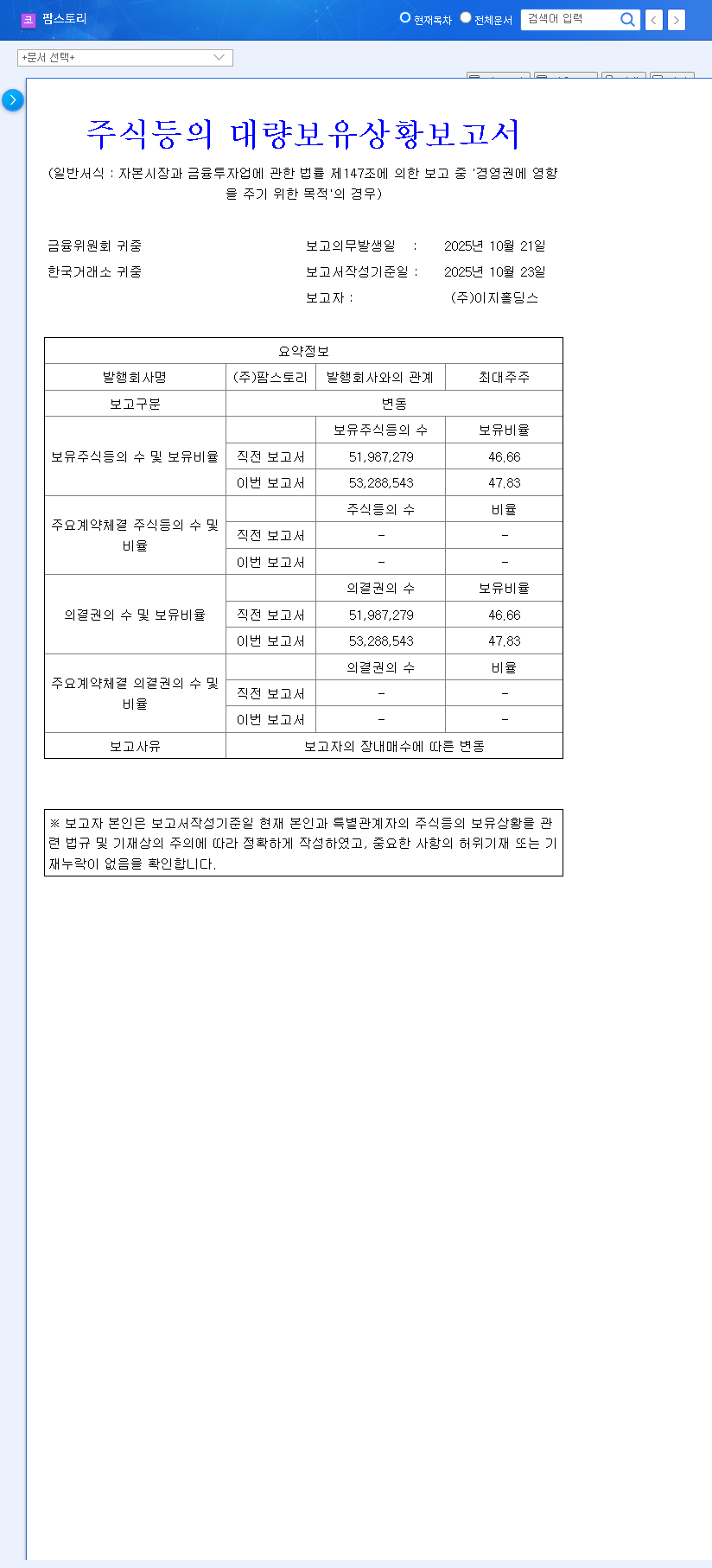
    • Previous Stake: 46.66%
    • New Stake: 47.83%
    • Increase: 1.17 percentage points (374,544 shares)
    • Purchase Period: October 17, 2025, to October 23, 2025

    💡 Why This Increased EZ Holdings Stake Matters

    This increase is more than just a number—it’s a powerful statement. By consistently buying shares over five business days, EZ Holdings is signaling strong confidence in FarmStory’s future or, at the very least, its determination to steer the company’s direction. This move to strengthen its EZ Holdings stake is a crucial development for anyone following FarmStory stock.

    The core takeaway is that the parent company is tightening its grip, which often precedes strategic shifts, operational overhauls, or deeper business integrations. This action significantly reduces ambiguity about who is in control.

    📈 Potential Impacts on FarmStory’s Stock Performance

    The largest shareholder increasing its ownership can cut both ways for the stock price. Let’s examine the potential positive catalysts and the underlying risks investors must consider.

    The Bull Case: Positive Catalysts for Investors

    • Enhanced Management Stability: A dominant shareholder provides a stable foundation, warding off hostile takeover threats and allowing for more consistent, long-term strategic planning. This stability can boost overall investor confidence.
    • Potential for Business Synergy: With greater control, EZ Holdings can more easily implement synergistic strategies between itself and FarmStory. This could unlock operational efficiencies, new revenue streams, and improved profitability, which are strong long-term drivers for the stock price.
    • Positive Market Signal: The parent company buying shares on the open market is often interpreted as a bullish signal. It implies that leadership believes the FarmStory stock is undervalued, potentially creating short-term positive momentum.

    The Bear Case: Risks and Considerations

    • Fundamentals are King: Management stability doesn’t automatically fix underlying business issues. If FarmStory’s core performance—revenue growth, profit margins, and market share—doesn’t improve, the stock price will likely struggle regardless of ownership structure.
    • External Market Pressures: The performance of FarmStory stock is also tied to factors beyond its control, such as the macroeconomic climate, industry-specific headwinds, and the broader market sentiment reported by major financial news outlets.
    • Interests of Minority Shareholders: There is always a risk that the controlling shareholder will make decisions that primarily benefit the parent company, potentially at the expense of minority investors in FarmStory.

    🔍 An Actionable Framework for Investors

    While the news is significant, it’s just one piece of the puzzle. Prudent investors should conduct their own due diligence. Start by performing a detailed stock analysis. This involves looking beyond the headlines and examining the company’s core health. Review FarmStory’s recent quarterly earnings reports, balance sheets, and cash flow statements. For those new to this, our guide on how to analyze corporate fundamentals is a great starting point. Furthermore, keep a close watch on future announcements from EZ Holdings regarding their plans for FarmStory’s management and strategic direction.

    Final Takeaway: What’s the Verdict?

    EZ Holdings increasing its stake in FarmStory CO.,LTD. is a noteworthy and generally positive development for management stability. It provides a vote of confidence that could attract investor interest. However, the long-term success of FarmStory stock will ultimately be determined by its ability to execute, innovate, and grow its business profitably. This ownership change is a catalyst, but a thorough analysis of the company’s fundamentals remains essential before making any investment decision.

    (027710) FarmStory Stock (KRX: 027710): Deep Dive Analysis of EZ Holdings' Increased Stake 관련 이미지
  • (064090) InkredibleBuzz Inc. Shareholder Sells Stake: A Deep Dive for Investors (064090)

    (064090) InkredibleBuzz Inc. Shareholder Sells Stake: A Deep Dive for Investors (064090)

    The latest news surrounding an InkredibleBuzz Inc. shareholder has sent ripples through the investment community. A significant disclosure reveals that Ramikus, a major stakeholder in InkredibleBuzz Inc. (064090), has divested a portion of its shares. This move naturally raises critical questions for current and potential investors: What does this sale signal about the company’s future, and how should you adjust your investment strategy in response?

    This comprehensive analysis unpacks the details of the Ramikus divestment, explores the potential short-term market reactions, and provides a framework for evaluating the long-term implications for InkredibleBuzz Inc.’s stock. We will equip you with the insights and actionable steps needed to navigate this development with confidence.

    The Details: Ramikus Reduces Its Stake

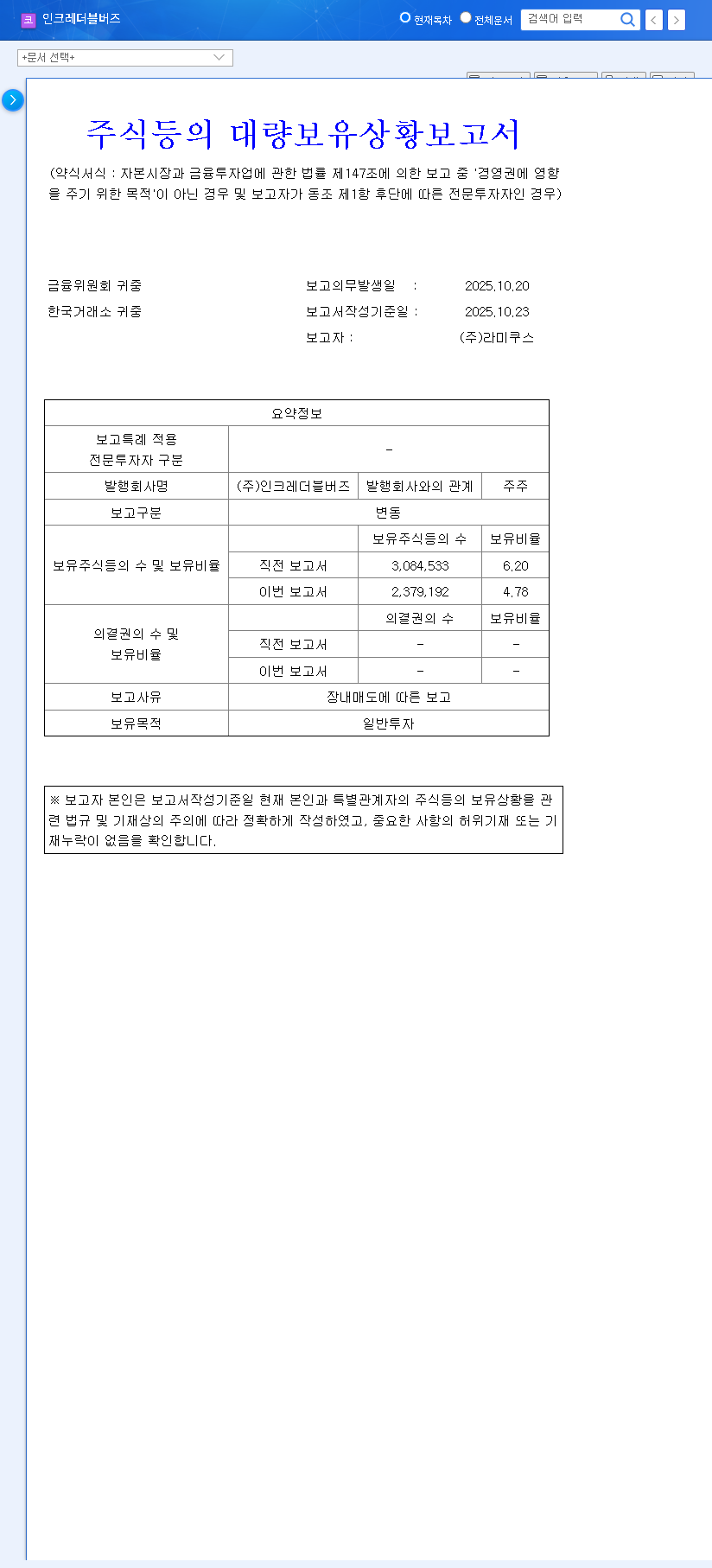
    On October 23, 2025, a public disclosure confirmed that Ramikus, classified as a general investor from South Korea, executed an on-market sale of its InkredibleBuzz Inc. shares. The sale was officially cited as being for “general investment purposes.” This is a crucial piece of information for any InkredibleBuzz Inc. shareholder to consider.

    Key Shareholding Changes at a Glance

    • Stake Before Sale: 6.20%
    • Stake After Sale: 4.78%
    • Total Change: A decrease of 1.42 percentage points.
    • Shares Sold: Approximately 2,150,000 shares.
    • Official Source: The transaction was formally documented in an official filing. You can view the Official Disclosure on DART for verification.

    It’s important to note that a sale for “general investment purposes” is intentionally broad. It can range from profit-taking and portfolio rebalancing to raising capital for other ventures. It does not automatically signal a loss of faith in the company’s core business.

    Analyzing the Short-Term Market Impact

    When a major investor reduces their position, the market often reacts swiftly. The initial interpretation can set the tone for trading in the subsequent days and weeks. For the InkredibleBuzz Inc. stock, the immediate effects could manifest in several ways.

    Potential Immediate Consequences

    • Negative Price Pressure: The large volume of shares entering the market, combined with the negative signal of a major holder selling, can create downward pressure on the stock price.
    • Weakened Investor Sentiment: Other investors may interpret the sale as a sign of concern, leading to a dip in overall confidence and potentially triggering further selling.
    • Increased Volatility: The news can lead to a period of heightened trading volume and price volatility as the market digests the information and finds a new equilibrium.

    Long-Term Outlook: Beyond the Initial Reaction

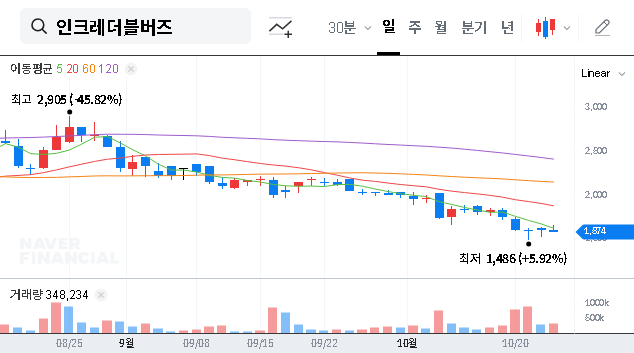
    While short-term price movements are inevitable, seasoned investors know that the long-term impact is dictated by the company’s underlying health. The key question is whether this InkredibleBuzz Inc. shareholder sale is a temporary event or a symptom of a deeper issue. To assess this, one must look beyond the transaction and focus on the company’s fundamentals.

    Is this a one-time portfolio adjustment by Ramikus, or the start of a complete exit? Continued selling could signal persistent concerns. Conversely, if the market readily absorbs the sold shares and the price stabilizes, it suggests underlying confidence in the company’s value. For a deeper understanding of what to look for, you can read our guide on How to Analyze Company Fundamentals.

    Critical Information for Your Due Diligence

    Before making any decisions, it’s essential to gather more data. A successful investment thesis cannot be built on a single news event. According to authoritative sources like Investopedia, a thorough analysis is paramount. Focus your research on:

    • Company Financials: Review recent quarterly reports for revenue growth, profit margins, and debt levels. Are the fundamentals strong and improving?
    • Industry Trends: How is InkredibleBuzz Inc. positioned within its industry? Does it have a competitive advantage or face significant headwinds?
    • Analyst Reports: What is the consensus among market analysts? Look for recent reports and target price adjustments following this news.
    • Management Commentary: Look for any official statements from InkredibleBuzz Inc.’s management regarding their business outlook or strategic plans.

    Conclusion: A Call for Prudence, Not Panic

    The divestment by Ramikus is a significant event that every InkredibleBuzz Inc. shareholder and potential investor must acknowledge. While it may cause short-term turbulence, the ultimate trajectory of the stock will depend on the company’s intrinsic value and future performance.

    Therefore, the recommended course of action is not to react hastily but to engage in diligent research. Use this event as a catalyst to re-evaluate your investment thesis for InkredibleBuzz Inc. By grounding your decisions in fundamental analysis and a comprehensive view of the market, you can navigate this development strategically and make choices that align with your long-term financial goals.

    (064090) InkredibleBuzz Inc. Shareholder Sells Stake: A Deep Dive for Investors (064090) 관련 이미지