Tag: Convertible Bonds

  • UTI Issues ₩5.2B Convertible Bonds: What Does it Mean for Investors?

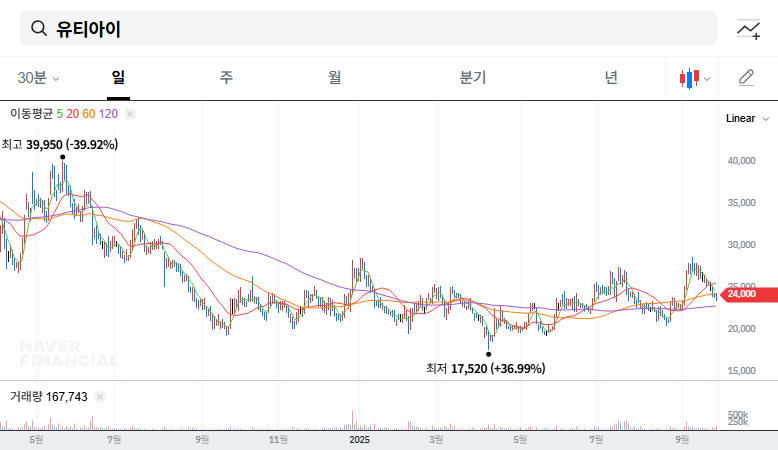
    UTI Issues ₩5.2B Convertible Bonds: What Does it Mean for Investors? 대표 차트 이미지

    1. What Happened?

    UTI announced the issuance of ₩5.2 billion in privately offered convertible bonds, with a conversion price of ₩24,750, significantly higher than the current stock price of ₩364.

    2. Why Issue Convertible Bonds?

    UTI has been facing declining sales and profitability. This move aims to secure short-term liquidity and improve its financial structure, particularly to fund investments in its Slimming business and the expansion of its Vietnam facility.

    3. How Will This Impact the Stock Price?

    • Positive Impacts: Improved short-term liquidity, low immediate dilution risk, new investment attraction
    • Negative Impacts: Increased debt burden, uncertain future profitability, potential future dilution

    The high conversion price reduces immediate dilution concerns, but the long-term financial risks remain if fundamental improvements are not achieved.

    4. What Should Investors Do?

    Investors should look beyond the short-term implications and carefully monitor UTI’s fundamental performance and the success of its new ventures. We maintain a “Neutral (Hold)” rating and recommend reassessing investment strategies based on future earnings reports and business developments.

    Frequently Asked Questions

    What are convertible bonds?

    Convertible bonds are a type of debt security that can be converted into shares of the issuing company’s stock after a specified period.

    What is UTI’s main business?

    UTI primarily manufactures camera windows used in smartphones, tablet PCs, and other devices.

    Will this bond issuance positively impact UTI’s stock price?

    While the injection of liquidity could provide a short-term boost, the long-term impact depends on the company’s ability to improve its fundamentals.

    UTI Issues ₩5.2B Convertible Bonds: What Does it Mean for Investors? 관련 이미지
  • Hyundaibio Issues 15 Billion Won in Convertible Bonds: Impact and Investment Strategy


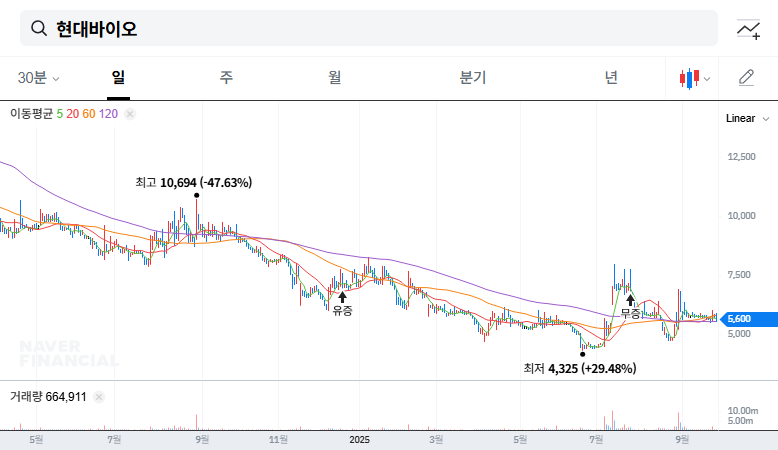
    Hyundaibio Issues 15 Billion Won in Convertible Bonds: Impact and Investment Strategy 대표 차트 이미지


    1. What is Hyundaibio’s CB Issuance?

    Hyundaibio has decided to issue 15 billion won worth of convertible bonds (CBs) through a private placement. The conversion price is set at 5,804 won, with a maturity interest rate of 4%. The funds raised will be used for operating capital.

    2. Why Issue Convertible Bonds?

    Hyundaibio has recently focused on improving its financial structure through rights offerings and debt repayment. This CB issuance is interpreted as a strategy to secure additional operating funds to strengthen R&D investment, including new drug development, and further solidify financial stability.

    3. How Will This Impact the Stock Price?

    Positive Impacts

    • • Increased R&D Investment: Expected acceleration of new drug development.
    • • Improved Financial Structure: Securing long-term stability.
    • • Enhanced Investor Confidence: Participation of savings banks.

    Negative Impacts

    • • Potential Stock Dilution: Upon conversion of CBs to shares.
    • • Conversion Price Adjustment Risk: In case of stock price decline.
    • • Potential Cash Outflow: Repayment burden at maturity.

    4. What Should Investors Do?

    Investors should carefully consider the following:

    • • Progress of key drug pipelines.
    • • Potential for conversion price adjustments.
    • • Changes in financial soundness.
    • • Company transparency and related issues.

    The CB issuance is a complex event that needs to be analyzed from both short-term and long-term perspectives. Prudent investment decisions are essential.


    FAQ

    What are convertible bonds (CBs)?

    Convertible bonds (CBs) are bonds that pay interest like regular bonds but also give the bondholder the option to convert the bond into a predetermined number of shares of the issuing company’s common stock at a specified price (conversion price) before maturity.

    Will this CB issuance positively affect the stock price?

    If the issuance leads to increased R&D investment and positive outcomes in new drug development, it could be a positive catalyst for the stock price. However, the potential for dilution upon conversion exists, requiring a comprehensive assessment of the situation.

    What’s the most important factor to consider when investing?

    It’s crucial to continuously monitor the development progress of core drug pipelines and any changes in the company’s financial soundness.


    Hyundaibio Issues 15 Billion Won in Convertible Bonds: Impact and Investment Strategy 관련 이미지


  • HLB Issues ₩20B Convertible Bonds: Impact on Investors


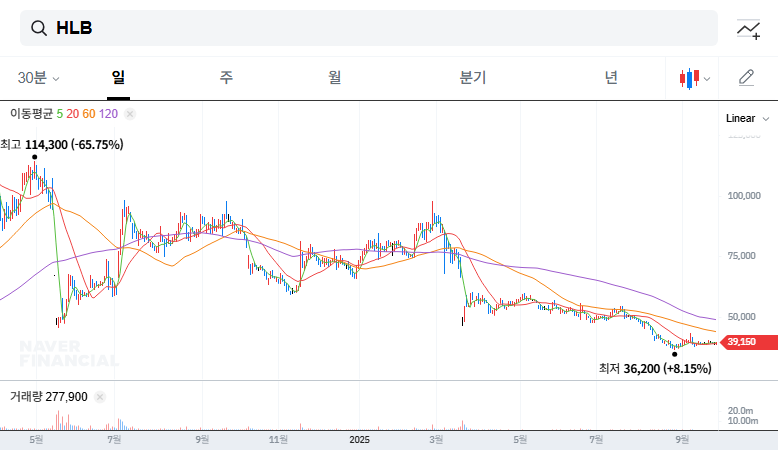
    HLB Issues ₩20B Convertible Bonds: Impact on Investors 대표 차트 이미지


    HLB Issues ₩20 Billion in Convertible Bonds: What Happened?

    HLB announced on September 24, 2025, that it would issue ₩20 billion in private placement convertible bonds (CBs). Key terms include a coupon rate of 1.0%, a maturity rate of 4.0%, and a conversion price of ₩38,822. Payment is scheduled for October 2, 2025.

    Why the CB Issuance?

    HLB aims to secure funds for the development of new drugs, including rivoceranib, through this CB issuance. This is expected to contribute to accelerating R&D and ensuring stable business operations.

    So, What’s the Impact on the Stock Price?

    • Positive Impacts:
      • Securing operating funds positively impacts new drug development and business activities.
      • Expected diversification of investors and improvement of financial structure.
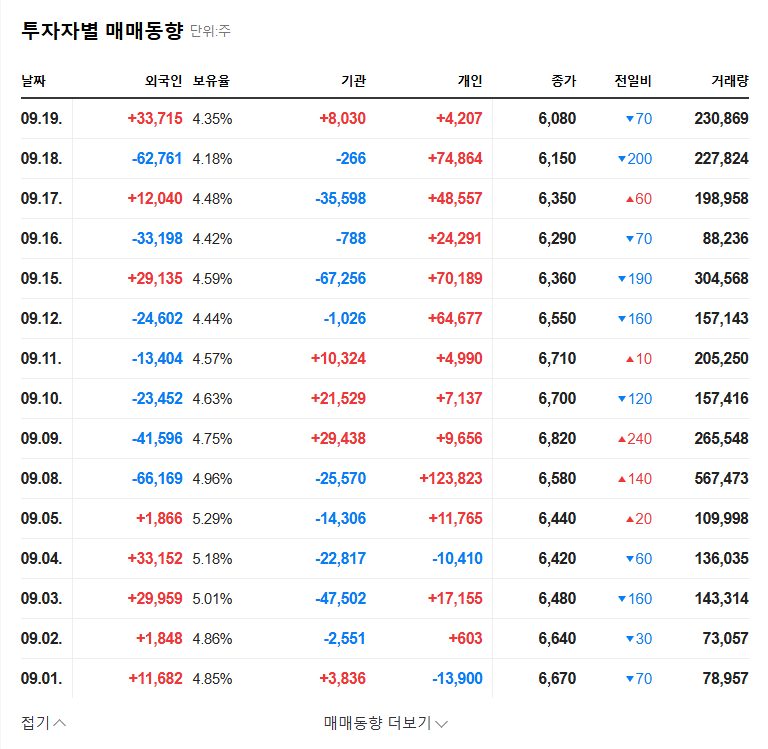
      • Current stock price (₩1,797) significantly lower than the conversion price (₩38,822), mitigating immediate dilution concerns.
    • Potential Negative Impacts:
      • Possibility of stock dilution if the stock price rises and CBs are converted.
      • Interest expense burden with a coupon rate of 1.0% and a maturity rate of 4.0%.
      • Continued uncertainty about the success of the bio business.

    What Should Investors Do?

    Consider HLB’s new drug development performance and future stock price trends rather than just the CB issuance itself.

    • Continuously monitor updates on rivoceranib’s FDA approval.
    • Monitor stock price movements relative to the conversion price (₩38,822).
    • Keep an eye on interest rate trends.
    • Check the performance of other business segments, such as healthcare and shipping.

    This analysis is not investment advice. Investment decisions should be based on your own judgment.


    Frequently Asked Questions (FAQ)

    What are convertible bonds (CBs)?

    Convertible bonds are bonds that pay interest like regular bonds but also give the holder the right to convert them into shares of the issuing company’s stock under certain conditions.

    Could HLB’s CB issuance negatively affect the stock price?

    Yes, the conversion of CBs into shares can dilute the value of existing shares. This is especially true if the share price exceeds the conversion price, increasing the likelihood of conversion and leading to an increase in the number of outstanding shares.

    What is the most important factor to consider when investing in HLB?

    The progress of major new drug development pipelines, including rivoceranib, and FDA approval status. This is the factor that has the greatest impact on HLB’s fundamentals.


    HLB Issues ₩20B Convertible Bonds: Impact on Investors 관련 이미지


  • Genexine Issues ₩19.4B Convertible Bonds: What’s Next for Investors?

    Genexine Issues ₩19.4B Convertible Bonds: What's Next for Investors? 대표 차트 이미지

    1. What Happened?

    Genexine announced the issuance of ₩19.4 billion in convertible bonds, payable on October 1, 2025, through a private placement. This represents approximately 7.22% of the current market capitalization, with a conversion price of ₩5,478, a 2.7% discount to the current market price. Key investors include NH Hedge Coven Pre-IPO Mezzanine Private Investment Trust No. 4 and Blash KOSDAQ Venture Private Investment Trust No. 1, among other private equity funds.

    2. Why the Convertible Bonds?

    Genexine is currently developing various pipelines including GX-E4 (chronic kidney disease anemia treatment), GX-I7 (anti-cancer immunotherapy), GX-188E (HPV DNA vaccine), and GX-H9 (sustained-release growth hormone treatment), with a particular focus on advancing its bioPROTAC platform technology. These research and development endeavors require substantial funding, and the convertible bond issuance is interpreted as a means to secure the necessary capital.

    3. What Does This Mean for Investors?

    • Positive Aspects: Secured R&D funding, improved financial structure, participation of professional investors.
    • Negative Aspects: Potential stock dilution, need for additional funding, burden of interest expenses.

    While stock dilution concerns may negatively impact the stock price in the short term, successful R&D outcomes could lead to long-term gains.

    4. Investment Strategy?

    A cautious approach is recommended in the short term. In the long term, investors should closely monitor clinical trial results for key pipelines, GX-E4’s global market expansion, commercialization of bioPROTAC technology, and improvements in operating and financial performance, considering a gradual increase in investment based on positive developments.

    Frequently Asked Questions

    What are convertible bonds?

    Convertible bonds are debt securities that can be converted into the issuing company’s stock after a certain period.

    How does issuing convertible bonds affect the stock price?

    While potentially causing a short-term decline due to dilution, it can also lead to long-term growth if the funds are used effectively for company expansion.

    What are Genexine’s key pipelines?

    Key pipelines include GX-E4 (for chronic kidney disease anemia), GX-I7 (anti-cancer immunotherapy), GX-188E (HPV DNA vaccine), and GX-H9 (sustained-release growth hormone treatment).

    Genexine Issues ₩19.4B Convertible Bonds: What's Next for Investors? 관련 이미지
  • Intops Issues 13 Billion Won Convertible Bonds: Analysis and Investment Strategy


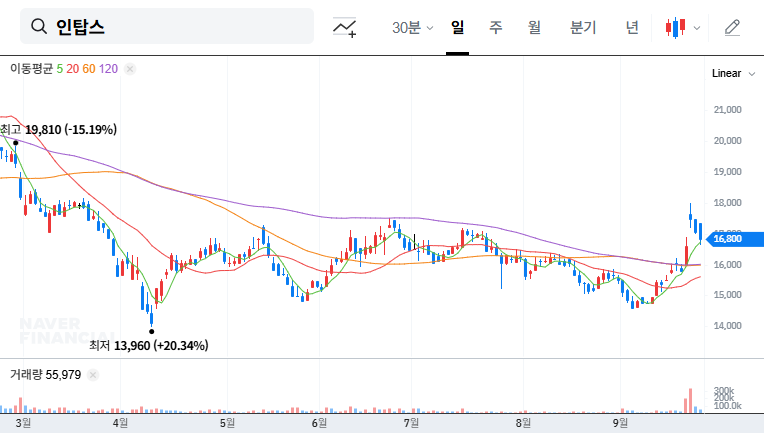
    Intops Issues 13 Billion Won Convertible Bonds: Analysis and Investment Strategy 대표 차트 이미지


    1. Key Details of Intops’ Convertible Bond Issuance

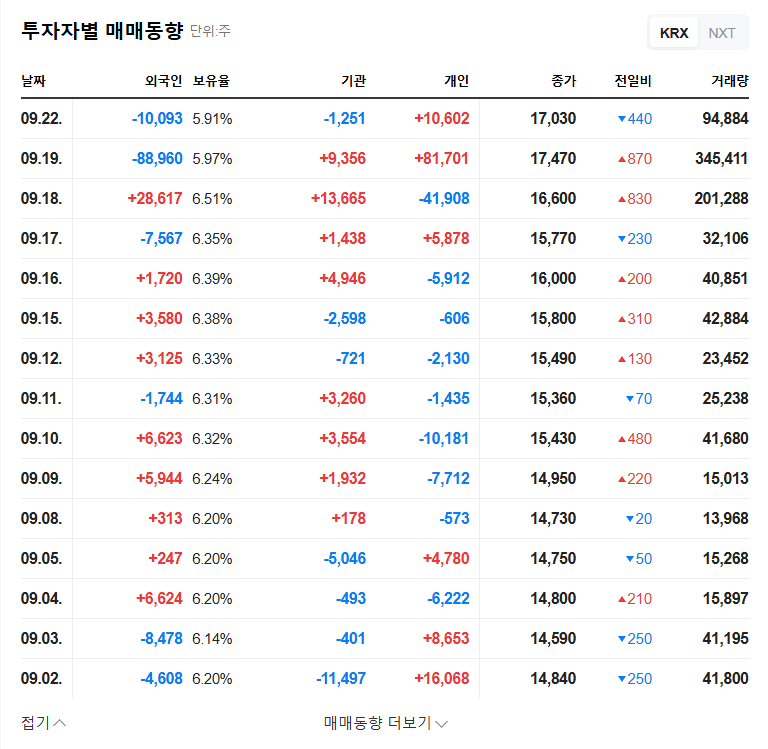
    Intops has issued 13 billion won worth of convertible bonds through a private placement. The conversion price is set at 20,609 won, significantly higher than the current stock price of 10,980 won. Does this reflect expectations of future stock price increases? Or could it act as downward pressure on the stock price?

    2. Why Issue Convertible Bonds Now?

    Intops recorded a decline in sales and an operating loss in the first half of 2025 on a consolidated basis. Its credit rating has also been downgraded from A- to BBB+. Facing financial difficulties such as a high debt ratio and negative retained earnings, securing funds was likely essential. The 0% coupon rate allows Intops to secure funds with a low interest burden.

    3. Impact on Investors

    • Positive Impacts: Improved financial structure, secured liquidity, and investment capacity for future growth engines.
    • Negative Impacts: Potential downward pressure on stock price due to the gap between the conversion price and the current stock price, and possible weakening of stock price momentum until the bond maturity date.

    4. Investment Strategy

    • Focus on fundamental improvement: Closely monitor whether Intops’ performance improves after securing the funds.
    • Track stock price movements and conversion price achievement: Pay attention to the possibility and timing of the conversion of convertible bonds into stocks.
    • Monitor macroeconomic and industry environment changes: Understand changes in the macroeconomic environment, such as exchange rates and interest rates, and trends in the IT/automotive industry.
    • Cautious approach for short-term investment: A conservative investment approach is recommended until clear signals of earnings improvement and financial soundness recovery emerge.


    Frequently Asked Questions (FAQ)

    What are convertible bonds?

    Convertible bonds are bonds that can be exchanged for the issuing company’s stock. Investors can hold the bonds until maturity to receive principal and interest, or exchange them for the issuer’s stock within a specified period.

    How will Intops’ convertible bond issuance affect its stock price?

    In the short term, there are expectations of improved financial structure through fundraising, but in the long term, stock price volatility may increase due to the difference between the conversion price and the current stock price.

    Should I invest in Intops?

    Intops’ current fundamentals show weaknesses, so caution is advised for short-term investments. It’s recommended to make investment decisions while observing the trend of earnings improvement and financial soundness recovery.


    Intops Issues 13 Billion Won Convertible Bonds: Analysis and Investment Strategy 관련 이미지
    Intops Issues 13 Billion Won Convertible Bonds: Analysis and Investment Strategy 관련 이미지


  • Surplus Global Issues ₩6.5B Convertible Bonds: A Strategic Move or a Desperate Gamble?


    Surplus Global Issues ₩6.5B Convertible Bonds: A Strategic Move or a Desperate Gamble? 대표 차트 이미지


    1. What Happened at Surplus Global?

    On September 23, 2025, Surplus Global announced the issuance of ₩6.5 billion in convertible bonds. The conversion price is set at ₩3,018, approximately 18.4% higher than the current stock price. Key investors include Korea Investment & Securities, Shinhan Investment Corp., and IBK Capital.

    2. Why Issue Convertible Bonds?

    Surplus Global’s performance in the first half of 2025 was weak. Sales decreased by 58.8% year-on-year, and both operating income and net income turned to losses. The high debt ratio and increasing inventory levels raise concerns about financial soundness. In this situation, issuing convertible bonds appears to be an inevitable choice to secure short-term working capital and raise funds for new business investments.

    3. Convertible Bonds: Opportunity or Risk?

    • Positive Aspects:
      • Securing short-term liquidity.
      • Potential for securing growth engines through investment in new businesses.
    • Negative Aspects:
      • Increased financial burden due to a higher debt ratio.
      • Pressure on stock price due to the high conversion price compared to the current market price.
      • Risk of future interest rate hikes and exchange rate fluctuations.

    4. What Should Investors Do?

    While the issuance of convertible bonds can provide a short-term cash injection, long-term growth cannot be guaranteed without fundamental improvements in business competitiveness. Investors should carefully monitor the following:

    • Conversion of convertible bonds.
    • Performance of new businesses (used semiconductor equipment cluster, global open market).
    • Recovery trend of the semiconductor market.
    • Future profitability improvement.

    Currently, it is advisable to maintain a cautious wait-and-see approach and take a conservative perspective, considering the additional financial burden and the high conversion price.


    FAQ

    What are convertible bonds?

    Convertible bonds are bonds that give the holder the right to convert them into shares of the issuing company’s stock. Investors can hold the bonds to maturity and receive principal and interest, or they can convert them into stock within a specified period.

    How will this convertible bond issuance affect Surplus Global’s stock price?

    In the short term, it could be positive due to increased liquidity. However, in the long term, there is the possibility of stock dilution due to bond conversion. The company’s earnings improvement will likely have a greater impact on the stock price.

    What should investors be aware of?

    It’s important to consider the company’s financial restructuring efforts, the performance of new businesses, and the overall semiconductor market conditions when making investment decisions.


    Surplus Global Issues ₩6.5B Convertible Bonds: A Strategic Move or a Desperate Gamble? 관련 이미지
    Surplus Global Issues ₩6.5B Convertible Bonds: A Strategic Move or a Desperate Gamble? 관련 이미지


  • Surplus Global Issues ₩8.3B Convertible Bonds: Dilution Risk or Growth Catalyst?


    Surplus Global Issues ₩8.3B Convertible Bonds: Dilution Risk or Growth Catalyst? 대표 차트 이미지


    1. Surplus Global’s ₩8.3B CB Issuance: What Happened?

    On September 23, 2025, Surplus Global announced the issuance of ₩8.3 billion worth of convertible bonds (CBs). The conversion price is set at ₩2,602, with payment due on October 1st. This CB issuance will be conducted privately, with the primary investors being KOSDAQ venture-related private equity trusts.

    2. Why Issue CBs?: Background and Objectives

    Surplus Global recorded an operating loss of ₩18.3 billion in the first half of 2025, marking a shift into the red. This is a direct result of the semiconductor downturn. The CB issuance is analyzed as a move to secure operating funds and investment resources for new businesses. In particular, investments to secure new growth engines, such as the launch of the ‘Semimarket’ online platform and the Parts business, are urgent.

    3. Impact on Investors: Opportunity vs. Risk

    • Positive Aspects:
      • Improving financial structure and expanding investment in new businesses through secured funding
    • Negative Aspects:
      • Potential stock dilution due to conversion of bonds
      • Increase in short-term financial burden

    4. Investment Strategy: How Should Investors Respond?

    Investors should be wary of increased stock volatility in the short term. In the medium to long term, the success of new businesses and the recovery of the semiconductor industry will determine the stock’s direction. Before making investment decisions, a thorough review of the specific use plan for the CB funds and the growth roadmap for new businesses is essential.


    FAQ

    What are Convertible Bonds (CBs)?

    Convertible Bonds (CBs) are issued as debt but give the holder the option to convert them into shares of the issuing company’s stock after a certain period.

    How will Surplus Global’s CB issuance affect its stock price?

    In the short term, there are concerns about stock dilution due to potential conversion. However, in the long term, business expansion through funding could drive stock price increases.

    What is the outlook for Surplus Global?

    The recovery of the semiconductor market and the success of new businesses are expected to significantly impact Surplus Global’s future performance and stock price.


    Surplus Global Issues ₩8.3B Convertible Bonds: Dilution Risk or Growth Catalyst? 관련 이미지
    Surplus Global Issues ₩8.3B Convertible Bonds: Dilution Risk or Growth Catalyst? 관련 이미지


  • HLB Biostep’s Treasury Stock Disposal: Analyzing the Impact and Investment Strategies

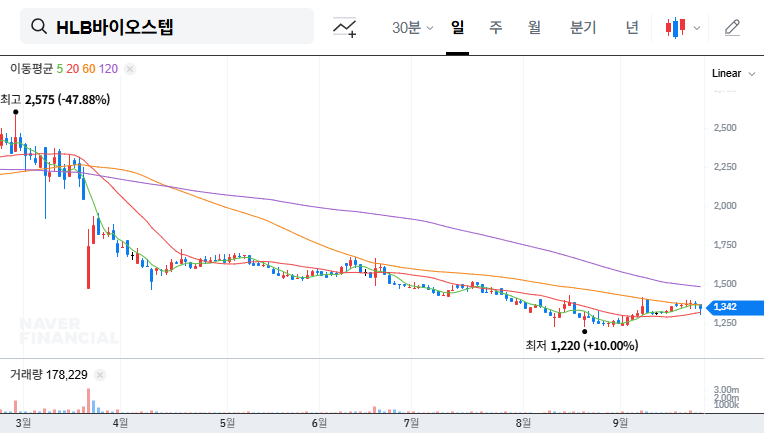
    HLB Biostep's Treasury Stock Disposal: Analyzing the Impact and Investment Strategies 대표 차트 이미지

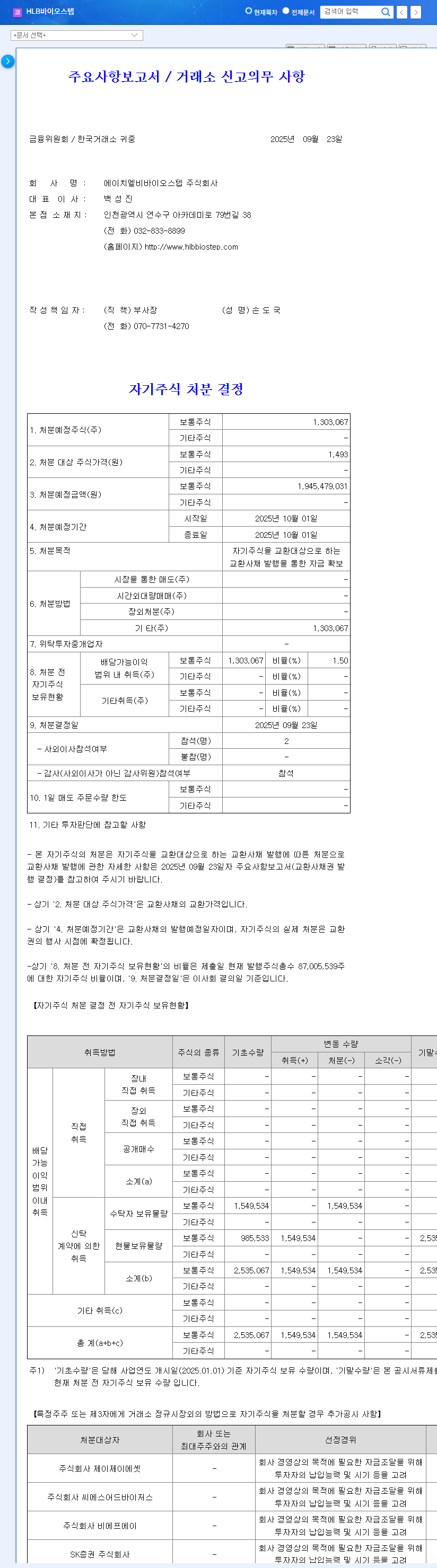
    1. What Happened? : Analyzing the Treasury Stock Disposal

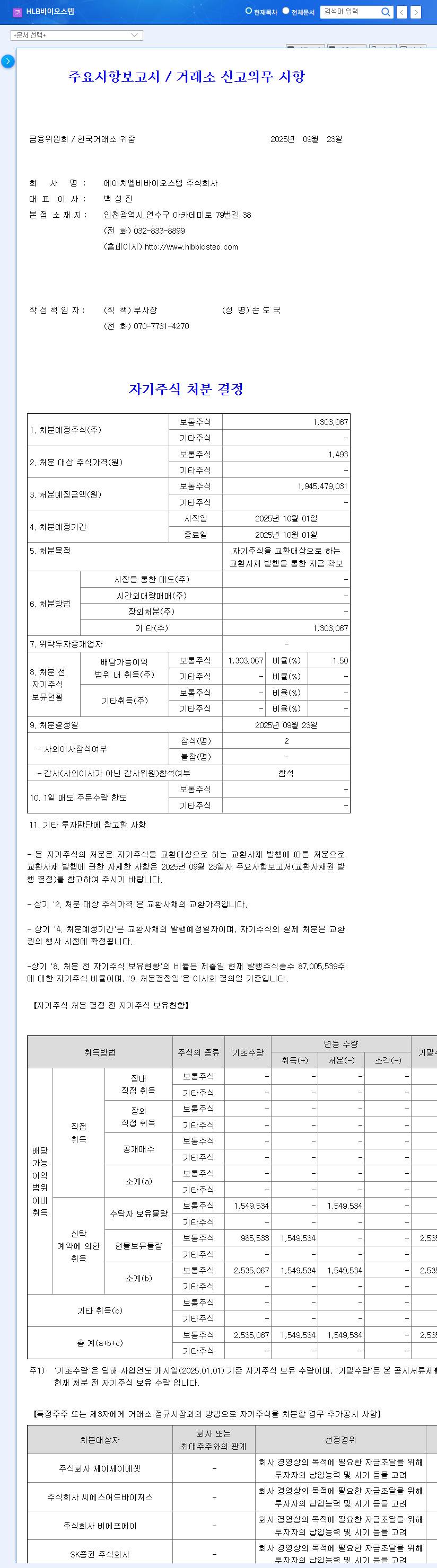
    On September 23, 2025, HLB Biostep announced its decision to dispose of 1,303,067 treasury shares (1.5% of total outstanding shares), equivalent to approximately ₩1.9 billion. The purpose of this disposal is to secure funds through the issuance of convertible bonds.

    2. Why This Decision? : Background and Objectives

    HLB Biostep has recently faced challenges such as increasing operating losses and low capacity utilization. This decision aims to improve the company’s financial structure by raising capital and securing growth momentum through new business investments and expansions. Convertible bonds offer the advantage of lower interest burdens and potential capital gains through stock conversion upon maturity.

    3. What’s Next? : Analyzing the Positive and Negative Impacts

    • Positive Impacts:
      • Improved financial structure and secured growth momentum through fundraising
      • Potential benefits of convertible bond issuance (lower interest burden, potential capital increase)
    • Negative Impacts:
      • Potential stock dilution and increased selling pressure
      • Potential negative impact on investor sentiment if existing fundamental issues (operating losses, low capacity utilization) persist
      • Possible market downturn and negative investor sentiment

    4. What Should Investors Do? : Key Checkpoints

    Investors should carefully monitor the following factors:

    • Specific plans and progress for the use of the raised funds
    • Efforts to improve profitability and increase capacity utilization in the CRO business
    • Specific growth momentum of new businesses
    • Trends in conversion requests for convertible bonds and their market impact
    • Improvement in financial soundness indicators

    HLB Biostep’s treasury stock disposal presents both opportunities and risks. Investors should thoroughly review the key checkpoints outlined above and make informed investment decisions.

    Frequently Asked Questions (FAQ)

    Is treasury stock disposal always a bad sign?

    Treasury stock disposal is simply a method of fundraising for companies, and it isn’t inherently good or bad. The key factors are the purpose of the funds raised and how efficiently they are used.

    What is the future outlook for HLB Biostep’s stock price?

    Stock prices are influenced by various factors, making predictions challenging. However, regarding this treasury stock disposal, it is crucial to consider the company’s plans for using the funds, improvements in fundamentals, and the overall market conditions before making investment decisions.

    What are convertible bonds?

    Convertible bonds are bonds that give the holder the right to convert them into shares of the issuing company’s stock at maturity. Investors can benefit from both bond interest income and potential capital gains from stock price increases.

    HLB Biostep's Treasury Stock Disposal: Analyzing the Impact and Investment Strategies 관련 이미지
    HLB Biostep's Treasury Stock Disposal: Analyzing the Impact and Investment Strategies 관련 이미지
  • HLB Biostep Issues ₩1.9B Convertible Bonds: What’s Next for the Stock?


    HLB Biostep Issues ₩1.9B Convertible Bonds: What's Next for the Stock? 대표 차트 이미지


    HLB Biostep Announces ₩1.9 Billion Convertible Bond Issuance

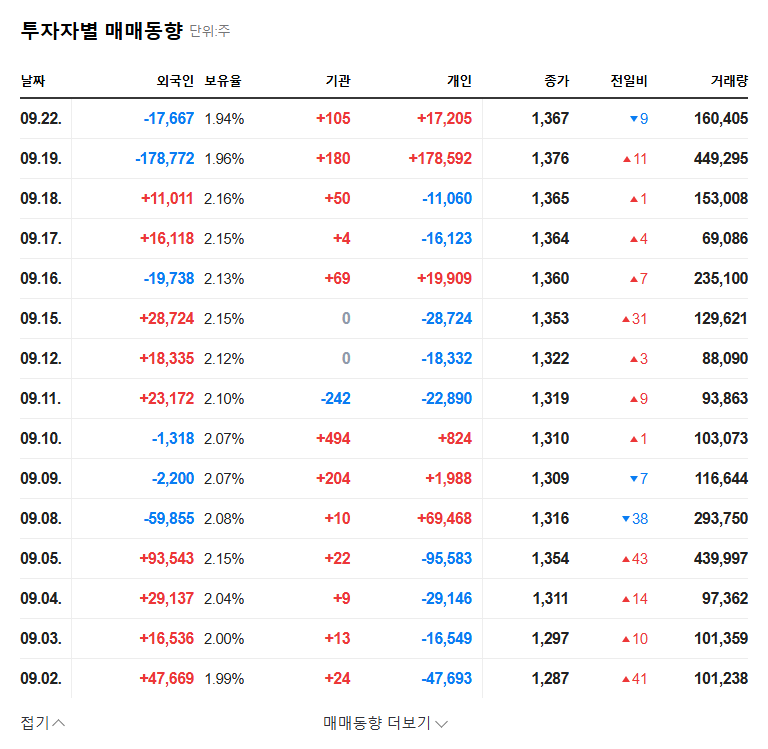
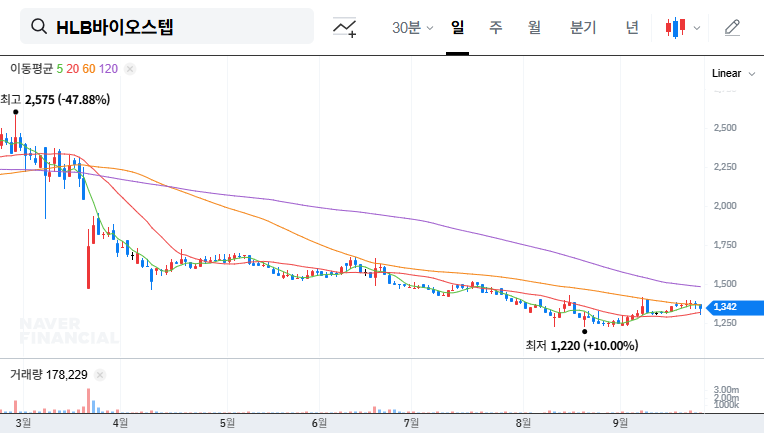
    HLB Biostep announced on September 23, 2025, its decision to issue ₩1.9 billion worth of convertible bonds. Investors including SK Securities and JJ Asset are participating, with payment due on October 1st. The conversion period is from November 1, 2025, to September 1, 2028. The conversion price is set at ₩1,493, higher than the current stock price of ₩1,342.

    Why the Bond Issuance?

    HLB Biostep is currently experiencing operating losses. This bond issuance is likely intended to secure operating funds and fuel growth initiatives. Faced with challenges like declining capacity utilization in its CRO business, the influx of capital is expected to bolster new ventures such as animal testing facility construction, pet medical business development, and the establishment of an AI drug discovery platform, while also supporting a turnaround in the CRO segment.

    Impact on Stock Price?

    In the short term, the anticipation of increased funding may positively influence the stock price, but the higher conversion price raises concerns about potential dilution. The long-term impact hinges on whether the funds translate into improved business performance. Tangible results could create upward momentum, while failure to improve profitability may put pressure on the stock due to increased share count and EPS dilution.

    Investor Action Plan

    • Short-term investors: Be mindful of increased short-term volatility and closely monitor market conditions and company announcements.
    • Long-term investors: Focus on whether this funding leads to tangible improvements in business performance. Track key metrics such as CRO capacity utilization rates and the success of new ventures. Also, pay close attention to macroeconomic factors like interest rate and exchange rate fluctuations.


    FAQ

    What are convertible bonds?

    Convertible bonds are debt securities that give the holder the option to convert them into shares of the issuing company’s stock at maturity.

    How will this bond issuance affect HLB Biostep’s stock price?

    Short-term impacts are uncertain due to both funding anticipation and dilution concerns. Long-term effects depend on whether the funding leads to improved business performance.

    What should investors watch out for?

    Investors should monitor the likelihood of bond conversion, operating loss improvements, and interest/exchange rate fluctuations.


    HLB Biostep Issues ₩1.9B Convertible Bonds: What's Next for the Stock? 관련 이미지
    HLB Biostep Issues ₩1.9B Convertible Bonds: What's Next for the Stock? 관련 이미지


  • SMCG Announces Treasury Stock Disposal: Analyzing the Impact on Corporate Value


    SMCG Announces Treasury Stock Disposal: Analyzing the Impact on Corporate Value 대표 차트 이미지


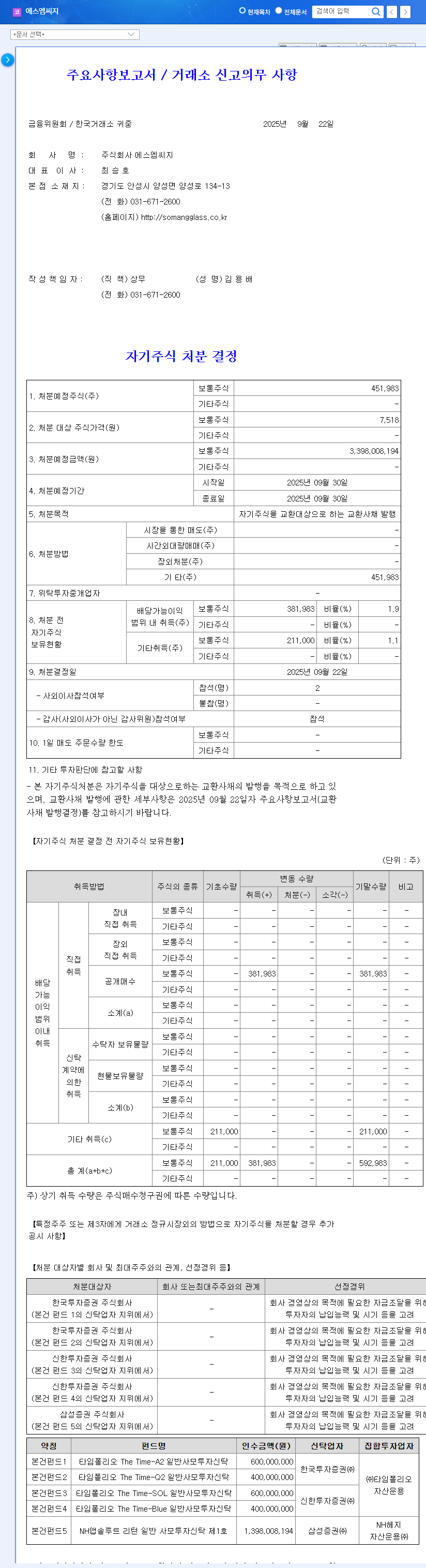
    SMCG Decides to Dispose of 450,000 Treasury Shares (for Convertible Bond Issuance)

    On September 22, 2025, SMCG announced the disposal of 451,983 treasury shares (2.28% of total outstanding shares). This amounts to 3.4 billion won and is intended for convertible bond issuance.

    Why the Treasury Stock Disposal? (Background and Objectives)

    SMCG aims to raise capital through the issuance of convertible bonds. The procured funds will be used for R&D investment, business expansion, and improvement of financial structure. As the company has shown a high debt ratio since its KOSDAQ listing, it is noteworthy whether this fundraising will contribute to strengthening its financial soundness.

    Impact on Stock Price? (Analysis of Positive/Negative Factors)

    • Positive Factors: Securing growth momentum through fundraising, potential improvement of financial structure
    • Negative Factors: Concerns about short-term stock dilution due to treasury stock disposal, possibility of additional dilution upon conversion of convertible bonds

    Despite the positive market environment such as K-beauty growth, online channel expansion, and ESG management, the high debt ratio and net loss in the first half of 2025 are points to be aware of when investing. The impact of this treasury stock disposal on the stock price will depend on various factors, including convertible bond conditions, fund utilization plans, and market conditions.

    What Should Investors Do Now? (Key Checkpoints)


    FAQ

    Will SMCG’s treasury stock disposal negatively impact the stock price?

    There is a possibility of stock dilution in the short term, but the long-term impact will depend on the results of utilizing the funds raised through the convertible bond issuance.

    Is SMCG’s financial status sound?

    The high debt ratio and the net loss recorded in the first half of 2025 are points to be aware of when investing. However, the situation may change depending on future efforts to improve the financial structure.

    What should I consider when investing in SMCG?

    It is important to make investment decisions by comprehensively considering convertible bond conditions, fund utilization plans, improvements in financial soundness, profitability improvement trends, and market conditions.


    SMCG Announces Treasury Stock Disposal: Analyzing the Impact on Corporate Value 관련 이미지
    SMCG Announces Treasury Stock Disposal: Analyzing the Impact on Corporate Value 관련 이미지