Tag: Convertible Bonds

  • (192410) Onule&M CB Acquisition: A Lifeline or a Trap for Investors? [In-Depth Analysis]

    (192410) Onule&M CB Acquisition: A Lifeline or a Trap for Investors? [In-Depth Analysis]

    The recent Onule&M CB acquisition has sent ripples through the investment community, raising a critical question: is this a signal of a potential turnaround for the beleaguered company, or simply another layer of complexity for investors to navigate? With ‘Marchellus Mezzanine Investment Union’ securing a massive 17.25% stake through convertible bonds, understanding the full picture is more crucial than ever. This in-depth Onule&M financial analysis will unpack the details of the deal, dissect the company’s precarious financial health, and provide a clear action plan for current and prospective investors.

    Deconstructing the Onule&M CB Acquisition

    On September 30, 2025, Onule&M disclosed that ‘Marchellus Mezzanine Investment Union’ acquired 6,256,410 of its convertible bonds. According to the Official Disclosure (DART), this gives the union a potential 17.25% stake if converted to common stock. While the stated purpose is for ‘simple investment’, the sheer size of the stake suggests it could lead to significant shifts in shareholder power and corporate direction. This kind of convertible bond investment is often a double-edged sword, providing much-needed capital but also introducing major risks.

    A convertible bond is a hybrid security that blends features of both debt and equity. It acts as a loan to the company, but gives the holder the option to convert the bond into a predetermined number of common shares. For a deeper understanding, you can learn about convertible bond mechanics on Investopedia.

    A Company on the Brink: Onule&M’s Financial Crisis

    The context for this acquisition is a company in severe distress. A comprehensive Onule&M financial analysis reveals a grim picture across all key metrics, which is why this cash infusion was necessary in the first place.

    Collapsing Core Business and Deepening Losses

    The foundation of Onule&M, its antenna manufacturing business, is crumbling. Revenue plummeted from 17.45 billion KRW in 2023 to just 7.19 billion KRW in the first half of 2025. This isn’t just a slowdown; it’s a catastrophic decline. Consequently, profitability has deteriorated alarmingly. The company posted an operating loss of -1.66 billion KRW and a staggering net loss of -55.07 billion KRW in H1 2025, largely inflated by tax-related provisions.

    The Alarming State of the Balance Sheet

    The company’s financial health is precarious at best. As of June 2025, key indicators paint a picture of a liquidity crisis:

    • Liquidity Crisis: Current liabilities have ballooned to 68.12 billion KRW, raising serious doubts about the company’s ability to meet its short-term obligations.
    • Capital Impairment: Total capital has fallen into negative territory at -20.69 billion KRW, a severe sign of financial erosion.
    • Negative Cash Flow: Operating cash flow is a massive -78.58 billion KRW, indicating the core business is burning cash at an unsustainable rate.

    Investor Impact: Dilution, Debt, and Uncertainty

    For existing shareholders, the primary concern of the Onule&M CB acquisition is the threat of share dilution. If Marchellus converts its bonds into common stock, it will create millions of new shares, thereby reducing the ownership percentage and potentially the value of each existing share. This overhang can place significant downward pressure on the stock price.

    While some may view the large investment as a vote of confidence, it’s crucial to adopt a realistic perspective. This event does not solve Onule&M’s fundamental problems. Instead, it highlights the severity of its debt burden and introduces dilution risk. Furthermore, the company’s ambitious pivot into new ventures like AI semiconductors and data centers carries immense execution risk and capital requirements, adding yet another layer of uncertainty for anyone following this investor guide.

    An Action Plan for Investors

    Given the extreme financial distress, business outlook, and risks associated with the convertible bond deal, an extremely cautious investment approach is warranted. Short-term price volatility may occur, but it’s unlikely to be driven by a fundamental improvement in the company’s value. Prudent investors should keep a close watch on several key developments:

    • Financial Restructuring: Look for concrete plans for additional fundraising and tangible steps towards shoring up the balance sheet.
    • Marchellus’s Next Moves: Monitor any statements or actions from the investment union regarding their intent to convert the bonds or become actively involved in management.
    • Operational Performance: It is critical to see a stabilization or rebound in the core antenna business and any tangible, profitable results from new ventures. For more on this, see our guide on How to Analyze Turnaround Stocks.
    • Legal Risk Resolution: The outcome of the administrative lawsuit over a large tax penalty must be tracked closely.

    In conclusion, investment in Onule&M should be considered extremely high-risk until the company presents a clear and viable path to fundamental recovery. It is wise to maintain a reserved stance, avoiding speculation and evaluating the company’s long-term value from a sober, data-driven perspective.

    (192410) Onule&M CB Acquisition: A Lifeline or a Trap for Investors? [In-Depth Analysis] 관련 이미지
    (192410) Onule&M CB Acquisition: A Lifeline or a Trap for Investors? [In-Depth Analysis] 관련 이미지
  • (052420) Ohsung Advanced Materials CB Issuance: A Deep Dive into Growth vs. Dilution Risk

    (052420) Ohsung Advanced Materials CB Issuance: A Deep Dive into Growth vs. Dilution Risk

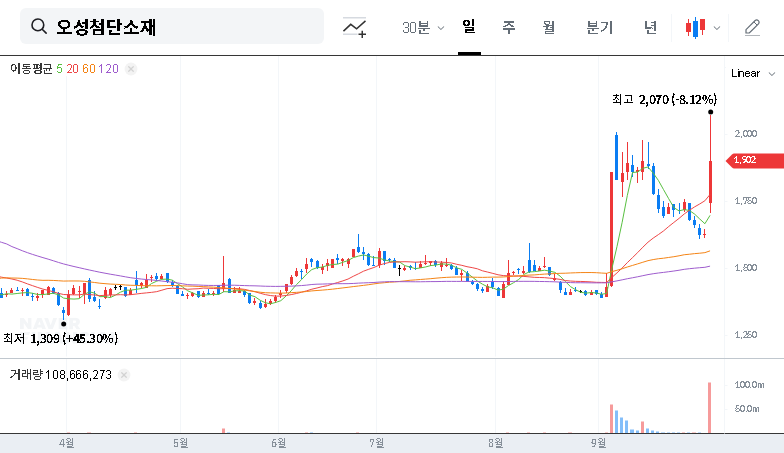
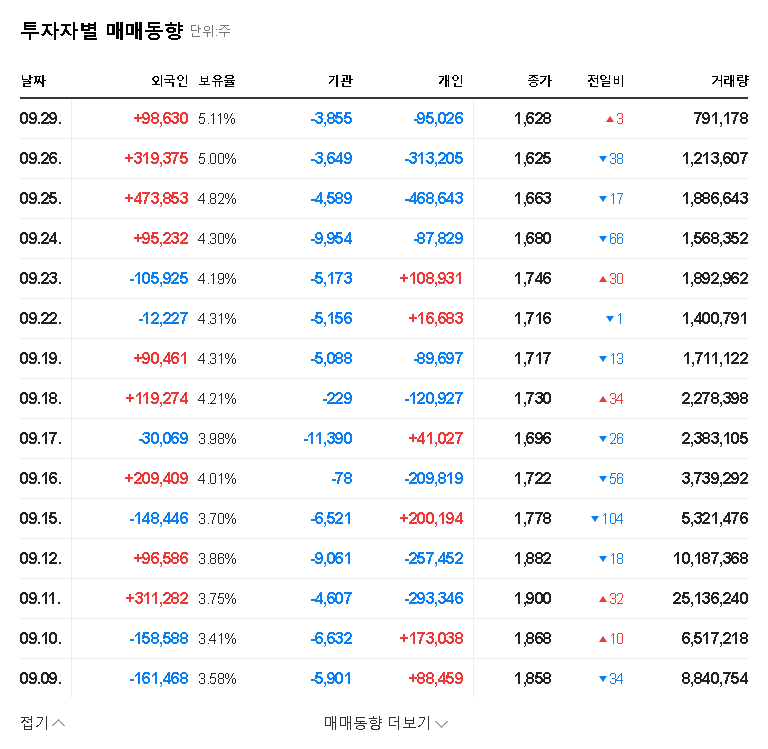
    The recent announcement regarding the Ohsung Advanced Materials CB issuance of KRW 10 billion in private convertible bonds has sent ripples through the investment community. This significant capital injection stands at a crossroads: is it a powerful catalyst that will propel the company into a new era of growth, or does it signal a looming threat of equity dilution for existing shareholders? For investors, understanding the nuances of this financial maneuver is critical.

    This comprehensive analysis goes beyond the surface-level announcement. We will dissect the strategic motivations behind the fundraising, evaluate the potential upsides, and weigh them against the inherent risks. By examining the terms of the deal, the company’s expansion plans—including the pivotal acquisition of Hwail Pharmaceutical—and the broader macroeconomic context, this article will provide you with the insights needed to form a clear and informed investment thesis on Ohsung Advanced Materials.

    The KRW 10 Billion CB Issuance at a Glance

    To understand the implications, we must first look at the core details of the deal. A convertible bond is a hybrid security that acts like a bond (paying interest) but can be converted into a predetermined number of common stock shares. Here are the essential terms for the Ohsung Advanced Materials CB issuance:

    • Issuer: Ohsung Advanced Materials Co., Ltd.
    • Total Size: KRW 10 billion
    • Coupon/Maturity Rate: 4% per annum, offering a modest yield to bondholders.
    • Conversion Price: KRW 1,715 per share. This is the price at which bondholders can convert their debt into equity.
    • Conversion Period: October 23, 2026, to September 23, 2028.
    • Lead Investor: Korea Bond Investment Management

    For complete, verified details, investors should always refer to the Official Disclosure (Source: DART).

    Strategic Intent: Fueling a Diversified Future

    This capital raise is not merely about shoring up the balance sheet; it’s a calculated move to finance a strategic pivot. The primary use of proceeds is earmarked for the acquisition of Hwail Pharmaceutical Co., Ltd., an initiative seen as a cornerstone for future growth. By entering the pharmaceutical space, Ohsung aims to diversify its revenue streams away from its traditional—and currently struggling—display material business.

    Furthermore, the funds will bolster the company’s financial stability. Management has been actively deleveraging, with the debt ratio falling from 17.15% in 2022 to a projected 7.90% in 2024. This CB issuance, with its relatively low 4% interest rate, allows the company to secure growth capital without taking on expensive bank debt, aligning with its strategy of prudent financial management.

    This is a classic growth-versus-risk scenario. The capital provides the fuel for transformative acquisitions, but the conversion feature means existing shareholders must be confident that the future value created will outweigh the potential dilution of their stake.

    Fundamental Impact Analysis: The Bull vs. Bear Case

    The Bull Case: Growth and Financial Fortitude

    • Accelerated Business Diversification: The funds are a direct enabler for expansion into promising sectors like pharmaceuticals (via Hwail Pharm), cannabis medical, and international logistics, creating new, potentially high-margin revenue streams.
    • Strengthened Financial Health: With KRW 10 billion in cash, the company enhances its liquidity and investment capacity. This financial cushion is vital for navigating the costly Post-Merger Integration (PMI) process with Hwail Pharm and weathering economic uncertainties.
    • Managed Dilution Risk: The conversion price of KRW 1,715 is set just below the recent stock price, suggesting confidence. A floor price of KRW 1,201 for conversion adjustments also provides a buffer, protecting investors from extreme dilution in a downturn.

    The Bear Case: Risks and Execution Uncertainty

    • Inevitable Shareholder Dilution: If the company succeeds and the stock price rises above KRW 1,715, bondholders will convert their debt to equity. This will increase the total number of shares outstanding, diluting the ownership stake of existing shareholders. This is a primary concern in any Ohsung Advanced Materials investment thesis.
    • New Business Uncertainty: Success in new ventures is not guaranteed. The cannabis medical field faces regulatory hurdles, real estate is cyclical, and integrating Hwail Pharm effectively presents significant execution risk. A failure to generate returns from these investments would leave the company with debt and a weakened core business.
    • Core Business Weakness: The company’s legacy display material business is struggling, with sales down approximately 45% year-on-year. If this core segment cannot be stabilized, its losses could negate any gains from the new ventures, placing further pressure on the company’s overall profitability.

    Investor Action Plan & Key Monitoring Points

    The Ohsung Advanced Materials CB issuance is a strategic bet on the future. While it strengthens the company’s ability to pursue transformative growth, investors must remain vigilant. A successful outcome depends entirely on management’s ability to execute its diversification strategy effectively. For more information on assessing company health, you can read our guide on Understanding Financial Statements for Investors.

    Moving forward, investors should closely monitor the following key areas:

    • Hwail Pharm Integration: Track reports on synergy realization and the financial impact of the PMI. Are cost savings being achieved? Is revenue growing as projected?
    • Core Business Performance: Look for signs of stabilization or a turnaround in the display material segment. Any improvement here would significantly de-risk the overall investment case.
    • New Venture Milestones: Demand tangible progress reports on the other new businesses. Are they hitting development or revenue milestones?
    • Market Reaction and Conversion: Monitor the stock price relative to the KRW 1,715 conversion price and keep an eye on disclosures related to bond conversions as the eligibility period begins.

    (052420) Ohsung Advanced Materials CB Issuance: A Deep Dive into Growth vs. Dilution Risk 관련 이미지
    (052420) Ohsung Advanced Materials CB Issuance: A Deep Dive into Growth vs. Dilution Risk 관련 이미지
  • (340810) Shisun AI Acquires Solk Holdings: A Deep-Dive Investment Analysis

    (340810) Shisun AI Acquires Solk Holdings: A Deep-Dive Investment Analysis

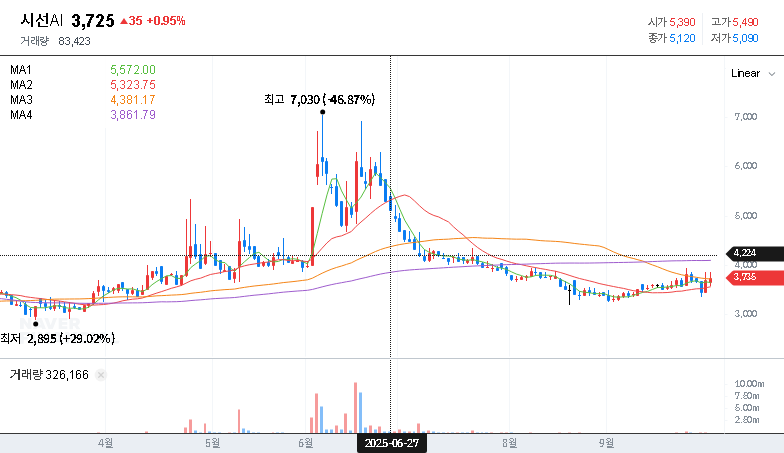
    (340810) Shisun AI Acquires Solk Holdings: A Deep-Dive Investment Analysis 대표 차트 이미지

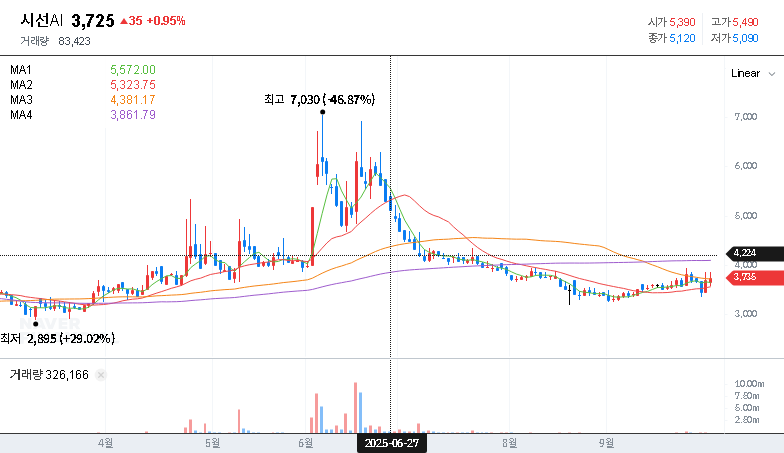
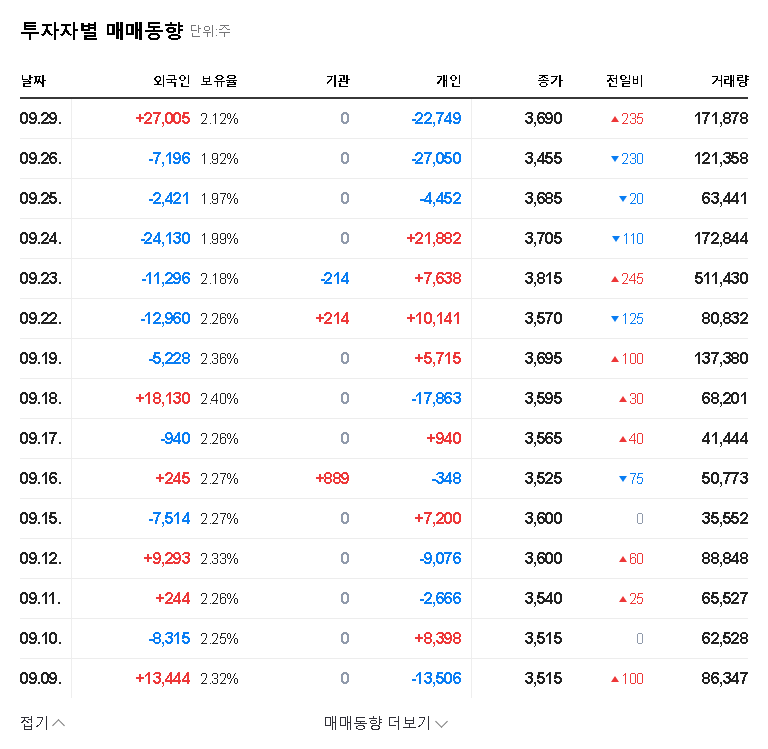
    In a significant strategic pivot, Shisun AI (340810), a company known for its advanced AI Vision technology, has officially announced it acquires Solk Holdings Co., Ltd., a financial investment firm. This move, representing a 99.9% stake acquisition, is a bold declaration of the company’s intent to pursue aggressive business diversification and discover new avenues for growth. But for investors, this raises critical questions: Is this the masterstroke that will solve Shisun AI’s financial woes, or is it a high-stakes gamble with an uncertain outcome? This comprehensive investment analysis will dissect the deal, explore the potential synergies, and outline a clear path forward for shareholders.

    The Landmark Deal: Shisun AI Acquires Solk Holdings

    On September 30, 2025, Shisun AI confirmed its decision to acquire a 99.90% stake in Solk Holdings for KRW 2 billion, with the transaction scheduled to be finalized on October 17, 2025. This effectively transforms Solk Holdings into a subsidiary of Shisun AI. The official filing for this event can be reviewed here: Official Disclosure (DART).

    Key details of the acquisition include:

    • Acquisition Amount: KRW 2 billion, which represents 8.38% of Shisun AI’s total capital.
    • Payment Method: A payment in kind for the company’s 6th series of convertible bonds. Crucially, this means no new cash was spent, preserving liquidity.
    • Stated Purpose: Business diversification and the pursuit of new growth engines.

    The ‘Why’: Unpacking Shisun AI’s Strategic Rationale

    While Shisun AI possesses a strong technological foundation in AI Vision, the company has been grappling with significant headwinds. These include declining sales in its core market, persistent operating losses, a heavy R&D cost burden, and a weakening financial structure amid fierce competition. The acquisition of Solk Holdings is a direct response to these challenges. It’s a strategic maneuver to graft a new, potentially profitable business line onto its existing structure, aiming to create new revenue streams and de-risk its dependency on the volatile tech sector.

    This acquisition is less about immediate technological synergy and more about financial engineering and portfolio diversification. The goal is to build a more resilient and financially stable enterprise for the long term.

    In-Depth Impact Analysis for Investors

    1. Business Diversification and Synergy Potential

    Solk Holdings operates squarely in the financial investment sector. In the short term, the direct synergy with AI Vision technology is limited. However, the long-term potential is intriguing. Shisun AI could leverage its AI expertise to develop fintech solutions, algorithmic trading models, or AI-powered risk analysis tools for Solk Holdings. Conversely, Solk’s financial acumen could help Shisun AI optimize its capital allocation and investment strategies. The concept of corporate synergy is central to the long-term success of this deal.

    2. Financial Structure and Performance Impact

    The use of convertible bonds for payment is a savvy move to avoid immediate cash burn, protecting Shisun AI’s liquidity. However, these bonds still represent future obligations and potential shareholder dilution if converted to equity. From this point forward, Solk Holdings’ financial results will be consolidated into Shisun AI’s reports. If Solk is profitable, it could immediately improve Shisun AI’s bottom line. Investors must now analyze two distinct business segments when evaluating the company’s overall health.

    3. Stock Price Outlook: The Bull vs. Bear Case

    • The Bull Case (Positive Outlook): The market rewards the diversification strategy. Solk Holdings proves to be a consistent revenue generator, easing the financial pressure on the AI division. Shisun AI successfully integrates its technology, creating a high-growth fintech arm, leading to a significant re-rating of the stock.
    • The Bear Case (Negative Outlook): Promised synergies fail to materialize. The financial investment business proves volatile or unprofitable, becoming a further drain on resources. The core AI Vision business continues to struggle, and the company’s focus becomes fractured, leading to investor uncertainty and a declining stock price.

    The market’s initial reaction will likely be cautious. The mid-to-long-term performance will be determined not by this announcement, but by the execution that follows.

    Investor Action Plan & Strategic Considerations

    For current and potential investors, a ‘wait and see’ approach is prudent, backed by diligent monitoring. Here is a checklist for evaluating the situation as it unfolds:

    • Scrutinize Financial Reports: Pay close attention to the next quarterly earnings to see Solk Holdings’ initial contribution to revenue and profitability.
    • Monitor Management Commentary: Listen for concrete plans and milestones regarding synergy and integration between the two businesses.
    • Assess Core Business Health: Don’t lose sight of the AI Vision segment. A turnaround here is still critical for long-term value creation.
    • Understand the Risks: Familiarize yourself with the terms of the convertible bonds and the potential for future dilution. Learn more about how to properly analyze a corporate acquisition.

    Conclusion: Shisun AI’s acquisition of Solk Holdings is a defining moment. It’s a calculated risk to overhaul its business model in search of stability and growth. While the potential for value creation exists, the path is fraught with challenges. Cautious optimism and rigorous due diligence are the best tools for any investor navigating this new chapter for Shisun AI.

    (340810) Shisun AI Acquires Solk Holdings: A Deep-Dive Investment Analysis 관련 이미지
    (340810) Shisun AI Acquires Solk Holdings: A Deep-Dive Investment Analysis 관련 이미지
  • (179530) AddBiotech Stock Analysis: Will the Tech Value-up Fund’s 6.46% Stake Drive Growth?

    (179530) AddBiotech Stock Analysis: Will the Tech Value-up Fund’s 6.46% Stake Drive Growth?

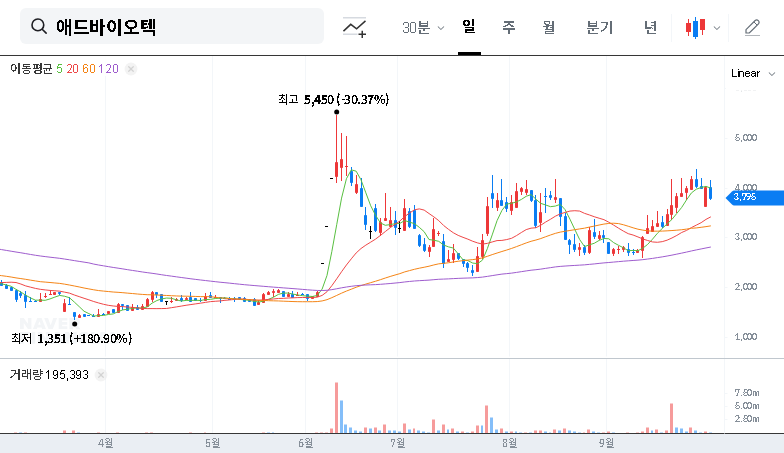
    (179530) AddBiotech Stock Analysis: Will the Tech Value-up Fund's 6.46% Stake Drive Growth? 대표 차트 이미지

    A significant development recently caught the market’s attention concerning AddBiotech stock (179530). The ‘Tech Value-up Fund’ has officially disclosed a new stake of over 6% in the company. While the filing claims this is a ‘simple investment,’ seasoned investors know that such moves are rarely simple. This analysis will dissect the implications of this major shareholding change, dive deep into AddBiotech’s 2025 half-year report, and map out what this means for the company’s future and its stock price.

    Is this a vote of confidence signaling a turnaround, or is the fund merely positioning itself before more turbulence? Let’s explore the critical data points and strategic considerations that every current and potential investor needs to understand.

    The Event: Tech Value-up Fund Takes a Significant Position

    On September 30, 2025, a public disclosure confirmed that the ‘Tech Value-up Fund’ acquired a 6.46% stake in AddBiotech, crossing the crucial 5% threshold for mandatory reporting. The official purpose cited for the acquisition was ‘simple investment’. You can view the complete filing here: Official Disclosure (Source).

    While labeled a ‘simple investment,’ a stake of this size grants the fund significant influence. Historically, ‘Value-up’ funds often transition from passive investors to active participants, advocating for changes to unlock shareholder value.

    Deep Dive: AddBiotech Analysis via the 2025 Half-Year Report

    The fund’s decision was undoubtedly based on a meticulous review of AddBiotech’s financial health and future prospects. The 2025 H1 report reveals a company at a crossroads, with clear strengths overshadowed by significant challenges.

    The Silver Lining: Core Business Resilience

    Despite a challenging macroeconomic environment, AddBiotech’s core operations show promise:

    • Animal Pharmaceutical Growth: Even with a 41.24% decrease in overall revenue, the core animal pharmaceutical division grew sales by an impressive 30.35%. This indicates strong product-market fit and competitiveness.
    • Global Expansion: An increasing proportion of sales from overseas markets is a positive sign, diversifying revenue streams and reducing domestic market dependency.
    • Future-Focused Investment: Continued spending on R&D and tangible assets signals a commitment to long-term growth, though these investments have yet to yield tangible results.

    The Storm Clouds: Financial Instability and Profitability Woes

    However, the balance sheet reveals serious concerns that likely give investors pause:

    • Deteriorating Profitability: A sharp rise in administrative expenses and financial costs from convertible bonds has led to widening operating losses.
    • Massive Debt Ratio: The company’s debt ratio has skyrocketed to a worrying 877.68%, primarily driven by convertible bonds. This level of debt raises serious questions about financial solvency. For more on this topic, see this high-authority guide on understanding convertible bonds.
    • Management Uncertainty: A pending CEO management rights transfer agreement introduces unpredictability into the company’s future strategic direction.

    What This Means for the AddBiotech Stock Price

    The market’s reaction will likely be a tug-of-war between the positive signal of the fund’s investment and the company’s weak fundamentals.

    • Short-Term Outlook: In the short term, the news can create positive momentum. The involvement of a ‘Value-up’ fund often generates speculative interest, which could provide a temporary lift to the AddBiotech stock price.
    • Mid-to-Long-Term Outlook: Over time, the stock’s performance will depend entirely on tangible improvements. The market will be watching to see if the fund actively engages with management to fix the balance sheet, cut unnecessary costs, and improve profitability. The ‘simple investment’ tag could evolve into a more active, hands-on role to protect and grow their investment.

    Investment Strategy: A Neutral Stance with Cautious Optimism

    Given the conflicting signals, a ‘Neutral’ stance on AddBiotech stock is prudent. This is a high-risk, potentially high-reward situation that requires careful monitoring. Investors should approach with caution and watch for developments in these key areas:

    • Fund’s Activity: Monitor any further disclosures or statements from the Tech Value-up Fund. Are they increasing their stake? Are they pushing for board seats?
    • Profitability Metrics: Look for any signs of improvement in operating margins and a reduction in net losses in the next quarterly report.
    • Debt Management: Any strategy announced to address the massive 877.68% debt ratio would be a significant positive catalyst.
    • New Leadership: Clarity on the new CEO’s vision and their plan to right the ship is crucial.

    For those interested in this sector, you may also want to review Our Guide to Analyzing Biotech Stocks for broader context. The journey for AddBiotech stock is far from certain, but the new presence of a major institutional investor has undeniably made it a story worth watching.

    Disclaimer: This analysis is for informational purposes only and does not constitute investment advice. All investment decisions should be made with the consultation of a qualified financial advisor.

    (179530) AddBiotech Stock Analysis: Will the Tech Value-up Fund's 6.46% Stake Drive Growth? 관련 이미지
  • (340810) Sinsun AI Stock Forecast 2025: Sell Signal? Deep Dive into 84% Revenue Crash & Bond Deal

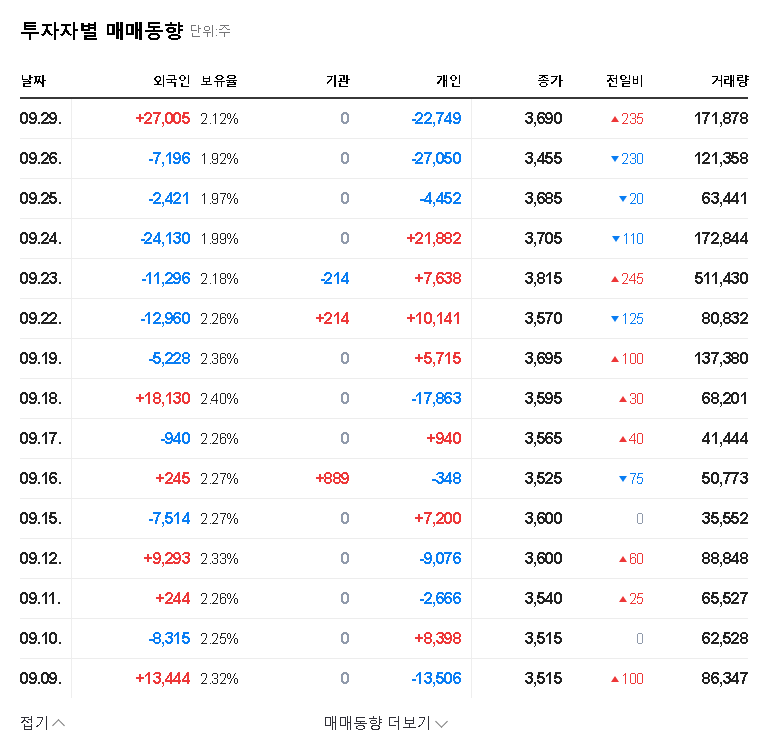
    (340810) Sinsun AI Stock Forecast 2025: Sell Signal? Deep Dive into 84% Revenue Crash & Bond Deal 대표 차트 이미지

    This comprehensive Sinsun AI stock forecast delves into the recent contradictory news surrounding Sinsun AI (340810), leaving many investors at a crossroads. On one hand, the company reported a catastrophic 84.5% revenue plunge. On the other, a new institutional investor, Synergy IB Investment, has emerged, acquiring a significant stake through convertible bonds. Is this a sign of an impending turnaround or a deepening crisis? Our detailed Sinsun AI analysis will dissect the company’s fundamentals, the macroeconomic pressures, and the true implications of these events to provide a clear investment strategy.

    At a glance: Sinsun AI is facing a severe liquidity crisis marked by plummeting revenue and sustained operating losses. While long-term growth initiatives are underway, the immediate financial instability presents a significant risk to shareholders, making a cautious approach paramount.

    The Financial Abyss: A Deep Dive into Sinsun AI’s H1 2025 Report

    The first half of 2025 painted a grim picture for Sinsun AI’s financial health. The most alarming figure was the staggering 84.5% year-on-year decline in revenue, which fell to just 2.225 billion KRW. This collapse is primarily attributed to a sharp contraction in major sales channels and significant underperformance in its core AI facial recognition system division. Compounding the issue, selling, general, and administrative (SG&A) expenses remained stubbornly high, resulting in a substantial operating loss of 6.951 billion KRW. This continued cash burn raises serious questions about the company’s short-term viability without external capital infusion.

    The Bull vs. Bear Case: Future Growth vs. Current Reality

    To understand the full picture of the Sinsun AI stock, we must weigh its ambitious growth plans against its dire financial state.

    The Bear Case: Overwhelming Negative Factors

    • Revenue Collapse: The dramatic drop in sales threatens the company’s core operational stability.
    • Persistent Losses: Continued large operating losses are draining cash reserves at an unsustainable rate.
    • Weakening Order Book: A significant decrease in the order backlog signals that revenue headwinds may continue into the coming quarters.
    • Debt Burden: The issuance and potential conversion of convertible bonds could further strain finances and dilute shareholder equity, a major concern for the 340810 stock.

    The Bull Case: Seeds of a Potential Turnaround

    • Strategic Diversification: Sinsun AI is actively expanding into high-growth sectors like AI-based medical solutions, visual data tech, and medical imaging, which could become future revenue drivers.
    • Focused Robotics Division: The establishment of a subsidiary, Uon Robotics Co., Ltd., aims to enhance specialization and operational efficiency in the robotics business.
    • Commitment to R&D: A notable increase in R&D spending as a percentage of expenses shows a strong commitment to technological innovation.
    • Proven Technology: The company maintains world-class technological prowess, consistently achieving top-tier results in prestigious certifications like the NIST FRVT.

    The Convertible Bonds Deal: Lifeline or Illusion?

    On September 29, 2025, Synergy IB Investment acquired a 6.00% stake in Sinsun AI via its 5th series convertible bonds. This development was confirmed in an Official Disclosure filed with DART. While this news might seem like a vote of confidence, it’s crucial to understand the nuances. The filing states a ‘simple investment purpose,’ which limits its positive interpretation. The primary concern is that these bonds can be converted into common stock, leading to a dilution of value for existing shareholders—a risk magnified by the company’s precarious financial standing. This move is more likely a speculative play on short-term volatility than a long-term strategic partnership, a scenario we’ve seen in our analysis of other tech stocks facing similar challenges.

    Investment Recommendation: Sell / Active Weight Reduction

    Given the overwhelming fundamental weaknesses, our Sinsun AI stock forecast concludes with a ‘Sell’ or ‘Active Weight Reduction’ recommendation. The severe revenue decline and operating losses present immediate, existential threats that long-term growth prospects cannot currently offset. The macroeconomic environment, with rising interest rates and unfavorable exchange rates, adds further pressure. While speculative trading might be possible on short-term news, it carries an exceptionally high degree of risk. For long-term investors, a highly cautious approach is essential until concrete signs of a fundamental turnaround emerge.

    Key Indicators to Monitor for a Potential Reversal

    Investors should closely watch the following metrics for any signs of improvement before reconsidering a position in Sinsun AI:

    • Revenue Recovery: A clear, sustained upward trend in sales from core business areas.
    • New Business Monetization: Tangible revenue and profit contributions from the new medical and robotics ventures.
    • Path to Profitability: Significant improvement in operating profit margins.
    • Order Book Growth: An increase in new orders and a growing backlog, as reported by outlets like Reuters.

    (340810) Sinsun AI Stock Forecast 2025: Sell Signal? Deep Dive into 84% Revenue Crash & Bond Deal 관련 이미지
    (340810) Sinsun AI Stock Forecast 2025: Sell Signal? Deep Dive into 84% Revenue Crash & Bond Deal 관련 이미지
  • (340360) Dabolink Investment Warning (340360): A Deep-Dive Financial Analysis

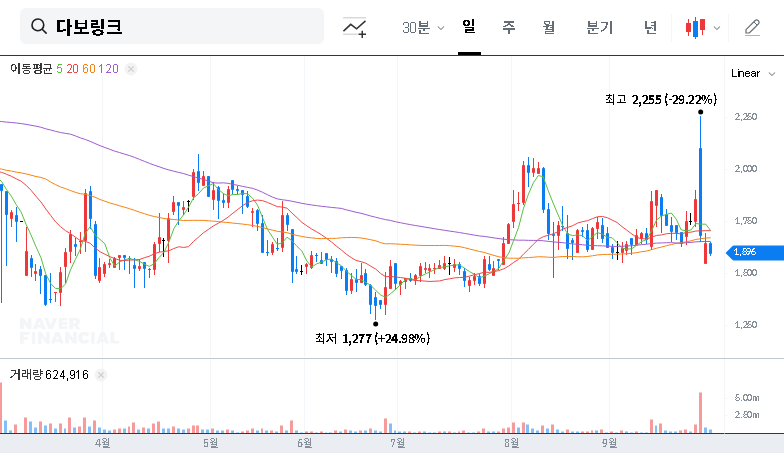
    (340360) Dabolink Investment Warning (340360): A Deep-Dive Financial Analysis 대표 차트 이미지

    The landscape for any Dabolink investment has become significantly more perilous. A recent disclosure from its largest shareholder, Terrascience, coupled with a dire financial report, signals deep-seated issues within the company (ticker: 340360). While the shareholder’s equity adjustment seems minor on the surface, it acts as a catalyst, drawing urgent attention to Dabolink’s crumbling financial foundation.

    This comprehensive Dabolink financial analysis will dissect the official disclosures, unpack the alarming metrics from its latest business report, and provide a clear, actionable investment thesis for anyone considering this high-risk stock. We’ll explore what the Terrascience shareholding change truly means in this context and why it serves as a potential Dabolink stock warning.

    In situations of extreme financial distress, even the smallest change from a major shareholder can be the tip of the iceberg, revealing much larger, submerged risks. For Dabolink, this appears to be the case.

    The Terrascience Shareholding Adjustment: A Minor Change, A Major Signal

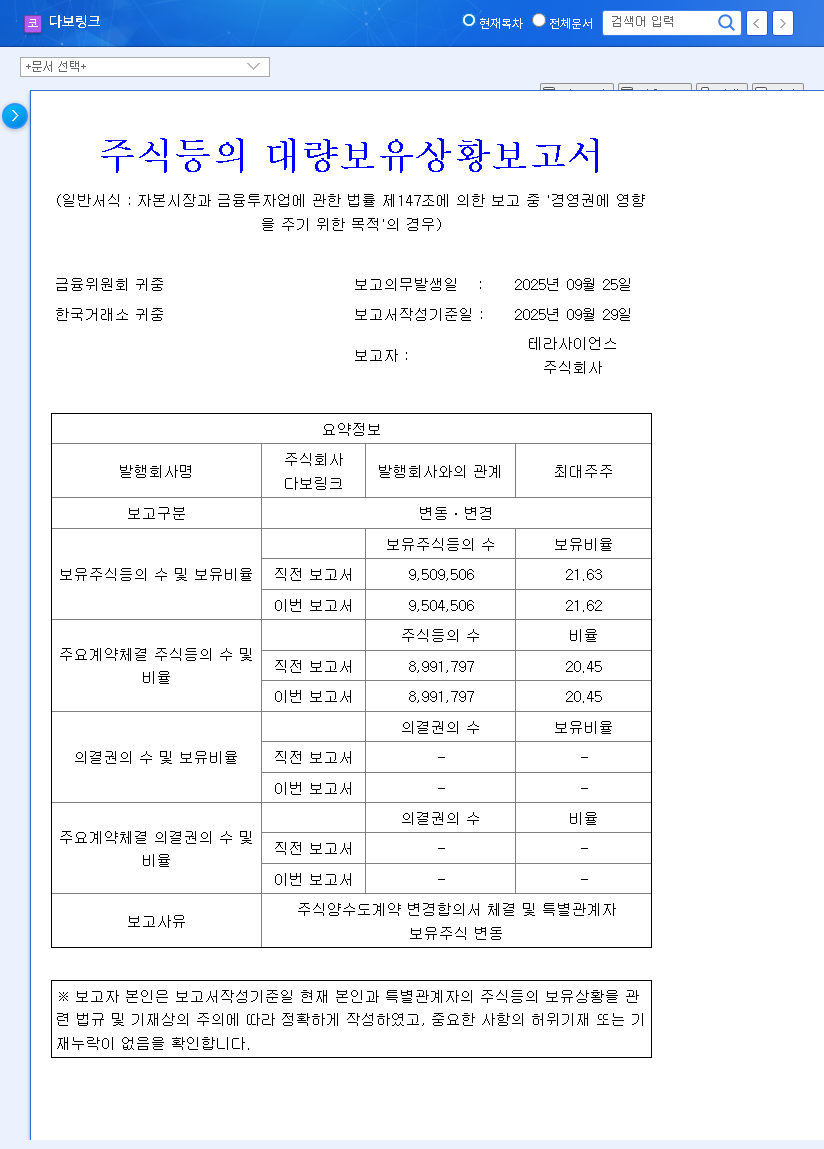
    On September 29, 2025, Terrascience reported a minute decrease in its Dabolink holdings, from 21.63% down to 21.62%—a change of just 0.01%. According to the Official Disclosure (Source: DART), this was attributed to contract amendments and other minor fluctuations. Ordinarily, such a small shift would be insignificant. However, when viewed against the backdrop of Dabolink’s severe financial deterioration, it raises critical questions about shareholder confidence and potential future moves.

    Investors must not dismiss this event. It forces a closer look at the company’s fundamentals, which, upon inspection, reveal a company in crisis. The timing of this disclosure magnifies its importance, acting as a red flag for the market.

    Dabolink Financial Analysis: A Company on the Brink

    The restated Q1 2025 business report paints a bleak picture of Dabolink’s health. The numbers are not just poor; they are indicative of a severe and escalating crisis that threatens the company’s solvency and makes any Dabolink investment exceptionally risky.

    1. Catastrophic Financial Health Indicators

    • Skyrocketing Debt-to-Equity Ratio: The company’s debt-to-equity ratio has exploded from a high 151% to an alarming 546%. This indicates that the company is overwhelmingly financed by debt, placing it in an extremely precarious position. To learn more about this crucial metric, you can review this guide on the debt-to-equity ratio from Investopedia.
    • Widening Net Losses: Profitability is not just weak; it’s deteriorating rapidly, with net losses expanding and eating into the company’s equity base.
    • Shrinking Total Equity: The combination of losses and reclassification of convertible bond liabilities has eroded shareholder equity, further destabilizing the company’s financial structure.

    2. Collapsing Operational Performance

    The company’s core business operations are failing. Q1 2024 revenue fell by nearly 22% year-over-year. Worse, what was once an operating profit has now swung to a significant operating loss, fueled by declining sales and rising administrative costs. This demonstrates an inability to control expenses or generate sufficient demand, a fatal combination for any business.

    3. The Ticking Time Bomb: Convertible Bonds and Derivatives

    Perhaps the most severe Dabolink stock warning comes from its financing activities. The company’s issuance of convertible bonds has ballooned from roughly KRW 736 million to a staggering KRW 17.9 billion. These instruments pose two major threats:

    • Future Share Dilution: If these bonds are converted to equity, it will massively dilute the value for existing shareholders.
    • Massive Derivatives Losses: Dabolink has already realized astronomical derivatives-related losses totaling over KRW 65 billion (KRW 25.6B in disposal and KRW 40.3B in valuation losses). This isn’t a one-time event but a structural risk that will continue to plague its financial statements.

    Investment Strategy: A Prudent Action Plan for Dabolink Stock

    Given the overwhelming negative factors, the investment thesis for Dabolink (340360) is clear. The combined impact of the Terrascience shareholding news and the abysmal fundamentals creates a toxic environment for investors. For those considering a Dabolink investment, extreme caution is paramount. You can read our guide on analyzing high-risk stocks for more information.

    Overall Recommendation: ‘Sell’ or ‘Avoid’

    In the short-term, there are no visible catalysts for positive momentum. The stock price is highly susceptible to further downward pressure as the market digests this negative information. In the long-term, while new technologies could offer a lifeline, the company’s current financial distress makes it highly uncertain whether it can survive long enough to capitalize on them.

    Key Investor Takeaways

    • Monitor Shareholder Activity: Keep a close eye on any further moves by Terrascience or other major stakeholders.
    • Scrutinize Financial Reports: Demand tangible proof of a turnaround, such as debt reduction and a return to operating profitability, before considering any investment.
    • Understand Dilution Risk: Be fully aware of the outstanding convertible bonds and the severe dilution risk they represent.

    In conclusion, Dabolink represents a very high-risk investment profile. The combination of fundamental weakness and concerning shareholder signals suggests that capital is better protected and deployed elsewhere.

    (340360) Dabolink Investment Warning (340360): A Deep-Dive Financial Analysis 관련 이미지
    (340360) Dabolink Investment Warning (340360): A Deep-Dive Financial Analysis 관련 이미지
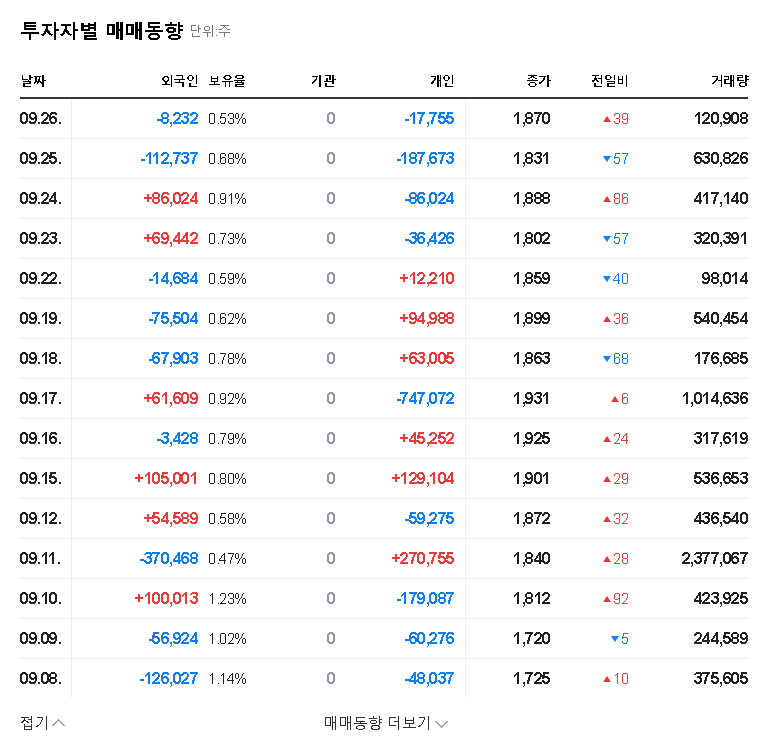
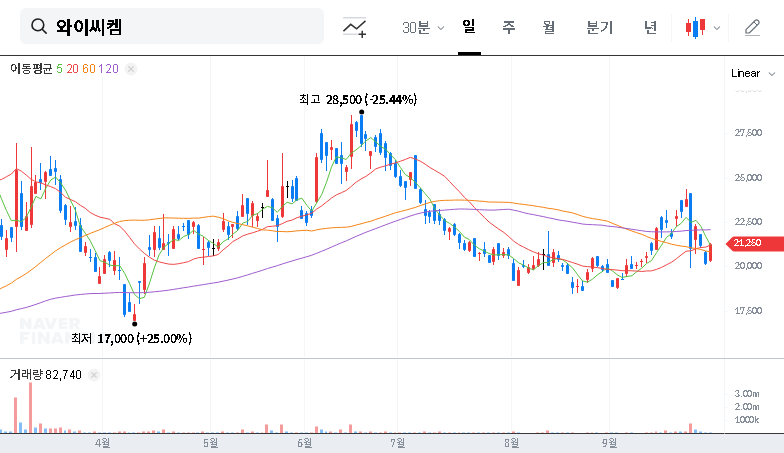
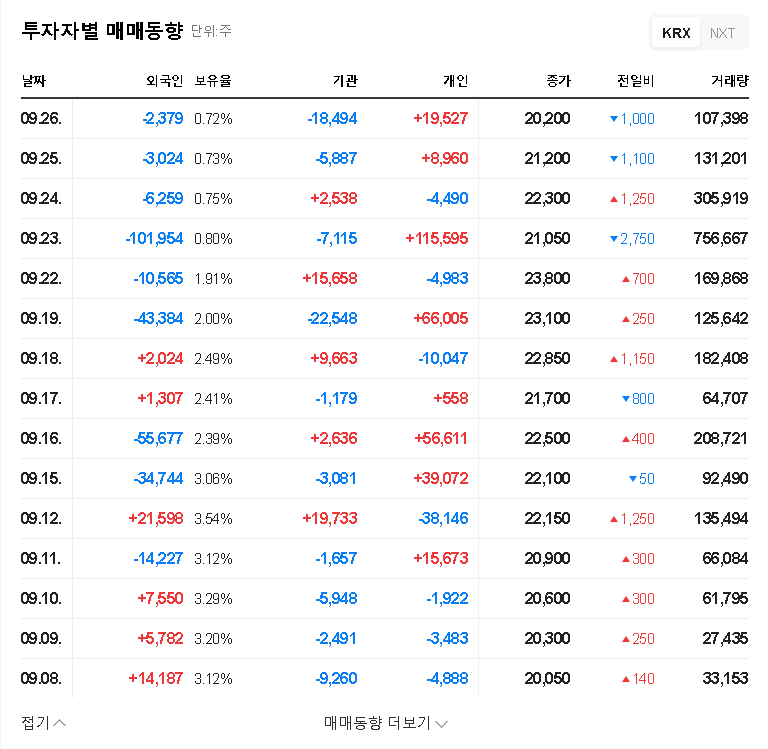
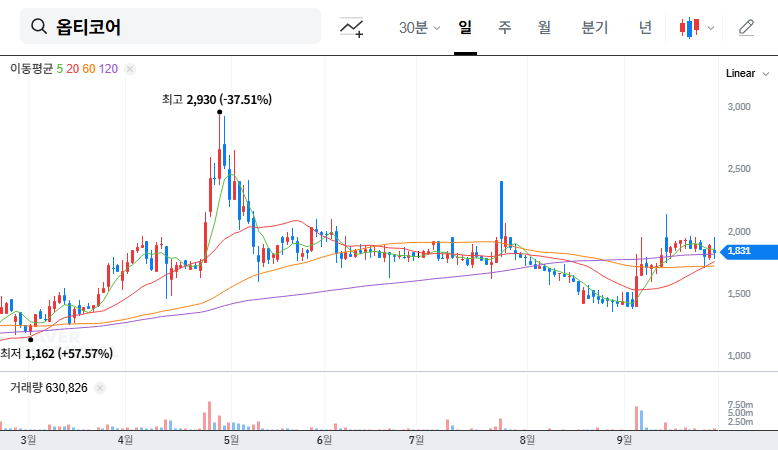
  • (380540) Opticore Convertible Bond Issuance: A Deep Dive for Investors on Stock Price & Share Dilution

    (380540) Opticore Convertible Bond Issuance: A Deep Dive for Investors on Stock Price & Share Dilution 대표 차트 이미지

    The recent Opticore convertible bond issuance has sent ripples through the investment community. The company announced its decision to issue KRW 9 billion in convertible bonds (CBs) to secure vital capital for future growth engines. While this move signals confidence and provides necessary funding, it also introduces the critical risk of share dilution for existing stockholders. This comprehensive analysis will explore the nuances of this financial maneuver, its potential impact on the Opticore stock price, and offer a strategic outlook for investors.

    We will dissect the issuance details, weigh the pros and cons, and provide a forecast for both short-term and long-term price direction, helping you make an informed investment decision.

    First, What Are Convertible Bonds?

    Before diving into Opticore’s specifics, it’s essential to understand the instrument at play. Convertible bonds are a hybrid security, acting initially as a standard bond that pays interest to the holder. However, they carry a unique feature: the option to convert the bond into a predetermined number of the issuing company’s common shares at a specific price. This offers investors the safety of a bond with the potential upside of a stock. Learn more about convertible bonds from a trusted financial source.

    In essence, it’s a loan to the company that can later be swapped for ownership (stock). This flexibility makes it an attractive, albeit complex, fundraising tool.

    Dissecting the Opticore Convertible Bond Issuance

    Opticore is raising KRW 9 billion through a private placement to fund its operations and critical Research & Development (R&D) initiatives. Here are the key details from the official filing. For a complete breakdown, investors can review the Official Disclosure on the DART system.

    • Issuance Amount: KRW 9 billion
    • Conversion Price: KRW 1,847 (Slightly below the current stock price of KRW 1,891, increasing conversion likelihood)
    • Interest Rates: 2.0% coupon rate, 7.0% yield-to-maturity (YTM)
    • Conversion Period: From October 13, 2026, to September 13, 2028
    • Key Investors: A consortium of institutional investors including Baro Savings Bank, Korea Investment & Securities, and JC Asset Management.

    The Double-Edged Sword: Growth vs. Dilution

    This fundraising move presents both significant opportunities and notable risks for the company and its shareholders.

    The Upside: Fueling Future Growth in AI and 6G

    The primary positive takeaway is Opticore’s proactive stance on securing its future. Amid declining revenue in its core business, this capital injection is earmarked for R&D in high-growth sectors like Artificial Intelligence (AI) and the coming 6G era. Securing this funding, especially from reputable institutional investors, demonstrates a strong commitment to innovation and enhances short-term financial stability.

    The Downside: Understanding Share Dilution and Financial Burden

    The most significant risk is share dilution. When these bonds are converted, new shares are created. This increases the total number of outstanding shares, meaning each existing share represents a smaller percentage of the company. It’s like cutting a pizza into more slices; each slice becomes smaller. This can negatively impact metrics like Earnings Per Share (EPS), a key factor in stock valuation. To learn more, read our guide on Understanding Key Financial Metrics for Investors.

    Additionally, the bond’s interest payments add a direct financial burden, and the increased debt raises the company’s financial leverage, which could be a concern if the investments do not yield profitable returns promptly.

    Stock Price Forecast: Short-Term Pain for Long-Term Gain?

    Short-Term Outlook: Navigating Investor Sentiment

    In the short term, the market is likely to focus on the negatives. The overhang of potential share dilution can suppress investor sentiment. Traders may price in the risk of an increased share count, potentially leading to downward pressure or sideways movement in the Opticore stock price. The positive news of the funding may be overshadowed by these immediate concerns.

    Mid-to-Long-Term Outlook: The Bet on Innovation

    The long-term trajectory of Opticore’s stock will be determined by one thing: execution. The success or failure of the R&D and new business ventures funded by this KRW 9 billion will be the ultimate catalyst. If Opticore can develop and commercialize new technologies in AI and 6G, it could create substantial new revenue streams, improve fundamentals, and drive the stock price significantly higher, far outweighing the initial dilution. Conversely, if these investments fail to materialize, the company will be left with a heavier debt load and a diluted shareholder base, a recipe for poor stock performance.

    A Strategic Investment Blueprint

    Given the dual nature of the Opticore convertible bond issuance, a prudent investment strategy is required.

    • Monitor for Progress: Keep a close eye on company announcements regarding its R&D progress, partnerships, and new product timelines. Tangible results are the key to long-term value creation.
    • Assess Short-Term Volatility: Be prepared for price fluctuations in the near term. A cautious approach is warranted until the market digests the full impact of the potential dilution.
    • Evaluate the Macro Environment: Factors like interest rates and market liquidity will influence both Opticore’s financing costs and overall investor appetite for growth stocks.

    In conclusion, Opticore’s convertible bond issuance is a calculated risk. It’s a strategic pivot towards future technologies, financed in a way that presents both a challenge and an opportunity for investors. The ultimate verdict on whether this was a smart move will be written in the company’s performance over the coming years.

    (380540) Opticore Convertible Bond Issuance: A Deep Dive for Investors on Stock Price & Share Dilution 관련 이미지
    (380540) Opticore Convertible Bond Issuance: A Deep Dive for Investors on Stock Price & Share Dilution 관련 이미지
  • (112290) Y.C.Chem Convertible Bond (112290): Dilution Risk or Growth Catalyst?

    (112290) Y.C.Chem Convertible Bond (112290): Dilution Risk or Growth Catalyst? 대표 차트 이미지


    The recent announcement of the Y.C.Chem convertible bond issuance has sent ripples through the investment community. Y.C.Chem (112290), a key player in semiconductor materials, has confirmed its plan to raise 11 billion KRW through private placement convertible bonds (CBs). This move presents a critical dilemma for current and potential investors: is this a precursor to significant stock dilution that will harm shareholder value, or is it a strategic masterstroke to fund the next wave of growth in high-demand sectors like High Bandwidth Memory (HBM)?

    This comprehensive analysis will dissect the issuance, weigh the short-term risks against the long-term potential, and provide a clear framework for what investors should monitor moving forward.

    Breaking Down the Y.C.Chem Convertible Bond Issuance

    On September 29, 2025, Y.C.Chem officially disclosed its decision to issue the 11 billion KRW in CBs. For a full breakdown, you can view the Official Disclosure (DART). The market’s attention is fixated on several key details:

    • Issuance Amount: 11 billion KRW via private placement.
    • Key Dates: Announced on Sept 29, 2025, with payment due Oct 14, 2025.
    • Investor Terms: A 0.0% coupon rate (zero-coupon) but a 4.5% maturity yield.
    • The Critical Disparity: A staggering gap between the current stock price (around 824 KRW) and the conversion price of 21,093 KRW.

    This massive difference between the market price and the conversion price is the primary source of investor anxiety, as it implies a future flood of new shares at a price far above the current valuation if conversion becomes possible.

    The Two Sides of the Coin: Dilution vs. Strategic Growth

    The Bear Case: The Threat of Stock Dilution

    The most immediate concern is stock dilution. When these convertible bonds are eventually converted into common stock, the total number of outstanding shares increases. This means each existing share represents a smaller percentage of ownership, potentially reducing its value. Given the conversion price of 21,093 KRW, if the stock price ever reaches that level, bondholders will have a massive incentive to convert. This overhang—the market’s awareness of potential future share issuance—can put significant downward pressure on the stock price in the short to medium term. For more on this topic, see this excellent explanation of convertible bonds from Investopedia.

    The Bull Case: Fueling the Future Growth Engine

    Conversely, this fundraising could be a pivotal strategic move. Y.C.Chem’s financial reports highlight a strong commitment to R&D. The 11 billion KRW is likely earmarked for high-growth initiatives that could redefine the company’s future. The primary target appears to be the localization of advanced materials like TSV photoresist, a critical component in HBM manufacturing. Successfully capturing a piece of this market could generate revenue far exceeding the dilutive effects of the Y.C.Chem convertible bond. The capital could be used for:

    • R&D Investment: Fast-tracking the development and commercialization of new technologies.
    • Facility Expansion: Building out production capacity to meet anticipated demand.
    • Working Capital: Ensuring operational liquidity during a period of aggressive expansion.

    A Savvy Investor’s Action Plan

    The direction of Y.C.Chem’s stock will ultimately depend on management’s execution. A cautious but watchful approach is warranted. Here are the key factors to monitor:

    1. Track the Use of Funds

    The most critical task is to follow the money. Look for specific company announcements, quarterly reports, and investor calls detailing how the 11 billion KRW is being deployed. Are there tangible results, such as new patents, client contracts for HBM materials, or successful production line tests? Vague promises are a red flag; concrete progress is the key to long-term value creation.

    2. Monitor Financial Health and Performance

    While the issuance increases debt, Y.C.Chem entered this with a very low debt ratio of just 7.90%, providing significant financial flexibility. However, it’s crucial to monitor if the company can reverse its 2024 performance slump and show improved profitability in 2025. You can learn more by reading our guide on how to analyze semiconductor stocks. Strong revenue growth is the best antidote to dilution fears.

    3. Watch Macroeconomic and Industry Trends

    The semiconductor market is notoriously cyclical. Keep an eye on global demand, supply chain issues, interest rates, and currency fluctuations. A rising tide in the semiconductor industry could lift Y.C.Chem’s stock price, making the conversion price target more attainable and validating the company’s growth strategy.

    In conclusion, the Y.C.Chem convertible bond is a high-stakes gamble on the company’s future. While short-term pain from dilution concerns is likely, the long-term prize could be substantial if the capital is used effectively to pioneer new technologies. Informed investors must remain vigilant and base their decisions on the company’s execution, not just its promises.


    (112290) Y.C.Chem Convertible Bond (112290): Dilution Risk or Growth Catalyst? 관련 이미지
    (112290) Y.C.Chem Convertible Bond (112290): Dilution Risk or Growth Catalyst? 관련 이미지


  • Opticore Stock Forecast: Major Shareholder Divestment – What Investors Need to Know


    Opticore Stock Forecast: Major Shareholder Divestment - What Investors Need to Know 대표 차트 이미지


    1. What Happened? : Analysis of Opticore’s Stake Divestment

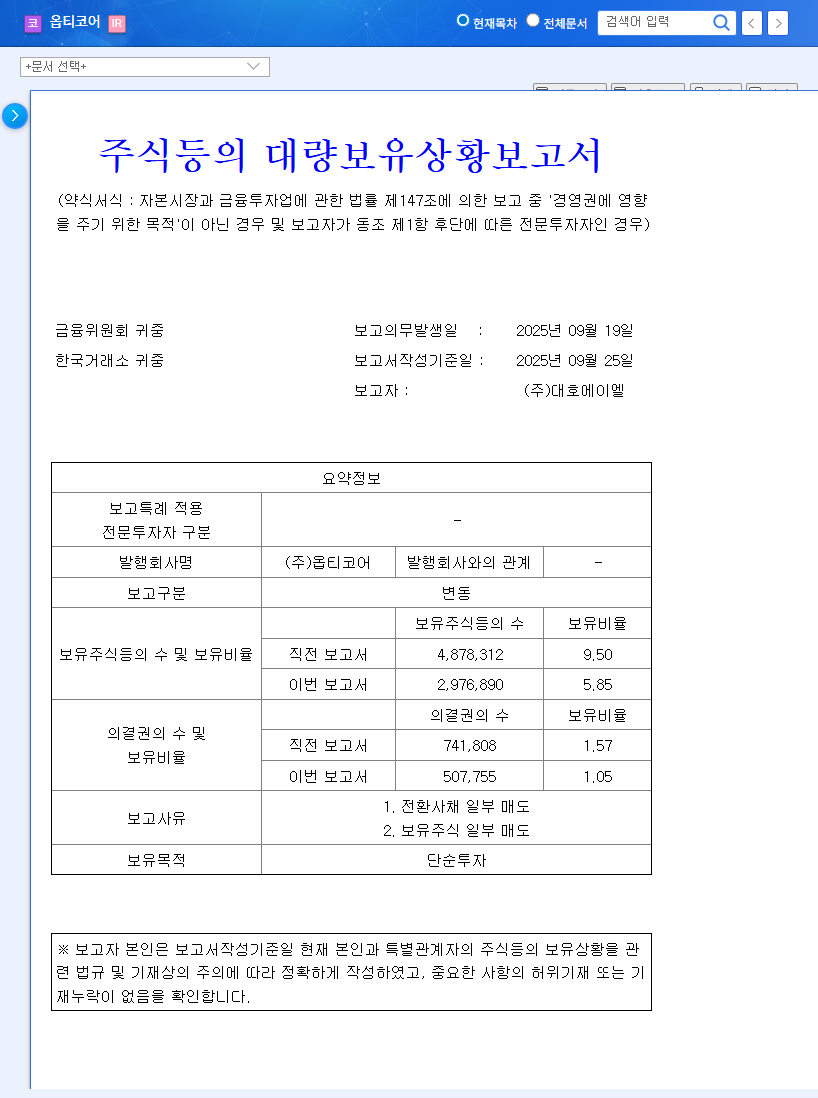
    Daeho AL, Opticore’s largest shareholder, reduced its stake from 9.50% to 5.85% through the sale of convertible bonds and a portion of its held shares. This has created considerable market shock, and investors are expressing concerns about the future stock price trajectory.

    2. Why Did This Happen? : Background of the Divestment and Investor Sentiment Analysis

    The stated reasons for the sale are ‘partial sale of convertible bonds’ and ‘partial sale of held shares’, which are somewhat general. This uncertainty contributes to a decline in investor confidence. Especially considering Opticore’s challenging business environment (declining sales, widening operating losses, increasing financial burden, etc.), this stake sale is likely to be interpreted as a negative signal.

    3. So, What Happens to the Stock Price? : Opticore Stock Forecast and Volatility Analysis

    In the short term, Opticore’s stock price is expected to face downward pressure. The possibility of a large volume of sell-offs can amplify short-term stock price volatility. However, there’s a chance that the market has already partially factored in the potential stake sale. The future stock price trend will depend on further sell-offs, changes in Daeho AL’s remaining stake, and Opticore’s fundamental improvements.

    4. What Should Investors Do? : Investment Strategy and Precautions

    • Be aware of short-term stock price volatility.
    • Closely monitor the company’s business outlook and improvements in its financial status.
    • Pay attention to additional information disclosures and changes in market conditions.


    Frequently Asked Questions (FAQ)

    How will Opticore’s major shareholder’s stake sale affect the stock price?

    In the short term, it’s likely to put downward pressure on the stock price. Declining investor sentiment and sell-offs can burden the stock price.

    Should I invest in Opticore now?

    Investment decisions should be made carefully. Consider the company’s fundamentals, future business prospects, and market conditions comprehensively before making any investment decisions. Be cautious of short-term stock price volatility.

    What is the outlook for Opticore?

    The outlook will depend on factors such as further stake sales by Daeho AL and the company’s efforts to improve its fundamentals. Close monitoring is necessary.


    Opticore Stock Forecast: Major Shareholder Divestment - What Investors Need to Know 관련 이미지
    Opticore Stock Forecast: Major Shareholder Divestment - What Investors Need to Know 관련 이미지


  • UTI’s ₩5.2B Treasury Stock Disposal: Investment Strategies?


    UTI's ₩5.2B Treasury Stock Disposal: Investment Strategies? 대표 차트 이미지


    UTI’s Treasury Stock Disposal: What Happened?

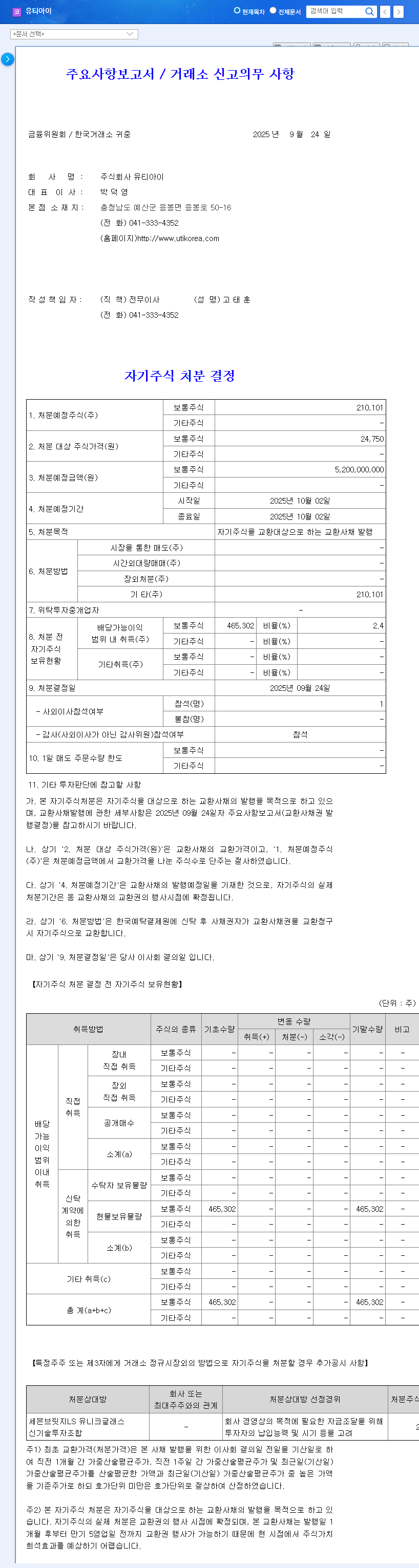
    On September 24, 2025, UTI decided to dispose of 210,101 shares of treasury stock, worth approximately \5.2 billion. The purpose is to issue convertible bonds with treasury stock as the exchange target.

    Background and Current Status of UTI

    UTI is trying to offset the sluggish camera window business with new businesses (slimming, flexible glass). However, operating losses continue due to investments in new businesses and deteriorating profitability of its Vietnamese subsidiary, UTI VINA. The high debt ratio also burdens financial stability.

    • Sales: Expected to recover from 2024 and grow slightly in 2025
    • Profitability: Expected to recover from 2024, but UTI VINA’s profitability remains unstable
    • Financial Structure: High debt ratio persists

    Impact of Treasury Stock Disposal

    Issuing convertible bonds through treasury stock disposal can contribute to securing liquidity and improving the financial structure. However, the potential for stock dilution, continued sluggishness in existing businesses, and increased financial burden from investments in new businesses should also be considered.

    What Should Investors Do?

    Caution is advised. Investors should closely monitor the performance of new businesses, profitability improvement of UTI VINA, additional efforts to improve the financial structure, and the impact of macroeconomic variables.

    • Check the performance of new businesses and profitability improvement of UTI VINA
    • Monitor additional efforts to improve financial structure
    • Analyze the impact of macroeconomic variables (exchange rates, interest rates, etc.)


    FAQ

    Why is UTI disposing of its treasury stock?

    To raise funds and improve its financial structure by issuing convertible bonds.

    What precautions should investors take?

    Investors should closely monitor the performance of new businesses, the profitability improvement of UTI VINA, and efforts to improve the financial structure. The impact of macroeconomic variables should also be considered.

    What is UTI’s future outlook?

    UTI has long-term growth potential, but faces the challenge of improving profitability and securing financial soundness in the short term. Investors need to closely monitor the company’s future moves.


    UTI's ₩5.2B Treasury Stock Disposal: Investment Strategies? 관련 이미지
    UTI's ₩5.2B Treasury Stock Disposal: Investment Strategies? 관련 이미지