Tag: Convertible Bonds

  • (060900) DGP Co.,Ltd. Stock Analysis: Perplexity’s 18.35% Stake & What It Means for Investors

    (060900) DGP Co.,Ltd. Stock Analysis: Perplexity’s 18.35% Stake & What It Means for Investors

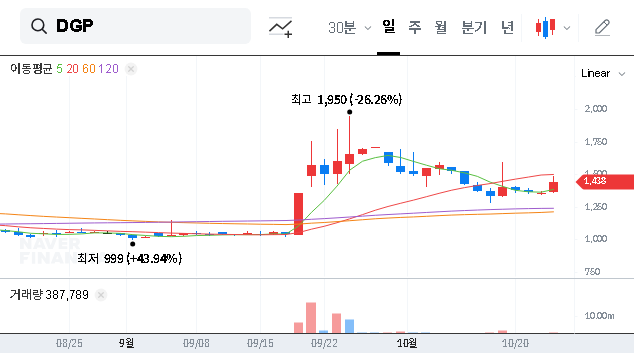
    The market is buzzing about the latest move involving DGP Co.,Ltd. stock, a small-cap company that has suddenly found itself in the spotlight. A significant disclosure has revealed that Perplexity Investment Union has acquired a substantial 18.35% stake in the company. This move has left shareholders and potential investors asking a critical question: What does this major DGP investment signify for the company’s future value and stock price?

    In this comprehensive analysis, we will dissect the details of this large-scale acquisition, explore the mechanics of the Convertible Bonds (CBs) used in the deal, and provide an expert perspective on the short-term and long-term implications for DGP’s valuation. Our goal is to equip you with the insights needed to make well-informed investment decisions.

    The Landmark Deal: Analyzing the Stake Acquisition

    On October 23, 2025, a ‘Report on the Status of Large Shareholdings’ was filed, sending ripples through the market. The report, available via the official disclosure system (Source: DART), detailed that Perplexity Investment Union had acquired 6,724,303 shares of DGP’s 34th series Convertible Bonds (CB). This transaction effectively gives the union a new 18.35% stake in DGP Co.,Ltd., a company with a market capitalization of KRW 43 billion. While the stated purpose of the investment is ‘simple investment,’ the sheer scale of the deal suggests a deeper confidence in DGP’s potential.

    What Are Convertible Bonds and Why Do They Matter?

    Understanding this deal requires understanding Convertible Bonds. A CB is a hybrid financial instrument that starts as a bond (a loan to the company) but carries an option for the holder to convert it into a predetermined number of common shares at a later date. For Perplexity Investment Union, this is a strategic move. It allows them to earn interest like a traditional bondholder while retaining the upside potential of an equity investor. If the DGP Co.,Ltd. stock performs well, they can convert their bonds into shares and realize significant capital gains. This indicates they are betting not just on DGP’s ability to repay debt, but on its future growth and stock appreciation. For more detailed information, you can explore our guide to advanced investment strategies.

    Projected Impact on DGP Co.,Ltd. Stock Price

    Short-Term Volatility and Market Sentiment

    In the short term, this news is a powerful positive signal. A large, sophisticated entity like Perplexity Investment Union taking such a significant position often attracts market attention, potentially increasing trading volume and driving up the stock price as retail investors follow the ‘smart money’. However, as a small-cap stock, DGP is inherently susceptible to volatility. The ‘simple investment’ clause may also temper expectations, as it suggests the union may not take an active role in management to drive immediate change. Uncertainty around the exact conversion terms of the CBs could also create short-term market jitters.

    Long-Term Value vs. Dilution Risk

    The long-term outlook is a tale of two possibilities. On one hand, this major DGP investment could trigger a fundamental re-evaluation of the company’s intrinsic value, as highlighted by authoritative financial analyses on Bloomberg. If the capital from the CB issuance is deployed effectively into high-growth projects, it could fuel substantial long-term corporate growth. On the other hand, the primary risk is share dilution. When the bonds are eventually converted into stock, the total number of outstanding shares will increase. This means that each existing share represents a smaller percentage of the company, which can put downward pressure on the earnings per share and the overall stock price if not offset by significant growth.

    Given the balance of a strong vote of confidence against the technical risks of dilution and market volatility, our provisional investment opinion is a cautious ‘Watch’. A deeper investigation is non-negotiable before committing capital.

    The Astute Investor’s Due Diligence Checklist

    To move from ‘watching’ to a definitive investment decision, a thorough investigation is essential. Here are the critical areas you must research:

    • Analyze DGP’s Fundamentals: Go beyond the headlines. Scrutinize the company’s financial health, including revenue trends, profit margins, debt levels, and cash flow. What are its core business segments and competitive advantages?
    • Profile Perplexity Investment Union: Research the investor. What is their track record? Are they known for long-term strategic partnerships or short-term profit-taking? Understanding their typical strategy provides clues to their intentions with DGP.
    • Examine the CB Terms: The devil is in the details. Find the specifics of the 34th series CB: the conversion price, maturity date, and any mandatory conversion clauses. This will allow you to calculate the potential dilution accurately.
    • Assess Market and Industry Context: How does DGP stack up against its competitors? Is the broader industry facing headwinds or tailwinds? Context is crucial for determining if this investment is a bet on the company, the industry, or both.

    Final Verdict

    The acquisition of an 18.35% stake in DGP Co.,Ltd. by Perplexity Investment Union is undeniably a significant event that validates the company’s potential. It provides a strong positive catalyst and could lead to a re-evaluation of DGP Co.,Ltd. stock. However, the ‘simple investment’ purpose and the inherent risks of convertible bonds—namely, future share dilution—necessitate caution. A comprehensive due diligence process, as outlined above, is paramount before any capital is deployed. The future trajectory of DGP’s stock will ultimately depend on the company’s ability to leverage this new capital for fundamental growth.

    (060900) DGP Co.,Ltd. Stock Analysis: Perplexity's 18.35% Stake & What It Means for Investors 관련 이미지
  • (096770) SK Innovation’s ₩600B Convertible Bond: A Deep Dive for Investors

    (096770) SK Innovation’s ₩600B Convertible Bond: A Deep Dive for Investors

    SK Innovation has made a significant financial move, announcing a ₩600 billion SK Innovation convertible bond (CB) issuance. This decision has sent ripples through the investment community, sparking a critical debate: Is this a masterstroke to fuel future growth, or a move that poses a serious shareholder dilution risk for the company’s stock? For current and prospective investors, understanding the nuances of this deal is paramount.

    This comprehensive analysis will break down the mechanics of the SK Innovation CB issuance, explore the strategic rationale behind it, and weigh the potential rewards against the inherent risks. We will provide a clear-eyed view to help you formulate a sound investment strategy and navigate the future of SK Innovation stock.

    This isn’t just about raising capital; it’s a calculated bet on SK Innovation’s next chapter in green energy and advanced materials. The terms of the deal reveal both confidence from institutional backers and a potential challenge for existing equity holders.

    Deconstructing the ₩600 Billion Bond Issuance

    To grasp the full picture, it’s essential to understand the specific terms of this private placement. These details dictate the financial implications for the company and its shareholders.

    • Total Issuance Amount: A substantial ₩600 billion, earmarked for strategic growth initiatives.
    • Interest Rate (Coupon & Yield): An aggressive 0.0%. This is a zero-coupon bond, meaning SK Innovation pays no interest, a significant advantage that minimizes the immediate financial burden.
    • Conversion Price: Set at ₩123,642 per share. This is the price at which bondholders can convert their debt into equity. Its relation to the market price is the crux of the shareholder dilution issue.
    • Conversion Period: Begins October 31, 2026. Bondholders can start converting to stock from this date, assuming the market price is favorable.
    • Key Investors: Participation from major players like Korea Investment Eastbridge Global Green Energy No. 1 Private Equity Fund signals strong institutional confidence in SK Innovation’s long-term vision.

    Strategic Imperatives: Why Now?

    The primary motivation behind this SK Innovation convertible bond is to secure a war chest for future growth without the immediate cost of interest payments. The funds are slated to enhance core business competitiveness and aggressively expand into new, high-growth sectors, particularly eco-friendly businesses and advanced battery technologies. This move allows the company to invest heavily in R&D and scale production, positioning itself as a leader in the global energy transition.

    The Upside: A Catalyst for Growth

    If successful, this capital injection could be transformative. It enables SK Innovation to accelerate its strategic pivots, potentially unlocking significant long-term value. A successful deployment of funds could lead to market share gains, innovative new products, and ultimately, a stronger bottom line. For investors, this translates into the potential for significant capital appreciation if the company’s growth story materializes and drives the SK Innovation stock price higher.

    The Downside: The Specter of Shareholder Dilution

    The most significant risk is shareholder dilution. Because the conversion price (₩123,642) is substantially lower than the recent market price, it creates a strong incentive for bondholders to convert their debt into stock if the share price remains high or appreciates further. When this happens, the total number of outstanding shares increases, which dilutes the ownership stake and earnings per share (EPS) for existing shareholders. This overhang can put downward pressure on the stock price in the short to medium term.

    An Investor’s Playbook for the SK Innovation CB Issuance

    Navigating this situation requires a proactive and informed investment strategy. While short-term volatility is likely, long-term success hinges on the company’s execution. For more context on how corporate bonds impact company valuations, you can review expert analysis from sources like Bloomberg.

    • Monitor Fund Utilization: Keep a close eye on company announcements regarding how the ₩600 billion is being spent. Are the investments strategic and likely to generate returns?
    • Track Business Performance: The ultimate antidote to dilution fears is strong performance. Watch key metrics like revenue growth, profit margins, and progress in the battery division. You can compare this with our deep dive on SK’s battery technology.
    • Evaluate Anti-Dilution Measures: Observe if the company communicates any strategies to mitigate the impact, such as future share buyback programs, to support the stock price.
    • Maintain a Long-Term Perspective: This is a long-term play. Short-term price drops due to dilution fears could present buying opportunities if you believe in the company’s fundamental growth story.

    For complete transparency, investors are encouraged to review the company’s filing directly. The Official Disclosure (Source: DART) provides the unabridged details of the convertible bond issuance.

    Conclusion: A Calculated Risk for a Greener Future

    SK Innovation’s ₩600 billion convertible bond is a bold, strategic move that trades short-term dilution risk for the promise of long-term, sustainable growth. The zero-interest nature of the deal is a major financial coup, and the backing of institutional investors provides a powerful vote of confidence. For shareholders, the path forward requires diligence. The key is to look beyond the immediate market reaction and focus on whether this fresh capital translates into tangible business results and enhanced corporate value over time. Success in this venture could redefine SK Innovation’s market position for years to come.

    (096770) SK Innovation's ₩600B Convertible Bond: A Deep Dive for Investors 관련 이미지
  • (125020) TC Materials Co Ltd Conversion Rights: A Deep Dive on Stock Dilution & Investor Impact

    (125020) TC Materials Co Ltd Conversion Rights: A Deep Dive on Stock Dilution & Investor Impact

    The recent announcement from TC Materials Co., Ltd. regarding its conversion rights exercise for its 1st tranche convertible bonds has sent ripples through the investment community. For current and prospective shareholders, this event raises critical questions about potential stock dilution, future price stability, and overall corporate value. Understanding the mechanics and implications of this financial maneuver is essential for making informed decisions.

    This comprehensive analysis will break down the TC Materials Co Ltd conversion rights announcement, explore the direct and indirect impacts on the stock, and provide a strategic roadmap for investors navigating this period of change.

    First, What Are Convertible Bonds?

    Before diving into the specifics of the TC Materials event, it’s crucial to understand the instrument at its heart: the convertible bond (CB). A CB is a type of hybrid security that functions like a regular bond, providing interest payments to the holder. However, it also contains an option to be converted into a predetermined number of the issuing company’s common stock. This gives investors the safety of a bond with the potential upside of a stock. For a deeper explanation, you can refer to authoritative sources like Investopedia’s guide on convertible bonds.

    The TC Materials Conversion Rights Exercise: By the Numbers

    According to the official filing on October 21, 2025, TC Materials is proceeding with a significant conversion. Here are the key details that every investor needs to know:

    • Event: Exercise of Conversion Rights (1st Tranche Convertible Bonds)
    • Shares to be Converted: 810,735 new shares
    • Expected Conversion Date: November 5, 2025
    • Conversion Price: 1,807 KRW per share
    • Stock Price (as of 2025.10.21): 1,971 KRW per share

    Analyzing the Impact on TC Materials Stock

    1. The Inevitable Stock Dilution

    The most immediate consequence is stock dilution. When 810,735 new shares are created, the total number of outstanding shares increases. This means that each existing share now represents a smaller percentage of ownership in the company. This can negatively affect key financial metrics like Earnings Per Share (EPS), as the company’s net income is now divided by a larger number of shares, potentially putting downward pressure on the stock’s valuation in the short term.

    2. The Profit Motive: Conversion Price vs. Market Price

    The disparity between the conversion price (1,807 KRW) and the current market price (1,971 KRW) is a critical factor. Bondholders can convert their bonds into stock at a discount and immediately sell those shares on the open market for a profit. This creates a strong incentive to convert and sell, leading to what is known as an ‘overhang’—a cloud of potential selling pressure that can suppress the stock price as the conversion date approaches and passes.

    The overhang from a convertible bond conversion can significantly dampen investor sentiment. The market anticipates the new supply of shares, which often leads to preemptive selling or a lack of buying interest until the new shares are fully absorbed.

    Investor Action Plan: Navigating the Uncertainty

    Given the limited public information on TC Materials’ fundamentals, a cautious and well-researched approach is paramount. Here’s a strategic plan to consider.

    Short-Term Strategy (Pre- and Post-Conversion)

    • Monitor Price & Volume: Pay close attention to trading volume and price action around the November 5, 2025 conversion date. A spike in volume could indicate that the newly converted shares are entering the market.
    • Watch Market Reaction: Look for any news, analyst reports, or institutional commentary that follows the event. The initial market reaction can provide clues about the prevailing investor sentiment.

    Mid-to-Long-Term Strategy (Deeper Research)

    Long-term success depends on looking beyond this single event. A crucial step is to perform your own due diligence.

    • Analyze Corporate Fundamentals: Dig into TC Materials’ financial health, business model, and growth prospects. Is the company generating profit? Does it have a competitive advantage? This is where you can learn more about fundamental analysis.
    • Understand the ‘Why’: Why were the convertible bonds issued in the first place? Was the capital used for expansion, R&D, or paying off debt? Productive use of capital can be a strong positive signal for future growth.
    • Review the Official Source: Always verify information from the primary source. The company’s filing provides the definitive details of this event. Source: Official Disclosure (DART Report).
    • Check for Remaining Bonds: Is this the full conversion, or are there more convertible bonds outstanding? The potential for future dilution is a key risk factor to manage.

    Frequently Asked Questions (FAQ)

    Q1: What does ‘conversion rights exercise’ mean for TC Materials?

    It means investors who hold the company’s convertible bonds are choosing to swap that debt for company stock at the agreed-upon conversion price. This action increases the total number of shares available on the market.

    Q2: Why is the TC Materials stock price likely to face downward pressure?

    Two reasons: first, the increase in shares dilutes the value of existing shares (stock dilution). Second, since the conversion price is lower than the market price, bondholders are likely to sell their newly acquired shares for a quick profit, increasing the selling supply in the market.

    Q3: Is this event always a bad sign for a company?

    Not necessarily. While it causes short-term disruption, a conversion also reduces a company’s debt obligations. If the capital raised from the initial bond sale was invested wisely into growth projects, the long-term benefits could outweigh the short-term dilution.

    Ultimately, the TC Materials Co Ltd conversion rights exercise is a complex event with significant short-term implications. By staying informed and conducting thorough research, investors can better position themselves to navigate the potential volatility and make sound decisions for their portfolios.

    (125020) TC Materials Co Ltd Conversion Rights: A Deep Dive on Stock Dilution & Investor Impact 관련 이미지
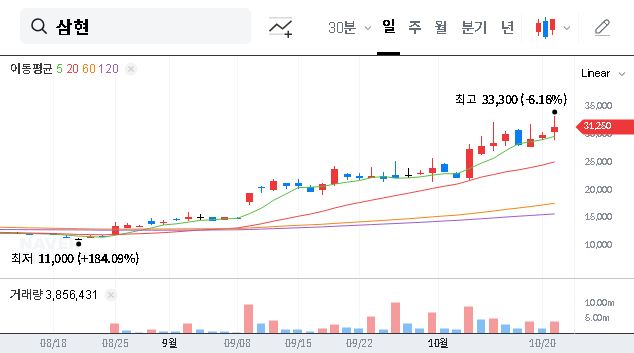
  • (437730) Samhyun CB Issuance: A Deep Dive Analysis for Investors (KRW 48.5B)

    (437730) Samhyun CB Issuance: A Deep Dive Analysis for Investors (KRW 48.5B)

    Decoding Samhyun’s Strategic KRW 48.5 Billion CB Issuance

    SAMHYUN CO., LTD. has recently captured the market’s attention with its announcement of a significant KRW 48.5 billion convertible bond (CB) issuance. This strategic financial maneuver, characterized by a zero-coupon private placement and a conversion price set above the current market value, has sparked considerable debate among investors. The core of this discussion revolves around a critical question: Is the Samhyun CB issuance a signal of robust confidence in future growth, or does it harbor underlying risks for existing shareholders? This comprehensive analysis will dissect the key details, explore the strategic rationale, and provide a clear action plan for investors navigating this complex development.

    Key Details of the Issuance at a Glance

    On October 21, 2025, Samhyun formally disclosed its plan to raise capital. The issuance represents approximately 4.51% of its current market capitalization. Here are the crucial terms every investor should know:

    • Total Amount: KRW 48.5 Billion
    • Issuance Method: Private Placement to specific investors, including several KOSDAQ venture funds.
    • Interest Rate: 0% for both surface and maturity interest (a zero-coupon bond).
    • Conversion Price: KRW 32,672, which is notably higher than the stock price of KRW 31,250 at the time of the announcement.
    • Conversion Period: From October 29, 2026, to September 29, 2030 (a one-year lock-up period).

    The Strategic Rationale: Why This Approach?

    The structure of the Samhyun CB issuance is far from standard and reveals a multi-faceted strategy. By opting for a zero-coupon bond, the company avoids immediate interest payment burdens, preserving cash flow for operational and growth initiatives. The private placement route allows for faster, more discreet fundraising compared to a public offering, suggesting an urgency or a desire to partner with specific, strategic investors. These venture funds are not passive investors; their participation signals a strong belief in Samhyun’s long-term potential and they will likely play a role in enhancing corporate value.

    The combination of a zero-coupon rate and a premium conversion price is a powerful statement of confidence. It suggests that both Samhyun’s management and the incoming investors are betting on significant stock price appreciation in the coming years.

    Potential Impacts: Balancing Opportunity and Risk

    This capital injection will undoubtedly have several effects on Samhyun’s financial standing and stock performance. While the infusion of KRW 48.5 billion provides a significant short-term boost to the balance sheet, investors must consider the long-term implications. The primary concern is potential share dilution. If the stock price rises above the conversion price, bondholders will likely convert their debt into equity, increasing the total number of outstanding shares and potentially diluting the value for existing shareholders.

    However, this is a medium-to-long-term consideration due to the one-year lock-up period. In the interim, the market will be focused on how management utilizes these funds. If the capital is deployed effectively into high-growth areas like R&D, facility expansion, or strategic acquisitions, the resulting increase in corporate value could more than offset the future dilution effect. For a deeper understanding of what convertible bonds are and their mechanics, high-authority financial resources can be very helpful.

    An Actionable Checklist for Prudent Investors

    A hasty judgment on the Samhyun CB issuance would be unwise. A thorough, evidence-based approach is required. Here are the key points to focus your analysis on:

    • Determine the Use of Proceeds: This is the most critical factor. Scrutinize company announcements and IR materials to understand precisely how the KRW 48.5 billion will be spent. Is it for debt repayment, operating capital, or investment in future growth drivers? The official disclosure is the primary source for this. You can view the Official Disclosure via DART for definitive information.
    • Conduct a Fresh Fundamental Analysis: Re-evaluate Samhyun’s core business. This event should trigger a review of its financial health, competitive advantages, and industry outlook. A solid guide to fundamental analysis can help structure your research.
    • Monitor Market and Expert Consensus: Keep an eye on reports from securities analysts, financial news, and overall market sentiment following the announcement. Look for consensus or divergence in expert opinions.
    • Analyze the Investors: Research the KOSDAQ venture funds involved. Understanding their investment track record and typical holding periods can provide clues about their expectations for Samhyun.

    Conclusion: A Calculated Bet on the Future

    In summary, Samhyun’s KRW 48.5 billion CB issuance is a calculated, strategic move to fuel future growth without incurring immediate financing costs. While the risk of future share dilution is real, it is counterbalanced by the strong vote of confidence from venture capital and the company’s own optimistic outlook reflected in the high conversion price. The ultimate success of this fundraising will hinge entirely on the company’s ability to translate this new capital into tangible, long-term value. For investors, the path forward is one of diligent monitoring and careful analysis, not immediate reaction.

    (437730) Samhyun CB Issuance: A Deep Dive Analysis for Investors (KRW 48.5B) 관련 이미지
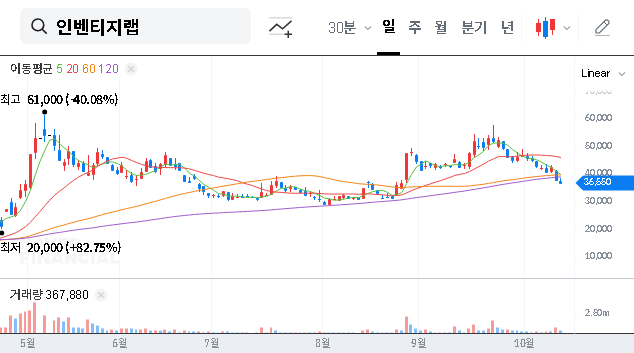
  • (389470) Inventage Lab Inc. Lawsuit: Deep Dive into the Share Invalidation Case & Investor Risks

    (389470) Inventage Lab Inc. Lawsuit: Deep Dive into the Share Invalidation Case & Investor Risks

    The investment landscape for Inventage Lab Inc. has been rocked by a significant legal challenge: the filing of a ‘Lawsuit for Invalidation of New Share Issuance.’ This is not a minor dispute; the Inventage Lab Inc. lawsuit presents a critical event with potentially profound implications for the company’s financial structure, operational stability, and the overall market’s confidence in its management.

    For current and potential investors, understanding the nuances of this case is paramount. This in-depth analysis will dissect the background, key allegations, potential financial and market risks, and crucial considerations for navigating the uncertainty surrounding the Inventage Lab Inc. lawsuit.

    Overview of the New Share Invalidation Lawsuit

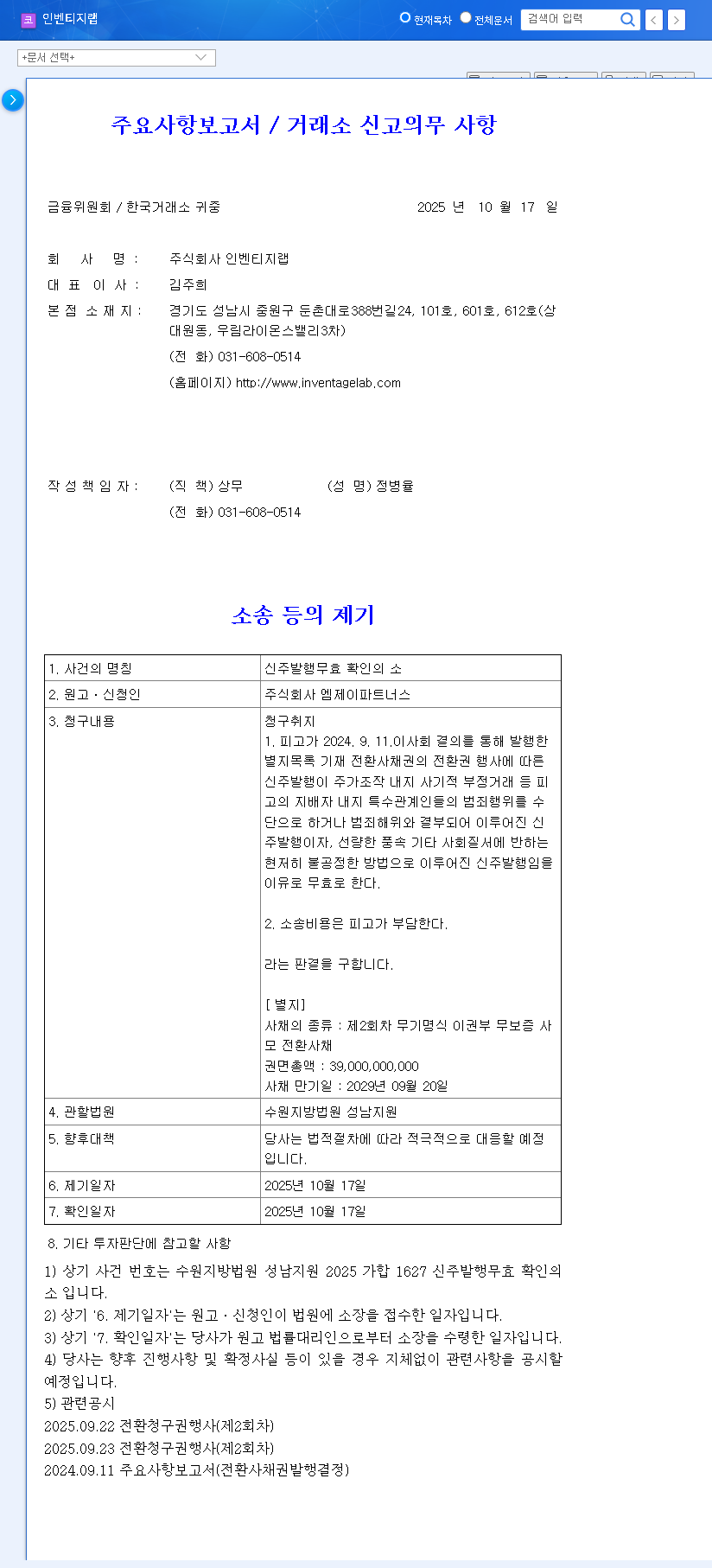
    On October 20, 2025, Inventage Lab Inc. filed a major disclosure report confirming its involvement in a significant legal battle. The plaintiff, MJ Partners Inc., is challenging the validity of new shares issued from the conversion of the company’s 2nd Series unregistered private convertible bonds. The core of the lawsuit rests on severe allegations that could severely damage the company’s reputation and financial standing. The information is corroborated by the official disclosure filed with the financial authorities.

    Source: Official Disclosure (DART Report)

    The plaintiff’s claim is that the new share issuance is invalid because it was “tied to criminal acts such as stock manipulation or fraudulent unfair trading, or carried out through grossly unfair methods contrary to good morals and social order.”

    Key Details of the Case

    • Plaintiff: MJ Partners Inc.
    • Defendant: Inventage Lab Inc.
    • Subject: Invalidation of new shares from the 2nd Series convertible bonds.
    • Bond Value: KRW 39 billion total face value.
    • Company’s Stance: Pledges to actively respond through legal procedures.

    Why This Lawsuit Poses a Major Investor Risk

    This legal action transcends a simple corporate dispute. The plaintiff’s claims strike at the heart of Inventage Lab Inc.’s corporate governance and ethical standards. The allegations of stock manipulation allegations introduce a layer of legal and reputational risk that could have lasting consequences.

    • Threat of Criminal Investigation: The mention of ‘criminal acts’ could trigger investigations by financial regulators, escalating legal costs and potentially leading to severe penalties.
    • Damage to Credibility: Allegations of unfair issuance and unethical behavior can shatter investor trust and make it difficult to attract future capital or partnerships.
    • Significant Financial Stakes: With KRW 39 billion in convertible bonds at the center of the dispute, an unfavorable ruling could destabilize the company’s capital structure and financial health.

    Analyzing the Potential Impact on Corporate Valuation & Stock Price

    Investors must brace for potential turbulence. The uncertainty generated by the Inventage Lab Inc. lawsuit is a classic catalyst for market volatility. Here’s a breakdown of the potential effects:

    Impact on Company Fundamentals

    If the court rules against Inventage Lab Inc., the invalidation of new shares could create a cascade of financial problems. It could lead to a messy unwinding of the bond conversion, potentially requiring a capital return or renegotiation that drains resources. Furthermore, management’s attention will be diverted from core business operations to legal defense, which could stifle innovation and growth. For more details on how such events affect stocks, you can review market analysis from authoritative sources like Bloomberg.

    Impact on Market Expectations & Stock Price

    The market abhors uncertainty, and this lawsuit is a significant source of it. We can expect increased short-term stock volatility as traders react to every new development. The serious nature of the allegations could trigger a sustained decline in investor confidence, leading to long-term downward pressure on the stock price. This kind of event often attracts short-sellers, which could amplify price drops. A positive outcome could lead to a recovery, but a negative one could severely impair the stock’s value. You can learn more about understanding stock market volatility on our blog.

    Investor Strategy: How to Respond

    Given the high stakes, a cautious and informed approach is essential. The investor risk associated with this lawsuit is high, and reactive decisions can be costly. Here are our recommendations:

    • Monitor Information Diligently: Stay updated on all court proceedings, company disclosures, and reputable media coverage. Pay close attention to the evidence and arguments presented by both sides.
    • Re-evaluate Financial Health: Scrutinize the company’s financial statements for any signs of strain related to legal costs or capital structure instability. Try to separate the company’s core operational performance from the lawsuit’s noise.
    • Assess Your Risk Tolerance: This is a high-risk situation. Investors should assess whether their portfolio can withstand the potential for sharp declines in stock price.
    • Observe the Company’s Defense: The effectiveness of Inventage Lab Inc.’s legal response will be critical. A strong, transparent defense could help restore confidence, while a weak one could accelerate its decline.

    In conclusion, the ‘Lawsuit for Invalidation of New Share Issuance’ is a major red flag for investors. The case’s outcome could fundamentally alter Inventage Lab Inc.’s corporate valuation and future prospects. Prudence, diligence, and a clear-eyed assessment of risk are imperative when making any investment decisions related to the company at this time.

    [Disclaimer] This analysis is for informational purposes only and is based on publicly available information. It does not constitute investment advice. All investment decisions should be made based on your own research and judgment.

    (389470) Inventage Lab Inc. Lawsuit: Deep Dive into the Share Invalidation Case & Investor Risks 관련 이미지
  • (148250) RN2 Technologies Property Acquisition: A Deep Dive into the KRW 11.7B Deal & Convertible Bonds Impact

    (148250) RN2 Technologies Property Acquisition: A Deep Dive into the KRW 11.7B Deal & Convertible Bonds Impact

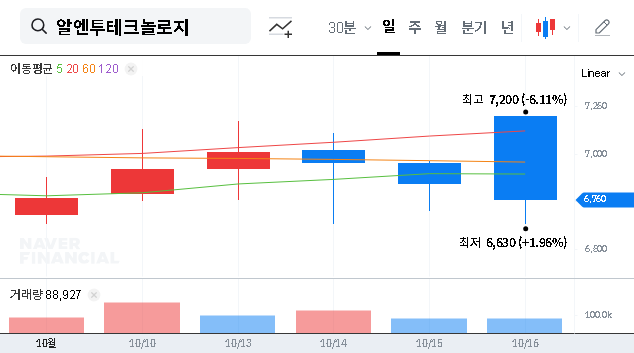
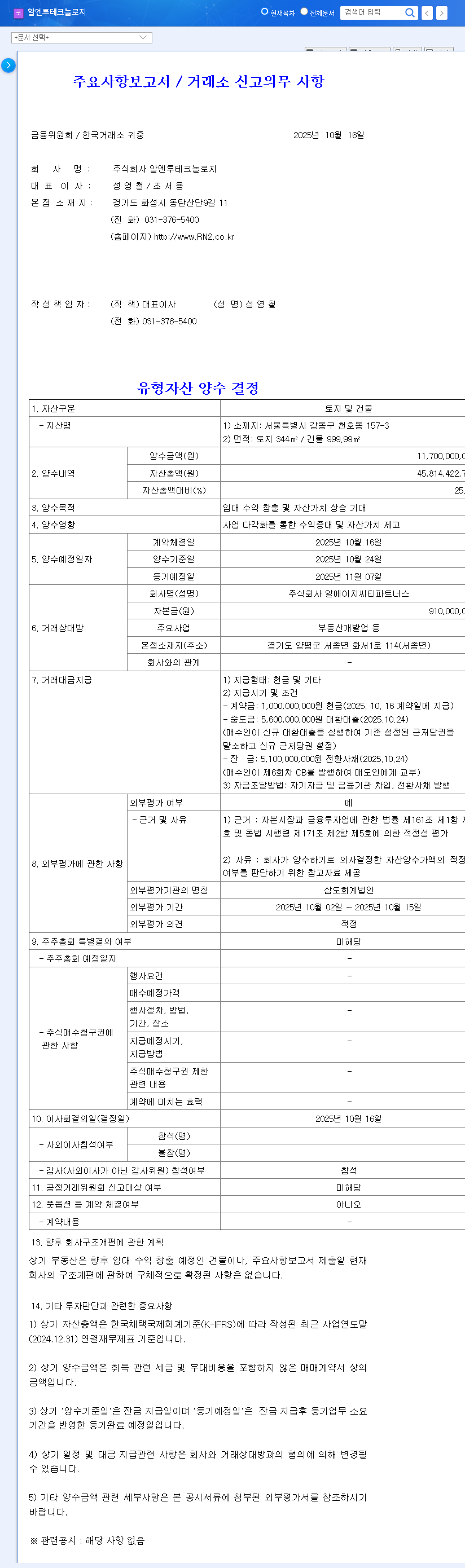
    The recent RN2 Technologies property acquisition has sent ripples through the investment community. On October 16, 2025, the company announced a significant KRW 11.7 billion deal, a figure representing over 25% of its market capitalization. This move, detailed in their Official Disclosure (Source: DART), signals a pivotal strategy shift. For investors, this raises critical questions: Is this a savvy move towards diversification and growth, or a risky venture funded by potentially dilutive financing? This comprehensive investor impact analysis will dissect every facet of this major corporate event.

    We’ll explore the strategic purpose behind the acquisition, break down the complex funding structure involving convertible bonds, and evaluate the potential upside and downside for shareholders. Understanding these details is crucial for making an informed decision about RN2 Technologies’ stock moving forward.

    Deconstructing the KRW 11.7 Billion Deal

    1. The Asset: What Was Acquired?

    RN2 Technologies has committed to acquiring a significant tangible asset: land (344㎡) and an accompanying building (999.99㎡) located in Cheonho-dong, Gangdong-gu, Seoul. The total transaction value is a substantial KRW 11.7 billion. To put this in perspective, this single investment accounts for 25.54% of the company’s entire market capitalization (KRW 63.9 billion as of the announcement), highlighting the magnitude of this strategic decision.

    2. The Strategy: Why This Acquisition?

    The company’s stated rationale points towards a clear strategy of business diversification and long-term value creation. The two primary objectives are:

    • Stable Revenue Generation: The immediate goal is to generate a new, consistent stream of rental income. This can help stabilize cash flows and reduce reliance on their core business operations, which may be subject to market volatility.
    • Long-Term Asset Appreciation: Investing in Seoul real estate is also a bet on the long-term growth of property values. Success here could significantly bolster the company’s balance sheet and overall asset value over time.

    This isn’t just a purchase; it’s a strategic pivot. RN2 Technologies is aiming to build a more resilient financial foundation through business diversification into real estate, a move that presents both exciting opportunities and notable risks for investors.

    Funding the Acquisition: The Role of Convertible Bonds

    A deal of this size requires a sophisticated funding strategy. RN2 Technologies is employing a multi-pronged approach to cover the KRW 11.7 billion cost, which investors must scrutinize closely. The payment is structured in three parts:

    • Down Payment (KRW 1 billion): Sourced from the company’s existing cash reserves.
    • Interim Payment (KRW 5.6 billion): Financed through a refinancing loan, indicating new debt from financial institutions. This will add interest expenses to the company’s books.
    • Balance Payment (KRW 5.1 billion): The most critical part for shareholders, this will be funded by issuing the 6th series of RN2 Technologies convertible bonds (CBs).

    The Double-Edged Sword of Convertible Bonds

    Convertible bonds are a hybrid security, acting like a bond (paying interest) but with an option for the holder to convert them into a predetermined number of the company’s common shares. While they allow companies to raise capital at a lower interest rate, they pose a significant risk of shareholder value dilution. If and when bondholders convert their bonds to stock, the total number of outstanding shares increases, which can decrease the earnings per share and dilute the ownership stake of existing shareholders. For more on this topic, see this excellent resource on understanding convertible securities from Investopedia.

    Investor Impact Analysis and Key Considerations

    The RN2 Technologies property acquisition is a complex event with multifaceted implications. Investors should weigh the potential benefits against the inherent risks.

    • Financial Structure Risk: The company’s balance sheet will expand, but so will its liabilities. The new loan increases debt and interest payments, while the convertible bonds introduce the overhang of potential dilution.
    • Profitability Potential: The success hinges on execution. Investors must monitor the property’s rental yield, vacancy rates, and operating costs. Tangible, positive cash flow from this new asset is needed to justify the financial risks.
    • Execution Risk: Real estate management is outside RN2 Technologies’ core competency. This foray into a new industry carries operational risks. Does the management team have the expertise to manage this asset effectively?
    • Market Reaction: In the short term, the market may react negatively to the CB issuance due to dilution fears. The long-term stock performance will depend on the company demonstrating tangible returns from this investment.

    Conclusion: A Calculated Risk

    Ultimately, the RN2 Technologies property acquisition is a calculated risk aimed at long-term growth and stability. The potential rewards—a diversified revenue stream and a valuable tangible asset—are significant. However, the risks associated with debt financing and the issuance of convertible bonds are equally real. Investors should closely monitor the conversion terms of the CBs, the performance of the new property, and how this move fits into the company’s broader strategy. For further reading, you might be interested in our guide on how to analyze corporate disclosures for investment insights. Diligent monitoring will be key to navigating this new chapter for RN2 Technologies.

    (148250) RN2 Technologies Property Acquisition: A Deep Dive into the KRW 11.7B Deal & Convertible Bonds Impact 관련 이미지
  • (003060) Aprogen Biologics Convertible Bond: A 2024 Investor’s Guide to Stock Impact & Dilution Risk

    (003060) Aprogen Biologics Convertible Bond: A 2024 Investor’s Guide to Stock Impact & Dilution Risk

    Aprogen Biologics Inc. (에이프로젠바이오로직스) has made a significant financial move, announcing a 15 billion Korean Won Convertible Bond (CB) issuance. This news presents a classic dilemma for investors: it’s a strategic maneuver to fuel growth but also introduces the significant risk of share dilution. For anyone holding or considering an investment in Aprogen Biologics stock, understanding the nuances of this financing is critical.

    This comprehensive guide will dissect the Aprogen Biologics Convertible Bond deal, explore the potential upside for the company’s R&D pipeline, and thoroughly analyze the downside of share dilution. We will provide an actionable investment strategy to help you navigate the path forward.

    Deconstructing the 15 Billion KRW CB Issuance

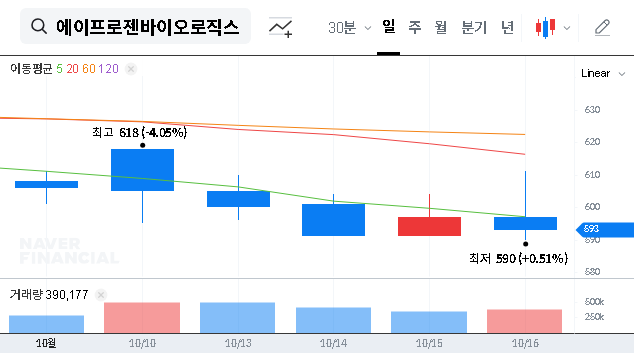
    On October 16, 2025, Aprogen Biologics disclosed its plan to issue these bonds via private placement to a single investor, ‘Appten’. The primary purpose is to secure vital operating funds and bolster research and development. Here are the key terms of the deal:

    • Total Amount: 15 Billion KRW
    • Investor: Appten (Private Placement)
    • Conversion Price: 605 KRW per share
    • Minimum Adjustment Price (Refixing): 500 KRW per share
    • Coupon & Maturity Yield: 3.0% annually
    • Conversion Period: October 24, 2026 – September 24, 2030

    What Exactly Are Convertible Bonds?

    Before analyzing the impact, it’s essential to understand the instrument itself. Convertible bonds are a hybrid security, blending features of both debt and equity.

    A company issues a convertible bond which pays interest to the investor like a regular bond. However, it also includes an ‘option’ for the bondholder to convert the bond into a predetermined number of the company’s common shares at a specified price. This gives investors the safety of a bond with the potential upside of a stock.

    For the company, it’s often a way to raise capital at a lower interest rate than a traditional bond, as the conversion feature is attractive to investors. You can learn more about corporate financing from Investopedia.

    Analyzing the CB Issuance Impact on Aprogen Biologics Stock

    This event has both bullish and bearish implications that every investor must weigh carefully. Let’s examine the two sides of the coin.

    The Bull Case: Fueling Future Growth

    • Capital Injection for R&D: The 15 billion KRW provides a significant runway for Aprogen Biologics to fund its operations and, more importantly, accelerate its research and development projects. This is the lifeblood of any biotech firm and can lead to long-term value creation.
    • Vote of Confidence: The participation of a strategic investor like Appten can be seen as a strong endorsement of the company’s technology and future prospects. Furthermore, setting a conversion price of 605 KRW, a premium to the current market price, signals that both management and the investor see upside potential.
    • Improved Financial Stability: This fundraising strengthens the company’s balance sheet, providing a buffer against market volatility and enabling it to pursue strategic initiatives from a position of financial strength.

    The Bear Case: The Shadow of Share Dilution Risk

    • Inevitable Dilution: This is the primary concern. If and when the bonds are converted, the total number of outstanding shares will increase. This means each existing share represents a smaller percentage of the company, potentially diluting its value and earnings per share (EPS). At the initial conversion price, this would add nearly 25 million new shares to the market.
    • Refixing Risk: The minimum adjustment price of 500 KRW is a critical detail. If the stock price performs poorly, the conversion price can be lowered. A lower price means even more shares will be issued upon conversion, dramatically increasing the share dilution risk for existing shareholders.
    • Stock Overhang: The market knows these potential new shares are waiting to be issued. This ‘overhang’ can suppress the stock price, as traders anticipate future selling pressure when the bonds are converted and the new shares are sold by the investor.

    Actionable Investment Strategy for Investors

    Navigating this situation requires a proactive and informed investment strategy. Here’s what to focus on:

    • Monitor Fund Usage: Track company announcements to ensure the 15 billion KRW is being deployed effectively into value-creating R&D projects, not just covering operational shortfalls. This is key to justifying the dilution.
    • Follow Official Disclosures: Pay close attention to all regulatory filings. Key events to watch for are announcements of conversion price adjustments or the start of bond conversions. The primary source for this is the DART system. You can view the Official Disclosure here.
    • Analyze Investor Behavior: Research Appten. Are they a long-term strategic partner or a financial investor likely to sell shares shortly after conversion? Their actions post-conversion period will significantly impact the stock.
    • Review Financial Health: Continue to perform fundamental analysis. An improving balance sheet and progress in the product pipeline are the best long-term antidotes to dilution fears. Compare these metrics with our guide on evaluating biotech stocks.

    Ultimately, the success of this Aprogen Biologics Convertible Bond issuance will be determined by the company’s ability to translate this capital into tangible growth that outweighs the impact of dilution. For investors, vigilance and a deep understanding of the risks are paramount.

    (003060) Aprogen Biologics Convertible Bond: A 2024 Investor's Guide to Stock Impact & Dilution Risk 관련 이미지
  • (192410) ONEUL E&M (192410) Stock Analysis: DH Investment Stake Sparks High-Risk Opportunity

    (192410) ONEUL E&M (192410) Stock Analysis: DH Investment Stake Sparks High-Risk Opportunity

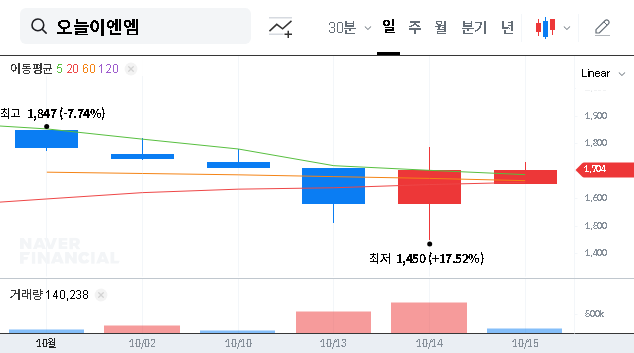
    This comprehensive ONEUL E&M (192410) stock analysis delves into a pivotal moment for the company. The recent disclosure that DH Investment Association has secured a significant 5.50% stake has sent ripples through the market. For a company grappling with severe financial distress, this move presents a critical question for investors: Is this a vote of confidence and a rare investment opportunity, or a speculative play in a company facing existential threats? We will dissect the fundamentals, unpack the risks, and provide a clear perspective on this high-stakes situation.

    The Catalyst: Unpacking the DH Investment Stake

    On October 15, 2025, a significant event unfolded. DH Investment Association acquired convertible bonds previously issued by ONEUL E&M and immediately exercised its right to convert them into common shares. This action resulted in the investment association holding a brand-new 5.50% stake in the company. This news was made public via an official disclosure, which can be viewed here: Official Disclosure (DART).

    At face value, a new institutional investor taking a sizable position can be a bullish signal. It suggests that DH Investment sees untapped potential or a path to recovery that the broader market might be overlooking. This can create a positive psychological effect, potentially leading to a short-term rally in the stock price as retail investors follow the ‘smart money’. However, to truly understand the implications, we must look beyond the headline and into the company’s precarious financial health.

    A Deep Dive into ONEUL E&M’s Financial Distress

    A thorough stock analysis of ONEUL E&M (192410) reveals a company in critical condition. The 2025 semi-annual report paints a grim picture of its operational and financial standing, highlighting risks that cannot be ignored.

    Collapsing Revenue and Complete Capital Impairment

    The company’s core business is faltering. Key financial indicators point to a severe crisis:

    • Plummeting Revenue: First-half 2025 revenue stood at 7,188 million KRW, a staggering 44.8% drop compared to the previous year. The core antenna business is struggling, and the nascent robot division is not yet contributing meaningfully.
    • Capital Impairment: Persistent operating losses culminated in a net loss of 55,065 million KRW. This completely wiped out shareholder equity, resulting in a negative total equity of (-) 20,693 million KRW. This state of capital impairment is a major red flag, raising doubts about the company’s ability to continue as a going concern and posing a risk of delisting from the stock exchange. For more on what this means, you can learn how to analyze a company’s balance sheet.
    • Soaring Debt: Total liabilities surged by 81% to 68,630 million KRW, largely due to convertible bonds. Combined with negative equity, the company’s financial structure is exceptionally fragile.

    Ambitious Ventures vs. Harsh Reality

    Despite the dire financials, ONEUL E&M is investing heavily in new high-growth sectors like AI semiconductors, data centers, and logistics, with R&D spending at 12% of sales. A massive 800 billion KRW investment is planned for data center construction alone. While ambitious, this strategy is fraught with risk. Securing such vast funding in its current state is a monumental challenge, making these ventures a significant source of uncertainty.

    The core conflict for ONEUL E&M is its need for massive capital to fund future growth while its current financial instability threatens its very survival. This makes any investment a high-wire act.

    The Bull Case vs. The Bear Case

    The Bull Case (Short-Term Optimism)

    Optimists might point to the DH Investment stake as a sign that a turnaround is underway. The conversion of debt to equity improves the balance sheet on paper and signals a commitment from a major bondholder. This could temporarily boost investor sentiment and provide a much-needed liquidity lifeline, creating a short-term trading opportunity.

    The Bear Case (Long-Term Caution)

    Pessimists, however, see a mountain of fundamental problems that a 5.5% stake cannot solve. The primary risks remain:

    • Tax Investigation: A pending administrative lawsuit over a tax assessment of ~110 billion KRW could be a fatal blow to the company’s finances.
    • Credit Downgrades: The company’s credit rating has already fallen from BB- to B. Further downgrades will make future fundraising prohibitively expensive, if not impossible. Leading financial news outlets like Bloomberg often report on the severe impact of such downgrades.
    • Potential Selling Pressure: DH Investment could be planning to sell its shares for a quick profit once the stock price reacts, which would create significant downward pressure.

    Conclusion: A Prudent Approach for Investors

    In conclusion, while the DH Investment news provides a glimmer of speculative interest, the investment thesis for ONEUL E&M (192410) remains extremely high-risk. The fundamental financial distress and overwhelming uncertainties far outweigh the potential short-term positives from this single event. Our investment opinion is one of extreme caution.

    Investors considering this stock should closely monitor the following points before making any decisions:

    • Tangible progress in resolving the capital impairment and improving core revenue.
    • The final outcome of the 110 billion KRW tax lawsuit.
    • Concrete steps and funding secured for the large-scale new business ventures.
    • Any further actions from DH Investment, such as seeking board representation or increasing their stake.

    All investment decisions must be made at the investor’s own discretion and responsibility. This analysis is based on publicly available information as of its publication date.

    (192410) ONEUL E&M (192410) Stock Analysis: DH Investment Stake Sparks High-Risk Opportunity 관련 이미지
  • (091810) T’way Air Stock Analysis: Decoding DB Securities’ Major Stake Sale & What It Means for Investors

    (091810) T’way Air Stock Analysis: Decoding DB Securities’ Major Stake Sale & What It Means for Investors

    Investors keeping a close eye on T’way Air stock have been met with a significant development: a major shareholder, DB Securities, has notably reduced its stake. The transaction, officially cited for a ‘simple investment’ purpose, involved the off-market sale of unsubscribed convertible bonds to an entity related to ‘Bithumb’. This move has understandably sparked questions and uncertainty among shareholders. Is this a signal of underlying issues within T’way Air, or simply a strategic portfolio adjustment by an institutional investor? This comprehensive T’way Air stock analysis will dissect the event, explain the key financial instruments involved, and provide a clear action plan for investors navigating this complex situation.

    The Core Event: DB Securities Reduces T’way Air Stake

    DB Securities Co., Ltd., a prominent institutional investor, officially reported a change in its ownership of T’way Air. The key details of the transaction, as per the official disclosure, are as follows:

    • Reporting Entity: DB Securities (South Korea)
    • Stated Purpose: Simple Investment
    • Previous Shareholding: 12.36%
    • New Shareholding: 10.89% (a decrease of 1.47 percentage points)
    • Transaction: Sale of 5,117,708 shares of unsubscribed convertible bonds (CBs) via an off-market trade to Bithumb on October 1, 2025.
    • Official Disclosure: The full details can be reviewed in the Official DART Filing (Source).

    Why This Transaction is Raising Eyebrows

    On the surface, an institutional investor adjusting its portfolio is routine. However, the specifics of this sale—involving convertible bonds and an off-market trade to a cryptocurrency-affiliated entity—warrant a deeper look.

    Understanding Convertible Bonds (CBs)

    First, it’s crucial to understand what was sold. Convertible bonds are a hybrid security, part debt and part equity. A company like T’way Air issues them to raise capital, often at a lower interest rate than traditional loans. For the investor (DB Securities), CBs provide regular interest payments like a bond, but also hold the option to be converted into a predetermined number of common shares, offering upside potential if the T’way Air stock price rises. The sale of ‘unsubscribed’ CBs implies that DB Securities chose to sell the bonds themselves rather than convert them into stock.

    The ‘Off-Market’ Sale to Bithumb

    The sale was not conducted on the open stock market. An ‘off-market’ or ‘block’ trade is a private transaction between two parties. This method is often used for large volumes to avoid causing major price swings on the public market. The involvement of Bithumb, primarily known as a major cryptocurrency exchange, is particularly unusual. It suggests the buyer is a non-traditional financial player or a specific group of investors operating through that platform, adding a layer of complexity to the analysis of this T’way Air investment signal.

    The central question for investors is whether this sale reflects a lack of confidence in T’way Air’s future or is merely a procedural financial maneuver by DB Securities to realize profits or rebalance its assets.

    Potential Impact on T’way Air Stock and Investors

    Short-Term Market Concerns

    In the short term, such a large sale can create negative sentiment. The market may interpret it as a major shareholder losing faith, potentially leading to increased selling pressure and stock price volatility. The fact that the CBs were not converted could also suggest that DB Securities did not see significant upside in the T’way Air stock price in the near future. This creates information asymmetry, where large players have different information than the average retail investor.

    Long-Term Fundamental Outlook

    Conversely, the ‘simple investment’ purpose could be the exact truth. Institutional investors frequently rebalance portfolios to lock in profits, manage risk, or comply with internal fund mandates. The sale might have nothing to do with T’way Air’s fundamental business operations. The global airline industry is still navigating a complex recovery, facing challenges from fuel costs and geopolitical tensions, as noted in high-authority sources like Reuters’ aviation industry reports. The long-term success of the T’way Air stock depends more on its route strategy, fleet efficiency, and competitive positioning than on a single shareholder’s transaction.

    Strategic Action Plan for T’way Air Investors

    Given the ambiguity, investors should focus on diligent research rather than reactive trades. Here is a checklist to guide your T’way Air investment decisions:

    • Analyze CB Terms: Investigate the original issuance terms of the convertible bonds. What was the conversion price? A high conversion price might explain why they were sold rather than exercised.
    • Monitor Institutional Holdings: Keep track of other major shareholders. Is DB Securities the only one selling, or is there a broader trend of institutional divestment?
    • Re-evaluate Company Financials: Conduct a fresh analysis of T’way Air’s balance sheet, income statement, and cash flow. Is the company’s debt manageable? Are revenues and passenger numbers trending positively?
    • Assess the Broader Industry: Put this event in context. How are other low-cost carriers performing? Understand the macro trends affecting the entire sector. For more on this, read Our Guide to Analyzing Airline Stocks.

    Conclusion: A Cautious but Informed Perspective

    DB Securities’ stake reduction in T’way Air is a notable event that introduces short-term uncertainty. However, it is not a definitive red flag against the company’s fundamentals. The ‘simple investment’ motive suggests it may be a portfolio management decision. For long-term investors, the focus should remain on T’way Air’s underlying business performance, competitive advantages, and financial health. This event underscores the importance of conducting thorough, independent research before making any decisions regarding your T’way Air stock holdings. Stay informed, analyze the data, and align your investment strategy with your long-term financial goals.

    (091810) T'way Air Stock Analysis: Decoding DB Securities' Major Stake Sale & What It Means for Investors 관련 이미지
  • (354200) NGeneBio Convertible Bonds: A ₩25B Gamble on Growth or a Major Stock Dilution Risk?

    (354200) NGeneBio Convertible Bonds: A ₩25B Gamble on Growth or a Major Stock Dilution Risk?

    The recent announcement of the NGeneBio convertible bonds issuance, a massive ₩25 billion capital raise, has sent ripples through the investment community. For NGeneBio Co., Ltd., a pioneering firm in genomic analysis, this move represents a critical juncture. On one hand, it’s a powerful injection of liquidity to fuel research and expansion. On the other, it introduces the significant risk of NGeneBio stock dilution, a primary concern for existing shareholders. This comprehensive analysis will explore the strategic implications of this financial maneuver, offering investors a clear roadmap to navigate the potential rewards and inherent risks.

    This capital infusion could be the catalyst for NGeneBio’s next growth phase, but its success hinges entirely on prudent fund allocation and transparent execution. Investors must weigh the promise of innovation against the tangible threat of shareholder value erosion.

    Deconstructing the ₩25 Billion Issuance

    To understand the impact, we must first examine the core details of the private placement. The deal, equivalent to a staggering 36.95% of the company’s market capitalization, involves several key financial institutions. The structure of these NGeneBio convertible bonds provides critical clues about the company’s strategy and the market’s perception.

    Key Terms of the Convertible Bonds

    • Issuance Amount: ₩25 billion
    • Key Investors: Baro Savings Bank, Sangsangin Savings Bank, Sangsangin Plus Savings Bank
    • Conversion Price: ₩1,704 per share
    • Coupon Rate (Interest): 2.0% annually
    • Yield to Maturity: 6.0%
    • Conversion Period: October 23, 2026, to September 23, 2028

    The proximity of the conversion price (₩1,704) to the recent market price is a critical factor. It creates a delicate balance: if the stock price fails to appreciate significantly, bondholders may prefer repayment at maturity, placing a heavy financial burden on NGeneBio. Conversely, a rising stock price makes conversion attractive, leading to the aforementioned stock dilution.

    The Financial Tightrope: Liquidity vs. Long-Term Health

    The decision to issue convertible bonds is a classic high-stakes balancing act. The immediate benefit is undeniable, but the potential long-term consequences require careful consideration as part of any NGeneBio financial analysis.

    The Upside: Fueling the Growth Engine

    For a biotech company, consistent capital flow is lifeblood. This ₩25 billion can be strategically deployed to accelerate R&D for new precision diagnostic technologies, fund expensive clinical trials, or expand its commercial footprint into new markets. As noted in a recent McKinsey report on biotech innovation, securing such funding at key moments can create a significant competitive advantage. If used effectively, this capital could generate returns that far outweigh the cost of dilution.

    The Downside: Debt and Dilution Dangers

    Until converted, these bonds are debt on the balance sheet, increasing NGeneBio’s leverage and financial risk. The company is on the hook for interest payments and, crucially, the full ₩25 billion principal if the bonds aren’t converted by 2028. The primary risk for shareholders, however, remains NGeneBio stock dilution. If all bonds are converted, it would introduce a significant number of new shares into the market, potentially reducing the earnings per share (EPS) and the ownership percentage of existing investors. Understanding this is a core part of any convertible bond investment strategy.

    An Investor’s Strategic Checklist

    For those considering an investment or holding a current position in NGeneBio Co., Ltd., a proactive monitoring approach is essential. The outcome of this issuance is not yet written and will depend on the company’s future actions.

    • Scrutinize Fund Utilization: Watch for detailed announcements on how the ₩25 billion will be spent. Is it earmarked for specific, high-potential R&D projects or simply to cover operational shortfalls? The difference is critical.
    • Monitor Stock Price vs. Conversion Price: The stock’s performance relative to the ₩1,704 conversion price is the single most important indicator of whether dilution or repayment is the more likely outcome.
    • Review Financial Health Metrics: Keep an eye on the company’s updated debt-to-equity ratio and interest coverage ratio in subsequent quarterly reports.
    • Consult the Primary Source: All serious analysis should begin with the official filing. The company’s complete plans and terms are detailed in the Official Disclosure on the DART system.

    Conclusion: A Calculated Risk for Future Growth

    Ultimately, the issuance of the NGeneBio convertible bonds is a bold, calculated risk. It provides the necessary capital to compete in the fast-paced biotech arena but shifts significant risk onto the company’s future performance and its shareholders. Whether this move becomes a launchpad for unprecedented growth or a cautionary tale of financial overreach will be determined by NGeneBio’s ability to innovate, execute, and ultimately drive its share price well above the critical conversion threshold. For investors, due diligence is more important than ever.

    (354200) NGeneBio Convertible Bonds: A ₩25B Gamble on Growth or a Major Stock Dilution Risk? 관련 이미지