Tag: Convertible Bonds

  • (019660) GLOBON Convertible Bond (4.2B KRW): A Deep Dive for Investors | Stock Analysis (019660)

    (019660) GLOBON Convertible Bond (4.2B KRW): A Deep Dive for Investors | Stock Analysis (019660)

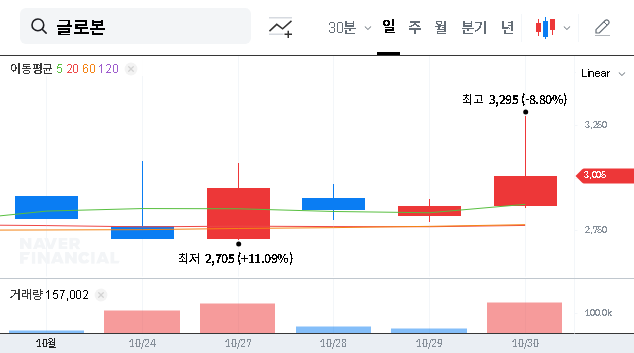
    GLOBON CO., LTD. (KOSDAQ: 019660) has entered the spotlight with a significant financial maneuver: a 4.2 billion won convertible bond issuance. This move has sparked a crucial debate among investors. Is this a strategic masterstroke to fund future growth, or a red flag signaling potential share dilution risk? This comprehensive analysis will dissect the details of the GLOBON convertible bond, evaluate its potential impact on the company’s value, and provide a clear investment framework.

    Unpacking the 4.2 Billion Won Issuance

    On October 30, 2025, GLOBON’s board approved the issuance of 4.2 billion won in private placement convertible bonds (CBs). Understanding the terms is the first step in a thorough GLOBON stock analysis. The key details are as follows:

    • Investors: The bonds were allocated to private investors, identified as Baitree and Jeon Hye-soo.
    • Payment Date: The capital injection is scheduled for November 7, 2025.
    • Conversion Price: The bonds can be converted into common stock at a price of 2,863 KRW per share.
    • Market Context: At the time of the announcement, GLOBON’s stock price was trading at 3,005 KRW, slightly above the conversion price.

    Essentially, a convertible bond is a hybrid security that acts like a loan but gives the holder the option to convert it into a predetermined number of common shares. This financial instrument allows companies to raise capital, often at a lower interest rate than traditional loans. For a deeper understanding, you can learn more about how convertible bonds work on authoritative finance sites.

    The Strategic Rationale: Fueling Growth or Patching Leaks?

    GLOBON’s decision is a tale of two narratives. On one hand, it’s a proactive step to secure capital for promising new ventures. On the other, it addresses underlying weaknesses in its current business model.

    The Bull Case: A Pivot to Future-Proof Industries

    The primary motivation is business diversification. GLOBON is actively expanding into high-growth sectors, including fertilizer, hydrogen plants, secondary batteries, AI, and the metaverse. The 4.2 billion won raised from this GLOBON convertible bond is expected to directly fund these initiatives. This move, combined with a recent capital increase, has already improved the company’s financial health, evidenced by a significantly lowered debt-to-equity ratio of 11.53%. The growing fertilizer export business provides an early proof-of-concept for this diversification strategy.

    The Bear Case: Overcoming Core Business Challenges

    Investors must also consider the risks. GLOBON’s traditional flagship business, cosmetics, has seen declining sales, leading to persistent operating losses. Furthermore, the new ventures are still in their infancy with low visibility on revenue generation and potential fundraising hurdles. This capital raise, while positive, is also necessary to shore up the balance sheet and provide a runway for these new businesses to mature while the core business is restructured.

    The ultimate success of this financing hinges not on the capital raised, but on the tangible returns generated from its strategic deployment into these new growth engines.

    Investor Playbook: A Smart Strategy for GLOBON (019660)

    Given the dual nature of this GLOBON convertible bond issuance, a prudent investment strategy requires careful monitoring. The key variable is execution. Will management allocate this new capital efficiently to generate sustainable profits?

    Investors should focus on the following key performance indicators over the coming quarters:

    • New Business Milestones: Track concrete progress, partnerships, or initial revenue from the fertilizer, hydrogen, AI, and other new ventures.
    • Core Business Turnaround: Look for signs of stabilization or recovery in the cosmetics division’s sales and profitability.
    • Cash Burn Rate: Analyze how quickly the company is using its newly acquired capital against the progress being made.
    • Official Disclosures: For complete due diligence, investors should always refer to the primary source documents. You can review the Official Disclosure via the DART report.

    In conclusion, the GLOBON convertible bond is a pivotal event. It provides the necessary fuel for a potentially lucrative transformation but also carries the inherent share dilution risk. The long-term impact on the stock price will be a direct reflection of management’s ability to turn this capital into tangible corporate value. For more insights on similar opportunities, you can explore our analysis of high-growth tech stocks.

    (019660) GLOBON Convertible Bond (4.2B KRW): A Deep Dive for Investors | Stock Analysis (019660) 관련 이미지
  • (290690) Solux Property Acquisition: A Deep Dive into the ₩15B Seongsu-dong Deal

    (290690) Solux Property Acquisition: A Deep Dive into the ₩15B Seongsu-dong Deal

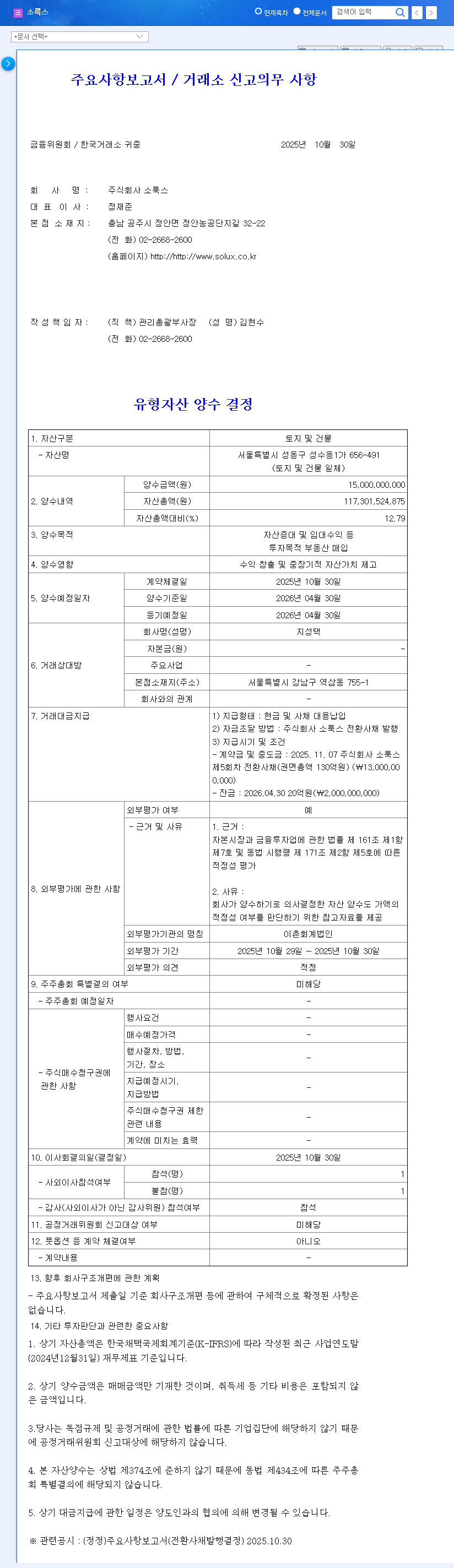
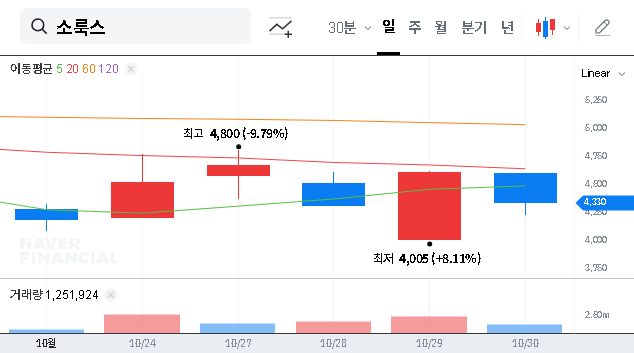
    The recent Solux property acquisition has sent ripples through the market, prompting both optimism and scrutiny from investors. Solux Co., Ltd., a company navigating a strategic pivot from its traditional lighting business, announced a significant ₩15 billion investment in Seoul’s coveted Seongsu-dong district. This move is seen as a bold step towards diversification and asset appreciation, but the reliance on convertible bonds for financing raises critical questions about the company’s short-term financial health. This analysis delves into the specifics of the deal, the strategic rationale, and the key considerations for anyone tracking this evolving story.

    Details of the Landmark Seongsu-dong Deal

    Solux Co., Ltd. formally disclosed its decision to acquire land and buildings at 656-491 Seongsu-dong 1-ga, Seongdong-gu, Seoul. The total acquisition price of ₩15 billion represents a substantial 12.79% of the company’s total assets, signaling a major capital allocation. The deal, signed on October 30, 2025, with counterparty Jisungtaek, is primarily funded by the issuance of ₩13 billion in convertible bonds, with the remaining ₩2 billion covered by the company’s cash reserves. The full details of the transaction were made public in an Official Disclosure on the DART system.

    Why Seongsu-dong Real Estate is a Prime Target

    The choice of Seongsu-dong is highly strategic. Once a district of aging factories and warehouses, Seongsu-dong has undergone a remarkable transformation, earning it the nickname “the Brooklyn of Seoul.” It is now a vibrant hub for art galleries, high-end fashion boutiques, tech startups, and trendy cafes, attracting significant foot traffic and corporate interest. Investing in Seongsu-dong real estate provides Solux with a tangible asset in a location with a high potential for long-term value appreciation and a steady stream of potential rental income, which could provide a crucial buffer as the company develops its newer, more volatile business ventures.

    This Solux property acquisition is a classic diversification play. While prime real estate can be a powerful hedge against core business volatility, the financing structure via convertible bonds is the critical factor that will determine whether this becomes a strategic triumph or a financial misstep.

    The Double-Edged Sword: Financing with Convertible Bonds

    The decision to fund 87% of the acquisition through the 5th series of Solux convertible bonds is a major point of concern. Convertible bonds are a hybrid security that starts as debt but can be converted into company stock at a later date. While this allows Solux to raise capital without immediate share dilution, it presents future risks.

    • Increased Debt Burden: Until conversion, these bonds add ₩13 billion to Solux’s liabilities, increasing interest expenses and straining a financial structure already weakened by declining sales in its core business.
    • Future Share Dilution: If bondholders convert their bonds to equity, it increases the total number of shares outstanding. This dilutes the ownership stake of existing shareholders and can put downward pressure on the stock price.
    • Capital Diversion: This large-scale investment in real estate raises questions about whether capital is being diverted from the company’s ambitious new ventures in medical lighting, construction, and degenerative brain disease treatments, which require significant R&D and operational funding to succeed.

    A Guide for Investors: Key Factors to Monitor

    For investors conducting a Solux financial analysis, this acquisition introduces new variables that require careful monitoring. While the long-term potential is clear, the short-term risks are significant. It is essential to weigh the stability of real estate against the execution risks in the company’s new growth sectors. This strategy is part of a broader trend of global corporate real estate investment as a diversification method.

    Here are the critical points to watch moving forward:

    • New Business Performance: The success or failure of Solux’s ventures in medical and construction will determine if the company can service its increased debt and grow into its valuation. Tangible revenue and profit from these areas are crucial.
    • Convertible Bond Status: Keep a close eye on the bond’s conversion price and any signs of early conversion. This will be a key indicator of future stock performance and shareholder dilution.
    • Property Utilization Plan: Monitor the company’s plans for the Seongsu-dong asset. Will it be leased out quickly? What is the projected rental yield? A clear and profitable plan will help alleviate financial concerns. For more on this, see our guide on evaluating corporate diversification strategies.
    • Financial Metrics: Track changes in the debt-to-equity ratio, interest coverage ratio, and free cash flow in the upcoming quarterly reports to gauge the immediate impact of this acquisition.

    In conclusion, the Solux Co., Ltd. investment in Seongsu-dong is a defining moment for the company. If managed correctly, it could secure the company’s financial future with a high-value asset. However, the heavy reliance on debt financing in a challenging economic climate means that investors must remain vigilant and critically assess the company’s ability to execute its broader diversification strategy.

    (290690) Solux Property Acquisition: A Deep Dive into the ₩15B Seongsu-dong Deal 관련 이미지
  • (001210) KUMHO ELECTRIC Stock Analysis: Baro Bank’s 5.34% Stake & What It Means for Investors

    (001210) KUMHO ELECTRIC Stock Analysis: Baro Bank’s 5.34% Stake & What It Means for Investors

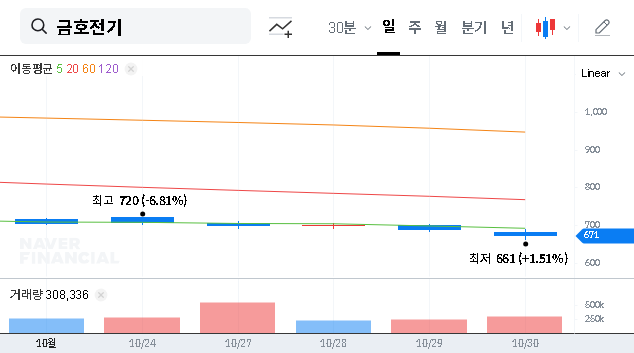
    The market is buzzing with recent news surrounding KUMHO ELECTRIC, a company at a potential turning point. A recent public disclosure has revealed a significant new investor: Baro Savings Bank has acquired a 5.34% stake. While the stated purpose is a ‘simple investment,’ the technical trigger for the report—a ‘conversion price adjustment’—hints at a more complex financial story. This development raises critical questions for current and potential investors: Is this a vote of confidence, or a sign of underlying financial intricacies? This comprehensive KUMHO ELECTRIC stock analysis will dissect this event, evaluate the company’s fundamentals, and provide a clear, actionable outlook.

    The Catalyst: Baro Savings Bank’s Strategic Entry

    On October 30, 2025, KUMHO ELECTRIC CO.,LTD filed a mandatory ‘Report on the Status of Large Shareholding,’ a document required when an entity’s ownership exceeds 5%. The report, available via the official DART system (Official Disclosure), confirmed that Baro Savings Bank now holds a 5.34% stake. Here are the key details:

    • New Major Shareholder: Baro Savings Bank/Republic of Korea
    • Ownership Stake: 5.34% (an increase from 0%)
    • Stated Purpose: Simple Investment (implying no intent for management control)
    • Reason for Report: New reporting obligation triggered by a ‘conversion price adjustment’ of the company’s convertible bonds (CBs).

    This isn’t a straightforward stock purchase. The connection to convertible bonds suggests Baro Savings Bank’s stake was acquired as part of a pre-existing financial instrument, a crucial detail for understanding their position and the company’s financial health.

    Fundamental Health Check: A Deeper KUMHO ELECTRIC Analysis

    To grasp the full impact of this news, we must look beyond the headline and analyze the underlying fundamentals of KUMHO ELECTRIC, based on its H1 2025 performance and the prevailing macroeconomic climate.

    Corporate Performance: A Challenging Picture

    • Declining Revenue: H1 2025 revenue saw a steep 24% year-on-year drop to 21.395 billion KRW. This decline reflects struggles in its core lighting business and software segments, battered by a global economic slowdown.
    • Fragile Profitability: While losses have narrowed, this improvement stems from aggressive cost-cutting rather than top-line growth. This strategy is not sustainable for long-term health.
    • Speculative New Ventures: The company is exploring new avenues like drones and NFT platforms. However, with undecided investment plans and high market volatility (especially in NFTs), these ventures add more uncertainty than stability. For more on this, you can review our guide to evaluating tech company pivots.
    • Vulnerable Financials: A significant debt load, including 3.18 billion KRW in outstanding convertible bonds, poses a risk. The company’s history of cumulative losses also prevents dividend payments, making it less attractive to income-focused investors.

    Macroeconomic Headwinds

    External factors further complicate the outlook. A rising US dollar increases the cost of imported raw materials, squeezing margins. Concurrently, volatile oil prices and rising global interest rates, as indicated by US 10-year Treasury yields, increase the company’s borrowing costs and the financial burden of its existing debt.

    Investment Outlook: Caution is Key

    The arrival of a new institutional investor like Baro Savings Bank can be interpreted in two ways. On one hand, it could signal that the bank sees deep value in KUMHO ELECTRIC stock at its current price. On the other, given the ‘simple investment’ tag and the CB-related trigger, it may simply be a passive financial position.

    The Bull Case (Potential Positives)

    • Improved Sentiment: The presence of an institutional investor may boost confidence in the short term.
    • Increased Transparency: The disclosure sheds light on the company’s convertible bond situation.

    The Bear Case (Significant Risks)

    • No Fundamental Change: A new investor doesn’t fix the core issues of falling sales and a weak business model.
    • Ongoing CB Uncertainty: The ‘conversion price adjustment’ is a red flag, indicating potential stock dilution or financial strain.
    • High Volatility: The mix of fundamental weakness and speculative news could lead to erratic stock price movements.

    Final Recommendation: A ‘Wait and Monitor’ Strategy

    Given the significant headwinds and fundamental challenges facing KUMHO ELECTRIC, a rush to invest based on this news alone would be ill-advised. The most prudent approach is a ‘Neutral’ or ‘Conservative Wait-and-See’ stance.

    Investors should closely monitor the following points before considering a position:

    • Future Filings: Watch for any further share acquisitions or changes in intent from Baro Savings Bank.
    • Performance Turnaround: Look for tangible evidence of sales recovery in the upcoming quarterly reports (Q4 2025 and Q1 2026).
    • New Business Progress: Demand concrete plans and early results from the drone and NFT initiatives.
    • Debt Management: Analyze how the company manages its convertible bond obligations and overall debt structure.

    Ultimately, while Baro Savings Bank’s investment adds an interesting new chapter to the KUMHO ELECTRIC story, the plot is still driven by the company’s ability to overcome its fundamental operational and financial challenges. Until a clear recovery is underway, caution remains the best strategy.

    (001210) KUMHO ELECTRIC Stock Analysis: Baro Bank's 5.34% Stake & What It Means for Investors 관련 이미지
  • (011000) GeneOne Life Science Convertible Bond: A 2025 Deep Dive for Investors

    (011000) GeneOne Life Science Convertible Bond: A 2025 Deep Dive for Investors

    Investors are closely watching GeneOne Life Science, Inc. following its recent major financial maneuver. The company announced the issuance of a 5 billion KRW GeneOne Life Science convertible bond (CB), a move that has sent ripples through the investment community. This decision, detailed in an official disclosure on October 29, 2025, presents a critical crossroads for the company—is it a lifeline to secure much-needed financial stability, or a precursor to significant share dilution for existing stockholders? This comprehensive analysis will explore every facet of this development.

    The Announcement: Unpacking the 5 Billion KRW CB Issuance

    On October 29, 2025, GeneOne Life Science confirmed its plan to raise 5 billion KRW through a private placement of convertible bonds. This strategic fundraising effort has immediate and long-term implications for the company’s financial structure and operational capacity. For a direct look at the filing, you can view the Official Disclosure (DART). Here are the core details of the issuance:

    • Issuance Size & Type: 5 billion KRW in private placement convertible bonds.
    • Payment Date: November 4, 2025.
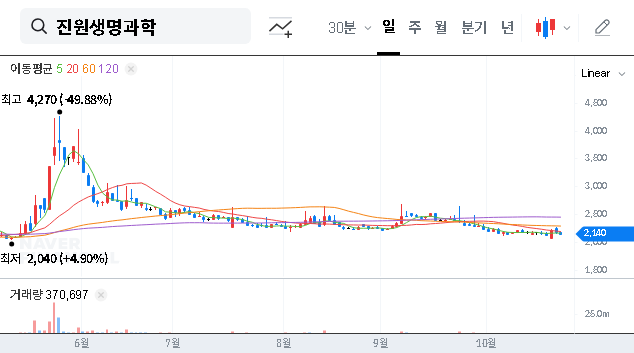
    • Conversion Price: 2,192 KRW (a slight premium over the current price of 2,140 KRW).
    • Coupon Rate: 0%, meaning no periodic interest payments.
    • Maturity Yield: 4.0%, the return paid to bondholders if the bonds are not converted.
    • Conversion Period: November 4, 2026, to October 4, 2028.
    • Primary Investor: Dongbangseongjang Investment Association No. 1.

    The Rationale: Securing Capital for Stability and Growth

    The decision to issue these convertible bonds is a direct response to GeneOne Life Science’s current financial position. The company faces significant challenges, including an accumulated deficit of 264.8 billion KRW and noted uncertainties about its status as a ‘going concern’. This capital injection is designed to address these issues head-on.

    Strengthening Short-Term Liquidity

    The primary benefit is the immediate influx of 5 billion KRW, which enhances short-term liquidity. This cash can cover operational costs, alleviate financial pressures, and provide the runway needed to execute its business strategy. With a 0% coupon rate, the company avoids the burden of regular interest payments, a significant plus for a firm managing losses. For more on debt financing, see this guide from a leading financial authority.

    Fueling Business Momentum

    Beyond survival, the funds are earmarked for growth. This includes advancing its core business, such as the large-scale Plasmid DNA supply contracts, and investing in the R&D pipeline for new drugs. Successfully executing on these fronts is critical for achieving long-term profitability and demonstrating the company’s value proposition to the market.

    For investors, the central conflict is clear: The company gains immediate financial relief and growth capital, but this comes at the cost of potential future share dilution, a risk that cannot be ignored.

    Investor Risks: The Other Side of the Coin

    While the fundraising is a necessary step, investors must carefully weigh the significant risks associated with the GeneOne Life Science convertible bond. These risks extend beyond simple market volatility.

    The Inevitable Risk of Share Dilution

    Convertible bonds, by nature, carry the potential for share dilution risk. When bondholders exercise their right to convert the debt into equity, new shares are issued. This increases the total number of outstanding shares, which can decrease the ownership percentage and earnings per share (EPS) for existing stockholders. Although the conversion price of 2,192 KRW is slightly above the current stock price, any significant appreciation in the stock’s value would make conversion highly attractive, leading to dilution.

    Persistent ‘Going Concern’ Uncertainty

    A critical red flag for any company is a ‘going concern’ notice from auditors, which indicates doubt about the company’s ability to operate for the next year. GeneOne’s 2024 financial statements contained such a note. While this 5 billion KRW injection helps, it does not erase the underlying structural issues or the massive accumulated deficit. It’s a patch, not a cure. The company must demonstrate a clear path to profitability to truly resolve this uncertainty.

    Performance and Management Scrutiny

    Execution remains a key concern. The company’s flagship Plasmid DNA contract is valued at a massive $11.8 billion, yet actual sales to date are minimal. This capital must translate into tangible progress on that contract. Furthermore, past issues with management, such as failures to achieve a quorum at shareholder meetings for key appointments, raise questions about stability and governance that investors should consider. To better understand how to evaluate such factors, you can read our guide on analyzing biotech company management.

    Investment Strategy and Final Verdict

    The issuance of the GeneOne Life Science convertible bond is a classic double-edged sword. It provides a vital lifeline that could empower the company to achieve its ambitious goals.

    A prudent investment strategy requires a cautious and vigilant approach. The short-term positive sentiment from the fundraising may provide a temporary lift to the GeneOne Life Science stock price, but sustainable, long-term growth is not guaranteed. The key determinants of future value will be:

    • Execution on Plasmid DNA Contracts: The market needs to see tangible revenue and progress, not just contract values.
    • R&D Milestones: Positive results and advancements in the new drug pipeline are essential.
    • Financial Improvement: A clear, demonstrated path to reducing the deficit and resolving the ‘going concern’ issue.

    Ultimately, this CB issuance buys time and opportunity. It is not, in itself, a solution to the company’s fundamental challenges. Investors should monitor performance metrics closely and remain aware that the risk of share dilution looms until the company achieves sustainable profitability.

    (011000) GeneOne Life Science Convertible Bond: A 2025 Deep Dive for Investors 관련 이미지
  • (900140) LVMC Holdings Convertible Bonds: A Deep Dive into the KRW 30B Issuance & Investor Impact

    (900140) LVMC Holdings Convertible Bonds: A Deep Dive into the KRW 30B Issuance & Investor Impact

    LVMC Holdings CO., LTD. has captured the market’s attention with its recent announcement to issue 30 billion KRW in LVMC Holdings Convertible Bonds (CBs). For investors, this move presents a critical question: is this a strategic step to fuel accelerated growth, or does it signal a potential shareholder dilution risk? As a holding company with a strong growth trajectory in the Southeast Asian market, understanding the nuances of this corporate financing decision is paramount.

    This comprehensive investment analysis will delve into the specifics of the LVMC Holdings CB issuance, evaluate the company’s current financial health, and weigh the significant opportunities against the inherent risks. We’ll provide a clear-eyed view to help you make more informed investment decisions regarding LVMC Holdings’ future.

    Unpacking the KRW 30 Billion CB Issuance

    On October 29, 2025, LVMC Holdings officially disclosed its plan to raise significant capital through a private placement of convertible bonds. This strategic financial maneuver is designed to secure funding for future operations and expansion. For a detailed look at the filing, you can view the Official Disclosure on DART.

    Key Terms of the Issuance

    • Total Amount: KRW 30 billion, which represents approximately 8.8% of the company’s total capital.
    • Primary Investor: The bonds are being issued to ‘JB Woori-Korea Wide No. 1 Private Equity Fund.’
    • Conversion Price: Set at KRW 1,756 per share.
    • Conversion Period: Bondholders can convert the bonds into common stock from November 6, 2026, to October 6, 2029.

    The Strategic Timing: Strong Fundamentals & Favorable Market

    The decision to issue these LVMC Holdings Convertible Bonds comes at a time of notable strength for the company. An analysis of its 2025 half-year report reveals a company on an upward trajectory, particularly within its core automotive businesses in Laos and Vietnam.

    Issuing convertible debt from a position of financial strength allows a company to secure growth capital on favorable terms, signaling confidence in its future stock performance to the market.

    Key Performance Indicators

    • Surging Profitability: Half-year sales soared by 55% year-on-year to over 142 million USD, and the company successfully turned its operating profit to a surplus of nearly 13 million USD.
    • Robust Financial Structure: Previous CB conversions have already bolstered total equity to over 362 million USD, while total liabilities have decreased, creating a more stable and resilient balance sheet.
    • Future Growth Engines: Recent management changes and focused R&D in eco-friendly mobility suggest a forward-looking strategy to capture new market opportunities.

    Weighing the Scales: Opportunities vs. Risks

    This corporate financing move presents a classic duality of opportunity and risk that investors must carefully consider. For a deeper dive into financial instruments, Investopedia offers excellent resources on convertible bonds.

    The Bull Case: Fuel for Growth

    The KRW 30 billion infusion provides vital capital to accelerate growth. This funding can be used for new investments, market expansion, and operational enhancements, potentially leading to increased revenue and market share. If the company’s stock performs well and the bonds are converted, debt is wiped from the books and replaced with equity, further strengthening the financial structure without a cash outlay for repayment.

    The Bear Case: The Shadow of Dilution

    The primary risk for existing shareholders is shareholder dilution. When bondholders convert their debt to stock, new shares are created. This increases the total number of outstanding shares, which can dilute the ownership stake and earnings per share (EPS) for current investors. Furthermore, if the stock price falls, a downward adjustment of the conversion price (refixing) could lead to even more shares being issued upon conversion, exacerbating the dilution effect. For more on our market analysis, see our related coverage on Southeast Asian economies.

    A Strategic Checklist for Investors

    Given the dual nature of the LVMC Holdings Convertible Bonds, a cautious and informed approach is necessary. Investors should monitor several key areas:

    • Use of Proceeds: Watch for clear communication from management on how the KRW 30 billion will be deployed. Concrete plans for high-return investments are a positive sign.
    • Performance Metrics: Track whether the company’s growth and profitability continue to meet or exceed expectations. Strong performance is the best antidote to dilution concerns.
    • Stock Price vs. Conversion Price: Monitor the stock’s performance relative to the KRW 1,756 conversion price. A healthy premium indicates market confidence and makes conversion more likely.
    • Transparency: Continued transparent disclosure from the company regarding its financial health and strategic direction is essential for maintaining investor trust.

    Ultimately, the success of this CB issuance hinges on LVMC Holdings’ ability to translate the new capital into tangible, value-creating growth that outweighs any potential dilution for its shareholders.

    (900140) LVMC Holdings Convertible Bonds: A Deep Dive into the KRW 30B Issuance & Investor Impact 관련 이미지
  • (254490) MIRAI SEMICONDUCTORS Convertible Bond (₩47B): An Investor’s Guide to Stock 254490

    (254490) MIRAI SEMICONDUCTORS Convertible Bond (₩47B): An Investor’s Guide to Stock 254490

    The recent announcement from MIRAI SEMICONDUCTORS CO., LTD. (254490) regarding its decision to issue ₩47 billion in convertible bonds has sent ripples through the investment community. This major capital injection signals ambitious growth plans, but it also introduces the critical risk of stock dilution. For investors, the key question is clear: Is this MIRAI SEMICONDUCTORS convertible bond issuance a strategic masterstroke paving the way for future profits, or a necessary evil that could diminish shareholder value?

    This comprehensive analysis will dissect the issuance, providing investors with the clarity needed to navigate this pivotal moment. We will explore the company’s fundamentals, the macroeconomic landscape, and the direct implications of this financial maneuver, culminating in actionable investment strategies for stock 254490.

    The ₩47 Billion Issuance: What You Need to Know

    On November 6, 2025, MIRAI SEMICONDUCTORS is set to receive ₩47 billion through a private placement of convertible bonds. This strategic move is designed to fortify the company’s financial base and fuel its next phase of growth. For a deeper understanding of what convertible bonds are and how they work, you can explore authoritative financial resources. The key terms of this specific issuance are critical for any 254490 stock analysis:

    • Issuance Method: Private placement to a consortium of major institutional investors, including Samsung Securities, KB Securities, and NH Investment & Securities.
    • Coupon & Yield: Both the coupon rate and maturity yield are set at 0%, indicating investors are betting entirely on capital appreciation through stock conversion.
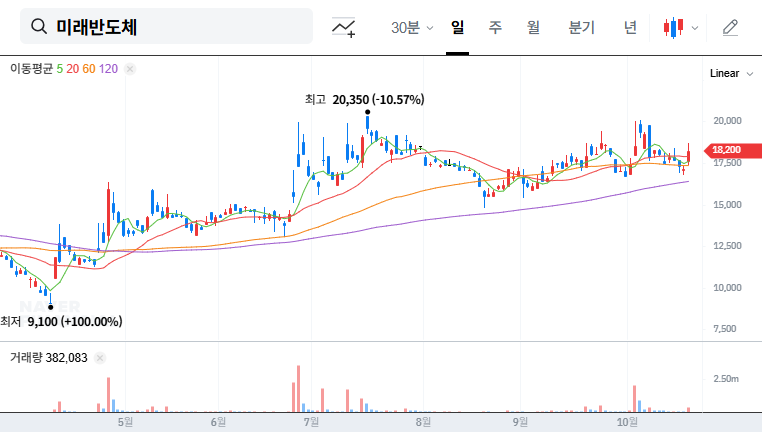
    • Conversion Price: Set at ₩18,245 per share, a slight premium over the current stock price of approximately ₩17,600.
    • Conversion Period: Bondholders can convert to stock from November 6, 2026, through October 6, 2030.

    For complete details, investors can review the Official Disclosure (DART Report).

    Why Now? Corporate Health and Market Dynamics

    Fundamental Strengths & Weaknesses

    An analysis of the H1 2025 report reveals a company at a crossroads. On one hand, MIRAI shows strong revenue growth, positive operating cash flow, and a solid equity base, bolstered by its long-term partnership with Samsung Electronics. However, significant challenges persist. The company’s operating profit margin remains low at 3.04%, and its heavy reliance on a single supplier (99% of sales from Samsung) presents a considerable concentration risk. Furthermore, rising inventory levels and a high borrowing ratio in a volatile currency environment are points of concern that this MIRAI SEMICONDUCTORS convertible bond aims to address.

    This capital raise is a strategic move to de-risk the balance sheet and provide the dry powder necessary for R&D and diversification, directly tackling the company’s core weaknesses while doubling down on market opportunities.

    Macroeconomic Tailwinds and Headwinds

    The broader semiconductor market is poised for long-term growth, driven by insatiable demand from AI, 5G, and automotive sectors. This provides a favorable backdrop for MIRAI’s expansion. However, high interest rates globally increase borrowing costs, while the depreciation of the Korean Won creates a mixed impact—boosting export competitiveness but also increasing the cost of imported raw materials and creating foreign exchange losses. This complex environment makes securing flexible, long-term funding like this convertible bond investment a prudent strategic decision.

    The Double-Edged Sword: Growth vs. Dilution

    The Bull Case: Fueling Future Growth

    The ₩47 billion injection provides MIRAI with significant firepower. This capital can be deployed to enhance operational efficiency, invest in next-generation R&D, and potentially diversify its client base beyond Samsung. Success in these areas could significantly enhance competitiveness and profitability, leading to substantial stock price appreciation. The fact that major financial institutions are participating signals a strong vote of confidence in the company’s long-term vision. This aligns with our internal semiconductor industry outlook report, which highlights the importance of strategic funding.

    The Bear Case: The Inevitable Stock Dilution Risk

    The primary downside is the stock dilution risk. If and when bondholders convert their debt to equity, the total number of outstanding shares will increase. This means each existing share represents a smaller percentage of the company, potentially reducing earnings per share (EPS) and the stock’s market value. With a conversion price only slightly above the current price, the threshold for this dilution to occur is relatively low. The market often reacts negatively to such announcements in the short term, fearing this future dilution.

    Investor Action Plan & Strategic Outlook

    Navigating the MIRAI SEMICONDUCTORS convertible bond issuance requires a nuanced strategy based on your investment horizon.

    • Short-Term (3-6 Months): Expect volatility. The market will likely price in the dilution risk, potentially creating downward pressure on the stock. Cautious investors may wish to wait for the dust to settle, while traders might find opportunities in the price swings.
    • Mid-to-Long-Term (1-3+ Years): The focus shifts entirely to execution. Investors should closely monitor how MIRAI utilizes the ₩47 billion. Key performance indicators will be improvements in operating margins, successful R&D outcomes, and any progress in diversifying revenue streams. If the company uses the capital effectively to generate growth that outweighs the dilution, long-term shareholders stand to benefit significantly.

    In conclusion, this convertible bond issuance is a calculated risk by MIRAI’s management. It presents a clear trade-off between near-term dilution concerns and long-term growth potential. Informed investors should weigh both sides, aligning their strategy with the company’s progress in converting this new capital into tangible value.

  • (210120) CANVAS N Stock Analysis: Sangsangin Savings Bank’s 5.34% Stake & Future Forecast

    (210120) CANVAS N Stock Analysis: Sangsangin Savings Bank’s 5.34% Stake & Future Forecast

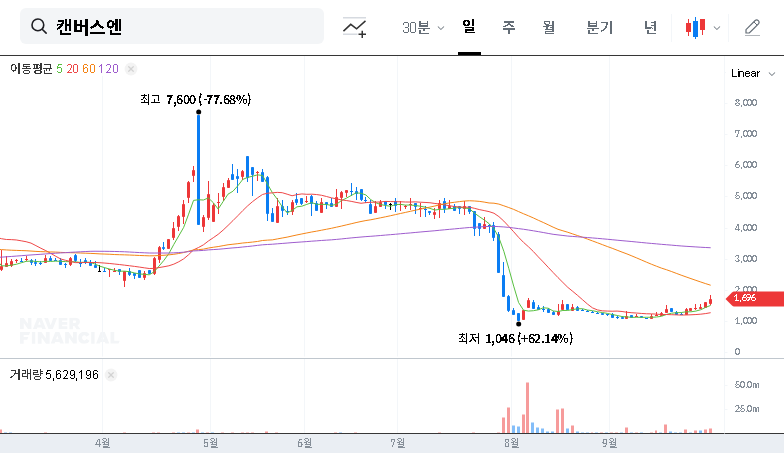
    The latest developments surrounding CANVAS N stock have captured significant investor attention. A recent disclosure reveals that Sangsangin Savings Bank has filed a Report on the Status of Large Shareholdings in CANVAS N Co.,Ltd. At a time when CANVAS N is navigating significant financial headwinds, this move by a major financial institution raises critical questions. How will this event impact the company’s stock price, and what does it signal about its future value? This article provides an in-depth analysis of the disclosure, a thorough review of CANVAS N’s fundamentals, and a strategic outlook for investors.

    We will dissect the implications of Sangsangin Savings Bank’s involvement, offering both short-term and long-term perspectives on the CANVAS N stock forecast. Let’s explore the key factors that will shape the trajectory of this dynamic media production company.

    Deconstructing the Disclosure: Sangsangin Savings Bank’s Stake

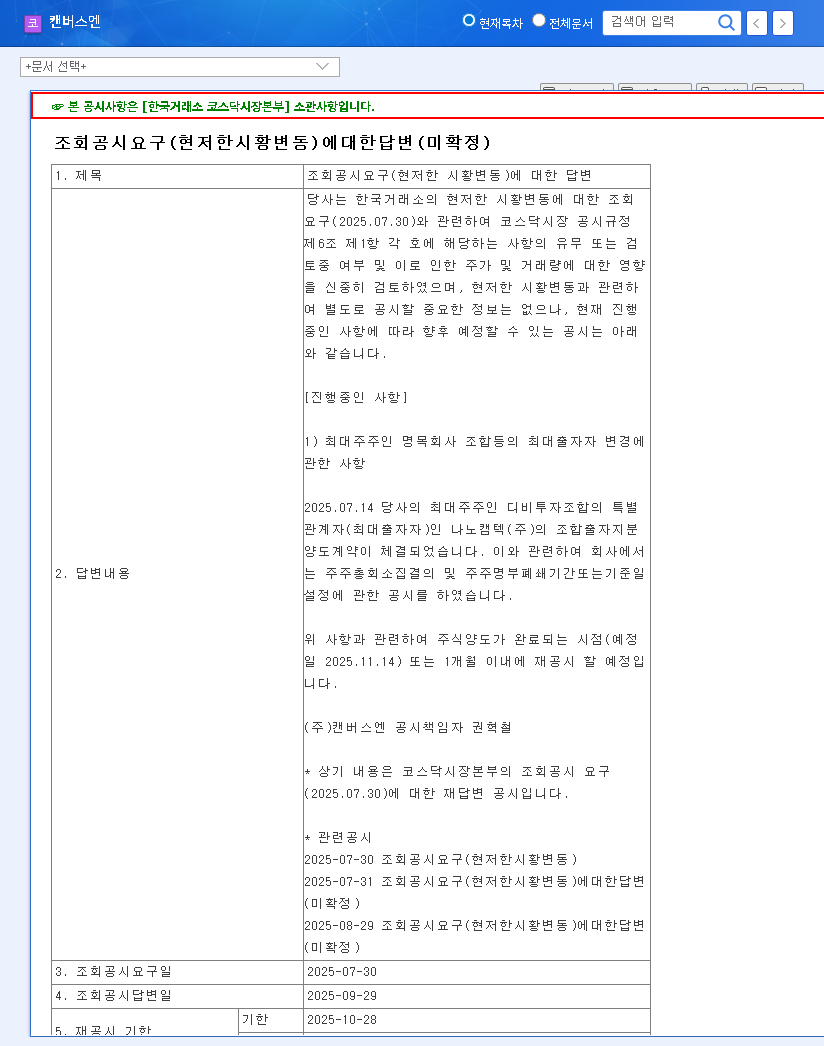
    On October 27, 2025, a pivotal filing was made public. Sangsangin Savings Bank submitted a ‘Report on the Status of Large Shareholdings (Simplified)’ regarding its position in CANVAS N Co.,Ltd. The key takeaways from this report, which you can view in the Official Disclosure, are as follows:

    • Reporting Entity: Sangsangin Savings Bank
    • Post-Report Shareholding: 5.34% of total shares
    • Holding Purpose: Simple Investment
    • Reason for Report: Reporting obligation triggered by a change in the conversion price of pre-existing Convertible Bonds (CBs).

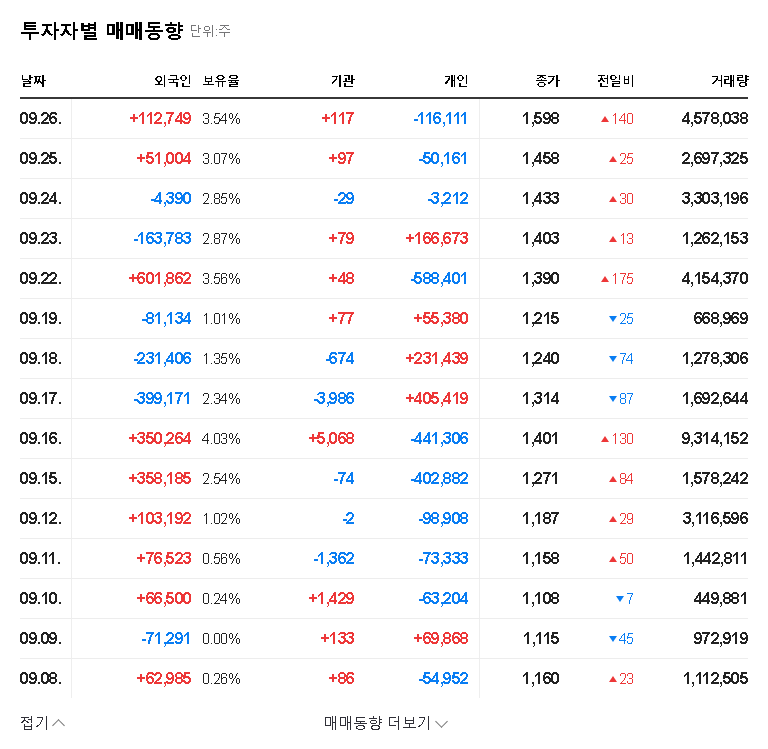
    Crucially, this filing does not indicate a new purchase of CANVAS N stock on the open market. Instead, adjustments to the terms of convertible bonds they already held caused their potential equity stake to cross the mandatory 5% reporting threshold. This is a technical, ex-post reporting event, but its implications for the CANVAS N shareholding structure are significant.

    CANVAS N’s Financial Health: A Challenging Picture

    To understand the context of this investment, we must examine the current financial state of CANVAS N, a company specializing in drama production. The first half of 2025 painted a difficult picture:

    • Revenue: 861 million KRW (a slight year-over-year decrease).
    • Operating Profit: A loss of 1,313 million KRW.
    • Net Profit: A loss of 1,963 million KRW.

    This downturn is attributed to fierce industry competition and rising production costs. The company’s balance sheet also shows signs of stress, with a high debt ratio exacerbated by the issuance of convertible bonds. While the overseas sales of the drama ‘Perfect Family’ offer a glimmer of hope, it’s clear that CANVAS N needs a significant operational turnaround to achieve sustainable profitability.

    While Sangsangin’s report is a noteworthy event, the long-term trajectory of CANVAS N stock will ultimately be dictated by its ability to execute a fundamental business recovery, not by a single financial disclosure.

    Investment Strategy & Stock Price Outlook

    Short-Term Stock Impact: Likely Muted

    The immediate impact on the CANVAS N stock price is expected to be limited. Since this was not a new purchase but a technical re-evaluation of existing convertible debt, the market has likely already priced in the existence of these bonds. The ‘simple investment’ purpose also signals no intent to influence management, further tempering any dramatic short-term reaction.

    Mid-to-Long-Term CANVAS N Stock Forecast

    The long-term outlook is entirely dependent on CANVAS N’s internal performance. Sangsangin’s position as a significant potential shareholder is a vote of confidence, but it is contingent on the company’s ability to improve its core business. Success hinges on strengthening profitability, improving the balance sheet, and replicating the international success of projects like ‘Perfect Family’. If management can deliver on these fronts, the potential conversion of Sangsangin’s bonds could be seen as a stabilizing force, providing capital and institutional backing. If not, these bonds represent a potential overhang of share dilution. For more on how debt instruments impact stock, see this guide to understanding convertible bonds.

    Key Observation Points for Investors

    • Quarterly Earnings Reports: Watch for any signs of profitability recovery and revenue stabilization.
    • Future Bond Conversions: Monitor filings from Sangsangin Savings Bank for any actual conversion of bonds to equity, which would directly impact the CANVAS N shareholding structure.
    • New Production Pipeline: The success of future drama productions and international sales contracts is the primary growth driver.
    • Macroeconomic Trends: Keep an eye on factors like interest rates and currency fluctuations, which impact financing costs and international revenue. For context, you can follow global economic news from sources like Reuters Business.

    Frequently Asked Questions (FAQ)

    Q1: Why did Sangsangin Savings Bank report a 5.34% stake in CANVAS N?

    The report was a legal requirement triggered after a change in the conversion price of their existing convertible bonds (CBs) made their potential ownership stake exceed 5%. It was not a new purchase of CANVAS N stock.

    Q2: Is this news positive or negative for the CANVAS N stock forecast?

    It’s neutral with a slightly positive undertone. It confirms a significant financial institution’s interest in the company’s potential upside. However, the positive impact is conditional on CANVAS N improving its poor financial performance.

    Q3: What is the most critical factor for CANVAS N’s long-term stock growth?

    The single most critical factor is a fundamental business turnaround. This includes achieving operational profitability, strengthening the balance sheet, and consistently producing successful content with international appeal.

    (210120) CANVAS N Stock Analysis: Sangsangin Savings Bank's 5.34% Stake & Future Forecast 관련 이미지
    (210120) CANVAS N Stock Analysis: Sangsangin Savings Bank's 5.34% Stake & Future Forecast 관련 이미지
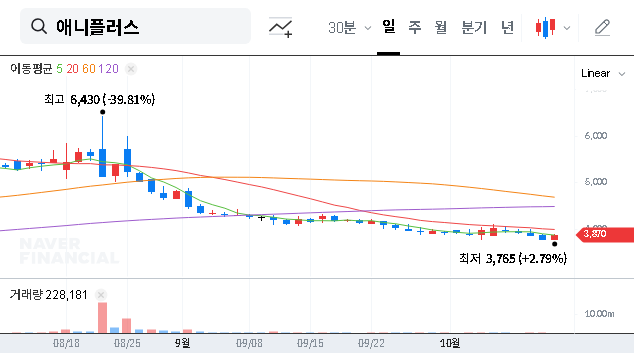
  • (310200) ANIPLUS Management Control: Investor’s Guide to JJ Mediaworks’ Increased Stake

    (310200) ANIPLUS Management Control: Investor’s Guide to JJ Mediaworks’ Increased Stake

    A significant power shift is underway at ANIPLUS INC., raising critical questions about the company’s future direction. The recent disclosure of JJ Mediaworks increasing its ownership stake is far more than a simple transaction; it’s a clear signal of a potential shift in ANIPLUS management control. For investors, this development warrants close scrutiny as it could redefine the company’s strategy, leadership, and ultimately, its market value.

    This comprehensive analysis will break down the official disclosure, explore the profound implications of this move, assess ANIPLUS’s current financial health, and provide a strategic roadmap for investors navigating this period of change.

    The Disclosure Decoded: JJ Mediaworks Tightens Its Grip

    According to the ‘Report on the Status of Large-scale Shareholding,’ JJ Mediaworks, the primary reporting entity, has bolstered its position within ANIPLUS INC. The change, primarily driven by an off-market purchase of 1,000,000 shares by Mr. Jisung Wook, has pushed their total ownership to a formidable level.

    • Previous Ownership: 35.62%
    • Current Ownership: 37.70%
    • Total Increase: 2.08 percentage points

    The most telling detail from the filing is the explicitly stated ‘Purpose of Holding’: Influence over Management Control. This is not a passive investment; it is a strategic maneuver designed to actively shape the company’s future. For complete transparency, investors can review the Official Disclosure (DART Source).

    When a major shareholder explicitly states their intent is ‘Influence over Management Control,’ it signals that the status quo is no longer guaranteed. Investors must prepare for potential changes in board composition, corporate strategy, and capital allocation.

    Analyzing ANIPLUS’s Fundamentals Amidst a Power Shift

    To understand the potential impact of a change in ANIPLUS management control, we must first assess the company’s current state. ANIPLUS is at a crossroads, with significant growth opportunities balanced by notable financial risks.

    Strengths & Opportunities

    • Strategic Diversification: The acquisition of the anime streaming platform Laftel and aggressive overseas expansion have broadened revenue streams beyond traditional broadcasting.
    • Valuable IP Portfolio: The ability to secure and monetize major Intellectual Properties (IPs) is the lifeblood of the media industry and remains a core strength for ANIPLUS.
    • Improving Balance Sheet: Recent reports show a positive trend with decreasing total liabilities and growing total equity, suggesting a move towards better financial health.

    Weaknesses & Threats

    • High Intangible Assets: A significant portion of the company’s asset value is tied up in intangibles like goodwill, which requires careful management and carries a risk of future write-downs.
    • Convertible Bond Overhang: Outstanding convertible bonds (CBs) present a looming threat of stock dilution and create a persistent financial burden that can weigh on the share price.
    • Declining Profitability: Recent dips in operating and net profit, though attributed to investment costs, are a major concern. A return to a clear trend of profitability is essential.

    Investor Action Plan: Key Factors to Monitor

    This move by JJ Mediaworks is a pivotal event. For investors, a reactive approach is unwise. Instead, a proactive monitoring strategy focused on tangible outcomes is the best path forward. Here are the critical areas to watch in this evolving ANIPLUS stock analysis:

    • Watch for Strategic Shifts: How does JJ Mediaworks’ increased influence translate into action? Look for announcements regarding new business ventures, major IP acquisitions, changes in executive leadership, or a revised capital allocation strategy (e.g., dividends vs. buybacks). Understanding the principles of corporate governance is essential here.
    • Monitor Profitability Metrics: The most crucial validation of any new strategy will be in the financial results. Pay extremely close attention to the next quarterly earnings reports. Is the trend of declining operating and net profit reversing? Are margins improving?
    • Track Financial Risk Management: Keep a close eye on how the company addresses the convertible bond issue. Are they planning to refinance? Will they let them convert and accept the dilution? A clear plan to manage this financial overhang is a sign of competent leadership. For more context, you can read our in-depth analysis of the media sector’s financial trends.

    In conclusion, JJ Mediaworks’ consolidation of its stake in ANIPLUS is a catalyst for potential change. While it could unlock significant value by bringing focus and strategic clarity, it also introduces a period of uncertainty. Prudent investors should move beyond the headline and focus on the fundamental performance and strategic actions of the company in the coming months before making any significant investment decisions.

    (310200) ANIPLUS Management Control: Investor's Guide to JJ Mediaworks' Increased Stake 관련 이미지
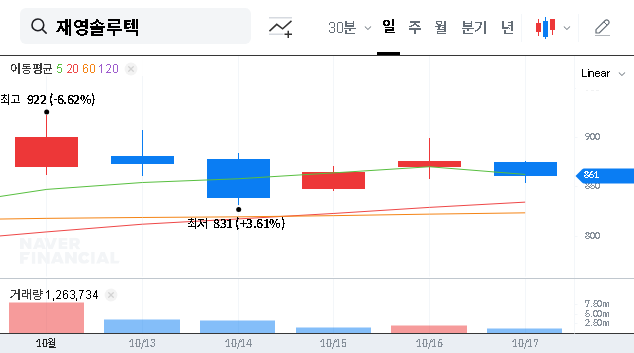
  • (049630) JAEYOUNG SOLUTEC Stock: Expert Analysis of Major Shareholder Sale & Future Outlook

    (049630) JAEYOUNG SOLUTEC Stock: Expert Analysis of Major Shareholder Sale & Future Outlook

    The recent large-scale divestment by a major shareholder has sent ripples through the investment community, putting JAEYOUNG SOLUTEC stock under the microscope. On October 24, 2025, an official disclosure revealed that Murim Capital/Republic of Korea sold a significant portion of its holdings, raising critical questions about the company’s future. For current and prospective investors, understanding the implications of this move is paramount. What does this sale signal about the company’s health, and what is the strategic path forward for those with capital at stake?

    This comprehensive JAEYOUNG SOLUTEC analysis will dissect the shareholder sale, evaluate the company’s underlying fundamentals, and provide a clear, actionable plan. We will explore both the immediate market reaction and the long-term strategic challenges, offering crucial insights to guide your investment decisions.

    The Divestment Event: A Closer Look

    The pivotal event occurred when JAEYOUNG SOLUTEC’s major shareholder, ‘Murim Capital/Republic of Korea’, executed a significant sell-off. According to the Official DART Disclosure, the entity sold 4,046,820 common shares through open market transactions. These shares were newly converted from convertible bonds, a detail that adds another layer of complexity. This sale reduced their total stake in the company from 16.38% down to 12.92%. Such a large transaction from an informed party is a signal the market cannot ignore.

    Company Fundamentals: The Core Business Under Pressure

    To understand the context of the sale, we must examine the company’s financial and operational health. Based on the H1 2025 semi-annual report, JAEYOUNG SOLUTEC presents a mixed but concerning picture.

    Profitability and Business Structure

    While top-line revenue grew by a respectable 17.7% year-on-year, this growth did not translate to the bottom line. Operating profit saw a significant decline, pushing the company into a net loss. The strategic pivot to concentrate on the nano-optics division, which produces key actuators for smartphone cameras, is a high-stakes bet. The discontinuation and sale of the legacy mold business incurred one-off costs that have heavily impacted recent profitability metrics.

    Financial Health and Debt

    The company’s balance sheet is a key area of concern. Although the debt-to-equity ratio has improved slightly to 168.53%, it remains high for the industry. A significant overhang exists from outstanding convertible bonds, which can lead to future share dilution and financing costs. Investors considering a JAEYOUNG SOLUTEC investment must be aware of this financial burden. For more information on these complex financial instruments, read our guide on understanding convertible bonds.

    A major shareholder sale, especially of shares converted from debt instruments, often signals a lack of confidence in the company’s near-term ability to generate cash flow and improve profitability.

    Impact of the Shareholder Sale on JAEYOUNG SOLUTEC Stock

    Short-Term: Heightened Stock Price Pressure

    The immediate effect of this news is almost certainly negative. A large supply of shares hitting the market creates downward pressure on the JAEYOUNG SOLUTEC stock price. This is amplified by weakened investor sentiment, as the market interprets the sale as an insider’s bearish outlook. The fact that these were freshly converted shares suggests a desire to exit the position, raising concerns about further selling pressure in the near future.

    Long-Term: Questions of Governance and Recovery

    While the sale was by an investment association and not a core member of management, a reduced major shareholder stake can introduce uncertainty. The key long-term question is whether the company’s strategic focus on nano-optics can offset its financial weaknesses. The market will be watching closely to see if management can execute its turnaround plan and restore faith in the company’s fundamental competitiveness. A failure to do so could lead to a protracted decline.

    Investor Action Plan & Strategic Outlook

    Given the circumstances, a disciplined and cautious approach is essential. The JAEYOUNG SOLUTEC shareholder sale acts as a major red flag that must be weighed against any potential for future growth.

    Investment Thesis & Key Monitorables

    • Short-Term (1-3 Months): A ‘Hold’ or ‘Sell’ rating is prudent. The risk of further price decline is high. Avoid new positions until the selling pressure subsides and a clear price floor is established.
    • Mid-to-Long-Term (6-18 Months): A cautious, ‘Wait-and-See’ approach is advised. Before considering an investment, look for tangible proof of a turnaround. This includes at least two consecutive quarters of positive operating profit and a measurable increase in market share for the nano-optics division.

    Primary Risk Factors to Consider

    • Additional Divestments: The remaining 12.92% stake could be sold, creating another supply shock.
    • Competitive Pressure: The nano-optics market is highly competitive. Failure to innovate could erode margins.
    • Macroeconomic Headwinds: Global economic shifts can impact demand for smartphones, directly affecting JAEYOUNG’s core business. For context, see the latest market analysis from authoritative sources like Bloomberg.
    • Financial Instability: The high debt load and remaining convertible bonds pose an ongoing risk to financial stability.

    In conclusion, while the potential for a turnaround exists within JAEYOUNG SOLUTEC’s focused strategy, the major shareholder sale is a significant bearish signal. Investors should prioritize capital preservation and demand clear evidence of fundamental improvement before committing to the stock.

    Disclaimer: This analysis is for informational purposes only and is based on publicly available data. All investment decisions should be made with the consultation of a qualified financial advisor.

    (049630) JAEYOUNG SOLUTEC Stock: Expert Analysis of Major Shareholder Sale & Future Outlook 관련 이미지
  • (093370) FOOSUNG Convertible Bonds (093370): A Deep Dive into the ₩27 Billion Issuance

    (093370) FOOSUNG Convertible Bonds (093370): A Deep Dive into the ₩27 Billion Issuance

    The recent announcement regarding the FOOSUNG Convertible Bonds issuance has sent ripples through the investment community. FOOSUNG CO.,LTD (093370) has confirmed its decision to issue ₩27 billion in Convertible Bonds (CBs), a strategic financial maneuver that presents both significant opportunities and potential risks for shareholders. While such instruments can fuel growth and innovation, they invariably bring the risk of share dilution to the forefront.

    This comprehensive analysis will dissect the intricacies of FOOSUNG’s CB issuance. We will explore the core details, evaluate the strategic rationale behind the capital raise, and provide a balanced view of the implications for your portfolio. Is this a launchpad for future growth, or a precursor to diluted shareholder value? Let’s delve into a detailed investor analysis.

    Core Details of the Issuance

    FOOSUNG has opted for a private placement to raise ₩27 billion. The key terms, which every investor should understand, are outlined below. For official, firsthand information, investors should always consult the primary source.

    This private placement has been filed and is publicly available.
    Official Disclosure: View DART Report

    • Total Issuance Amount: ₩27 billion (approximately 3.54% of current market capitalization).
    • Issuance Method: Private Placement to specific investors (Heimdall J-Ho PEF, Fluor Material New Technology Association).
    • Conversion Price: ₩6,857. This is set about 12% higher than the current stock price, a signal of management confidence.
    • Interest Rates: 0% surface interest rate but a 5.7% maturity interest rate, creating a balloon payment risk at maturity if not converted.
    • Conversion Period: November 5, 2026, to October 5, 2030.

    Strategic Rationale: Fueling Future Growth

    While FOOSUNG has not specified the exact use of proceeds, the context provides strong clues. Issuing debt that can convert to equity is often a move made by companies poised for significant expansion. The involvement of the ‘Fluor Material New Technology Association’ is particularly telling, suggesting a strategic push into advanced materials, R&D for next-generation products, or expansion of manufacturing capabilities in this high-growth sector. This capital injection could be the catalyst FOOSUNG needs to solidify its competitive edge.

    The Double-Edged Sword: Understanding Share Dilution Risk

    The primary concern for existing shareholders with any convertible bond issuance is dilution. When these bonds are converted, new shares are created, increasing the total number of shares outstanding. This means each existing share now represents a smaller percentage of the company. In this case, if all ₩27 billion in bonds are converted at ₩6,857 per share, it would create approximately 3.9 million new shares. While the issuance size is modest relative to the market cap (3.54%), the potential for dilution is real and must be factored into any valuation model. For a deeper dive into company financials, you can read our full analysis of FOOSUNG’s latest earnings report.

    Investor Analysis: Balancing Opportunity and Risk

    A prudent investor must weigh the potential upside of growth against the downside of dilution. Here’s a balanced breakdown of the implications of the FOOSUNG Convertible Bonds.

    Potential Positive Catalysts

    • Strategic Investment: The funds can accelerate R&D, leading to new products and revenue streams that significantly outweigh the dilution effect.
    • Vote of Confidence: A conversion price premium signals management’s belief in the company’s future stock performance. The participation of specialized investors adds a layer of third-party validation.
    • Financial Flexibility: A 0% surface interest rate means no immediate cash drain from interest payments, preserving capital for operational needs.

    Potential Negative Factors

    • Shareholder Dilution: As discussed, the creation of new shares upon conversion will dilute the ownership stake of existing shareholders.
    • Future Overhang: The existence of convertible bonds can create a ‘stock overhang,’ where the market anticipates future dilution, potentially suppressing the stock price.
    • Maturity Risk: If the stock price does not rise above the conversion price, FOOSUNG will be obligated to repay the ₩27 billion principal plus the 5.7% maturity interest, creating a significant financial burden.

    Strategic Checklist for FOOSUNG Investors

    Given the complexities, investors should adopt a proactive and analytical approach. Here is a checklist to guide your response:

    • Monitor Fund Utilization: Watch for official announcements detailing how the ₩27 billion will be deployed. Tangible progress in R&D or expansion is a key bullish signal.
    • Track Company Fundamentals: Pay close attention to revenue growth, profit margins, and free cash flow in the coming quarters to see if the investment is generating returns.
    • Analyze Market Reaction: Observe trading volume and price action. A sustained positive market reaction may indicate that institutional investors view the move favorably.
    • Re-evaluate Your Thesis: Does this capital raise strengthen or weaken your original investment thesis for FOOSUNG? The answer will determine whether you should hold, add, or reduce your position.

    (093370) FOOSUNG Convertible Bonds (093370): A Deep Dive into the ₩27 Billion Issuance 관련 이미지