Tag: Convertible Bonds

  • (320000) HanWool Semiconductor Convertible Bond: An In-Depth Stock Analysis for Investors

    (320000) HanWool Semiconductor Convertible Bond: An In-Depth Stock Analysis for Investors

    Amid a challenging global economic climate, HanWool Semiconductor, Inc. has announced a significant financial maneuver: the issuance of ₩5 billion in private convertible bonds. This decision prompts a critical question for stakeholders and potential investors: is this a strategic move to secure future growth, or a necessary measure to navigate a crisis? This comprehensive HanWool Semiconductor stock analysis will dissect the details of the HanWool Semiconductor convertible bond, evaluating its short-term benefits, long-term implications, and the crucial factors investors must consider before making their next move.

    The Details: A ₩5 Billion Convertible Bond Issuance

    On November 13, 2025, HanWool Semiconductor officially announced its decision to issue private placement convertible bonds (CBs) valued at ₩5 billion. This sum is notable, representing approximately 7.43% of the company’s market capitalization. A convertible bond is a type of debt security that the holder can convert into a specified number of shares of common stock in the issuing company. This private placement is designated for a single entity, Global Lowell Union. The key terms are outlined in the Official Disclosure (DART) and summarized below:

    • Issuance Amount: ₩5 billion
    • Issuance Method: Private placement to Global Lowell Union
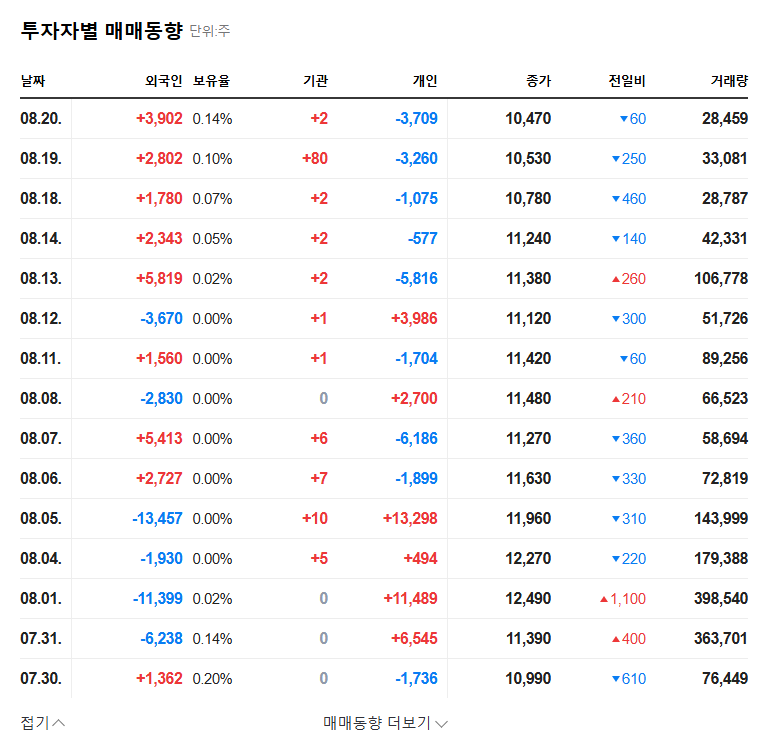
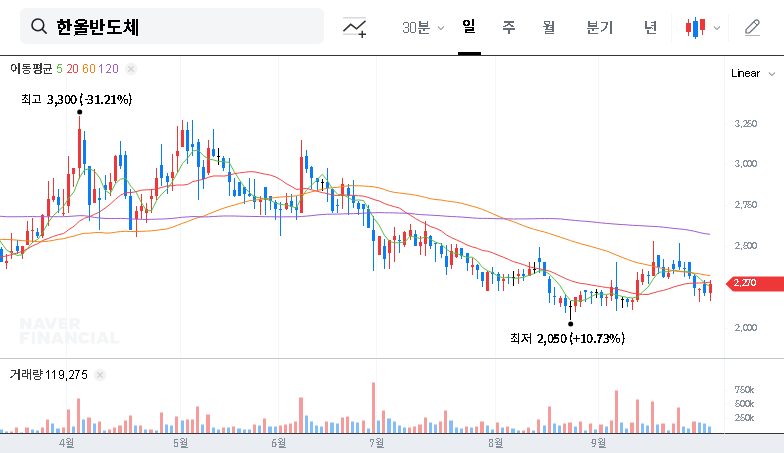
    • Conversion Price: ₩1,928 per share (below the current market price of ₩2,200)
    • Coupon/Maturity Interest Rate: 3%
    • Conversion Period: December 12, 2026 – November 12, 2028

    The conversion price being set below the current stock price is a critical detail. It creates a strong incentive for the bondholder to convert the debt into equity, which signals confidence but also introduces the risk of stock dilution down the line.

    The ‘Why’: Underperformance and Urgent Liquidity Needs

    This HanWool Semiconductor CB issuance is not happening in a vacuum. It’s a direct response to the company’s recent financial struggles and the broader industry downturn. Performance in the first half of 2025 was sluggish, marked by declining sales and a growing operating loss. The core reasons include:

    • Front-End Market Contraction: A significant reduction in investment from the semiconductor and display industries has directly hurt sales, particularly in HanWool’s Film inspection equipment division.
    • Rising Operational Costs: An increase in selling, general, and administrative (SG&A) expenses has further squeezed profitability.
    • Uncertainty in New Ventures: While strategic pivots into AI machine vision and semiconductor IP are promising for the long term, they are in early stages and unlikely to generate revenue soon.

    While the company’s debt ratio has improved, its cash reserves have dwindled. This capital injection is therefore crucial for managing operational liquidity and stabilizing the balance sheet while it navigates these challenges.

    This bond issuance is a classic double-edged sword: it provides a vital short-term cash lifeline but simultaneously places immense pressure on the company to deliver on its long-term growth promises to justify the potential shareholder dilution.

    An Actionable Guide for Investors

    For investors, the HanWool Semiconductor convertible bond news requires a nuanced perspective. While it addresses immediate liquidity concerns, the ultimate success depends on execution. Here’s what to monitor:

    Potential Upsides & Investment Points

    • New Business Success: The most significant catalyst would be tangible progress in the AI machine vision and semiconductor IP businesses. Look for milestones, partnerships, and early revenue generation.
    • Efficient Use of Capital: Track how the ₩5 billion is deployed. Investments in R&D and strategic initiatives that enhance long-term value are positive signs.
    • Industry Recovery: An upturn in the broader semiconductor market, as detailed in our previous semiconductor industry forecast, would lift HanWool’s core inspection equipment business.

    Critical Risks to Consider

    • Prolonged Industry Downturn: If the macroeconomic environment worsens, the industry’s recovery could be delayed, further straining HanWool’s finances. Learn more about market dynamics from authoritative sources like McKinsey’s Global Economics Intelligence.
    • Stock Dilution Overhang: While not immediate, the potential conversion of bonds into nearly 2.6 million new shares creates a supply overhang that could pressure the stock price in the future.
    • Failure to Execute: If the new ventures fail to gain traction, the company will have increased its debt (via interest payments) and potentially diluted shareholders without a corresponding increase in corporate value.

    Final Verdict: ‘Neutral’ with a Cautious Approach

    Our investment opinion on HanWool Semiconductor, Inc. is ‘Neutral’. The CB issuance is a necessary and positive step for securing short-term operational stability. However, the company’s underlying fundamentals remain weak, and its future hinges on unproven business ventures. A positive investment case cannot be made on this fundraising alone.

    A cautious approach is warranted. Investors should wait for concrete evidence of financial improvement and tangible results from the new business segments. Closely monitoring quarterly earnings reports, the specific use of the CB funds, and progress updates on the AI and IP initiatives will be essential for making an informed decision. The path forward is laden with both risk and potential reward, demanding careful and continuous due diligence.
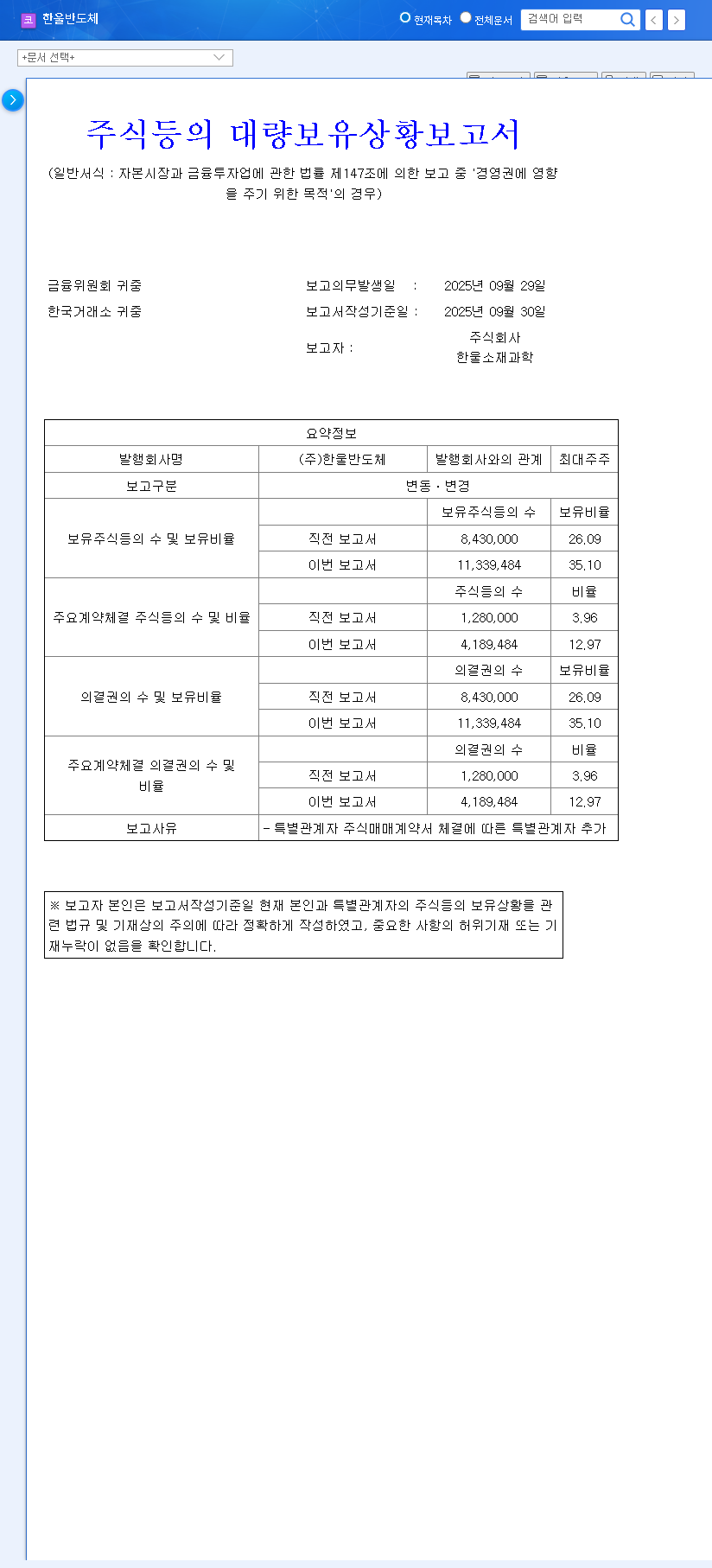
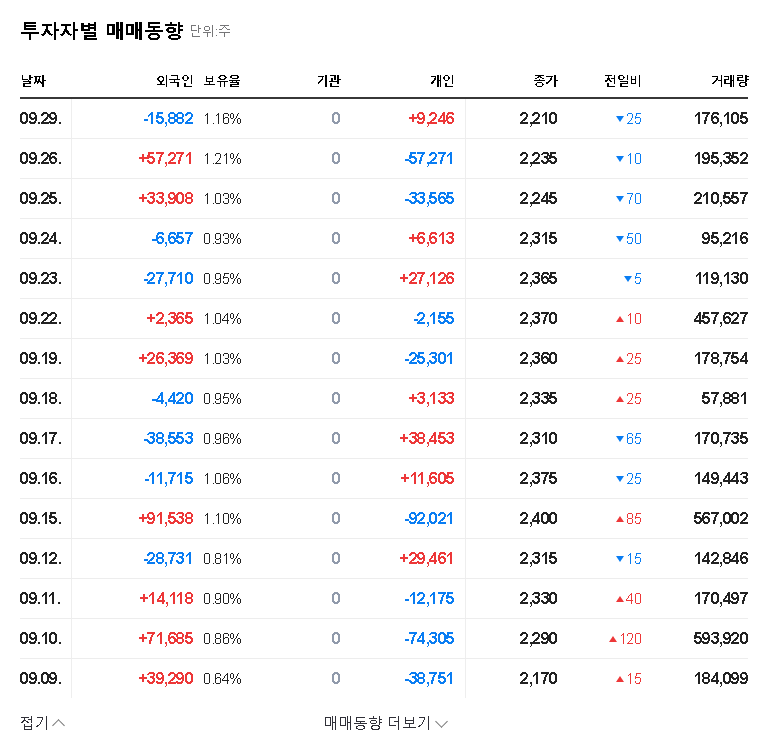
    (320000) HanWool Semiconductor Convertible Bond: An In-Depth Stock Analysis for Investors 관련 이미지
    (320000) HanWool Semiconductor Convertible Bond: An In-Depth Stock Analysis for Investors 관련 이미지
  • (092300) HYUNWOOINDUSTRIALCO.,LTD Conversion Claim Exercise (092300): A 2025 Investor’s Guide

    (092300) HYUNWOOINDUSTRIALCO.,LTD Conversion Claim Exercise (092300): A 2025 Investor’s Guide

    For shareholders and prospective investors in HYUNWOOINDUSTRIALCO.,LTD (092300), the recent news surrounding its HYUNWOOINDUSTRIALCO.,LTD conversion claim exercise is a critical development. An official announcement on November 12, 2025, confirmed a new share issuance stemming from the exercise of convertible bonds. This event introduces both short-term volatility and long-term strategic questions, demanding a thorough analysis from every investor. Understanding the mechanics of this financial maneuver is the first step toward making an informed decision.

    This comprehensive guide will deconstruct the conversion claim exercise, analyze the company’s current financial standing, assess the macroeconomic landscape, and provide a clear HYUNWOOINDUSTRIALCO.,LTD investment strategy. Our goal is to equip you with the knowledge to navigate this period of uncertainty and identify potential opportunities.

    Understanding the Conversion Claim Exercise

    First, what exactly is a conversion claim exercise? It occurs when investors who hold a company’s convertible bonds—a type of debt security—choose to convert those bonds into a predetermined number of common shares. This is typically done when the company’s stock price is trading significantly above the bond’s conversion price, making the shares more valuable than the bond itself.

    According to the Official Disclosure, HYUNWOOINDUSTRIALCO.,LTD has detailed the specifics of this event:

    • New Share Volume: 314,267 new shares will be issued.
    • Market Impact: This represents 1.68% of the company’s current market capitalization.
    • Listing Date: The new shares are expected to be listed and begin trading on November 28, 2025.
    • Conversion Price: The price is set at 3,182 KRW per share.

    The primary consequence is an increase in the number of outstanding shares, an event known as stock dilution. This can put downward pressure on the stock price in the short term as the company’s net income is now divided among more shares.

    With the current stock price (3,840 KRW) being 20.66% higher than the conversion price, the potential for immediate profit-taking by bondholders is high, creating significant selling pressure.

    Fundamental Analysis: The Company’s Core Health (Q3 2025)

    To understand if the company can weather this short-term pressure, we must examine its underlying fundamentals as of the third quarter of 2025. Explore our full library of in-depth company analyses for more context.

    Profitability and Sales

    While total sales saw a 14.4% year-on-year decrease, HYUNWOOINDUSTRIALCO.,LTD managed a slight improvement in operating profit, which reached 8,873 million KRW. This suggests successful cost-cutting measures in selling, general, and administrative expenses, which is a positive sign of operational efficiency.

    Balance Sheet Concerns

    There are two key areas of concern on the balance sheet. First, inventory assets grew by 25% to 47,223,515 thousand KRW. This indicates a persistent inventory management burden that could tie up capital. Second, due to increased borrowings and the issuance of these convertible bonds, the company’s debt ratio has climbed to 82.10%, a notable increase that warrants close monitoring of its financial soundness.

    Future Outlook: Order Backlog

    On a brighter note, the company’s order backlog stood at a healthy 34,010 million KRW at the end of Q3. This backlog provides a degree of revenue visibility and is expected to have a positive impact on future sales, potentially offsetting some of the negative sentiment from the stock dilution.

    Crafting Your HYUNWOOINDUSTRIALCO.,LTD Investment Strategy

    Given the specifics of the HYUNWOOINDUSTRIALCO.,LTD conversion claim exercise and the company’s mixed fundamentals, a nuanced investment strategy is required.

    Short-Term Approach (Next 1-3 Months)

    The period surrounding the new share listing on November 28, 2025, is likely to be marked by heightened volatility. The anticipated sell-off from converting bondholders could depress the stock price. Conservative investors might consider a wait-and-see approach, holding their current position without adding to it, or even trimming their position to manage risk. Aggressive traders might look for shorting opportunities, but this carries substantial risk.

    Long-Term Perspective (6+ Months)

    The long-term trajectory will depend on how effectively the market absorbs the new shares and, more importantly, on the company’s operational performance. Key factors to monitor include:

    • Earnings Growth: Can the company convert its order backlog into strong, profitable sales in the coming quarters?
    • Financial Health: Are there signs of improved inventory management and a reduction in the debt-to-equity ratio?
    • Macroeconomic Factors: Favorable shifts in exchange rates and interest rates could provide significant tailwinds.

    A long-term investment decision should only be made after observing sustained improvements in these core areas.

    Frequently Asked Questions (FAQ)

    Q1: Will this event definitely cause the stock price to drop?

    While short-term downward pressure is highly likely due to stock dilution and profit-taking, it is not guaranteed. Strong positive news or broader market rallies could offset the effect. However, investors should prepare for increased volatility.

    Q2: Is a conversion claim exercise a bad sign for a company?

    Not necessarily. It indicates that the company’s stock has performed well enough to make conversion attractive. It also converts debt into equity on the balance sheet, which can improve certain financial ratios. The main drawback is the dilution for existing shareholders.

    Q3: What should I watch for on November 28, 2025?

    On the listing date, monitor the trading volume closely. Unusually high volume could indicate that many of the new shares are being sold into the market. Also, watch the price action around the conversion price of 3,182 KRW, as it may act as a temporary psychological support or resistance level.

  • (900140) LVMC Holdings: In-Depth Stock Analysis of JBWOORI PE’s Convertible Bond Investment

    (900140) LVMC Holdings: In-Depth Stock Analysis of JBWOORI PE’s Convertible Bond Investment

    A significant financial event has put LVMC Holdings under the investor microscope. The recent acquisition of a substantial number of LVMC Holdings convertible bonds by JBWOORI PE No.1 Private Equity Joint Company has sent ripples through the market. This move, officially classified as a ‘simple investment,’ raises crucial questions for current and potential shareholders. Is this a vote of confidence from sophisticated investors, or does it signal future stock dilution? This comprehensive LVMC Holdings stock analysis will dissect the event, evaluate the company’s fundamentals, and provide a clear outlook on what to expect next.

    The Catalyst: JBWOORI PE’s Strategic Investment

    On November 11, 2025, a public disclosure confirmed the major acquisition. This wasn’t a minor transaction; it represents a significant stake in the company’s future capital structure. Here are the core details from the official report:

    • Reporting Entity: JBWOORI PE No.1 Private Equity Joint Company
    • Asset Acquired: 17,084,282 convertible bonds (CBs)
    • Resulting Stake: 8.12% ownership potential upon conversion
    • Stated Purpose: Simple Investment
    • Source: Official Disclosure (DART)

    The term ‘simple investment’ is key, as it typically indicates the investor does not intend to participate in management or exert control over the company. Instead, the focus is purely on financial return. However, the scale of this investment makes it a pivotal event for LVMC Holdings.

    A private equity fund’s large-scale acquisition, even for ‘simple investment,’ is often a strong indicator of perceived undervaluation and future growth potential. It signals to the market that sophisticated capital sees an opportunity.

    Core Analysis: LVMC Holdings’ Fundamentals & Market Position

    To understand the implications of this event, we must first assess the underlying health of the company and its operating environment.

    1. Impressive Financial Performance (H1 2025)

    LVMC Holdings has demonstrated remarkable growth, validating its strategic focus. The 55.9% year-over-year revenue increase to $142.3 million is not just a number; it reflects a successful expansion of automotive assembly and sales across the burgeoning ASEAN automotive market, particularly in Laos, Vietnam, and Myanmar. More importantly, the company has achieved a significant operational turnaround, swinging from a loss in 2023 to a healthy operating profit of nearly $13 million in the first half of 2025. This points to effective cost management alongside aggressive revenue growth.

    2. The ASEAN Automotive Market Opportunity

    The company’s primary playground, the ASEAN region, is a high-growth engine. A young demographic, rising disposable incomes, and an expanding middle class create a fertile ground for automotive sales. As detailed in market reports by institutions like Statista, vehicle penetration in many of these countries remains low, suggesting a long runway for growth. However, this lucrative market also attracts intense competition. While Japanese and Korean brands are established, the rise of cost-effective and tech-savvy Chinese brands presents a new dynamic that LVMC Holdings must adeptly navigate.

    3. Strategic Vision: Eco-Friendly Mobility

    Looking beyond traditional auto sales, the company’s investment into the eco-friendly mobility sector is a forward-thinking move. Ventures into 3-wheel electric vehicle (EV) taxis and vans tap into the global shift towards sustainable transportation. This diversification could become a major long-term value driver, insulating the company from the cyclical nature of standard auto sales. You can learn more about emerging EV trends in our detailed report.

    Impact of the Convertible Bond Acquisition

    The acquisition of LVMC Holdings convertible bonds by JBWOORI PE will have several short- and long-term effects.

    Potential Stock Price Volatility

    In the short term, the existence of a large block of convertible bonds can create a ‘supply overhang.’ This means the market anticipates these bonds will eventually be converted to stock and sold, potentially putting downward pressure on the price. However, the long-term view is more positive. The capital infusion strengthens the balance sheet and funds growth, which should ultimately drive the stock price higher. The key variable will be the conversion price relative to the market price.

    Strengthened Financial Structure

    This move is fundamentally positive for the company’s financial health. When the bonds are eventually converted, debt on the balance sheet transforms into equity. This reduces the company’s debt-to-equity ratio, lowers interest expenses, and improves overall financial stability—a clear positive signal for credit agencies and long-term investors.

    Investor Action Plan & Final Verdict

    Considering the strong fundamentals, the high-growth market, and the vote of confidence from a private equity firm, the long-term outlook for LVMC Holdings appears positive. However, investors must weigh this against tangible risks.

    • Positive Catalysts: Continued revenue growth in the ASEAN market, successful execution of EV initiatives, and improved market sentiment.
    • Key Risks: KRW/USD exchange rate volatility, political instability in emerging markets, and the short-term stock price pressure from the convertible bond overhang.

    Recommendation: Neutral to Cautiously Optimistic. While immediate, aggressive buying may be premature due to potential short-term volatility, the underlying story is compelling. Prudent investors should adopt a ‘wait and see’ approach, closely monitoring quarterly reports and the conversion status of the bonds. Any significant dip in stock price unrelated to fundamental deterioration could present a valuable entry point for a long-term position. This LVMC Holdings stock analysis concludes that the company is well-positioned, but careful monitoring of risks is essential.

    (900140) LVMC Holdings: In-Depth Stock Analysis of JBWOORI PE's Convertible Bond Investment 관련 이미지
  • (092300) HYUNWOOINDUSTRIALCO.,LTD Stock Analysis (2025): Deep Dive into the CB Conversion Report & Future Outlook

    (092300) HYUNWOOINDUSTRIALCO.,LTD Stock Analysis (2025): Deep Dive into the CB Conversion Report & Future Outlook

    The market is buzzing about HYUNWOOINDUSTRIALCO.,LTD stock (현우산업) after a significant disclosure revealed a new 5.56% stake by Mark Asset Management, stemming from a convertible bond (CB) price adjustment. For investors, this news raises critical questions: What does this CB conversion report mean for the company’s future, and how will it impact the stock price? This comprehensive analysis provides expert insights into the company’s fundamentals, the macroeconomic environment, and actionable investment strategies.

    We’ll move beyond the headlines to dissect the potential for stock dilution, weigh it against long-term growth prospects in the automotive electronics sector, and outline what savvy investors should be monitoring to make informed decisions about their HYUNWOOINDUSTRIALCO.,LTD stock position.

    Decoding the Disclosure: The Mark Asset Management CB Conversion

    On November 11, 2025, a mandatory disclosure was filed concerning HYUNWOOINDUSTRIALCO.,LTD, a key player in the PCB market with a market capitalization of KRW 71.7 billion. Mark Asset Management reported a new 5.56% ownership stake. This wasn’t a typical stock purchase; it resulted from an adjustment in the conversion price of privately placed Convertible Bonds (CBs) they hold. You can view the Official Disclosure on DART for complete details.

    Crucially, Mark Asset Management stated its holding purpose as a ‘simple investment.’ This detail is key, as it may signal a belief in the company’s long-term value rather than an intent for short-term speculative selling or management influence.

    Core Business Health: A Fundamental Analysis of HYUNWOOINDUSTRIALCO.,LTD

    Understanding the implications of the CB conversion report requires a firm grasp of the company’s underlying business. HYUNWOOINDUSTRIALCO.,LTD specializes in manufacturing and selling Printed Circuit Boards (PCBs), with a staggering 87.5% of its revenue coming from the booming automotive electronics PCB sector.

    Growth vs. Profitability: A Mixed Picture

    While Q3 2025 cumulative revenue showed a healthy 9.8% year-over-year increase, profitability is facing headwinds. Rising raw material costs and intense competition have compressed operating profit margins. This financial tug-of-war is central to any HYUNWOOINDUSTRIALCO.,LTD analysis.

    Key Strengths and Potential Risks

    • Positive Tailwinds: The company is well-positioned to benefit from the continued expansion of the automotive electronics market, driven by EV and autonomous vehicle trends. Its Vietnam production facility also offers a strategic advantage in cost competitiveness.
    • Negative Headwinds: High dependency on a few key clients creates revenue vulnerability. The company’s relatively high debt-to-equity ratio and susceptibility to raw material price swings pose significant risks that investors must not overlook.

    The Real Impact: Stock Dilution vs. Financial Stability

    The primary concern for current holders of HYUNWOOINDUSTRIALCO.,LTD stock is dilution. When convertible bonds are exercised, they become new shares, increasing the total number of outstanding shares. This can lead to a decrease in Earnings Per Share (EPS), potentially putting downward pressure on the stock price in the short term.

    However, there’s a flip side. Converting debt (the bonds) into equity (shares) can strengthen the company’s balance sheet by reducing the debt-to-equity ratio. This can improve financial stability and be viewed favorably by long-term investors. The ‘simple investment’ motive from Mark Asset Management helps mitigate fears of a large, immediate sell-off, suggesting they see value at the new conversion price.

    Strategic Roadmap for Investors

    Given the competing factors, a nuanced approach is necessary. Here is an action plan for investors considering HYUNWOOINDUSTRIALCO.,LTD stock.

    Short-Term Strategy (1-3 Months)

    A wait-and-see approach is prudent. The market needs time to absorb the potential for share supply increase. Monitor trading volumes and price action closely following any further disclosures related to the CBs. Volatility is likely, and a clear trend may not emerge immediately.

    Mid-to-Long-Term Strategy (6+ Months)

    For long-term investors, the focus should be on the company’s operational execution. Success will hinge on its ability to navigate the challenges identified in our HYUNWOOINDUSTRIALCO.,LTD analysis. Key metrics to watch include:

    • Profitability Margins: Are they stabilizing or improving despite raw material costs? Look for mentions of high-value-added product development in quarterly reports.
    • Customer Diversification: Are there announcements of new clients outside their current core base? Reducing dependency is key to de-risking the business model.
    • Financial Health: Monitor the debt-to-equity ratio post-conversion. A significant improvement would be a strong positive signal. Explore more about trends in the automotive electronics market to understand the industry’s trajectory.

    In conclusion, while the CB conversion introduces short-term uncertainty and dilution risk for HYUNWOOINDUSTRIALCO.,LTD stock, it doesn’t derail the company’s long-term potential. The investment thesis rests on its ability to leverage its strong position in the growing automotive electronics sector while actively managing profitability and financial risks.

    Frequently Asked Questions (FAQ)

    Q1: What is the main takeaway from the recent HYUNWOOINDUSTRIALCO.,LTD CB conversion report?

    A new 5.56% stake was reported by an investment firm due to a convertible bond adjustment. This creates a short-term risk of stock dilution but may improve the company’s long-term financial structure. The investor’s stated ‘simple investment’ purpose is a mitigating factor.

    Q2: What is the biggest risk for HYUNWOOINDUSTRIALCO.,LTD stock?

    The primary risks are declining profitability due to rising costs and competition, a high dependency on specific clients in the automotive sector, and a relatively high debt ratio.

    Q3: What is the long-term growth driver for HYUNWOOINDUSTRIALCO.,LTD?

    The company’s growth is directly tied to the expansion of the automotive electronics market, fueled by the global shift towards electric vehicles (EVs) and advanced driver-assistance systems (ADAS), all of which require sophisticated PCBs.

  • (419050) SAMKEE ENERGY SOLUTIONS Stock Analysis: A Deep Dive into Daishin’s Investment

    (419050) SAMKEE ENERGY SOLUTIONS Stock Analysis: A Deep Dive into Daishin’s Investment

    A significant financial maneuver has placed SAMKEE ENERGY SOLUTIONS in the spotlight. The recent announcement of Daishin Securities acquiring a major stake through Convertible Bonds (CBs) and Bonds with Warrants (BWs) has sent ripples through the market. For investors, this raises a critical question: Is this a powerful endorsement of the company’s future in the burgeoning EV battery components market, or does it conceal underlying financial risks and the threat of shareholder dilution? This comprehensive analysis will explore every facet of this development, from the company’s core fundamentals to the long-term market implications.

    The Landmark Deal: Daishin’s Strategic Stake

    On November 11, 2025, it was officially disclosed that Daishin Securities/Korea acquired a substantial 15.21% stake in SAMKEE ENERGY SOLUTIONS CO.,LTD through the purchase of CBs and BWs. Daishin has classified this as a ‘simple investment,’ a term that suggests confidence in the company’s intrinsic value and growth trajectory without seeking management control. You can view the Official Disclosure on DART for complete details. This move by a major financial institution is often seen as a bullish signal, but a deeper look into the company’s health is essential.

    Fundamental Analysis of SAMKEE ENERGY SOLUTIONS

    To understand the investment’s potential, we must weigh the company’s strengths against its weaknesses. This involves a clear-eyed view of its growth engines and financial vulnerabilities.

    The Bull Case: Powerful Growth Drivers

    • EV Market Leadership: With the global electric vehicle market recovering, especially in Europe, Samkee’s position as a key supplier of EV battery components like End-Plates is a major asset. Its solid relationship with industry giant LG Energy Solution provides a stable and growing revenue stream.
    • Diversification into New Tech: The company is not resting on its laurels. A significant contract to supply ESS BMS cables to LG Energy Solution marks a full-scale entry into automotive electronics, with revenues expected to ramp up in H2 2025. This diversifies its business and taps into another high-growth sector.
    • Technological Edge: A robust portfolio of patents, including advancements in FF-PCB technology and RTR methods, demonstrates a strong commitment to innovation. This technological moat helps protect its market share and pricing power.
    • Robust Order Backlog: A secured order backlog of KRW 257.2 billion provides excellent revenue visibility and stability, reassuring investors of a consistent operational runway for the near future.

    The Bear Case: Navigating Financial Headwinds

    • High Financial Leverage: A consolidated debt-to-equity ratio of 178.17% is a significant concern. This high level of debt increases financial risk, makes the company vulnerable to rising interest rates, and limits its flexibility for future investments.
    • Currency and Derivative Risks: With a high proportion of exports, the company’s profitability is directly exposed to fluctuations in the USD and EUR. Furthermore, the issued Convertible Bonds carry derivative liabilities, which can create balance sheet volatility.
    • Customer Concentration: Heavy reliance on a few key clients, such as LG Energy Solution and Hyundai Motor Group, poses a risk. Any downturn in their business could disproportionately affect Samkee’s revenues.

    The core challenge for investors is balancing Samkee’s undeniable growth potential in the EV sector against its significant financial leverage and the looming shareholder dilution from these new convertible bonds.

    Market Impact: Opportunity vs. Dilution

    The Daishin Securities investment can be viewed through two primary lenses. In the short term, it acts as a strong vote of confidence, likely boosting investor sentiment and potentially stabilizing the Samkee Energy Solutions stock price. The presence of a sophisticated institutional investor can enhance management stability and affirm the company’s long-term strategy.

    However, the long-term perspective requires caution. The primary risk is shareholder dilution. When these CBs and BWs are converted into common stock, the total number of outstanding shares increases. This can dilute the Earnings Per Share (EPS) for existing shareholders, potentially putting downward pressure on the stock price. The timing and volume of these conversions will be critical factors to monitor.

    Strategic Outlook for Investors

    For those considering an investment in SAMKEE ENERGY SOLUTIONS, a multi-faceted approach is required. While the recent news is broadly positive, due diligence is paramount. Investors should closely monitor the company’s progress in improving its financial health, specifically its plans to manage and reduce its high debt ratio. The real-world performance of its new BMS cable business will be a key indicator of its diversification strategy’s success.

    Furthermore, it is crucial for investors to understand the mechanics of the financial instruments at play. For a deeper understanding, one might research topics like how convertible securities impact stock prices. Staying informed on macroeconomic trends, such as interest rates and the latest EV market reports from high-authority sources, will provide the necessary context for making an informed decision. The story of Samkee is one of high potential tempered by notable risks, demanding a careful and continuous evaluation from investors.

    (419050) SAMKEE ENERGY SOLUTIONS Stock Analysis: A Deep Dive into Daishin's Investment 관련 이미지
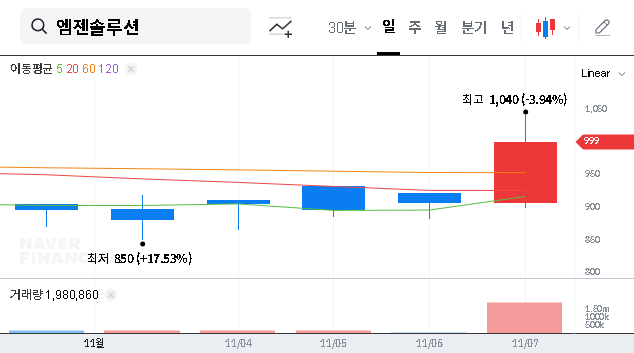
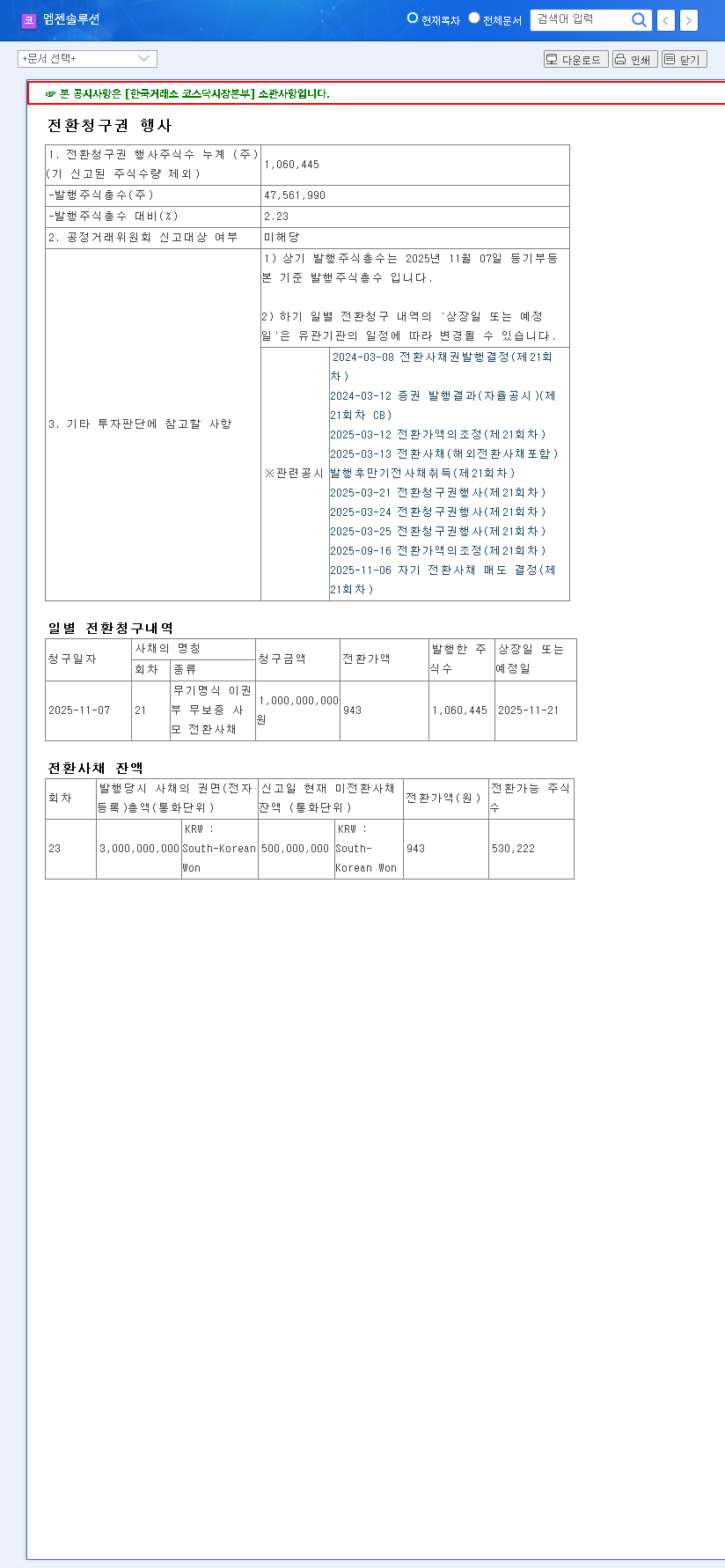
  • (032790) MGEN SOLUTIONS Convertible Bond (032790): A Deep Dive Analysis for Investors

    (032790) MGEN SOLUTIONS Convertible Bond (032790): A Deep Dive Analysis for Investors

    The recent announcement regarding the MGEN SOLUTIONS convertible bond issuance for 6 billion KRW has captured significant attention from investors. This strategic financial maneuver by MGEN SOLUTIONS CO., LTD. (032790) is a critical event that warrants a thorough examination. For shareholders and potential investors, understanding the implications of this convertible bond is key to navigating the potential risks and opportunities that lie ahead for the MGEN SOLUTIONS stock.

    This comprehensive report will dissect every facet of the issuance, from the underlying financial pressures prompting this decision to the potential shockwaves it could send through the company’s stock price. We will provide a clear-eyed stock investment analysis, helping you forge a well-informed strategy.

    Understanding the 6 Billion KRW CB Issuance

    On November 10, 2025, MGEN SOLUTIONS formally announced its decision to raise 6 billion KRW through a private placement of convertible bonds (CBs). Before delving into the specifics, it’s helpful to understand what a convertible bond is. It is a hybrid security that acts as a loan to the company, but gives the bondholder the right to convert their debt into a predefined number of company shares at a later date. This tool is often used by companies to raise capital at a lower interest rate than traditional loans.

    The key details of the 032790 CB issuance, as detailed in the Official Disclosure source, are as follows:

    • Issuance Size: 6 billion KRW (representing 11.27% of the total planned issuance).
    • Issuance Method: Private Placement to specific investors.
    • Key Investors: Able AI 1st Fund, Gowolheon.
    • Conversion Price: 993 KRW per share (a slight discount to the stock price of 1,023 KRW at the time of announcement).
    • Interest & Yield: Coupon rate of 1% and a maturity yield of 4%.
    • Conversion Period: December 10, 2026, to November 9, 2028.

    Why Now? Analyzing MGEN SOLUTIONS’ Financial Health

    The decision to issue a convertible bond is rarely made from a position of overwhelming strength. It is often a strategic move to address underlying financial challenges. In MGEN’s case, recent performance indicators suggest a clear need for liquidity to shore up its balance sheet and fund future growth.

    Mounting Financial Pressures

    Despite an 18.1% year-over-year increase in sales for Q1 2025, the company’s profitability took a severe hit, with operating income swinging to a deficit of 3.55 billion KRW. More alarmingly, the net borrowing ratio skyrocketed from 8.54% to 36.89%, signaling a sharp increase in debt relative to equity. This, coupled with a 20.3% decrease in total equity, paints a picture of a company facing significant financial strain that requires immediate capital injection.

    The Impact of the MGEN SOLUTIONS Convertible Bond on Stock Price

    This capital raise is a double-edged sword. While it provides a crucial short-term liquidity boost, the nature of a convertible bond introduces complexities that will likely affect the stock price.

    The Specter of Share Dilution

    The most immediate concern for existing shareholders is share dilution. When bondholders decide to convert their debt into stock, the total number of outstanding shares increases. This can decrease the earnings per share (EPS) and dilute the ownership percentage of current investors, often putting downward pressure on the stock price. With the conversion price (993 KRW) set below the recent market price, there is a clear incentive for bondholders to convert and sell for a quick profit, which could create a significant supply of new shares on the market.

    MGEN SOLUTIONS is at a critical juncture. This 6 billion KRW is a lifeline, but its effective deployment will determine whether it fuels genuine growth or merely postpones a financial reckoning. The market will be watching closely.

    Investment Strategy and Outlook

    Given the circumstances, investors should adopt a cautious and highly analytical approach to the MGEN SOLUTIONS stock.

    Short-Term Strategy: Brace for Volatility

    In the short term, the stock is likely to experience heightened volatility. The overhang from potential share dilution could suppress any upward price movement. Traders should be mindful of the conversion price of 993 KRW and a potential further downward adjustment to 696 KRW, which could act as psychological resistance and support levels.

    Long-Term Perspective: Focus on Execution

    The long-term success of this move hinges entirely on how effectively MGEN SOLUTIONS utilizes the 6 billion KRW. Investors should shift their focus to monitoring fundamental business progress. Scrutinize future quarterly reports for evidence that the capital is being used to drive tangible results, such as improving profitability in the core ICT division, successfully scaling the new Fire & Electrical division, and stabilizing the company’s overall financial structure. For a deeper understanding of what to look for, check out our guide to fundamental company analysis.

    Ultimately, the MGEN SOLUTIONS convertible bond issuance is a pivotal event. It provides the necessary fuel, but the journey ahead depends on the skill of the driver. Cautious, informed, and diligent monitoring is the best strategy for any investor considering this stock.

    (032790) MGEN SOLUTIONS Convertible Bond (032790): A Deep Dive Analysis for Investors 관련 이미지
  • (066910) SONOKONG Excure Hytron Acquisition: A Deep-Dive Analysis for Investors

    (066910) SONOKONG Excure Hytron Acquisition: A Deep-Dive Analysis for Investors

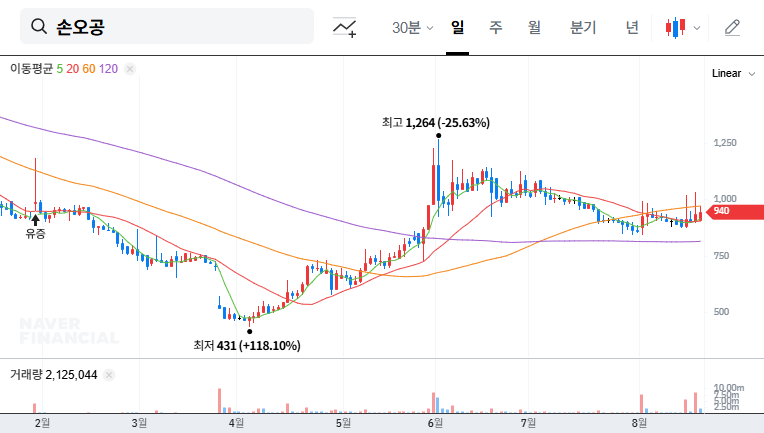
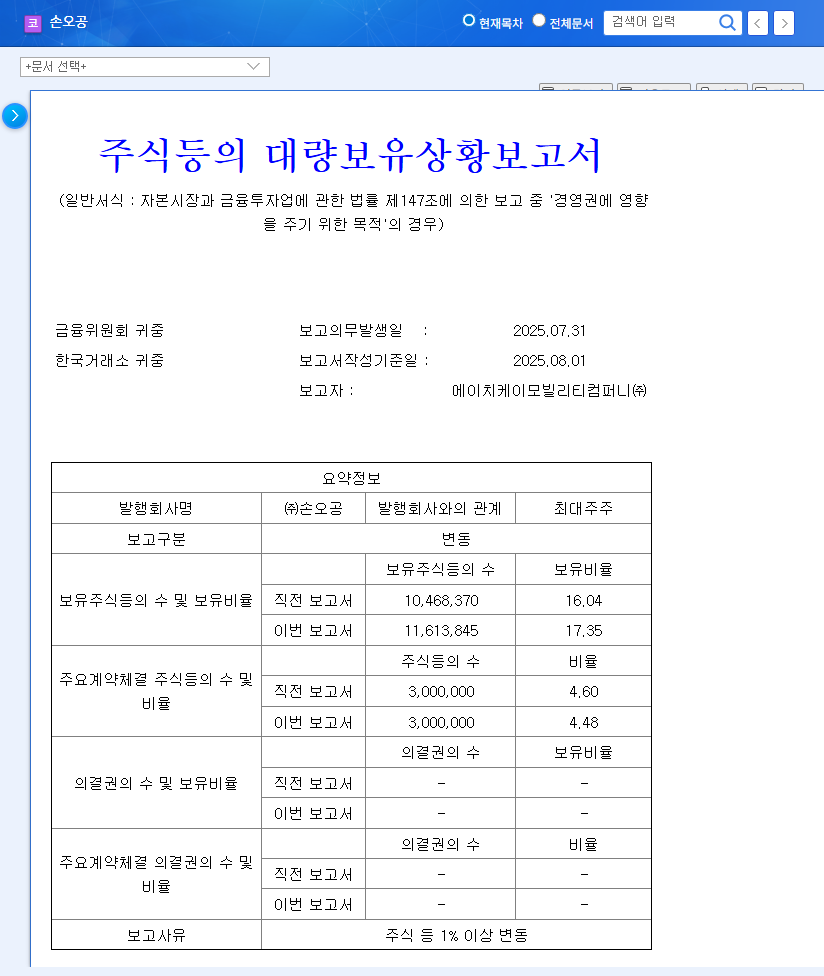
    In a significant strategic move, traditional toy and game giant SONOKONGCO.,LTD. (손오공) has announced a major investment into the tech sector. The SONOKONG Excure Hytron acquisition of a 7.7% stake for 7.1 billion KRW marks a pivotal moment for the company. This decision raises critical questions for investors: is this the new growth engine Sonokong needs to combat its declining core business, or a risky venture that could strain its financials? This comprehensive analysis delves into the fundamentals of the deal, the potential impacts, and provides a clear roadmap for stakeholders.

    We will break down every aspect of this crucial investment, offering insights into Sonokong’s strategy, the financial implications, and what the future may hold for the company’s stock value.

    The Deal Explained: A Closer Look at the Acquisition

    Key Details of the Investment

    On November 10, 2025, SONOKONGCO.,LTD. formally announced its intent to acquire a significant stake in Excure Hytron Co., Ltd., a manufacturer specializing in advanced video and audio equipment. The key figures of the transaction are:

    • Investment Amount: 7.1 billion KRW.
    • Equity Impact: This represents 14.38% of Sonokong’s total equity.
    • Resulting Stake: Sonokong will hold a 7.7% stake in Excure Hytron.
    • Timeline: The acquisition is expected to be finalized by November 28, 2025.

    The official disclosure for this transaction can be viewed directly on DART, providing full transparency. Source: Official Disclosure.

    The Rationale: Driving SONOKONG Business Diversification

    Sonokong has explicitly stated ‘business diversification’ as the core objective. This move is a direct response to the shifting dynamics within its existing operations. The company’s traditional toy and game segment has faced headwinds, showing an 11.8% year-over-year revenue decrease in H1 2025 and slipping into an operating loss. Conversely, its recent foray into automobile sales via its subsidiary, Klass Auto Co., Ltd., has shown promise, signaling an urgent need for new, stable revenue streams. The Excure Hytron investment is the next logical step in this strategic pivot away from an over-reliance on a volatile market.

    “This acquisition is a strategic choice to offset the weakening competitiveness of our existing core businesses and to generate new revenue streams in a rapidly changing market environment.”

    Impact Analysis: Opportunities vs. Risks

    Any major corporate action carries both potential upsides and significant risks. A thorough Sonokong stock analysis must weigh these factors carefully. For more context on market trends, see the latest reports from authoritative financial news outlets.

    Potential Positives (The Bull Case)

    • Reduced Dependency: Entering the video equipment market diversifies Sonokong’s portfolio, reducing its vulnerability to the toy industry’s seasonality and trends.
    • Long-Term Growth: The tech hardware sector offers a new avenue for sustainable revenue growth and market penetration, laying the groundwork for future expansion.
    • Synergy Opportunities: There’s potential for future collaboration. Excure Hytron’s technology could be integrated into interactive games, smart toys, or even the in-car entertainment systems for Sonokong’s auto sales division.

    Concerning Risks (The Bear Case)

    • Financial Strain: The 7.1 billion KRW investment is substantial and could pressure Sonokong’s short-term liquidity, especially with 33 billion KRW in convertible bonds already on the books.
    • Uncertain Synergy: The link between toys, cars, and high-tech audio/video equipment is not immediately obvious. If clear synergies fail to materialize, the diversification effect could be minimal.
    • Management Distraction: Focusing on a new venture could divert critical resources from the urgent task of revitalizing the core toy business and managing its financial structure.
    • Stock Dilution Risk: The large volume of outstanding convertible bonds poses a future dilution risk, which could place downward pressure on the stock price regardless of this new investment’s success.

    Investor Action Plan & Key Takeaways

    The SONOKONG Excure Hytron acquisition is a bold, forward-looking move, but it is not without its perils. Prudent investors should monitor several key areas as this strategy unfolds. For a deeper look at the company’s financial health, consider reviewing our previous quarterly earnings report analysis.

    Key considerations for your investment thesis:

    • Funding Source: Watch for disclosures on how the 7.1 billion KRW is funded—whether from cash reserves or new debt—as this will directly impact financial stability.
    • Synergy Roadmap: Look for clear, specific plans from management detailing how Sonokong and Excure Hytron will collaborate to create value.
    • Core Business Performance: Continue to track the performance of the legacy toy/game segment. A successful turnaround here would significantly de-risk the company’s overall profile.
    • Bond Overhang: Remain mindful of the convertible bonds and monitor for any signs of conversion that could lead to stock dilution.

    Ultimately, Sonokong’s future hinges on its ability to successfully integrate this new investment while simultaneously shoring up its existing operations. The next few quarters will be critical in determining whether this diversification strategy becomes a celebrated success or a cautionary tale.

    Disclaimer: This analysis is based on publicly available information and is for informational purposes only. It does not constitute investment advice. All investment decisions are the sole responsibility of the investor.

    (066910) SONOKONG Excure Hytron Acquisition: A Deep-Dive Analysis for Investors 관련 이미지
    (066910) SONOKONG Excure Hytron Acquisition: A Deep-Dive Analysis for Investors 관련 이미지
  • (396270) Nextchip Co., Ltd. Stock: A Deep Dive on Daishin Securities’ Investment

    (396270) Nextchip Co., Ltd. Stock: A Deep Dive on Daishin Securities’ Investment

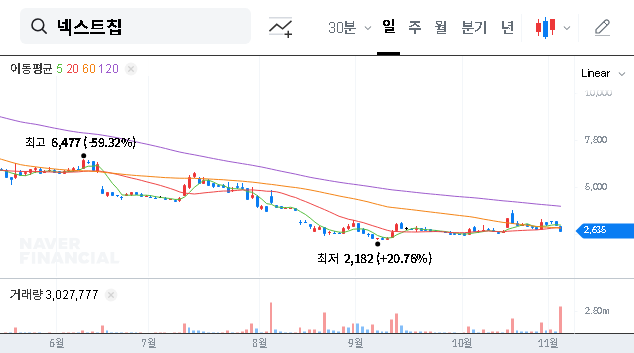
    The recent news of Daishin Securities acquiring a significant stake in Nextchip Co., Ltd. through convertible bonds has sent ripples through the investment community. This move raises a critical question: is this a vote of confidence that could rescue Nextchip from its financial turmoil, or is it merely a speculative play that adds more uncertainty to the company’s future? This comprehensive analysis delves into the official disclosure, Nextchip’s financial health, and the strategic implications for investors considering Nextchip stock.

    The Catalyst: Daishin Securities’ Strategic Stake

    On November 10, 2025, a pivotal development unfolded as Daishin Securities filed a ‘Report on the Status of Large Shareholdings.’ This report, submitted for simple investment purposes, confirmed their acquisition of Nextchip’s convertible bonds, resulting in a reported 9.21% stake. You can view the Official Disclosure on DART for complete details. Typically, when a reputable securities firm takes a notable position in a company, the market interprets it as a positive sign of underlying value. However, to truly understand the potential of Nextchip stock, we must look beyond this single event and scrutinize the company’s precarious financial foundation.

    Unpacking Nextchip’s Financial Crisis

    While the Daishin Securities news might spark short-term optimism, the reality for Nextchip Co., Ltd. is one of severe financial vulnerability. A clear-eyed view of its balance sheet reveals significant red flags that any prudent investor must consider.

    As of the first half of 2025, Nextchip is in a state of capital impairment, with total liabilities exceeding total assets. This is a critical warning sign regarding the company’s long-term solvency.

    Key Financial Weaknesses

    • Capital Impairment: With liabilities of KRW 46.64 billion surpassing assets of KRW 44.96 billion, the company is technically insolvent, a major concern for financial stability.
    • Persistent Losses: The company posted a significant operating loss of KRW 7.45 billion and a net loss of KRW 10.49 billion in H1 2025, continuing a troubling trend of unprofitability.
    • Declining Revenue: Sales have plummeted, with core products like automotive Image Signal Processors (ISP) and AHD solutions underperforming. New ventures in robotics and drones have yet to contribute meaningfully to the top line.

    Despite securing KRW 30 billion via convertible bonds in 2023 and a KRW 7.6 billion rights offering in 2025, these measures have been insufficient to resolve the deep-seated capital impairment issue. Continuous heavy investment in R&D, while necessary for future growth, further strains the company’s cash flow in the short term.

    Market Opportunity vs. Current Performance

    The irony for Nextchip Co., Ltd. is that it operates in sectors with immense growth potential. The disconnect between market opportunity and the company’s financial results is at the heart of the investment dilemma.

    High-Growth Automotive Semiconductors

    The market for automotive semiconductors is booming, fueled by the rapid adoption of Advanced Driver-Assistance Systems (ADAS) and the progression toward fully autonomous vehicles. Global safety mandates, such as Europe’s GSR II, are making features like driver monitoring and advanced cameras standard, creating sustained demand for Nextchip’s core technologies. For more context, you can read our Guide to Investing in the Semiconductor Sector.

    The Double-Edged Sword of Convertible Bonds

    Daishin’s investment was made through convertible bonds, a hybrid security that acts like a bond but can be converted into company stock. While this provides Nextchip with crucial funding, it presents a future risk. If Daishin converts these bonds to stock, it will increase the number of outstanding shares, potentially diluting the value for existing shareholders. Understanding how convertible bonds work is essential for any Nextchip stock investor. This mechanism adds another layer of volatility and is a key factor to monitor.

    Investor Action Plan: Navigating the Uncertainty

    Investing in Nextchip at this juncture is a high-risk, high-reward proposition. The involvement of Daishin Securities provides a glimmer of credibility, but it doesn’t erase the fundamental financial challenges. A prudent investment decision requires careful monitoring of several key areas.

    Key Monitoring Points:

    • Path to Profitability: Watch for tangible signs of operational turnaround, such as improved margins, cost controls, and rising sales revenue.
    • New Business Traction: Look for concrete revenue generation from the robotics and drone sectors, moving from potential to actual performance.
    • Daishin’s Next Moves: Closely track whether Daishin converts its bonds, sells its stake, or becomes more actively involved in the company’s strategy.
    • Capital Structure: Monitor for any additional fundraising efforts, as resolving the capital impairment is non-negotiable for long-term survival.

    Ultimately, investors must prioritize Nextchip’s fundamental recovery over short-term market hype. The road ahead is uncertain, but for those with a high tolerance for risk, the potential alignment with the growing automotive semiconductors market could offer significant upside if the company can navigate its financial crisis.

    Frequently Asked Questions (FAQ)

    Why did Daishin Securities invest in Nextchip Co., Ltd.?

    Daishin Securities acquired Nextchip’s Convertible Bonds for simple investment purposes. This suggests their analysis identified significant potential long-term value in the company, possibly tied to its technology and market position, despite its current financial state.

    What is Nextchip’s current financial status?

    As of H1 2025, Nextchip is in a state of capital impairment (liabilities exceed assets) and is experiencing continuous operating and net losses, along with a significant year-over-year decrease in sales revenue.

    How could the CB acquisition affect Nextchip’s stock price?

    In the short term, it may boost investor sentiment and the stock price. However, in the long term, if the bonds are converted to stock, it could lead to share dilution, potentially putting downward pressure on the stock price.

  • (046120) Orbitech Fine Technics Acquisition: A Deep Dive into the KRW 25B Deal & Future Outlook

    (046120) Orbitech Fine Technics Acquisition: A Deep Dive into the KRW 25B Deal & Future Outlook

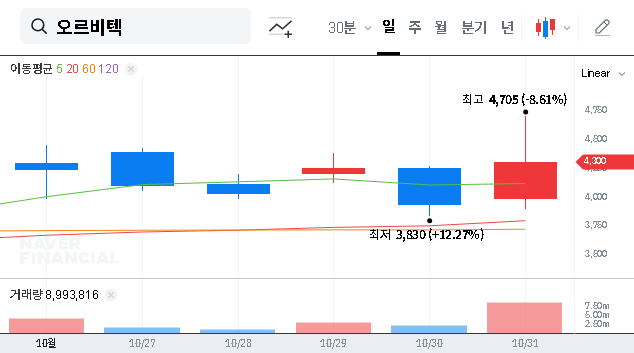
    The recent Orbitech Fine Technics acquisition has sent ripples through the market, prompting investors to ask a critical question: is this KRW 25 billion strategic maneuver a masterstroke for future growth or a risky gamble for a company grappling with profitability issues? Orbitech Co., Ltd.’s decision to acquire a 29.83% stake in Fine Technics represents a significant pivot, aiming to inject new life and diversify its revenue streams. This deep-dive analysis will dissect the deal’s structure, evaluate Orbitech’s fundamental health, explore the potential for corporate synergy, and outline a clear action plan for investors monitoring the situation.

    Unpacking the KRW 25 Billion Deal

    On November 10, 2025, Orbitech formally announced its intent to acquire a significant stake in Fine Technics for KRW 25 billion (approx. $18 million USD). This investment, which accounts for a substantial 43.32% of Orbitech’s own capital, is designed to secure management rights and unlock new avenues for corporate value enhancement. The full details of the transaction were disclosed in an Official Disclosure on the DART system.

    Payment and Funding Structure

    The funding for this major acquisition is structured to balance immediate cash outlay with longer-term financing, reflecting a cautious approach to liquidity management:

    • Initial Cash Payment: A down payment of KRW 5 billion was made in cash.
    • Remaining Cash Balance: An additional KRW 15 billion is to be paid in cash, representing the bulk of the transaction.
    • Convertible Bonds: The final KRW 5 billion will be financed through the issuance of convertible bonds, a move that mitigates immediate cash drain but introduces potential future stock dilution.

    Orbitech’s Crossroads: A Company of Contrasts

    To understand the motivation behind the Orbitech stake in Fine Technics, one must look at the company’s current state—a blend of stable, high-barrier businesses and pressing financial weaknesses.

    Core Strengths: Nuclear and Aerospace

    Orbitech’s foundation is built on two robust pillars. Its Nuclear Business is a consistent performer, securing reliable orders from major entities like Korea Hydro & Nuclear Power. This segment benefits from extremely high entry barriers due to stringent regulations and technological requirements, contributing nearly half of the company’s total revenue. Meanwhile, its Aerospace Business is on an upward trajectory, fueled by contracts for advanced projects like the KF-21 fighter jet and the broader post-pandemic recovery in global air travel.

    Pressing Weaknesses: The Profitability Problem

    Despite its strong core, Orbitech’s financial health is under strain. The company recorded a significant operating loss of KRW 5.84 billion in the first half of 2025, a stark reversal into deficit. This is primarily due to alarmingly high cost-of-sales ratios in its ISI (124.38%) and aerospace (132.94%) divisions. Compounding this issue are lingering losses from past diversification efforts and a high debt burden, which is becoming more expensive in a rising interest rate environment, as noted by sources like leading financial publications. This urgent need to improve Orbitech profitability is a key driver behind the acquisition.

    The success of the Orbitech Fine Technics acquisition hinges on one critical factor: Orbitech’s ability to translate potential synergy into tangible, sustained profitability. Without fixing its core cost issues, the benefits of diversification could be quickly eroded.

    The Synergy Question: How Fine Technics Fits In

    Fine Technics operates in the manufacturing of precursors (key materials for semiconductors and displays) and advanced LED lighting devices. The strategic rationale for the acquisition lies in the potential for corporate synergy between these operations and Orbitech’s existing businesses.

    • Technological Linkages: Fine Technics’ expertise in precision materials and electronics could be leveraged to enhance components used in Orbitech’s aerospace and nuclear ISI (In-Service Inspection) businesses.
    • New Growth Drivers: The acquisition provides Orbitech with immediate entry into the high-tech electronics component market, diversifying its portfolio beyond its traditional heavy industry focus.
    • Financial Consolidation: If Fine Technics performs well, its positive financial results can be consolidated into Orbitech’s statements, potentially offsetting losses and improving the overall financial picture.

    Investor Playbook: An Action Plan

    For investors, the Orbitech Fine Technics acquisition introduces both opportunity and risk. A wait-and-see approach backed by close monitoring is prudent. Focus on these key areas:

    • Monitor Profitability Metrics: Watch quarterly reports for any improvement in the cost-of-sales ratios for the aerospace and ISI segments. This is non-negotiable for long-term success.
    • Track Synergy Realization: Look for concrete announcements from management about joint projects, technology sharing, or cross-selling initiatives between Orbitech and Fine Technics.
    • Assess Financial Strain: Keep an eye on the company’s debt levels and cash flow statements to ensure the acquisition’s cost doesn’t cripple its operational flexibility.
    • Observe Convertible Bond Terms: Understand the conversion price and period for the bonds, as their conversion into stock could dilute existing shareholder value.

    Ultimately, this acquisition is a bold strategic bet. If Orbitech can successfully integrate Fine Technics while simultaneously fixing its own operational inefficiencies, it could emerge as a stronger, more diversified, and more profitable company. However, the path is fraught with financial and executional risks that warrant close investor scrutiny.

    (046120) Orbitech Fine Technics Acquisition: A Deep Dive into the KRW 25B Deal & Future Outlook 관련 이미지
  • (216080) JETEMA Stock Analysis: Major Stake Disclosure & Investor Guide (2025)

    The outlook for JETEMA stock (216080) has become a subject of intense speculation among investors. A recent disclosure filed by Korea Investment & Securities has unveiled a significant shift in the company’s major stakeholders, specifically involving a large holding of Convertible Bonds (CBs). This development prompts a critical question: is this a vote of confidence in JETEMA’s future, or a signal of underlying risks?

    This comprehensive analysis will delve into the specifics of the disclosure, evaluate JETEMA’s fundamental growth drivers against its persistent risks, and provide a clear-eyed perspective for anyone considering an investment in JETEMA stock. We’ll break down what this means for the company’s valuation and long-term trajectory.

    Unpacking the Major Stake Disclosure

    On November 10, 2025, a filing sent ripples through the market. The key points from the Official Disclosure revealed two critical changes:

    • Change in Reporting Entity: The primary stakeholder is now reported as the Hanwha-Shinhan Lake K-Beauty New Technology Investment Association, shifting from Korea Investment Partners. This is not just a name change; it signals a strategic alignment with an entity focused on the ‘K-Beauty’ and technology sectors, potentially indicating a more hands-on or synergistic partnership ahead.
    • Significant Convertible Bond Holdings: The association reported holding 4,057,110 shares of JETEMA’s convertible bonds. CBs are a hybrid financial instrument that acts as a loan but can be converted into company stock at a later date. This large holding represents a massive potential influx of new shares, a factor with both positive and negative implications for current shareholders.

    JETEMA’s Fundamentals: A Tale of Two Sides

    To understand the context of this disclosure, we must analyze JETEMA’s core business. The company presents a classic case of high growth potential weighed down by significant operational and financial risks.

    The Bull Case: Growth and Global Expansion

    • Product Pipeline: JETEMA is expanding beyond its core offerings with new products like HA fillers (Sunsu Fill) and advanced skin boosters (Pragie, Ecollus), tapping into the lucrative global aesthetics market.
    • Global Reach: The company is aggressively pursuing international markets, evidenced by toxin export contracts in Thailand and the strategic establishment of a U.S. corporation to penetrate the world’s largest aesthetic market.
    • Clinical Progress: Active clinical trials, including completed Phase 1 trials for therapeutic applications and ongoing Phase 3 trials in China, showcase a commitment to R&D and future revenue streams. This is a key factor for long-term JETEMA stock appreciation.

    The Bear Case: Profitability and Lingering Uncertainty

    • Margin Compression: Despite revenue growth, operating profit fell 58% in H1 2025. This is due to heavy spending on R&D and marketing—investments necessary for growth but which have squeezed the operating margin to a slim 4.36%.
    • Litigation Overhang: A significant risk is the ongoing administrative lawsuit concerning the flagship ‘JETEMA THE TOXIN’ product. An unfavorable outcome could severely damage the company’s reputation, finances, and market position.
    • High Debt Load: The company’s financial health is a concern, with a high debt-to-equity ratio (264%). The issuance of convertible bonds adds to this burden, potentially increasing interest expenses or diluting shareholder value upon conversion.

    The core challenge for any JETEMA investor analysis is balancing the company’s undeniable global growth potential against its very real financial and legal headwinds. The new stakeholder involvement adds another layer of complexity.

    Investor Outlook and Strategic Recommendations

    The disclosure acts as a catalyst, but it doesn’t fundamentally change the company’s underlying situation overnight. The presence of a major investment fund can be seen as a long-term positive, suggesting they see value that the market may be overlooking. However, the mechanism of their investment—convertible bonds—introduces the risk of stock dilution. This is a common strategy in the biotech and growth-stage sectors, where capital is needed to fund expansion.

    Macroeconomic factors, as reported by sources like Bloomberg, also play a role. A rising won/dollar exchange rate helps exports, but higher global interest rates can increase the burden on a high-debt company like JETEMA.

    Key Monitoring Points for Investors:

    • Litigation Updates: Any news on the administrative lawsuit will be a major catalyst for the stock price. Transparency from management is crucial.
    • Profitability Metrics: Watch quarterly earnings reports for any improvement in operating profit margins. This will show if their investments in marketing and R&D are starting to pay off efficiently.
    • Debt Management: Look for any announcements regarding financial restructuring or clear plans for managing the debt load and the eventual conversion of the CBs.
    • Investor Relations: Communication regarding the strategy of the Hanwha-Shinhan investment association will be key to understanding their long-term intentions.

    In conclusion, the major stake disclosure is a significant but neutral event in the short term. It validates the long-term growth story but also highlights the financial complexities. Investors should adopt a cautious and diligent approach, focusing on the company’s ability to execute its growth strategy while managing its critical risks. The path forward for JETEMA stock will be determined by tangible progress on these fronts, not by a single disclosure alone.