Tag: Commodities

  • (033790) FINO INC. Copper Supply Contract: An In-Depth Analysis for Investors

    (033790) FINO INC. Copper Supply Contract: An In-Depth Analysis for Investors

    The recent announcement of the FINO INC. copper supply contract, a massive 11.8 billion KRW deal with CITIC Metal(HK) Limited, has sent ripples through the investment community. For stakeholders in FINO INC., the critical question is clear: Does this contract signal a new era of growth and profitability, or is it a short-term revenue spike with underlying risks? This analysis provides a comprehensive breakdown for investors, leveraging official data to explore both the significant opportunities and the crucial cautionary points.

    We will dissect the contract’s details, evaluate its potential impact on FINO’s stock performance, and outline a strategic action plan for investors navigating this pivotal moment. This deep dive aims to move beyond the headlines, offering the clarity needed for informed decision-making.

    Breaking Down the 11.8 Billion KRW Deal

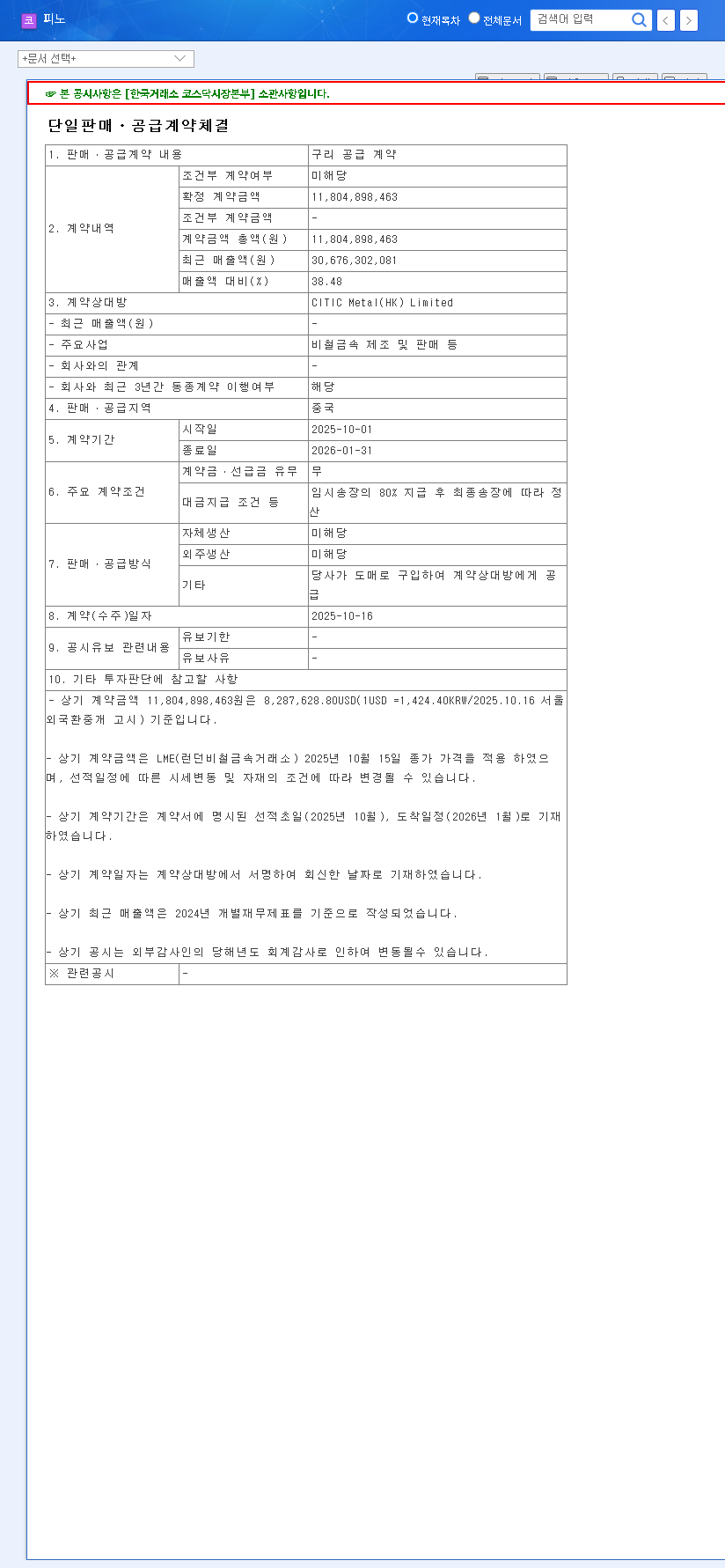
    On October 16, 2025, FINO INC. formally announced a landmark agreement that demands investor attention. This analysis is based on information from the company’s Official Disclosure. The key parameters of this copper supply contract are as follows:

    • Counterparty: CITIC Metal(HK) Limited
    • Contract Value: 11,800,000,000 KRW (approximately 8.5 million USD)
    • Contract Period: October 1, 2025 – January 31, 2026 (4 months)
    • Supply Region: China
    • Significance: Represents a staggering 38.48% of the company’s sales for the equivalent period.

    The Bull Case: Why This Contract is a Major Win

    The immediate implications of this deal are overwhelmingly positive and could serve as a powerful catalyst for FINO INC.’s stock. Here’s why this is more than just another sale.

    1. Substantial Short-Term Performance Boost

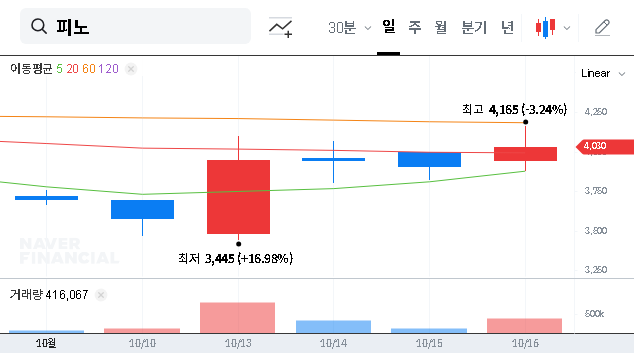
    A revenue injection of 11.8 billion KRW concentrated over Q4 2025 and Q1 2026 is poised to dramatically improve FINO’s income statement. This isn’t a minor increase; it’s a significant event that will likely lead to a strong earnings report, potentially beating analyst expectations and driving positive investor sentiment.

    2. Strategic Entry into the Chinese Market

    Securing a contract with a major entity like CITIC Metal(HK) Limited provides FINO with a credible foothold in the vast Chinese market. This partnership serves as a powerful endorsement of FINO’s product quality and reliability, potentially opening doors to further contracts and long-term relationships in the region.

    This deal is not just about revenue; it’s a strategic validator. Successfully fulfilling this contract could fundamentally change FINO INC.’s international standing and future growth trajectory.

    The Bear Case: Potential Risks to Consider

    While the upside is compelling, prudent investors must weigh the potential risks associated with the FINO INC. copper supply contract. These factors could temper the long-term outlook.

    1. The ‘Revenue Cliff’ and Contract Continuity

    The contract’s four-month duration is a double-edged sword. While it provides a quick boost, it raises concerns about what happens in Q2 2026. Is this a one-time transaction or the start of an ongoing partnership? Without confirmation of renewal or follow-on deals, FINO faces a potential ‘revenue cliff’ that could make year-over-year comparisons look poor in the future.

    2. Commodity Price Volatility

    The global copper market is notoriously volatile. Copper prices, influenced by global economic health, supply chain disruptions, and geopolitical events, can fluctuate wildly. As noted by sources like the London Metal Exchange, these shifts can severely impact profitability. If FINO’s contract doesn’t include hedging mechanisms, a sudden spike in raw material costs could erode or even erase the profit margins on this large deal.

    3. Geopolitical and Market Concentration Risk

    By supplying exclusively to China for this contract, FINO increases its exposure to a single market’s economic and political climate. Any shifts in Chinese industrial policy, trade relations, or economic slowdown could impact future business prospects and create a concentration risk that investors should monitor.

    Investor Action Plan & Final Thoughts

    The FINO INC. copper supply contract is undeniably a significant positive development. However, the associated risks necessitate a cautious and informed approach. Investors should prioritize the following actions:

    • Monitor Future Disclosures: Pay close attention to quarterly reports and any further announcements regarding contract extensions or new agreements with CITIC Metal.
    • Analyze Profit Margins: In the upcoming financial statements, scrutinize the gross profit margins. This will reveal how effectively FINO managed costs amidst copper price fluctuations. For more on this, see our guide to understanding FINO INC.’s financial health.
    • Track Copper Market Trends: Keep an eye on the broader copper market. Sustained high demand is a positive sign, while a downturn could signal headwinds for FINO.

    In conclusion, this contract provides a powerful short-term tailwind for FINO INC. The key to unlocking long-term value will be the company’s ability to convert this single major deal into a sustainable international partnership. Cautious optimism, paired with diligent monitoring, is the recommended strategy.
    (033790) FINO INC. Copper Supply Contract: An In-Depth Analysis for Investors 관련 이미지
  • (010130) Korea Zinc Investment Analysis: NPS Acquires 5% Stake – What’s Next for Investors?

    (010130) Korea Zinc Investment Analysis: NPS Acquires 5% Stake – What’s Next for Investors?

    The market is buzzing with a significant development for any Korea Zinc investment strategy: The National Pension Service (NPS), South Korea’s largest institutional investor, has officially disclosed a 5% stake in the non-ferrous metals giant. This move, while categorized as a ‘simple investment,’ sends powerful signals through the financial community. For current and prospective investors, this raises critical questions about the company’s future valuation, stability, and growth prospects. This comprehensive analysis will dissect the implications of the NPS stake in Korea Zinc, evaluate the company’s fundamentals, and provide a strategic outlook to guide your decisions.

    NPS Secures Major Stake: The Details

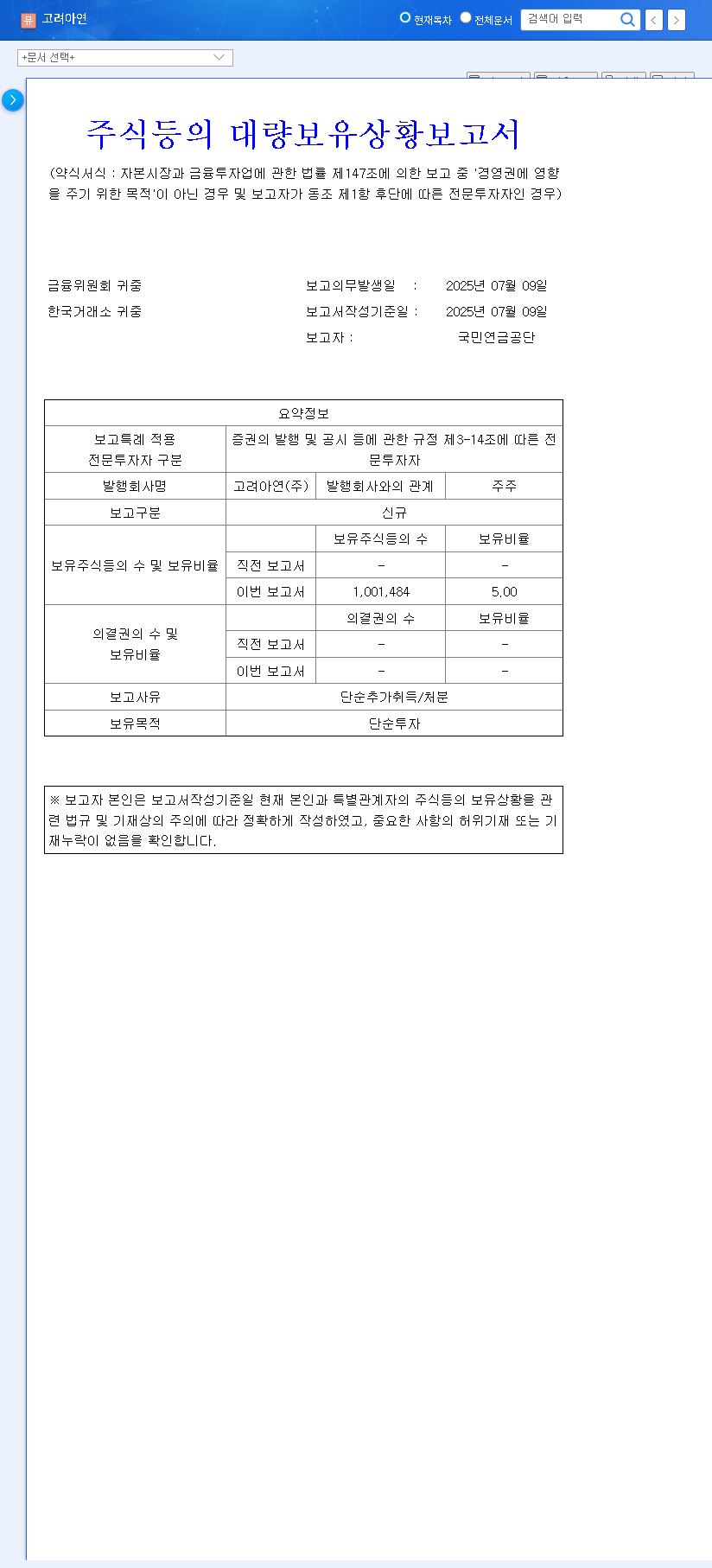
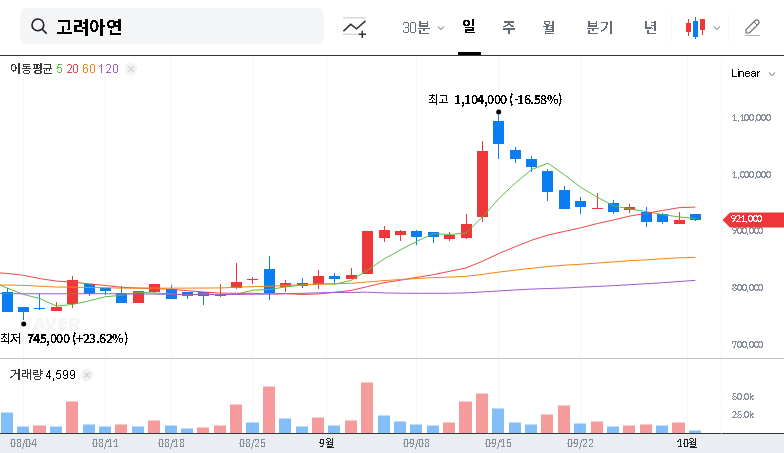
    On October 1, 2025, the National Pension Service filed a ‘Report on the Status of Large Shareholding,’ revealing its acquisition of a 5.00% stake in Korea Zinc Co., Ltd. This makes the NPS a major shareholder in a company boasting a market capitalization of over 17.8 trillion KRW. The stated purpose of this holding is for ‘simple investment,’ a classification that merits careful interpretation. You can view the Official Disclosure (DART) for complete transparency. The involvement of an entity with the scale and long-term horizon of the NPS invariably influences market perception and can impact stock stability.

    While a ‘simple investment’ label suggests a hands-off approach, the sheer weight of an NPS endorsement can act as a powerful vote of confidence in a company’s underlying value and long-term potential.

    Deep Dive: Korea Zinc Stock Analysis & Fundamentals

    To understand the context of this Korea Zinc investment, we must perform a thorough fundamental analysis, examining both the macroeconomic environment and the company’s internal health.

    Global Economic and Commodity Headwinds

    Korea Zinc’s profitability is intrinsically linked to global commodity prices and currency fluctuations. The current landscape presents a mixed bag of opportunities and threats. For a broader view on market trends, investors often consult authoritative sources like Reuters Financial News.

    • Interest & Exchange Rates: While US interest rates create funding pressure, the strong USD/KRW exchange rate benefits export competitiveness.
    • Zinc & Lead: Zinc prices show modest gains but face slowdown concerns, while lead prices have declined due to oversupply.
    • Precious Metals: Gold and Silver have surged, providing a significant boost to this business segment amid geopolitical uncertainty.
    • Nickel: Prices have fallen due to slowing demand in the secondary battery market, impacting subsidiaries like Kemco.

    Performance Across Business Segments

    The company’s diversified portfolio shows varied performance. The core non-ferrous metals business remains robust, with strong gold and copper sales offsetting weaker lead and silver volumes. However, subsidiaries like Sun Metals and KG Trading have seen revenues decline due to currency effects and reduced sales. The secondary battery materials segment (Kemco) has also faced challenges from falling nickel prices. The renewable energy arm, Ark Energy, represents a key area for future growth but currently has variable revenue streams.

    Financial Health and Key Risk Factors

    As of mid-2025, Korea Zinc maintains a strong financial structure with total assets of 148.4 trillion KRW against 70.0 trillion KRW in liabilities. While operating profit saw a decline, net income grew substantially. The company’s commitment to cancelling over 2 million treasury shares signals a focus on enhancing shareholder value. However, a prudent Korea Zinc stock analysis must acknowledge significant risks:

    • Market Volatility: The company’s profits are sensitive to commodity and currency fluctuations.
    • Management Disputes: Ongoing legal disputes and shareholder proposals create a cloud of uncertainty over corporate governance. For more details, you can read our analysis on corporate governance trends.
    • Regulatory Risks: Stricter environmental and safety regulations could increase operational costs and legal liabilities.

    Investment Strategy: Navigating Your Korea Zinc Investment

    The National Pension Service’s Korea Zinc acquisition is a stabilizing, positive signal. It suggests confidence in the company’s long-term value despite short-term headwinds. However, investors should adopt a nuanced strategy.

    For the short-term investor, the NPS news may provide a modest boost to sentiment, but the fundamental risks—especially commodity price swings and management disputes—will likely limit any explosive price growth. A cautious approach is warranted.

    For the long-term investor, the focus should be on several key areas. Monitor the tangible progress and profitability of the new growth engines in renewable energy and secondary battery materials. Keep a close watch on the resolution of the management disputes, as a stable governance structure is crucial for long-term value creation. Finally, continue to track the actions of the NPS; any further increase in their stake could signal deepening confidence and positively influence the stock’s trajectory.

    In conclusion, while the NPS’s entry is a significant positive, a successful Korea Zinc investment requires a comprehensive approach that balances this institutional endorsement against the tangible risks and opportunities within the company and the broader market.

    Disclaimer: This analysis is for informational purposes only and does not constitute investment advice. All investment decisions should be made based on your own research and judgment.

    (010130) Korea Zinc Investment Analysis: NPS Acquires 5% Stake – What's Next for Investors? 관련 이미지
  • Manho Steel’s Turnaround: A Deep Dive into Q2 2025 Earnings and Investment Outlook

    1. What Happened? Key Events Impacting Manho Steel

    Manho Steel experienced two significant events: corrections to its 2024 business report and improved performance in Q2 2025. The report corrections addressed previously omitted information regarding shareholder meetings, enhancing transparency. The company achieved a KRW 400 million operating profit in Q2, signaling a potential recovery.

    2. Why the Turnaround? Analyzing the Drivers and Implications

    Cost reductions in raw materials, sales & administration, and financial expenses drove the return to profitability. However, revenue declined year-over-year due to decreased orders. This highlights the need for fundamental improvements in business competitiveness, rather than relying solely on cost-cutting measures.

    3. Positive or Negative? Market Environment and Future Outlook

    Manho Steel is sensitive to external factors like oil prices, exchange rates, and interest rates. Rising oil prices could pressure margins, while high interest rates dampen investment sentiment. Declining logistics costs offer a positive counterpoint. The potential for global economic slowdown requires ongoing monitoring.

    4. Action Plan for Investors

    • Secure Order Competitiveness: Addressing the decline in orders is crucial. Manho Steel needs a proactive strategy for securing new orders and diversifying its business.
    • Strengthen Cost Management: Effective cost management strategies are vital to mitigate risks from fluctuating raw material prices and exchange rates.
    • Transparent Management: Given past audit issues and management disputes, Manho Steel must prioritize transparent communication with shareholders and build trust.

    Frequently Asked Questions

    Is Manho Steel’s Q2 2025 profitability sustainable?

    The turnaround was driven by cost reductions. Sustained profitability depends on securing new orders and increasing revenue. Continued efforts to enhance competitiveness and favorable market conditions are key.

    What are the key risks to consider when investing in Manho Steel?

    Investors should carefully consider the company’s history of audit issues and management disputes, declining revenue trends, and the impact of external economic factors.

    What is the outlook for Manho Steel?

    The outlook depends on the company’s ability to address key challenges, including securing orders, managing costs, and improving management transparency. External economic conditions will also play a significant role.

  • Korea Zinc Q2 2025 Earnings: Key IR Insights and Stock Forecast

    What Happened?: Korea Zinc’s Q2 IR Announcement

    Korea Zinc announced its Q2 2025 earnings release and Investor Relations (IR) presentation on July 31, 2025.

    Why It Matters: Mixed Q3 Results Raise Investor Questions

    While Q3 saw increased revenue due to rising zinc, gold, and silver prices, net profit declined due to falling lead prices and weakness in some business segments. Investors are eager to understand Q2 performance and the outlook for the future, particularly regarding zinc prices and management’s strategic direction.

    What’s Next?: Key IR Focus Points & Stock Forecast

    • Zinc Price: Decreasing LME inventories are positive, but the global economic slowdown could dampen demand.
    • Gold & Silver Prices: Safe-haven demand may drive prices higher, but volatility is expected.
    • Lead Price: Continued downward pressure is anticipated due to China’s economic slowdown and oversupply.
    • Macroeconomic Impact: Fluctuations in exchange rates, interest rates, and commodity prices directly affect Korea Zinc’s profitability. Pay close attention to management’s risk management strategies.

    Depending on the IR outcome, the stock price could experience significant short-term volatility. Positive earnings and a favorable zinc price outlook could drive the stock higher, while negative factors could lead to a decline. Long-term, the success of the company’s investment plans will be a key driver of stock performance.

    Investor Action Plan:

    Carefully review the IR presentation and pay close attention to management’s Q&A to address uncertainties. Monitor market reactions and adjust your investment strategy based on new information.

    FAQ

    When will the Q2 earnings be released?

    Korea Zinc’s Q2 2025 earnings will be released during the IR presentation on July 31st.

    What is the outlook for zinc prices?

    Declining LME inventories suggest a potential supply shortage, but the global economic slowdown could reduce demand. The IR presentation should offer a more detailed outlook.

    What is the outlook for Korea Zinc’s stock price?

    Short-term volatility is expected depending on the IR outcome and market conditions. Long-term stock performance will depend on the success of the company’s investment plans.

  • Hyundai Everdigm’s Q2 2025 Earnings: A Surprise Turnaround

    1. Hyundai Everdigm’s Q2 2025 Performance: Key Highlights

    Hyundai Everdigm posted impressive results in Q2 2025, with revenue of KRW 85.3 billion, operating profit of KRW 2.8 billion, and net profit of KRW 0.3 billion. This marks a significant improvement from Q1, with a revenue increase of KRW 23.2 billion and a shift from losses to profits in both operating and net income.

    2. Key Drivers of the Turnaround

    • KHNP ESSD Project: The large-scale project secured in Q1 contributed significantly to the revenue growth in Q2.
    • Booming Overseas Mining Market: Continued strong performance in the mining sectors of Mongolia, Australia, and Latin America boosted export sales.
    • Improved Cost Management: Effective cost reduction efforts implemented after a challenging Q1 played a crucial role.
    • Seasonality: The construction industry typically experiences stronger performance in Q2 compared to Q1.

    3. External Environment Analysis and Impact

    While positive factors like stable US interest rates and decreasing raw material prices contributed to the improved performance, challenges such as delays in the Middle East’s Neom City project persist. However, expectations of a rate cut by the Bank of Korea could stimulate domestic economic recovery, potentially benefiting Hyundai Everdigm.

    4. Action Plan for Investors

    While the Q2 turnaround is a positive sign, investors should consider the following:

    • Hyundai Everdigm’s strategy for securing future growth engines beyond the KHNP ESSD project.
    • The pace and extent of recovery in domestic and international construction markets.
    • The company’s ability to manage volatility in raw material prices and exchange rates.

    Careful monitoring of future announcements and reports will be crucial for a comprehensive understanding of the company’s outlook.

    Frequently Asked Questions

    What are the main reasons for Hyundai Everdigm’s Q2 turnaround?

    The key factors include revenue recognition from the KHNP ESSD project, a continued boom in overseas mining markets, improved cost management, and seasonal factors.

    What should investors consider before investing?

    Key considerations include the company’s post-KHNP ESSD project growth strategy, the recovery of domestic and international construction markets, and its ability to manage volatility in raw material prices and foreign exchange rates.

    Where can I find more detailed information?

    More information can be found on Hyundai Everdigm’s official website and the DART (Data Analysis, Retrieval, and Transfer System) website.

  • POSCO International Q2 2025 Earnings: A Deep Dive into the Sharp Drop in Net Profit

    1. POSCO International Q2 2025 Performance: What Happened?

    POSCO International reported revenue of KRW 81.441 trillion and operating profit of KRW 3.137 trillion in Q2 2025. While revenue remained consistent with Q1, and operating profit showed growth, net profit plummeted to KRW 898 billion, a significant 55.76% decline compared to the previous quarter.

    2. Analyzing the Net Profit Decline: Why Such a Steep Drop?

    • Global Economic Slowdown: The persistent high interest rate environment in the US and Europe, coupled with the slowdown in China, negatively impacted POSCO International’s trading business.
    • Commodity Price Volatility: Fluctuations in oil prices and foreign exchange rates likely influenced the results. The strong Korean Won is suspected to have contributed to a decrease in export revenue.
    • Myanmar Business Risks: The ongoing political uncertainty in Myanmar remains a substantial risk factor, potentially impacting the decline in net profit.

    3. Future Investment Strategies: Navigating Uncertainty

    Significant uncertainty persists concerning the global economy, commodity prices, and the Myanmar situation. Investors should await further disclosures to gain a clear understanding of the net profit decline and the company’s strategic response. Caution is advised when making investment decisions.

    4. Action Plan for Investors

    Investors should consider the following:

    • Monitor Further Disclosures: Carefully review the company’s official announcements regarding the reasons for the net profit decline and its future outlook.
    • Track Macroeconomic Indicators: Stay informed about changes in key macroeconomic indicators such as global economic growth, exchange rates, and commodity prices.
    • Manage Risk: Diversify investment portfolios to mitigate potential risks.

    Frequently Asked Questions

    Q: Why did POSCO International’s Q2 net profit drop so sharply?

    A: Factors such as the global economic slowdown, fluctuating commodity prices, and risks associated with the Myanmar business are suspected to be primary contributors. However, further disclosures are necessary to pinpoint the exact cause.

    Q: Is it advisable to invest in POSCO International now?

    A: Given the uncertainties surrounding the global economy, commodity prices, and the Myanmar situation, investors are advised to exercise caution and await further disclosures before making investment decisions.

    Q: What is the outlook for POSCO International’s stock price?

    A: The future stock price will likely be heavily influenced by the recovery of the global economy, stabilization of commodity prices, and resolution of the risks related to the Myanmar business.

  • Korea Zinc Stock Forecast: Impact of Legal Dispute with Youngpoong

    1. The Youngpoong-Korea Zinc Legal Dispute: What Happened?

    On October 2, 2024, Youngpoong filed a criminal complaint against Korea Zinc’s board of directors. The case is currently under investigation by the prosecution, and Korea Zinc plans to disclose further details upon confirmation of specific facts or within six months.

    2. Why is this Legal Dispute Significant?

    This legal battle could considerably affect Korea Zinc’s financial stability and future growth strategy. Negative impacts such as increased legal costs, business disruptions, and weakened investor sentiment are anticipated. The additional financial burden could be particularly detrimental to Korea Zinc, which already has a high debt-to-equity ratio. The diversion of management’s focus and increased uncertainty could also negatively impact business operations.

    3. Korea Zinc Stock Forecast: What’s the Potential Impact?

    Increased stock price volatility is expected in the short term. The long-term impact will depend on various factors, including the outcome of the legal dispute, fluctuations in raw material prices and exchange rates, the global economic climate, and the performance of new business ventures. Rising gold and silver prices are positive factors, while a global economic downturn and slowing Chinese economic growth could pose negative challenges. The success of new ventures, such as Pedalpoint’s acquisition of Kataman Metals and Kemco’s investment in an all-in-one nickel refinery, will also be key variables.

    4. Investor Action Plan

    • • Closely monitor the progress and outcome of the legal dispute.
    • • Regularly review Korea Zinc’s financial statements and disclosures.
    • • Keep an eye on macroeconomic variables such as raw material prices, exchange rates, and global economic indicators.
    • • Minimize investment losses through portfolio diversification and risk management.
    What is the cause of the legal dispute between Youngpoong and Korea Zinc?

    The exact cause is yet to be revealed, and the case is currently under investigation by the prosecution.

    How will this legal dispute affect Korea Zinc’s stock price?

    It may cause increased stock price volatility in the short term and affect the stock price in the long term depending on the outcome of the legal dispute and the macroeconomic climate.

    How should investors respond?

    Investors should closely monitor the progress of the legal dispute, financial information, and macroeconomic indicators, and minimize investment losses through portfolio diversification and risk management.

  • Korea Zinc Stock Forecast: No Change in CEO Yoonbum Choi’s Stake, Fundamental Analysis, and Investment Strategy

    1. What Happened?

    On July 25th, Korea Zinc announced that CEO Yoonbum Choi’s stake remained unchanged. A small purchase by Kim Jacqueline had no significant impact. The key takeaway is the ‘conclusion or change of contract regarding shareholdings’. While details are undisclosed, this could significantly influence future stock prices.

    2. Why Does It Matter?

    Korea Zinc, specializing in non-ferrous metal smelting, is sensitive to commodity price fluctuations. Recent zinc price increases are positive, but declining lead prices and global recession concerns are negative factors. The success of new business ventures (renewable energy, secondary battery materials) is crucial for future growth. These factors could be impacted by the undisclosed contract details.

    3. What Should Investors Do?

    While short-term price prediction is difficult, long-term investors should consider the following:

    • Details of the shareholding contract: Monitor future disclosures and news for contract details and analyze their impact on corporate value.
    • Commodity price fluctuations: Continuously monitor price trends for zinc, lead, gold, and silver.
    • New business progress: Analyze the progress and market competitiveness of new ventures in renewable energy and secondary battery materials.
    • Global economy, exchange rates, and interest rates: Analyze the impact of macroeconomic indicators and establish risk management strategies.

    4. Investor Action Plan

    Due to lack of information, investment decisions are difficult. It is advisable to wait until the details of the ‘contract regarding shareholdings’ are disclosed. Afterward, consider the factors mentioned above comprehensively before making investment decisions.

    Q: What is the impact of the announcement of no change in CEO Choi’s stake on Korea Zinc’s stock price?

    A: The short-term impact is expected to be limited. However, depending on the details of the ‘conclusion or change of contract regarding shareholdings’, it could impact future stock prices.

    Q: What should investors consider when investing in Korea Zinc?

    A: Investors should consider commodity price fluctuations, the success of new business ventures, global economic conditions, and changes in exchange rates and interest rates. It is crucial to monitor future disclosures regarding the ‘contract regarding shareholdings’.

  • LS Materials Stock Plunge: Analyzing the Sell-Off and Future Outlook

    Analyzing the LS Materials Sell-Off

    Four investment companies, including KV Investment No.1 Co., Ltd., have significantly reduced their stake in LS Materials from 8.98% to 4.96%. This substantial decrease, enough to impact management control, has sent ripples through the market.

    Reasons Behind the Weak Performance

    Even before the sell-off, LS Materials experienced disappointing Q1 results. The UC division struggled with weak demand, falling prices, intensified competition in China, and fluctuating demand in North America. The Aluminum division saw profitability shrink due to declining demand for auto parts and rising raw material prices. The Landscape Materials division faced headwinds from public project delays and increased competition.

    The Shadow of Macroeconomic Headwinds

    • Interest Rate Hikes: Rising interest rates in the US, Europe, and Korea dampened investor sentiment and likely led to decreased investment in growth sectors.
    • Rising Raw Material Prices: Increasing oil and aluminum prices squeezed LS Materials’ profitability.
    • Exchange Rate Fluctuations: Changes in the won/dollar and won/euro exchange rates directly impacted the export-heavy UC division.
    • Global Slowdown: Indicators like the declining China Containerized Freight Index point to a global slowdown, negatively impacting LS Materials’ core businesses.
    • Rising Bond Yields: Higher bond yields in the US and Korea attracted investment towards safer assets, drawing funds away from growth stocks like LS Materials.

    Action Plan for Investors

    A short-term stock decline is anticipated, but the long-term outlook hinges on the reasons behind the sell-off, the macroeconomic environment, and the success of new business ventures. Investors should closely monitor relevant information and make informed investment decisions. Further analysis of stock charts to understand the correlation between past performance, stock price, and market reaction is crucial.

    Q: What is the outlook for LS Materials stock?

    A: A short-term decline is expected, but the long-term outlook depends on the reasons for the sell-off, macroeconomic conditions, and the success of new business ventures.

    Q: What caused the large sell-off?

    A: Several factors may have contributed, including potential management disputes, profit-taking, and general market sentiment.

    Q: Why did LS Materials have weak Q1 results?

    A: Key factors include weak demand in the UC division, rising raw material prices in the Aluminum division, and public project delays impacting the Landscape Materials division.

  • CJ CheilJedang Q2 2025 Earnings: What to Expect? (IR Analysis)

    1. CJ CheilJedang Q1 2025: A Look Back

    CJ CheilJedang’s Q1 2025 results showed year-over-year declines in revenue, operating profit, and net income. This was due to a combination of seasonal factors, the sale of its livestock feed business, rising raw material prices, and exchange rate fluctuations. However, the growth of the BIO division and the premium product strategy offer some positive signs.

    2. Q2 2025: Potential for Rebound?

    The key question for Q2 is whether CJ can recover from its Q1 slump. The success of its food business’ premiumization and global expansion strategies, along with the continued growth of the BIO division, will be closely watched. Positive results could provide upward momentum for the stock price.

    3. Key Variables: Exchange Rates, Commodities, and Interest Rates

    • Exchange Rates: Fluctuations in the KRW/USD and KRW/EUR exchange rates significantly impact CJ CheilJedang, which has a high proportion of exports. Increased volatility could lead to profit erosion.
    • Commodity Prices: Rising grain prices put pressure on the food business. The effectiveness of CJ’s hedging strategy is crucial.
    • Interest Rates: Rising interest rates pose a challenge for CJ CheilJedang, given its high debt-to-equity ratio.

    4. Investor Action Plan: Focus on the IR

    Investors should pay close attention to the Q2 earnings announcement on August 12th, focusing on management’s outlook and their strategies for addressing the key variables mentioned above. Specifically, look for details on plans to reduce debt and manage risks related to exchange rates and commodity price fluctuations.

    Frequently Asked Questions

    When is CJ CheilJedang’s Q2 earnings announcement?

    It is scheduled for August 12, 2025.

    What were the main reasons for the poor Q1 performance?

    A combination of seasonal factors, the sale of its livestock feed business, increased raw material prices, and unfavorable exchange rate movements.

    What should investors be cautious about?

    Investors should consider external factors such as exchange rates, commodity prices, and interest rates, as well as the company’s financial structure and future strategies.