The ongoing I-ROBOTICS management dispute has cast a shadow of uncertainty over the company, known by its ticker I-ROM. On October 14, 2025, a public disclosure of a significant lawsuit initiated by a bloc of minority shareholders sent ripples through the market, demanding the attention of current and prospective investors. This event is more than just a legal battle; it’s a critical inflection point that could redefine the company’s leadership, strategy, and long-term corporate value.
How will this internal conflict impact I-ROM’s trajectory? From immediate stock price volatility to fundamental shifts in corporate governance, this comprehensive analysis will dissect the complex situation at I-ROBOTICS,Co.,Ltd. We will explore the root causes of the dispute, project potential outcomes, and provide a strategic roadmap to help you make informed investment decisions in these turbulent times.
The Core of the I-ROBOTICS Management Dispute
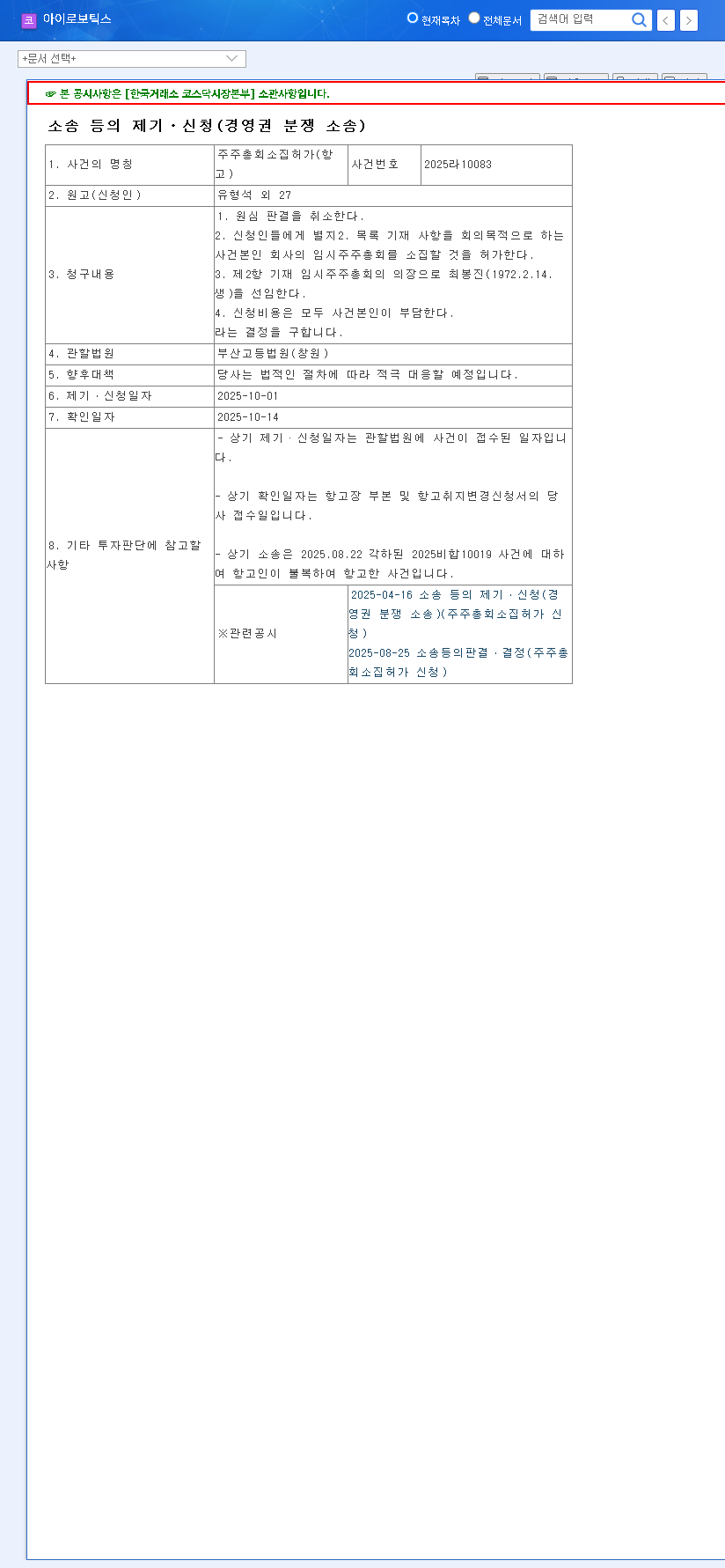
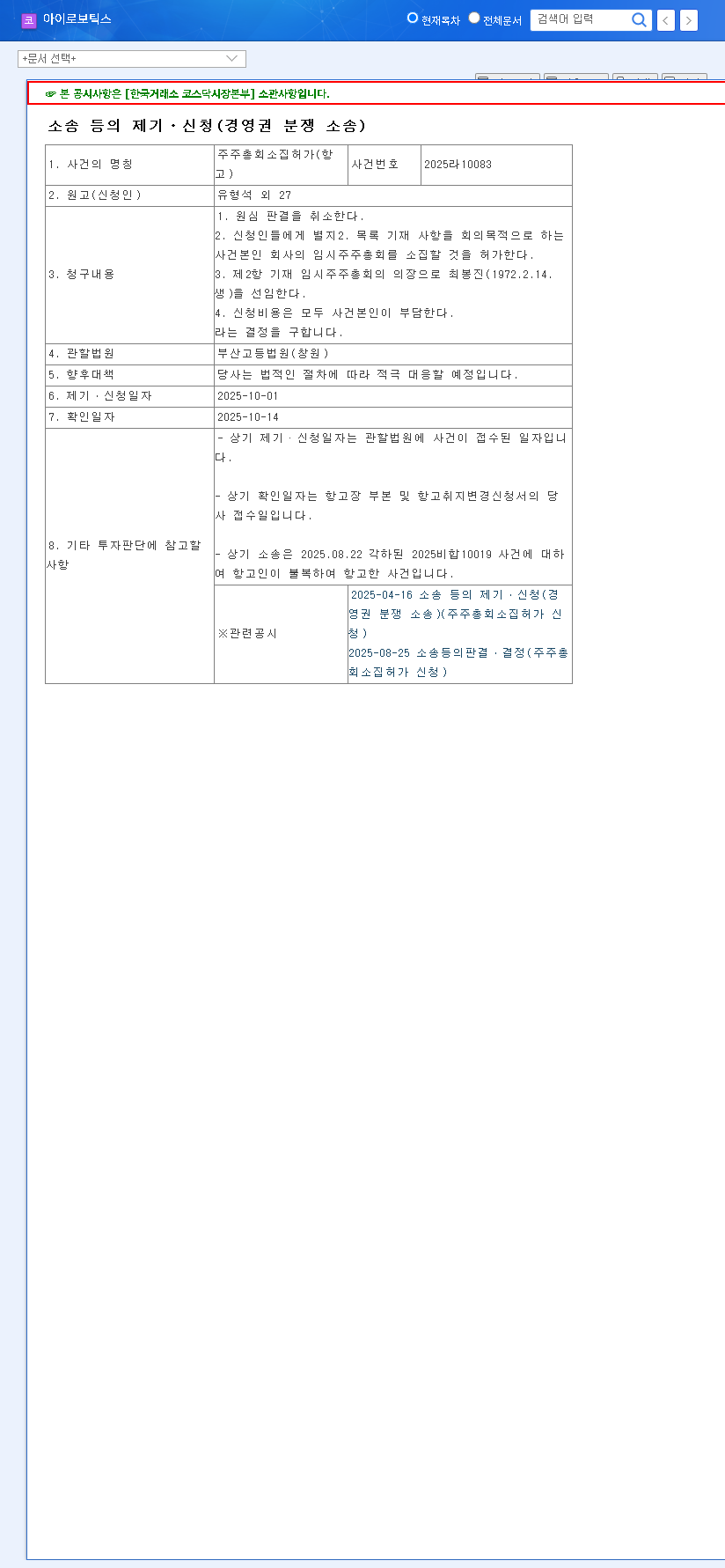
The situation escalated on October 14, 2025, when I-ROBOTICS,Co.,Ltd. (I-ROM) formally announced the filing of a ‘Lawsuit/Application for Legal Proceedings’ by a group of 27 shareholders, including Yoo Hyeong-seok. The full details of the lawsuit were made public in an Official Disclosure (Source). The shareholders have petitioned the Busan High Court (Changwon) for permission to convene an extraordinary general meeting. Their key demands include the cancellation of a prior judgment, the authority to convene this new meeting, and the appointment of an interim chairman. In response, the current management has stated its firm intention to contest these claims through all available legal channels.
Key Catalysts Driving the Shareholder Lawsuit
This I-ROM lawsuit did not arise in a vacuum. It is the culmination of growing discontent fueled by several interconnected factors, from financial underperformance to a broader trend of investor empowerment.
1. The Rise of Shareholder Activism
Recent business reports from I-ROM have highlighted a notable increase in shareholder activism among its minority investors. This movement signifies a deep-seated distrust in the current management’s ability to steer the company effectively and a powerful desire to enforce checks and balances. The lawsuit is the most visible manifestation of this sentiment, with demands for improved corporate governance at its core. This includes calls for no-confidence votes against leadership, amendments to the articles of incorporation, and strategic appointments of new directors and auditors—all aimed at reshaping the company’s decision-making framework. For more on this trend, you can read about the principles of shareholder activism on authoritative financial sites.
2. A Closer Look at I-ROM’s Financial Health
The company’s deteriorating financial performance is a primary source of shareholder frustration. While I-ROM operates in the stable PE film manufacturing and raw material distribution sector, its recent results have been alarming.
For the 2024 fiscal year, I-ROM reported sales of KRW 36.14 billion and an operating profit of KRW 934.62 million. However, a staggering net loss of KRW 1.48 billion, driven by financial asset valuation losses, marked a sharp turn into deficit.
- •Profitability Crisis: The transition to a net loss and a consistent decline in sales since late 2022 are major red flags that have eroded investor confidence.
- •Mixed Financial Soundness: While the company boasts a low debt-to-equity ratio and a strong current ratio, these positive indicators are overshadowed by the negative profitability and declining Earnings Per Share (EPS), which directly impact shareholder returns.
3. Navigating a Turbulent Macroeconomic Climate
External economic pressures have further compounded I-ROM’s internal challenges, creating a perfect storm for dissent:
- •Currency & Interest Rate Risks: Delays in interest rate cuts by the US Federal Reserve and the European Central Bank could amplify KRW/USD and KRW/EUR exchange rate volatility, directly increasing the cost of imported PE raw materials.
- •Rising Logistics Costs: An upward trend in global shipping indicators like the Baltic Tanker Index points to rising freight costs, which will squeeze profit margins for an import/export-dependent business like I-ROM.
Projecting the Future: Short & Long-Term Impacts
The outcome of the I-ROBOTICS management dispute will have profound and lasting effects on the company’s stock performance and overall health.
Immediate Turbulence: Short-Term Stock Volatility
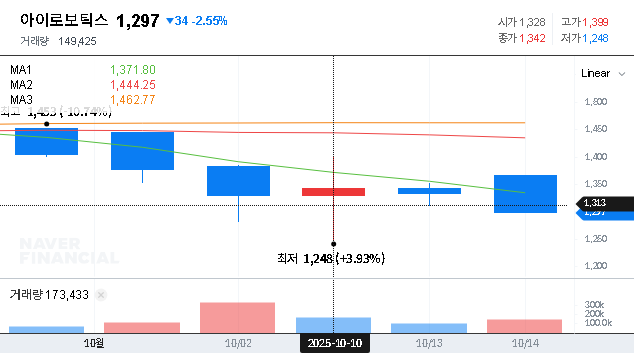
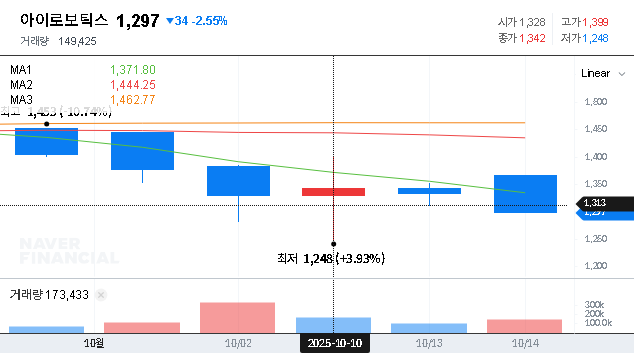
In the short term, investors should brace for heightened stock price volatility. The uncertainty surrounding the lawsuit’s outcome can trigger sharp price swings. While the prospect of a new, more effective management team could build positive expectations, the protracted legal battle and defensive maneuvers by the existing board could just as easily lead to a contraction in investor sentiment.
The Long Game: Corporate Value and Strategic Shifts
Over the mid-to-long term, the impact could be transformative:
- •Potential for Governance Improvement: A successful challenge by the minority shareholders could lead to a more transparent board and improved management practices, ultimately enhancing long-term corporate value. Our guide on analyzing corporate governance structures provides more detail.
- •Strategic Overhaul: A new leadership team could pivot the company’s core business strategy, focusing on restoring profitability in the PE film division and optimizing asset management.
- •Financial Burden: The legal costs associated with the dispute will be a temporary but real financial drain on the company.
A Strategic Action Plan for Investors
Given the high stakes, a cautious and analytical approach to investing in I-ROM is paramount. This is not a time for speculation but for diligent monitoring.
- •Monitor Legal Proceedings: Keep a close watch on every development in the I-ROM lawsuit. The court’s final decision will be the most significant catalyst for change.
- •Assess New Leadership: If a management change occurs, scrutinize the new leadership’s track record, business acumen, and their stated vision for the company’s future.
- •Focus on Fundamentals: Look beyond the courtroom drama. The ultimate measure of success will be a tangible improvement in business performance—specifically, a return to net profitability.
- •Stay Informed on Macro Trends: Continue to analyze how macroeconomic shifts in interest rates, currency, and raw material costs will impact I-ROM’s operational environment.
In conclusion, the I-ROBOTICS management dispute represents a critical juncture. Any investment decision should be made with extreme caution and be based on a thorough analysis of the company’s evolving governance, leadership, and financial recovery prospects.
Disclaimer: This content is for informational purposes only and is based on publicly available information. It is not intended as investment advice. The ultimate responsibility for investment decisions rests with the individual investor.